Fuzziest Animals in Nature
Some animals look like they walked straight out of a stuffed toy factory. Their fur defies logic, puffing out in ways that make you wonder how they function in the wild.
But that fluff serves real purposes—warmth, protection, camouflage. Nature has a way of making survival look adorable.
Chinchillas

These South American rodents have the densest fur on the planet. Where most animals grow one hair per follicle, chinchillas sprout 60.
The result is a coat so thick that parasites can’t penetrate it and water beads right off. In the wild, they live in the Andes Mountains where temperatures drop well below freezing.
That fur keeps them alive. Touch one and it feels like silk mixed with air.
Arctic Fox in Winter

The arctic fox transforms completely when winter arrives. Its summer coat gives way to a white puff that makes the animal look twice its actual size.
This isn’t just for show. The winter coat has two layers—a dense undercoat and longer guard hairs—creating air pockets that trap heat.
In the harshest arctic conditions, these foxes can survive temperatures down to minus 70 degrees Celsius. They curl into tight spheres and tuck their faces into that magnificent tail, which acts like a built-in blanket.
Baby Harp Seals

Harp seal pups arrive on ice floes covered in white fuzz that makes them almost spherical. This coat, called lanugo, lasts only about two weeks before molting.
During that short window, the pups look like living clouds. The white fur provides camouflage against the ice, protecting them from predators while they’re still learning to swim.
But it’s not waterproof, which is why mothers keep their pups on ice until the adult coat grows in.
Angora Rabbits

Wild rabbits have normal coats. Angora rabbits, through selective breeding, have become walking fiber factories. But their wild cousins, particularly the European rabbit in colder climates, develop surprisingly thick winter coats.
The domestic Angora just takes this trait to an extreme. Their fur grows continuously, creating a halo effect around their bodies. In nature, rabbits with thicker coats survive better in harsh winters, which is why northern populations tend toward fluffier specimens.
Red Pandas

Red pandas sport a russet coat that puffs out in cold weather, making them look like oversized stuffed animals. They live in the Himalayan mountains and high-altitude forests of China where temperatures drop significantly.
That thick fur covers even their paws, giving them traction on icy branches. When they sleep, they wrap their tails around their bodies for extra warmth.
The fluff isn’t uniform either. Their bellies have darker, shorter fur, while their backs and tails carry the bulk of the insulation.
Snowy Owlets
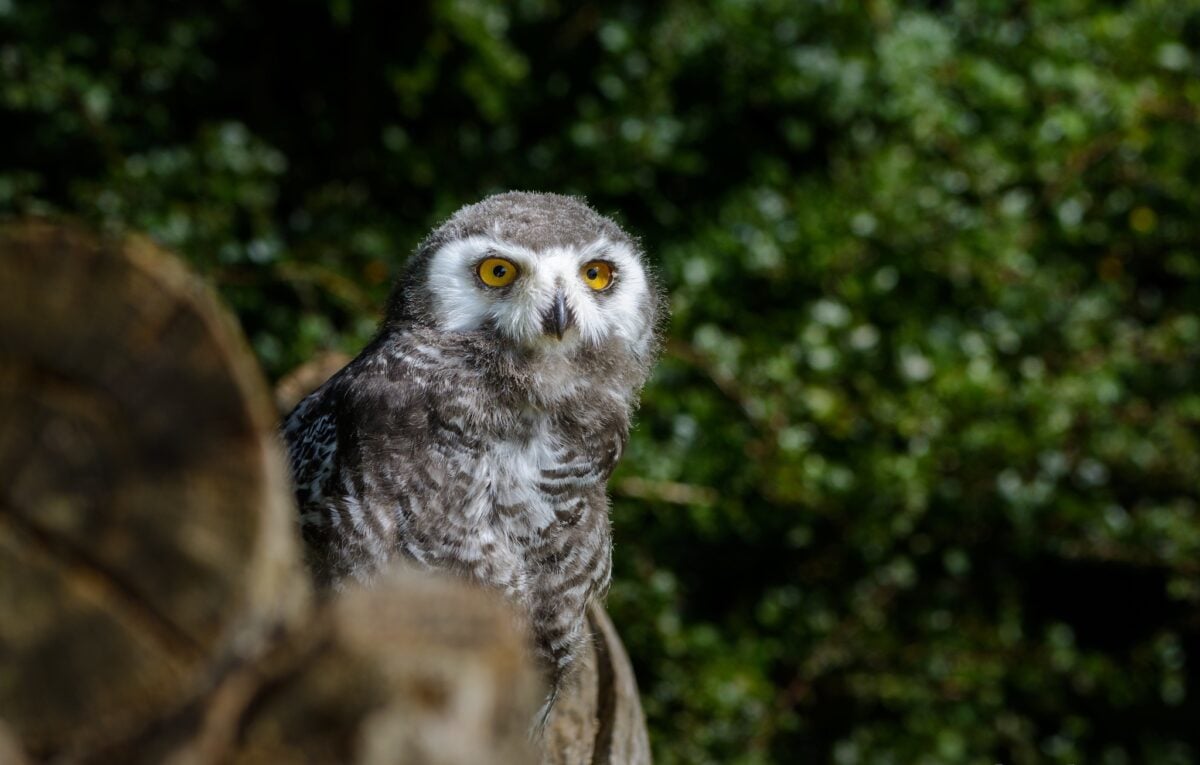
Baby snowy owls look like cotton tufts with eyes. They hatch in the Arctic tundra where ground temperatures can be brutal, even in summer.
Their down is so dense that it takes weeks before you can see their actual body shape. Adult snowy owls are impressive, but the chicks take fluffiness to another level.
This down traps heat so effectively that the chicks can survive even if parents take longer than usual to return with food.
Arctic Hare
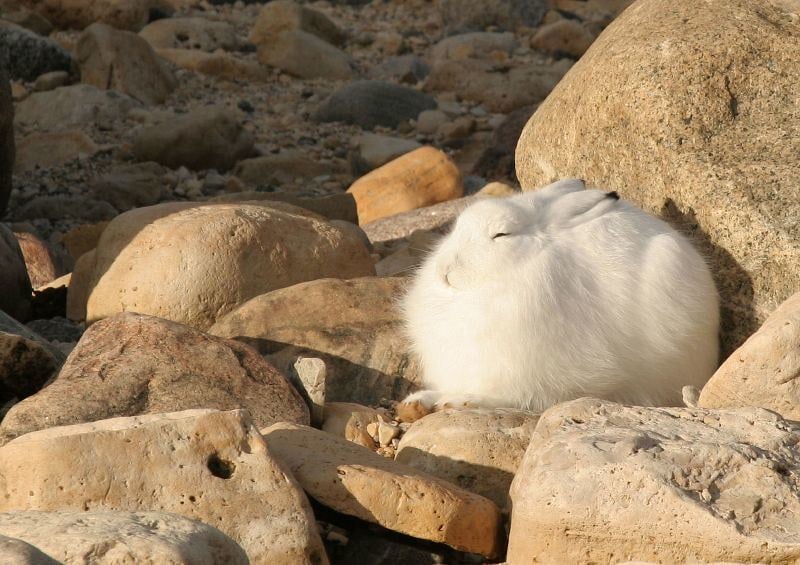
The arctic hare grows a winter coat that could shame most blankets. These animals live in the northernmost reaches of Canada and Greenland, places where winter means months of darkness and cold that can freeze exposed skin in minutes.
Their summer coat is relatively short and brown, but come fall, they transform into white powder puffs. The ears stay relatively short to minimize heat loss, but every other part of them balloons with fur.
They can reach running speeds of 40 miles per hour despite looking like they should just roll away.
Koalas
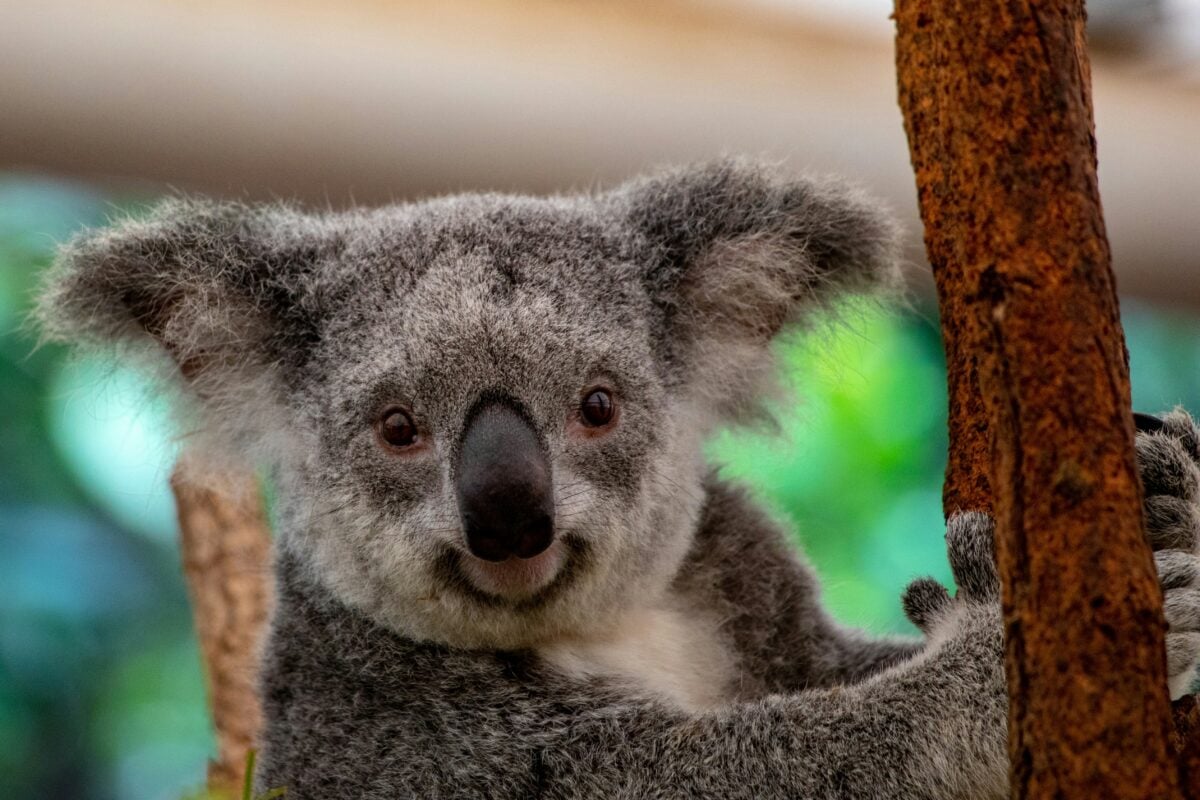
Koalas look cuddly, but their fur serves specific purposes. It repels water, keeps them cool in Australian heat, and provides cushioning when they sit in trees for 18 to 22 hours a day.
The fur on their backs is denser and oilier than the belly fur, shedding rain in the eucalyptus forests where they live. Their rumps have particularly thick fur, essentially creating a built-in cushion for their tree-sitting lifestyle.
That fuzzy appearance isn’t just cute—it’s functional engineering.
Baby Emperor Penguins

Emperor penguin chicks look nothing like their sleek parents. They’re covered in gray-brown fluff that makes them appear round and helpless.
This down coat is critical because they’re born in Antarctica during the worst months of winter. The chicks huddle together in crèches while parents hunt, and that fluff keeps them from freezing.
Eventually, they molt into the waterproof feathers they need for swimming, but for months, they’re just adorable puffballs standing on the ice.
Silkie Chickens

While domesticated, silkie chickens originated in Asia and retain traits from their wild ancestors. Their feathers lack barbicels—the hooks that make normal feathers lie flat—so instead of sleek plumage, they have fur-like fluff.
Wild birds with similar mutations wouldn’t survive because the feathers don’t repel water or provide efficient flight. But silkies, protected by humans, showcase what happens when feather structure changes.
You can’t even see their wings or legs beneath all that fluff.
Alpacas
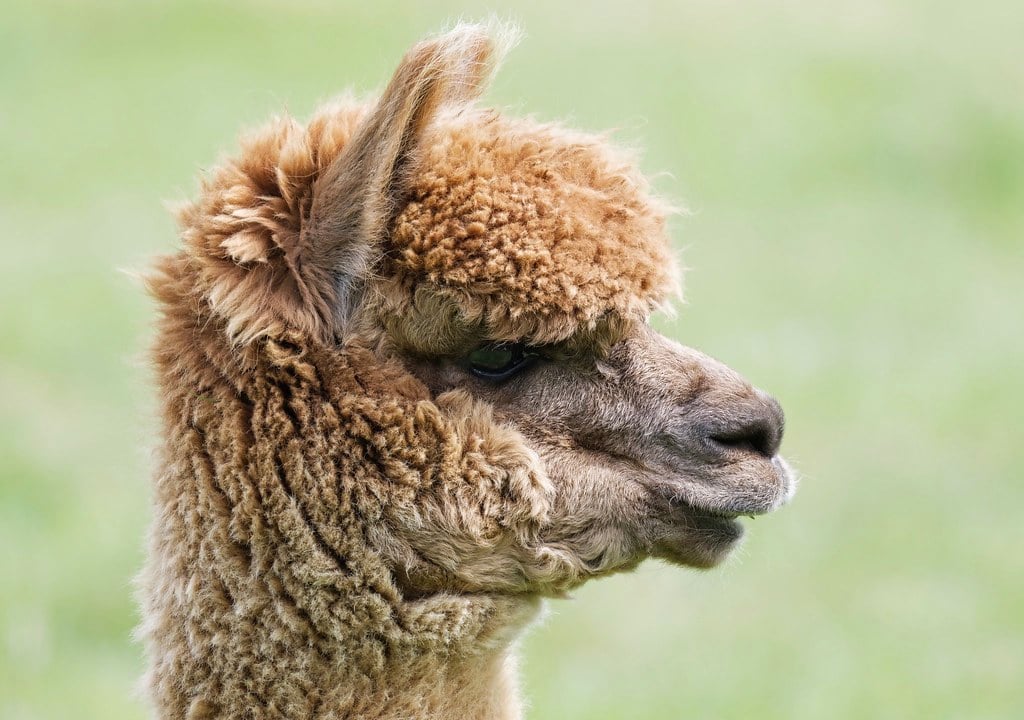
Alpacas live in the high Andes where thin air and cold nights make survival challenging. Their fiber is hollow, creating air pockets that trap warmth without adding weight.
Unlike wool, alpaca fiber doesn’t contain lanolin, and it’s hypoallergenic. In the wild, alpacas developed this coat to handle extreme temperature swings—scorching days and freezing nights.
The domesticated versions we see today retain all that natural insulation. You can see them in herds on mountainsides, looking like clouds grazing on grass.
Musk Oxen
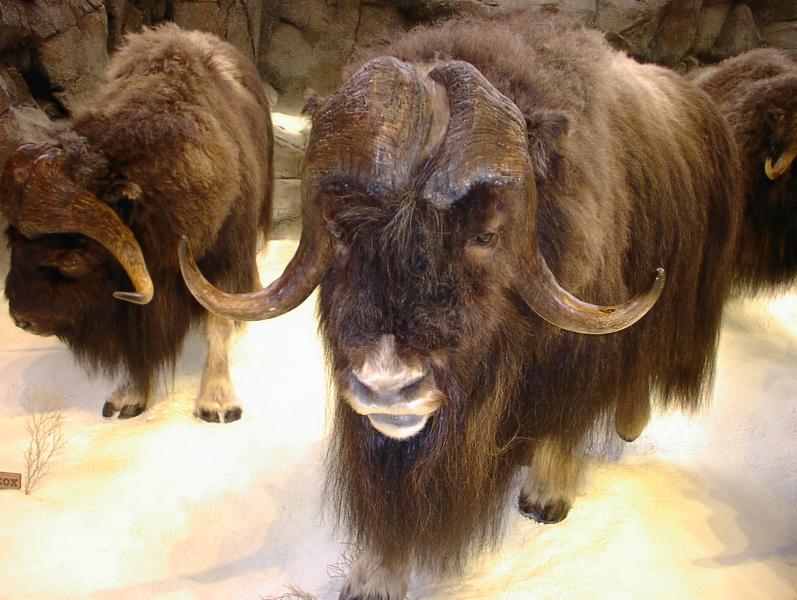
Musk oxen carry some of the longest fur in the animal kingdom. Their outer coat, called guard hair, can reach nearly three feet in length.
Beneath that lies qiviut, an undercoat so fine and warm that it’s eight times more insulating than sheep’s wool. These animals live in the Arctic tundra where winter lasts most of the year.
When blizzards hit, they form circles with the young in the center, creating living windbreaks with their massive fuzzy bodies. The fur hangs in curtains almost to the ground, giving them a prehistoric appearance.
Pallas’s Cats
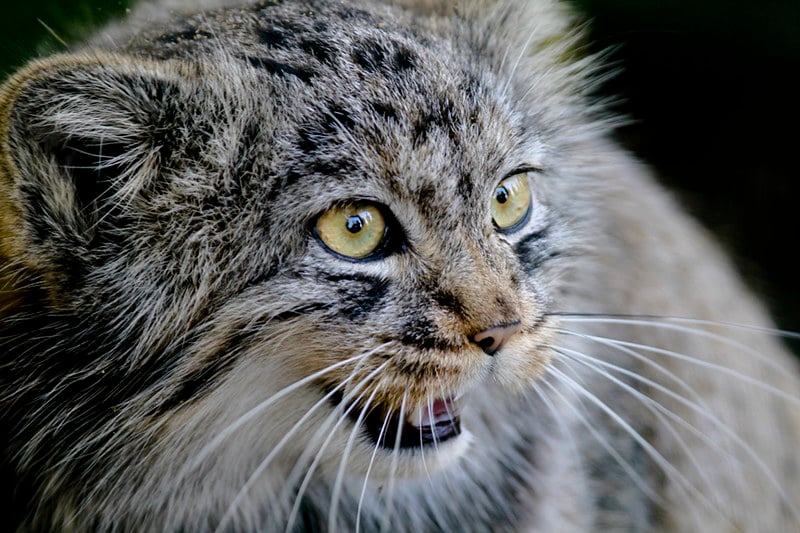
Pallas’s cats, also called manuls, might be the fluffiest wild cats on Earth. They live in the mountainous regions of Central Asia where winters are long and brutal.
Their fur is so dense that their actual body size surprises people—most of what you see is fluff. The coat is twice as long on the belly and tail as on the back, helping them stay warm when lying on frozen ground.
Their round faces, small ears, and massive coats make them look perpetually grumpy and eternally fluffy.
Sea Otters

Fur so thick you could lose a marble in it – that’s how packed sea otter hair is. Cold ocean? No blubber to help here; warmth comes only from what covers their skin.
Two levels of fur work together, holding tiny pockets of air like nature’s own scuba suit. Time spent cleaning isn’t vanity – it keeps the airy shield locked in place.
Each day brings more combing, rolling, blowing, just to stay dry. That thick layer stops working right when it gets grimy, putting the animal at serious risk.
Spot one drifting belly-up and what comes into view is something like a bloated dart, oddly light because of pockets of air stuffed deep inside its pelt.
Where Softness Serves Purpose

Fur on wild creatures exists because life depends on it, never just to look nice. Often, more puff means tougher surroundings.
Snow, rain, thin air up high – they require deep warmth that only thick coats provide. What we find cute started as a need long ago, every strand shaped by cold, dampness, danger.
Softness holds clever design, hidden under what catches our eye.
More from Go2Tutors!

- 16 Historical Figures Who Were Nothing Like You Think
- 12 Things Sold in the 80s That Are Now Illegal
- 15 VHS Tapes That Could Be Worth Thousands
- 17 Historical “What Ifs” That Would Have Changed Everything
- 18 TV Shows That Vanished Without a Finale
Like Go2Tutors’s content? Follow us on MSN.