18 Vehicles That Were Years Ahead of Their Time (But Flopped Anyway)
Innovation doesn’t always translate to success in the automotive world. Some of the most forward-thinking vehicles have crashed and burned in the marketplace despite their groundbreaking features and designs.
These mechanical marvels arrived before consumers, infrastructure, or technology was ready to embrace them. Here is a list of 18 vehicles that pioneered concepts we now take for granted but failed to find commercial success during their time.
Tucker 48
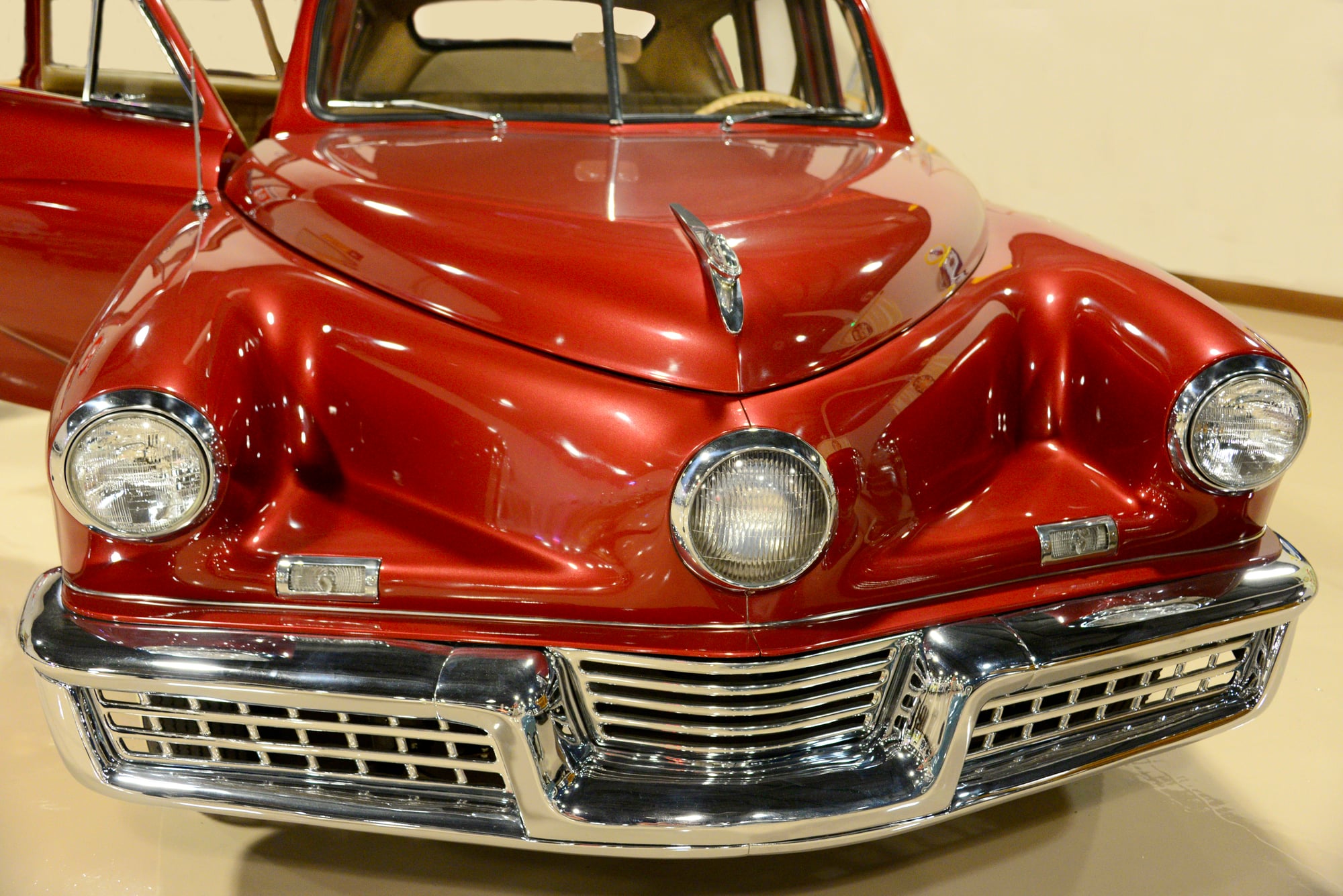
Safety features like a pop-out windshield, a padded dashboard, and a central headlight that rotated with the steering wheel were all included in Preston Tucker’s ground-breaking vehicle. The company only produced 51 before going out of business in 1949 due to financial difficulties and contentious SEC inquiries.
The Tucker came to represent American ingenuity stifled by long-standing industry titans.
NSU Ro80
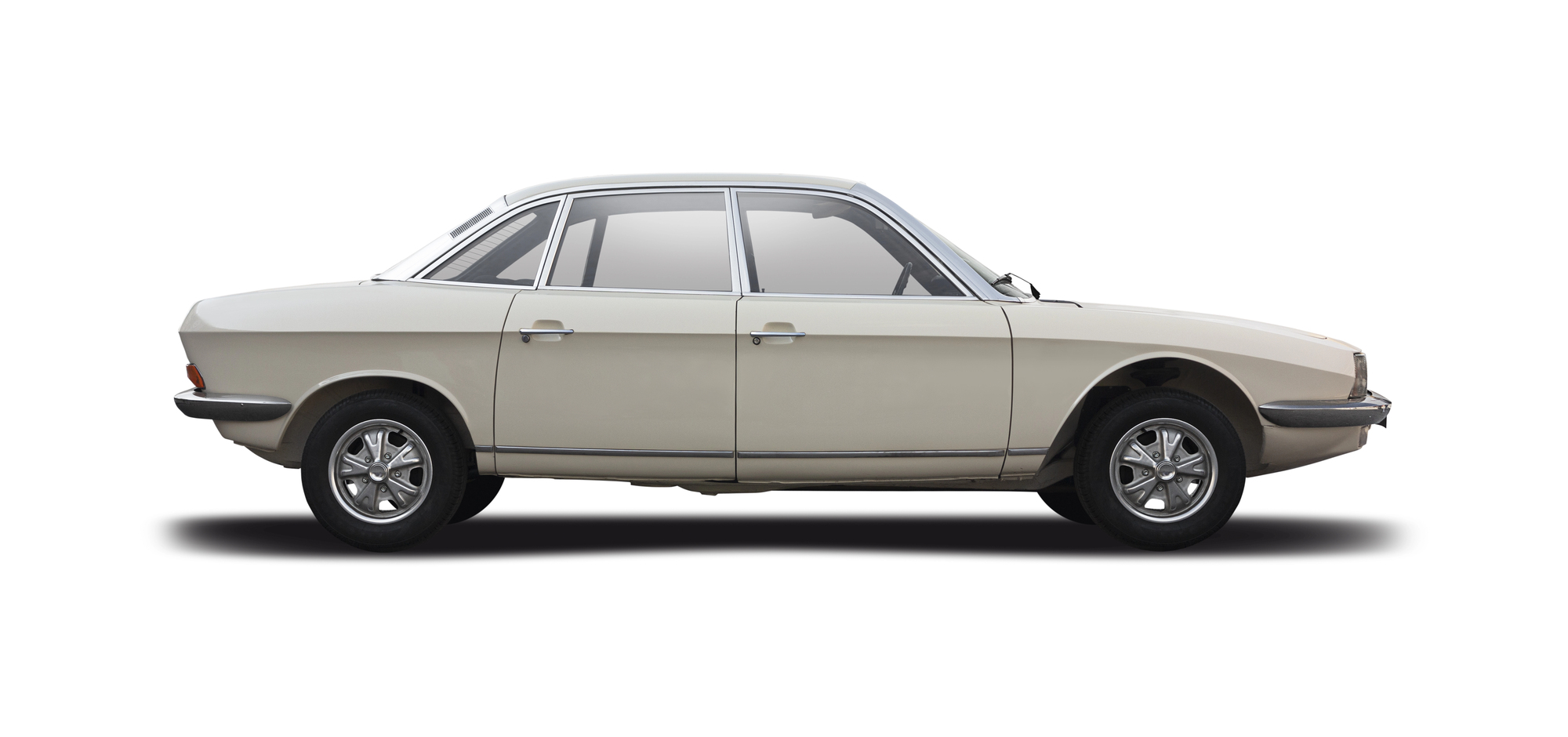
This elegant German sedan’s Wankel rotary engine and aerodynamic styling earned it the 1968 European Car of the Year award. Its complicated engine’s reliability concerns sealed its doom, despite its futuristic design and seamless performance.
After going bankrupt due to warranty repairs, NSU was eventually acquired by Volkswagen.
Chrysler Turbine Car
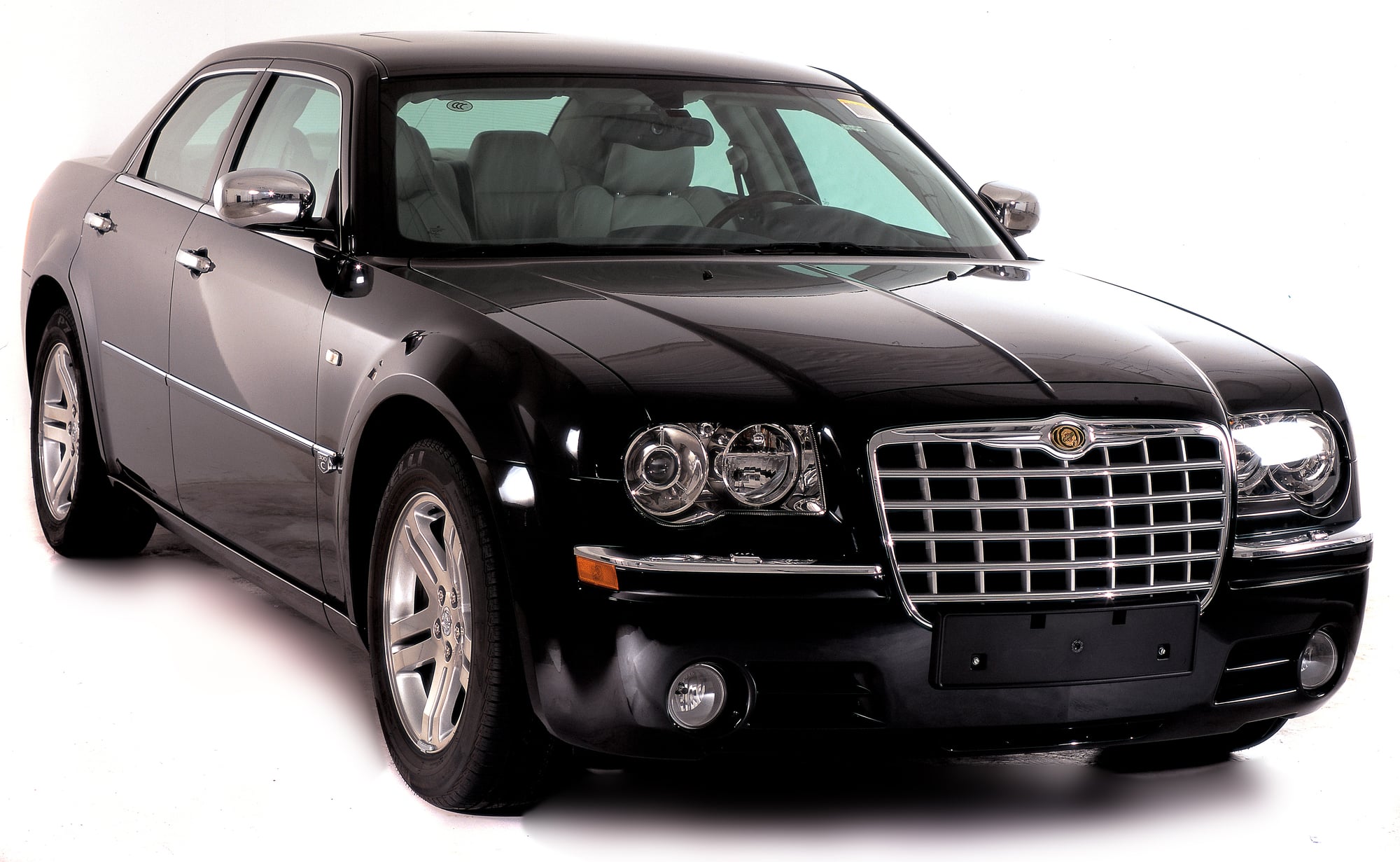
Chrysler built 55 turbine-powered vehicles in the 1960s that could run on practically any fuel, including tequila and perfume. The jet-like engine had fewer moving parts and required less maintenance than conventional engines.
Unfortunately, poor fuel economy and high manufacturing costs prevented mass production, with Chrysler eventually destroying most prototypes.
Bricklin SV-1
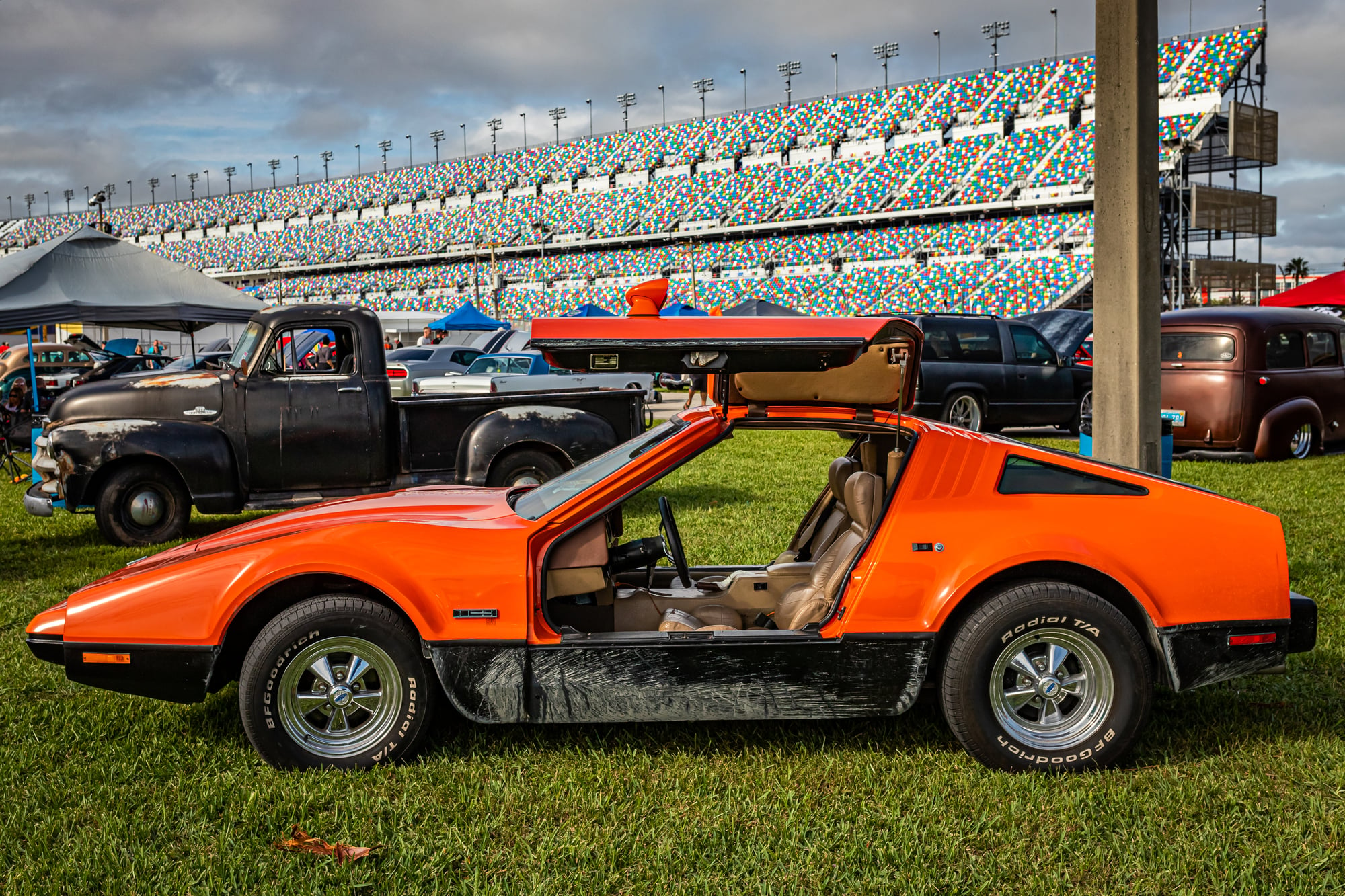
The Safety Vehicle One featured gull-wing doors and an integrated roll cage years before these became common safety features. Canadian entrepreneur Malcolm Bricklin designed it with acrylic-fiberglass bodywork that could withstand a 5 mph impact without damage.
Production problems and rising costs doomed the company after just two years and fewer than 3,000 units.
GM EV1
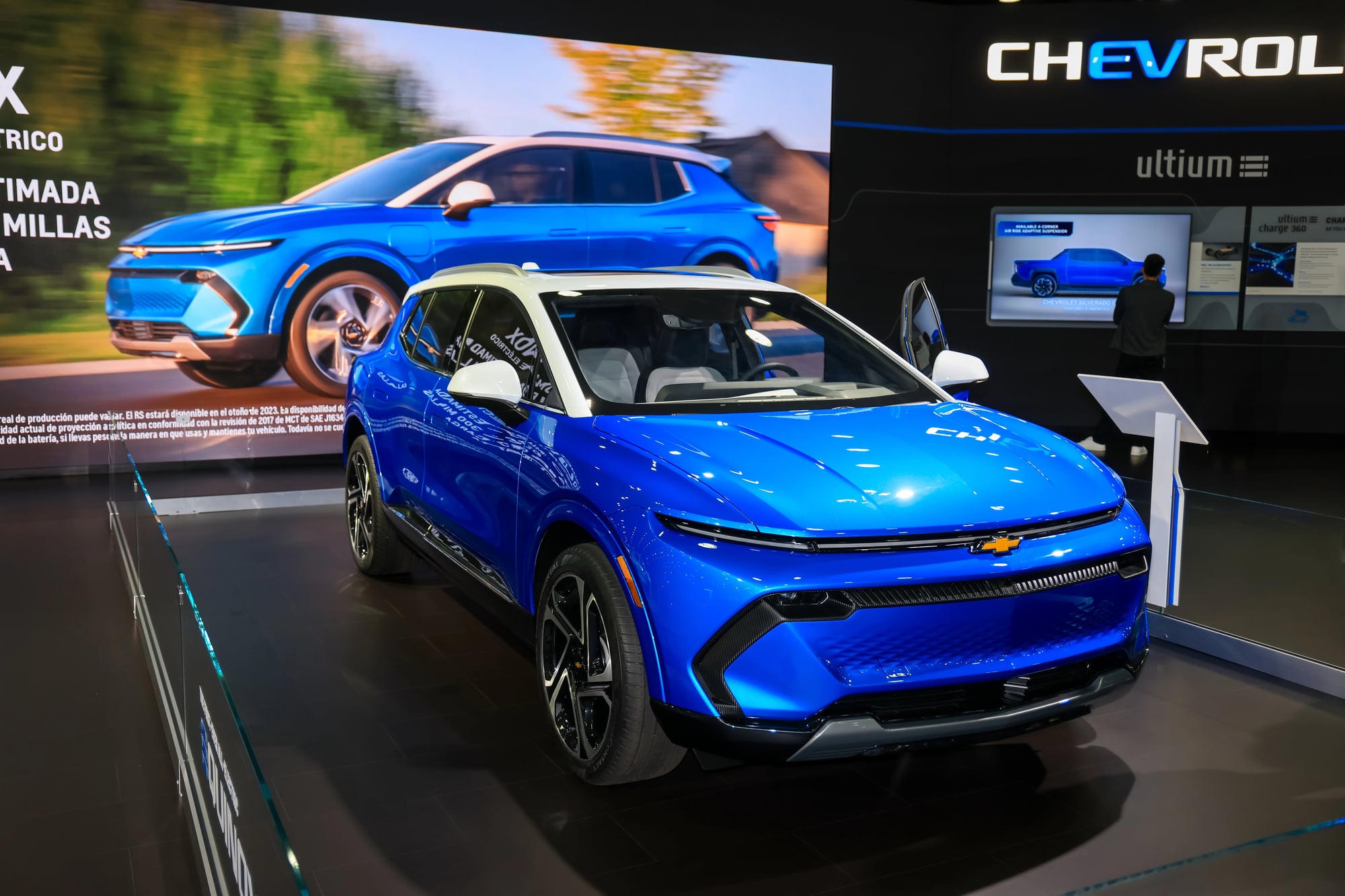
General Motors produced the first modern mass-produced electric car between 1996 and 1999. Its aerodynamic design achieved an impressive range for its time, and lessees reportedly loved them.
GM controversially recalled and destroyed almost all EV1s, citing insufficient demand and profitability issues, though many believe it was to protect their traditional vehicle business.
AMC Pacer
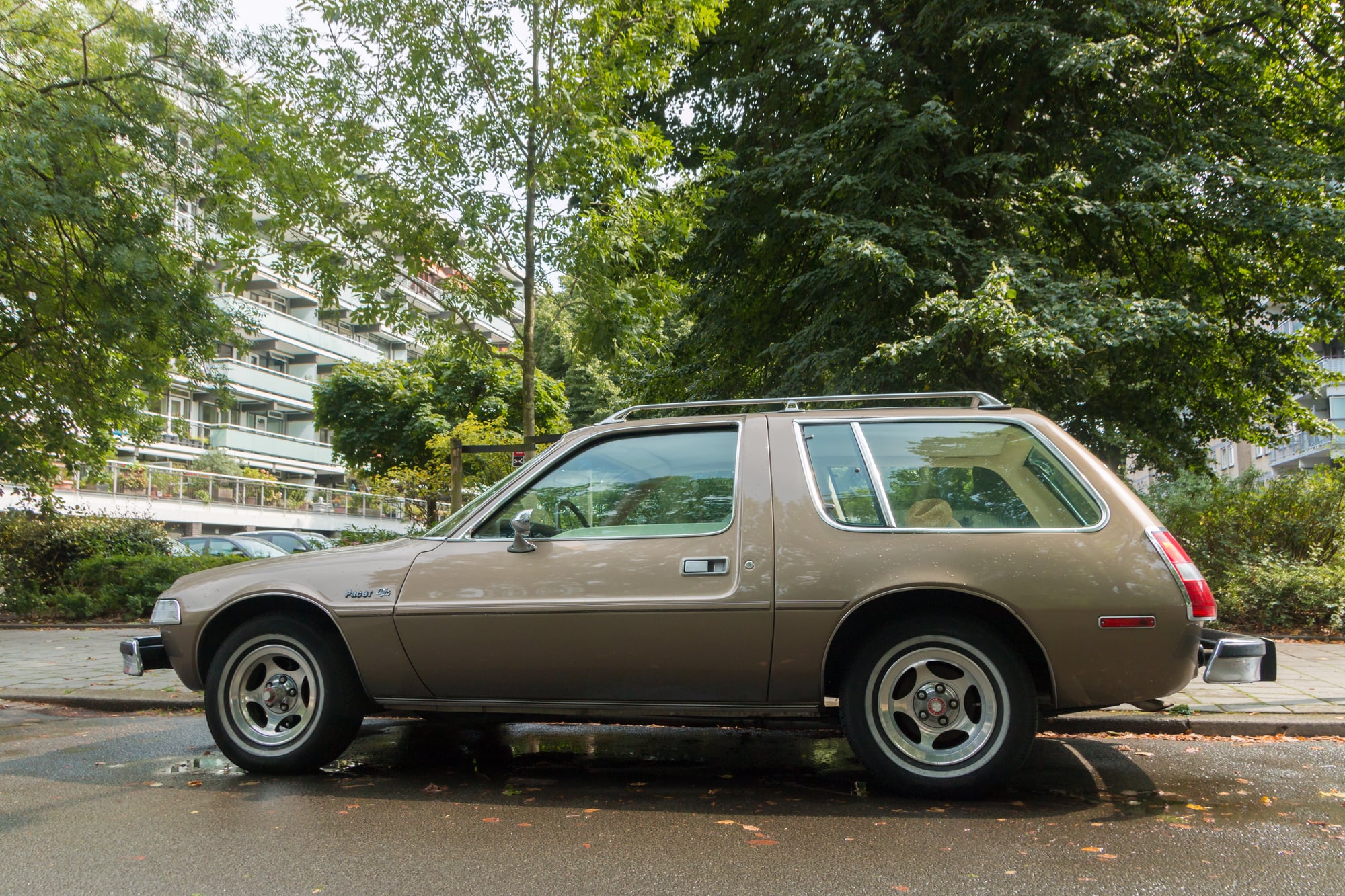
This wide, stubby compact featured an unusually large glass area and asymmetrical doors, designed around projected future safety regulations that never materialized. While initially popular upon its 1975 release, its unusual appearance and reputation for quality issues caused sales to plummet.
Today, it’s appreciated as a quirky icon of 1970s automotive design.
Audi A2
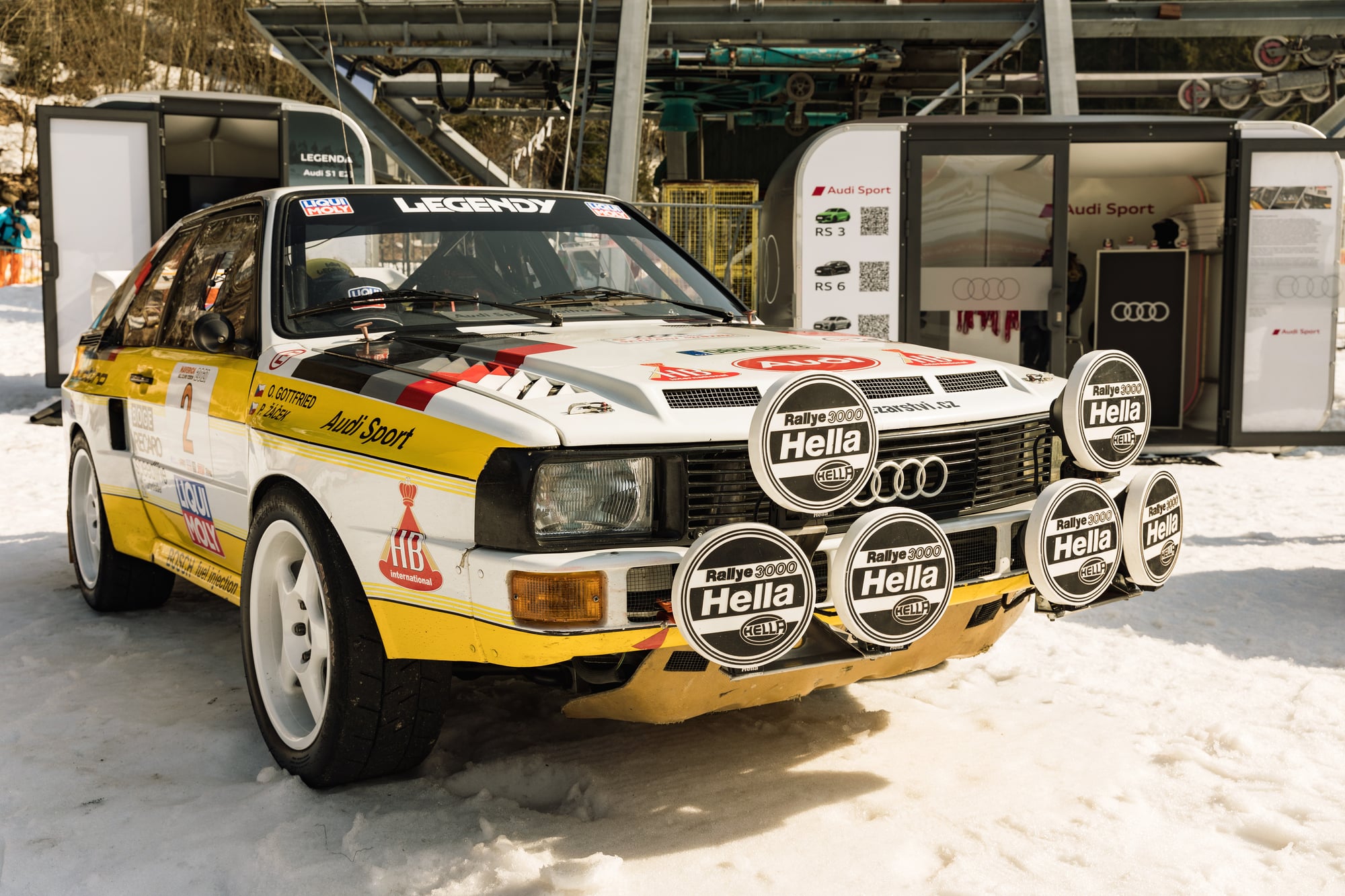
Audi’s aluminum-bodied compact offered incredible fuel efficiency through its lightweight construction and aerodynamic design. Launched in 1999, its premium pricing put off budget-conscious compact buyers, while luxury car buyers weren’t interested in small vehicles.
The manufacturing techniques pioneered in the A2 later became standard in Audi’s more successful models.
Pontiac Fiero
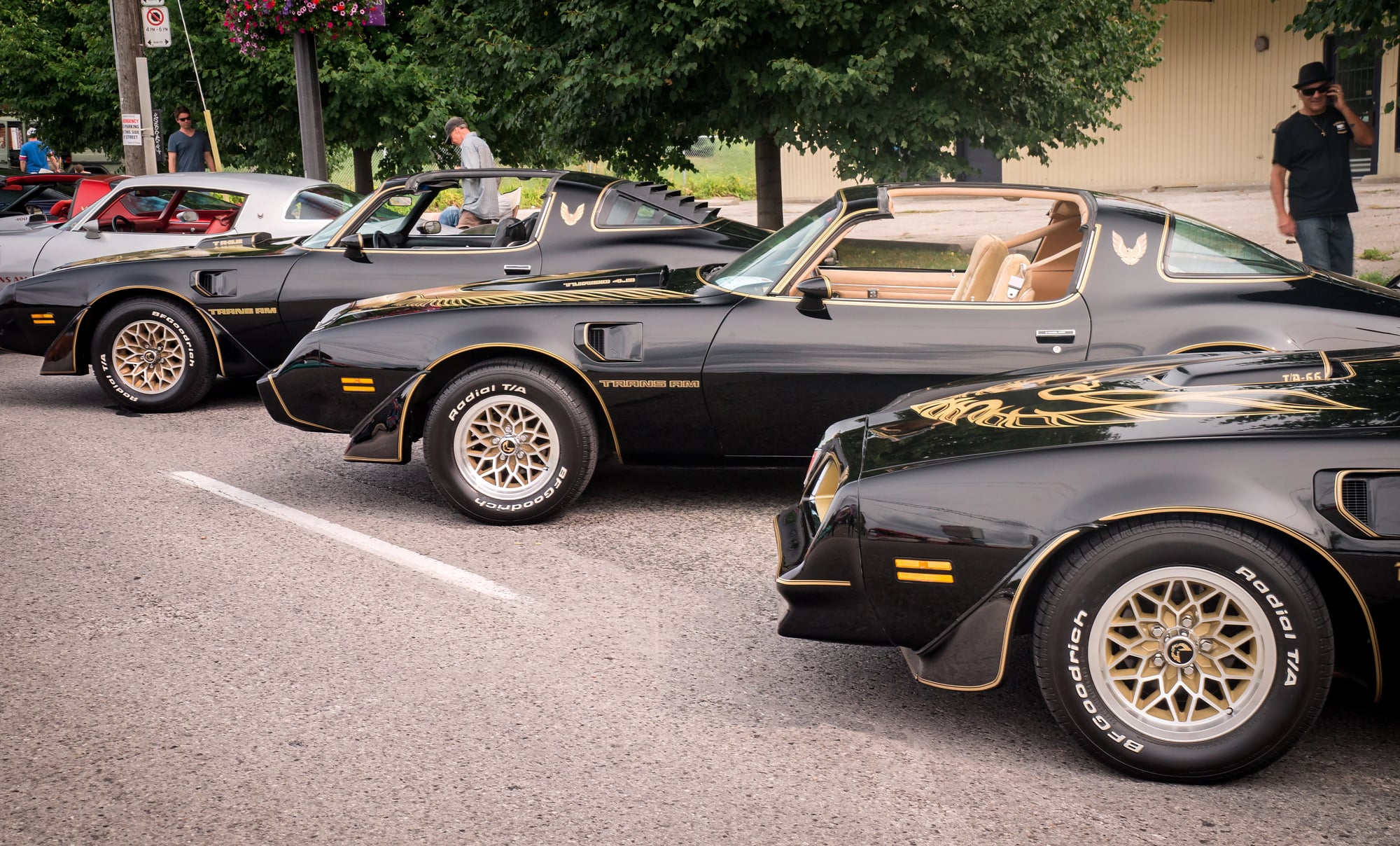
The mid-engine Fiero was GM’s experiment with a fuel-efficient sports car during the early 1980s fuel crisis. It pioneered space frame technology with plastic body panels that wouldn’t rust or dent.
Engine fires and cost-cutting measures damaged its reputation, and by the time GM perfected the design in 1988, they canceled it due to declining sales.
Chevrolet Volt
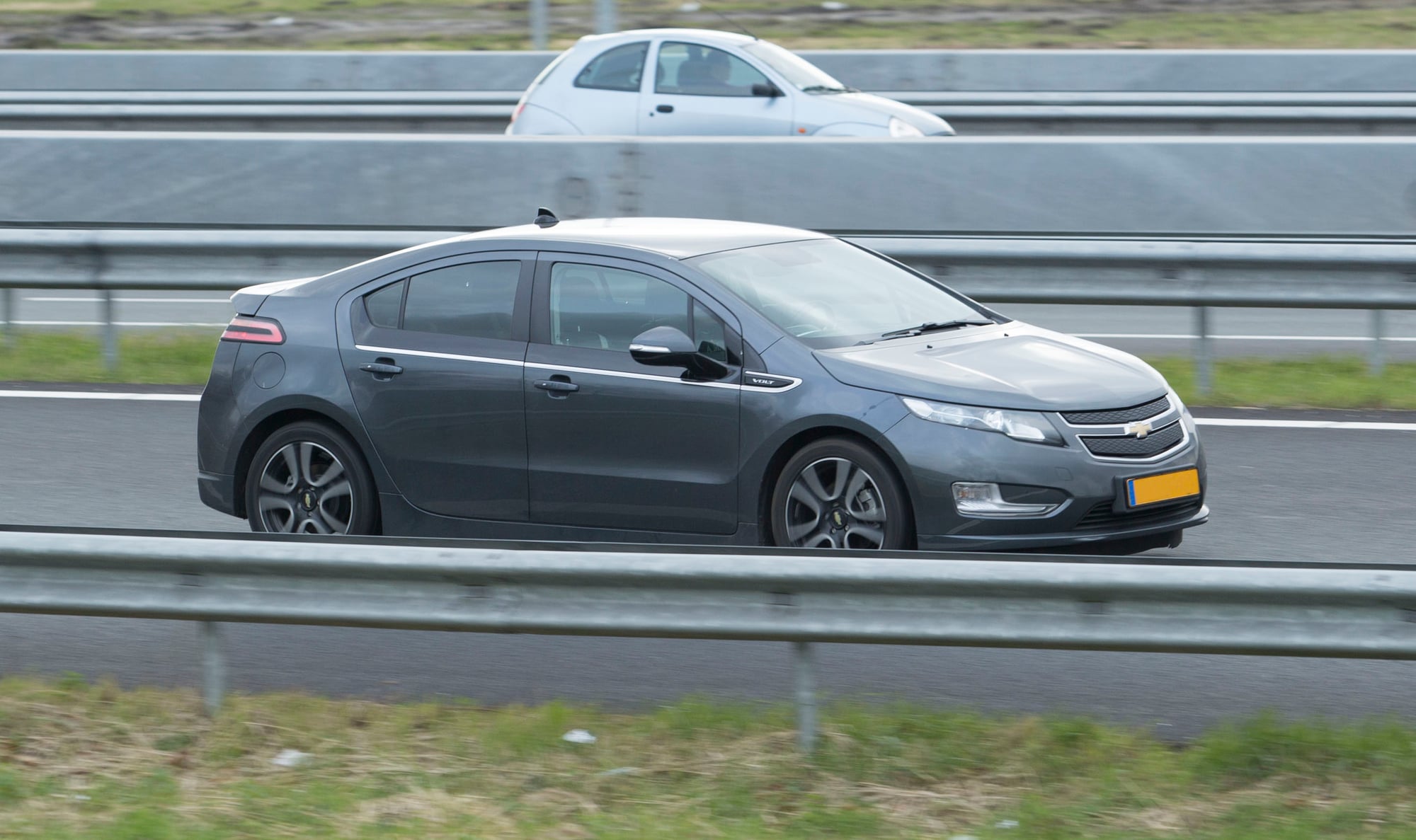
This plug-in hybrid offered electric driving with a gasoline generator to eliminate range anxiety, bridging the gap between conventional and electric vehicles. Despite winning awards and achieving high customer satisfaction, complex technology, high pricing, and the shift toward fully electric vehicles led to its discontinuation in 2019 after just two generations.
DeLorean DMC-12
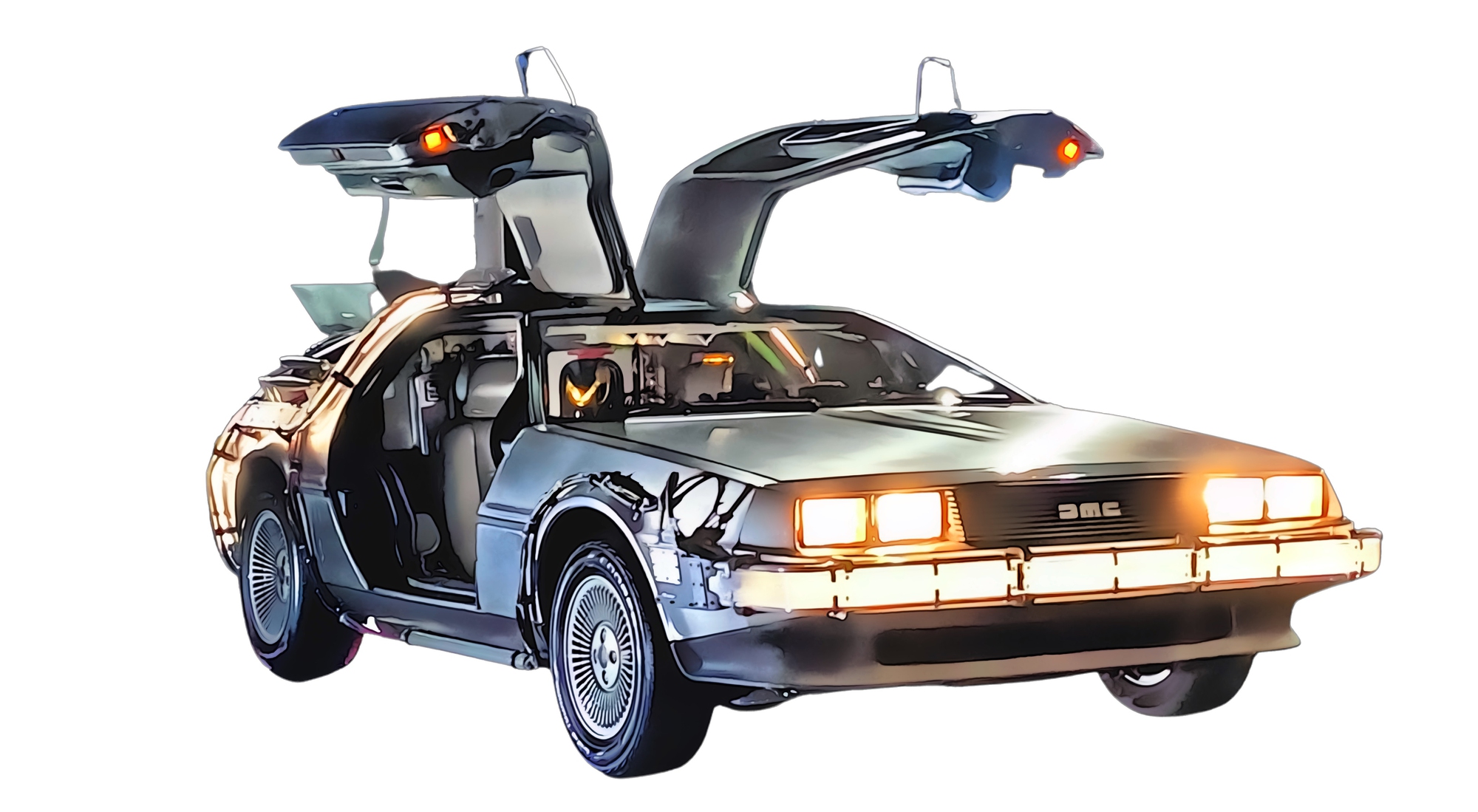
Despite becoming a symbol of ‘Back to the Future,’ the gull-wing-doored, stainless steel sports car stumbled financially during its short production run. Underpowered engines, exorbitant costs, and John DeLorean’s legal issues put a stop to production after about 9,000 vehicles, despite his goal of ethical business methods and creative manufacturing.
Honda Insight (First Generation)
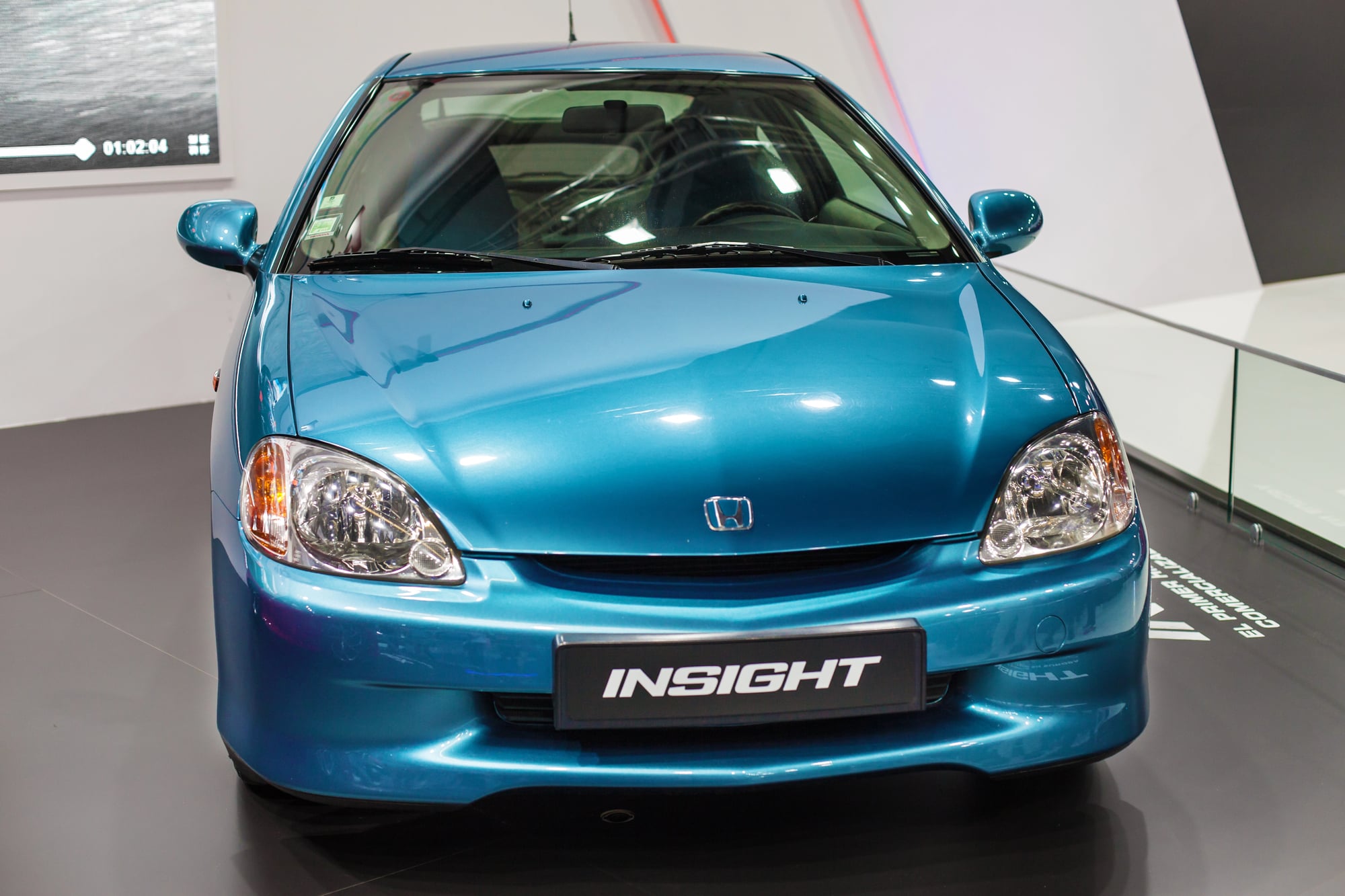
The original Insight was the first hybrid vehicle sold in America, beating the Toyota Prius to market in 1999. Its aluminum body and streamlined teardrop shape achieved nearly 70 mpg, but its two-seat configuration and spartan amenities limited its appeal.
Honda discontinued it in 2006, only to revive the nameplate for more conventional models later.
Aptera Motors
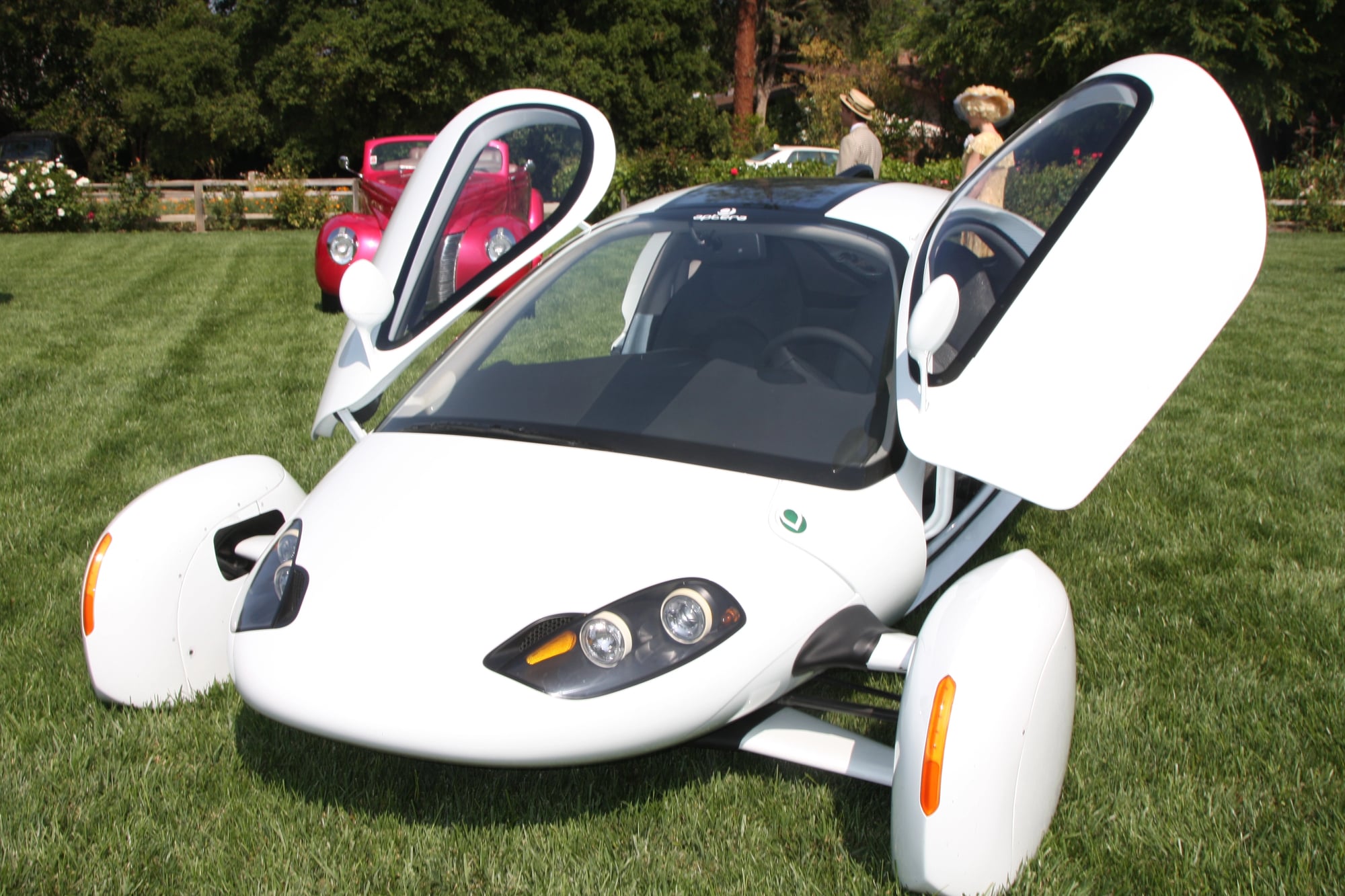
This three-wheeled, ultra-aerodynamic electric vehicle promised over 1,000 miles of range through extreme efficiency. The original company folded in 2011 after failing to secure government loans, despite having thousands of pre-orders.
Reborn in 2019, Aptera continues to develop its innovative design, showing how ideas sometimes return when the market catches up.
Citroën DS
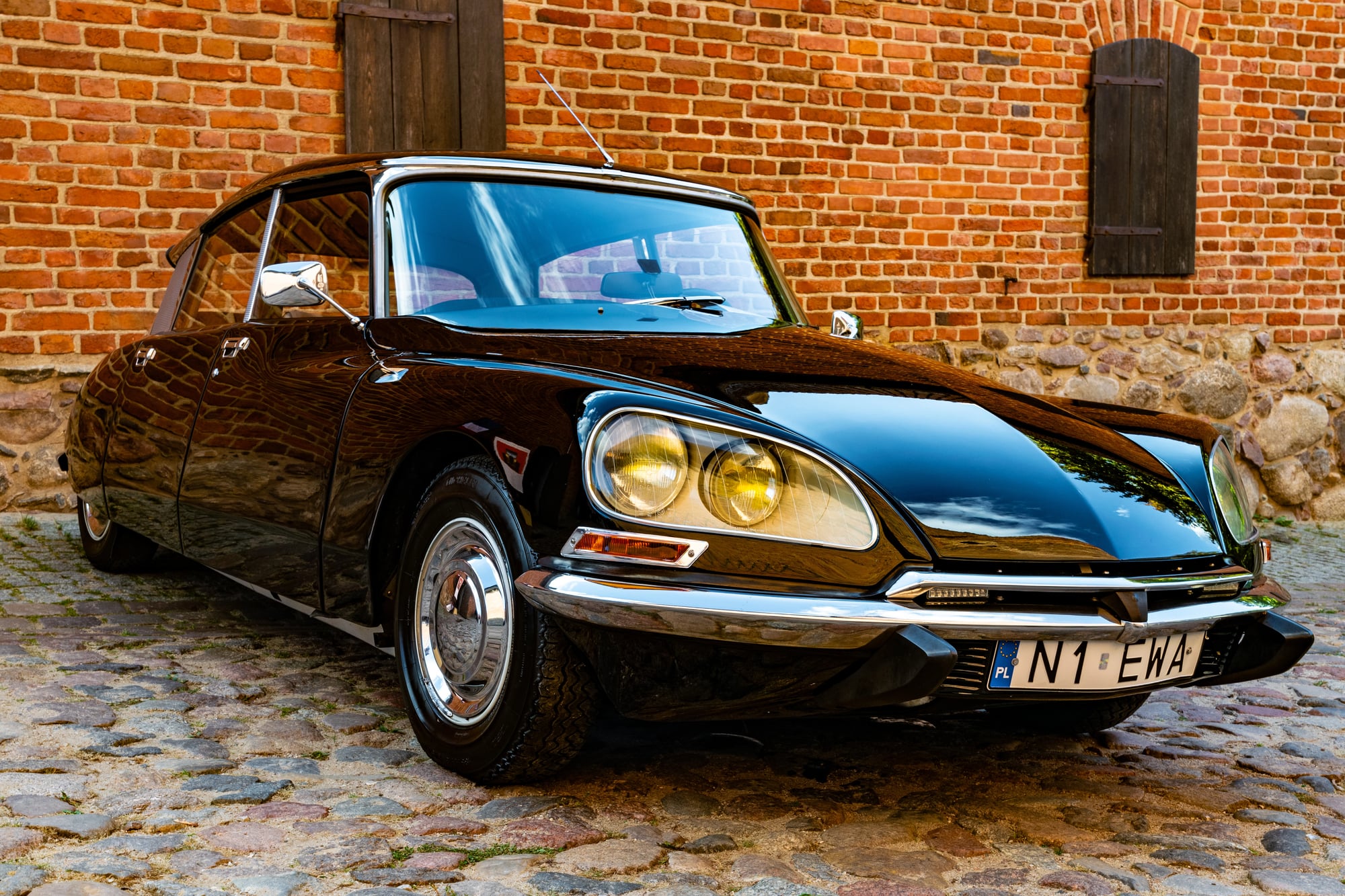
French manufacturer Citroën stunned the world in 1955 with a car featuring hydropneumatic suspension, semi-automatic transmission, and aerodynamic styling that still looks futuristic today. While successful in Europe, its radical engineering and foreign design limited American appeal.
The advanced suspension technology and front-wheel drive layout eventually became industry standards.
Vector W8

This American supercar featured aerospace-inspired construction with carbon fiber and Kevlar materials years before they became common in high-performance vehicles. With a claimed top speed of over 200 mph, it represented American engineering prowess, but financial troubles and production difficulties limited output to just 22 cars during its 1990-1993 run.
Sinclair C5
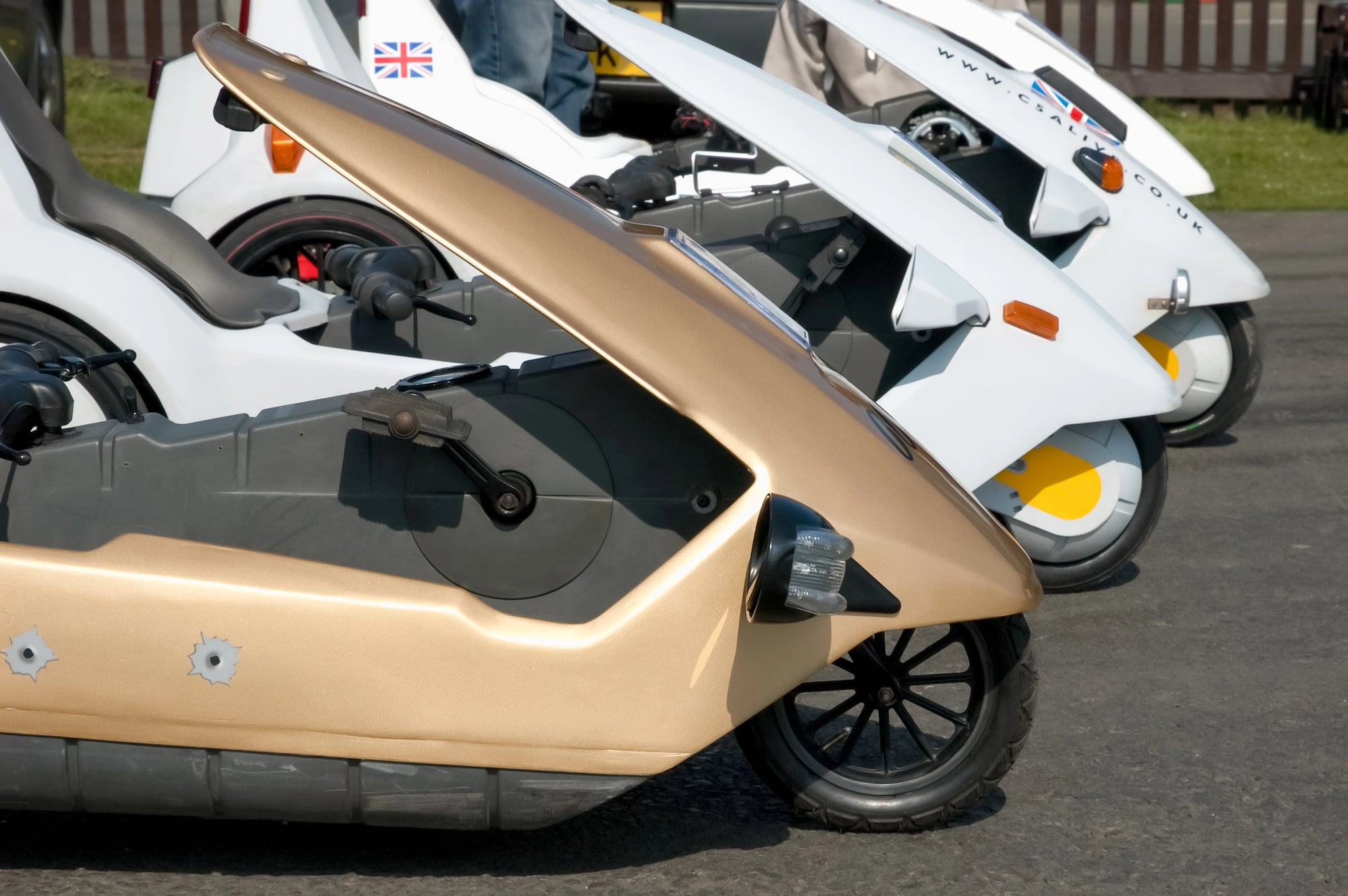
British inventor Sir Clive Sinclair created this electric personal transport vehicle decades before modern electric scooters and bikes became commonplace. The single-passenger tricycle launched in 1985 but failed spectacularly due to safety concerns, limited range, and an image problem as riders sat uncomfortably close to road level alongside full-sized vehicles.
Ford Edsel
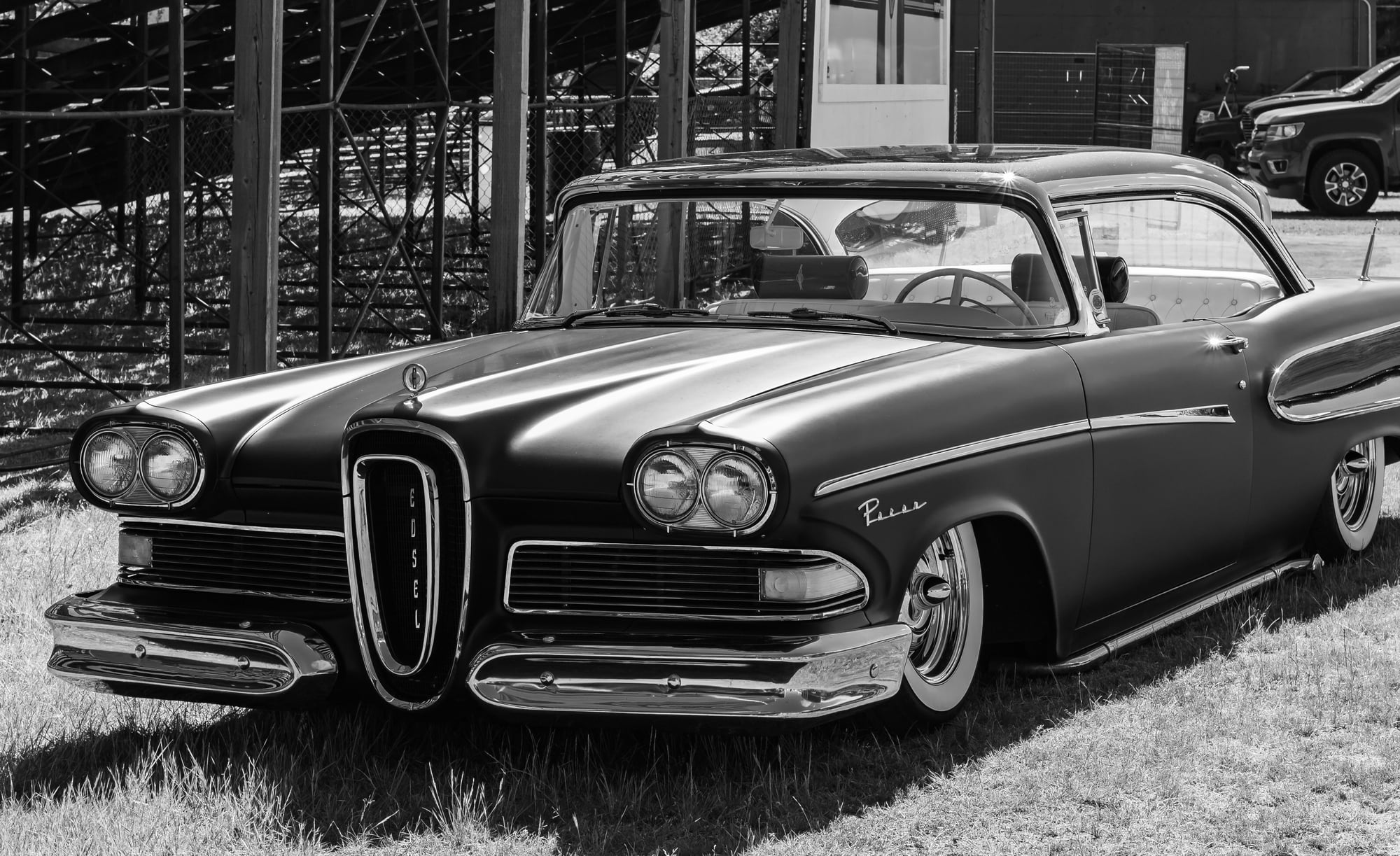
While not technically advanced, the Edsel pioneered modern marketing techniques and computerized market research. Ford spent unprecedented amounts on research and advertising for its 1958 launch, only to create a car whose distinctive styling became synonymous with failure.
Poor timing during a recession and confusing positioning between Ford and Mercury doomed it from the start.
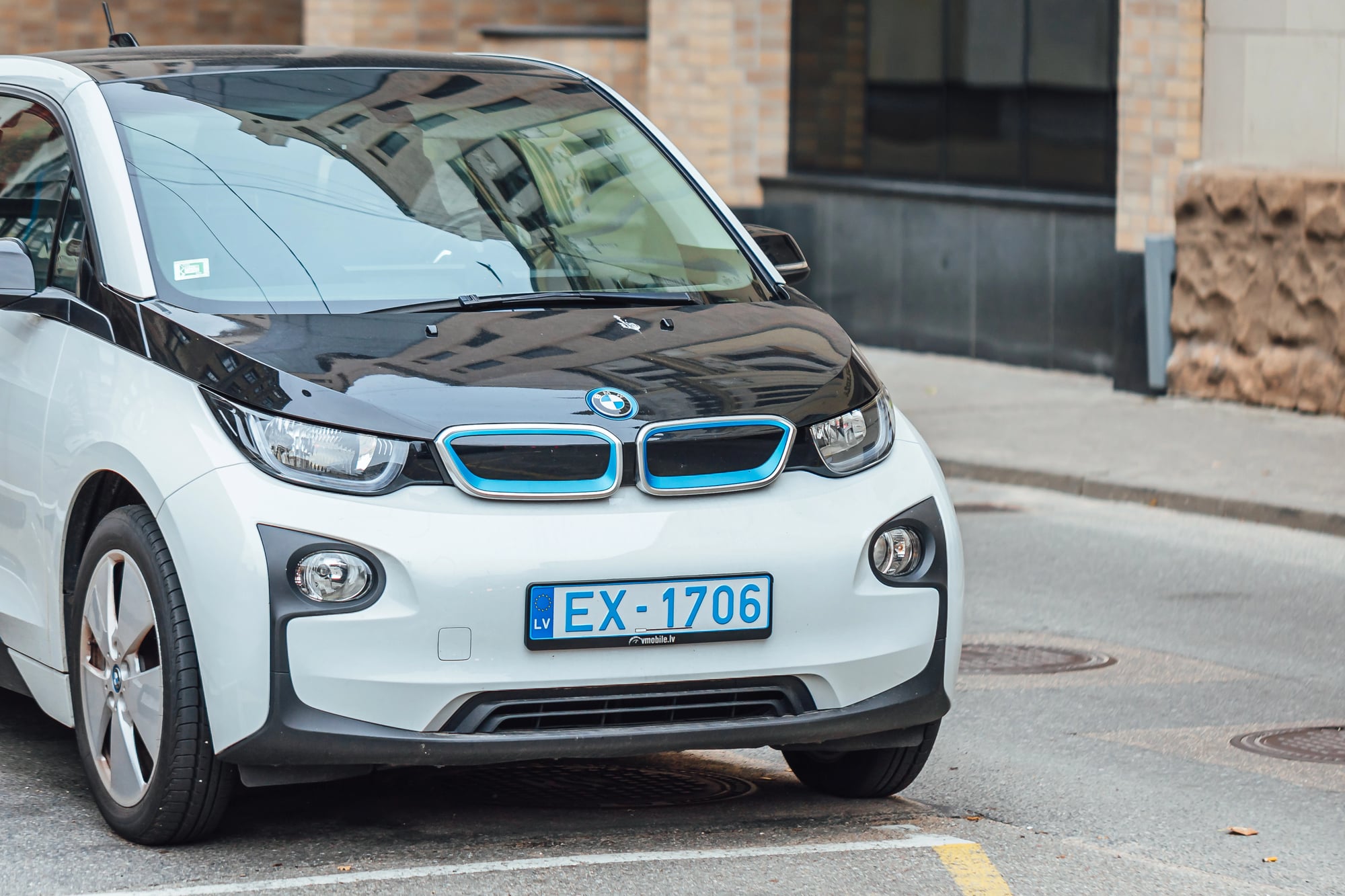
BMW i3
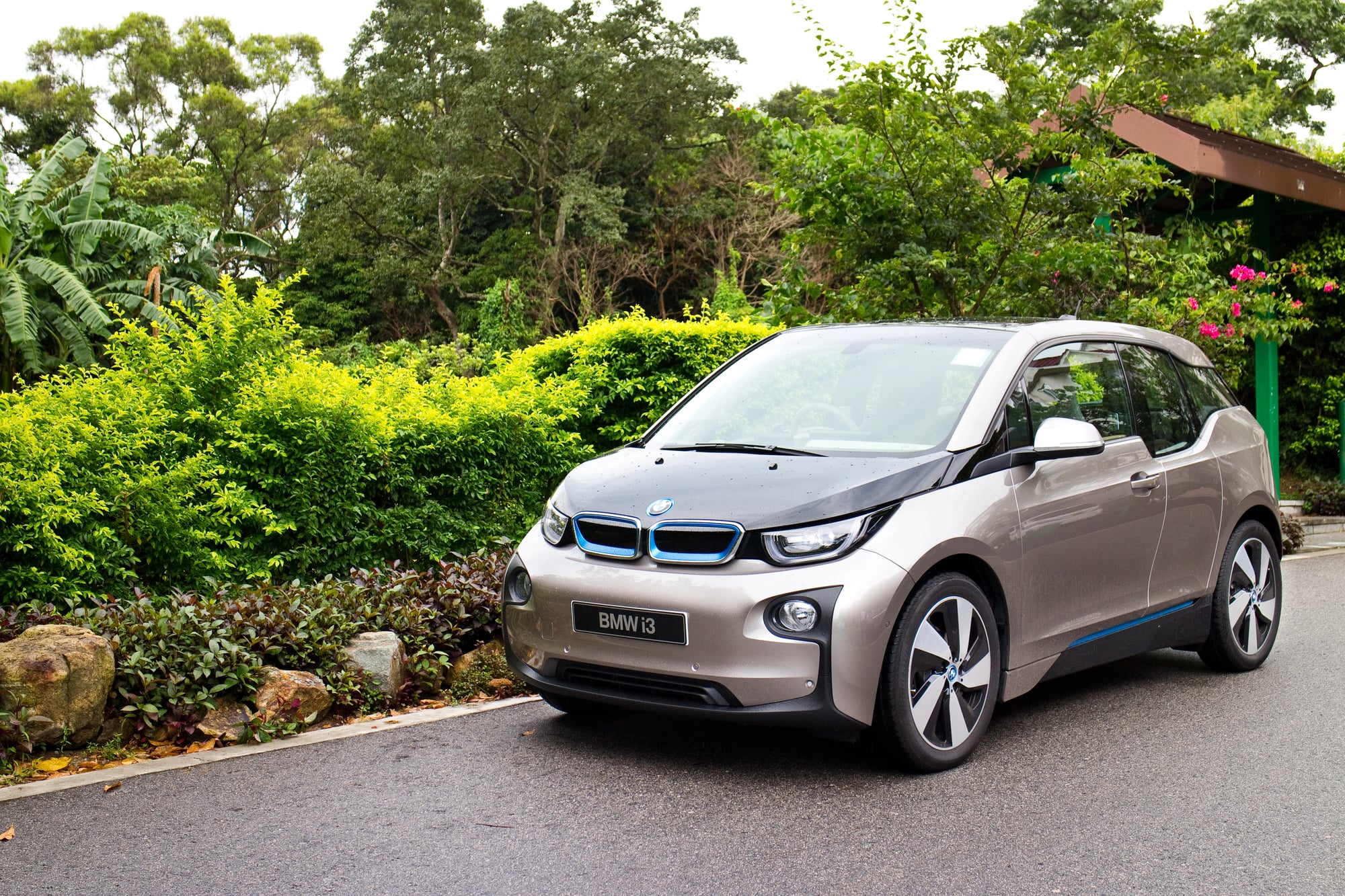
BMW’s city car featured a carbon fiber passenger cell and sustainable materials throughout its construction. Its unique design and electric powertrain represented BMW’s vision for urban mobility beginning in 2013.
Despite critical acclaim for its innovation, its limited range and distinctive styling polarized consumers, leading to discontinuation in 2022 as BMW shifted to more conventional electric vehicles.
Chevrolet Corvair
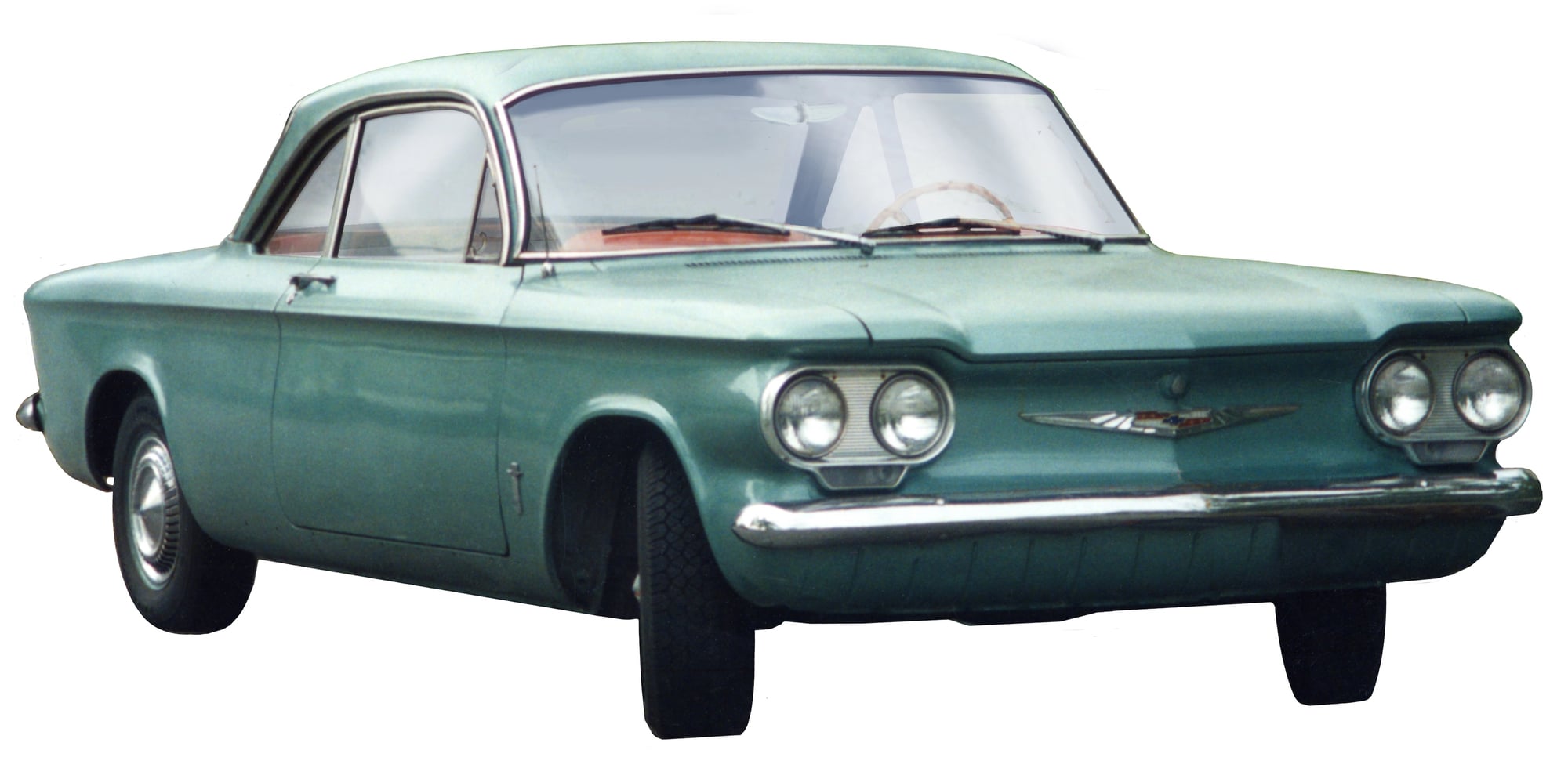
Ralph Nader famously criticized this rear-engine compact in his book ‘Unsafe at Any Speed,’ but the Corvair actually pioneered European-inspired handling and design in American cars. Its air-cooled rear engine layout offered packaging and weight distribution advantages.
While it developed a dedicated following, safety concerns and conventional competitors led to its cancellation after 1969.
From Flop to Influential
These vehicles may have disappointed their manufacturers financially, but their influence extends far beyond sales figures. Many technologies we take for granted today—from electric powertrains to advanced safety features—first appeared in these commercial failures.
Their designers and engineers pushed boundaries when conventional thinking dominated, demonstrating that sometimes being right too early is just as challenging as being wrong. The next time you see a cutting-edge vehicle concept, remember that market success often depends less on innovation and more on timing, execution, and whether consumers are ready to embrace the future these ambitious machines represent.
More from Go2Tutors!

- The Romanov Crown Jewels and Their Tragic Fate
- 13 Historical Mysteries That Science Still Can’t Solve
- Famous Hoaxes That Fooled the World for Years
- 15 Child Stars with Tragic Adult Lives
- 16 Famous Jewelry Pieces in History
Like Go2Tutors’s content? Follow us on MSN.