18 Wars That Were Nearly Avoided
History’s bloodiest conflicts often began with a single miscalculation, a stubborn leader, or a failure to communicate across enemy lines. But what if those wars had never happened at all?
Throughout history, there have been moments when diplomacy, luck, or sheer human decency stood between nations and catastrophic warfare. These are the conflicts that came terrifyingly close to erupting but somehow stepped back from the brink.
Some were prevented by last-minute negotiations, others by the wisdom of individual leaders who chose restraint over glory. A few were avoided through pure chance or miscommunication that worked in humanity’s favor.
Each represents a path not taken, a reminder that war is often a choice rather than an inevitability.
World War I
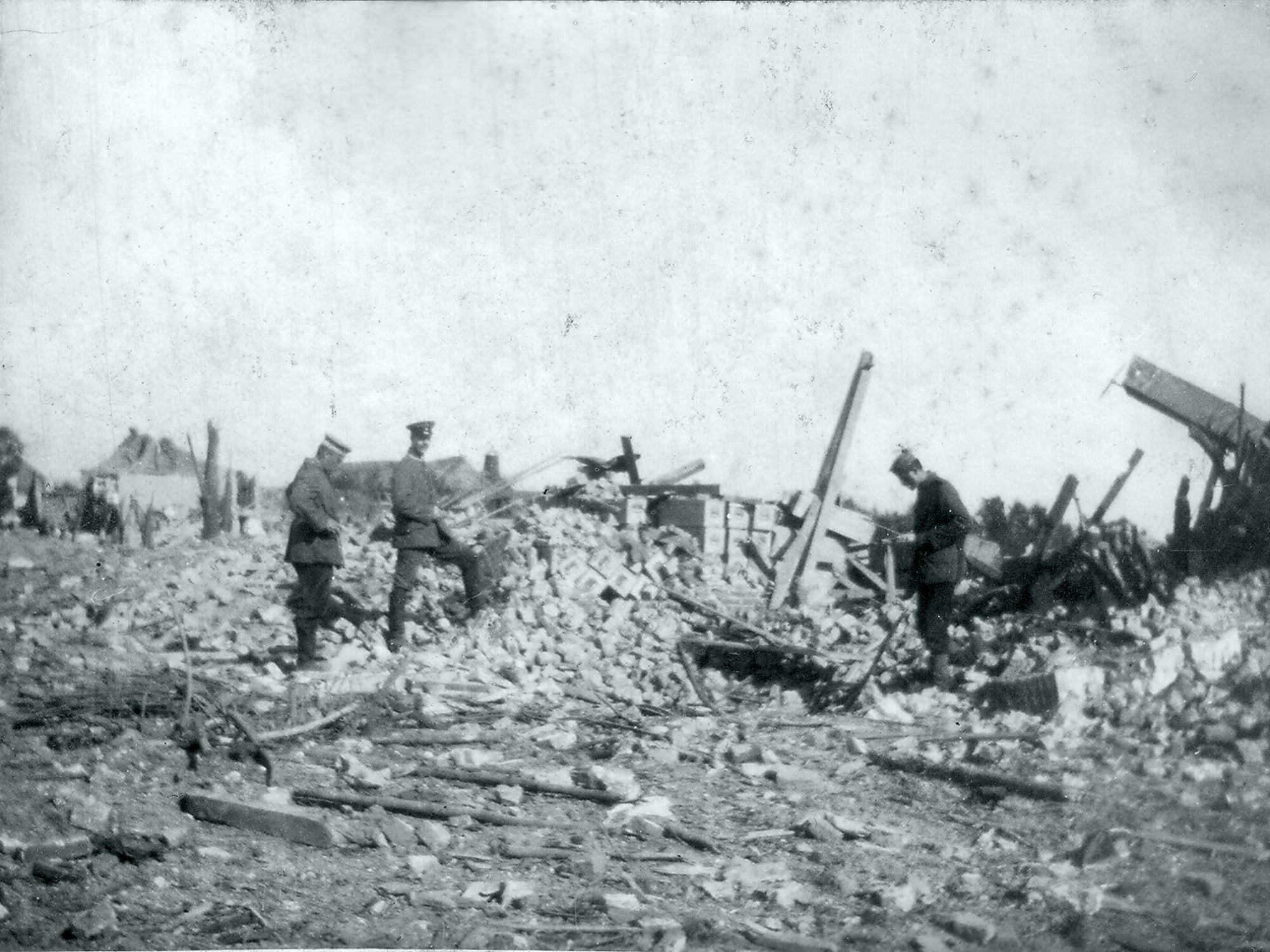
The assassination of Archduke Franz Ferdinand didn’t have to trigger a global war. Austria-Hungary demanded harsh terms from Serbia, but Serbia actually accepted most of them.
The sticking point was allowing Austrian officials to participate in the investigation on Serbian soil. Kaiser Wilhelm II had second thoughts after reading Serbia’s conciliatory response.
He wrote that it eliminated “every reason for war” and suggested Austria should halt in Belgrade as a guarantee. But his message arrived too late—Austria had already declared war, and the alliance system kicked in like dominoes falling.
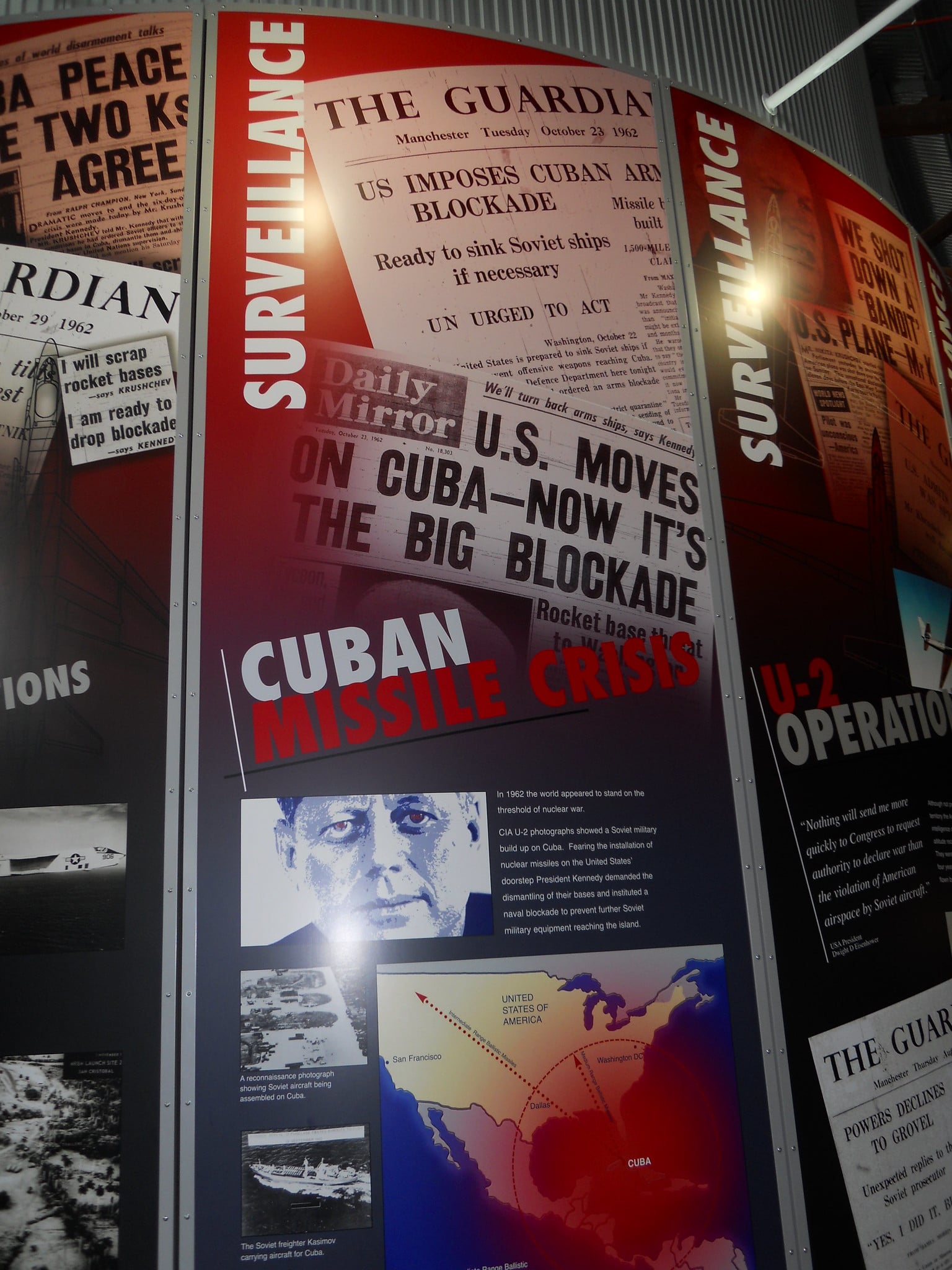
The Cuban Missile Crisis
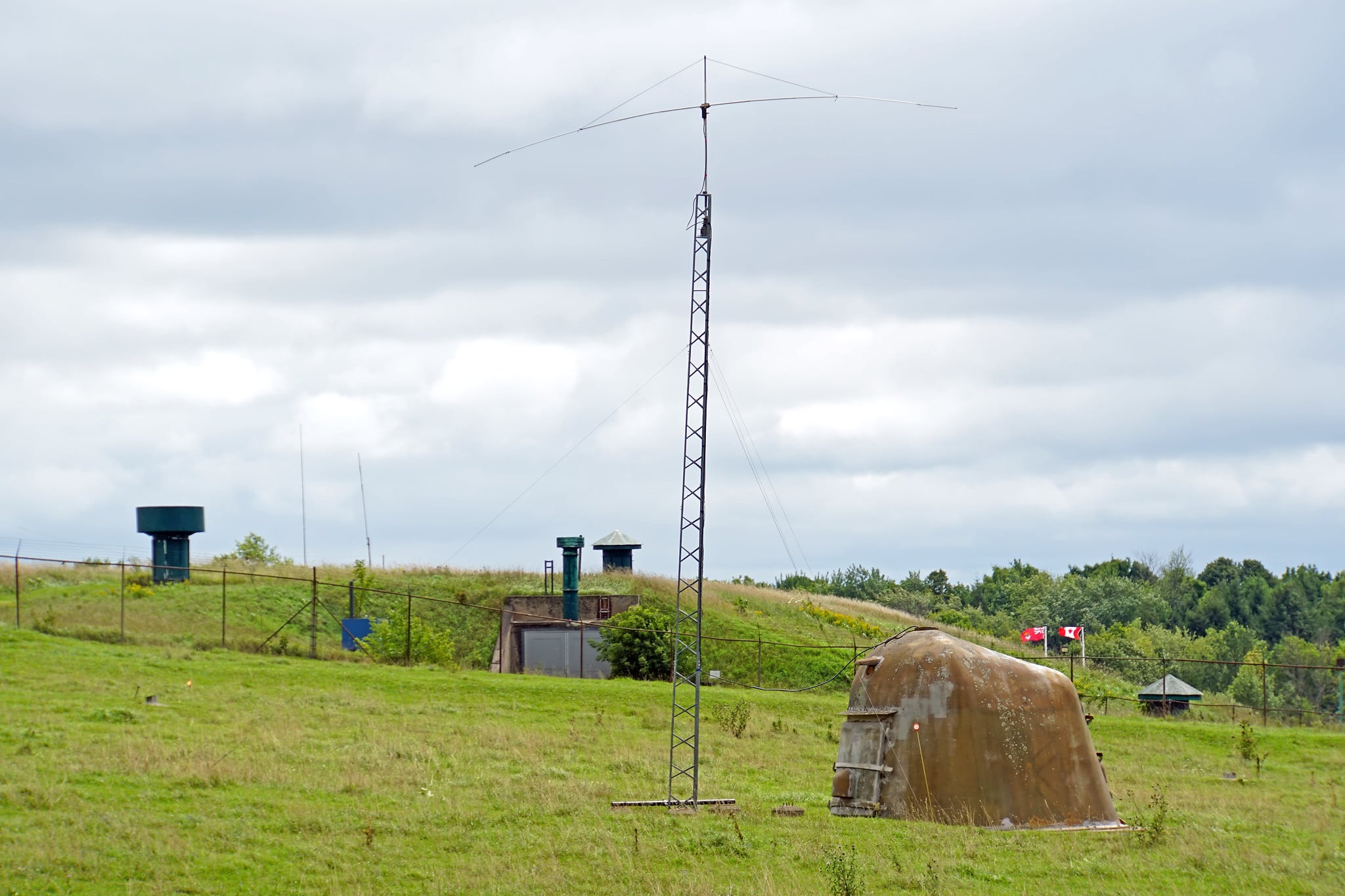
For thirteen days in October 1962, the world balanced on the edge of nuclear war. Soviet ships carrying missiles steamed toward Cuba while American destroyers waited to intercept them.
One Soviet submarine commander nearly launched a nuclear torpedo, stopped only because all three senior officers had to agree unanimously. Khrushchev and Kennedy both wanted a way out but couldn’t appear weak to their own governments (and Kennedy had midterm elections breathing down his neck, which sounds almost absurd given the stakes, but political pressure operates regardless of how close civilization sits to annihilation).
The solution came through back-channel negotiations: America would remove missiles from Turkey in exchange for Soviet missiles leaving Cuba. Both sides could claim victory.
The Fashoda Incident

Picture this: two colonial expeditions meet in a swampy outpost in Sudan, each claiming the territory for their empire. The year was 1898, and both Britain and France had spent months marching across Africa to plant their flags in this particular patch of mosquito-infested land along the Nile.
Major Jean-Baptiste Marchand arrived first with his French expedition, but Captain Herbert Kitchener showed up shortly after with a much larger British force. They could have fought—their governments back home were certainly spoiling for it.
Instead, they shared drinks and waited for their capitals to sort things out. The two officers even became friends.
Both nations had invested too much pride to back down easily. French newspapers screamed about national honor while British politicians demanded the French withdraw immediately.
War seemed inevitable until cooler heads in both governments realized that a patch of African swamp wasn’t worth a European conflict.
The War of Jenkins’ Ear (Almost Avoided)

British sea captain Robert Jenkins claimed Spanish coast guards had cut off his ear in 1731. Parliament was outraged when Jenkins supposedly presented the severed ear as evidence.
The Spanish had actually offered compensation and punishment for the officials involved. Most reasonable people considered the matter settled.
But opposition politicians needed an issue to attack Prime Minister Walpole, and a severed ear made for excellent political theater.
The Pig War
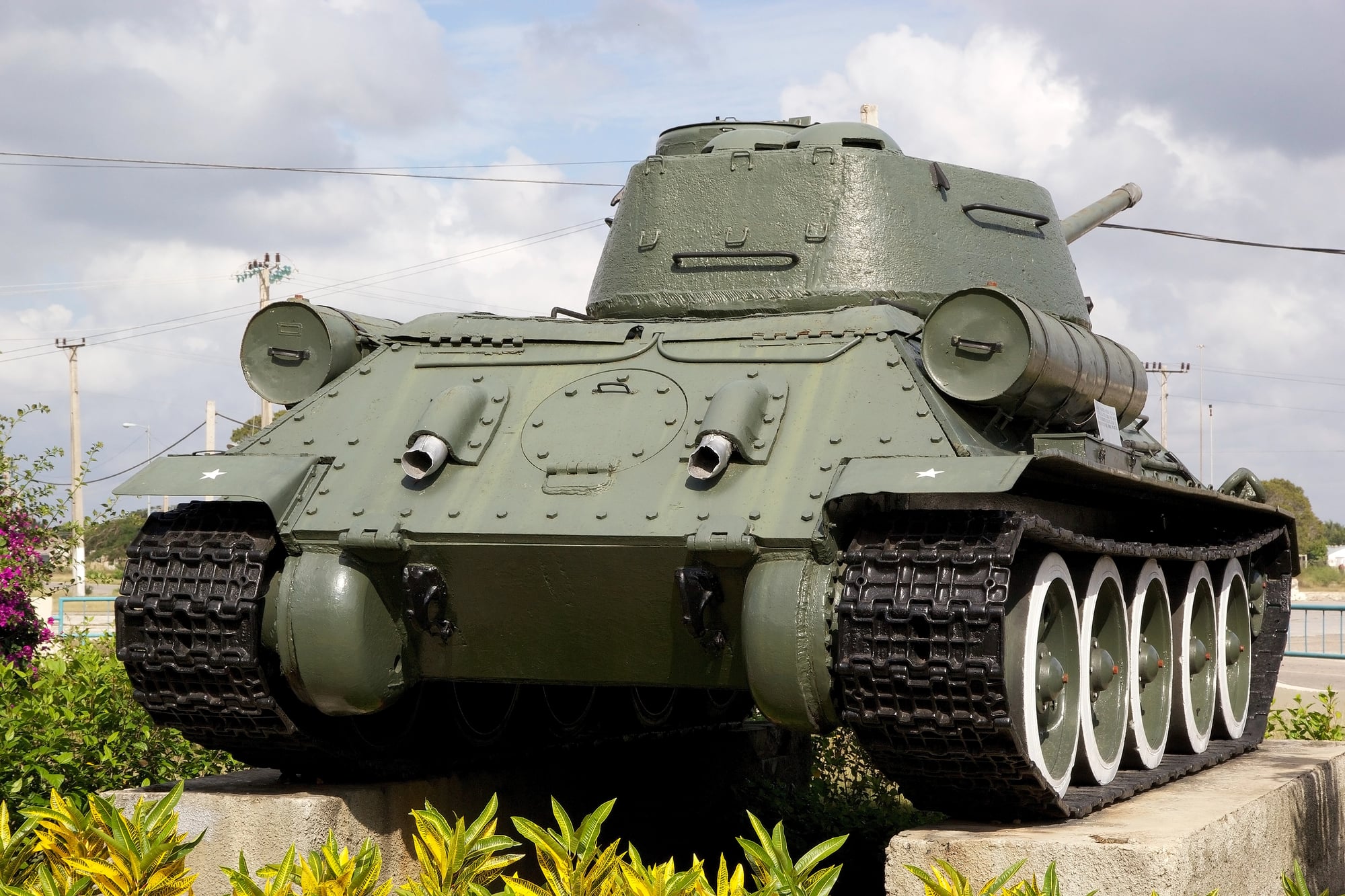
American farmer Lyman Cutlar shot a pig eating his potatoes on San Juan Island in 1859. The pig belonged to a British employee of the Hudson’s Bay Company.
This ridiculous incident nearly triggered a war between the United States and Britain over the disputed Oregon boundary. Both sides rushed military forces to the island—American infantry faced off against British warships in what could have become a serious conflict.
Fortunately, cooler heads prevailed when officials realized the absurdity of fighting a war over a pig and some potatoes.
The Kargil Conflict Escalation
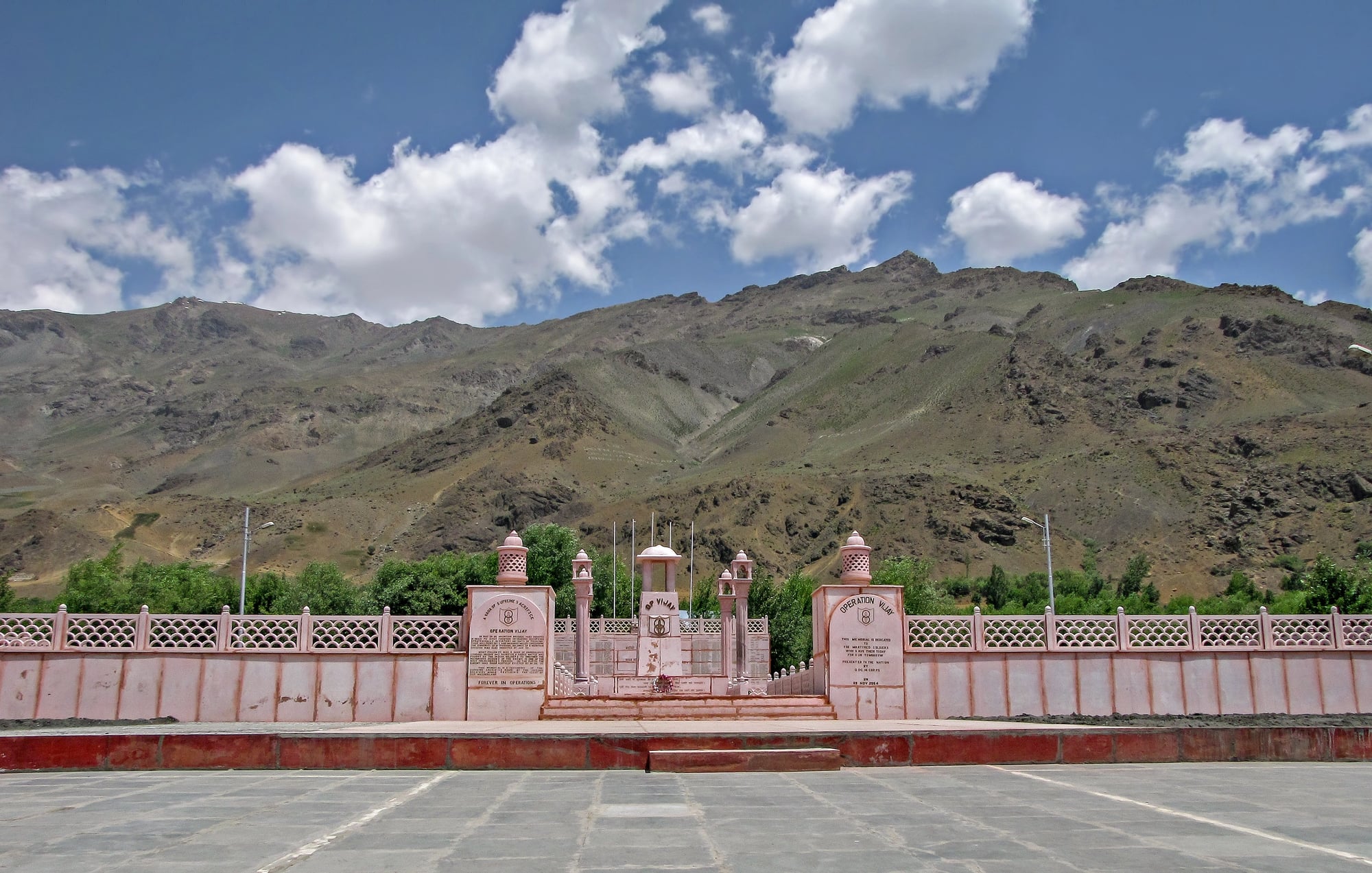
The 1999 Kargil conflict between India and Pakistan stayed conventional, but it almost didn’t (and when you’re dealing with two nuclear powers who’ve already fought three wars, “almost didn’t” carries considerable weight, particularly given that both nations had tested nuclear weapons just one year earlier). Pakistani forces had infiltrated across the Line of Control in Kashmir, prompting a significant Indian military response that could have escalated beyond anyone’s control.
Pakistan’s military leadership apparently believed they could limit the conflict to the Kargil sector. India’s response was larger and more aggressive than expected.
Both sides possessed nuclear weapons, and Pakistan’s leadership reportedly considered their nuclear options as Indian forces gained the upper hand. The conflict remained limited partly because international pressure—particularly from the United States—convinced Pakistan to withdraw rather than escalate further.
The Aroostook War
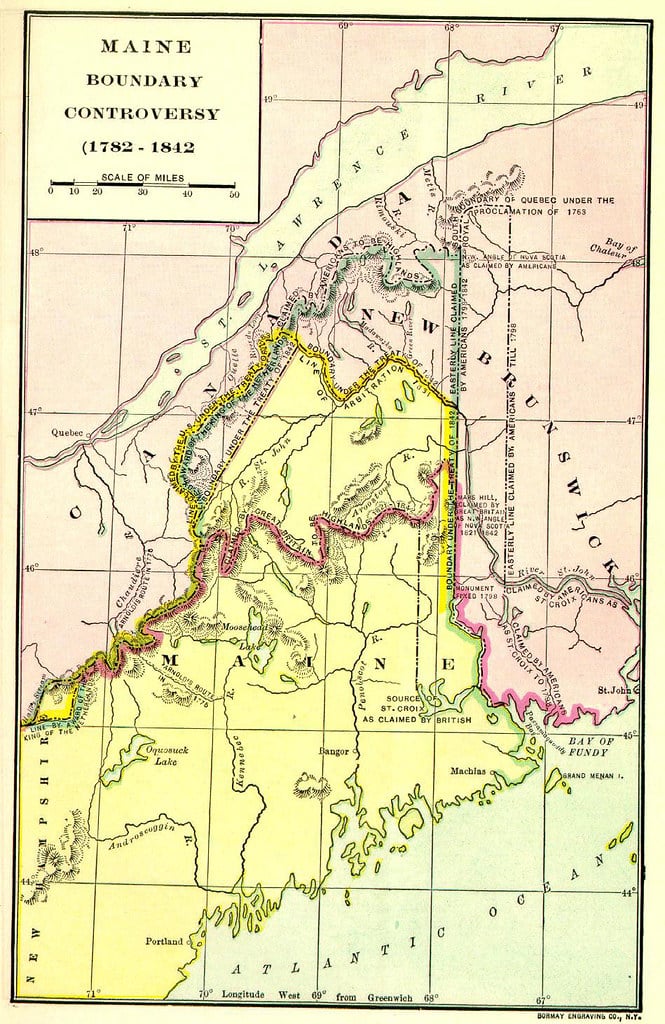
The border between Maine and New Brunswick remained disputed after the War of 1812, creating years of tension over timber rights and territorial claims. In 1838, both American and British forces mobilized for what could have become another significant conflict.
The “war” consisted mostly of posturing and arrests rather than actual fighting. Both governments wanted to appear strong to their citizens while avoiding real combat.
Daniel Webster and Lord Ashburton eventually negotiated the Webster-Ashburton Treaty in 1842, settling the boundary dispute through diplomacy rather than warfare.
The Russo-Japanese War Almost Avoided
Tsar Nicholas II genuinely wanted to avoid war with Japan in 1904. Russia’s expansion into Manchuria and Korea created inevitable friction, but both sides engaged in serious negotiations to prevent conflict.
The talks broke down over Korea—Russia insisted on treating Korea as a neutral buffer zone while Japan demanded recognition of its special interests there. Nicholas II reportedly told his ministers that war would be a disaster for Russia, but his advisors convinced him that Japan wouldn’t dare attack the mighty Russian Empire.
They were catastrophically wrong.
The Agadir Crisis
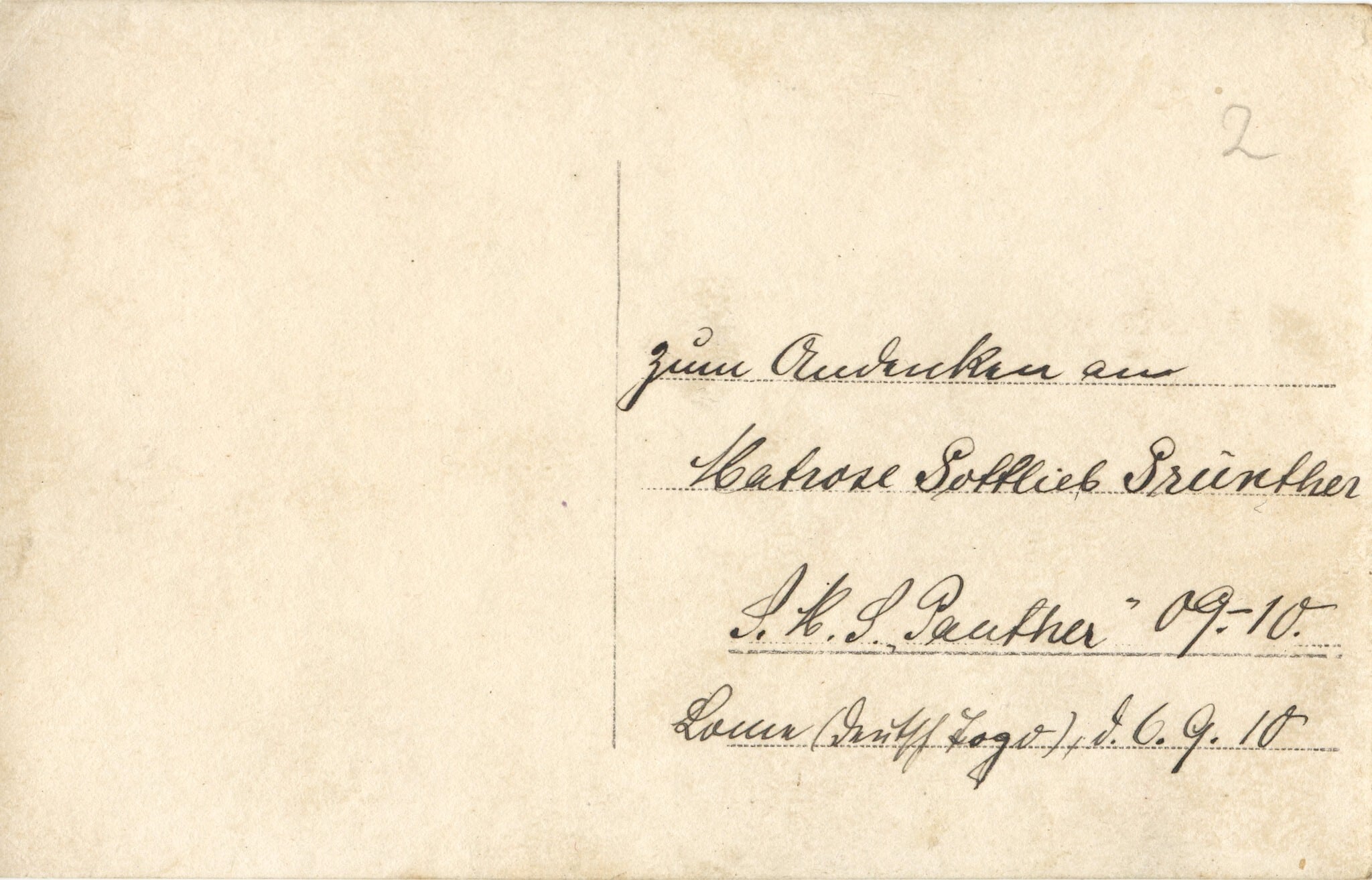
Germany dispatched the gunboat SMS Panther to Agadir in 1911, ostensibly to protect German commercial interests in Morocco but really to challenge French influence there. The gesture was meant to be symbolic—a show of strength that would force new negotiations over African territories.
France and Britain both took the German move as a direct challenge to their colonial agreements (the Entente Cordiale had specifically addressed Morocco, so this wasn’t just about African real estate but about whether international agreements meant anything at all, which explains why both nations reacted so strongly to what Germany intended as a limited diplomatic maneuver). Britain’s Chancellor of the Exchequer David Lloyd George gave a notably aggressive speech, effectively threatening Germany with war if they didn’t back down.
The crisis was resolved when Germany agreed to recognize French control over Morocco in exchange for territory in the French Congo. But the incident further poisoned relations between the great powers and made the alliances that would trigger World War I even more rigid.
The First Balkan War Expansion

The Ottoman Empire was crumbling, and Bulgaria, Serbia, Greece, and Montenegro formed the Balkan League to grab territory while they could. But the great powers of Europe watched nervously—if Austria-Hungary or Russia got involved, the conflict could engulf the continent.
Austria-Hungary seriously considered intervening when Serbian forces reached the Adriatic coast. Russian support for Serbia was automatic, which would have triggered German support for Austria.
The pattern that would cause World War I was already forming. Diplomatic pressure from Britain, France, and Germany managed to contain the conflict to the Balkans, but it was a close call.
The Suez Crisis Expansion
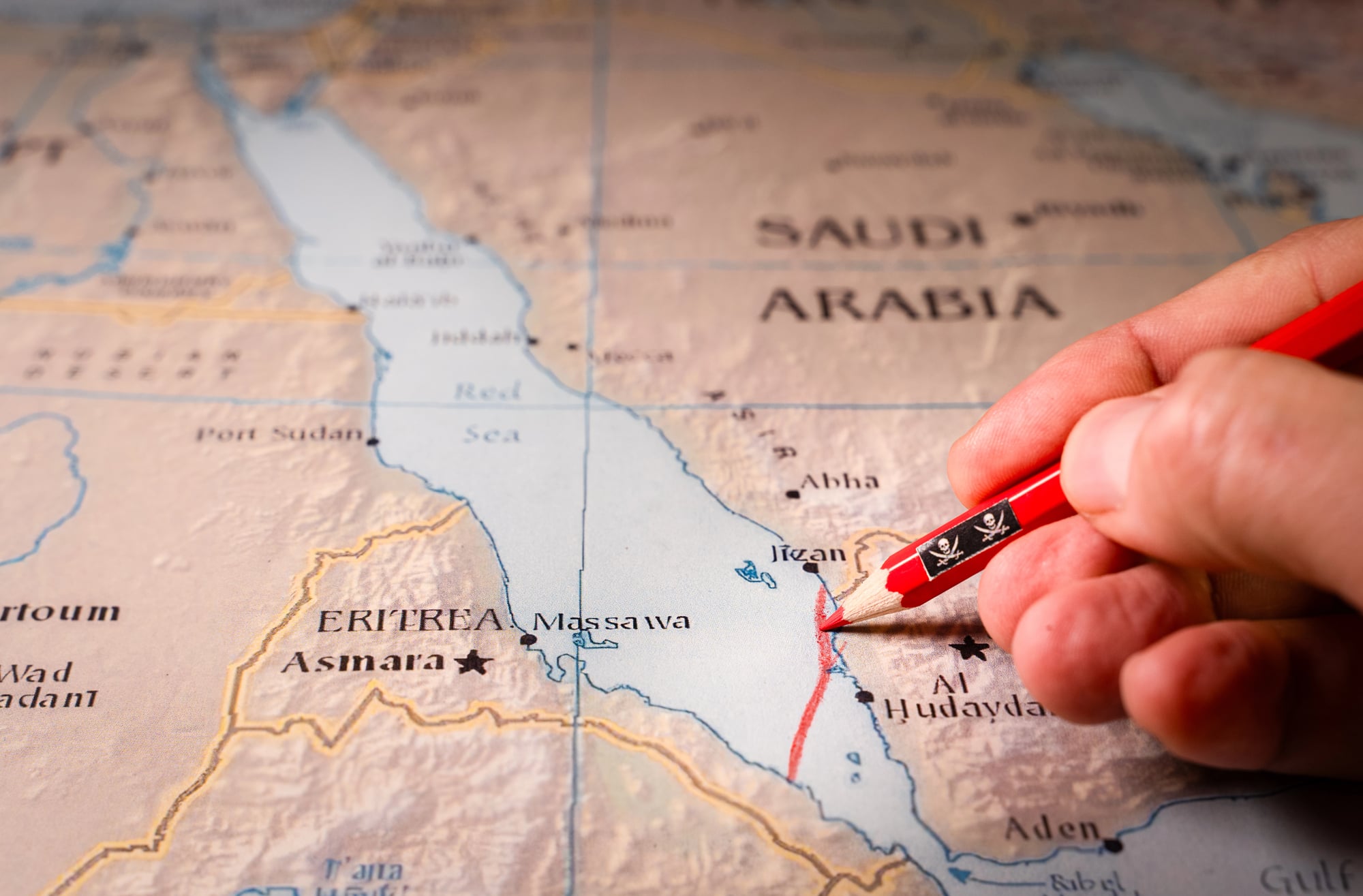
Britain and France invaded Egypt in 1956 after Nasser nationalized the Suez Canal. Israel attacked simultaneously, creating a coordinated assault that could have triggered Soviet intervention and World War III.
The Soviet Union threatened to send “volunteers” to help Egypt and even suggested nuclear attacks on London and Paris. President Eisenhower was furious with his allies for not informing him and pressured them to withdraw through economic means—Britain faced a currency crisis that forced their hand.
The Berlin Crisis
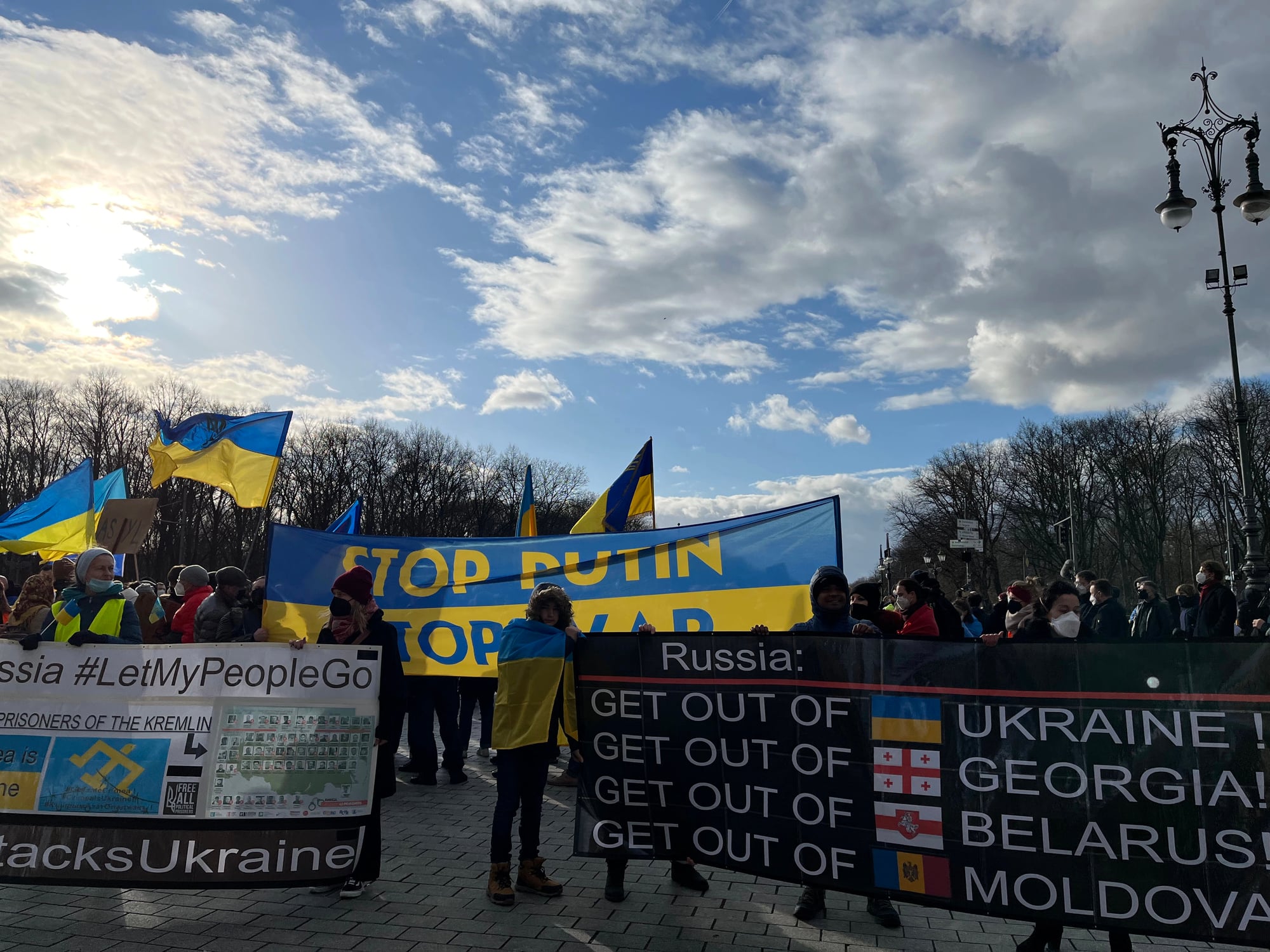
Stalin’s blockade of West Berlin in 1948 could easily have become the first hot conflict of the Cold War. The Western allies had to choose between abandoning Berlin or forcing their way through Soviet checkpoints, which would mean war.
The Berlin Airlift was a brilliant compromise that nobody expected to work. Flying supplies into a city of two million people seemed impossible, but it avoided the direct confrontation that would have triggered World War III.
The Korean War Escalation
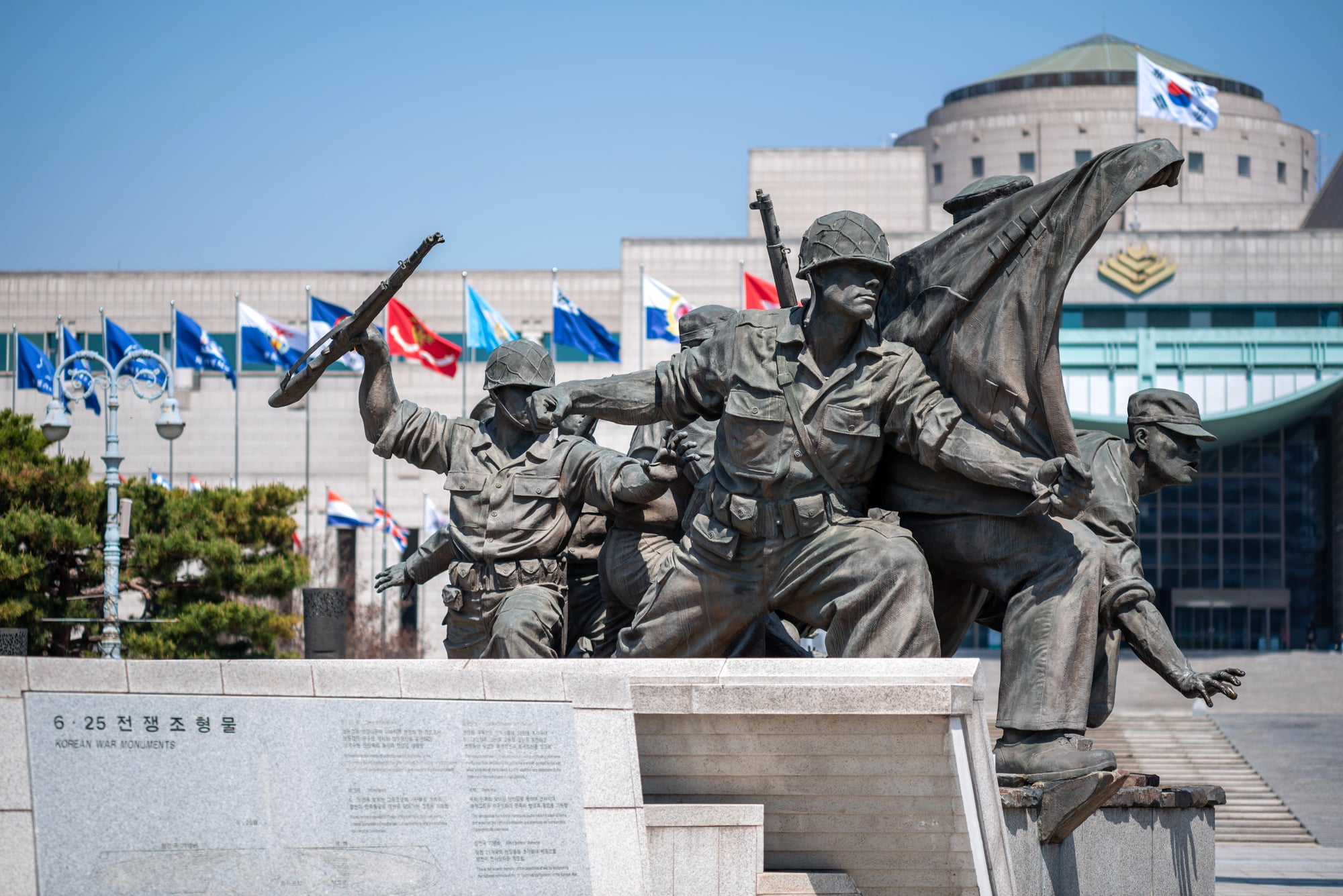
General MacArthur wanted to expand the Korean War into China, using nuclear weapons if necessary. President Truman disagreed, leading to the famous clash between civilian and military authority.
MacArthur’s plan would have brought China fully into the conflict and likely triggered Soviet intervention. The war could have become World War III fought with nuclear weapons.
Truman’s decision to fire MacArthur kept the conflict limited to the Korean peninsula.
The Indo-Pakistani War of 1971
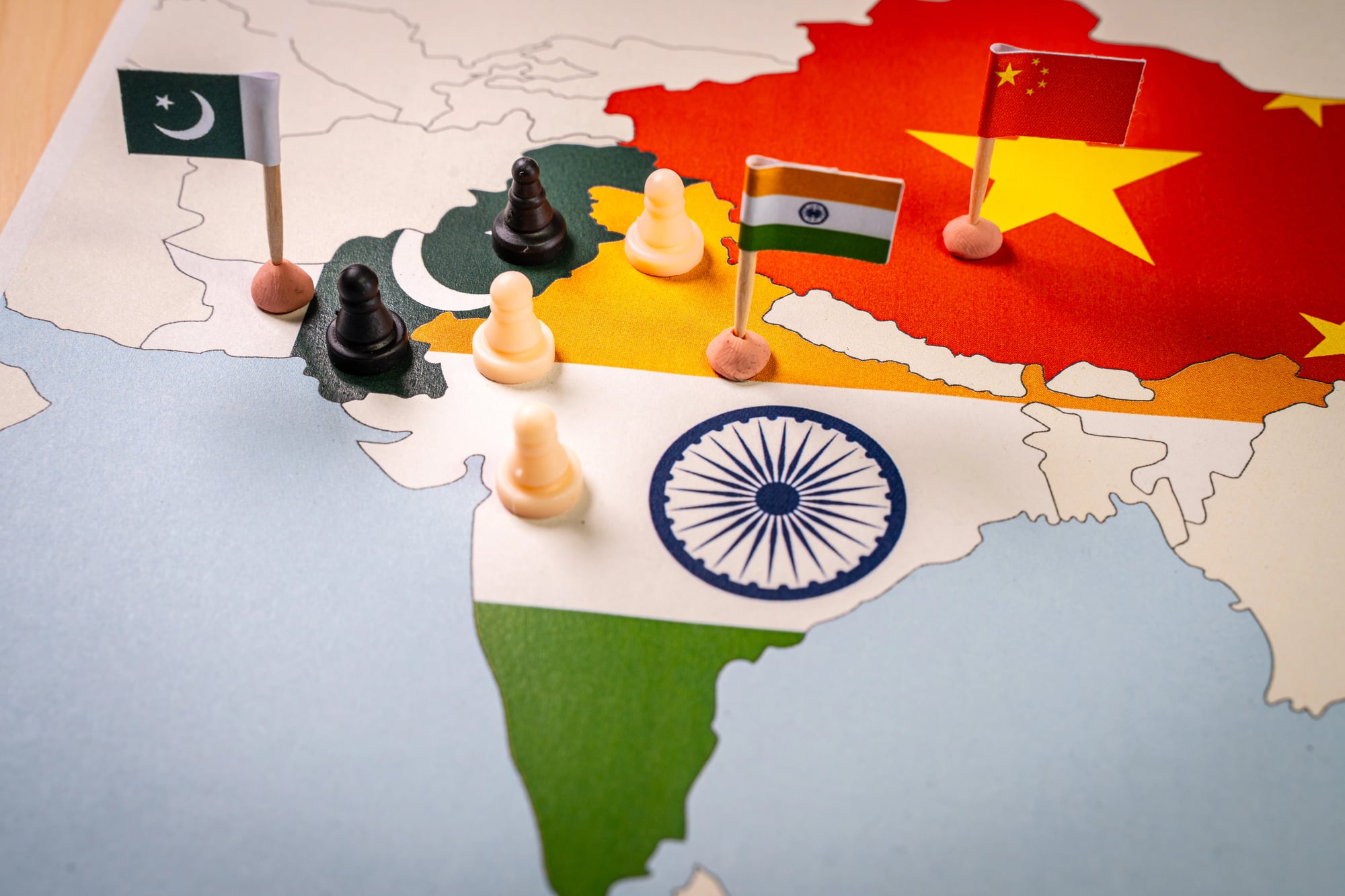
The 1971 war between India and Pakistan over Bangladesh almost drew in both the United States and Soviet Union. Nixon’s administration tilted toward Pakistan while the Soviets backed India, creating a dangerous proxy conflict.
The US sent the USS Enterprise task force to the Bay of Bengal in a show of support for Pakistan. The Soviet Union responded by shadowing the American fleet with nuclear submarines.
Direct superpower confrontation was avoided when the war ended quickly with Pakistani surrender.
The Yom Kippur War Escalation
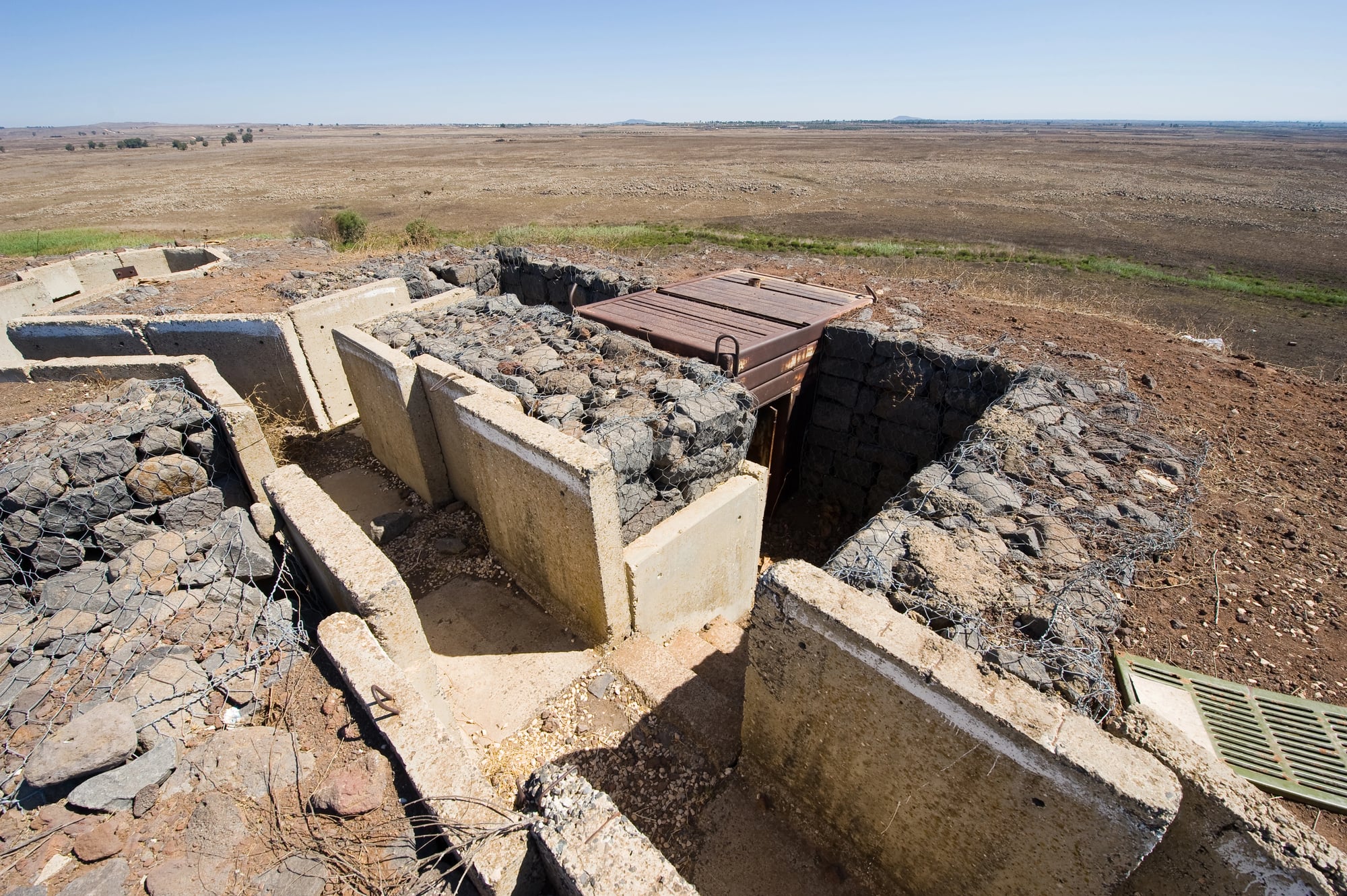
The 1973 Arab-Israeli conflict brought the superpowers dangerously close to direct confrontation when Israel appeared to be losing in the first days of fighting.
The Soviet Union threatened to intervene directly to prevent Israeli nuclear weapon use. Nixon’s administration responded by raising the nuclear alert level to DEFCON 3.
Both sides backed down when Israel recovered militarily and a ceasefire was arranged.
The Able Archer 83 Crisis
NATO’s realistic nuclear war exercise in November 1983 convinced some Soviet leaders that the West was preparing an actual first strike. The Soviet military went to high alert and prepared for nuclear war.
The crisis was defused partly because Soviet intelligence officers like Oleg Gordievsky provided information about Western intentions. The exercise ended without incident, but it was closer to nuclear war than most people realized at the time.
The Khrushchev-Mao Split Military Confrontation
The ideological split between the Soviet Union and China in the 1960s nearly became military conflict when both sides deployed forces along their shared border.
Khrushchev reportedly considered a preemptive nuclear strike against Chinese nuclear facilities. Border clashes in 1969 brought both nations close to full-scale war.
The conflict was avoided through diplomatic negotiations and mutual recognition that nuclear war served neither side’s interests.
The Turkish-Greek Cyprus War

The 1974 Turkish invasion of Cyprus almost triggered war between two NATO allies. Greece mobilized for war and considered attacking Turkish forces on the island.
American diplomatic intervention prevented the conflict from expanding beyond Cyprus itself. Both nations were pressured to avoid full-scale war that would have shattered NATO’s southern flank and potentially drawn in other alliance members.
When Diplomacy Wins

These near-misses reveal something essential about human nature and international relations. War often results from pride, miscommunication, and the momentum of events rather than careful calculation of interests.
The conflicts that were avoided usually had one thing in common: someone with authority chose restraint over glory, compromise over victory. The leaders who prevented these wars rarely became heroes in their own time.
Backing down looked like weakness to domestic audiences hungry for national prestige. But their decisions to choose boring diplomacy over exciting warfare saved countless lives and changed the course of history in ways we can barely imagine.
More from Go2Tutors!

- The Romanov Crown Jewels and Their Tragic Fate
- 13 Historical Mysteries That Science Still Can’t Solve
- Famous Hoaxes That Fooled the World for Years
- 15 Child Stars with Tragic Adult Lives
- 16 Famous Jewelry Pieces in History
Like Go2Tutors’s content? Follow us on MSN.



