Countries With Most Nobel Prizes
The Nobel Prize stands as one of the world’s most respected honors. Since 1901, it has recognized people who’ve made exceptional contributions to humanity in fields like physics, chemistry, medicine, literature, and peace.
Over the decades, certain countries have dominated the winner’s list, producing laureates who’ve changed how we understand everything from atoms to human rights. The geographic distribution of these prizes tells a fascinating story about education, investment in research, and historical circumstances.
So which nations have racked up the most of these coveted awards? Let’s dive in and find out what sets them apart.
United States

America completely dominates the Nobel Prize count with over 400 winners to its name. The country’s universities and research labs pull in talented people from every corner of the planet, creating hotspots where big discoveries happen all the time.
Billions of dollars flow into scientific research each year, and scientists get the freedom to explore wild ideas without too much red tape getting in their way. What’s really interesting is that tons of American laureates weren’t actually born there, they just moved to the States because that’s where the best opportunities were.
United Kingdom

Britain has churned out more than 130 Nobel laureates even though it’s way smaller than the United States. Places like Oxford and Cambridge have been teaching students for hundreds of years, and that deep history of learning really shows.
British researchers figured out how DNA works, discovered penicillin, and made breakthroughs that changed medicine forever. The UK keeps punching above its weight because it focuses on deep theoretical work and has built connections between its top institutions that help ideas spread quickly.
Germany
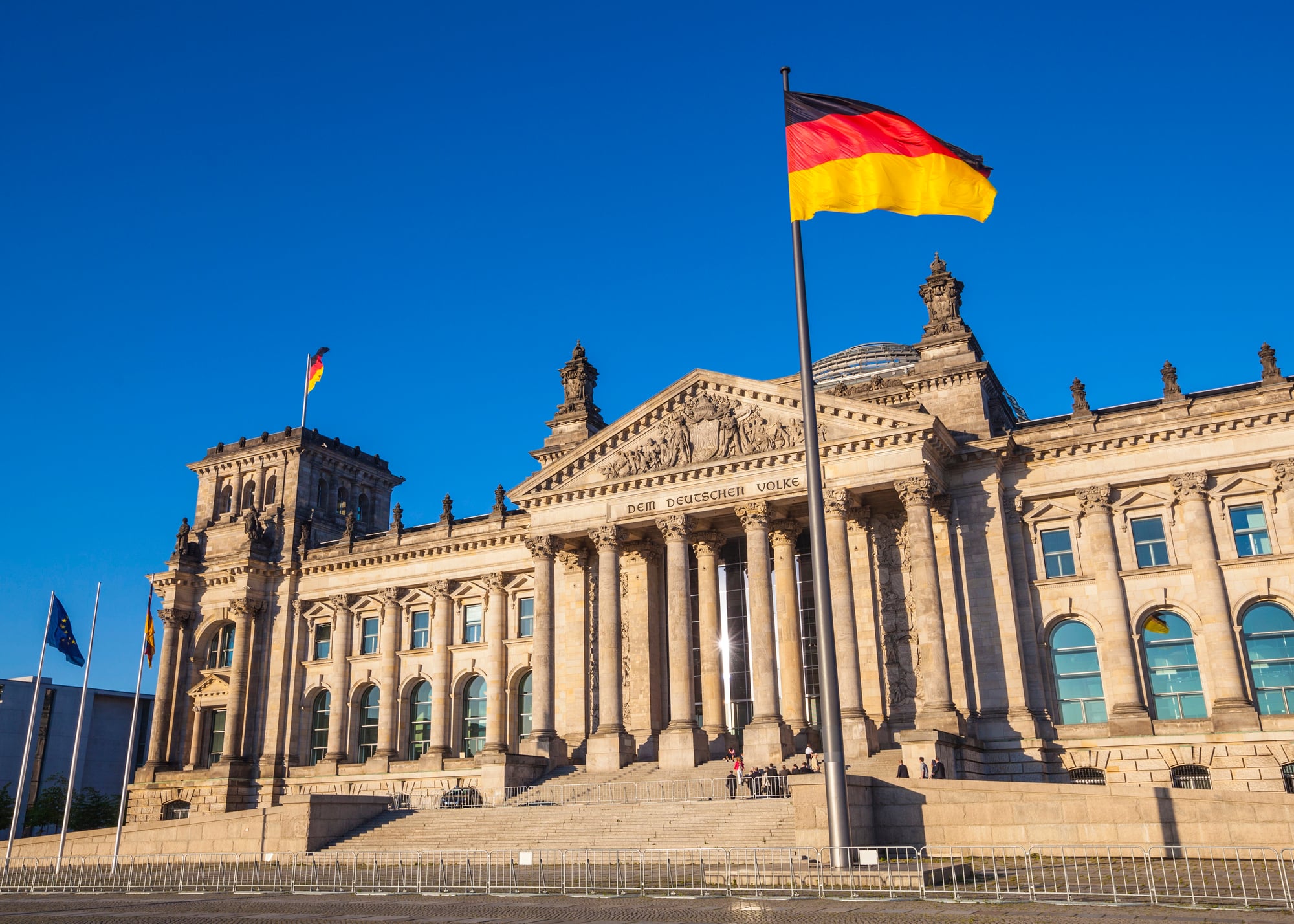
Germany has collected around 110 Nobel Prizes, with a bunch coming in the early years when the award first started. Back in the late 1800s and early 1900s, if you wanted to study physics or chemistry seriously, you went to Germany because their universities were simply the best.
Things got really bad during the Nazi years when loads of Jewish scientists had to run for their lives and took their genius elsewhere. The country bounced back after World War II though, rebuilding its research programs and getting back into the game.
France

France has grabbed roughly 70 Nobel Prizes spread across different fields. The French have always valued big thinkers and their government actually puts serious money into research centers.
Marie Curie stands out as a French hero who not only became the first woman to win a Nobel Prize but also snagged it twice in different sciences, which nobody else has ever done. Their education system is really organized and centralized, and they’ve got powerful research organizations that keep French science competitive on the world stage.
Sweden
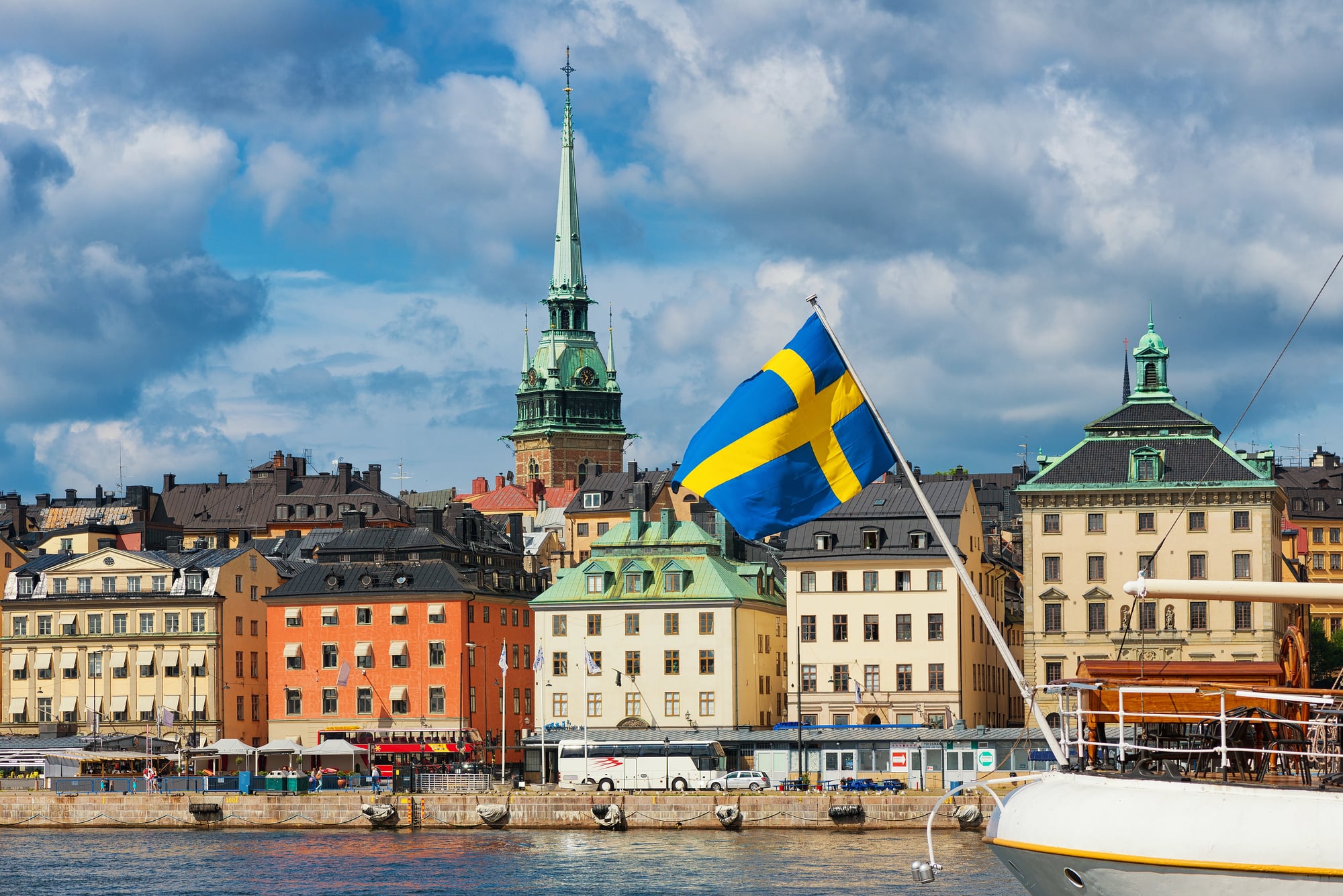
Sweden has won about 32 Nobel Prizes, which sounds crazy good when you remember only 10 million people live there. Sure, they host the award ceremony in Stockholm and the Nobel Foundation sits right there, but that’s not why they win so much.
Swedes pour money into schools and research like it’s going out of style, and they treat education as a right for everyone. When people feel free to question things and explore new ideas without fear, breakthroughs just happen more often.
Russia and Soviet Union
If you add up prizes from the old Russian Empire, Soviet Union, and today’s Russia, you get around 32 laureates total. Soviet scientists did amazing work in physics and chemistry even though their government watched everything they did and controlled where they could go.
The emphasis on math and engineering education was intense, and the space race pushed scientists to achieve incredible things. Still, being cut off from scientists in America and Europe definitely held them back from accomplishing even more.
Japan

Japan has earned approximately 29 Nobel Prizes, with most arriving after 1949. After getting devastated in World War II, the country decided to rebuild by going all-in on science and technology.
Japanese winners have really shined in physics and chemistry, showing how good the country became at turning scientific knowledge into real products. Something unique about Japan is how their big companies and universities team up on research projects, mixing pure science with practical applications in ways other countries don’t always manage.
Canada

Canada has produced around 28 Nobel Prize winners, which is pretty solid considering it has way fewer people than the big players. Canadian schools draw researchers from all over because they offer good funding and a welcoming environment.
The whole country is built on people from different backgrounds mixing together, and that variety of perspectives helps spark creative thinking. Places like the University of Toronto and McGill University have become real powerhouses where Nobel-level work gets done regularly.
Switzerland

Switzerland has won approximately 27 Nobel Prizes, and when you think about only 8.5 million people living in the whole country, that number is just wild. They’ve got ETH Zurich and CERN, where scientists literally smash particles together to understand how the universe works.
Because Switzerland stayed neutral during both world wars, their scientists could keep working while everyone else was dealing with destruction and chaos. Having loads of money, a stable government, and really good schools doesn’t hurt either.
Austria
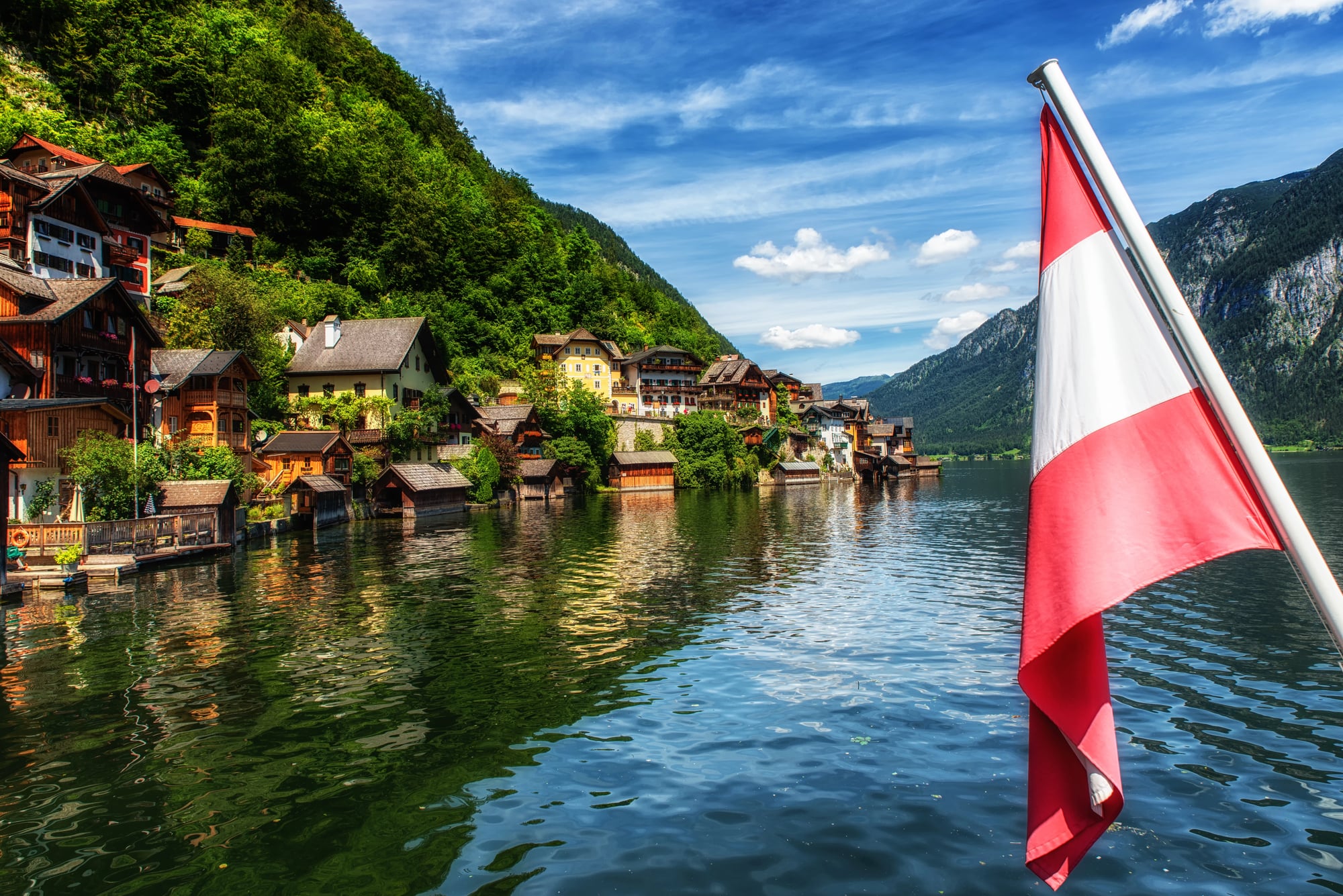
Austria has earned about 22 Nobel Prizes, many from back when Vienna was absolutely buzzing with smart people in the early 1900s. Doctors, physicists, and economists in Vienna were coming up with ideas that completely changed their fields.
Austrian universities taught in German and attracted ambitious students from all across Europe who wanted to learn from the best. These days Austria is smaller on the world stage, but certain research groups there still do exceptional work in specialized areas.
Netherlands

The Netherlands has won around 22 Nobel Prizes even though it’s not a big country at all. Dutch scientists have figured out fundamental things about how atoms and molecules behave, with Leiden University leading the charge.
For centuries, the Dutch have been pretty chill about letting people think differently and question established ideas, which is exactly what you need for science to advance. Dutch researchers also work hand-in-hand with scientists from Germany, Belgium, and other neighbors, making the most of being in the middle of Europe.
Italy
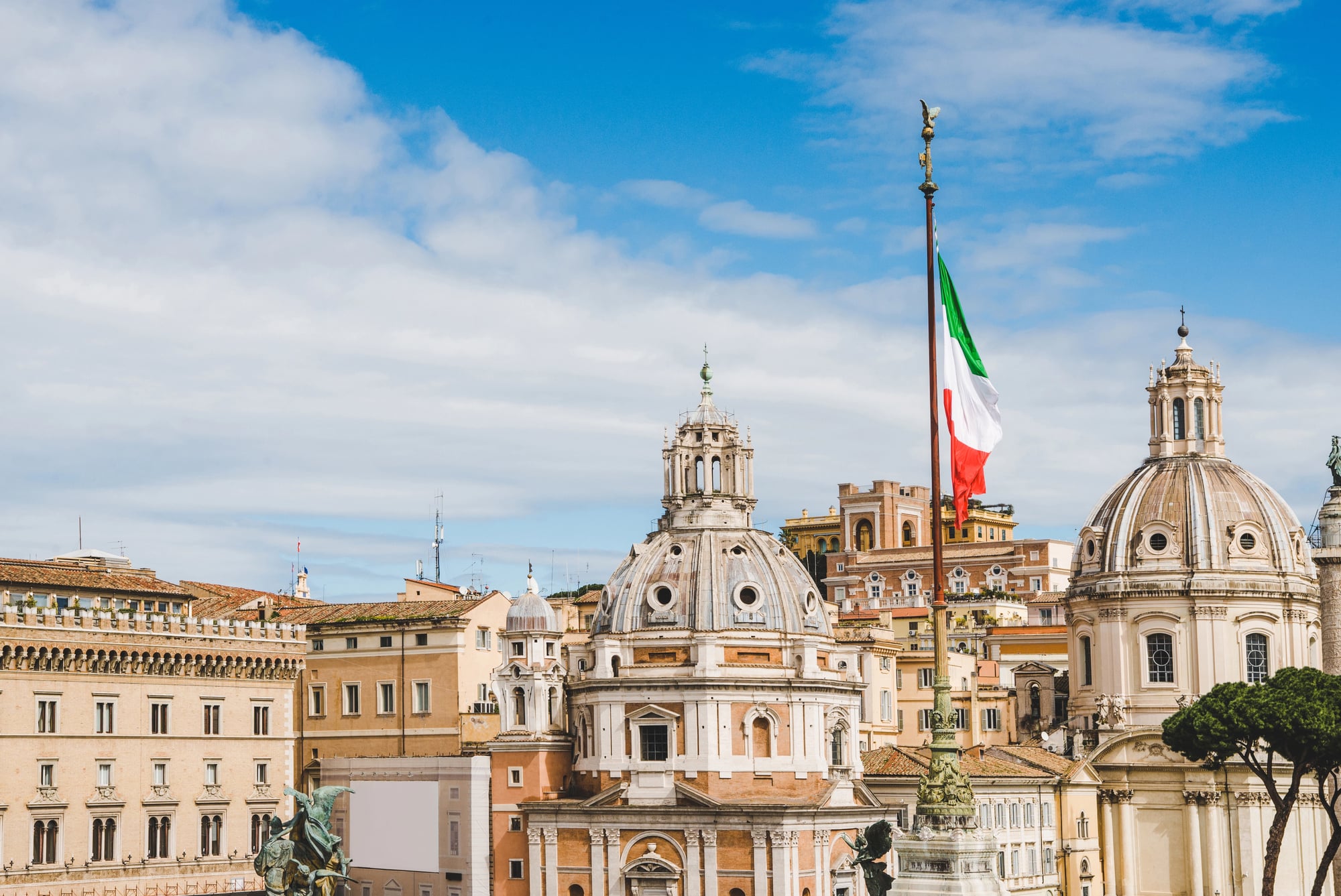
Italy has accumulated approximately 20 Nobel Prizes across various categories. Italian scientists like Enrico Fermi helped unlock the secrets of nuclear energy, doing work that literally changed the world.
The country has universities that have been around since medieval times, and that long tradition of learning matters. The problem is that Italy doesn’t fund research as generously as countries up north, so talented Italian scientists sometimes struggle to get the resources they need or end up moving somewhere else.
Denmark
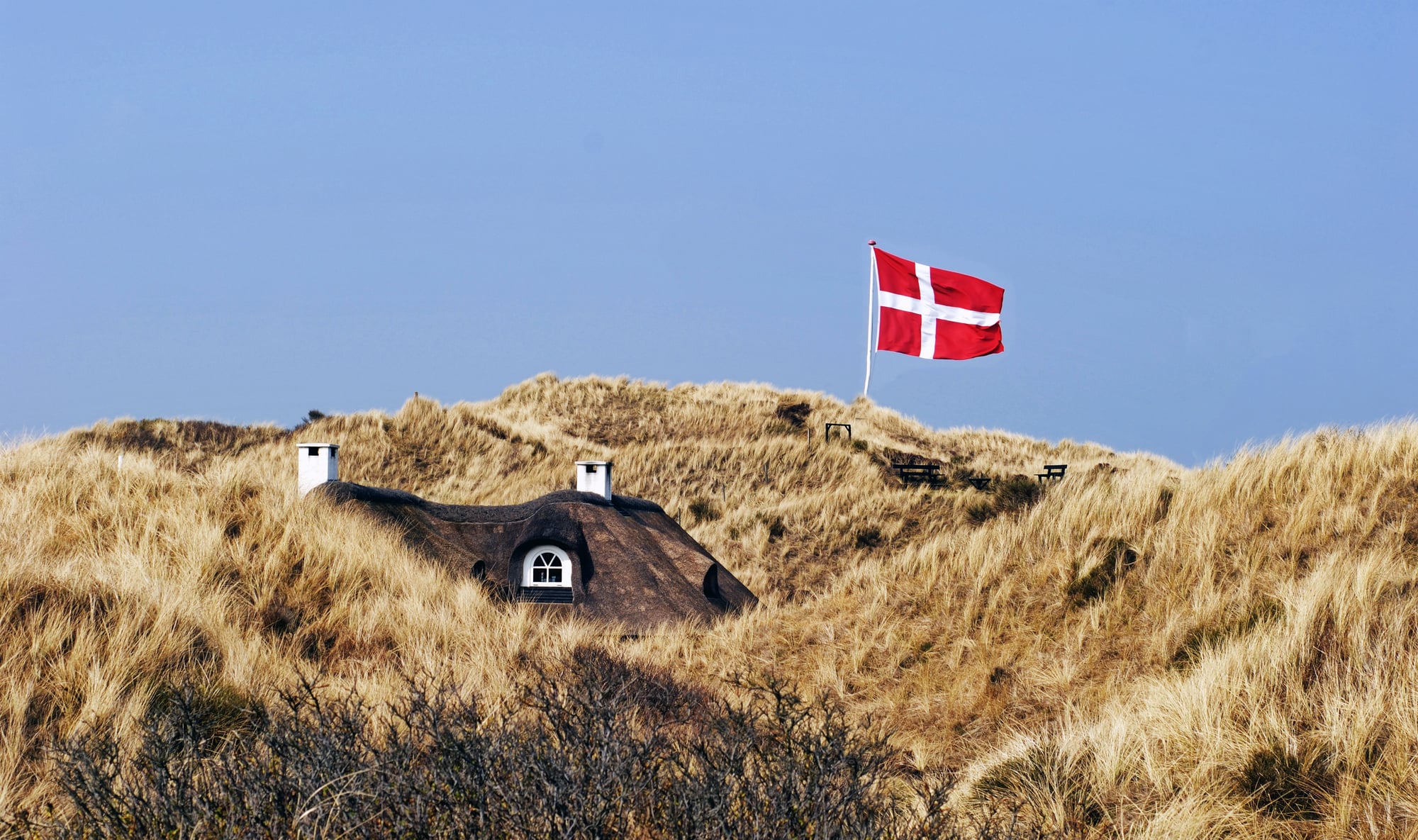
Denmark has won about 14 Nobel Prizes, another case of a tiny country doing surprisingly well. Niels Bohr basically rewrote the rules of physics with his work on atoms, and his institute in Copenhagen became the place where all the brightest minds wanted to hang out.
Danes enjoy a really high quality of life and excellent schools from childhood onward, giving everyone a solid foundation. Danish scientists also don’t work in isolation, they’re constantly teaming up with researchers from Sweden, Norway, and Germany.
Poland

Poland has produced around 17 Nobel laureates, including Marie Curie who remains one of the most famous scientists ever. When you consider that Poland got invaded, occupied, and carved up repeatedly throughout history, their scientific achievements become even more impressive.
Polish people have a real knack for mathematics and chemistry in particular. Lots of Polish scientists ended up working in other countries because opportunities back home were limited, but they never forgot where they came from.
Australia

Australia has earned approximately 15 Nobel Prizes, mostly in medicine and physics. Over the last half-century, Australian universities have really stepped up their game and started competing with the best schools anywhere.
The Australian government backs research pretty well, and being connected to both British and American scientific networks helps enormously. Being stuck way down under on the map hasn’t stopped Australian researchers from making discoveries that matter to people everywhere.
Belgium

Belgium has won around 12 Nobel Prizes despite being small and dealing with constant language debates between French and Dutch speakers. Belgian scientists have done important work in medicine and physics, with good researchers on both sides of the language divide.
Sitting right in the heart of Europe means Belgian scientists can easily collaborate with people in France, Germany, the Netherlands, and beyond. The country has enough wealth to support research even while politicians argue about regional issues.
Hungary

Hungary has produced about 13 Nobel laureates, which is absolutely nuts for such a small country. Loads of Hungarian winners actually left Hungary during the 1900s because of wars, revolutions, and persecution.
The Hungarian school system, especially for math and science, just cranks out brilliant students for some reason. Hungarian scientists who fled abroad ended up working on the atomic bomb and other huge projects that shaped the modern world.
India

India has won around 9 Nobel Prizes, which feels low when you’re talking about a country with 1.4 billion people. Rabindranath Tagore kicked things off by winning for literature, then scientists like C.V. Raman proved India could compete in physics too.
The reality is that Indian researchers often don’t have enough money for equipment and facilities, and the best Indian scientists frequently leave for America or Europe where the pay and resources are better. As India’s economy grows and the government invests more in research, those numbers should start climbing.
What It All Means

These rankings tell us something deeper than who’s winning a competition. They reveal how countries that invest in education, stay politically stable, and welcome ideas from everywhere end up producing work that pushes humanity forward.
More from Go2Tutors!

- The Romanov Crown Jewels and Their Tragic Fate
- 13 Historical Mysteries That Science Still Can’t Solve
- Famous Hoaxes That Fooled the World for Years
- 15 Child Stars with Tragic Adult Lives
- 16 Famous Jewelry Pieces in History
Like Go2Tutors’s content? Follow us on MSN.



