19 Best CGI Movies of All Time
Computer-generated imagery has transformed cinema from a novelty into an essential storytelling tool that brings impossible worlds to life. What started as simple geometric shapes in the 1970s has evolved into photorealistic dragons, alien planets, and digital humans that blur the line between reality and imagination. These visual effects don’t just dazzle audiences—they push the boundaries of what’s possible in filmmaking. Here is a list of 19 movies that represent the absolute pinnacle of CGI achievement, spanning from pioneering early experiments to modern masterpieces that continue redefining visual storytelling.
Westworld
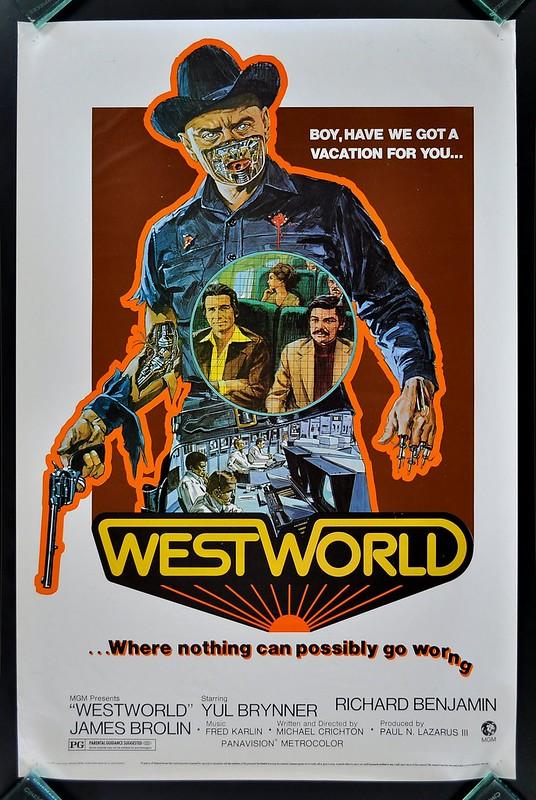
The 1973 sci-fi thriller holds the distinction of featuring the very first use of 2D computer graphics in cinema. When audiences saw through the eyes of Yul Brynner’s malfunctioning robot gunslinger, they witnessed history in the making. The pixelated, grid-like vision used primitive raster graphics that took an entire day to render just 10 seconds of footage. While laughably simple by today’s standards, this groundbreaking sequence laid the foundation for every digital effect that followed.
Star Wars
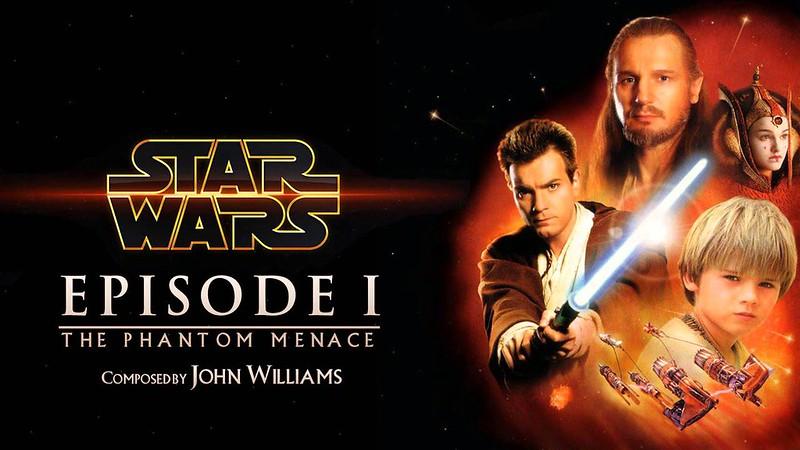
George Lucas didn’t just create a space opera in 1977—he revolutionized how movies could be made. Industrial Light & Magic pioneered motion control photography, allowing intricate spaceship models to perform complex maneuvers that would have been impossible with traditional techniques. The Death Star trench run alone required hundreds of precise calculations to coordinate model movements with camera angles. This wasn’t just about making spaceships fly; it was about proving that computers could help filmmakers tell stories that were previously unimaginable.
Tron
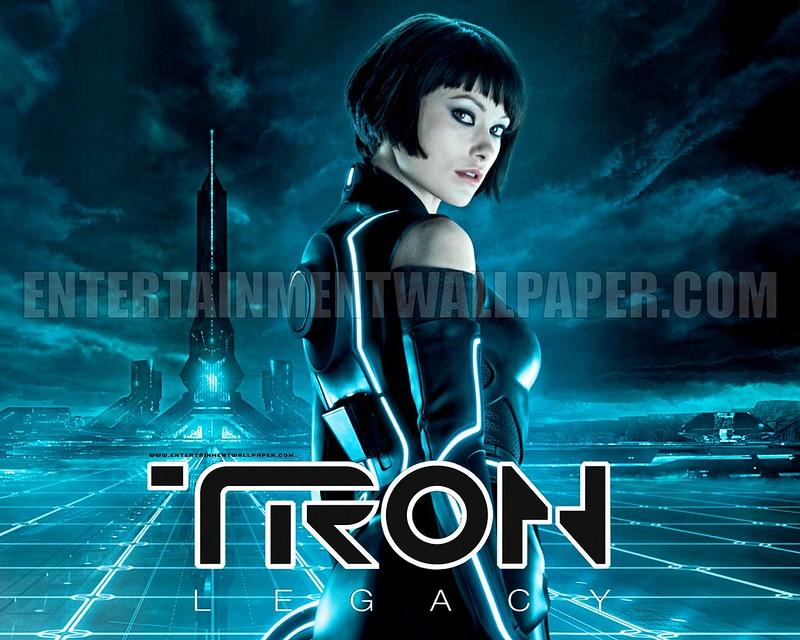
Disney’s 1982 digital frontier adventure was so ahead of its time that Academy voters refused to nominate it for visual effects, claiming computer assistance was ‘cheating.’ The light cycle sequences and digital landscapes required artists to hand-color each frame, creating a neon-soaked world that looked like nothing audiences had ever seen. Tron proved that computers weren’t just tools for enhancing reality—they could create entirely new ones.
Terminator 2: Judgment Day

James Cameron’s 1991 masterpiece introduced the world to the T-1000, a liquid metal assassin that could morph, heal, and transform at will. Industrial Light & Magic spent months perfecting the chrome-like surface that had to reflect environments accurately while maintaining the character’s fluid movements. The scene where Robert Patrick’s character reforms after being blasted with a shotgun took six months to complete and established a new gold standard for digital creatures.
Jurassic Park
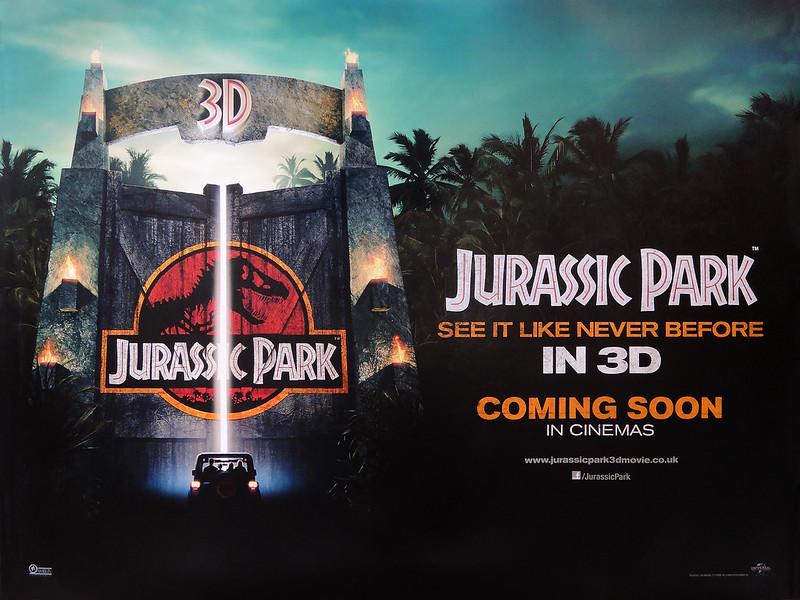
Steven Spielberg’s dinosaur epic accomplished something many thought impossible—making extinct creatures look completely alive and believable. The film’s success came from seamlessly blending CGI with practical animatronics, but it was the wide shots of dinosaurs moving through their environment that truly amazed audiences. Each dinosaur frame took between four to six hours to render, and the team studied real animal movements to ensure every step felt authentic.
The Mask

Jim Carrey’s rubbery transformations in this 1994 comedy showcase some of the most creative character animation ever put on screen. The film’s cartoon-like effects broke away from the pursuit of photorealism, instead embracing exaggerated, impossible movements that perfectly matched Carrey’s manic energy. Industrial Light & Magic had to invent new software just to handle the character’s constantly morphing face, proving that CGI could be funny as well as frightening.
Toy Story
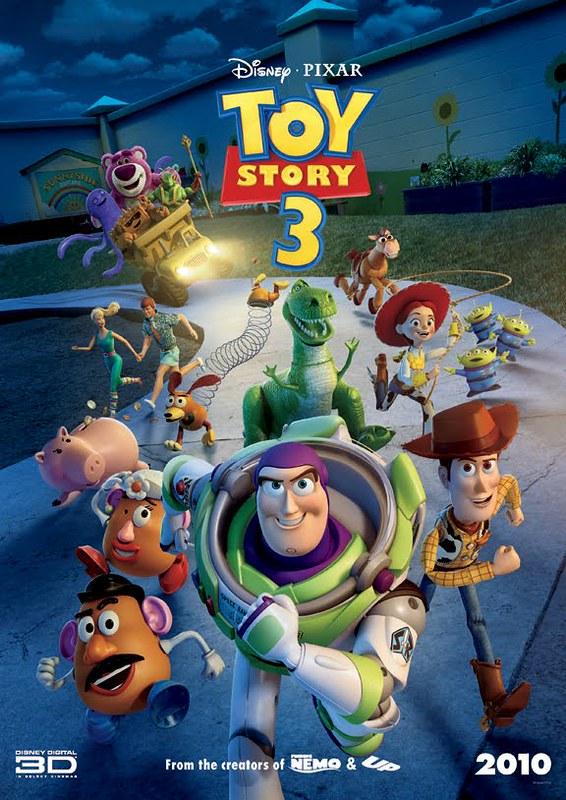
Pixar’s 1995 debut wasn’t just the first fully computer-animated feature film—it was a complete reinvention of animation itself. Every texture, from Woody’s fabric vest to Buzz’s metallic surface, had to be created from scratch using newly developed rendering software. The film’s success proved that audiences were ready for an entirely new form of storytelling, one where the medium itself was as revolutionary as the story being told.
The Matrix
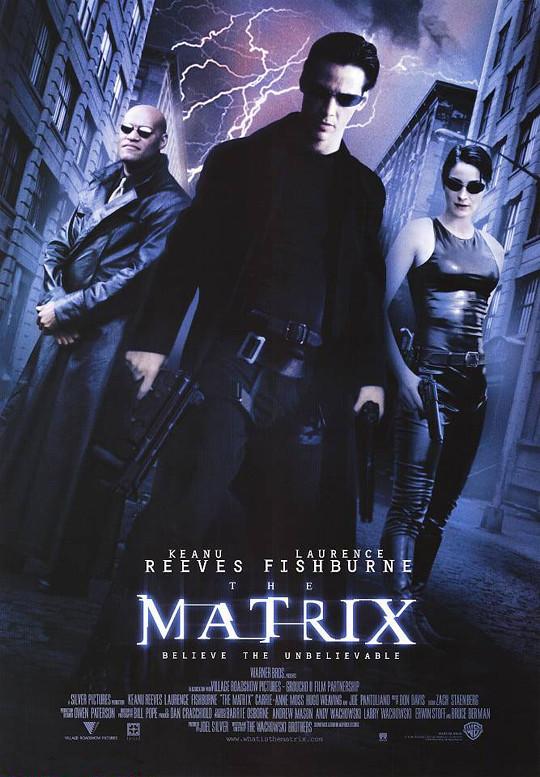
The Wachowski sisters didn’t just create a sci-fi thriller in 1999—they invented a visual language that influenced action movies for decades. The famous ‘bullet time’ effect used 120 still cameras positioned around Keanu Reeves to capture a single moment from multiple angles. Combined with digital interpolation, this technique created the illusion of time slowing down while the camera moved at normal speed, a paradox that perfectly embodied the film’s themes about the nature of reality.
The Lord of the Rings: The Fellowship of the Ring
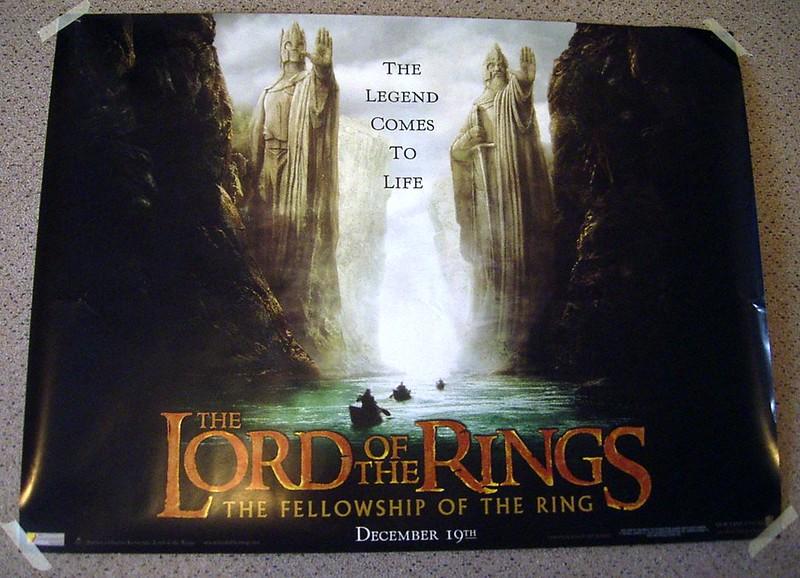
Peter Jackson’s fantasy epic introduced Gollum, the first fully CGI character to deliver a convincing dramatic performance. Andy Serkis’s motion capture work was revolutionary, but it was Weta Digital’s ‘subsurface scattering’ technology that made Gollum feel real. The technique simulated how light penetrates skin and bounces around beneath the surface, creating the subtle translucency that makes living creatures look alive rather than plastic.
Spider-Man
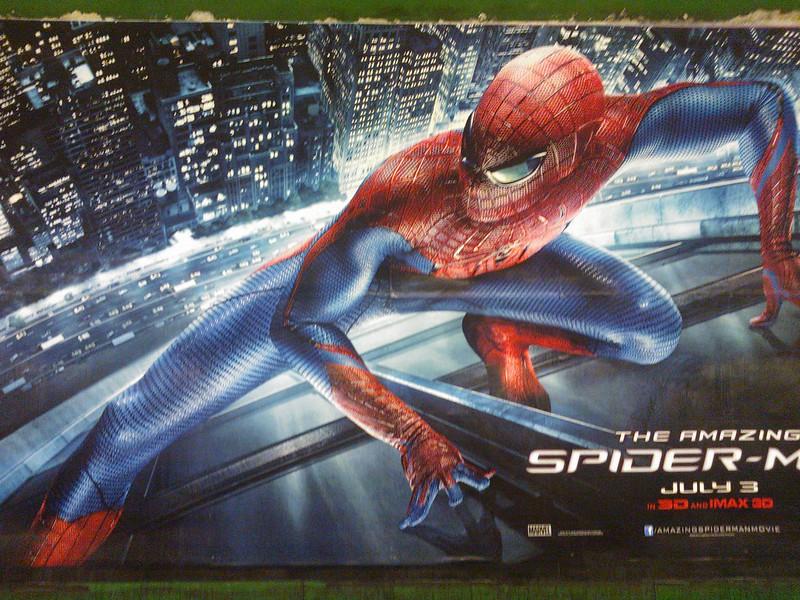
Sam Raimi’s 2002 superhero film faced the challenge of making a man in red spandex look believable while swinging between skyscrapers. The digital Spider-Man moved with a fluidity that practical effects couldn’t achieve, particularly during the complex aerial sequences through New York City. Sony Pictures Imageworks developed new cloth simulation software specifically for the character’s costume, ensuring that every fold and wrinkle moved realistically as Spider-Man soared through the air.
Pirates of the Caribbean: Dead Man’s Chest

Davy Jones remains one of the most impressive CGI characters ever created, with 46 individual tentacles making up his beard alone. Industrial Light & Magic used coffee-stained Styrofoam cups as texture references for the tentacles, scanning their surfaces to create realistic organic patterns. Bill Nighy’s performance was captured using IMocap technology, allowing his facial expressions to drive the digital character’s emotions while maintaining the otherworldly appearance of a man cursed by the sea.
Avatar
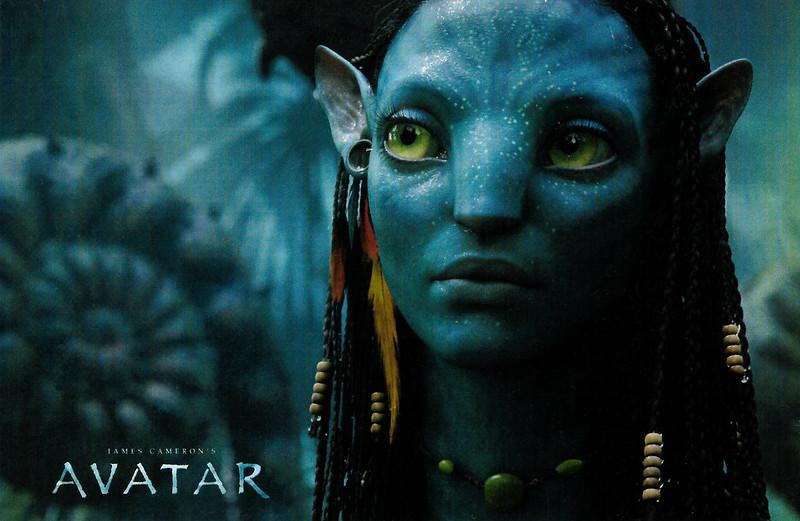
James Cameron’s 2009 epic didn’t just push CGI forward—it dragged the entire film industry into a new era. The film’s ‘fusion camera system’ blended live-action and digital elements in real-time, allowing Cameron to see the final composite while filming. Pandora’s bioluminescent forests and floating mountains required new rendering techniques to handle the massive scale and complexity. The Na’vi characters achieved unprecedented realism through a combination of performance capture and hand-animated details that brought genuine emotion to digital beings.
Life of Pi

Ang Lee’s 2012 survival story faced an impossible challenge: creating a Bengal tiger that could share intimate scenes with a human actor. The digital Richard Parker was so convincing that many viewers assumed a real tiger was used in many scenes. Rhythm & Hues spent years studying tiger behavior and anatomy, creating muscle systems that moved realistically under the digital creature’s skin. The film’s success proved that CGI animals could carry emotional weight equal to their living counterparts.
Gravity
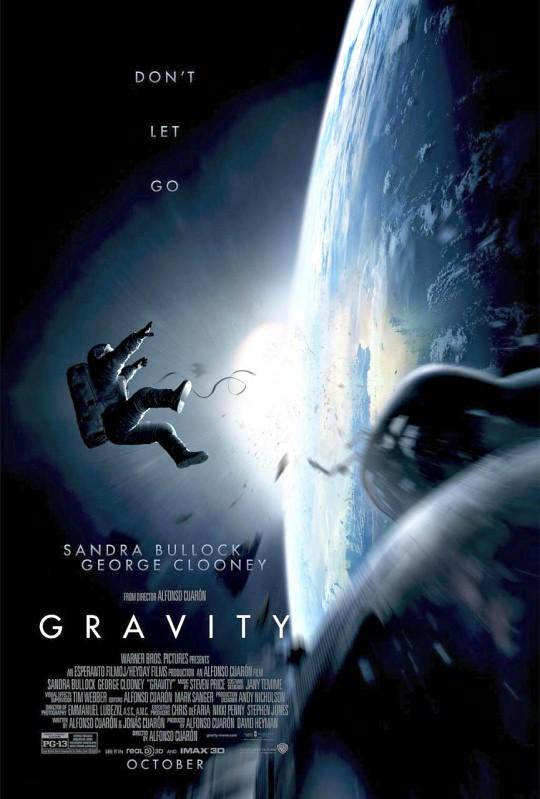
Alfonso Cuarón’s space thriller created the most convincing zero-gravity environment ever filmed. Rather than simply removing gravity’s effects, the film simulated how objects, light, and even human hair would behave in the vacuum of space. Long, unbroken shots that would have been impossible to achieve practically were rendered with such precision that audiences forgot they were watching digital environments. The film’s 13-minute opening sequence contains only a few minutes of traditional photography—the rest is pure digital artistry.
Inception
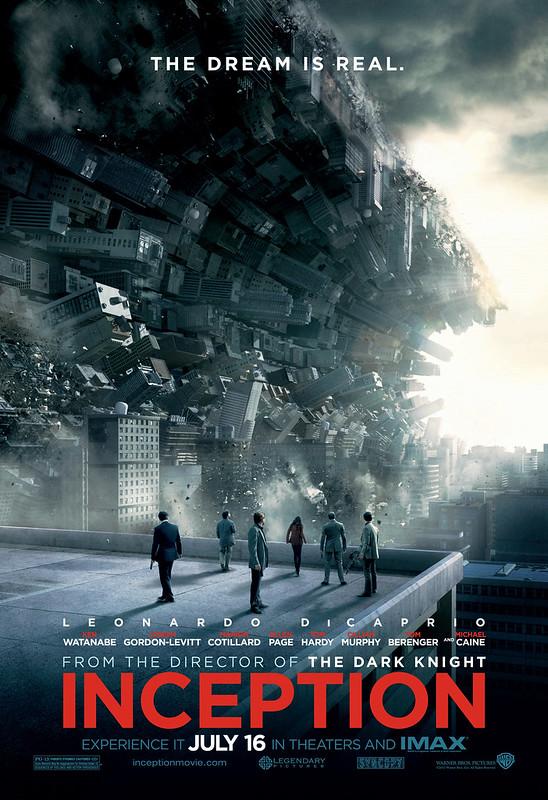
Christopher Nolan’s mind-bending thriller brought architectural impossibilities to life through a combination of practical effects and digital enhancement. The famous Paris folding sequence required Double Negative to create millimeter-accurate models of four city blocks, complete with digital cars and pedestrians. Rather than relying purely on CGI, the film used digital effects to enhance practical elements, creating surreal imagery that felt grounded in physical reality.
The Jungle Book
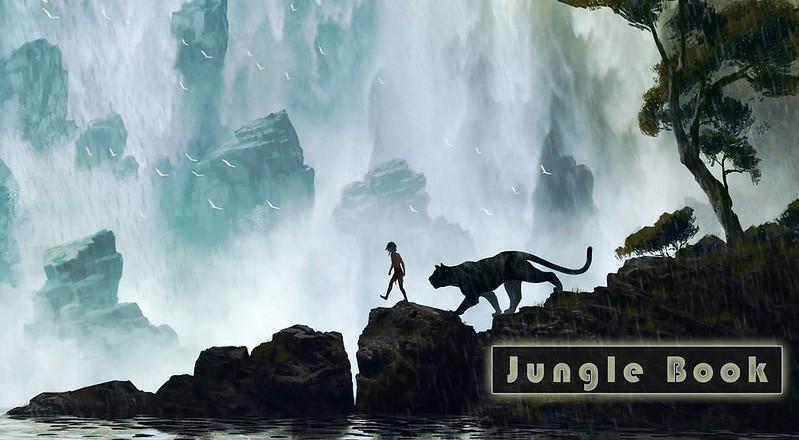
Disney’s 2016 reimagining created an entirely digital jungle populated by photorealistic animals, with only young Neel Sethi appearing as a live-action element. Every tree, rock, and blade of grass was computer-generated, yet the environments felt completely natural. The animal characters retained their wild nature while expressing human emotions, a delicate balance that required animators to study real animal behavior while incorporating subtle anthropomorphic elements.
Spider-Man: Into the Spider-Verse

Sony’s 2018 animated masterpiece threw out the rulebook for computer animation, creating a visual style that looked like comic books come to life. The film used ‘stepped animation’ on twos instead of the traditional ones, giving movement a deliberate comic book panel feel. Hand-drawn elements were layered over CGI rendering, incorporating halftoning and line hatching that mimicked vintage comic book printing. The result was animation that felt both cutting-edge and nostalgic, proving that CGI could embrace stylization over photorealism.
Dune

Denis Villeneuve’s 2021 adaptation brought Frank Herbert’s desert planet to life with stunning realism. The massive sandworms required new simulation technology to handle their scale and the way sand would cascade from their bodies. Arrakis itself was created through a combination of practical desert filming and extensive digital environments that extended the horizon beyond what any real location could provide. The film’s restraint in visual effects—using CGI to support rather than overwhelm the story—demonstrated the maturity of modern filmmaking.
Avatar: The Way of Water

James Cameron’s 2022 sequel pushed underwater cinematography into previously impossible territory. The new ‘Deep X’ technology eliminated the distortion that water typically causes to camera lenses, allowing for crisp 3D filming beneath the surface. Digital water simulations reached new levels of complexity, accurately depicting how light refracts through moving water and how underwater creatures would move through their environment. The film proved that even thirteen years after the original, Cameron could still advance the art of visual storytelling.
The Digital Revolution Continues

From Westworld’s primitive pixels to Avatar’s underwater worlds, these nineteen films represent more than just technical achievements—they’re milestones in the evolution of storytelling itself. Each breakthrough opened new possibilities for filmmakers, allowing them to bring increasingly ambitious visions to life. Today’s impossible effects become tomorrow’s standard tools, but the best CGI movies understand that technology serves the story, not the other way around. As artificial intelligence and real-time rendering continue advancing, one thing remains constant: the most memorable digital effects are those that help us believe in worlds we know can’t exist, but desperately want to visit.
More from Go2Tutors!

- 16 Historical Figures Who Were Nothing Like You Think
- 12 Things Sold in the 80s That Are Now Illegal
- 15 VHS Tapes That Could Be Worth Thousands
Like Go2Tutors’ content? Follow us on MSN.