16 Strange War Moments You Won’t Find in Textbooks
History textbooks tend to focus on the major battles, political decisions, and prominent figures of wartime, but beneath these well-documented events lies a stranger side of military history. The chaos of conflict often creates circumstances so bizarre they seem almost unbelievable, yet they’re absolutely true.
Here is a list of 16 unusual wartime incidents that rarely make it into traditional history lessons but offer fascinating glimpses into the peculiar realities of war.
The Great Emu War
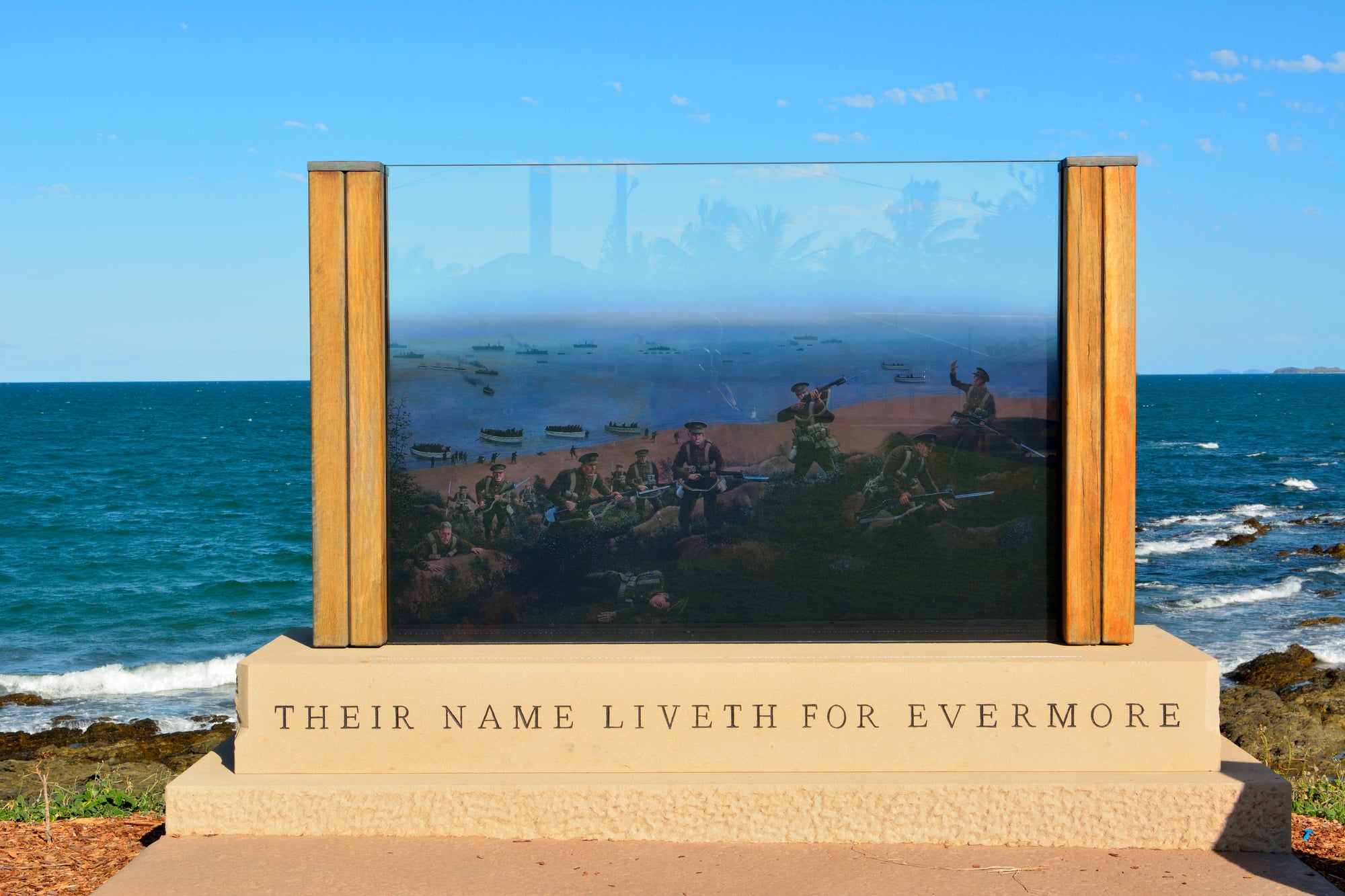
In 1932, Australia literally declared war on emus. After World War I veterans settled in Western Australia to farm, they faced an unexpected enemy: some 20,000 emus migrating through their fields and destroying crops. The government responded by sending military personnel armed with Lewis guns to combat the birds.
Despite their firepower, the soldiers were outmaneuvered by the emus, who scattered into small groups and proved surprisingly resilient. The operation was such a failure that local media dubbed it ‘The Great Emu War’.
Operation Acoustic Kitty

During the Cold War, the CIA spent millions on ‘Operation Acoustic Kitty,’ an attempt to use cats as mobile listening devices. Surgeons implanted a microphone in a cat’s ear canal, a radio transmitter at the base of its skull, and an antenna in its tail.
The first mission in the 1960s involved releasing the cat near a Soviet compound in Washington, D.C., but the feline was immediately hit by a taxi. The project was abandoned shortly afterward, with the CIA concluding that cats were too unpredictable for espionage work.
Like Go2Tutors’s content? Follow us on MSN.
The Battle of Los Angeles
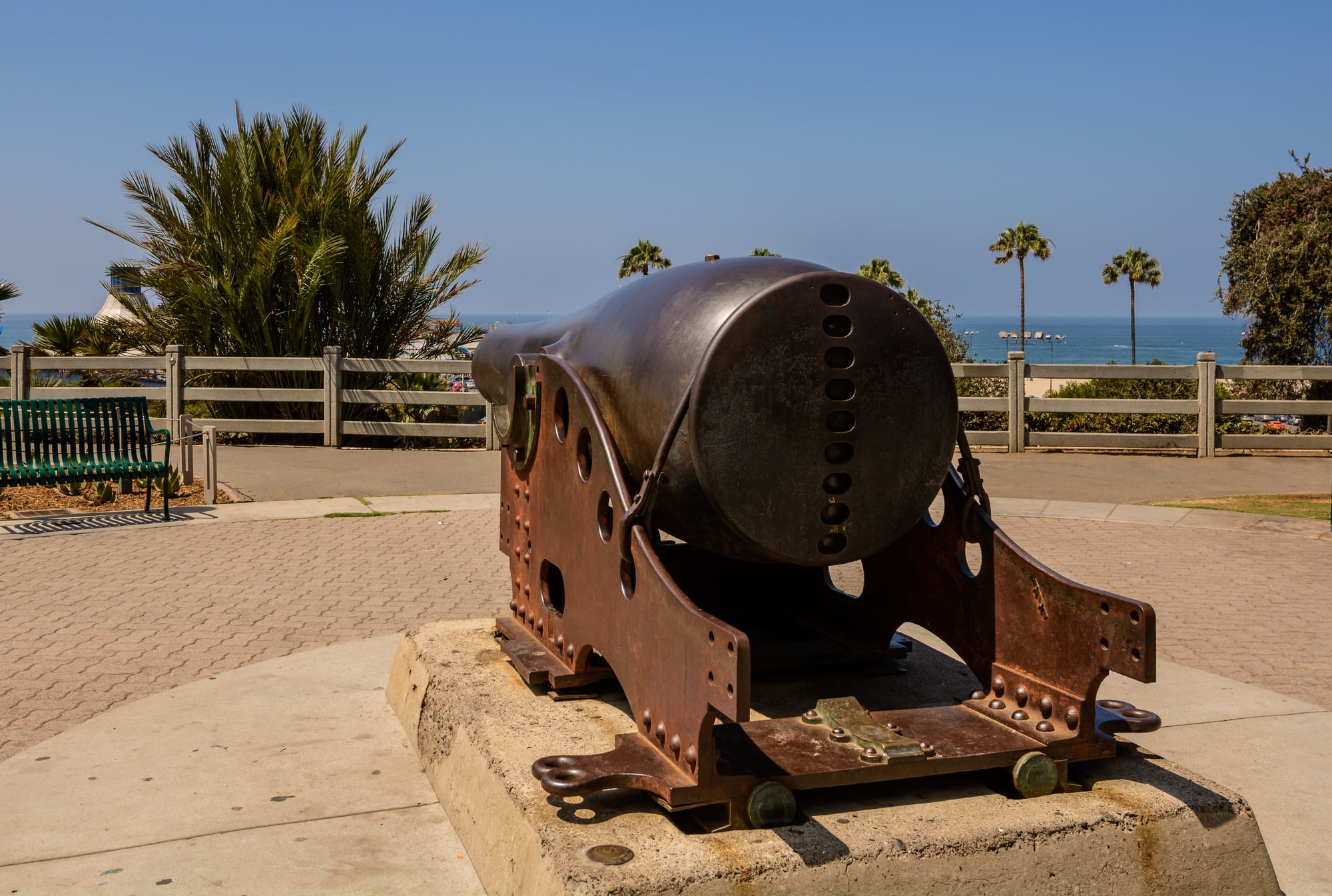
In February 1942, just months after Pearl Harbor, Los Angeles experienced a strange overnight incident when military forces fired over 1,400 anti-aircraft shells at what they believed was a Japanese air raid. Searchlights illuminated the sky while gunners fired frantically at supposed enemy aircraft for hours.
The next morning, no evidence of Japanese planes was found, and no bombs had been dropped. Some attribute the panic to war nerves, while others suggest weather balloons or even UFOs were responsible for the mysterious incident.
The Nazi Animal Talker
The Nazis employed a man named Jan Oks who claimed he could communicate with animals and train them for military purposes. Hitler’s government took his claims seriously enough to fund his work attempting to teach dogs to talk and serve as communication liaisons on the battlefield.
Oks even claimed he could teach animals to identify enemy tanks and aircraft. Despite significant funding, the program produced no meaningful results, but it demonstrates how desperation during wartime can lead to embracing unusual ideas.
The Christmas Truce
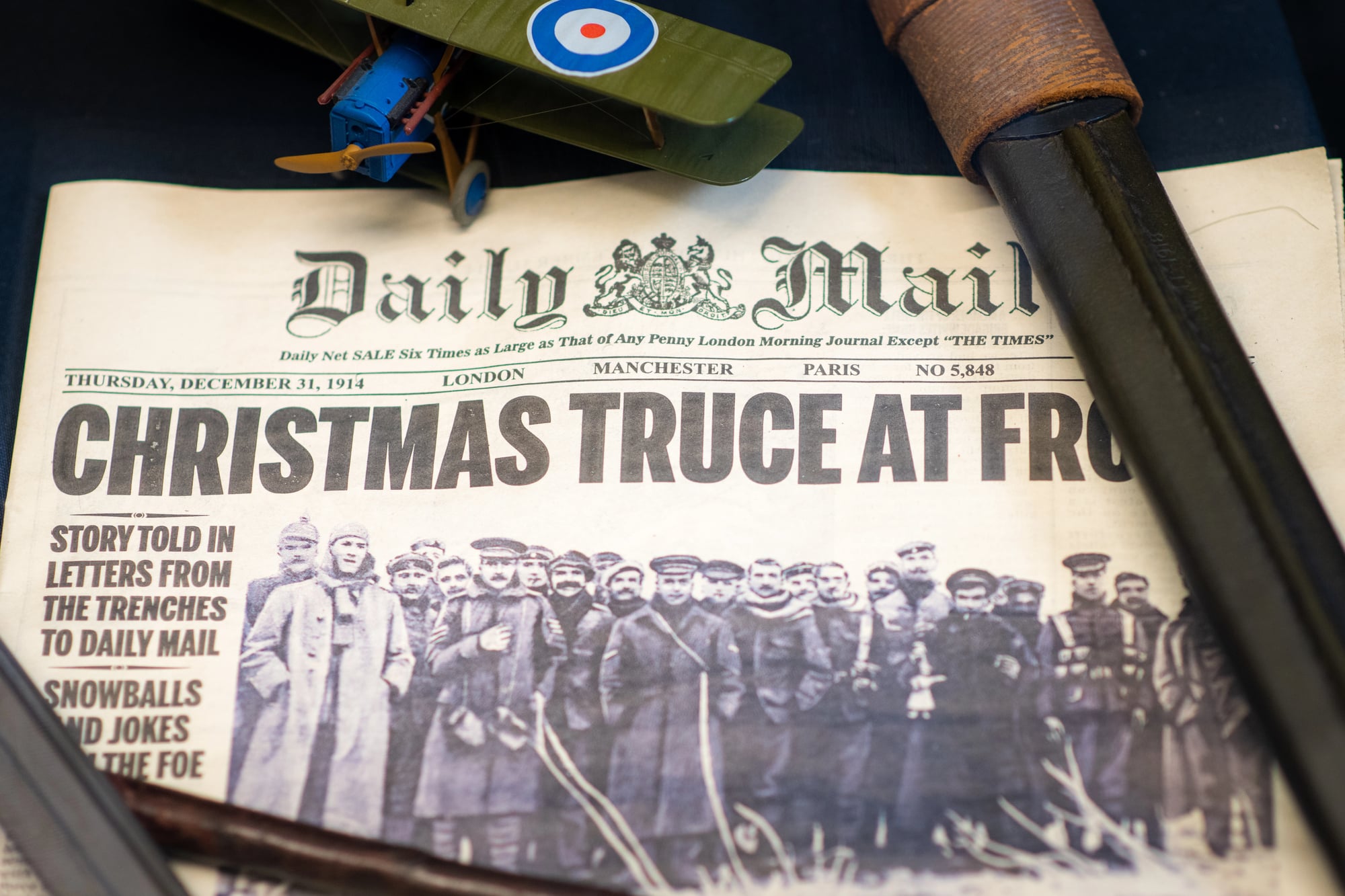
In December 1914, during the first year of World War I, German and British troops along parts of the Western Front initiated an unofficial truce on Christmas Day. Soldiers emerged from their trenches, exchanged gifts, played football, and even took photographs together.
The high commands on both sides were furious about this spontaneous display of humanity and took measures to prevent it from happening again in the later years of the war. The truce demonstrates how the human spirit can temporarily overcome even the most entrenched conflict.
Like Go2Tutors’s content? Follow us on MSN.
The Phantom Fortress
In 1969, during the Vietnam War, a World War II-era B-17 bomber landed at an American airbase unmanned. The plane taxied to a smooth halt with engines still running but no one in the cockpit. The military police investigated the incident but could not discover any trace of the crew.
The incident was never explained, although the speculation ranges from a prank by Air America pilots to an unauthorized flight. Some even think that the plane might have been on autopilot for hours after the crew parachuted out for reasons never to be known.
Wojtek the Soldier Bear
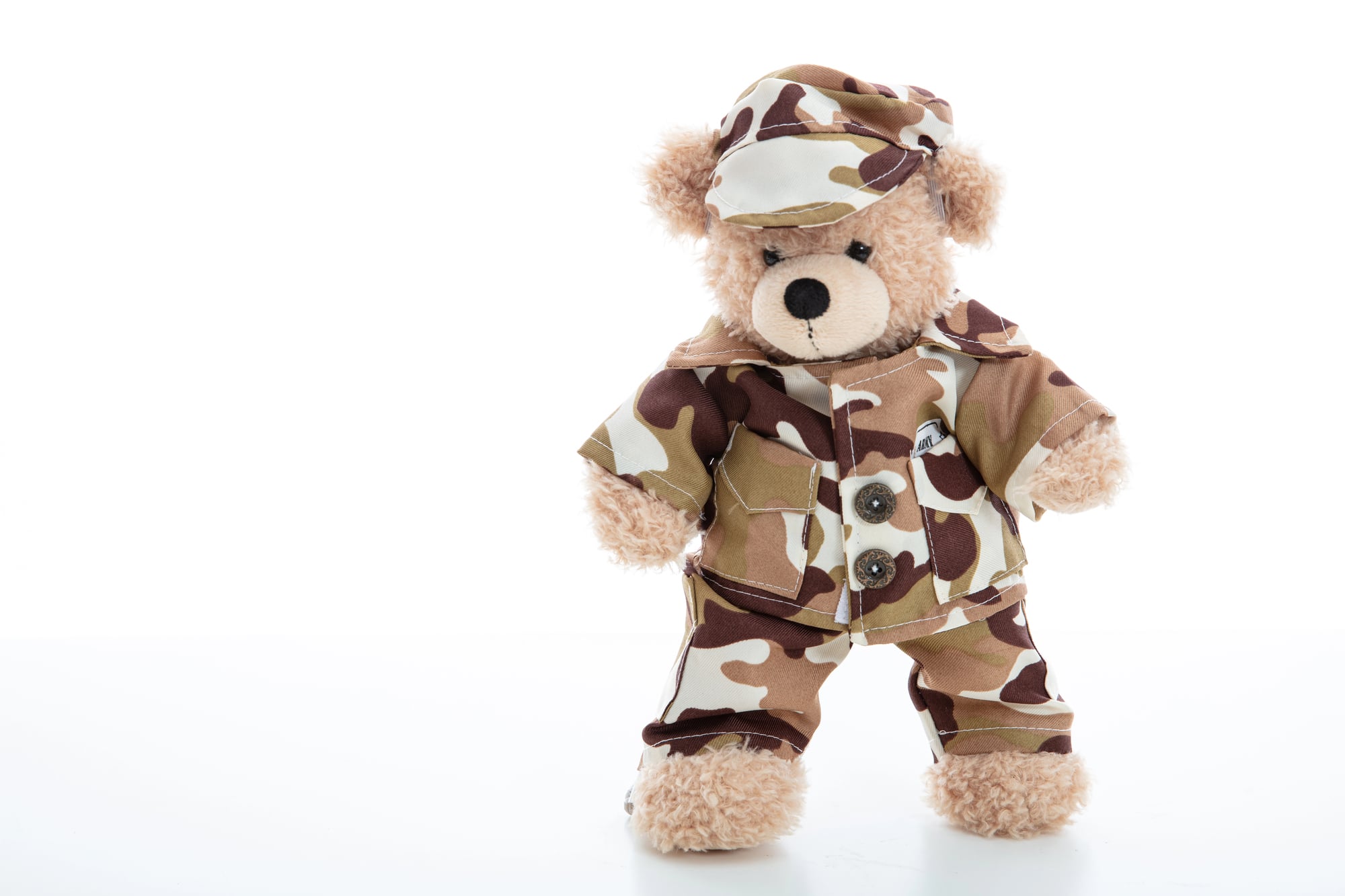
During World War II, Polish soldiers adopted an orphaned Syrian brown bear cub and named him Wojtek. As the soldiers traveled through the Middle East and into Italy, Wojtek became an unofficial mascot who drank beer, wrestled with soldiers, and even learned to salute.
Most remarkably, during the Battle of Monte Cassino in Italy, Wojtek helped move ammunition boxes, carrying heavy crates that would normally require multiple men. The bear was officially enlisted as a private in the Polish Army to ensure he could accompany the troops to Scotland after the war.
The Bat Bombs of WWII
In one of the strangest weapons development programs, the United States worked on a project called ‘X-Ray’ during World War II that involved strapping tiny incendiary devices to bats. The plan was to release thousands of these bats over Japanese cities, where they would roost in buildings before the timers detonated, starting widespread fires.
The program actually advanced to the testing stages before being canceled in favor of the atomic bomb project. During one test, the bats escaped and set fire to a military airfield in New Mexico.
Like Go2Tutors’s content? Follow us on MSN.
Corpse on Ice

In World War II’s Operation Mincemeat, British intelligence acquired the corpse of a homeless man who had passed away due to pneumonia, dressed him in the uniform of a Royal Marines officer, and placed a briefcase containing forged documents that stated the Allies were going to invade Greece rather than Sicily.
The corpse was released from a submarine near the Spanish coast, where it came ashore. Spanish authorities sent the documents to German intelligence, who were thoroughly deceived by the ruse. This sophisticated ruse ensured the Allied invasion of Sicily in 1943.
Two-Person War

The tiny European principality of Liechtenstein sent 80 soldiers to guard the Austrian border during the Austro-Prussian War of 1866. Remarkably, when they returned home, they had 81 men – having made a friend along the way who joined them.
The country suffered zero casualties and technically emerged from the conflict with a net gain in population. This bizarre footnote represents perhaps the only instance in modern military history where an army returned home larger than when it left.
Ghost Army
The United States established a unique tactical deception unit called the “Ghost Army” during World War II. In order to deceive German intelligence regarding troop deployments and strength, this unit—officially known as the 23rd Headquarters Special Troops—was made up of artists, designers, and sound engineers who produced inflatable tanks, phony radio signals, and sound effects.
By diverting enemy attention from real fighting forces, they executed more than 20 deception operations, which may have saved thousands of lives. After the war, many members of the Ghost Army became well-known designers and artists.
Like Go2Tutors’s content? Follow us on MSN.
Toilet Paper Propaganda

During World War II, the British air-dropped specially designed toilet paper over German troops and cities. Each sheet contained anti-Nazi propaganda and information designed to demoralize the enemy and civilians. The reasoning was simple – even if people disagreed with the message, they might have no alternative but to use the paper, forcing them to literally handle Allied propaganda.
Similar tactics were used in the Korean War, where toilet paper sheets contained safe conduct passes for defecting soldiers.
Operation Vegetarian

In 1942, British scientists developed a plan to drop cattle cakes infected with anthrax spores over German fields. The idea was that German livestock would eat the contaminated feed and die, causing food shortages and widespread panic.
Five million cattle cakes were produced and ready for deployment before the war ended. The operation was never carried out, but its existence shows how biological warfare concepts were being seriously considered even before the Cold War arms race.
The Weather Weapon

Operation Popeye was a real U.S. military effort during the Vietnam War to extend the monsoon season over enemy supply routes. From 1967 to 1972, American aircraft seeded clouds over the Ho Chi Minh Trail with silver iodide to increase rainfall and create muddy conditions that would slow North Vietnamese supply movements.
The operation remained classified until 1974 and eventually led to the Environmental Modification Convention, which prohibits the hostile use of environmental modification techniques.
Like Go2Tutors’s content? Follow us on MSN.
Balloon Bombs

During World War II, Japan launched over 9,000 ‘Fu-Go’ balloon bombs – hydrogen balloons carrying explosives designed to ride the jet stream across the Pacific and explode over American territory.
About 300 reached North America, causing minimal damage but representing the first intercontinental weapon system. In Oregon, one balloon killed six civilians who discovered it in the woods – the only known American deaths from enemy action in the continental U.S. during World War II. The military kept the balloon bombs secret to prevent panic and deny Japan information about their success rate.
The War of the Stray Dog
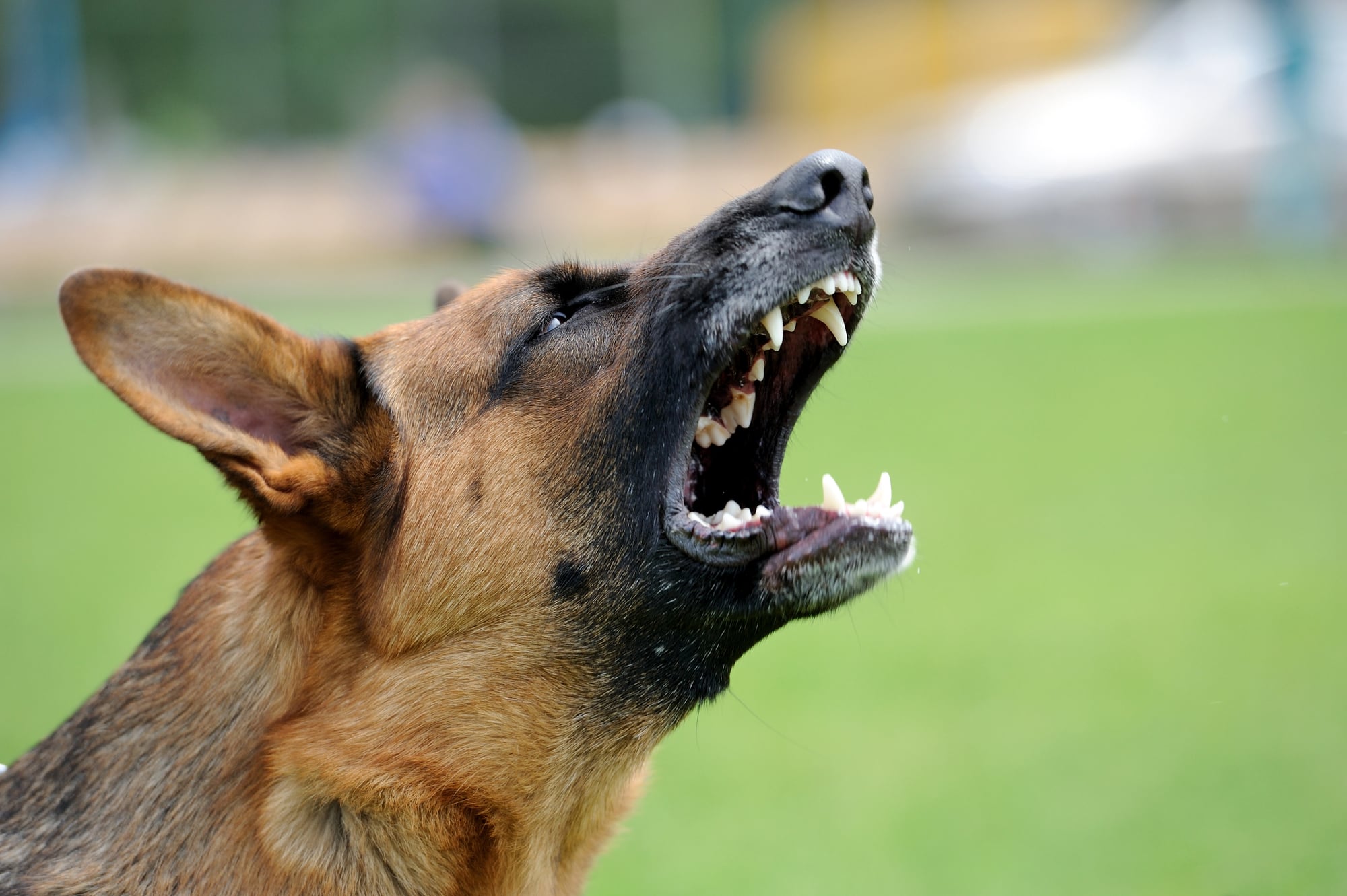
A brief war broke out between Greece and Bulgaria in 1925 after a Greek soldier was shot by Bulgarian sentries while chasing his dog across the border. Before the League of Nations stepped in, Greece launched a counteroffensive and occupied a number of Bulgarian villages.
The ‘War of the Stray Dog’ claimed perhaps fifty lives until Greece was compelled by international pressure to leave and make reparations. The episode demonstrates how, when tensions between adjacent countries are already high, seemingly insignificant acts can turn into global crises.
The Strange Legacy of Conflict
Throughout history, war has pushed humans to the extremes of both innovation and absurdity. These bizarre incidents reveal that beyond the strategic maneuvers and political calculations, conflict often creates circumstances where the unusual becomes commonplace and the unbelievable becomes reality.
While these strange moments might seem like footnotes compared to the broader tragedy of war, they provide valuable insights into human behavior under extraordinary pressure and remind us that history is often stranger than fiction.
More from Go2Tutors!

- 18 Unexpectedly Valuable Collectibles You Might Have Lying Around
- 20 Little-Known Historical Battles That Had Huge Consequences
- 20 Historical Artifacts That Scientists Can’t Explain
- 15 Inventions That Were Immediately Banned After Being Created
- 20 Actors Who Were Almost Cast in Iconic Roles
Like Go2Tutors’s content? Follow us on MSN.