19 Energy Conservation Tricks from the Animal Kingdom
Animals are experts at getting the most out of their energy. In places where food is hard to find or the weather is extreme, they’ve figured out clever ways to stretch their energy and survive.
Some sleep more, others move less, and a few even change their body processes to save fuel.
Let’s take a closer look at how these wild creatures have mastered the art of energy-saving in some pretty unexpected ways.
Sloths

Sloths don’t rush anything. Their slow movement isn’t just a quirky trait—it’s a way to save every bit of energy they can. Their muscles are weak by design, which helps keep them from burning too many calories.
They also have a very slow metabolism, and it can take them days to digest one meal. That’s why they spend most of their lives hanging upside down, barely moving.
Bears

Bears prepare for winter by eating nonstop in the fall, gaining lots of body fat. Then, they go into hibernation, which can last for up to seven months.
During this time, they don’t eat, drink, or move much at all. Their heart slows down, and their body temperature drops slightly to save energy. It’s like a long nap where they live off their fat storage.
Like Go2Tutors’s content? Follow us on MSN.
Camels
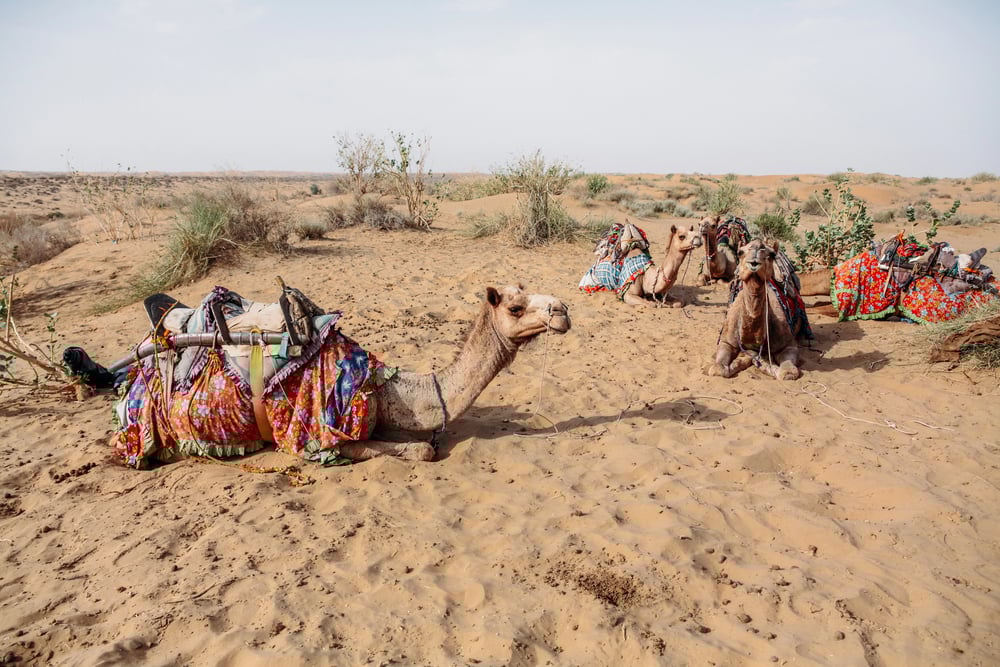
Camels have several built-in features that help them survive without wasting energy. Their humps hold fat, not water, which they can break down for energy when food is scarce.
They can also allow their body temperature to rise during the day to avoid sweating, which saves both water and energy. Camels are so efficient that they can go for days in the hot desert without eating or drinking.
Frogs
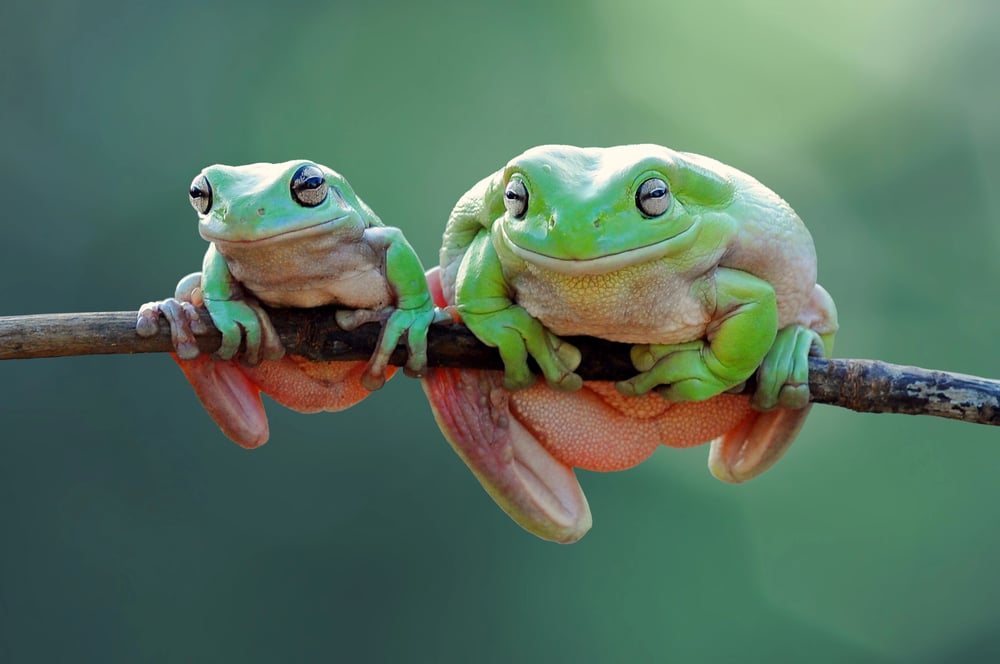
Some frogs, like the wood frog, go through something extreme. When the weather gets cold, they freeze almost completely.
Their heart stops, their blood doesn’t flow, and they seem dead. But this frozen state protects their body until things warm up again. When spring comes, they thaw out and hop off like nothing happened.
Snakes
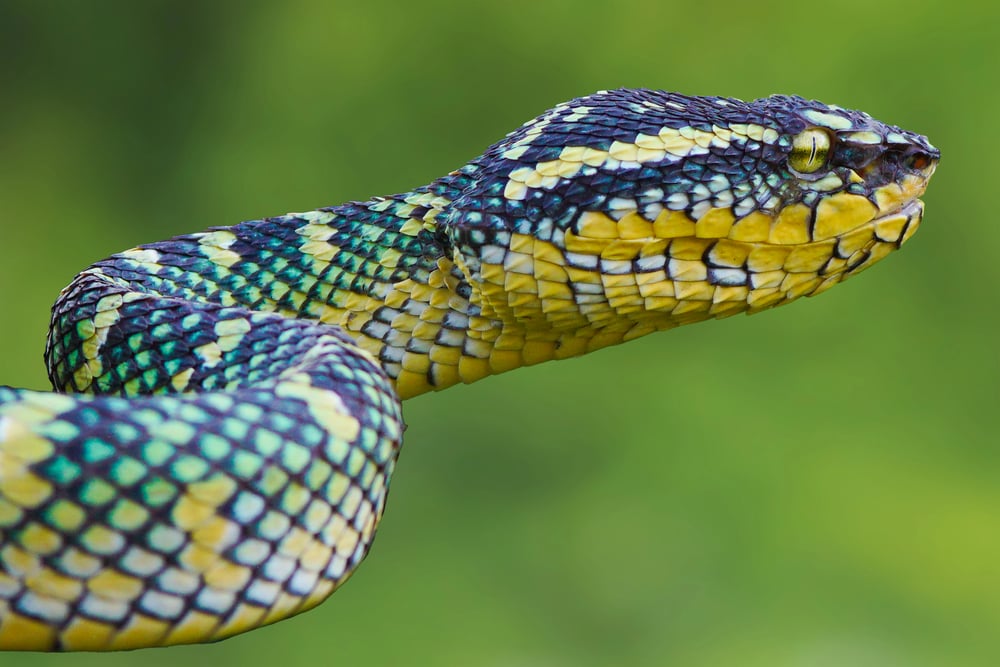
Snakes are cold-blooded, so they don’t make their own heat. Instead, they sunbathe to warm up and become active only when they’ve soaked in enough warmth.
When it gets cold, they find a quiet place and stay there, moving as little as possible. This simple way of living keeps their energy use low.
Like Go2Tutors’s content? Follow us on MSN.
Bats

When food is low or it’s too cold, bats enter a low-energy state called torpor. It’s like a mini version of hibernation. They stop flying, their body cools down, and their heartbeat slows.
Some bats do this every single day to save energy between feeding times, especially in colder places.
Penguins

Huddling isn’t just about staying warm—it’s about staying alive. In freezing conditions, emperor penguins gather tightly in groups.
Each penguin takes turns being on the cold outside, while the ones in the middle enjoy the warmth. This team effort helps them all survive without using up too much energy trying to stay warm.
Alligators

Alligators don’t like wasting energy. They spend hours lying still in the sun or half-submerged in water.
When temperatures drop, they slow everything down and barely move at all. If it gets really cold, they can even survive frozen in ice with just their snout sticking out so they can breathe.
Like Go2Tutors’s content? Follow us on MSN.
Kangaroo Rats

Kangaroo rats rarely drink water. They get all the moisture they need from the seeds they eat.
During the day, they hide underground where it’s cool. They only come out at night, which helps them avoid using energy to cool down in the heat.
Their bodies are built to hold onto every drop of water and energy they get.
Albatrosses

Albatrosses have an incredible flying technique that saves a ton of energy. They use wind and air currents to glide across the ocean without flapping much at all.
This method, called dynamic soaring, lets them travel for hours or even days while using barely any energy. It’s a smooth ride with big results.
Crocodiles

Crocodiles can go weeks without eating. They have a slow metabolism, and they don’t chase prey unless they’re sure it’s worth the effort.
Once they eat, they digest slowly and can live off that meal for a long time. Their strategy?
Wait patiently and move only when it really counts.
Like Go2Tutors’s content? Follow us on MSN.
Hummingbirds
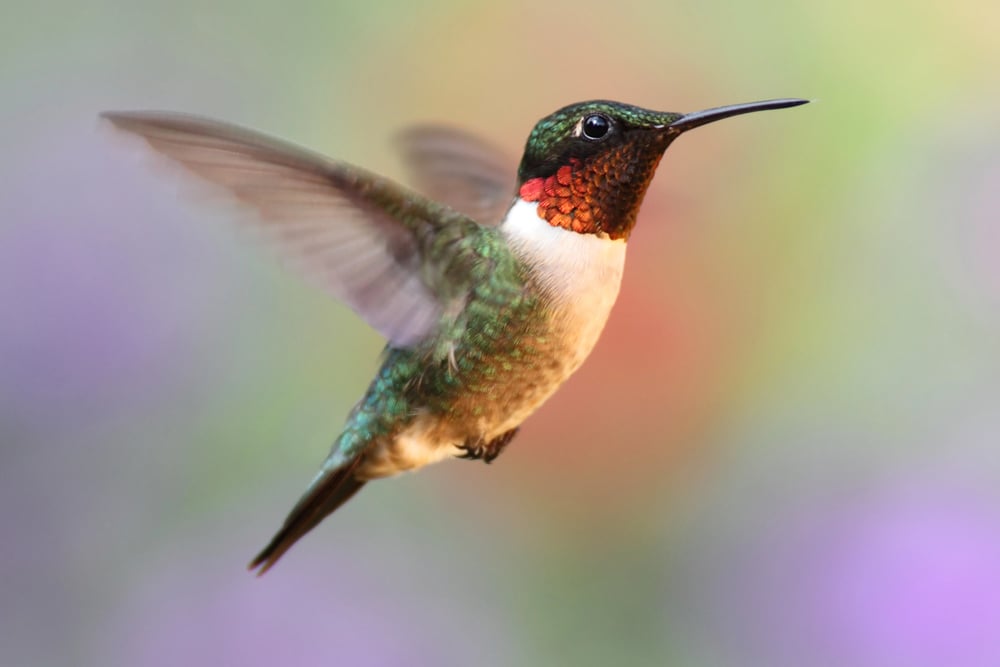
Despite their tiny size and fast wings, hummingbirds know how to save energy. At night or during cold weather, they enter torpor.
This state lowers their body temperature and slows their heartbeat. It’s a way to survive the night when they can’t feed—and they snap out of it in the morning, ready to buzz around again.
Elephants
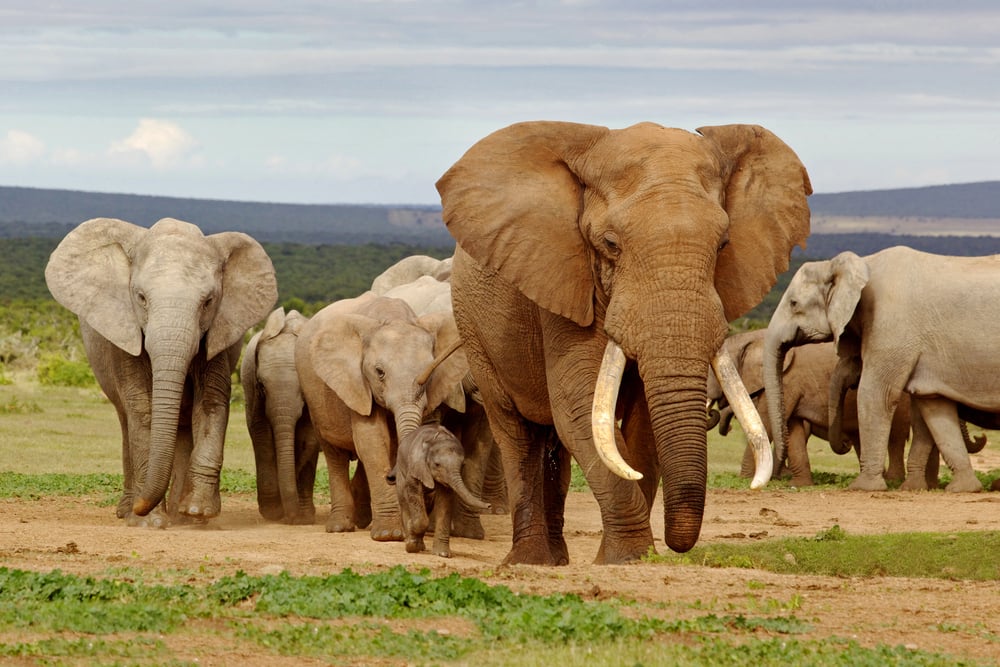
Elephants don’t run unless they have to. They walk slowly and take breaks often, especially in hot weather.
Their big ears help release heat, which reduces the need for their body to work hard at staying cool. When possible, they stand in the shade or spray themselves with water to save even more energy.
Squirrels

Squirrels prepare for winter by storing food and fat. Some go into true hibernation, while others enter a lighter sleep state but still stay mostly still.
They eat a lot in the fall to build fat, then rest during cold months when food is hard to find. This lets them stay alive without much activity.
Like Go2Tutors’s content? Follow us on MSN.
Arctic Foxes
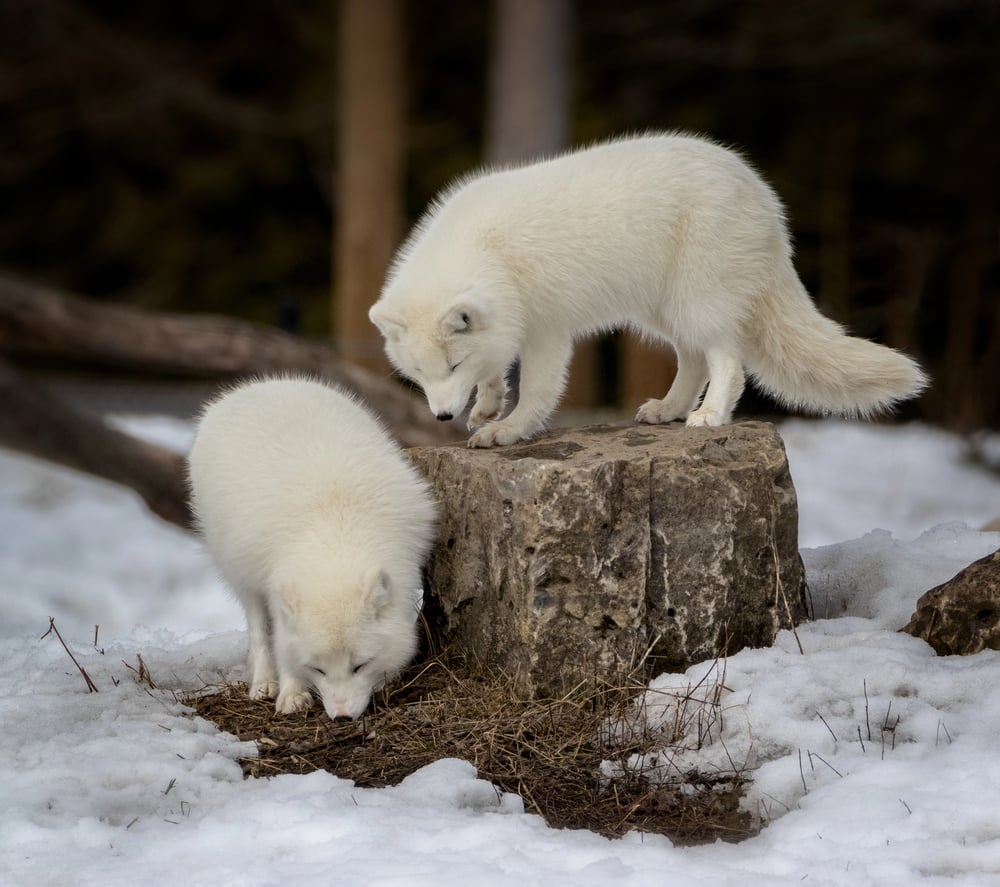
Living in freezing places, Arctic foxes use their fur and shape to hold onto warmth. Their round body, small ears, and thick tail help keep heat inside.
They dig into snow to make dens and curl up tightly to save energy. Every little bit of body heat counts in their icy world.
Turtles

Turtles are slow for a reason. They have low energy needs and don’t rush. When it’s cold, they become less active or go into brumation, which is like hibernation but for reptiles.
They don’t need much food or movement during this time, and that helps them survive for months with very little effort.
Sharks
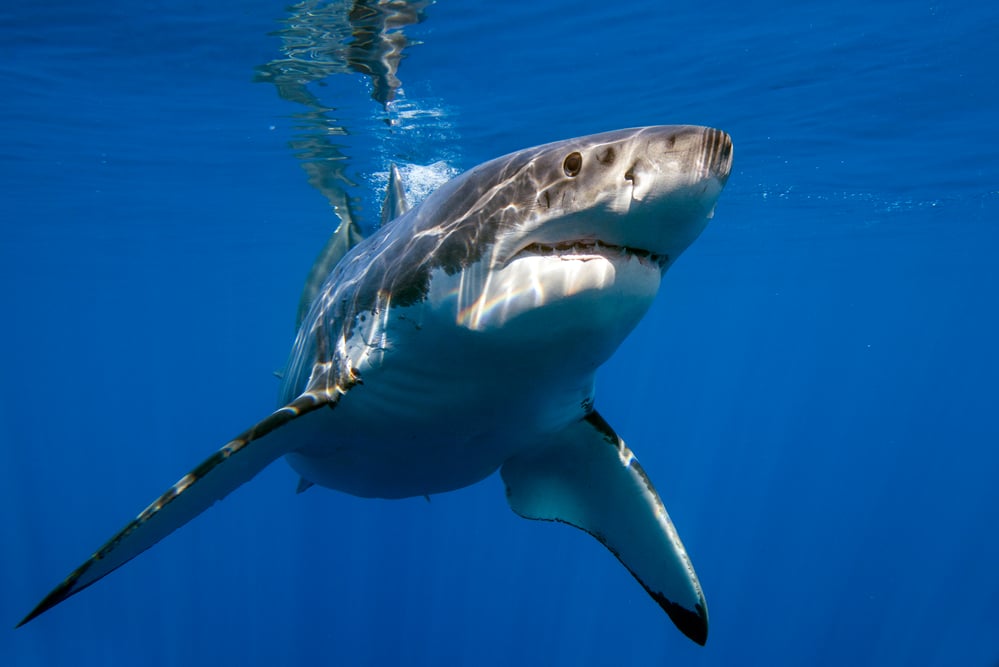
Some sharks use a trick called “buccal pumping,” letting water move over their gills while they rest. This allows them to breathe without swimming.
Others use slow, steady movements that keep them going without burning too many calories. It’s all about smart swimming and timing.
Like Go2Tutors’s content? Follow us on MSN.
Ants
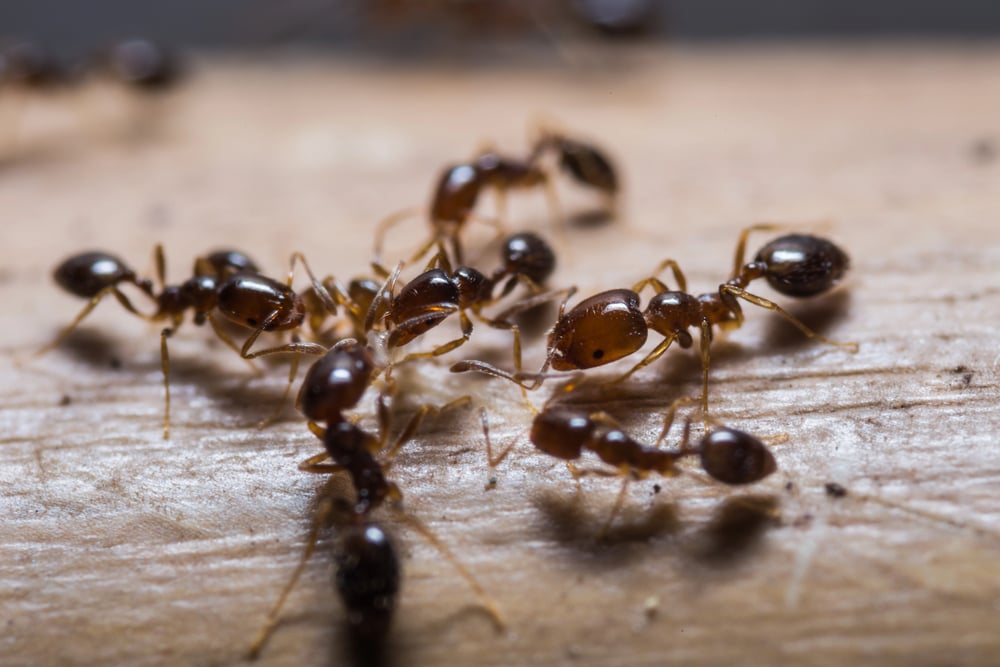
Ants aren’t just busy—they’re efficient. Their teamwork is what makes them great energy savers.
They build short paths, follow scent trails, and take breaks in shifts. Each ant has a job, and they stick to it, so nothing is wasted—not energy, not time.
Owls

Owls hunt at night when it’s quiet and cool. They don’t chase prey across long distances. Instead, they wait, listen, and strike only when they’re sure of a hit.
Their flight is silent, and their moves are quick and precise. Every flap and glide is calculated to save strength.
From Survival to Strategy

Nature is full of smart solutions. Animals don’t waste energy—they use it carefully and only when it’s needed most.
Whether it’s sleeping through winter, gliding on air, or simply standing still, each move has a purpose. These lessons from the wild show that survival isn’t always about doing more.
Sometimes, it’s about knowing when to pause, slow down, and use what you have wisely. Watching animals manage their energy teaches us that being efficient can be just as powerful as being strong.
In a world that often moves too fast, there’s a lot to learn from those who move slowly, with purpose.
Like Go2Tutors’s content? Follow us on MSN.
More from Go2Tutors!

- 16 Restaurant Chains That Went Too Fast
- 12 Things Sold in the 80s That Are Now Illegal
- 15 Strange Things People Have Tried to Ban (And Failed)
- 16 Collectibles People Tossed Out Too Soon
- 17 Myths from Your Childhood That Were Actually Based on Real Things
Like Go2Tutors’s content? Follow us on MSN.