19 Facts About the History Of the Venice Canals
Venice sits on water the way other cities sit on solid ground — completely, unapologetically, with no apparent backup plan. The canals aren’t a feature of the city.
They are the city. But the story of how they got there, how they’ve changed, and how they’ve survived century after century is far stranger and more interesting than most people realize when they’re snapping photos from a gondola.
1. The City Was Built On Millions Of Wooden Piles

Before there were canals, there was marshland. When early settlers began building on the Venetian lagoon around the 5th century, they drove millions of wooden poles deep into the mud to create stable foundations.
These poles, mostly alder wood, didn’t rot — they petrified over time when cut off from oxygen beneath the water and sediment. Many of those original piles are still holding buildings up today.
2. The Canals Were Never “Dug”
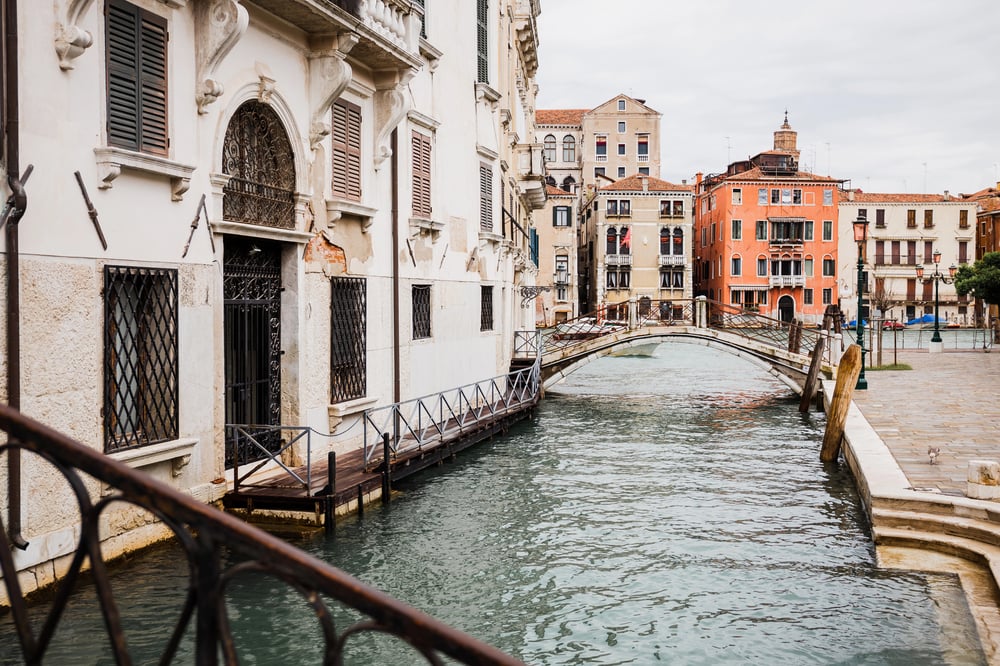
This surprises a lot of people. Venice’s canals weren’t carved out of the earth by engineers.
They’re the natural channels that already existed between the islands of the lagoon. Early Venetians didn’t create the waterways — they built around them, gradually shaping the edges with stone and brick until the city took its familiar form.
3. There Are 177 Canals In Total

The full network runs to about 177 canals, though the number shifts slightly depending on what counts as a canal versus a minor waterway. Together, they stretch for roughly 45 kilometers.
The Grand Canal is by far the largest, running in an S-shape through the heart of the city for about 3.8 kilometers.
4. The Grand Canal Was Once A River Branch
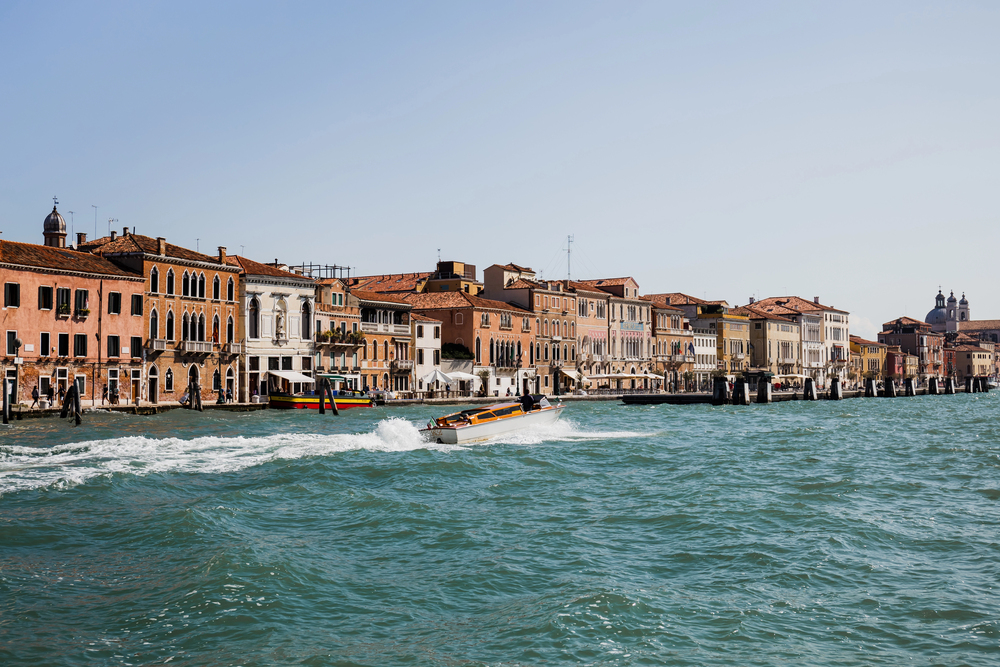
The Grand Canal follows the path of an ancient river channel — likely a branch of the Brenta River — that once flowed through the lagoon before the city existed. That natural curve it takes through Venice isn’t an architectural choice.
It’s just the shape the water already had.
5. Venice Was Originally A Refuge From Invaders
The lagoon canals weren’t chosen for aesthetic reasons. When Germanic tribes and later Attila the Hun swept across northern Italy in the 5th and 6th centuries, mainland populations fled to the muddy islands of the lagoon because the shallow, maze-like waterways made military invasion nearly impossible.
The canals were, in the beginning, a defense system.
6. The City Managed Its Canals With A Dedicated Government Body

By the 13th century, Venice had created a special magistracy — the Magistrato alle Acque — specifically to oversee the health of the waterways. This body managed dredging, controlled what could be dumped into the canals, and regulated construction along the banks.
It’s one of the earliest examples of systematic urban water management in European history.
7. Gondolas Were Once The City’s Primary Taxi Service

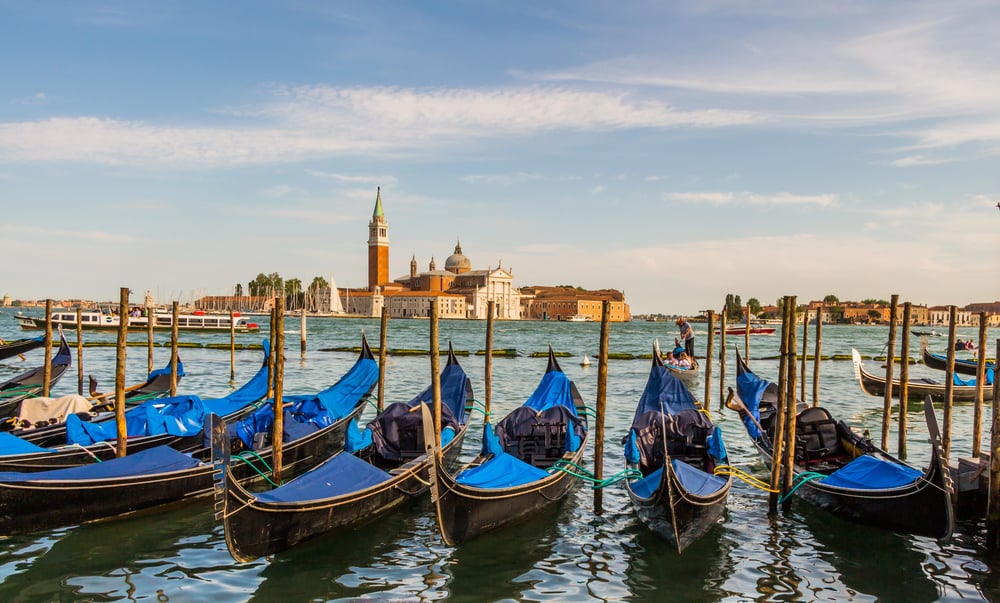
At the peak of gondola use in the 16th century, there were roughly 10,000 gondolas working the canals. They weren’t romantic novelties then — they were how people got to work, carried goods to market, and transported the sick to hospitals.
The number has dropped to around 400 today, almost entirely serving tourists.
8. All Gondolas Were Required To Be Black

In 1562, the Venetian Senate passed a law requiring all gondolas to be painted black. The reason was partly to curb the competitive extravagance of wealthy families, who had been decorating their private gondolas with gold, silk, and carvings.
The black paint rule stuck. Every gondola in Venice today is still black, making it one of the longest-running dress codes in the world.
9. The Rialto Bridge Took Decades To Get Approved
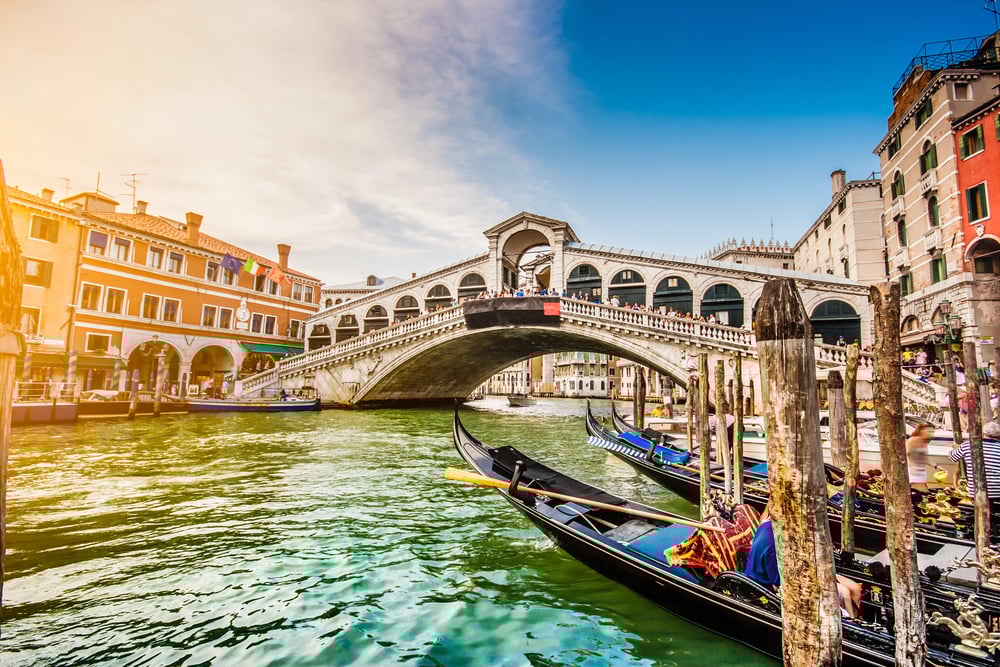
The Rialto Bridge — the oldest stone bridge spanning the Grand Canal — wasn’t built until 1591. For most of Venice’s early history, a wooden bridge stood in its place.
Several designs for a permanent stone crossing were proposed and rejected over many decades. Michelangelo reportedly submitted a design that was turned down.
The final structure, designed by Antonio da Ponte, was considered controversial at the time but has outlasted its critics by about 400 years.
10. The Canals Were Venice’s Sewage System
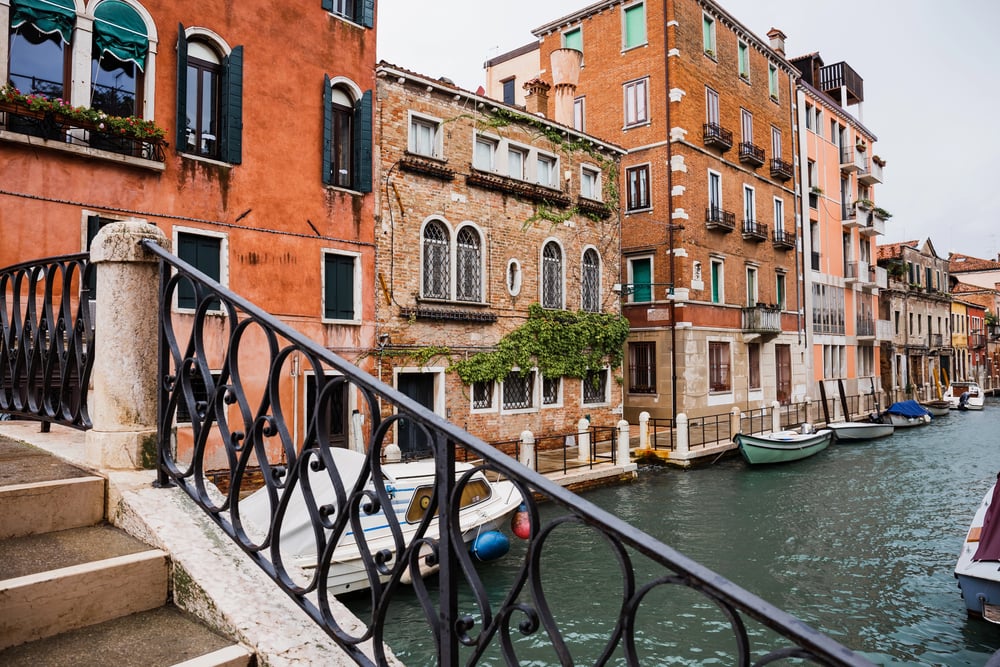
For centuries, the tides served as Venice’s waste management. Residents disposed of household waste directly into the canals, relying on the twice-daily tidal flush to carry it out into the lagoon.
The system worked reasonably well for a long time — the tides do move a lot of water. But as the city’s population grew and industrial waste entered the picture in the 20th century, the canals became seriously polluted.
11. The City Banned Motor Boats For A Short Period In The 20th Century
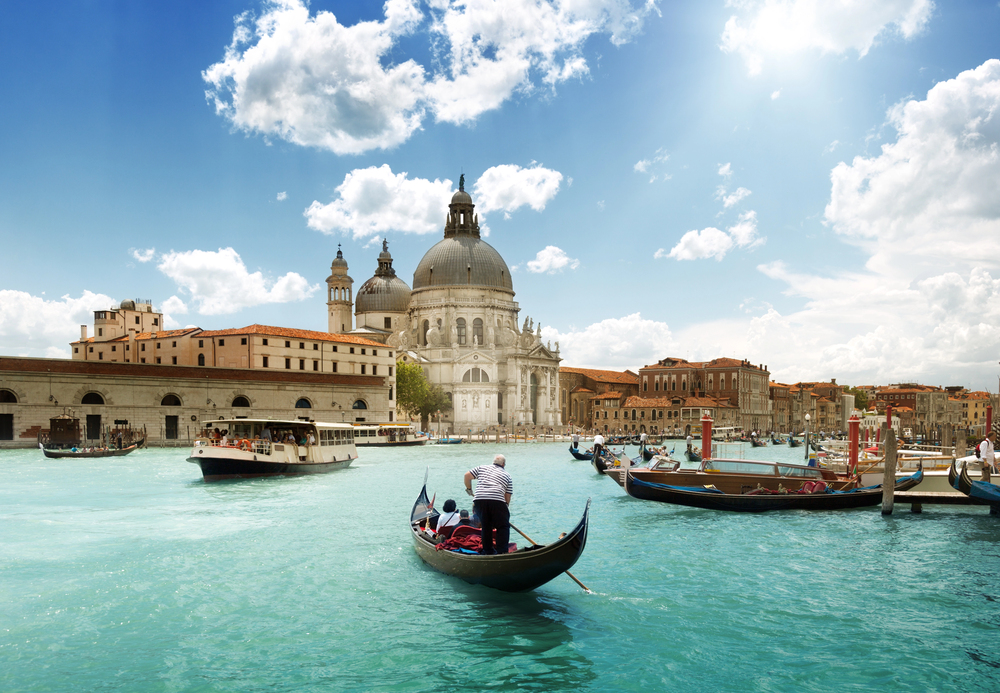
After motorized boats became common in the early 1900s, the wave action they created began eroding the foundations of buildings along the canals. The city periodically restricted and regulated boat speeds, though enforcement was inconsistent.
The damage from motorboat wakes remains one of the most pressing structural threats Venice faces today.
12. Acqua Alta Has Been Flooding Venice For Centuries
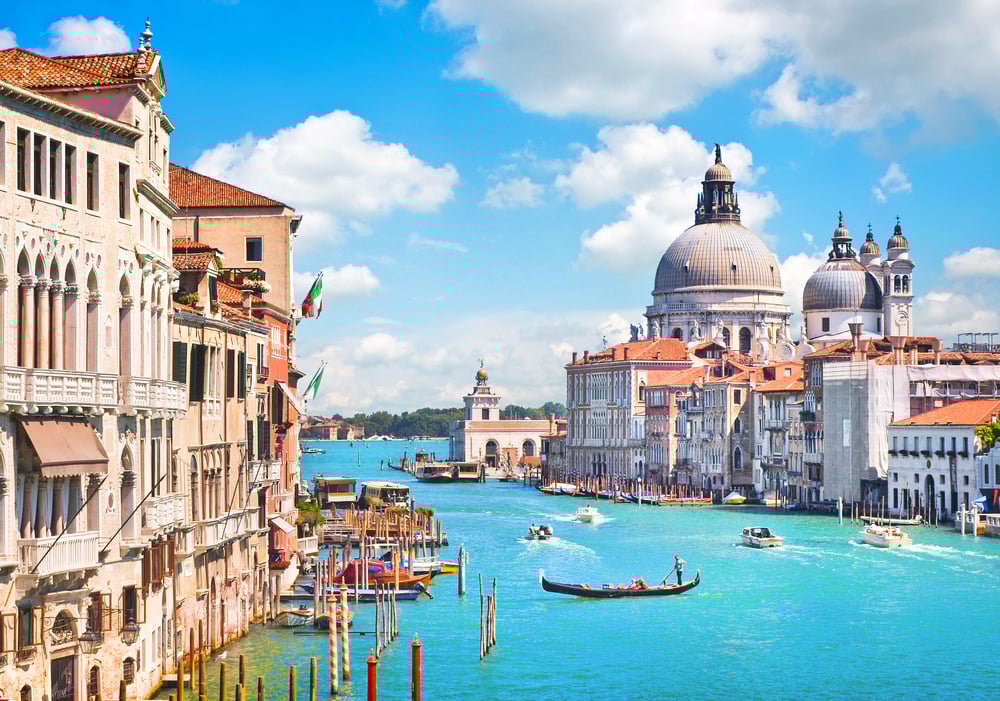
The phenomenon known as acqua alta — high water flooding that temporarily submerges parts of the city — isn’t new. Records of serious flooding in Venice date back to 782 AD.
What has changed is the frequency and severity. The combination of rising sea levels and the gradual sinking of the city means floods that were once rare now happen dozens of times a year.
13. Venice Has Been Slowly Sinking Since It Was Built

The city sinks for two reasons. First, the wooden piles compress the soft sediment beneath them over time.
Second, groundwater extraction during the industrial era of the 20th century dramatically accelerated the process. Between 1900 and 1970, Venice sank by about 23 centimeters.
Pumping restrictions introduced in the 1970s slowed the rate, but the city is still subsiding gradually.
14. The MOSE Project Took Over 30 Years To Build

MOSE — the flood barrier system designed to protect Venice from acqua alta — was first proposed in the 1980s and didn’t become operational until 2020. The project involved constructing 78 hinged metal barriers across the three inlets of the lagoon.
When deployed, the barriers rise off the seabed to block incoming tides. The project was also plagued by corruption scandals that led to multiple arrests and cost overruns that pushed the price well past 5 billion euros.
15. The Canals Were Drained And Cleaned During World War II

During the German occupation of Venice in World War II, some canals were temporarily drained — partly for maintenance and partly for logistical reasons related to the occupation. This revealed not only centuries of accumulated debris but also the extraordinary condition of the wooden piles beneath, many of which were still structurally sound after 600 or more years underwater.
16. There Are No Cars — And Never Have Been

Floating on canals instead of streets, Venice skipped building routes for cars altogether. Pathways named calli twist between buildings – these count as thoroughfares here.
Travel happens step by step, or it glides across water. Help arrives not with sirens rolling down asphalt, but slicing through lagoon channels.
Boats handle emergencies just like daily strolls shape commutes. No other large settlement has stuck to such a rhythm from day one.
17. The Canals Became Clearer When People Stayed Home

Days after Venice locked down in early 2020 and halted boat traffic, the canals began to clear. Fish showed up in waters once too murky to see them.
With no wakes stirring things below, silt slowly dropped out of sight. The shift caught global attention fast.
Yet experts clarified it wasn’t cleaner chemicals – just less muck floating around.
18. Salt Water Corrosion Never Stops

Water in the lagoon carries both salt and fresh flow, slowly harming canal-side structures made of stone, brick, or plaster. Because capillary action draws moisture upward, salts gather within walls, then form crystals that break surfaces apart.
Over years, pieces split off, leaving material weak and worn. Care for these buildings never ends, always demanding effort and funds.
Solutions only last so long – decay keeps returning.
19. The Venetian Lagoon Is Recognized By UNESCO
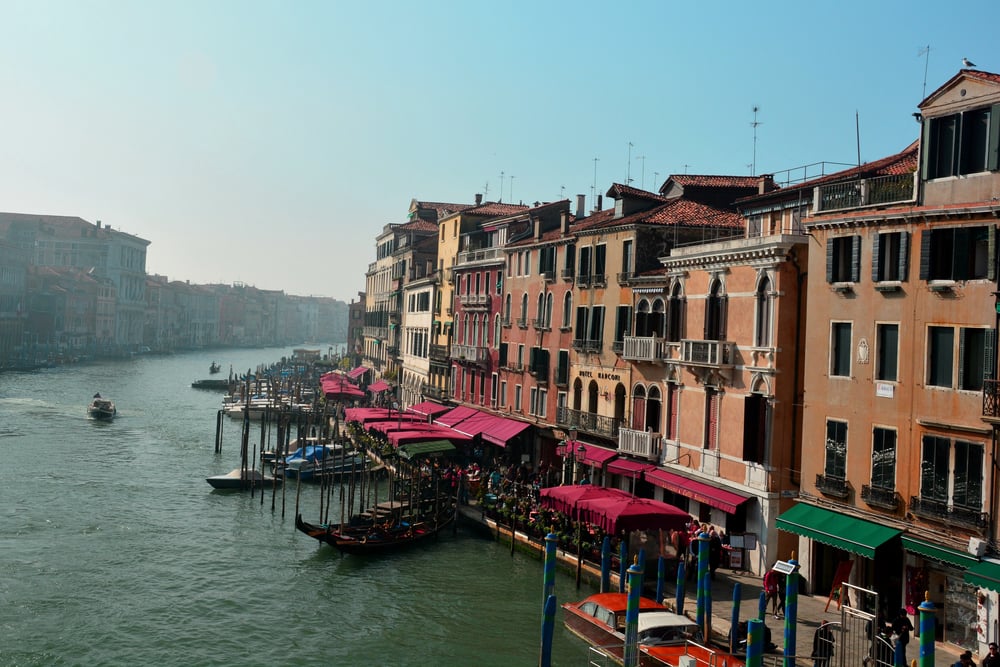
Back in 1987, Venice and the surrounding lagoon earned status as a UNESCO World Heritage Site. This label stretches beyond buildings, wrapping around the whole watery realm – channels, small islands, mudflats, even outer ridges shielding it from the Adriatic.
Because really, you cannot pull apart the city’s identity from these flowing spaces that hold it up.
Still Here After Everything

Venice’s waterways surprise people not because they’re old. Surviving at all was never part of the plan.
Built fast, meant to be short-lived – a refuge from attackers, an escape from turmoil across the land. Still, it stuck around.
Water paths shifted purpose: commerce flowed through them, later crowds came to look, now experts worry about keeping them intact. Even after years of being emptied, swamped, scrubbed, tainted, snapped in countless pictures, argued over by officials and suits – they remain.
Still standing. Still shouldering the weight like before.
More from Go2Tutors!

- The Romanov Crown Jewels and Their Tragic Fate
- 13 Historical Mysteries That Science Still Can’t Solve
- Famous Hoaxes That Fooled the World for Years
- 15 Child Stars with Tragic Adult Lives
- 16 Famous Jewelry Pieces in History
Like Go2Tutors’s content? Follow us on MSN.