Landmarks Inspiring Famous Films
Film directors have always understood something essential about storytelling: the right location doesn’t just set the scene, it becomes a character itself. Some of the most memorable moments in cinema history happened because a filmmaker found the perfect real-world landmark to bring their vision to life.
The connection works both ways. A great landmark can make a film unforgettable, and a great film can transform how the world sees that landmark.
Empire State Building

The 1933 version of King Kong wouldn’t have worked anywhere else. When the giant ape climbed to the top of the newly completed Empire State Building with Fay Wray in his grasp, audiences saw the skyscraper in a way nobody had before.
The building had only opened two years earlier, and the film cemented its status as the ultimate symbol of New York’s ambition. Those final scenes, with Kong swatting at biplanes while perched on the spire, remain some of the most recognizable images in film history even after 90 years.
Mount Rushmore

Alfred Hitchcock turned the presidential monument in South Dakota into a playground for his 1959 thriller North by Northwest. The climactic chase scene has Cary Grant and Eva Marie Saint dangling from the carved faces of Washington, Jefferson, Roosevelt, and Lincoln.
In reality, the National Park Service refused to let Hitchcock stage any violence at the actual monument, so the crew built a detailed replica on a soundstage. The illusion worked so well that most viewers assume they filmed on the real mountain.
Petra’s Treasury

The ancient city in Jordan had been standing for 2,000 years before Steven Spielberg chose it as the hiding place for the Holy Grail in Indiana Jones and the Last Crusade. The carved facade of Al-Khazneh, known as the Treasury, appears in the 1989 film’s climactic scenes.
Before that movie, only a few thousand tourists visited Petra each year. Now it draws close to a million annually, and local shops play up the connection by selling Indiana Jones-themed merchandise to visitors who want to walk through the same narrow canyon that appeared on screen.
Glenfinnan Viaduct
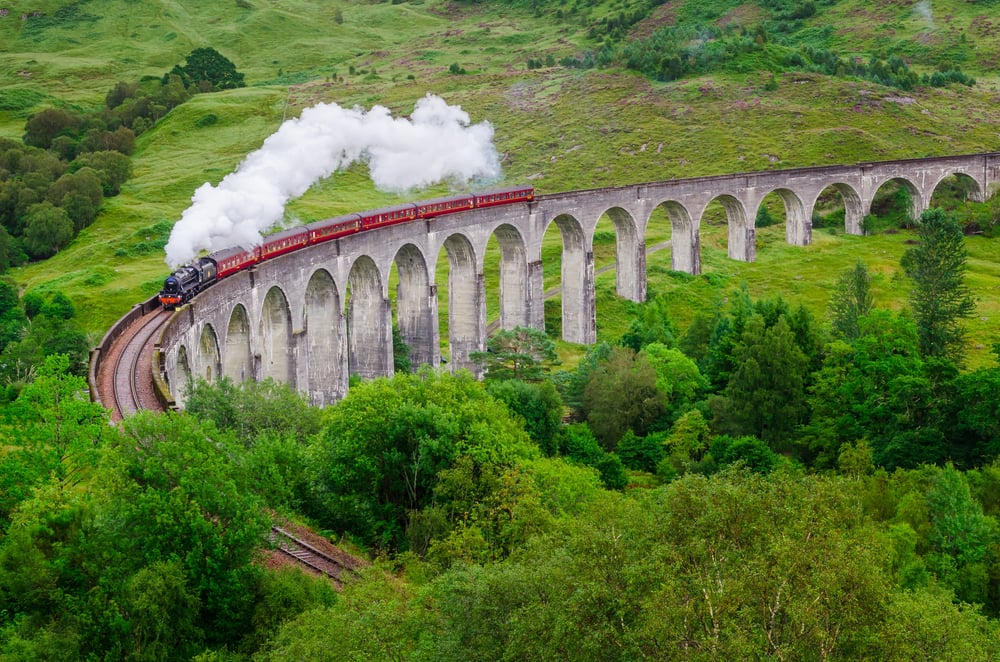
This railway bridge in the Scottish Highlands became famous worldwide when J.K. Rowling made it part of Harry Potter’s journey to Hogwarts. The curved concrete structure, built in 1901, appears in multiple films from the series as the Hogwarts Express crosses it with steam billowing behind.
The viaduct sits in a remote valley surrounded by mountains, and the sight of an old-fashioned train crossing captures exactly the kind of magic the books promised. You can still ride across it on the West Highland Line.
Alcatraz

The island prison in San Francisco Bay has appeared in so many films that it practically has its own acting resume. The Rock, starring Nicolas Cage and Sean Connery, used the actual location for exterior shots in 1996, though most of the action scenes happened on soundstages.
Clint Eastwood’s Escape from Alcatraz filmed there in 1979, when crews had to run miles of power cable under the bay just to restore electricity to the abandoned buildings. The fortress opened in 1934 and closed in 1963, but its time as a filming location has lasted much longer than its time as an actual prison.
Hearst Castle
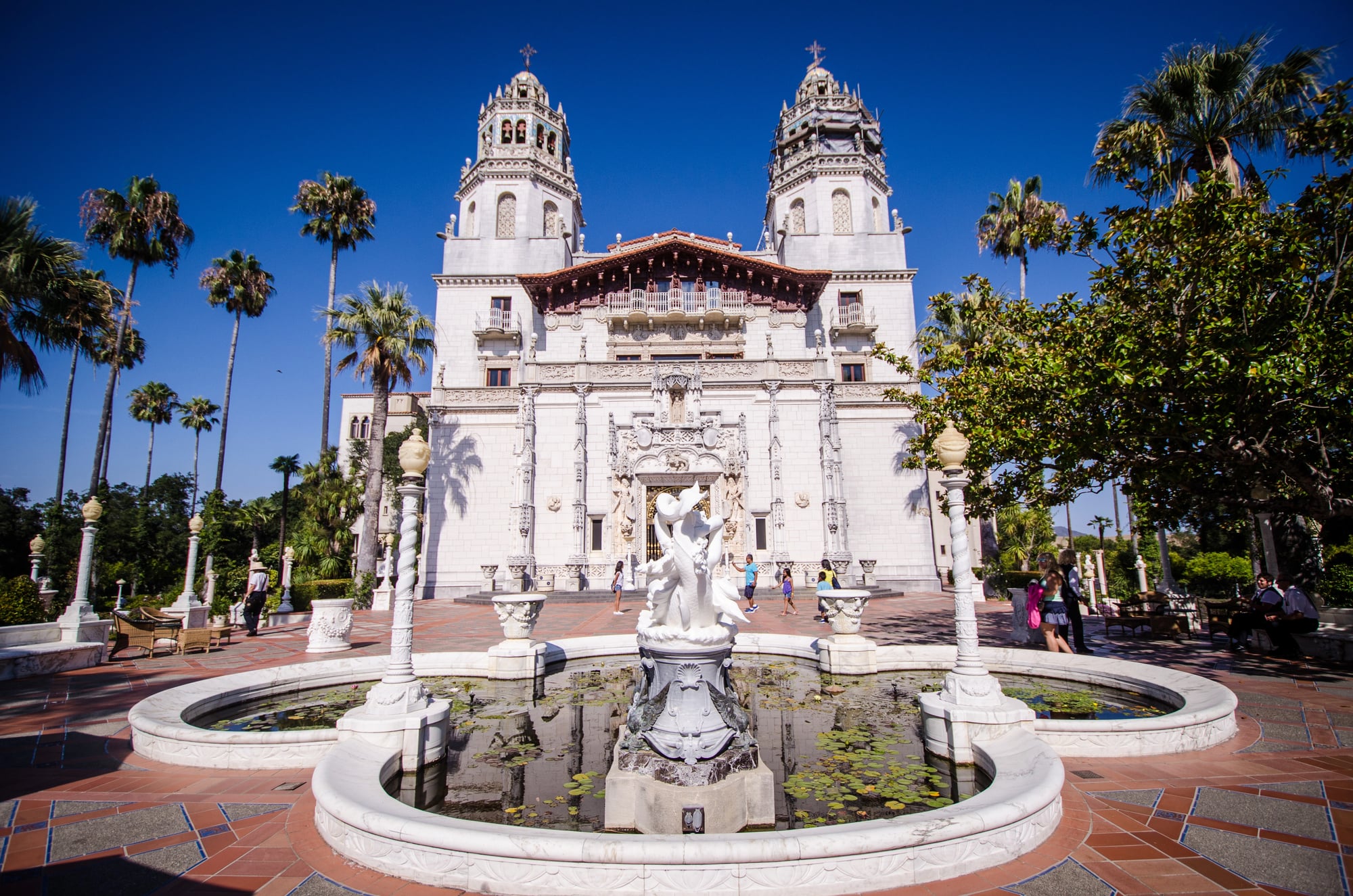
William Randolph Hearst’s coastal estate in San Simeon, California, never appeared on camera in Citizen Kane, but it inspired the fictional Xanadu in obvious ways. Orson Welles based his 1941 film loosely on Hearst’s life, and the castle’s gothic architecture and isolated location matched the mood perfectly.
Hearst had filled the place with zebras, camels, and Hollywood stars in the 1930s. The estate has only hosted two notable film shoots since then, but its influence on cinema extends far beyond what was actually filmed there.
Tiffany & Co.

The jewelry store at Fifth Avenue and 57th Street in Manhattan became synonymous with elegance when Audrey Hepburn stood outside its windows eating a croissant in Breakfast at Tiffany’s. The 1961 film opens with that scene, shot on location at the actual Tiffany flagship store.
The polished granite exterior and tiny window displays of exquisite jewelry created the perfect backdrop for Holly Golightly’s character. Tourists still visit the corner to recreate the moment, even though the store’s hours make breakfast shopping impossible.
Grand Central Terminal

The Beaux-Arts train station in New York has appeared in so many films that listing them all would take pages. Men in Black II used it as the location where agents discovered Locker C-18 housing a colony of tiny aliens.
The marble floors, vaulted ceilings, and constant flow of travelers make it irresistible to filmmakers who need to show characters moving through a distinctly New York space. The main concourse spans 275 feet, giving directors room to stage elaborate action sequences without leaving the building.
Space Needle
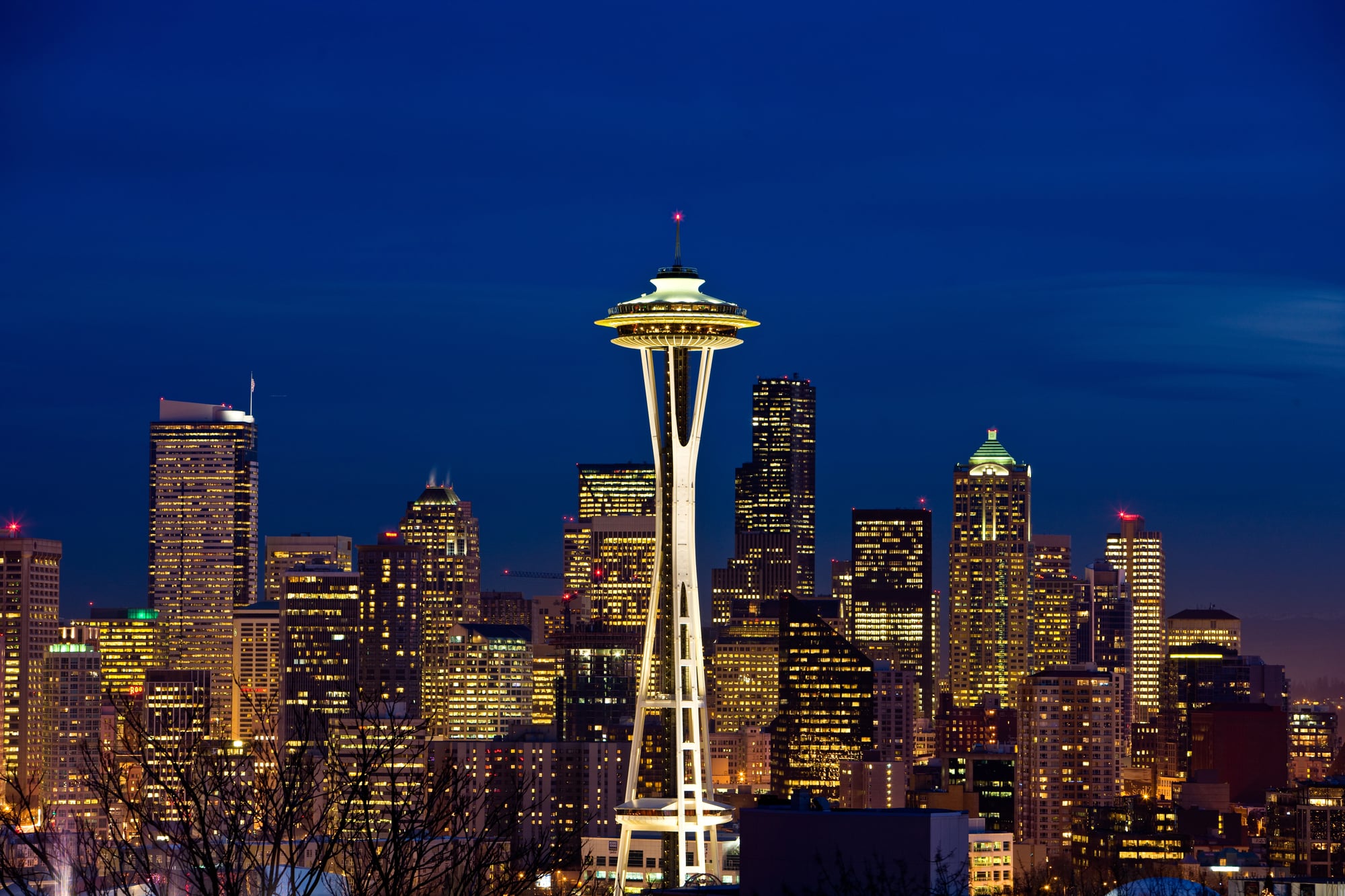
Seattle’s signature tower served as the emotional anchor for Sleepless in Seattle, the 1993 romantic comedy that brought Tom Hanks and Meg Ryan together. The observation deck appears throughout the film, and the final scene happens there when the characters finally meet.
The 605-foot structure opened for the 1962 World’s Fair, and the movie reminded everyone why it remains the city’s most recognizable landmark. Standing at the top gives you a view that stretches for miles on clear days.
Kauai’s Mountains
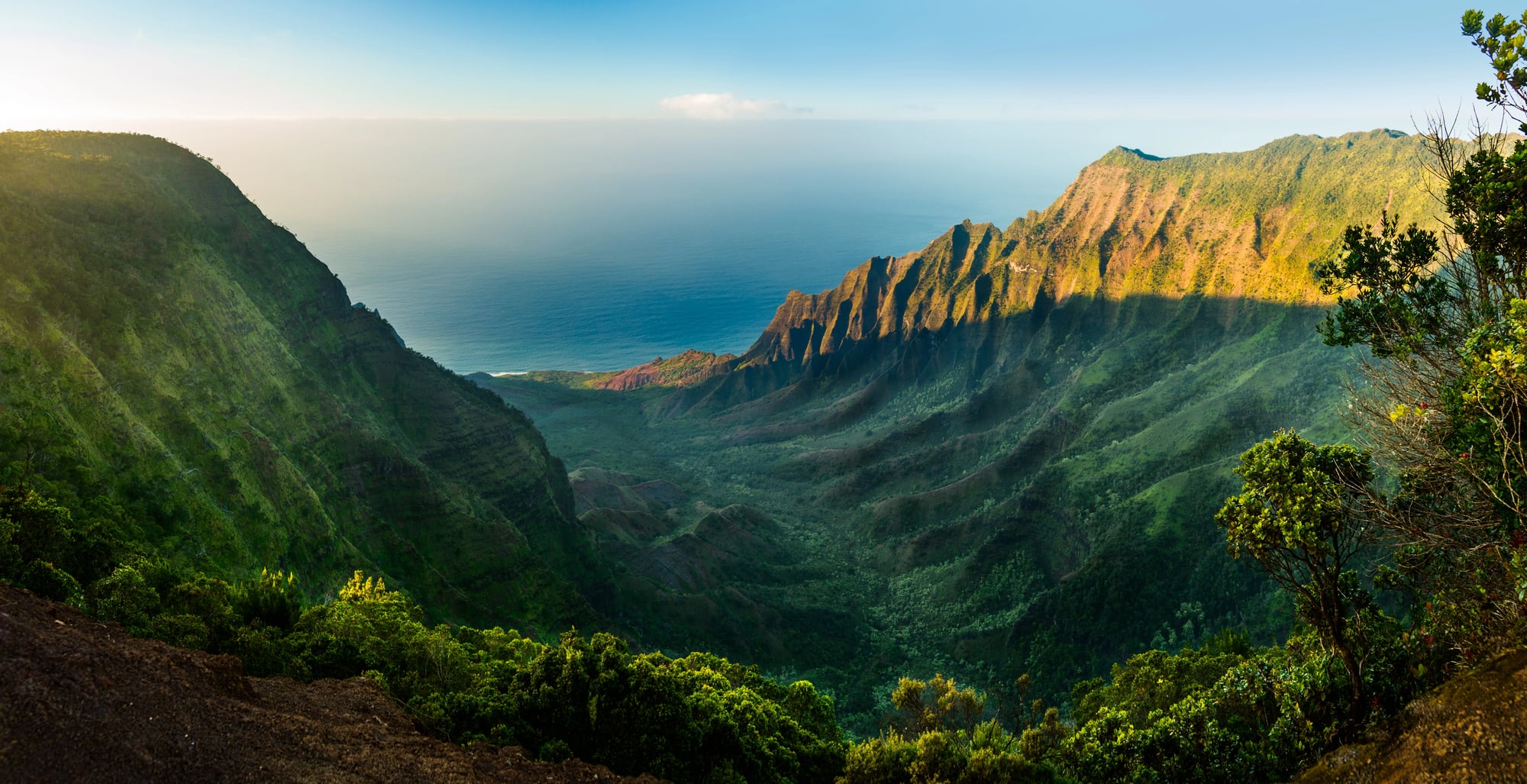
The Hawaiian island’s dramatic landscapes became the face of Jurassic Park when Steven Spielberg filmed there in 1993. The striking mountains and lush valleys of Kauai stood in for the dinosaur-filled island, though only about 10 percent of the movie was actually filmed on location.
The rest happened on soundstages, but those opening shots established the scale and wildness the story needed. The ranch where they filmed offers guided tours now, though you can’t access most of the locations without joining one.
Hagia Sophia

Istanbul’s ancient building appeared in the opening sequence of Skyfall, the 2012 James Bond film starring James Bond. The 1,500-year-old structure, along with the nearby Grand Bazaar, provided exactly the kind of exotic backdrop that Bond films require.
The massive dome and intricate architecture created the sense that James Bond was moving through a city where East meets West. The building has served as a church, a mosque, and a museum at different points in its history, and its appearance in the film introduced it to millions of viewers who had never seen it before.
Eiffel Tower

Paris’s iron tower has appeared in so many films that it’s become shorthand for ‘this takes place in France.’ From classic romances to modern action thrillers, directors use the tower to establish location instantly.
The 1,083-foot structure opened in 1889 for the World’s Fair, and filmmakers have been finding new ways to shoot it ever since. The tower’s lighting changes depending on the time of day, which means it never looks exactly the same twice on camera.
New Zealand’s Countryside
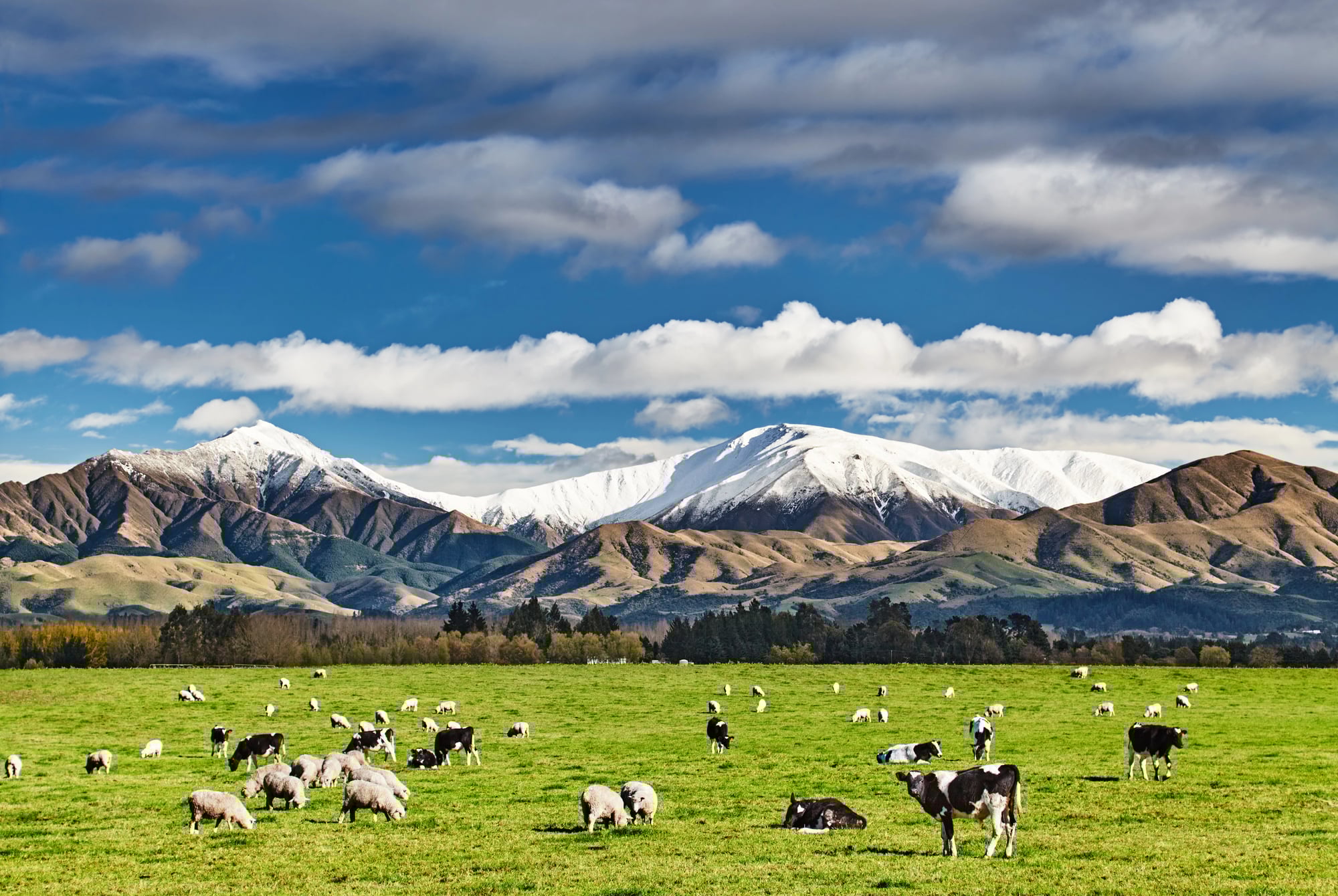
Peter Jackson transformed his homeland into Middle Earth for the Lord of the Rings trilogy, filming across the country’s diverse landscapes. The rolling green hills became the Shire, while the mountains and valleys stood in for more dangerous territories.
The films were shot entirely in New Zealand over several years, and the tourism industry there hasn’t been the same since. Visitors can tour many of the locations, including the rebuilt Hobbiton set, which the production left standing after filming wrapped.
Salzburg’s Churches and Gardens

The Sound of Music made the Austrian city famous worldwide when it filmed there in 1965. St. Michael’s Church in Mondsee hosted the wedding scene, while Mirabell Gardens provided the setting for ‘Do-Re-Mi.’
The baroque architecture and Alpine setting gave the film its fairy-tale quality. Tour operators in Salzburg now offer Sound of Music-themed tours that hit all the major filming locations, and the city’s tourism board plays up the connection prominently.
Griffith Observatory

The Art Deco building overlooking Los Angeles became the emotional center of La La Land, the 2016 musical starring Ryan Gosling and Emma Stone. The observatory opened in 1935, and its location high in the hills gives it commanding views of the city below.
The film used it for one of the main characters’ most important scenes, and the choice made sense given how the building represents Los Angeles’s dream factory. You can visit during the day, but the view at night matches what appeared on screen.
Georgetown’s Steps
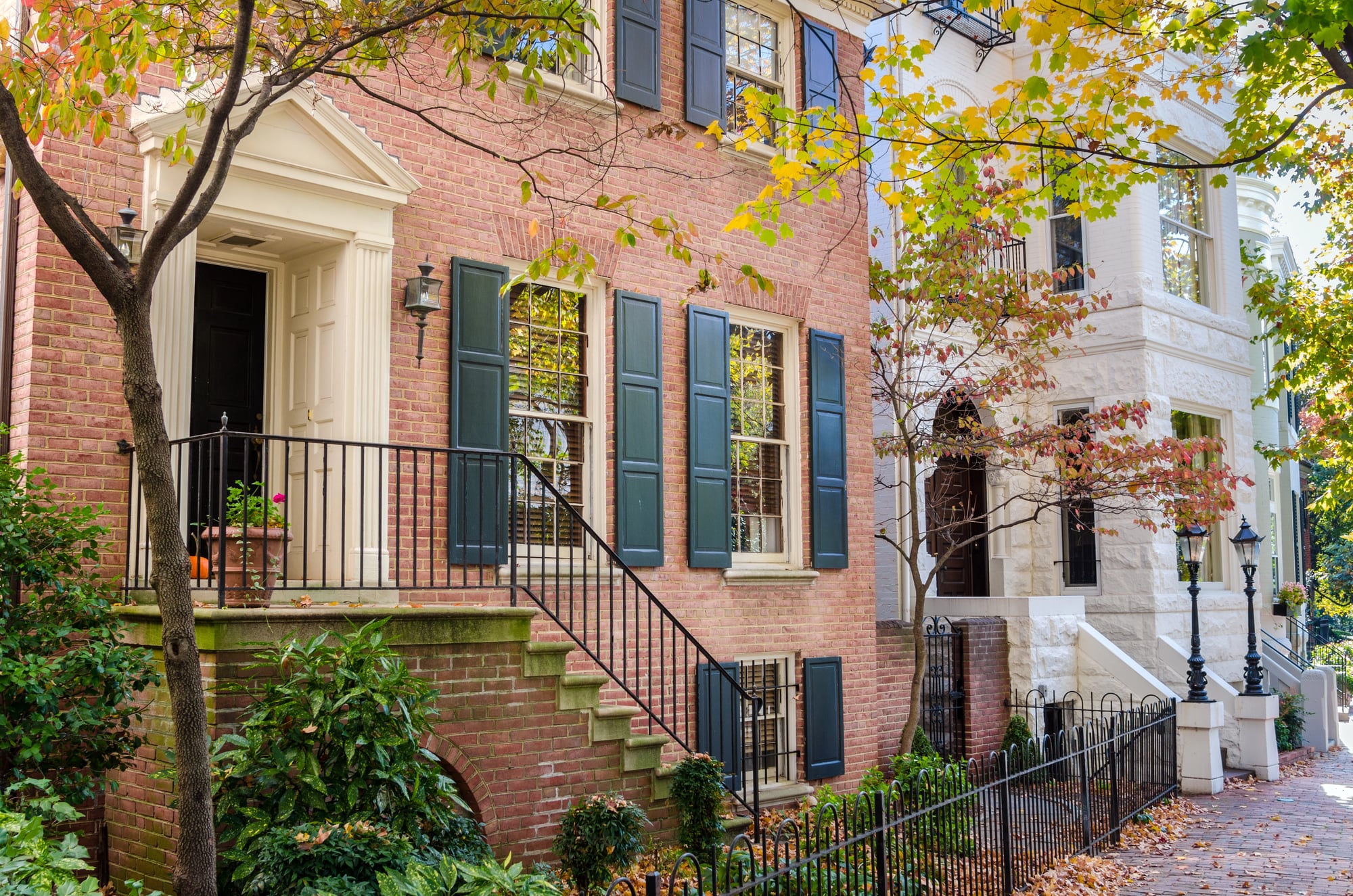
The steep stairway connecting M Street to Prospect Street gained a dark reputation after appearing in The Exorcist. The 1973 horror film’s climax happens at these 75 stairs, where Father Karras meets his end.
The scene left such an impression that a horror superfan later campaigned to have the steps declared an official landmark, eventually raising $10,000 for a plaque. The stairs existed long before the film, serving as a streetcar access point, but now visitors climb them specifically because of what happened there in the movie.
Where Fiction Meets Stone
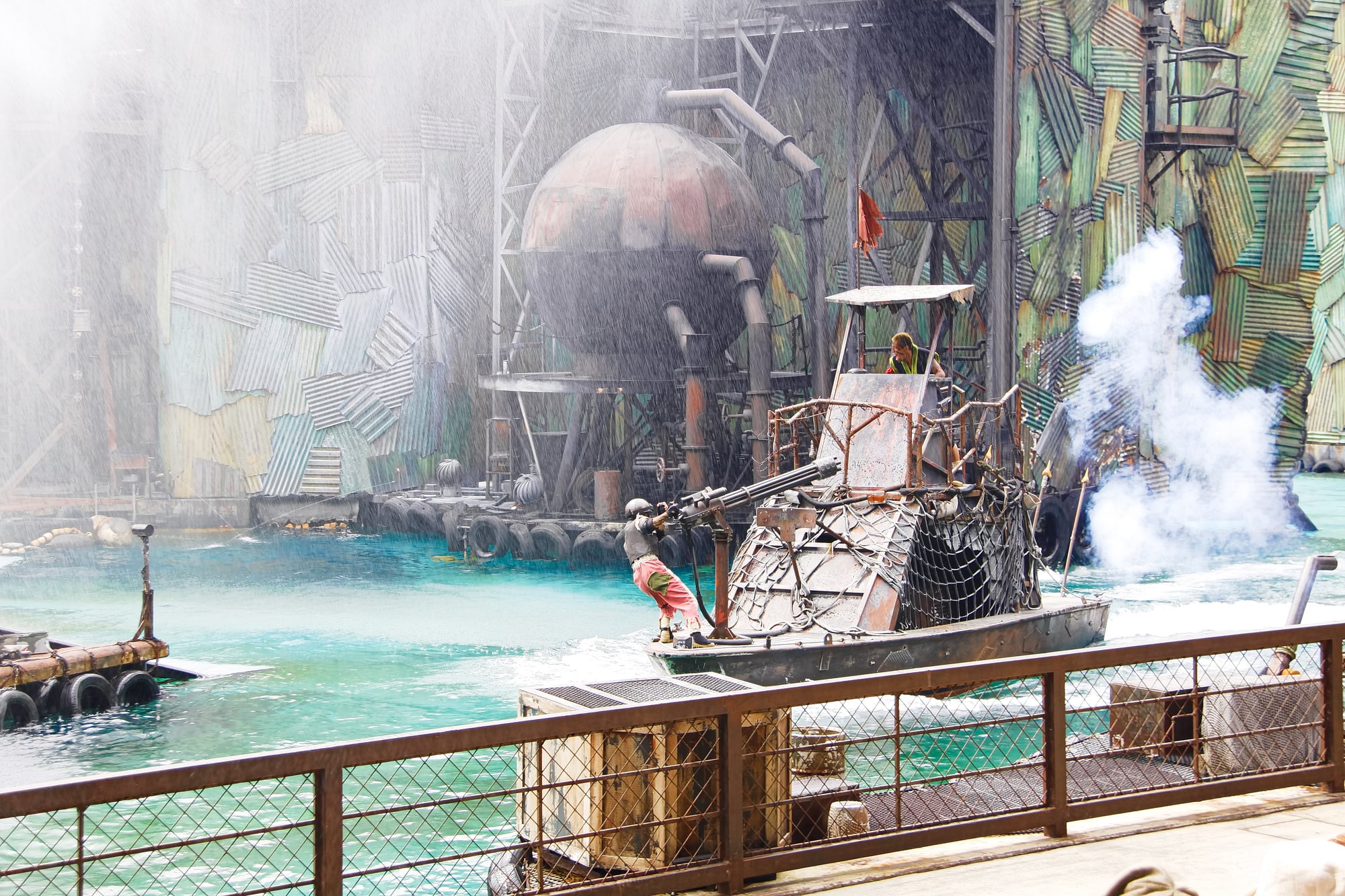
These landmarks continue drawing visitors decades after the films that featured them first released. The buildings and monuments existed for their own reasons, serving practical purposes or honoring historical moments, but cinema gave them a second life.
Each location now carries two stories: the one that happened before the cameras arrived, and the one that plays out every time someone watches the film. That double existence makes them more interesting than they would be otherwise, and it ensures they’ll keep drawing crowds long after newer landmarks fade from memory.
More from Go2Tutors!

- The Romanov Crown Jewels and Their Tragic Fate
- 13 Historical Mysteries That Science Still Can’t Solve
- Famous Hoaxes That Fooled the World for Years
- 15 Child Stars with Tragic Adult Lives
- 16 Famous Jewelry Pieces in History
Like Go2Tutors’s content? Follow us on MSN.



