19 Scandals That Rocked the 1990s
Nostalgia for the 90s usually circles back to screeching modems, pop groups on heavy rotation, or sky-high stock prices. But look closer – past the bright jackets and upbeat forecasts – and tension hummed underneath.
Cable news found its rhythm then, feeding a growing hunger for scandal; meanwhile, glossy magazines thrived on gossip. Attention grew sharper, louder, harder to escape, like it does now.
Moments from that time echo oddly in current days, not because they repeat but because they never really left. What unfolded across arenas like government, games, and shows wasn’t just noise.
These moments tore through surface stories, rebuilding systems while shifting who people trusted – alongside their daily news habits. Here’s a closer look at 19 scandals that left a lasting mark on the 1990s.
The Clinton–Lewinsky Affair
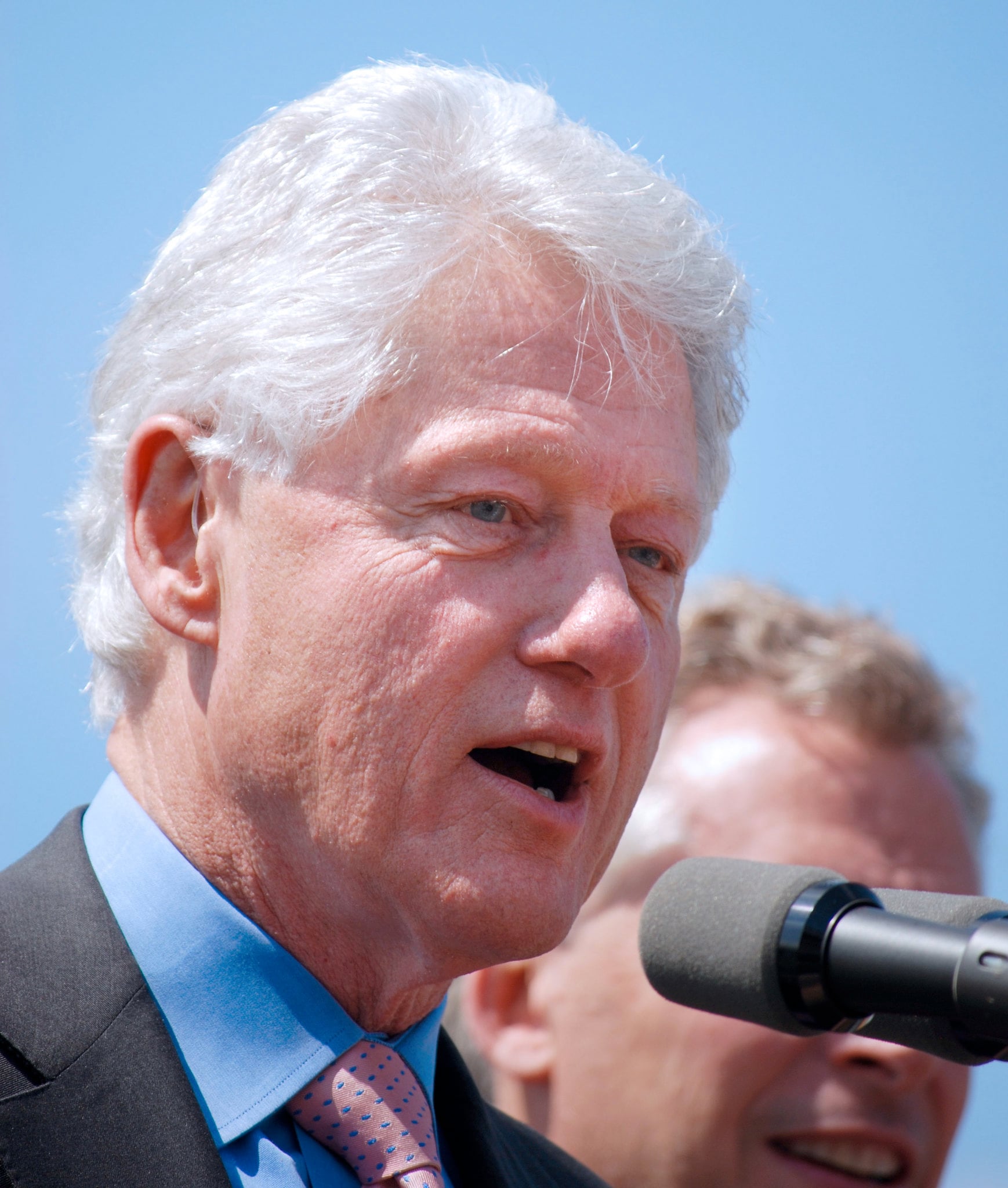
In 1998, President Bill Clinton faced allegations of an improper relationship with White House intern Monica Lewinsky. The investigation, led by Independent Counsel Kenneth Starr, expanded into questions about perjury and obstruction of justice.
The House of Representatives impeached Clinton in December 1998. Even so, the Senate acquitted him in 1999, allowing him to remain in office.
The scandal dominated global news coverage and accelerated the shift toward round-the-clock political commentary. It also cemented impeachment as a recurring feature of modern American politics.
Whitewater Investigation

The Whitewater controversy centered on a failed Arkansas real estate investment involving Bill and Hillary Clinton during the 1970s and 1980s. Although it predated the presidency, the issue resurfaced in the early 1990s.
Multiple investigations sought evidence of wrongdoing tied to financial impropriety. That said, years of scrutiny yielded no charges against the Clintons directly related to Whitewater.
Still, the prolonged investigation fed partisan tensions and shaped the political atmosphere of the decade.
The O.J. Simpson Trial

In 1994, former football star O.J. Simpson was charged in the deaths of Nicole Brown Simpson and Ronald Goldman. The televised trial became a cultural phenomenon, blending courtroom drama with celebrity spectacle.
Millions watched daily as legal strategies unfolded in real time. Even so, the 1995 not-guilty verdict divided public opinion along racial and social lines.
The case transformed legal proceedings into mass entertainment and highlighted deep national fractures.
The Waco Siege
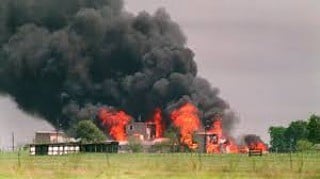
In 1993, a federal standoff with the Branch Davidians near Waco, Texas, ended in tragedy after a 51-day siege. The confrontation involved the Bureau of Alcohol and Firearms and later the FBI.
A fire during the final assault resulted in dozens of deaths, including children. Still, the event fueled distrust of federal authority among some groups.
Waco became a flashpoint in debates over government power and religious freedom.
The Oklahoma City Bombing
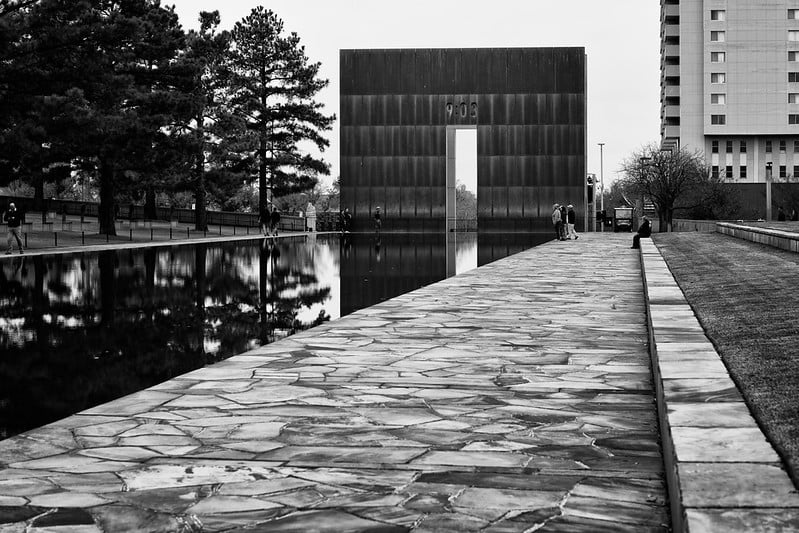
In 1995, a truck bombing at the Alfred P. Murrah Federal Building in Oklahoma City killed 168 people. Timothy McVeigh and Terry Nichols carried out the attack, motivated by extremist ideology.
It remains one of the deadliest acts of domestic terrorism in U.S. history. That said, the bombing forced a reckoning with homegrown extremism.
Security policies tightened, and public awareness of domestic threats increased sharply.
The Menendez Brothers Trial
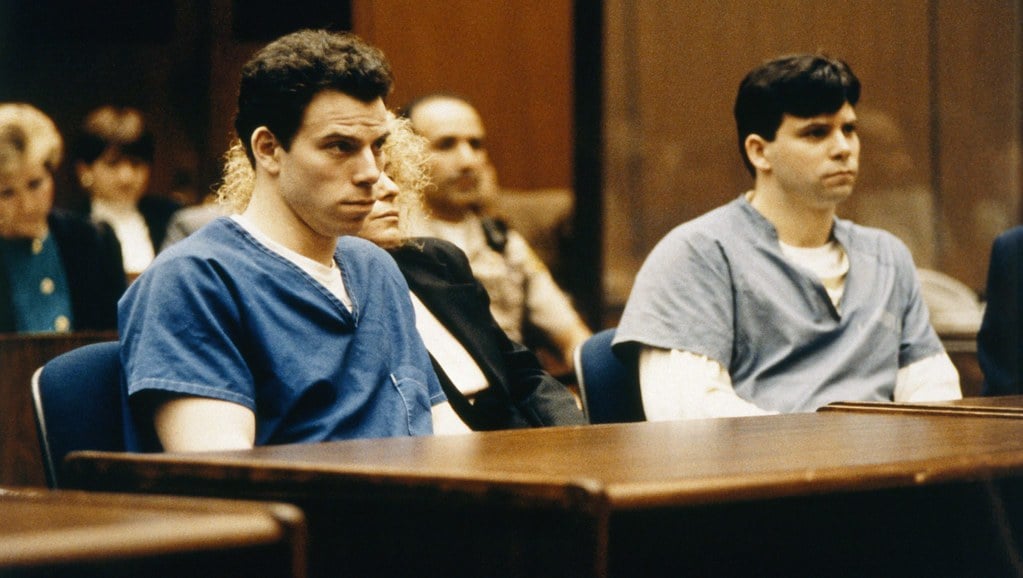
Lyle and Erik Menendez were convicted in 1996 for the 1989 killings of their parents in Beverly Hills. The case gained renewed attention in the 1990s as televised proceedings captivated audiences.
Defense arguments centered on alleged abuse within the family. Even so, the jury ultimately rejected that defense.
The trial highlighted the growing appetite for courtroom coverage and true-crime fascination.
Princess Diana’s Death
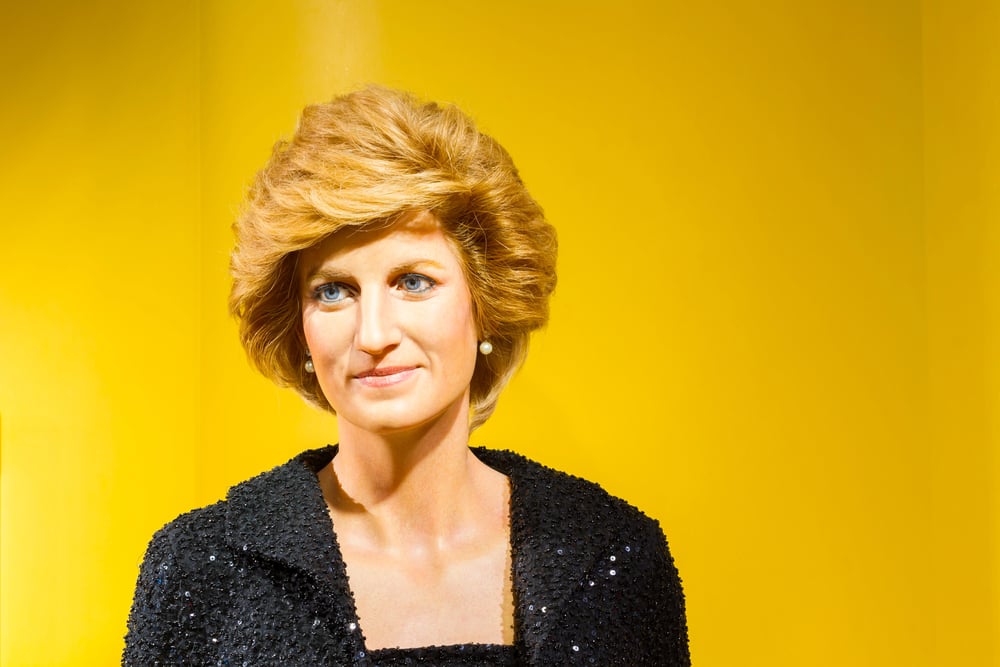
In 1997, Princess Diana died in a car crash in Paris while being pursued by paparazzi. The global outpouring of grief was immediate and intense.
Media scrutiny came under fire, with criticism directed at tabloid culture. Still, her death reshaped conversations about privacy, celebrity, and the press.
It also altered the public image of the British monarchy.
Tonya Harding and Nancy Kerrigan

The 1994 attack on figure skater Nancy Kerrigan led to revelations about a plot involving her rival Tonya Harding’s associates. The incident unfolded weeks before the Winter Olympics, drawing massive media attention.
That said, Harding denied prior knowledge of the plan but later pleaded guilty to hindering prosecution. The scandal blurred the lines between sports competition and tabloid spectacle.
Milli Vanilli Lip-Syncing Revelation
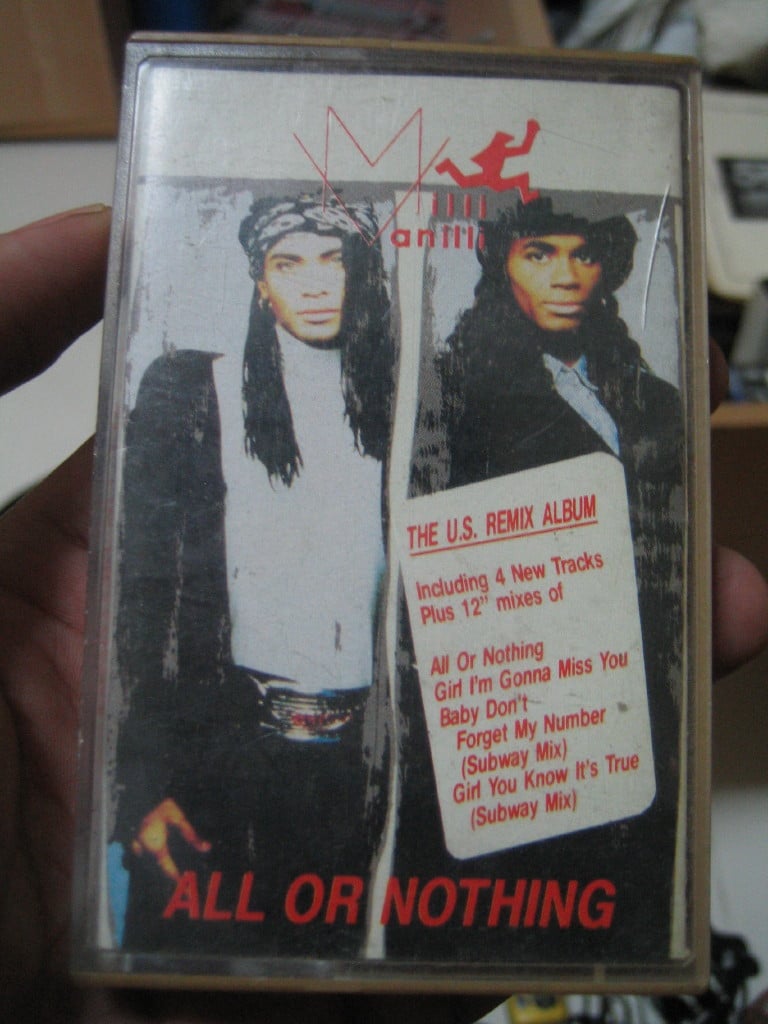
In 1990, it was revealed that pop duo Milli Vanilli had not performed their own vocals on their recordings. The group’s Grammy Award was revoked.
The revelation stunned fans and industry insiders alike. Even so, the controversy exposed deeper questions about authenticity in pop music production.
It remains one of the most infamous music scandals of the era.
The Rodney King Beating and LA Riots
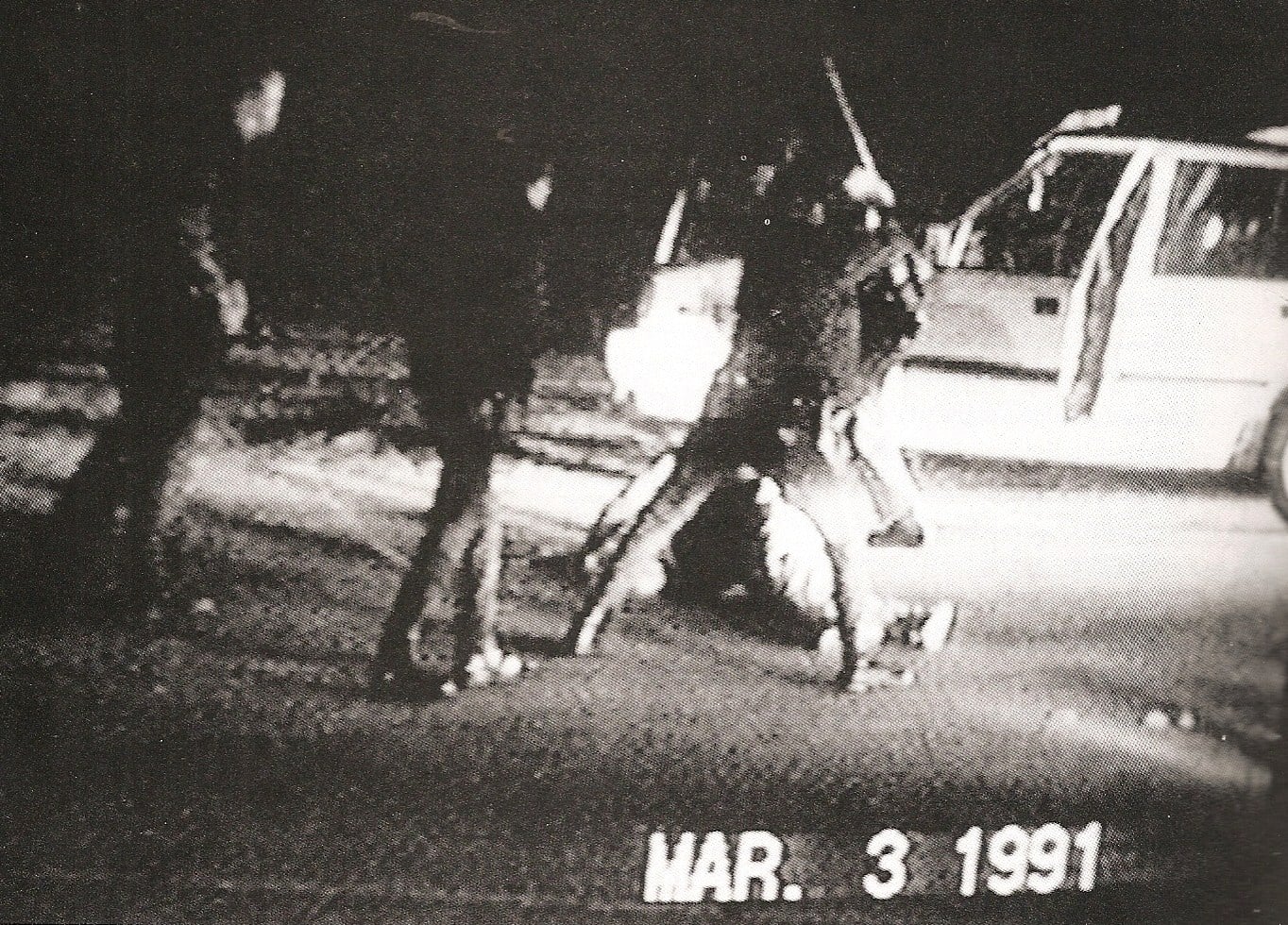
In 1991, a bystander’s camcorder captured Los Angeles police officers beating Rodney King during a traffic stop. When the officers were acquitted in 1992, widespread unrest followed.
The riots lasted several days and caused extensive damage. Still, the incident marked a turning point in public awareness of police conduct.
It also demonstrated the power of recorded video in shaping national conversation.
The Iran–Contra Aftermath
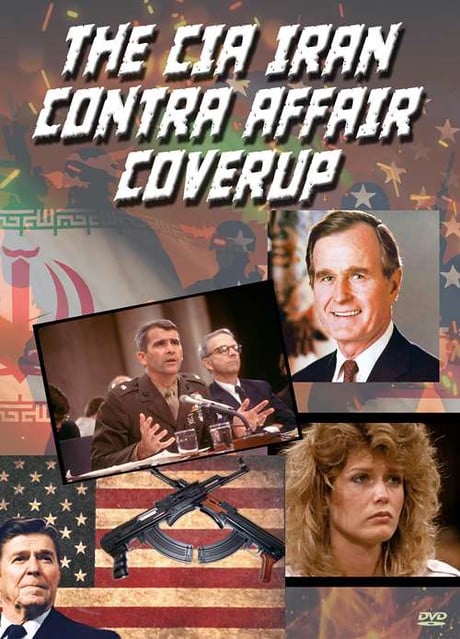
Although the Iran–Contra affair began in the 1980s, its legal consequences carried into the early 1990s. Trials and pardons related to the scandal continued under President George H. W. Bush.
The controversy involved secret arms sales and diverted funds. Even so, the lingering fallout reinforced concerns about executive authority and transparency.
The story remained part of the broader debate about government accountability.
The Long-Term Capital Management Collapse

In 1998, hedge fund Long-Term Capital Management required a Federal Reserve–orchestrated bailout after risky trading strategies backfired. The near-collapse threatened global financial stability.
Wall Street had to confront the risks of highly leveraged investment models. That said, the episode foreshadowed financial vulnerabilities that would surface again years later.
It underscored how interconnected global markets had become.
The Impeachment Proceedings
Following the Clinton investigation, impeachment became the defining political drama of the late 1990s. Congressional hearings dominated cable news cycles.
Public opinion polls fluctuated as details emerged. Still, the Senate’s acquittal demonstrated the complexity of removing a sitting president.
The episode reshaped the tone of American political discourse.
The Amy Fisher Case

In 1992, Amy Fisher shot Mary Jo Buttafuoco in New York, sparking sensational media coverage. The case, involving a teenager and an extramarital affair, became tabloid fodder.
Television movies followed quickly. Even so, the intense focus illustrated the growing appetite for scandal-driven entertainment.
The media frenzy often overshadowed deeper social context.
The Heaven’s Gate Tragedy

In 1997, 39 members of the Heaven’s Gate group died in a coordinated act in California. The group believed a spacecraft followed the Hale-Bopp comet.
The event shocked the nation. Still, it fueled debates about cult dynamics and vulnerability.
The tragedy revealed how fringe movements could gain traction in an era of expanding media reach.
The Catholic Church Abuse Revelations
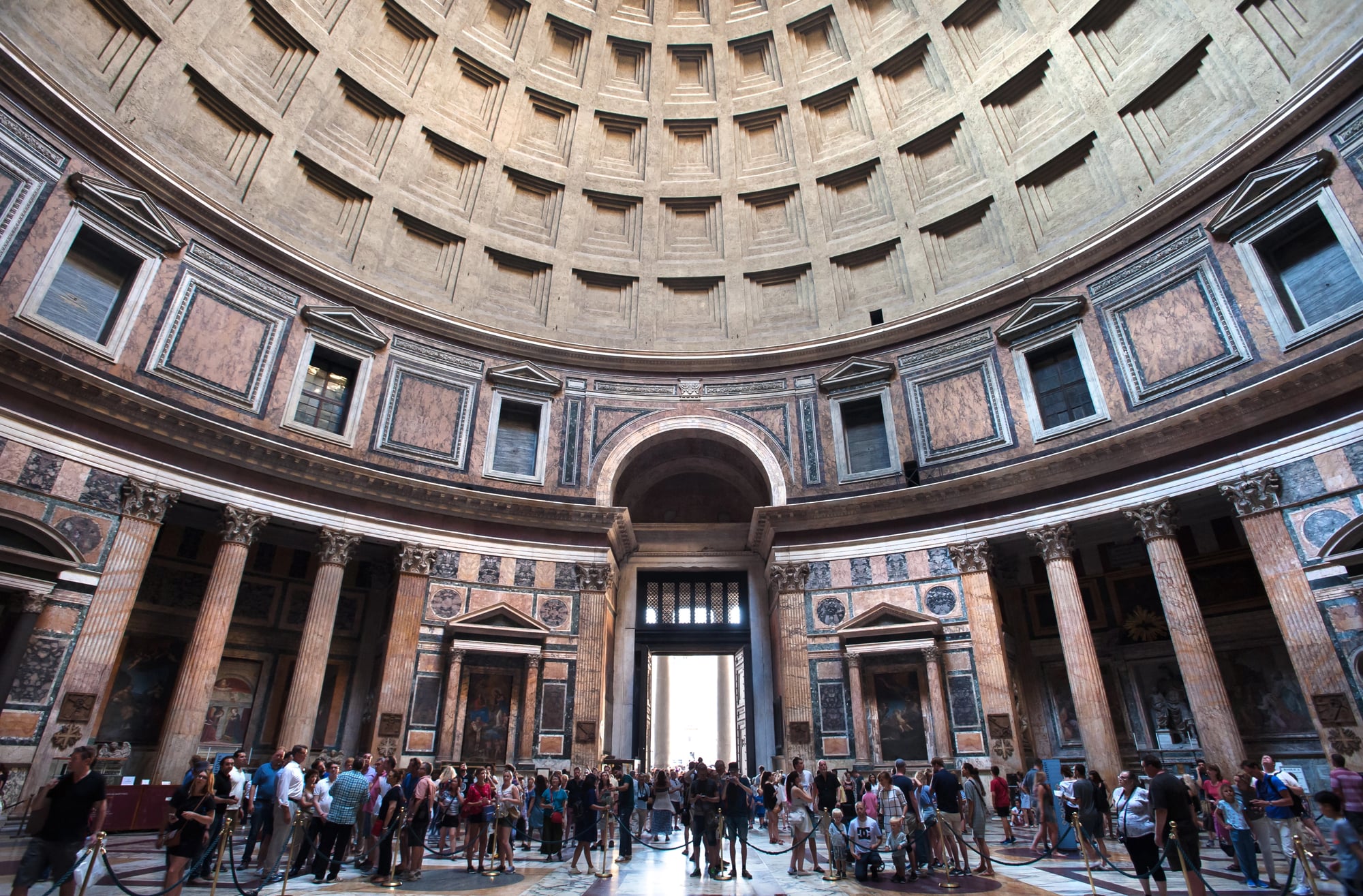
In the 1990s, investigative reporting began exposing patterns of abuse within segments of the Catholic Church. While the crisis became more widely recognized in the early 2000s, groundwork investigations emerged during this decade.
Even so, early reports signaled institutional failures that would later prompt sweeping reforms. The revelations challenged long-held trust in powerful organizations.
The Exxon Valdez Aftermath
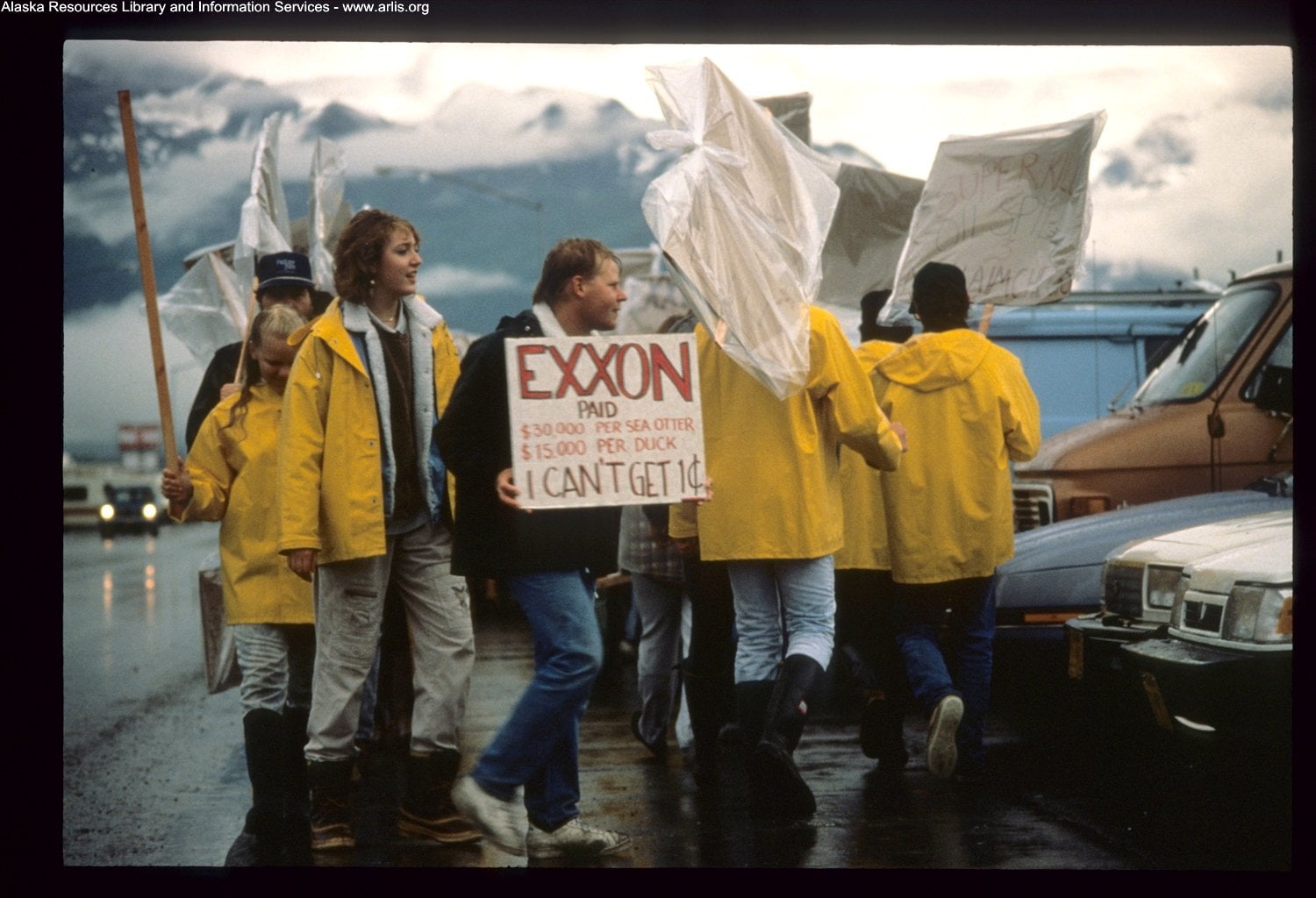
Although the Exxon Valdez oil spill occurred in 1989, its legal and environmental consequences stretched well into the 1990s. Court battles and cleanup efforts continued for years.
The disaster became emblematic of corporate environmental responsibility debates. Still, the lingering effects reinforced public demand for stricter environmental safeguards.
The WorldCom Accounting Issues
By the late 1990s, warning signs began to surface within telecommunications giant WorldCom. Aggressive accounting practices raised concerns among regulators.
The full scope of wrongdoing emerged in the early 2000s. Even so, early signals during the 1990s reflected a broader climate of unchecked corporate expansion.
The Unabomber Arrest
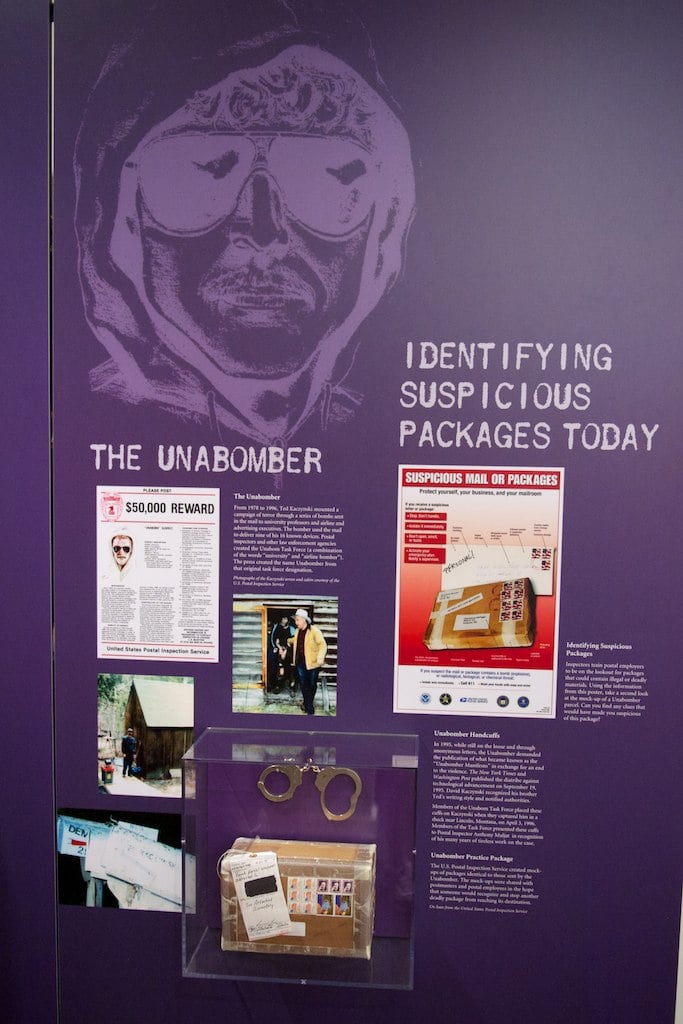
In 1996, Theodore Kaczynski was arrested after a nationwide bombing campaign that spanned nearly two decades. His manifesto, published in major newspapers, criticized modern technology.
The arrest followed identification by his brother. Still, the case revealed the intersection of ideology, media, and violence in the modern age.
How the 1990s Changed Public Scrutiny
A shift happened in the nineties when scandals started playing out differently. Thanks to cable news growing fast, court cases showed up live on screens at home.
Alongside that, online connections pushed facts around quicker than before. With eyes everywhere now, famous people found it harder to keep problems quiet through slow news rhythms.
Nowadays, blame looked different – so did the show. When trouble hit, it refused to vanish, instead bouncing from device to device, front page after front page, season after season.
Those years built what we swim in now: a current of endless updates, instant judgment. More than simply holding famous missteps, that era changed our gaze itself.
More from Go2Tutors!

- The Romanov Crown Jewels and Their Tragic Fate
- 13 Historical Mysteries That Science Still Can’t Solve
- Famous Hoaxes That Fooled the World for Years
- 15 Child Stars with Tragic Adult Lives
- 16 Famous Jewelry Pieces in History
Like Go2Tutors’s content? Follow us on MSN.