15 Times Censorship Made Things More Popular
There’s something almost magical about the word ‘banned’ that makes people want something even more. Throughout history, attempts to suppress ideas, books, movies, and music have often backfired spectacularly, turning obscure works into cultural phenomena and forgotten artists into household names.
The irony is delicious authorities trying to silence something often end up giving it the loudest megaphone possible. Here’s a list of 15 times censorship completely missed the mark and made things way more popular than they ever would have been otherwise.
The Satanic Verses
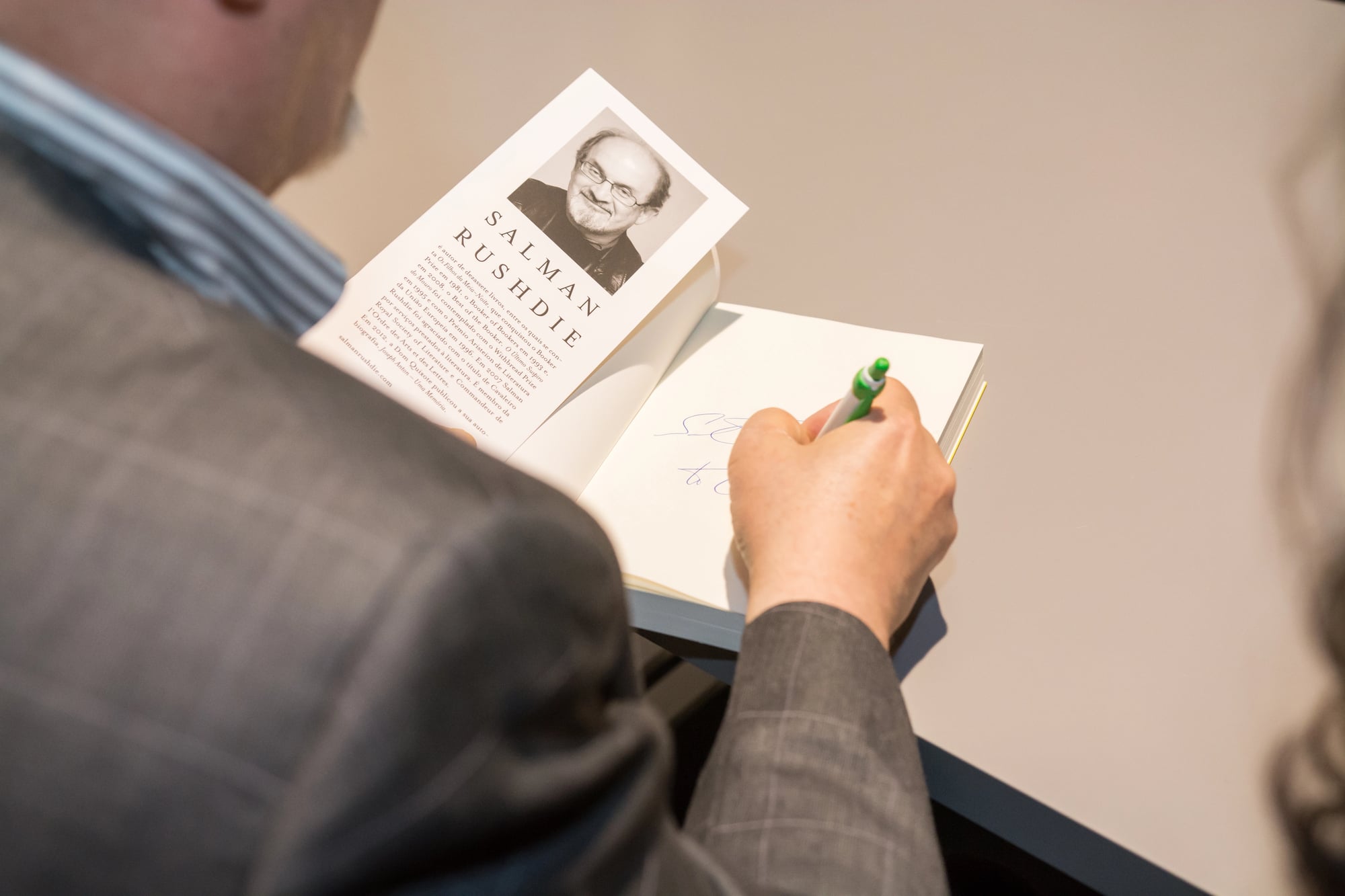
When Iran’s Ayatollah Khomeini issued a fatwa against Salman Rushdie in 1989, calling for his death over ‘The Satanic Verses,’ the novel instantly became one of the most talked-about books in the world. Before the controversy, it was just another literary work by a respected author.
The death threat turned Rushdie into a global figure and his book into a bestseller that people felt compelled to read, whether they understood it or not.
Banned Books Week
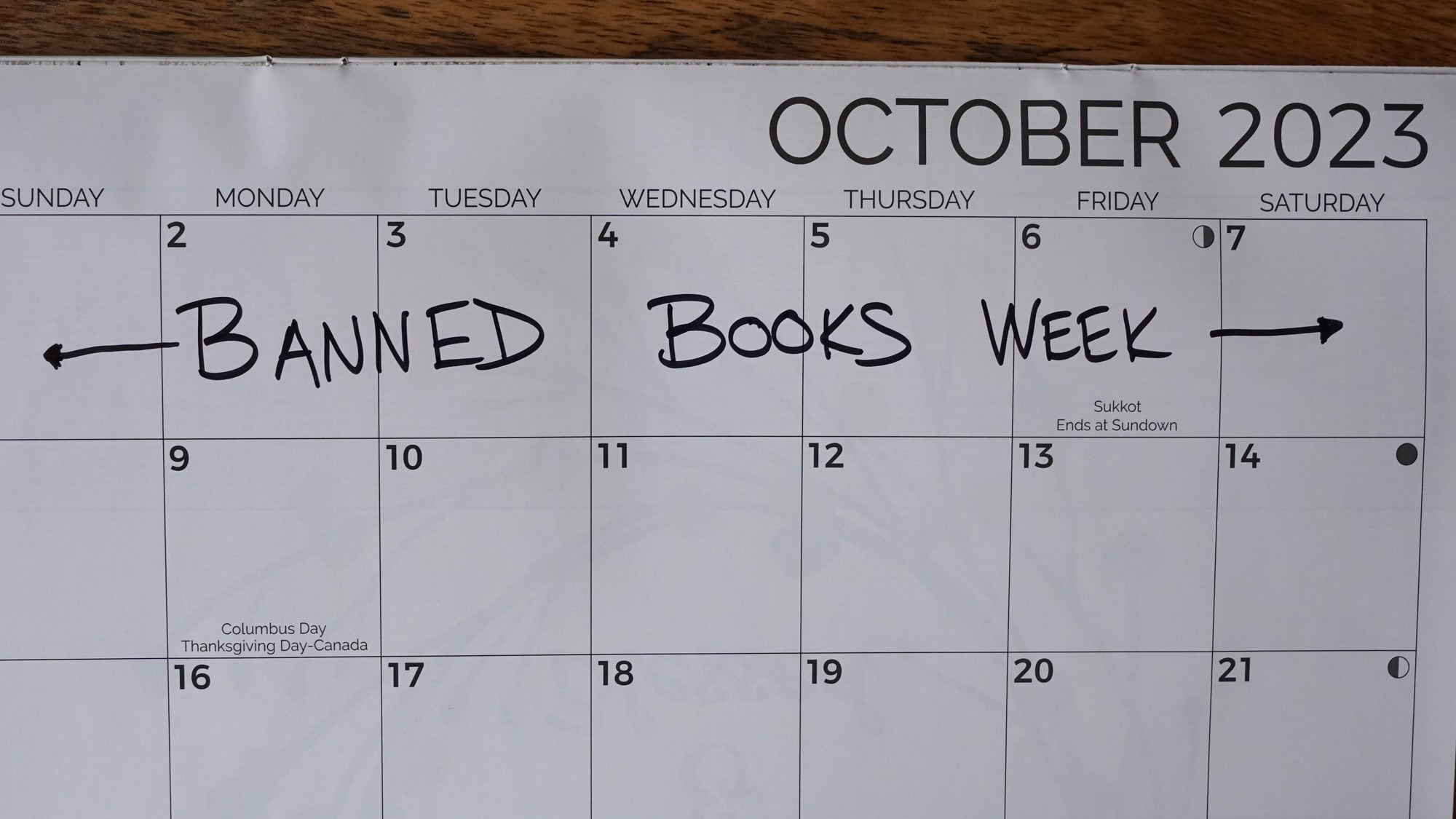
Libraries across America noticed something funny happening every September—the books they highlighted as ‘frequently challenged’ would fly off the shelves faster than hot cakes. What started as an awareness campaign accidentally became the best marketing strategy for controversial literature.
Students who had never heard of ‘The Catcher in the Rye’ or ‘To Kill a Mockingbird’ suddenly wanted to know what all the fuss was about.
Like Go2Tutors’s content? Follow us on MSN.
The Birth of a Nation

D.W. Griffith’s 1915 film became a box office sensation partly because of the massive protests and bans it generated. The movie’s racist content sparked outrage and calls for censorship in multiple cities, which only increased public curiosity.
People lined up to see what was causing such a stir, making it one of the highest-grossing films of the silent era despite—or perhaps because of—the controversy.
Comic Books and the Comics Code
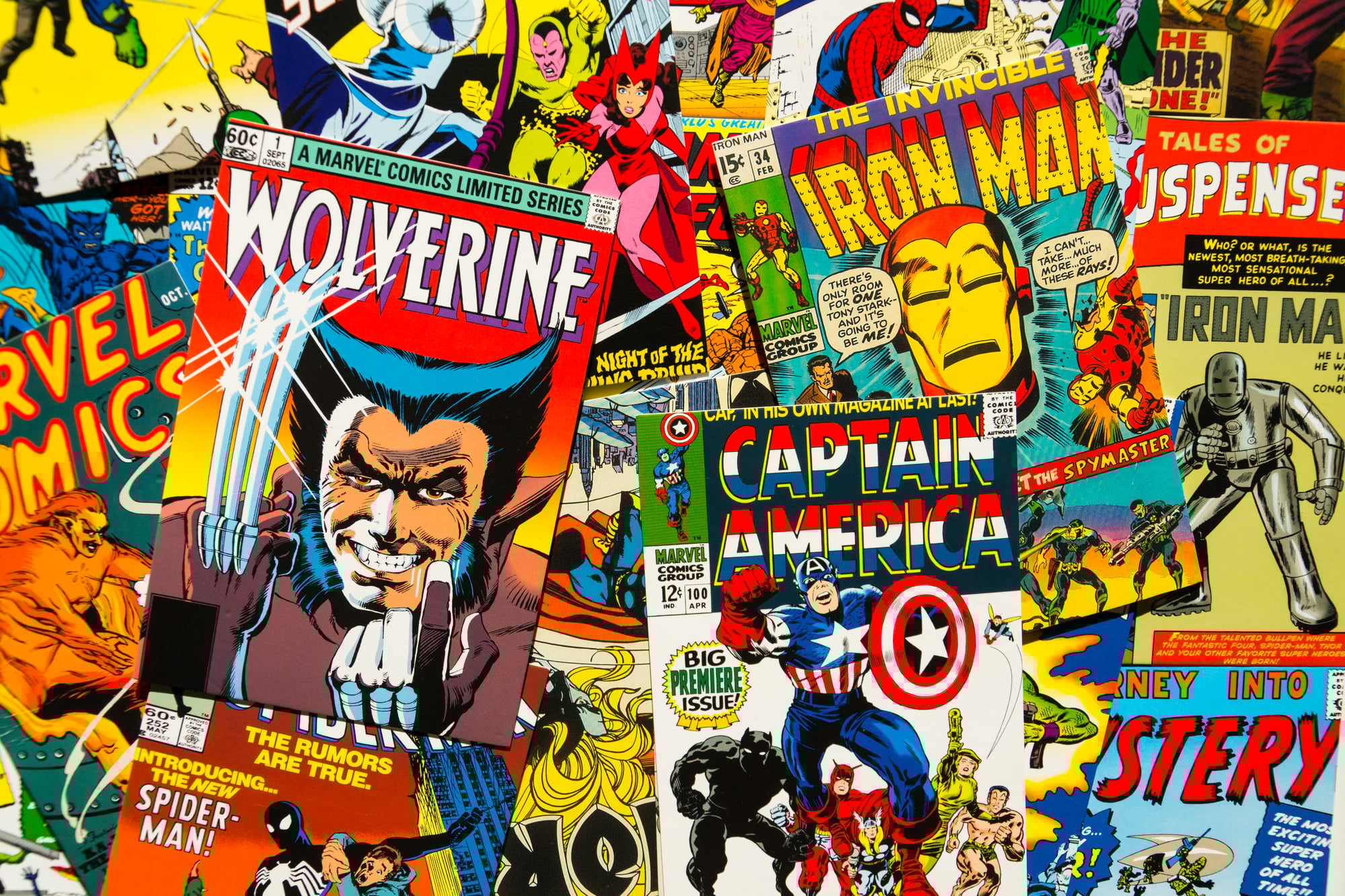
In the 1950s, concerned parents and politicians went after comic books with a vengeance, claiming they corrupted youth. The resulting Comics Code Authority sanitized the industry so thoroughly that underground comics emerged as a rebellious alternative.
These underground publications, filled with exactly the kind of content the censors feared, found eager audiences among teenagers and college students who craved something edgier than approved superhero stories.
The Beatles and ‘Bigger Than Jesus’

John Lennon’s casual comment that the Beatles were ‘more popular than Jesus’ sparked massive outrage in the American Bible Belt in 1966. Radio stations banned their music, and fans burned their records in public demonstrations.
The controversy generated so much media attention that it actually increased the band’s popularity globally, especially among young people who saw the Beatles as rebels standing up to authority.
Like Go2Tutors’s content? Follow us on MSN.
Lady Chatterley’s Lover

D.H. Lawrence’s novel spent decades as forbidden fruit, banned in the UK and US for its explicit content. When Penguin Books finally won the right to publish it in 1960 after a famous obscenity trial, the publicity was worth millions in advertising.
The trial made front-page news for weeks, and curious readers snapped up copies as soon as they hit the shelves.
The Last Temptation of Christ

Martin Scorsese’s 1988 film faced protests from religious groups before most people even knew it existed. The controversy grew so intense that theaters received bomb threats, and some refused to show it.
All the drama transformed what might have been a niche art film into a cultural talking point that everyone had an opinion about, driving ticket sales through the roof.
Banned Video Games

When various countries banned games like ‘Grand Theft Auto’ or ‘Mortal Kombat’ for violence, they inadvertently created must-have items for gamers. Young people who might have overlooked these titles suddenly saw them as badges of rebellion.
The forbidden nature of the games made them infinitely more appealing than they would have been with a simple mature rating.
Like Go2Tutors’s content? Follow us on MSN.
The Pentagon Papers

The Nixon administration’s attempt to stop The New York Times from publishing classified documents about Vietnam backfired magnificently. The legal battle drew massive media attention to the papers, ensuring that their revelations about government deception reached a much wider audience.
Other newspapers picked up the story, and the public became far more interested in the documents than they might have been without the dramatic court fight.
Ulysses by James Joyce
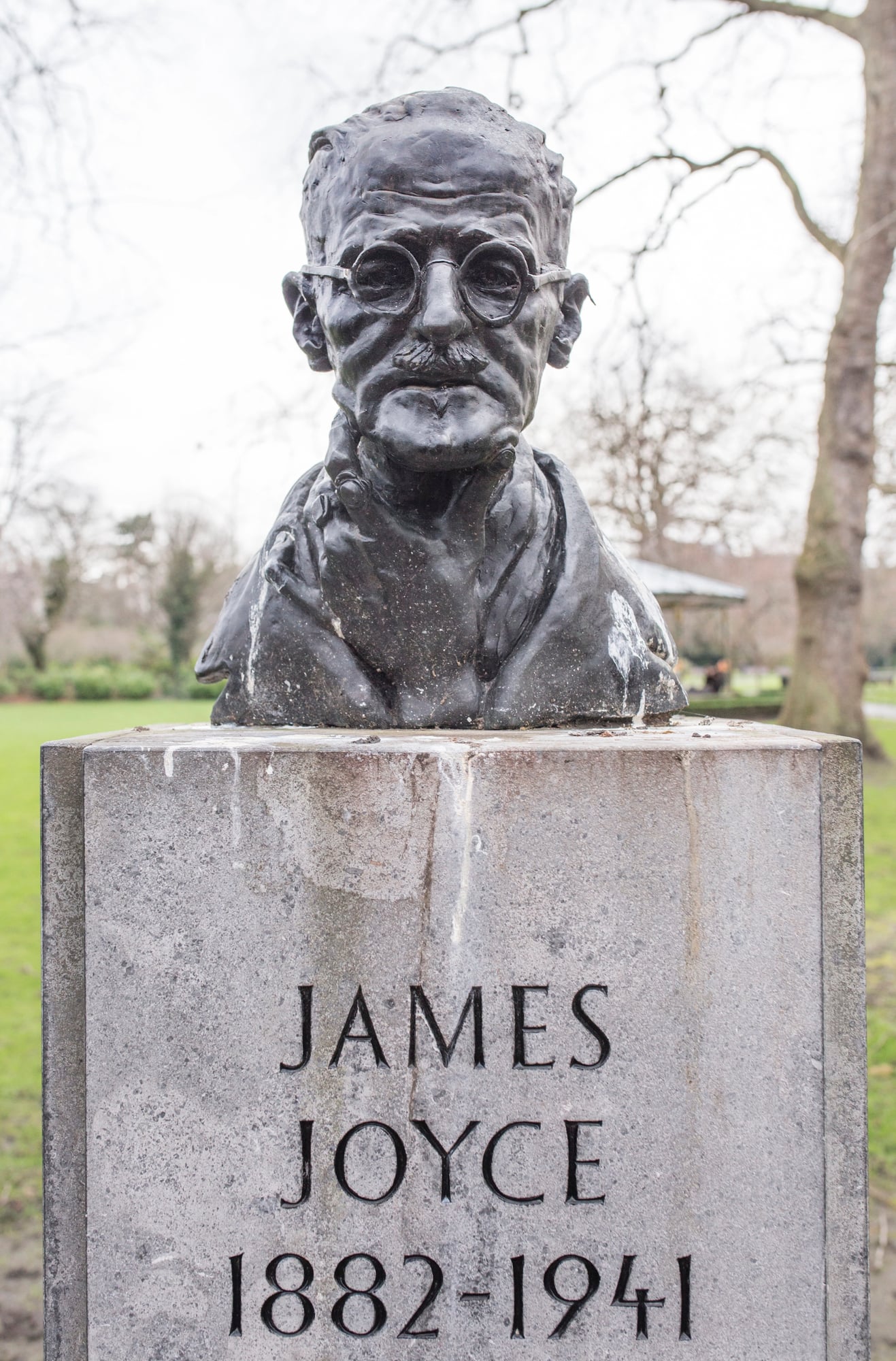
Joyce’s modernist masterpiece was banned in the US for over a decade due to its explicit content and experimental style. The prohibition turned it into literary contraband, smuggled across borders and passed hand to hand among intellectuals.
When a 1933 court case finally lifted the ban, the publicity surrounding the trial made ‘Ulysses’ one of the most famous novels of the 20th century.
The Anarchist Cookbook

Published in 1971, this controversial manual might have remained an obscure counterculture curiosity if not for repeated attempts to ban it. Every time authorities tried to restrict its availability, news coverage would spike, and more people would seek it out.
The internet age only amplified this effect, as each attempt at censorship drove more people to search for digital copies.
Like Go2Tutors’s content? Follow us on MSN.
Heavy Metal Music and the PMRC
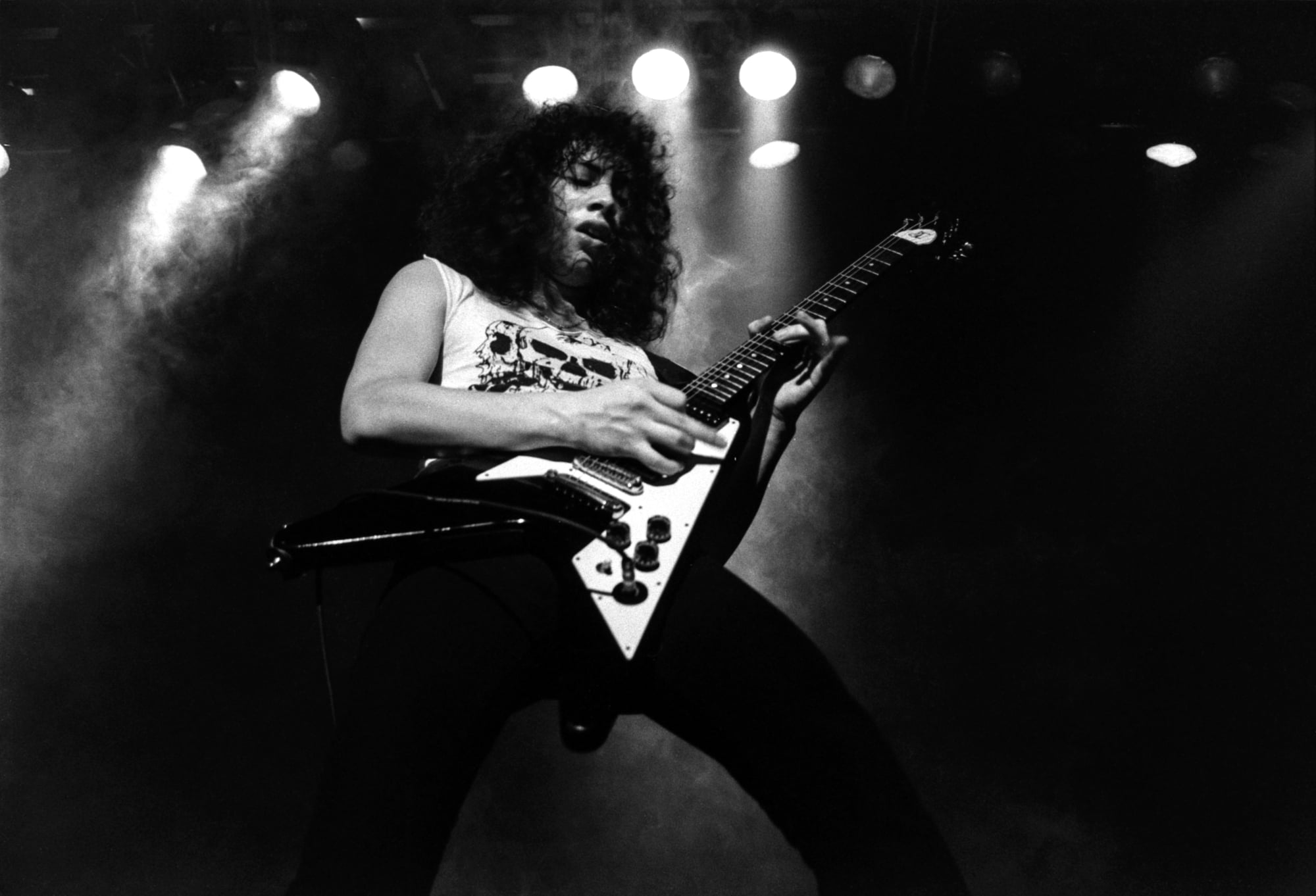
When Tipper Gore and the Parents Music Resource Center went after heavy metal and rap music in the 1980s, they gave these genres the best publicity they could have asked for. Congressional hearings featuring artists like Dee Snider and Frank Zappa turned musicians into free speech heroes.
Albums with parental advisory stickers became badges of authenticity that actually boosted sales among rebellious teenagers.
The Interview

Sony Pictures’ 2014 comedy about assassinating North Korea’s leader became a global phenomenon when hackers threatened movie theaters. What would have been a forgettable buddy comedy instead became a symbol of free speech versus censorship.
The online release that followed the theater cancellations attracted millions of viewers who probably wouldn’t have bothered with the film under normal circumstances.
Areopagitica and Early Press Freedom

Even back in 1644, John Milton understood that censorship often defeats itself. His pamphlet arguing against licensing of books was itself published without a license, becoming more influential precisely because it challenged the authorities.
The work became a cornerstone of free speech philosophy, proving that ideas suppressed often become more powerful than those allowed to circulate freely.
Like Go2Tutors’s content? Follow us on MSN.
Social Media Bans

Modern platforms have discovered what governments learned centuries ago—banning controversial figures often amplifies their message. When major social networks suspend high-profile users, those individuals frequently gain followers on alternative platforms and generate sympathetic media coverage.
The ban itself becomes the story, giving the censored person more attention than their original content ever would have received.
When Silence Becomes a Megaphone
History keeps teaching us the same lesson, but we never seem to learn it. Trying to silence ideas, art, or people often does the exact opposite of what censors intend.
The forbidden becomes fascinating, the banned becomes beloved, and yesterday’s contraband becomes tomorrow’s classic. Perhaps the most effective way to kill an idea isn’t to ban it, but to ignore it completely—though that takes a level of restraint that authorities throughout history have rarely managed to muster.
More from Go2Tutors!

- 18 Unexpectedly Valuable Collectibles You Might Have Lying Around
- 20 Little-Known Historical Battles That Had Huge Consequences
- 20 Historical Artifacts That Scientists Can’t Explain
- 15 Inventions That Were Immediately Banned After Being Created
- 20 Actors Who Were Almost Cast in Iconic Roles
Like Go2Tutors’s content? Follow us on MSN.