19 Spooky Photos of Abandoned Asylums
There’s something about an abandoned asylum that gets under your skin in a way most ruins don’t. Maybe it’s knowing what happened behind those walls — the screaming, the restraints, the decades of human suffering that soaked into the plaster and never fully left.
Or maybe it’s the eerie contrast: grand Victorian architecture now given over to moss and silence. Whatever it is, these places draw photographers, ghost hunters, and the just-plain-curious from all over the world.
Here are 19 of the most unsettling.
Waverly Hills Sanatorium — Louisville, Kentucky
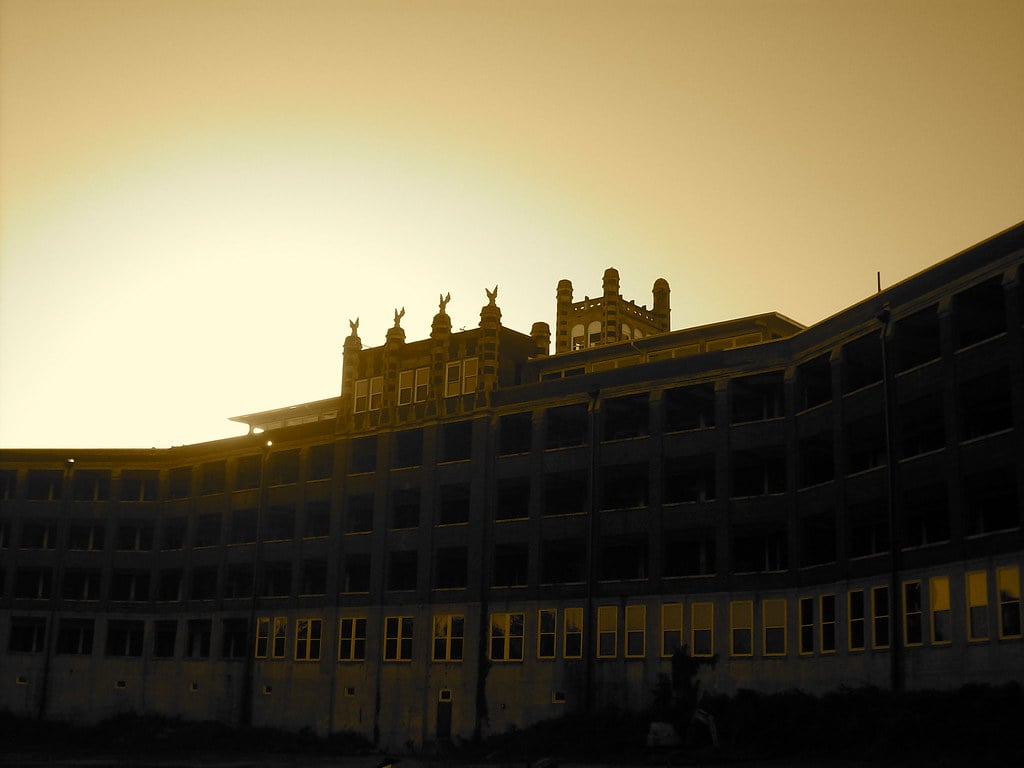
Originally built as a tuberculosis hospital in the early 1900s, Waverly Hills treated thousands of patients who never made it back out. The old “body chute” — a tunnel used to discreetly remove the dead — still winds beneath the building.
Photos of the main hallway show peeling paint curling off the walls in long strips, broken windows framing grey Kentucky sky, and rusted bed frames that look like they haven’t moved in fifty years. It’s consistently ranked among the most haunted buildings in the United States, and the photos make it easy to see why.
Trans-Allegheny Lunatic Asylum — Weston, West Virginia

This one is enormous. Built between 1858 and 1881, Trans-Allegheny is one of the largest hand-cut stone masonry buildings in North America.
It was designed to house 250 patients. By the mid-20th century, it held over 2,400.
Photos from the upper wards show long corridors where the ceiling has partially collapsed, letting in light that only makes the decay look worse. The treatment rooms are particularly grim — tiled walls, drain channels, and hooks that leave little to the imagination.
Pennhurst State School — Spring City, Pennsylvania
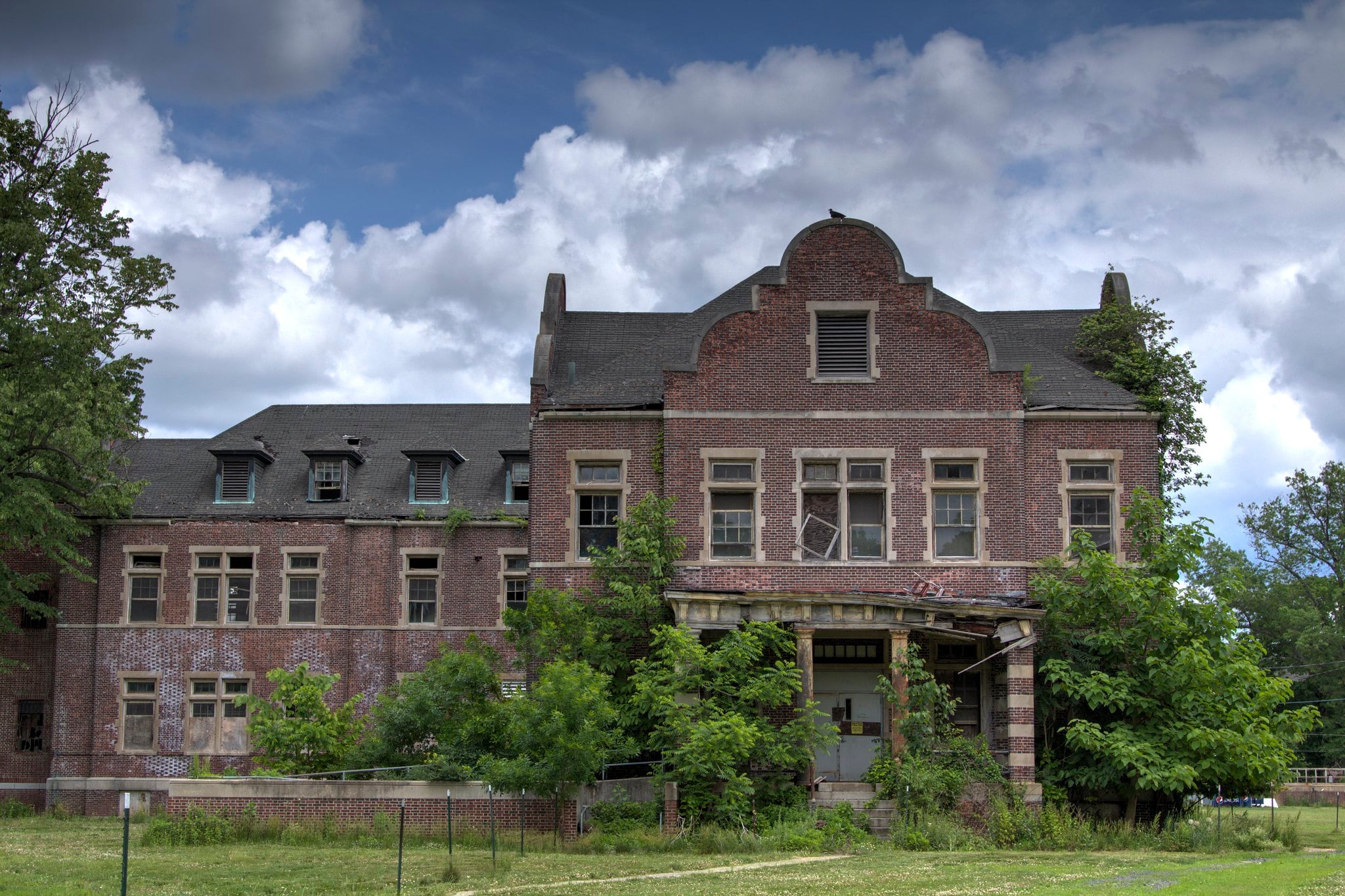
Pennhurst wasn’t a psychiatric hospital in the traditional sense — it was a state institution for people with physical and intellectual disabilities. But the conditions documented there were no less horrifying.
A 1968 news investigation exposed patients living in filth, left unattended for hours, and subjected to physical abuse. The buildings today sit largely intact, and photos show dormitory rooms with scattered personal items still on the floor — shoes, clothing, broken toys — as if everyone left in a hurry.
Danvers State Hospital — Danvers, Massachusetts

Danvers is famous partly because of its distinctive Kirkbride design — a bat-wing layout of connected buildings radiating from a central tower — and partly because H.P. Lovecraft supposedly drew inspiration from it. Most of the main structure was demolished in 2006 to make way for condominiums, but the Kirkbride building itself was preserved and converted.
Before that happened, photographers captured sprawling empty wards, crumbling staircases, and patient files left behind in rotting filing cabinets.
Willard Psychiatric Center — Willard, New York
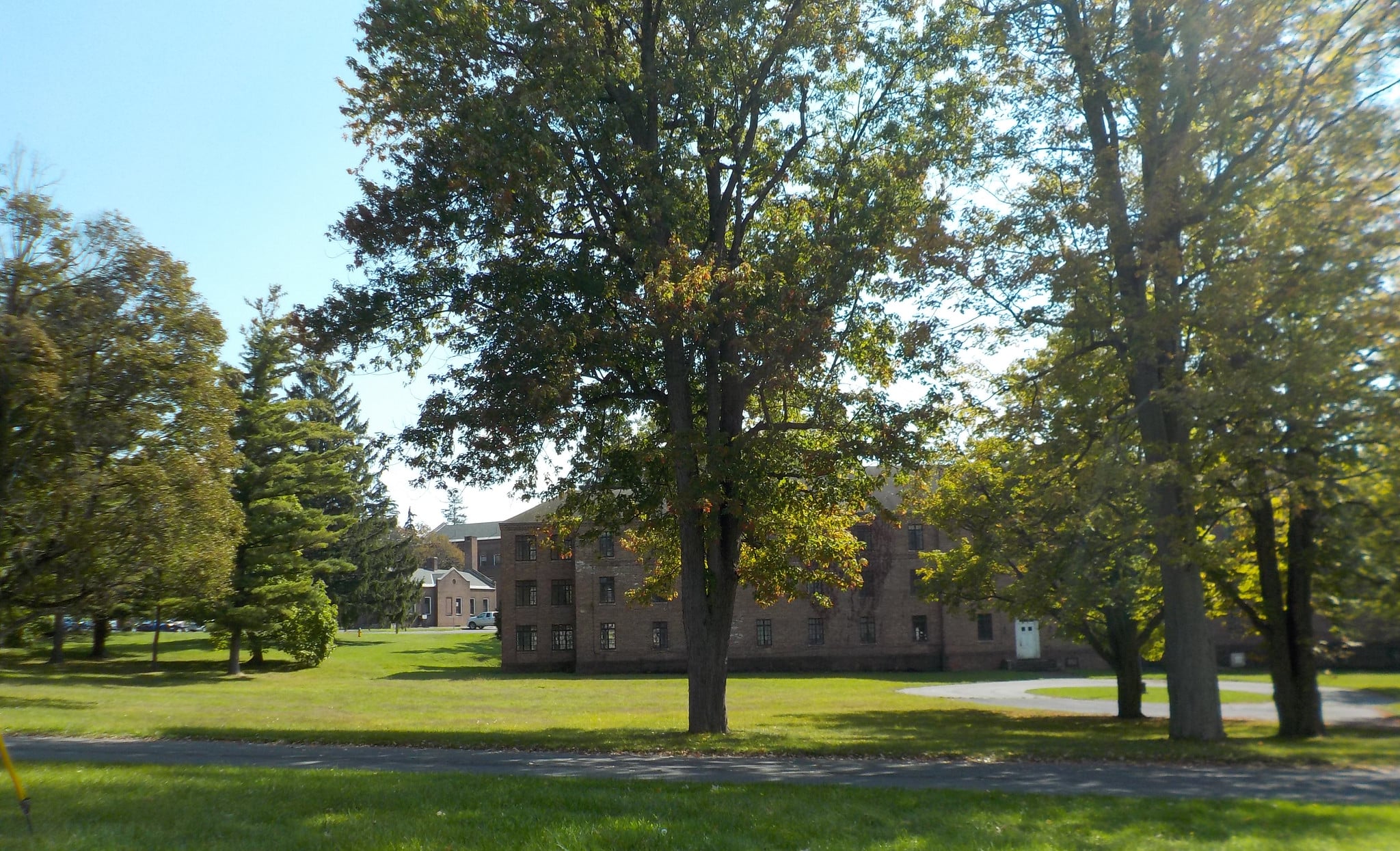
When Willard closed in 1995, workers discovered something unexpected in the attic: hundreds of suitcases belonging to former patients, packed as if for a short trip and never claimed. The suitcases were eventually catalogued and photographed.
Combs, photographs, eyeglasses, letters. The building itself is haunting enough in photos — grand lakeside architecture slowly eaten by weather — but those suitcases tell a story nothing else can.
Norwich State Hospital — Preston, Connecticut
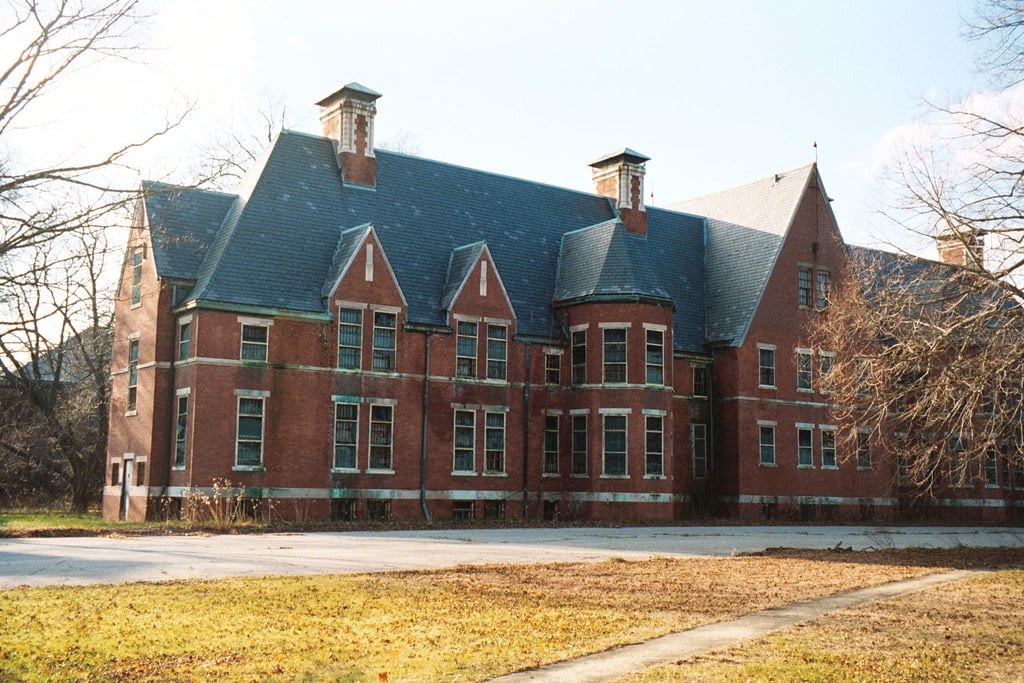
Norwich opened in 1904 and closed in 1996. In the years since, the campus has become one of the more popular spots for urban explorers in New England.
The buildings are far gone now — floors collapsed, roofs open to the sky, graffiti covering nearly every surface. But photos taken in the years just after closure show operating rooms with equipment still in place, glass vials lined up on shelves, and patient records scattered across the floor.
Greystone Park Psychiatric Hospital — Parsippany, New Jersey
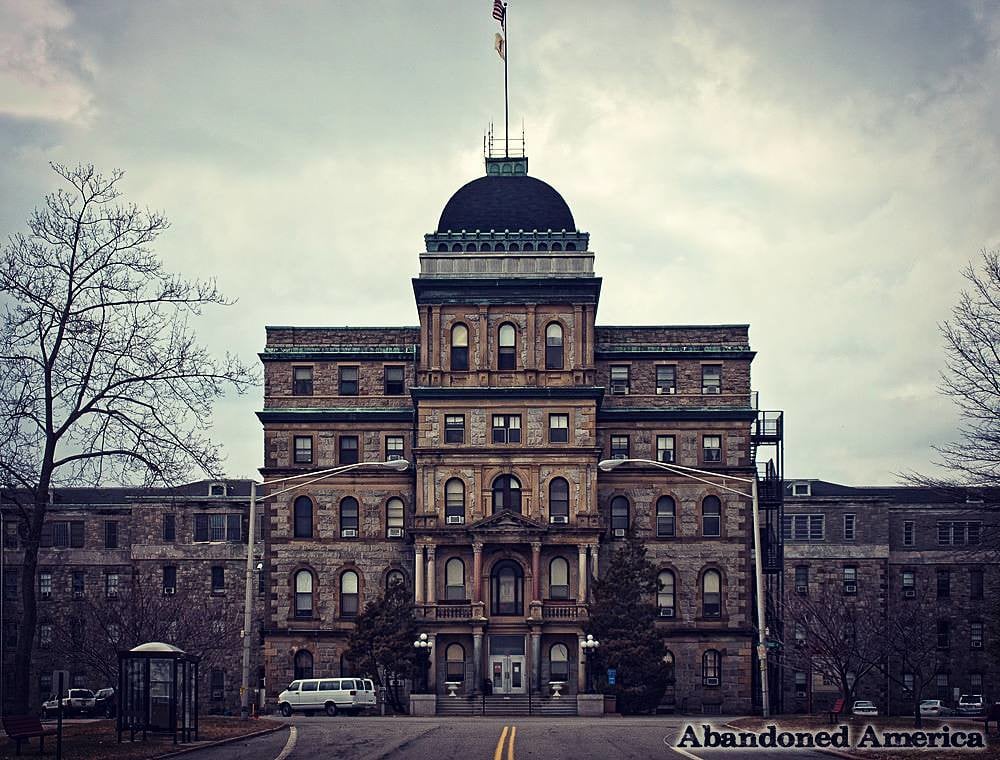
Greystone was another massive Kirkbride institution, opened in 1876 and eventually housing over 7,000 patients at its peak. Woody Guthrie spent time here near the end of his life.
The main building was demolished in 2015 despite considerable public opposition. Before the wrecking crews arrived, photographers documented the chapel — pews still in rows, stained glass hanging in shards — and wards where decades of paint had built up so thick on the walls it bubbled like skin.
Rolling Hills Asylum — East Bethany, New York
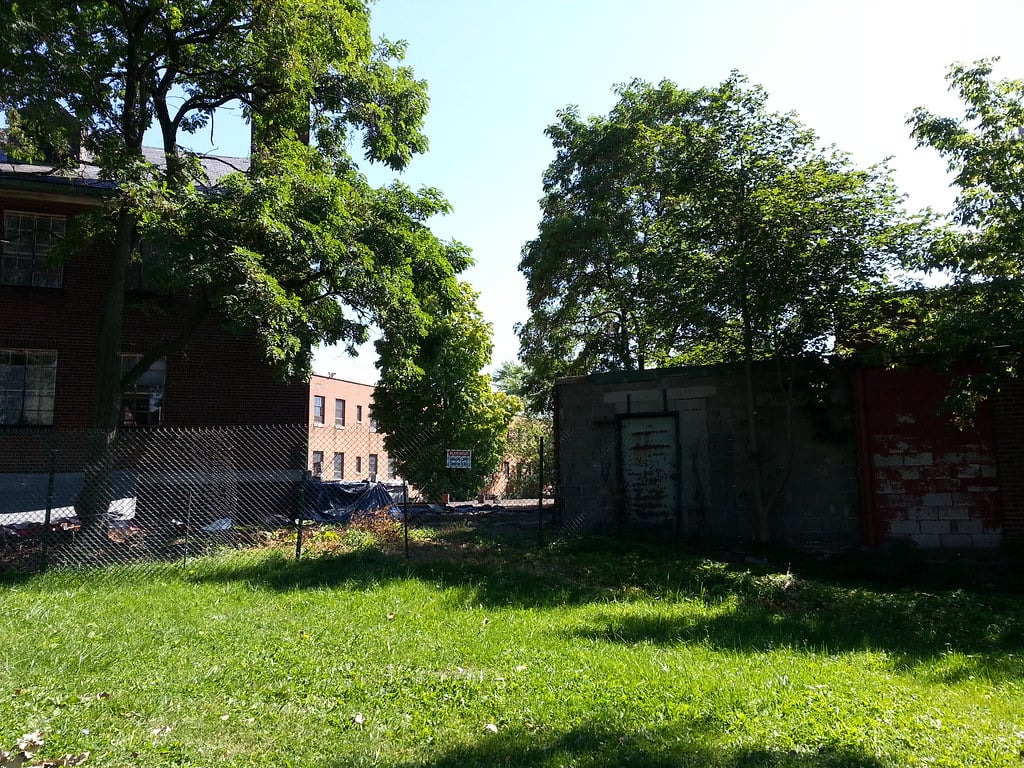
Unlike most places on this list, Rolling Hills is still standing and open for tours and overnight ghost hunts. It operated as a county poorhouse before becoming a home for people with mental illness, and over the years an estimated 1,700 people died on the property.
The basement, with its stone walls and low ceilings, photographs particularly well — or particularly badly, depending on how you look at it. Shadow figures have reportedly been captured in images there more than once.
Byberry Mental Hospital — Philadelphia, Pennsylvania
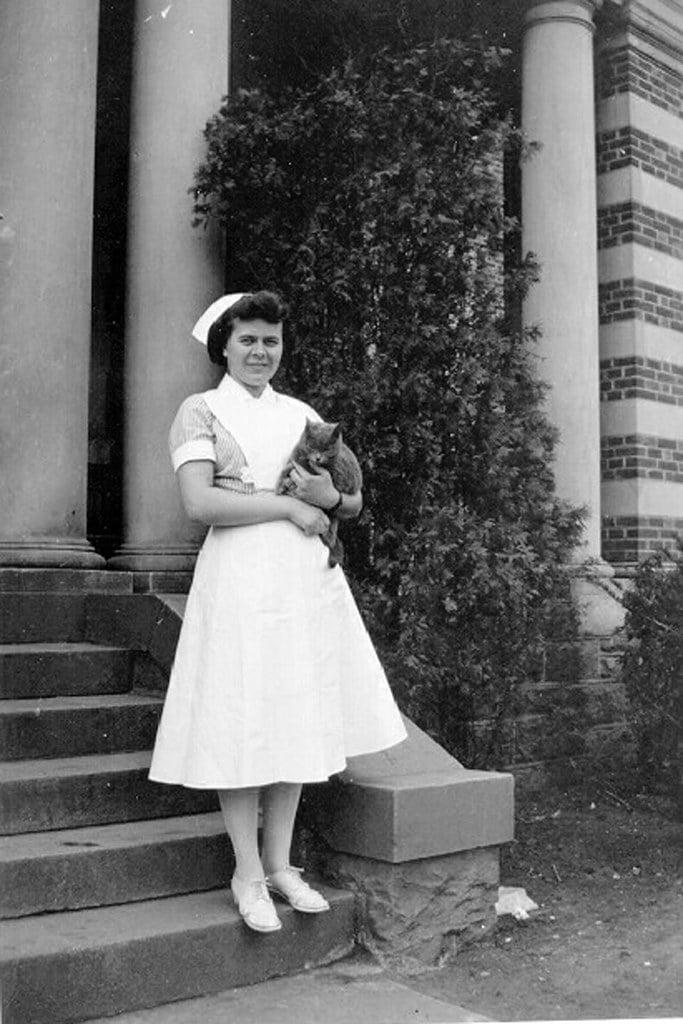
Byberry was a disaster almost from the start. Chronically underfunded and overcrowded, it became the subject of a famous 1946 exposé by conscientious objectors who had been assigned there as orderlies.
Their photographs showed unclothed patients chained to walls, sleeping on bare floors, left in their own waste. The hospital finally closed in 1990. The buildings were later demolished after years of illegal entry, but the images — both the 1946 originals and the abandonment-era photos — remain deeply disturbing.
Taunton State Hospital — Taunton, Massachusetts
Jane Toppan, one of the most prolific serial killers in American history, was committed here in 1902. That alone gives the place a particular darkness.
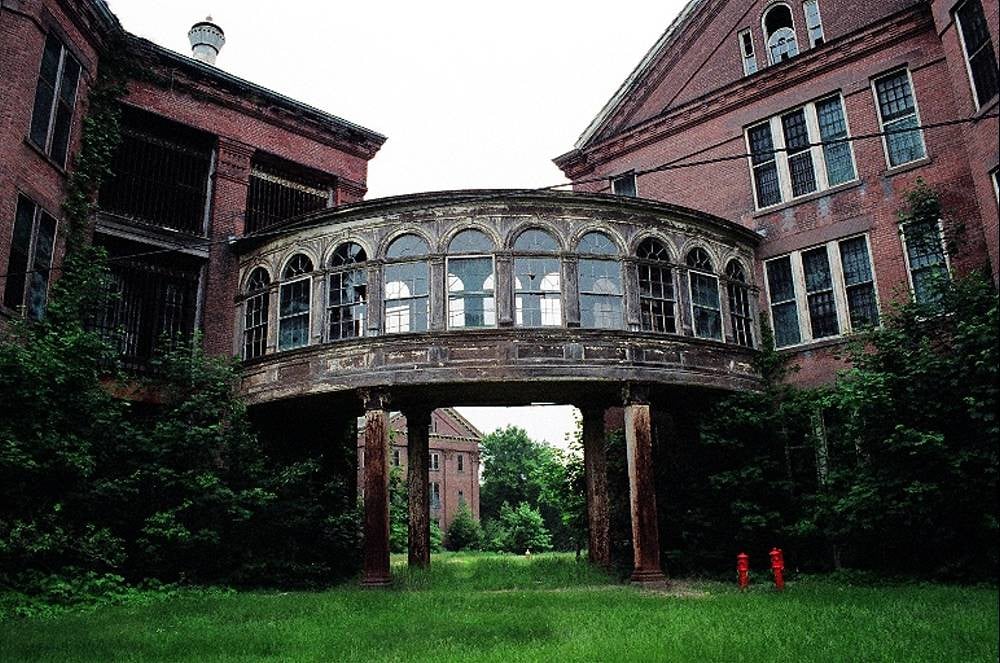
The original 1854 building burned down, but subsequent structures remained in use until the 1970s. Photos from the interior show ornate architectural details — carved woodwork, arched doorways — sitting in complete ruin.
Hudson River State Hospital — Poughkeepsie, New York
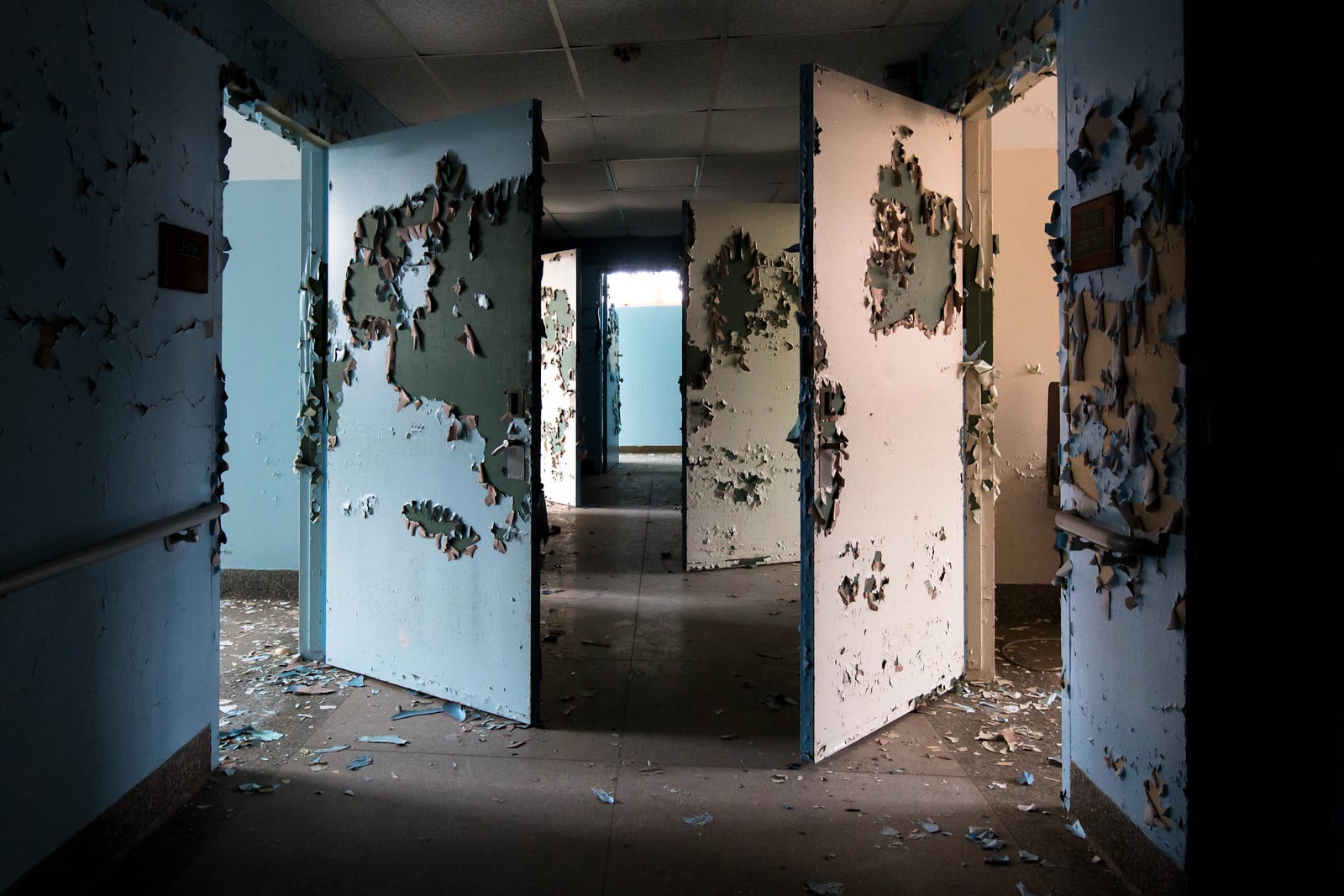
Designed by Frederick Clarke Withers and set on a sweeping Hudson Valley hillside, this was once considered a model of humane psychiatric care. The grounds are gorgeous.
The buildings, less so — at least now. Partial demolition and years of abandonment have left the complex in a strange in-between state. Some wings are gone entirely. Others stand intact, their Italianate facades still impressive even as the interiors collapse. The main tower, photographed at dusk, looks like something from a gothic novel.
The Ridges — Athens, Ohio
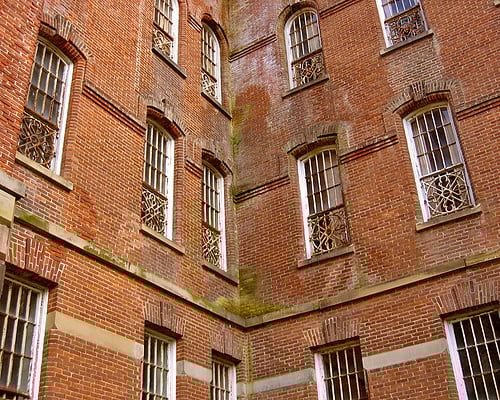
Officially the Athens Lunatic Asylum, The Ridges operated from 1874 until 1993. It’s now part of Ohio University’s campus, with some buildings repurposed for offices and galleries.
But the old ward buildings still stand empty, and one story from the place never quite goes away: in 1978, a patient named Margaret Schilling went missing. Her body was found weeks later in an abandoned ward. The stain her decomposition left on the concrete floor reportedly remained visible for decades. Photos of that room circulate online constantly.
St. Elizabeths Hospital — Washington, D.C.
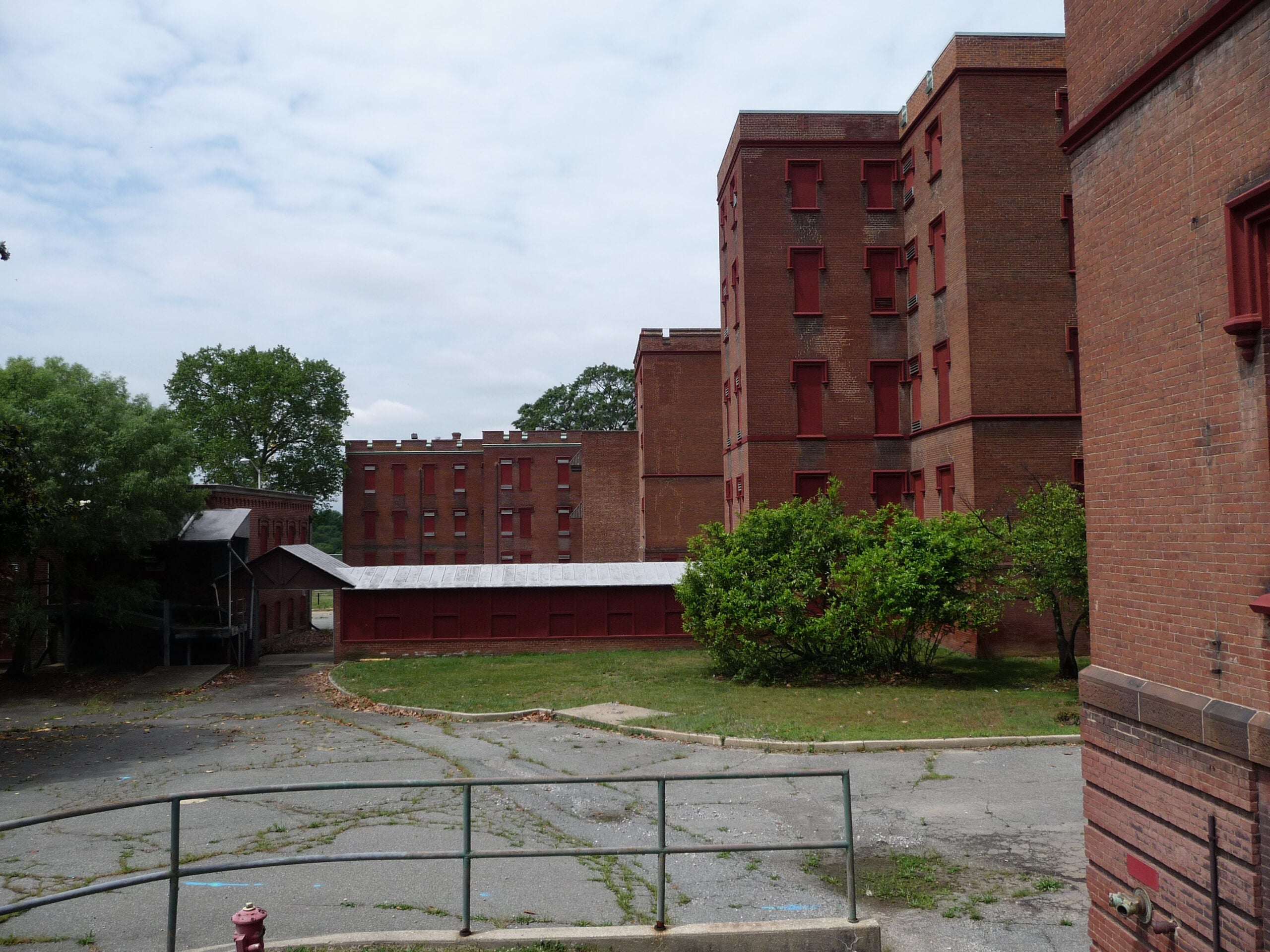
One of the oldest federal psychiatric hospitals in the country, St. Elizabeths dates to 1855. John Hinckley Jr. was held here after the Reagan assassination attempt.
Ezra Pound spent twelve years here. The east campus was partially redeveloped, but the west campus sat abandoned for years, its Kirkbride building slowly deteriorating.
Photos show grand hallways with vaulted ceilings, their floors buried under fallen plaster, sunlight cutting through broken windows in long dusty shafts.
Buffalo State Asylum — Buffalo, New York

H.H. Richardson designed this one, which explains why it looks more like a cathedral than a hospital. The twin towers are unmistakable.
For years after its closure, the building sat deteriorating — a heartbreaking fate for a Richardson masterpiece. Restoration efforts eventually began, and part of the complex is now a hotel.
But before that, photographers captured the grand spaces in full ruin: peeling murals, collapsed ceilings, ornate staircases going nowhere.
Forest Haven — Laurel, Maryland
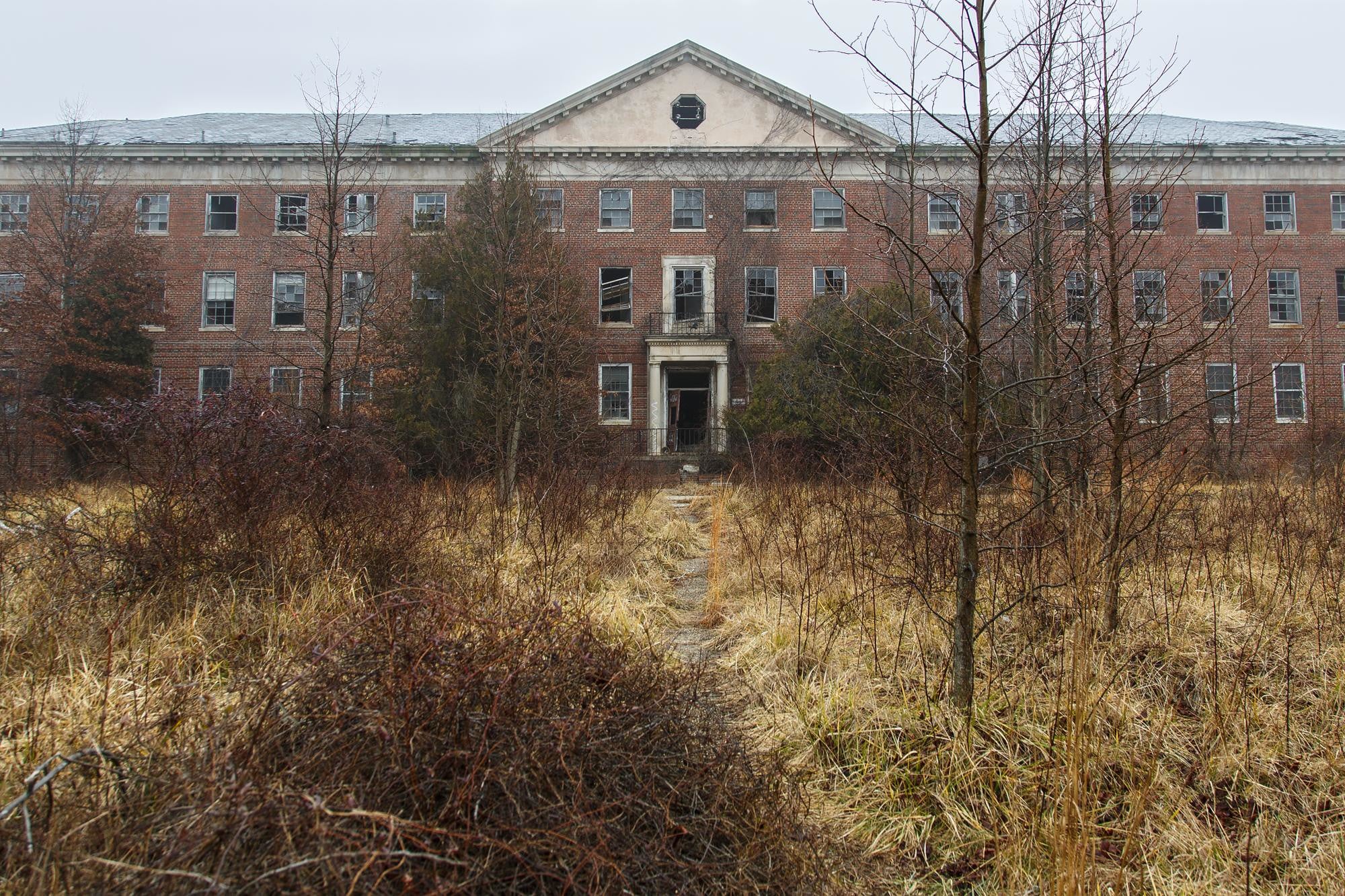
Forest Haven closed in 1991 following a lawsuit over the conditions inside. It had housed children with developmental disabilities, and the abuse documented there was severe.
The campus sits in a forested area of Maryland, and nature has reclaimed it aggressively. Photos show buildings wrapped in ivy, trees growing up through collapsed roofs, and a small cemetery where residents were buried — many of the markers reading only a number, not a name.
Topeka State Hospital — Topeka, Kansas
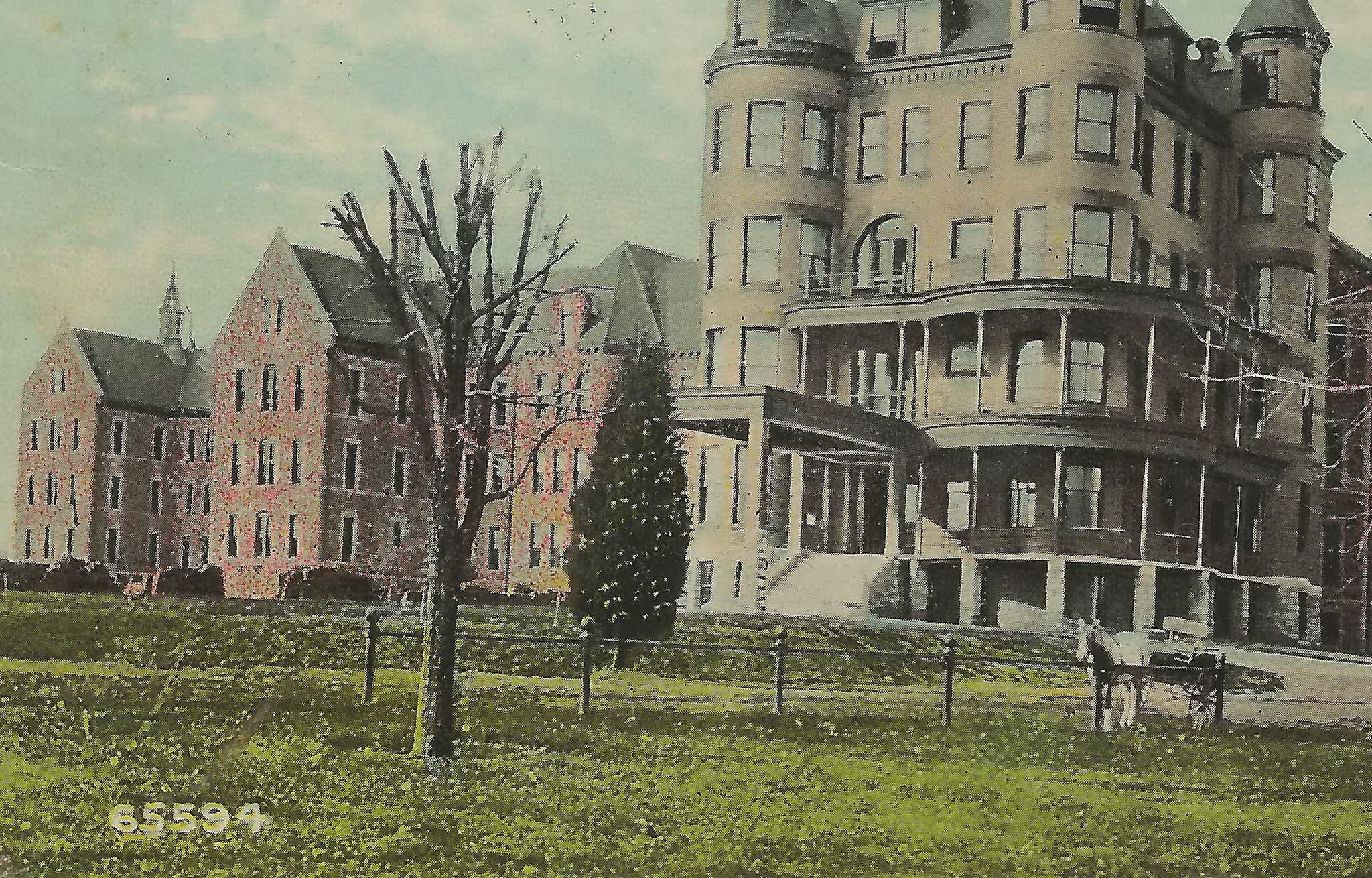
Fewer patients meant empty halls once filled with footsteps. Some brick buildings stood frozen, left just as they were.
Sunlight cuts across cracked floors where ivy climbs the walls. Beyond glassless frames, farmland rolls under wide skies. Quiet settles so deep it seems planned, not forgotten.
Pilgrim Psychiatric Center West Brentwood New York
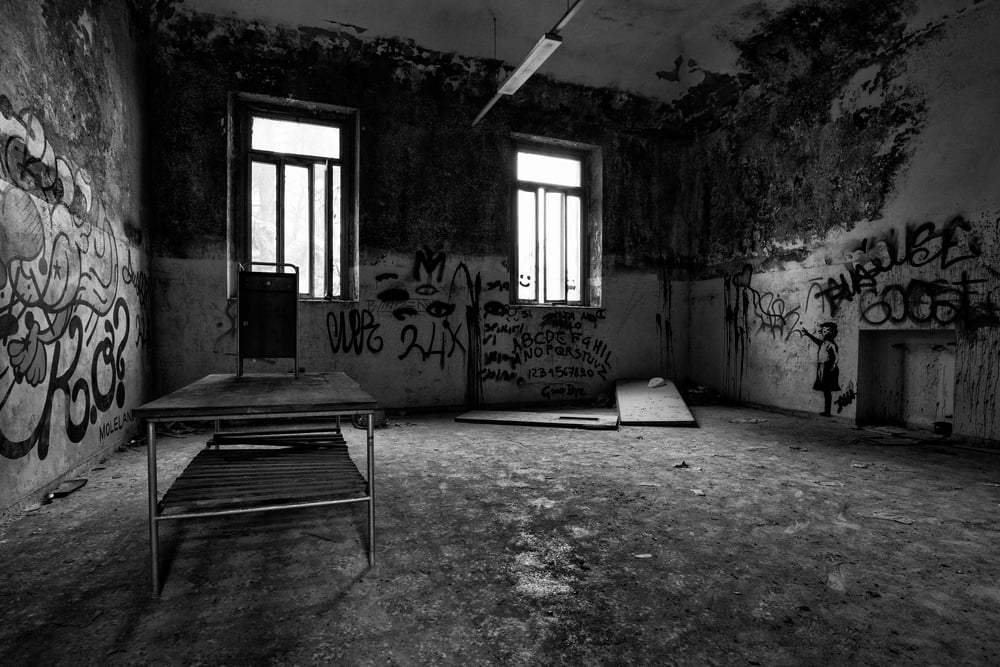
Fifteen thousand people once lived within these walls, back when Pilgrim ruled the 1950s skyline as the planet’s biggest mental hospital. Though some corners remain active now, most of the place has surrendered to silence.
What strikes you first is size – raw, unrelenting mass. Picture after picture reveals endless rows of structures fading into haze, rotting together like a town erased by breath held too long.
Eastern State Hospital Williamsburg Virginia

Started in 1773, Eastern State holds the title of North America’s first public mental health hospital. Though today’s structures were built later, the ground remembers every year.
Parts left behind on the grounds show up often in photos – these spots do not echo old Victorian halls; instead they seem colder, sharper, like unused clinics frozen mid-thought. That newness twists the silence, making it odder, less remote.
Seaview Hospital on Staten Island New York
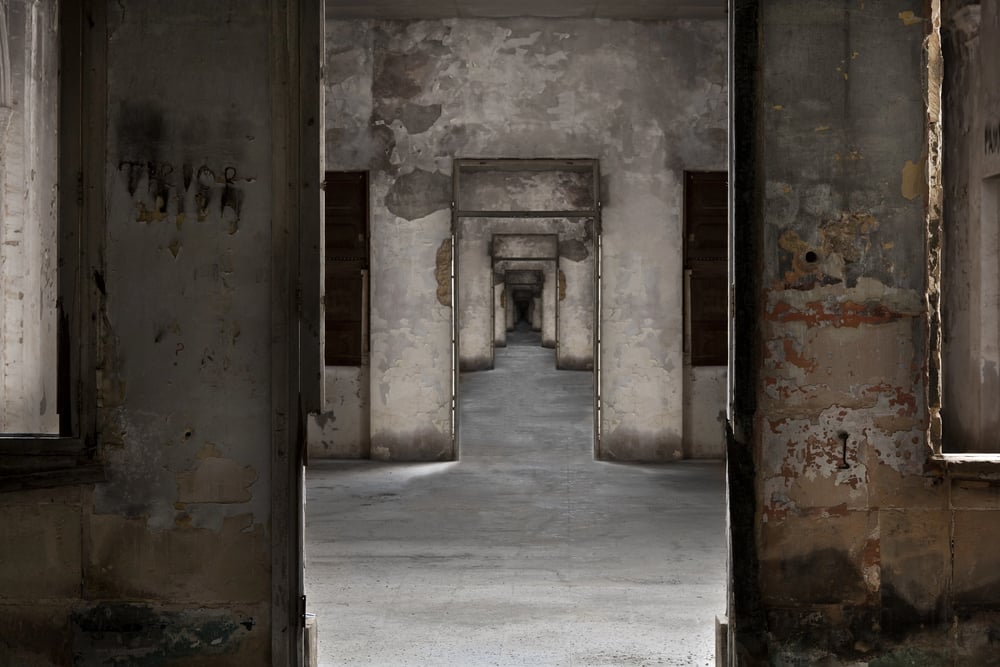
On top of a rise overlooking the water, Seaview opened in 1913 to treat TB patients under wide roofs meant for fresh air. That purpose shifted over time until it operated like any standard medical center.
By the 1970s, doors shut for good. Since then, wind, rain, and curious visitors have moved freely through its halls. Images captured inside the central patient area stand out – tall rooms once filled with light, lined with glass panes now cracked, sightlines opening toward the ocean when skies allow. Down below, the old morgue appears often in pictures, maybe too many by now.
What Stays Behind
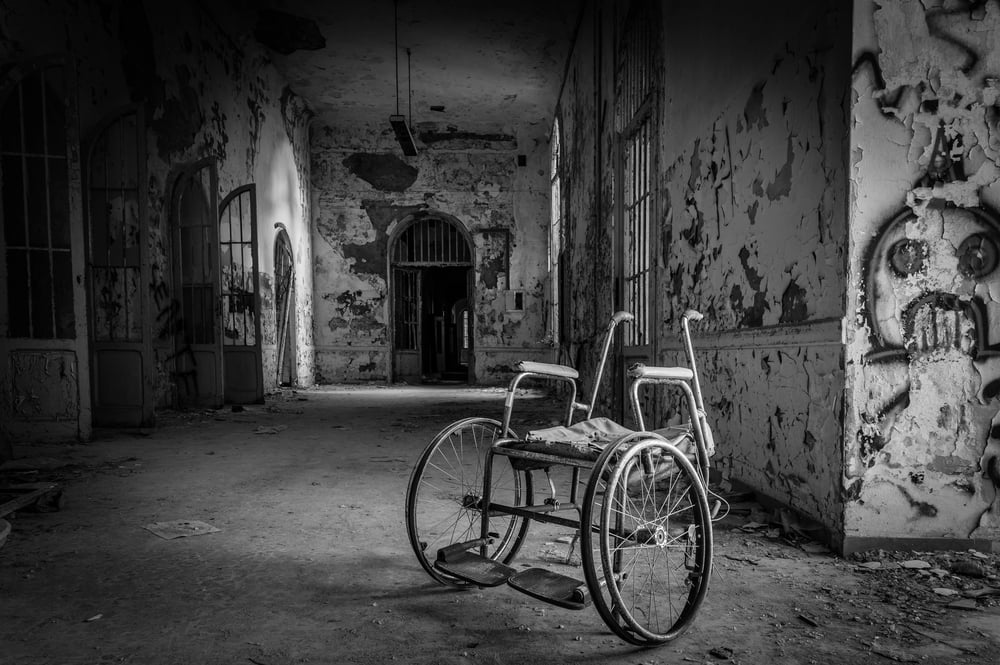
Falling down, the structures slowly crumble. Papers vanish over years, workers step away or pass on.
Yet traces remain behind despite it all. Not always spirits – even if voices still debate such things late into night.
More like history itself presses hard against walls, too heavy for wind or rain to wash off completely. Staring at these images means more than watching old bricks break.
What holds your gaze isn’t just dust on old glass. It’s bodies arranged by a world unsure how to place those who didn’t fit.
Those shapes, frozen mid-breath – there lies the truth no caption can soften.
More from Go2Tutors!

- The Romanov Crown Jewels and Their Tragic Fate
- 13 Historical Mysteries That Science Still Can’t Solve
- Famous Hoaxes That Fooled the World for Years
- 15 Child Stars with Tragic Adult Lives
- 16 Famous Jewelry Pieces in History
Like Go2Tutors’s content? Follow us on MSN.