Weirdest Rules Disney Cruise Employees Must Follow
Working for Disney means stepping into a world where magic isn’t just encouraged—it’s mandatory. On Disney cruise ships, that magic comes with a rulebook thicker than most novels.
These aren’t your typical workplace guidelines about showing up on time and being polite to customers. These are the kind of rules that make you wonder if Disney’s HR department was assembled by actual fairy godmothers with very specific ideas about how the world should work.
The Disney Point

Disney employees can’t point with one finger. Ever.
Instead, they must use two fingers or their entire hand to direct guests. This rule exists because pointing with one finger is considered rude in some cultures.
Every cast member learns the “Disney point” during training, and breaking this rule can result in disciplinary action.
Character Costume Secrecy
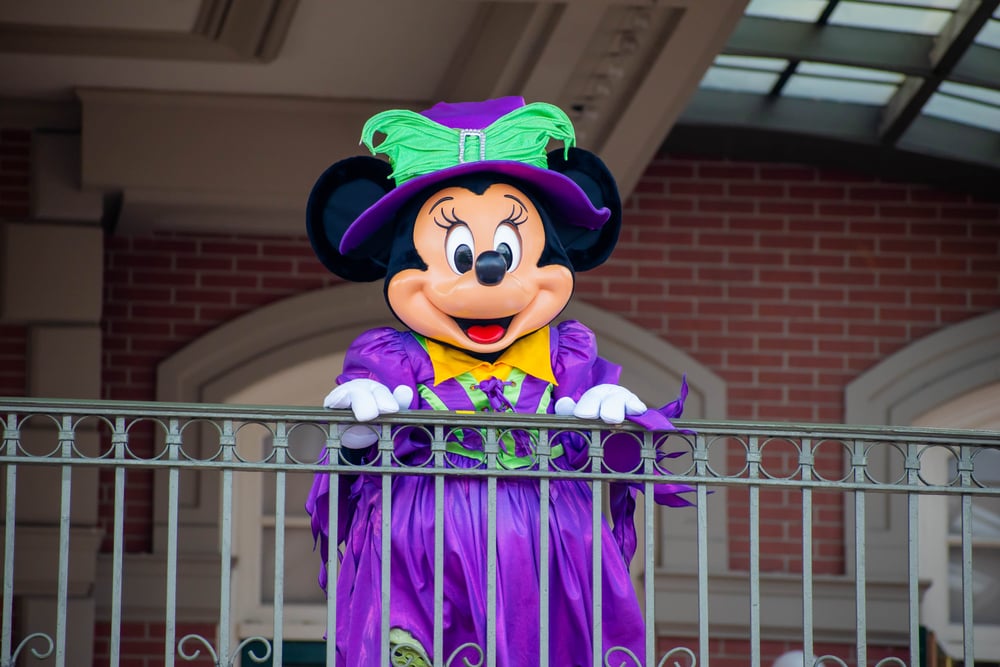
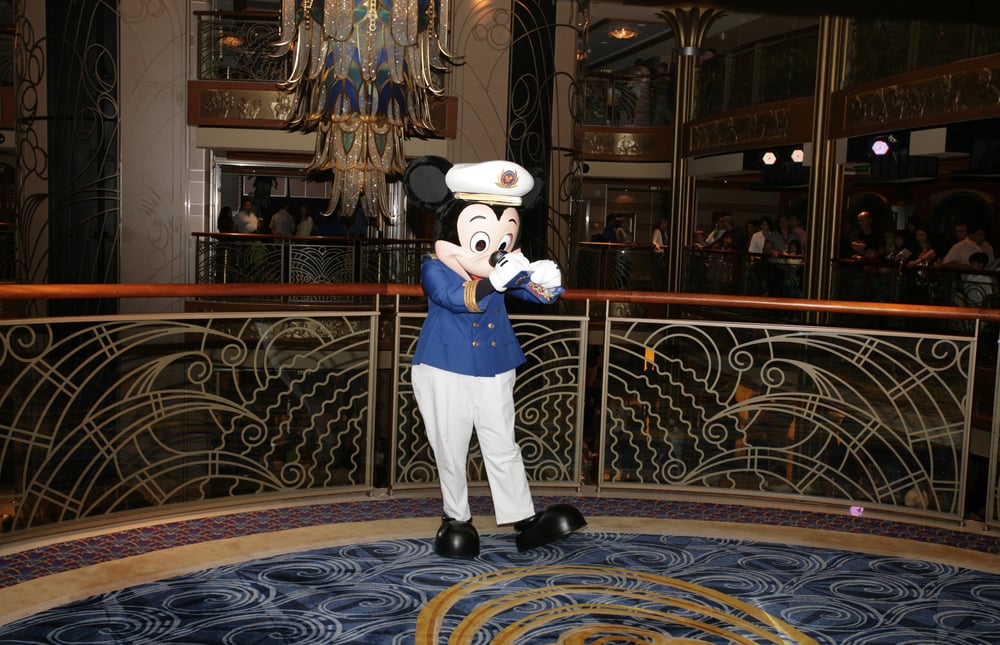
Cast members who portray Disney characters must never break character, even when they think no guests are watching. But the real strange part (and this gets complicated when you consider how thoroughly Disney monitors its floating kingdoms) is that they’re forbidden from discussing which characters they portray, even with other employees—because Disney maintains that there’s only one Mickey Mouse in the entire world, and he just happens to be everywhere at once.
So cast members have to pretend they don’t know who’s inside those costumes. Even backstage.
Characters also can’t acknowledge other versions of themselves. If Mickey Mouse sees another Mickey Mouse, both must pretend the other doesn’t exist.
Underwear Inspection Protocol

Disney has strict undergarment requirements that would make a military dress code look relaxed. Cast members must wear specific types of underwear—skintone or white only, no patterns, no bright colors.
The company actually conducts spot checks to ensure compliance. They’ll pull employees aside for “appearance standards verification,” which is corporate speak for checking your underwear.
The Pointing Paradox
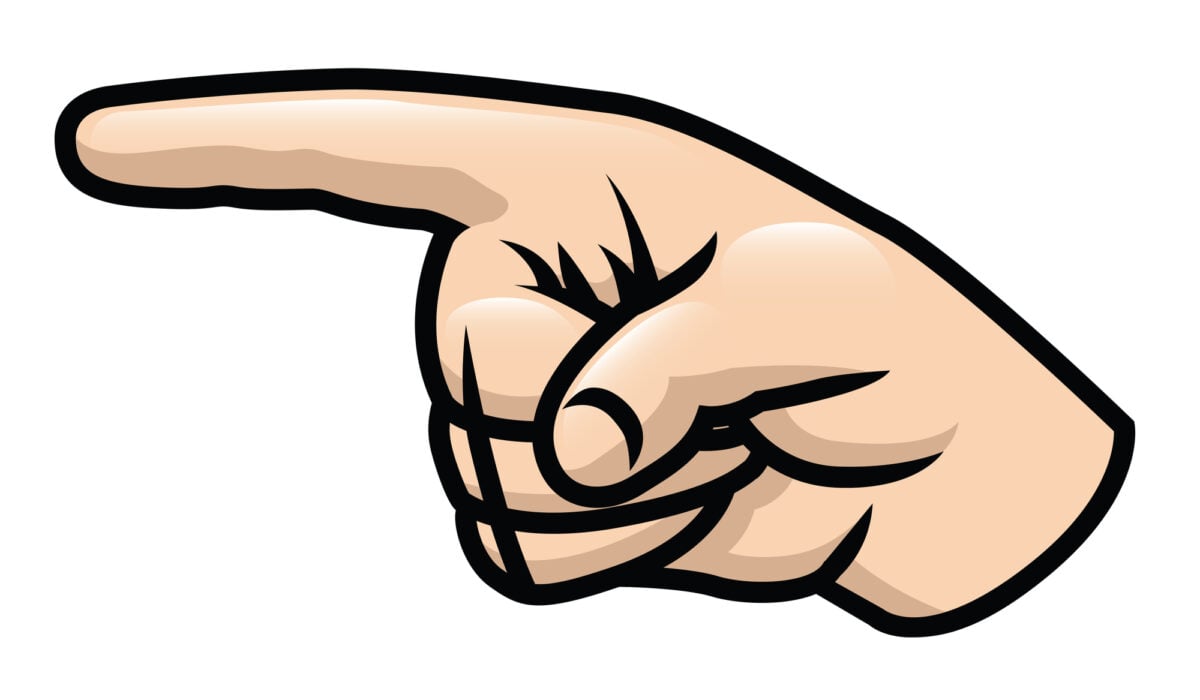
Beyond the basic Disney point rule, cruise ship employees face an even stranger restriction. They cannot point at anything that might be considered “unmagical”—which includes normal ship operations, maintenance areas, or safety equipment that breaks the Disney illusion.
Instead, they must guide guests away from these areas without acknowledging they exist. This creates surreal moments where employees essentially gaslight passengers about basic ship infrastructure.
Bathroom Break Choreography
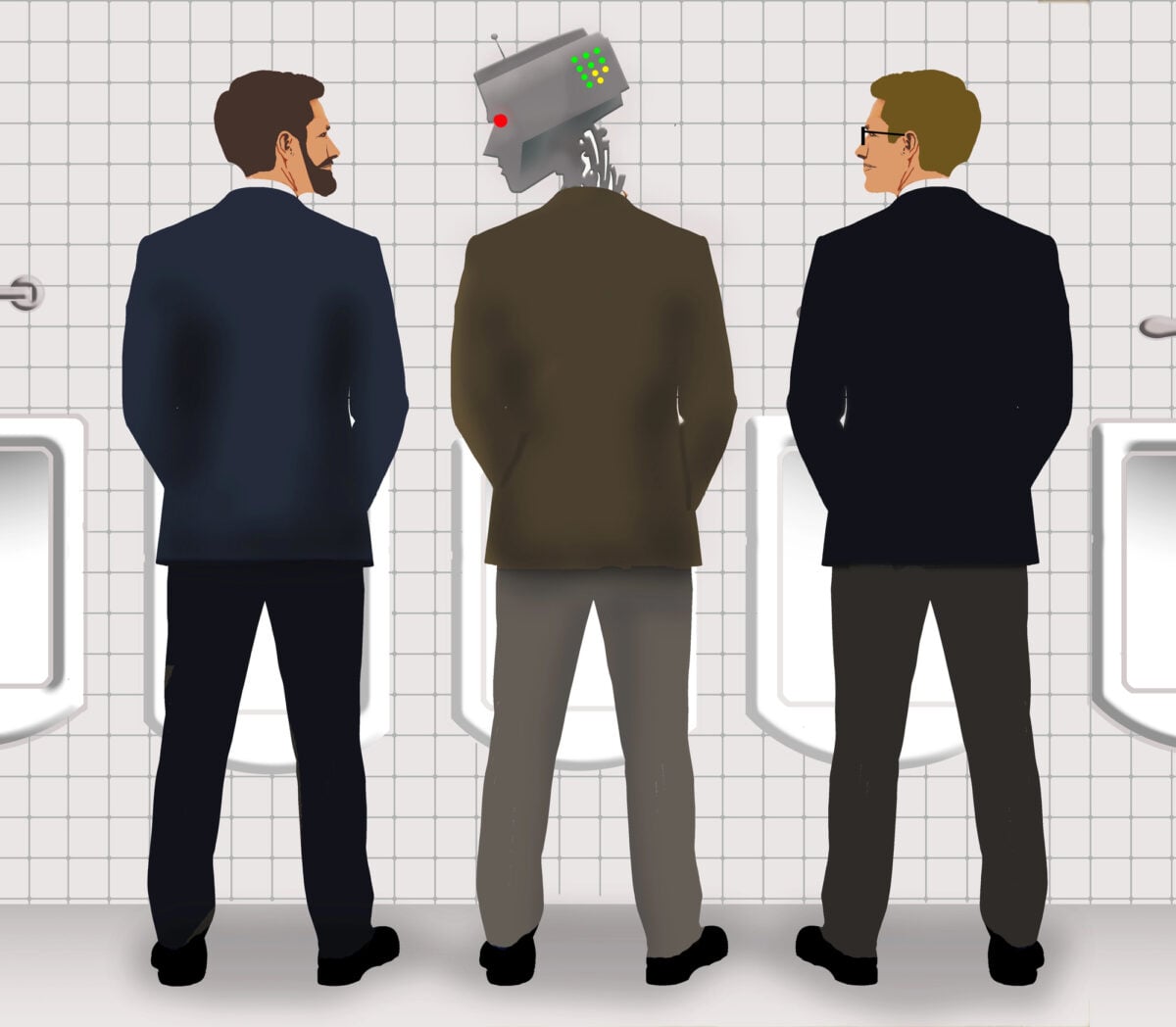
Characters can’t be seen walking to bathrooms while in costume (because apparently Mickey Mouse doesn’t have biological needs, which makes sense if you think about it the way Disney’s brand managers do, though it creates logistical nightmares for the actual humans inside those costumes who very much do need bathroom breaks and have to navigate a complex system of tunnels and backstage areas just to handle basic human functions). They must use designated “character relief” areas that are hidden from guest view.
The scheduling of these breaks requires military-level precision—other cast members have to create distractions or diversions to ensure no guest ever sees a character heading toward anything resembling a bathroom. And costume heads can never come off where guests might see.
Never.
Weather Denial

Cast members cannot acknowledge bad weather while on duty. Rain is “liquid sunshine.”
Rough seas are “adventurous sailing conditions.” Hurricane warnings become “enhanced atmospheric experiences.”
This rule exists to maintain the magical atmosphere, but it reaches absurd levels when employees have to describe a thunderstorm as “Zeus putting on a spectacular light show” while guests are clearly getting soaked and seasick.
The Character Name Game

Different Disney characters require completely different vocal patterns, accents, and speech mannerisms—and employees must master these so thoroughly that they become second nature, like slipping into a favorite coat that happens to completely transform your personality. Cast members spend hours practicing Mickey’s cheerful optimism, Goofy’s loveable confusion, or Belle’s gentle intelligence.
They practice until the character’s voice becomes as natural as their own. But here’s where it gets strange: they must maintain these voices even during emergencies.
If the ship’s alarm sounds and Mickey Mouse needs to help with evacuation procedures, he still has to sound like Mickey Mouse while directing people to life rafts.
Food Handling Fantasies
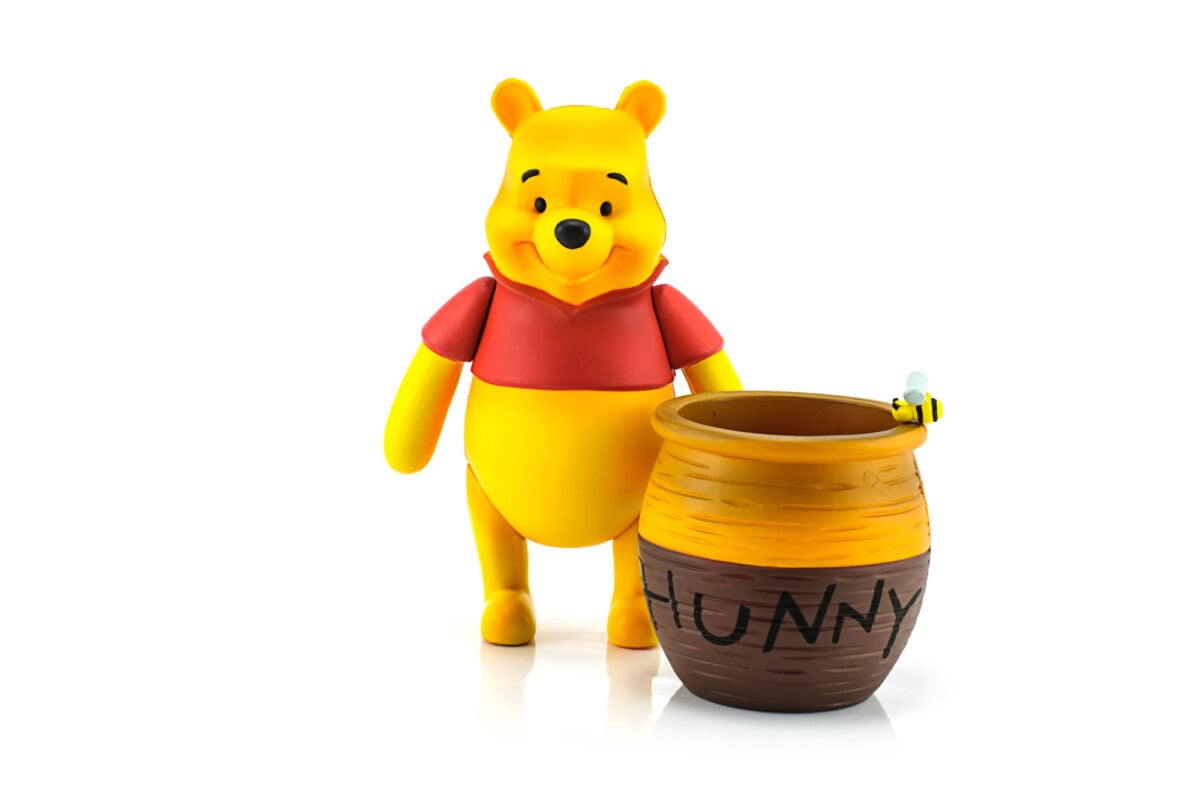
Employees in character dining restaurants can’t eat or drink anything while in costume. This makes sense for hygiene reasons, but Disney takes it further—characters must pretend they only eat foods associated with their movies.
Winnie the Pooh can only express interest in honey. Popeye must decline all vegetables except spinach.
The Little Mermaid has to avoid seafood entirely, which creates awkward moments during dinner service.
The Trash Performance
Cast members can’t just throw things away normally. Every piece of trash must be disposed of with theatrical flair—they spin, they dance, they make it part of the show.
Picking up a napkin becomes a choreographed moment. Emptying a trash can turns into performance art.
Disney has specific training sessions dedicated to “magical maintenance,” where employees learn to clean while entertaining.
Language Restrictions

Certain words are completely banned from Disney cruise vocabulary. Employees can’t say “bathroom”—it’s “restroom.”
They can’t say “broken”—it’s “temporarily unavailable.” “Cheap” becomes “value-priced.”
“Crowded” transforms into “popular.” Cast members must memorize an entire dictionary of Disney-approved euphemisms that make every conversation sound like it’s been run through a corporate PR filter.
The Signature Rule
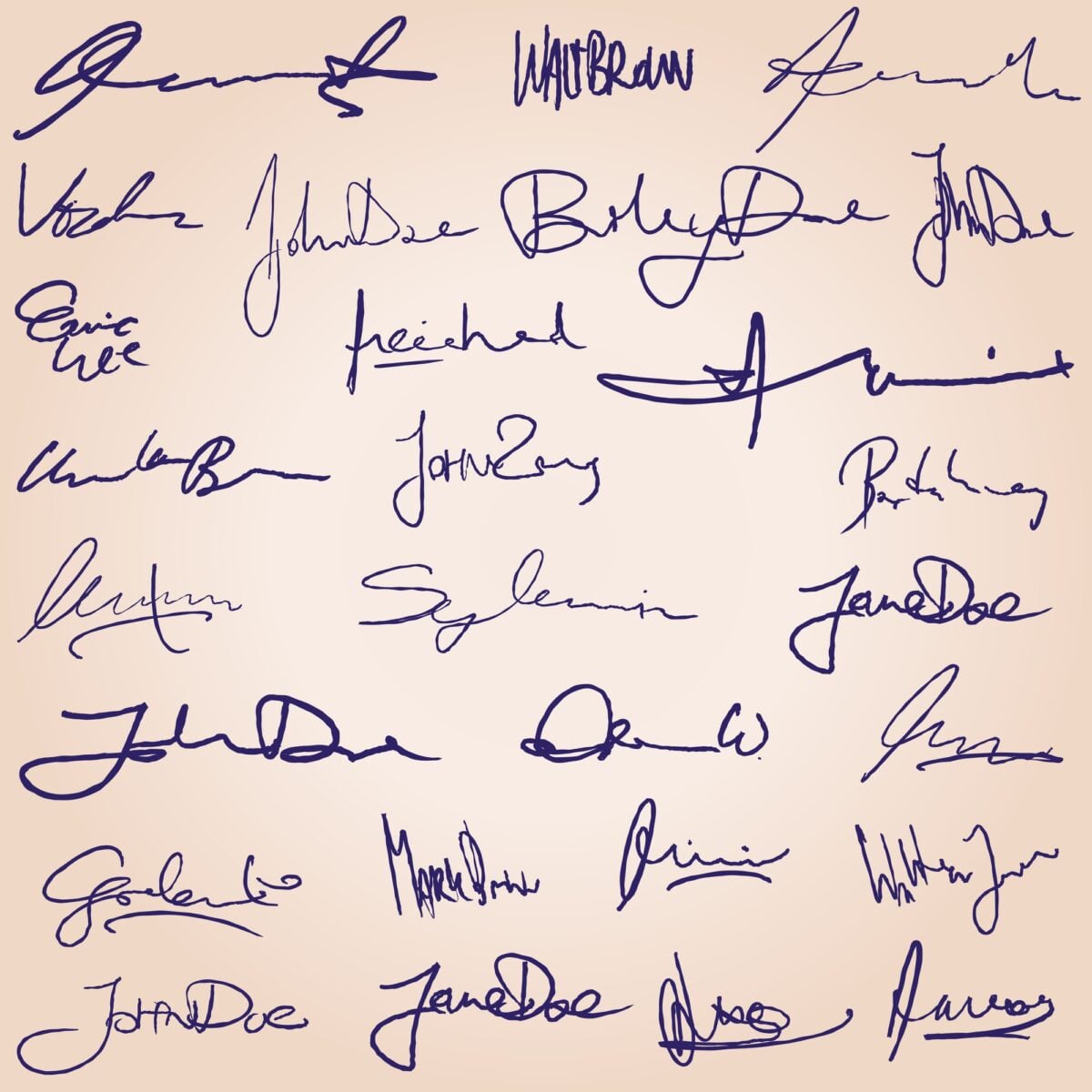
Cast members must learn to replicate the exact autograph style for any character they portray. Disney has official signature templates that employees must practice until they can reproduce them perfectly.
A child getting Mickey’s autograph in Florida should receive an identical signature to one obtained on a cruise ship in the Caribbean. Disney actually tests employees on signature accuracy and will retrain anyone whose Mickey doesn’t match the official Mickey standard.
Break Room Reality
Even in employee-only areas, cast members must maintain certain Disney standards. They can’t complain about guests, discuss Disney’s business practices, or express opinions that contradict Disney’s brand values.
Break rooms have signs reminding employees that “the magic never stops,” which means even during their fifteen-minute coffee break, they’re still representing Walt Disney’s vision of wholesome family entertainment.
Lost And Found Theater
When reuniting lost children with parents, cast members must turn the experience into a celebration rather than acknowledging that anything went wrong. They can’t say the child was “lost”—instead, the child was “on an adventure” or “exploring.”
The reunion becomes a magical moment where the child “found their way back” rather than a resolution to a stressful situation caused by poor supervision or crowded conditions.
Where The Real Magic Happens
These rules reveal something deeper than corporate obsession with brand control. They expose the elaborate lengths people will go to create wonder for others, even when it means pretending basic human experiences don’t exist.
Disney cruise employees live in a world where acknowledging reality is a fireable offense, where maintaining illusion matters more than common sense, and where the line between performance and life disappears entirely. The real magic might not be in the fairy tales Disney sells, but in watching ordinary people transform themselves into living dreams for strangers, one impossible rule at a time.
More from Go2Tutors!

- The Romanov Crown Jewels and Their Tragic Fate
- 13 Historical Mysteries That Science Still Can’t Solve
- Famous Hoaxes That Fooled the World for Years
- 15 Child Stars with Tragic Adult Lives
- 16 Famous Jewelry Pieces in History
Like Go2Tutors’s content? Follow us on MSN.



