19 Sports Teams That Changed Cities Overnight
Professional sports teams are supposed to represent their communities, but sometimes business realities force franchises to pack up and leave for greener pastures. These sudden relocations can happen faster than fans expect, leaving entire cities without their beloved teams and creating instant rivals between old and new hometowns.
The reasons vary from stadium disputes to financial troubles, but the impact on fans remains consistently heartbreaking. Here is a list of 19 sports teams that abandoned their original cities for new opportunities elsewhere.
Baltimore Colts to Indianapolis
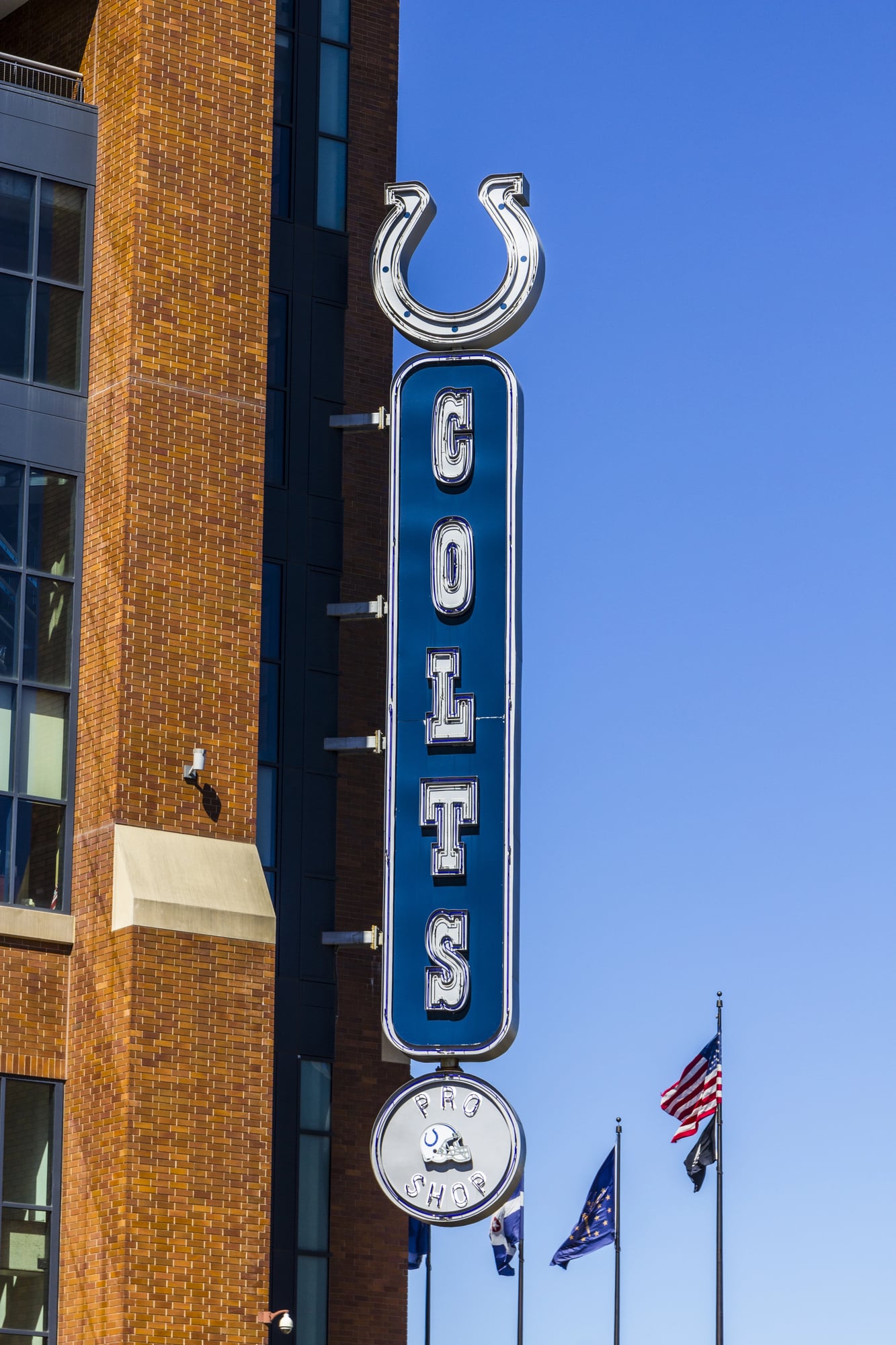
The Colts literally moved under the cover of darkness, loading Mayflower moving trucks in the middle of a March night to avoid a potential government seizure of the team. Baltimore fans woke up to discover their NFL franchise had vanished overnight — trucks had already crossed state lines before most people knew what was happening.
The move happened so quickly that equipment managers barely had time to pack essential items, leaving behind trophies and memorabilia that took years to recover.
Seattle SuperSonics to Oklahoma City
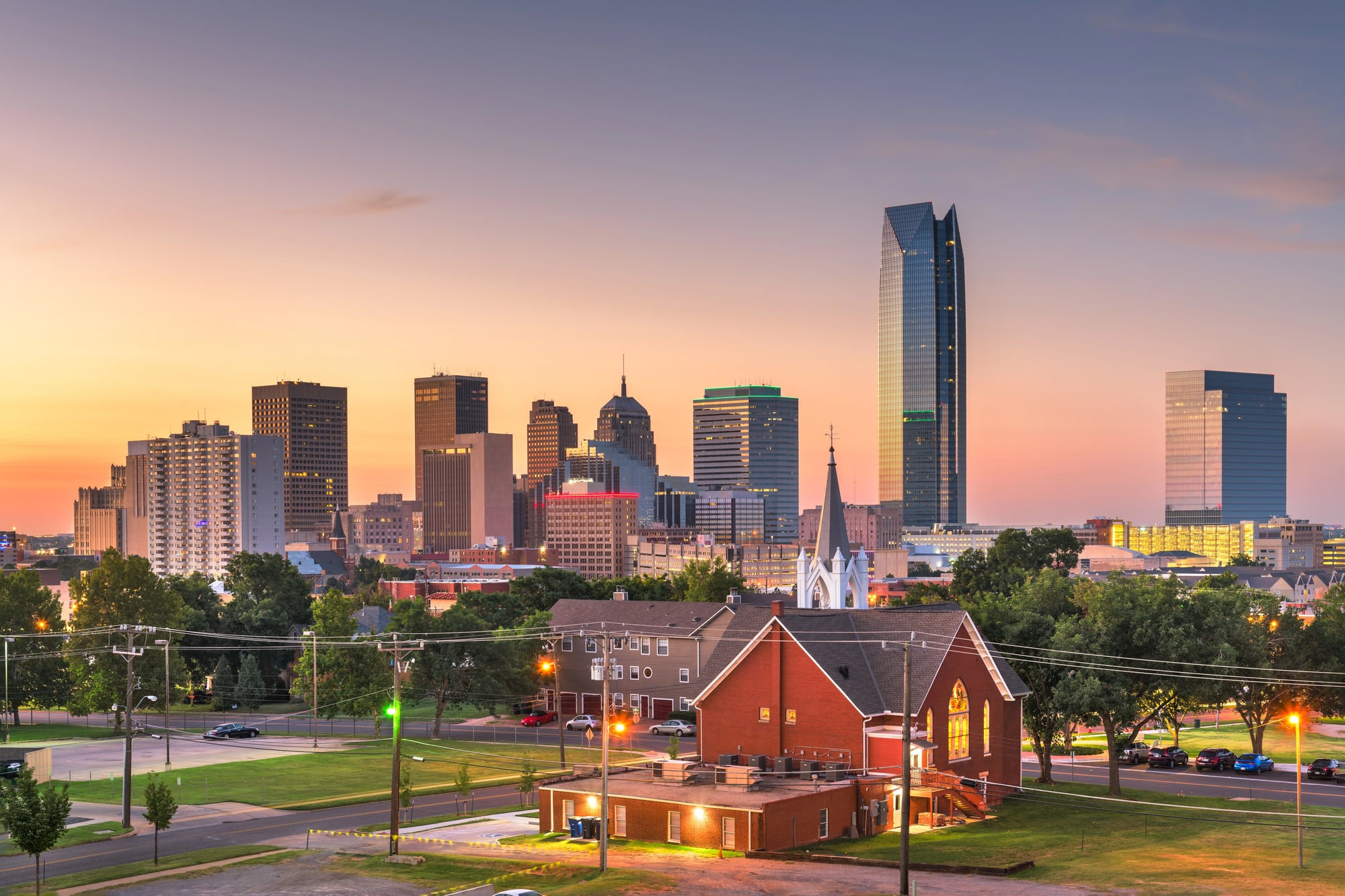
The SuperSonics’ departure crushed a basketball-crazy city that had supported the team through four decades of ups and downs. New ownership promised to keep the team in Seattle but had already made plans to relocate to Oklahoma City — a betrayal that still stings Pacific Northwest fans today.
The move transformed the Thunder into instant contenders while leaving Seattle as the largest U.S. market without an NBA team, despite having one of the most passionate fan bases in professional basketball.
Like Go2Tutors’s content? Follow us on MSN.
Brooklyn Dodgers to Los Angeles
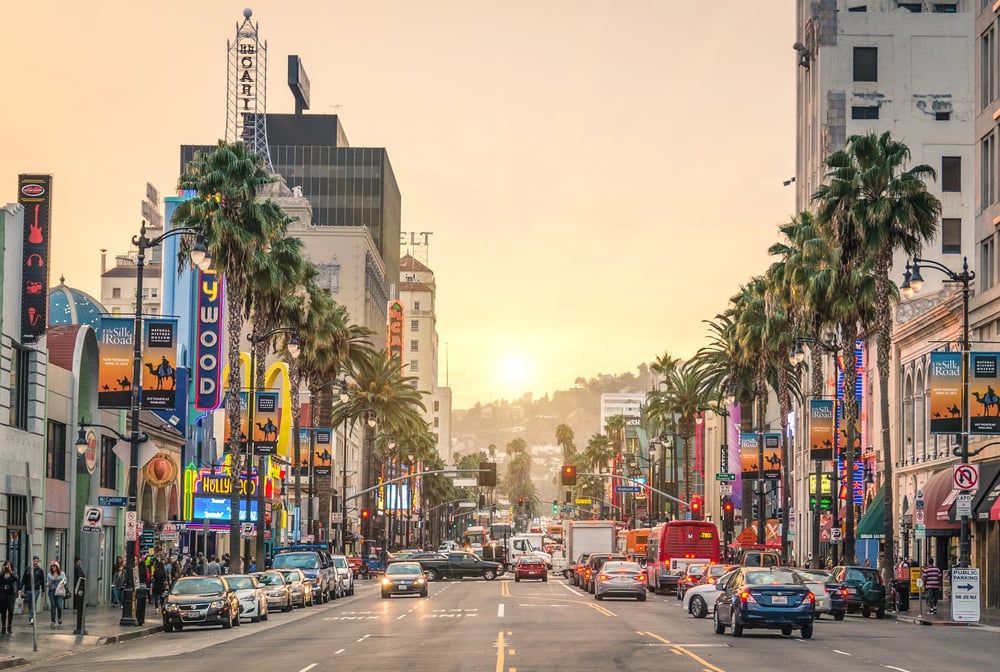
The Dodgers broke hearts across Brooklyn when they announced their move to California, ending a love affair between the team and borough that had lasted over 70 years. Walter O’Malley wanted a new stadium and better financial opportunities — goals that Brooklyn couldn’t provide but Los Angeles could deliver in abundance.
The relocation helped establish Major League Baseball on the West Coast, though it created a wound in Brooklyn that has never fully healed.
St. Louis Rams to Los Angeles

The Rams returned to Los Angeles after spending 21 seasons in St. Louis, leaving behind fans who had supported the team through mostly disappointing seasons. Owner Stan Kroenke built a billion-dollar stadium complex in Los Angeles while abandoning the Edward Jones Dome that St. Louis had constructed specifically for the team.
The move felt particularly cruel because it represented the second time Los Angeles had stolen an NFL franchise from another city — the Raiders had made a similar journey decades earlier.
Baltimore Ravens from Cleveland
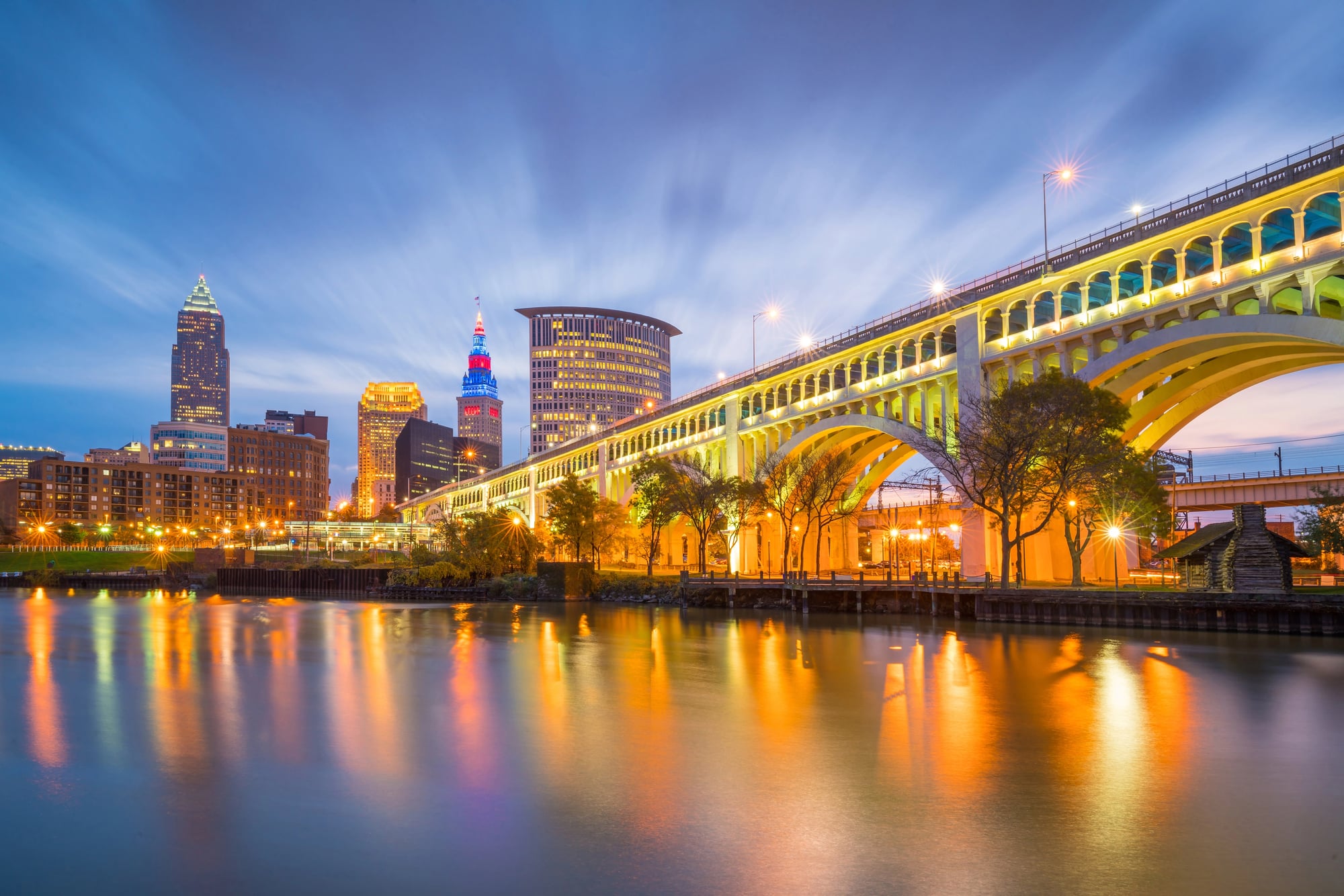
Art Modell shocked the football world by moving the Browns to Baltimore, stripping Cleveland of a franchise that had defined the city’s identity for decades. The relocation happened despite strong fan support and a rich history that included multiple championships — proving that even successful franchises weren’t safe from owners seeking better deals elsewhere.
Cleveland eventually got a new Browns franchise, but the original team’s departure created a bitterness that persists between the cities today.
Like Go2Tutors’s content? Follow us on MSN.
Houston Oilers to Tennessee
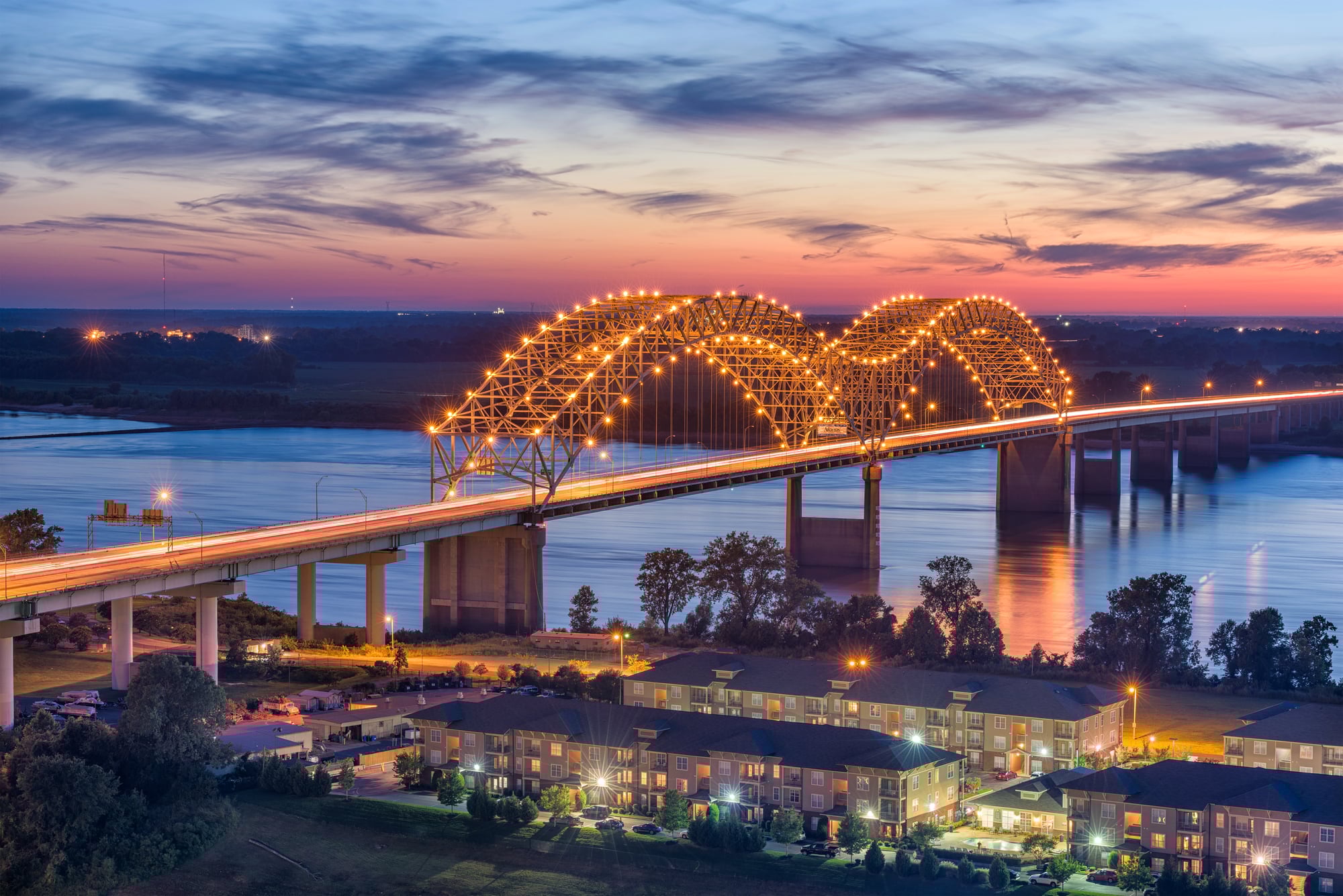
The Oilers’ gradual exodus from Houston began with temporary stops in Memphis before finally settling in Nashville as the Titans. Bud Adams wanted a new stadium and threatened to move the team if Houston wouldn’t provide one — a gamble that ultimately cost the city its NFL franchise.
The departure left Houston without professional football for several years until the Texans arrived as an expansion team, though many fans never forgave Adams for taking away their beloved Oilers.
New York Giants to San Francisco
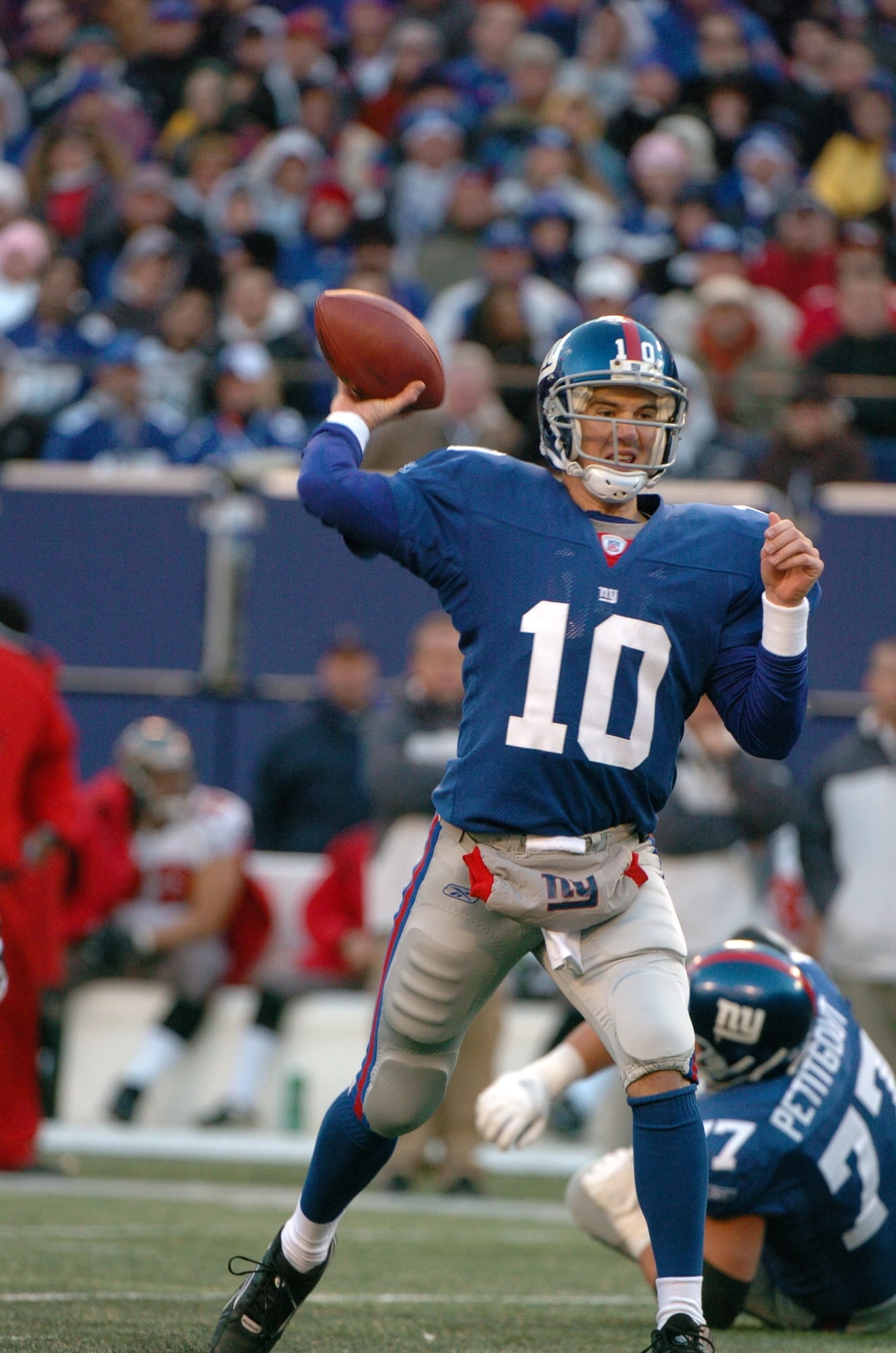
The Giants followed the Dodgers to California, completing baseball’s westward expansion while leaving New York with only the Yankees. The move made financial sense for owner Horace Stoneham, who saw opportunities in the untapped West Coast market that the cramped Polo Grounds couldn’t provide.
New York eventually replaced both departed teams with the Mets, but the loss of National League baseball created a void that took years to fill.
Quebec Nordiques to Colorado

The Nordiques left Quebec City for Denver, transforming into the Avalanche and immediately winning a Stanley Cup championship in their new home. The move devastated French-Canadian fans who had supported the team through years of building toward contention — only to watch their efforts pay off in another country.
The relocation highlighted the challenges small-market Canadian teams faced competing with larger American markets, a problem that continues to affect the NHL today.
Like Go2Tutors’s content? Follow us on MSN.
Minneapolis Lakers to Los Angeles
The Lakers took their name with them to Southern California, creating the odd situation of a team called the Lakers playing in a desert climate with no natural lakes nearby. The move established the NBA in Los Angeles while leaving Minneapolis without professional basketball for nearly three decades.
The franchise found greater success in Hollywood than it ever achieved in Minnesota, though the name never quite made geographical sense in its new environment.
Washington Senators to Minnesota
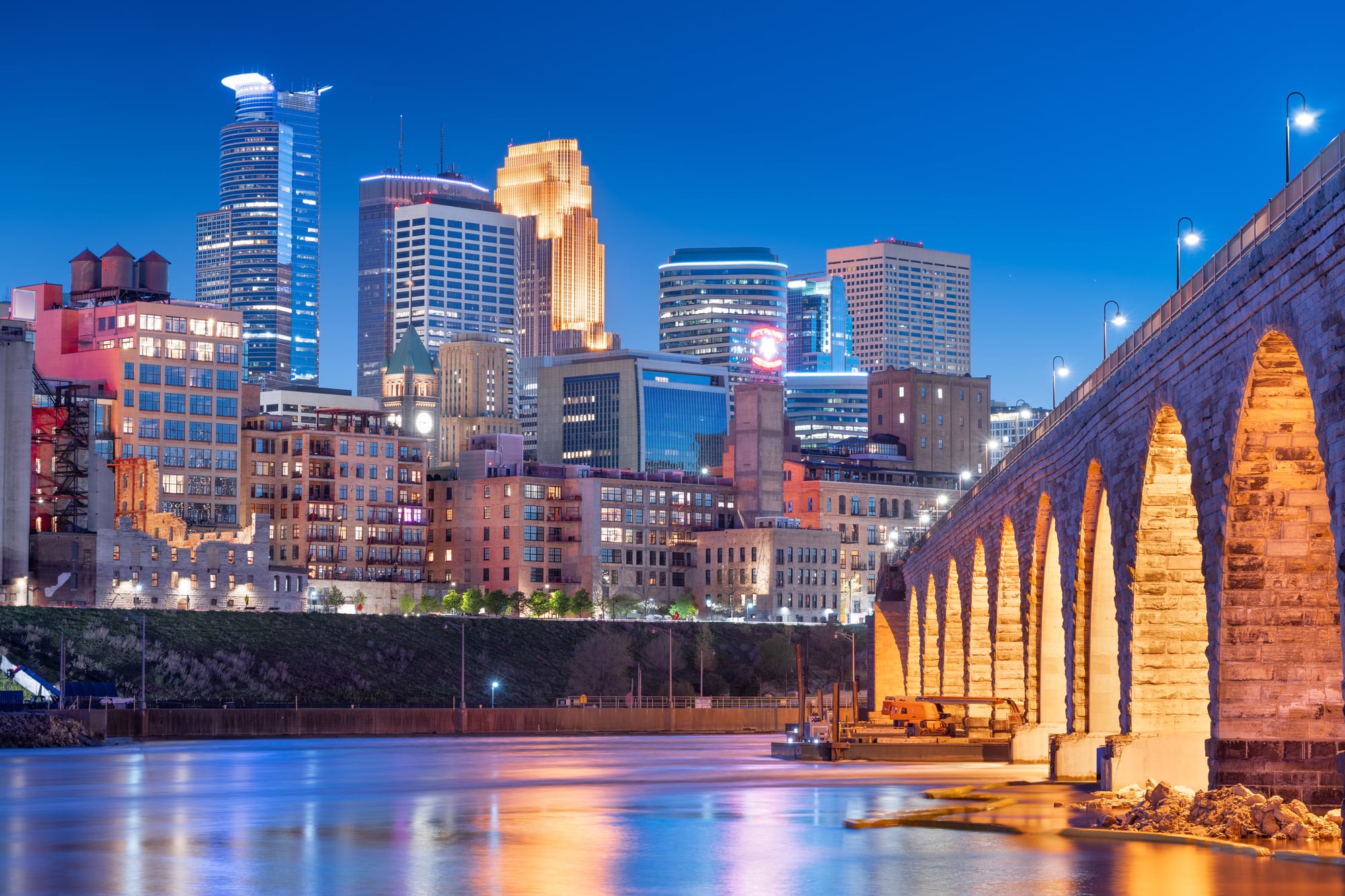
The original Senators relocated to Minnesota and became the Twins, though Washington immediately received a replacement franchise that also called itself the Senators. The first move worked out well for both cities — Minnesota got a competitive team that won World Series championships, while Washington maintained Major League Baseball.
However, the replacement Senators later moved to Texas, leaving the nation’s capital without baseball until the Nationals arrived from Montreal.
Hartford Whalers to Carolina
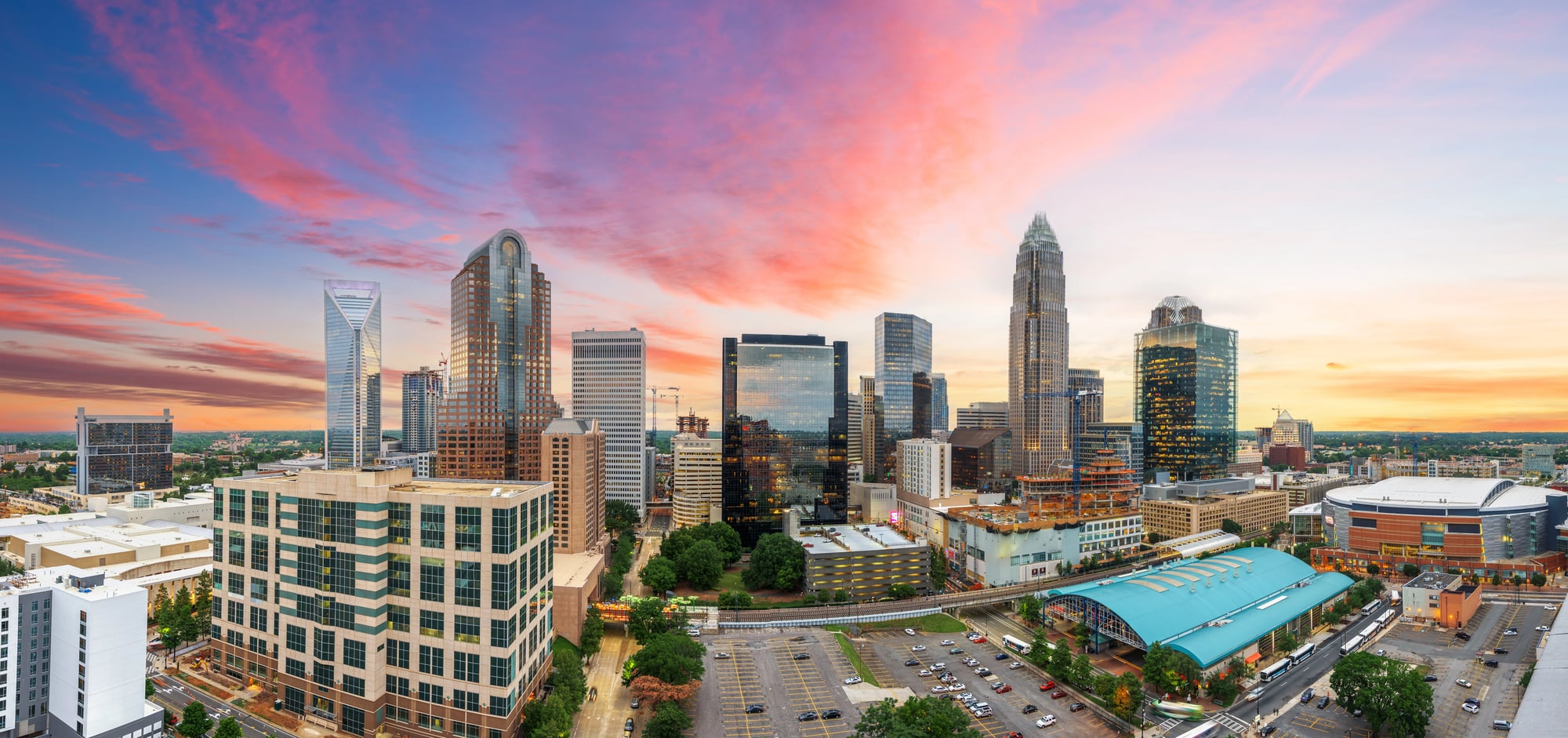
The Whalers abandoned Connecticut for North Carolina, taking one of hockey’s most distinctive logos and fight songs to a region with no hockey tradition. Hartford fans had embraced the team despite its small-market limitations — supporting a franchise that struggled to compete financially with larger northeastern rivals.
The move to Raleigh initially seemed questionable, but the Hurricanes eventually won a Stanley Cup championship and developed their own passionate following.
Like Go2Tutors’s content? Follow us on MSN.
San Diego Chargers to Los Angeles
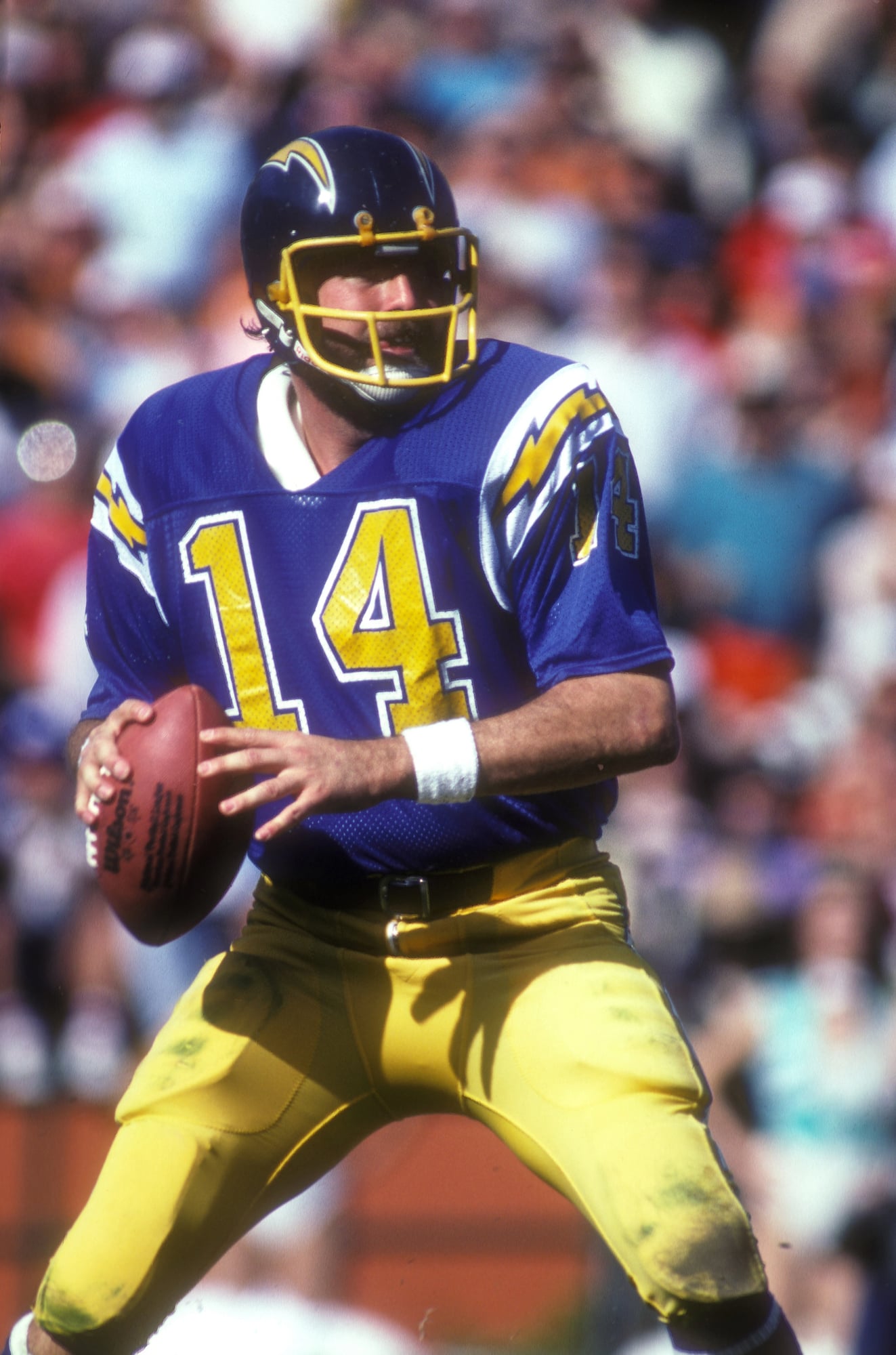
The Chargers left San Diego after 56 seasons, moving to Los Angeles despite lukewarm reception from football fans who already had the Rams. The team struggled to fill even a temporary soccer stadium in Carson while alienating the passionate fan base they had abandoned in San Diego.
The relocation felt particularly unnecessary since San Diego had offered stadium solutions — the team simply preferred the larger Los Angeles market regardless of fan sentiment.
Oakland Raiders to Las Vegas
The Raiders completed their third relocation by moving from Oakland to Las Vegas, ending a complicated relationship with the Bay Area that had lasted decades. The team had previously moved to Los Angeles before returning to Oakland, making their departure feel like the final chapter in a dysfunctional relationship.
Las Vegas welcomed the Raiders with a gleaming new stadium and enthusiastic crowds, though many longtime fans felt betrayed by yet another abandonment.
Montreal Expos to Washington
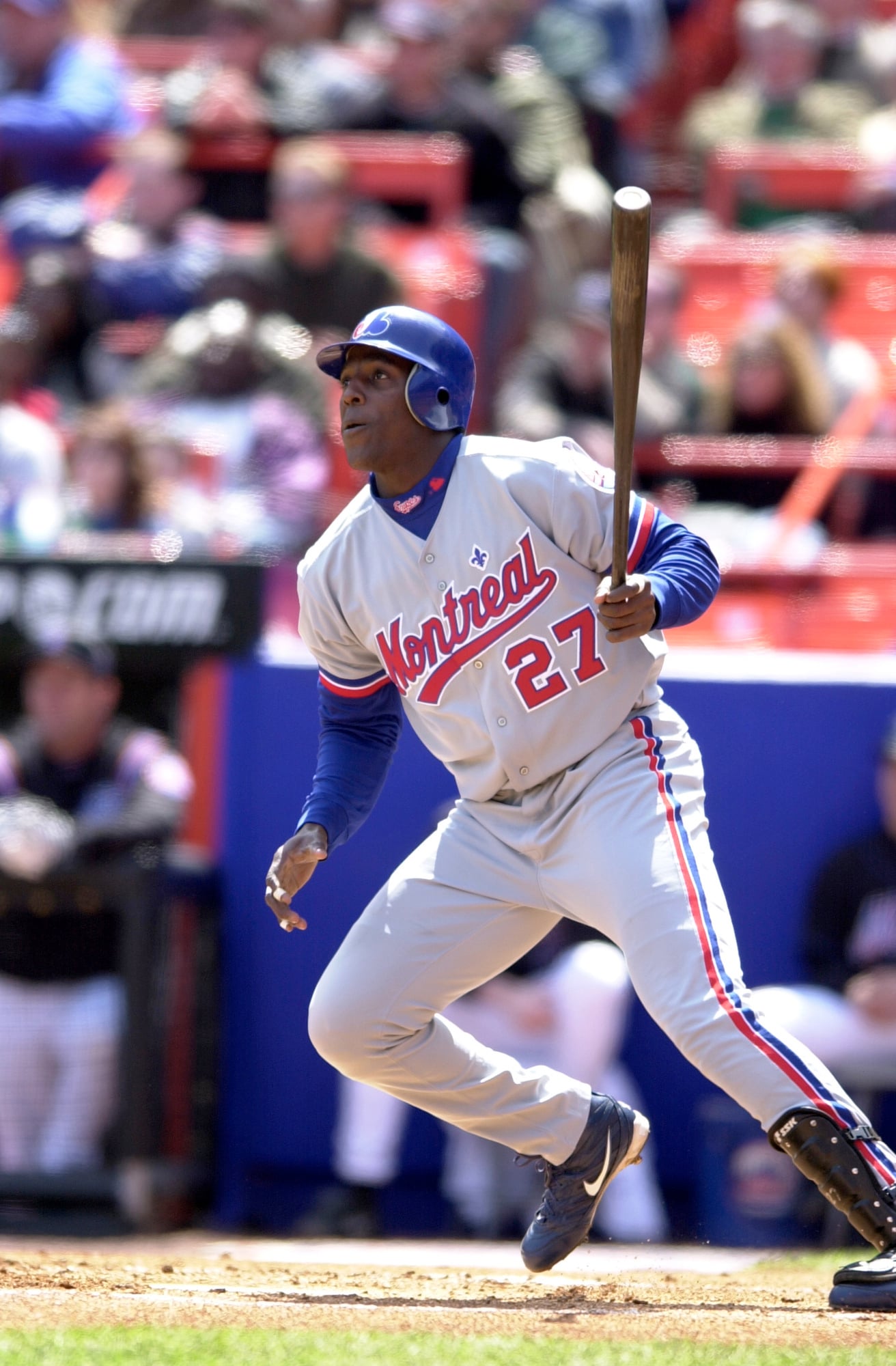
The Expos left Montreal after years of declining attendance and financial struggles, relocating to Washington as the Nationals. The move ended Major League Baseball in Canada’s second-largest city while giving the nation’s capital its first team since the Senators departed for Texas.
Montreal fans had supported the team through its early success in the 1980s and 1990s, making the departure particularly painful for a city that had embraced American baseball.
Like Go2Tutors’s content? Follow us on MSN.
New Orleans Jazz to Utah
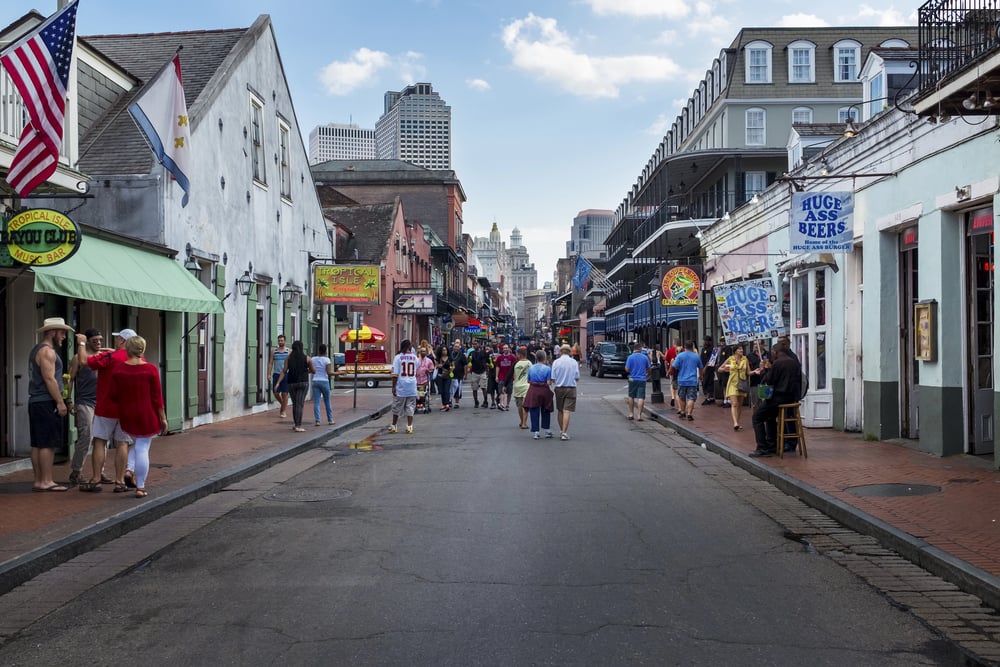
The Jazz moved from the birthplace of their namesake music to Salt Lake City, creating another geographical naming mismatch in professional sports. New Orleans couldn’t support the team financially despite the perfect cultural fit between the city and the franchise name.
Utah kept the Jazz moniker even though it made no sense in Mormon country, while New Orleans eventually got the Pelicans as a replacement NBA franchise decades later.
Vancouver Grizzlies to Memphis
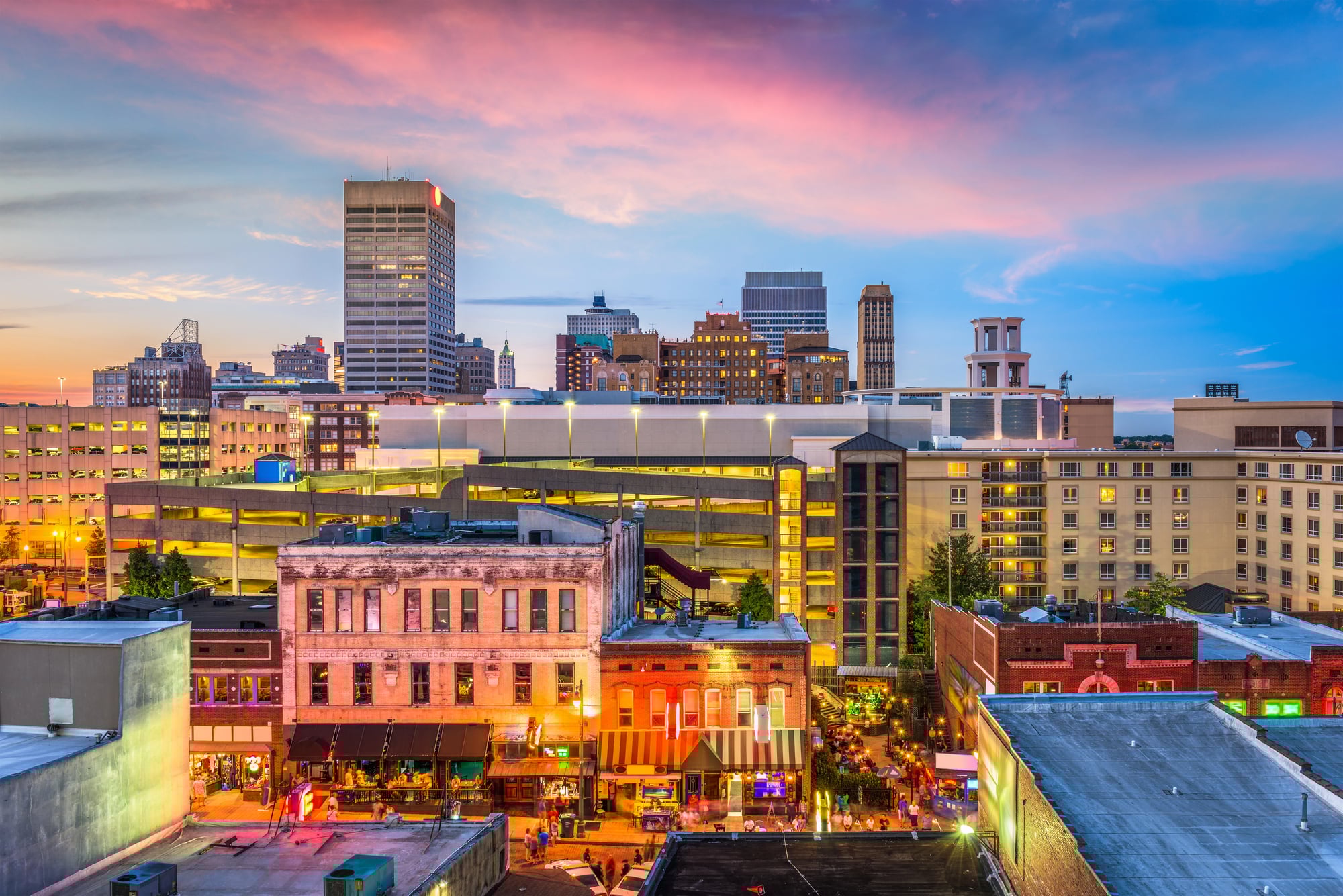
The Grizzlies left Vancouver after just six seasons, moving to Memphis despite having developed a small but devoted Canadian following. The team struggled with poor performance and low attendance in Vancouver, though many felt the franchise never received adequate time to establish roots.
Memphis provided better financial support and eventually built the Grizzlies into a competitive franchise, proving the team could succeed with proper management and patience.
Atlanta Thrashers to Winnipeg
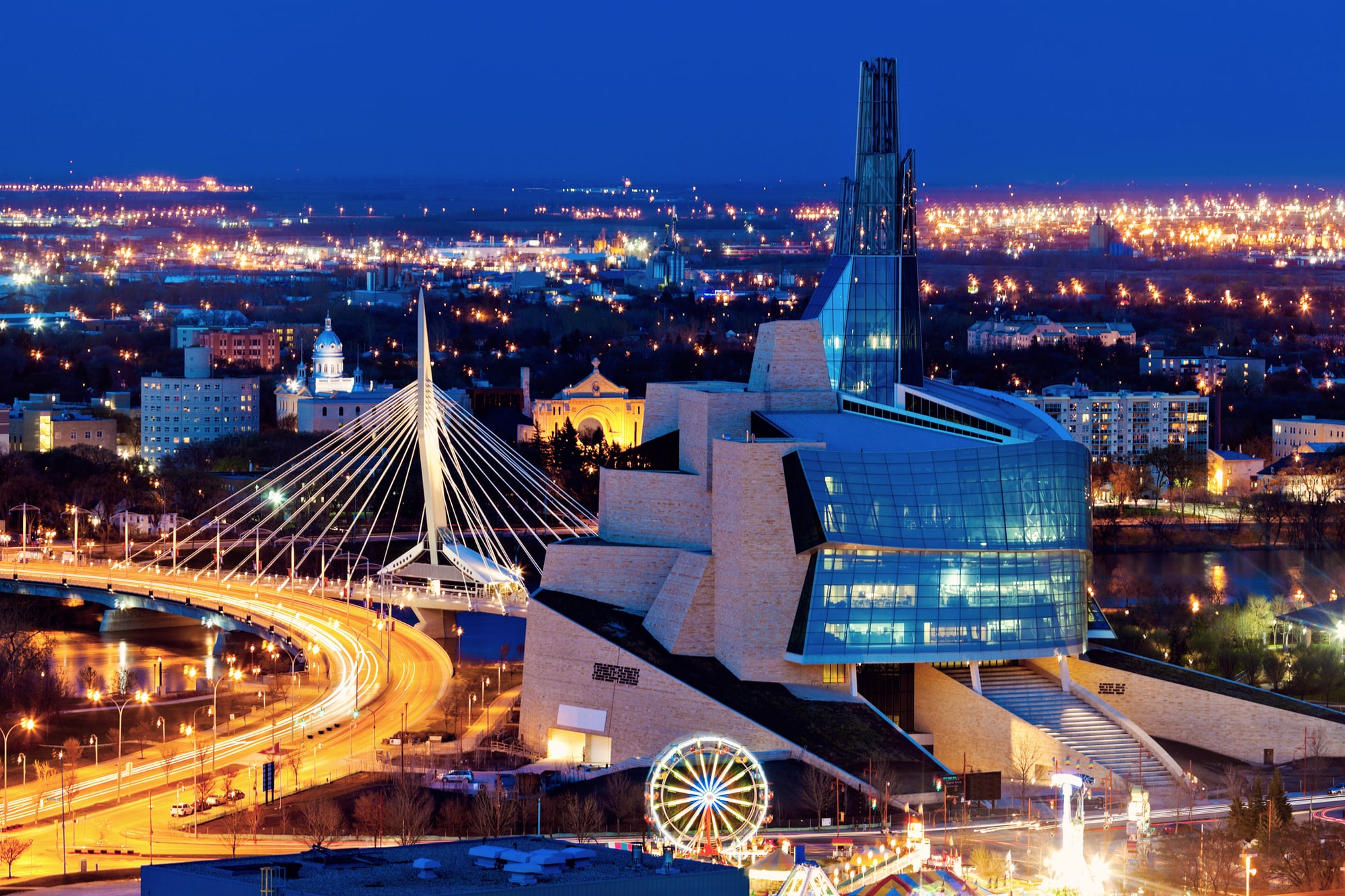
The Thrashers returned to Winnipeg as the Jets, bringing NHL hockey back to a city that had lost its original Jets to Phoenix years earlier. Atlanta had struggled to build a hockey following in the Deep South despite having talented rosters and modern facilities.
The move created instant euphoria in Winnipeg while leaving Atlanta as one of the few major American markets to lose teams in multiple professional sports.
Like Go2Tutors’s content? Follow us on MSN.
St. Louis Cardinals to Arizona
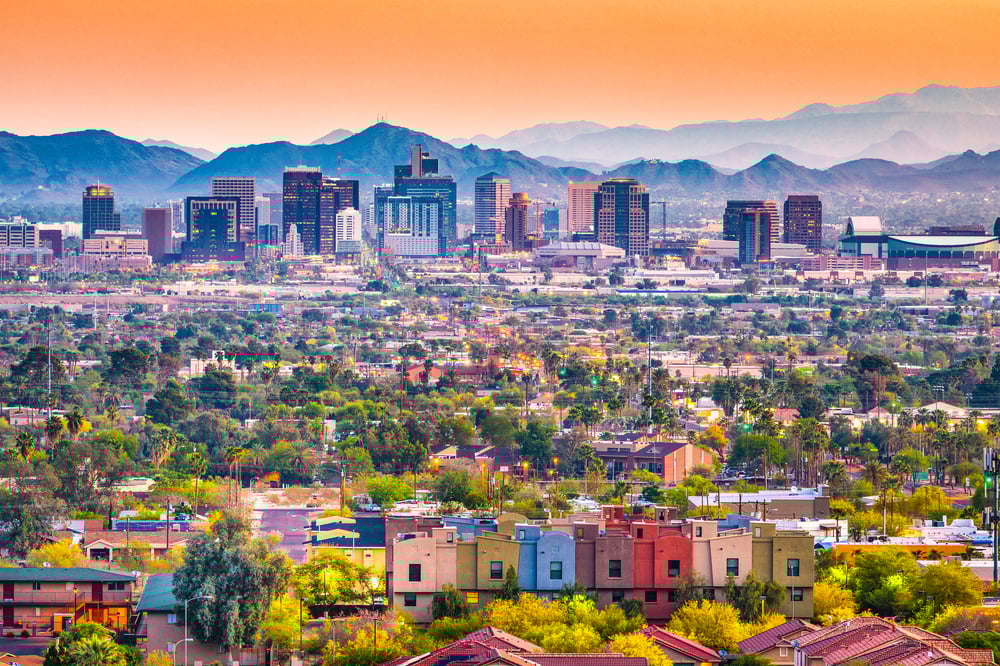
The football Cardinals left St. Louis for the desert, eventually settling in Arizona after a brief stop in Tempe. The team had struggled to compete with the baseball Cardinals for attention and support in St. Louis — a problem that was never fully resolved during their decades in Missouri.
Arizona provided a fresh start and modern facilities, though it took years for the relocated franchise to build a substantial following in the Southwest.
Cleveland Barons to Minnesota
The Barons merged with the Minnesota North Stars after just two seasons in Cleveland, effectively ending the city’s brief NHL experiment. The team had relocated from California as the Seals but never found financial stability or fan support in Ohio.
The merger created salary cap complications and roster issues that affected both franchises, demonstrating that desperate solutions don’t always solve underlying problems in professional sports.
When Geography Becomes History

These relocations remind us that professional sports operate as businesses first and community institutions second. While fans invest emotionally in their teams, owners must balance sentiment against financial reality — a calculation that doesn’t always favor loyalty over profit margins.
The most successful relocations happen when teams find better markets and build new traditions, though the pain of abandonment lingers for generations in the cities left behind. Today’s sports landscape continues evolving as teams seek optimal markets, proving that geography in professional athletics remains fluid despite the deep roots fans believe their teams have planted.
More from Go2Tutors!

- 16 Restaurant Chains That Went Too Fast
- 12 Things Sold in the 80s That Are Now Illegal
- 15 Strange Things People Have Tried to Ban (And Failed)
- 16 Collectibles People Tossed Out Too Soon
- 17 Myths from Your Childhood That Were Actually Based on Real Things
Like Go2Tutors’s content? Follow us on MSN.