Priceless Instruments In History
Throughout the centuries, certain musical instruments have transcended their original purpose to become cultural treasures worth millions. These aren’t just tools for making music anymore.
They carry stories of genius composers, tragic losses, and moments that changed how people experience sound. Some were played by legends, while others survived wars and disasters that should have destroyed them.
Their value comes from more than craftsmanship or age. It’s about the hands that held them and the notes that once filled concert halls, forever changing the world of music.
Let’s look at some of the most valuable instruments ever made and discover what makes them so special.
Stradivarius violins
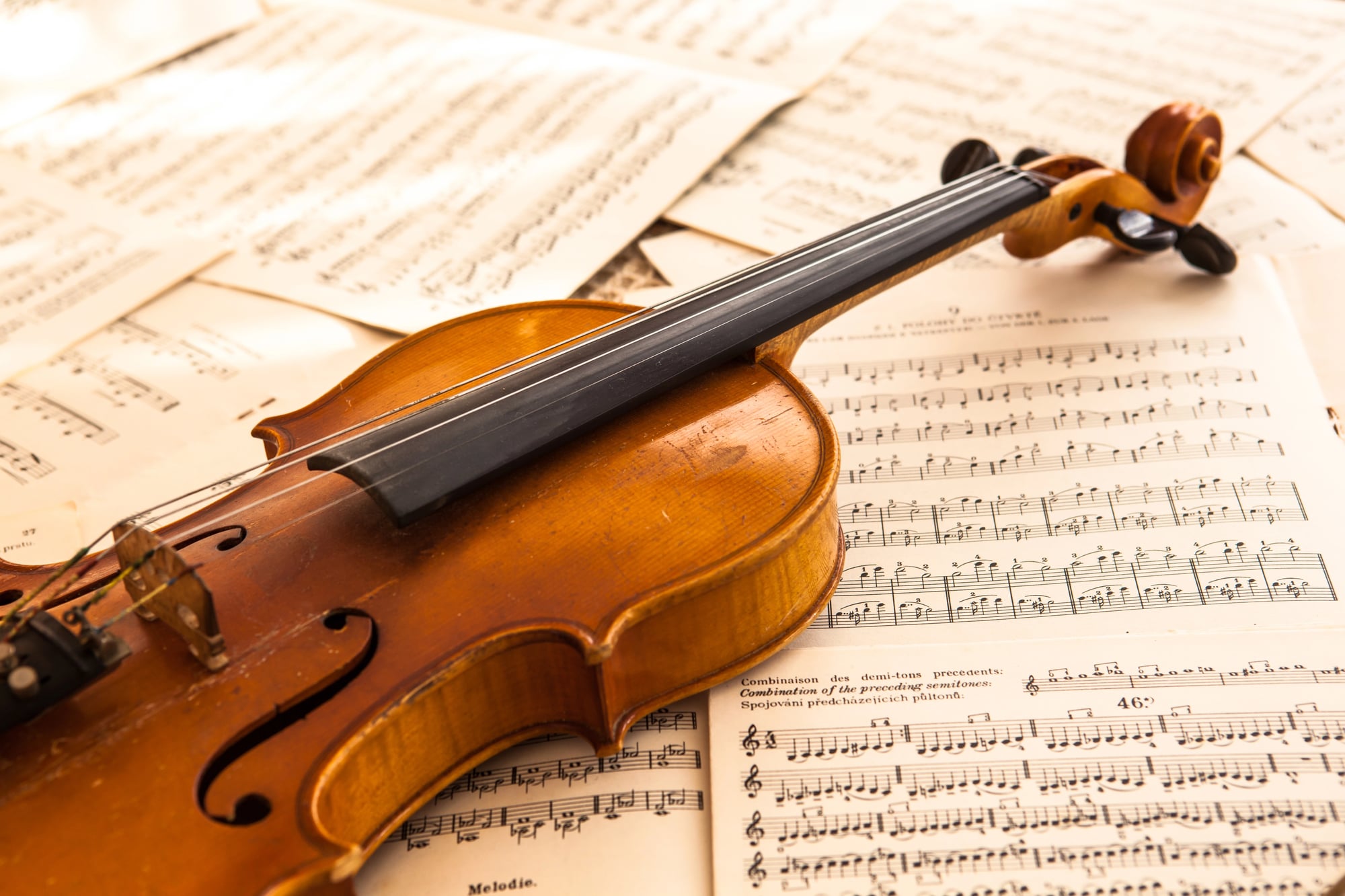
Antonio Stradivari created about 1,000 violins during his lifetime in Cremona, Italy, and only around 650 survive today. These instruments regularly sell for millions of dollars, with the most expensive one, the Messiah Stradivarius, valued at over $20 million.
What makes them so special isn’t just their age or rarity. The sound they produce has a warmth and complexity that modern violin makers still can’t quite replicate, despite centuries of trying.
Scientists have studied the wood, the varnish, and even the climate conditions when Stradivari worked, but the secret remains partly mysterious.
The Lady Blunt Stradivarius
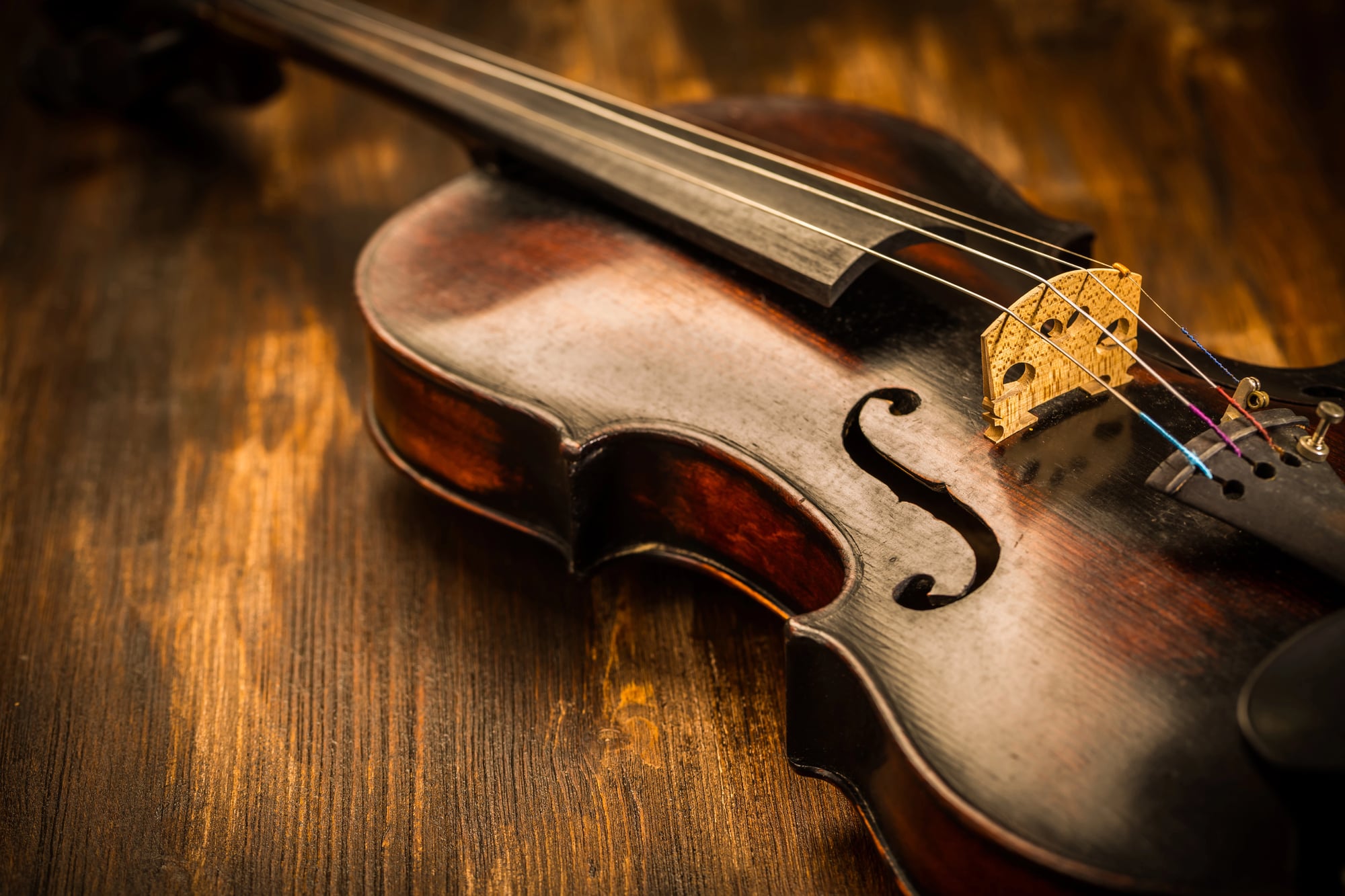
This particular violin got its name from Lady Anne Blunt, a granddaughter of the poet Lord Byron, who owned it in the 1800s. In 2011, it sold at auction for $15.9 million, making it one of the most expensive musical instruments ever sold publicly.
The money went to help victims of the earthquake and tsunami in Japan that same year. The violin remains in nearly perfect condition because it was played very little throughout its existence.
Collectors prize it not just for its sound but for its pristine state, like a snapshot of Stradivari’s workshop frozen in time.
Lennon’s Steinway piano

John Lennon composed ‘Imagine’ on a Steinway Model Z upright piano in 1971 at his Tittenhurst Park estate in England. George Michael bought this piano at auction in 2000 for $2.1 million, but he didn’t keep it locked away.
Instead, he sent it on a tour called the Imagine Piano Peace Project, letting it travel to places affected by conflict and tragedy. The instrument appeared at locations like Dealey Plaza in Dallas and a Katrina relief shelter in Mississippi.
Its value lies not in its construction but in the song it helped bring into the world, one that became an anthem for peace movements everywhere.
The Hammer Stradivarius
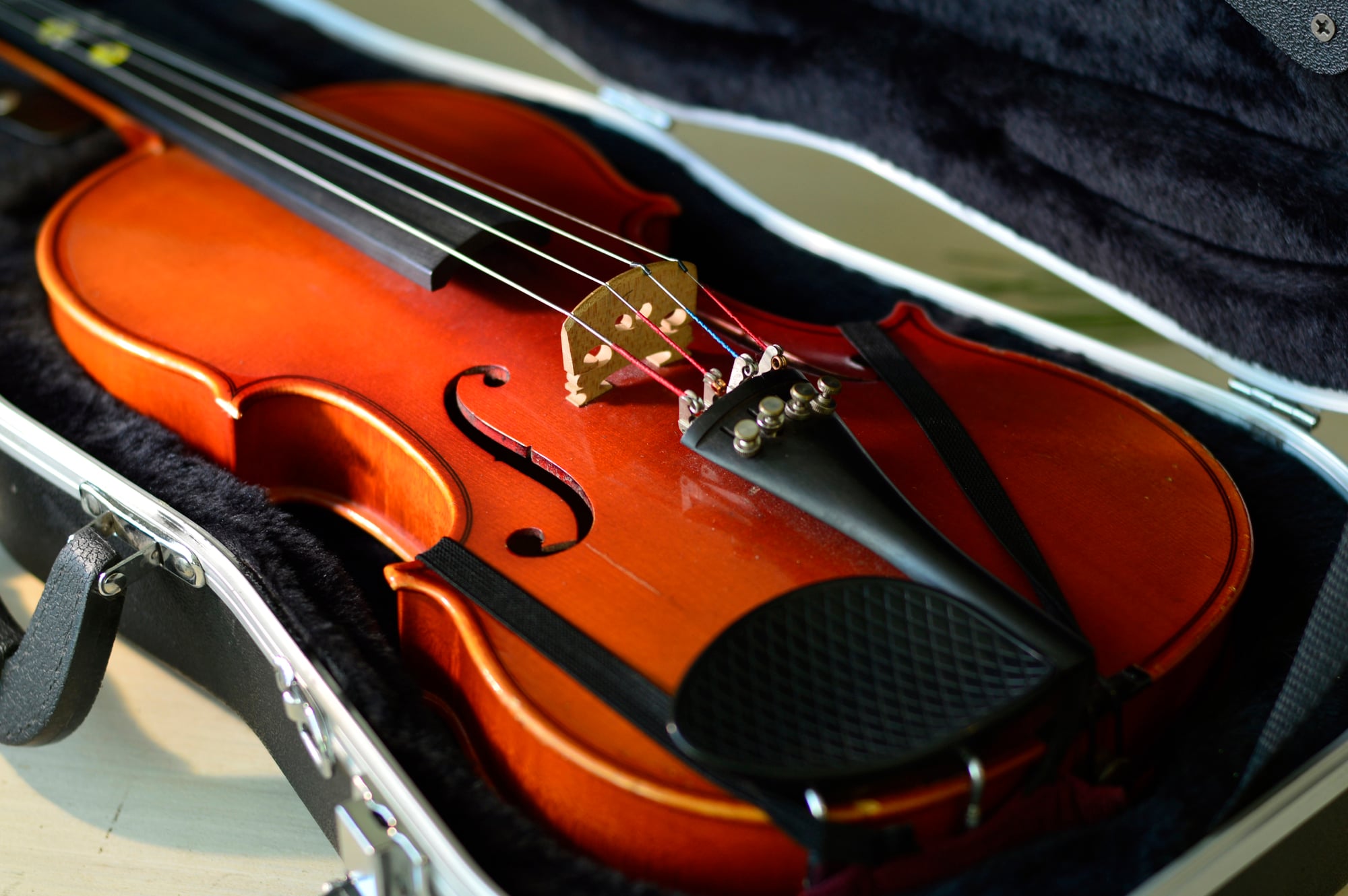
Named after Christian Hammer, a Swedish collector who owned it in the 19th century, this violin holds the record for the highest price ever paid at auction for a musical instrument. It sold for $3.54 million in 2006.
The violin was made in 1707, during what experts call Stradivari’s golden period, when he was at the peak of his craft. Unlike many famous Strads that sit in museums or private collections, this one is still played regularly in concerts.
The current owner keeps it active in the music world, which some believe actually helps maintain the instrument’s exceptional sound quality.
Elvis Presley’s Martin acoustic

Elvis played this Martin D-18 guitar during a recording session in 1954 that produced some of his earliest hits. The guitar sold at auction for $1.32 million in 2020, setting a record for the most expensive acoustic guitar ever sold.
What makes it extraordinary isn’t just the Elvis connection. The instrument appeared during the exact moment when rock and roll was being born, when a young truck driver from Memphis was about to change popular music forever.
The guitar still shows wear from those sessions, including pick marks and scratches that tell the story of its use.
The Duport Stradivarius cello
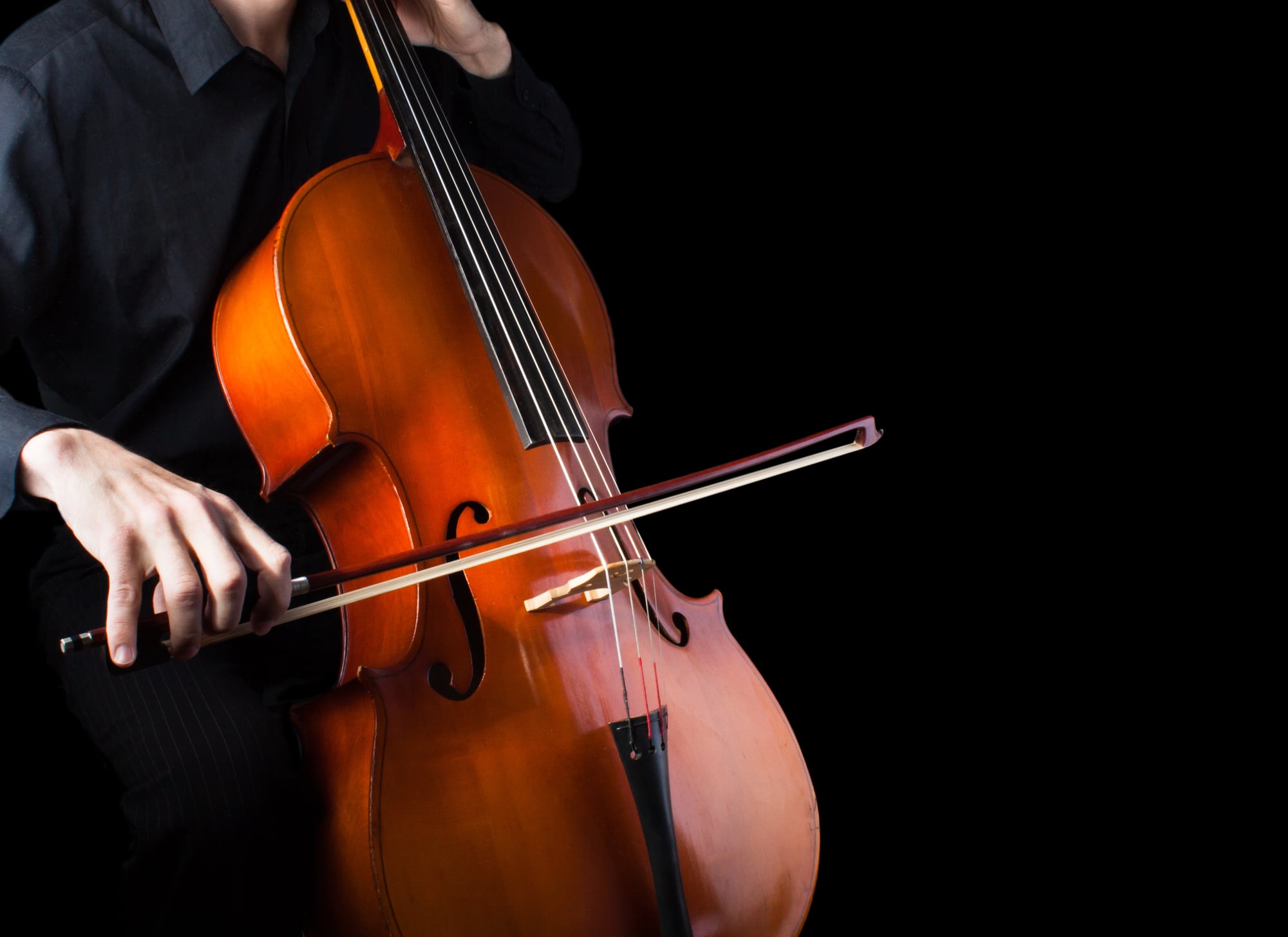
Antonio Stradivari made this cello around 1711, and it later belonged to Jean-Louis Duport, a French cellist who played for kings. The Nippon Music Foundation owns it now and loans it to Yo-Yo Ma, one of the greatest cellists alive today.
Its estimated value exceeds $20 million. The cello has a distinctive dent near the bottom that supposedly came from a spur mark left by Napoleon Bonaparte, who tried playing it.
Whether that story is true or not, the instrument has witnessed centuries of musical evolution and continues to perform in concert halls worldwide.
J. Garcia’s Tiger guitar

Built by luthier Doug Irwin specifically for the Grateful Dead guitarist, Tiger was Garcia’s main guitar from 1979 until 1989. After Garcia died, the guitar sold at auction for $957,500 in 2002.
The custom-made instrument featured elaborate inlays, including a tiger under the bridge and various electronic modifications that Garcia requested over the years. For fans of the Grateful Dead, this guitar represents thousands of improvisational jams and concerts that defined an era.
The new owner has occasionally loaned it out for tribute concerts, keeping Garcia’s sound alive.
The Molitor Stradivarius
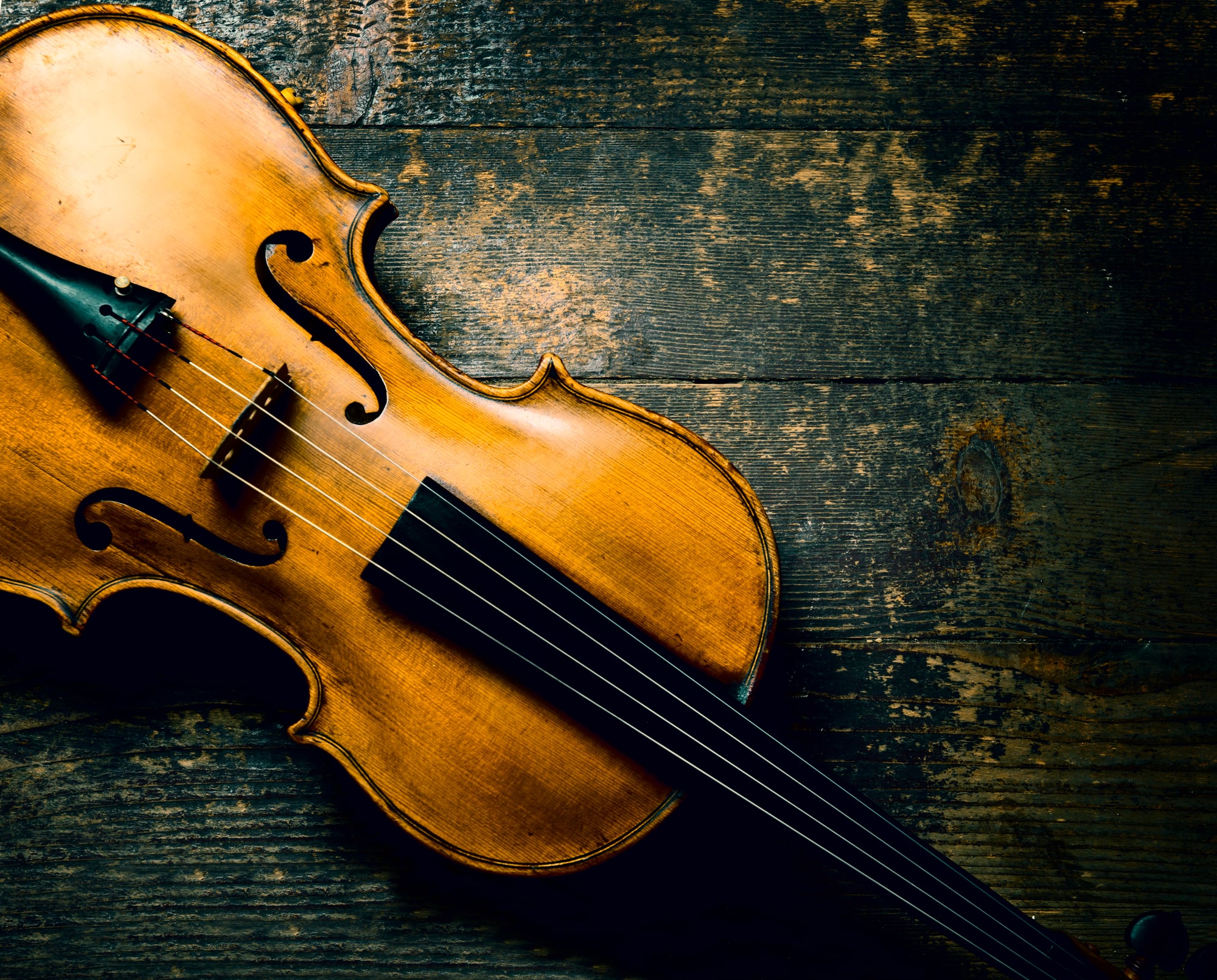
Napoleon Bonaparte supposedly gave this violin to a French military officer named Count Gabriel Jean Joseph Molitor, though historians debate the accuracy of that story. What’s certain is that it sold privately in 2010 for a reported $3.6 million to Anne Akiko Meyers, a violinist who actually plays it in concerts.
The violin dates from 1697, making it one of Stradivari’s earlier works. Its red-orange varnish remains remarkably intact, giving researchers valuable information about the materials Stradivari used.
Unlike many priceless instruments locked away for preservation, this one still serves its original purpose.
Bob Dylan’s Fender Stratocaster
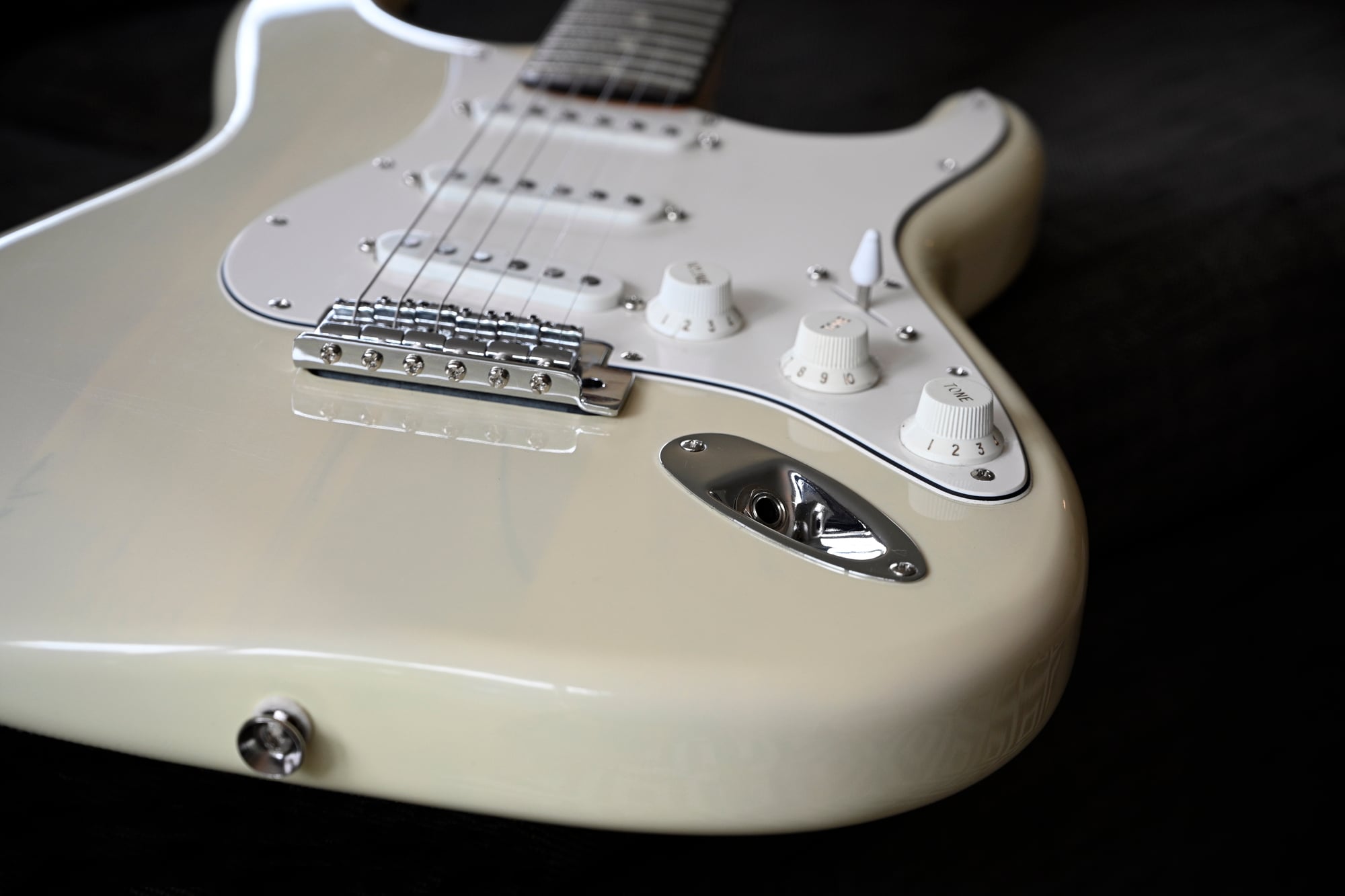
Dylan played this electric guitar at the Newport Folk Festival in 1965, a performance that shocked folk music purists and marked his transition from acoustic to electric rock. The guitar disappeared for decades before resurfacing and selling at auction in 2013 for $965,000.
That Newport performance remains one of the most controversial moments in music history, with some audience members booing while others cheered. The guitar itself became a symbol of artistic evolution and the willingness to risk everything to move forward.
Its value comes from representing a turning point that influenced countless musicians who followed.
The Lady Tennant Stradivarius

This violin was made by Stradivari in 1699 and takes its name from one of its former owners, Charles Tennant, a Scottish industrialist. The instrument survived a dramatic robbery in 1998 when three masked men stole it at gunpoint after a concert in London.
Police recovered it three years later during an undercover operation. Its current estimated value exceeds $2 million.
The violin has been played by some of the world’s best violinists throughout its existence. Its survival through theft and recovery adds another chapter to its already remarkable history.
Jimi Hendrix’s white Stratocaster

Hendrix played this white Fender Stratocaster at Woodstock in 1969, delivering his famous rendition of the Star-Spangled Banner. The guitar sold at auction in 1998 for $2 million, purchased by Paul Allen, the Microsoft co-founder and music enthusiast.
That Woodstock performance became one of the defining moments of the 1960s counterculture movement. The guitar’s distorted, feedback-laden interpretation of the national anthem was controversial then and remains powerful now.
Allen displayed the guitar in his Experience Music Project museum in Seattle, where visitors could see the instrument that helped create one of rock’s most memorable performances.
The Vieuxtemps Guarneri violin
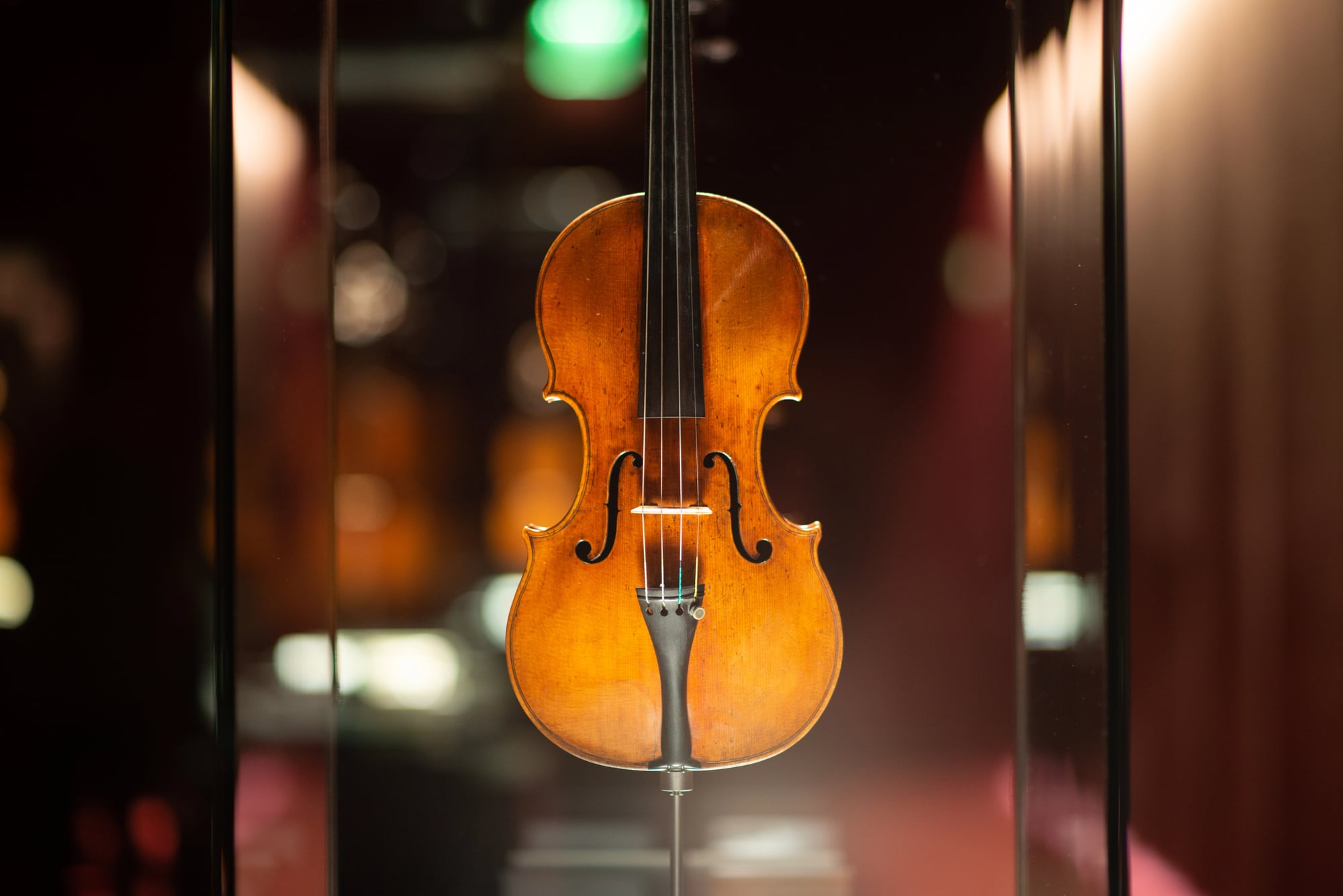
Giuseppe Guarneri del Gesù made this violin in 1741, and experts consider it one of the finest examples of his work. Named after Henri Vieuxtemps, a Belgian violinist who owned it in the 1800s, the instrument sold privately in 2012 for an estimated $16 million.
That makes it the most expensive violin ever sold, even surpassing the most valuable Stradivarius instruments. An anonymous buyer purchased it and immediately loaned it to Anne Akiko Meyers, who plays it in concerts around the world.
Guarneri violins are rarer than Stradivarius instruments because Guarneri made far fewer during his lifetime.
Kurt Cobain’s Martin Acoustic

That 1959 Martin D-18E? Cobain used it for Nirvana’s famous MTV Unplugged set in ’93, not long before he died. A buyer paid $6 million for it at an auction in 2020 – highest price ever for a guitar sold that way.
Hard to forget how a loud grunge group chose quiet moments instead, swapping distortion for bare sound. This session caught Cobain on stage near the very end, making each chord feel heavier than usual.
Inside the case today, you’ll find the original show playlist, taped right where it landed back then. Few objects carry quite so much silence from such a loud night.
The Lipinski Stradivarius

Back in 1715, Antonio Stradivari shaped this violin – later tied to Karol Lipinski, a Polish player who held it during the 1800s. A tense chapter unfolded when someone snatched it from Frank Almond, first chair of the Milwaukee Symphony Orchestra, in 2014.
Officers tracked it down fast; those responsible landed behind bars. Worth about five million dollars today, its journey carries weight beyond sound.
Not just any old sound comes from this Strad – players say it cuts through every note with strength and precision. Held by Bein & Fushi out of Wisconsin, who let gifted performers borrow it when needed.
Eric Clapton’s Black Fender Stratocaster Guitar Known as Blackie
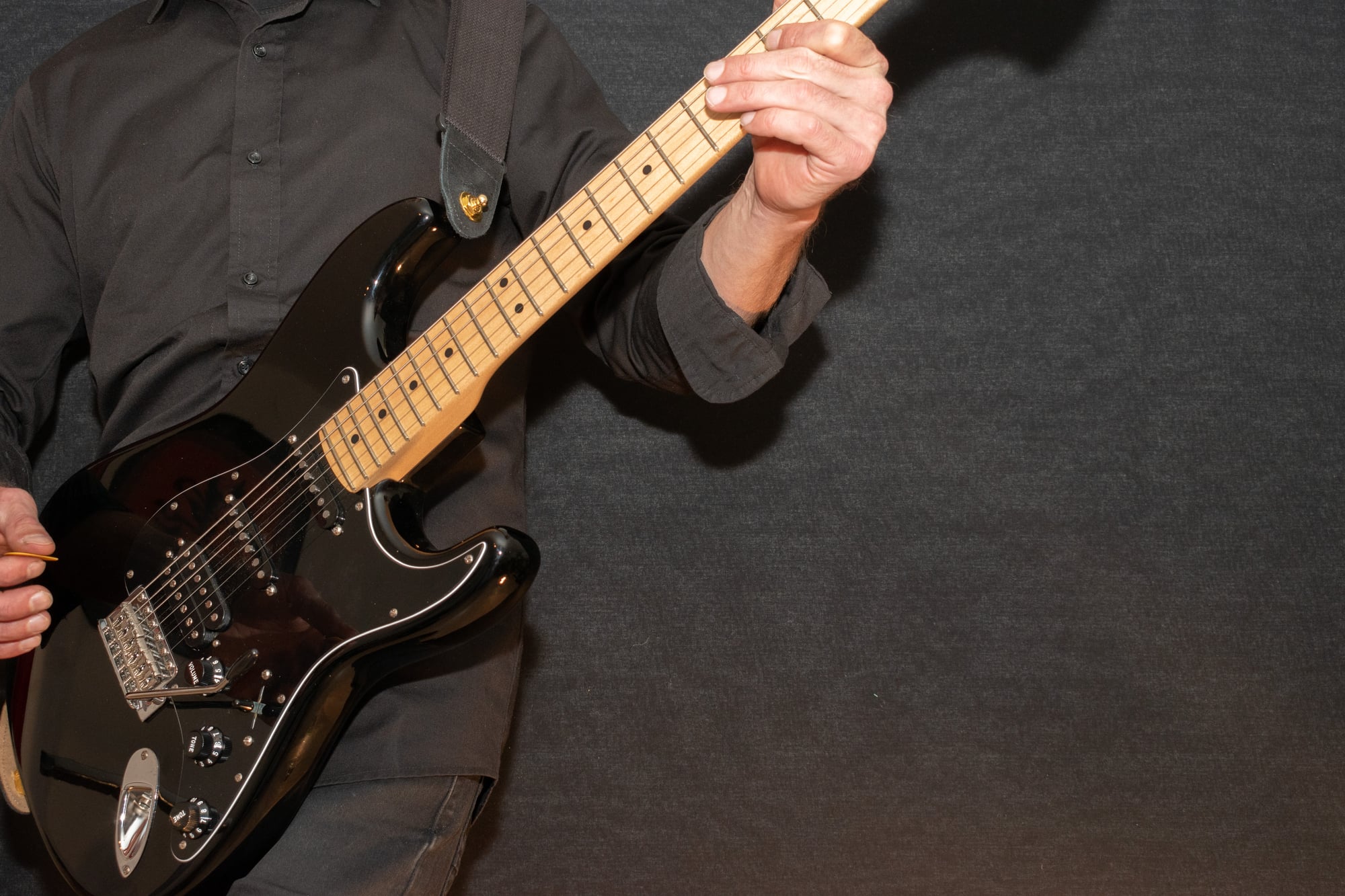
From pieces of three old Fender Strats picked up in a store in Nashville back in 1970, Eric Clapton built himself an instrument that would become iconic. That mix of woods and wires carried the notes for much of his work through the ’70s and into the early ’80s.
Tunes such as “Layla” and “Wonderful Tonight” were shaped by its voice. In 2004, it changed hands at an auction, bringing in nearly a million dollars – $959,500 to be exact – with every dollar funding his rehab facility, Crossroads Centre.
More than just wood and strings, that guitar became the pulse behind Clapton’s rawest musical stretch. Worn down by time, the guitar shows every minute it was played across endless sessions.
Far from a shiny display piece, its worth grew because that legendary rocker never put it aside.
The King Maximilian Stradivarius
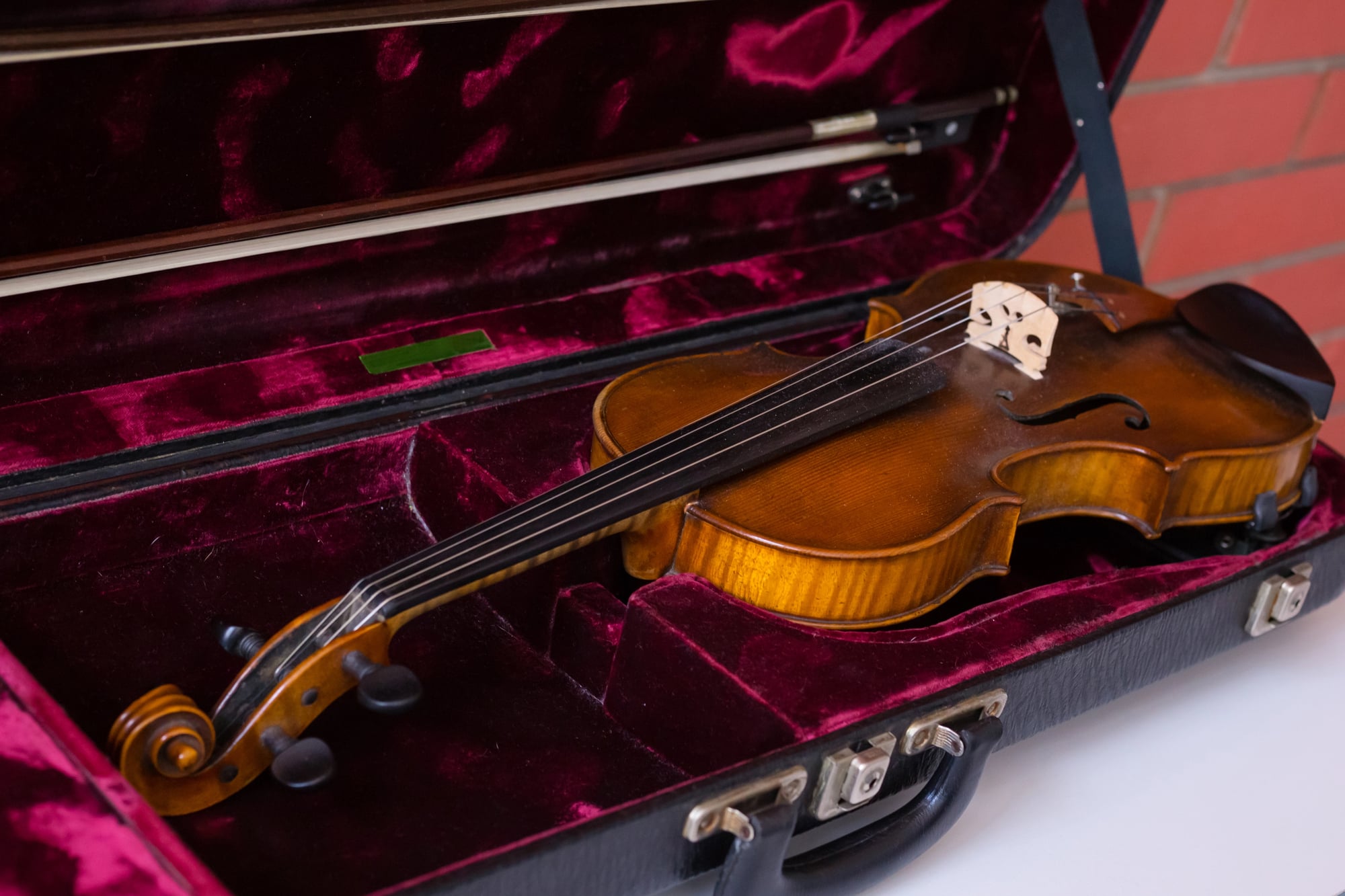
Stradivari made this cello in 1701, though it later underwent significant alterations in the 1800s to adapt it to modern playing standards. The instrument takes its name from King Maximilian of Bavaria, who owned it in the 19th century.
Its current estimated value ranges between $3 million and $5 million. The cello has an unusual history because those alterations actually decreased its value compared to unmodified Stradivarius cellos.
Still, musicians prize it for its sound quality and historical significance. The instrument demonstrates how these priceless objects sometimes change over time to meet the evolving needs of performers.
David Gilmour’s Black Stratocaster
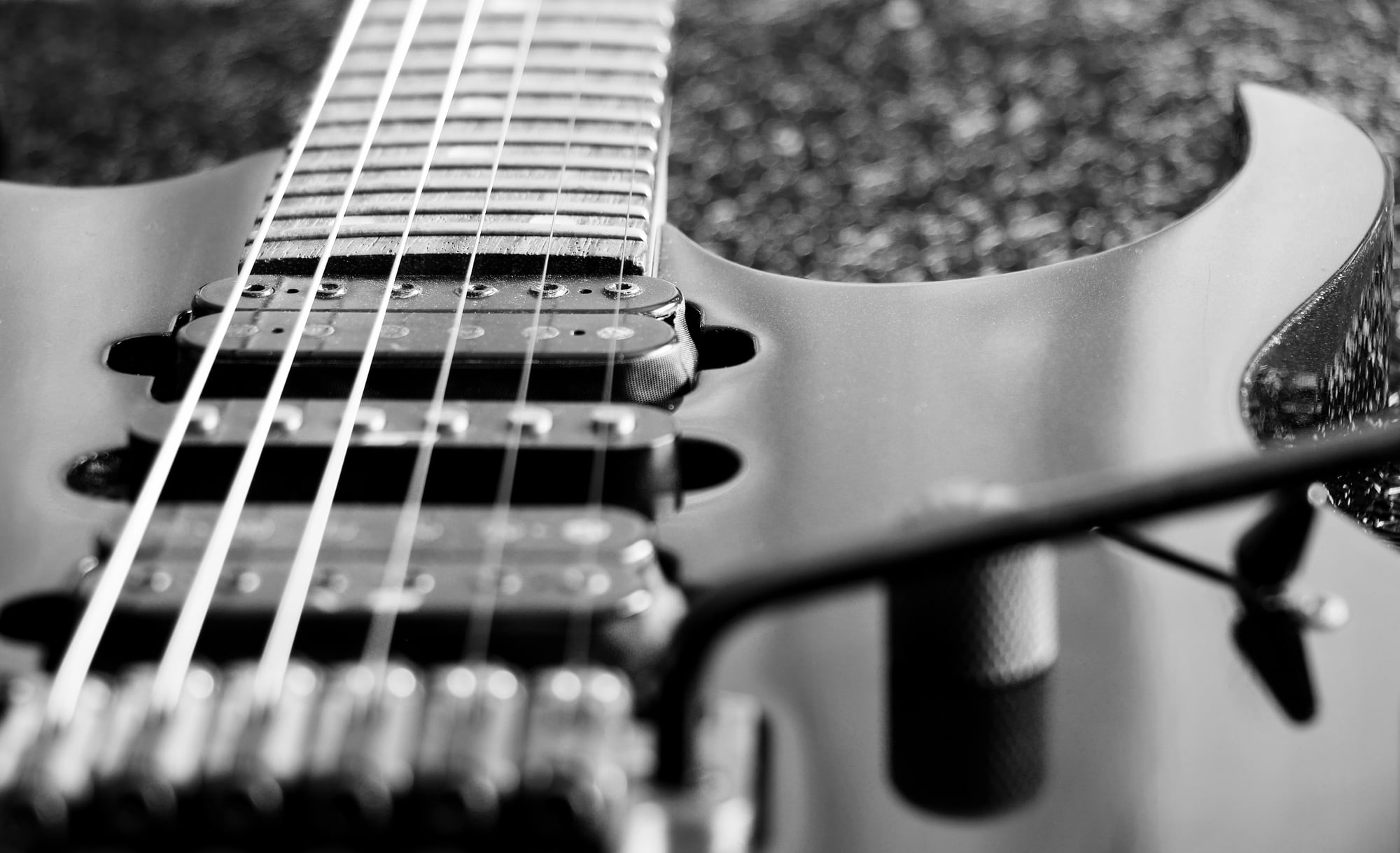
A guitar once owned by David Gilmour – called ‘The Black Strat’ – became central to Pink Floyd’s music starting in the early Seventies, staying with him through decades of shows. From tracks on ‘The Dark Side of the Moon’ to those on ‘The Wall’, its presence shaped much of their sound.
In 2019, it fetched $3.975 million at an auction, a price that broke previous records. Over time, he altered nearly every part of it: pickups were swapped, wiring redone, small tweaks made again and again until it felt just right.
Money reached groups fighting climate shifts after the sale closed. What it’s worth ties back to shaping bold electric guitar moments in progressive rock history.
Buddy Holly’s Fender Stratocaster

This 1958 Fender Stratocaster rang out when Holly toured last, yet stayed off the fatal flight in 1959 – where he died beside Ritchie Valens and the Big Bopper. Shipped apart, the guitar missed disaster by distance.
On screen years later, Gary Busey made it sing again in a 1978 movie about Holly. Its worth isn’t just tied to who held it first.
Back then, rock and roll was just finding its voice, with players testing the limits of a brand-new electric sound. Still held by a collector today, it stands as proof of genius cut short – echoes of riffs that shaped countless artists after.
A span across time

Long before microphones caught every note, hands shaped sound on these old tools. Wood warmed by time still holds echoes of fingers that rewrote how music feels.
Not money gives them worth, but closeness – holding what heroes once gripped under stage lights. Strings remember pressure from palms long gone, yet vibrate just the same today.
Future players will press down where others did, sending ripples forward like those who came before. Time passes, hands change, the resonance stays.
More from Go2Tutors!

- The Romanov Crown Jewels and Their Tragic Fate
- 13 Historical Mysteries That Science Still Can’t Solve
- Famous Hoaxes That Fooled the World for Years
- 15 Child Stars with Tragic Adult Lives
- 16 Famous Jewelry Pieces in History
Like Go2Tutors’s content? Follow us on MSN.