The Emeralds of Colombia and Their Global Demand
Deep in the Andes—beneath layers of ancient rock—lie treasures that have shaped empires and obsessions alike: the emeralds of Colombia. Their colour isn’t just green; it’s alive, shifting between forest, sea, and firelight.
Here’s a list of the mines, markets, and global fascinations that have kept Colombian emeralds among the most desired gems on Earth.
Muzo Mine

The Muzo mine remains Colombia’s beating emerald heart. Its stones—dense, velvety, impossibly green—set the world’s benchmark centuries ago.
Spanish explorers once fought bitterly over it, and later, local families did the same.
Even so, Muzo’s reputation endured.
The work is harsh, the terrain unforgiving, yet every miner hopes for that single flash of colour in the rock. When it happens, time stops. Just for a moment.
Chivor Mine

East of Bogotá, where fog settles low on the slopes, Chivor hides in plain sight. Lost for centuries and rediscovered in the early 1900s, it’s a place of legends and stubborn persistence.
Chivor’s emeralds lean blue—cooler, more tranquil than Muzo’s fire. Collectors can tell instantly. And sometimes, miners swear the mountain gives small hints before a big find, like a shift in air or the sound of loose stone.
Like Go2Tutors’s content? Follow us on MSN.
Coscuez Mine
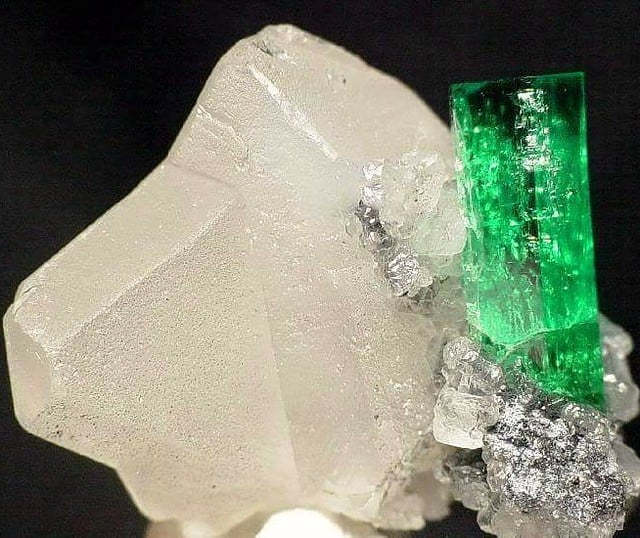
Coscuez doesn’t boast the fame of Muzo or Chivor—but its finds can be astonishing. Massive crystals, some weighing pounds, have emerged from its tunnels over the years.
Still, not every gem here is flawless. Inclusions run through them like frozen rivers, imperfections that somehow enhance their beauty.
They’re proof that nature doesn’t aim for perfection—it just creates.
Bogotá’s Emerald District
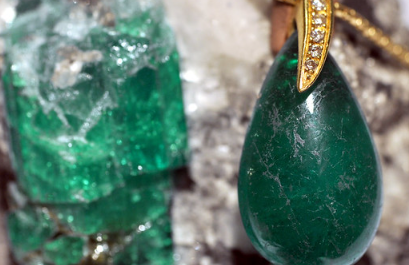
In the heart of Bogotá, business hums behind glass counters and guarded doors. The city’s emerald district feels electric—crowded, tense, alive.
A single stone might change hands half a dozen times before it leaves the country. The deals happen fast, the smiles measured.
It’s commerce, theatre, and instinct rolled into one. You can almost taste the adrenaline in the air.
The Global Auctions
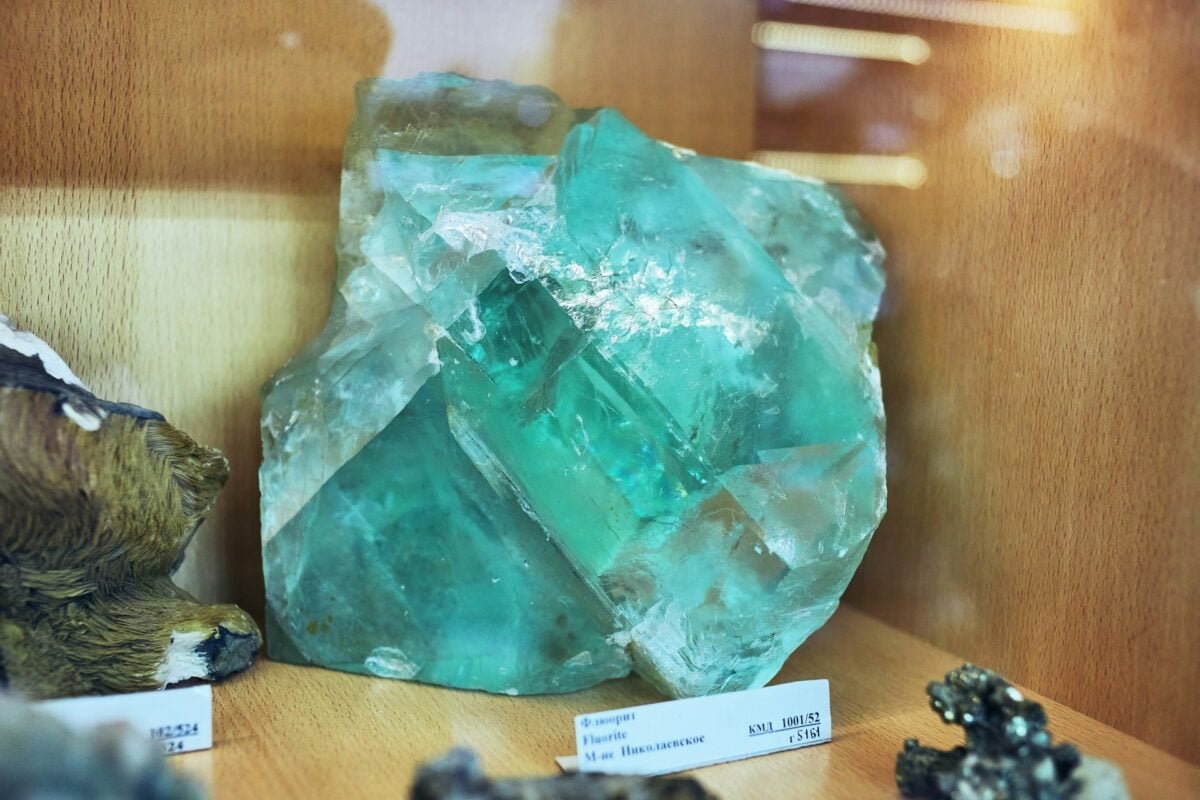
From Geneva to New York, Colombian emeralds dominate the glittering auction circuit. “Muzo green” and “Chivor clarity” have become shorthand for excellence—phrases that collectors whisper like magic spells.
Prices can soar, sometimes into the millions. A flawless gem once fetched over $5 million, while designers from Cartier to Bulgari still compete for access to the finest stones.
Even smaller brands crave one for prestige—it’s that powerful a symbol.
Like Go2Tutors’s content? Follow us on MSN.
The Emerald Wars

During the late 20th century, greed turned deadly. Rival mining families clashed in brutal conflicts known as the “Green Wars,” fighting for control of Colombia’s most lucrative mines.
Peace eventually came, though the scars run deep. In mining towns, the stories are still told quietly over rum—of fortunes made, of lives lost, of emeralds that vanished into the jungle and never reappeared.
Modern Mining and Technology

Mining’s no longer guesswork. Today, laser scanning, seismic mapping, and computer models help locate veins deep underground.
Efficiency and safety have improved dramatically—yet luck still decides everything.One miner might dig for months and find nothing.
Another could strike a gem that changes their life overnight. It’s a business ruled by patience and superstition in equal measure.
Sustainability and Ethics

The emerald trade has begun facing its own reckoning. Consumers now demand traceability—proof that the gems aren’t born of exploitation.
Colombian producers are responding, adopting fair-trade policies and ecological restoration programs. Still, change moves slowly.
Balancing community welfare and commercial success takes time, but at least the conversation’s happening. That’s progress, however small.
Like Go2Tutors’s content? Follow us on MSN.
The Global Demand
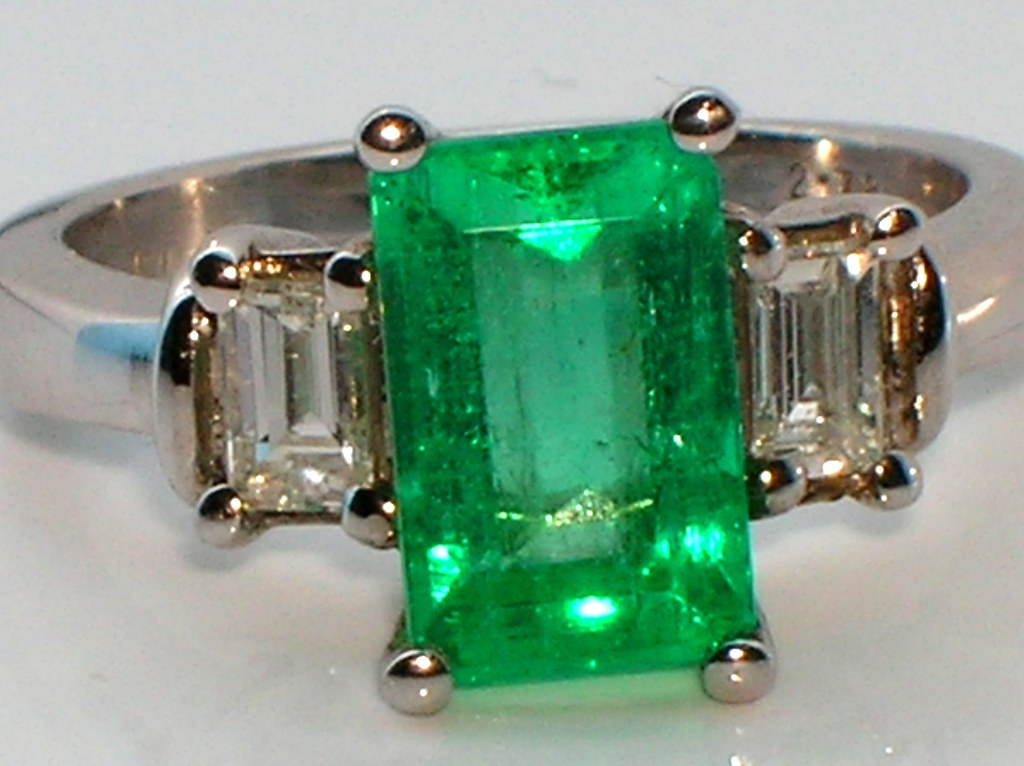
Colombian emeralds supply over half the world’s market. Their clarity, hue, and rarity keep them unmatched—no synthetic rival comes close.
India, the Middle East, and Europe drive demand, each with its own traditions for setting the gems. Even with the rise of lab-grown stones, buyers still chase the real thing. Authenticity carries its own kind of light.
Jewellery Houses and Legacy
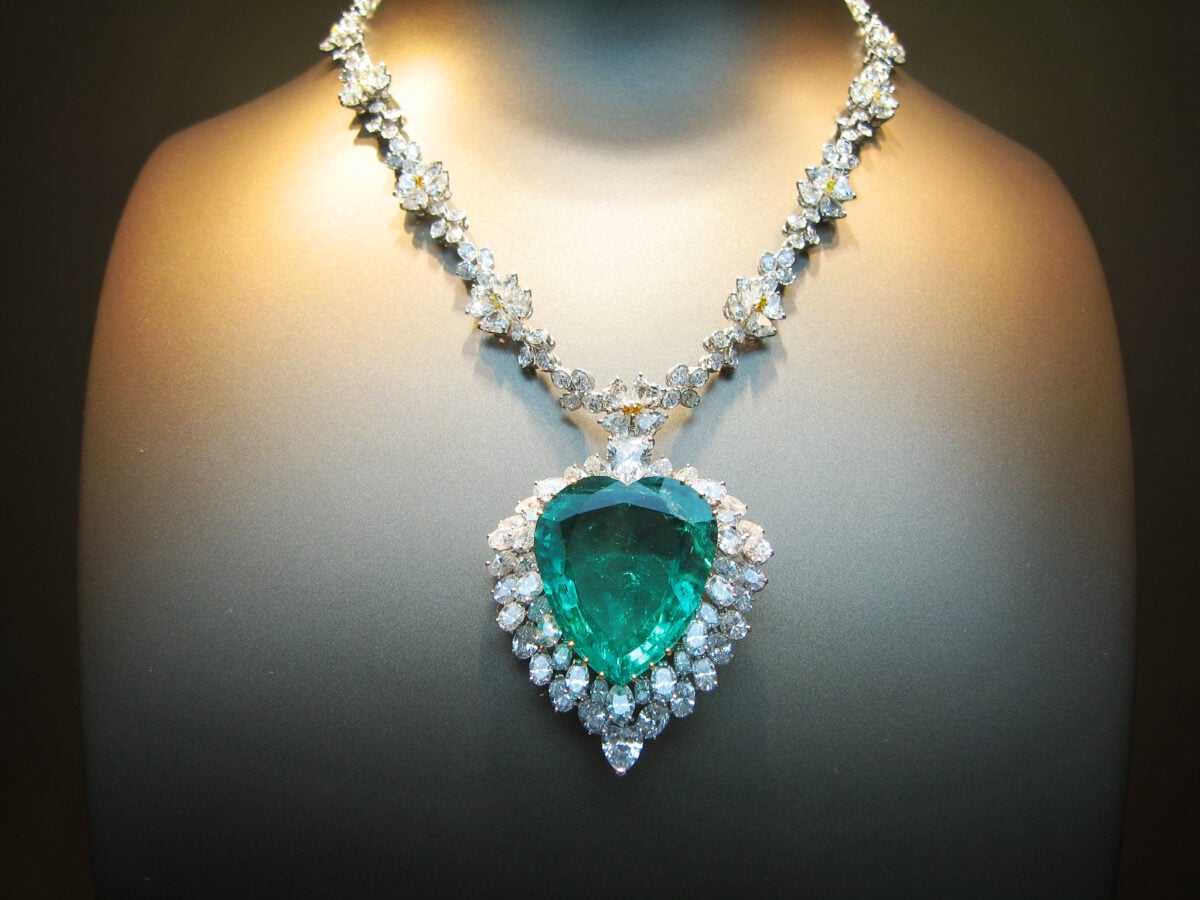
For luxury brands, Colombian emeralds aren’t just materials—they’re statements. Cartier, Harry Winston, and Bulgari have built entire design eras around them.
The gems’ intensity anchors bold colour combinations and timeless pieces.Designers often travel straight to the source, hoping to find that elusive tone of green that photographs never quite capture.
Some swear the best stones seem to pulse—like they’re breathing.
A Stone That Breathes History
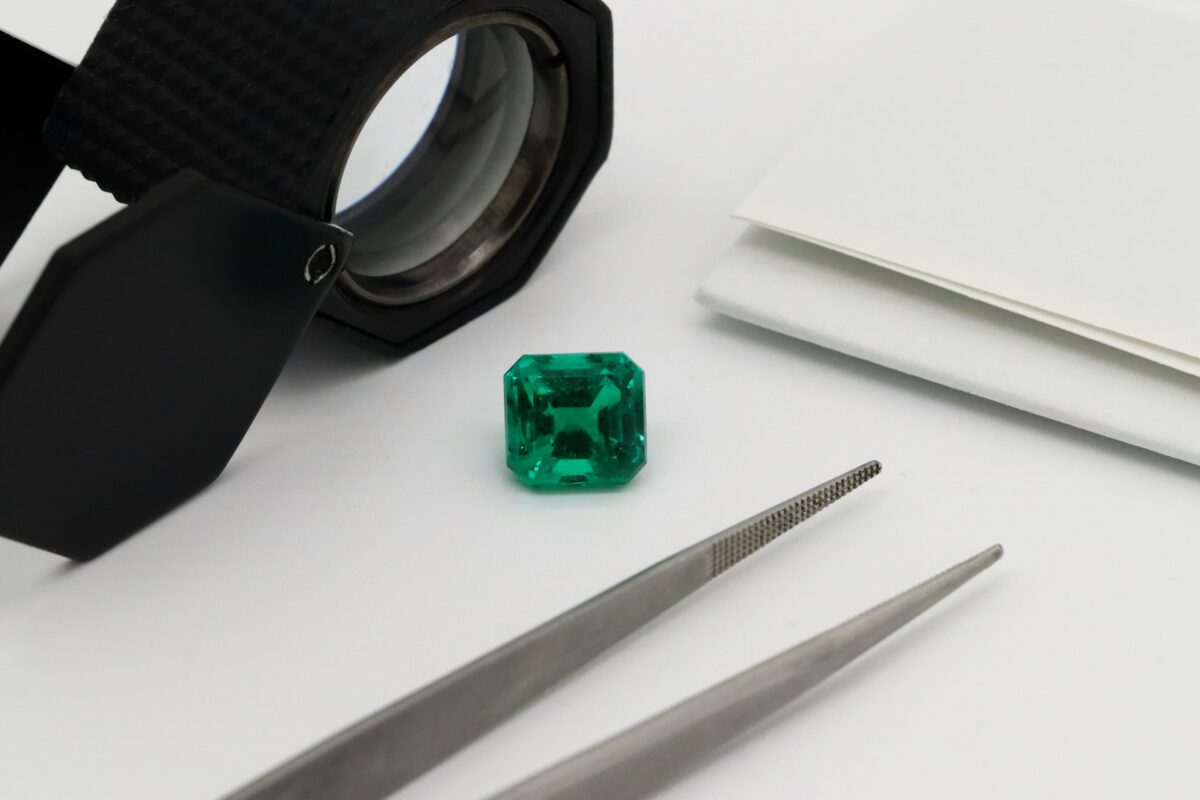
Emeralds have survived conquest, collapse, and reinvention. They’ve crossed oceans, adorned royalty, and disappeared into vaults, only to resurface generations later.
In Colombia, there’s more than minerals. They’re memory—compressed time, pressure, and beauty.
Each one still gleams with the same wild energy that first drew the world to its green heart.
More from Go2Tutors!

- 16 Historical Figures Who Were Nothing Like You Think
- 12 Things Sold in the 80s That Are Now Illegal
- 15 VHS Tapes That Could Be Worth Thousands
- 17 Historical “What Ifs” That Would Have Changed Everything
- 18 TV Shows That Vanished Without a Finale
Like Go2Tutors’s content? Follow us on MSN.