Forgotten Music Genres That Deserve a Comeback
Music trends come and go faster than you can say one-hit wonder. Some genres burn bright for a few years before fading into obscurity, leaving behind nothing but dusty vinyl records and confused younger generations asking what their parents were thinking.
But here’s the thing—a lot of these forgotten genres were actually pretty great. They pushed boundaries, experimented with new sounds, and gave people something fresh when everything else felt stale.
The reasons they disappeared are as varied as the genres themselves, from changing cultural attitudes to simple oversaturation. What makes a genre truly forgotten isn’t just lack of radio play—it’s when even mentioning it gets you blank stares from anyone under 40.
These styles once dominated the charts, filled nightclubs, and defined entire generations before vanishing almost overnight. Here is a list of 16 music genres that fell off the map but honestly deserve another shot at the spotlight.
Exotica

Picture this: it’s the 1950s, you’ve got a fancy hi-fi stereo system, and you want to feel like you’re on a tropical island without leaving your living room. Enter exotica, the soundtrack to tiki bars and bachelor pad fantasies everywhere.
Les Baxter pioneered the genre with his 1952 album Ritual of the Savage, mixing orchestral arrangements with tribal rhythms and jungle sound effects. Martin Denny took it further with his 1957 album Exotica, which hit number one on the charts thanks to its use of vibraphone, bird calls, and percussion meant to evoke faraway places.
The genre peaked in the late 1950s and early 1960s before fading as cultural attitudes shifted, though it saw a brief revival in the 1990s alongside the swing revival and tiki culture appreciation.
Space Rock

When Pink Floyd released tracks like Astronomy Domine and Interstellar Overdrive in 1967, they helped birth a genre that turned rock music into a cosmic journey. Space rock featured lengthy instrumental passages, heavy reverb, minimal drumming, and lyrics about science fiction and outer space.
Hawkwind became the genre’s most dedicated champions throughout the 1970s, creating hypnotic soundscapes perfect for, well, spacing out. The genre influenced everything from ambient music to post-rock, but by the mid-1980s, space rock had largely drifted away from mainstream consciousness until Spacemen 3 and similar bands sparked a revival in the late 1980s and 1990s.
Like Go2Tutors’s content? Follow us on MSN.
Krautrock
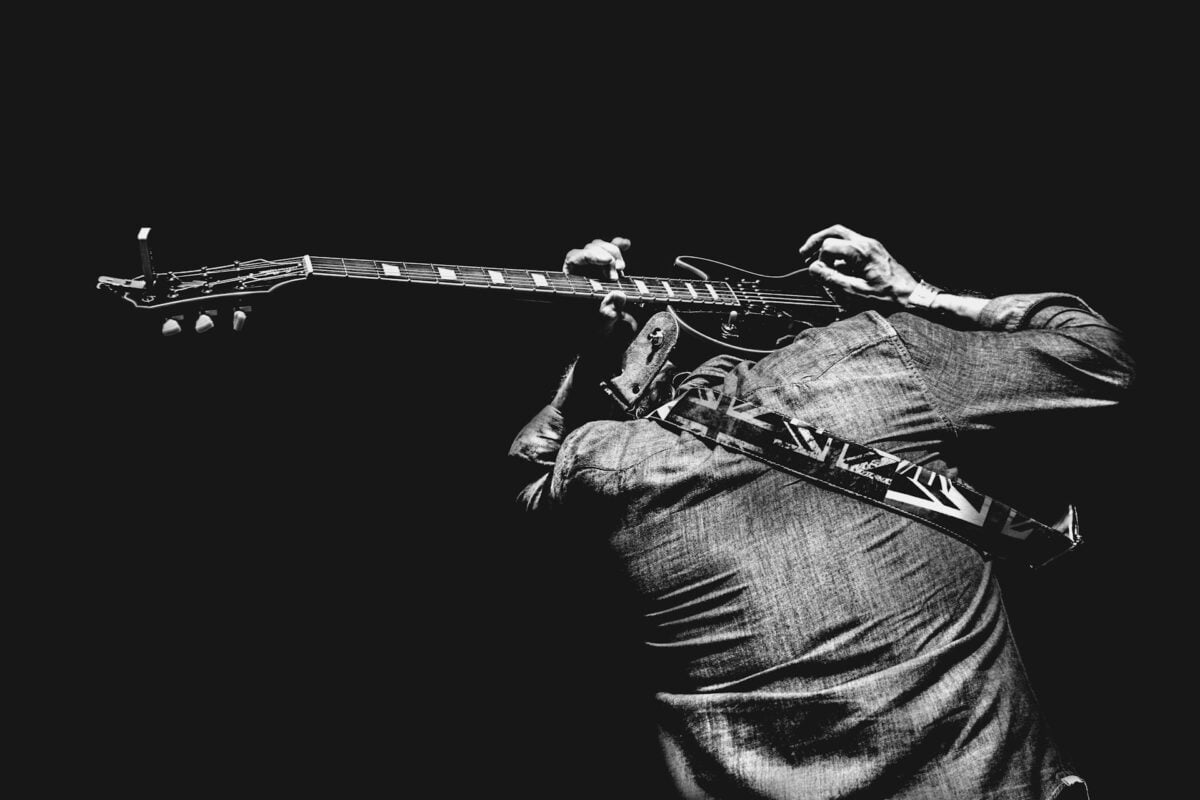
West Germany in the late 1960s and early 1970s produced something remarkable—a rejection of traditional rock structures in favor of hypnotic rhythms, extended improvisations, and early synthesizers. Krautrock bands like Can, Neu!, Kraftwerk, and Tangerine Dream created what Germans called kosmische musik, blending psychedelic rock with avant-garde composition and electronic experimentation.
The movement was partly born from radical student protests in 1968, as German youth sought music distinct from both their country’s past and American pop. Though the term was initially considered derogatory, krautrock proved massively influential on genres like post-punk, new wave, and techno before fading from popular consciousness by the late 1970s.
New Wave
New wave emerged in the late 1970s as a lighter, more melodic alternative to punk rock’s aggression. The term was coined by Sire Records founder Seymour Stein as a catch-all for post-punk bands that incorporated synthesizers, quirky humor, and distinctive visual styles.
Acts like Talking Heads, Devo, Blondie, and The Cars dominated the early 1980s, especially after MTV launched in 1981 and heavily promoted new wave artists. The genre encompassed everything from synth-pop to alternative dance, making it so broad that critics called it virtually meaningless.
By the mid-to-late 1980s, new wave was overtaken by other movements, though its influence on electronic rock remains undeniable.
Disco

Disco didn’t just fade away—it was violently rejected in one of music history’s most dramatic genre deaths. The genre emerged from urban nightlife in the early 1970s, reaching its peak between the mid-1970s and early 1980s with artists like Donna Summer, Chic, and the Bee Gees.
Then came Disco Demolition Night in 1979, when a Chicago radio DJ organized an event where fans blew up disco records at a baseball stadium, symbolizing rock fans’ resentment of disco’s dominance. Despite the backlash, disco’s influence lived on through house, techno, and electronic dance music, though the genre itself remained culturally taboo for decades.
Like Go2Tutors’s content? Follow us on MSN.
Third Wave Ska

The third wave of ska revival hit North America in the mid-1990s with bands like No Doubt, Sublime, Reel Big Fish, and Less Than Jake bringing horn sections and upbeat rhythms to alternative rock. Unlike the original Jamaican ska from the late 1950s or the British 2 Tone movement of the late 1970s, third wave ska featured dominating guitar riffs alongside traditional brass instruments.
By 1996, ska was one of the most popular forms of alternative music, with its energetic live shows and danceable beats. Unfortunately, the fun was over by 2000, as the genre became oversaturated and audiences moved on to other sounds.
Britpop

The mid-1990s British music scene produced a movement that celebrated all things British in contrast to American grunge. Britpop emerged between 1993 and 1997, with Oasis, Blur, Suede, and Pulp leading the charge with guitar-heavy anthems drawing inspiration from 1960s British rock.
The movement peaked during the Battle of Britpop in 1994-1995, when chart battles between Blur and Oasis dominated the music press. While Oasis continued finding success into the late 1990s, infighting between brothers Liam and Noel Gallagher eventually slowed momentum, and the genre faded by 2000 as other styles gained commercial success.
Ragtime

Before jazz dominated America, ragtime ruled with its syncopated rhythms and lively melodies. The genre emerged in the late 19th century and dominated the late 1890s through early 1900s, characterized by its distinctive offbeat piano style.
Scott Joplin became the most famous ragtime composer with pieces like The Entertainer and Maple Leaf Rag. The genre represented a fascinating fusion of African American musical traditions with European classical structures.
As jazz evolved in the 1920s, ragtime faded from mainstream popularity, though its influence remained embedded in American music history.
Like Go2Tutors’s content? Follow us on MSN.
Doo-Wop

Nothing says 1950s quite like doo-wop, the vocal harmony style that featured groups singing tight harmonies with nonsense syllables backing up lead vocals. Groups like The Platters, The Drifters, and Frankie Lymon and the Teenagers dominated the charts with their smooth, romantic sound.
The genre shaped the sound of the 1950s and early 1960s, proving that voices alone could create magic without elaborate instrumentation. As rock and roll evolved and Motown took over in the 1960s, doo-wop’s popularity waned, though its influence on vocal harmony groups remained significant.
Arena Rock

The late 1970s and early 1980s belonged to arena rock—big guitar riffs, bigger hair, and anthems designed for stadium crowds. Bands like Queen, Kiss, Van Halen, and REO Speedwagon mastered the art of creating songs with modal chord changes perfect for 20,000 fans singing along.
The genre peaked between 1978 and 1985, defined by its bombastic production and crowd-participation moments. By the early 1990s, grunge’s stripped-down aesthetic made arena rock seem overblown and excessive, causing the genre to lose its mainstream dominance despite its enduring influence on rock music.
Psychedelic Folk

In the late 1960s, artists like Donovan and The Incredible String Band combined traditional folk music with psychedelic rock elements, creating something ethereal and otherworldly. The genre featured acoustic instruments alongside experimental production techniques, lyrics about mysticism and nature, and a dreamy quality that reflected the hippie movement’s ideals.
Psychedelic folk blossomed during the peak of 1960s counterculture but declined in the early 1970s as the hippie movement waned and more mainstream rock and pop music took over, leaving this enchanting hybrid largely forgotten.
Like Go2Tutors’s content? Follow us on MSN.
Post-Punk

Post-punk emerged in the late 1970s as artists took punk’s energy but rejected its simplicity, instead incorporating elements from krautrock, funk, electronic music, and avant-garde art. Bands like Joy Division, Siouxsie and the Banshees, Gang of Four, and Wire created angular guitars, melodic basslines, and experimental structures.
The genre thrived roughly between 1978 and 1984, producing some of the most innovative music of the era. By the mid-1980s, post-punk had dissipated into various subgenres like gothic rock and new wave, though it experienced a significant revival in the 2000s.
Southern Rock

The Allman Brothers Band pioneered southern rock in the early 1970s, creating a distinctive sound that blended blues rock with boogie, soul, and country influences. Lynyrd Skynyrd followed, establishing the genre’s good ol’ boy image and defining 1970s guitar rock with classics like Sweet Home Alabama and Free Bird.
Other bands like The Marshall Tucker Band and .38 Special kept the sound alive into the 1980s. After the loss of original members from both the Allmans and Skynyrd in tragic accidents, the genre began fading in the late 1970s, never quite recapturing its early momentum.
Vaudeville

Long before television, vaudeville provided America’s entertainment through theatrical variety shows featuring everything from comedy to music to acrobatics. Popular from the 1880s through the early 1930s, vaudeville was where performers like Charlie Chaplin, the Marx Brothers, and Houdini got their starts.
The shows featured multiple acts in one evening, something for everyone in the family. When talking pictures arrived in the late 1920s and radio broadcasting expanded, vaudeville couldn’t compete with these new forms of entertainment, and the circuit theaters that supported it gradually shut down, ending an era of live variety entertainment.
Like Go2Tutors’s content? Follow us on MSN.
Country Rock

The late 1960s California scene produced country rock when artists like Gram Parsons blended country music with rock and roll. The Flying Burrito Brothers, Poco, and the Nitty Gritty Dirt Band helped establish the genre’s parameters, while former teen idol Ricky Nelson and ex-Monkee Mike Nesmith brought mainstream attention.
The greatest commercial success came in the 1970s with the Eagles, Linda Ronstadt, and the Doobie Brothers dominating charts. Though country rock never completely disappeared, its specific late-1960s and 1970s incarnation as a distinct genre faded as both country and rock evolved in different directions.
Ambient Music

Brian Eno essentially invented ambient music in the early 1970s in the UK, creating subtle instrumentals designed to work both as background atmospheres and focused listening. Musicians experimented with new technologies like synthesizers to create textures and atmospheres rather than following traditional song structures with rhythm and melody.
The genre emphasized creating moods through sound rather than hooks or beats. While ambient music influenced countless genres and never completely vanished, its pure form as a distinct movement faded from mainstream consciousness as electronic music evolved into dance-oriented styles, though it remains influential in experimental and electronic circles.
The Comeback Question

These genres didn’t disappear because they lacked quality—they vanished due to changing tastes, cultural shifts, oversaturation, or simply bad timing. Each one pushed musical boundaries in its era, experimented with new sounds, and gave audiences something they hadn’t heard before.
The cyclical nature of music means that what’s old eventually becomes new again, as evidenced by the various revivals that have brought back elements of these forgotten styles. Whether through sampling, influence, or direct revival, these genres continue whispering from the past, reminding us that sometimes the best way forward is looking back at what we left behind.
More from Go2Tutors!

- 16 Historical Figures Who Were Nothing Like You Think
- 12 Things Sold in the 80s That Are Now Illegal
- 15 VHS Tapes That Could Be Worth Thousands
- 17 Historical “What Ifs” That Would Have Changed Everything
- 18 TV Shows That Vanished Without a Finale
Like Go2Tutors’s content? Follow us on MSN.