19 Things Kids Did for Fun in the 1970s
The 1970s were a different time for childhood. Kids spent most of their days outside, making up games and finding ways to stay busy without screens or structured activities.
Freedom was the name of the game, and boredom was something you fixed yourself. Let’s take a look at what filled those long afternoons and weekends.
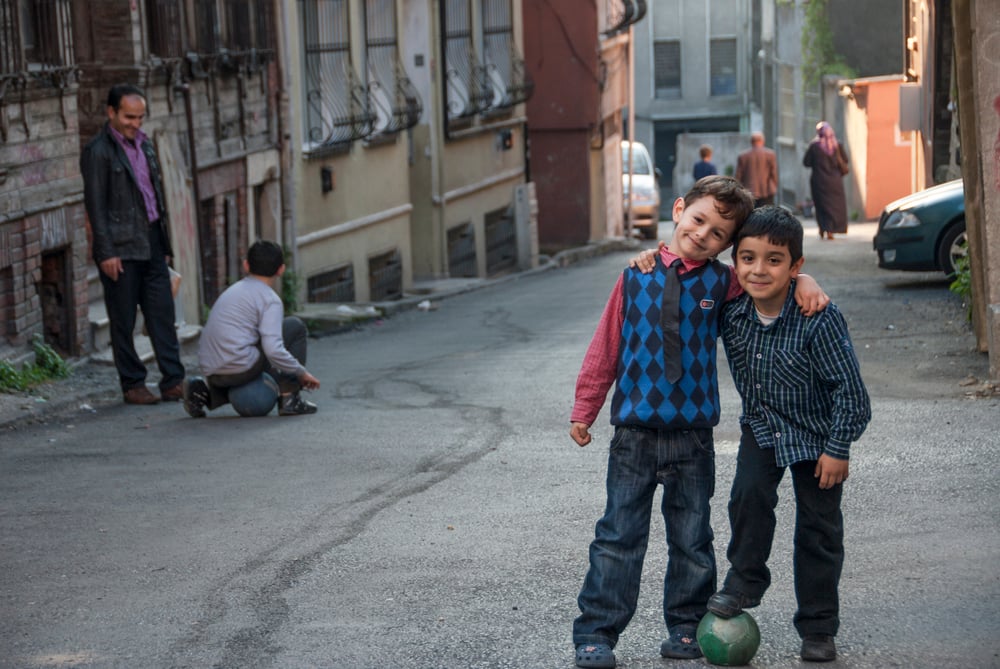
Riding bikes until the streetlights came on
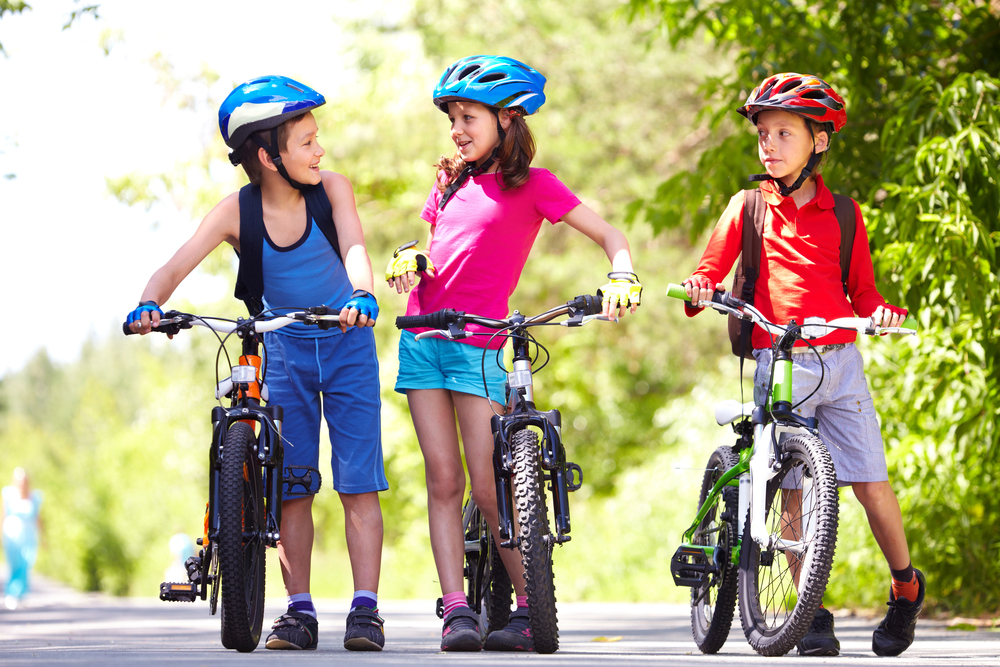
Bikes were more than just transportation in the ’70s. They were tickets to independence.
Kids would ride for hours, exploring neighborhoods, racing friends, and building ramps out of plywood and cinder blocks. The only rule was to be home when the streetlights flickered on.
Playing kick the can in the street
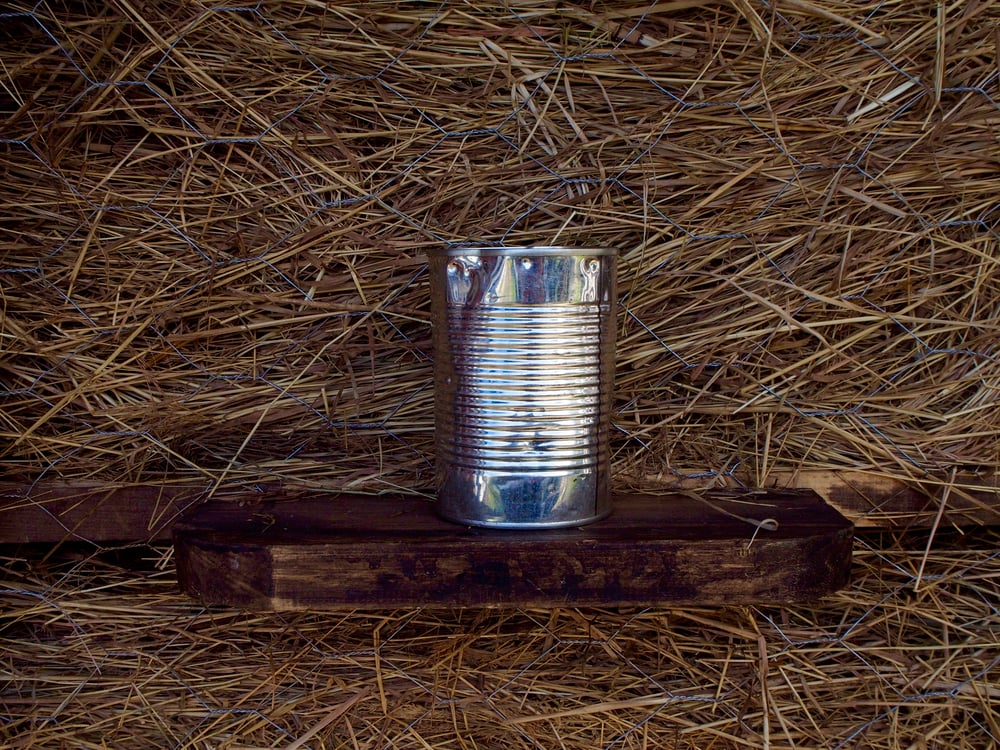
This game turned entire blocks into playgrounds. One person guarded a can while everyone else hid, and the goal was to kick that can without getting tagged.
It was simple, required zero equipment beyond an empty can, and could keep a group busy until dinner time.
Building forts out of whatever was available
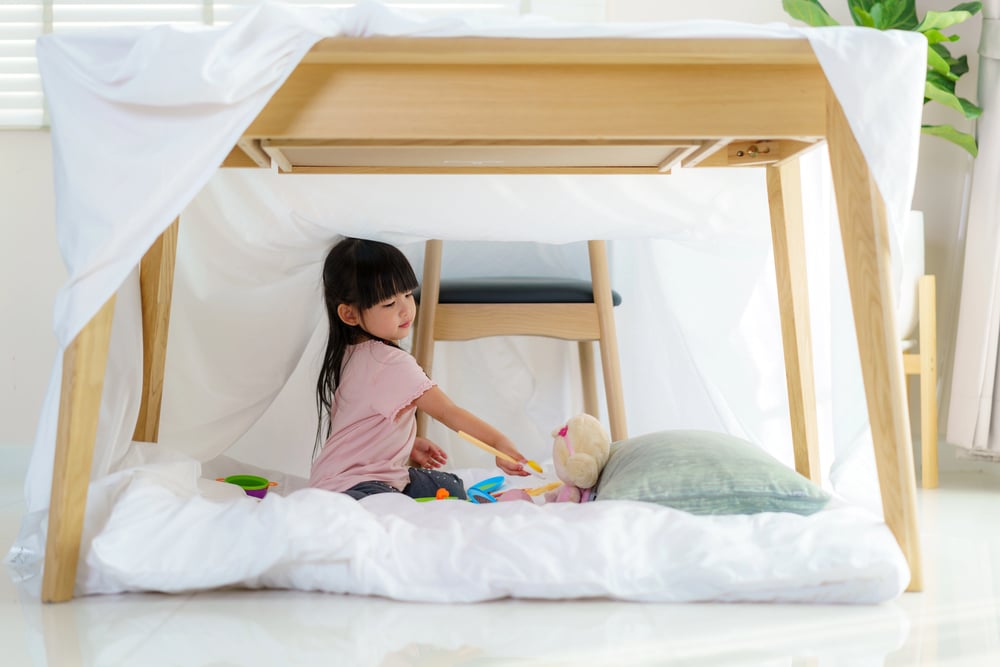
Couch cushions, cardboard boxes, old blankets, and clothespins became the building blocks of imagination. Kids constructed elaborate forts in living rooms, backyards, and basements.
These weren’t just hideouts. They were secret headquarters, castles, and spaceships all rolled into one.
Watching Saturday morning cartoons
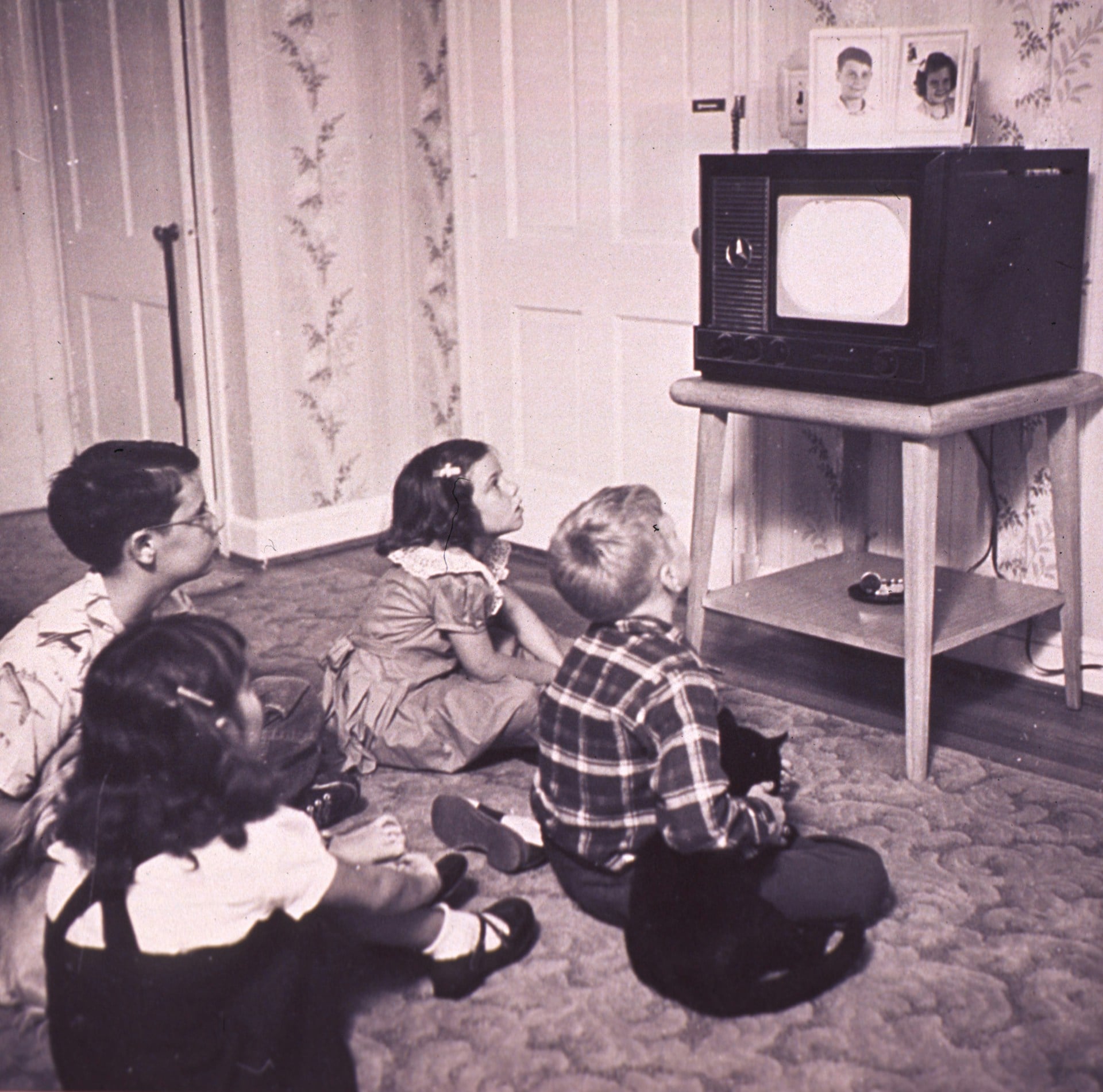
Saturday mornings had a ritual quality that today’s kids might not understand. You woke up early, poured a giant bowl of sugary cereal, and planted yourself in front of the TV for hours of back-to-back cartoons.
There was no pause button, no streaming, and no second chances if you missed an episode.
Playing with toy soldiers and action figures
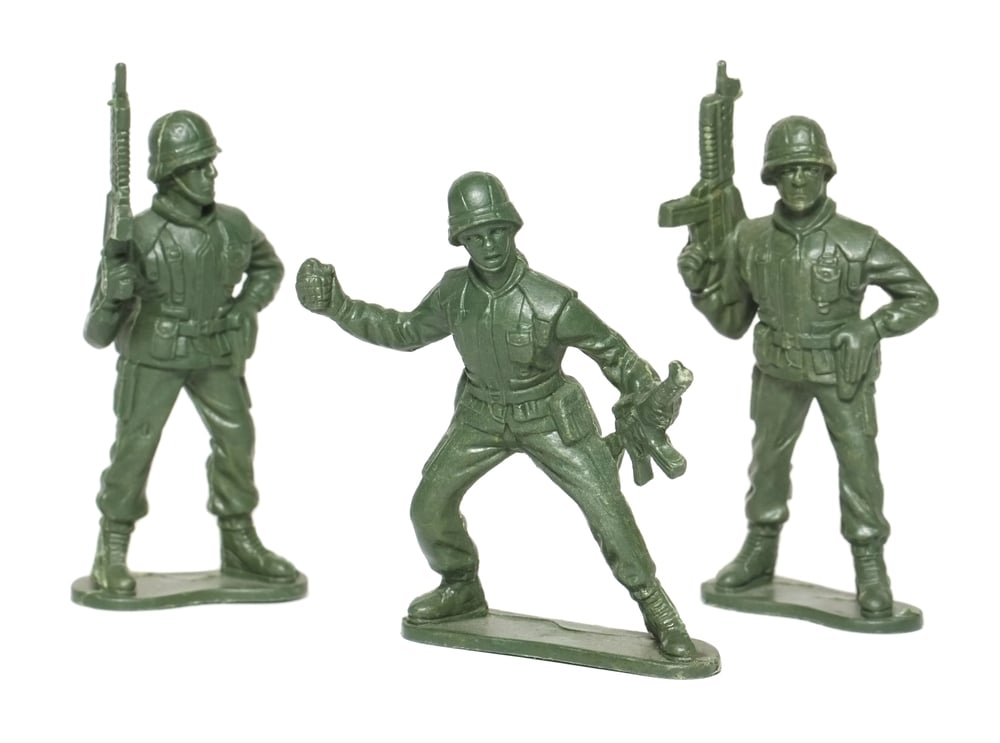
Little plastic army men were everywhere in the ’70s. Kids set up massive battles across living room floors, sandbox trenches, and backyard dirt piles.
These figures were cheap, durable, and encouraged the kind of creative play that lasted all day.
Jumping rope and making up rhymes
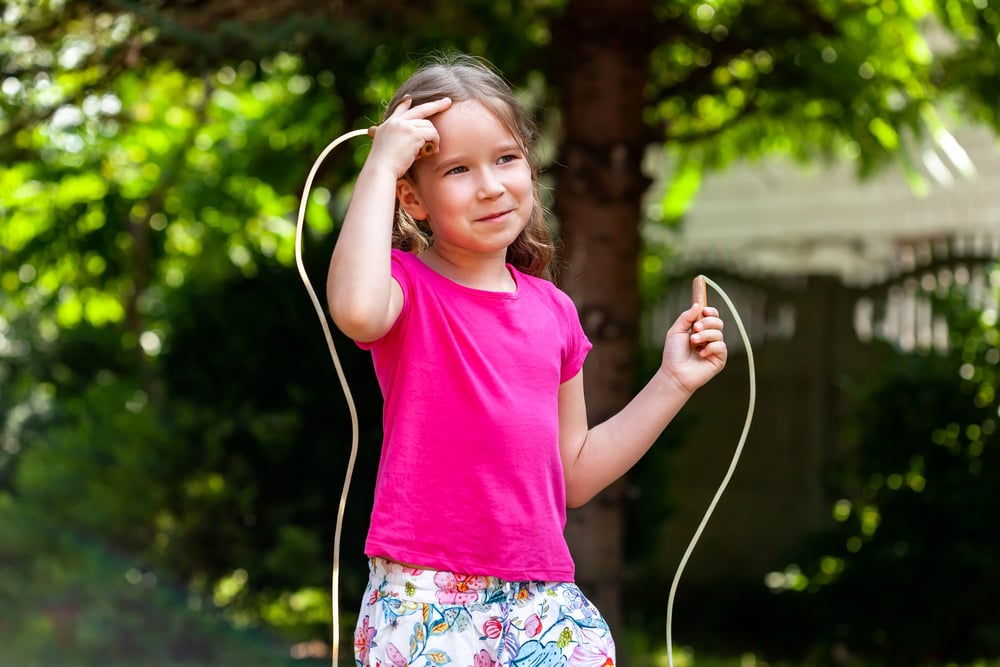
Jump rope wasn’t just exercise. It was a social event.
Girls (and some boys) would gather with a long rope and create intricate rhymes and games that got faster and more complicated as skills improved. Double Dutch turned the whole thing into an athletic performance.
Collecting baseball cards and trading them
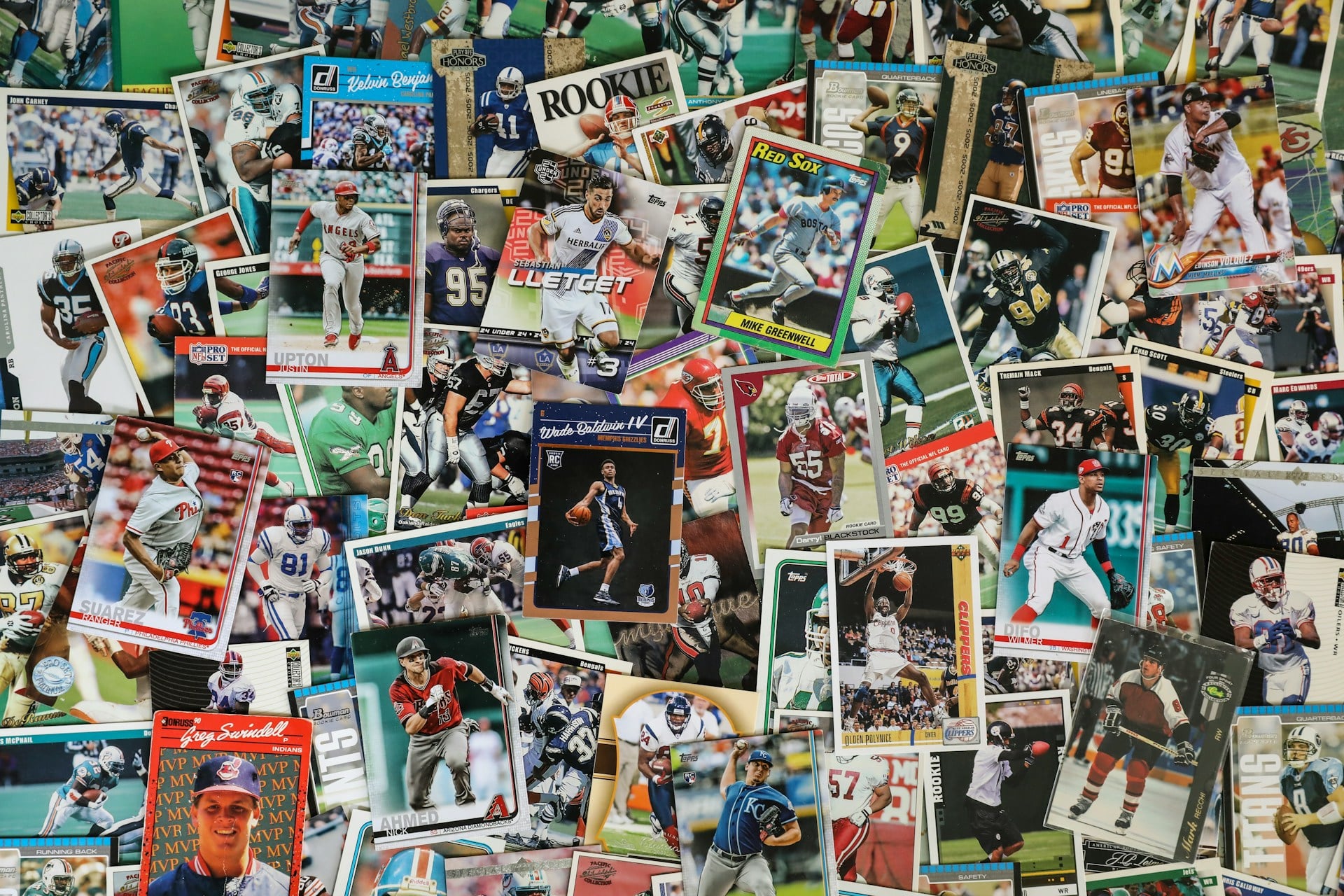
Baseball cards came with a stick of hard pink gum and cost next to nothing. Kids collected them obsessively, organized them by team or player, and spent hours negotiating trades.
The sound of cards flapping in bike spokes was a summer soundtrack.
Playing with Weebles and Fisher-Price toys
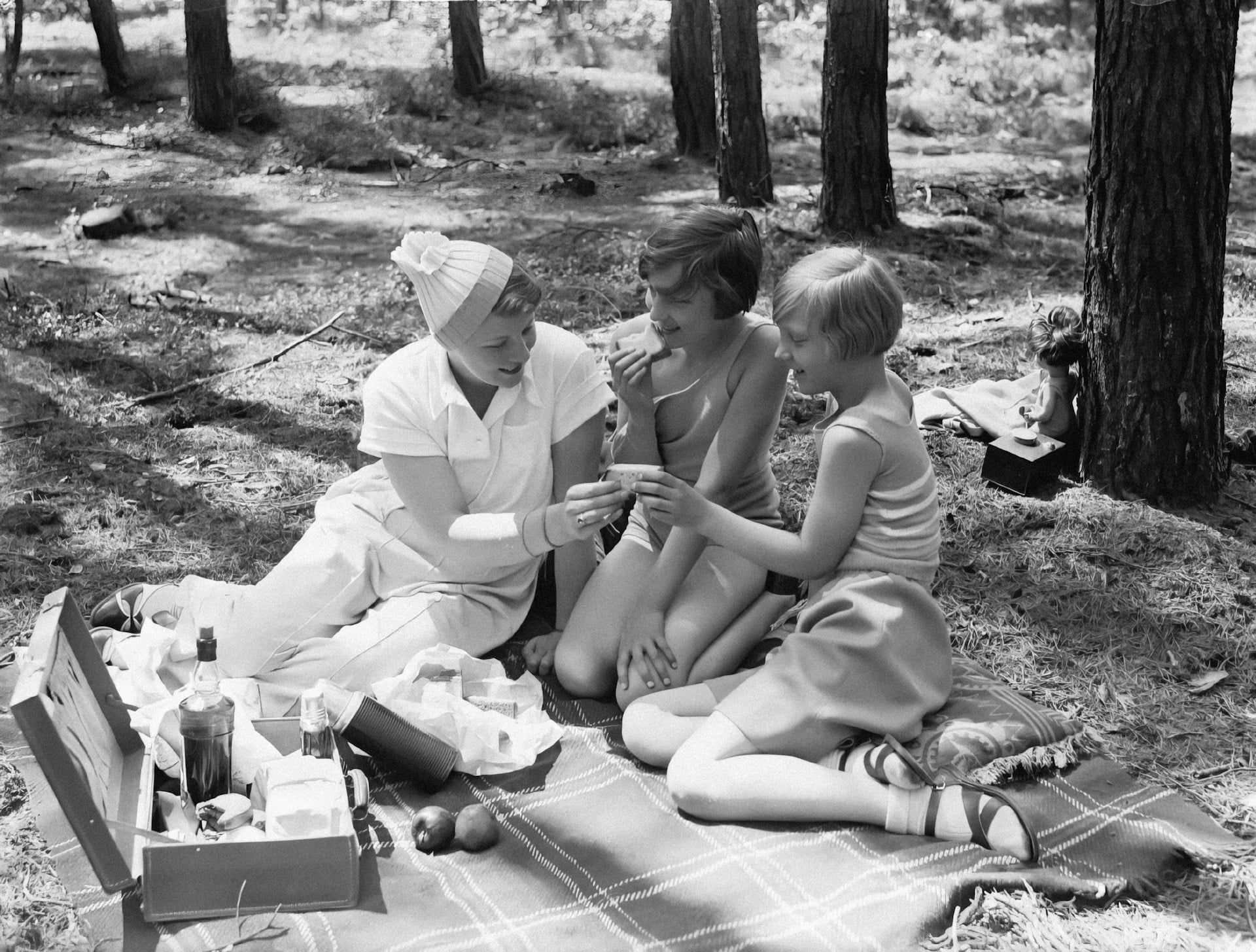
Weebles wobbled but they didn’t fall down, and that tagline stuck because it was true. Fisher-Price made chunky, colorful toys that could survive just about anything a kid threw at them.
The Little People sets, with their round-headed figures and sturdy plastic buildings, were staples in toy boxes across America.
Exploring the woods and creeks
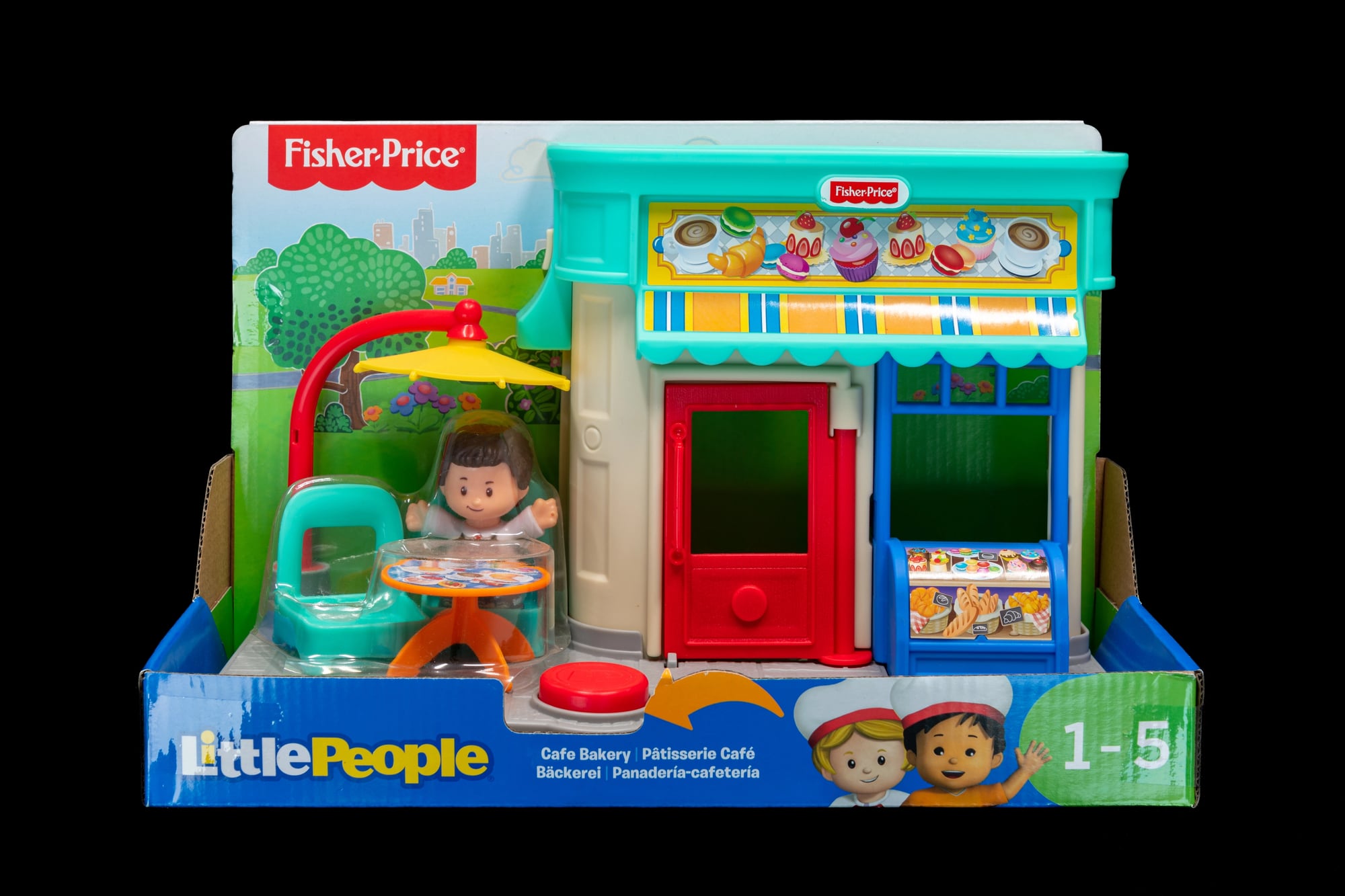
Nature was the ultimate free playground. Kids disappeared into nearby woods or followed creeks for hours, catching frogs, building dams, and pretending to be explorers.
Parents didn’t worry much about where their children were as long as they came home eventually.
Playing freeze tag and other running games
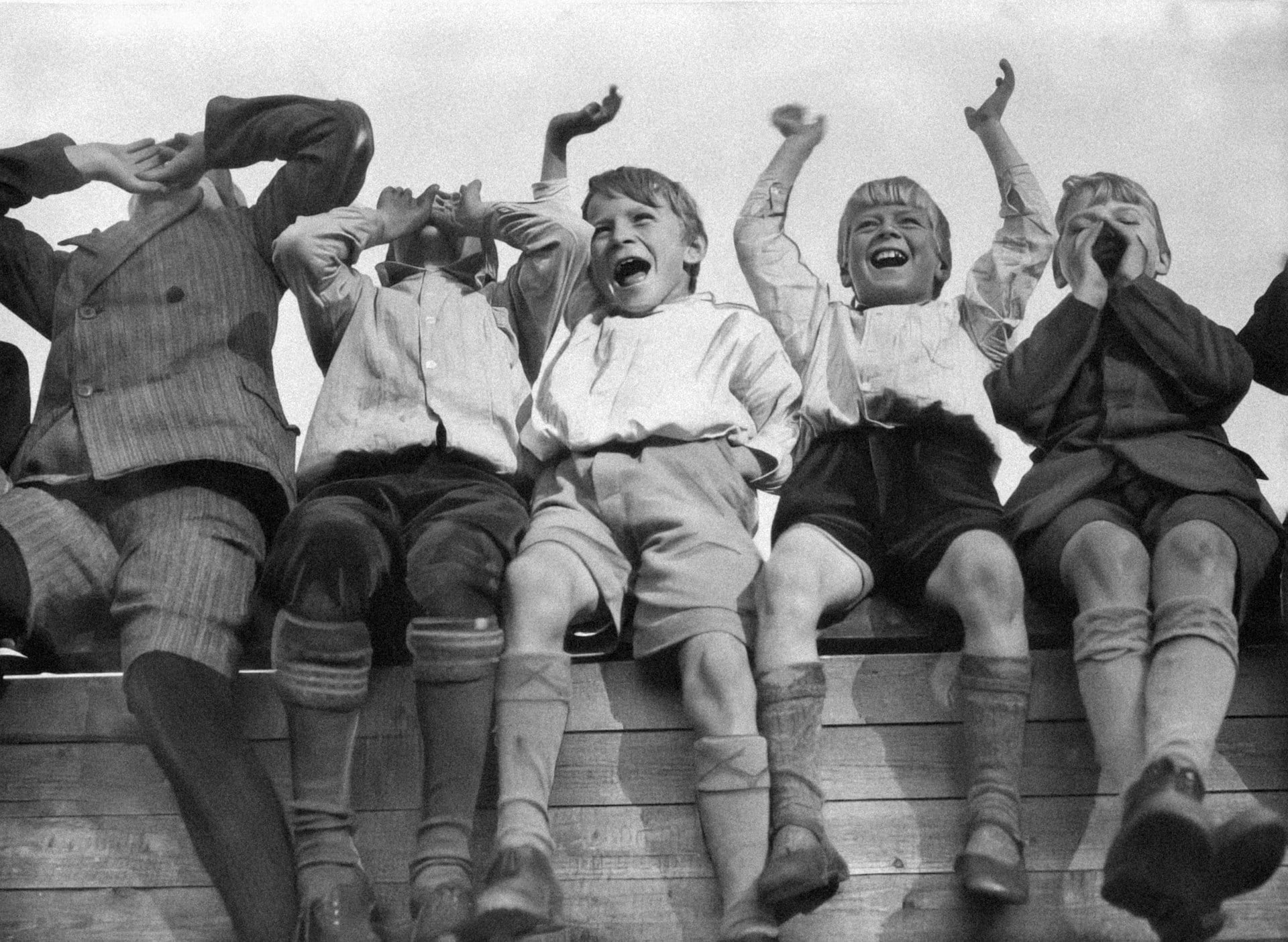
Freeze tag was exhausting and perfect. One person was ‘it’ and had to chase everyone else down, freezing them in place with a tag.
The frozen players could only move again if a free teammate tagged them. Games could go on until everyone collapsed from running.
Making mix tapes from the radio
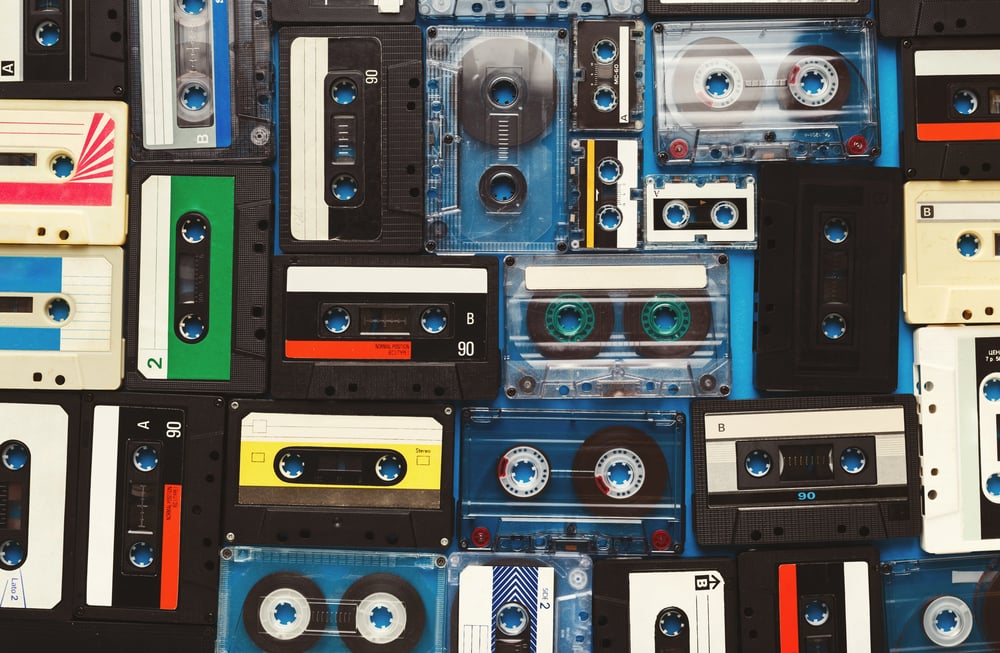
Recording songs off the radio required patience and quick reflexes. You’d sit by the stereo with a blank cassette tape, waiting for your favorite song to play, then hit record at just the right moment.
The result was a personalized soundtrack, complete with the DJ’s voice and the occasional missed intro.
Reading comic books and trading them
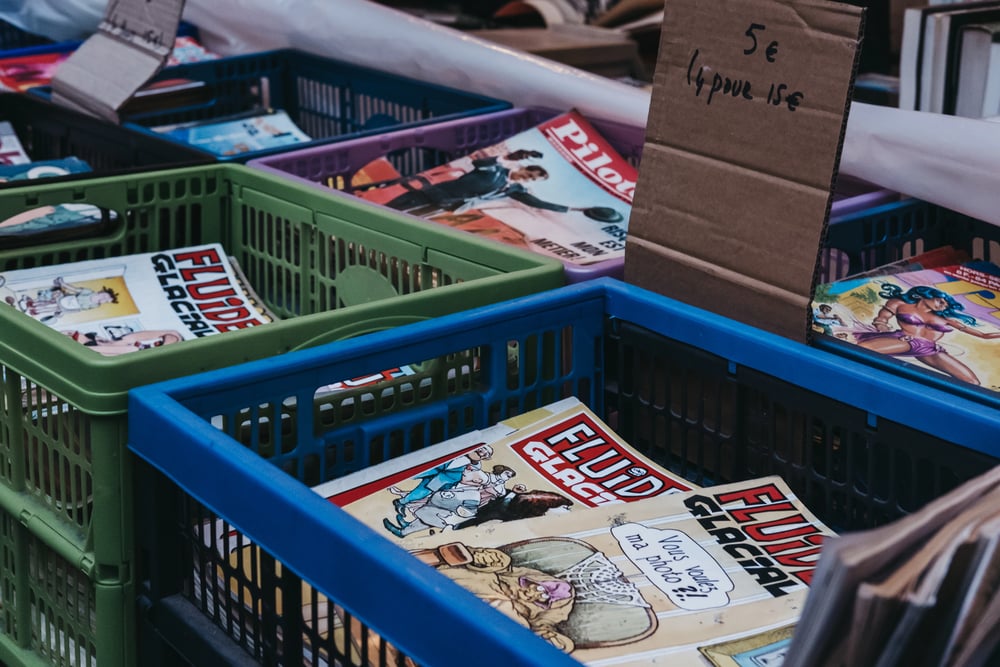
Comic books were cheap entertainment that fit in a back pocket. Kids read them over and over, traded them with friends, and debated which superheroes were the strongest.
Stores sold them from spinning racks, and a dollar could buy several issues.
Playing board games on rainy days
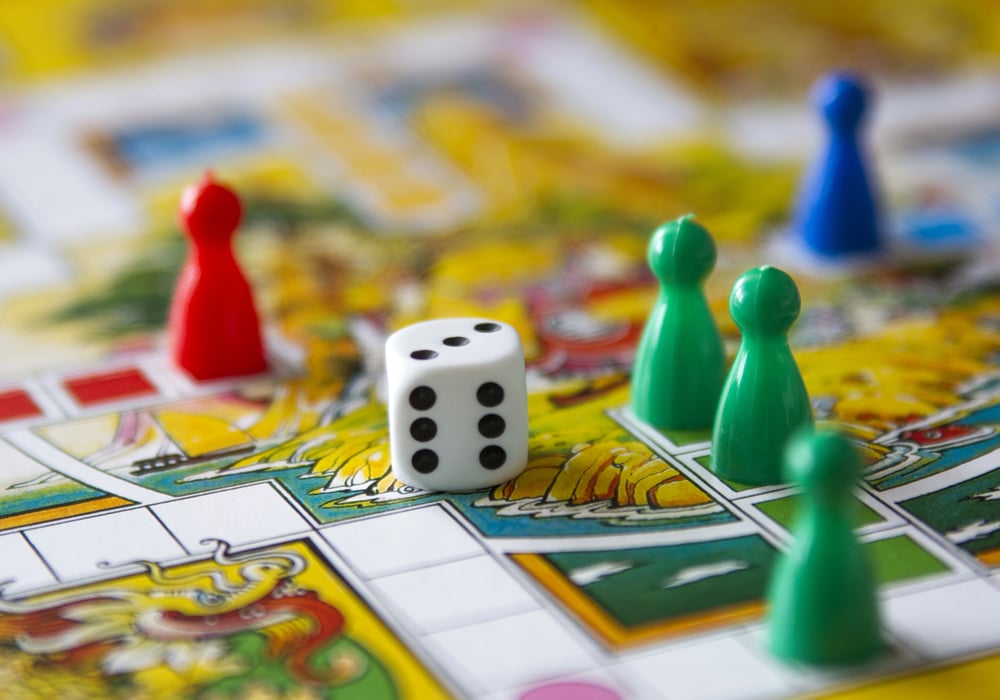
When the weather turned bad, board games came out. Monopoly marathons could last entire afternoons.
Battleship, Operation, and The Game of Life were household staples. These games taught kids to follow rules, take turns, and handle losing without throwing a fit.
Shooting hoops at the local park
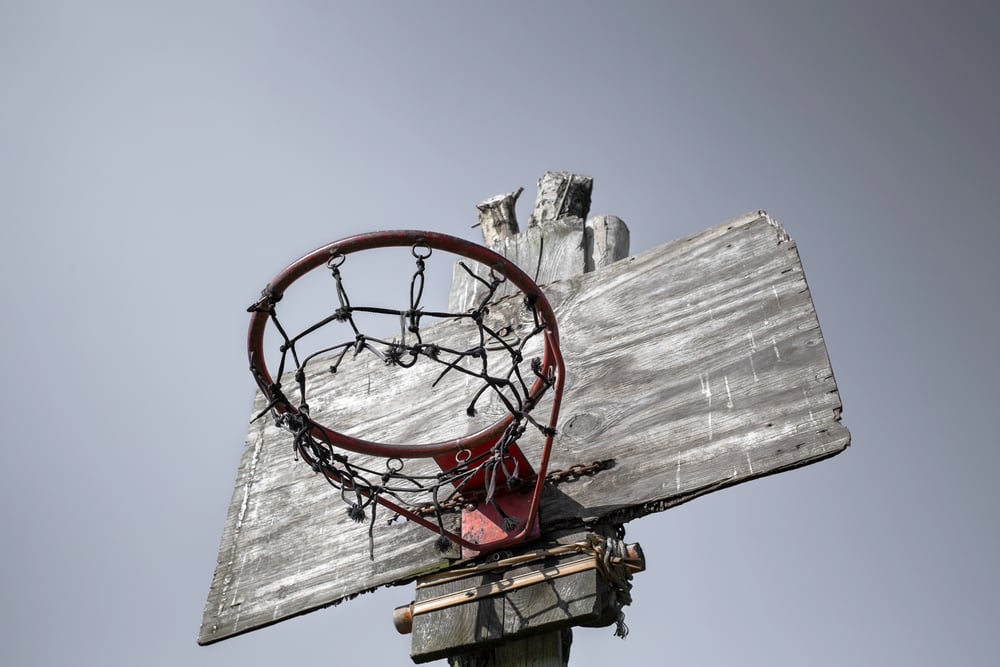
Basketball courts were meeting spots. Kids would show up with an orb and shoot around for hours, making up games like Horse or Around the World.
You didn’t need a full team or official rules. Just a hoop, an orb, and some friends.
Making paper airplanes and having contests

A single sheet of paper could provide surprising amounts of entertainment. Kids folded intricate airplane designs, testing which ones flew farthest or performed the best loops.
Contests turned classrooms and backyards into miniature airshows.
Playing with Etch A Sketch and Lite-Brite

These toys offered a kind of screen time that actually required creativity. Etch A Sketch challenged you to draw using two knobs, which was harder than it looked.
Lite-Brite let you push colored pegs through black paper to make glowing pictures. Both were oddly satisfying.
Riding Big Wheels and Green Machines
These low-riding tricycles were built for speed and sharp turns. Kids raced them down driveways and sidewalks, leaning into turns and wearing down the plastic wheels until they were smooth.
The scraping sound of plastic on pavement was everywhere.
Putting on backyard performances and talent shows
Out in the yard, kids would set up little stages, asking their folks to pay five or ten cents just to sit through what came next. One moment it might be clumsy card tricks, then suddenly someone belting out a song that missed every note, followed by strange acts nobody saw coming.
Held in place by curiosity more than choice, grown-ups clapped anyway, especially on days the whole thing barely held together.
Playing jacks and marbles

Out of nowhere came jacks – bouncing a tiny orb while snatching metal stars off the ground mid-air. A shaky wrist meant losing every time.
Marbles rolled through dirt patches under shifting laws depending on where you lived. Certain marbles stayed close, kept safe like secrets no one dared share.
A different kind of childhood

Backyards held hours because time moved differently then. Without screens calling names, play grew wild from thought alone.
Creativity stepped in once boredom showed up. Solving small troubles became normal when grownups stayed far away.
Ordinary stuff turned into quests quite often. Sidewalk chalk drew more than lines – it built choices.
Forts taught quiet confidence without saying a word. Even now, those messy afternoons whisper useful things.
More from Go2Tutors!

- The Romanov Crown Jewels and Their Tragic Fate
- 13 Historical Mysteries That Science Still Can’t Solve
- Famous Hoaxes That Fooled the World for Years
- 15 Child Stars with Tragic Adult Lives
- 16 Famous Jewelry Pieces in History
Like Go2Tutors’s content? Follow us on MSN.