20 Actors Who Were Almost Cast in Iconic Roles
Hollywood history is filled with fascinating “what-if” scenarios—casting decisions that could have dramatically altered iconic films and the careers of the actors who eventually played those parts. Behind every legendary performance lies a trail of actors who came tantalizingly close to landing the role before fate, scheduling conflicts, or creative differences intervened. These near-misses often reveal just how precarious the casting process can be and how differently beloved films might have turned out.
Here is a list of 20 actors who nearly secured roles that later became career-defining performances for someone else.
Tom Selleck as Indiana Jones
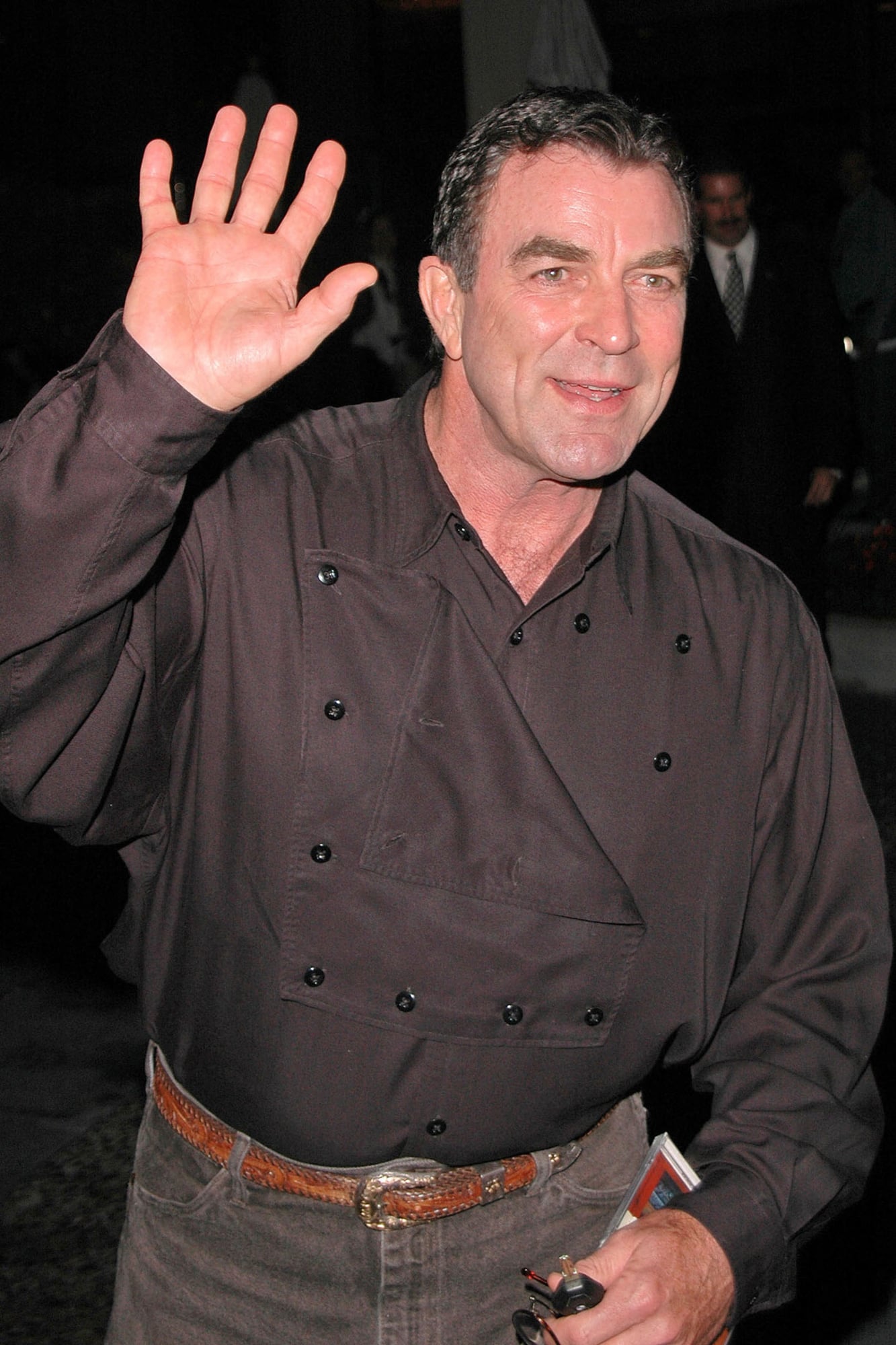
Selleck was the original choice for the whip-wielding archaeologist in ‘Raiders of the Lost Ark,’ even completing a screen test that impressed Steven Spielberg and George Lucas. His commitment to the television series Magnum, P.I. ultimately prevented him from accepting the role, opening the door for Harrison Ford to create one of cinema’s most beloved characters.
The mustached actor’s screen test still circulates online, showing a charismatic alternative take on the character that might have been equally successful but undoubtedly different.
John Travolta as Forrest Gump
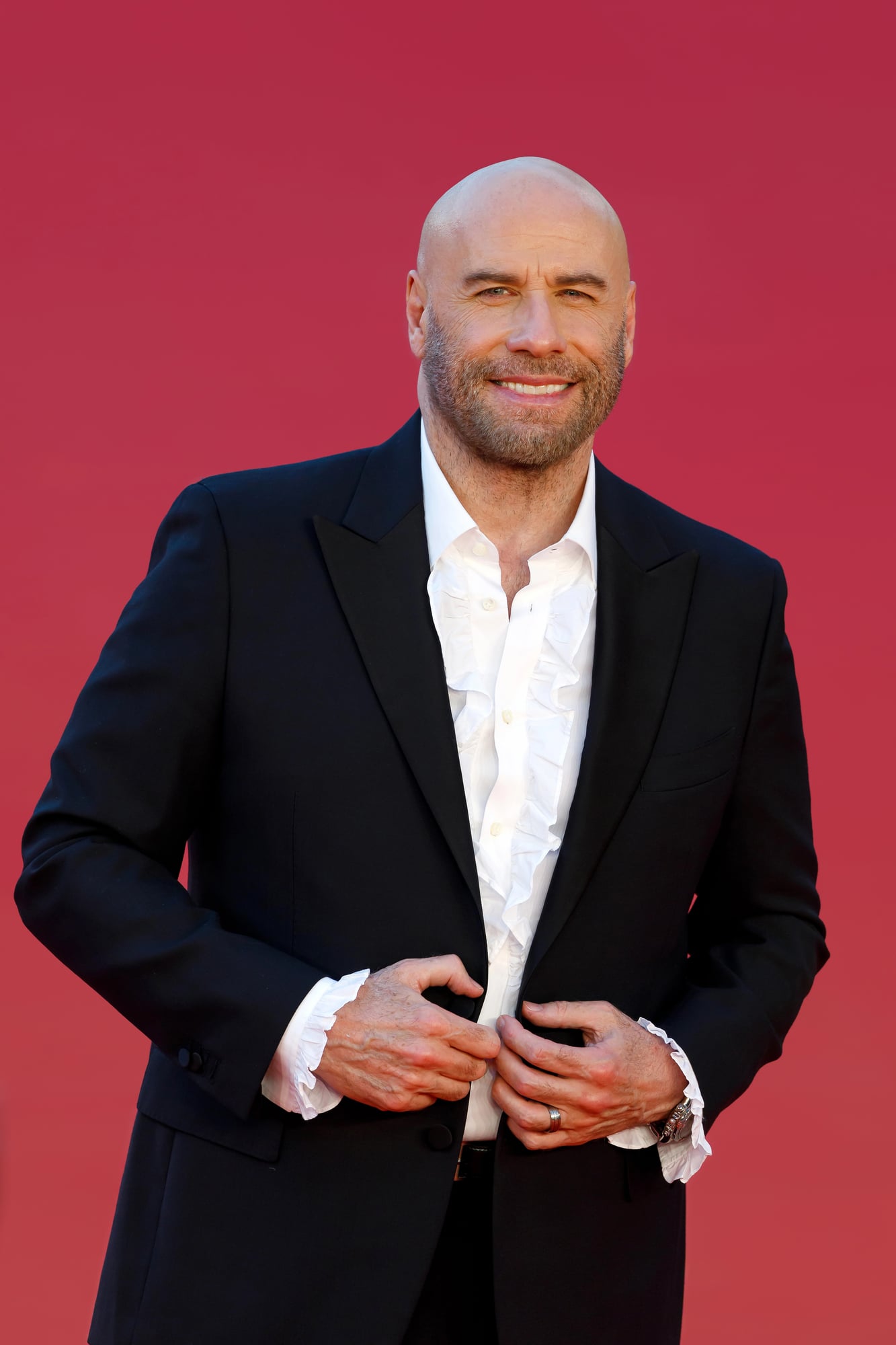
Travolta turned down the role that won Tom Hanks his second consecutive Oscar, a decision he later admitted regretting. The ‘Saturday Night Fever’ star passed on playing the slow-witted but pure-hearted Alabaman during a career slump, only to experience a resurgence the same year with Pulp Fiction.
His more inherently cool persona might have created a fundamentally different Gump than Hanks’ guileless portrayal, potentially changing the entire emotional tone of the film.
Like Go2Tutors’s content? Follow us on MSN.
Hugh Jackman as James Bond
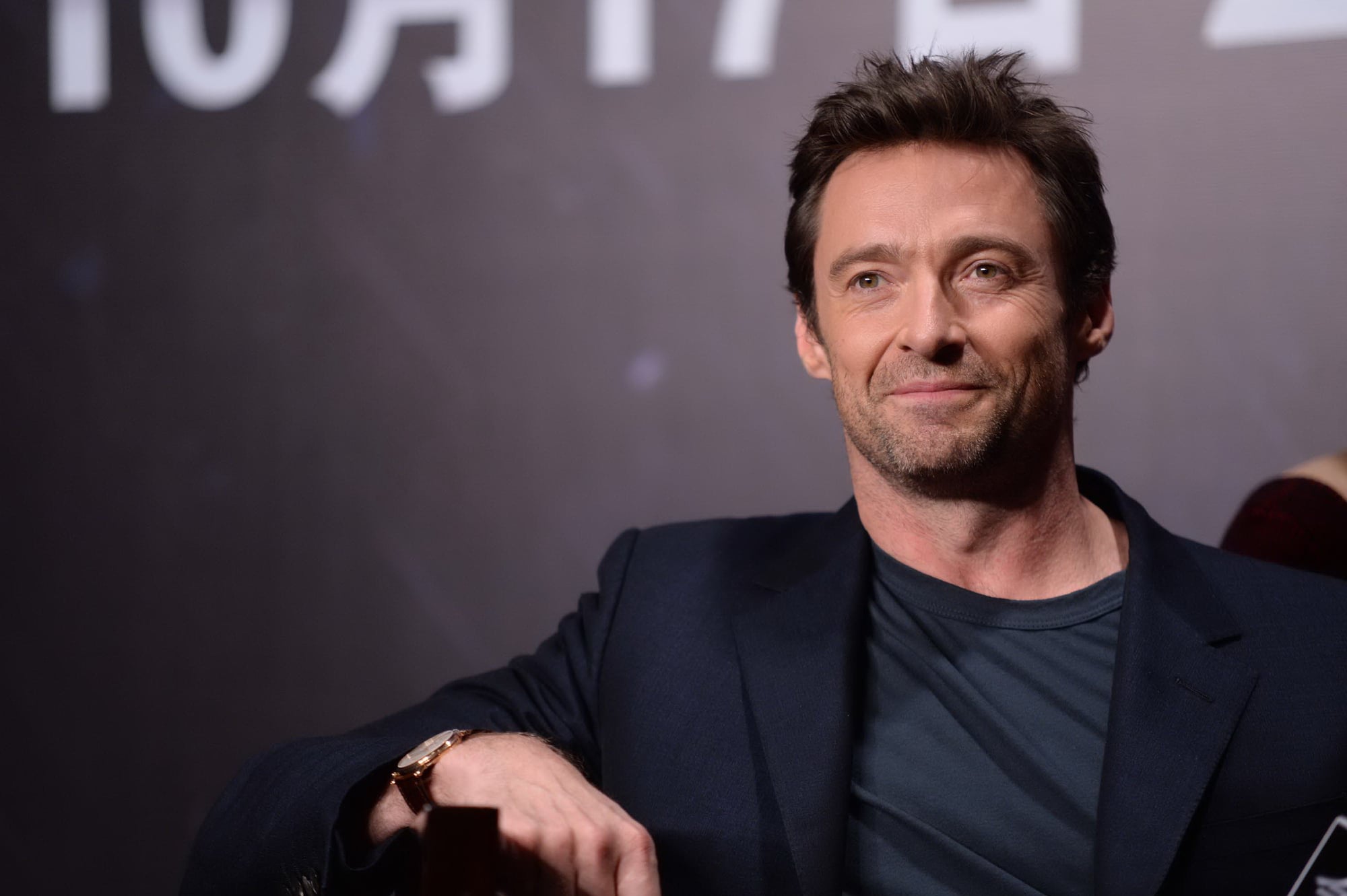
Before Daniel Craig secured the role of 007 in Casino Royale, Jackman was seriously considered but declined, concerned about being typecast between Bond and his ongoing role as Wolverine. The Australian actor later revealed he felt the scripts had become too unrealistic and preferred the grittier direction the X-Men franchise was taking.
Jackman’s broader acting range and physical presence might have brought a different energy to Bond than Craig’s more brooding interpretation.
Leonardo DiCaprio as Spider-Man
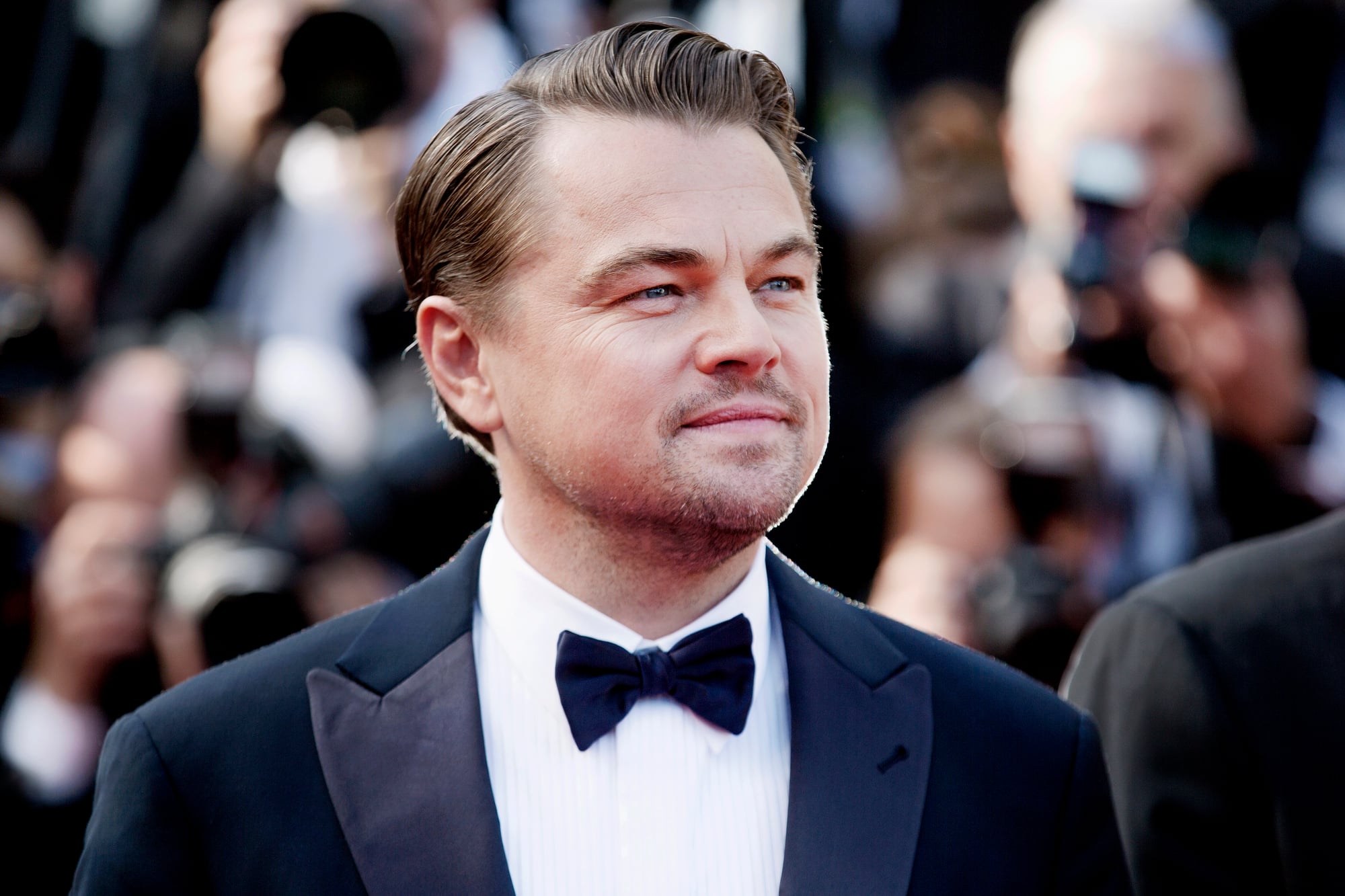
Before Tobey Maguire donned the webbed suit for Sam Raimi’s Spider-Man trilogy, DiCaprio was actively pursued for the role. Fresh off Titanic superstardom, Leonardo declined, reportedly uncomfortable with committing to a potential multi-film franchise.
The actor later embraced other high-profile roles but notably avoided superhero films throughout his career, focusing instead on working with prestigious directors like Martin Scorsese and Christopher Nolan.
Sandra Bullock as Neo in The Matrix
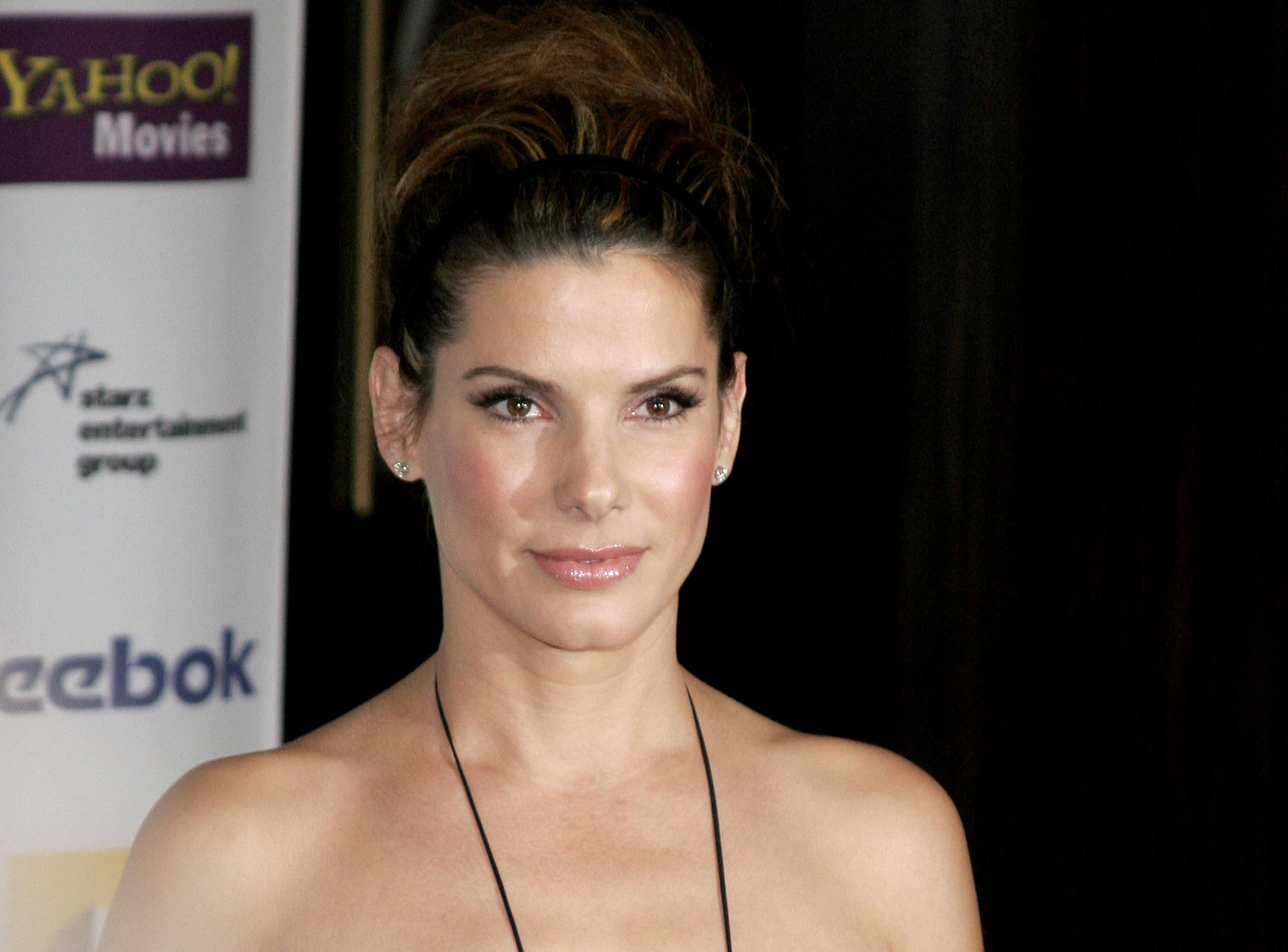
In one of the most intriguing casting alternatives, the Wachowskis considered Bullock for the role of Neo before casting Keanu Reeves. The directors were open to gender-swapping the character, but Bullock reportedly didn’t feel confident about the action requirements.
The actress later admitted she regretted passing on the opportunity to lead the groundbreaking sci-fi franchise that transformed action filmmaking and revitalized Reeves’ career.
Al Pacino as Han Solo
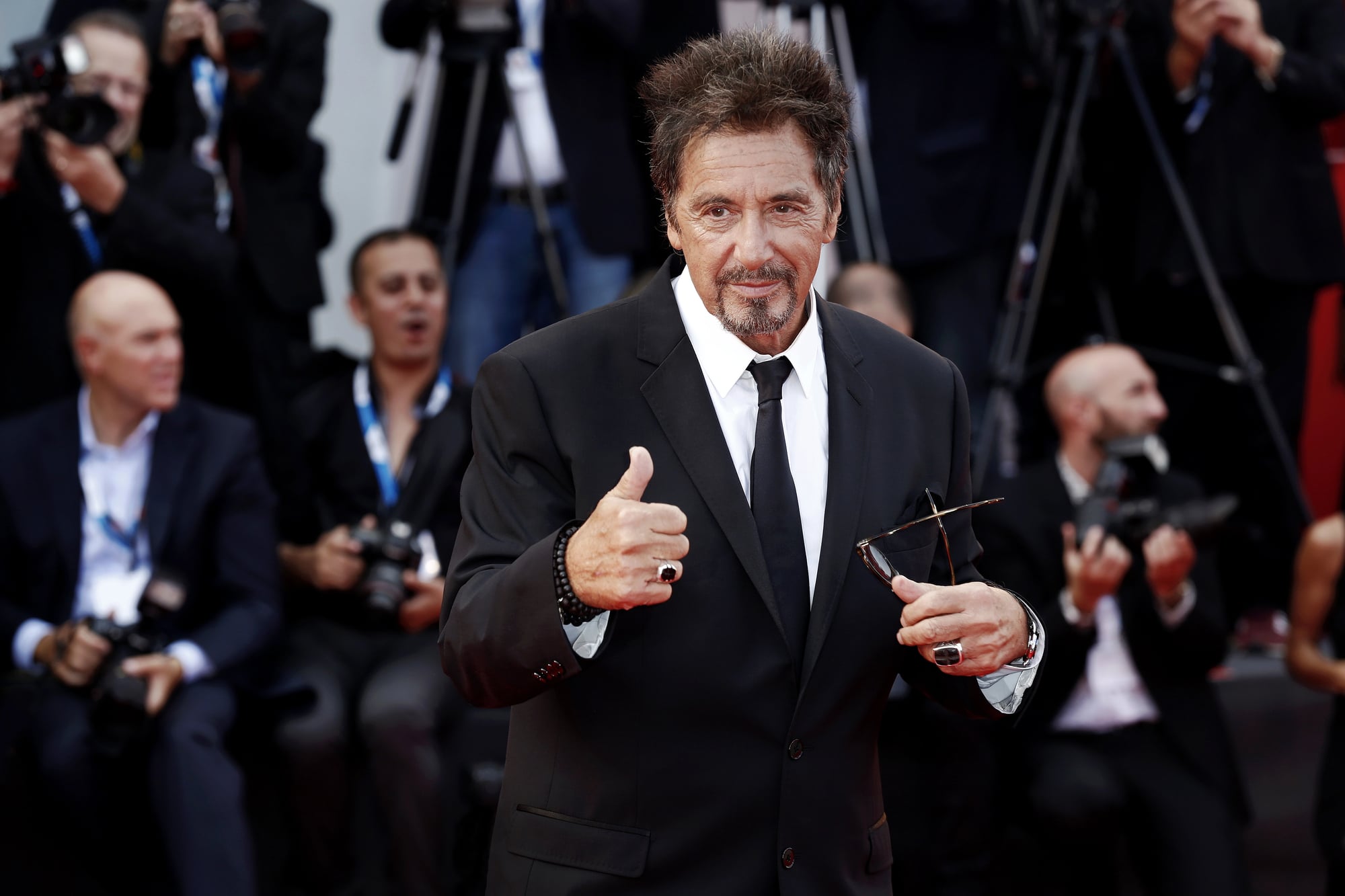
The legendary actor turned down the role in Star Wars because he couldn’t understand the script and felt lost in the complex science fiction concepts. Pacino’s intense acting style would have created a dramatically different smuggler than Harrison Ford’s cool, sardonic portrayal.
The role could have pushed the character in a more dramatic direction rather than the charming rogue who became a cornerstone of the original trilogy’s appeal.
Gwyneth Paltrow as Rose in Titanic
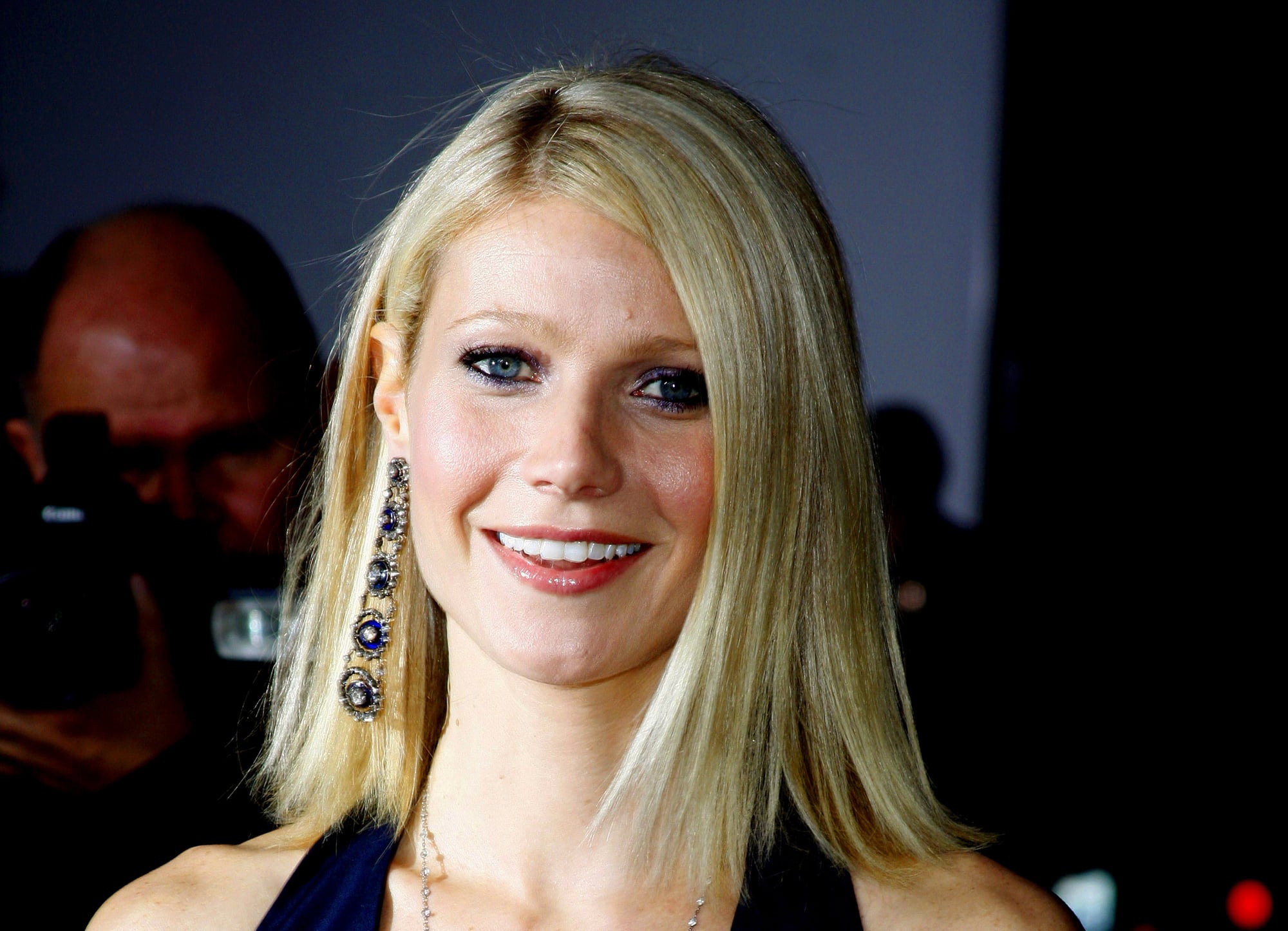
James Cameron nearly cast Paltrow as Rose DeWitt Bukater before Kate Winslet secured the career-defining role. Paltrow later expressed regret over declining the part in the historical romance that became the highest-grossing film of all time until Avatar.
Her more reserved acting style might have created a different dynamic with DiCaprio than Winslet’s passionate performance, potentially altering the chemistry that made the central romance so compelling.
Tom Cruise as Iron Man
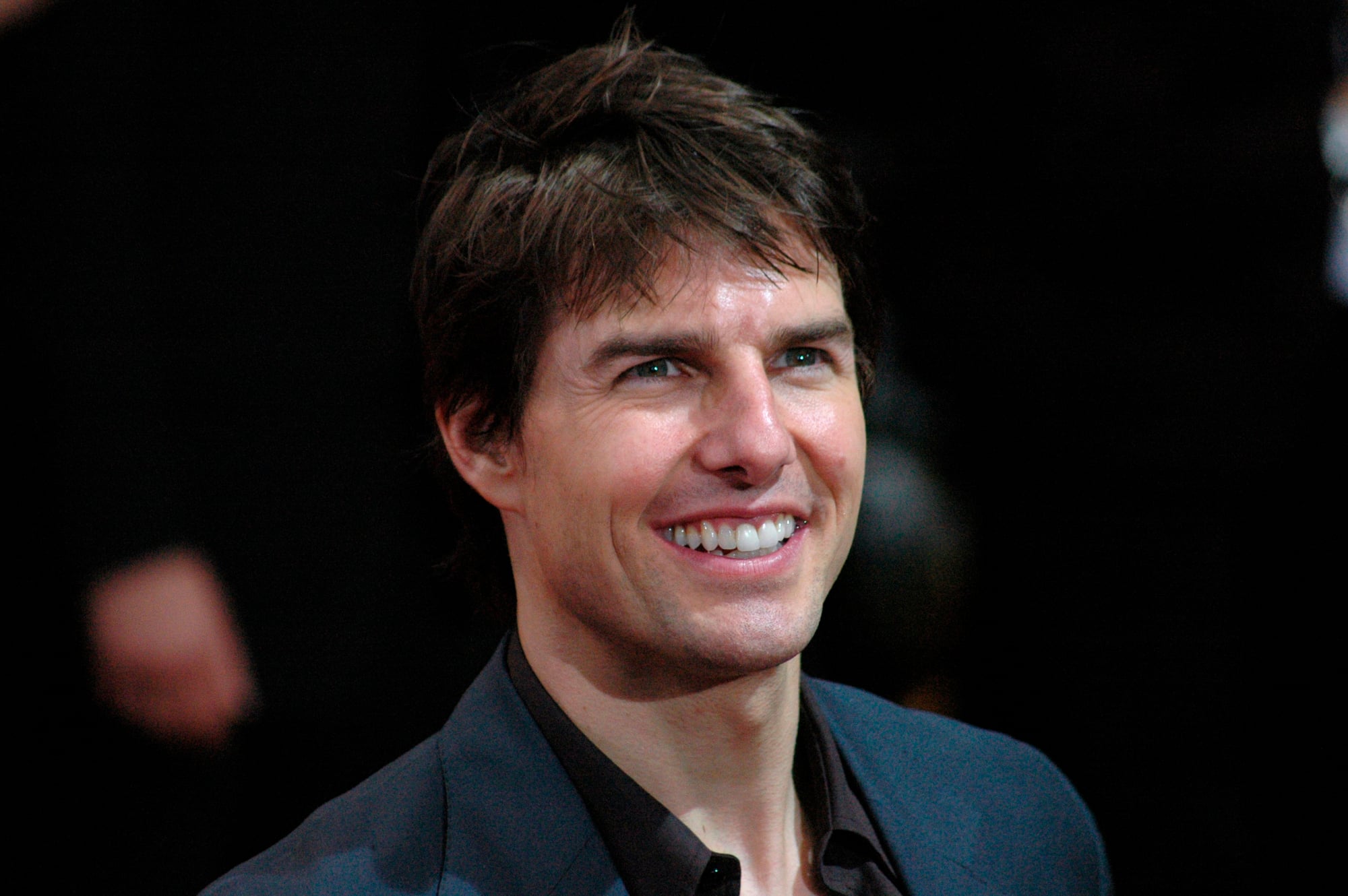
Before Robert Downey Jr. launched the Marvel Cinematic Universe, Cruise was attached to play Tony Stark for several years when the project was in development. The action star ultimately passed due to script concerns, making way for Downey’s career-revitalizing performance.
Cruise’s more intense screen presence and different comedic sensibilities would likely have created a significantly different foundation for what became the world’s most successful film franchise.
Emily Blunt as Black Widow
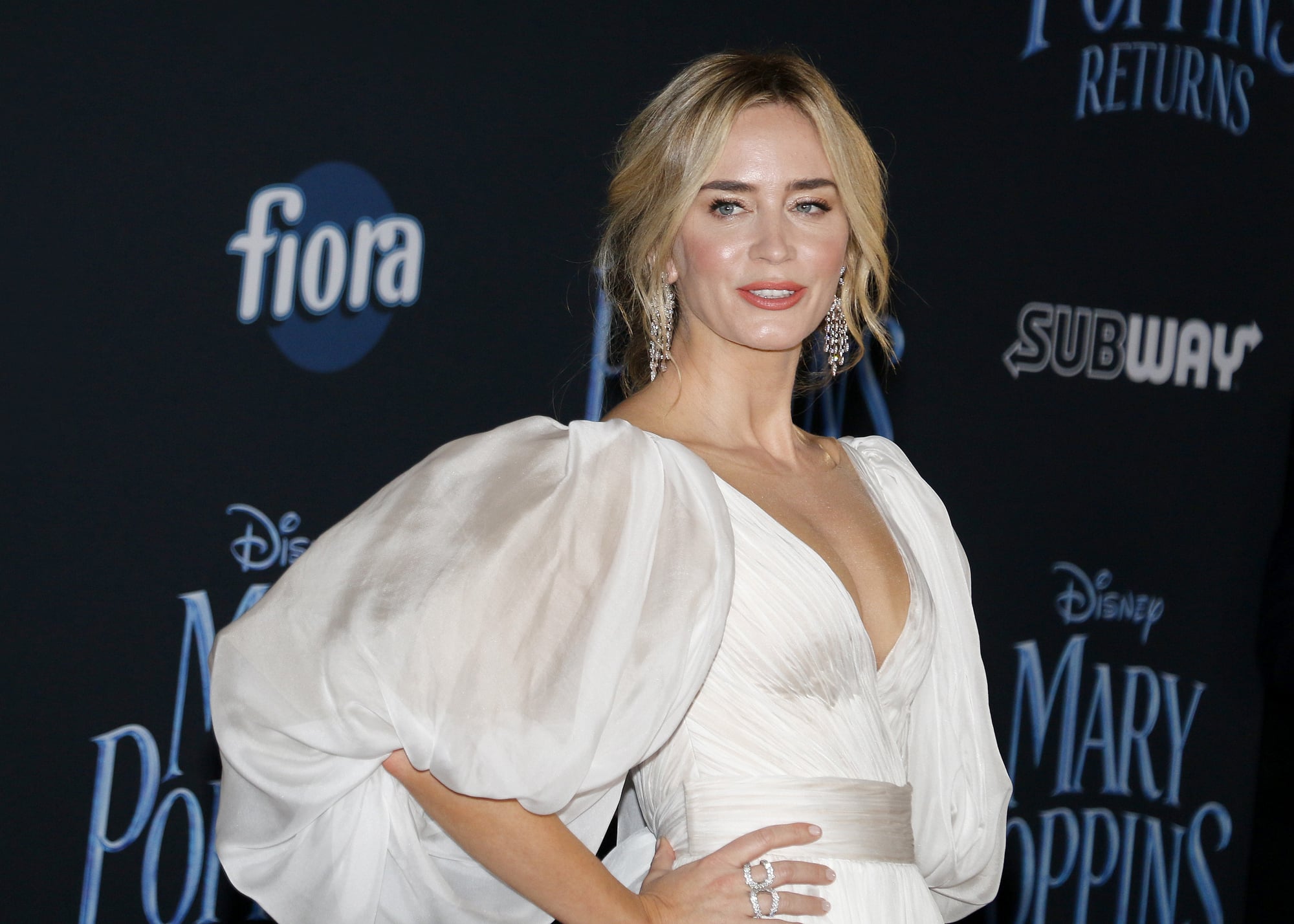
Blunt was Marvel’s first choice for the Russian spy in Iron Man 2, but scheduling conflicts with another film forced her to decline. Scarlett Johansson stepped in and developed the character across multiple films, eventually securing her own standalone movie.
Blunt’s more naturalistic acting approach might have taken the character in a different direction than Johansson’s somewhat stylized portrayal in the early Marvel films.
Dougray Scott as Wolverine
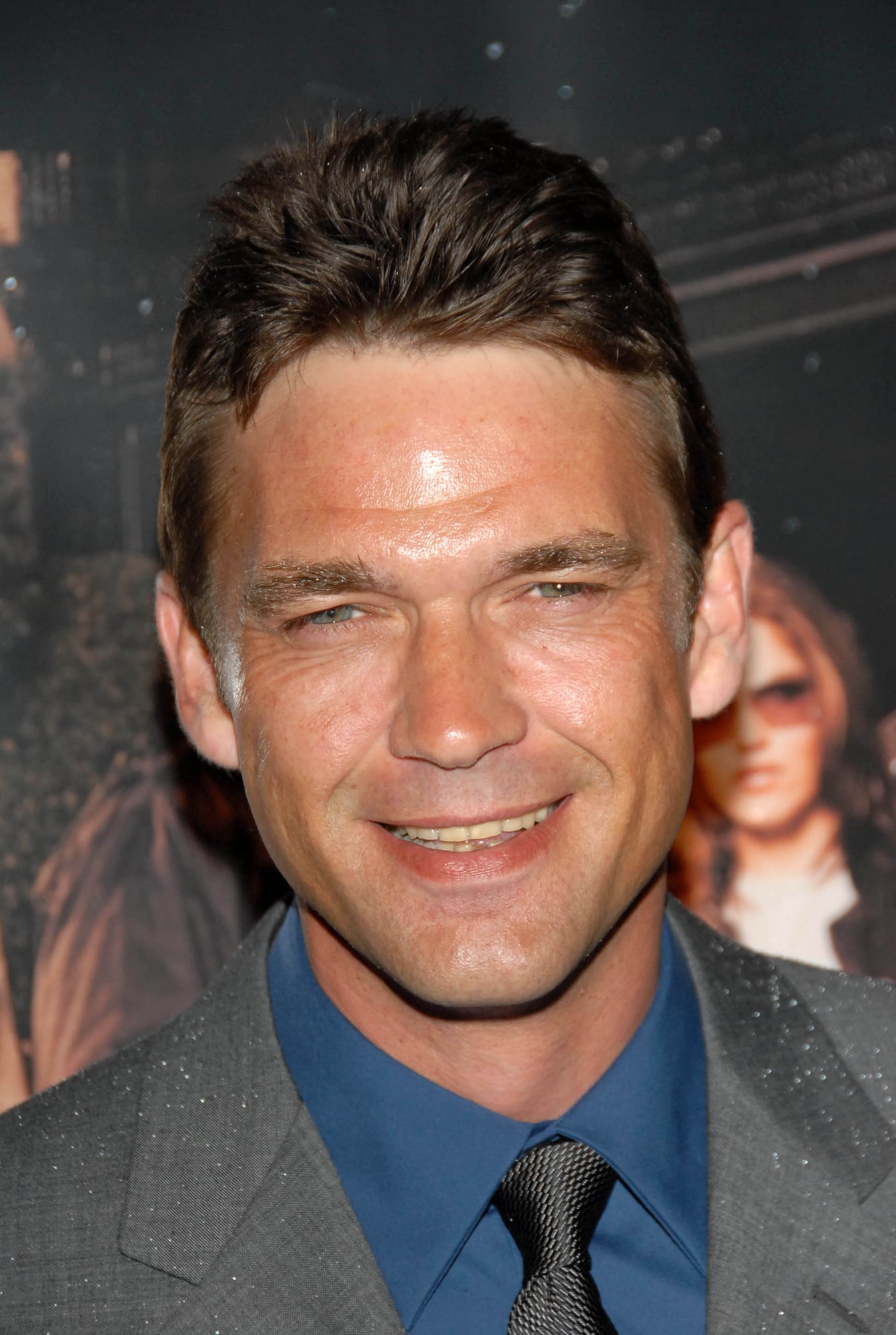
Scott was actually cast as Wolverine for the first X-Men film before production delays on Mission: Impossible II forced him to withdraw. Hugh Jackman, then a relatively unknown actor, stepped in just weeks before filming began and went on to play the character for 17 years across nine films.
The Scottish actor’s interpretation would likely have been quite different from Jackman’s career-defining performance which combined physicality with surprising emotional depth.
Johnny Depp as Ferris Bueller
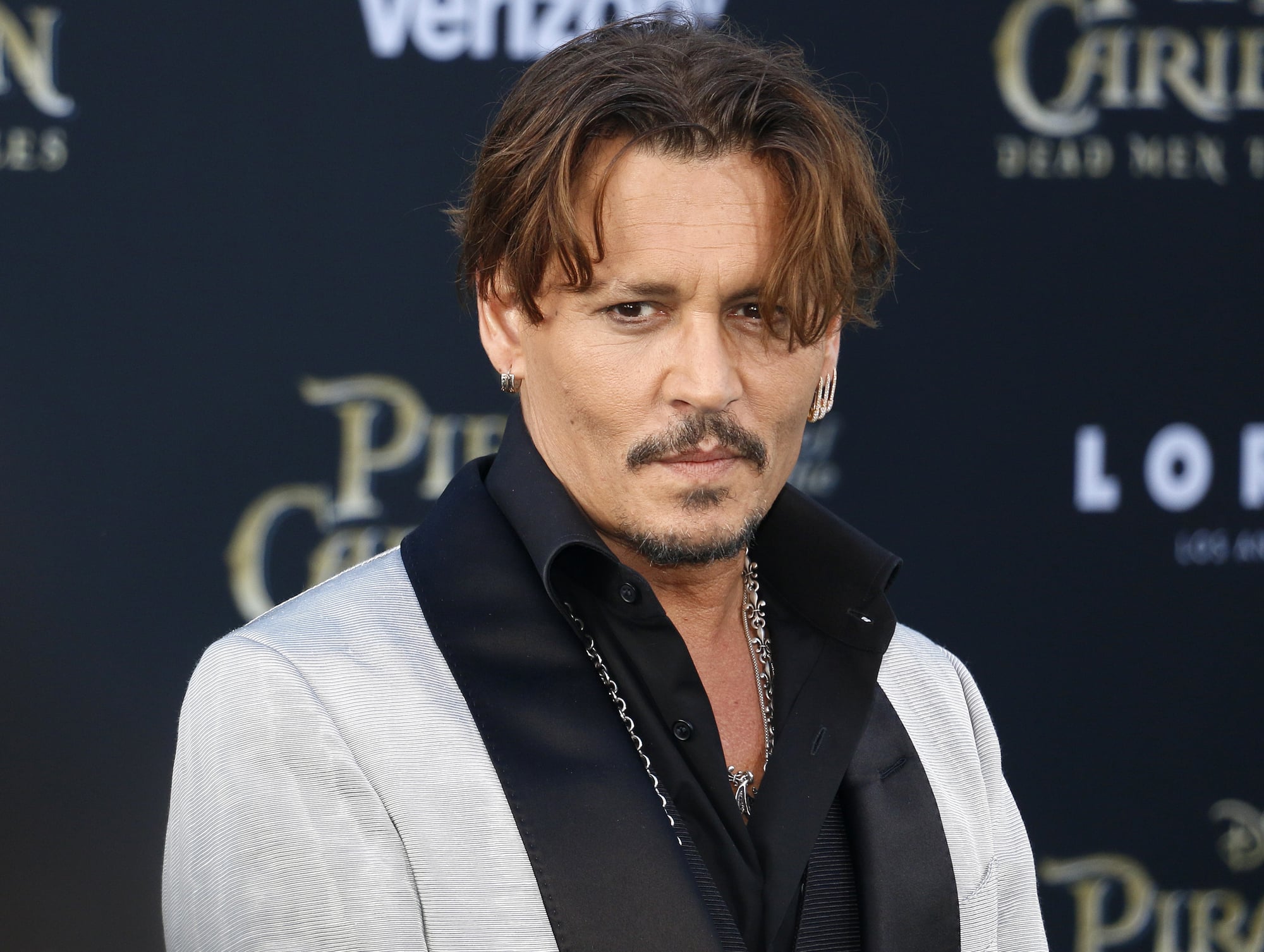
Before Matthew Broderick created the iconic teenage troublemaker, John Hughes considered Depp for his classic teen comedy. The future Pirates of the Caribbean star might have brought a more subversive energy to the fourth-wall-breaking character, potentially changing the film’s tone from light-hearted mischief to something with a sharper edge.
Depp’s career would take a different path through diverse character roles rather than mainstream teen classics.
Miles Teller as Sebastian in La La Land
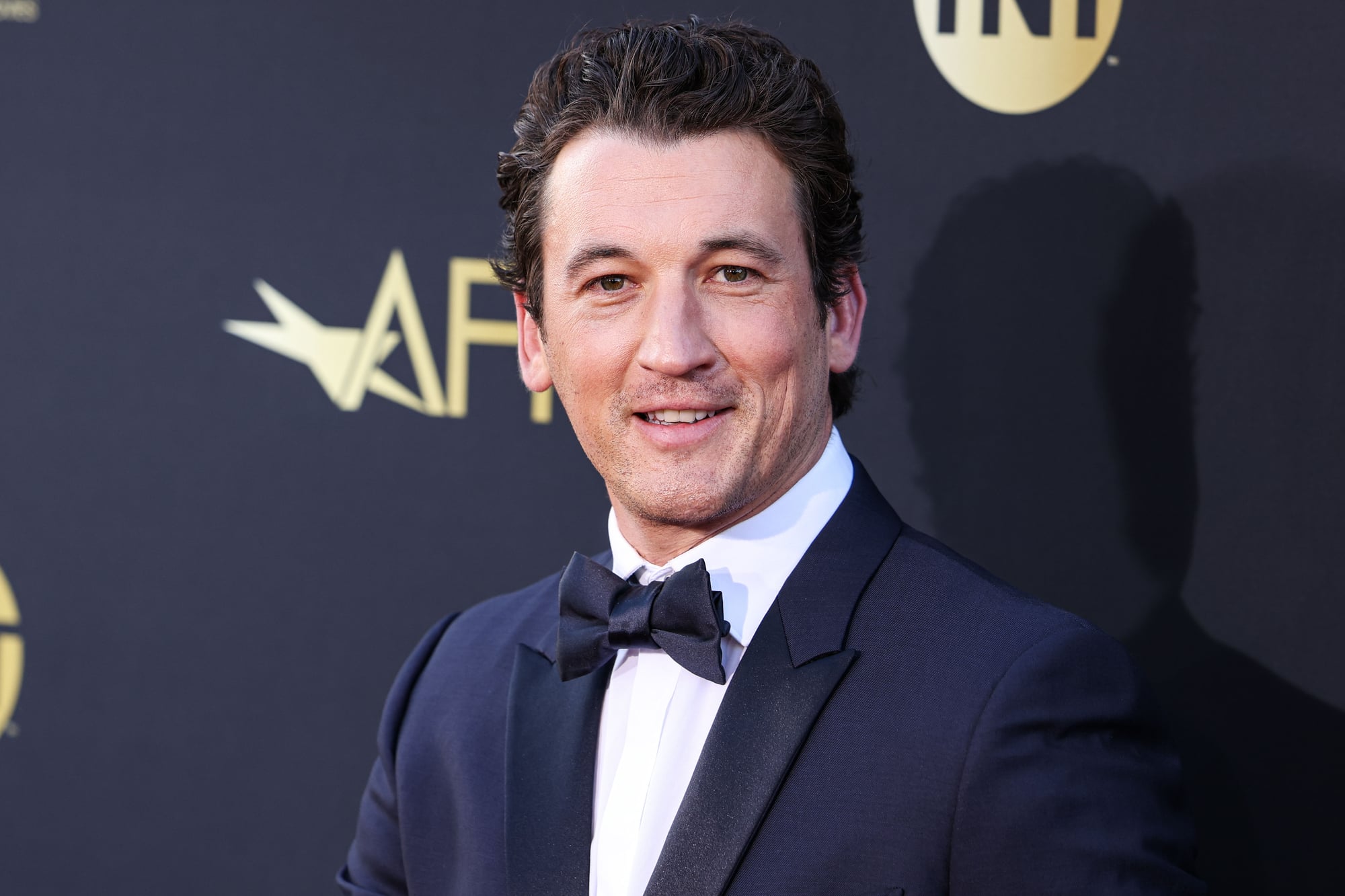
Teller was originally set to star opposite Emma Watson in Damien Chazelle’s musical before Ryan Gosling and Emma Stone replaced both. The Whiplash actor reportedly wanted more money than the studio offered for the project.
Teller’s genuine musical background might have brought more technical authenticity to the jazz pianist role, though perhaps without the dreamy chemistry that Gosling and Stone had already established in previous films together.
Michelle Pfeiffer as Clarice Starling
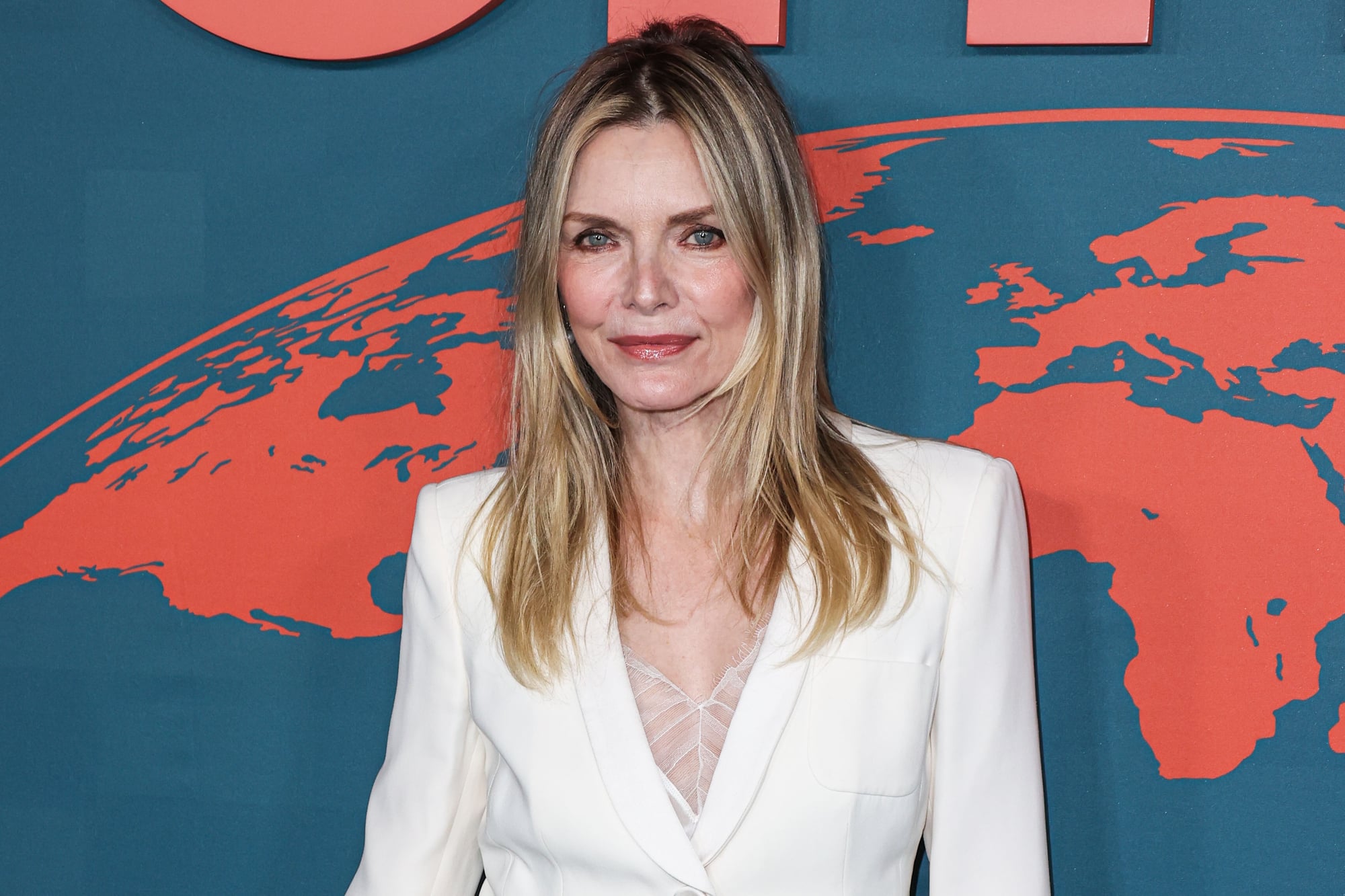
Pfeiffer turned down the lead role in The Silence of the Lambs due to discomfort with the film’s disturbing material, particularly the scenes involving extreme violence. Jodie Foster accepted the part and won her second Academy Award for the performance.
Pfeiffer’s more vulnerable screen presence might have created a different dynamic with Anthony Hopkins’ Hannibal Lecter than Foster’s steely determination that defined the character.
Kurt Russell as Han Solo
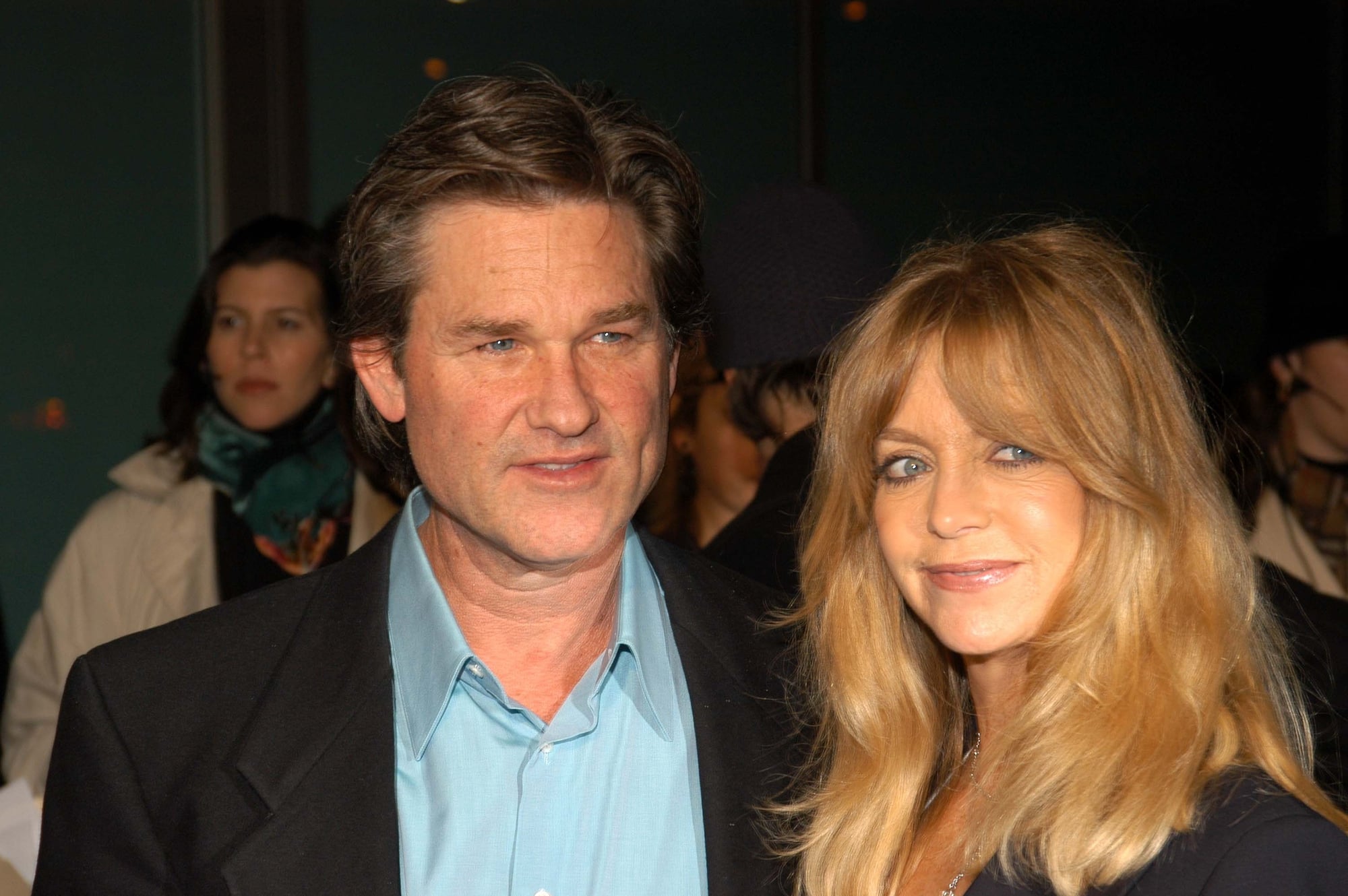
Russell auditioned for both Luke Skywalker and Han Solo in the original Star Wars, with his reading still available in screen tests. The actor’s more obvious tough-guy persona might have emphasized Solo’s mercenary aspects rather than Ford’s blend of cynicism and hidden idealism.
Russell later collaborated with Star Wars creator George Lucas on the film 1941 and eventually joined the Marvel Cinematic Universe as Ego in Guardians of the Galaxy Vol. 2.
Jim Carrey as Edward Scissorhands
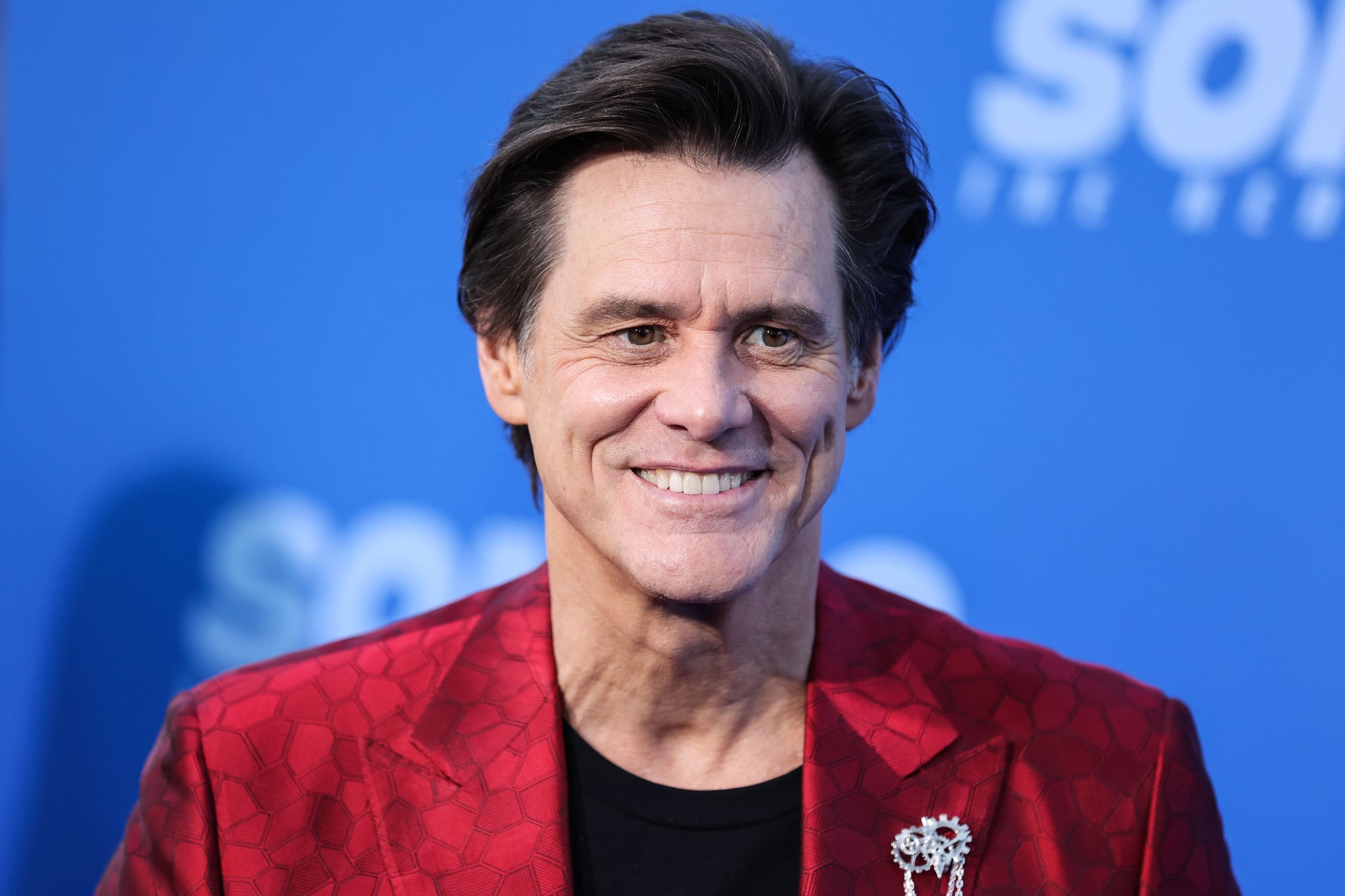
Tim Burton considered the comedic actor for the gentle artificial man with scissors for hands before casting Johnny Depp in the role that began their long collaboration. Carrey’s more manic energy and physical comedy background would have created a substantially different tone than Depp’s melancholic, restrained performance that helped establish him as a serious actor beyond his previous teen idol status.
Molly Ringwald as Vivian in Pretty Woman
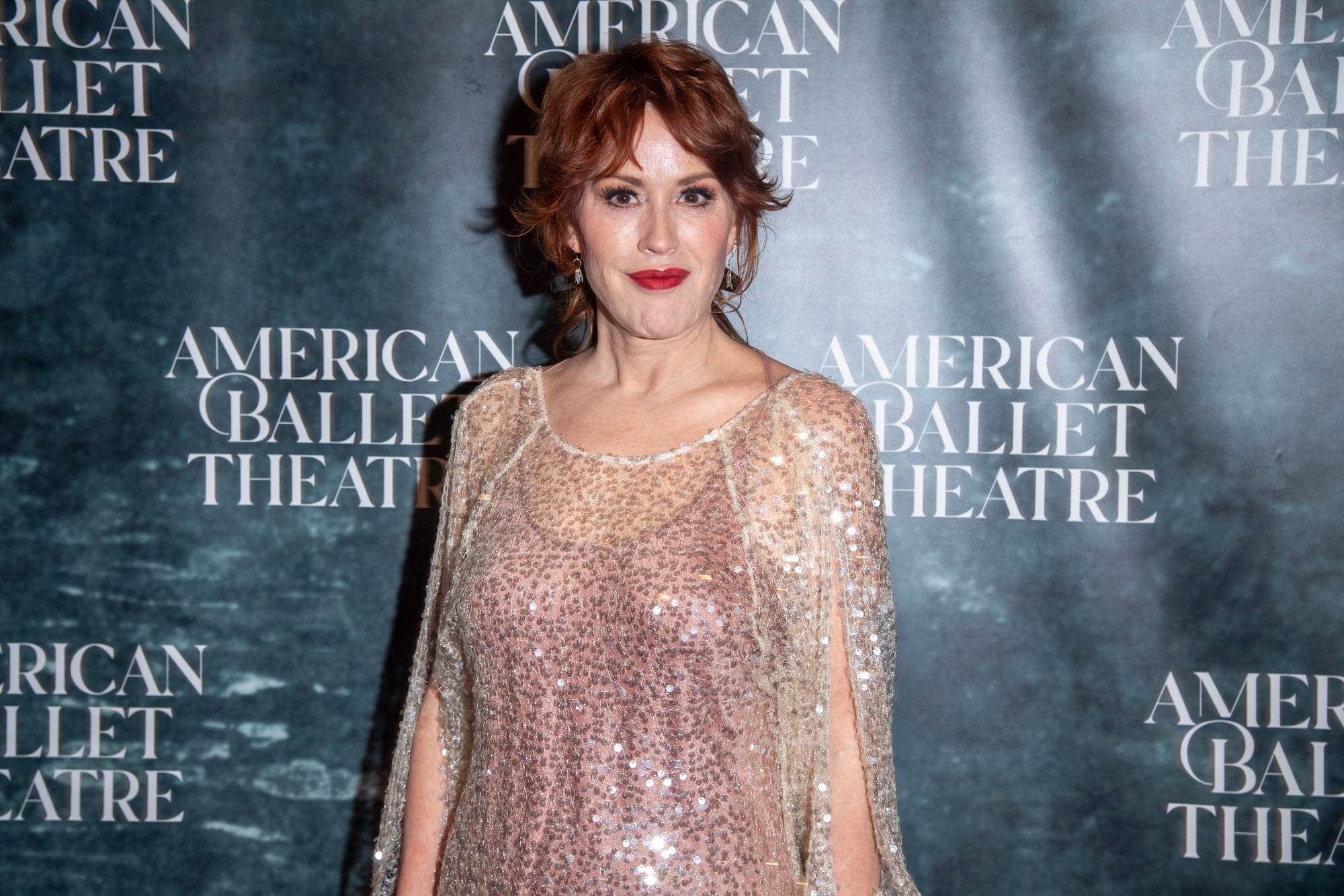
The Breakfast Club star was one of many actresses considered for the role of Vivian Ward before Julia Roberts secured the part that made her a superstar. Ringwald’s association with coming-of-age films might have made the adult themes more controversial, and her different screen presence would likely have created a very different dynamic with Richard Gere than Roberts’ effervescent charm that made the film a romantic comedy classic.
Sarah Michelle Gellar as Cher in Clueless

Before Alicia Silverstone secured the role of the fashionable Beverly Hills teenager, Buffy the Vampire Slayer star Gellar was strongly considered but had scheduling conflicts with her soap opera All My Children. Gellar’s sharper edge might have emphasized the character’s intelligence over Silverstone’s more innocent portrayal, potentially changing the sweet nature of what became a defining teen comedy of the 1990s.
David Bowie as Gandalf
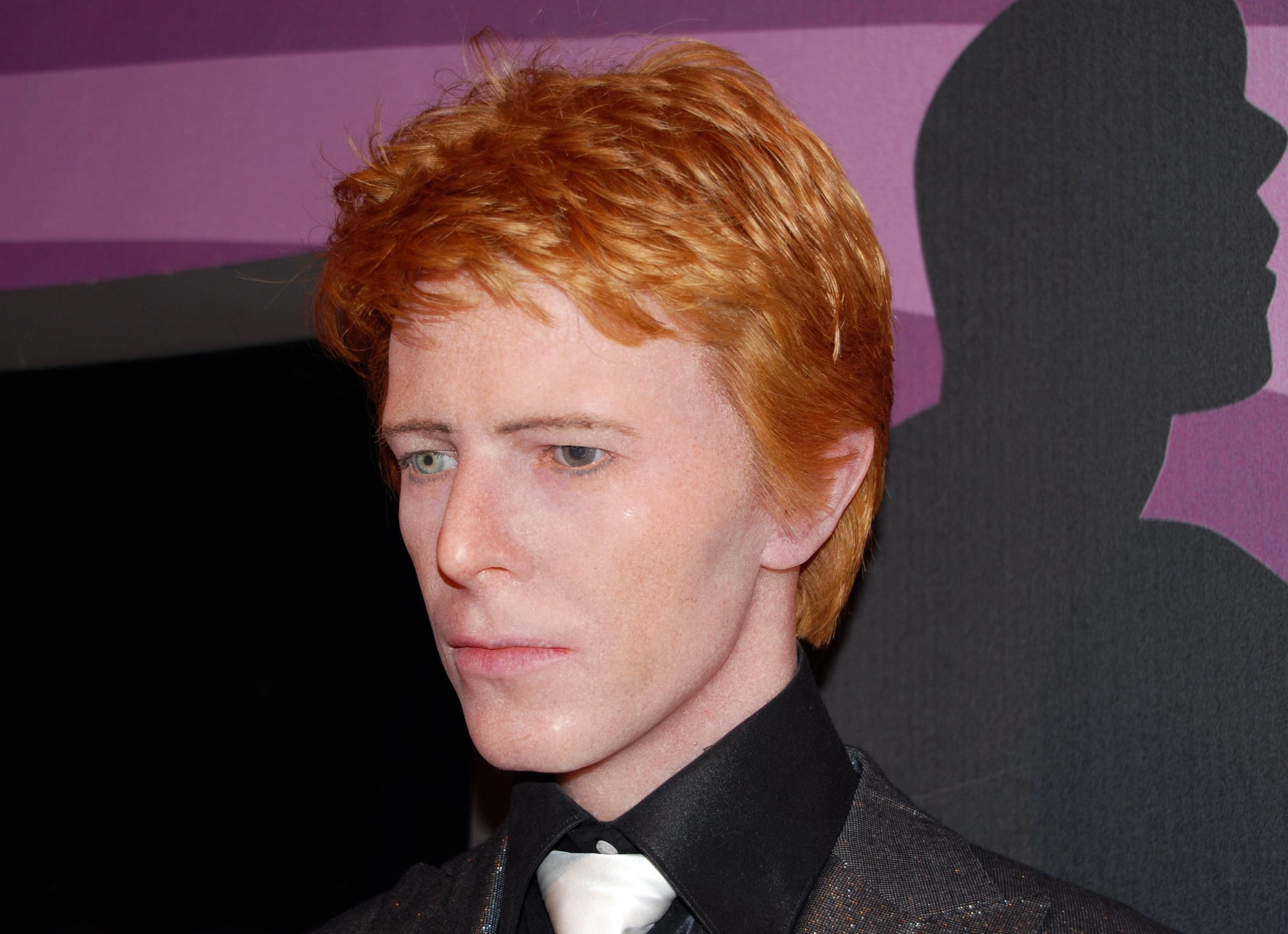
The legendary musician was approached to play the wise wizard in Peter Jackson’s The Lord of the Rings trilogy before Ian McKellen was cast. Bowie’s otherworldly presence and inherent stardom might have been distracting in the fantasy world, whereas McKellen disappeared into the role despite his theatrical pedigree.
The musician turned down the part due to the lengthy time commitment required for the back-to-back filming of all three movies in New Zealand.
Angelina Jolie as Eliza Doolittle in My Fair Lady remake

In a planned remake of the classic musical, Jolie was attached to star as the Cockney flower girl before the project stalled in development. Her natural intensity and glamour would have created a significantly different Eliza than Audrey Hepburn’s vulnerable portrayal in the original film.
The remake eventually fell apart despite various stars being attached over several years of pre-production efforts.
Eric Stoltz as Marty McFly

In a rare case, Stoltz was actually cast and filmed for several weeks as Marty McFly in Back to the Future before director Robert Zemeckis replaced him with Michael J. Fox. Footage of Stoltz in the role reveals a more dramatic approach to the character than Fox’s energetic, comedic interpretation.
The studio supported the expensive decision to recast and reshoot, which ultimately proved correct as Fox’s performance became one of the most beloved in 1980s cinema.
Hollywood’s Parallel Universes
These casting near-misses remind us how much a film’s success depends on the alchemy between actor and role. In many cases, the “almost” casting choices might have delivered equally compelling but fundamentally different interpretations that would have altered film history.
For actors, these missed opportunities represent professional sliding doors moments—films that could have transformed careers or typecast them in different directions. While we’ll never know exactly how these alternative versions might have turned out, they provide fascinating glimpses into parallel cinematic universes that exist only in Hollywood’s collective memory and occasional screen test footage preserved for posterity.
More from Go2Tutors!

- The Romanov Crown Jewels and Their Tragic Fate
- 13 Historical Mysteries That Science Still Can’t Solve
- Famous Hoaxes That Fooled the World for Years
- 15 Child Stars with Tragic Adult Lives
- 16 Famous Jewelry Pieces in History
Like Go2Tutors’s content? Follow us on MSN.



