20 Animal Tool-Using Behaviors That Scientists Recently Discovered
Humans have always claimed the gold medal in the brainy Olympics, especially when it comes to using tools. But lately, science has been showing that we might not be the only clever creatures with a knack for problem solving. From jungle apes to street‑smart gulls, animals across the globe are pulling off moves that wouldn’t be out of place in a survival reality show. The only thing missing is the camera crew and a dramatic voice‑over.
Here’s a list of 20 fascinating tool‑using behaviors that animals have only recently shown off to researchers.
Octopuses with Coconut Shells
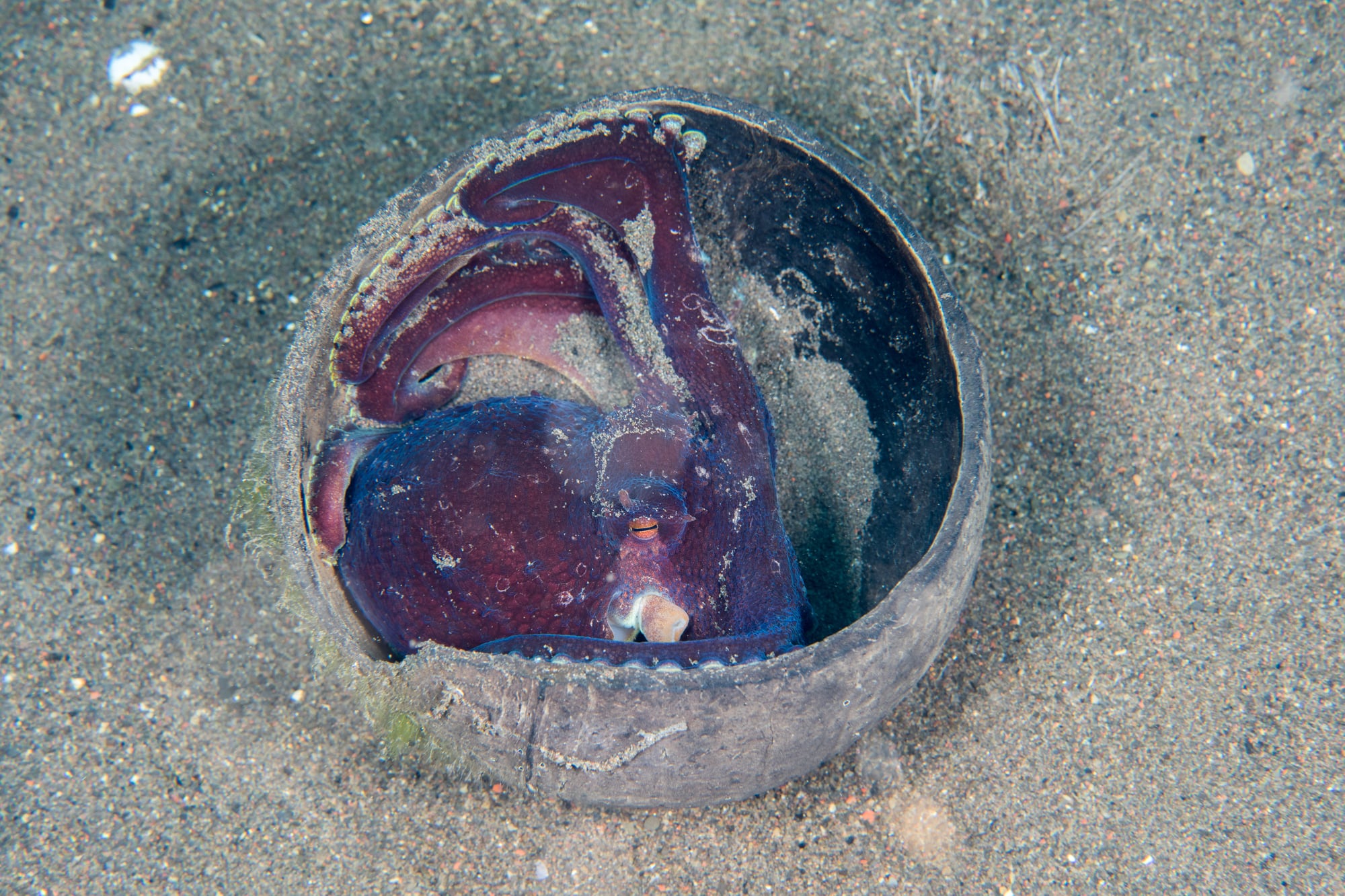
Octopuses have been seen hauling around coconut shells like makeshift armor. They don’t just find a shell and chill inside it.
No, they carry one half in each arm cluster, ready to assemble into a snug spherical hideaway when danger approaches. It’s less “Finding Nemo” and more “Marine Tiny Homes: Battle Edition.”
Scientists believe this behavior shows foresight, which is a huge deal in the animal world. They’re not just reacting, they’re preparing.
Sea Otters Using Rocks to Open Shellfish
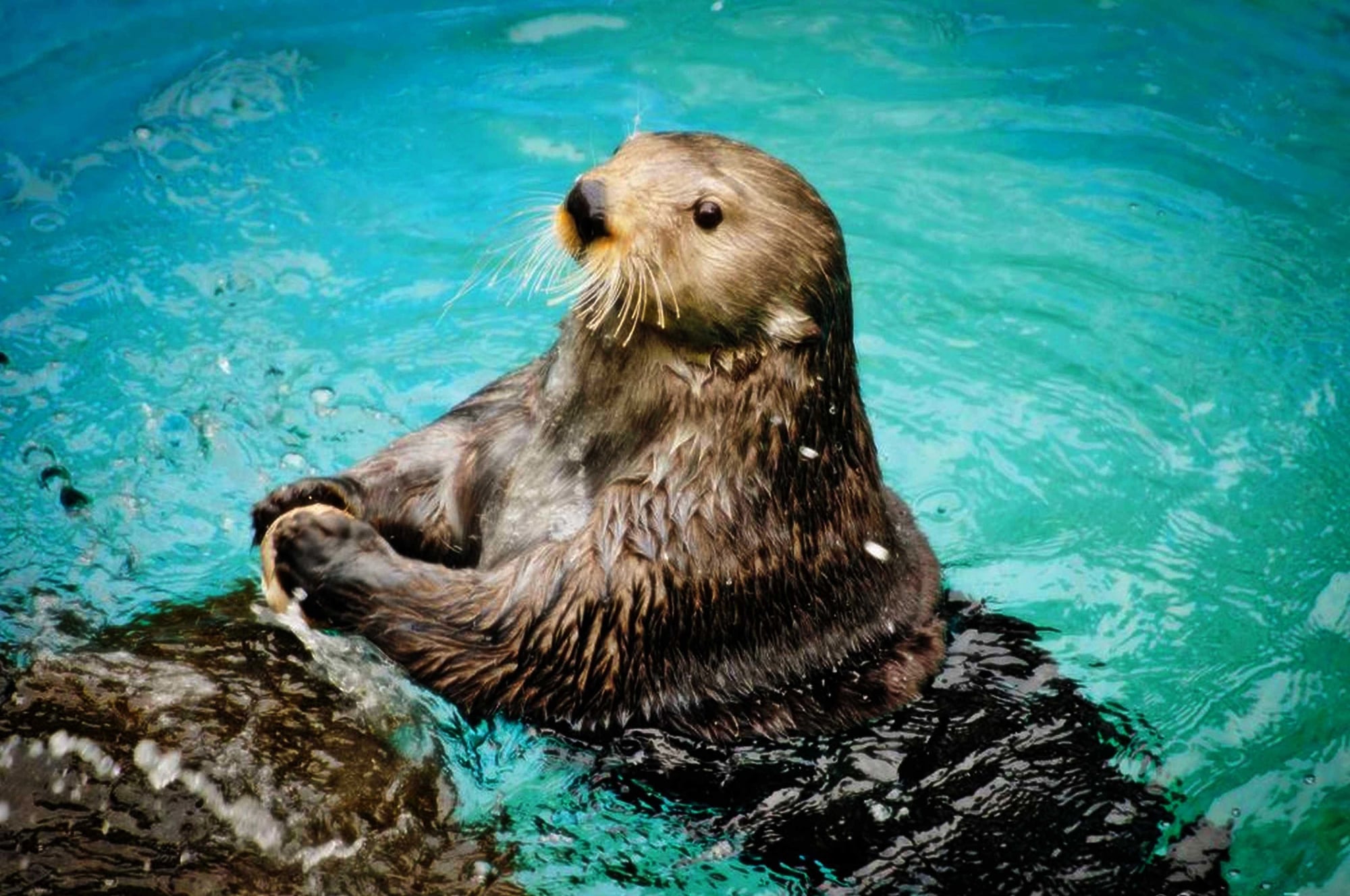
These guys have turned dinner into a full‑on production. Sea otters float on their backs like they’re at a spa, cracking open clams and mussels on their chest with the help of a trusty rock.
Some even stash their favorite rock in a little skin pouch under their armpit. That’s right. They’ve got built‑in pockets.
Consistency hints at something deeper than instinct. It’s memory, preference, and maybe even a dash of pride in their go‑to gadget.
Crows Shaping Hooks from Twigs
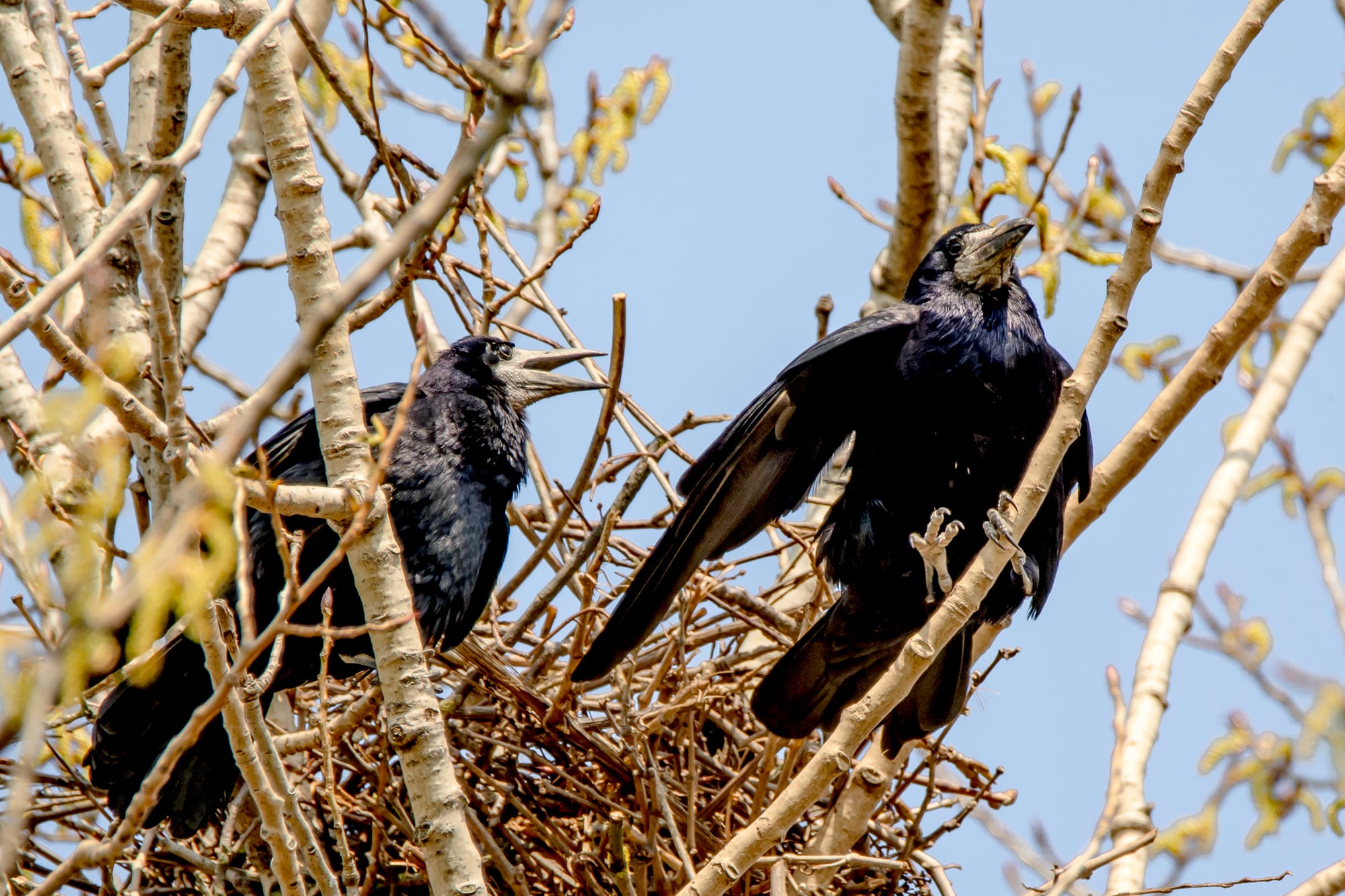
Crows are already infamous for being smart, but New Caledonian crows have taken it to the next level. They fashion hooks out of twigs by carefully stripping and curving them to fish out insects from tight crevices.
They’re not just picking up a stick and hoping for the best. They’re engineering tools to fit a specific purpose, like building a custom wrench in your garage to fix something that doesn’t exist yet.
It’s a high‑level skill and one that’s rarely found outside primates.
Dolphins Covering Snouts with Sponges
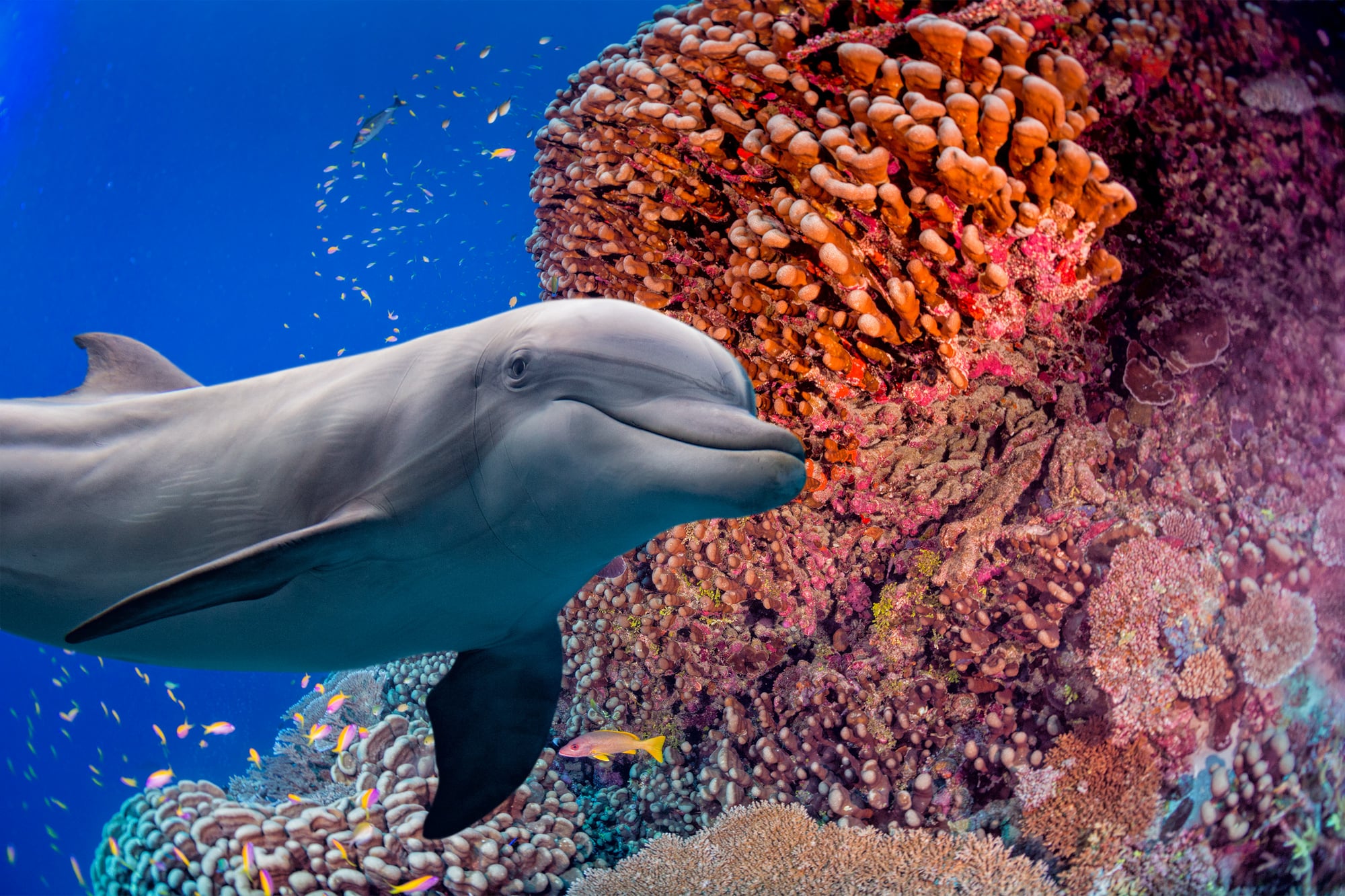
Over in Shark Bay, Australia, some bottlenose dolphins have developed a quirky but brilliant habit. They wear sea sponges on their snouts while foraging along the ocean floor.
The sponge acts as a buffer shielding them from sharp rocks and stinging critters. This behavior is learned, not instinctive.
It’s passed down from mothers to calves like a family tradition, which says a lot about dolphin culture and intelligence.
Elephants Scratching with Sticks

When an elephant’s got an itch in a hard‑to‑reach spot, you can bet they’re not just going to suffer in silence. These gentle giants snap branches off trees and use them to scratch ears, bellies, and even behind the legs.
Some modify the branches first by breaking them to just the right length or stripping off the leaves. It’s like a natural back scratcher, and it shows that even the biggest creatures can be surprisingly precise when they need to be.
Macaques Washing and Seasoning Food
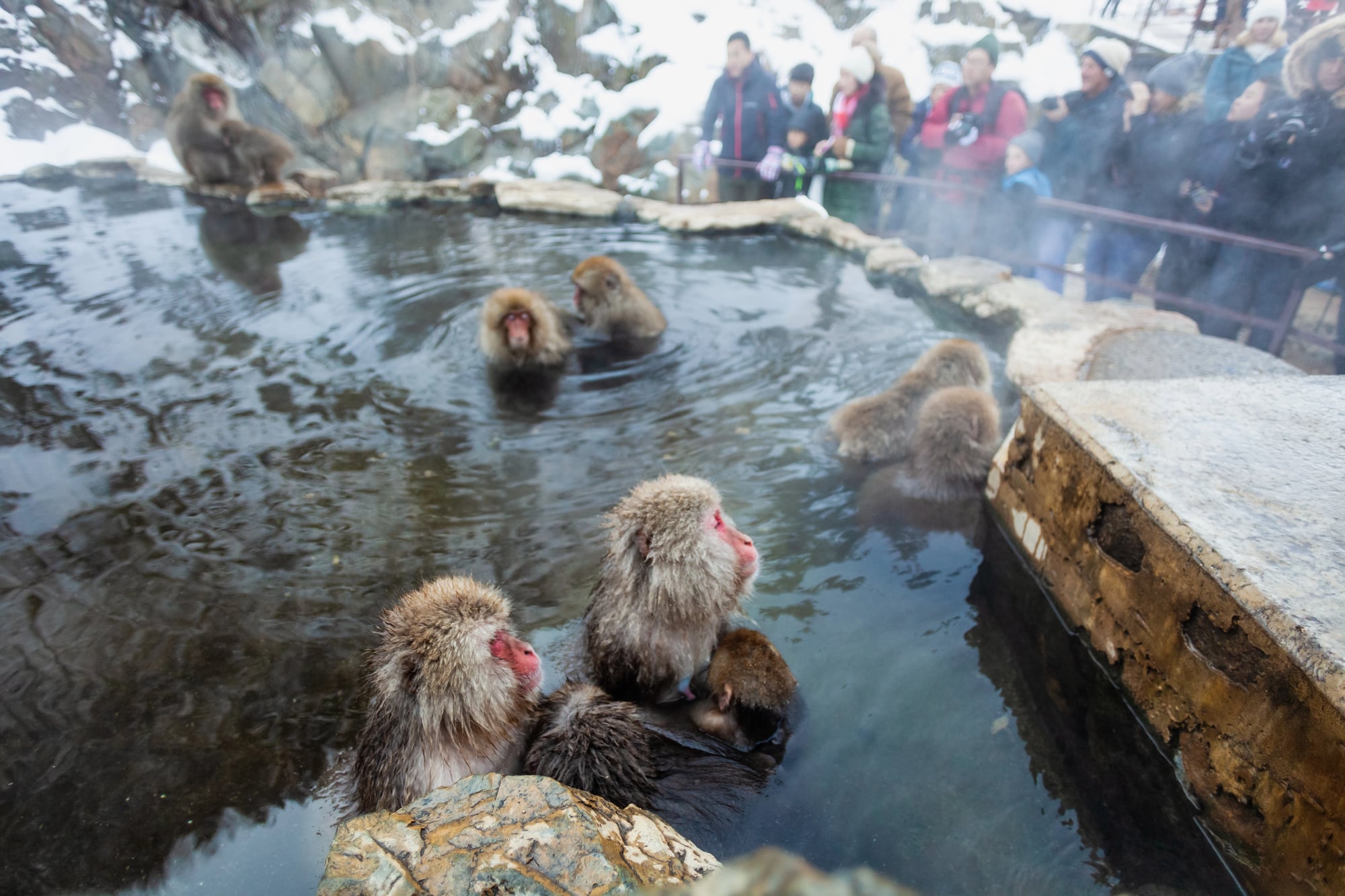
Japanese macaques don’t just settle for raw tubers. These monkeys wash their food in water, but recent studies show some dip it into salty ocean water or let it sit in hot springs.
It’s the closest thing to monkey marination and could mark the dawn of animal cuisine. They even share these habits, suggesting food culture isn’t limited to foodies with Instagram accounts.
Puffins Using Sticks to Scratch
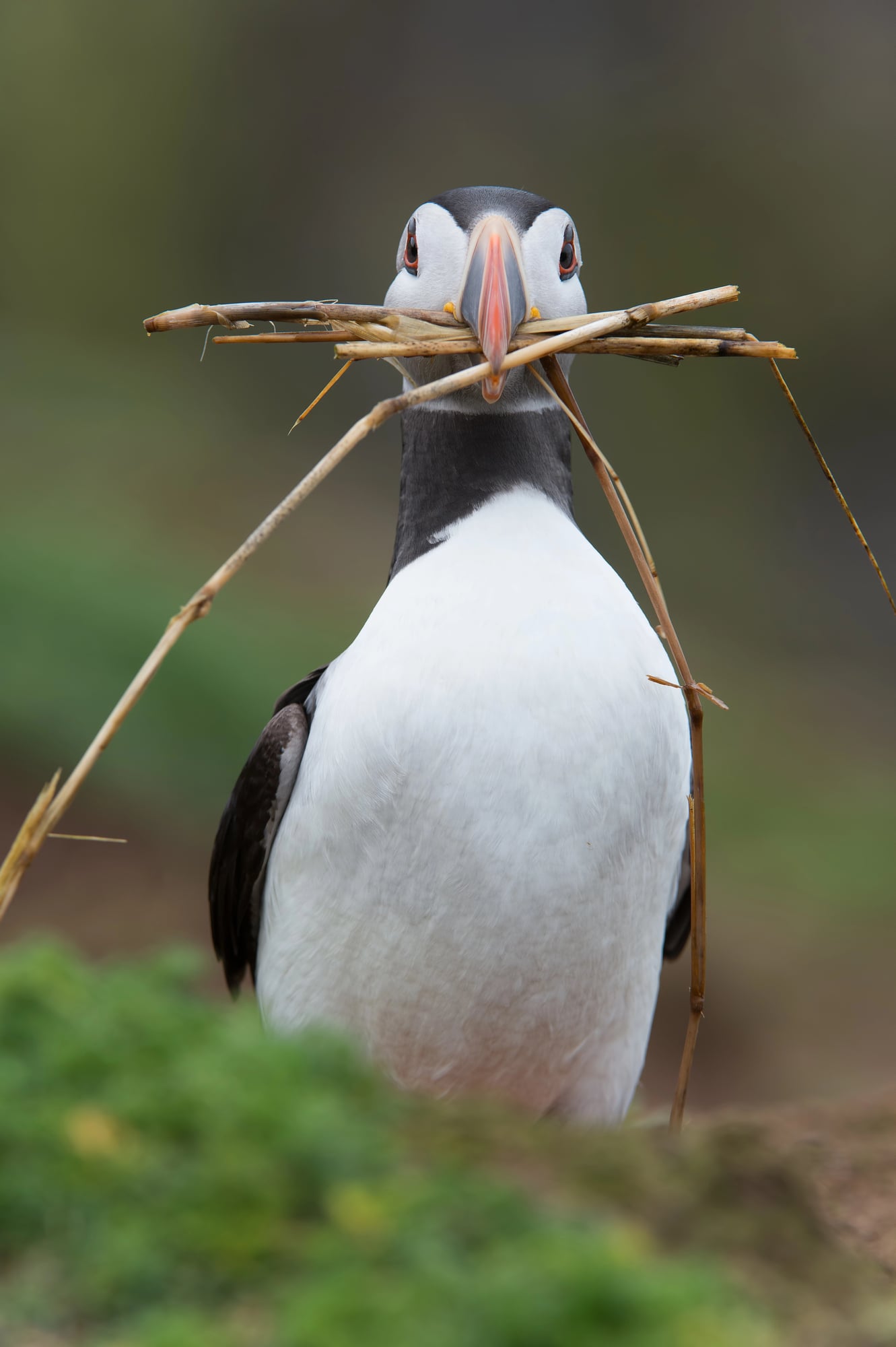
Puffins aren’t known for base use, so researchers were stunned when one was recorded picking up a stick and using it to scratch itself. It wasn’t a fluke.
Multiple birds have been spotted doing it. For seabirds that spend much of their time flying between cliffs and currents, that hints at a level of self‑awareness and problem-solving we didn’t expect.
Turns out even puffins like a good scratch when the itch strikes.
Capuchins Using Stone ‘Hammers’
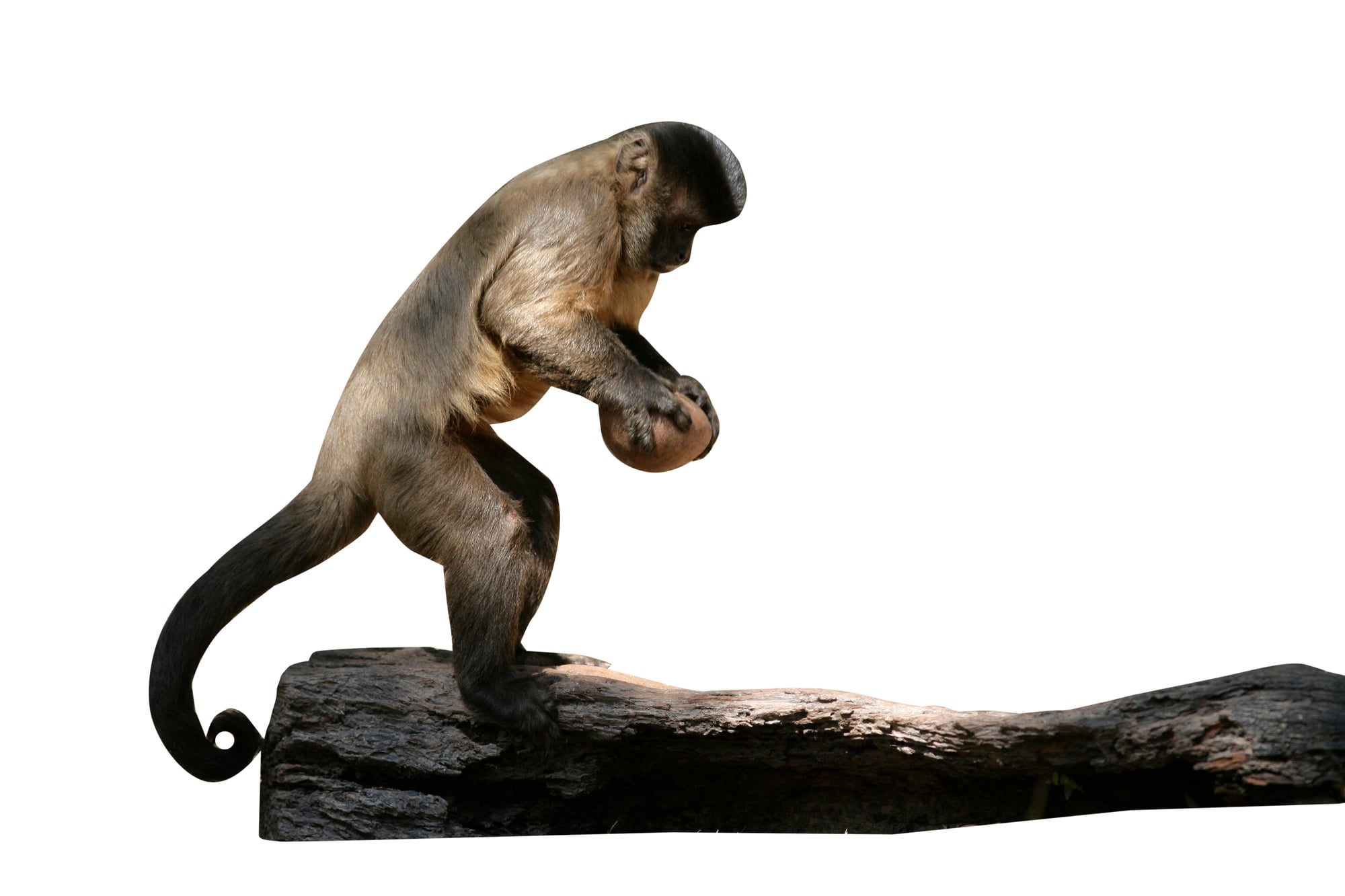
In Brazil, wild capuchins have turned nut‑cracking into a tuned operation. They choose large stones as hammers and smaller, flat ones as anvils to smash open cashew nuts.
Cashew shells contain caustic oils that burn skin. These monkeys know how to avoid contact by positioning everything just right.
Some even store their tools in favorite locations, turning spots into reusable nut‑processing stations over generations.
Parrots Using Shells to Dig

Goffin’s cockatoos in Indonesia are using sticks, bark, and shells like miniature shovels. Instead of pecking endlessly at tough surfaces, they wedge their tool into cracks or soft bark and scoop food out with finesse.
Researchers found these birds will break off pieces themselves when the shape isn’t quite right. They’re feathered DIY contractors and watching them is like seeing little architects at work.
Gorillas Using Branches to Gauge Water Depth
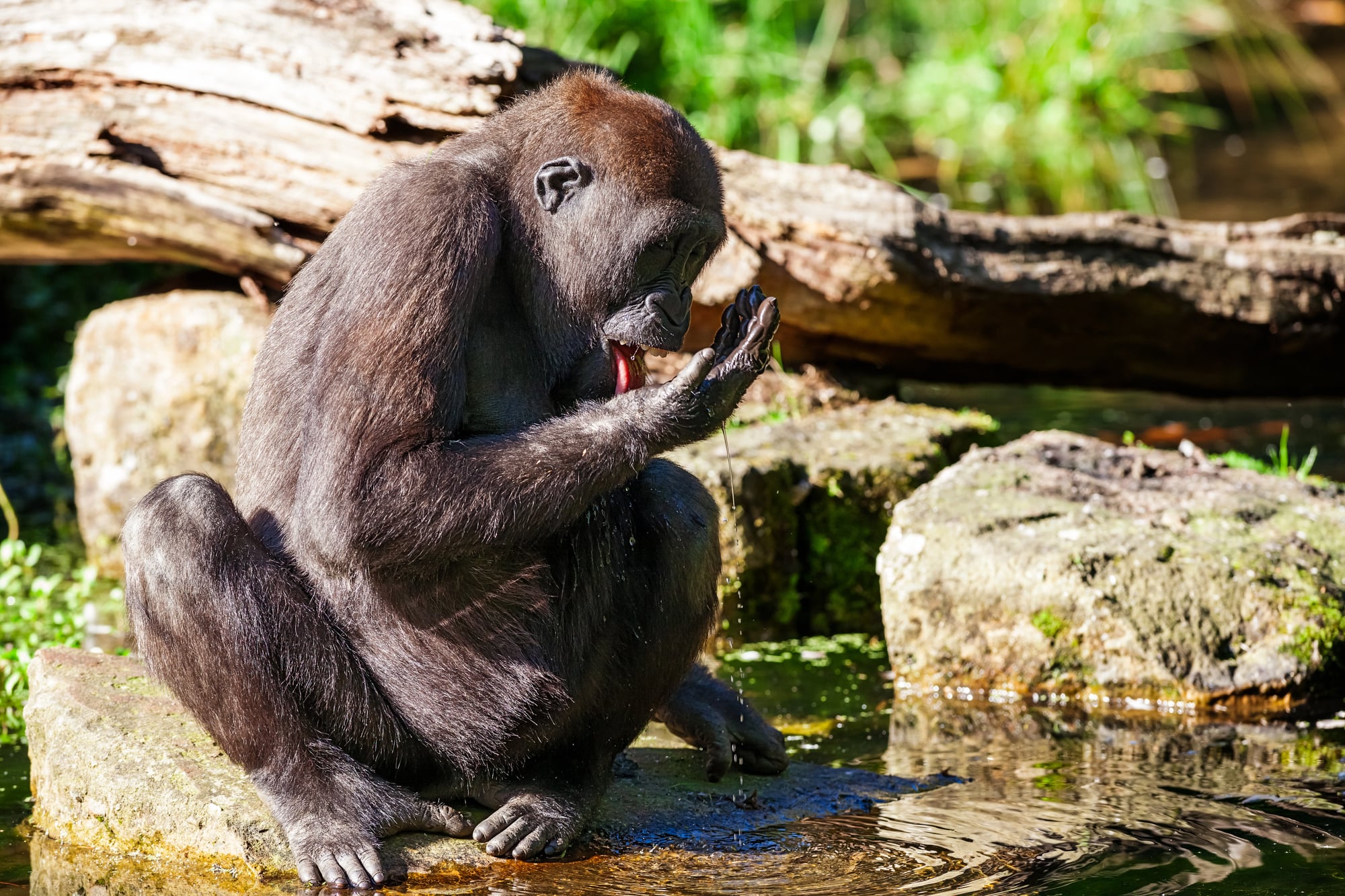
Crossing swampy terrain is risky, especially when you’re a 400‑pound gorilla. In the Congo, some gorillas use branches like walking sticks to test the depth of the water ahead.
They break off long sticks and poke the ground carefully to avoid sudden dips or muddy traps. It’s surprisingly cautious behavior for animals that could brute‑force their way across.
Clearly, they prefer not to be caught mid‑wade in a puddle they can’t climb out of.
Ravens Using Tools for Play
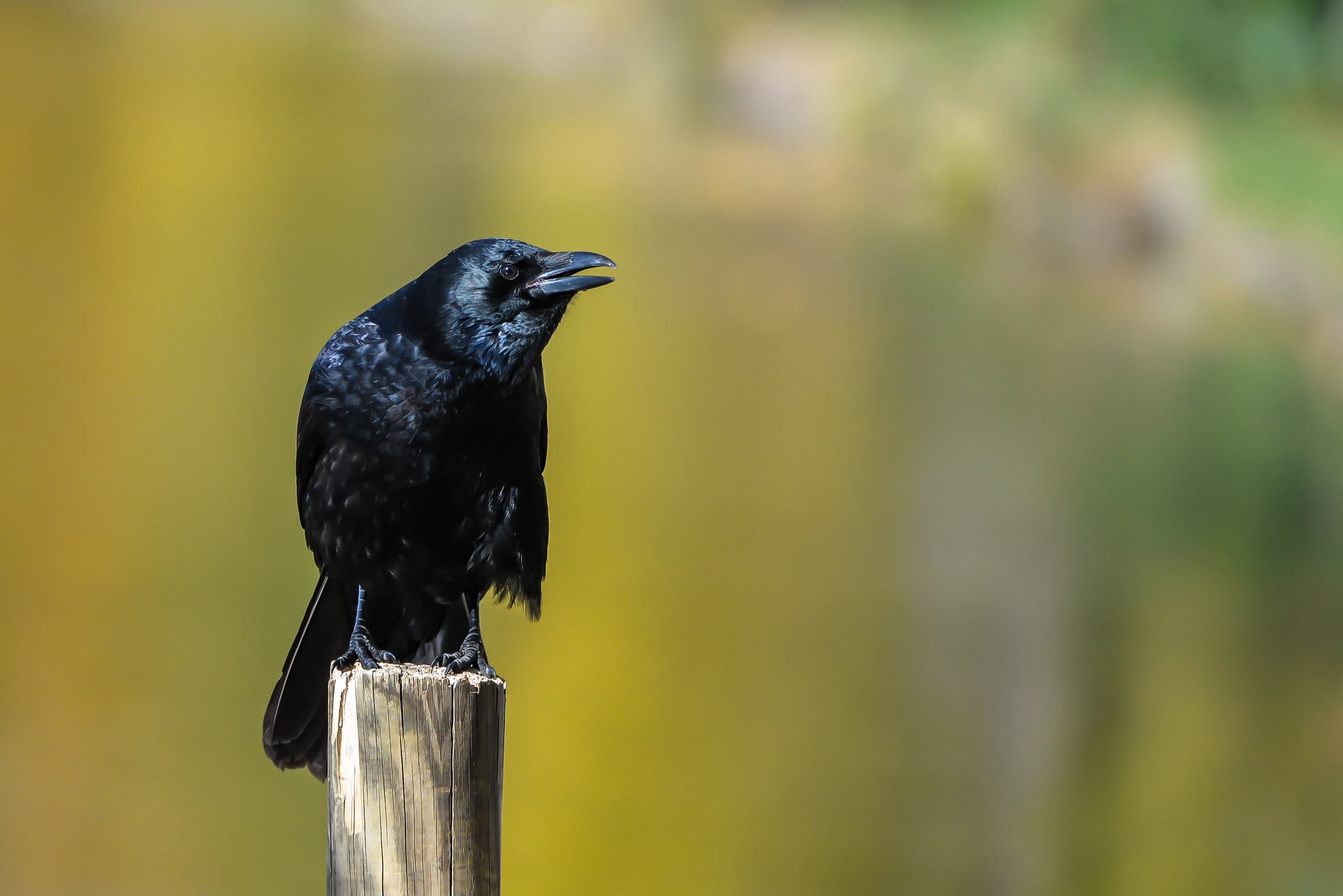
Ravens already top the avian IQ chart, and now they’ve added “extreme sports” to their resume. Some have been spotted sliding down snowy rooftops while clutching bark or bits of plastic.
And they don’t just do it once—they fly back up and do it again, like recess on a snow day. While it might not be “tool use” in the survival sense, it’s undeniably creative.
It shows that fun, apparently, is universal.
Orangutans Crafting Umbrellas
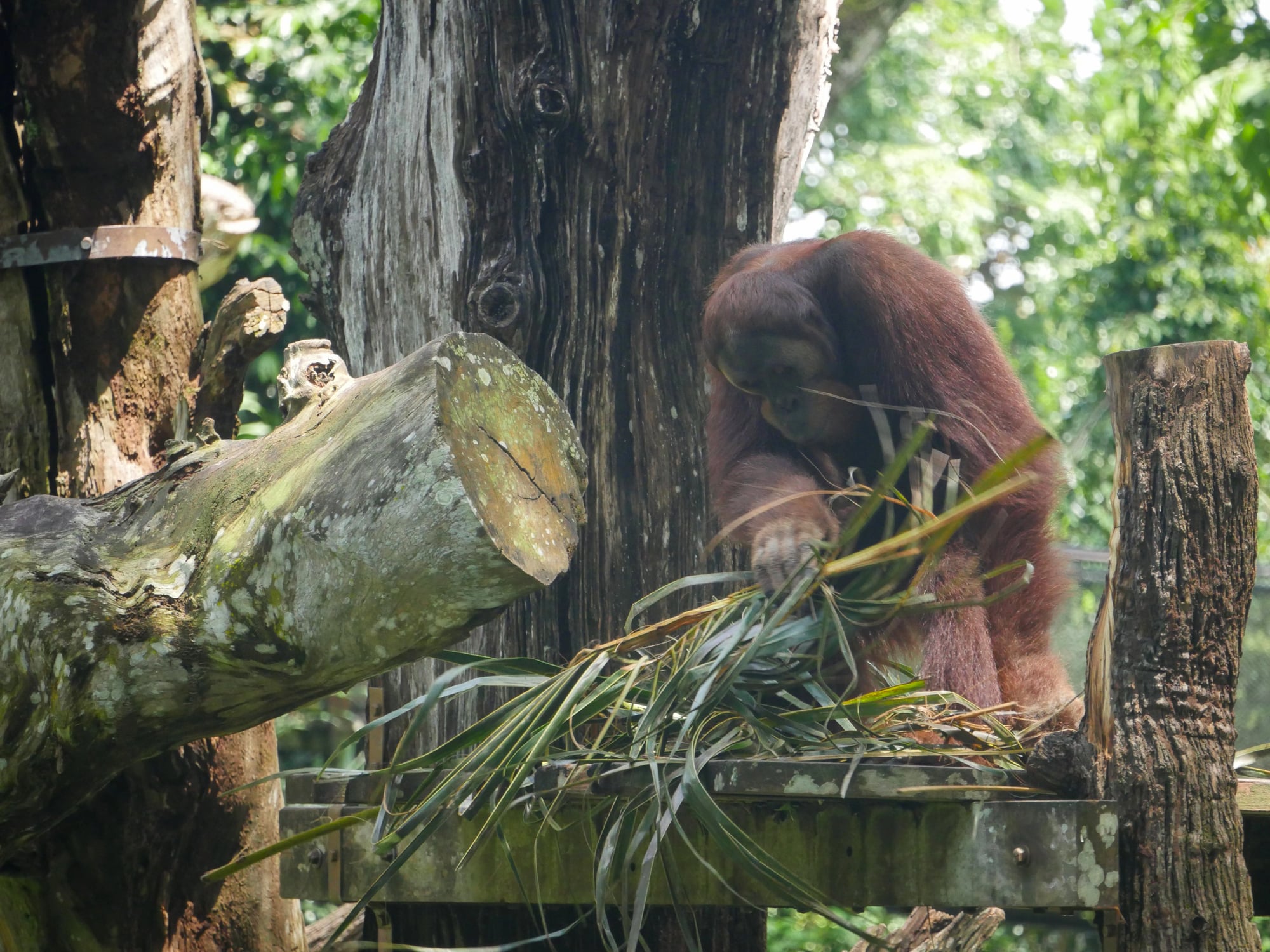
It rains a lot in Borneo, but orangutans don’t just soak in it. Some grab large leaves and hold them overhead during storms.
They choose leaves that are sturdy and wide enough to keep their fur dry. It’s jungle innovation at its finest and a sign that even apes dislike arriving at dinner drenched.
Herons Using Bait to Fish
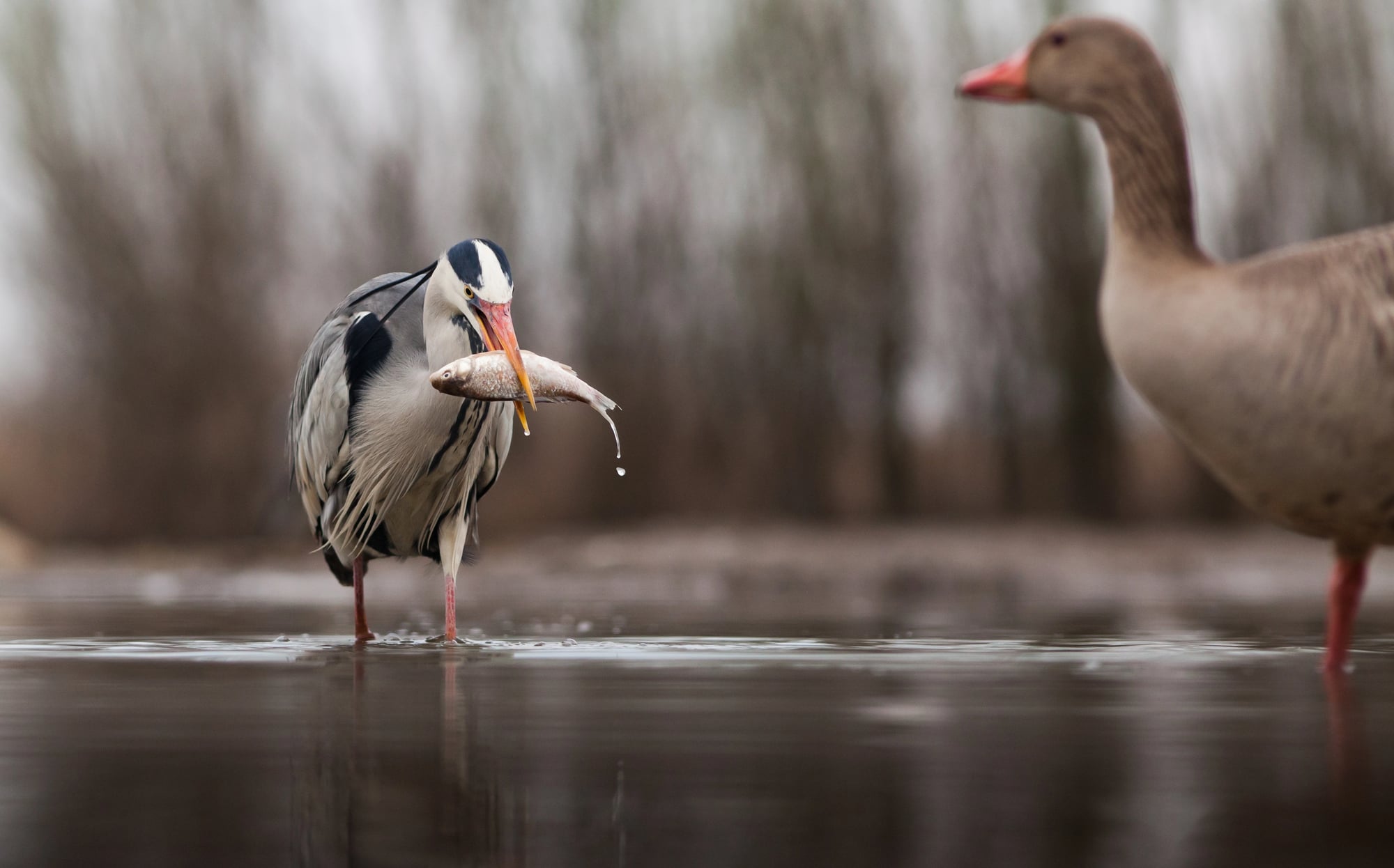
Green herons might be the cleverest fishermen no one’s heard of. They drop bait—bugs, feathers, or bits of bread—into water then wait patiently as curious fish swim up.
When timing’s right, they strike. It’s calculated, efficient, and eerily familiar if you’ve seen someone fish with a lure on a Sunday.
It’s also one of the rare bird examples using tools to attract prey, not just retrieve it.
Bonobos Making Spears
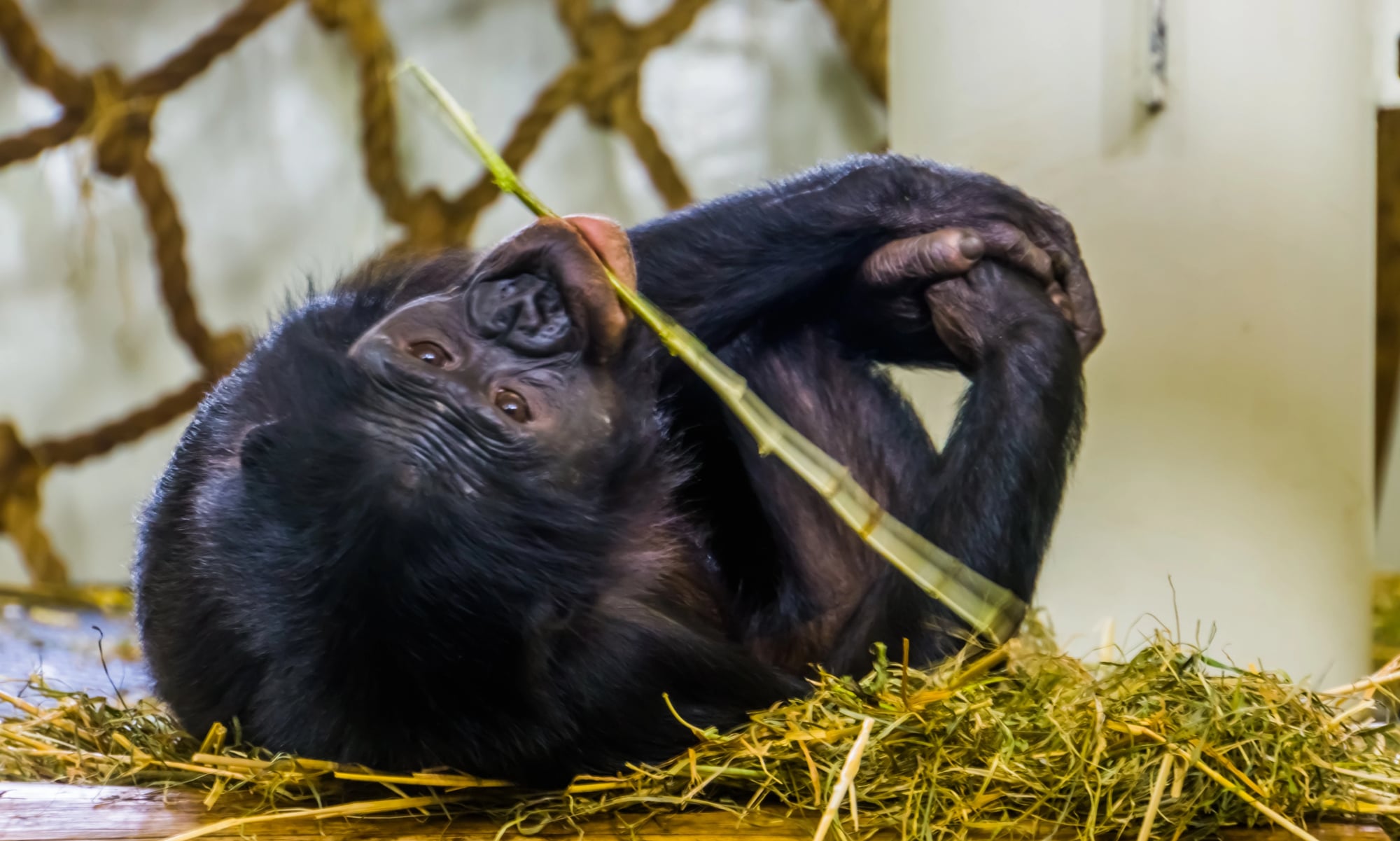
Bonobos are often called chimpanzees’ peaceful cousins, but some have a surprising edge. In the wild, they’ve been caught sharpening sticks with their teeth and using them to stab into small‑animal burrows.
Tool‑based hunting is rare among primates. That kind of purposeful weapon creation brings them one step closer to early humans.
Chimpanzees Crafting Pestles and Mortars
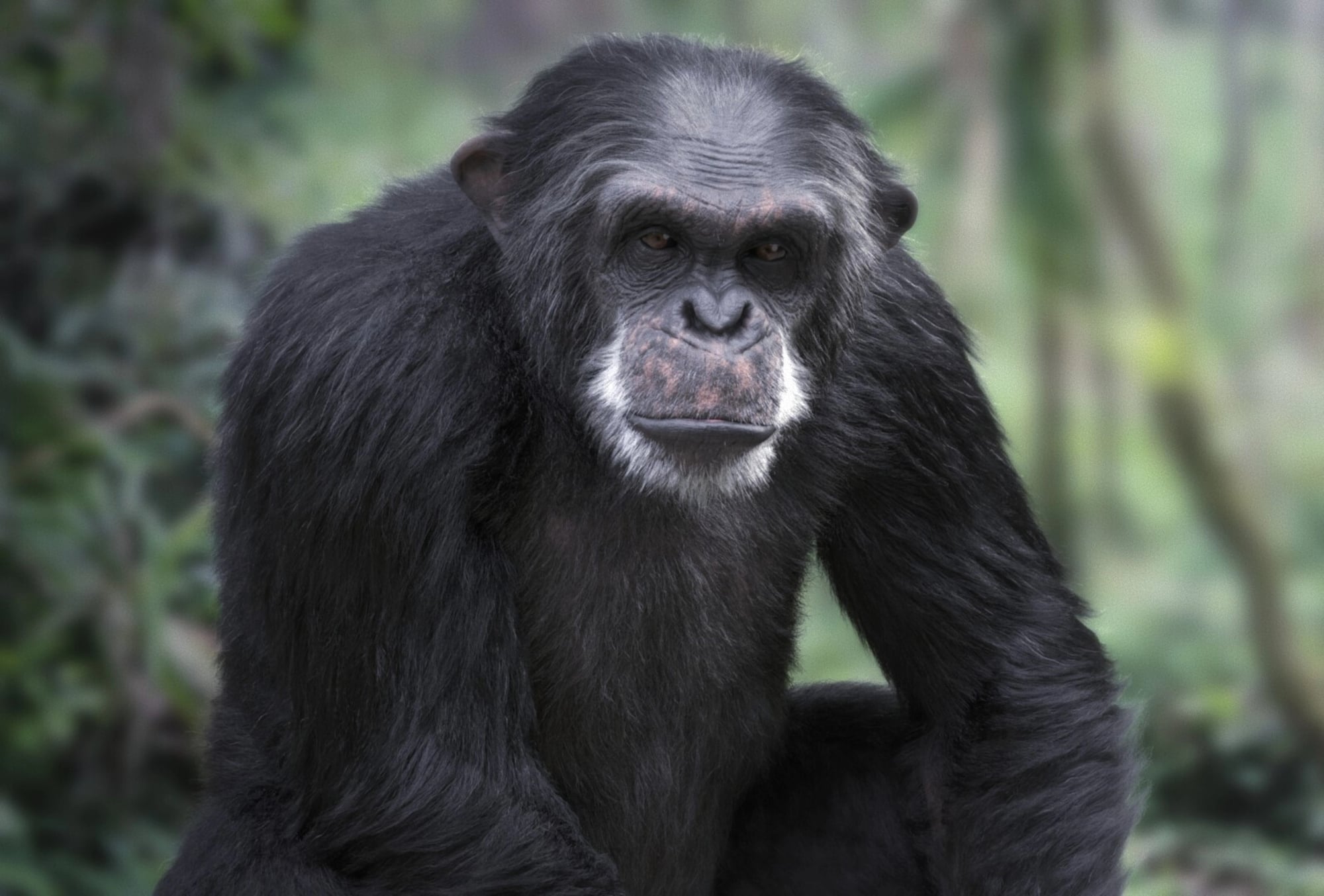
In West Africa, chimps don’t just smash nuts with whatever’s lying around. They carry specific rocks to nut trees and use logs or roots as anvils.
Some even store these tools near favorite trees for later use. It’s strategic.
They’ve built something close to a kitchen setup in the forest. Give them a fire pit and a chef’s apron, and they’d probably stream a cooking show.
Wasps Using Pebbles to Jam Ant Trails
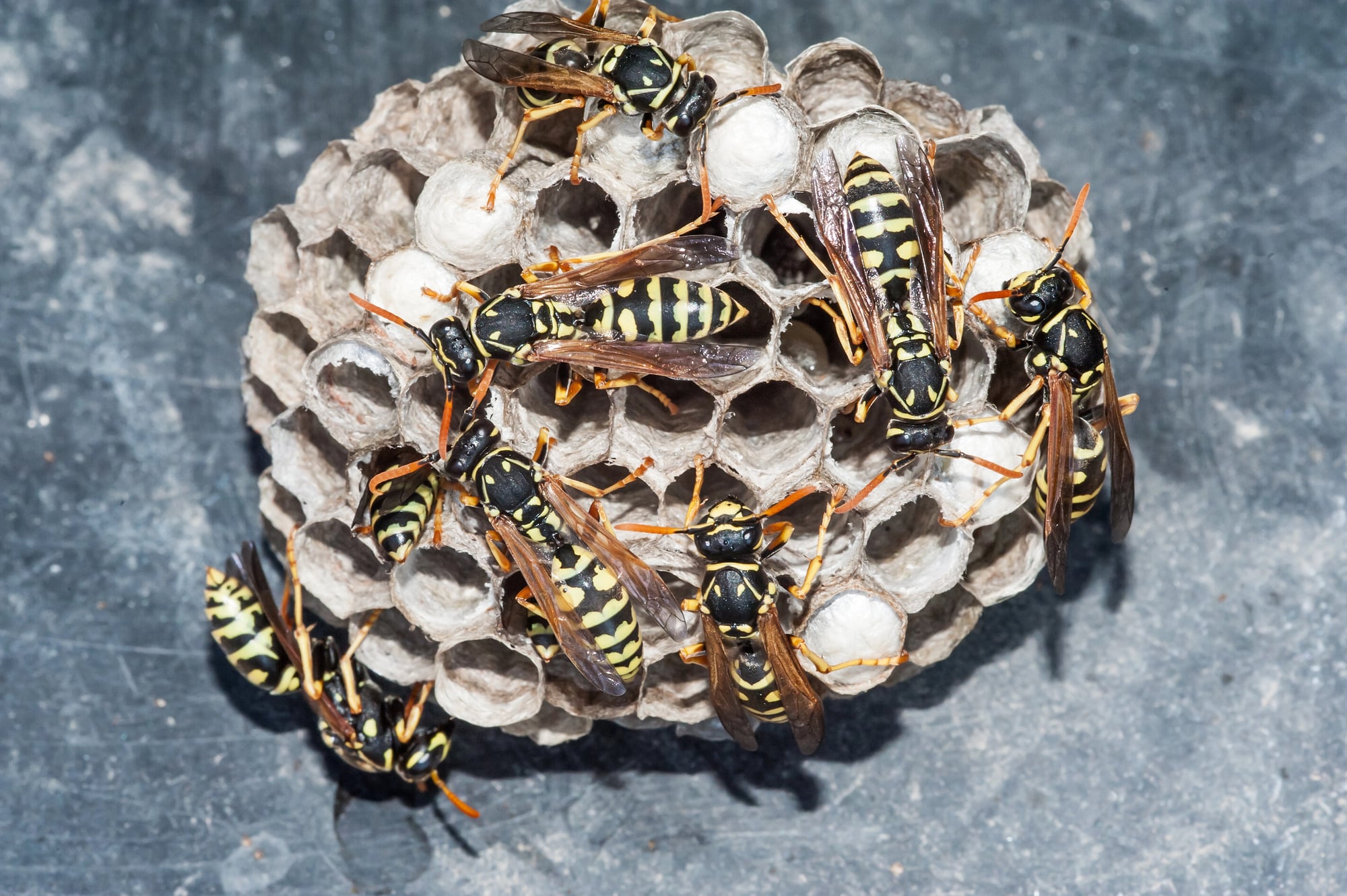
Mason wasps aren’t messing around when ants invade their turf. These wasps pick up tiny pebbles and block ant entrances to stop invasions.
It’s like quick sabotage—clean, silent, and effective. They toss in gravel to cut off rival traffic.
That tiny pebble can save an entire colony.
Wild Boars Digging with Tools
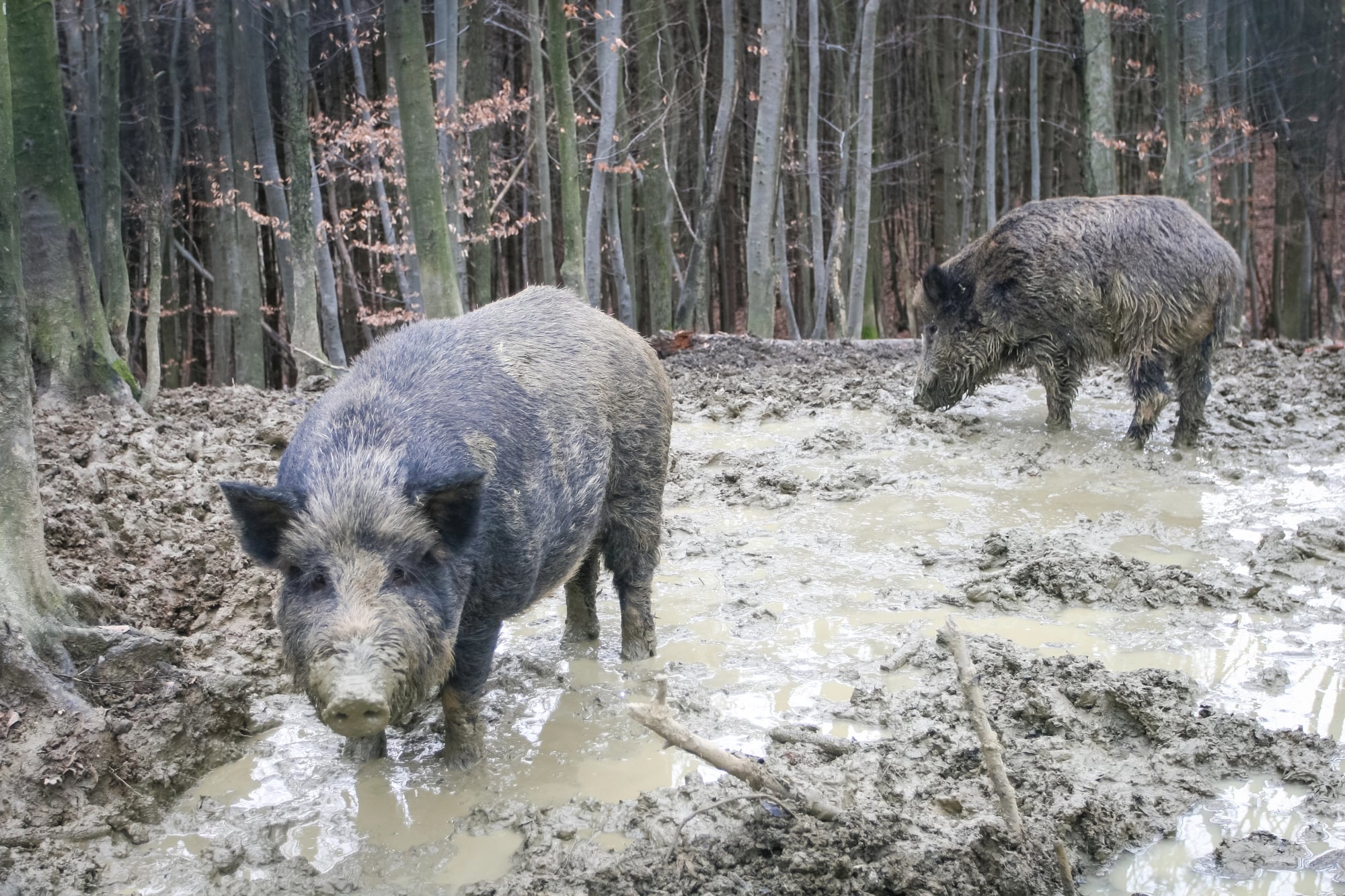
Pigs get a lot of credit for sniffing around, but that’s changing. In an Indonesian sanctuary, wild boars were observed using sticks to dig up roots and soil.
They weren’t just snuffling—they actively used tools to make the job easier. It’s the first recorded tool use in any pig species, and it shows flexibility in their intelligence we didn’t expect.
Gorillas Using Moss as a Sponge
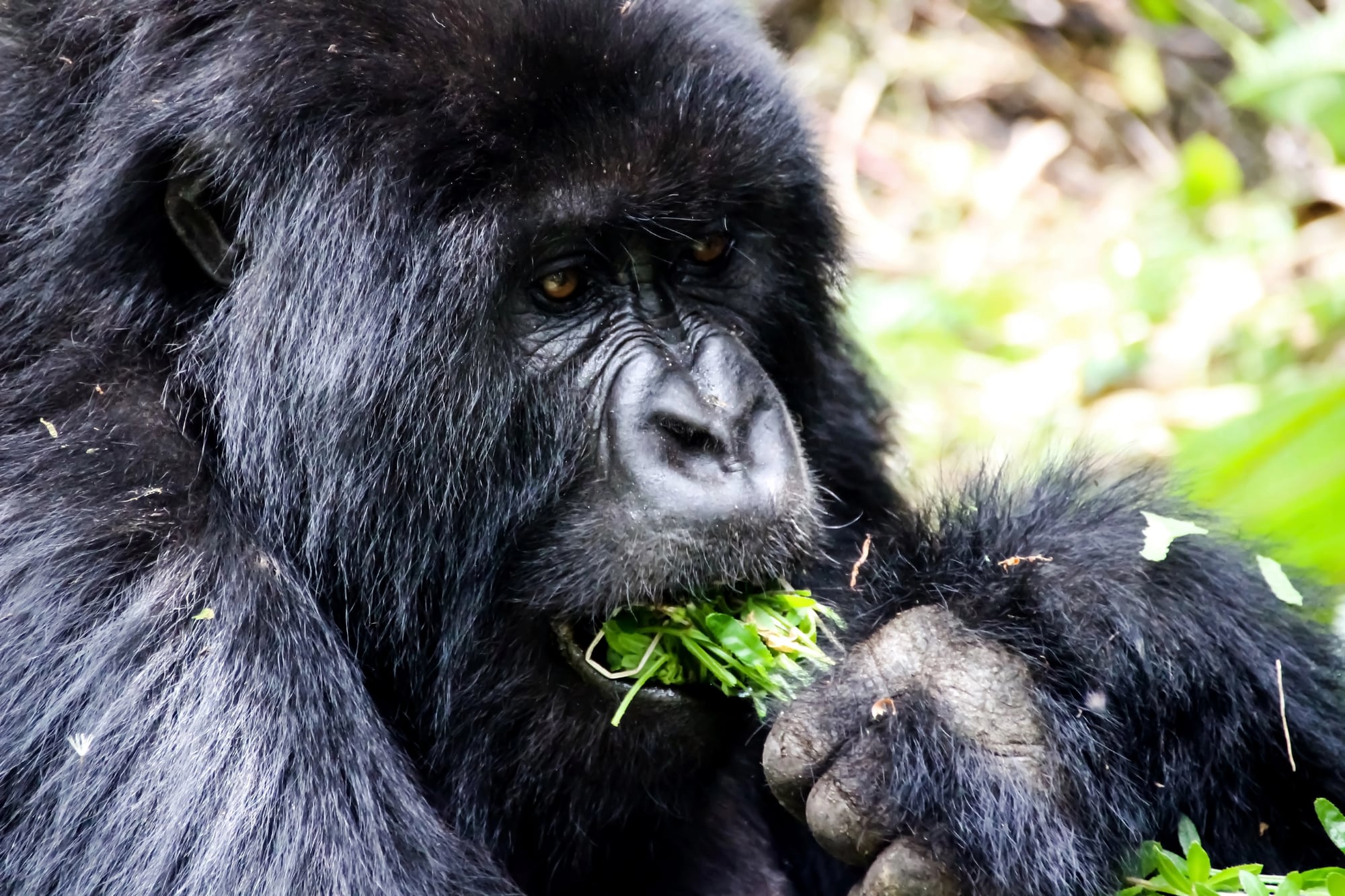
Thirsty gorillas have figured out a way to drink without bending too far. They bunch moss into orb shapes, dip it in water, then squeeze it into their mouths.
It’s primitive hydration tech. Researchers note this clever method especially during dry spells.
Ants Building Rafts from Their Own Bodies
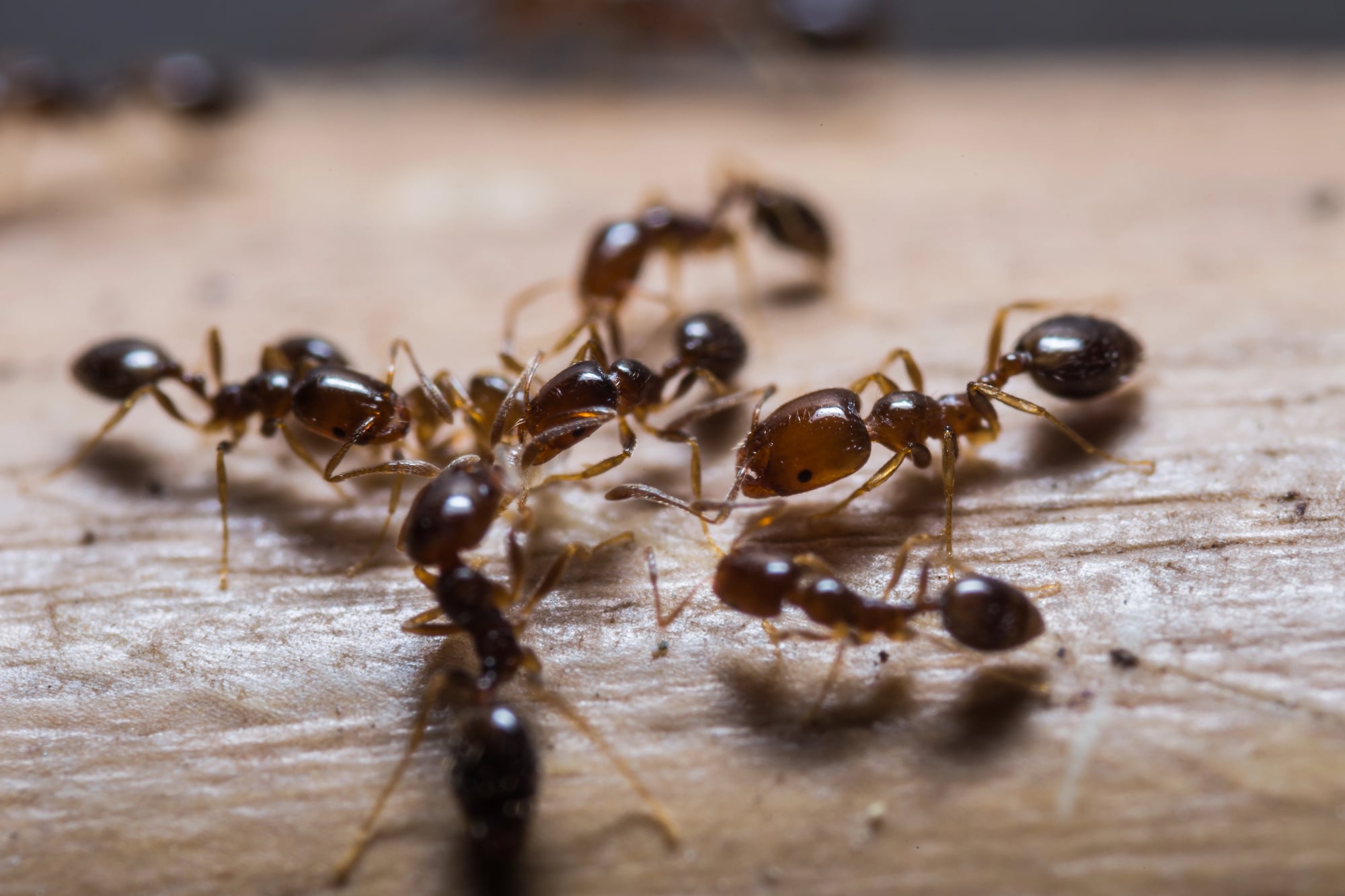
Flooded habitat? No problem. Fire ants team up to form living rafts by linking themselves together.
New observations reveal they also incorporate twigs and leaves for stability. It’s like a DIY inflatable raft, but made of ant bodies and scavenged debris.
Gulls Dropping Shellfish onto Roads
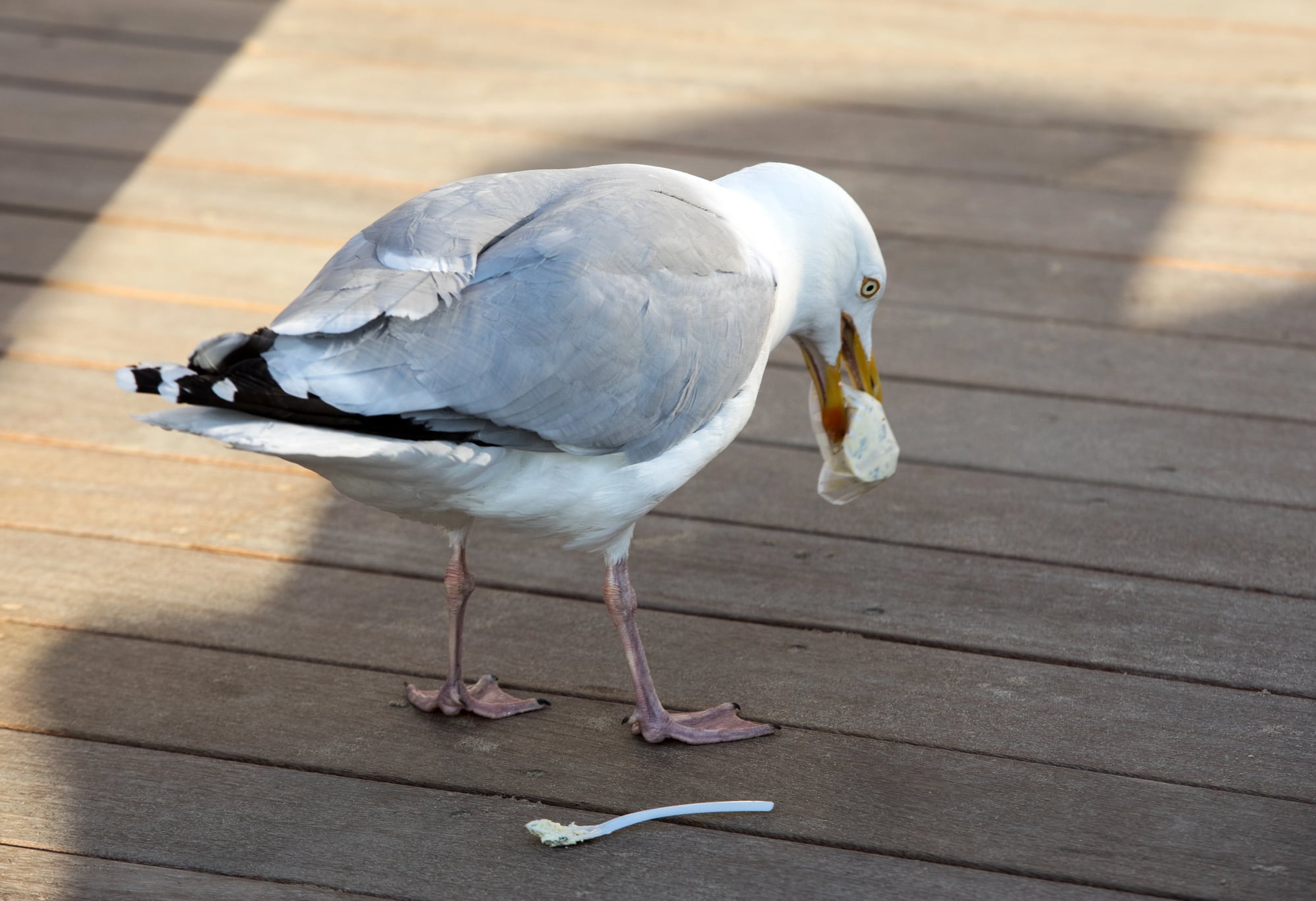
Urban gulls have cracked the code on fast food. They pick up clams or mussels, fly over roads, and drop them from just the right height so passing cars crack them open.
Timing is everything—too early and the shell stays intact, too late and the food flies off into the gutter. These gulls practically built drive‑thru dining into city life.
Brains, Beaks, and Breakthroughs

Tool use was once seen as the final frontier of intelligence—something that neatly separated humans from the rest of the animal kingdom. But these discoveries are reshaping that idea, one twig, rock, and coconut shell at a time.
From seabirds to insects, animals are adapting to their environments with creativity that feels less like instinct and more like innovation. As climate shifts, urbanization grows, and ecosystems change, more species are figuring out how to meet the moment—with tools in hand, or beak, or fin.
Turns out, evolution isn’t just about survival of the fittest anymore. It’s also about the cleverest.