Items invented for World War II
Facing war, the globe had to fix things fast. Tough times hit countries hard – scarcity, chaos, strange hurdles everywhere.
Staying alive meant more than battles; it needed new ideas. People who build, study, or labor found themselves making gear that worked when everything was on the line, using scraps, racing against mistakes.
Remarkable? How so many fixes meant just for war kept going after it ended. Born on battlefields, built for factories, made in emergencies – these things drifted into everyday homes when quiet times came.
Now they seem plain, maybe boring, though they started in pressure and shortage.
Few things changed daily routines like wartime needs did. Peek under the surface of objects crafted during WWII.
Some began as battlefield fixes but stuck around after peace came. Driven by shortages, clever tweaks turned basic gear into household names later on.
Look closely – many tools we use quietly trace back to urgent problem solving in those years.
Duct tape

Duct tape was developed to solve a specific military problem. Ammunition cases needed a waterproof, durable seal that soldiers could open quickly without tools.
Existing materials failed under rough conditions, so a cloth-backed adhesive tape was created to be strong, flexible, and resistant to moisture.
Its usefulness quickly exceeded its original purpose. Soldiers used it to repair equipment, patch gear, and improvise solutions in the field.
After the war, manufacturers recognized its versatility and adapted it for civilian use. What began as a battlefield fix became one of the most widely relied-upon household tools in the world.
Radar technology

Radar existed in experimental forms before the war, but World War II accelerated its development dramatically. Detecting enemy aircraft and ships before visual contact became essential, particularly during air raids and naval battles.
The refinements made during wartime laid the foundation for modern air traffic control, weather forecasting, and navigation systems. Today’s commercial aviation and meteorology rely heavily on principles refined under combat pressure, even though most users never associate radar with its wartime origins.
Synthetic rubber

Natural rubber supplies were severely disrupted during the war, especially after key producing regions became inaccessible. Without rubber, military vehicles, aircraft, and equipment would grind to a halt.
In response, scientists developed synthetic rubber on a massive scale. The wartime push transformed laboratory experiments into industrial production almost overnight.
After the war, synthetic rubber became a permanent fixture in manufacturing, shaping everything from tires to household goods.
Frozen foods

Freezing food was not new, but World War II transformed it into a reliable, scalable system. Feeding troops across continents required meals that could be stored, transported, and prepared efficiently without spoiling.
Advances in rapid freezing preserved texture and nutrients better than previous methods. Once peace returned, the same technology reshaped civilian grocery stores.
Frozen vegetables, ready meals, and long-term food storage became everyday conveniences rooted in wartime logistics.
Jet engines

Jet propulsion existed before World War II, but the conflict turned theory into practice. Faster aircraft offered decisive advantages, pushing engineers to refine engines capable of sustained high-speed flight.
The jet engines developed during the war directly influenced postwar commercial aviation. Passenger air travel as it exists today, faster, higher, and farther-reaching, traces its origins to wartime urgency rather than luxury travel ambitions.
Portable blood banks

Battlefield medicine exposed a critical challenge. Wounded soldiers often died not from injuries themselves, but from blood loss before reaching care.
This reality drove the development of portable blood storage and transfusion systems. Techniques for collecting, preserving, and transporting blood safely improved dramatically during the war.
These advances became standard medical practice, saving countless civilian lives in hospitals long after the fighting ended.
Computers for codebreaking

Early computers were built to solve problems humans could not process quickly enough, particularly encryption and ballistics calculations. Wartime codebreaking efforts demanded speed, accuracy, and the ability to handle massive volumes of data.
The machines developed during this period laid the groundwork for modern computing. While primitive by today’s standards, they introduced concepts that would eventually shape digital life, from data processing to automation.
Aerosol sprays
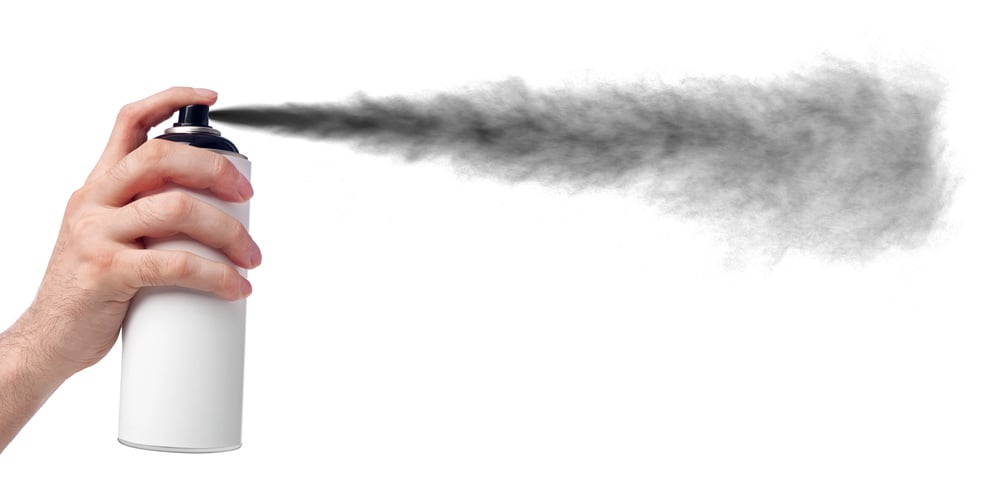
Aerosol technology was refined during World War II to help soldiers combat insect-borne disease in tropical environments. The goal was to create a portable, effective way to disperse chemicals safely and evenly.
After the war, the same delivery system found its way into consumer products. Household cleaners, personal care items, and paints all benefited from a technology originally designed for disease prevention in combat zones.
Penicillin mass production

Penicillin was discovered before World War II, but it was the war that turned it into a usable, widely available medicine. Treating infections quickly became a matter of military survival.
Governments invested heavily in scaling production, refining fermentation techniques, and standardizing dosage. The result was a medical breakthrough that reshaped healthcare.
Antibiotics became a cornerstone of modern medicine, extending life expectancy and transforming treatment worldwide.
Nylon

Nylon was developed as a synthetic alternative to silk, which became scarce during the war. It was used in parachutes, ropes, and other military equipment that demanded strength and reliability.
Once the war ended, nylon entered civilian life rapidly. Clothing, stockings, and countless consumer goods adopted the material.
Its durability and versatility made it a staple of modern manufacturing, long after its military role faded.
Walkie-talkies

When troops moved quickly, staying in touch became tough. Because set-up radio gear slowed things down, lightweight walkie-talkies began appearing among frontline units.
Movement meant messages had to travel fast – wires could not keep up. Out of those first handheld radios came today’s wireless world.
War-era tweaks quietly slipped into tools we now rely on, whether calling for help or just staying in touch.
Why war accelerates invention
When conflict hits, time shrinks fast. Years of slow progress get squeezed into just a few turns of the calendar.
Money appears quickly but vanishes faster if results lag behind. Mistakes aren’t forgiven – they show up right away in real outcomes.
What works matters more than what looks good on paper. Out of nowhere, war pushed invention past choice – staying alive demanded it.
Under such weight, ideas once stuck in books leapt into machines much sooner than expected.
The civilian afterlife of wartime tools

After the fighting stopped, people had new problems to handle. Shifting weapons work into peacetime uses wasn’t always obvious.
Some gadgets built for battle turned out to fit right in at home. They brought easier routines, faster results, and better protection.
Few expected such rough creations could soften so well. Few noticed how war fed daily comforts.
Workshops changed aims, researchers followed new goals, yet people used goods unaware of where they came from. Slowly, the link between battlefronts and living rooms faded into silence.
Why it still matters
Strange things came out of a time when choices vanished. When war took over, people built what they had to have.
From tight corners, new ways forward appeared. No extras, just fixes that stuck around after peace returned.
Some tools made back then still sit quietly in homes now. Pressure forced hands – yet some results stayed gentle, useful, soft.
Life moved on, yet kept these odd gifts close without noticing. Not grand statues or medals carry that past – it hums inside common items instead.
More from Go2Tutors!

- The Romanov Crown Jewels and Their Tragic Fate
- 13 Historical Mysteries That Science Still Can’t Solve
- Famous Hoaxes That Fooled the World for Years
- 15 Child Stars with Tragic Adult Lives
- 16 Famous Jewelry Pieces in History
Like Go2Tutors’s content? Follow us on MSN.



