20 Breakfast Restaurant Chains Americans Grew Up Visiting
For a certain kind of American childhood, the best meal of the week happened before noon, in a vinyl booth with a laminated menu and a syrup bottle that never quite closed. These chains turned eggs, pancakes, and biscuits into a shared language that kids learned long before they could read the menu.
Some are still on every highway exit, and others survive only in a few regions or in memory. All of them earned a permanent spot in the family road trip.
IHOP and the Blue Roof That Meant Pancakes
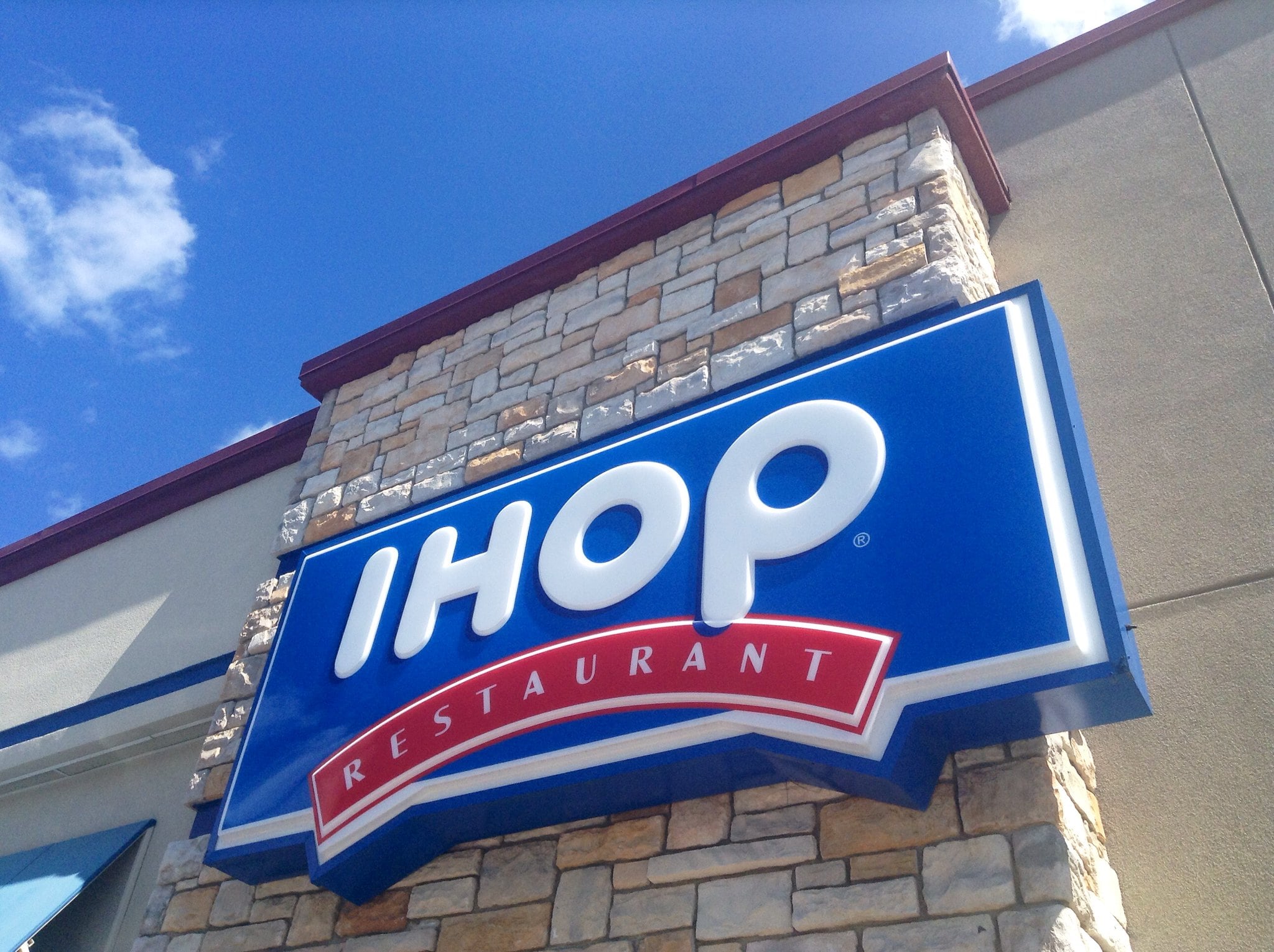
IHOP opened in Southern California in 1958 under its full name, the International House of Pancakes, and the steep blue roof became the signal that breakfast was available for miles around. Pancakes sit at the center of the menu, with a long rotation of flavors and toppings.
In 2018 the chain briefly renamed itself IHOb to promote burgers, a stunt that left plenty of loyal breakfast fans baffled.
Denny’s Began as a Doughnut Shop
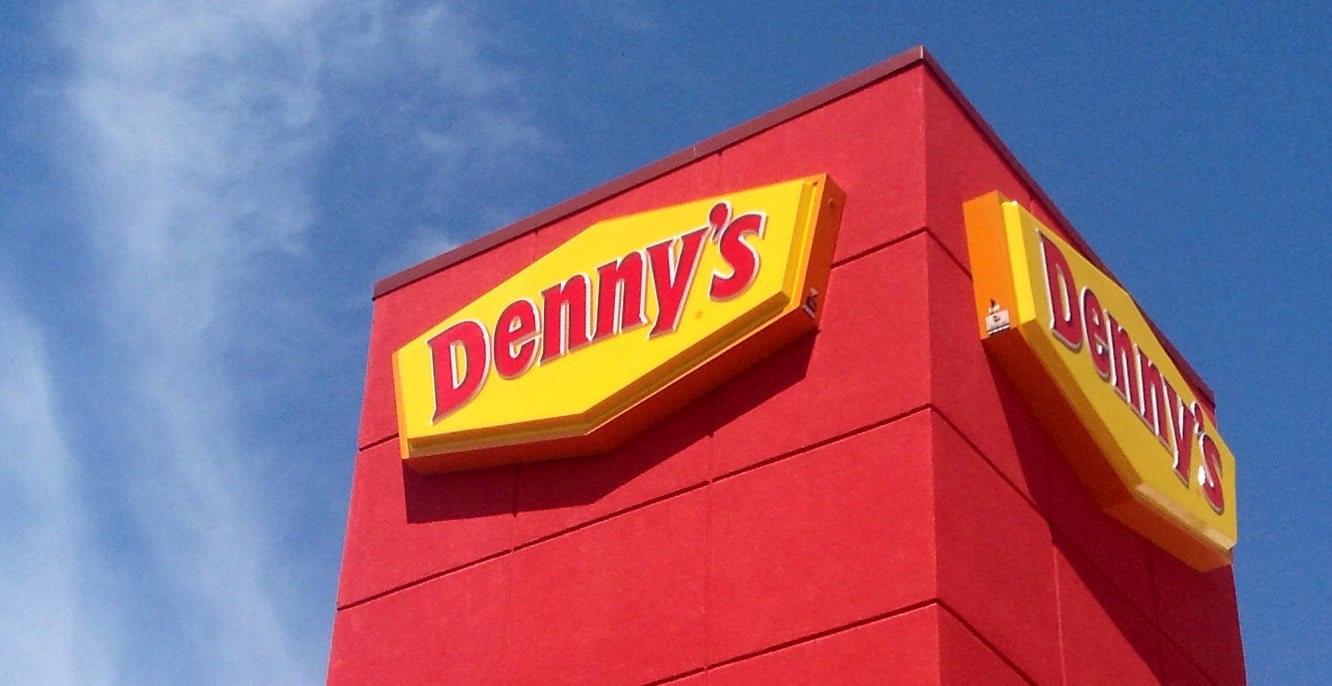
Harold Butler opened Danny’s Donuts in Lakewood, California, in 1953, and the shop grew into the chain now known as Denny’s. The name changed as the menu expanded far beyond pastry into full meals.
The Grand Slam, a plate of eggs, pancakes, bacon, and sausage, became the signature order, and the late-night booth became a rite of passage for teenagers everywhere.
Waffle House Lit Up Avondale Estates
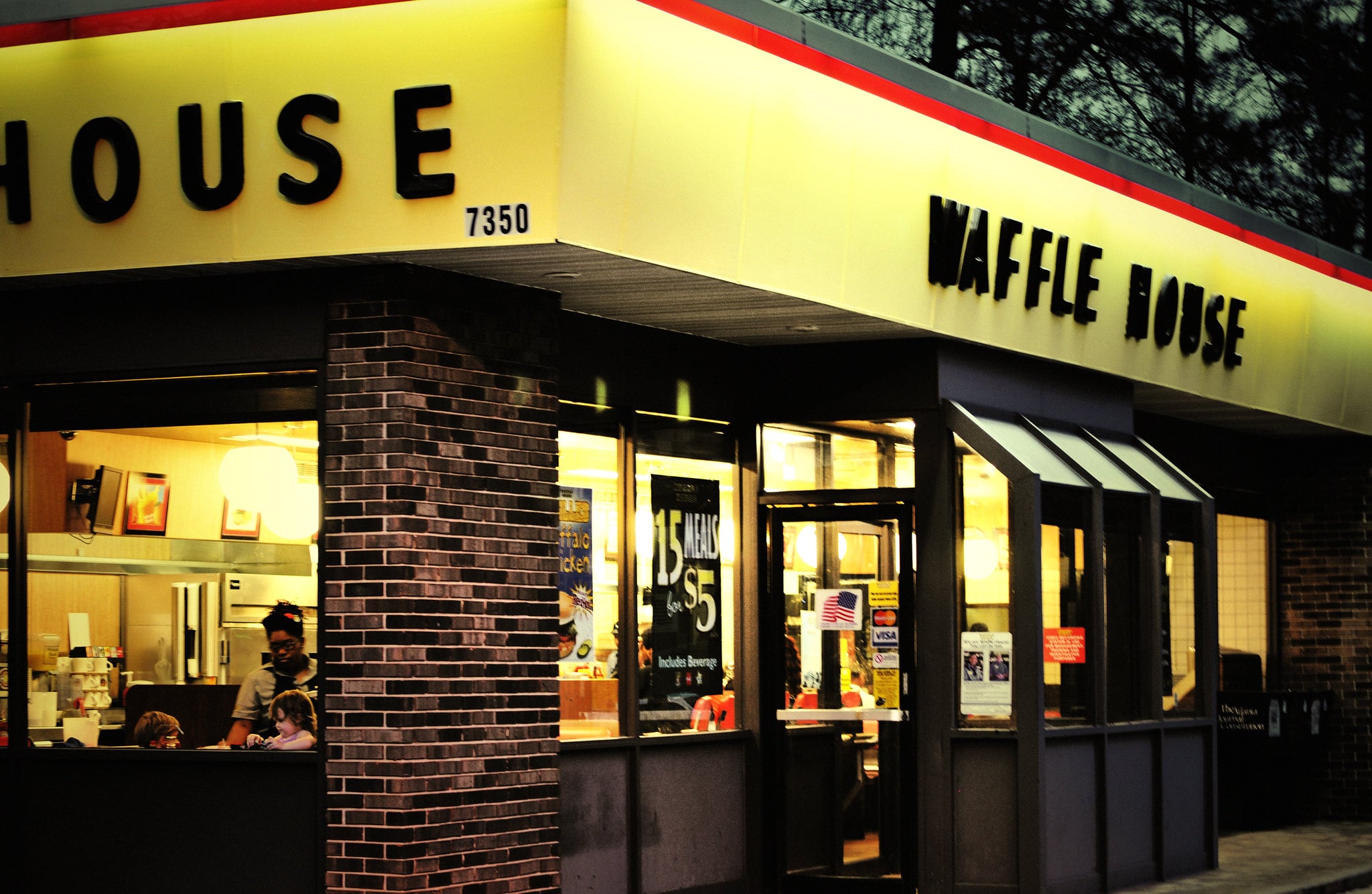
Neighbors Joe Rogers Sr. and Tom Forkner opened the first Waffle House in Avondale Estates, Georgia, in 1955. The restaurants are known for open grills, a jukebox, and hash browns ordered in a famously specific vocabulary.
FEMA has even used an informal Waffle House Index to gauge storm damage, based on whether the local restaurant is open and serving its full menu.
Bob Evans Built a Brand on Farm Sausage
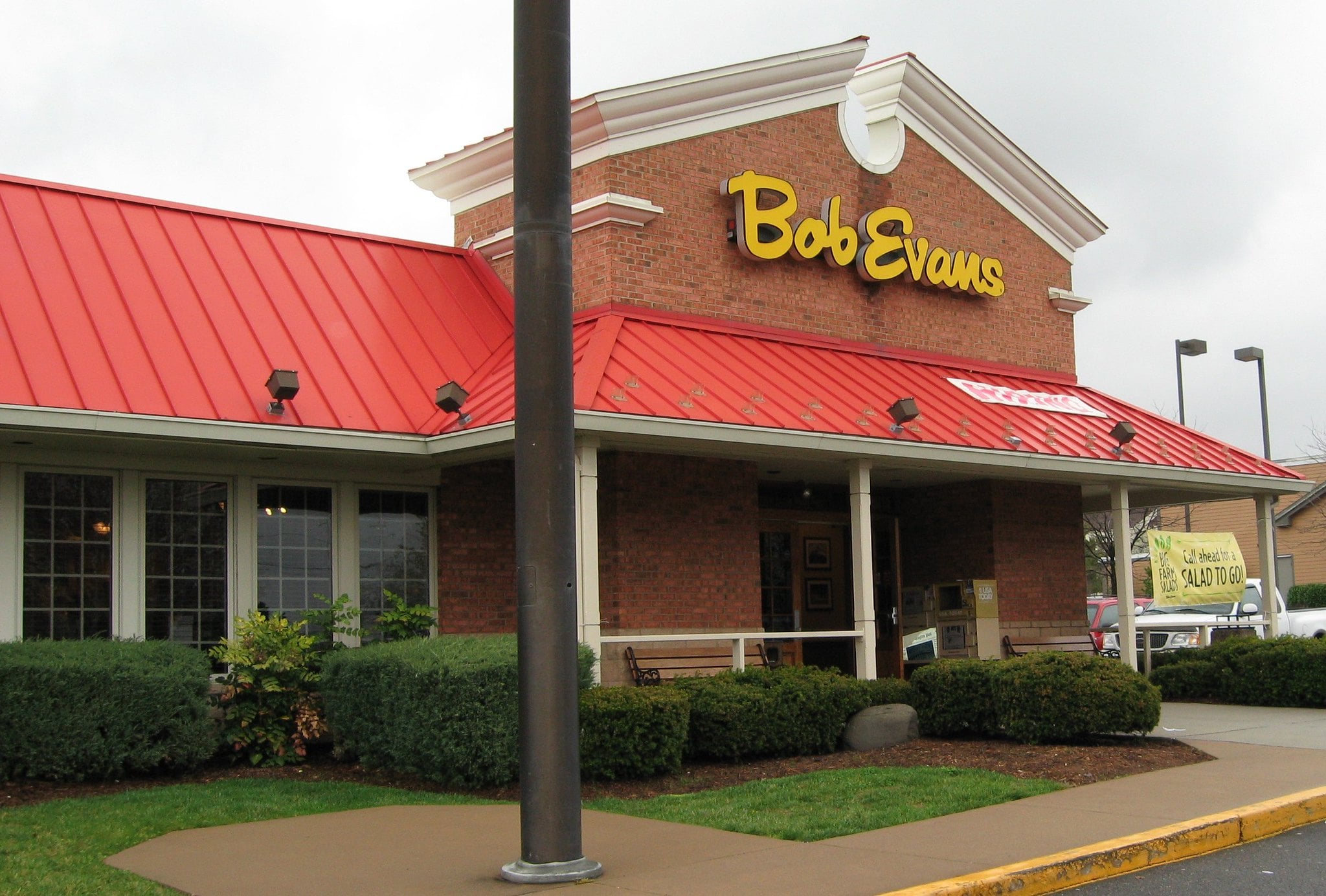
Bob Evans opened a twelve-stool diner in Gallipolis, Ohio, in 1948, and served sausage made from hogs raised on his own farm. That sausage eventually became the foundation of a national brand sold in grocery stores as well as restaurants.
The farmhouse-style dining rooms and country breakfast platters turned the founder’s name into one of the most recognizable labels in the Midwest.
Perkins Pancakes Started in Cincinnati
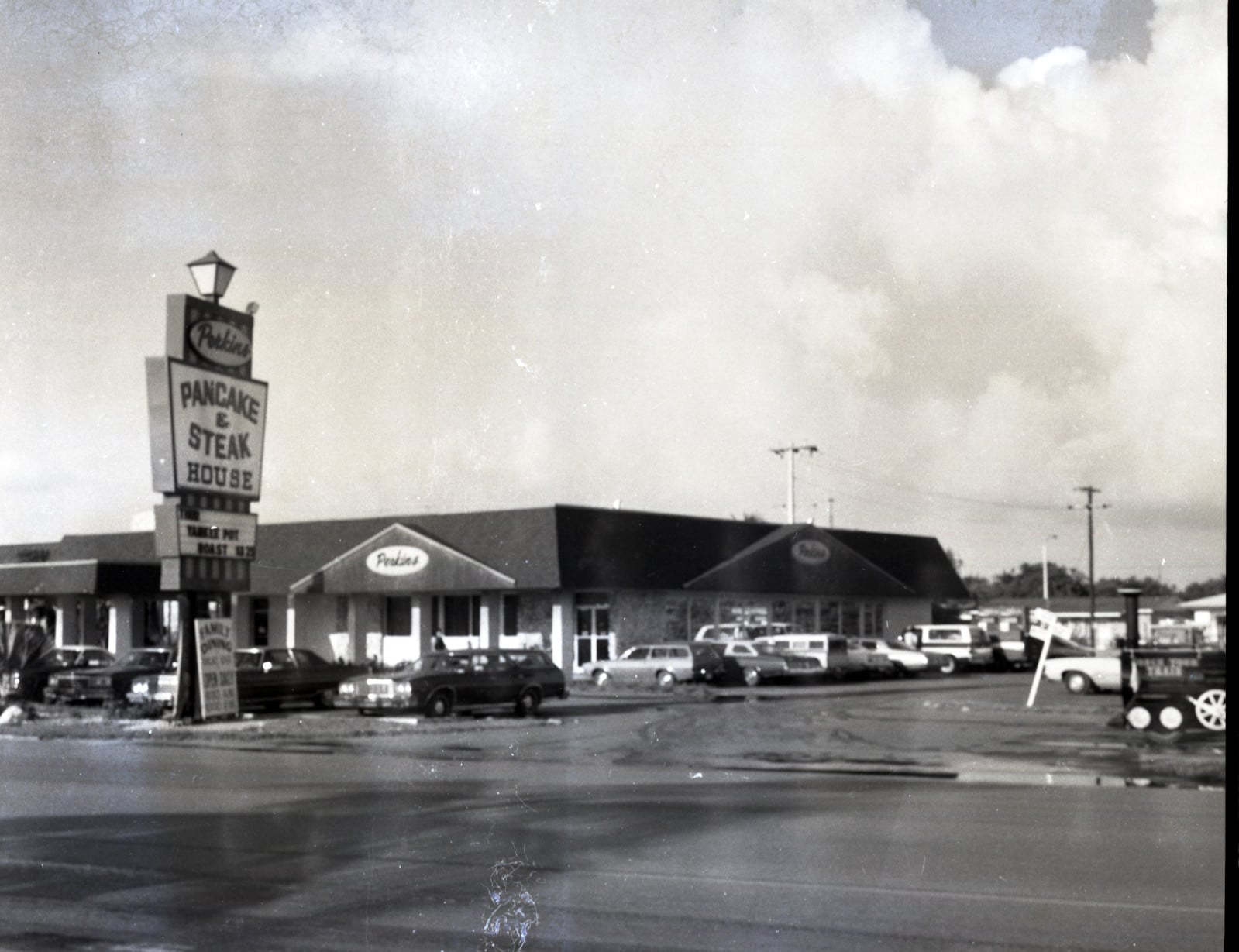
Brothers Ben and Matthew Perkins opened the first Perkins Pancake House in Cincinnati in 1958. The company later grew into Perkins Restaurant and Bakery, with headquarters in Memphis, Tennessee.
Stacks of pancakes and fresh baked goods anchored the menu, and the chain became a fixture of Midwestern highway towns, especially for families stopping after church or a long drive.
Village Inn Served Pie With the Pancakes
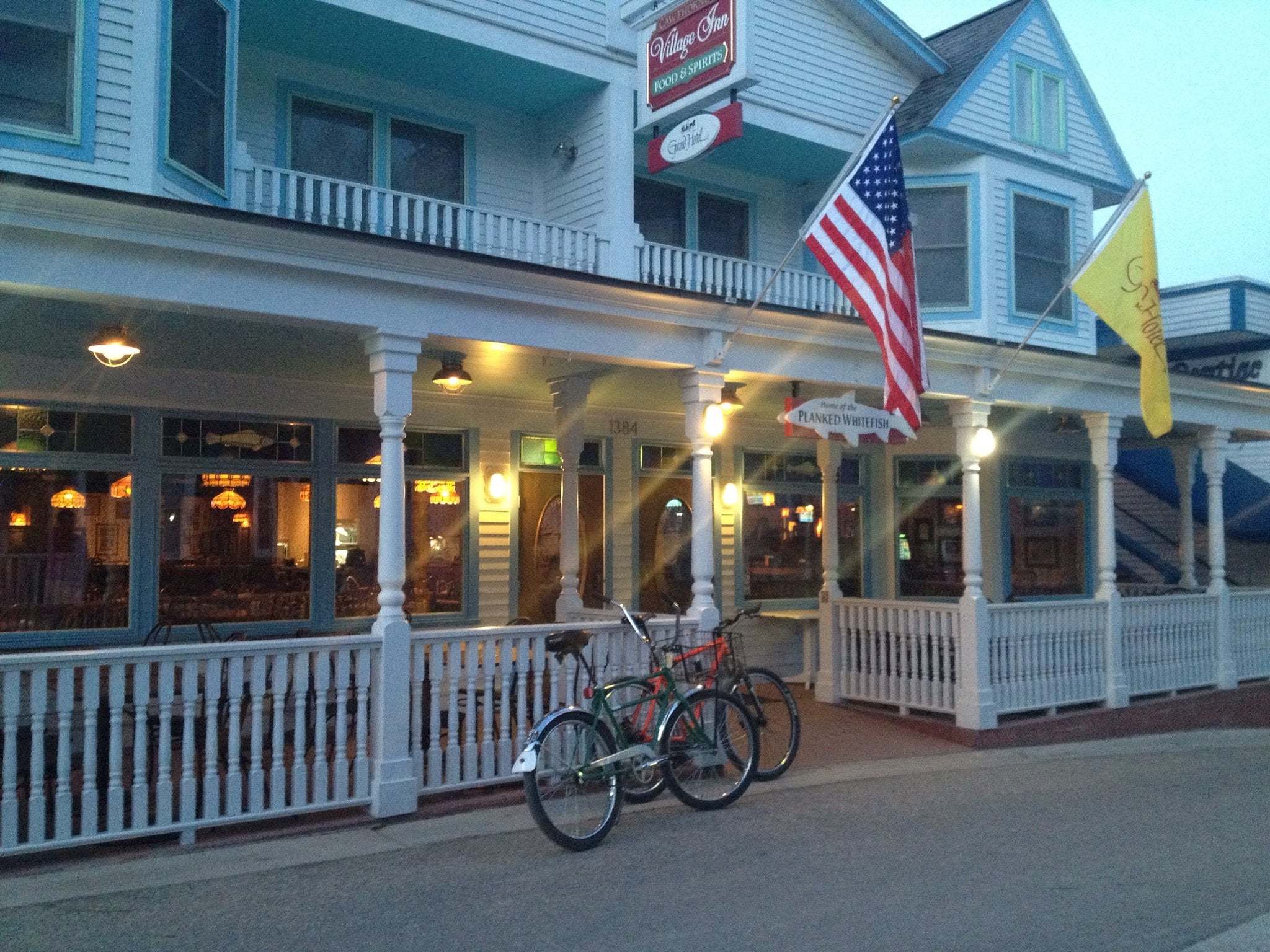
Village Inn started as a pancake house in Denver in 1958 and grew into a national family restaurant chain under the parent company VICORP. Breakfast built its reputation, but the pie case near the register was nearly as famous as the griddle.
Many diners remember ordering a slice for dessert after eggs and pancakes, a combination that most breakfast chains never tried.
Huddle House Kept the Lights On Along Georgia Highways
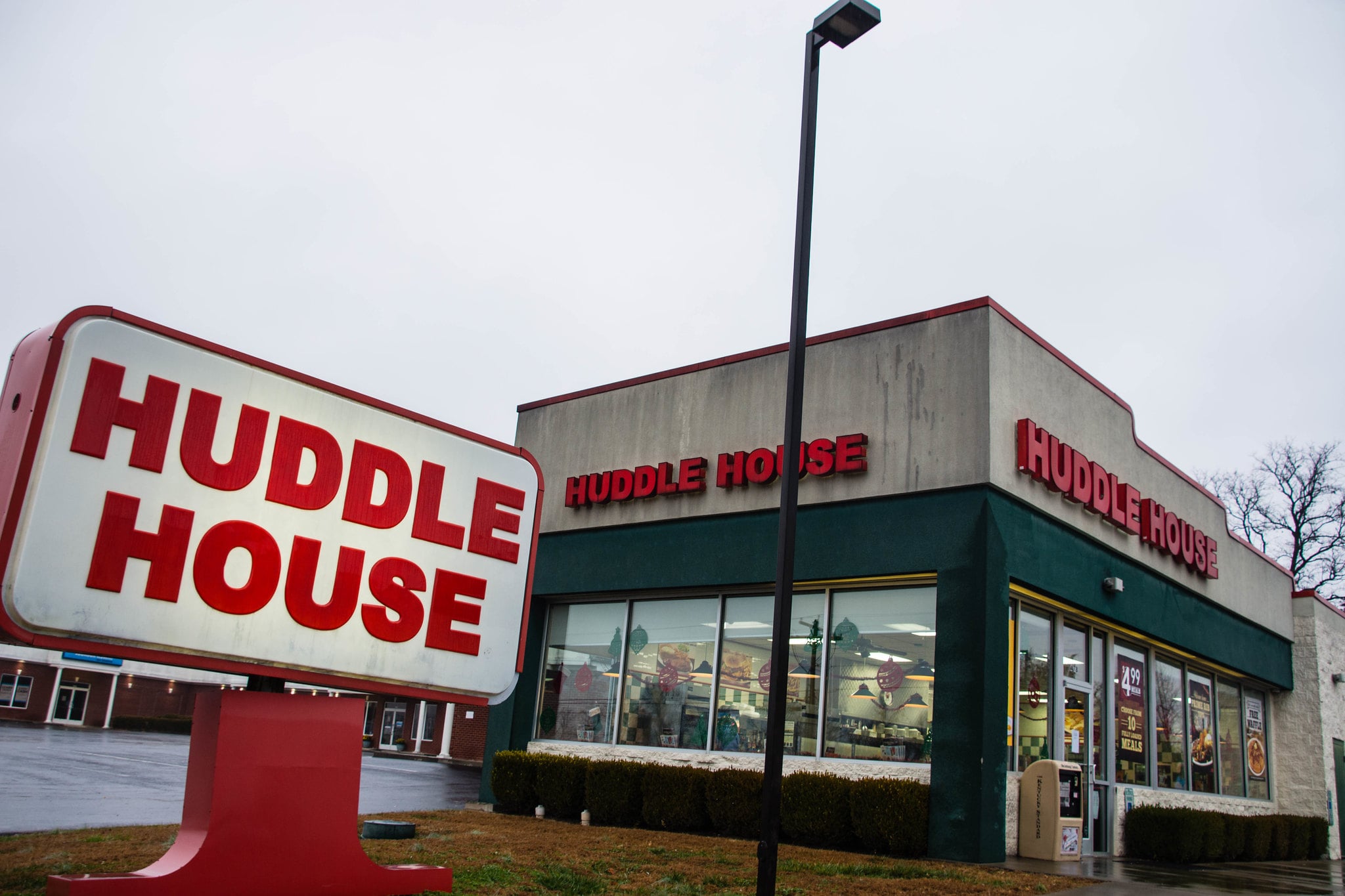
Huddle House began in Georgia in 1964 as a compact diner built around a counter where regulars could watch the cook work. The restaurants stayed open all hours, which made them a dependable stop for truckers, shift workers, and travelers on long Southern drives.
Scrambled eggs, grits, and hash browns remain the heart of the menu, served in dining rooms that feel more like neighborhood hangouts than corporate outposts.
Friendly’s Started With a Borrowed $547
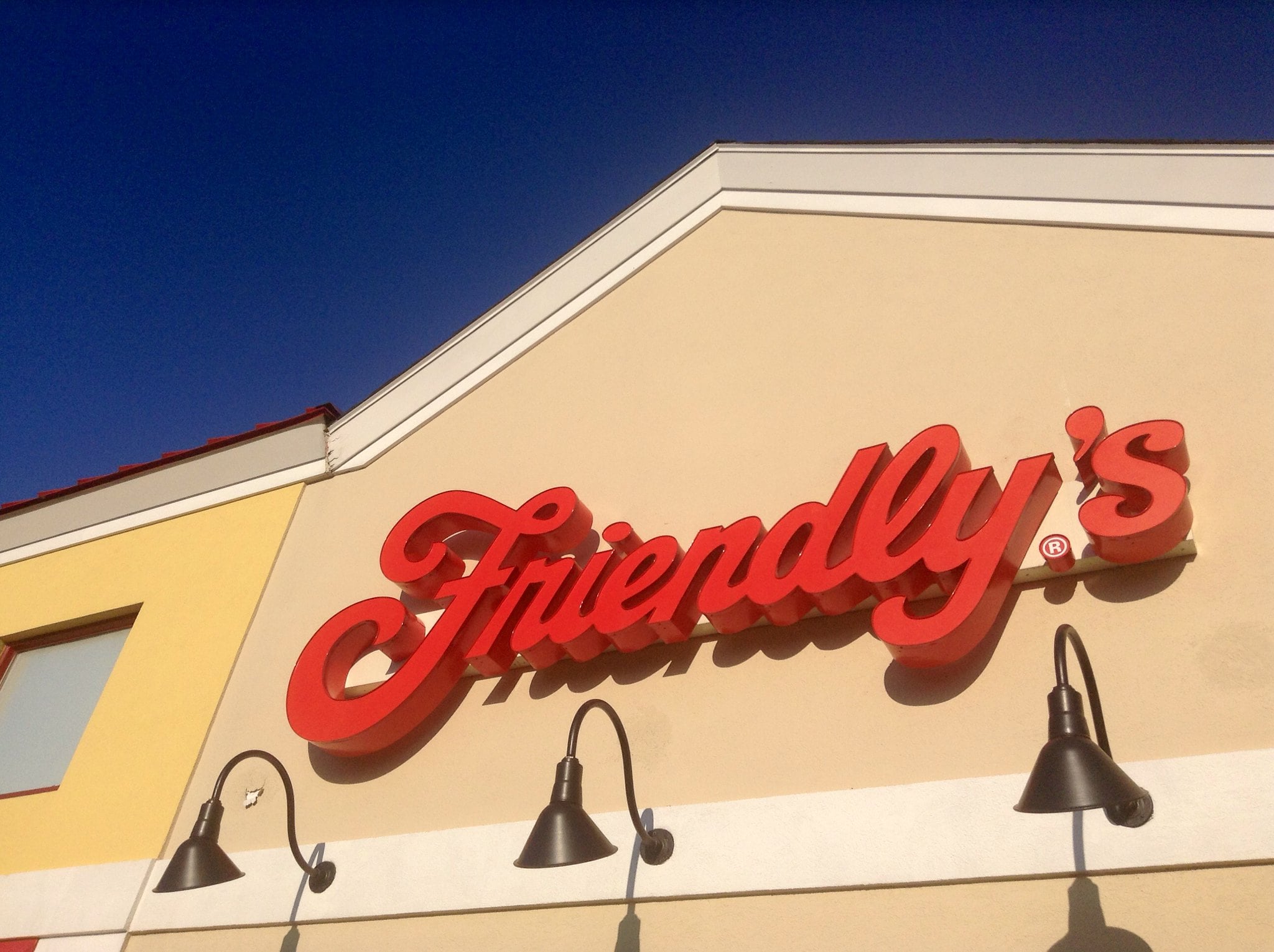
Brothers Prestley and Curtis Blake opened the first Friendly’s in Springfield, Massachusetts, in 1935 after borrowing $547. The shop began with ice cream, then grew into a full restaurant chain across the Northeast.
The Fribble milkshake became its calling card, and the cheerful sundaes made it a destination for kids, though plenty of families came for the breakfast plates on weekend mornings.
The Original Pancake House Made the Dutch Baby Famous
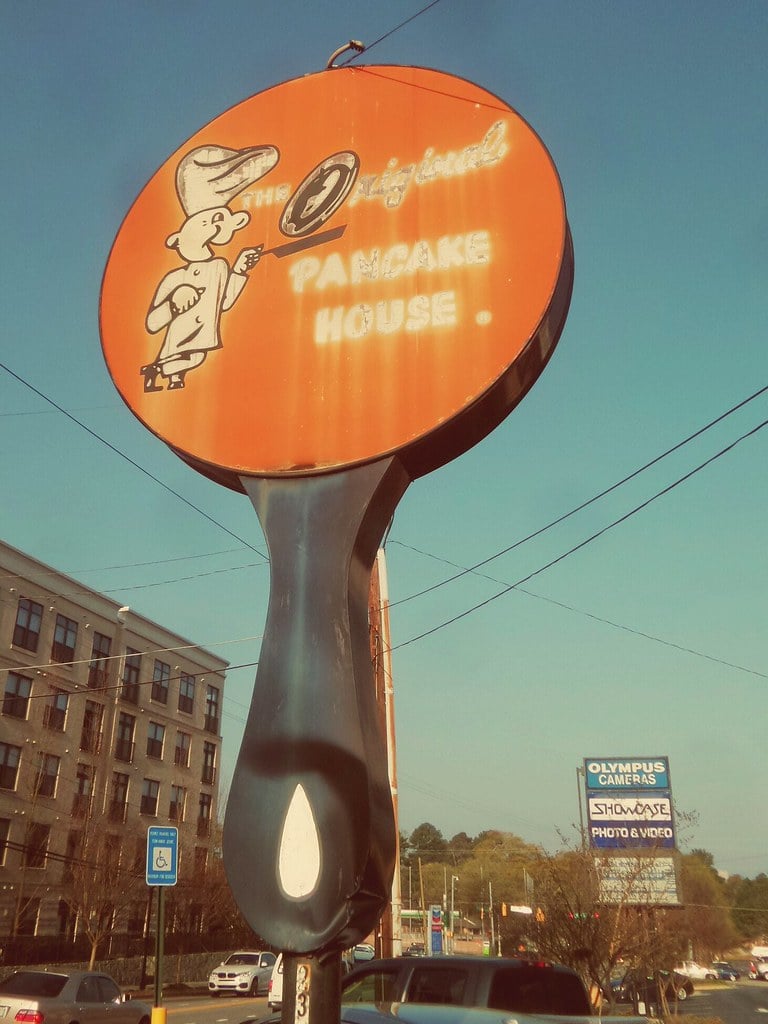
The Original Pancake House opened in Portland, Oregon, in 1953, founded by Les Highet and Erma Huenekens. Its signature Dutch Baby, an oven-baked pancake that puffs dramatically and collapses as it cools, became a regional favorite.
The apple pancake, baked in a pan and served with a sugar glaze, drew lines on weekend mornings in cities far from the Pacific Northwest.
First Watch Built an Empire on Daytime Only
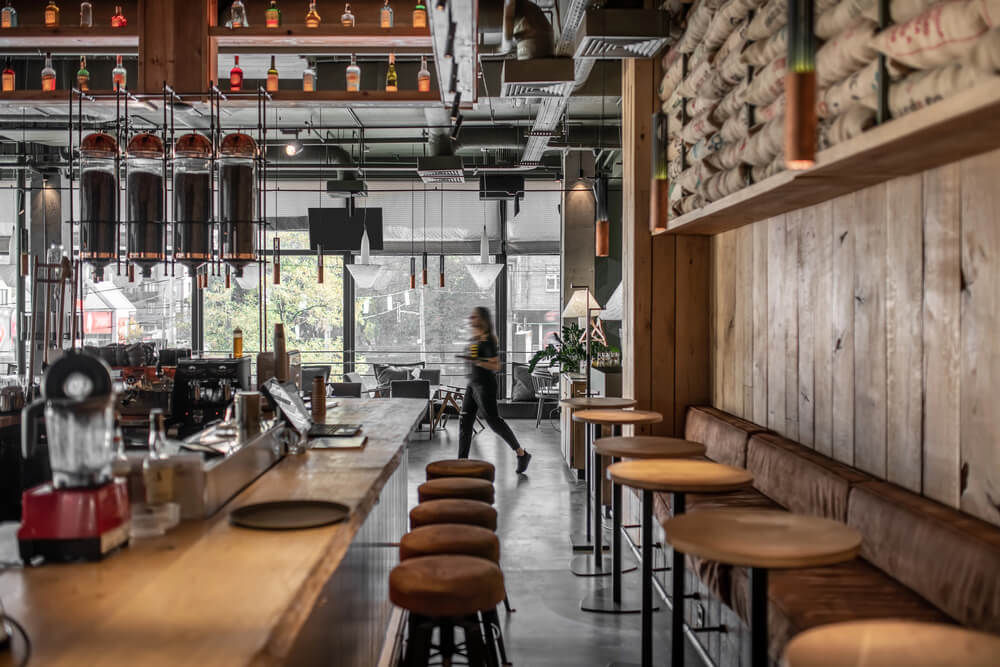
First Watch started in Florida in 1983 with a simple bet that diners would line up for breakfast and lunch if the restaurant closed before dinner. The chain built its identity around fresh juices, morning staples, and a menu that avoids the late-night crowd entirely.
It went public in 2021, proof that a daytime-only concept could grow into a national company.
Cracker Barrel Put a Gift Shop in Front of the Grits
Dan Evins opened the first Cracker Barrel in Lebanon, Tennessee, in 1969, attached to a gas station. The porch rocking chairs and old country store became the chain’s trademark, and the wooden peg game on each table kept kids busy while the biscuits arrived.
Breakfast plates with country ham and fried apples turned a roadside stop into a family tradition for travelers heading south.
Black Bear Diner Brought the Bears to Mount Shasta
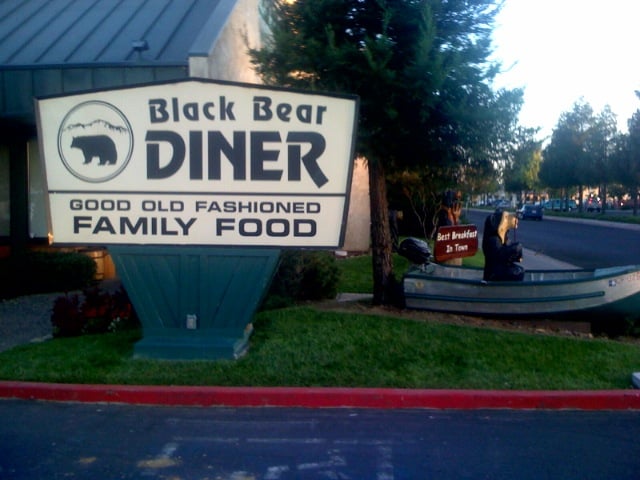
Bruce Dahl opened the first Black Bear Diner in Mount Shasta, California, in 1995, and large bear statues quickly became the brand’s signature. The menu leans on oversized portions of classic American breakfast food, and the diner theme was built to feel like a mountain-town hangout.
Fans of the chain tend to remember the portion sizes as much as the decor.
Eat’n Park Turned a Cookie Into a Mascot
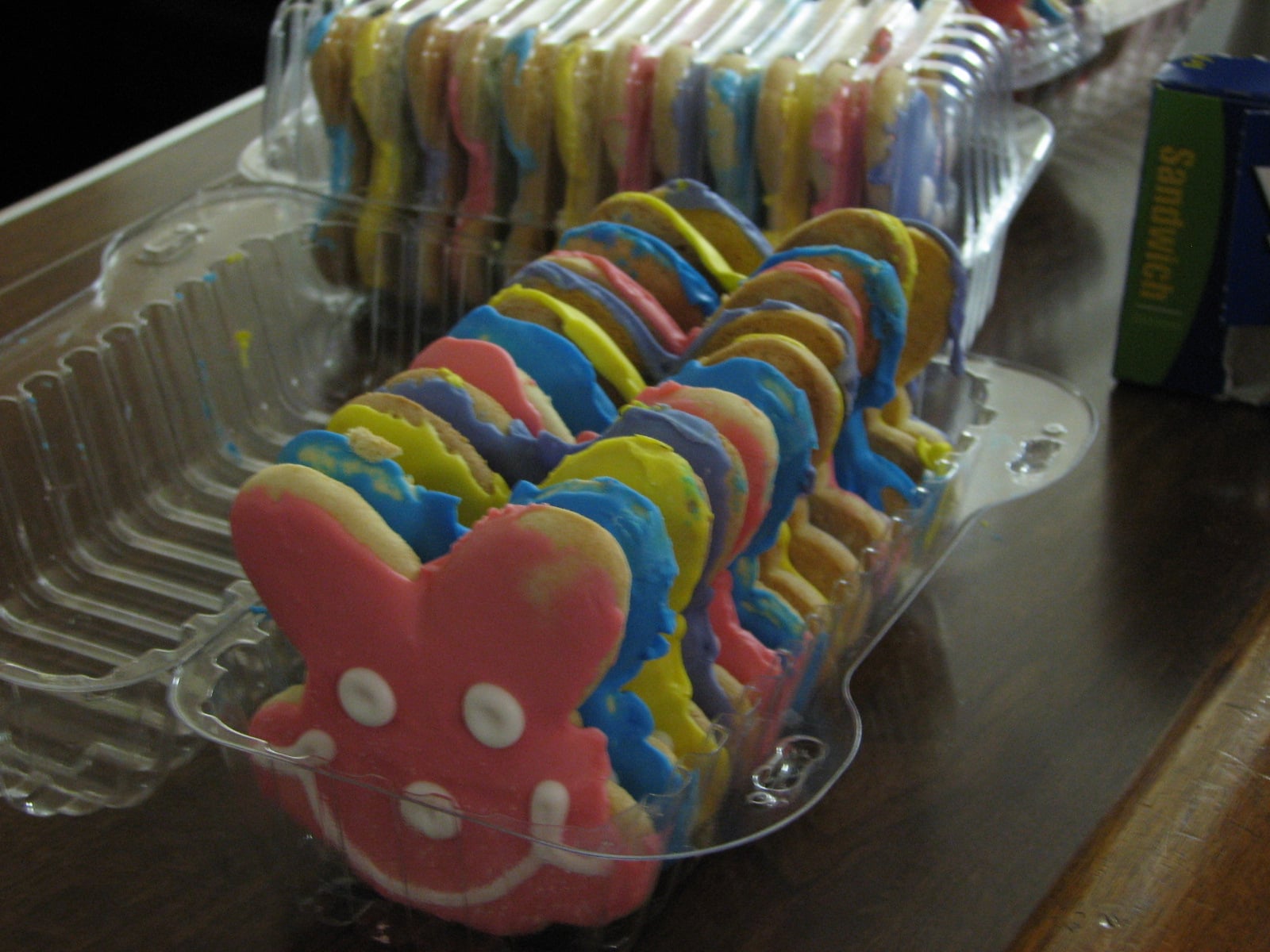
Eat’n Park opened in the Pittsburgh area in 1949 as a drive-in, and its Smiley Cookie, a frosted cookie with a grin, became a regional icon. Parents in western Pennsylvania still hand them to kids as a reward for sitting through a long breakfast.
The chain’s bakery roots and its famous cookie gave a family restaurant a personality that few competitors could match.
Shoney’s Bet on the Breakfast Bar
Alex Schoenbaum opened the first Shoney’s in Charleston, West Virginia, in 1947, and the company eventually moved its center of gravity to Nashville, Tennessee. The chain became famous for its all-you-can-eat breakfast bar, which let families pile their plates with eggs, bacon, and sausage.
For many diners in the 1980s, the buffet was the main event, long before brunch had a name.
Dunkin’ Dropped the Donuts From Its Name
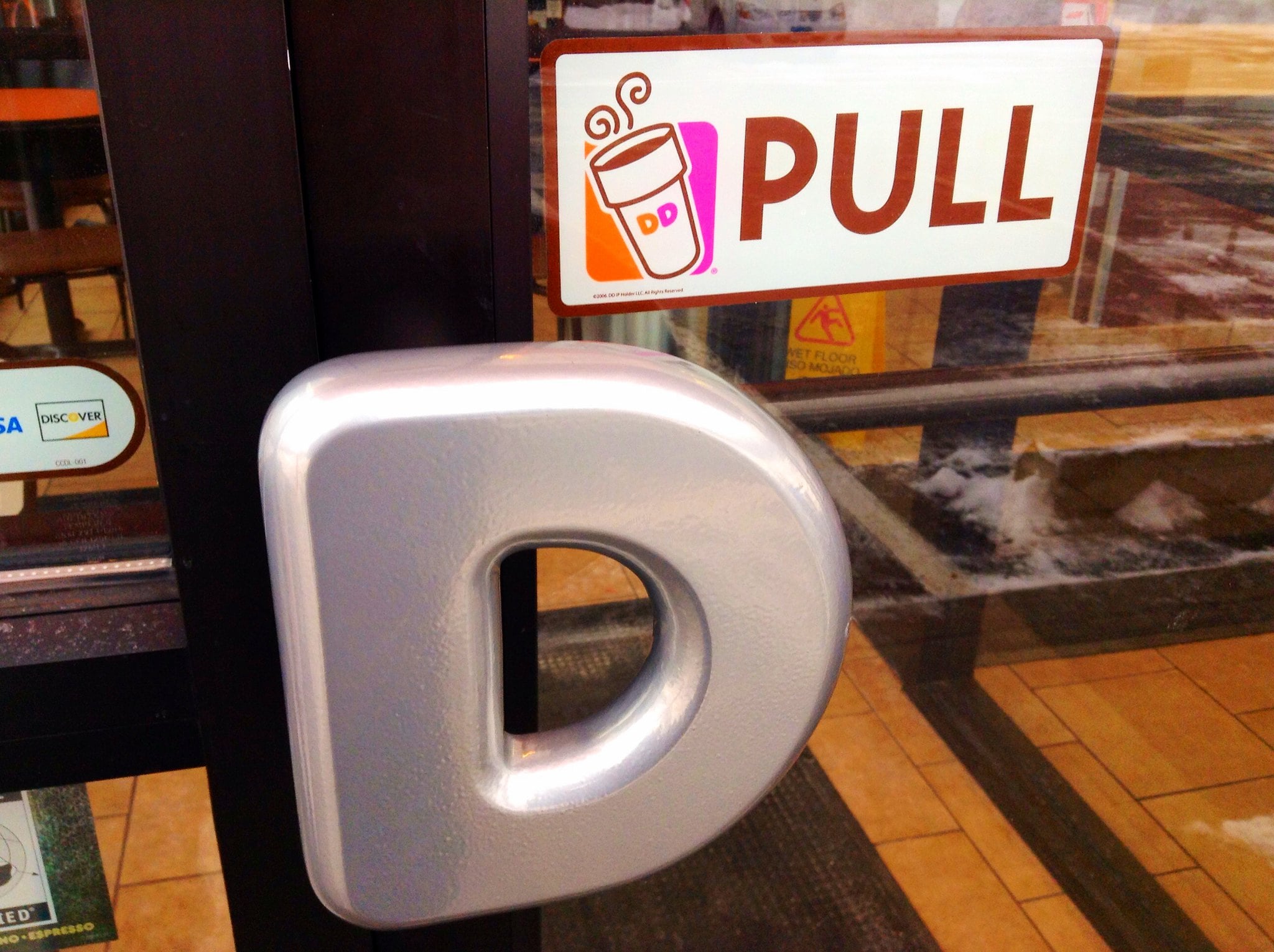
William Rosenberg opened a shop called Open Kettle in 1948 and rebranded it Dunkin’ Donuts in Quincy, Massachusetts, in 1950. The company grew into one of the largest coffee chains in the country, built around the daily morning routine of commuters.
In 2019 the company shortened its name to Dunkin’, a nod to the fact that coffee now carried as much weight as the pastry case.
Krispy Kreme Opened Under a Glowing Sign
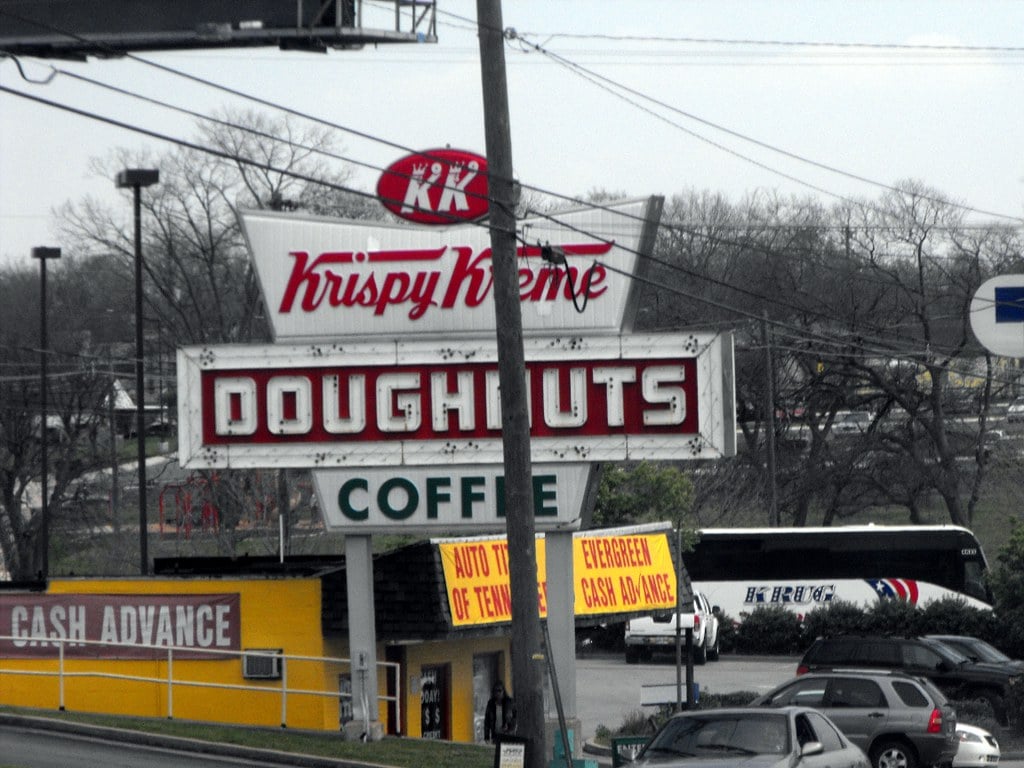
Vernon Rudolph opened the first Krispy Kreme in Winston-Salem, North Carolina, on July 13, 1937, using a yeast doughnut recipe he had purchased from a New Orleans chef. The red Hot Now sign, which lights up when a fresh batch comes off the line, became the chain’s most effective advertisement.
Kids pressed their faces against the glass to watch the rings glide through the glaze waterfall.
Bojangles Made the Bo-Berry Biscuit a Morning Icon
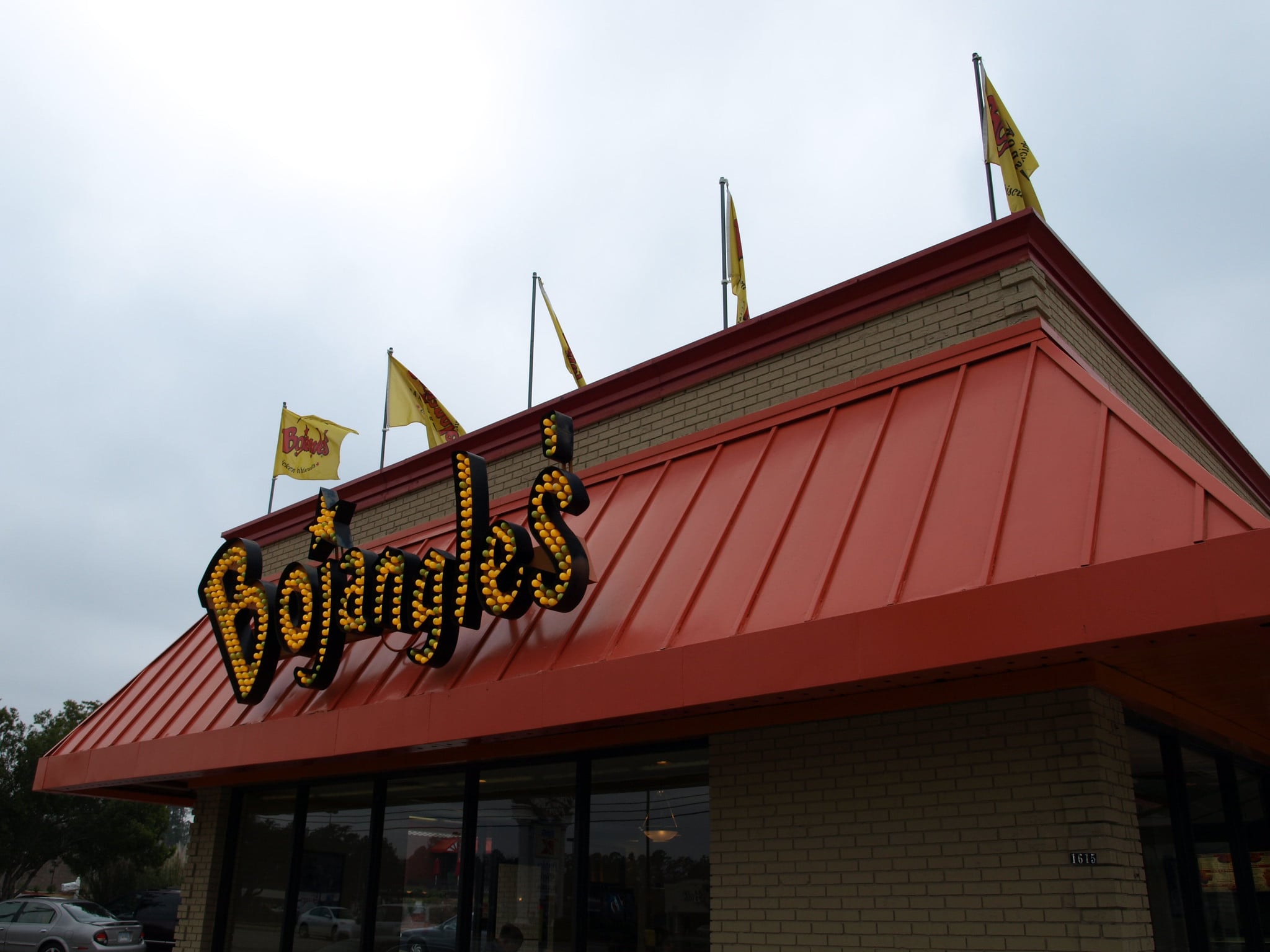
Jack Fulk and Richard Thomas opened the first Bojangles in Charlotte, North Carolina, in 1977. Although the chain is known for fried chicken, its biscuits are the real morning draw, especially the Bo-Berry Biscuit, a sweet pastry-like biscuit glazed with icing.
The restaurants built a loyal following across the Southeast, where a sausage biscuit and sweet tea count as a legitimate breakfast.
Biscuitville Insisted on Baking From Scratch
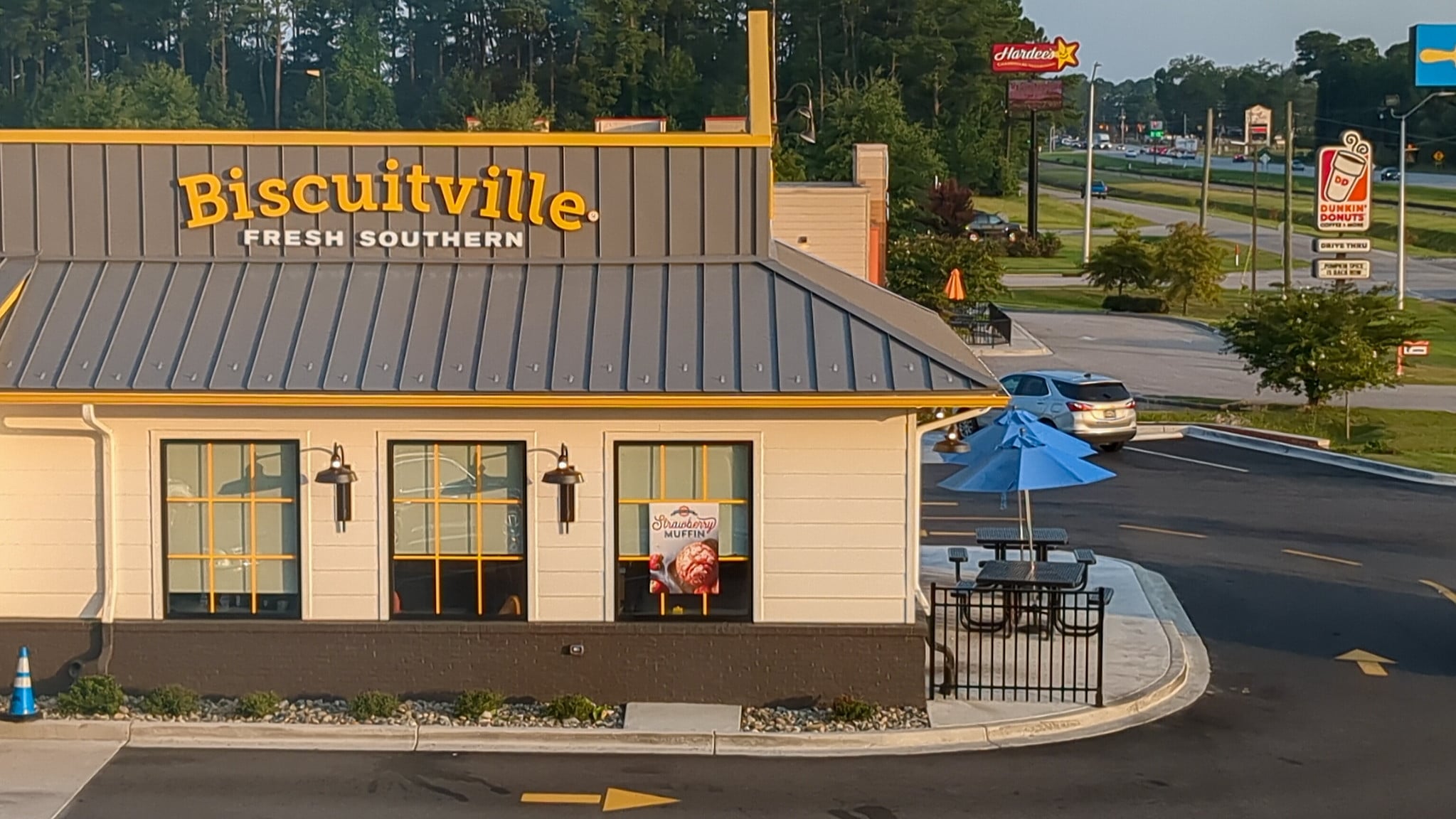
Maurice Jennings founded Biscuitville in North Carolina in 1966, building the business on biscuits made from scratch each morning. The restaurants close in the early afternoon, which keeps the focus on breakfast and a short lunch menu.
Customers watch bakers roll and cut dough in the kitchen, a level of transparency that explains why local fans treat the chain as a regional institution.
Cinnabon Brought Breakfast to the Mall Concourse
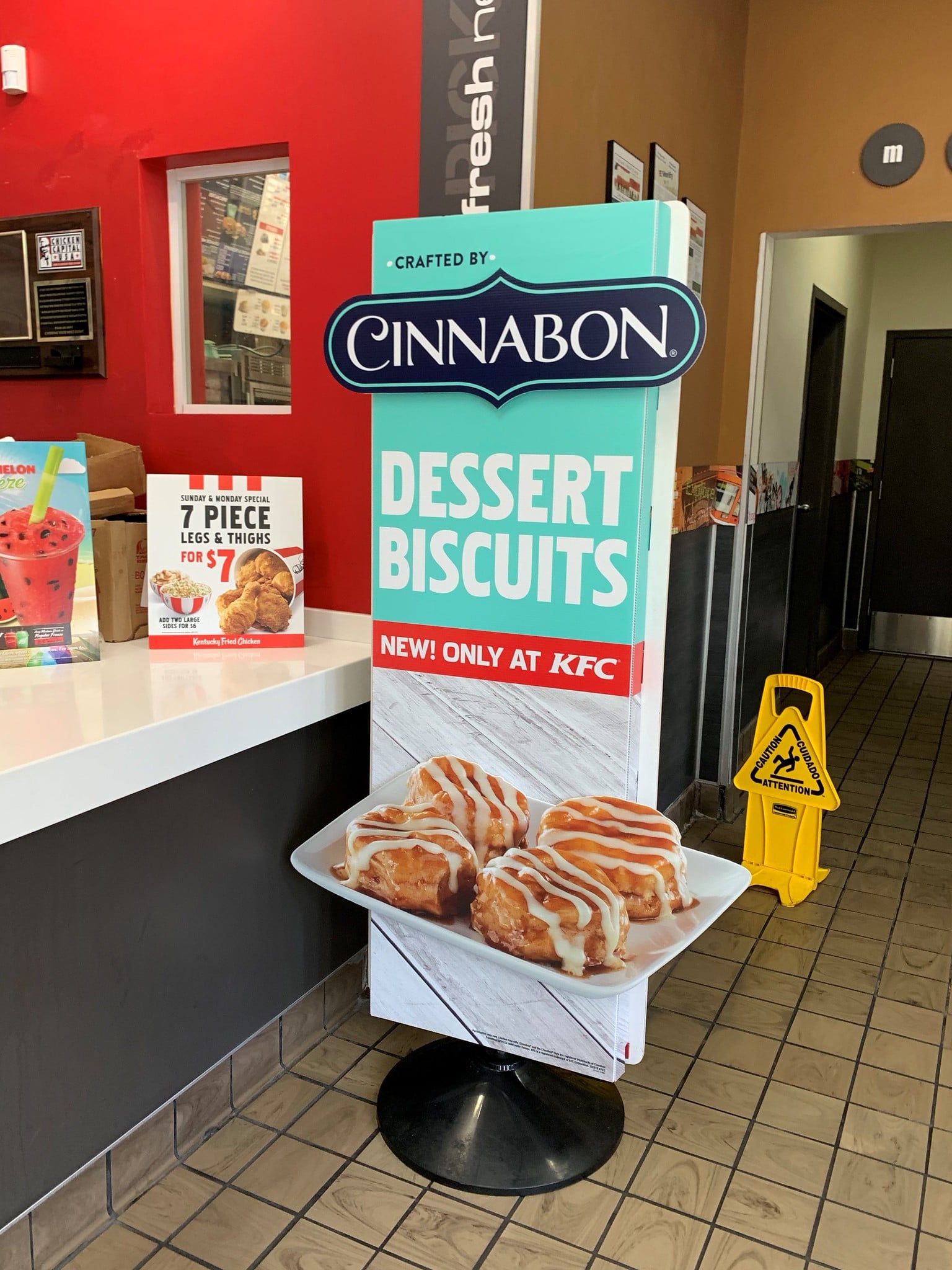
Rich Komen and his son Greg opened the first Cinnabon in Seattle in 1985, in the Sea-Tac Mall in Federal Way, Washington. The shops were designed so the smell of warm cinnamon would drift through the concourse and pull shoppers in.
The signature roll relies on Makara cinnamon, imported from Indonesia, and many families made a stop part of a Saturday errand routine.
Tim Hortons Crossed the Border
Hockey defenseman Tim Horton opened the first Tim Hortons in Hamilton, Ontario, in 1964, and Ron Joyce later became a key partner in building the chain. The brand became a Canadian institution before expanding into the northern United States, where coffee and doughnut shops drew travelers and locals alike.
For many American kids near the border, a box of Timbits was the sweetest part of a family road trip.
The Booth Where Mornings Still Begin
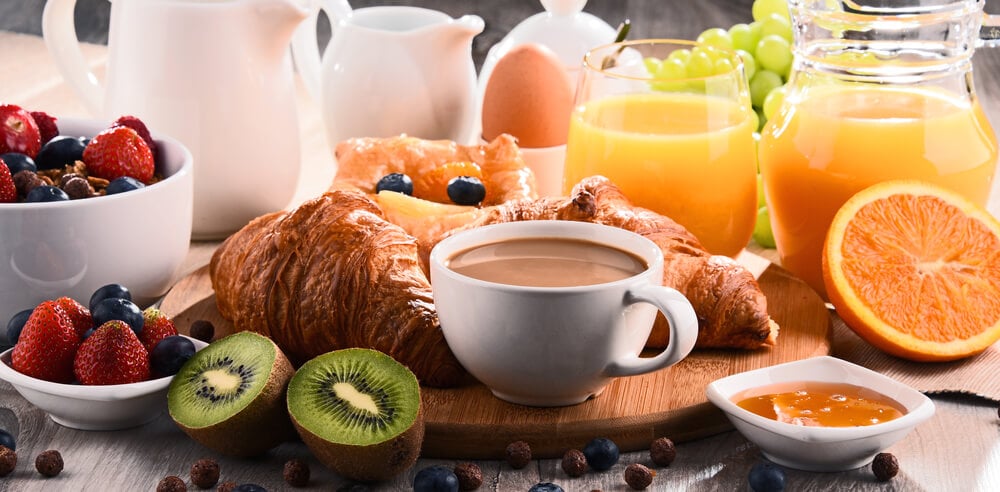
Taken together, these chains show how much of American life happened in a booth before the workday started. Pancakes, biscuits, and cinnamon rolls were never only about food, but about a ritual that families repeated each weekend.
A kid could learn to order for himself, argue over syrup, and watch grown-ups talk over coffee, all in one sitting. Many of these brands have changed owners, menus, and names, and a few have disappeared from entire regions.
The habit they created has proved harder to erase, and plenty of adults still choose a booth over a drive-through when nostalgia calls. The best breakfast chains were less about the plates and more about the feeling that a Saturday morning had somewhere to go.
More from Go2Tutors!

- 27 Silver Dollars and Half Dollars Worth Keeping
- 28 Restaurant Menu Items Nobody Orders Anymore
- 17 Places Built in Seemingly Impossible Spots
- 27 Vintage Rings Worth More Than They Look
- 25 Restricted Sites Tourists Can’t Enter
Like Go2Tutors’s content? Follow us on MSN.