20 Comic Strips Newspapers Dropped
The funny pages used to be one of the first things readers turned to, a daily ritual built around characters some families followed for decades. Many of those strips are gone now, either retired by their creators or quietly cut as newspapers shrank their comics sections. Here are 20 that no longer run.
Calvin and Hobbes

Bill Watterson ended this strip about a mischievous boy and his stuffed tiger on December 31, 1995, walking away at the peak of its popularity rather than handing it off to another artist or licensing it for merchandise. At its height it ran in more than 2,400 newspapers worldwide. Watterson’s refusal to continue it in any form has made its ending unusually final compared to most long-running strips.
The Far Side

Gary Larson retired this single-panel strip, known for its absurdist take on animals, science, and everyday life, at the end of 1994, choosing to stop while the strip was still widely syndicated. He returned briefly decades later to post new material online rather than in newspapers. The strip has never returned to regular newspaper syndication.
Bloom County

Berkeley Breathed ended the original run of this satirical strip in 1989, retiring characters like Opus the penguin and Bill the Cat from daily papers. He later revived the strip in other formats and platforms, but its original newspaper run stayed closed. Most newspapers that once carried it moved on to other strips decades ago.
Cathy

Cathy Guisewite ended this strip, centered on the daily frustrations of its title character, in 2010 after more than three decades in national syndication. She announced the decision to focus on her family rather than hand the strip to another writer. It has not continued in any form since.
For Better or For Worse

Lynn Johnston ended the original daily run of this Canadian family strip on August 30, 2008, after the characters had aged in real time across nearly three decades. The strip briefly continued with retouched reruns before shifting entirely to straight repeats of earlier storylines in 2010. New original strips have not been produced since the original ending.
Li’l Abner
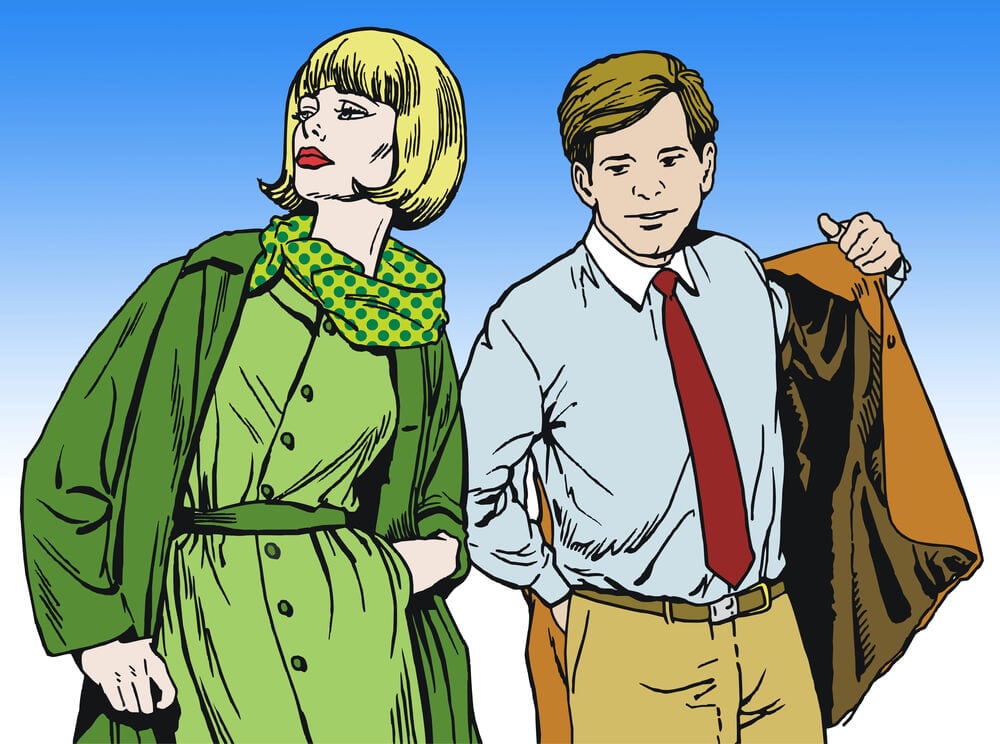
Al Capp ended this satirical hillbilly strip in 1977 after a run of more than four decades, retiring it rather than passing it to a successor artist. It had been one of the most widely syndicated strips of its era at its peak. It has not run in newspapers since Capp’s retirement.
Pogo
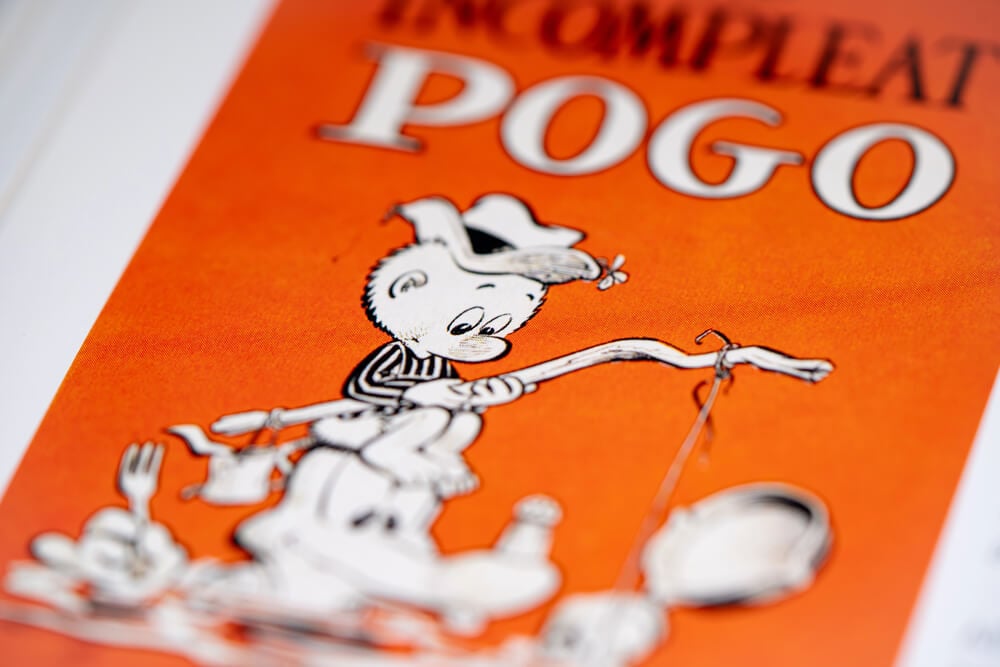
Walt Kelly’s satirical strip about swamp animals ended following his death in 1973, with a brief continuation by other artists before the strip was fully retired by the mid-1970s. It had been known for sharp political commentary delivered through its animal characters. It disappeared from newspaper pages once its various continuations wound down.
Terry and the Pirates
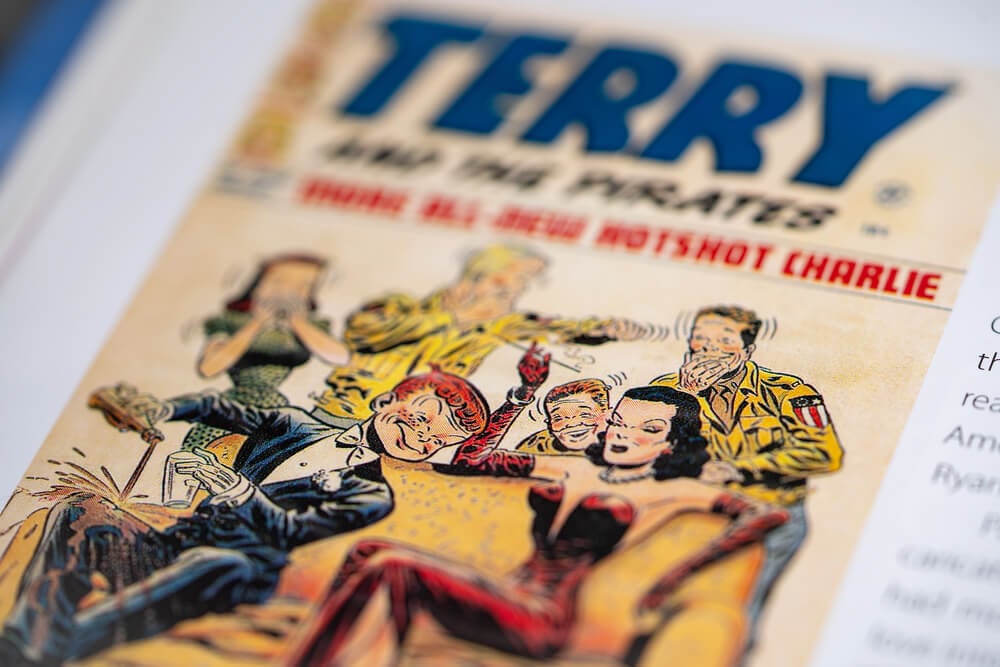
Created by Milton Caniff in 1934, this adventure strip continued under other artists after Caniff left to create a different strip in 1946, eventually ending its run in the early 1970s. Its detailed, cinematic art style influenced generations of adventure strip artists that followed. It has not appeared in newspapers in decades.
Buck Rogers
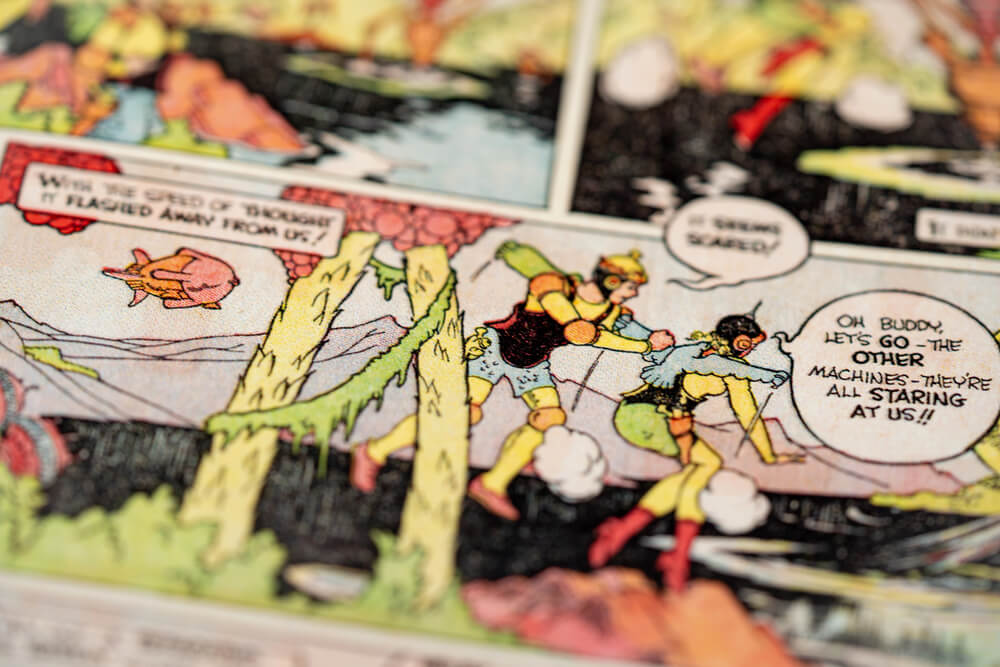
This pioneering science-fiction strip, one of the first to bring space adventure to newspaper pages starting in the late 1920s, ended its original run in the late 1960s after roughly four decades. It helped establish visual conventions for science fiction that later strips and films would draw on. It disappeared from papers once demand for the aging format declined.
Brenda Starr, Reporter
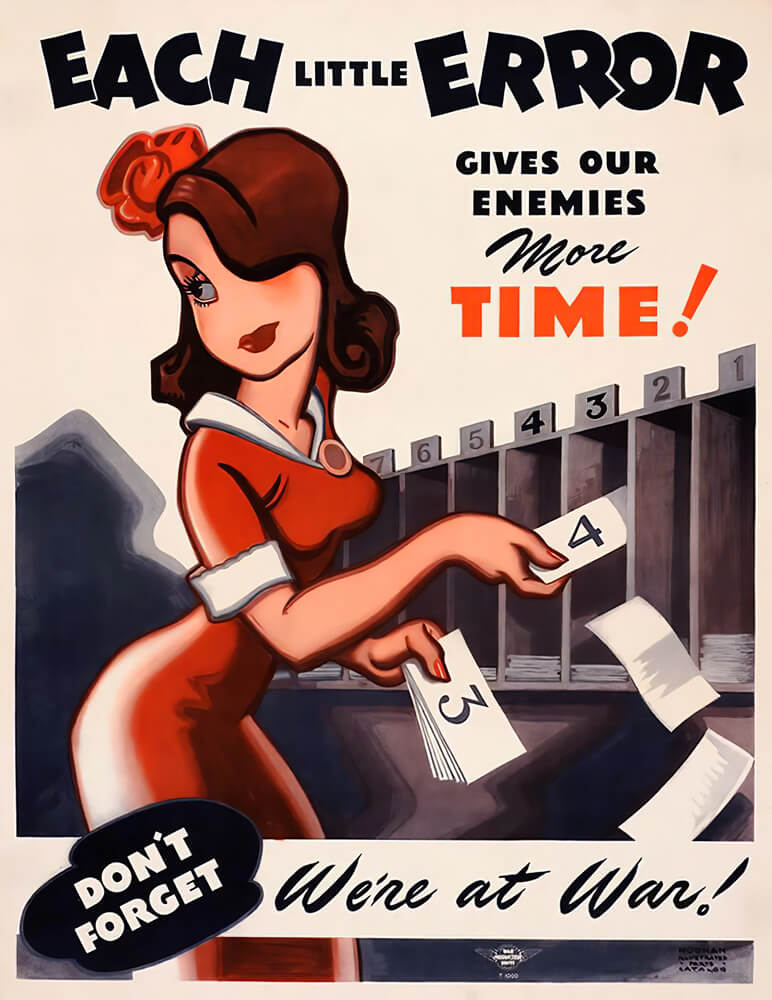
This strip following a glamorous newspaper reporter ended in 2011 after more than seven decades in syndication, becoming one of the longest-running strips created by a woman, Dale Messick, to eventually retire. Its dramatic, soap-opera style storylines had made it a fixture of many newspapers’ comics pages for generations. It was not picked up by a new creative team after its ending.
Apartment 3-G
This serialized drama strip, following the lives of roommates in a New York apartment building, ended in 2015 after running since the early 1960s. Its slow-burn, continuing storylines were a holdover from an era when soap-opera-style strips were common in newspapers. Very few strips in that style remain in syndication today.
Judge Parker
This long-running dramatic strip, following a small-town judge and an evolving cast of characters, ended its original continuous run in 2019 as the newspaper strip landscape continued to consolidate. It had been in continuous syndication since the late 1950s. Most newspapers that once carried it have not replaced it with a comparable serialized drama strip.
Rex Morgan, M.D.

Following a small-town physician through soap-opera style storylines since the late 1940s, this strip ended its run in 2024, closing out one of the last of the classic serialized “doctor strip” genre that once filled newspaper pages. Its ending marked the close of a strip format that had mostly already disappeared elsewhere. Few newspapers have added a similar strip to replace it.
Momma

Mell Lazarus ended this strip, centered on an overbearing mother and her adult children, following his death in 2016 after a run of nearly five decades. It had been known for its sharp, character-driven humor built around a single recurring family dynamic. It was retired rather than continued by a successor artist.
Frank and Ernest
Created by Bob Thaves in 1972 and continued by his son Tom Thaves after Bob’s death in 2006, this pun-driven strip eventually ended when Tom Thaves stepped away from producing new material in the early 2020s. At its peak it ran in more than a thousand newspapers. It has not continued with a new writer or artist.
Marmaduke

This strip centered on an oversized, mischievous Great Dane ended in 2022 after roughly seven decades in syndication, closing out one of the longest-running strips built around a single family pet. It had continued for years under other creators following original artist Brad Anderson’s death in 2015. Its retirement removed one of the last classic “family pet” strips from wide newspaper circulation.
Krazy Kat
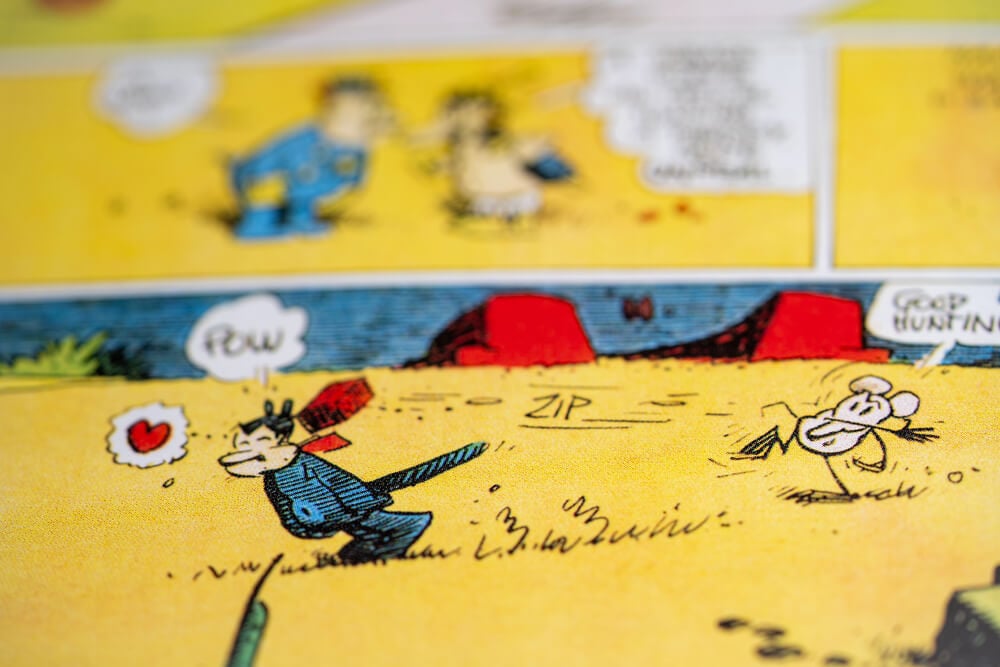
George Herriman’s surreal strip about a cat, a mouse, and a dog ended with his death in 1944, since the highly personal, idiosyncratic art style was considered impossible for another artist to continue authentically. It’s still cited by cartoonists and critics as one of the most artistically influential strips ever published. It never returned to newspapers after its creator’s death.
Thimble Theatre
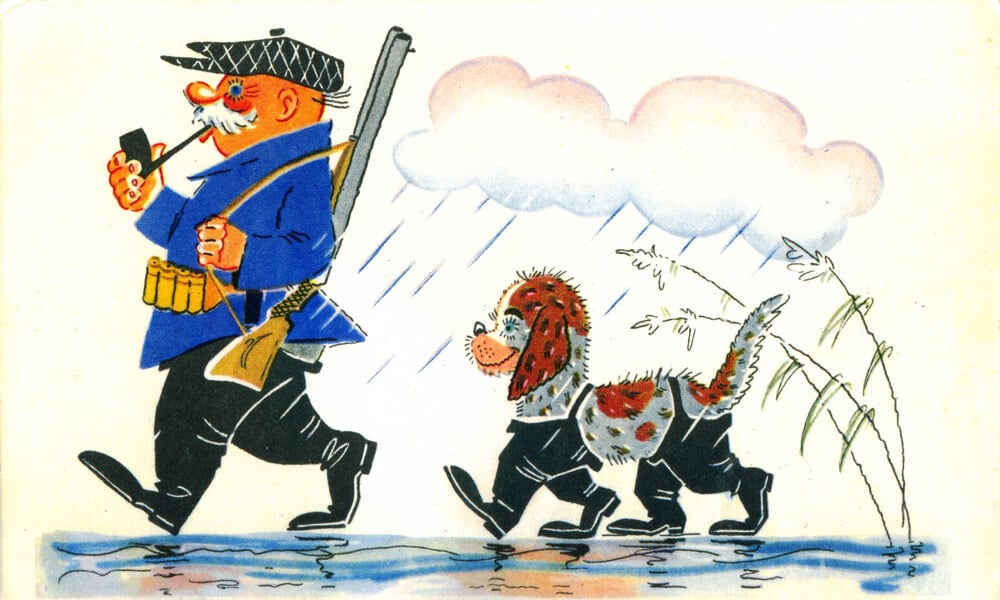
Originally introduced in 1919 and best remembered for introducing the character Popeye in 1929, this strip’s daily version continued under various artists for decades before finally ending its newspaper run in 1994. Popeye continued to appear in Sunday-only strips and other media long after the daily version stopped. The original daily continuity strip has not run in decades.
Little Nemo in Slumberland

Winsor McCay’s visually inventive strip, following a boy’s elaborate dream adventures, originally ended its main run in 1914, with a brief 1920s revival under a different title before disappearing from newspapers entirely. Its ambitious, full-page artwork made it difficult to replicate once newspaper comics sections shrank. It remains celebrated by historians even though it hasn’t run in decades.
Broom-Hilda
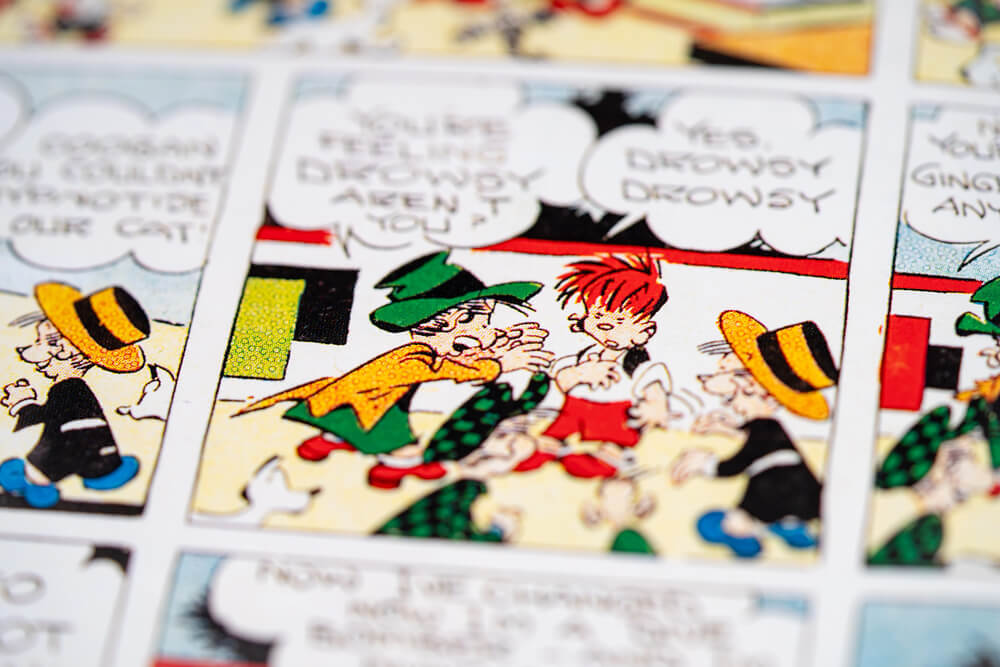
Created by Russell Myers in 1970 and following a wisecracking, centuries-old witch, this strip was dropped by a large number of major newspaper chains during a broad standardization of comics sections in the 2020s, even as it continued in some online syndication formats. Myers, who has drawn the strip since its creation, became one of the longest-tenured cartoonists still working. Many longtime print readers lost access to it when their local paper made the cut.
The Funny Pages, Minus a Few Regulars
None of these strips disappeared because readers stopped caring about them. Most ended because a creator chose to walk away at a moment of their own choosing, refusing to let someone else take over a voice that was theirs alone. A handful were simply casualties of shrinking newspaper budgets and consolidating comics sections that had less and less room for everything.
Either way, the empty space where each one used to run says something about how differently comics are made and read now. A strip used to need a newspaper’s daily real estate to survive; today it just needs an audience willing to find it somewhere else.
More from Go2Tutors!

- The Romanov Crown Jewels and Their Tragic Fate
- 13 Historical Mysteries That Science Still Can’t Solve
- Famous Hoaxes That Fooled the World for Years
- 15 Child Stars with Tragic Adult Lives
- 16 Famous Jewelry Pieces in History
Like Go2Tutors’s content? Follow us on MSN.