20 Common Superstitions That Still Shape Behavior Around the World
Even though the majority of us think of ourselves as logical beings, many of us nevertheless dread going under ladders or get nervous when a black cat comes across our path. These actions, which are frequently written off as ridiculous customs, actually show how deeply ingrained superstitions are in our contemporary society and how they quietly affect the choices we make on a daily basis without our knowledge.
These 20 widespread superstitions, which range from well-known Western beliefs to intriguing local customs you may not have previously encountered, continue to influence behavior all around the world.
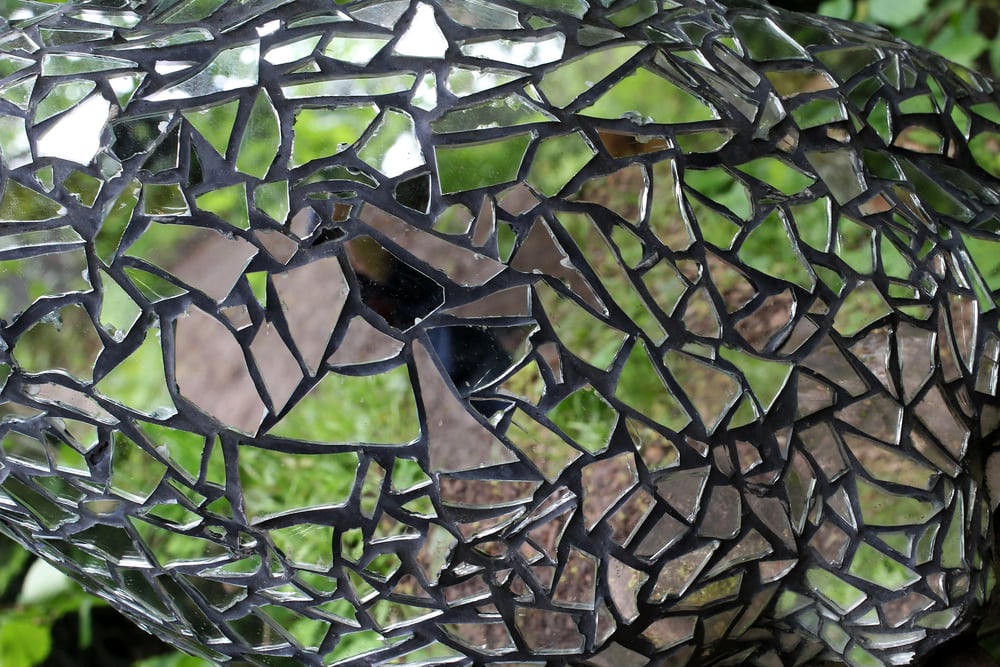
Breaking Mirrors
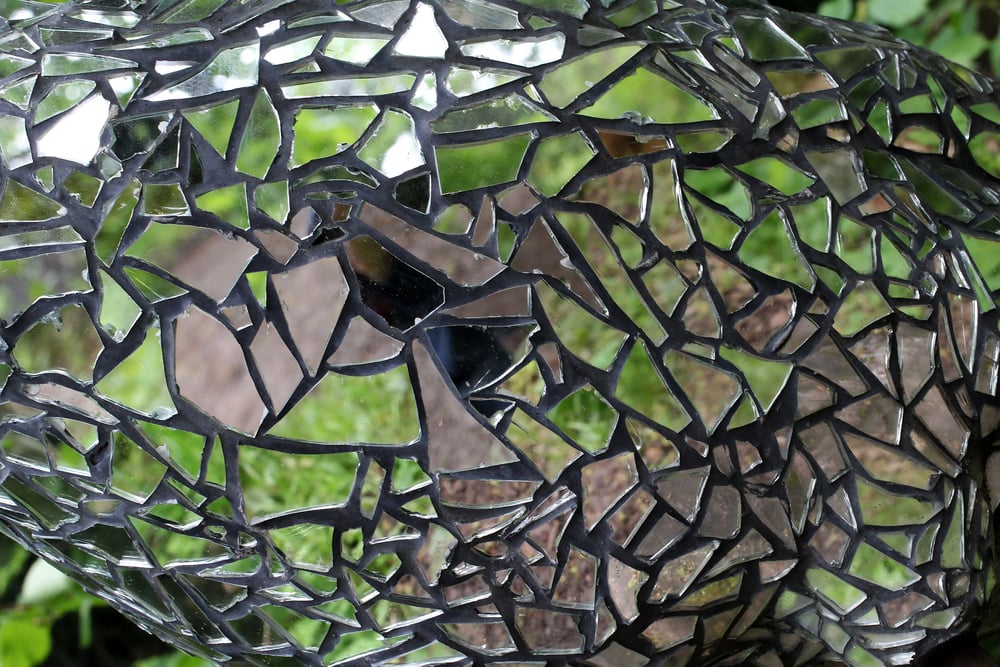
People in ancient Rome were afraid of shattering mirrors because they thought they held fragments of our souls. It was said that breaking one would harm your soul and bring bad luck for seven years. Even skeptics today could experience a flash of fear when a mirror breaks.
Due to the normalization of this superstition, many restaurants and hotels steer clear of placing huge mirrors in busy places in order to avoid any mishaps that could annoy patrons.
Friday the 13th

This combination of day and number creates anxiety for millions, with some people refusing to travel, make major decisions, or even leave their homes. The fear is so widespread that it has a scientific name—paraskevidekatriaphobia.
Many buildings around the world skip the 13th floor in their numbering systems, and airlines often eliminate row 13 from their seating charts to accommodate passenger concerns.
Black Cats
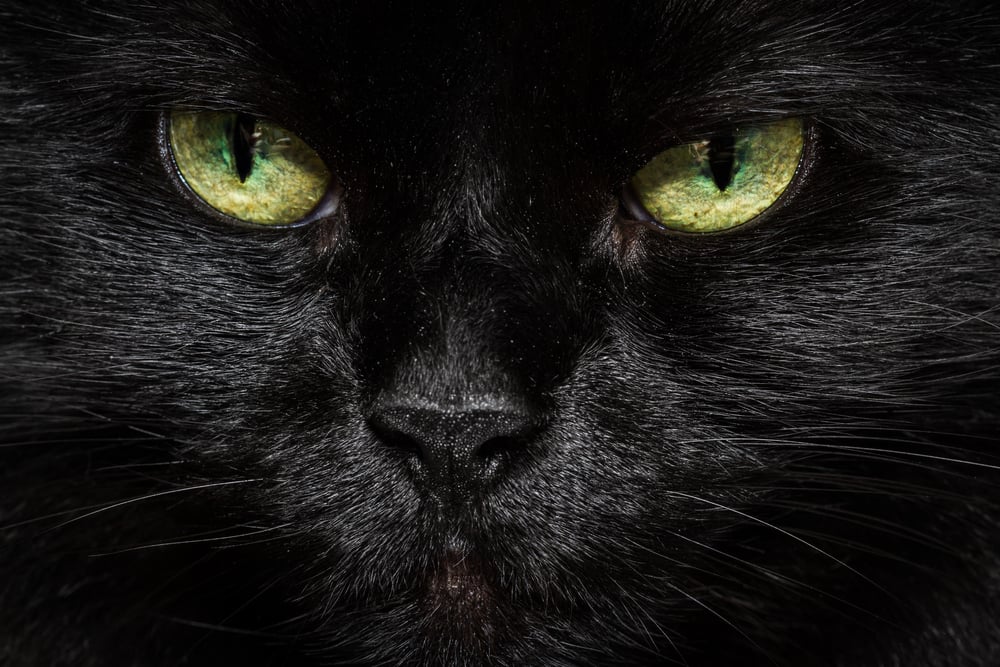
In Western cultures, black cats crossing your path supposedly bring bad luck, leading to countless cats being passed over at animal shelters. Interestingly, this superstition varies dramatically around the world.
In Japan and parts of Britain, black cats are actually considered lucky, while in Germany, direction matters. A cat crossing from right to left is bad, but going left to right brings good fortune.
Knocking on Wood
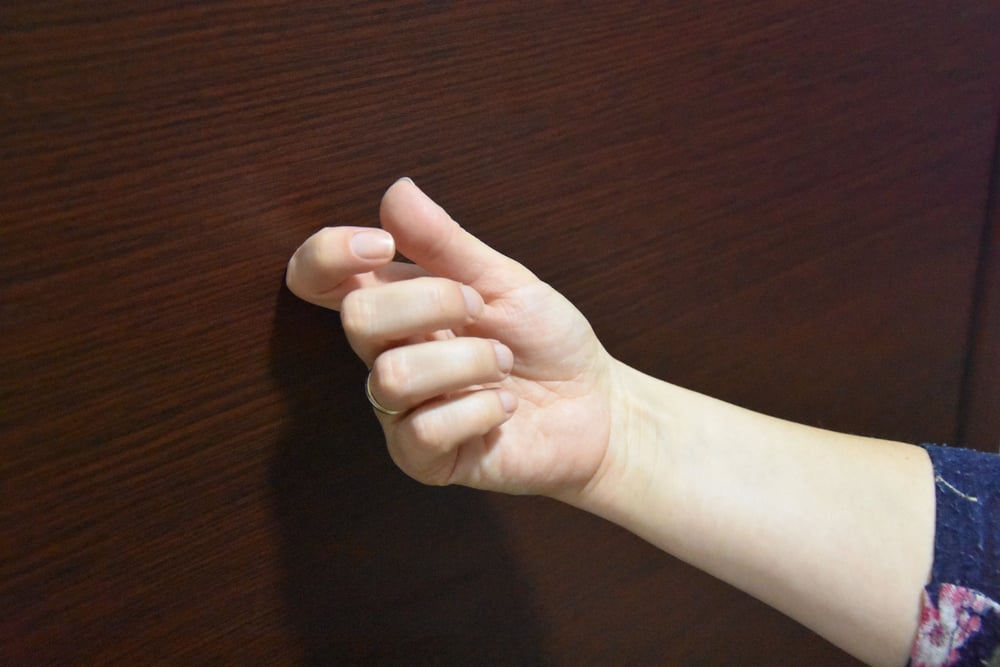
After mentioning good news or making optimistic statements, many people instinctively knock on wood to prevent jinxing themselves. This practice may have originated from ancient beliefs about tree spirits or from Christian references to the cross.
The behavior is so automatic that people often tap on plastic or metal while saying ‘knock on wood’, preserving the ritual even when actual wood isn’t available.
Opening Umbrellas Indoors

This seemingly arbitrary rule likely began when metal-spoked umbrellas became common in 18th-century London. Opening these large, unwieldy objects indoors could damage fragile items or hurt someone, so the superstition had practical origins.
Today, many people still feel a twinge of concern when an umbrella pops open inside, despite modern umbrellas being much safer and more compact.
Number 4 in East Asia

Since the number four sounds a lot like the word for “death” in many East Asian languages, it is seen as extremely unfortunate in China, Japan, Korea, and other East Asian nations. This idea has an impact on architecture; many structures exclude the fourth floor or any floor that has a 4.
Products are rarely marketed in groups of four in these markets, and several hospitals refrain from allocating room numbers that start with four.
Evil Eye
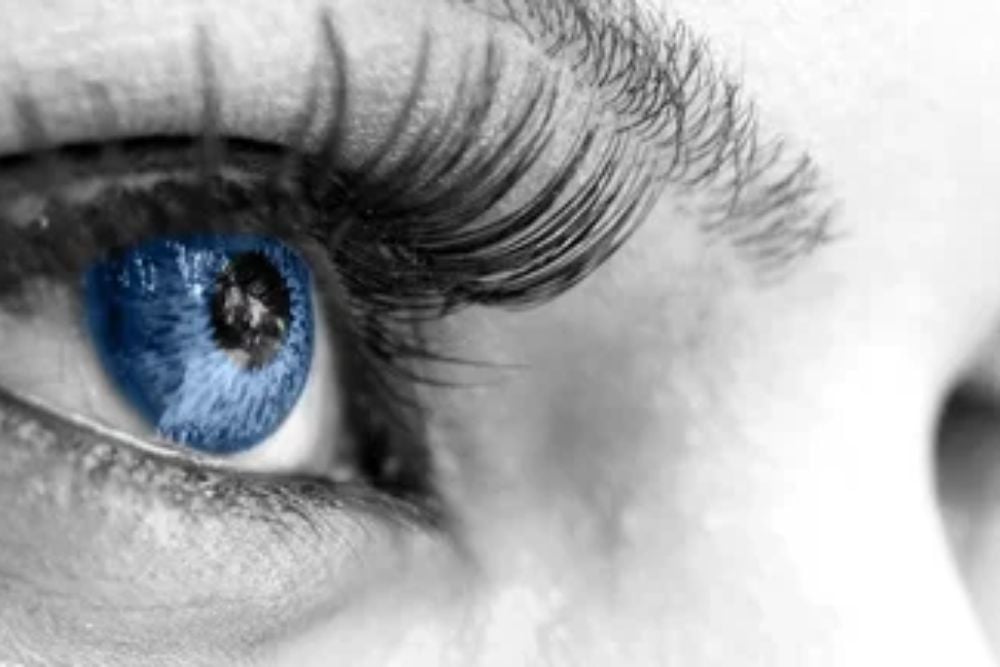
The belief that jealous or malevolent glances can cause harm pervades Mediterranean, Middle Eastern, and South Asian cultures. People wear blue eye amulets, hamsa hands, or red string bracelets as protection.
This superstition remains so prevalent that new mothers in many cultures keep their babies partially hidden from public view during the first weeks of life to shield them from potentially harmful admiration.
Throwing Salt Over Your Shoulder

Spilling salt has been considered bad luck since ancient times when salt was an expensive commodity. The remedy, tossing a pinch over your left shoulder, allegedly blinds the devil waiting there.
This practice continues in many households and restaurants, with even renowned chefs sometimes observed performing this ritual almost unconsciously after a salt spill in their kitchens.
Walking Under Ladders
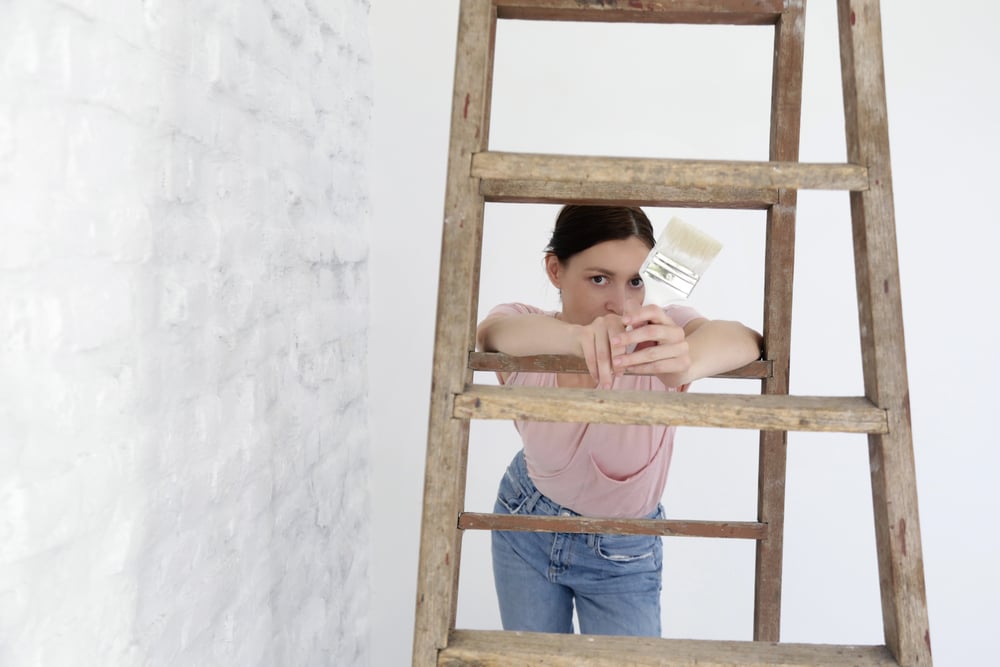
This superstition has both practical and symbolic origins. Obviously, walking under a ladder creates a genuine risk of falling objects, but the superstition also relates to the triangular shape formed by a ladder against a wall, which was considered sacred in many ancient beliefs.
Modern construction sites often block off areas around ladders not just for safety but because workers themselves sometimes avoid walking under them.
Beginner’s Luck
The widespread belief that novices often succeed at games of chance reflects our tendency to notice unusual outcomes. While statistically unsupported, this superstition influences behavior in casinos worldwide, where first-time gamblers are sometimes encouraged by friends to place bigger bets based on this belief.
Some regular gamblers even pretend to be beginners, hoping to fool luck into favoring them.
Bird Droppings Bring Luck
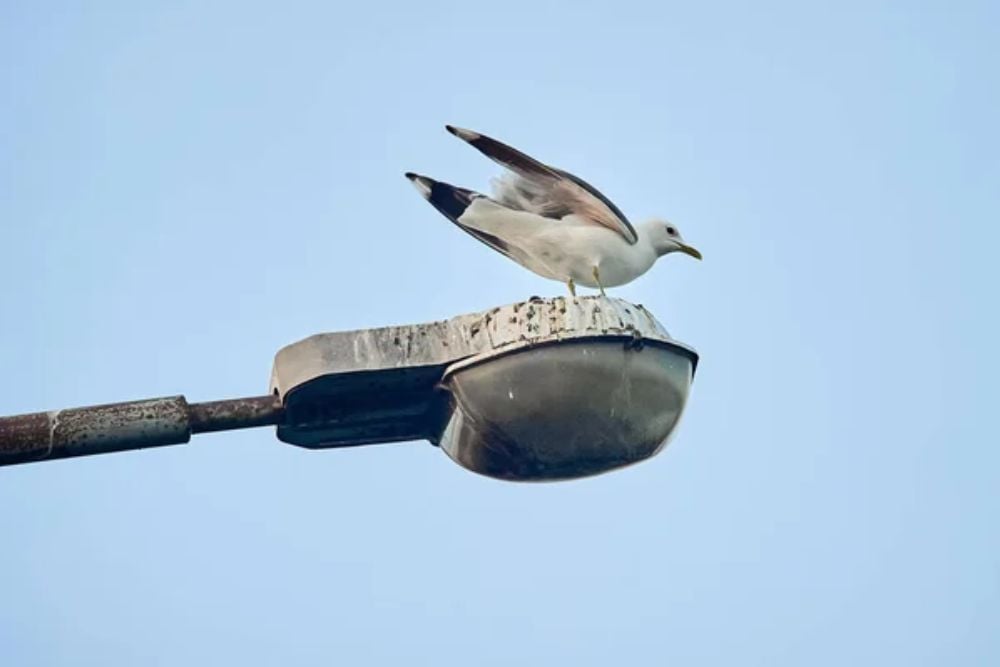
Being hit by bird droppings is widely considered lucky in many cultures, perhaps as a psychological consolation for an otherwise unpleasant experience. In Russia, people sometimes avoid cleaning it off immediately, believing the longer it stays, the more wealth will come.
This belief is so widespread that some vendors near tourist attractions in Italy and Spain sell bird dropping-shaped good luck charms.
Itchy Palms

An itchy right palm supposedly indicates incoming money, while an itchy left palm means you’ll lose money. This superstition crosses cultural boundaries and appears in various forms across Europe, Africa, and the Americas.
People sometimes even scratch the appropriate palm depending on whether they want to receive or get rid of money, trying to manipulate the outcome of this supposed omen.
Touching Wood or Iron
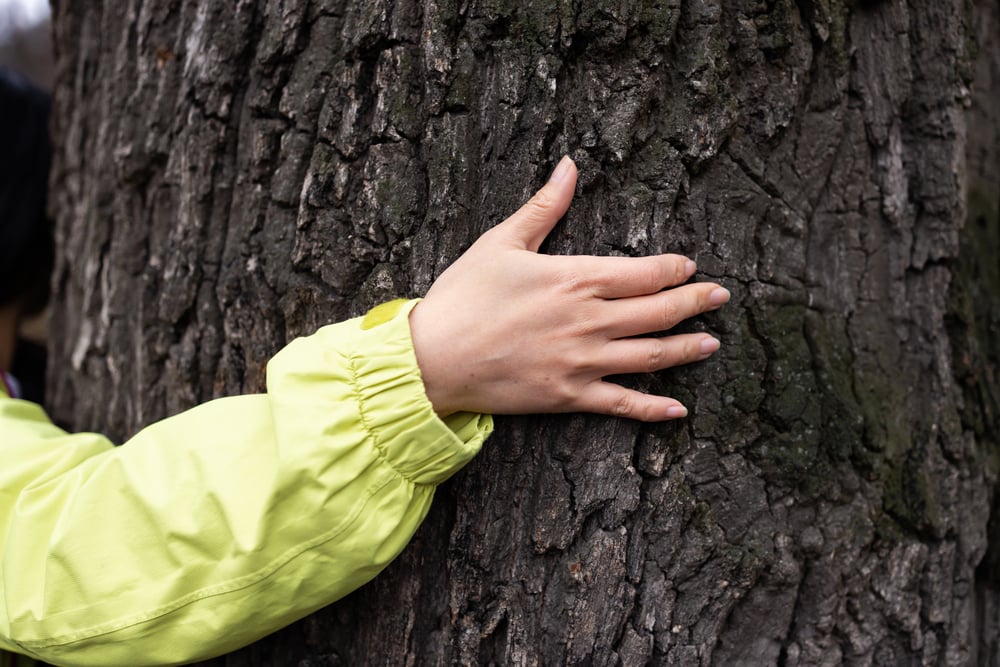
Certain materials are thought to ward off bad luck in many civilizations. Russians may touch a button, Turks touch wood and iron, Italians touch iron, and English speakers bang on wood.
These instinctive actions endure through the centuries, and parents frequently teach their kids these defensive behaviors without fully elucidating their necessity.
Lucky Numbers

While 7 is considered lucky in Western cultures, 8 is extremely fortunate in Chinese culture due to its similar pronunciation to the word for ‘prosperity’. During the Beijing Olympics, organizers scheduled the opening ceremony for 8/8/08 at 8:08 pm.
In many Asian countries, people pay premium prices for phone numbers, license plates, and apartment numbers containing multiple 8s, sometimes costing thousands of dollars more than alternatives.
Wishing on Fallen Eyelashes
This charming tradition involves placing a fallen eyelash on the back of your hand, making a wish, and blowing it away. If the eyelash flies off, your wish might come true.
The practice appears across numerous cultures with slight variations and remains especially popular among children. Parents often encourage this harmless ritual as a way of teaching kids to value even small pieces of themselves.
Breaking Wishbones

Ancient Etruscans had a custom of two persons tearing apart a dried wishbone, with the larger piece granting the wish of the recipient. Many Thanksgiving dinners still follow this custom, with family members occasionally deciding ahead of time who will get to take part.
To make sure everyone has an opportunity, some families even save many wishbones from past feasts.
Hat on the Bed
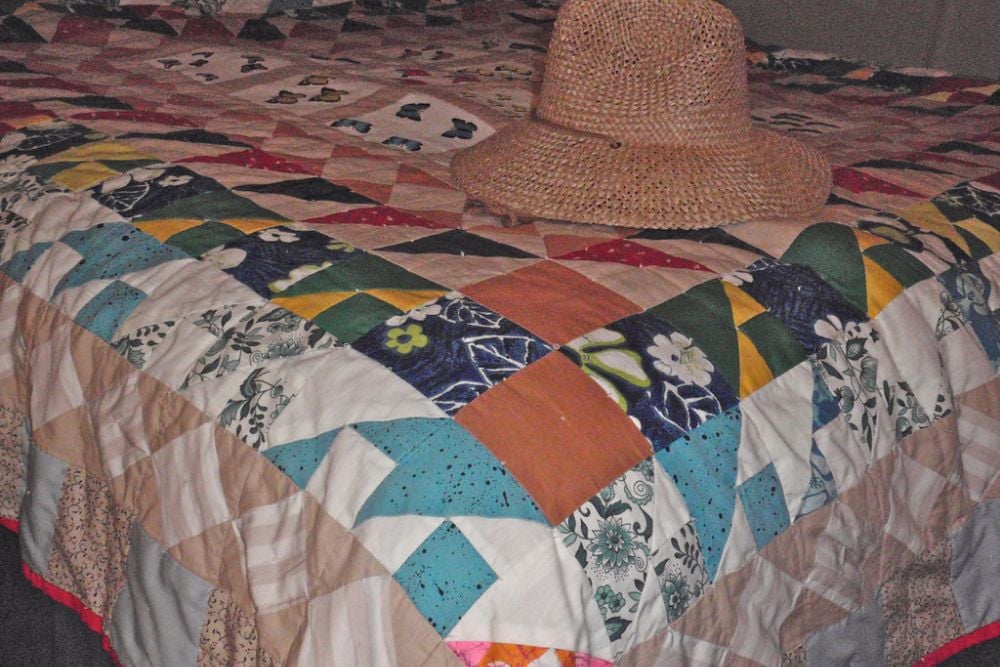
Placing a hat on a bed is considered terrible luck in many Western cultures. This superstition likely originated from practical concerns about lice or other parasites, or possibly from the tradition of placing a hat on the deceased’s bed.
Hotel staff in some countries are specifically trained never to place a guest’s hat on the bed when assisting with luggage or room service.
New Year’s Day Actions
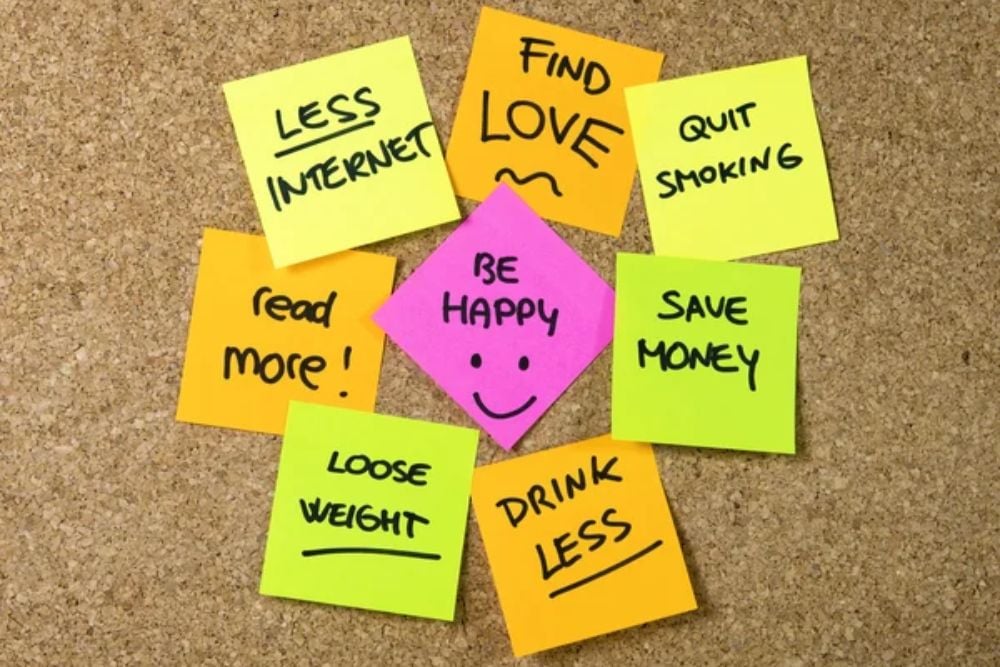
Many cultures believe your actions on New Year’s Day set the pattern for the entire year. This leads to traditions like avoiding doing laundry (to prevent washing away good luck), ensuring you have money in your wallet (to guarantee financial prosperity), or making sure the first person to enter your home is male (believed to bring good fortune in several European traditions).
Step on a Crack

The childhood rhyme ‘step on a crack, break your mother’s back’ has influenced how generations of children walk on sidewalks. While most adults consciously dismiss this superstition, researchers have observed that many people still subtly avoid stepping directly on cracks or lines in pavement, suggesting that childhood conditioning remains powerful even when we think we’ve outgrown it.
Wedding Traditions

Nearly every culture has superstitions surrounding weddings. ‘Something old, something new, something borrowed, something blue’ guides Western brides’ preparations, while carrying the bride over the threshold and avoiding seeing each other before the ceremony remain common practices.
These traditions are often followed even by couples who consider themselves thoroughly modern and non-superstitious in other aspects of life.
Enduring Influences on Modern Life

An interesting aspect of human nature is revealed by superstitions: our drive to make sense of happenstance and exert control over the unpredictable. These ideas endure throughout generations despite scientific knowledge and technological advancements, subtly impacting everything from the way we arrange furniture to the buttons we touch on elevators.
Superstitions continue to be a vibrant thread woven into the fabric of human conduct around the world, regardless of whether we completely believe them or merely abide by them “just in case.”
More from Go2Tutors!

- 16 Historical Figures Who Were Nothing Like You Think
- 12 Things Sold in the 80s That Are Now Illegal
- 15 VHS Tapes That Could Be Worth Thousands
- 17 Historical “What Ifs” That Would Have Changed Everything
- 18 TV Shows That Vanished Without a Finale
Like Go2Tutors’s content? Follow us on MSN.



