20 Countries That Speak a Language That No Other Country Uses
Language acts as a bridge and a distinctive cultural identification in our globalized society. Some languages, such as Spanish and English, have spread throughout continents, but others are unique to a particular country, forming linguistic islands that preserve unique cultural legacies.
Here is a list of 20 countries where you’ll find official or national languages that aren’t officially used in any other nation around the globe.
Iceland
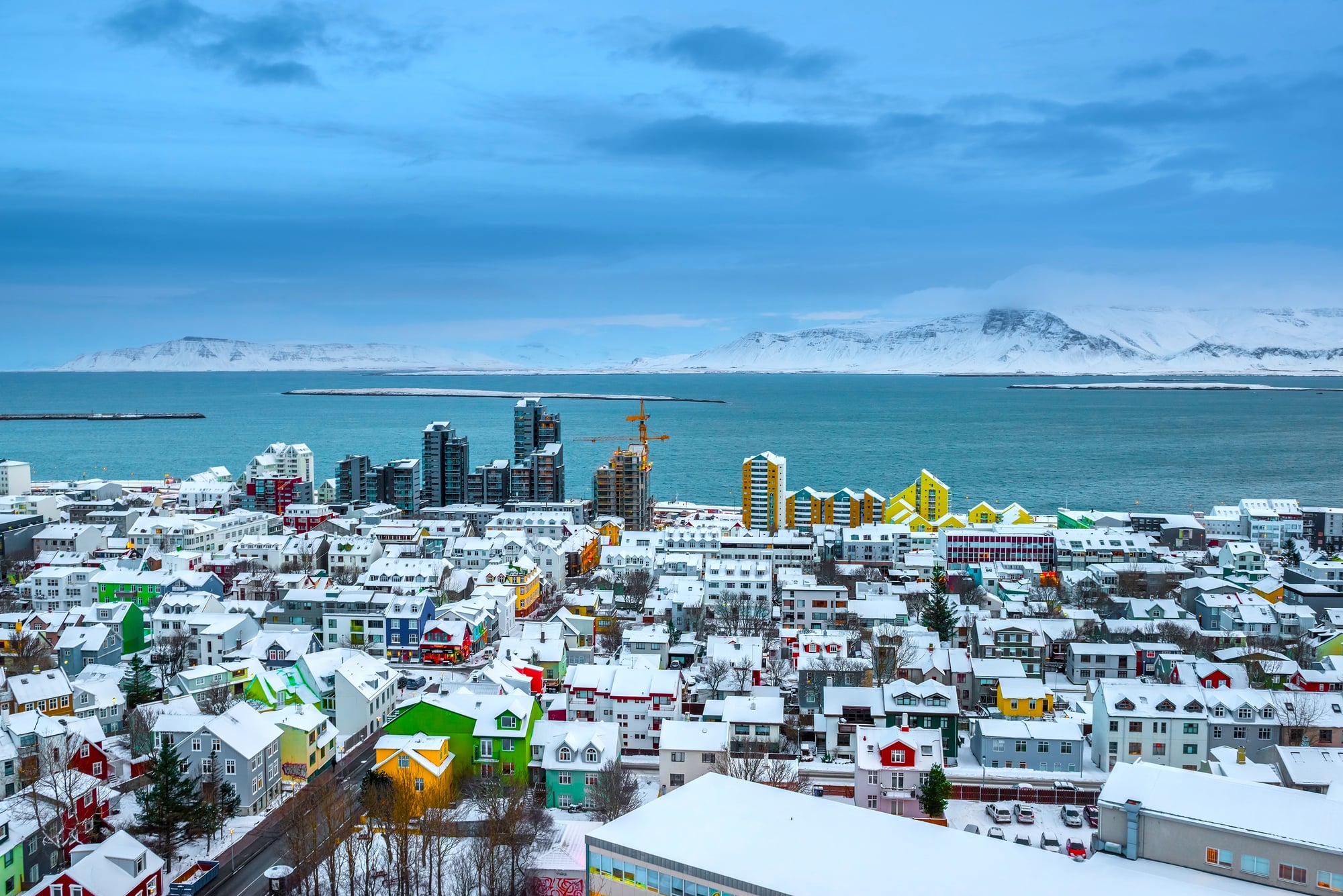
The Icelandic language stands as a remarkable linguistic time capsule. Modern Icelandic speakers can still read thousand-year-old Viking sagas with relative ease because the language has changed so little over centuries.
This preservation happened largely due to Iceland’s geographic isolation in the North Atlantic, allowing the language to maintain much of its ancient Norse structure and vocabulary.
Japan

Still the only official language in Japan, Japanese has evolved in relative isolation on the Japanese archipelago. What makes Japanese so intriguing is its complex writing system, which combines three distinct scripts—hiragana, katakana, and kanji (Chinese characters).
Unlike most Western languages, the language’s sentence structure places verbs at the end of sentences.
Hungary

Hungarian, also known as Magyar, is a member of the Uralic language family and is very different from the Indo-European languages that surround it. In the middle of Europe, it’s like discovering a linguistic island.
Vowel harmony, which requires that all 14 vowels in a word belong to the same class, gives Hungarian its unique melodic character, which even people who don’t comprehend a word may recognize.
Finland

Finnish challenges learners with its 15 grammatical cases and words that seem to stretch on forever. The language famously lacks prepositions, instead using those numerous cases to express relationships between words.
Finnish vocabulary rarely borrows foreign terms, preferring to create new compound words from existing Finnish roots—’tietokone’ (computer) literally translates to ‘knowledge machine.’
Madagascar

The national language of Madagascar is Malagasy, which has an unexpected linguistic background. Malagasy is technically a member of the Austronesian language family, which includes languages spoken in Indonesia, which is more than 4,000 miles away, despite the island’s closeness to Africa.
This surprising link illustrates the island’s distinctive history of Southeast Asian mariners settling there.
Korea (South Korea)
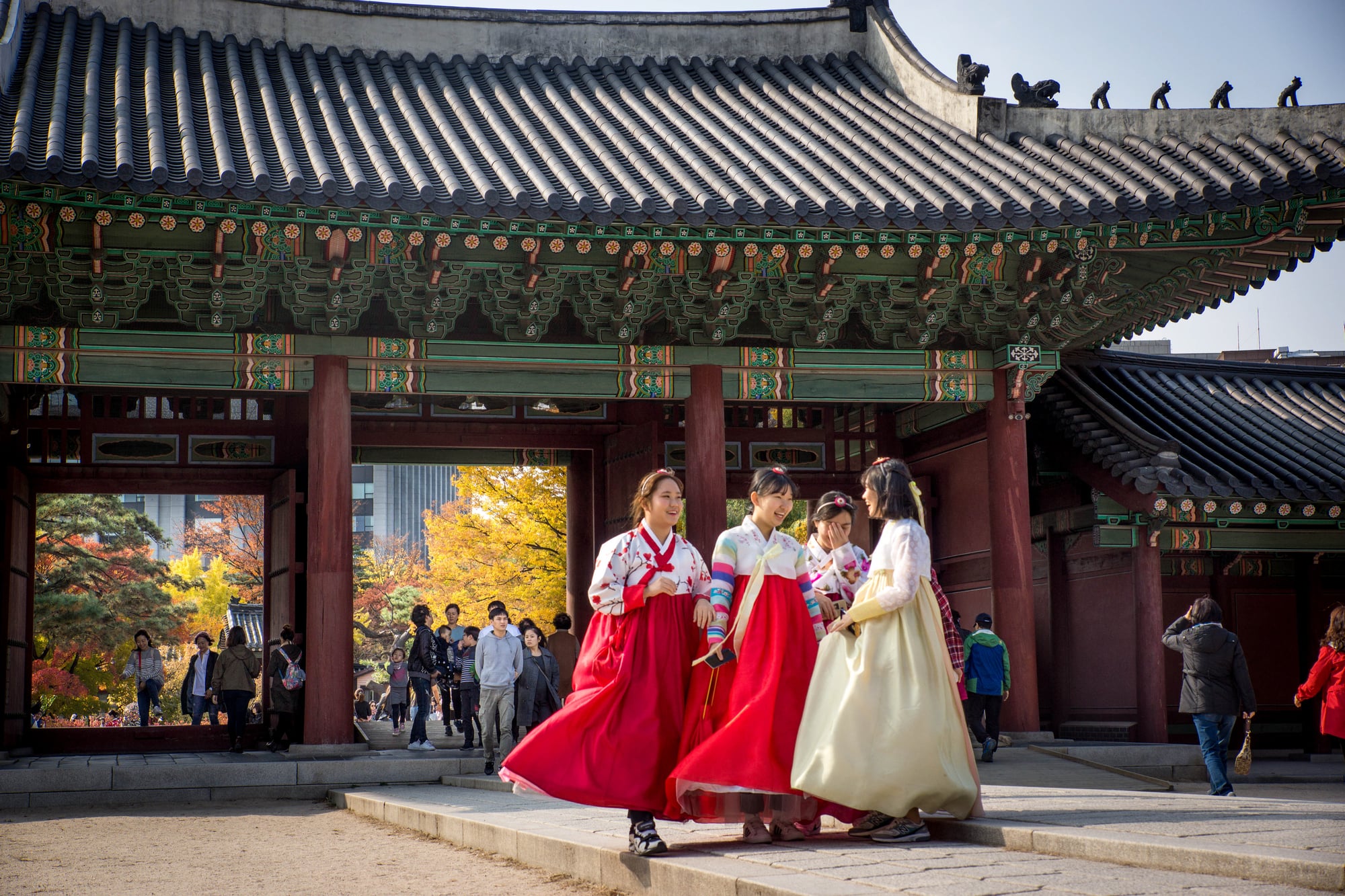
The Korean language uses Hangul, an alphabet specifically designed for ease of learning in the 15th century by King Sejong the Great. Before Hangul’s creation, Koreans used complex Chinese characters that only the elite could master.
Korean features a hierarchical system of speech levels and honorifics that reflect the speaker’s relationship to the subject and audience, requiring careful consideration of social context in every conversation.
Armenia
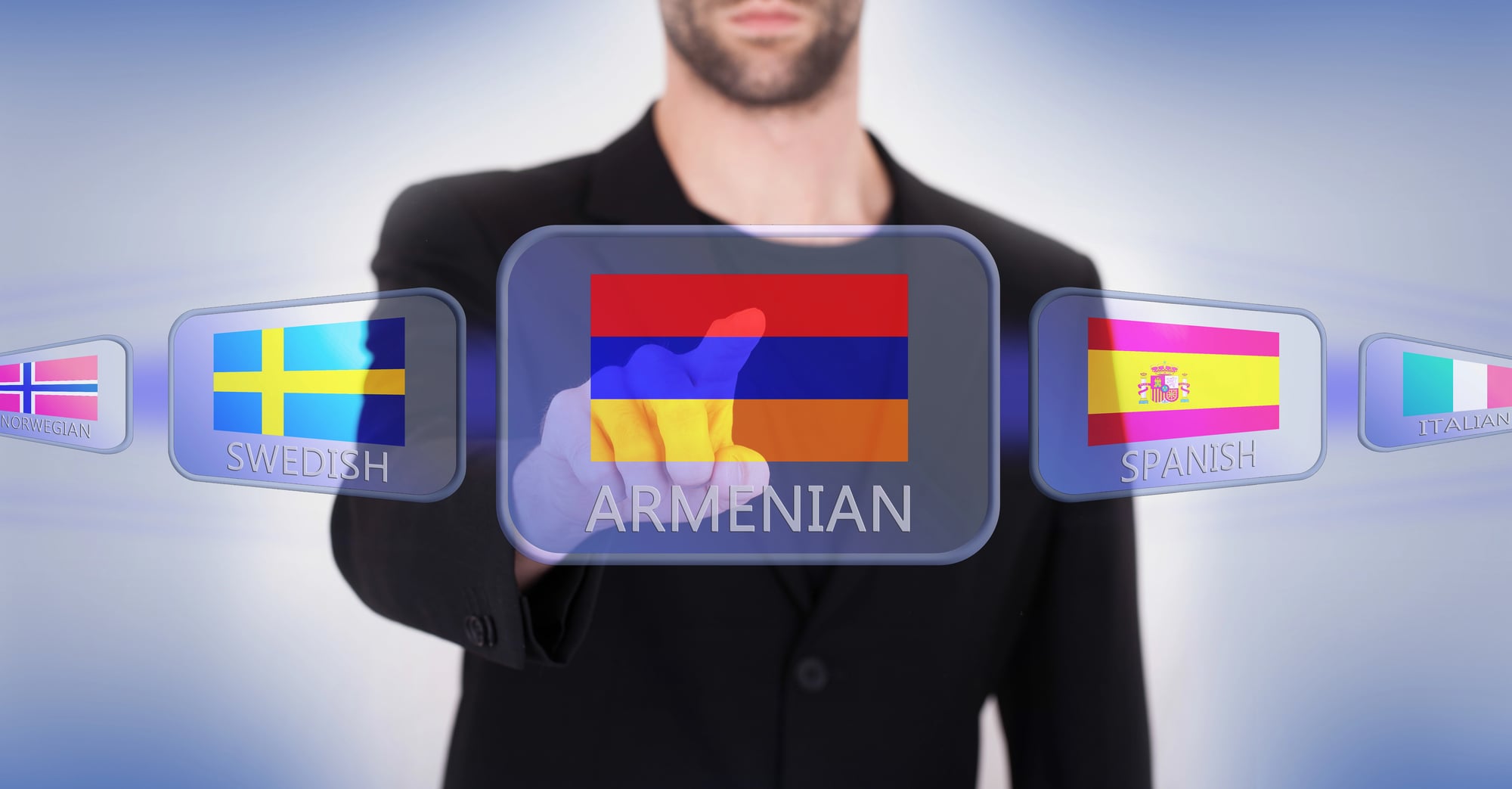
Mesrop Mashtots, a scholar, developed Armenia’s own special alphabet around 405 CE. Unlike any other language in the world, it is a member of its own separate branch of the Indo-European language family.
Even the most committed language learners find Armenian grammar difficult due to its seven noun cases and intricate declension system.
Georgia
Georgian employs a distinctive curvy script that looks unlike any other writing system. The language features complex consonant clusters that can string together seven consonants without any intervening vowels, creating words that appear almost impossible to pronounce to outsiders.
Georgian verbs are particularly complex, containing information about subject, direct object, indirect object, and various aspects of the action all within a single word.
Albania

Albanian exists as a unique branch of the Indo-European language family, having developed in relative isolation. The language contains many borrowed words from Latin, Greek, Turkish, and Italian, reflecting Albania’s complex history of foreign influences.
Despite these loans, Albanian maintains a core vocabulary and grammar structure unlike any other European language.
Mongolia
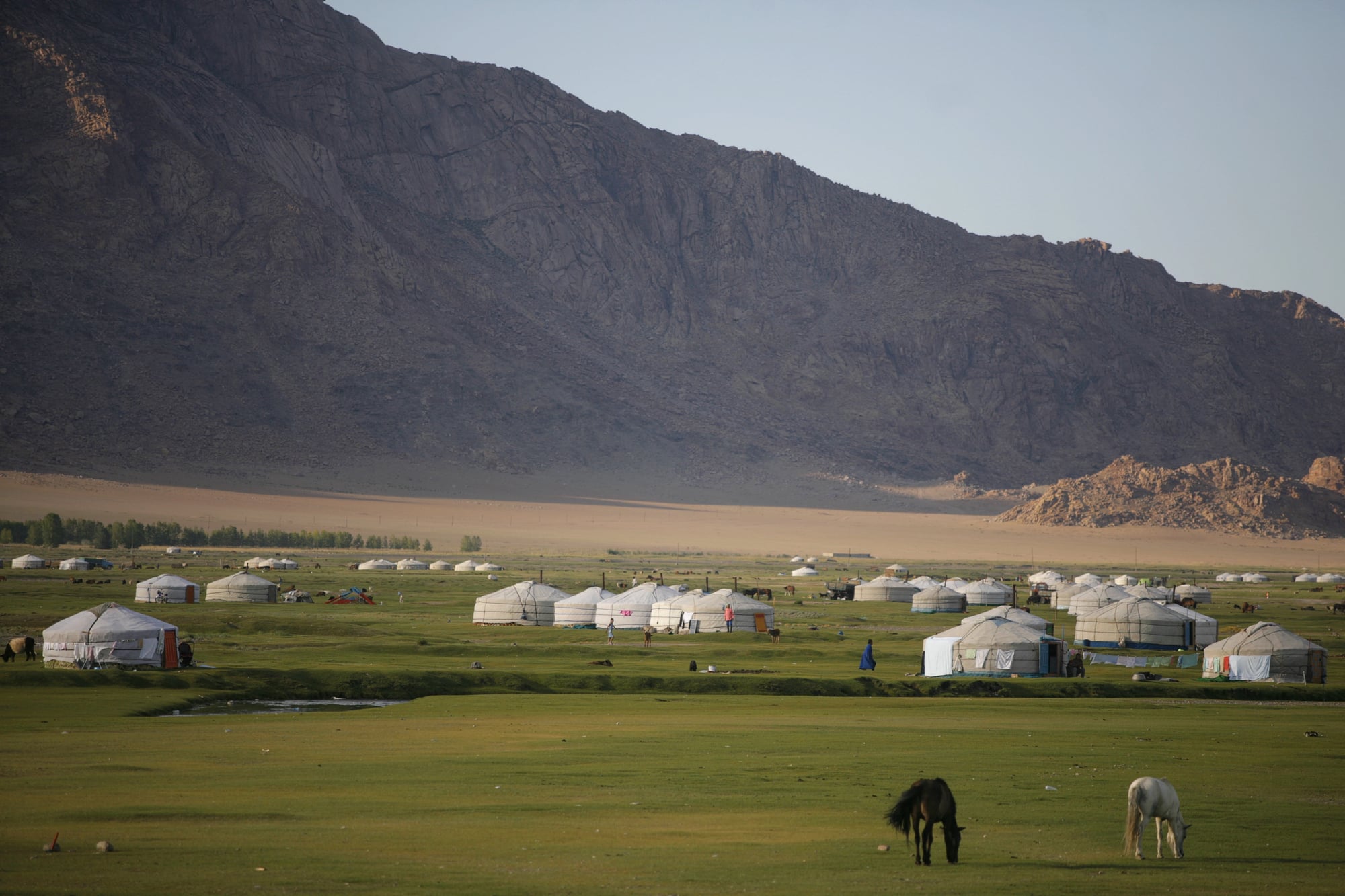
Although Cyrillic is also frequently used today, Mongolian historically uses a vertical script that reads from top to bottom and left to right. The language has what linguists refer to as vowel harmony, which requires that vowels in a word be of the same class.
Verbs in Mongolian can convey intricate thoughts that would take full English phrases, while Mongolian words can be extraordinarily lengthy.
Greece

The ancient language that gave us the scientific and philosophical words that are used all across the world is directly descended from modern Greek. The continuity between ancient and present forms is greater than that of most other languages, even though modern readers of old Greek works need translations.
Over the course of millennia, Greek has undergone a considerable change in pronunciation, moving from a pitch accent system to a stress accent system.
Greenland
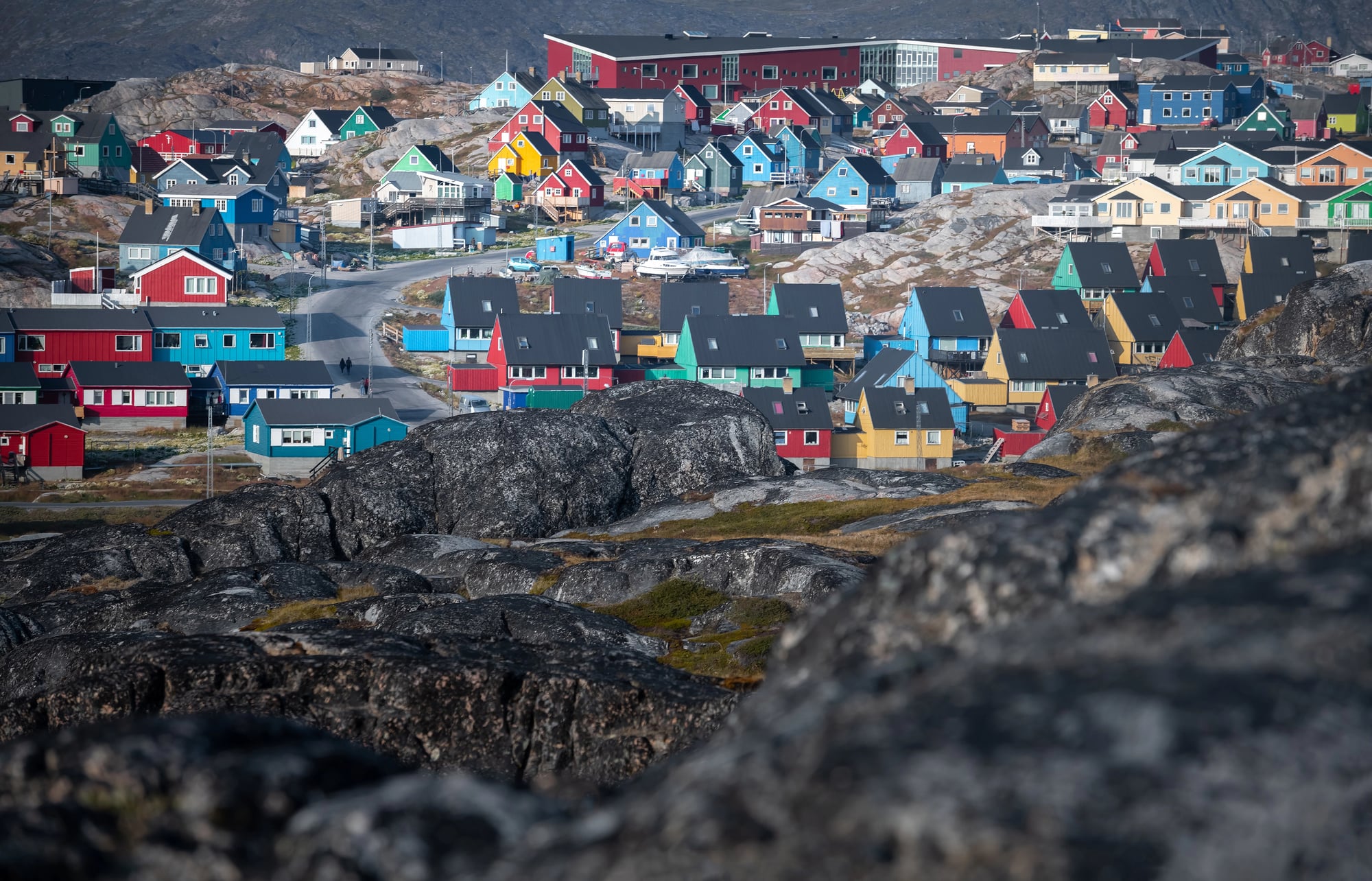
Greenlandic, an Inuit language, features polysynthetic word construction, where a single word can express what might be an entire sentence in English. The language contains an abundance of terms for snow and ice, reflecting environmental realities.
A famous example is ‘qanik’ (falling snow), ‘pukak’ (crystalline snow on the ground), and ‘aniuvak’ (snow for melting into water)—each describing specific conditions important for survival.
Azerbaijan
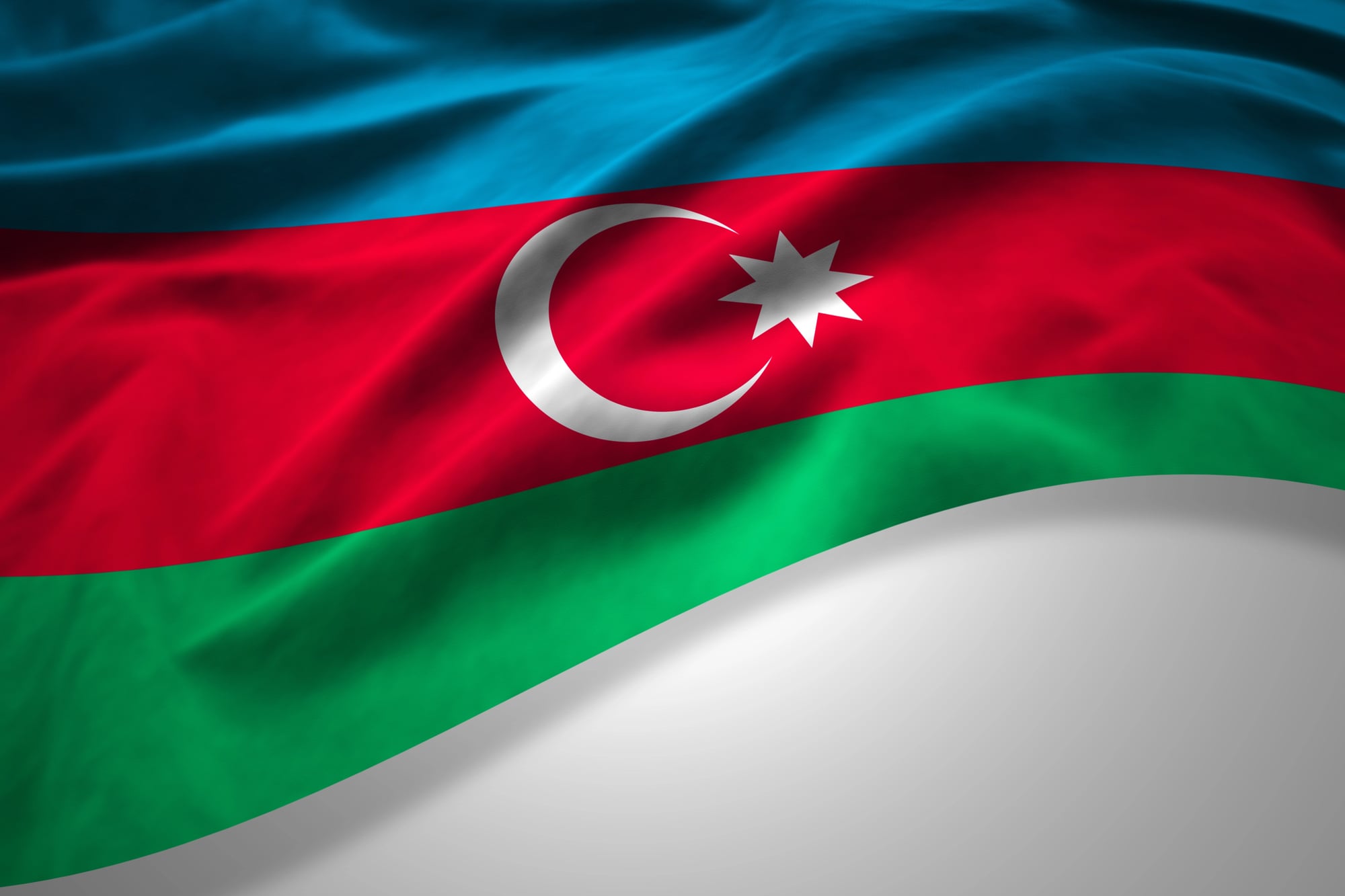
Azerbaijani uses a modified Latin alphabet today, though it has been written in Arabic and Cyrillic scripts in the past. The language belongs to the Turkic family but has been heavily influenced by Persian and Arabic.
Azerbaijani features vowel harmony and agglutination, where grammatical elements are added to words as suffixes rather than as separate words.
Lithuania
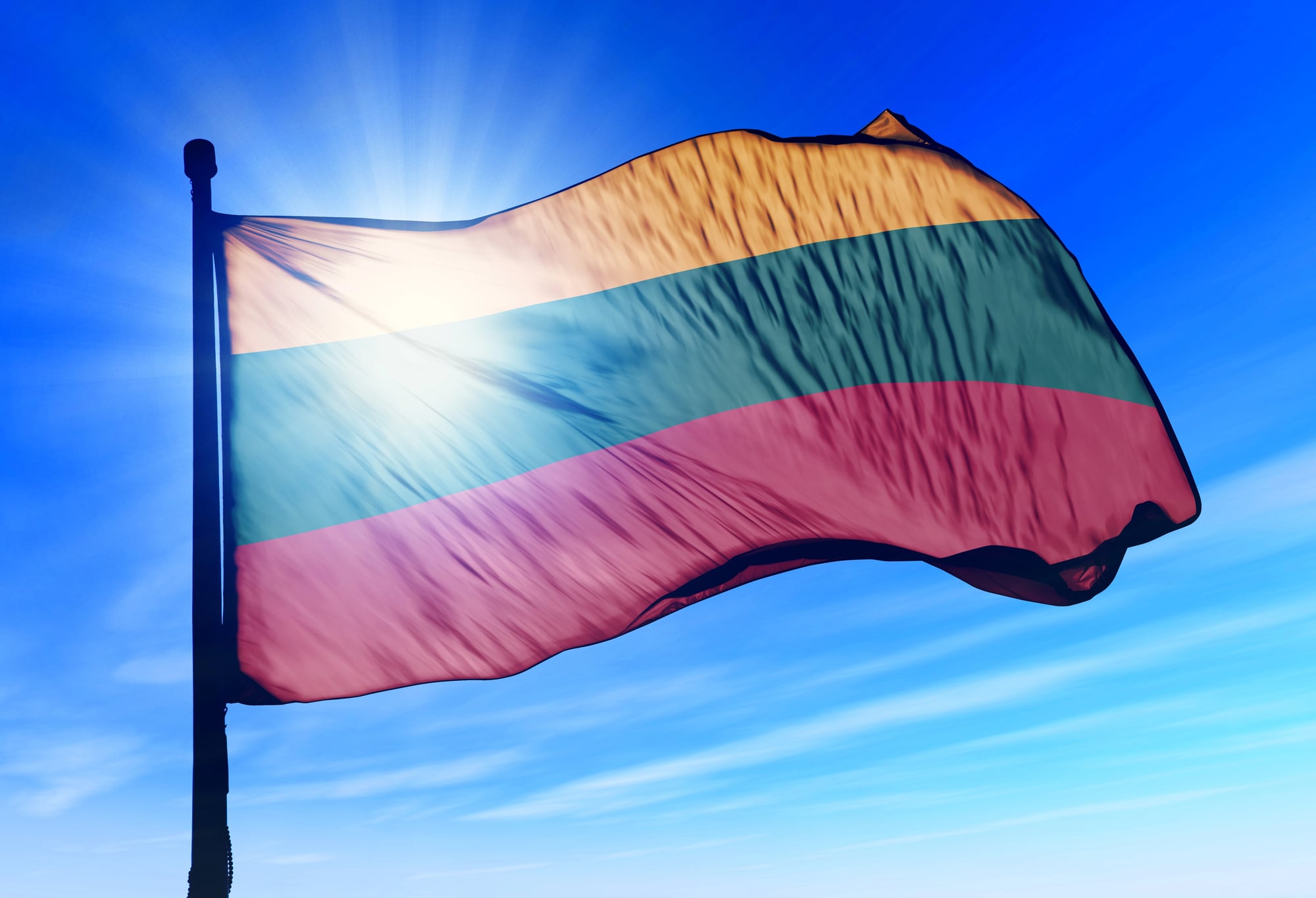
Lithuanian holds the distinction of being the most conservative living Indo-European language, retaining features from Proto-Indo-European that have disappeared from its linguistic relatives. The language maintains seven noun cases and a complex stress system that can change the meaning of words.
Lithuanian preserves an ancient dual number grammatical category alongside singular and plural forms.
Somalia
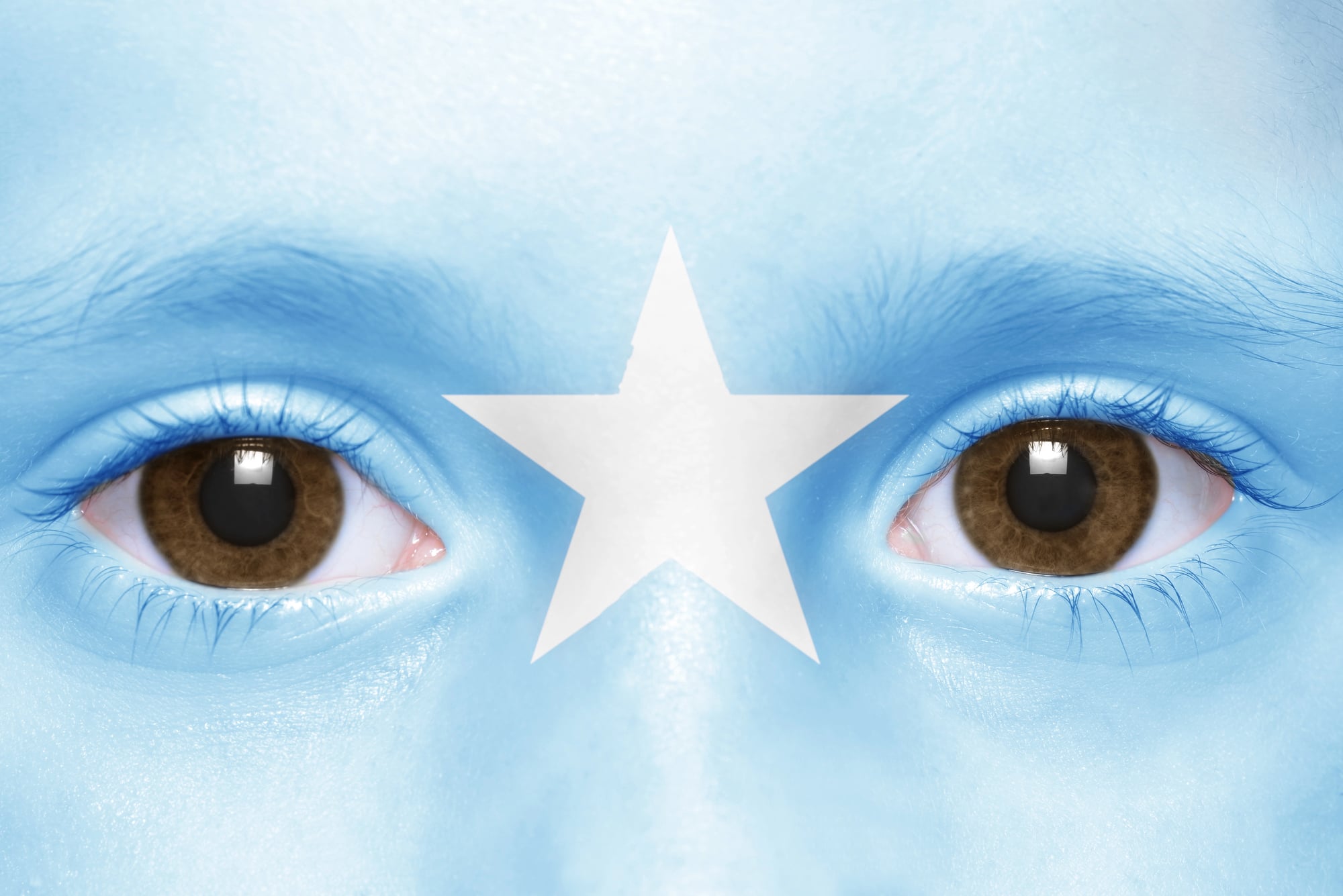
Somali wasn’t written in an official script until 1972, when a Latin-based orthography was adopted. The language belongs to the Cushitic branch of the Afro-Asiatic family and features grammatical gender, with nouns categorized as masculine or feminine.
Somali places the verb in the second position of sentences, creating a distinct rhythm to speech.
Myanmar (Burma)
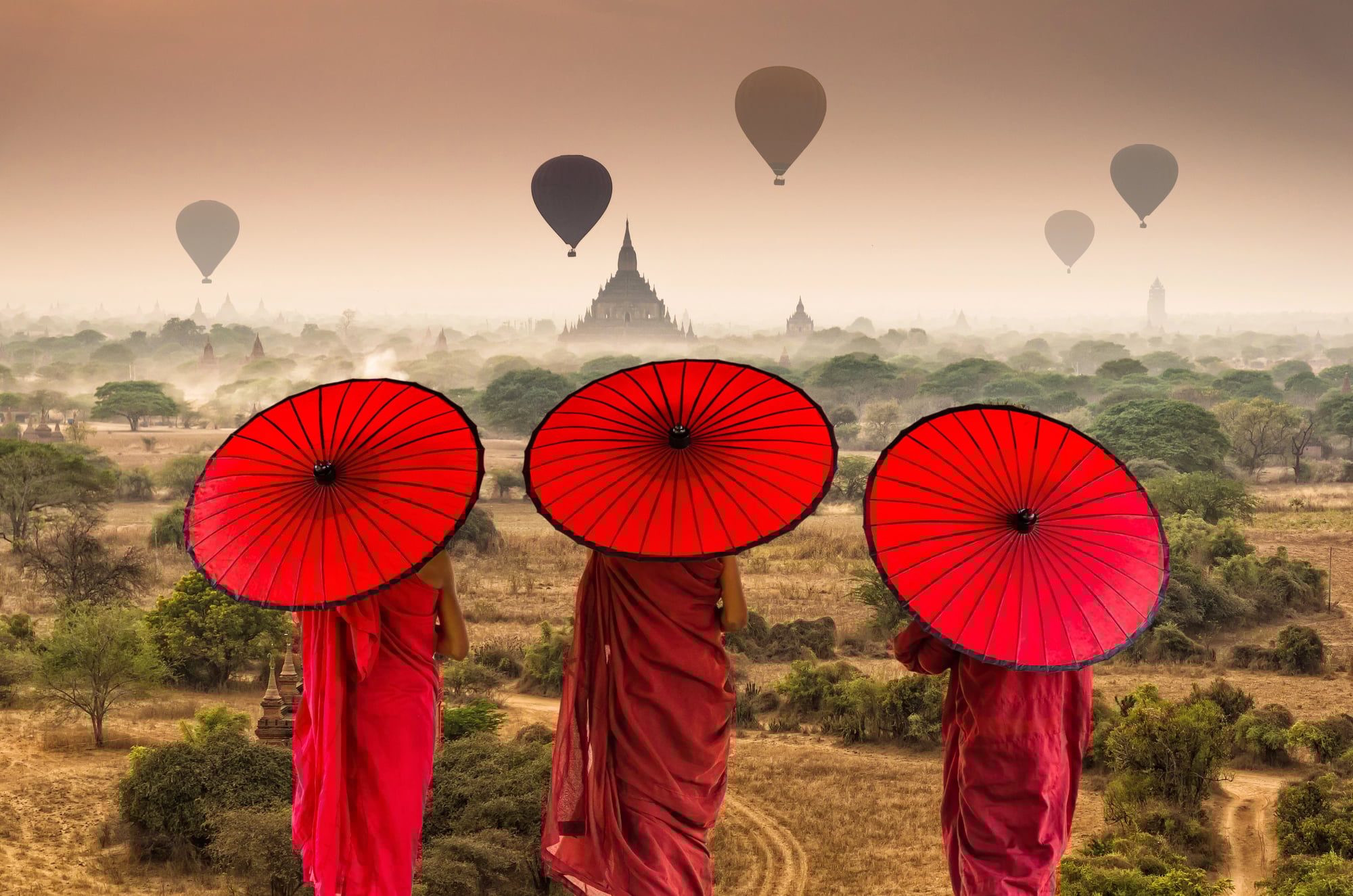
Burmese uses a beautiful round script derived from ancient Indian writing systems. The language is tonal, with four distinct tones that change word meanings.
Burmese employs an extensive honorific system, with different words and grammatical structures used depending on the social status of the speaker and listener.
Latvia
Latvian includes six noun cases and a three-tone system that distinguishes word meanings. The language has undergone a conscious process of ‘purification,’ replacing foreign loanwords with native Latvian terms.
Latvian grammar features a distinction between indefinite and definite adjectives, allowing speakers to indicate whether they’re referring to a specific item or a general category.
Ethiopia
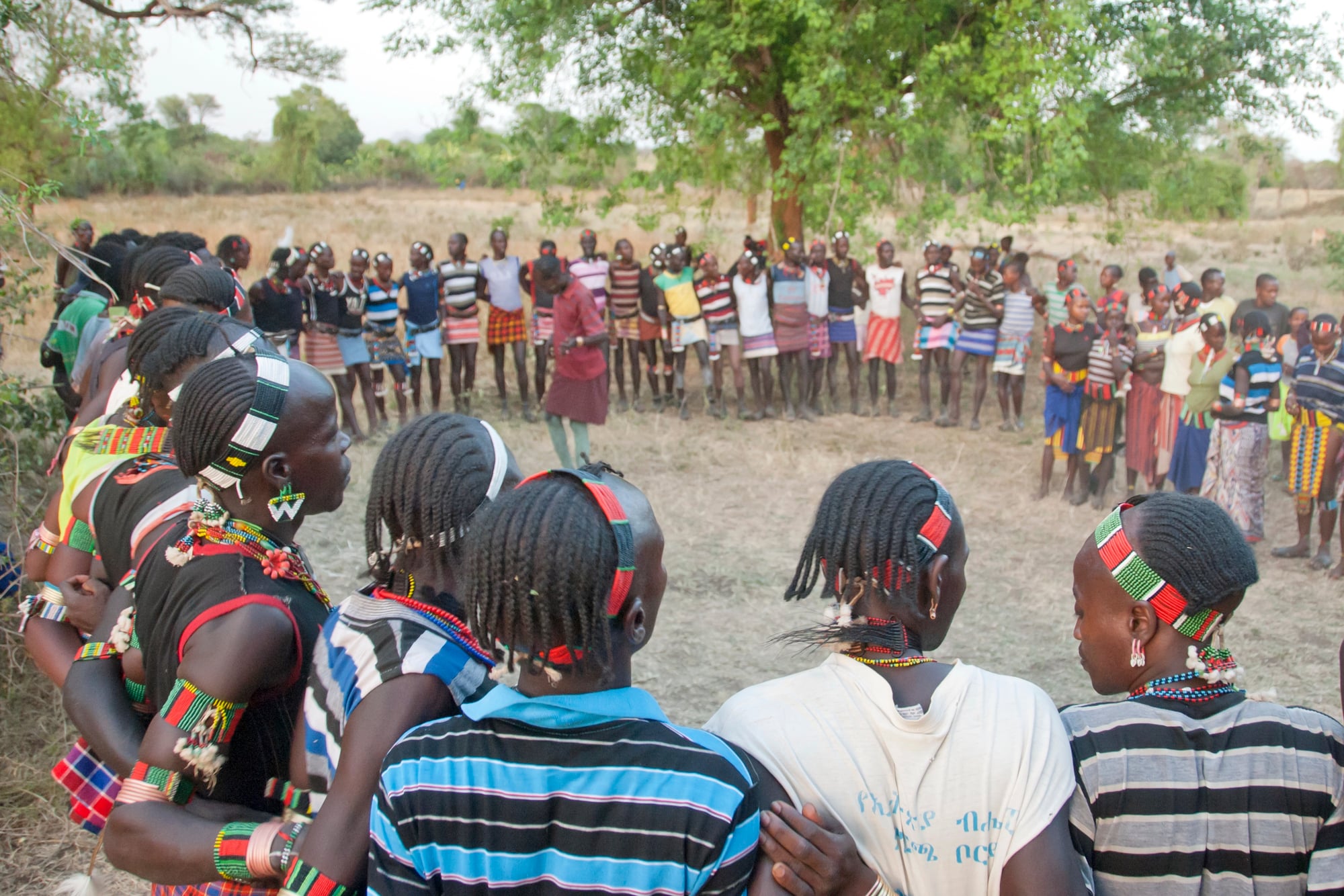
Amharic serves as Ethiopia’s official language and uses a script called Fidel, descended from ancient Ge’ez writing. Each symbol in Amharic represents a consonant-vowel combination rather than a single sound.
The language features a sentence structure that places verbs at the end, and its writing system includes nearly 300 characters that learners must master.
Czech Republic
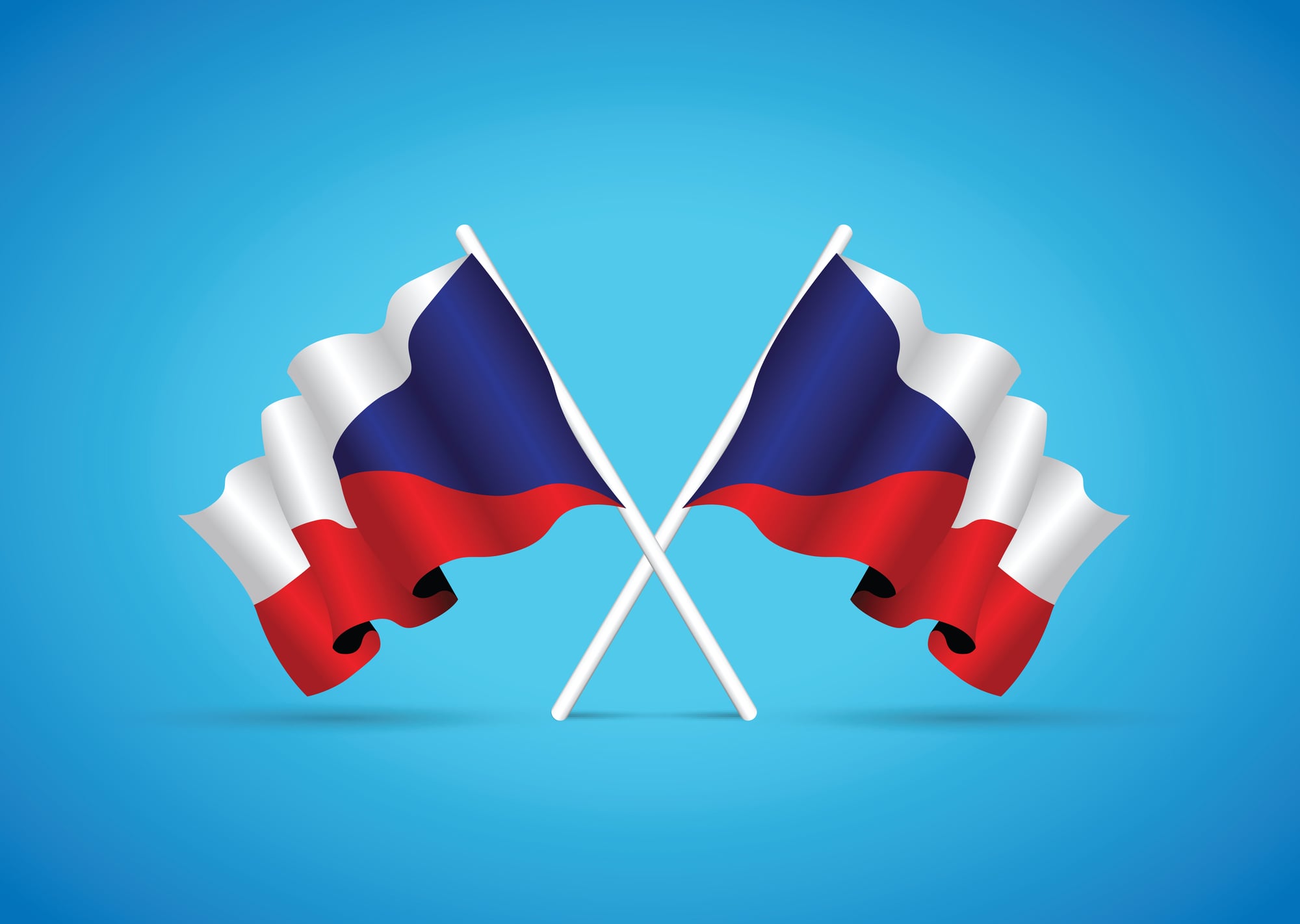
Czech challenges speakers with its notorious consonant clusters, as in the tongue-twister ‘strč prst skrz krk’ (stick a finger through your throat). The language distinguishes between short and long vowels and features a complex system of seven grammatical cases.
Czech includes sounds like the famous ‘ř’—a sound so difficult for non-natives that it often serves as a pronunciation shibboleth.
Slovakia
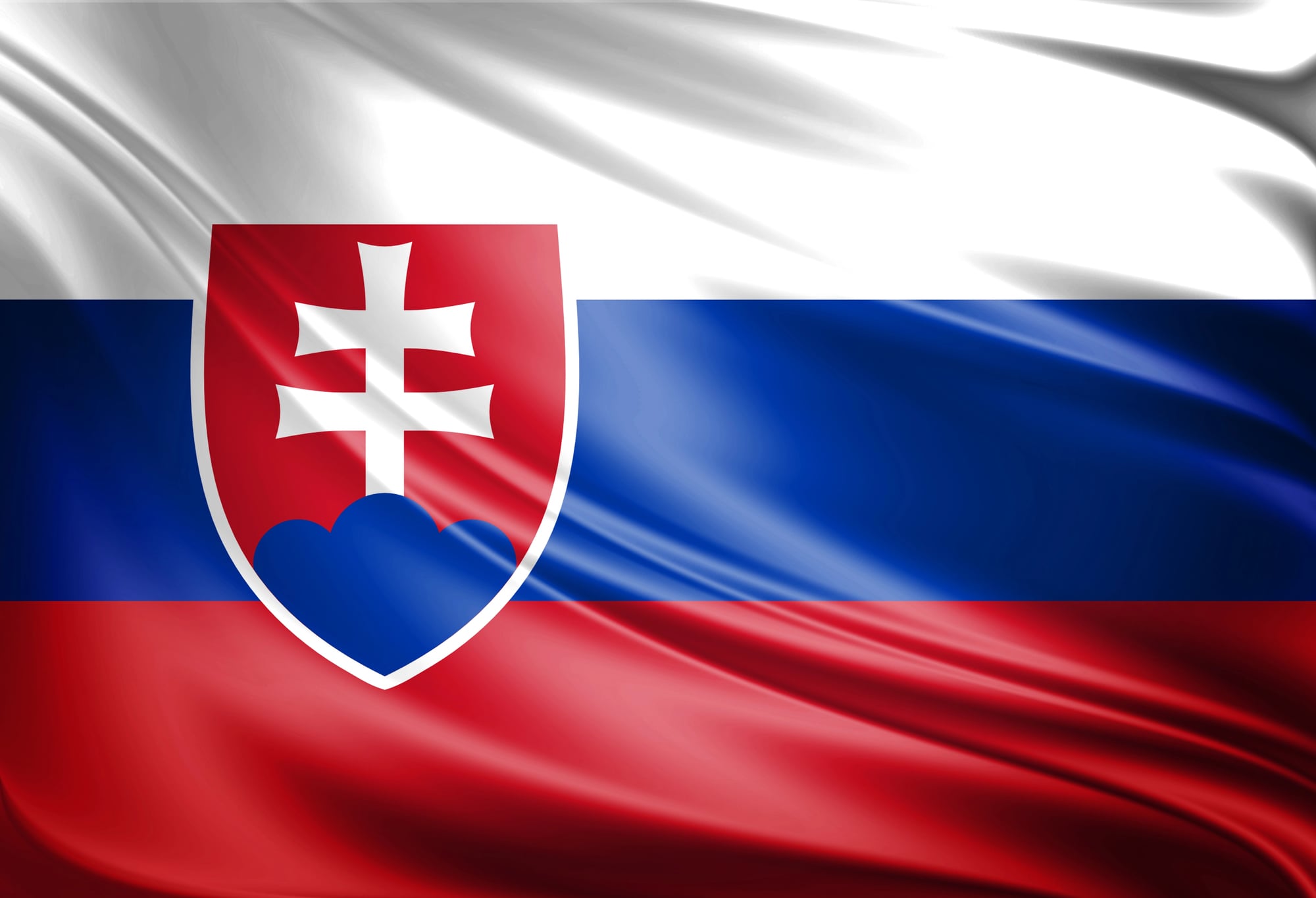
Slovak employs a rhythmic rule where long and short syllables must alternate in specific patterns. The language contains melodic liquid consonants and unique diphthongs that create its distinctive sound profile.
While related to Czech, Slovak maintains its own vocabulary and grammatical preferences that have developed independently since the countries separated.
The Enduring Power of Linguistic Uniqueness
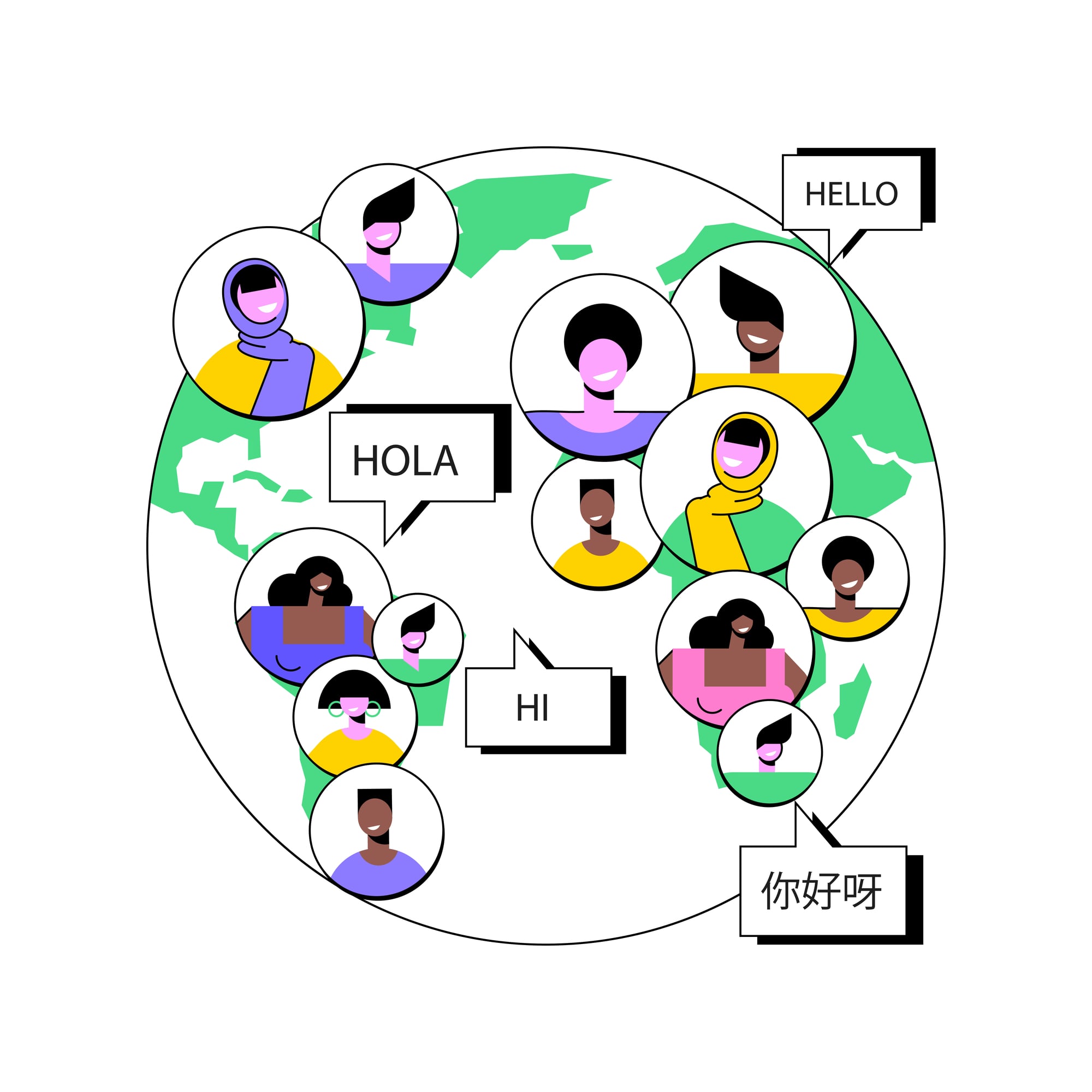
These linguistic islands demonstrate how language shapes and reflects national identity. In an era of increasing globalization, these unique languages face both preservation challenges and revitalization opportunities.
Their continued existence reminds us that despite our interconnected world, cultural and linguistic diversity remains one of humanity’s greatest treasures—each language offering a unique lens through which its speakers perceive and describe the world around them.
More from Go2Tutors!

- The Romanov Crown Jewels and Their Tragic Fate
- 13 Historical Mysteries That Science Still Can’t Solve
- Famous Hoaxes That Fooled the World for Years
- 15 Child Stars with Tragic Adult Lives
- 16 Famous Jewelry Pieces in History
Like Go2Tutors’s content? Follow us on MSN.



