Surprising Habits Of The World’s Oldest People
Wonder grows when someone hits 100 and keeps going. Research teams watch closely, notebooks open, pens ready.
Doctors track every habit, every meal, every routine. Most folks simply wonder what they’re doing differently.
Secrets seem hidden in plain sight. Truth is, the routines helping these folks stay steady aren’t anything like what anyone guesses.
A few are basic. Others catch you off guard completely.
Early And Consistent Sleep

Early nights, early mornings – that is how most people past 110 shape their days, no alarm needed. Their rhythm follows what the body already knows.
Sticking to steady rest times supports hormone balance, healing at the cellular level, plus mental clarity. Simple? Yes.
Yet across today’s society, this habit slips through the cracks more often than you might think.
Eating Less Than Feels Comfortable

Some of the longest-living people share a quiet habit – pausing meals just short of feeling stuffed. Found in Okinawa, Japan, it goes by ‘Hara Hachi Bu,’ roughly translating to fueling up only till eight-tenths full.
By doing so, digestion stays light while daily calories slip lower without counting. Far from strict meal plans, it shapes how one sees eating altogether.
Staying Connected To A Purpose

Waking each day feels different when you know exactly what waits for you. In spots such as Sardinia, Italy, or Nicoya, Costa Rica, folks past 100 often carry a quiet certainty about their role in the world.
Tending soil under the sun might be it – or maybe laughter from kids nearby keeps feet moving. A shop door opening at dawn could also do the trick.
This drive inside? It does more than lift spirits. Studies point to longer years when someone holds onto meaning.
Turns out, living with intent shapes not only mood but cells too.
Drinking Plain Water Religiously

Most folks who live past a hundred sip water all day long instead of sugary drinks. Kidneys need steady fluids to clean blood efficiently, while veins move oxygen better when hydrated.
Skin often looks smoother in those years thanks to consistent moisture intake. Take Emma Morano – she reached 117 relying on plain routines where water played a lead role every single morning, noon, and night.
Century-long health rarely comes from grand efforts but quiet consistency repeated one ordinary moment after another.
Spending Real Time Outdoors

Outside each day matters most to those living longest, rain or shine making little difference. Because sunlight hits skin, Vitamin D builds up – helping bones stay strong while also keeping immunity steady and emotions balanced.
Take Jeanne Calment from France; age 122 came after decades of daily open-air moments. While pills try, they never quite match what breezes and daylight quietly deliver.
Avoiding Long Periods Of Sitting

Most folks hitting 100 aren’t stuck at desks. Instead of sitting for long stretches, they’re often on their feet – heading to shops, tending plants, going up steps.
These gentle actions add up quietly. Without any intense routines, their bodies stay strong and nimble.
Daily motion matters far more than one rushed exercise block after lunch.
Strong Social Ties

Out in Okinawa, elders stick close to others – not just blood relatives but friends, neighbors, whole networks woven tight. Their bonds run deep, built on lifelong promises, not passing chats over fences.
These groups go by ‘Moais,’ tiny circles where help flows steady – money when needed, a listening ear at midnight, company during quiet days.
Scientists now know loneliness harms the body like smoke or stress – but those folks knew it generations back. Connection keeps them going, day after day, year past year.
A Relaxed Attitude Toward Stress

Some folks hitting a hundred years seem to face tough moments unlike most people. Problems get noticed by them, yet thoughts rarely stick around what cannot be changed.
Even when times weighed heavy, Japan’s Kane Tanaka stayed bright and steady, living till 119. Releasing grip on struggles isn’t failing – it’s among Earth’s least celebrated ways to stay well.
Fermented Foods As A Daily Habit

In many of the world’s ‘Blue Zones,’ areas with the highest concentration of very old people, fermented foods show up consistently in the daily diet. Yogurt, miso, kimchi, and similar foods feed healthy gut bacteria, which in turn support the immune system and digestion.
Gut health has only recently gotten serious attention from scientists, but the world’s oldest people have been quietly prioritizing it for generations. They didn’t read a study.
They just followed their grandmothers.
Moderate But Regular Physical Work
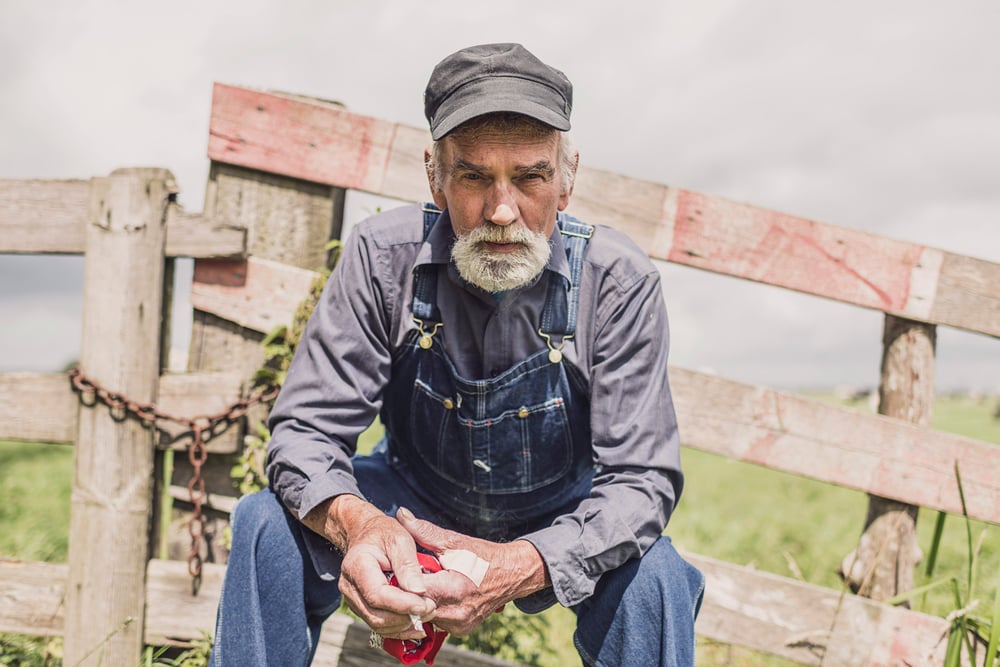
Very few centenarians were gym-goers or athletes in the traditional sense. Instead, they did physical work consistently throughout their lives, farming, fishing, cleaning, and walking.
This kind of steady, practical activity keeps the body strong without putting it under extreme stress. There’s a real difference between grinding through a hard workout and simply staying active in a way that feels natural.
A Glass Of Something Fermented

This one surprises people. A number of the world’s oldest individuals, particularly in Sardinia, consumed small amounts of red wine or other fermented drinks daily.
Sardinian Cannonau wine is rich in antioxidants and consumed in very small amounts alongside food and social connection. The key word is small.
A tiny amount as part of a full lifestyle is very different from drinking for the sake of it.
Napping Without Guilt

Short naps are common among long-lived populations in Greece, Costa Rica, and Japan. A nap of 20 to 30 minutes during the afternoon lowers stress hormones and gives the heart a break.
In Ikaria, Greece, afternoon napping is so normal that it’s simply part of the day, not a luxury. Modern culture treats rest like laziness, but the oldest people on earth treat it like maintenance.
Eating Mostly Plants

Meat is rare or absent in the diets of most centenarians. Beans, vegetables, whole grains, nuts, and fruits form the bulk of what they eat.
The Seventh-day Adventist community in Loma Linda, California, one of the few Blue Zones in the U.S., follows a plant-rich diet and consistently ranks among the longest-lived groups in the country. Plants are cheap, widely available, and apparently very effective.
Keeping A Sense Of Humor

People who live past 100 tend to laugh a lot. Not at big things, but at small, everyday moments.
Humor reduces stress hormones, strengthens social bonds, and simply makes life more bearable over the long haul. Misao Okawa, a Japanese woman who lived to 117, was known for her sharp wit and constant laughter.
A lighthearted view of life is not just pleasant. It’s protective.
Faith Or Spiritual Practice
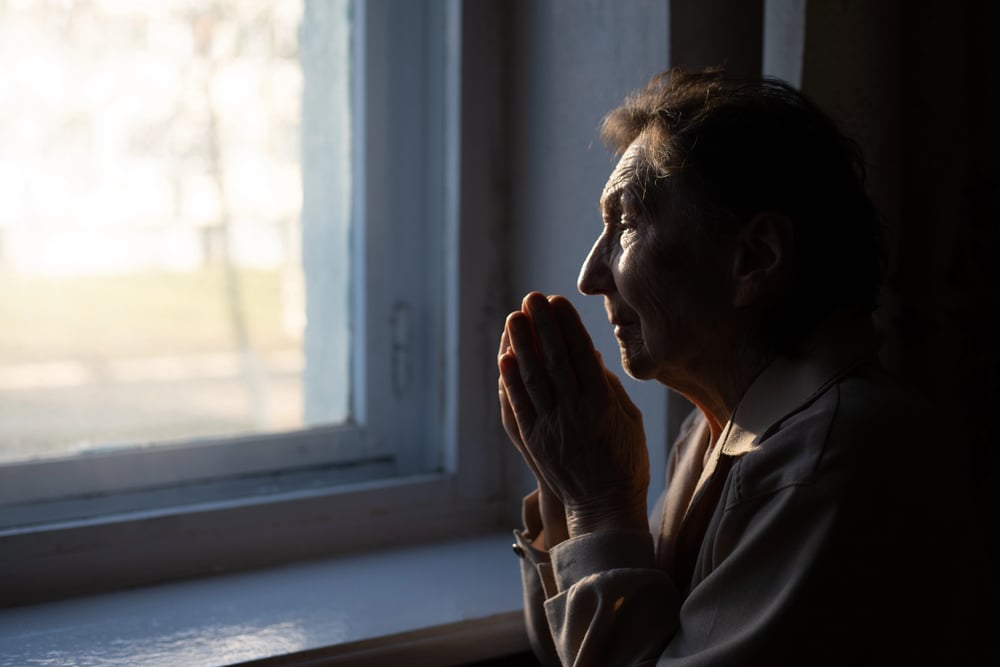
A majority of the world’s oldest people belong to some kind of faith community or hold a regular spiritual practice. This is not necessarily about religion in the formal sense.
It’s about having a community, a routine, a sense of something bigger than yourself. Attending services, praying, or meditating all appear to lower anxiety and improve overall wellbeing.
The research on this is strong and surprisingly consistent across different cultures.
Staying Mentally Active

Centenarians tend to keep their minds busy throughout life. Reading, playing games, learning new things, or even just having conversations that require real thinking all help preserve cognitive function.
The brain responds well to being challenged, and long-lived people seem to understand this intuitively. Growing old doesn’t have to mean growing dull.
What The Oldest Lives Are Really Telling Us

The people who live the longest are not doing anything dramatically different from what previous generations did naturally. They sleep well, eat simply, move regularly, and stay connected to others.
The surprise is not in the habits themselves but in how far modern life has drifted from them. Every centenarian is, in a quiet way, proof that the basics still work.
More from Go2Tutors!

- The Romanov Crown Jewels and Their Tragic Fate
- 13 Historical Mysteries That Science Still Can’t Solve
- Famous Hoaxes That Fooled the World for Years
- 15 Child Stars with Tragic Adult Lives
- 16 Famous Jewelry Pieces in History
Like Go2Tutors’s content? Follow us on MSN.