Dirtiest Objects We Touch Every Day
You wash your hands after using the bathroom. You clean your counters after cooking.
But you’re probably touching things throughout the day that harbor more bacteria than a toilet seat. Some of these items live in your pocket.
Others sit on your desk or hide in your kitchen. The gross part isn’t just that they’re dirty—it’s that you touch them constantly without thinking about it.
Your hands transfer bacteria from these objects to your face, your food, and everything else you touch. Understanding which everyday items carry the most germs helps you decide where to focus your cleaning efforts.
Your Phone Screen
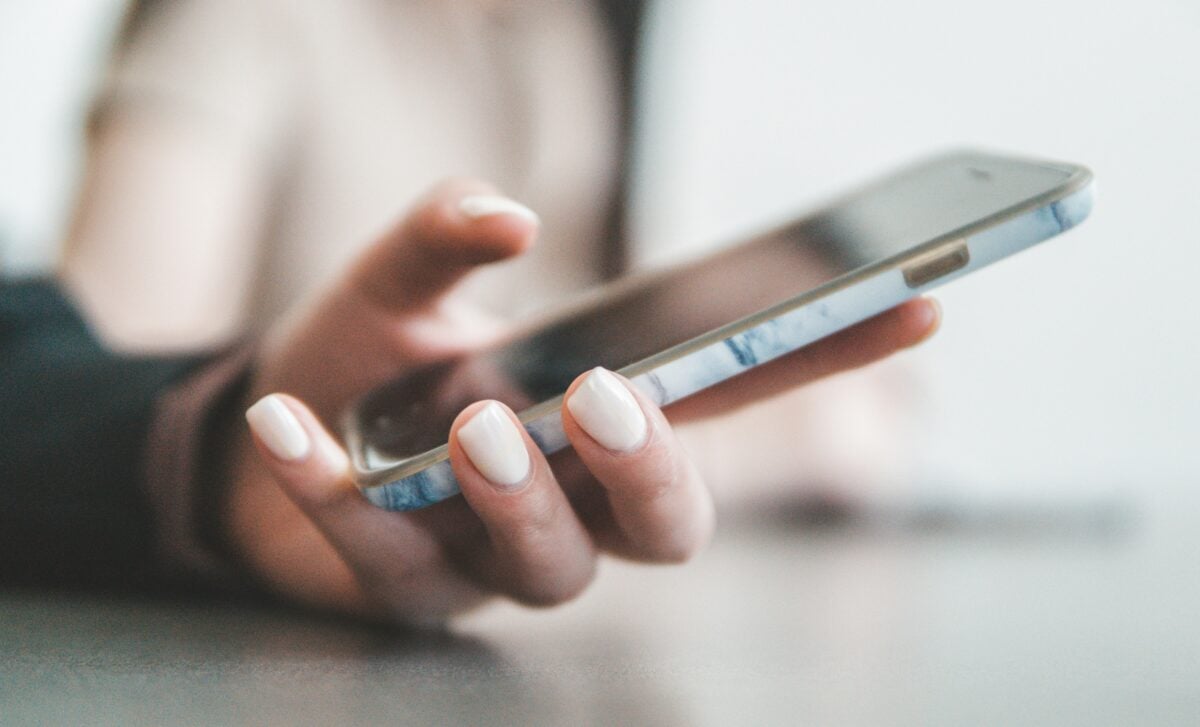
You take your phone everywhere. Into bathrooms, onto public transit, through crowded spaces. You set it down on tables, counters, and other surfaces that hundreds of people touched before you.
Then you press it against your face to make calls. You eat while scrolling.
You check it right after shaking hands with someone. Studies show phone screens carry ten times more bacteria than most toilet seats.
The warmth from the battery creates an ideal breeding ground for microorganisms. Your hands constantly transfer oils, dead skin cells, and whatever else you touch onto the glass.
Most people never clean their phones properly. A quick wipe with your shirt doesn’t count.
The bacteria on your phone include E. coli, Staphylococcus, and Streptococcus. These microorganisms survive on glass and plastic for hours or days.
Every time you touch your phone and then touch your face, you transfer those bacteria directly to your mouth, nose, and eyes.
Kitchen Sponges
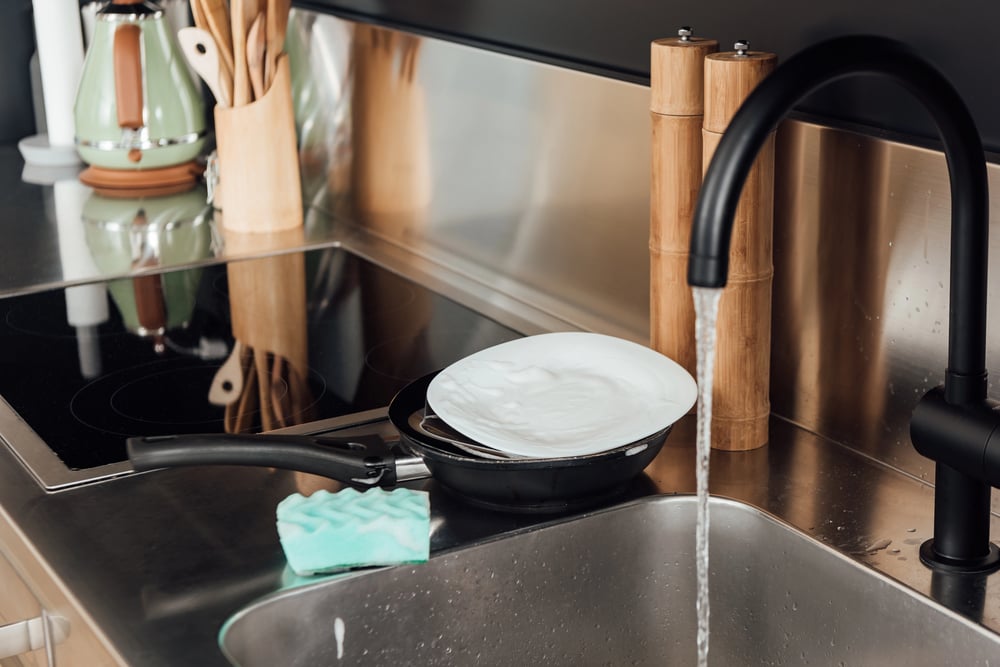
Sponges seem designed to clean, but they become bacterial breeding grounds within days. The damp, porous material traps food particles.
Bacteria multiply rapidly in warm, moist environments. You use the sponge to wipe counters, wash dishes, and clean up spills.
Each task adds more bacteria to an already contaminated object. Research found that kitchen sponges contain more bacteria per square inch than any other household item tested.
Some sponges harbor 200,000 times more bacteria than a toilet seat. The bacteria include Salmonella, E. coli, and Campylobacter—all capable of causing food poisoning.
Microwaving damp sponges kills some bacteria but not all. The heat-resistant bacteria survive and multiply even faster once competition decreases.
Replacing sponges weekly makes more sense than trying to sanitize them. Or switch to dishcloths that you can throw in the washing machine with hot water and bleach.
Keyboard and Mouse

Your hands rest on your keyboard for hours each day. You eat lunch at your desk.
You sneeze and keep typing. You return from the bathroom and immediately check your email.
Every action deposits bacteria, viruses, and other contaminants onto the keys and mouse. Keyboards trap crumbs, hair, dust, and dead skin in the spaces between keys.
That organic matter feeds bacteria colonies. The mouse collects oils from your palm and fingers.
These oils mix with dust and create a film that bacteria love. Shared keyboards in offices or libraries accumulate bacteria from multiple users.
Tests reveal keyboards contain more bacteria than the average toilet seat. The bacteria include fecal matter, even if the keyboard never went near a bathroom.
That happens because people touch bathroom surfaces, then touch their keyboards without proper handwashing in between. The same applies to mice, which often test even dirtier than keyboards because you grip them constantly.
Light Switches
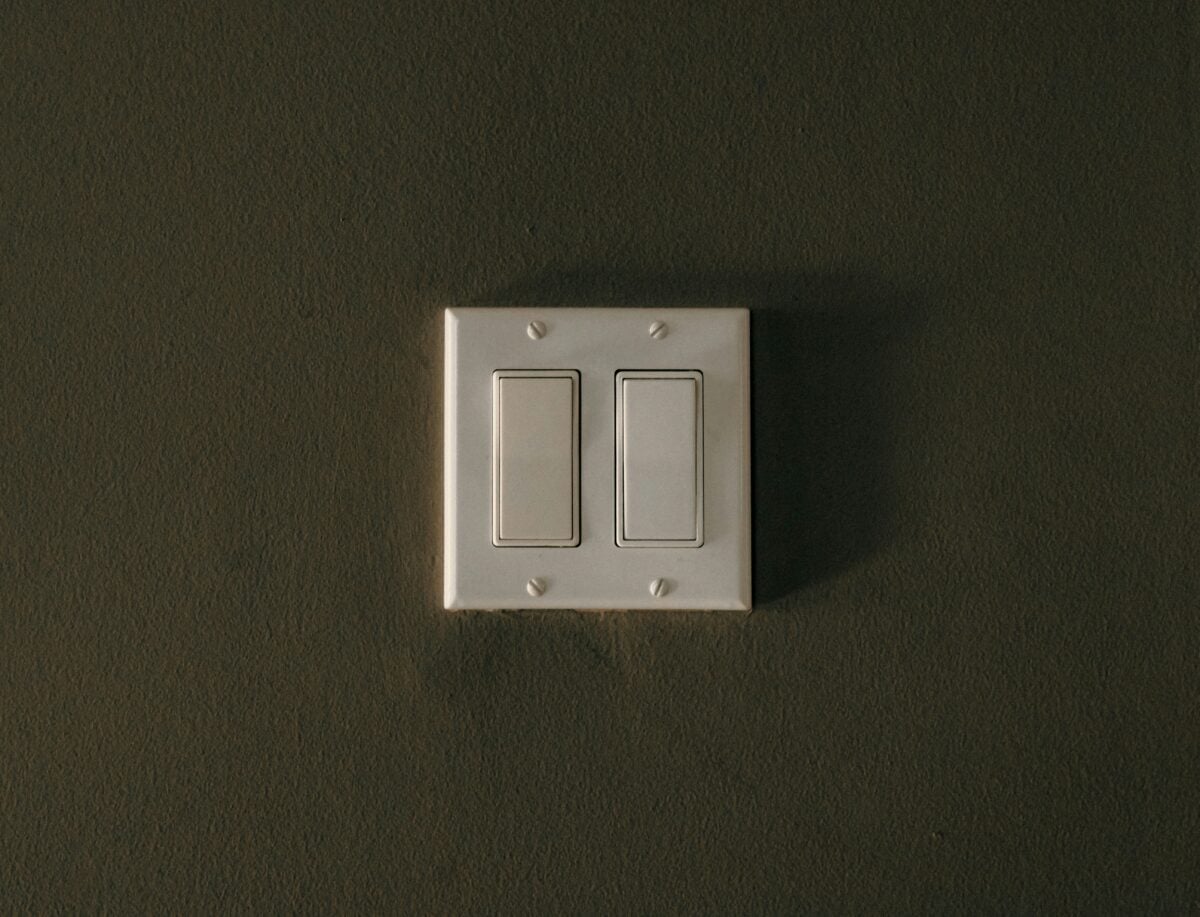
Everyone touches them multiple times daily. You flip them without thinking.
Dirty hands, clean hands, wet hands—doesn’t matter. The switch gets touched.
Over time, light switches accumulate bacteria from every person who’s used them. Staphylococcus thrives on these frequently touched surfaces.
Light switches near bathrooms and kitchens collect even more bacteria. You touch the switch right before or after washing your hands.
If you didn’t wash thoroughly, or touched the faucet after washing, your hands transfer that bacteria to the switch. The next person who flips that switch picks up your bacteria.
Most people never clean light switches. They wipe down counters and sanitize doorknobs, but switches remain untouched during cleaning routines.
That neglect allows bacteria to accumulate for months or years. A quick wipe with disinfectant takes seconds but few people bother.
Cutting Boards

Raw meat, poultry, and fish deposit bacteria onto cutting boards. Even careful washing leaves microscopic grooves where bacteria hide.
Plastic boards develop knife scars over time. Those tiny cuts trap bacteria that regular washing can’t remove.
Wooden boards absorb liquids that seep into the grain. Salmonella, Campylobacter, and E. coli survive on cutting boards between uses.
Cross-contamination happens when you use the same board for raw meat and then vegetables without proper sanitizing in between. The bacteria from the meat transfer to the vegetables, which you might eat raw in a salad.
Dishwashers kill most bacteria if the water gets hot enough and you use the sanitize cycle. Hand washing with hot soapy water works too, but only if you scrub thoroughly and then sanitize with bleach solution or vinegar.
Replacing cutting boards once they develop deep knife scars reduces bacterial hiding spots.
Money and Credit Cards
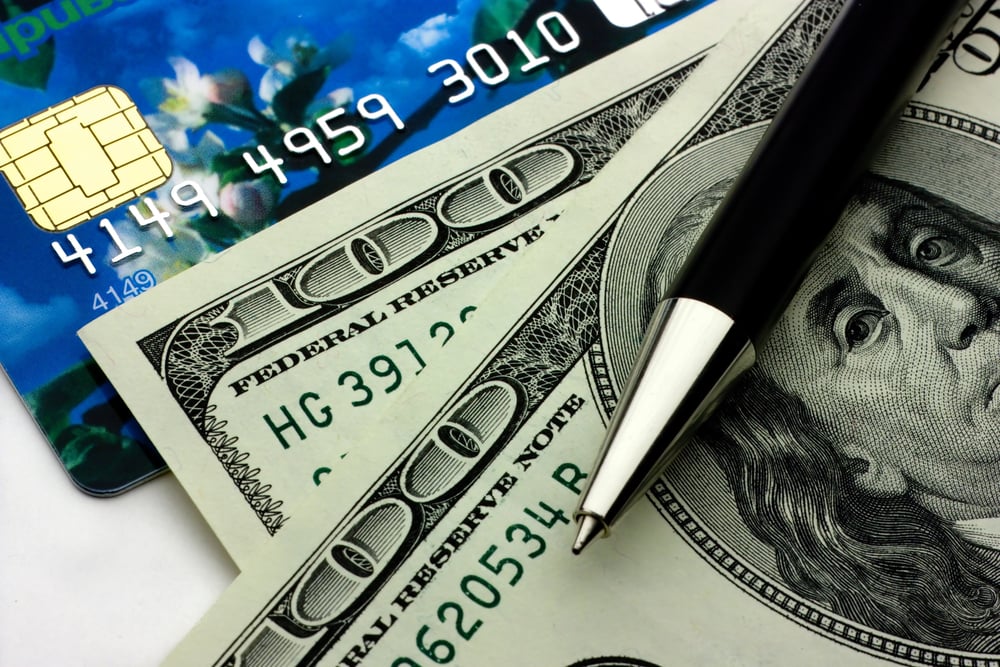
Cash passes through hundreds or thousands of hands before reaching your wallet. Each person who touched those bills potentially transferred bacteria, viruses, and other contaminants.
Drug residue appears on most paper currency in circulation. Fecal bacteria show up frequently too. Bills made of cotton-linen blends provide texture where bacteria clings.
Credit cards and debit cards accumulate bacteria from your hands and every payment terminal you insert them into. Those card readers get touched by hundreds of people daily.
Many terminals never get cleaned. You swipe your card, touch the terminal buttons, and pick up whatever the previous users left behind.
Coins carry bacteria too, though their metal composition kills some microorganisms faster than paper does. Still, coins pass through enough hands that bacteria load remains significant.
Washing hands after handling money makes sense, but most people don’t bother until they’re about to eat. By then, they’ve already touched their faces multiple times.
Toilet Flush Handles

This one seems obvious, but people underestimate just how contaminated toilet flush handles become. You use the toilet, wipe, and then immediately grab the handle to flush.
Your hands might be clean or they might not. The next person who uses that bathroom grabs the same handle without knowing whether you washed thoroughly.
Public restroom flush handles collect bacteria from dozens or hundreds of users daily. Staphylococcus, E. coli, streptococcus, and various fecal bacteria coat these handles.
Some bathrooms install automatic flush sensors to reduce contact, but manual handles remain common. Flushing with the toilet lid open sprays microscopic particles into the air.
Those particles settle on the handle, the walls, and every surface nearby. Using toilet paper as a barrier when touching the flush handle helps.
Washing hands thoroughly afterward matters more. But many people skip proper handwashing or touch the handle after washing when they return to close the toilet lid.
That recontaminates clean hands.
Remote Controls
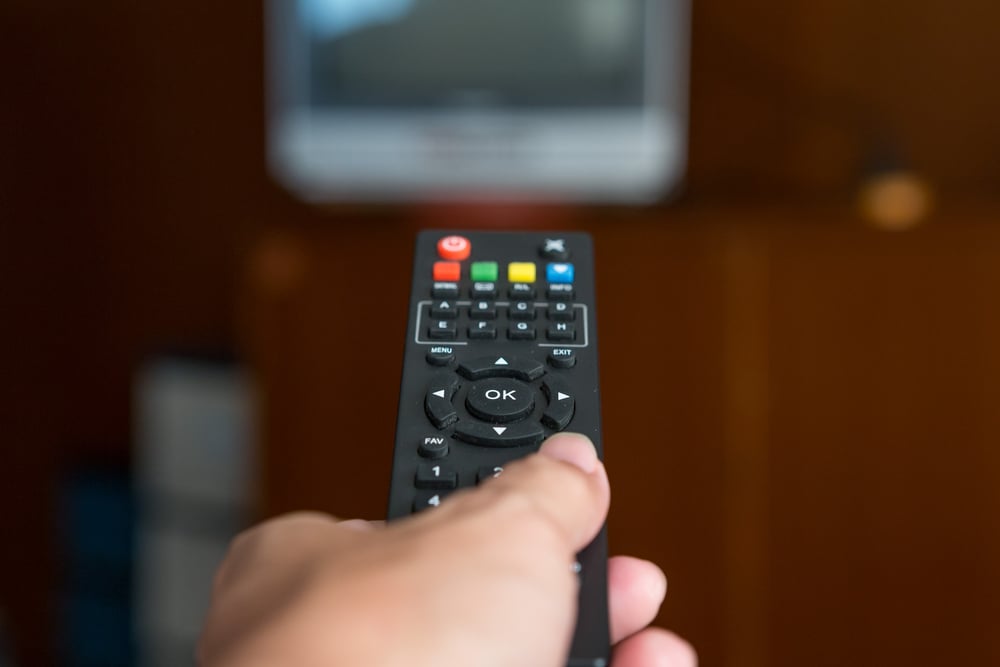
TV remotes, gaming controllers, and streaming device remotes get handled constantly. You eat snacks while watching shows.
You sneeze into your hand and keep channel surfing. Multiple family members touch the same remote.
Kids with dirty hands grab the remote after playing outside. Sick family members use it while confined to the couch.
Bacteria thrive in the crevices around buttons. Food crumbs lodge between keys.
Oils from fingers create a film across the surface. Tests show remote controls often contain more bacteria than toilet seats.
The bacteria include staph, mold, and yeast along with various strains related to respiratory and intestinal infections. Most people never clean remote controls. The devices get handled daily for years without once being wiped down.
Battery compartments collect dust and corrosion. Buttons stick from accumulated grime.
A simple wipe with disinfectant wipes would help, but remotes remain invisible during normal cleaning routines.
Shopping Cart Handles

You grab a cart at the store entrance. The person before you touched that same handle.
So did dozens of others throughout the day. Shopping cart handles come into contact with hundreds of hands daily.
Some of those hands belonged to parents whose kids had runny noses. Others touched raw meat packages that leaked in previous carts.
Many users never wash their hands properly after using public restrooms. Studies found that shopping cart handles often carry more bacteria than public restroom surfaces.
The bacteria include E. coli, Salmonella, and other pathogens that cause intestinal illness. Stores rarely clean carts between uses.
Some provide sanitizing wipes near the entrance, but most people skip them or wipe inadequately. The metal or plastic handle provides a surface where bacteria can survive for hours or days.
Your hands grip that handle for 20 or 30 minutes while you shop. Then you touch your face, check your phone, or eat samples offered throughout the store.
All those actions transfer bacteria from the cart to you.
Toothbrush Holders

Your toothbrush stands in a holder near the sink. Water drips from the wet brush into the bottom of the holder.
That moisture doesn’t evaporate quickly. Bacteria from your mouth get transferred to the brush, then drips into the holder.
The damp environment encourages bacterial growth. Mold and yeast join the party.
Toothbrush holders rank among the dirtiest household items in multiple studies. The bottom of the holder, where water pools, contains particularly high bacteria counts.
Staphylococcus, E. coli, and various mold species thrive there. Particles from toilet flushes settle into the holder if you store toothbrushes near the toilet.
Most people rinse the holder occasionally but don’t scrub thoroughly. The base often has tight corners that trap moisture and bacteria.
Dishwasher-safe holders should go through cleaning cycles weekly. Otherwise, hot soapy water and a brush reach the corners where bacteria hide.
Letting the holder dry completely between uses helps too.
Pet Food and Water Bowls

Your dog or cat eats from the same bowl twice daily. Saliva, food particles, and bacteria accumulate in the bowl.
Water bowls develop biofilm—a slimy coating of bacteria and other microorganisms. That film protects bacteria from casual rinsing.
Even if you dump and refill water daily, the biofilm remains unless you scrub thoroughly. Pet food bowls come into contact with raw meat, kibble that’s been sitting in bags for weeks, and whatever your pet’s mouth carries to the bowl.
Dogs and cats carry different bacteria than humans, but cross-contamination occurs. You touch the bowl to fill it.
You touch other surfaces afterward. Those bacteria transfer throughout your home.
Studies show pet bowls rank among the dirtiest items in homes with animals. The bacteria include Salmonella, E. coli, and MRSA.
Some bacteria strains resist common cleaning methods. Washing pet bowls in the dishwasher works better than hand washing.
Using separate sponges for pet items prevents transferring pet bacteria to human dishes.
Computer Mouse at Work

Shared workspaces mean shared mice. Maybe you hot-desk and grab whatever spot is available.
Maybe multiple people use the same computer throughout the day. Every hand that gripped that mouse left bacteria behind.
Oils, sweat, and skin cells build up on the surface and inside the scroll wheel mechanism. Office mice accumulate bacteria from coughing, sneezing, eating at desks, and inadequate handwashing.
Keyboards get some attention during office cleaning, but mice get ignored. The curve of the mouse fits your palm perfectly, which means maximum surface contact and maximum bacteria transfer.
Tests of shared office equipment show mice carrying diverse bacterial populations including respiratory pathogens, intestinal bacteria, and drug-resistant strains. Bringing your own mouse to work sounds excessive but it eliminates sharing germs with coworkers.
Wiping down shared mice before use takes seconds and significantly reduces exposure.
Gym Equipment
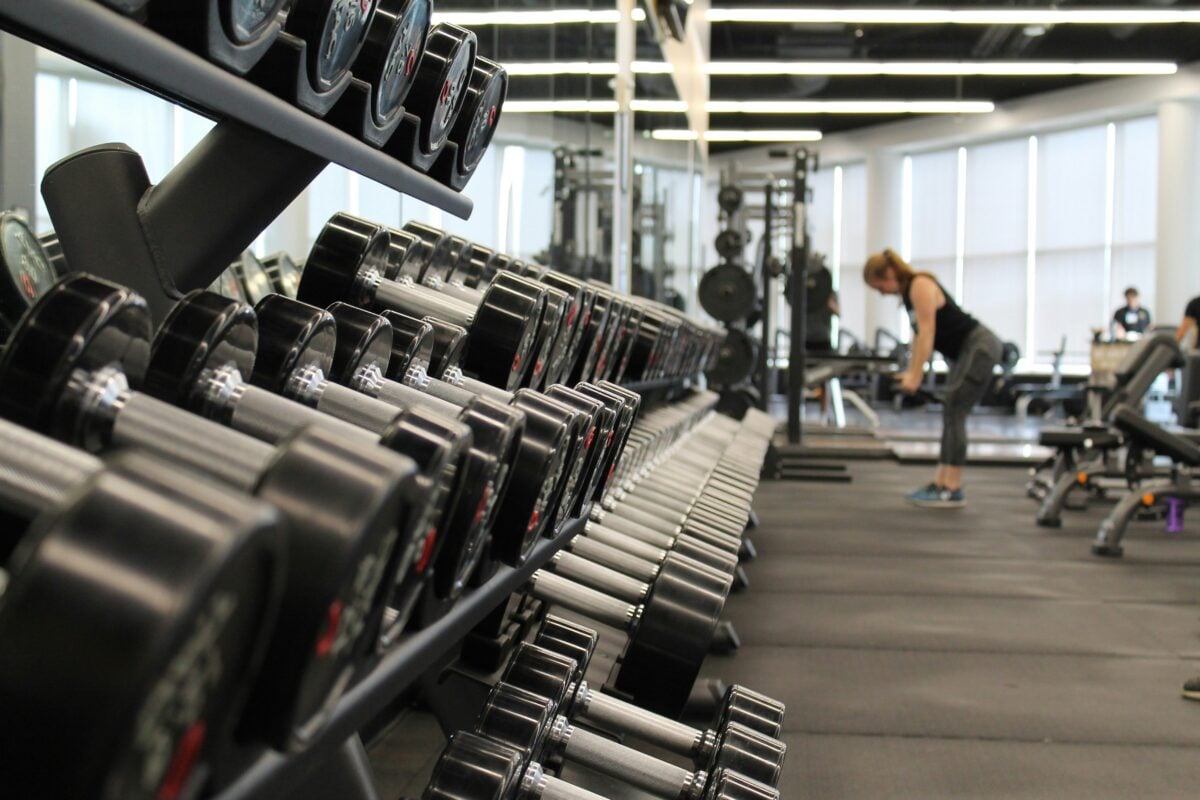
Weight benches, cardio machines, and yoga mats host bacteria from everyone who used them today. Sweat drips onto surfaces. People touch equipment after wiping their nose or face. Gyms provide cleaning supplies, but not everyone uses them.
The equipment stays contaminated from one user to the next.
Staph infections including MRSA spread through gym equipment. Fungi that cause athlete’s feet thrive on mats and locker room floors.
Respiratory viruses survive on metal and plastic surfaces for hours. You grip a weight that someone else just put down.
Your hands get contaminated. Then you wipe sweat from your face and transfer those bacteria to your skin.
Some gym-goers bring towels to place between their skin and equipment. Others wipe down machines before and after use.
Many do neither and rely on general gym cleaning that happens overnight. The problem is that bacteria accumulate faster than cleaning removes them during busy hours.
The Invisible Layer
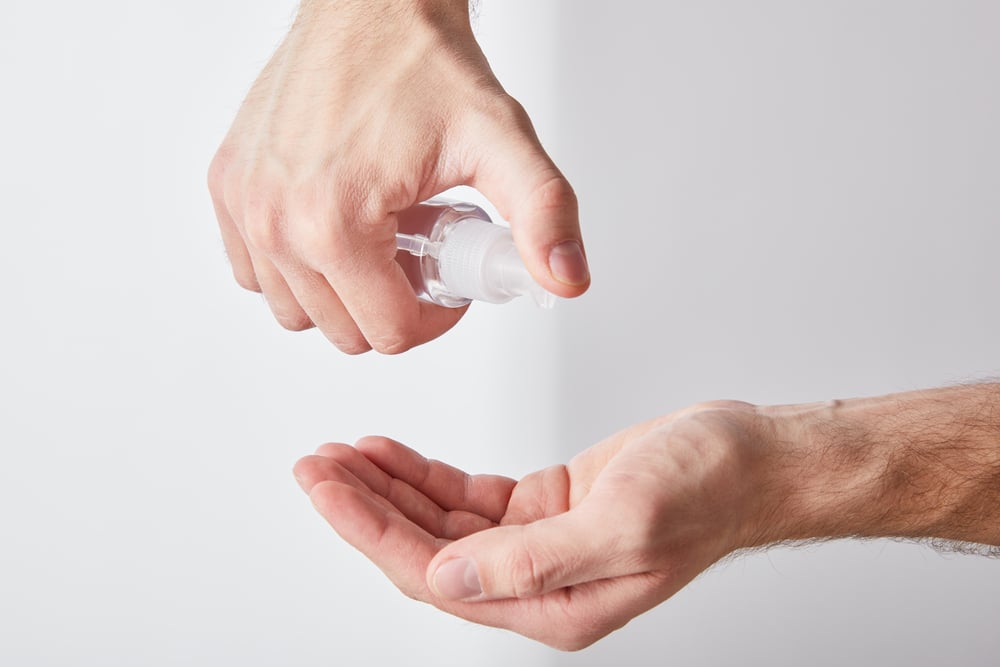
Bacteria cover nearly everything you touch. That fact sounds alarming but represents normal life.
Your immune system handles most exposures without problems. You’ve been touching contaminated objects your entire life and survived.
The goal isn’t sterilizing everything—that’s impossible and probably counterproductive for immune system development. But awareness helps. Knowing which objects harbor the most bacteria lets you make informed choices.
Wash your hands after touching shopping carts before eating. Clean your phone weekly.
Replace kitchen sponges frequently. Wipe down shared computer equipment.
These simple actions reduce your exposure to pathogens that cause illness. The dirtiest objects often surprise people.
Toilets get blamed for everything, but they’re cleaner than most items on this list. That’s because people clean toilets regularly and treat them as dirty.
Objects you use constantly without thinking accumulate bacteria silently. They sit on your desk, in your pocket, or in your kitchen looking innocent while hosting bacterial colonies.
A little awareness and occasional cleaning go a long way toward reducing the bacterial load you encounter daily. Your immune system will appreciate the break.
More from Go2Tutors!

- The Romanov Crown Jewels and Their Tragic Fate
- 13 Historical Mysteries That Science Still Can’t Solve
- Famous Hoaxes That Fooled the World for Years
- 15 Child Stars with Tragic Adult Lives
- 16 Famous Jewelry Pieces in History
Like Go2Tutors’s content? Follow us on MSN.