16 Highest Priced Coffee Beans Roasted Exclusively
Mornings shift when the right coffee hits the palate – suddenly, everything feels different. Not every bean stays within normal price lines; a few climb into territory shared by aged vintages and hard-to-find treats.
Grown in tucked-away regions, they often pass through unusual handling steps after harvest. What sets them apart might be taste alone – a quality so sharp, so layered, people hunt them down regardless of cost.
Pricey coffee beans draw curiosity simply because they cost so much. What sits behind those extreme numbers becomes clear only when you look closer.
Some come from rare methods. Others rely on unusual animal digestion processes.
Each batch carries a story different from ordinary brews. Few people taste them often.
Their production stays limited by nature. Growing conditions play a big role.
Location, climate, even bean handling shift the value. Certain types pass through specific animals before becoming drinkable.
This odd path adds to appeal. Not everyone agrees it is worthwhile.
Still demand pushes prices higher year after year.
Kopi Luwak From Indonesia

Out in the trees, the Asian palm civet – a shy animal shaped like a tiny wildcat – helps shape an unusual drink. After snacking on ripe red coffee fruit, its stomach gets to work softening proteins linked to bitterness.
What comes out later is gathered by hand, washed carefully, then turned into roasted beans. This process leads to one of Earth’s most expensive cups, sold between $100 and $600 per pound.
Taste it, and you might notice something mellow, rich, almost woody – with just a touch of cocoa hiding underneath.
Black Ivory Coffee From Thailand

At a Thai sanctuary, elephants eat coffee cherries given under close watch. Because digestion works slowly, the beans change while passing through the animal’s intestines.
Roughly 33 pounds of fresh cherries are needed for every single pound of Black Ivory Coffee. This brew sells for as much as $1,000 per pound – among the planet’s most unusual drinks.
Its flavor leans soft and slightly sweet, missing the sharp edge found in regular roasted coffees.
Hacienda La Esmeralda Panama

High up in Panama’s Boquete area, an estate tends to Geisha plants with care. Not long ago, these beans started turning heads when they dominated global contests.
Record-breaking bids hit $1,029 a pound during auctions, shaking the specialty scene. Sipping it, people pick out scents like jasmine, bright fruit, and citrus peel.
What makes it unique? A mix of cool mountain air and rich earth from old volcanoes – something no other place seems to match.
Finca El Injerto Guatemala

High up where volcanoes shape the land, coffee here grows unlike anywhere else. Ripe red cherries get chosen one by one, just when they’re ready.
Instead of machines, people do the work, keeping old ways alive. Back in 2011, buyers paid half a thousand dollars for a single pound – no mistake.
Each sip carries something surprising: apricot first, then sweet richness, a touch of lemon peel. A family has watched over these plants for decades, passing down more than seeds.
Quality isn’t chased – it shows up naturally, year after year.
Saint Helena Coffee Grown In The South Atlantic

Off the African shore, far out where waves crash hard, Napoleon once sipped this brew while stuck on Saint Helena. This speck in the sea lies twelve hundred miles from land, shaped by salty gales and dark earth born from volcanoes.
Just getting things here adds so much cost it pushes the price to seventy-nine dollars a pound. What you taste is smooth in the middle, hints of sugar turning sharp at the end.
Not much comes through each season because almost none grows at all.
Jamaican Blue Mountain Coffee

The Blue Mountains of Jamaica rise above 5,000 feet, where mist and rainfall create ideal growing conditions. Japanese buyers purchase most of this crop, willing to pay premium prices for its reputation and taste.
Authentic beans from this region cost between $50 and $120 per pound when properly certified. The coffee tastes remarkably smooth with almost no bitterness and subtle floral undertones.
Strict regulations govern what can truly be labeled as Blue Mountain, protecting consumers from imitations.
Molokai Coffee From Hawaii
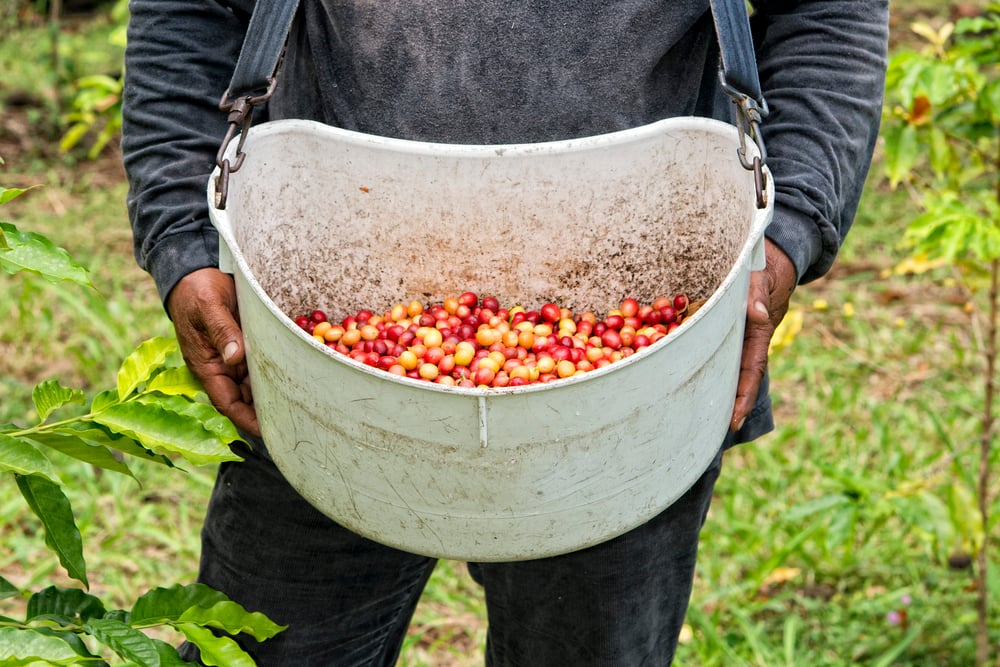
Hawaii’s Molokai island produces limited quantities of coffee from plants grown in rich volcanic soil. The small-scale operations and hand-processing drive up costs compared to mass-produced alternatives.
Prices hover around $60 per pound for beans from established farms on the island. The resulting brew offers a clean, bright taste with nutty and fruity characteristics.
Ocean breezes and consistent temperatures throughout the year help develop the beans’ unique qualities.
Los Planes Coffee From El Salvador

This farm sits at 5,700 feet above sea level in El Salvador’s Chalatenango region. The Serrano family has perfected their craft over multiple generations, focusing on the rare Bourbon variety.
Competition lots have sold for $200 to $400 per pound at specialty auctions. Tasters note brown sugar, orange, and honey flavors in the finished product.
Careful fermentation and drying processes bring out complexity that cheaper coffees can’t match.
Ospina Gran Cafe From Colombia

Five generations of the Ospina family have cultivated coffee in Colombia’s high-altitude regions since 1835. They produce limited quantities using only heirloom Typica beans grown above 7,500 feet.
Prices range from $150 to $770 per pound depending on the specific lot and vintage. The coffee delivers a velvety texture with notes of red berries and dark chocolate.
Each batch undergoes rigorous quality control to maintain the family’s centuries-old standards.
Fazenda Santa Ines From Brazil
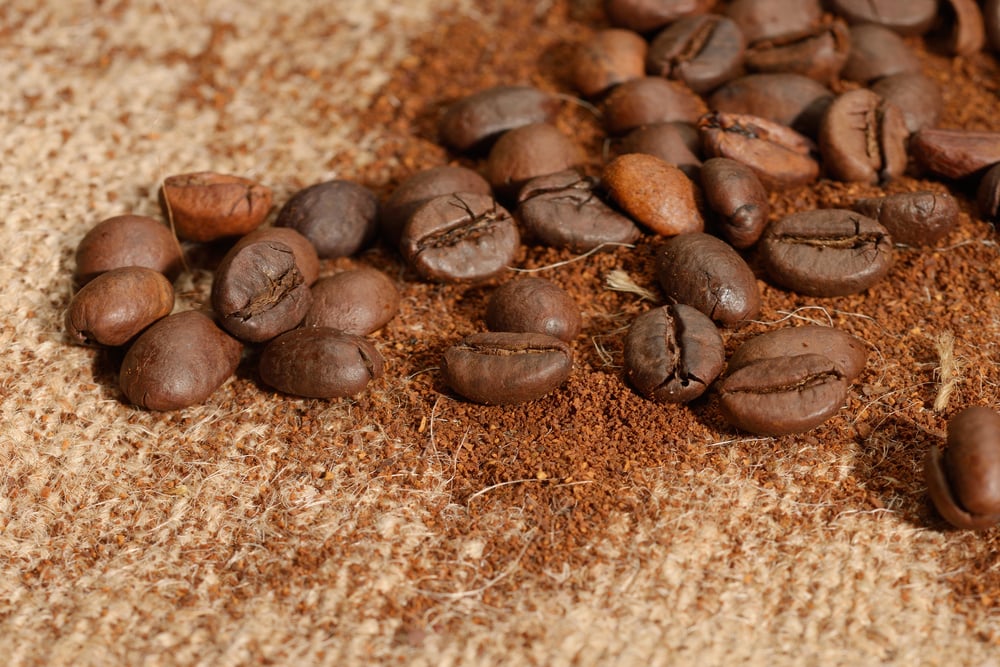
Brazil’s Mantiqueira de Minas region provides the setting for this exceptional Yellow Bourbon variety. The farm uses innovative processing techniques that highlight the bean’s natural sweetness.
Competition-winning lots have commanded prices exceeding $200 per pound at auctions. The cup showcases tropical fruit flavors balanced with creamy body and bright acidity.
Sustainable farming practices and meticulous harvesting justify the premium pricing.
Hawaiian Kona Coffee

The western slopes of Hawaii’s Big Island offer volcanic soil and afternoon cloud cover that coffee plants love. Only beans grown in the Kona district can carry this prestigious name.
Genuine Kona coffee sells for $30 to $80 per pound, with estate-grown varieties commanding higher prices. The taste is consistently smooth and balanced with a medium body and subtle sweetness.
Many cheaper blends claim the Kona name, so buyers should verify authenticity before purchasing.
Rwanda Blue Bourbon
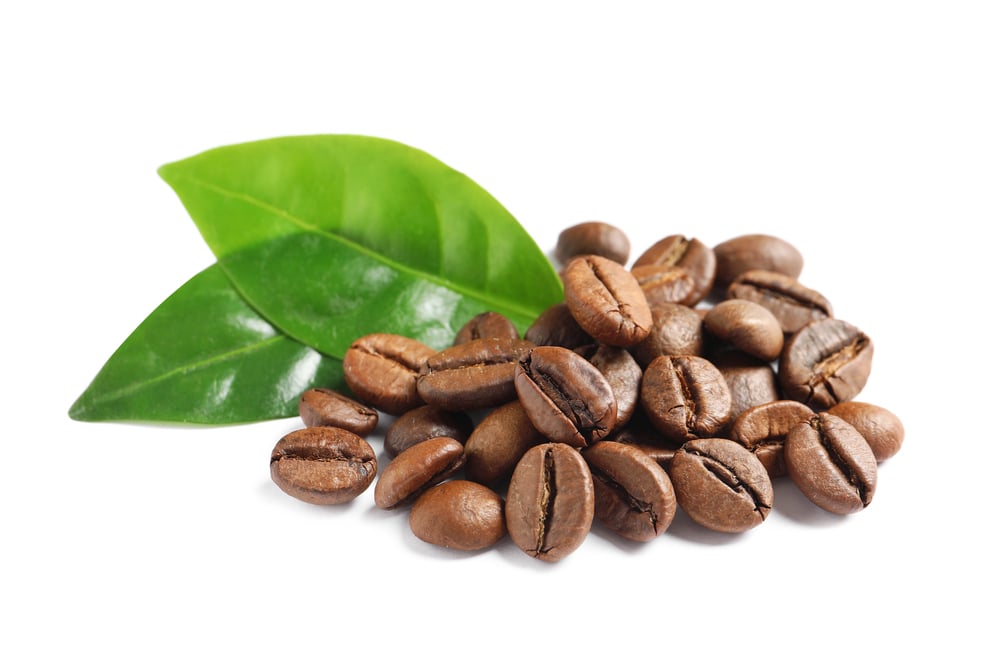
Rwandan coffee has surged in quality and reputation following the country’s investment in coffee infrastructure. The Blue Bourbon variety thrives in the country’s high-altitude volcanic regions.
Premium lots fetch $50 to $150 per pound at international markets. Drinkers experience bright citrus notes alongside berry sweetness and a silky mouthfeel.
Supporting these farms also contributes to Rwanda’s economic development and farming communities.
Ecuador Galapagos Coffee

Coffee grows naturally on San Cristobal Island in the Galapagos, where isolation creates unique growing conditions. The limited available land and protected environment mean production stays extremely small.
Prices reach $60 per pound for beans from the few farms operating in this UNESCO World Heritage Site. The coffee tastes clean and balanced with medium acidity and chocolate undertones.
Environmental restrictions ensure farming practices don’t harm the island’s delicate ecosystem.
Yemen Mocha Coffee
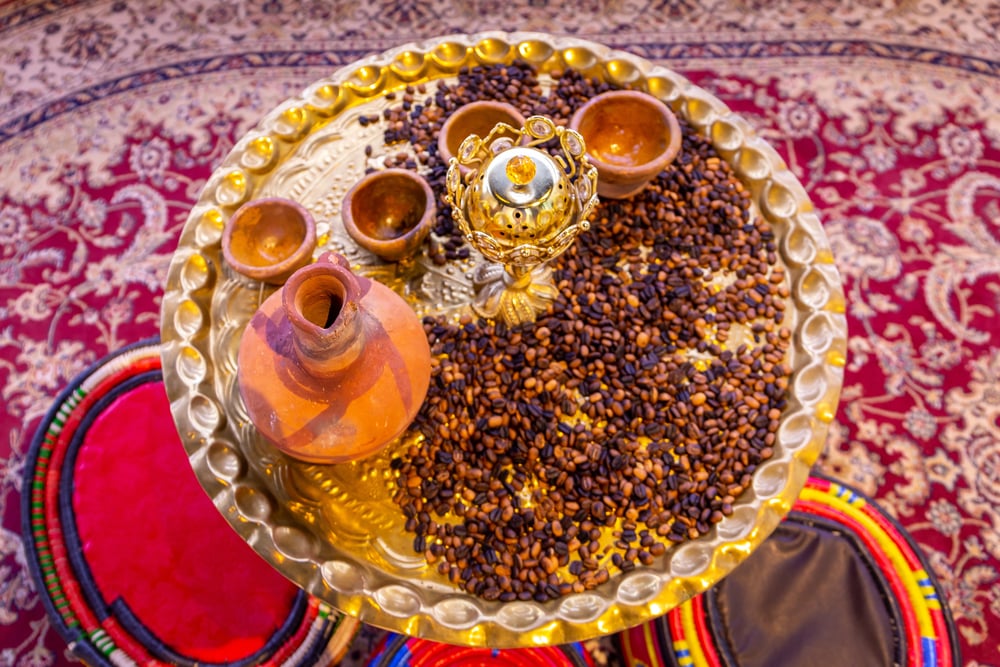
Ancient coffee trees still grow in Yemen’s mountainous terraces, where farmers use methods unchanged for centuries. Political instability and difficult growing conditions make this coffee increasingly rare and expensive.
Genuine Yemeni beans cost $70 to $200 per pound when available. The flavor is wild and complex, featuring dried fruit, spice, and winey characteristics.
Many consider this the original coffee that inspired Europe’s early coffee culture.
Nicaraguan Maragogype Coffee

The Maragogype variety produces beans nearly twice the size of typical coffee beans. Nicaragua’s volcanic highlands provide ideal conditions for this unusual cultivar to thrive.
Prices range from $40 to $100 per pound depending on the farm and processing method. The cup offers lower acidity than standard beans with a heavy body and chocolate notes.
Growing these large beans requires extra care and produces lower yields than conventional varieties.
Puerto Rican Yauco Selecto

Puerto Rico’s southwestern mountains once supplied coffee to European royalty in the 19th century. Modern production focuses on small-batch, high-quality beans that honor this heritage.
The coffee costs around $50 to $80 per pound from certified farms. Flavors include balanced acidity with sweet caramel and nut undertones in every sip.
Hurricane damage and economic challenges have made Puerto Rican coffee increasingly difficult to find.
The Pursuit Continues
Coffee pricing reflects more than just taste, encompassing scarcity, labor intensity, and the stories behind each bean. These expensive varieties show how geography, processing methods, and dedication can transform a simple agricultural product into something people treasure.
Whether someone chooses to spend hundreds on a pound or sticks with their reliable daily brew, the world of coffee offers endless exploration. The beans on this list represent the peak of what’s possible when growers combine ideal conditions with expert knowledge and unwavering commitment to quality.
More from Go2Tutors!

- The Romanov Crown Jewels and Their Tragic Fate
- 13 Historical Mysteries That Science Still Can’t Solve
- Famous Hoaxes That Fooled the World for Years
- 15 Child Stars with Tragic Adult Lives
- 16 Famous Jewelry Pieces in History
Like Go2Tutors’s content? Follow us on MSN.