20 Historical Photos of America’s Laundries
Clean clothes have always cost somebody something. Before washing machines sat in every basement, the work fell to hired hands, school pupils, soldiers’ wives, immigrant shopkeepers, and women who stood over steaming tubs from dawn to dusk.
Cameras caught plenty of it. From Gilded Age alleys to Depression-era labor camps, photographers pointed their lenses at wash lines, ironing rooms, and storefront counters, and the images show a trade that was hot, heavy, and rarely noticed.
The Washateria That Let Customers Do It Themselves
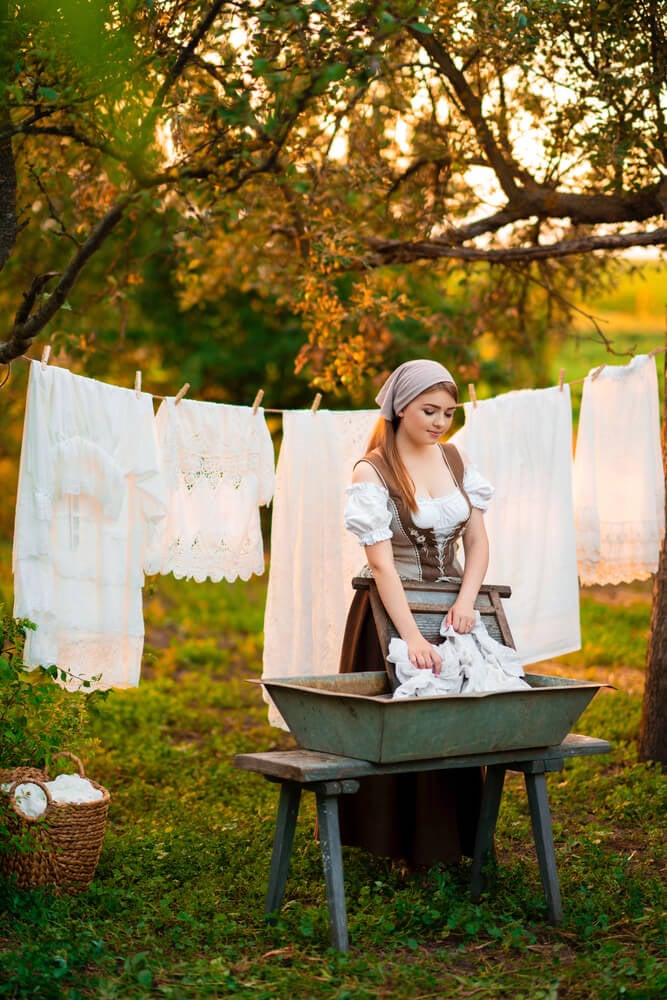
On April 18, 1934, a self-operated laundry called a washateria opened in Fort Worth, Texas, and it is widely credited as the first of its kind. The idea was simple and a little radical for the day: customers paid to use the machines and handled their own wash instead of handing a bundle across a counter.
The name borrowed from the cafeteria, a place where diners also served themselves. Photographs of early self-service laundries show rows of washers and patrons tending their own loads, the first hint of the laundromat culture that would spread across the country.
Atlanta’s Washerwomen and Their Summer of 1881
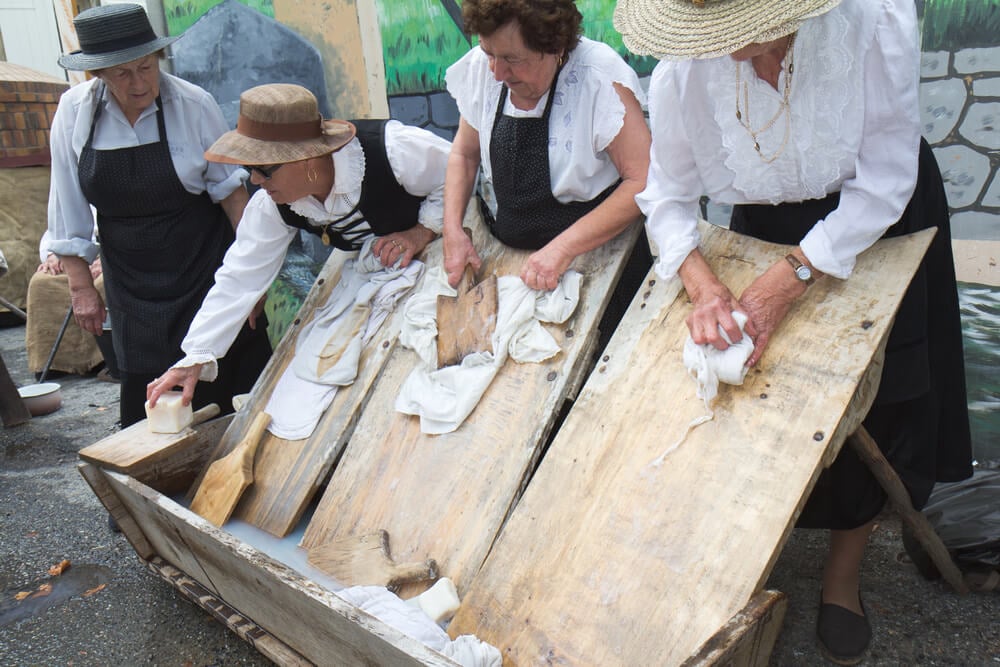
In 1881, Black washerwomen in Atlanta organized and refused to take in wash until employers agreed to better pay. What began with a small group of women grew into a movement of thousands, and city officials answered by floating steep license fees aimed at breaking it.
The women held their ground, and the strike is remembered as one of the largest labor actions by Black women in the South. Images of laundresses from the era, with their tubs, kettles, and bundles of wash, show the daily labor that gave the strike its leverage.
Jackson’s Petition From the Colored Washerwomen
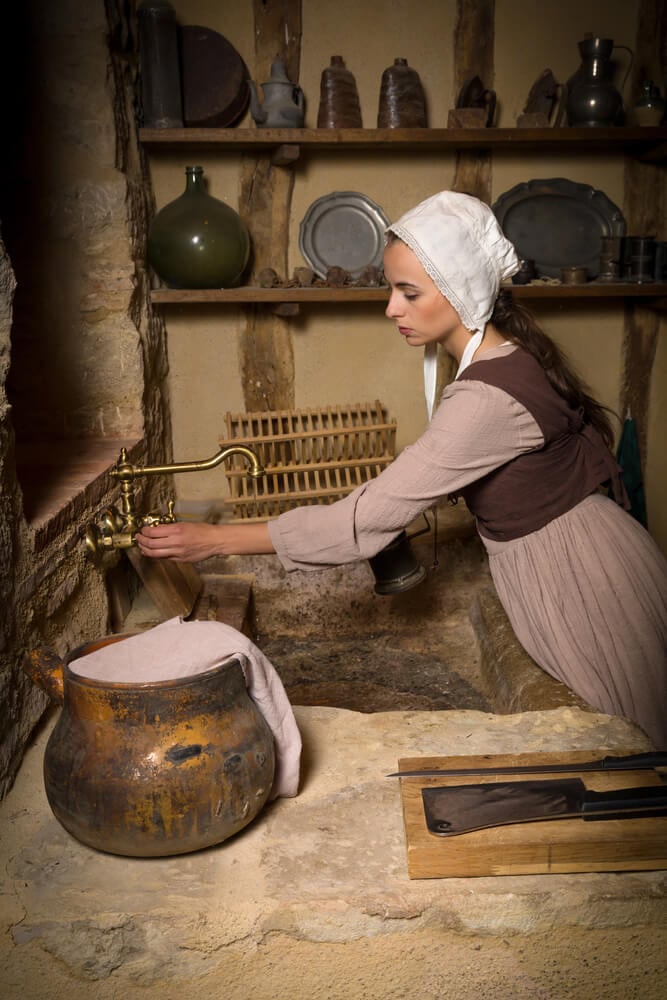
In 1866, a group of Black washerwomen in Jackson, Mississippi, sent a petition to the mayor and board of aldermen asking that rates for their work be set and respected. The document is now widely taught as a rare early example of laundresses organizing in the South after emancipation.
Photographs of Southern laundresses from the decades that followed, hauling water and bending over wooden tubs in backyards, give a face to the trade the petition tried to protect. The women were not asking for charity but for a price list.
Troy’s Collar Laundresses and a Young Union Leader
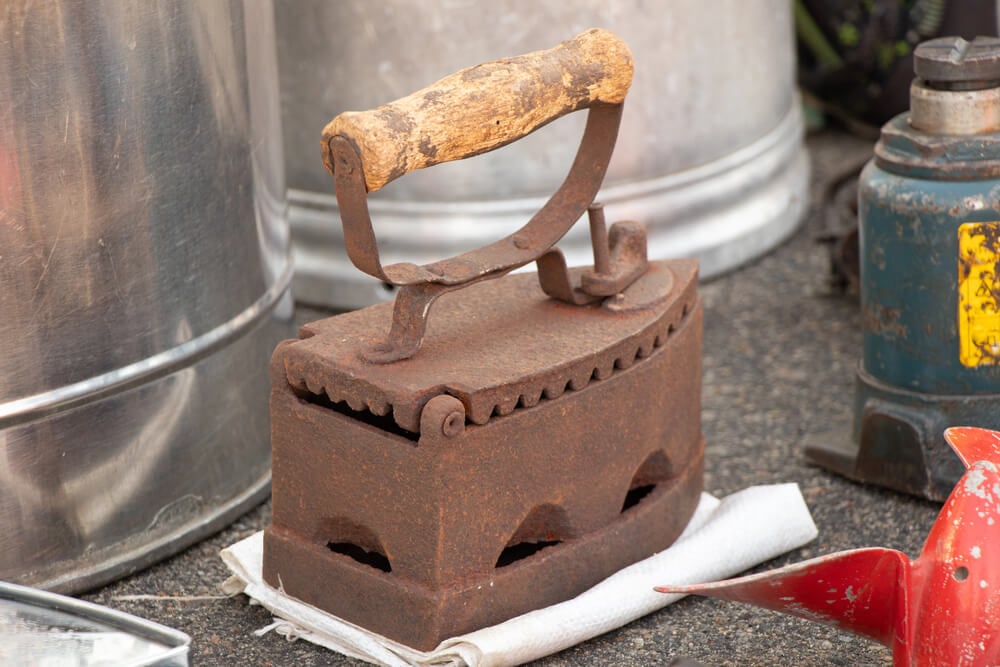
Troy, New York, earned the nickname Collar City because detachable shirt collars were its signature product, and the laundries that starched and pressed them depended on young women working among hot irons. In 1864, Kate Mullany, a young Irish immigrant, led the Collar Laundry Union in a strike for better pay.
Her house in Troy survives as a National Historic Landmark, and she was later inducted into the National Women’s Hall of Fame. Photographs of collar and cuff operations show long rooms of women at ironing tables, the setting where one of the country’s early female-led unions took shape.
The Laundry That Went to the Supreme Court
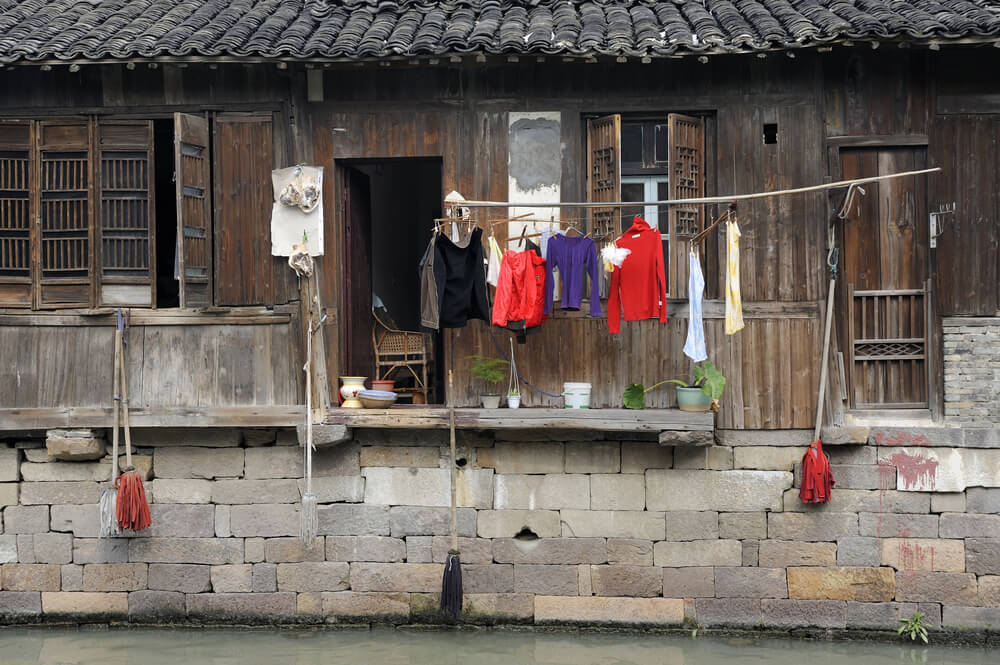
Yick Wo ran a laundry in San Francisco, and in the 1880s the city required permits for laundries in wooden buildings. Nearly all Chinese applicants were refused while permits went to almost every other applicant, and Yick Wo was jailed for operating without one.
In 1886, the Supreme Court ruled in Yick Wo v. Hopkins that enforcing a neutral-looking law unequally violated the Equal Protection Clause. Photographs of San Francisco laundries from the period, with their narrow frontages and flat wooden counters, show the kind of ordinary business that produced a landmark civil rights decision.
Chinese Hand Laundries on the Gold Rush Frontier
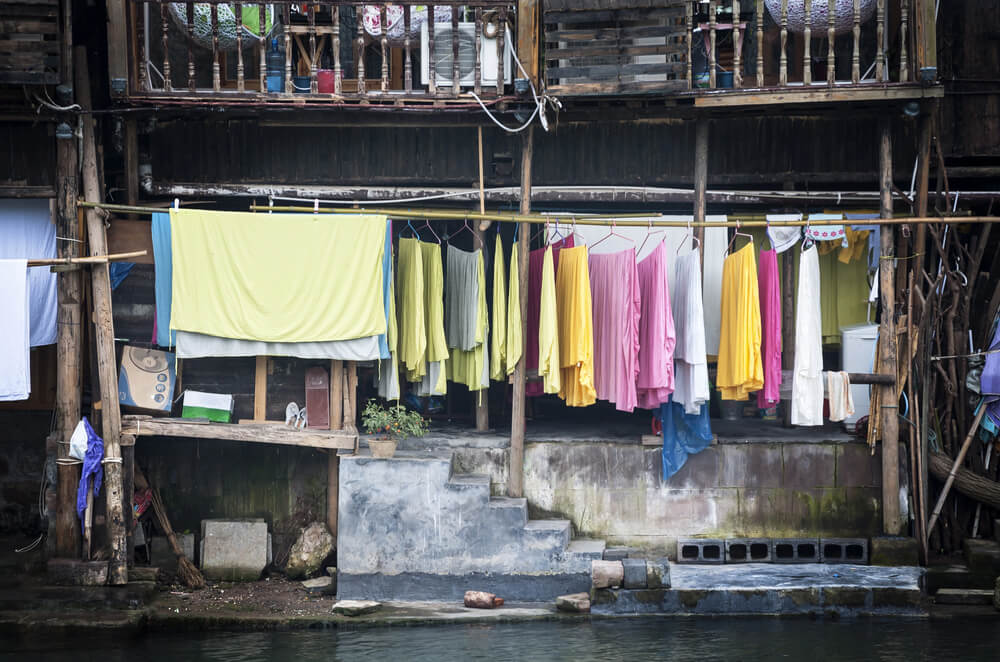
Laundry work was one of the few trades open to Chinese immigrants in the American West, where hostility and exclusion closed off many other jobs. It required little capital, just tubs, irons, and a storefront or a room, which made it possible for men to set up shop in mining camps and growing cities alike.
Old photographs show shopfronts with hand-lettered signs, ironing tables set near the door, and wash lines strung overhead. The familiar image of the Chinese laundryman became a stereotype, but the images also record real businesses built on long hours and thin margins.
The Hand Laundry Alliance That Bought Ambulances
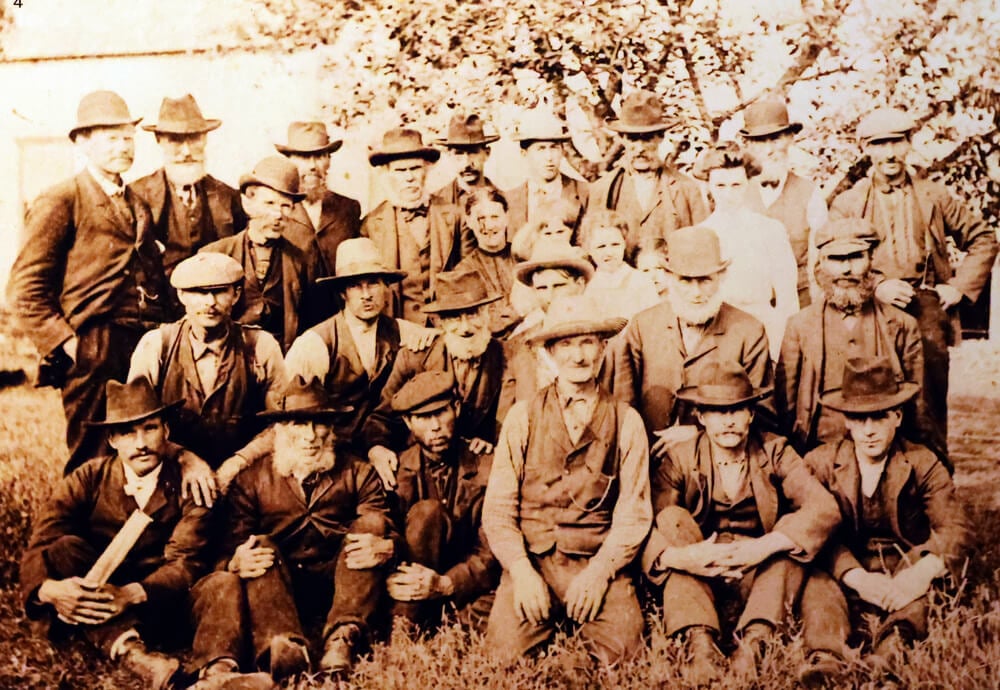
The Chinese Hand Laundry Alliance, based in New York City, brought together laundry owners who faced competition from large steam laundries and pressure from city regulators. The group also raised money for causes far from the ironing table, and one photograph in the Google Arts and Culture collection celebrates the alliance’s donation of ambulances to China.
Small shopkeepers pooling nickels and dimes to buy vehicles for a homeland at war is a detail that no stereotype of the quiet laundryman ever allowed for. The image shows what a trade association of tired, overworked laundrymen could accomplish together.
San Francisco Rethinks the Chinese Laundry
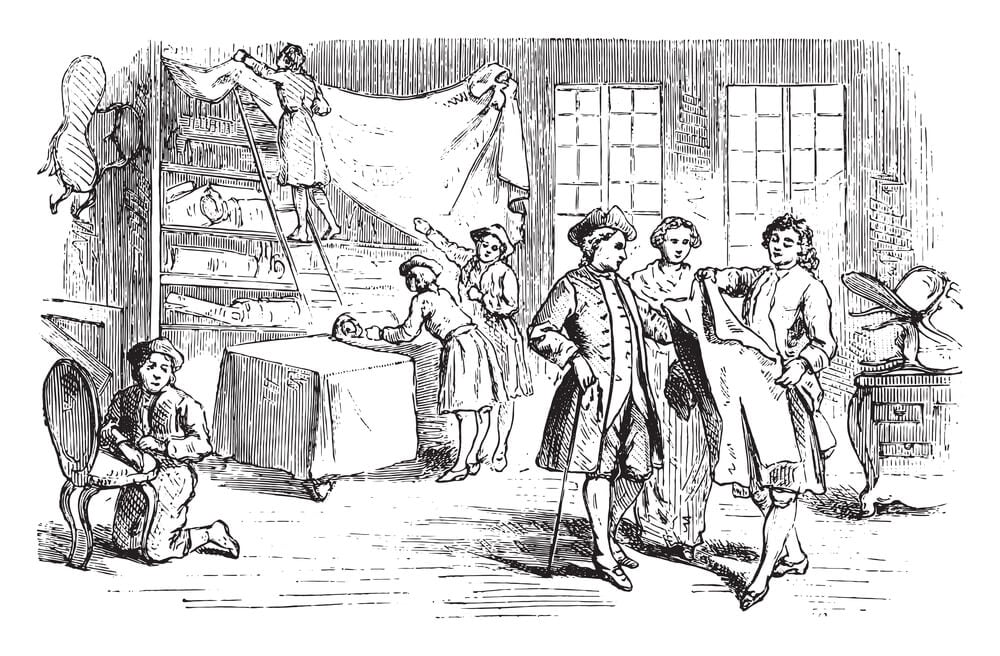
In 2025, the Chinese Historical Society of America in San Francisco’s Chinatown opened an exhibit devoted to Chinese laundries in the United States. The show treated the laundry as a story of labor, survival, and community rather than a punchline from old movies and cartoons.
Archival photographs of laundrymen at their counters and irons sit at the center of that reframing. They remind viewers that behind the steam and the folded paper bundles were families who often lived and slept in the same rooms where they worked.
Chicago’s Chinese Laundrymen Under a Sociologist’s Eye
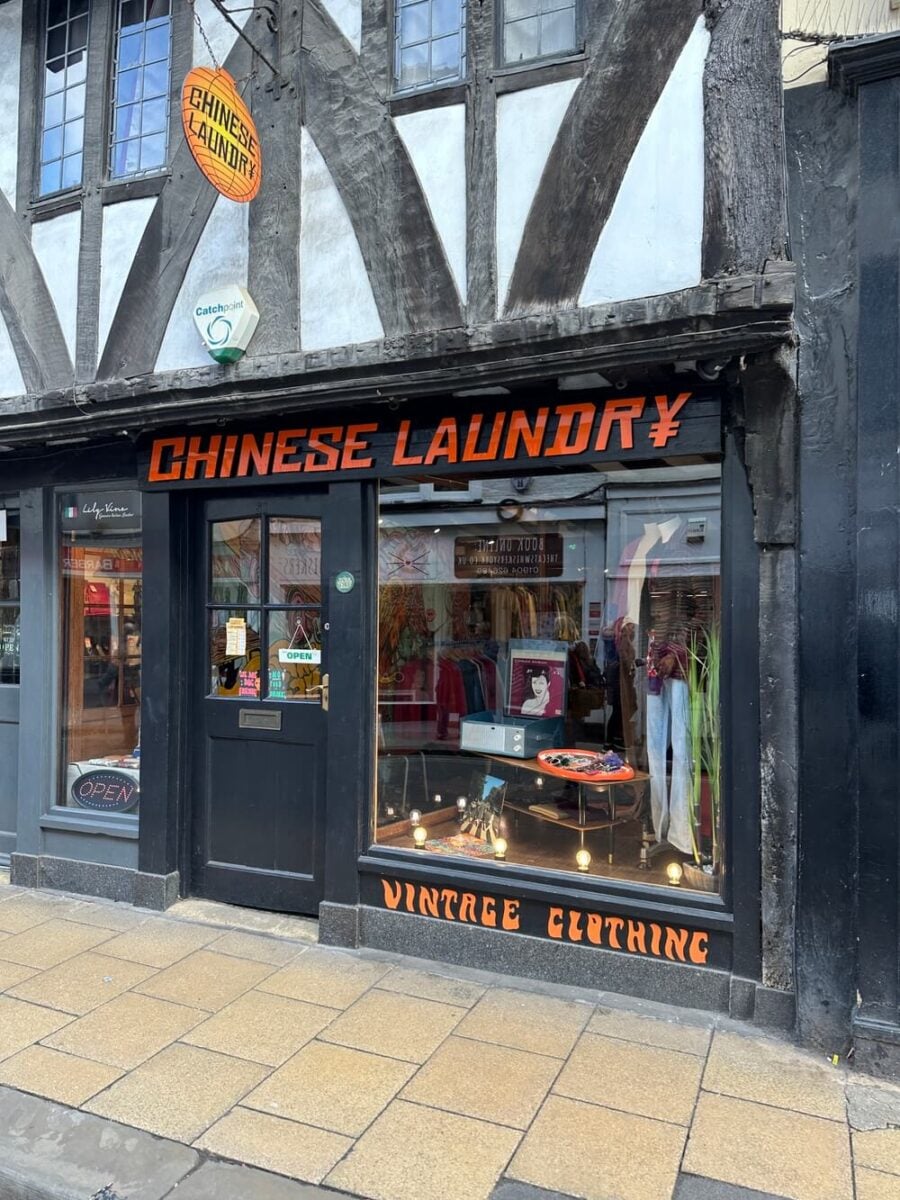
Paul C. P. Siu, a researcher who studied Chinese laundrymen in Chicago, wrote a study titled The Chinese Laundryman that examined the isolation of men who spent long days alone behind the counter. Based on research from the early twentieth century and published decades later, the book describes laundries that doubled as living quarters, with workers sleeping in the back among the ironing boards.
Photographs of Chicago laundries from the period show small storefronts with steamed-up windows and little room to spare. The images and the sociology make the same point, which is that the shop was both a livelihood and a kind of confinement.
Lewis Hine’s Laundry Worker
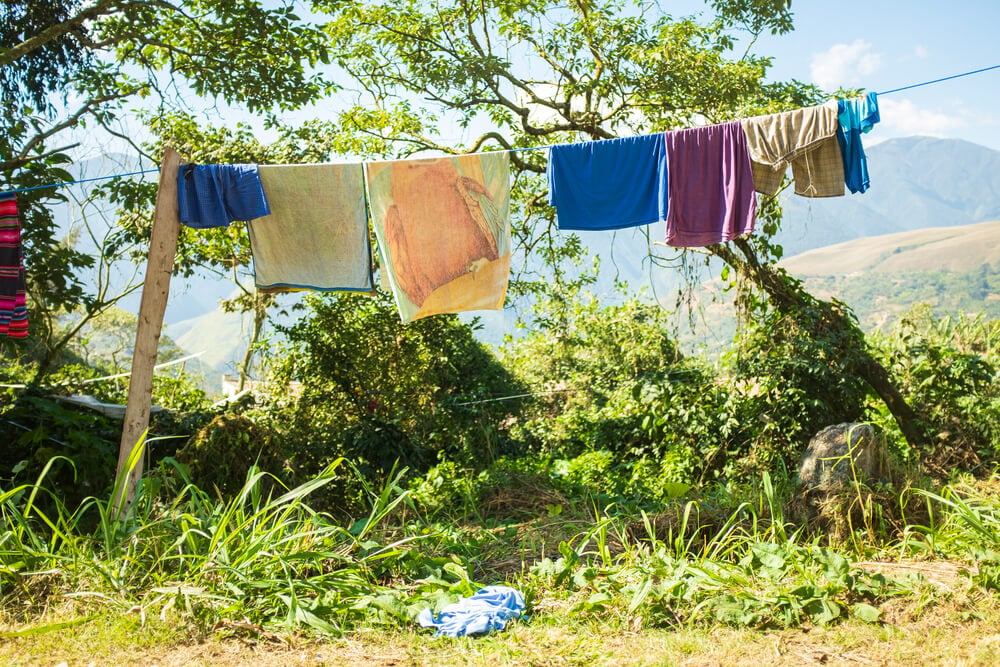
Lewis Hine photographed American workers for the National Child Labor Committee, and a print titled Laundry Worker is held in the collection of the Virginia Museum of Fine Arts. Hine was known for talking his way into mills and factories and for recording the names and ages of the people he photographed so that his captions could not be dismissed as sentiment.
His laundry portrait shows a worker in the middle of the job, with the folded linens, damp air, and repetitive motion of the trade pressed into a single frame. Like much of his work, it asks the viewer to look at the person rather than the product.
A Fifteen-Year-Old Folding Sheets in 1917

A Hine photograph from 1917 is captioned as showing a 15-year-old girl folding laundry. The detail that matters is the age, since a girl that young standing at a folding table all day was exactly the sort of case Hine’s employer wanted documented.
Reform groups used images like this one in campaigns for child labor laws, arguing that the evidence spoke louder than statistics. Laundries were hot, wet, and physically punishing places, and the photograph shows a teenager doing the work of an adult.
The Ironing Room at Carlisle

The Carlisle Indian Industrial School in Carlisle, Pennsylvania, opened in 1879 under Richard Henry Pratt and put students through a regimen that included daily labor in on-campus shops. One photograph from around 1895, titled The Ironing Room, shows the space where pupils pressed the school’s linens and clothing.
Laundry was a staple job at institutions like Carlisle, where unpaid student work kept the campus running. The image, preserved in an online college digital archive, documents the way a school’s domestic chores became vocational training and free labor at once.
Mangle Work at Carlisle in 1901
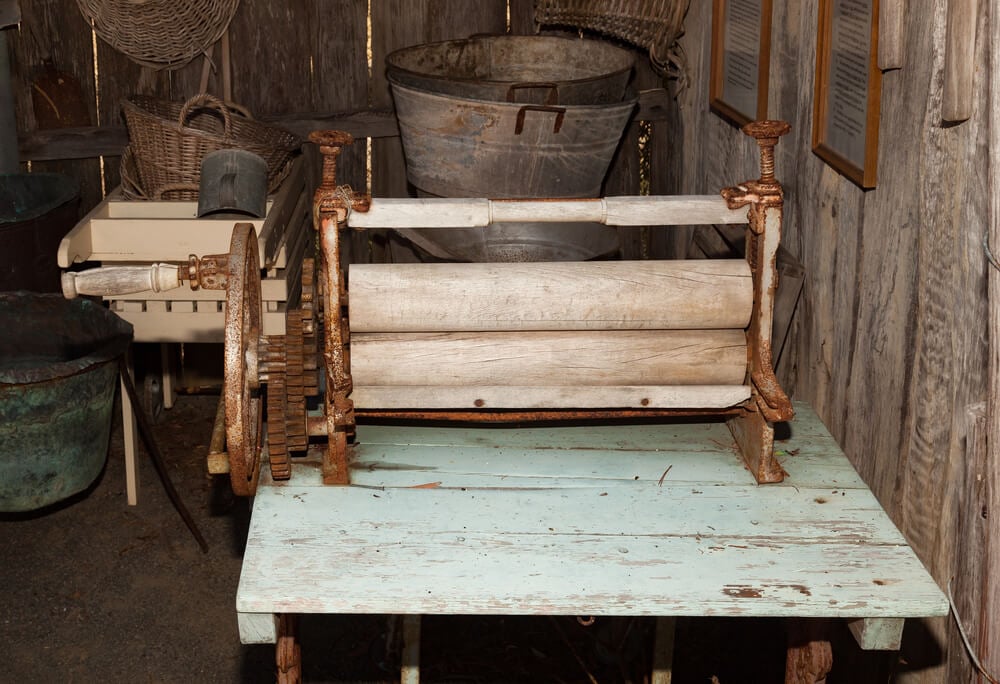
A 1901 photograph held in the Carlisle Indian School digital collection shows male students operating a mangle in the school laundry. A mangle is a machine with heated rollers that presses flat linens, and running one was hot, tiring, and potentially dangerous for hands and sleeves.
The image shows that laundry work at the school was not limited to girls, a point sometimes lost in the common picture of institutional chores. Rows of students standing at industrial equipment gave visitors proof that the school was teaching useful trades, at least as the administration saw it.
Washers and Wringers Under Frances Benjamin Johnston’s Lens
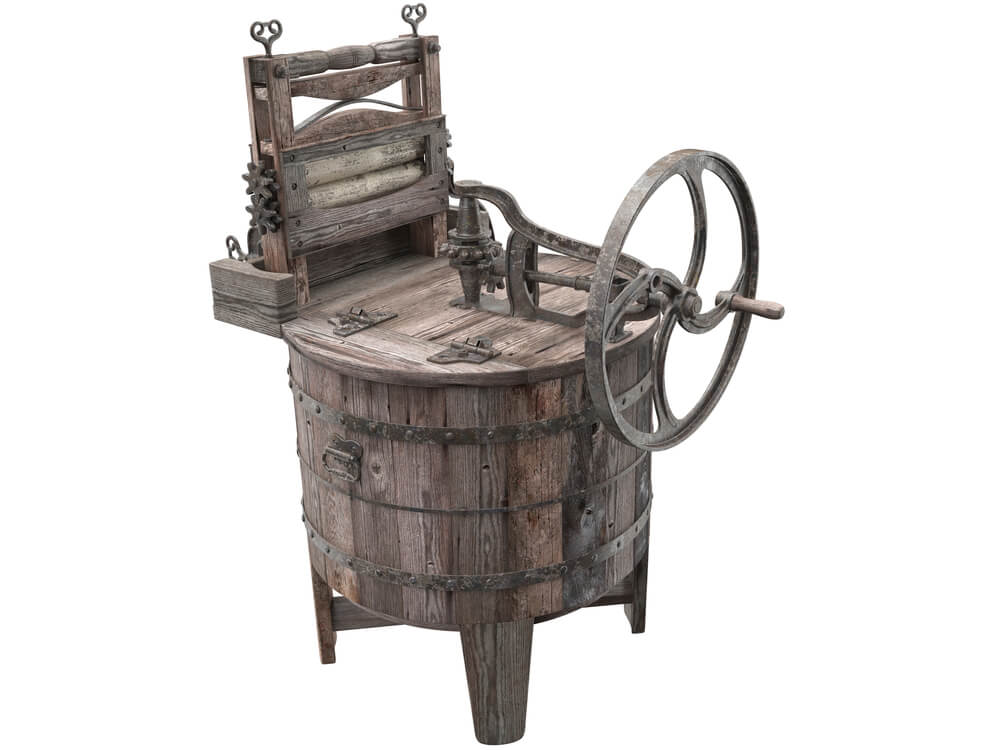
Frances Benjamin Johnston, one of the leading American photographers of her era, made images at Carlisle that include male students running washers and wringers in the laundry room. The machinery in the frame is large and belt-driven, and the room looks closer to a small factory than a chore.
Johnston composed her photographs carefully, often for display and promotion, so the tidy rows of equipment also reflect how the school wanted to be seen. The image captures a laundry at industrial scale operating inside a boarding school.
Hampton Institute’s Laundry Shop
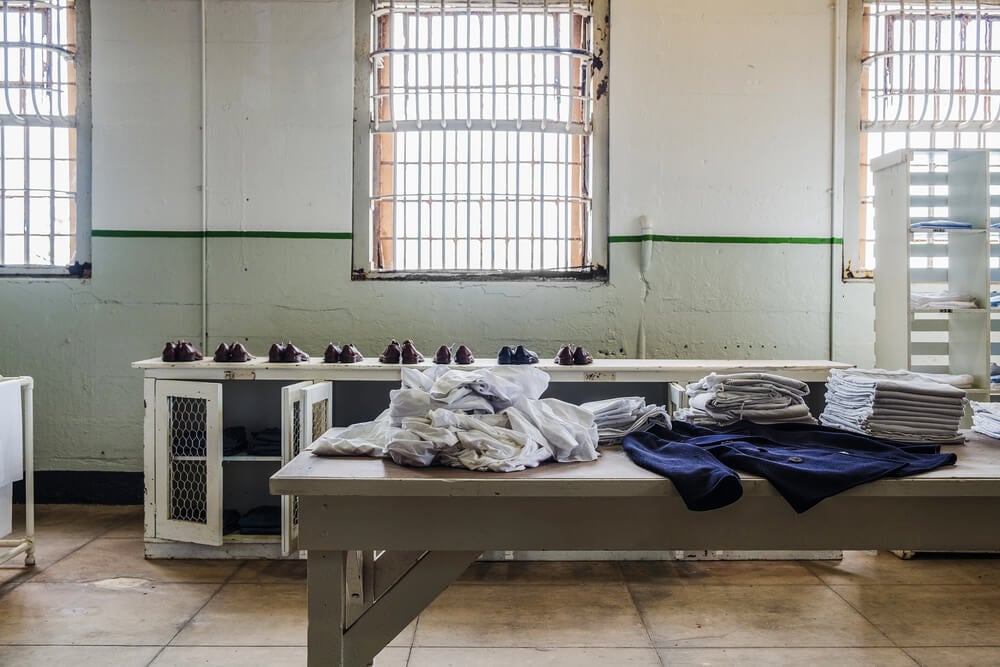
Hampton Institute in Virginia, founded in 1868 to educate formerly enslaved people and later others, taught trades alongside academics. Around 1899 and 1900, Frances Benjamin Johnston photographed classroom scenes at the school, including a laundry shop, and the series is held at the Library of Congress.
Her Hampton images were staged and composed with care, designed to show a disciplined and productive institution. The laundry shop view is a reminder that even the most polished institutional photograph depended on the less glamorous labor of washing and pressing.
Laundry Rooms at Manzanar
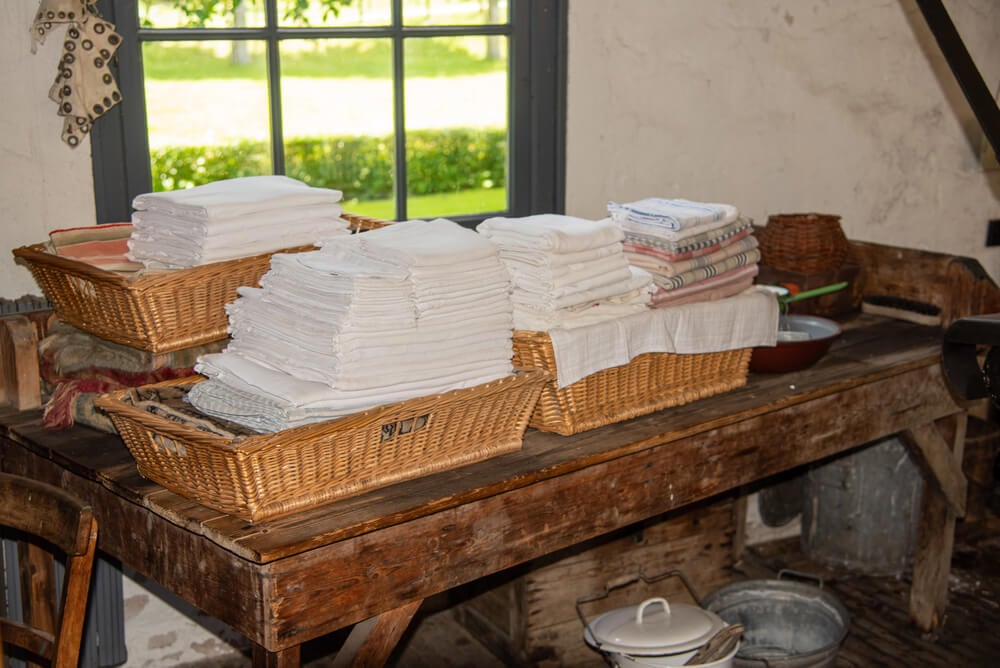
At the Manzanar War Relocation Center in California, Japanese Americans forced from their homes during World War II lived in blocks of barracks that shared communal facilities, including laundry buildings. Dorothea Lange photographed the camp in 1942, and the National Park Service maintains a gallery of her work from the site.
Some of her images were withheld for years because they showed the realities of confinement too plainly. Laundry in a camp like Manzanar meant standing at shared tubs and drying clothes in a dusty, windy valley, a daily task that tied ordinary routines to extraordinary circumstances.
The Last Wash Hung Out Before Removal
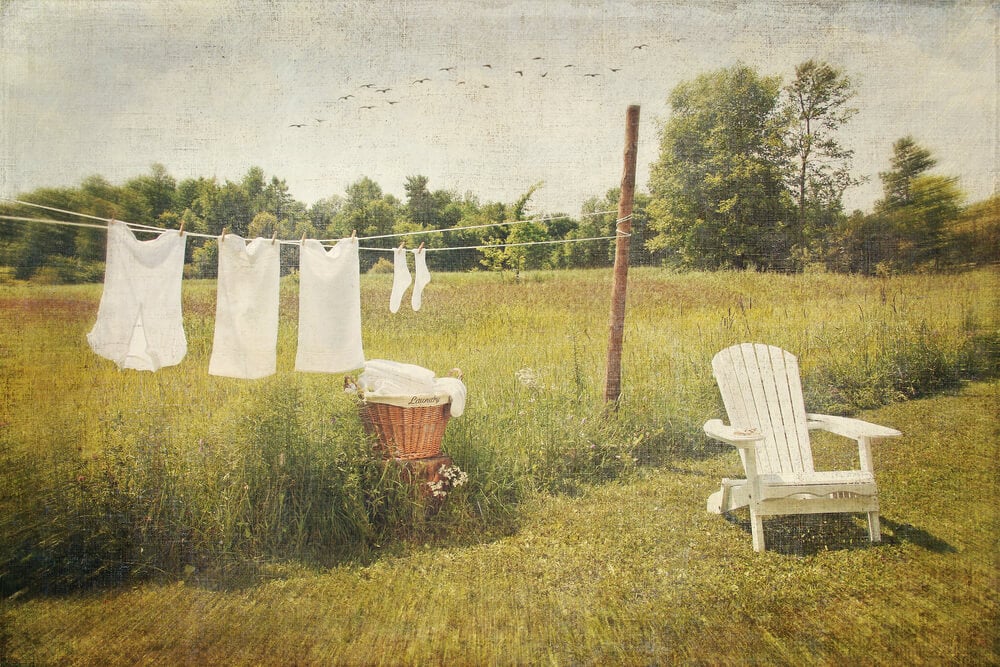
A photograph in the Densho Digital Repository is titled Last laundry drying in sun before mass removal. It captures the ordinary sight of clothes on a line, taken at a moment when Japanese American families were about to be sent away from their homes in 1942.
A wash line is one of the most domestic things a camera can find, and here it stands for a household interrupted mid-routine. The image is quiet, and that quiet is exactly what gives it weight.
The Laundry Facilities at Westley Camp
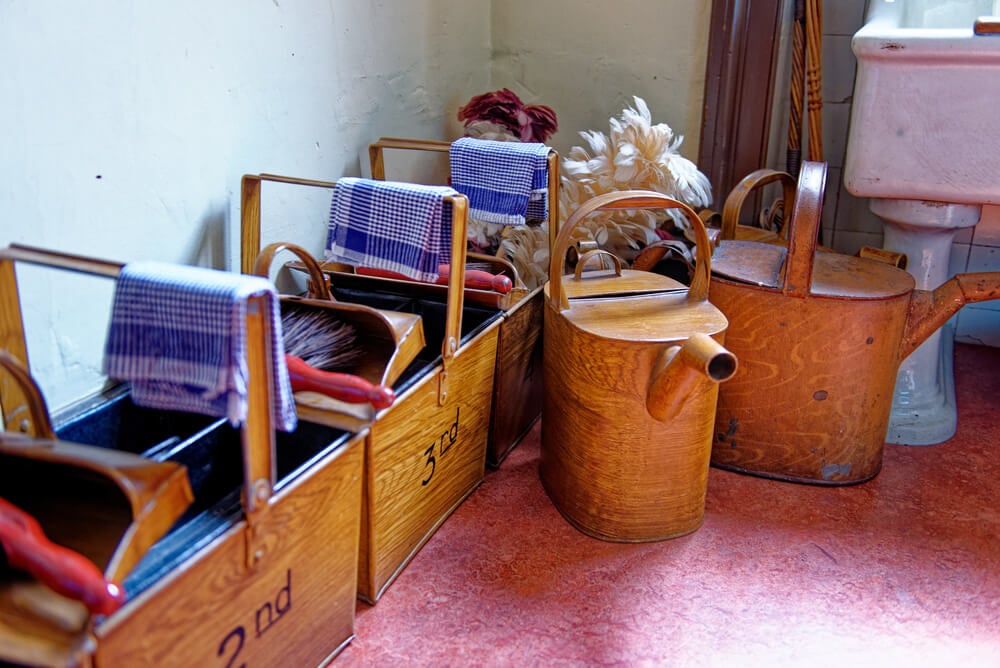
The Farm Security Administration built camps for migratory farm workers during the Great Depression, and a photograph in its files documents the laundry facilities at the Westley camp in California.
The camps offered showers, sanitary buildings, and wash areas to people who had often lived in roadside shacks and ditches. A clean tub, running water, and a place to scrub work clothes counted as real improvements for families on the move. The photograph shows how basic laundry infrastructure could become a form of relief policy.
An Avenue of Clothes Washings in the Bronx
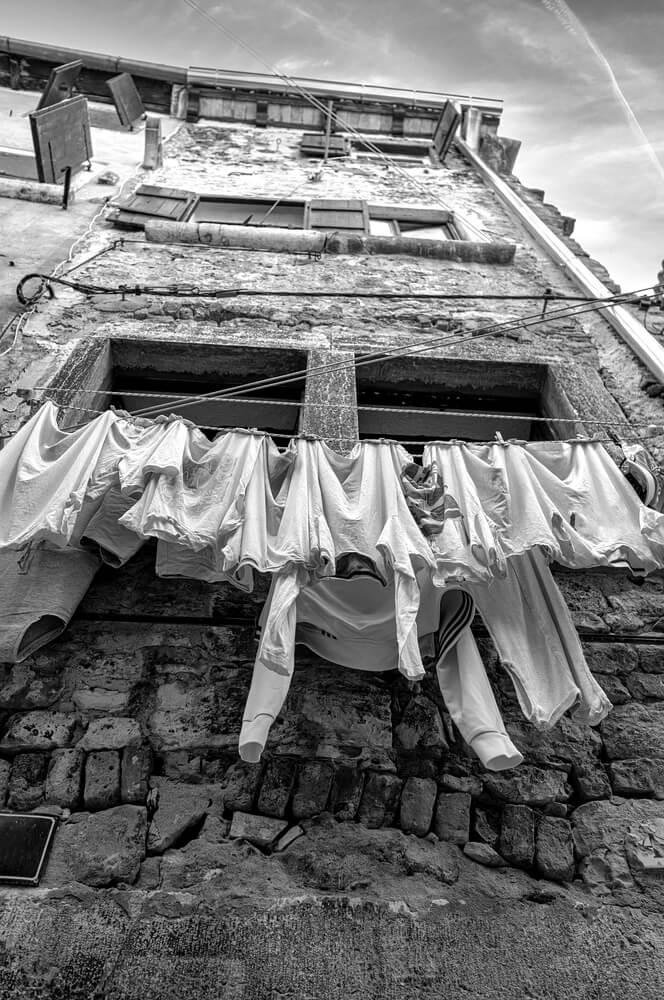
The New York Public Library holds a photograph captioned as an avenue of clothes washings between 138th and 139th Street apartments, just east of St. Anne’s Avenue, in the Bronx. Lines of laundry stretched across the space between buildings, turning the backyard into a bright patchwork of sheets, shirts, and dresses.
Before widespread dryers, an apartment block’s wash day was a collective event that anyone with a camera could see from above. The picture shows how city dwellers solved the problem of drying clothes in crowded surroundings.
Wash Day at Bandits’ Roost
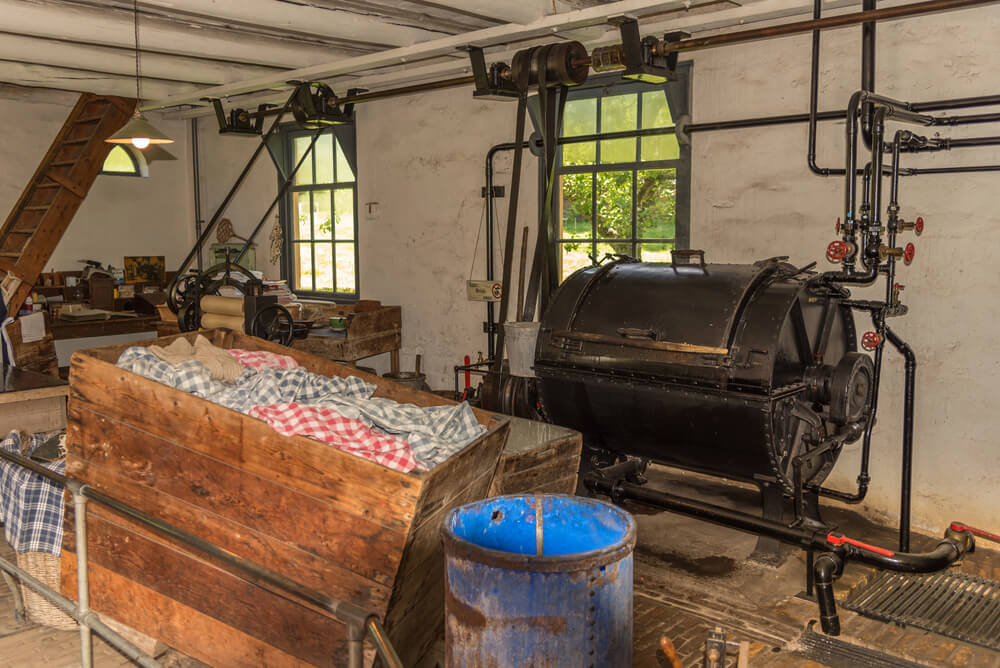
Jacob Riis photographed Bandits’ Roost at 59 1/2 Mulberry Street around 1888, and the image became one of the best-known pictures in his book How the Other Half Lives. The narrow alley in the Mulberry Bend neighborhood of lower Manhattan was crowded with residents and lined with laundry hung overhead, a common feature of tenement life.
The area was later cleared, and the Mulberry Bend site became part of what is now Columbus Park in Chinatown. In Riis’s photograph, the wash on the lines is part of the evidence of how many people lived in a space that small.
What the Wash Line Kept Hidden
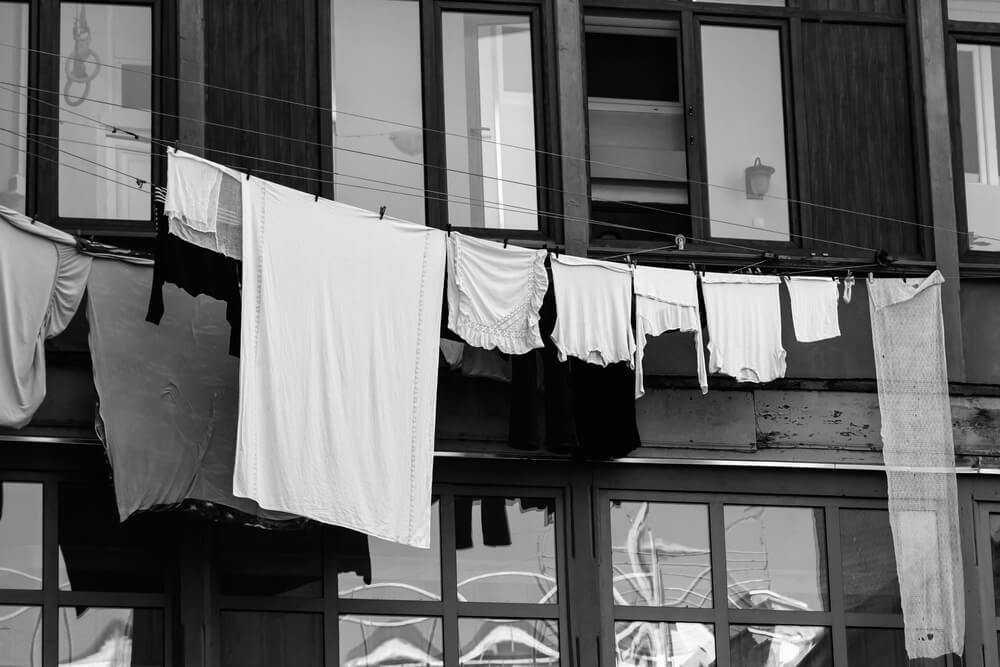
Laundry is the kind of work that succeeds only when no one sees it. A white shirt or a folded sheet is supposed to appear without a trace of the hands, the steam, and the hours behind it.
The photographs in this list reverse that rule, pulling the labor into view and attaching faces to tasks that were designed to be invisible. Many of the people in these pictures had little leverage elsewhere in the economy, which is why laundry so often became the work of immigrants, formerly enslaved women, children, and students in institutions.
Yet they also organized, petitioned, struck, sued, and raised money, and the record of those efforts is as real as any image of a tub or an iron. The clean clothes were never the full story.
More from Go2Tutors!

- 27 Silver Dollars and Half Dollars Worth Keeping
- 28 Restaurant Menu Items Nobody Orders Anymore
- 17 Places Built in Seemingly Impossible Spots
- 27 Vintage Rings Worth More Than They Look
- 25 Restricted Sites Tourists Can’t Enter
Like Go2Tutors’s content? Follow us on MSN.