Fascinating Facts About Ancient Pyramid Construction
No cranes, no computers, no machines powered by electricity – those were missing from ancient Egypt. Still, they raised buildings so huge, so exact, experts now examine them closely, quietly amazed.
Thousands of years pass, yet these pyramids remain standing, never giving in to time. Before jumping to conclusions about luck among old-world builders, consider these details revealing their true understanding.
The Size Of The Great Pyramid
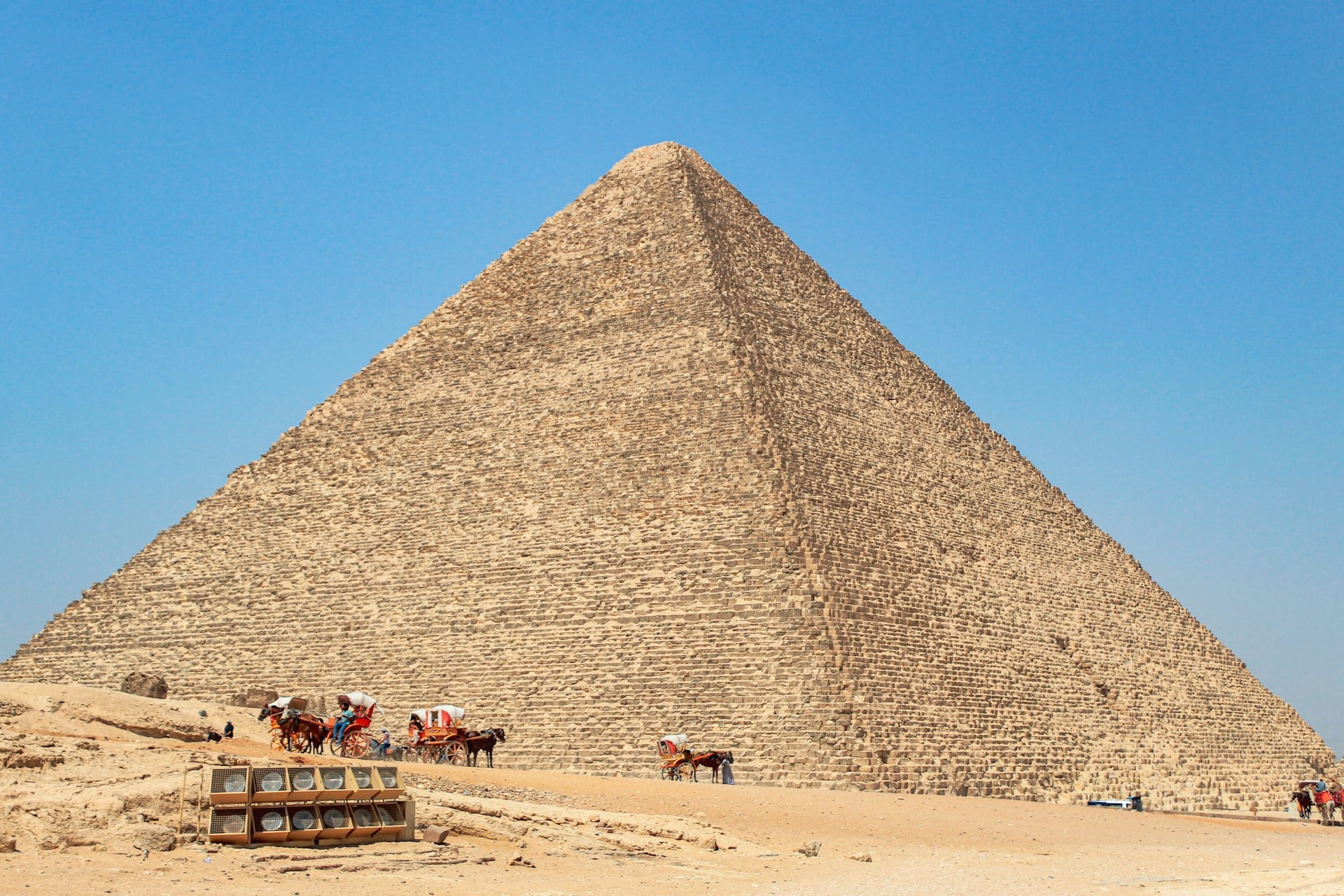
One after another, 2.3 million stone pieces make up the Great Pyramid of Giza – each one tipping the scale anywhere from 2.5 to 15 tons. Stretch them out in a line, you’d reach nearly halfway around the planet.
For more than thirty-eight centuries, nothing stood taller on Earth; only when Lincoln Cathedral lifted into the sky did that change. That shift happened in 1311, far across the sea in England.
The Workforce Behind The Build

Long ago, folks thought slaves put up the pyramids. But digs around Giza said otherwise.
Nearby, ruins of worker towns turned up – ovens for bread, beer vats, healing spots. That points to men fed well, treated when sick, given graves with respect.
Not forced hands, but laborers earning their keep. Proof lies in what was left behind: meals, medicine, resting places shaped with dignity.
Blades Of Copper Took On The Toughest Slicing Jobs
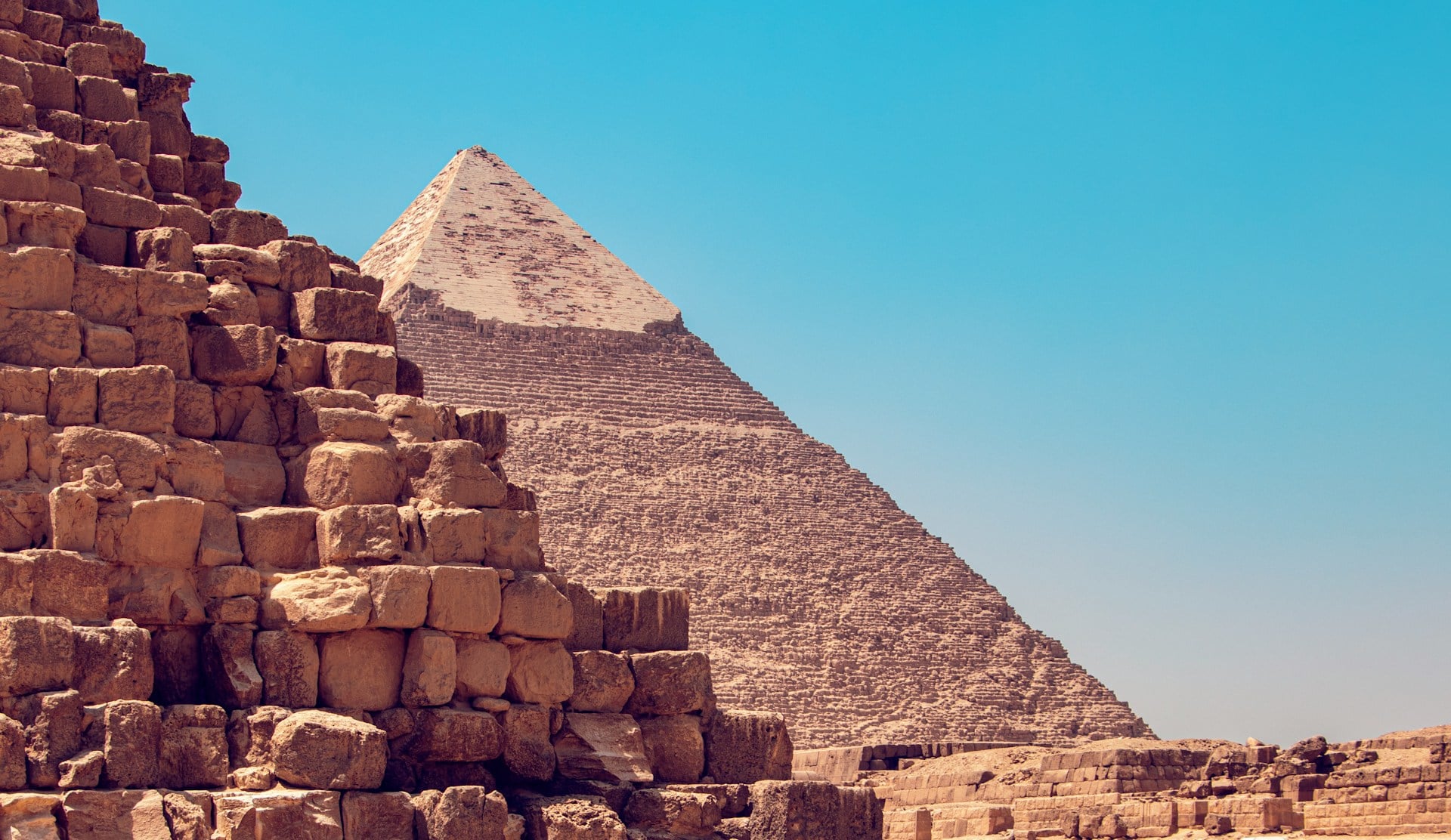
Sharp copper blades met stubborn limestone under Egyptian hands, somehow winning despite the odds. Instead of giving up, they paired those metal edges with pounding stones made from tougher rock.
Each hit chipped just a little away, building form through repetition more than force. Time passed slowly beside their efforts – yet look what remains after so long.
The Ramp Debate

Still, not a trace of any full ramp remains from old Egyptian times. Yet nearly every expert thinks they hauled stones up using slopes of some kind.
One group says long outer inclines made the job possible. Others claim instead that twisting paths ran within the growing pyramid itself.
That back-and-forth continues without clear resolution. So far, nobody holds the final answer.
Water As A Transport Tool
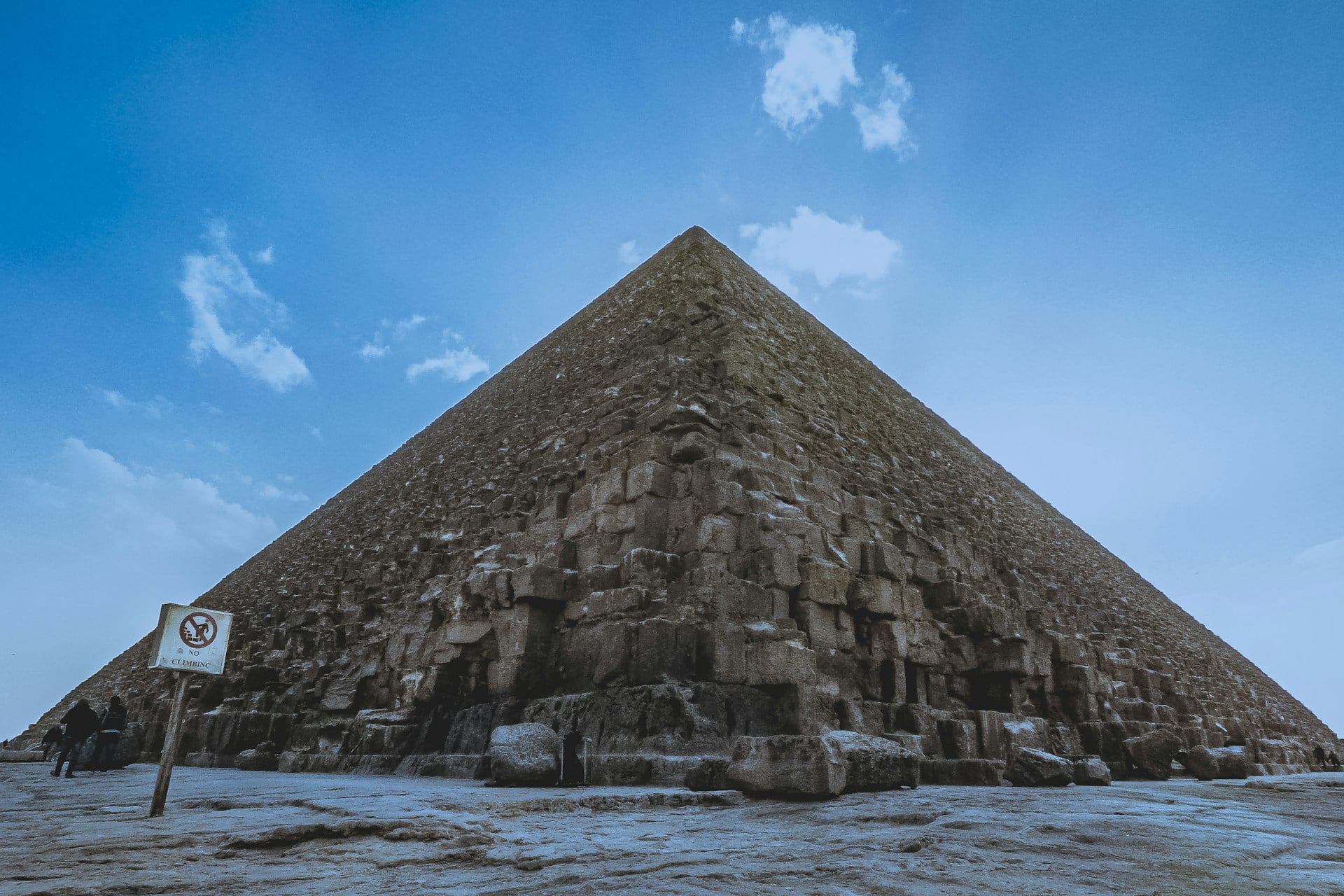
Hauling giant stone blocks over desert sand seems impossible, yet that changed thanks to one smart idea. Water was added just ahead of wooden sledges loaded with heavy stones, slowing resistance under the runners.
A scene painted inside Djehutihotep’s tomb captures exactly this – someone tipping a jar near the leading edge of a moving sledge. The ground soaked up moisture before the load passed, easing the pull.
Evidence sits frozen in pigment on ancient walls, showing effort transformed by something as ordinary as wet earth.
Precise Astronomical Alignment

Standing near perfect alignment with true north, the Great Pyramid misses by only 0.05 degrees. Without compasses, the builders probably watched the night sky, tracking how a northern star circles overhead.
Through such stellar observation, direction found its way into stone. Achieving this precision, long before today’s tools existed, still stuns those who study old structures.
The Mortar Mystery

Sliding stone by stone, Egyptians set their pyramids with a special mix instead of regular cement. Made from gypsum, sand, and water, the substance wasn’t built to bear heavy loads.
Instead, it helped pieces glide smoothly during placement. Surprisingly durable, that ancient blend still holds firm where newer materials have already cracked.
Though weak at first glance, time proved its quiet strength.
Stone Pulled From Close By, While The Hard Rock Comes From Distant Places

Just beyond the Giza plateau, workers pulled most of the pyramid’s outer stones and inner bulk from nearby limestone pits, barely more than a short walk away. Yet the heavy granite tucked within its central rooms traveled much farther, hauled down from Aswan, a journey stretching past five hundred miles to the south.
Moving those massive pieces – some tipping scales at nearly eighty tons – meant relying on river currents, guiding them mainly by barge up and down the Nile, an effort demanding careful planning and relentless coordination.
The Interior Chambers

Deep below, the first room was carved straight into solid rock under the pyramid. Above it, the Queen’s Chamber rises within the masonry, followed by another space even higher.
That topmost hall uses only red granite in its build, standing firm with an old coffin made of the same stone still sitting inside.
The Casing Stones

When the Great Pyramid was first completed, it looked nothing like the stepped, rough structure visible today. It was covered in smooth, white Tura limestone casing stones that reflected sunlight so brightly it could be seen from miles away.
Most of those casing stones were stripped away over centuries and used to build mosques and palaces in Cairo.
Organization And Planning
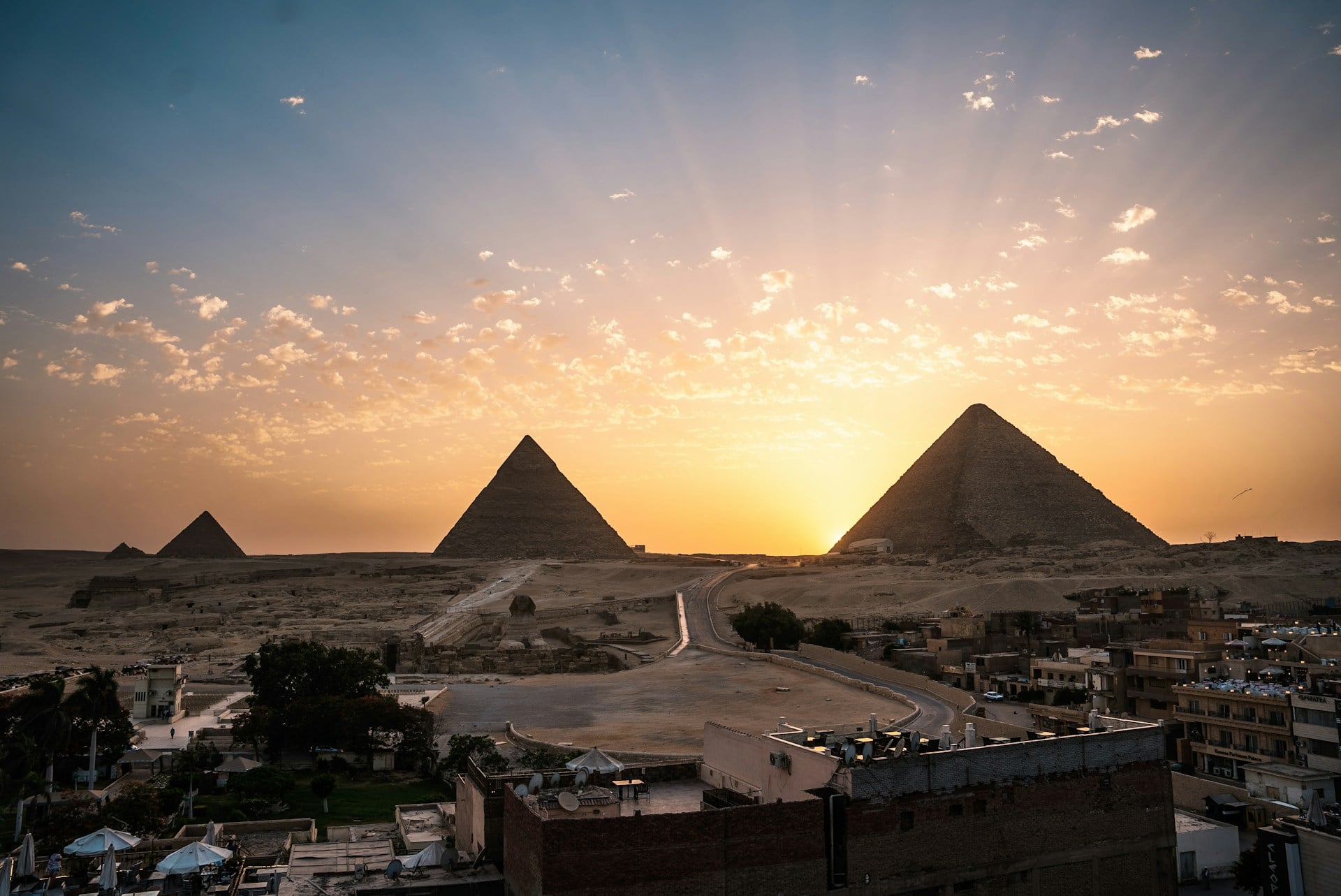
Building a pyramid required more than muscle. It needed serious planning, with teams divided into named gangs that competed against one another to finish their sections fastest.
Archaeologists found graffiti left by these work gangs inside the pyramid, including one group that called themselves ‘Friends of Khufu,’ which adds a surprisingly human touch to the whole operation.
The Sphinx Connection

The Great Sphinx of Giza sits right next to the pyramids and was likely carved during the reign of Pharaoh Khafre around 2500 BC. It was carved directly out of a single ridge of limestone bedrock, making it one of the largest single-stone sculptures ever created.
The Sphinx and the pyramids were part of a larger complex that included temples, causeways, and smaller satellite pyramids.
Workers Had Medical Care

Evidence found at the workers’ village near Giza shows that injured workers received real medical attention. Skeletal remains reveal healed fractures and signs of surgical procedures, suggesting that doctors were present on site.
For a construction project from 4,500 years ago, that level of worker care is genuinely surprising.
The Pyramid Texts

Inside several older pyramids, particularly those built during the Fifth and Sixth Dynasties, builders carved elaborate religious texts directly onto the interior walls. These carvings, known as the Pyramid Texts, are considered the oldest known religious writings in the world.
They were meant to help the pharaoh navigate the afterlife safely, and they give historians a direct window into ancient Egyptian belief.
Not Just Egypt

Egypt gets most of the attention, but ancient pyramid construction happened across the world independently. The Mayans built steep pyramids in Central America, the Nubians constructed narrow-pointed ones in present-day Sudan, and ancient civilizations in China built earthen pyramidal tombs for their emperors.
Each culture arrived at the pyramid shape on its own, largely because it is one of the most structurally stable forms a large building can take.
The Unfinished Pyramids
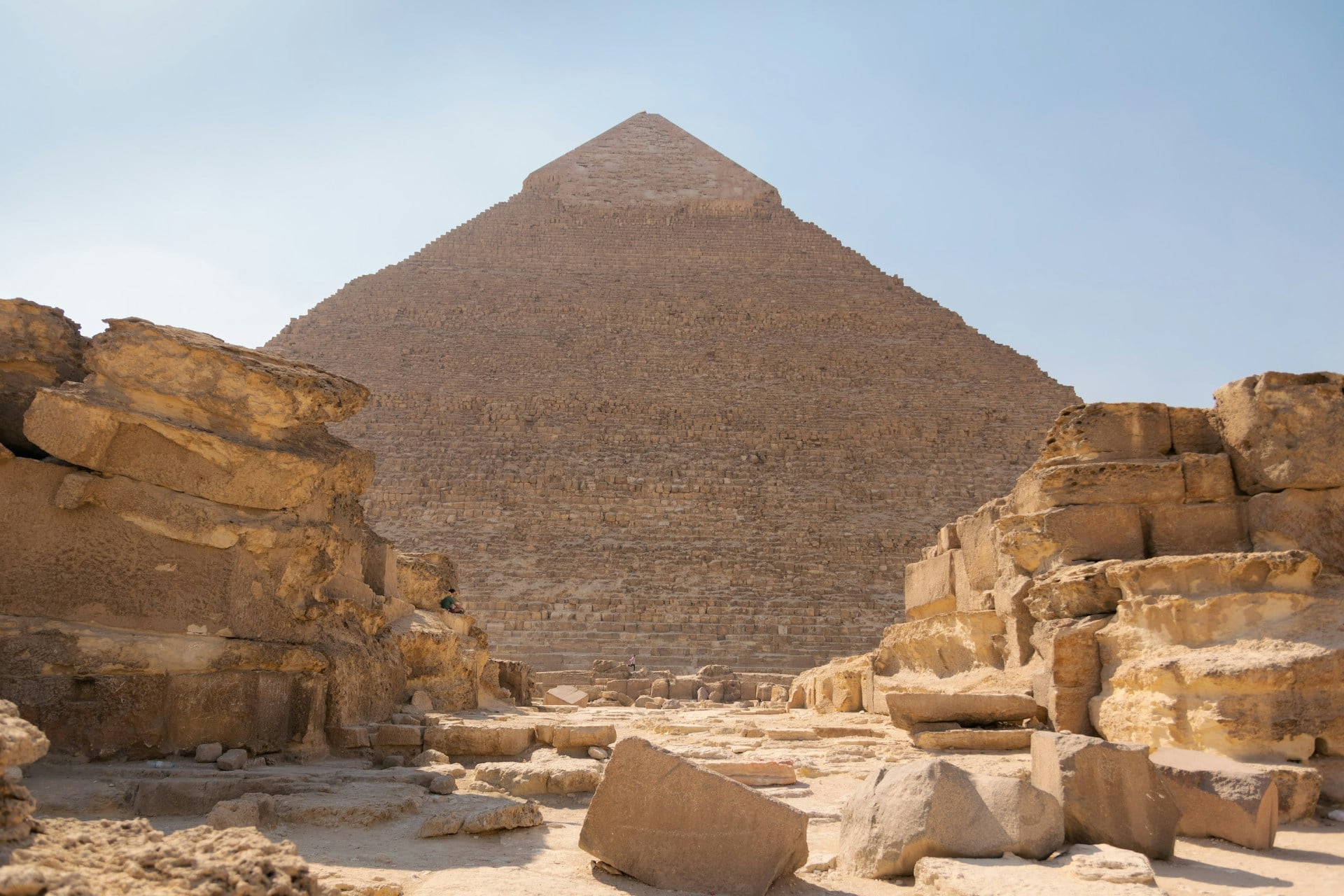
Not every pyramid made it to completion. Several unfinished pyramids scattered across Egypt give researchers a rare look at the actual construction process mid-build.
The Unfinished Northern Pyramid of Zawyet el’Aryan is one example, where the foundation pit and early stonework are still visible, frozen in time like a construction site that suddenly shut down thousands of years ago.
Still Standing Strong

The Giza pyramids have survived earthquakes, floods, looting, and centuries of neglect, and they are still largely intact. Modern structural engineers point out that the pyramid shape distributes weight so efficiently that it is almost impossible for the structure to collapse under its own mass.
What the ancient Egyptians built without a single computer simulation has outlasted nearly every human structure that came after it.
What 4,500 Years Of Building Teaches Us
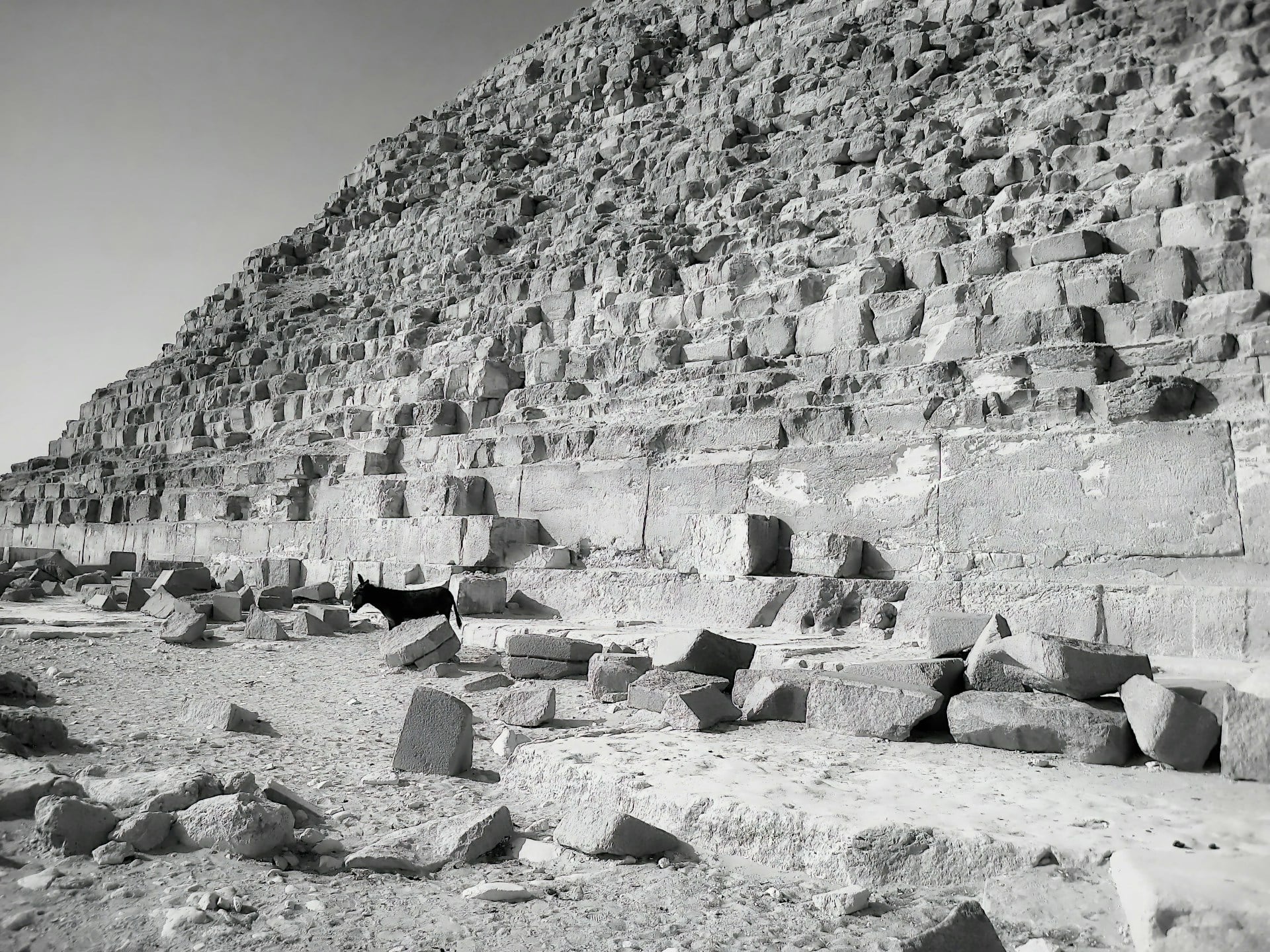
The pyramids were not a lucky accident or the work of a mysterious outside force. They were the result of organized labor, sharp thinking, and a deep understanding of materials and geometry.
Today, engineers and historians study these structures not just out of curiosity but because they still have things to teach about how to build things that last. The most powerful takeaway from ancient pyramid construction is simple: when people work together with a clear purpose and real skill, they can create things that outlive every generation that follows.
More from Go2Tutors!

- The Romanov Crown Jewels and Their Tragic Fate
- 13 Historical Mysteries That Science Still Can’t Solve
- Famous Hoaxes That Fooled the World for Years
- 15 Child Stars with Tragic Adult Lives
- 16 Famous Jewelry Pieces in History
Like Go2Tutors’s content? Follow us on MSN.



