20 Household Fabrics That Defined Earlier Decades
Every era of the American home had a signature texture, from the slippery haircloth sofa to the nubby bedspread. Fabrics were chosen for durability and thrift as much as for style, and they often carried the economic story of their moment.
The materials below turned up in curtains, linens, upholstery, and bedspreads, and many are still recognizable on sight. Together they trace the way homes moved from handmade textiles to factory-made synthetics.
Chenille Bedspreads and Peacock Alley
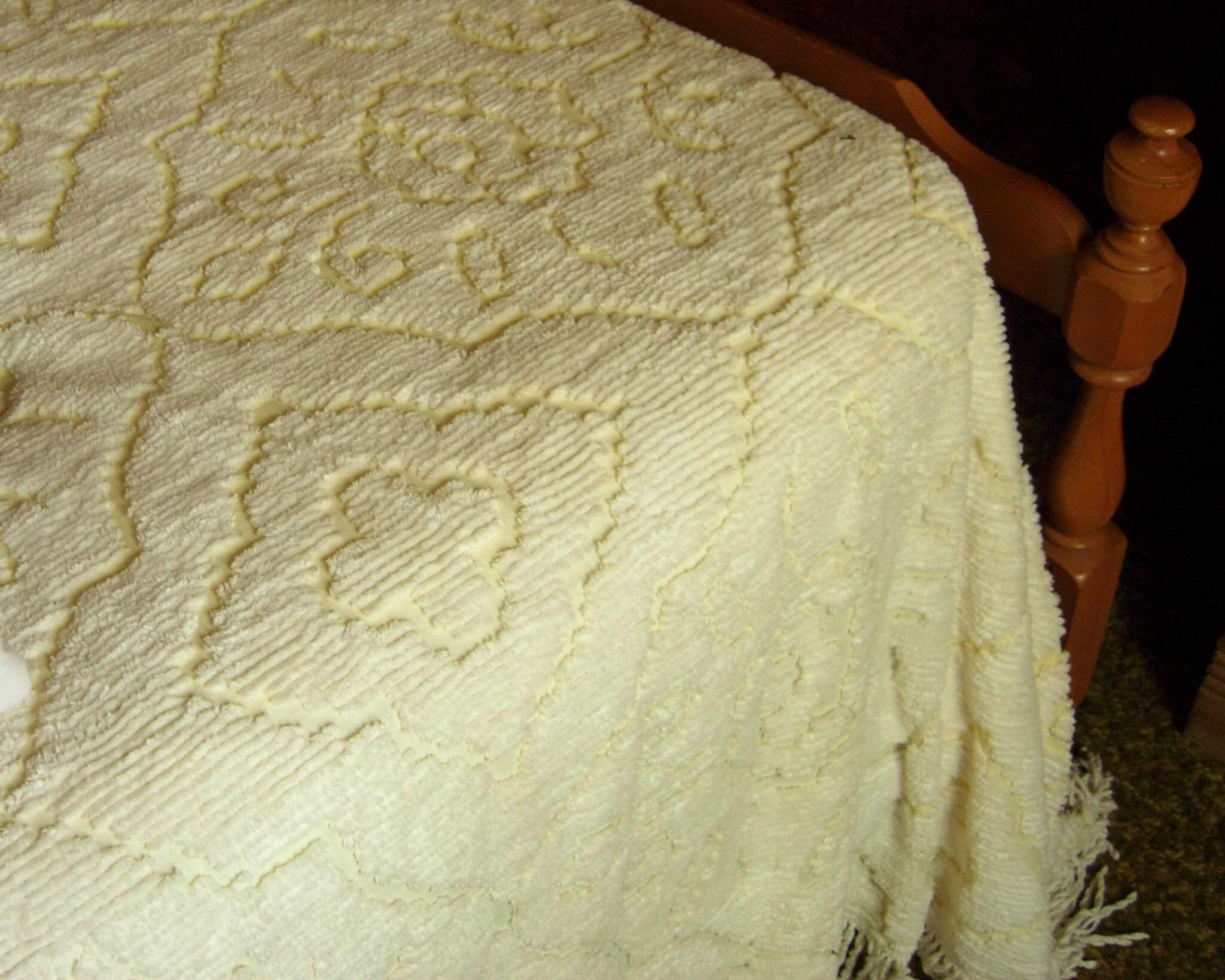
Catherine Evans Whitener of Dalton, Georgia, began making tufted bedspreads in the 1890s, and the craft grew into a regional industry. Along a stretch of highway known as Peacock Alley, vendors hung bedspreads on lines to attract drivers.
The soft, tufted surface of chenille, whose name comes from the French word for caterpillar, made the spreads a fixture in bedrooms for generations.
Barkcloth Draperies
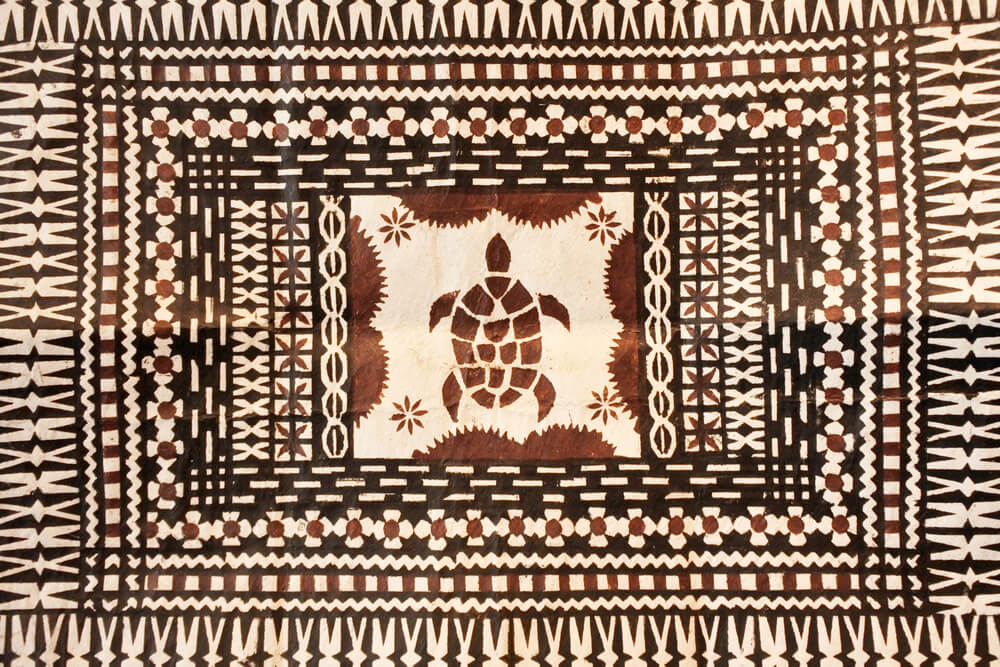
Barkcloth is a heavy, textured cotton fabric that became popular for draperies from the 1930s through the 1950s, often printed with tropical leaves, flowers, or atomic-age patterns. The name refers to its rough surface, which resembles tree bark.
The original barkcloth of the Pacific islands was made by beating bark into sheets, and the mid-century fabric borrowed both the name and the island mood.
Chintz and the Calico Ban
Chintz, a glazed cotton printed with bright floral patterns, takes its name from a Hindi word for spotted or printed cloth. Indian cotton prints were so popular in England that Parliament banned their import in 1700 and passed the Calico Act in 1721 to protect domestic weavers.
The glaze gave chintz a slight sheen that made it a popular choice for slipcovers and curtains.
Gingham in the Kitchen
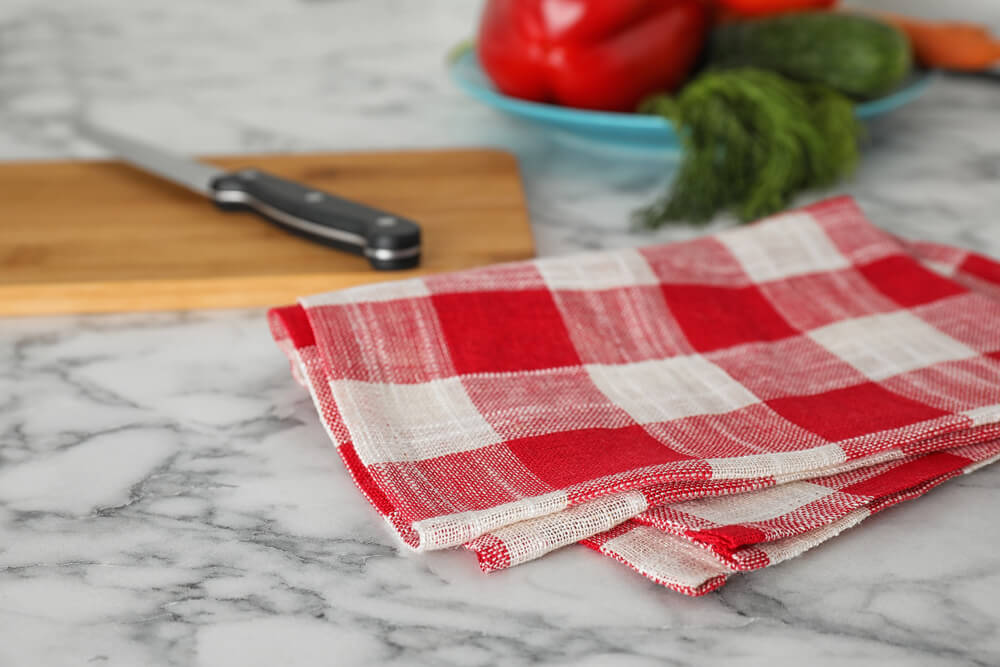
Gingham is woven from pre-dyed threads in a checked pattern, which makes the design identical on both sides of the cloth. The word is thought to derive from a Malay term meaning striped.
It dressed kitchen curtains and tablecloths for decades, and Dorothy’s blue-and-white gingham dress in the 1939 film The Wizard of Oz made it permanently cheerful.
Flannel Sheets
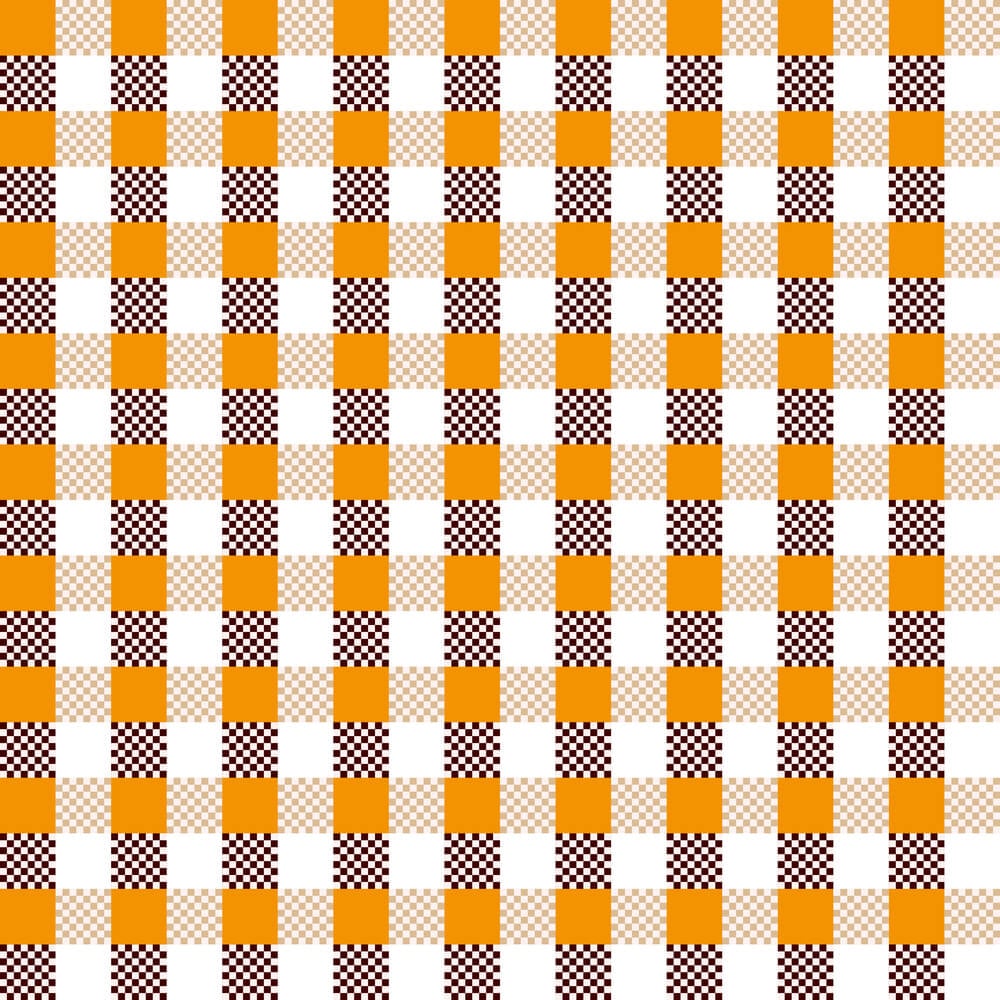
Flannel takes its name from a Welsh word for woolen cloth, and it originated in Wales before spreading through Britain. Cotton flannelette later brought the soft, brushed texture to sheets and nightgowns.
The napped surface trapped warmth, which made flannel sheets a winter ritual in drafty houses.
Naugahyde Upholstery
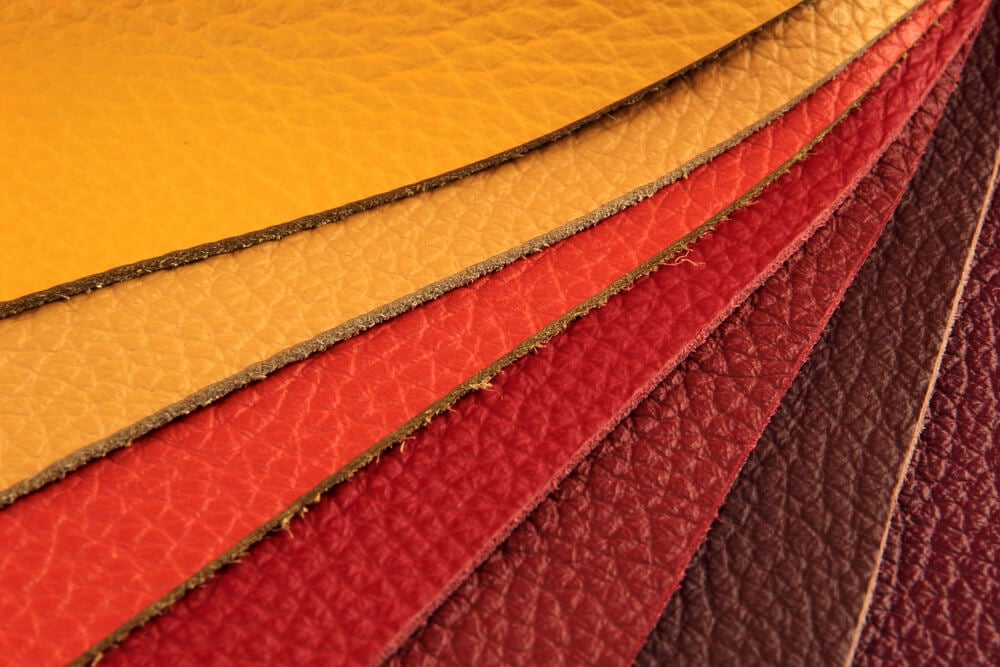
Naugahyde is a brand of vinyl-coated fabric made by the United States Rubber Company in Naugatuck, Connecticut, which gave the material its name. Its advertising invented a fictional creature called the Nauga, which supposedly shed its hide without harm.
The fabric covered diner booths and den furniture, and it could be wiped clean after a spilled drink.
Velvet Parlor Furniture
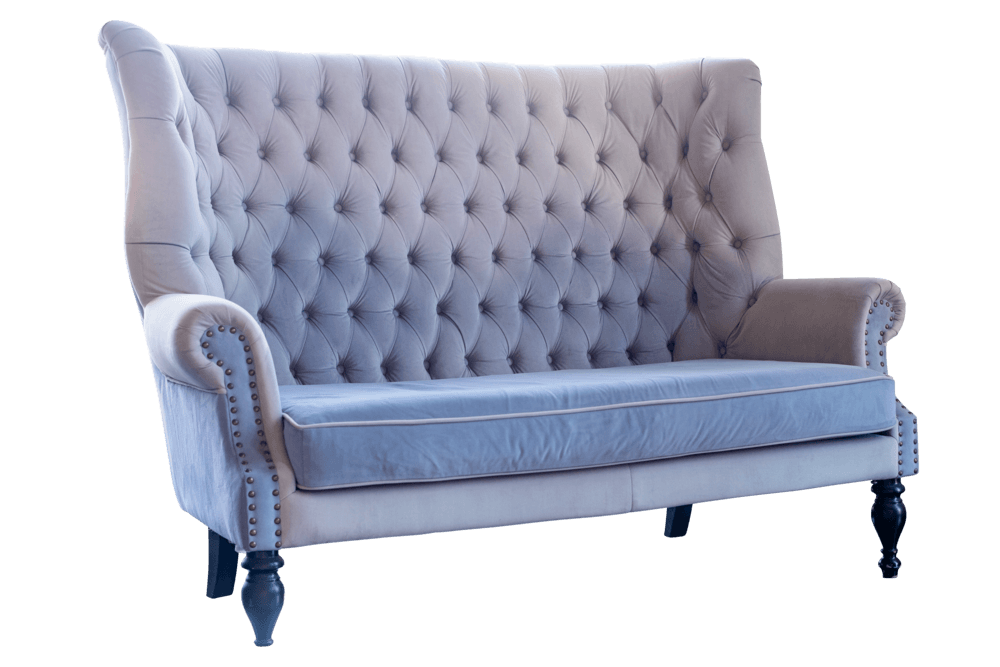
Velvet is woven with a dense pile that gives it a soft surface and deep color, and Victorian parlors used it on chairs, sofas, and draperies. Plush versions were expensive, and cheaper cotton velveteen offered a similar look for modest budgets.
The fabric trapped dust easily, which made parlor cleaning a constant chore.
Damask Tablecloths
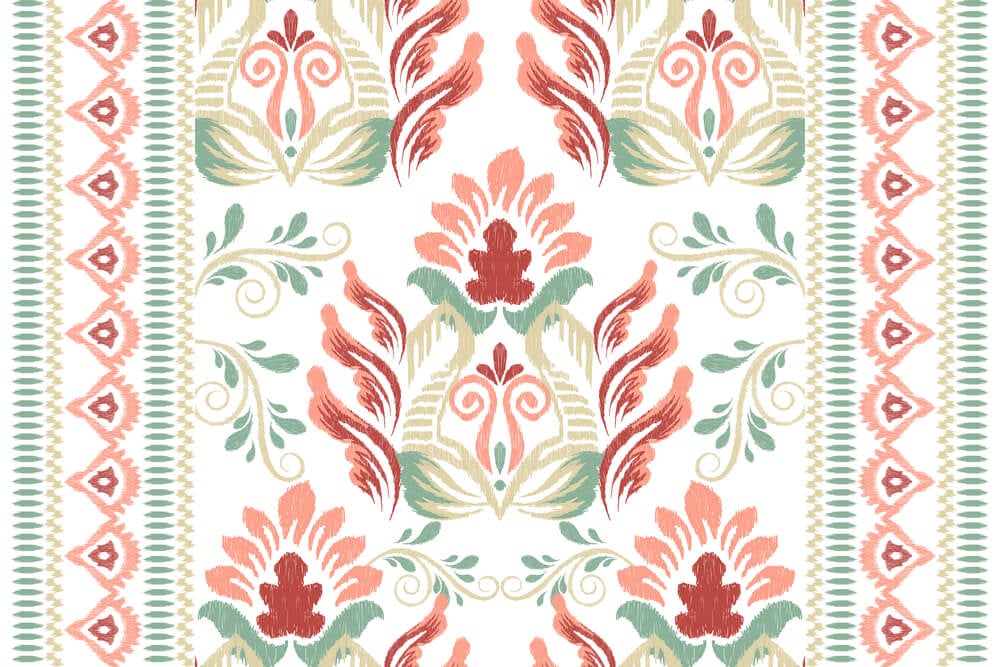
Damask is a reversible fabric woven with patterns that appear shiny against a matte background, and its name refers to the city of Damascus. A damask tablecloth could be woven with floral or geometric patterns visible without printing.
Families saved their best damask for holidays and passed it down along with the stains.
Toile de Jouy
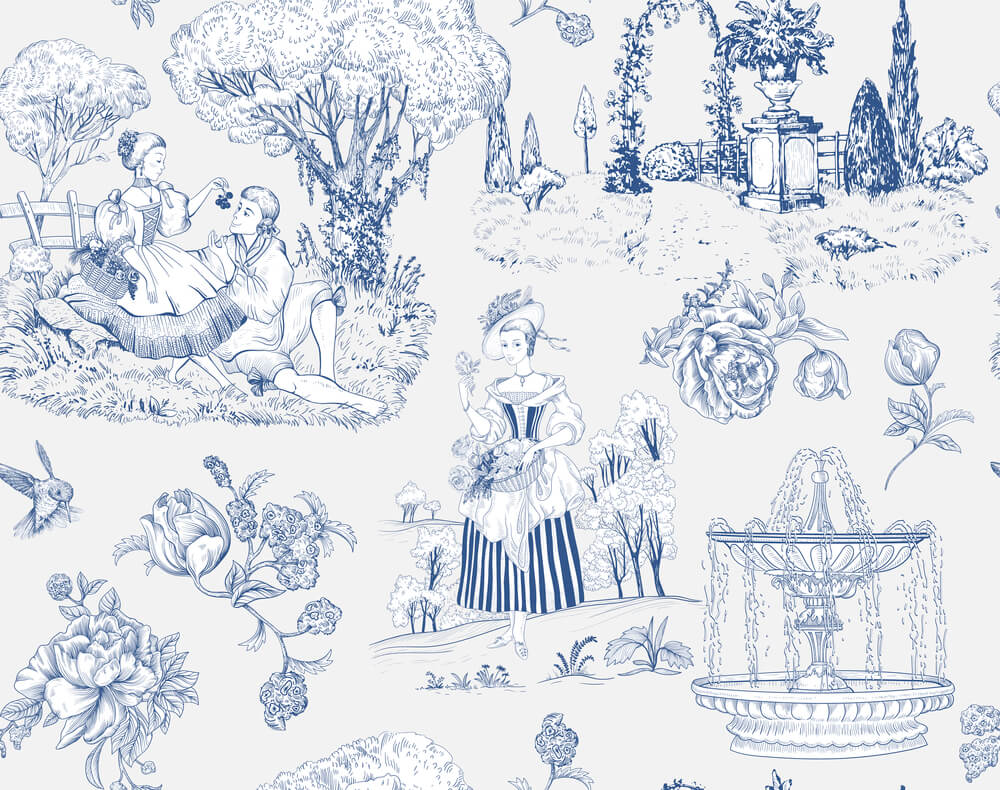
Christophe-Philippe Oberkampf established a textile factory at Jouy-en-Josas, near Versailles, in 1760, and it became famous for printed scenes of pastoral life. The single-color designs, often in red, blue, or black on a pale background, showed shepherds, farm animals, and country festivals.
Toile later decorated bedrooms and curtains far from France.
Oilcloth Tablecloths
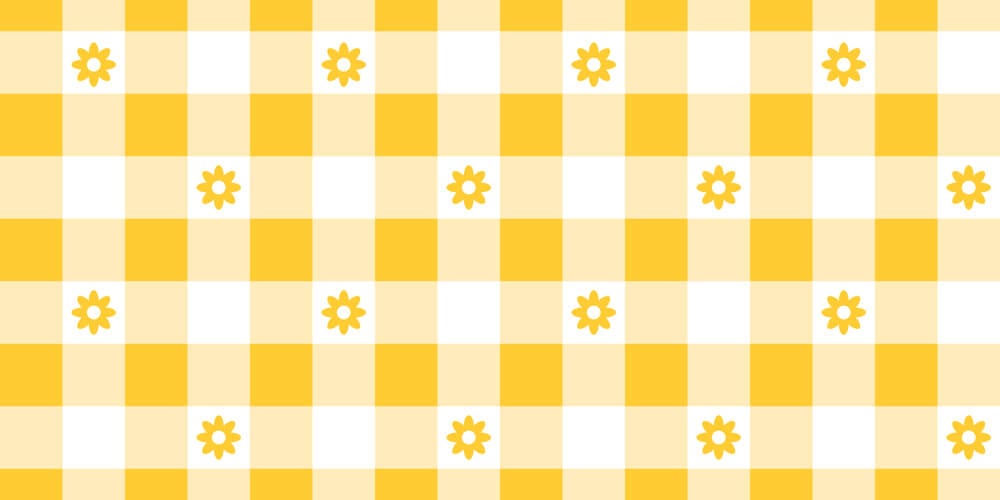
Oilcloth was cotton fabric coated with a waterproof finish, and it covered countless kitchen tables because spills could be wiped off in seconds. Colorful patterns made the practical cloth look cheerful.
Vinyl tablecloths replaced it in many homes by the 1950s, but the wipe-clean philosophy stayed the same.
Feed Sack Cloth
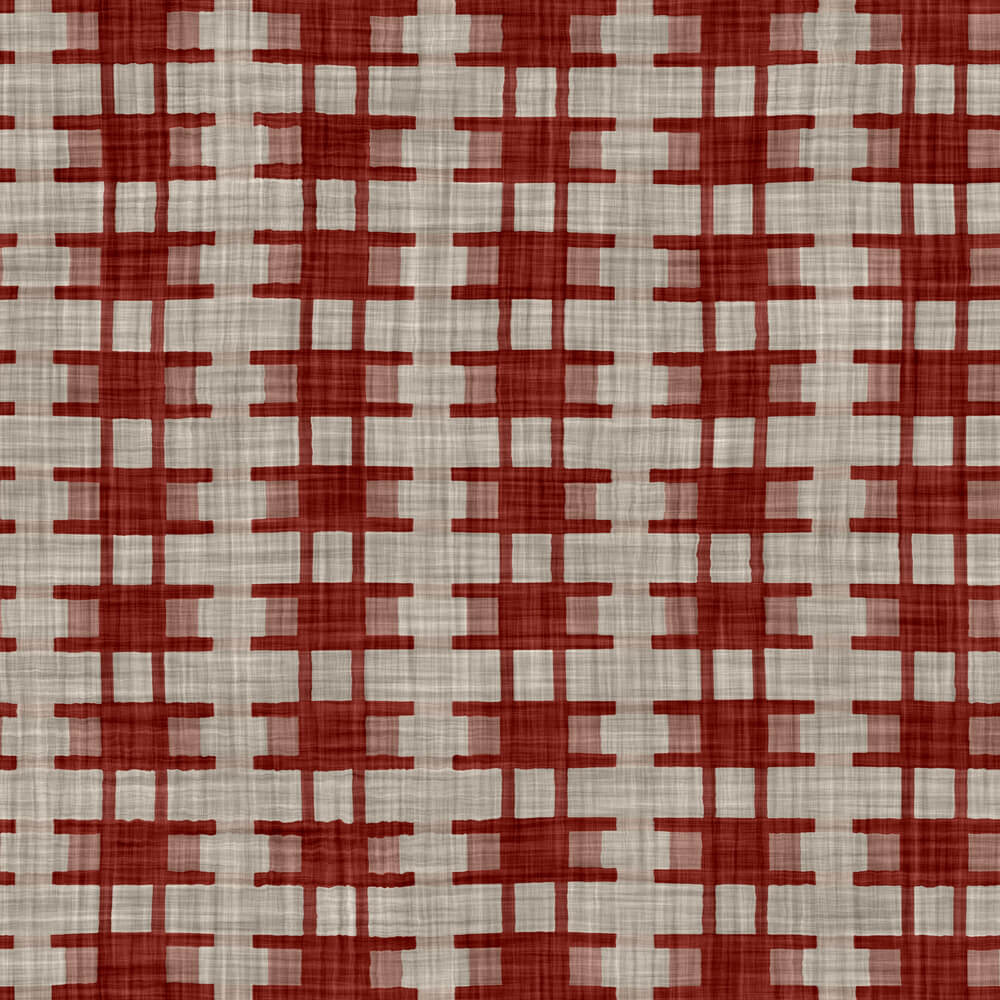
In the 1930s, manufacturers began printing flour and feed sacks with floral and geometric designs after discovering that women reused the fabric for clothing and household items. Shoppers sometimes chose a product by the pattern on its bag.
The cotton became dresses, aprons, curtains, and quilts during the Depression.
Mattress Ticking
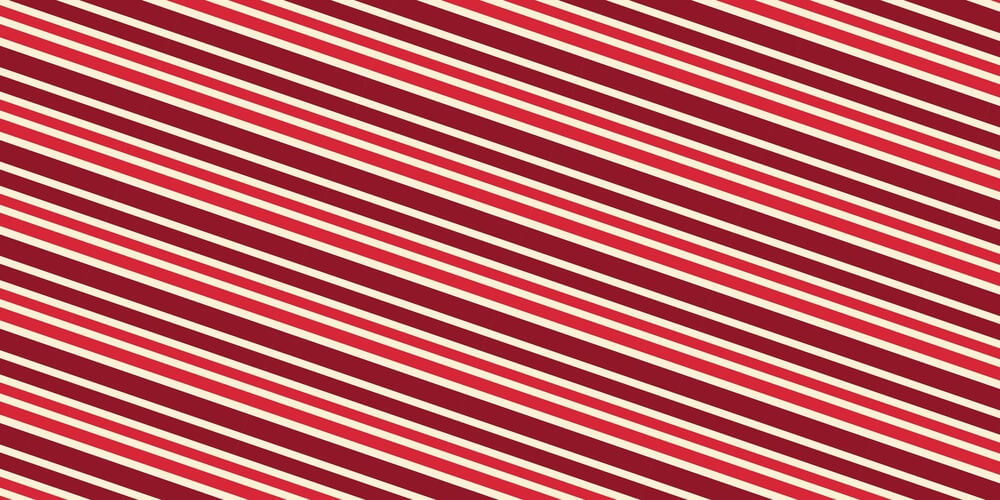
Ticking is a tightly woven striped fabric designed to keep feathers from poking through pillow and mattress covers. The dense weave made it durable, and the stripes made it recognizable.
Decorators later borrowed the pattern for slipcovers and curtains.
Percale Sheets
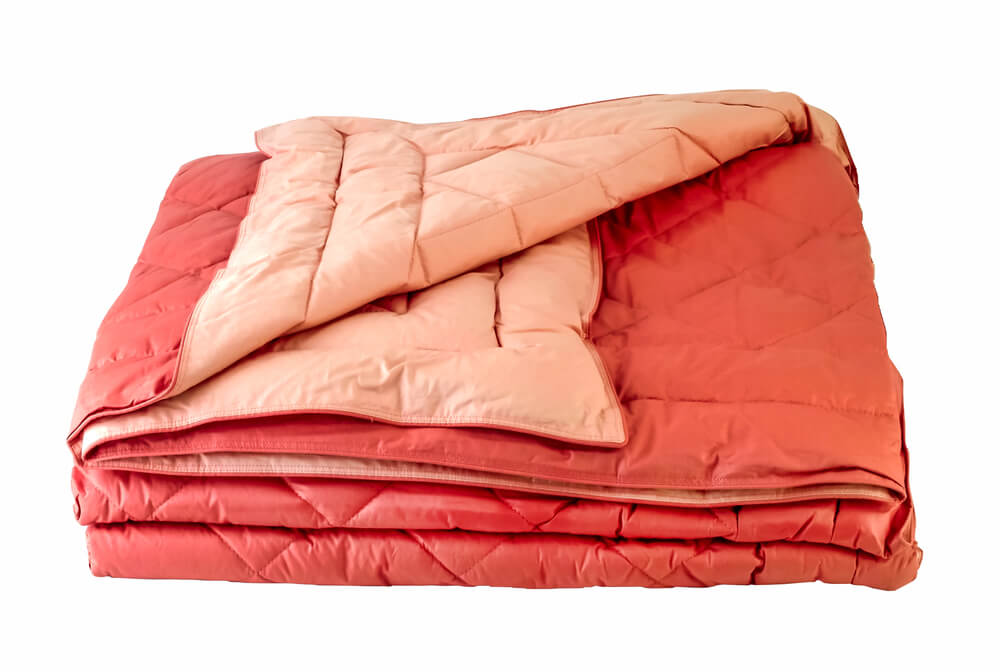
Percale is a plain-weave cotton fabric with a thread count of at least 180 per square inch. It has a crisp, cool feel that many people prefer to softer sheets.
Hotels and households both treated percale as the standard for good bed linens.
Nottingham Lace Curtains
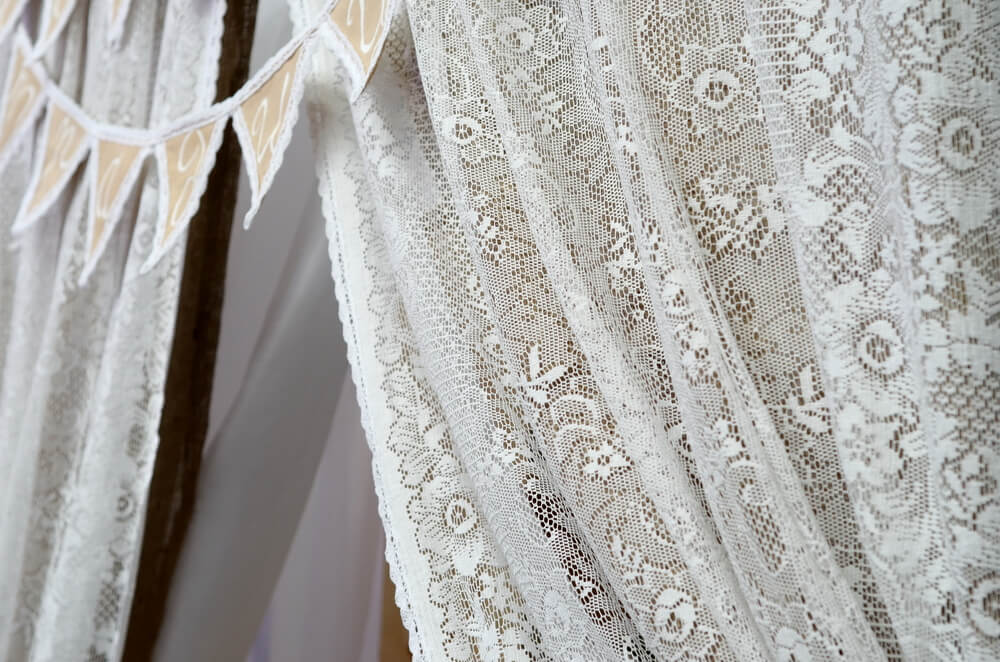
Nottingham, England, became the center of machine-made lace in the nineteenth century, and its factories produced lace curtains for middle-class windows. The machines allowed lace to be made at a fraction of the price of handmade versions.
A lace curtain became a signal of respectability, and generations of mothers fretted over keeping them white.
Irish Linen and the Linen Closet
Linen is woven from flax fibers and has been used for table and bed coverings for thousands of years. The term linen closet persists even though most household linens today are cotton or blends.
Irish linen earned a reputation for quality, and a family tablecloth often outlived several generations.
Haircloth Sofas
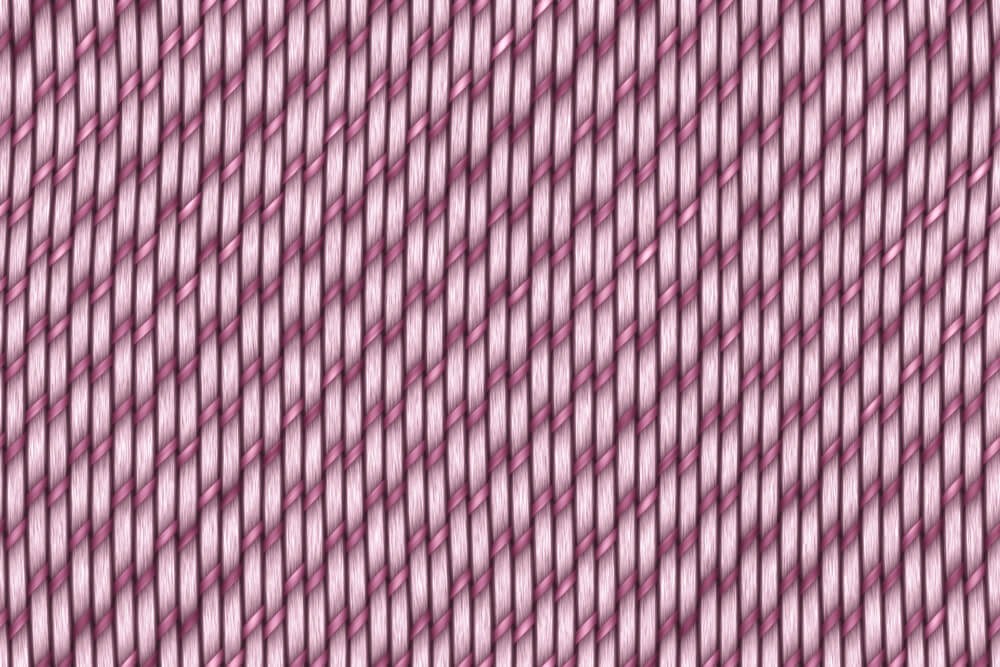
Haircloth is a stiff fabric woven with horsehair, and it was a common upholstery material in Victorian homes. The surface was durable but slippery, and the bristly texture could prick anyone in shorts.
Many surviving haircloth sofas are still sturdy, though few are comfortable.
Jacquard Coverlets
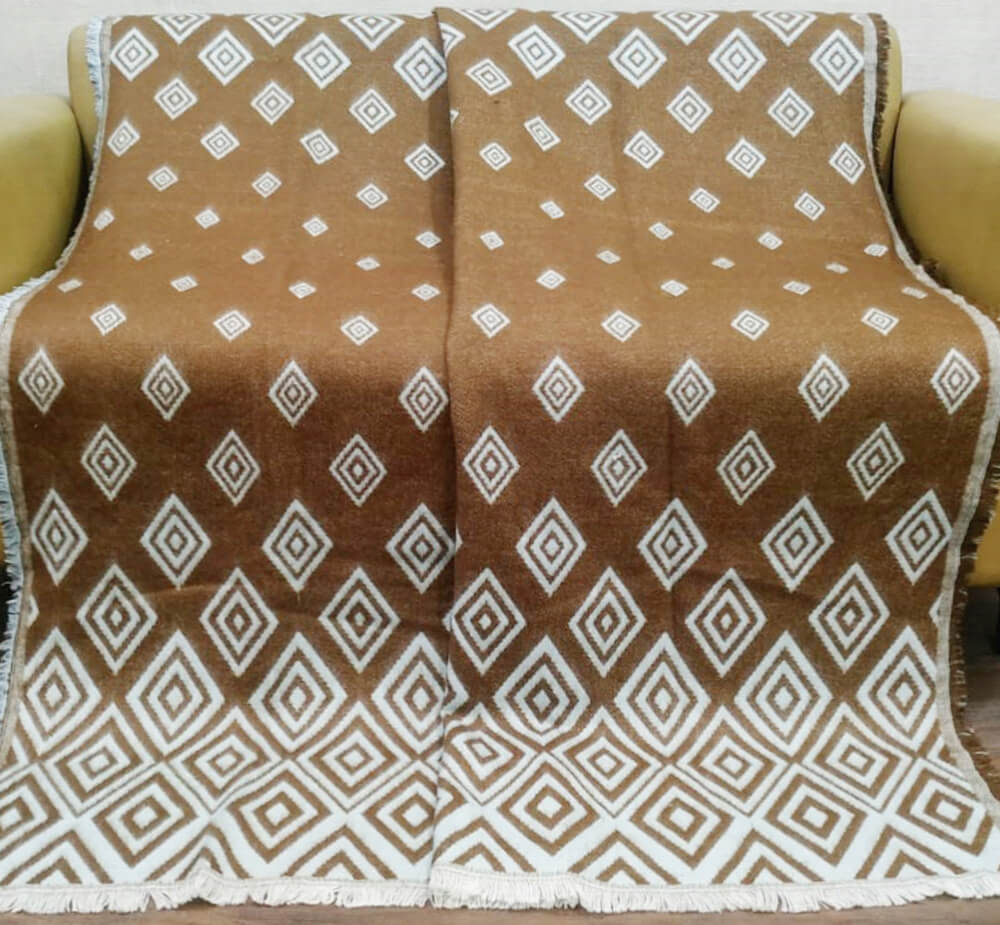
Joseph Marie Jacquard introduced his punch-card loom in 1804, which allowed weavers to produce complex patterns automatically. In nineteenth-century America, professional weavers used Jacquard looms to make decorative coverlets, often woven with the name of the owner and the date in a corner.
The coverlets remain valuable for their craftsmanship and their personal inscriptions.
Rayon Draperies
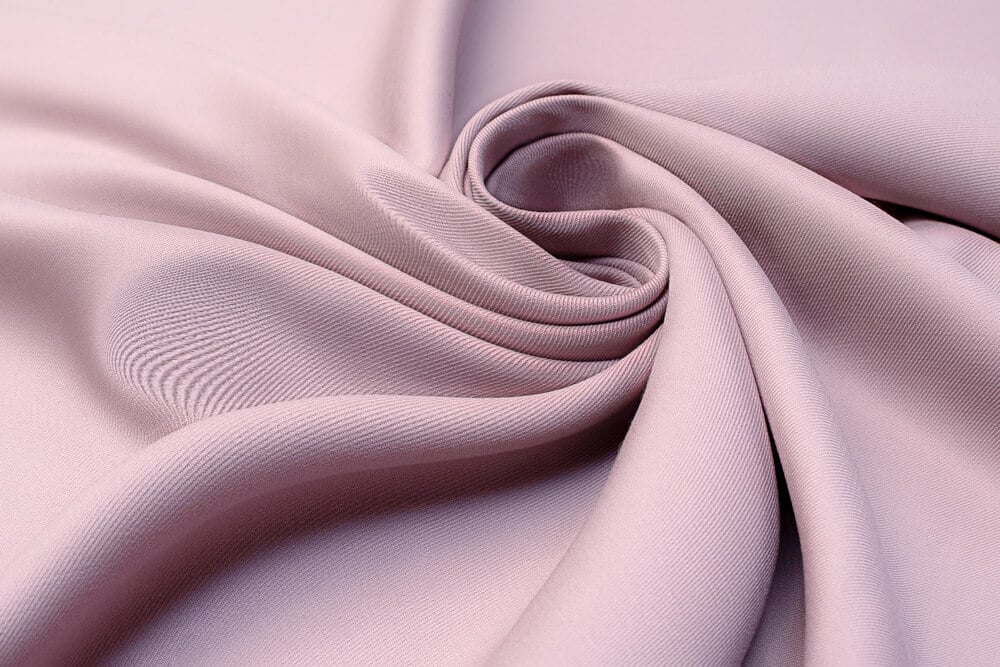
Rayon, an early manufactured fiber made from cellulose, was originally known as artificial silk before the name rayon was adopted in the United States in 1924. It offered a shiny, silky look at a lower price, and it showed up in curtains and bedspreads in the 1930s.
The fabric wrinkled easily and weakened when wet, which made laundry day a gamble.
Terry Cloth Towels
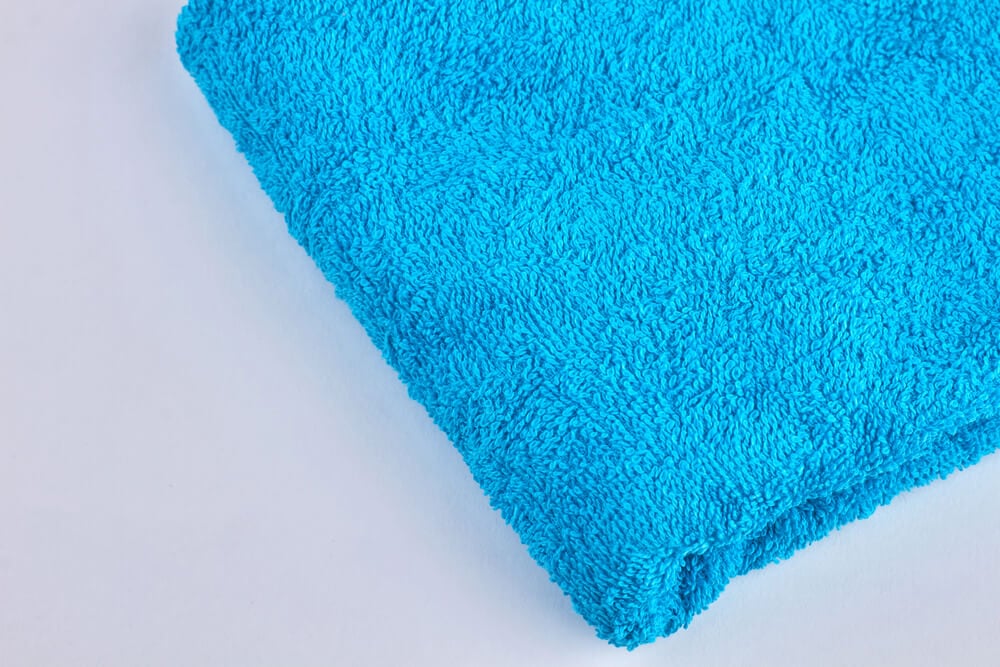
Terry cloth is woven with loops that increase surface area and absorb water. Cotton terry towels replaced thinner linen towels in many homes.
The loops also made towels bulky, which led to a lasting rivalry between the people who fold them in thirds and those who just toss them over a bar.
Corduroy Cushions and Curtains
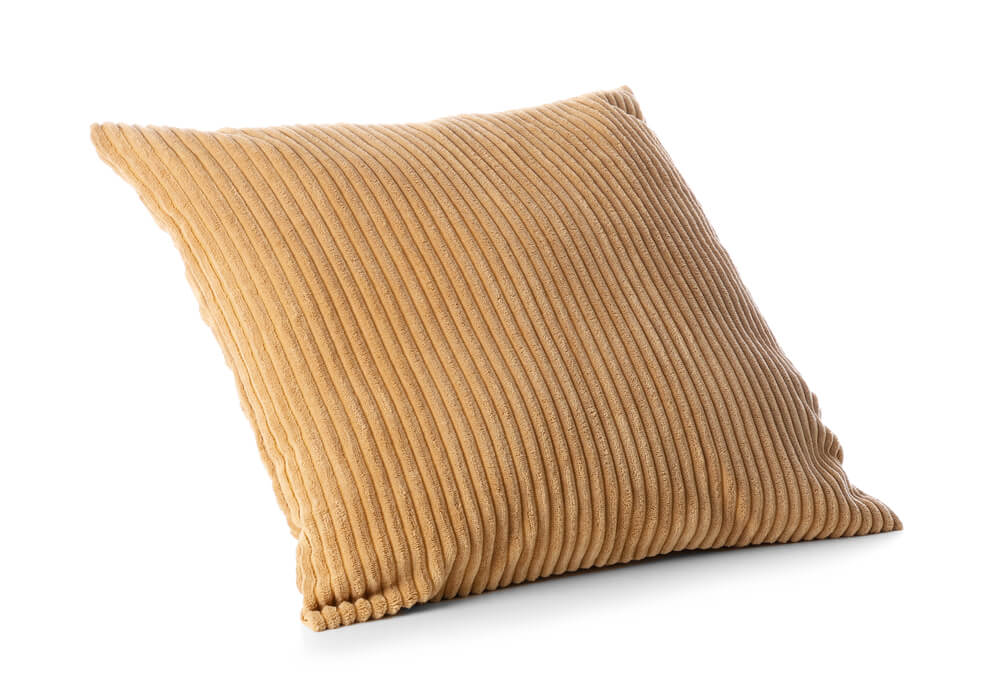
Corduroy is a cotton fabric with raised ridges called wales, and the number of wales per inch distinguishes fine from wide-wale versions. In the 1970s it appeared on sofas, beanbag chairs, and curtains in earthy colors like rust and brown.
The ribbed texture made a quiet swishing sound when rubbed.
Fabrics as a Family Archive
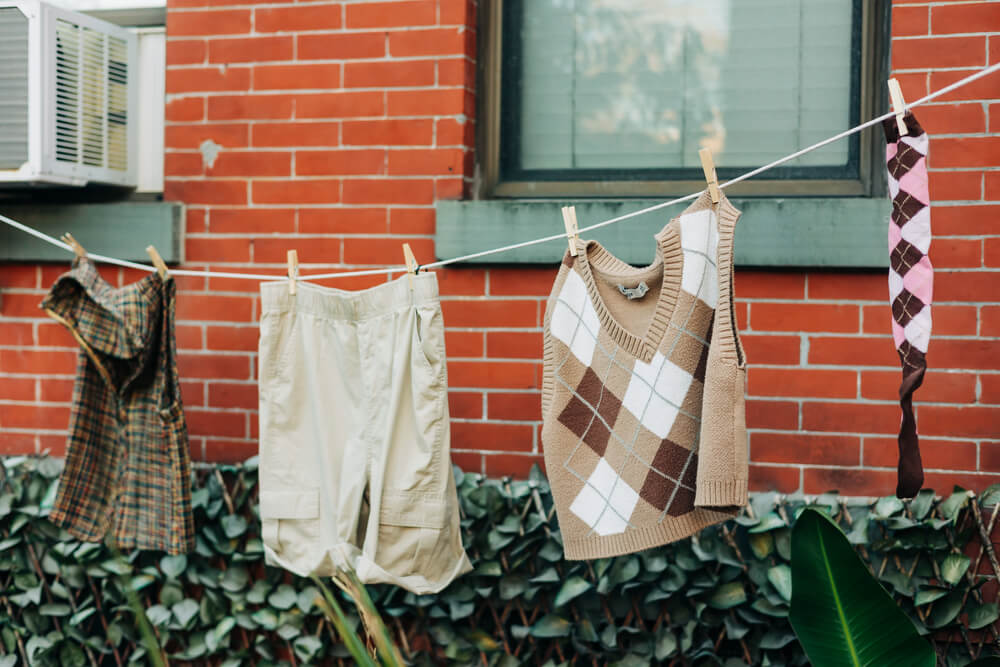
A fabric can reveal a lot about the household that used it. A feed sack curtain suggests a family stretching a budget, while a damask tablecloth suggests a family that valued ceremony.
Even stains and mending are clues about how a home was lived in. As synthetic textiles took over, many of these cloths became specialties rather than staples.
Yet they survive in attics, thrift stores, and family chests, where they still carry the marks of old holidays and everyday messes. Few materials preserve as much domestic history in as little space.
More from Go2Tutors!

- 27 Silver Dollars and Half Dollars Worth Keeping
- 28 Restaurant Menu Items Nobody Orders Anymore
- 17 Places Built in Seemingly Impossible Spots
- 27 Vintage Rings Worth More Than They Look
- 25 Restricted Sites Tourists Can’t Enter
Like Go2Tutors’s content? Follow us on MSN.