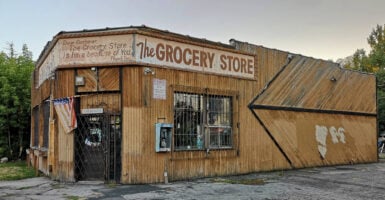
31 Things Parents Let Kids Do in the Summer That Would Never Fly Today
There was a version of summer that ended when the streetlights came on. You left in the morning on your bike, told no one where you were going, and returned when the sky gave the signal. No phone. No check-ins. No adult aware of your precise coordinates. This was standard. This is now astonishing.
The following list is not a complaint about modern parenting. More safety awareness is, on balance, a good thing. But there was something in the old summer — the unscheduled, unsupervised, slightly dangerous version — that produced a particular kind of child, and it’s worth acknowledging what it contained.
Riding a Bike Without a Helmet

The helmet was not part of the deal. You got on the bike and went. Falls happened, and falls were addressed with a trip to the kitchen tap, an application of Dettol, and a return to the bike.
Mandatory helmet laws for children were enacted through the 1990s and 2000s in most countries; prior to that, the decision was essentially nobody’s. Most adults who grew up without helmets are aware, in retrospect, that they got away with something.
Going Out After Breakfast and Not Coming Back Until Dinner

“Be back by dinner” was a complete set of instructions. Where you went in between was entirely your business.
The territory covered in a day’s roaming could be substantial — several streets, a park, a friend’s garden, a building site you’d discovered — and none of it was logged, monitored, or required to be reported. This was a normal Tuesday in July.
Swimming in Rivers, Lakes, and Ponds Without Adult Supervision

The local creek, the farm pond, the canal that technically had a “no swimming” sign — these were summer swimming resources of genuine usefulness. Adults knew, in a general sense, that children swam in these places.
No one organised it, no one supervised it, and the combination of genuine drowning risk and real childhood freedom was simply the price of summer.
Building Ramps and Riding Over Them on Bikes

The ramp was constructed from whatever was available — an old door balanced on a log, a plank propped against a brick, a piece of chipboard elevated on a collection of miscellaneous objects. The geometry was not engineered.
The safety surface beneath it was dirt, or grass, or concrete. The jump was attempted regardless.
The outcome was either successful and retried at a greater height, or unsuccessful and retried as soon as the immediate effects resolved.
Lighting Fires in the Garden
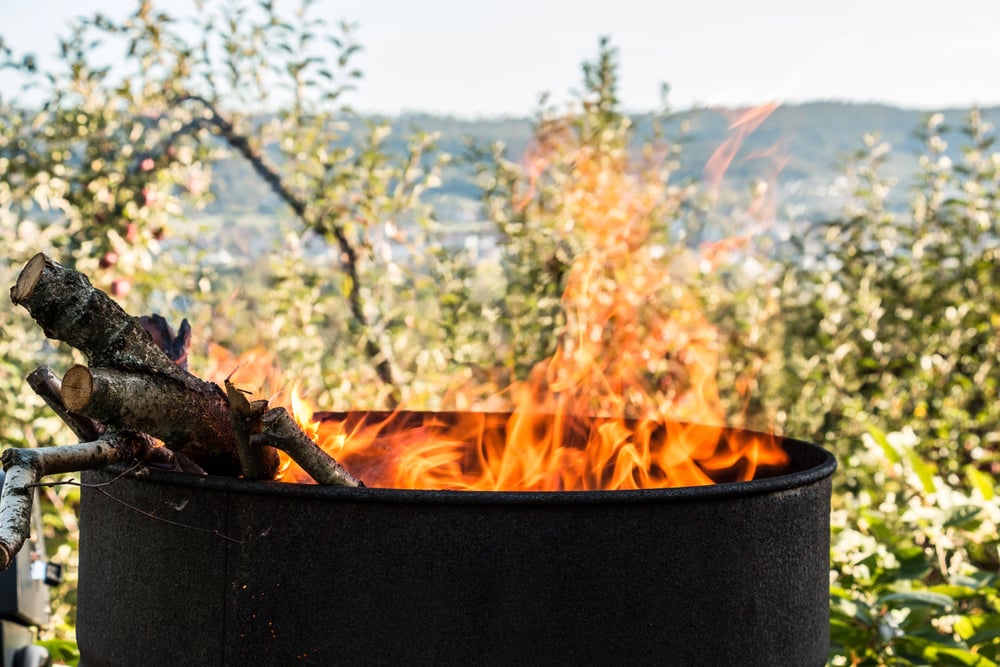
A proper fire, not a supervised barbecue. Sticks and old newspaper, possibly some accelerant borrowed from the garage with optimism rather than permission.
The fire was built and maintained with a level of genuine technical investment that most adults now apply only to more serious projects. Parents knew.
The fire was technically discouraged. The matches were kept in the kitchen drawer at child height.
Playing in Construction Sites

A half-built house or a newly dug road was irresistible. The piles of sand were free and enormous.
The scaffolding was a structure with unclear rules. The whole site was technically off-limits, which is a designation that carries different weight when you are nine years old in summer with nowhere specific to be.
Nobody counted how many children visited a given construction site across a given school holiday. Nobody wanted to know.
Staying Home Alone

The “latchkey kid” was a defined demographic. You came home from wherever you’d been, let yourself in with the key on the string around your neck, made your own snack, and watched television until a parent came home from work.
The youngest age at which this was considered acceptable has shifted significantly over the decades. In the 1980s, eight was not unheard of.
Riding in the Back of a Pick-Up Truck

This was an actual mode of transport. You sat in the uncovered tray of a truck, in the open air, while it drove at road speed.
The seatbelt was the tray side if you leaned against it. This practice is now illegal in most jurisdictions and would be treated as alarming if witnessed by a bystander.
It was, at the time, just how you got somewhere when the cab was full.
Walking to the Shops Alone, Very Young

Walking to the corner shop at the age of seven to buy something with your own money was an ordinary errand. The distance involved varied.
The supervision involved was none. The child was handed money and a list or a specific item to retrieve and sent out.
The shopkeeper knew most of the children in the neighbourhood and would, in a crisis, be more useful than most official responses.
Riding Bikes on the Road

Not the pavement. The actual road, alongside or behind cars, navigating intersections with the same right of way as any other vehicle.
Children who grew up in this era have a specific relationship with reading road traffic that contemporary children, who largely cycle in parks or on segregated paths, may not develop in the same way.
Eating Whatever They Found in the Garden

Blackberries off the bush, apples off the tree, strawberries from the patch, things that were technically on the neighbour’s side but drooped over the fence and were therefore available. The general rule was “if it grows in a garden and looks like food, it probably is” — a heuristic that is not unreasonable but that current food safety culture would approach with more documentation.
Playing with Fireworks

Not the supervised public display kind. The kind bought from a newsagent in a cardboard box and set off in the back garden.
Bottle rockets fired from milk bottles. Bangers let off at close range.
The sparkler, technically the safest item in the box, used as a writing implement in the dark while holding it at face height. Someone was always the person who held the firework a second too long.
Everyone knew one.
Going on Holiday Without Sunscreen

The early 1980s were, in terms of skin protection, a period of some ambition. There were products, but they were not consistently used, and the relationship between sun exposure and lasting damage was less clearly communicated than it later became.
Children went to the beach for a week and came home as a different colour than they’d left. The damage was real even when the awareness wasn’t.
Climbing Any Tree That Could Be Climbed

A climbable tree was a tree that was climbed. Height was a measurement of achievement, not a risk indicator.
The point of a tree was the top of it, or at least as high as the branches held. Falls from trees happened and were absorbed by the summer the same way other falls were: an assessment of injury, a brief period of recovery, a return to the tree.
Buying Sweets With Change Found Around the House

Currency recovery operations were conducted across sofas, between cushions, in coat pockets, and behind the washing machine. The recovered funds were converted, at the nearest shop, into sweets, without permission being sought for either the fund recovery or the conversion.
This was considered an independent economic activity rather than theft, and was treated as such by most households.
Spending All Day at the Public Pool Unsupervised

The pool had lifeguards. Beyond the lifeguards, you were on your own.
You arrived at ten and left when the pool closed or you ran out of money for the vending machine. The social hierarchy of the pool operated independently of school or neighbourhood hierarchies, which meant summer at the pool was its own ecology.
Hitchhiking as a Teenager

In rural areas especially, hitchhiking was a practical transport solution for teenagers without access to cars or bus routes. It required holding out a thumb, accepting a ride from whoever stopped, and navigating a conversation with a stranger for the duration of the journey.
This is genuinely dangerous and parents of the era often knew it happened and chose to know it in an approximate way only.
Playing on Metal Playground Equipment in Full Summer Sun
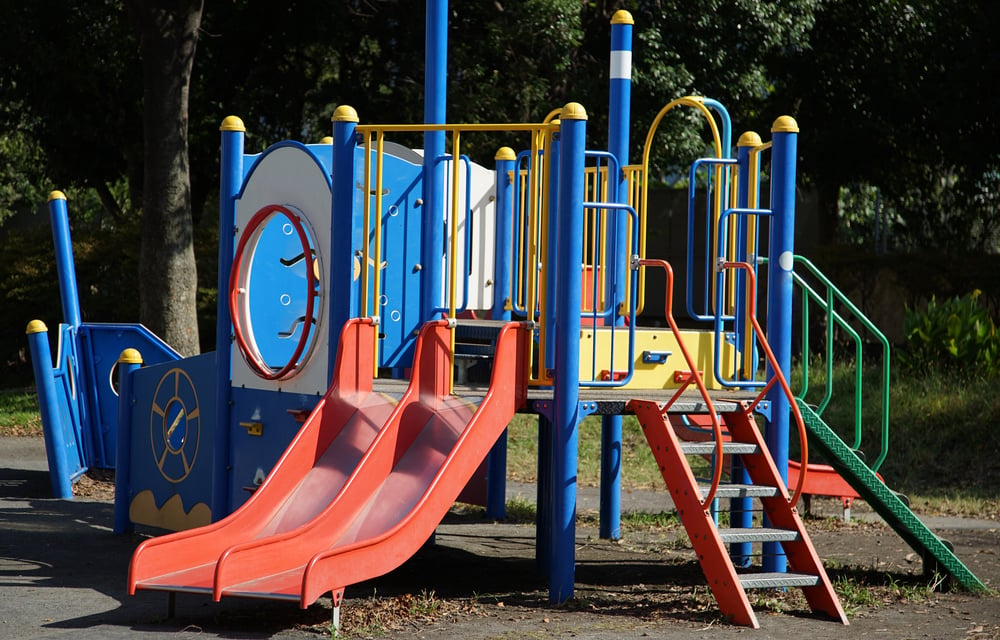
The metal slide, the metal roundabout, the metal climbing frame. All of these surfaces reached temperatures in direct summer sunlight that were not pleasant to touch.
The standard procedure was to go down the slide with speed to minimise contact time, to get the roundabout spinning fast enough that centrifugal force did the work, and to accept that the climbing frame rungs were slightly too hot before adjusting grip accordingly.
Going to the Corner Shop by Themselves at Age Five

This was an actual errand. You were given coins and a message and sent to the nearest shop.
The shopkeeper knew you by name and by family. The street was familiar and the neighbours were watchable from their doorways.
The framework of informal community surveillance that made this safe is one of the things that has changed most substantially about residential neighbourhoods in the intervening decades.
Making Their Own Dens in the Woods

A den was a semi-permanent outdoor structure built from branches, leaves, rope, and anything else that could be scavenged. It required a location, a design, construction time, and ongoing maintenance.
It belonged to nobody officially and to you in every practical sense. Returning to a den and finding it still standing was one of the more reliable summer satisfactions.
Operating a Lawn Mower

At ten, possibly at eight in some households. The mower was petrol-powered, the blades were real, and the instruction was to do the whole lawn in straight lines and not mow over the power cable.
No safety certification was involved. The understanding was that you were old enough to operate a piece of garden machinery, and the evidence for this was mostly that nobody had asked whether you were.
Drinking From Garden Hoses

The garden hose was an acceptable water source on a hot day. You turned on the tap, waited for the warm water trapped in the pipe to work through, and drank directly from the end.
The rubber taste was specific and recognised by anyone who’s done it. Whether this caused any lasting harm is not well documented, which is either reassuring or an indication that nobody was looking.
Being Left in the Car While Parents Did Quick Errands

A quick errand took the length it took. You were left in the car with the windows cracked and a book or the radio.
The time was indeterminate. In most cases it was genuinely brief.
In some cases “quick” was optimistic. This practice is now a criminal matter in several jurisdictions under child welfare legislation.
Playing With Chemistry Sets That Had Real Chemicals

Chemistry sets aimed at children in the 1970s and 1980s contained substances that would not clear a modern safety review: actual acids, actual alkalis, reagents for producing actual reactions. The instructions were serious.
The potential for genuine experimentation was real. Current children’s chemistry sets produce coloured liquids and foam, which is safer and considerably less instructive.
Going to the Beach and Not Coming Back Until the Parents Said So

A family at the beach with children meant the children were released into the environment and tracked by occasional headcount rather than continuous supervision. The sea was there, the rocks were there, the pools were there, the older children from other families were there.
You came back when called. The calling was infrequent.
Riding on the Handlebars of Someone’s Bike
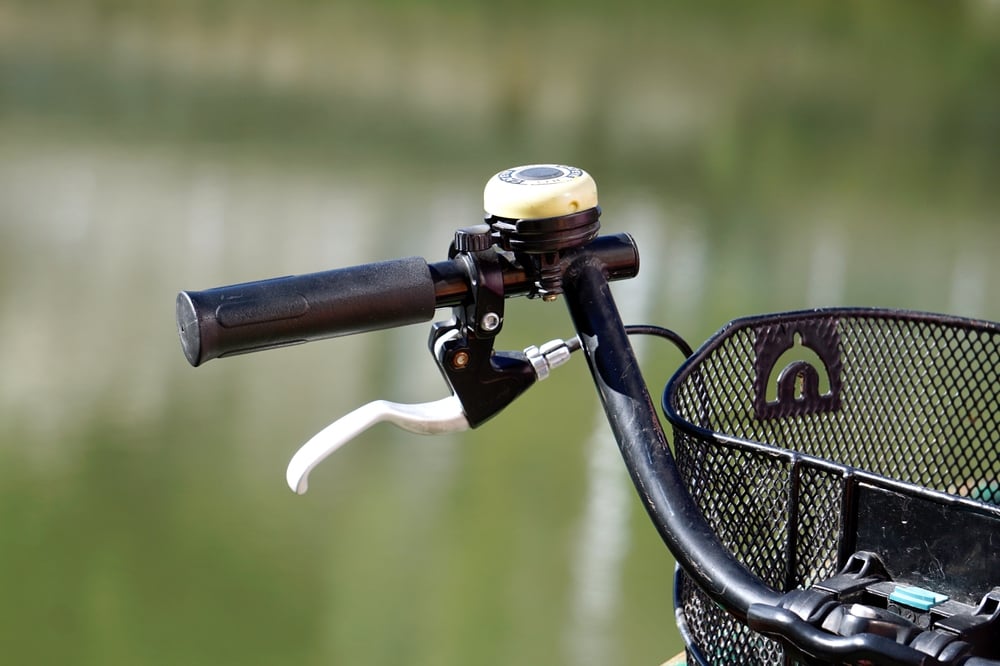
This was a legitimate transport option. You sat on the handlebars, the person pedalled, and the combined system moved at speed through the neighbourhood.
The rider had limited visibility around you. There was nothing between you and the road.
This was, again, just how you got somewhere when the bike was a single-speed and the friend group only had two of them.
Wandering Shopping Centres Alone
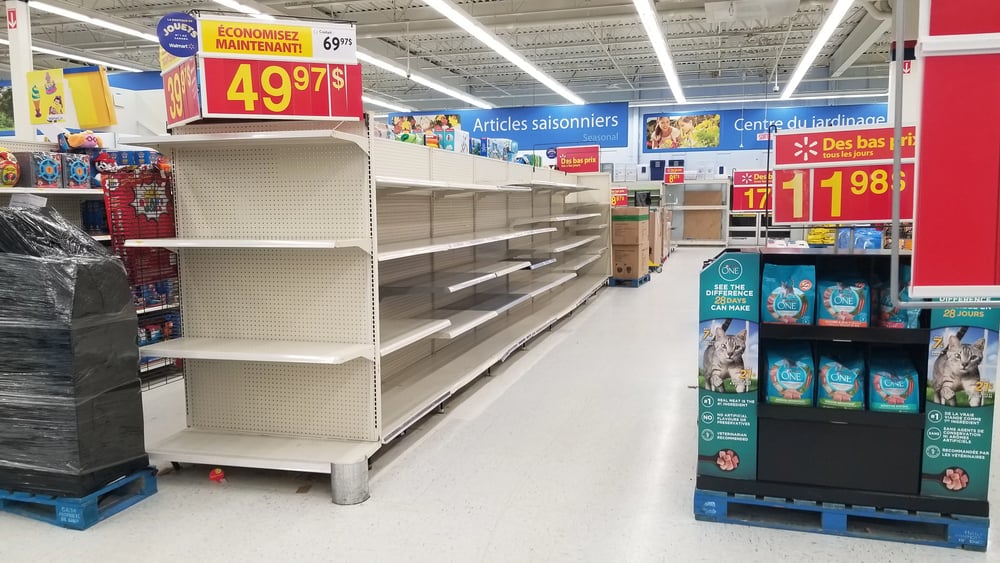
From approximately age ten, the shopping centre was an unsupervised social environment. You agreed to meet parents at a specific time and place and were free in between to do whatever a child with limited funds could do in a mall: look at things, eat something cheap, sit on a bench and people-watch, and be present in an adult world without adult oversight.
Getting Temporary Jobs With Neighbours

Lawn mowing, car washing, weeding — these were commercial transactions between children and neighbouring adults that operated outside any formal employment framework. You knocked on a door, offered a service, negotiated a price (rarely), and did the work.
The money went directly to the child. No forms were filed.
This is how most people under the age of thirteen made their first income.
Watching Whatever Was on Television

The television was on and you were home alone and there was no parental software filtering the channel lineup. You watched what was on.
This included content that was not designed for your demographic. Adults later learned to be surprised by the range of things their children had apparently absorbed during the summer.
The children were not surprised at all.
Playing Until They Actually Got Hurt

The standard of acceptable outdoor play included a reasonable likelihood of getting a graze, a bruise, or a minor cut. The tolerable injury threshold was higher than it is in most contemporary supervised play environments.
Children who got hurt were expected to communicate the injury, receive appropriate first aid, and return to the activity that caused it unless the injury specifically precluded that. Getting hurt was part of the deal, not a failure of the deal.
Not Being Scheduled

The most radical thing about the old summer, viewed from a distance of thirty or forty years, was the absence of programming. There were no camps that required booking, no structured activities to develop specific skills, no parental curriculum for the break.
There were six weeks, a bicycle, a neighbourhood, and no particular plan. What children did with it is what children do with time that belongs to them: they filled it, imperfectly and inventively, until it ran out.
The Gap That Replaced It

None of this is to suggest that children today are less capable or that parents now are less caring. The risks that changed the old summer were real risks, and the adults who assessed them differently were not wrong to do so.
But something was lost in the recalibration — a quality of time, a texture of freedom, an assumption that children could go out into a neighbourhood and return intact and capable of slightly more than they were when they left. That assumption may be the thing that’s hardest to recover.
More from Go2Tutors!

- The Romanov Crown Jewels and Their Tragic Fate
- 13 Historical Mysteries That Science Still Can’t Solve
- Famous Hoaxes That Fooled the World for Years
- 15 Child Stars with Tragic Adult Lives
- 16 Famous Jewelry Pieces in History
Like Go2Tutors’s content? Follow us on MSN.