Most Radioactive Places You Cannot Visit
Some places on Earth have become so contaminated with radiation that they remain completely off-limits to the public. These aren’t just restricted areas with warning signs—they’re locations where the very air, soil, and structures pose immediate threats to human life.
The stories behind these forbidden zones reveal decades of nuclear accidents, weapons testing, and industrial disasters that continue to shape our understanding of radiation’s lasting impact.
Chernobyl Exclusion Zone
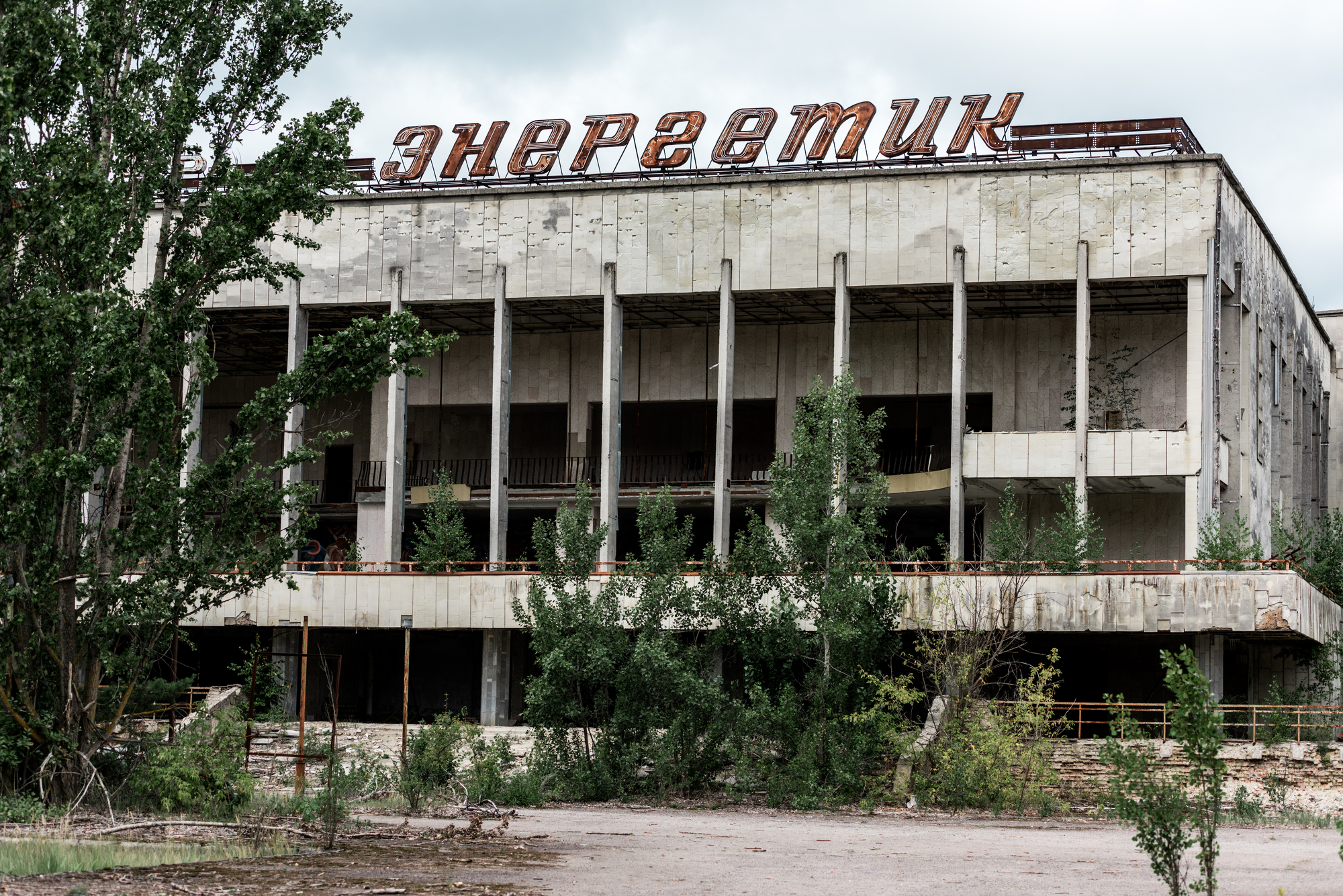
The reactor explosion changed everything in a matter of seconds. Thirty-eight years later, the 30-kilometer exclusion zone around Chernobyl remains one of the most radioactive places on Earth.
The soil still holds cesium-137 and strontium-90 in concentrations that would be lethal without protective equipment.
Fukushima Red Zone
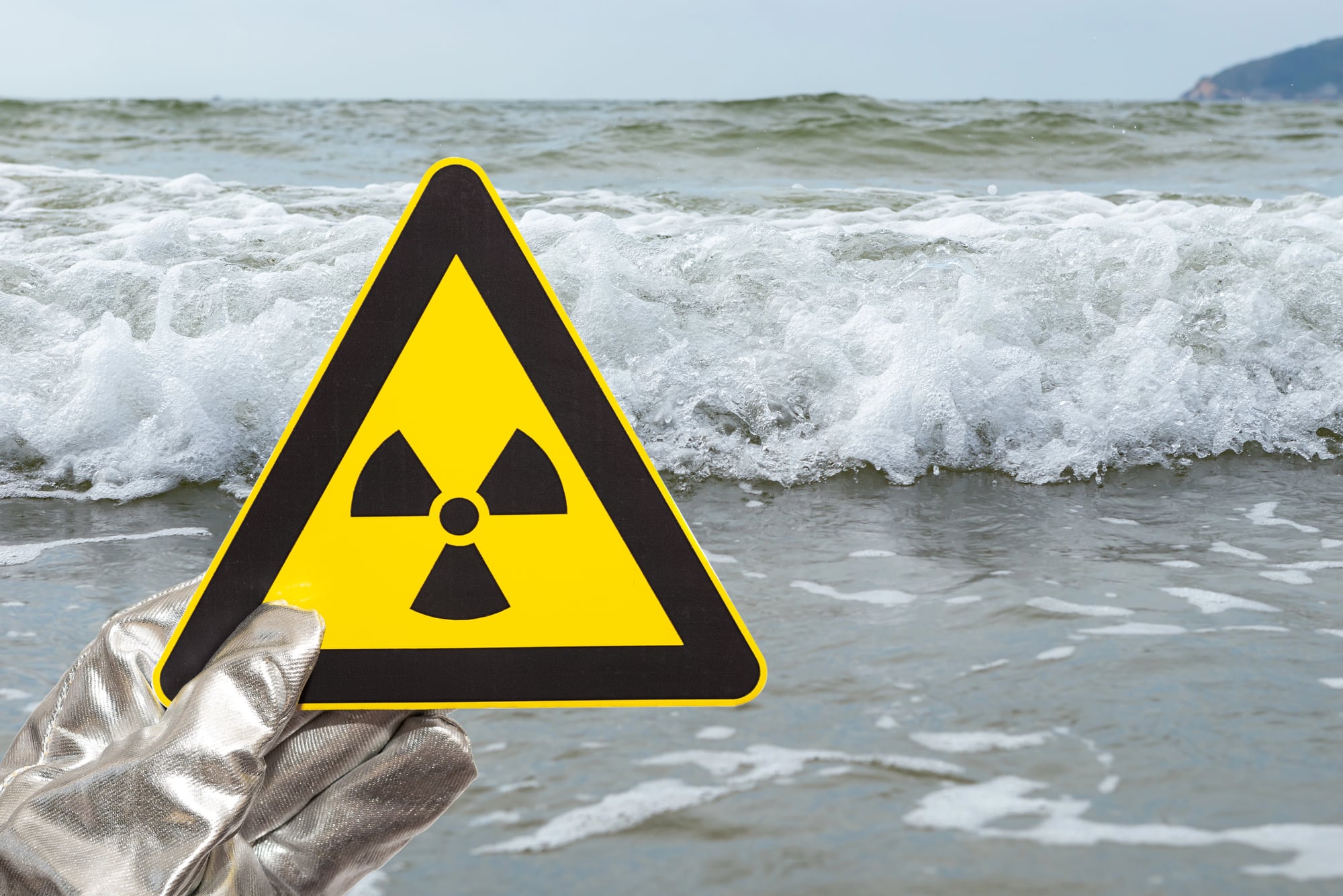
March 2011 turned entire towns into ghost settlements. The areas closest to the Fukushima Daiichi plant remain sealed behind checkpoints and radiation monitors.
Even cleanup workers can only enter for limited periods wearing full protective gear.
Polygon Test Site, Kazakhstan
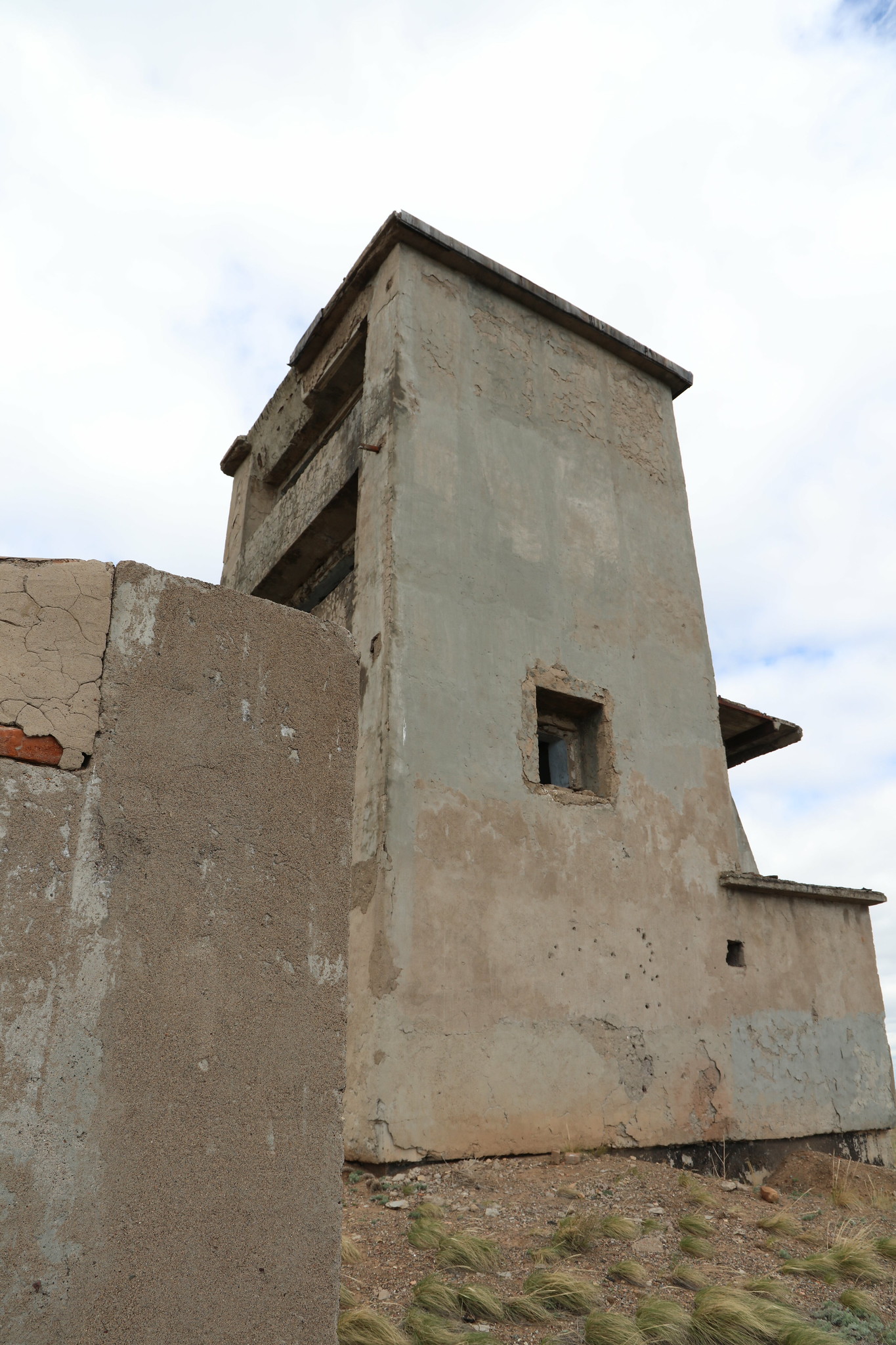
The Soviet Union’s primary nuclear testing ground absorbed the equivalent of 2,500 Hiroshima bombs over four decades. The Semipalatinsk Test Site—now called the Polygon—left behind craters where the ground itself became glass, and (oddly enough) wildlife that seems to thrive in ways scientists are still trying to understand.
So much radiation soaked into the earth that certain areas will remain dangerous for centuries, maybe longer.
And yet the abandoned test structures stand there like monuments to a different kind of ambition, one where the cost of knowing something came after the decision to find out.
Hanford Site, Washington
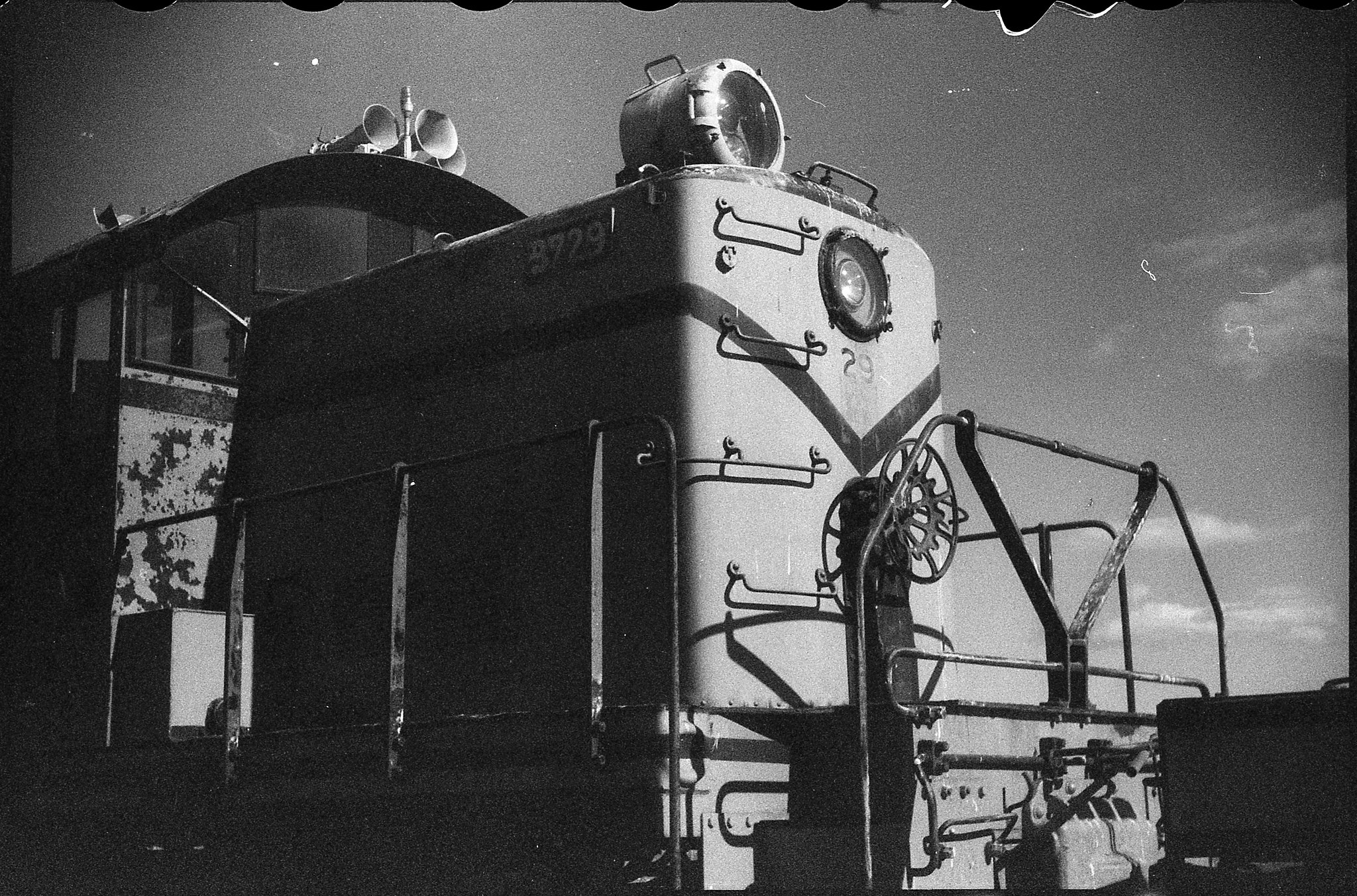
America’s plutonium production facility poisoned 586 square miles of Columbia River basin. The contamination runs so deep that groundwater cleanup efforts have been ongoing for three decades with no end in sight.
Workers produced the material for thousands of nuclear weapons here, and the environmental cost became clear only after the damage was irreversible.
Mayak Production Association, Russia
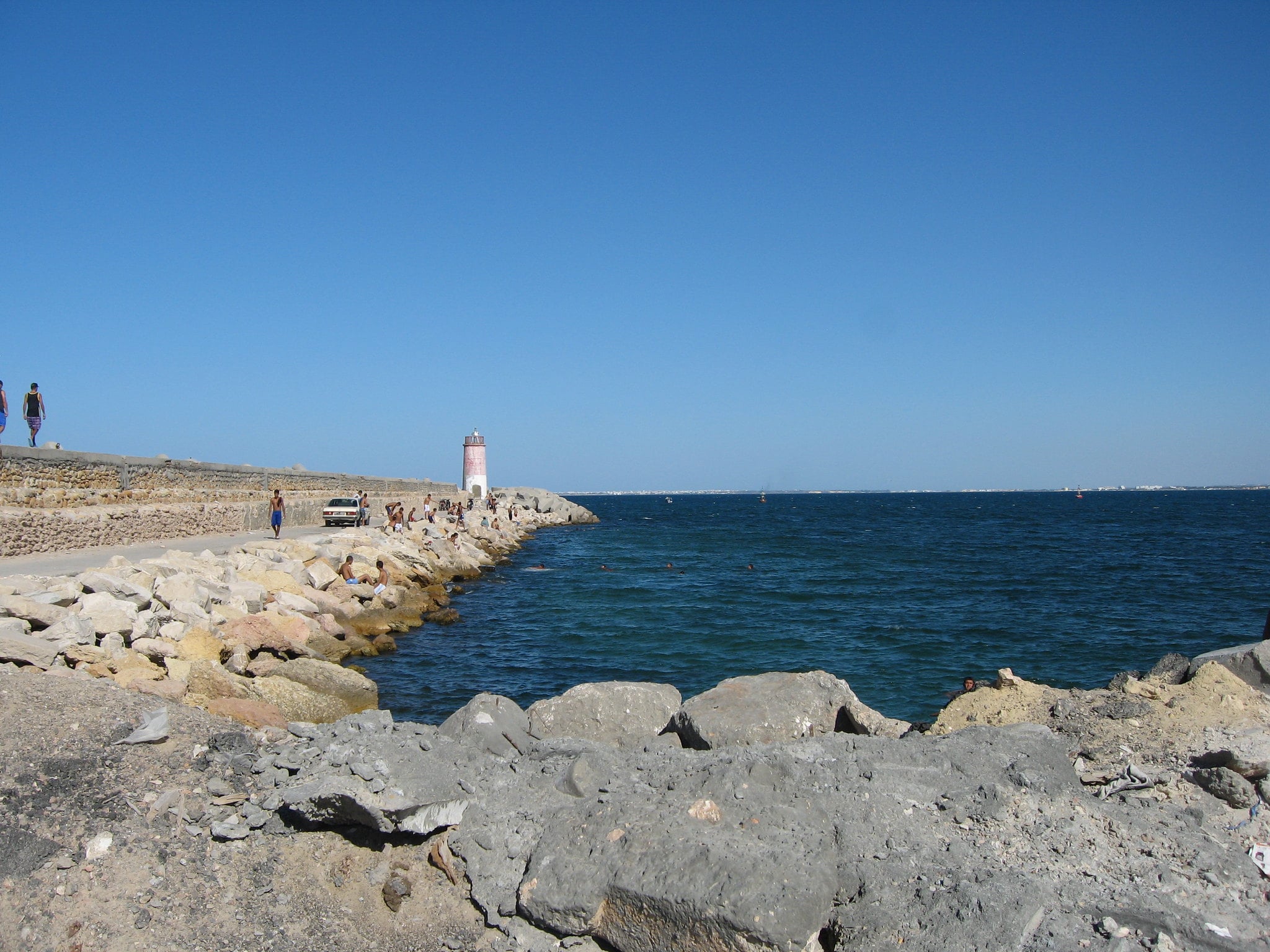
The Lake Karachay disaster doesn’t get the attention Chernobyl does, but it should. Standing on the shore of this lake for an hour would deliver a fatal dose of radiation—not over time, but right then, in that single hour.
The Mayak facility dumped high-level radioactive waste directly into the lake for decades, creating what some scientists consider the most polluted spot on Earth.
The lake has since been filled with concrete and rock, which feels like putting a bandage on a severed artery.
The surrounding area remains a dead zone where nothing grows normally and visitors are strictly forbidden.
Atoll, Marshall Islands
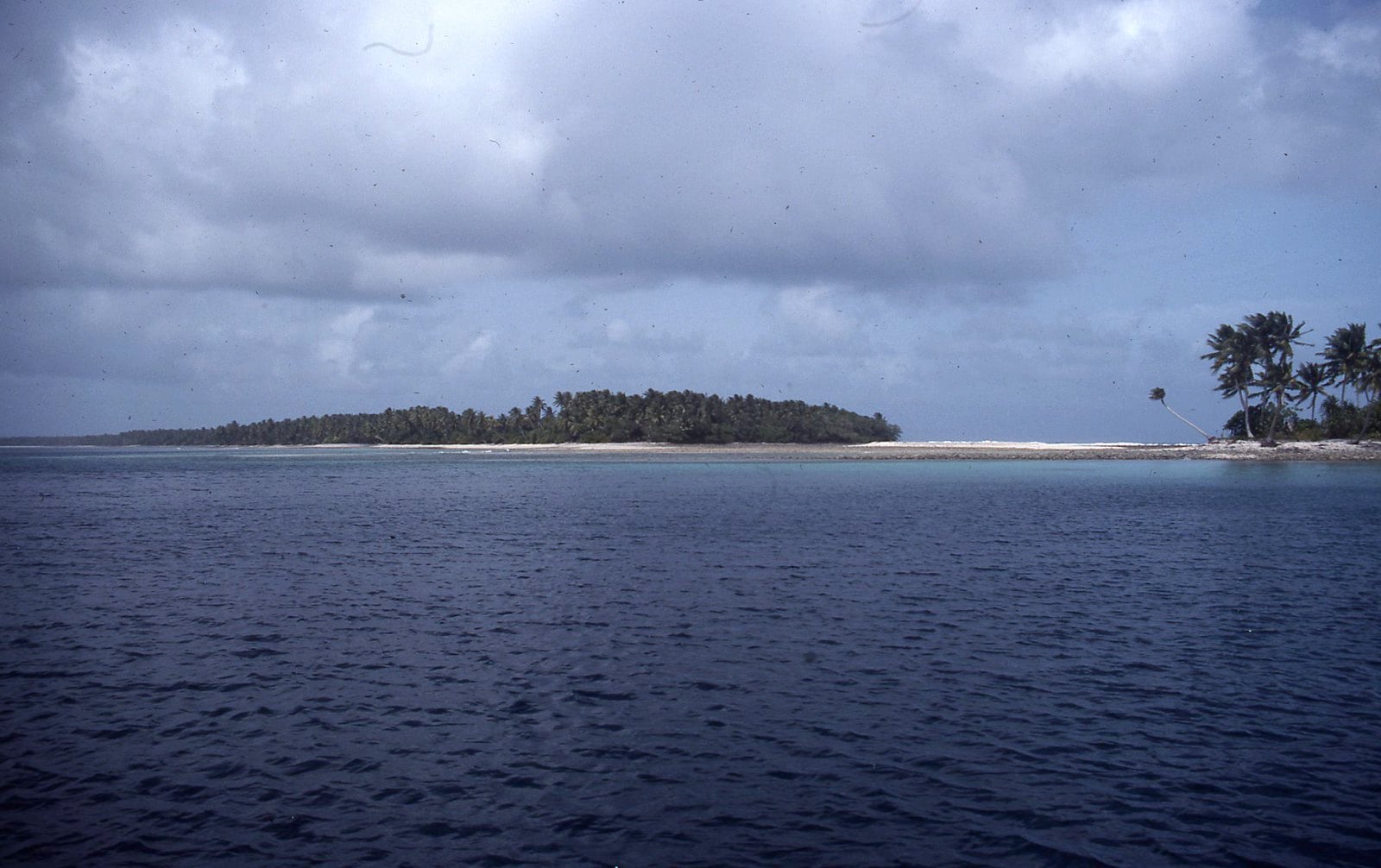
Twenty-three nuclear tests turned this tropical paradise into a radioactive wasteland. The coral still shows signs of contamination from hydrogen bomb tests conducted in the 1940s and 1950s.
Coconuts grown on the atoll contain cesium-137 levels far above safe consumption limits.
Church Rock, New Mexico
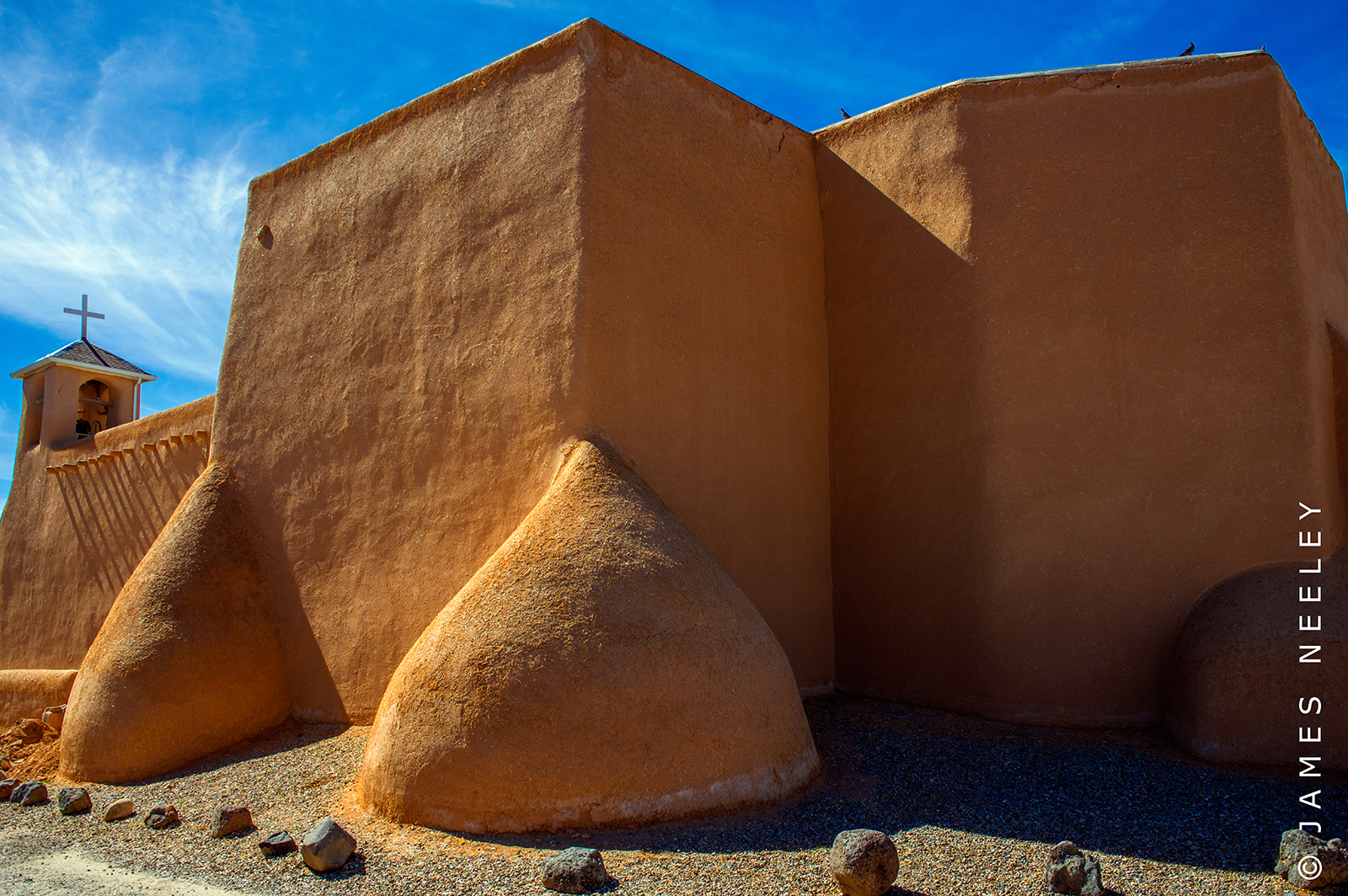
The 1979 uranium mill tailings spill released more radioactivity into the environment than Three Mile Island, but received a fraction of the media attention—partly because it happened on Navajo land, partly because uranium mining accidents don’t carry the same dramatic weight as reactor meltdowns.
Over 1,100 tons of radioactive waste and 94 million gallons of contaminated water poured into the Puerco River, and the cleanup efforts have been sporadic at best.
So the contamination just sits there in the groundwater and soil.
The area remains largely inaccessible, not because of military restrictions, but because the health risks make any extended presence inadvisable.
Mailuu-Suu, Kyrgyzstan
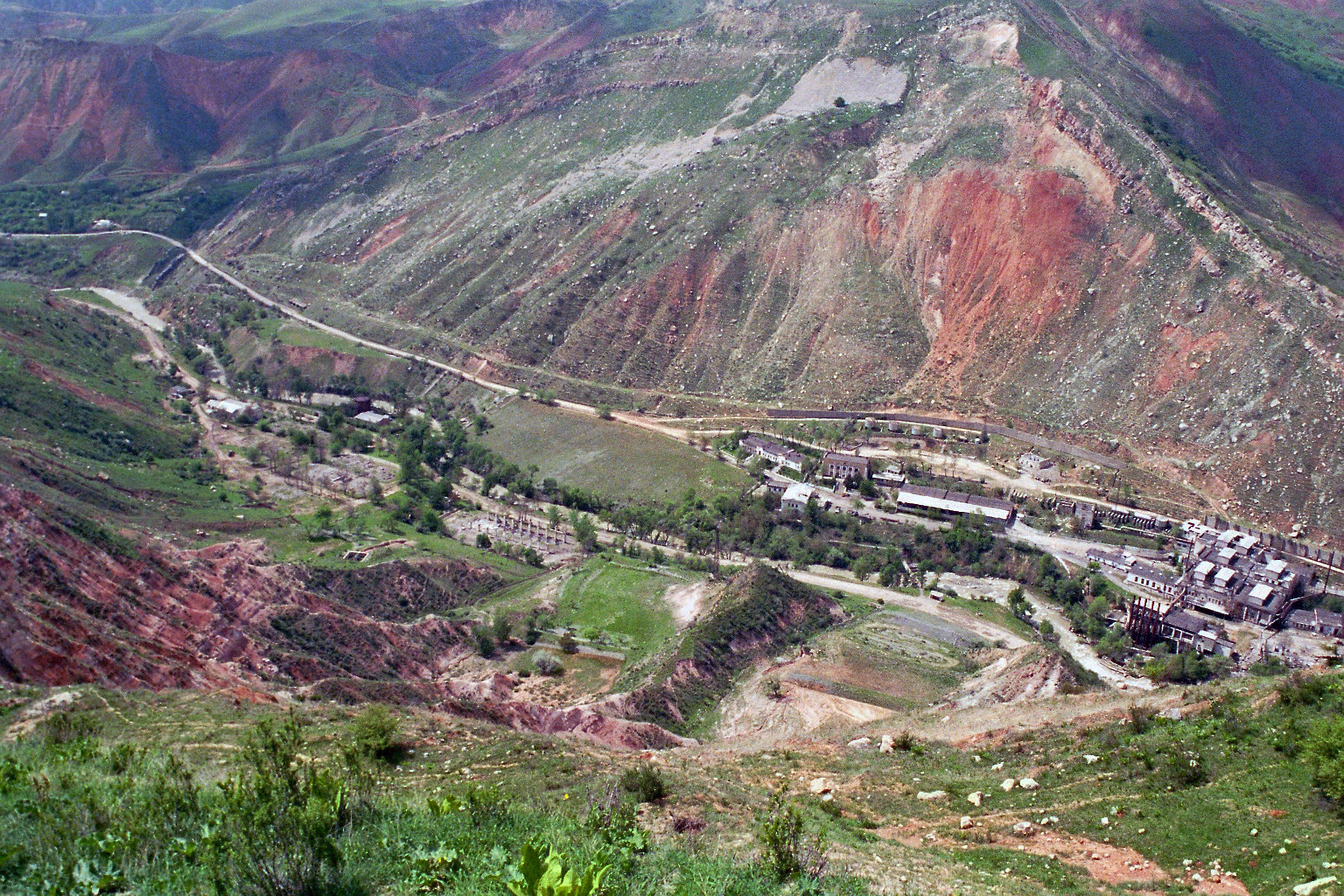
This former Soviet uranium mining town sits on 36 uranium waste dumps containing 1.96 million cubic meters of radioactive material. The waste sites are poorly contained and vulnerable to landslides and flooding.
International experts consider it one of the most dangerous radioactive sites in Central Asia.
The Runit Dome, Marshall Islands
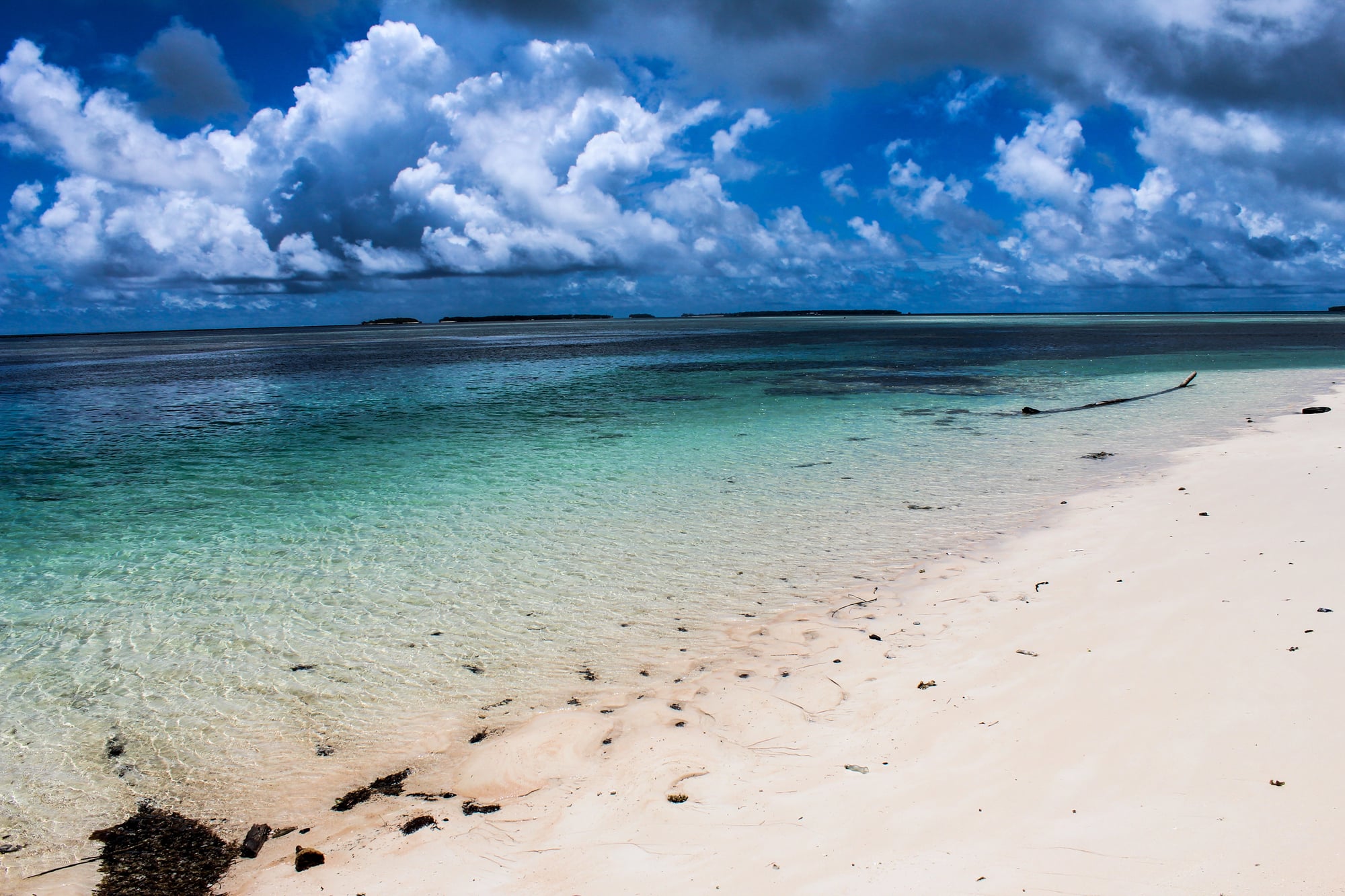
Picture a concrete dome sitting on a tropical island, holding 85,000 cubic meters of radioactive soil and debris from nuclear weapons tests. The structure—locals call it “The Tomb”—was meant to be a temporary solution in 1979.
Four decades later, the concrete is cracking and the radioactive contents threaten to leak into the Pacific Ocean.
Rising sea levels make the situation more precarious each year, but the dome remains sealed and the surrounding area off-limits to everyone except researchers in protective equipment.
Sellafield, England

Britain’s nuclear reprocessing facility has been called the most radioactively contaminated place in Western Europe. Decades of poor waste management practices left behind contaminated buildings, soil, and groundwater that will take over a century to clean up.
The site handles spent nuclear fuel from power plants, and certain areas remain completely inaccessible due to radiation levels.
Goiânia, Brazil
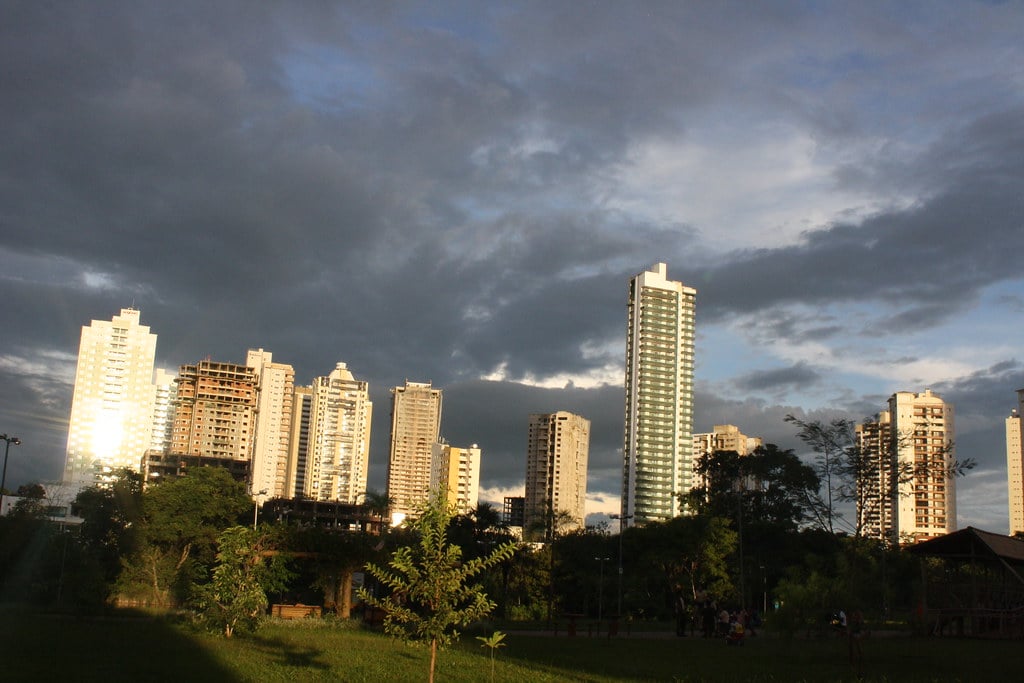
A forgotten medical device caused one of the worst radiological accidents in history. In 1987, scavengers found an abandoned radiotherapy machine containing cesium-137 and sold it for scrap metal.
The glowing blue powder fascinated people who had no idea what it was.
By the time authorities intervened, four people had died and 249 others were contaminated.
The cleanup required demolishing entire buildings and relocating tons of contaminated soil to a secure facility that remains off-limits today.
Area 12, Nevada Test Site
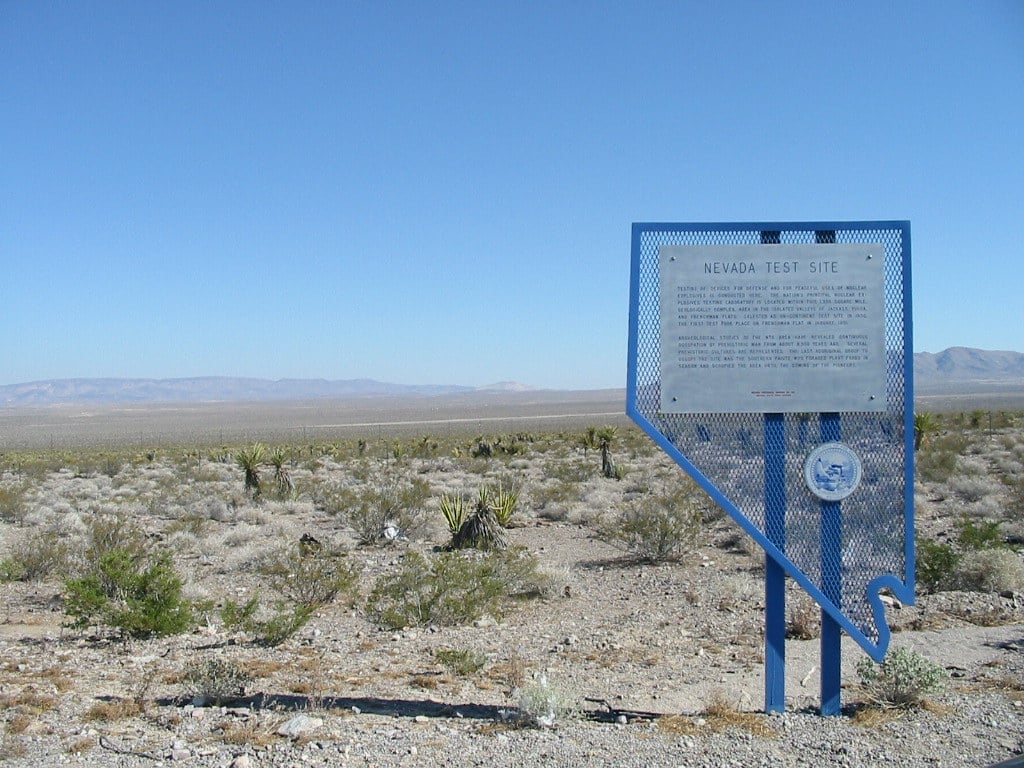
Underground nuclear testing left this section of the Nevada desert riddled with subsidence craters and contaminated soil. The Department of Energy restricts access to Area 12 due to lingering radioactivity from dozens of weapons tests conducted between 1951 and 1992 (which is saying something, given that the government isn’t usually overly cautious about these matters).
The desert looks normal from a distance—just scrub brush and mountains—but radiation detectors tell a different story.
And to be fair, there’s something unsettling about a place where the government buried so many bombs that they lost count of exactly how contaminated the ground became.
Andreeva Bay, Russia
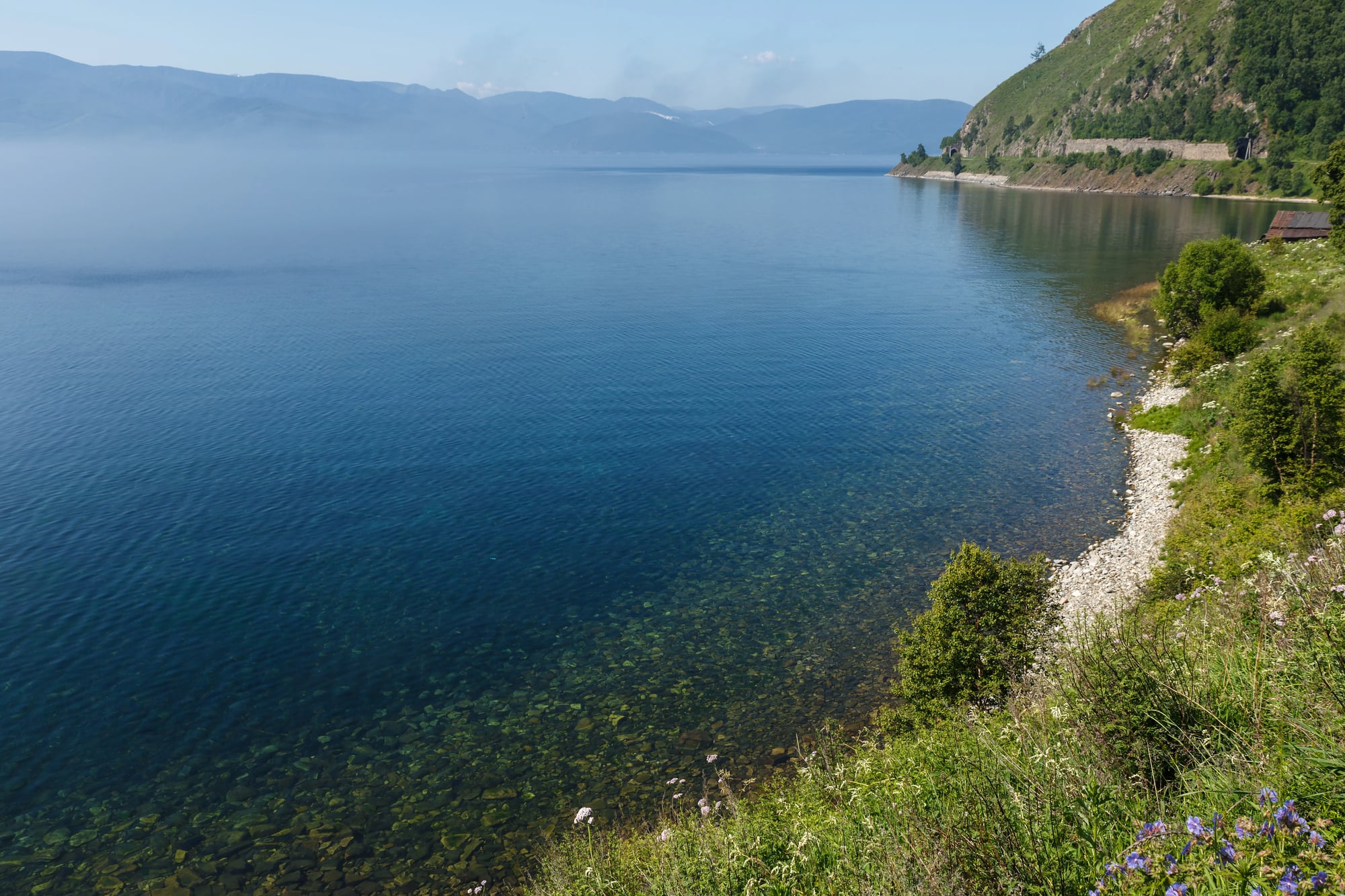
The Soviet Navy used this Arctic base as a dumping ground for spent nuclear fuel from submarines and icebreakers. Corroded storage facilities leaked radioactive material into the surrounding environment for decades.
The bay contains enough nuclear waste to rival some of the world’s worst contamination sites, and access remains restricted while international cleanup efforts continue.
Asse II Mine, Germany
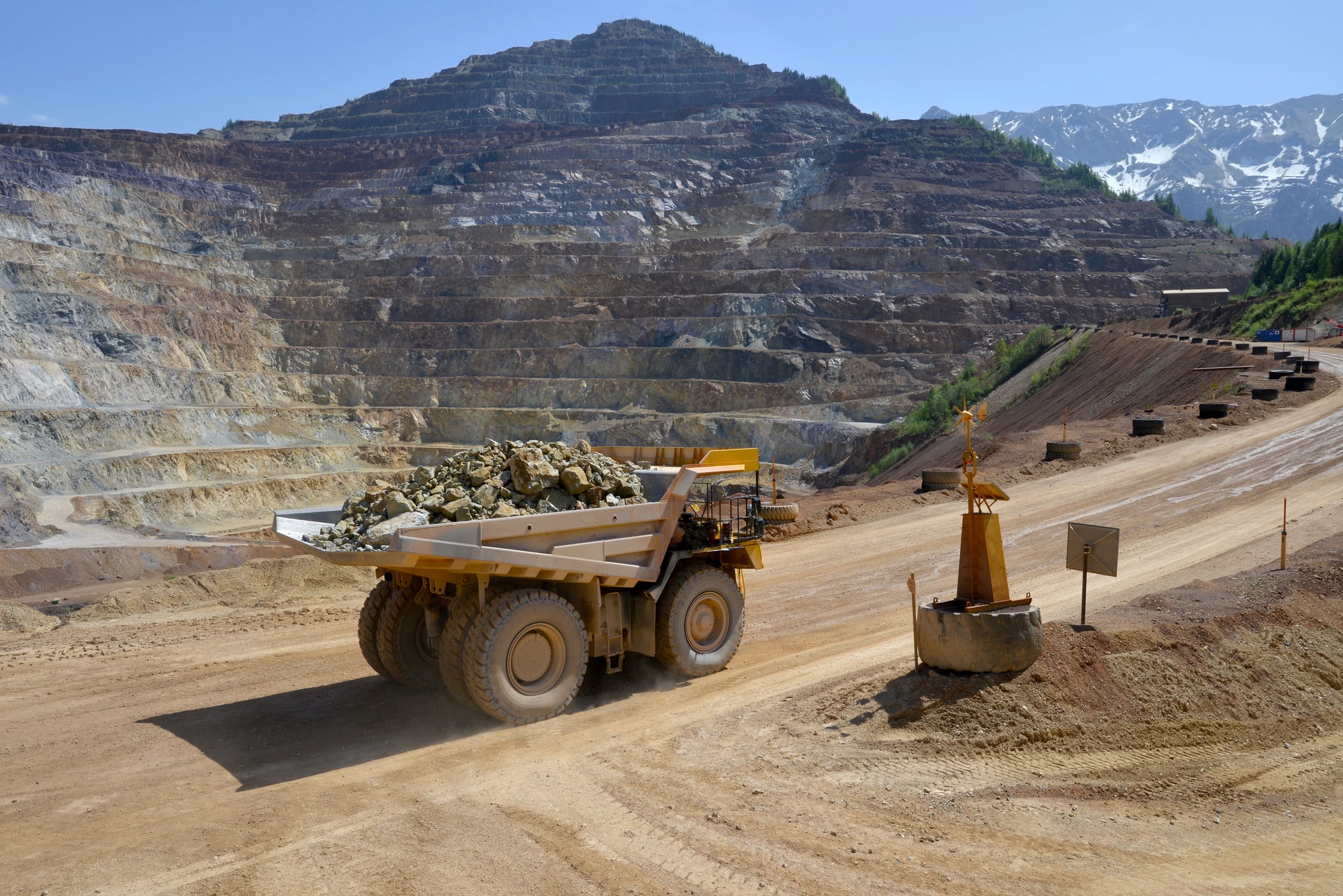
This former salt mine became Germany’s nuclear waste nightmare when water began seeping into chambers containing 126,000 barrels of radioactive waste. The mine is slowly flooding, threatening to contaminate groundwater across a wide area.
Authorities are attempting to retrieve the waste barrels, but large sections of the mine remain too dangerous to enter even with protective equipment.
Where Atoms Leave Their Mark
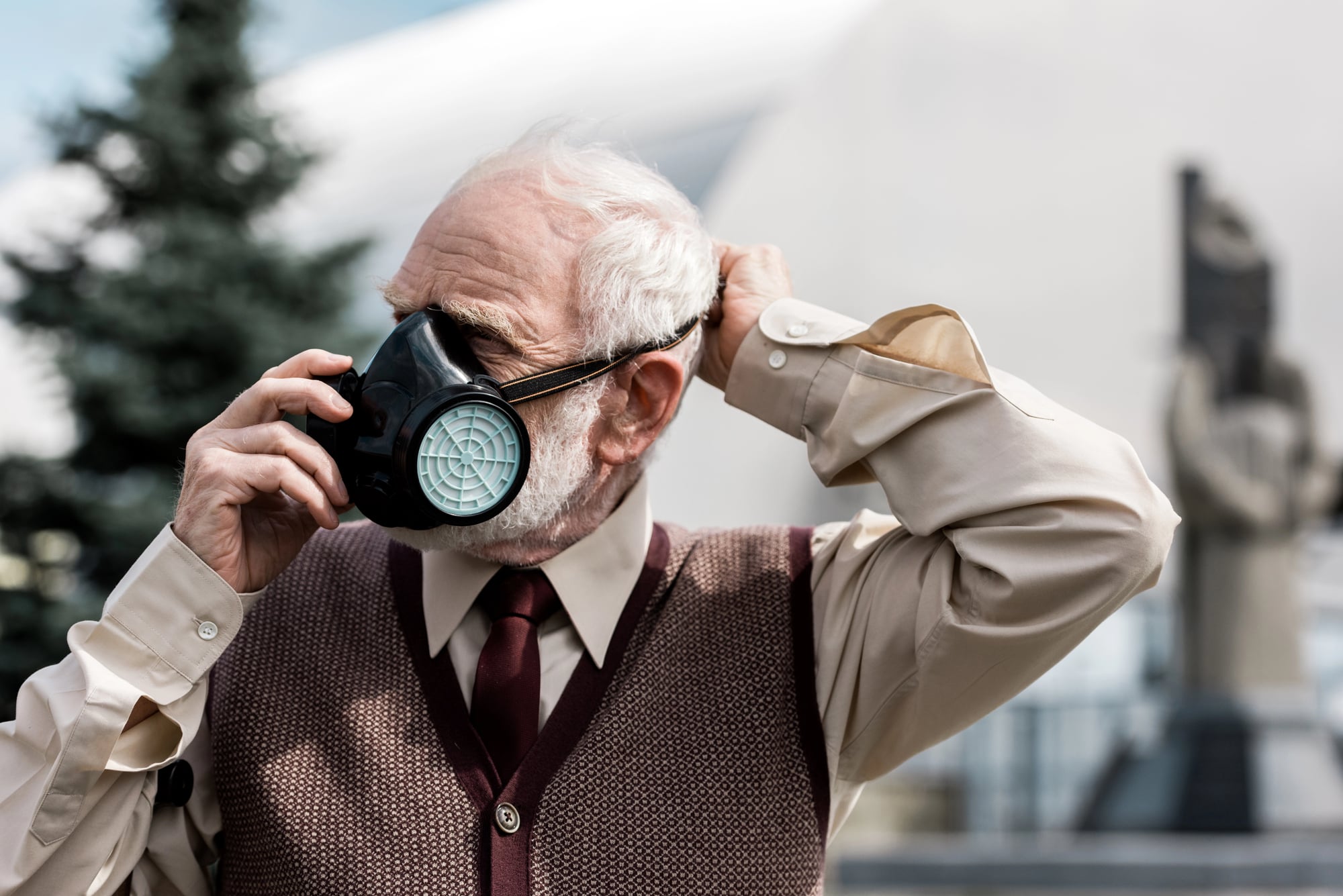
These places serve as permanent reminders that some human activities leave marks on the landscape that outlast civilizations. The half-lives of the materials involved stretch far beyond human planning horizons—cesium-137 remains dangerous for 300 years, plutonium for 24,000.
Future generations will inherit these forbidden zones long after the reasons for creating them have been forgotten.
The warning signs may fade, the fences may rust away, but the invisible danger remains, patient and persistent, waiting in the soil and groundwater and abandoned structures where atoms continue their slow, relentless decay.
More from Go2Tutors!

- The Romanov Crown Jewels and Their Tragic Fate
- 13 Historical Mysteries That Science Still Can’t Solve
- Famous Hoaxes That Fooled the World for Years
- 15 Child Stars with Tragic Adult Lives
- 16 Famous Jewelry Pieces in History
Like Go2Tutors’s content? Follow us on MSN.



