13 Wine Regions That Survived Devastating Plagues
The 1800s brought terror to Europe’s wine country. A tiny American aphid called phylloxera arrived like an invisible army, chewing through vineyard roots and destroying centuries of winemaking tradition. This devastating pest killed nearly half of France’s vineyards and forever changed how wine is produced worldwide. Within a few decades, almost 2.5 million hectares of French vineyards were destroyed. Yet some regions managed to dodge this agricultural apocalypse through geographic isolation, environmental barriers, or fortunate timing.
These survivors tell remarkable stories of resilience. Here are 13 wine regions that weathered devastating plagues and continue producing wine today.
Chile
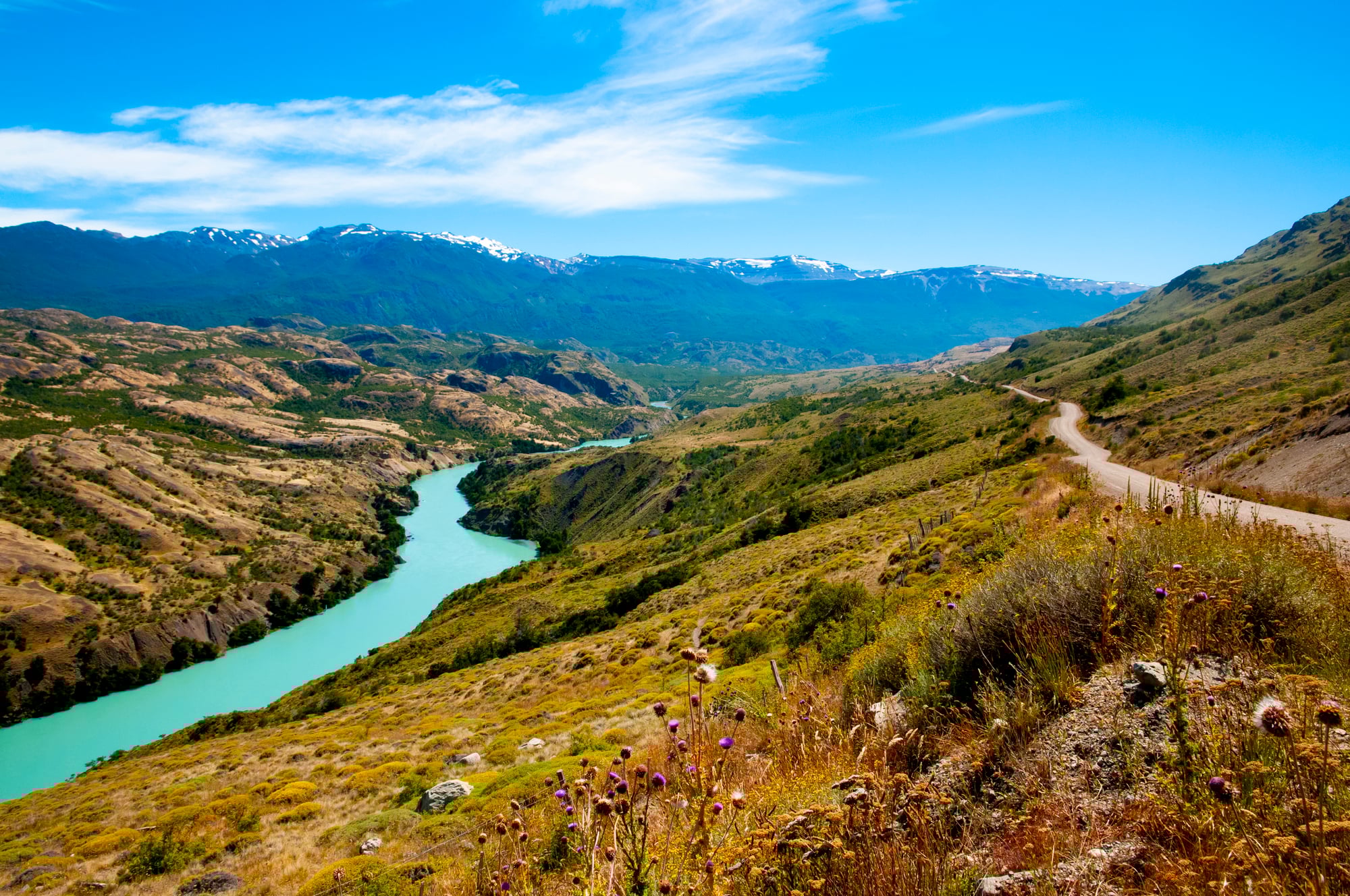
Chile’s geographic fortress kept phylloxera at bay completely. Isolated by the Atacama Desert to the north, the Pacific Ocean to the west, and the Andes Mountains to the east, this narrow country became wine’s sanctuary.
Chile remains one of the few major wine regions where vines still grow on their original roots, producing wines that taste exactly like their pre-plague ancestors. Think of Chile as wine’s time capsule, preserving flavors that disappeared elsewhere over a century ago.
South Australia

The Barossa Valley and surrounding South Australian regions have remained phylloxera-free for over 150 years. This Australian treasure hosts some of the world’s oldest ungrafted Shiraz vines, with the oldest Shiraz, Mourvèdre and Grenache plantings dating to the 1800s.
Strict quarantine measures and natural barriers helped preserve these regions. Walking through these vineyards feels like stepping into wine’s living museum, where gnarled century-old vines still produce exceptional fruit.
Western Australia

Geography worked in Western Australia’s favor when vast distances and isolation became its greatest asset. The state’s remote location prevented phylloxera from establishing itself, allowing regions like Margaret River to flourish with ungrafted vines.
By the 1860s, Western Australia’s wine industry was expanding rapidly, and today produces world-class wines from vines that never needed American rootstock grafting.
Tasmania
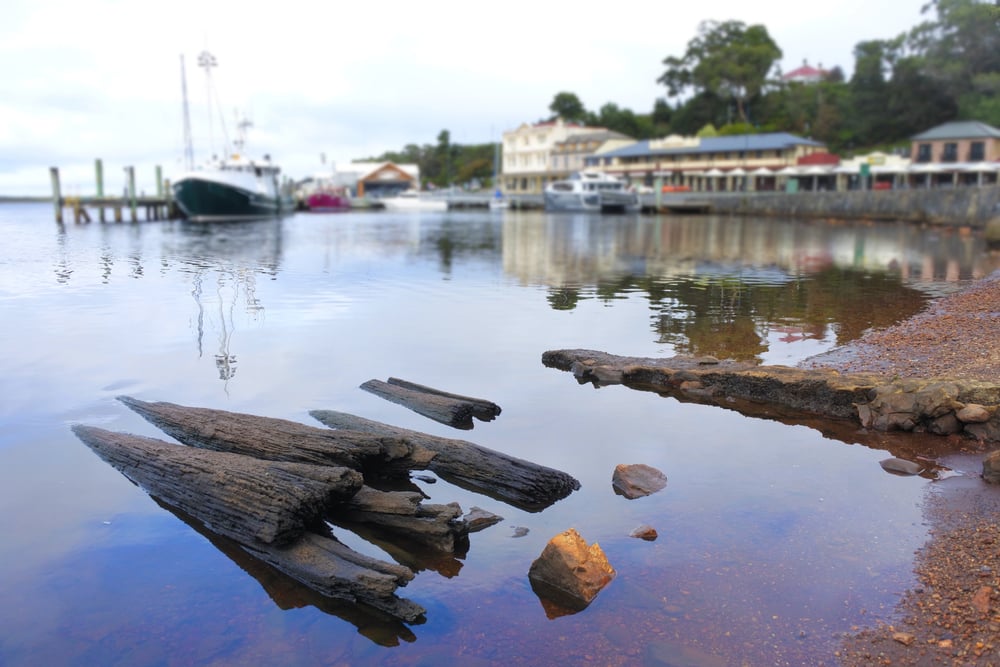
Tasmania’s island status provided natural protection from phylloxera, with the Bass Strait acting like a protective moat. This cool-climate wine paradise focuses on elegant Pinot Noir and Chardonnay, crafting wines that showcase the pure expression of ungrafted vines.
The island’s pristine vineyards represent what European wine regions might have looked like without the plague’s devastation.
Washington State

Washington’s unique environmental conditions help keep phylloxera populations in check despite the pest’s presence. The Columbia Valley’s sandy soils and arid climate make life difficult for the root-eating aphid.
Most Washington vines grow successfully on their own roots, producing concentrated wines that reflect their terroir without interference from grafted rootstock.
Argentina

Argentina hosts phylloxera but controls it through challenging environmental factors. The high-altitude vineyards of Mendoza experience extreme temperature swings and rocky, well-draining soils that don’t favor phylloxera reproduction.
Argentine Malbec from ungrafted vines offers modern wine lovers a taste of what this noble grape achieved before the plague devastated French vineyards.
Santorini, Greece

The volcanic soils of Santorini created an environment where phylloxera simply cannot survive. The island’s pumice-rich earth and extreme Mediterranean conditions favor the native Assyrtiko grape while deterring pests.
These ancient vines, some over 400 years old, grow in distinctive basket-shaped formations close to the ground. Santorini’s wines taste like liquid minerals, expressing their volcanic terroir in every remarkable sip.
Cyprus

Cyprus maintained pockets of ungrafted vines through its isolated mountain vineyards and diverse microclimates. Elevation changes created natural refuges where phylloxera couldn’t establish itself effectively.
Traditional Cypriot varieties like Maratheftiko and Xynisteri survived in these highland sanctuaries, and modern winemakers now blend ancient genetics with contemporary techniques.
Madeira, Portugal

This Portuguese island weathered multiple agricultural disasters through adaptation and determination. Madeira’s steep terraces and unique fortified wine production methods helped preserve original plantings despite various pest pressures.
The island’s winemakers developed innovative techniques to work around challenges while maintaining their distinctive wine styles that still carry echoes of their pre-plague heritage.
Northern Portugal (Douro Valley)

Some terraced vineyards in the Douro Valley escaped destruction through geographical fortune and timing. The schist soils and extreme growing conditions of certain quintas created natural barriers against pest establishment.
These scattered survivors continue contributing to both Port and table wine production, representing precious links to Portugal’s ancient winemaking traditions.
Sicily

Sicily’s diverse landscape includes high-altitude vineyards and isolated plots where phylloxera never gained a foothold. Some sites preserved original plantings of native varieties like Nero d’Avola and Carricante, benefiting from volcanic soils and Mediterranean conditions that discourage pest reproduction.
Sicilian wines from ungrafted vines showcase the island’s millennia-old winemaking heritage.
Canary Islands

The volcanic Canary Islands developed their wine culture in complete isolation from European plague pressures. Constant trade winds and unique volcanic soils created perfect conditions for traditional varieties like Listán Negro and Malvasía to thrive without grafting for centuries.
Today’s Canarian wines offer flavors and characteristics found nowhere else in the world.
Lisini Estate, Montalcino

This tiny Italian treasure produces just a few bottles annually from its half-hectare vineyard of pre-phylloxera Sangiovese vines dating to the mid-1800s. The estate bottles this precious wine as ‘Prefillossero’ (Italian for ‘before phylloxera’), creating one of the world’s rarest wines.
Each bottle represents a direct, unbroken link to Tuscany’s ancient winemaking heritage.
From Devastation to Discovery
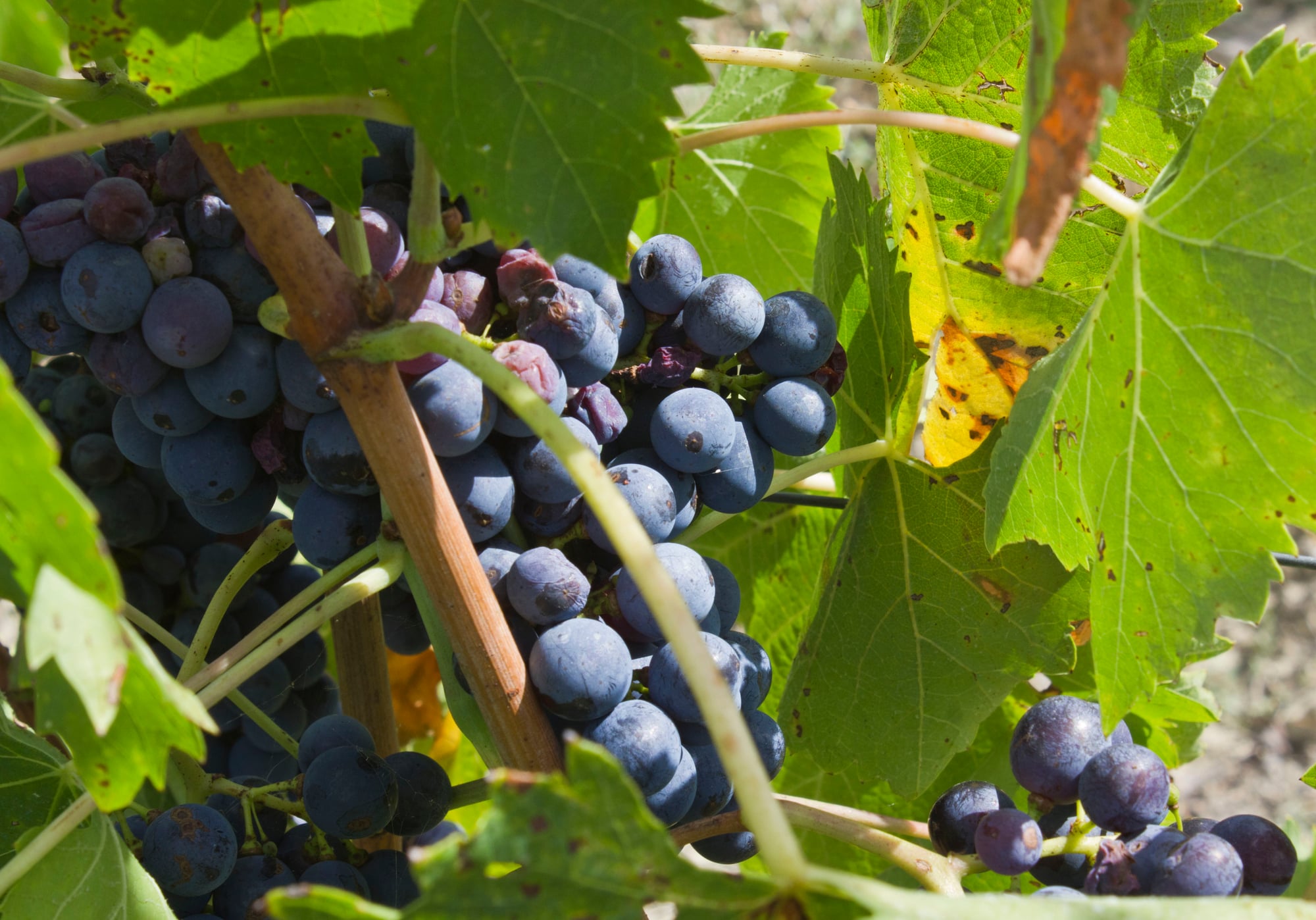
In the end, the phylloxera epidemic that afflicted Europe in the 19th century changed wine production around the world in surprising ways. The remaining areas became priceless stores of the original wine genetics and flavors that were lost elsewhere, even though millions of vines died.
In addition to being historical relics, today’s ungrafted vineyards produce exceptional wines that taste just as their creators intended centuries ago. Through each bottle, these survivor regions give contemporary wine lovers a direct link to the past, serving as a reminder that sometimes the greatest treasures come from the most trying situations.
It’s a liquid testament to the tenacity of nature and human willpower. The next time you taste wine from these resilient regions, you’re experiencing flavors that European winemakers believed were lost forever.
More from Go2Tutors!

- The Romanov Crown Jewels and Their Tragic Fate
- 13 Historical Mysteries That Science Still Can’t Solve
- Famous Hoaxes That Fooled the World for Years
- 15 Child Stars with Tragic Adult Lives
- 16 Famous Jewelry Pieces in History
Like Go2Tutors’s content? Follow us on MSN.