20 Photos Of 70s Home Decor That Explain a Lot
A 1970s living room hits you fast, showing how memory tugs in opposite directions. Bold shades fill the space while texture climbs every surface, since quiet tones seldom make an appearance.
Comfort ruled back then, along with trial and error, plus choices in layout that now seem sweet yet unbalanced. That era wore its confidence openly, leaving behind rooms that charm even as they overwhelm.
Here’s a closer look at 20 photos of 70s home decor that explain a lot about the era’s taste, priorities, and personality.
The Sunken Conversation Pit
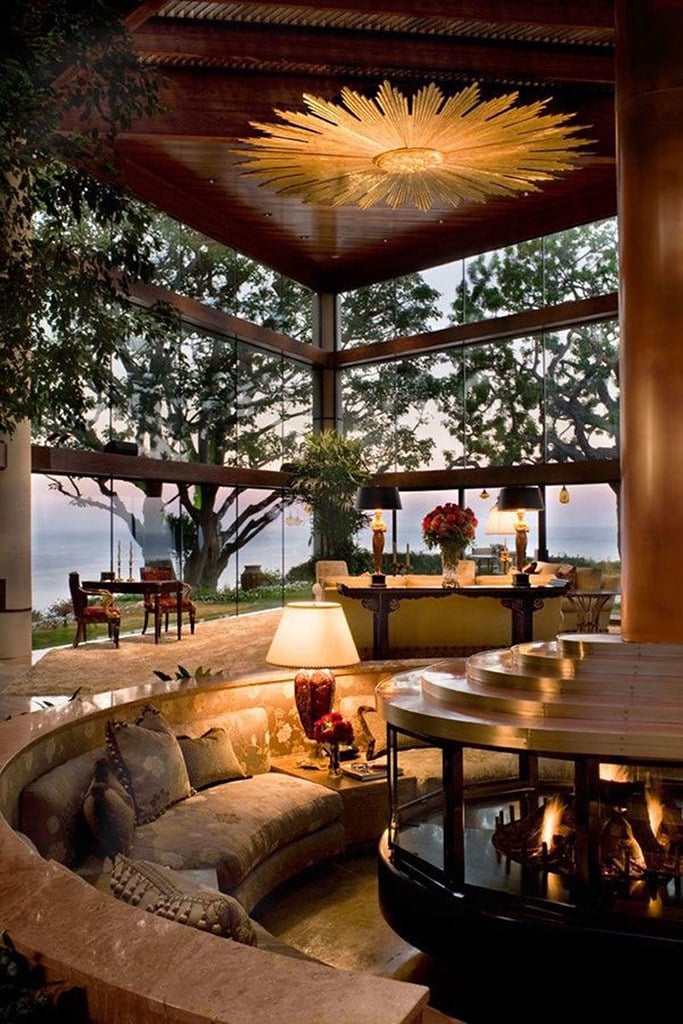
One iconic image from the 70s shows a living room literally dropped into the floor. The sunken conversation pit, often lined with plush cushions, created an intimate social space framed by higher surrounding floors.
The design reflected a cultural shift toward informal gatherings and laid-back entertaining. It made lounging the focal point of the room.
Looking at those photos now, it becomes clear why the decade prized comfort over formality.
Wall-to-Wall Shag Carpet
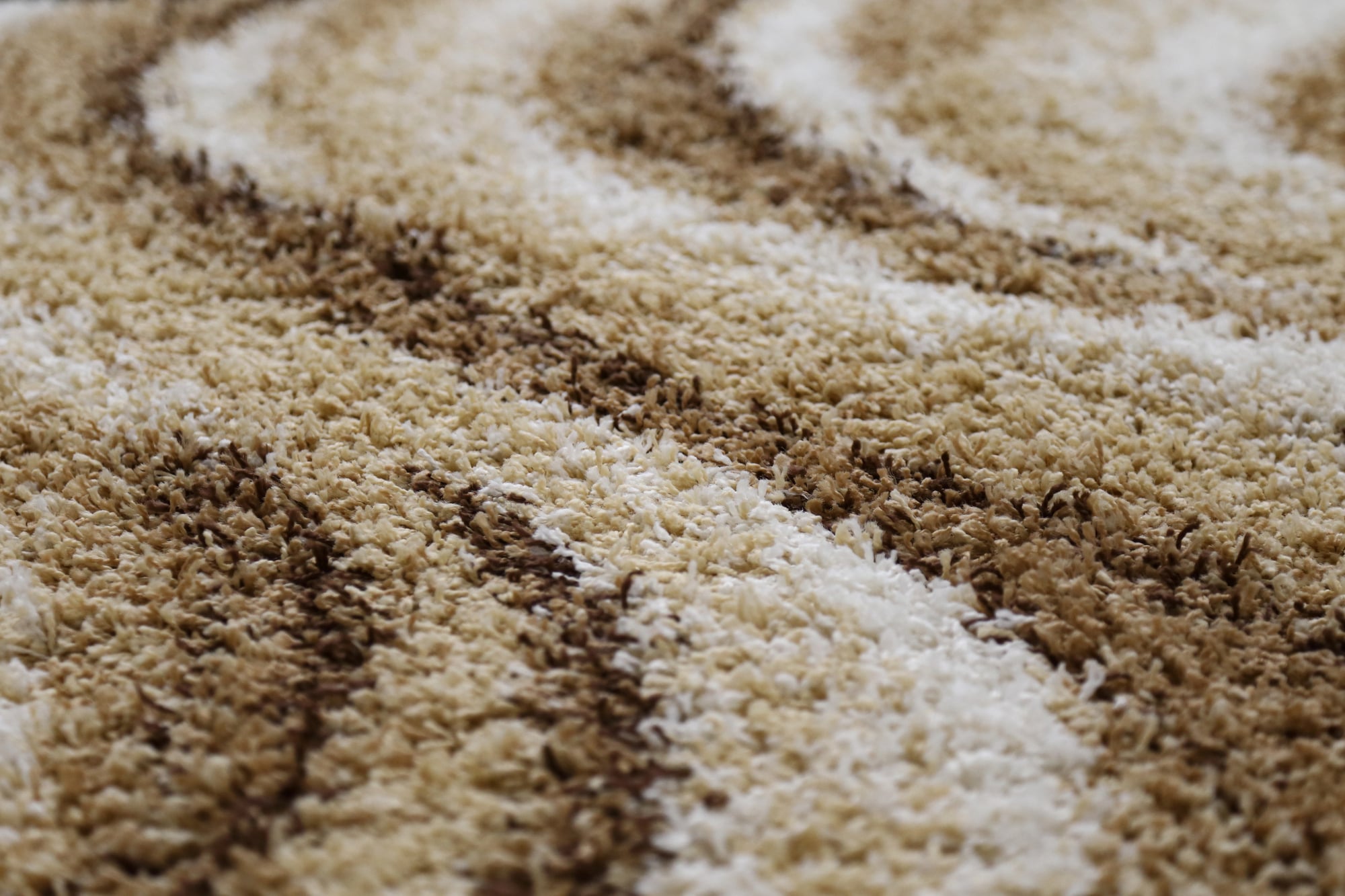
Few textures define the 70s like shag carpet. Photos from the era reveal thick, high-pile flooring in shades of avocado, rust, and deep brown stretching from wall to wall.
The carpet softened rooms visually and physically. It also required heroic vacuuming efforts.
The commitment to texture over practicality explains both its popularity and eventual disappearance.
Avocado Green Kitchens
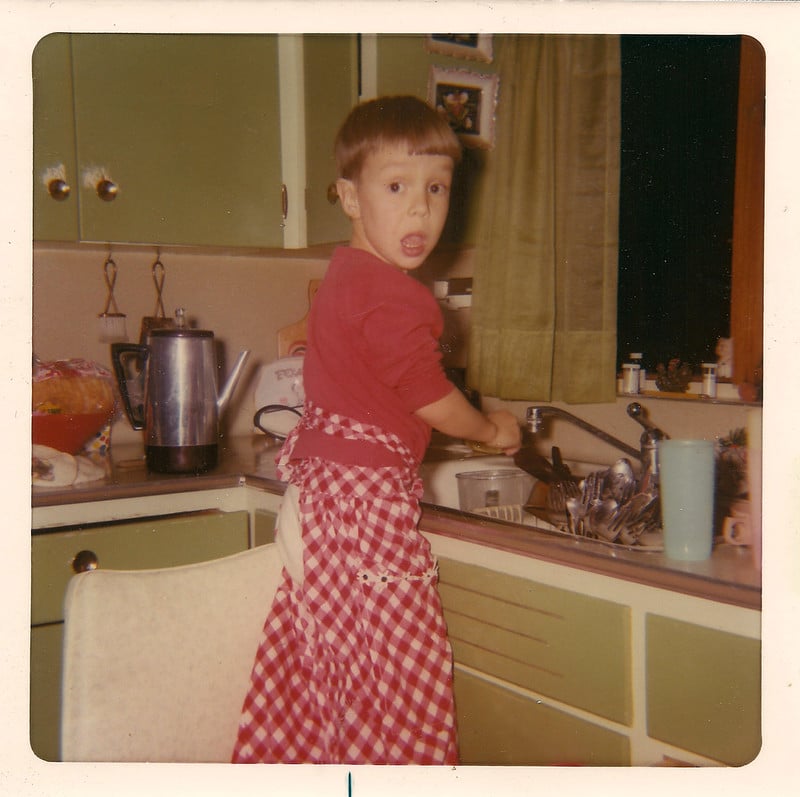
In countless photographs, kitchen appliances glow in shades of avocado green or harvest gold. Refrigerators, ovens, and dishwashers often matched perfectly.
Color coordination extended beyond cabinets and walls into major appliances. The look feels unapologetically bold.
It suggests a time when blending in was less important than making a statement.
Wood Paneling Everywhere
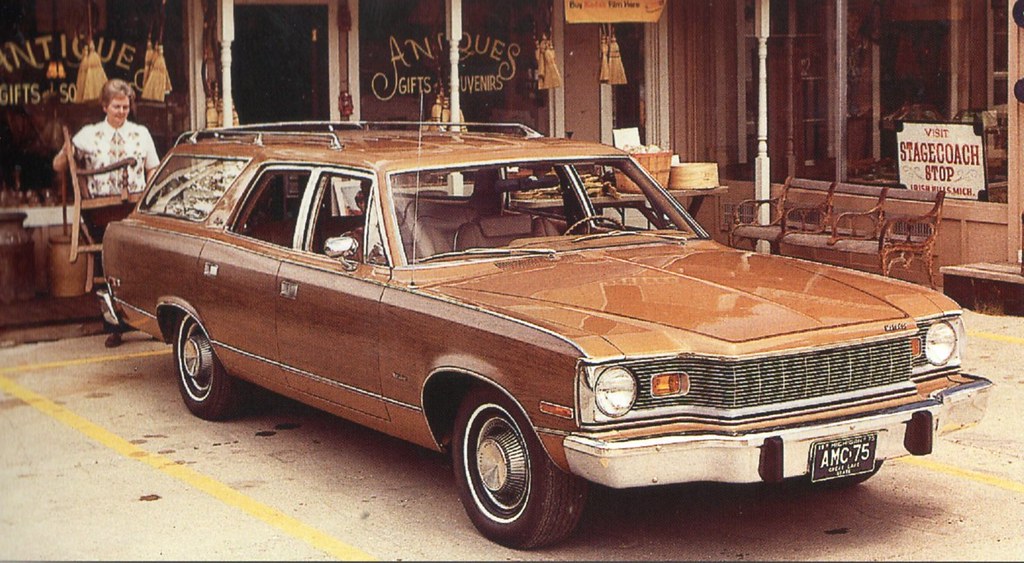
Images of 70s dens often reveal entire walls wrapped in dark wood paneling. The effect was cozy but sometimes cave-like.
The paneling created warmth and a sense of rustic charm. It also absorbed light, giving rooms a dim, intimate atmosphere.
That aesthetic choice says a lot about the era’s preference for mood over brightness.
The Macramé Wall Hanging
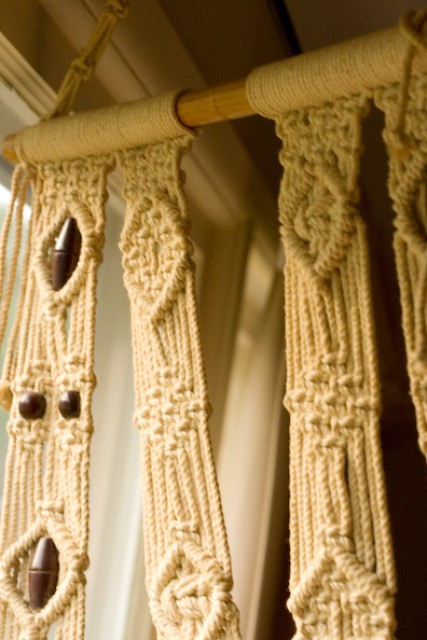
Photos from the decade frequently feature intricate macramé pieces hanging proudly on walls. Handmade decor reflected the era’s embrace of crafts and natural materials.
These woven designs added texture and visual interest. They also symbolized a growing appreciation for DIY culture and bohemian influence in mainstream homes.
Floral Patterned Sofas
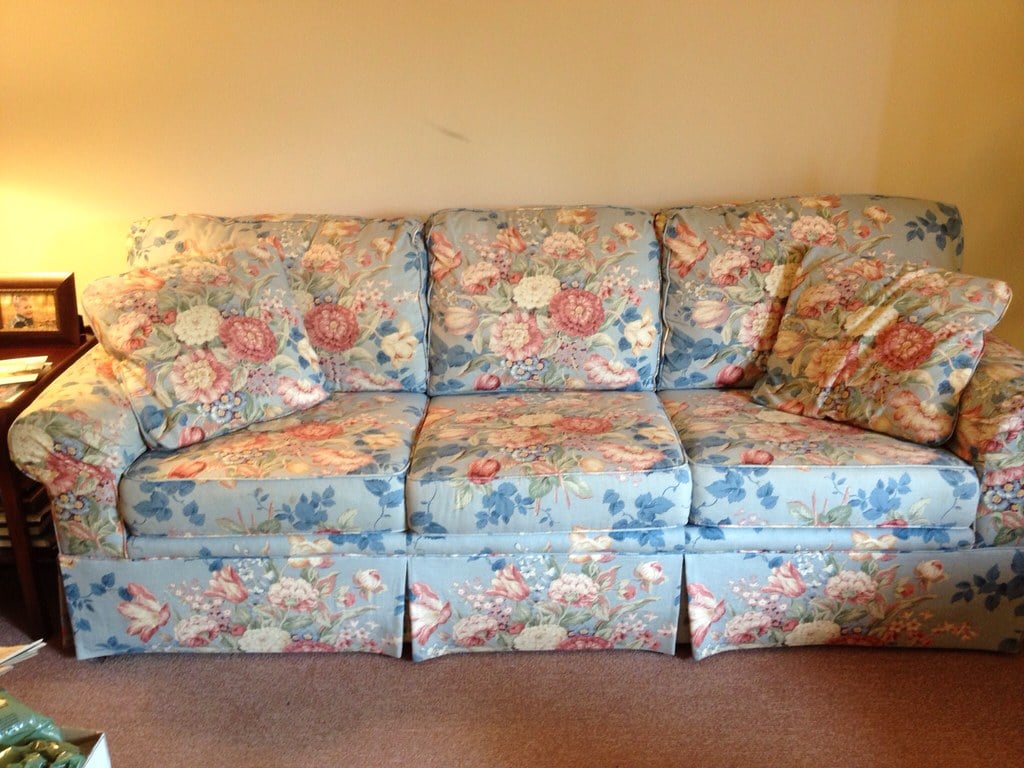
Sofas in the 70s rarely came in solid neutrals. Instead, they boasted oversized floral prints in earthy tones.
Photographs show living rooms where patterns dominated. The bold upholstery anchored spaces and became a conversation piece in its own right.
It was furniture that refused to fade quietly into the background.
Beaded Doorways
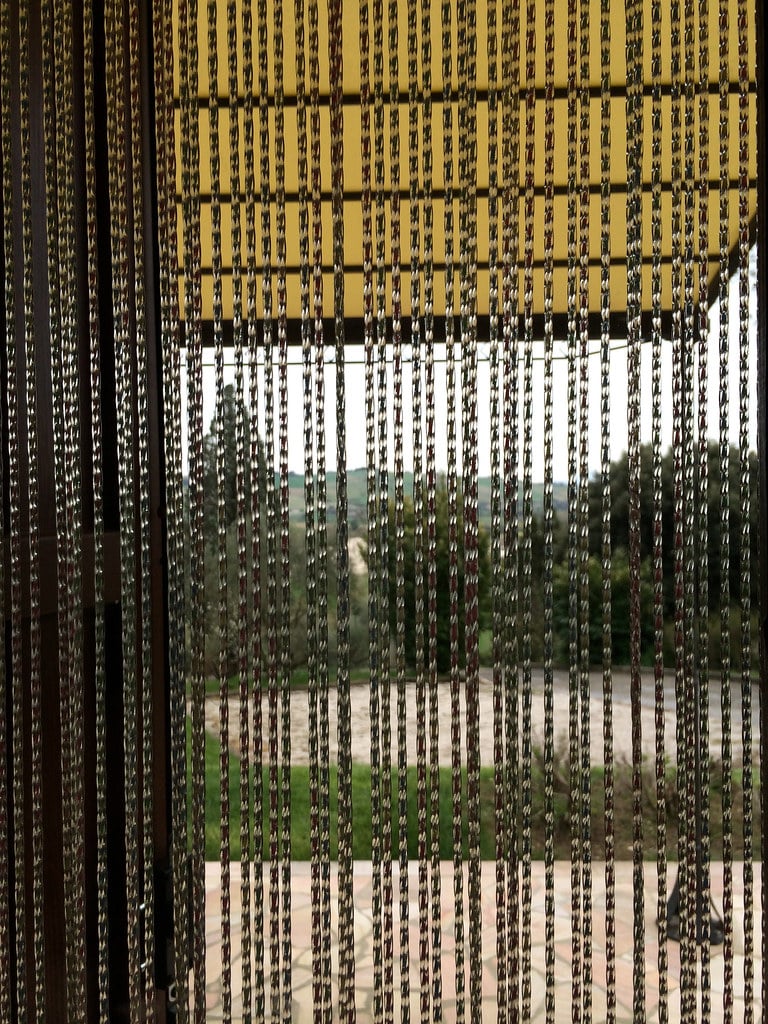
Doorways in some 70s homes featured hanging bead curtains instead of solid doors. Photos capture strands of wood or plastic beads forming semi-transparent partitions.
The look reflected a relaxed, free-spirited aesthetic. It blurred the line between rooms without fully separating them.
Privacy took a back seat to the atmosphere.
Orange And Brown Color Palettes
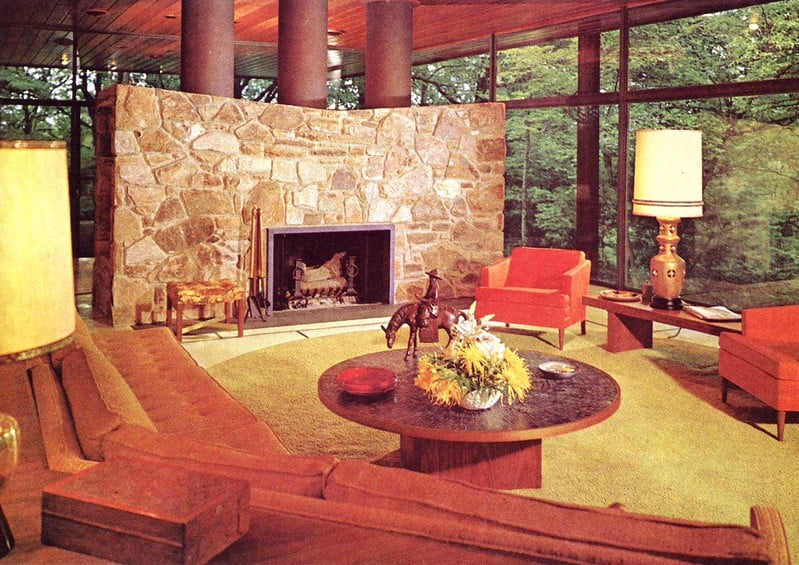
Few color combinations are as associated with a decade as orange and brown are with the 70s. Photographs show entire rooms drenched in these warm tones.
The palette evoked earthiness and connection to nature. It also created interiors that feel instantly identifiable decades later.
Hanging Egg Chairs
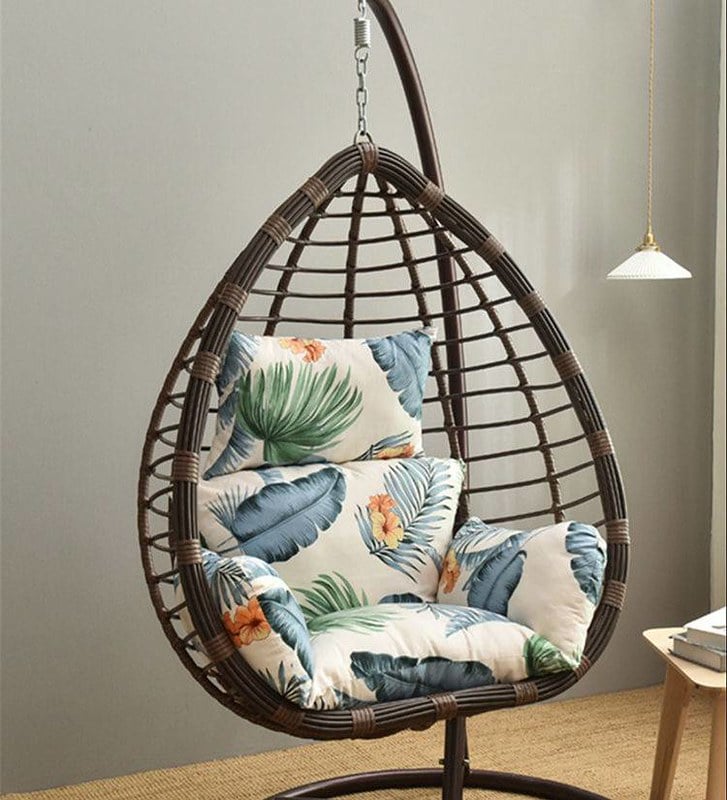
Images of 70s interiors often include hanging egg chairs suspended from ceilings or metal stands. These sculptural seats added drama and whimsy.
The design invited curling up with a book or simply swaying gently. It embodied the era’s blend of futuristic optimism and relaxed comfort.
Mirrored Walls
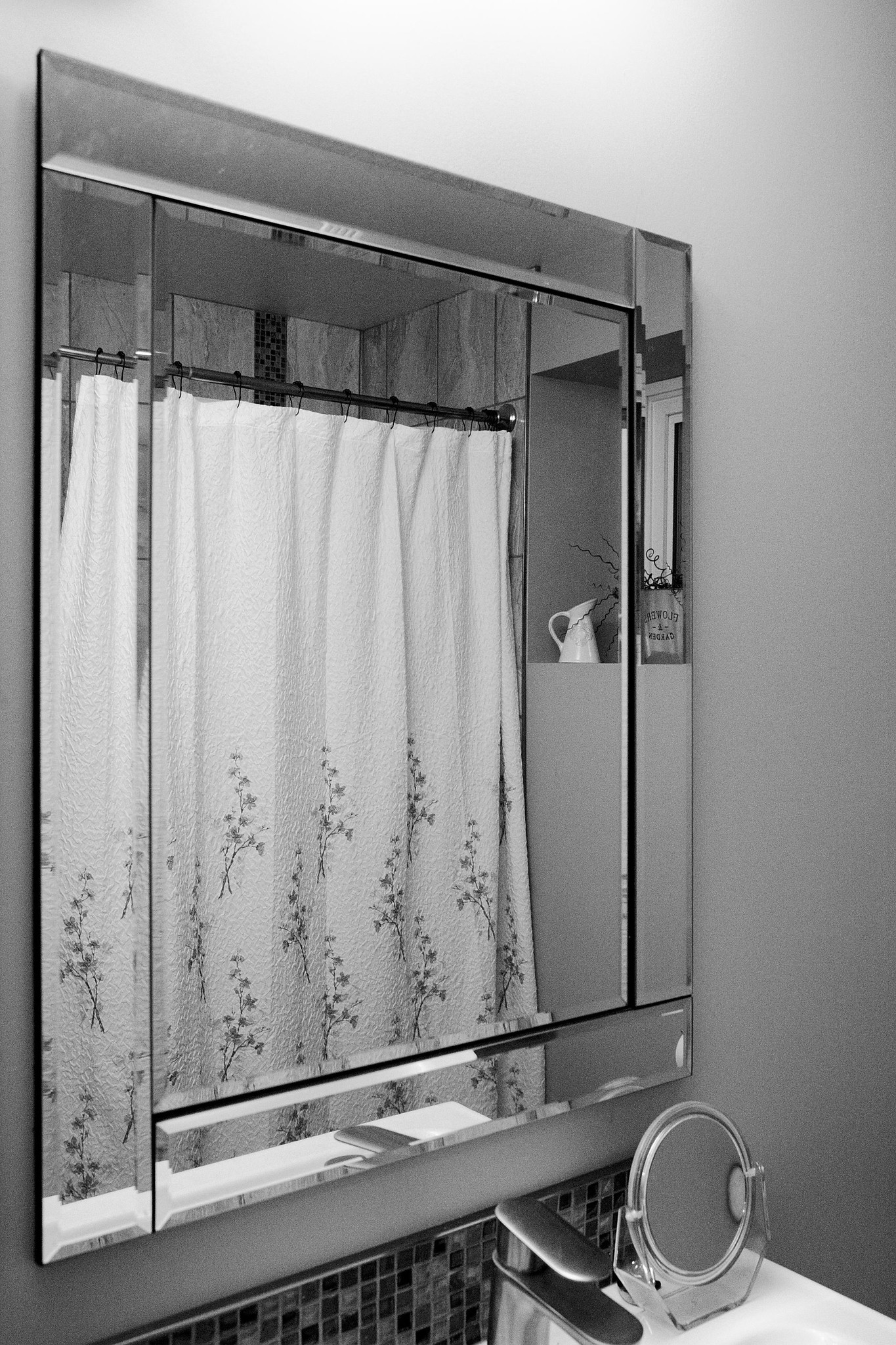
Some 70s homes leaned into mirrored walls to make spaces appear larger. Photographs reveal entire dining rooms or living rooms lined with reflective panels.
The mirrors amplified light and doubled visual clutter at the same time. The effect feels both glamorous and slightly overwhelming.
Popcorn Ceilings
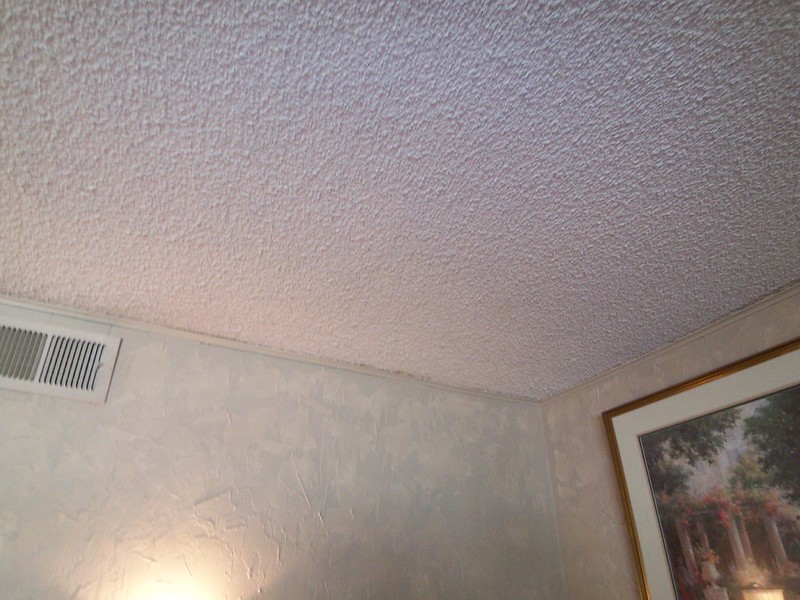
Textured ceilings, commonly called popcorn ceilings, appear in countless images from the period. The stippled finish added dimension overhead.
Though practical for hiding imperfections, the look became synonymous with mid-century and 70s construction. It is a detail that quietly anchors many vintage photos in time.
Rattan And Wicker Furniture
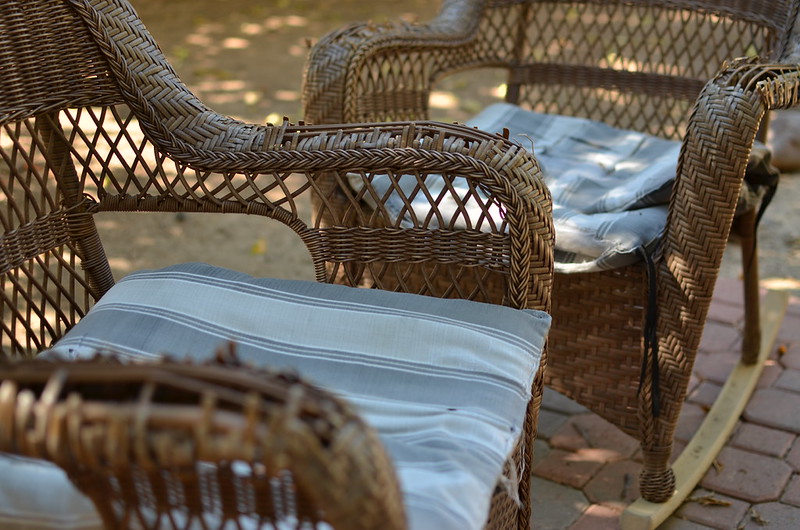
Natural materials surged in popularity, and rattan or wicker chairs frequently appear in 70s decor photographs. These pieces added lightness to rooms dominated by darker tones.
The mix of earthy furniture and bold color created layered spaces. It signaled a desire to bring elements of the outdoors inside.
Built-In Stereo Consoles
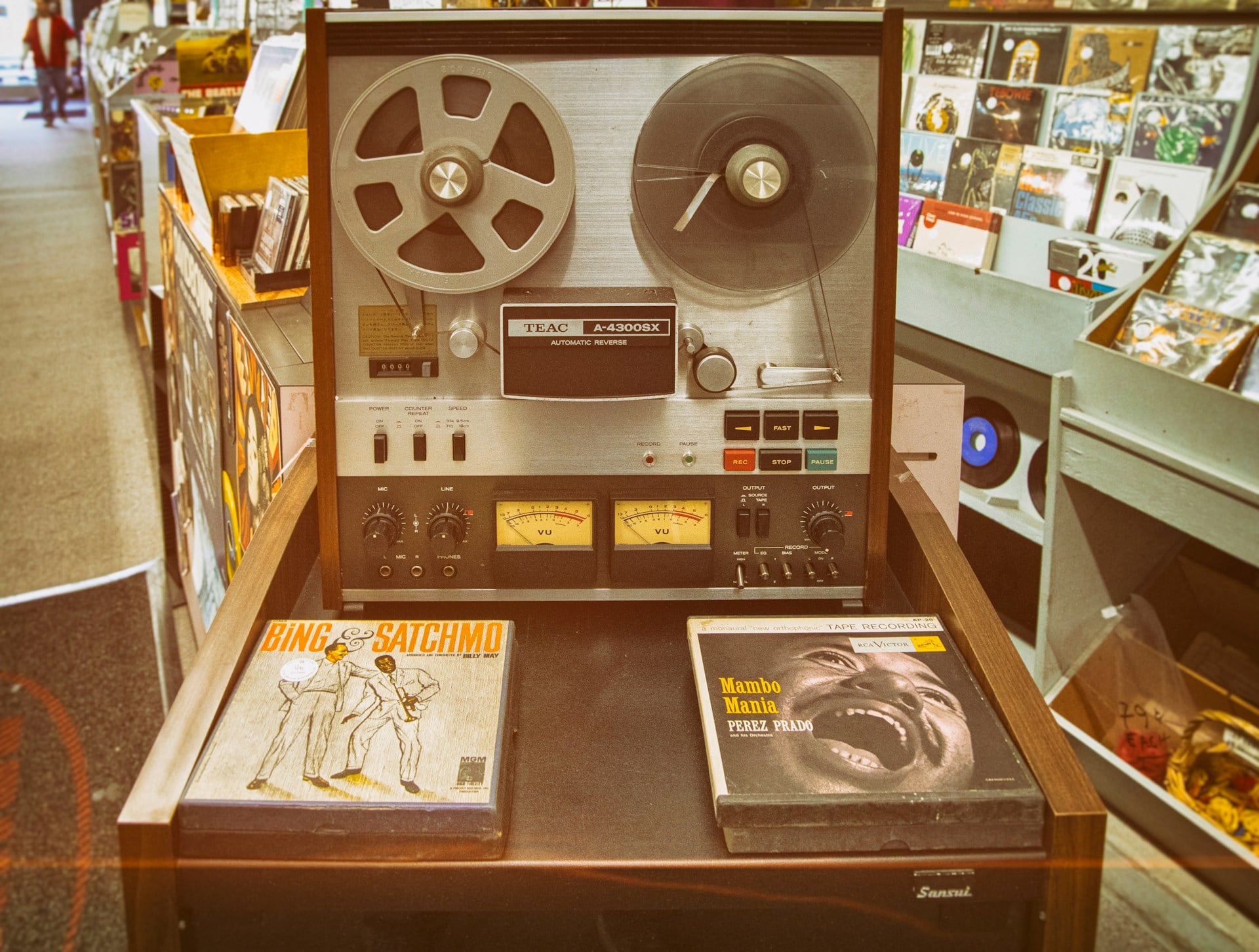
Before compact electronics, large wooden stereo consoles anchored living rooms. Photos show families gathered around these statement pieces.
The console served as both an entertainment center and furniture. Music was an event, and the hardware reflected that importance.
Geometric Wallpaper
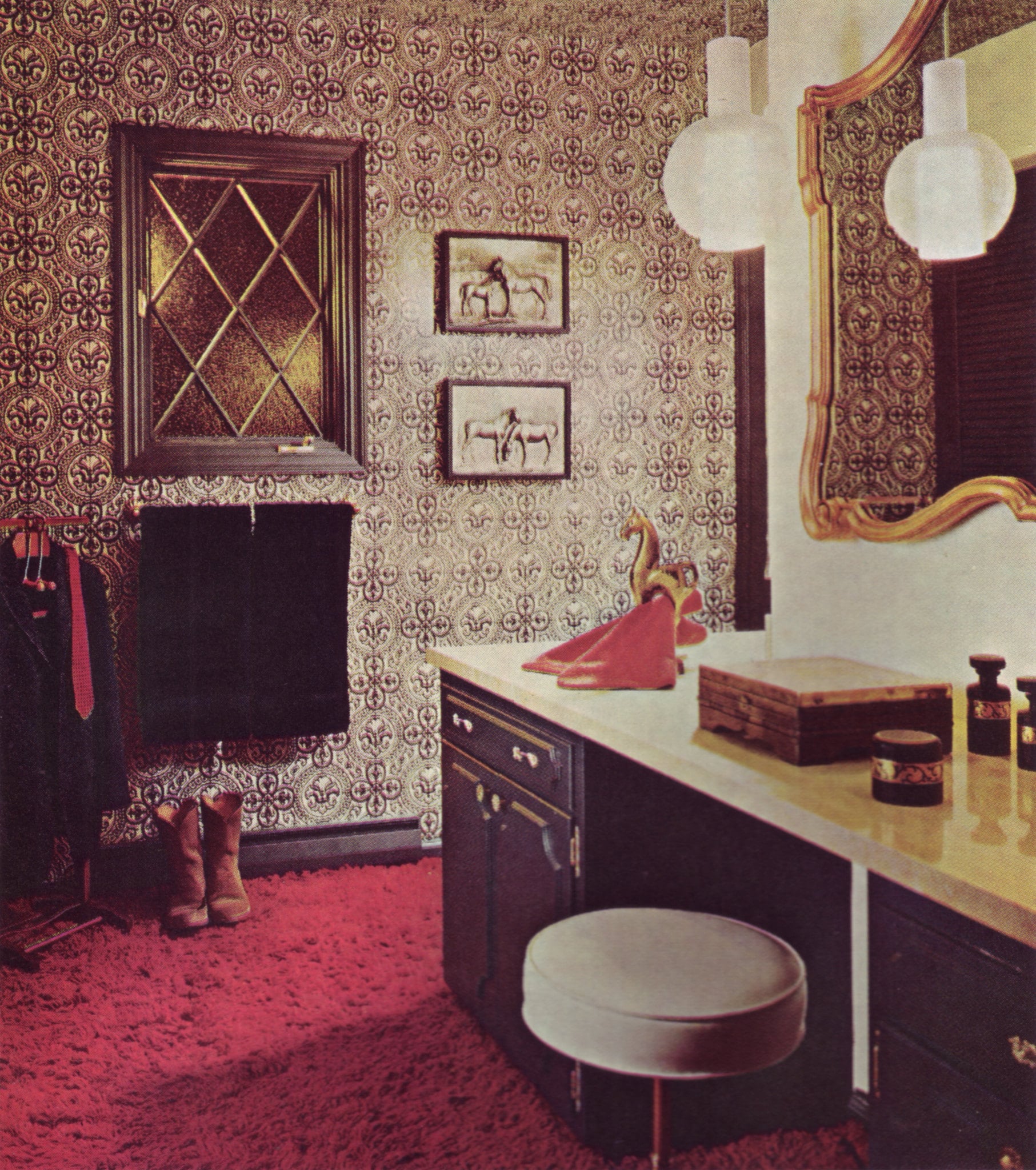
Walls in the 70s were rarely left plain. Bold geometric patterns in repeating shapes covered entire rooms.
The designs could feel hypnotic, especially in small spaces. They reflect a decade unafraid of visual intensity.
Lava Lamps On Side Tables
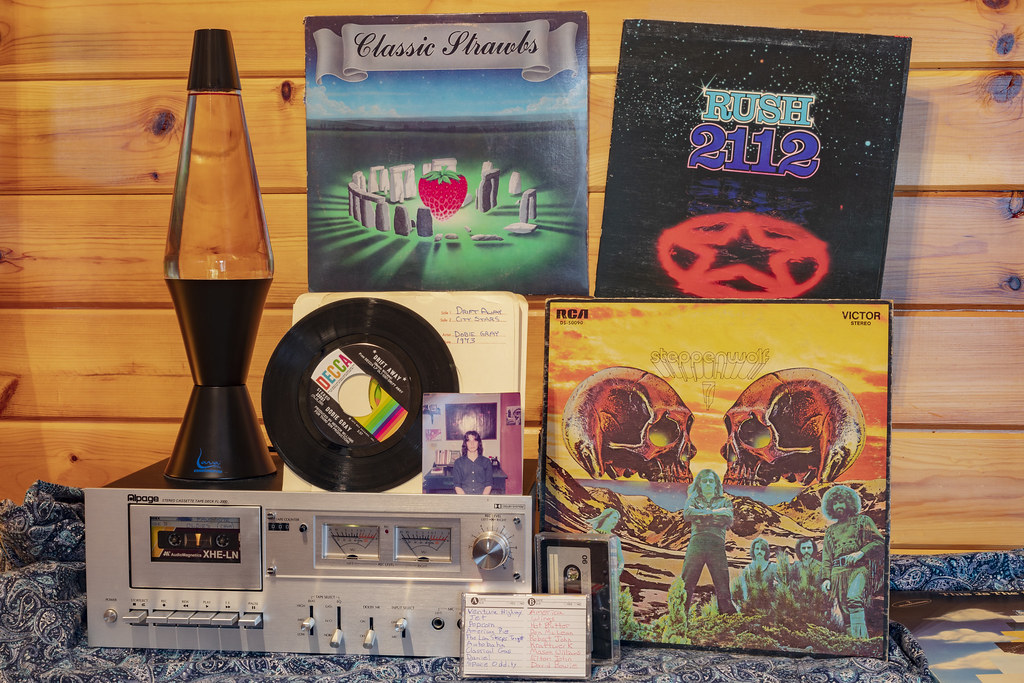
Few objects scream 70s more clearly than the lava lamp. Photographs capture their glowing, liquid forms sitting on end tables beside shag-covered sofas.
The lamps offered mood lighting with a psychedelic twist. They turned simple illumination into a visual spectacle.
Houseplants In Every Corner
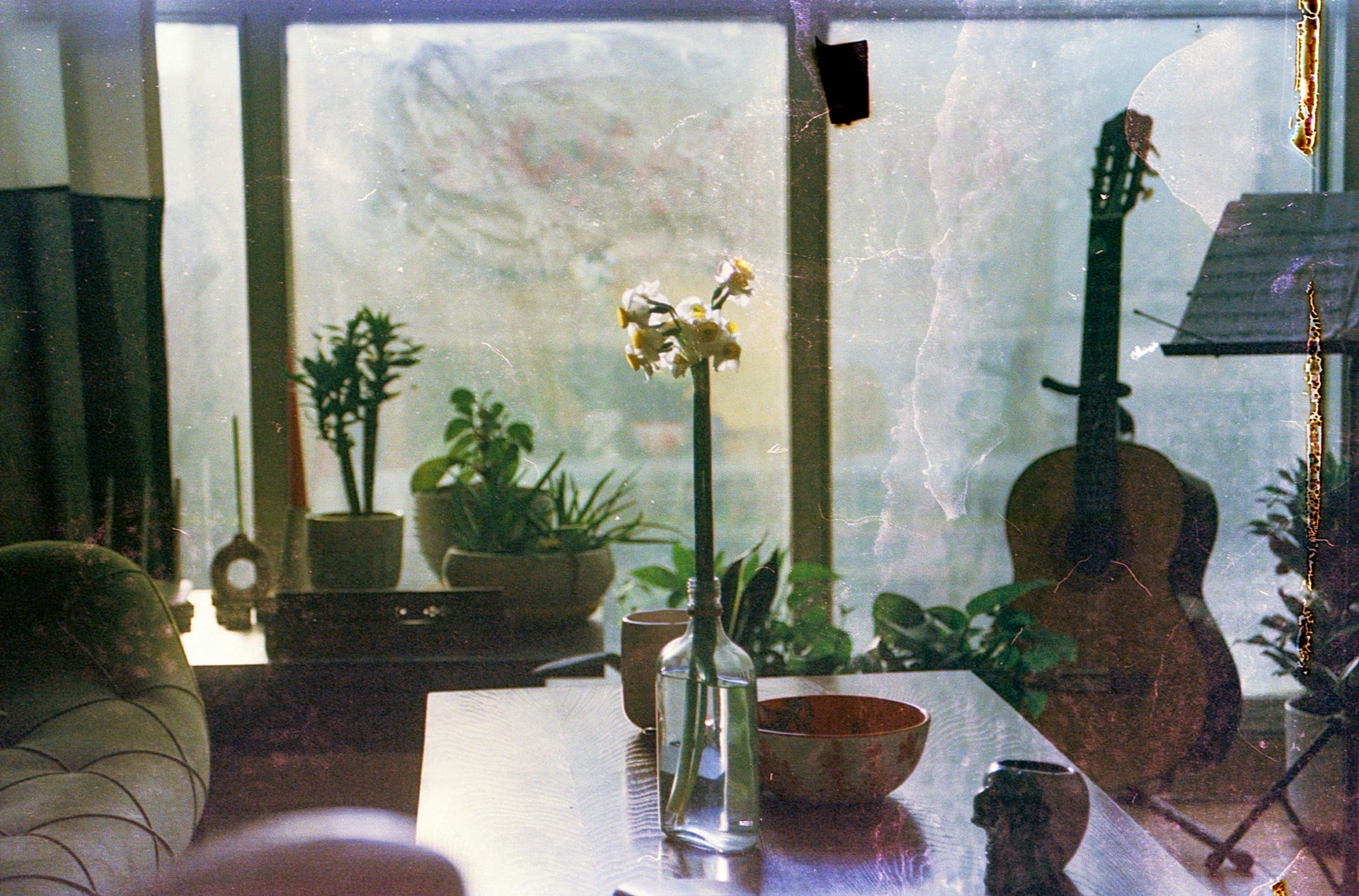
Photos from the era frequently show trailing vines, large ferns, and potted palms filling rooms. Plants were not accent pieces.
They were design essentials. The greenery softened heavy textures and bold colors.
It reinforced the decade’s fascination with natural themes.
Conversation-Starting Coffee Tables
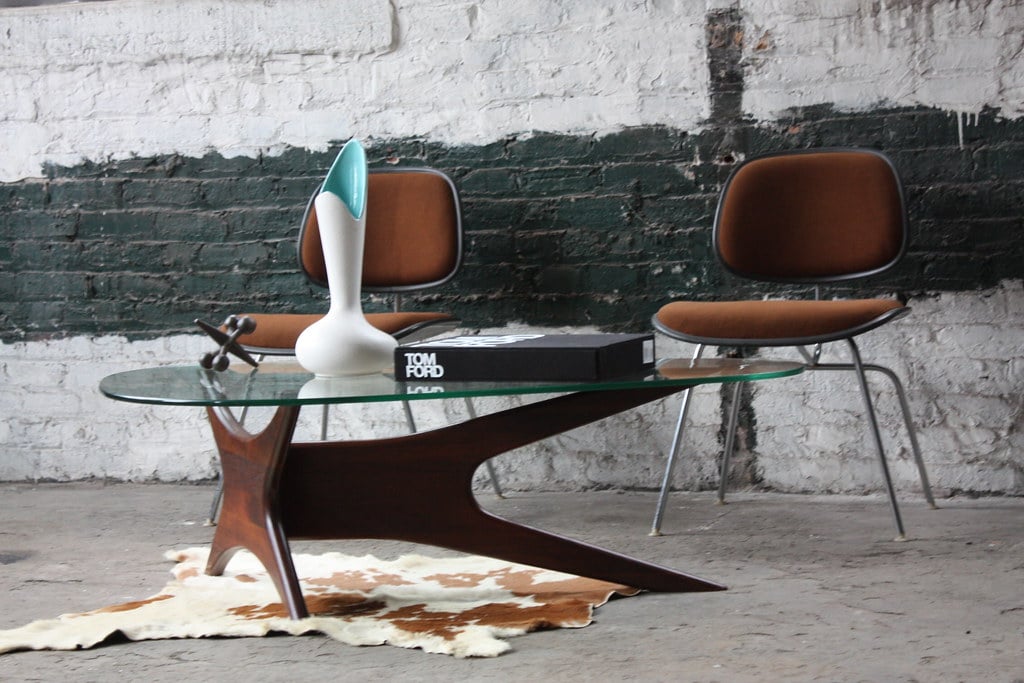
Glass-topped tables with sculptural bases appear often in 70s interiors. Some featured stone, chrome, or abstract forms.
The coffee table was not just functional. It was part of the aesthetic performance.
Rooms were designed to be talked about.
Statement Lighting Fixtures
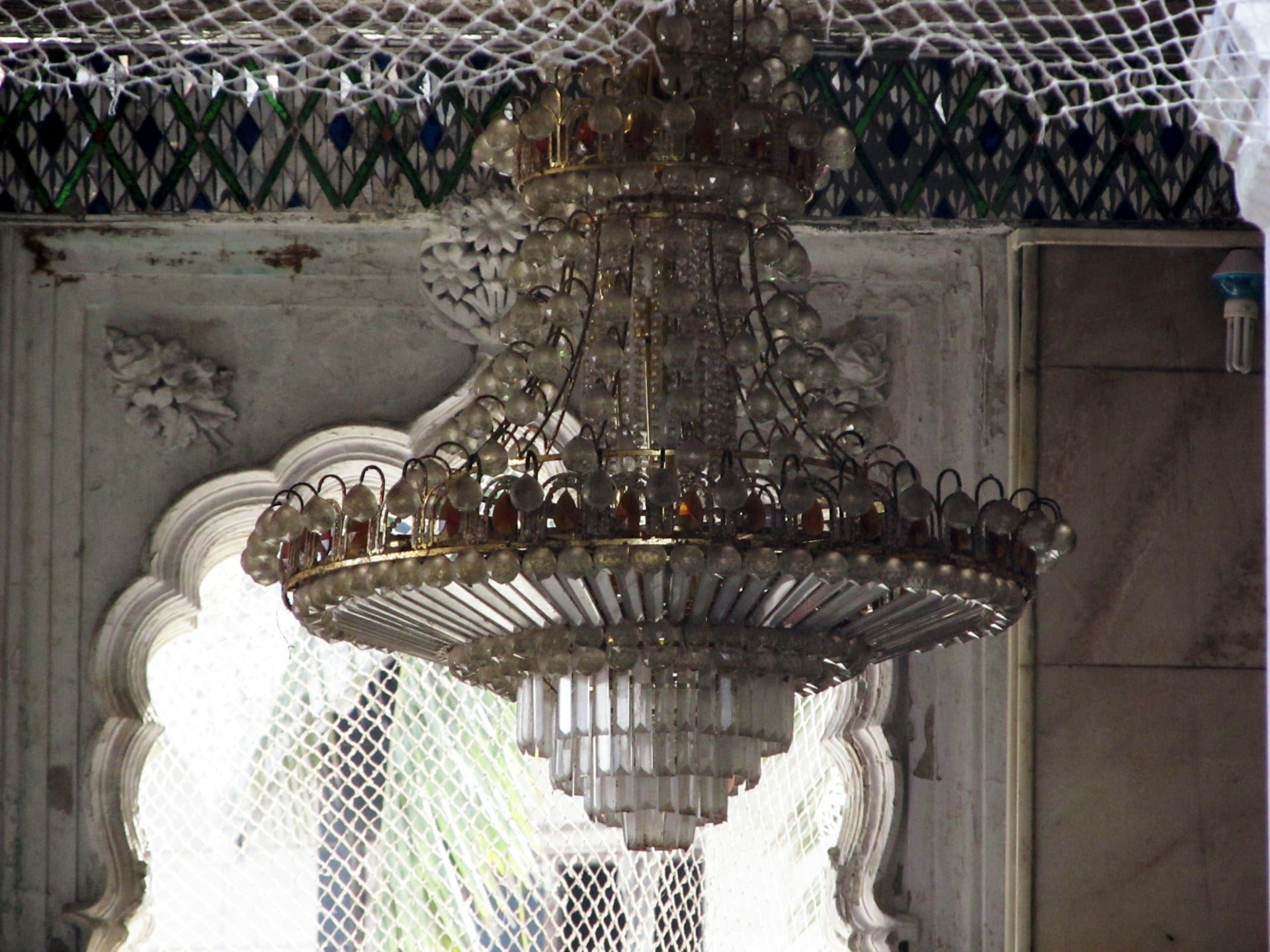
Large pendant lights and dramatic chandeliers feature prominently in photographs. Many hang low over dining tables, creating focused pools of light.
The fixtures doubled as art pieces. Lighting was deliberate and often bold rather than subtle.
Earth-Toned Bathrooms
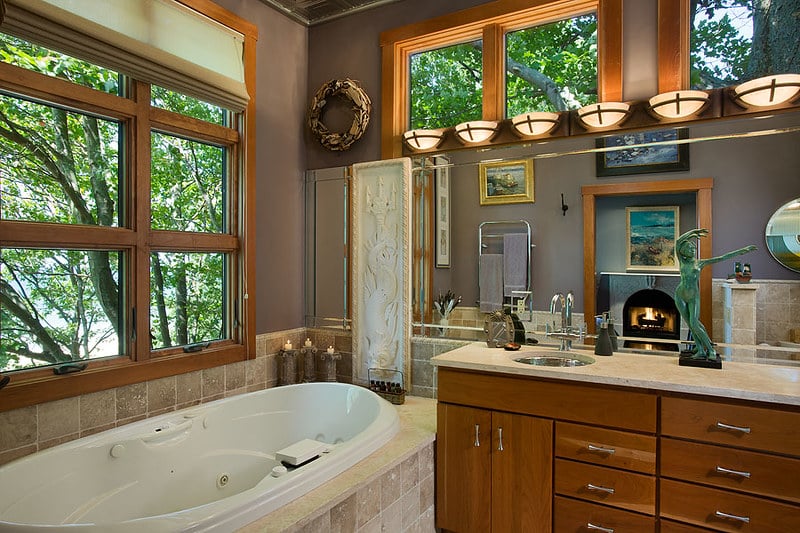
Even bathrooms embraced earthy palettes. Photos reveal sinks, tubs, and tile in shades of beige, brown, and sometimes muted green.
The uniformity of color created cohesive but unmistakably dated spaces. It is a look instantly tied to the decade.
Open Shelving Displays
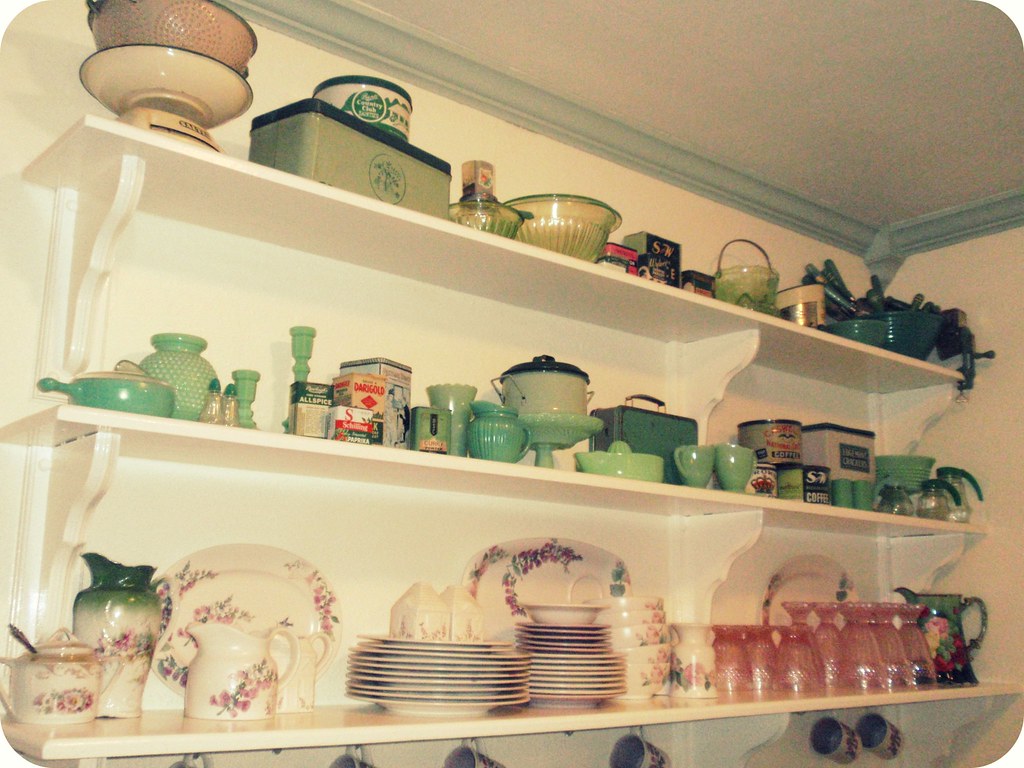
Living rooms and dens often featured open shelving packed with ceramics, books, and decorative objects. Photographs show carefully curated but densely arranged displays.
The shelves reflected personality and taste. Minimalism had not yet entered mainstream design vocabulary.
Why It All Makes Sense Now
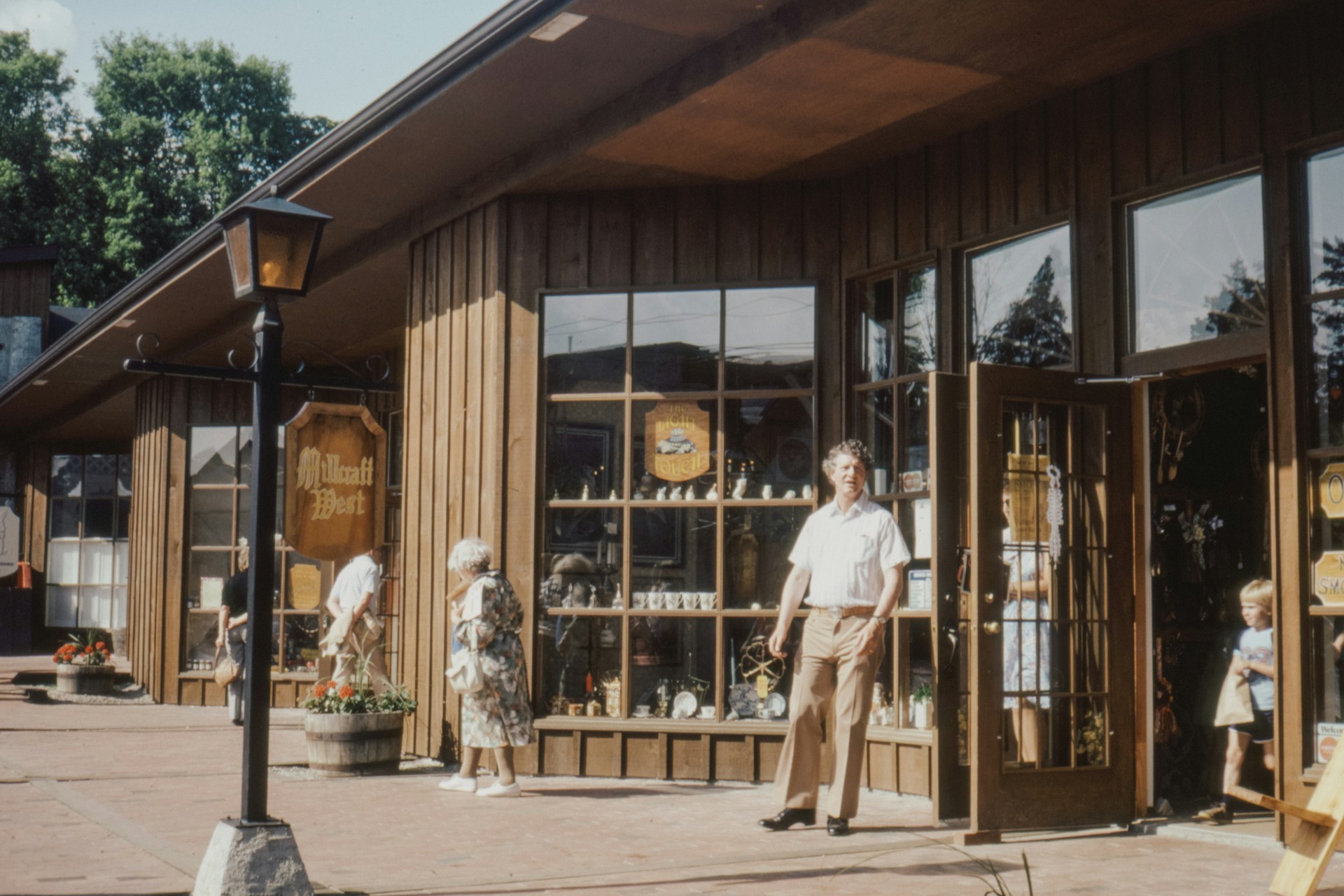
Those photos help explain 70s interiors a bit better now. Comfort mattered most, along with personal flair, rather than holding back.
Texture played a big role, felt more important than sleekness. Rooms were built for real life, not just neat appearances.
Home styles today keep bouncing back and forth – sometimes clean and bare, sometimes loud with old-school flair. The wild look of the 1970s shows how much we lean on memories when shaping rooms.
Even under thick rugs and bulky green fridges, there’s proof: each generation shouts who they are through walls and floors.
More from Go2Tutors!

- The Romanov Crown Jewels and Their Tragic Fate
- 13 Historical Mysteries That Science Still Can’t Solve
- Famous Hoaxes That Fooled the World for Years
- 15 Child Stars with Tragic Adult Lives
- 16 Famous Jewelry Pieces in History
Like Go2Tutors’s content? Follow us on MSN.