20 Photos Of the Worst Blizzards in US History
Snow is one of those things that looks beautiful from a warm window but turns deadly fast when it comes in the wrong amounts. The United States has seen some truly brutal winter storms over the centuries, storms that buried cities, stopped trains, and left entire states frozen solid for days.
Some of these blizzards happened before cameras were common, but the ones that were captured on film tell a story that words alone cannot fully explain. Here is a look at 20 of the most jaw-dropping blizzard photos in American history, each one a frozen snapshot of nature doing its absolute worst.
The Great Blizzard Of 1888

This storm hit the East Coast in March 1888 and buried New York City under more than 50 inches of snow. The photos from this event show streets that look like narrow white canyons, with drifts taller than the people standing next to them.
More than 400 people died, and the city was completely paralyzed for days. It was this very storm that pushed New York to build its subway system underground, because elevated trains were completely useless in conditions like these.
The Schoolchildren’s Blizzard Of 1888

Just two months before the East Coast storm, a different blizzard hit the Great Plains on January 12, 1888. This one is especially haunting because it arrived without warning on a mild morning while children were walking to school.
Photos from surviving records show vast, flat landscapes completely swallowed by white. Around 235 people died, many of them children caught outside with no shelter in sight.
The Knickerbocker Storm Of 1922

Washington, D.C. rarely gets hammered by snow, but 1922 was an exception. A massive snowfall on January 28 dumped about 28 inches on the city in a single day.
The most remembered image from this storm is the collapsed roof of the Knickerbocker Theatre, which buckled under the weight of the snow during a film screening and killed 98 people. The photos of that roof are grim, but they capture just how heavy and destructive a serious snowfall can be.
The Armistice Day Blizzard Of 1940

November 11, 1940 started warm enough that duck hunters across the Midwest went out in shirt sleeves. By afternoon, a violent blizzard had descended, and temperatures dropped more than 50 degrees in just a few hours.
Photos from Minnesota and Wisconsin show landscapes that shifted from autumn to deep winter in a matter of hours. At least 154 people died, including dozens of those hunters who had no winter clothing with them.
The Appalachian Storm Of 1950
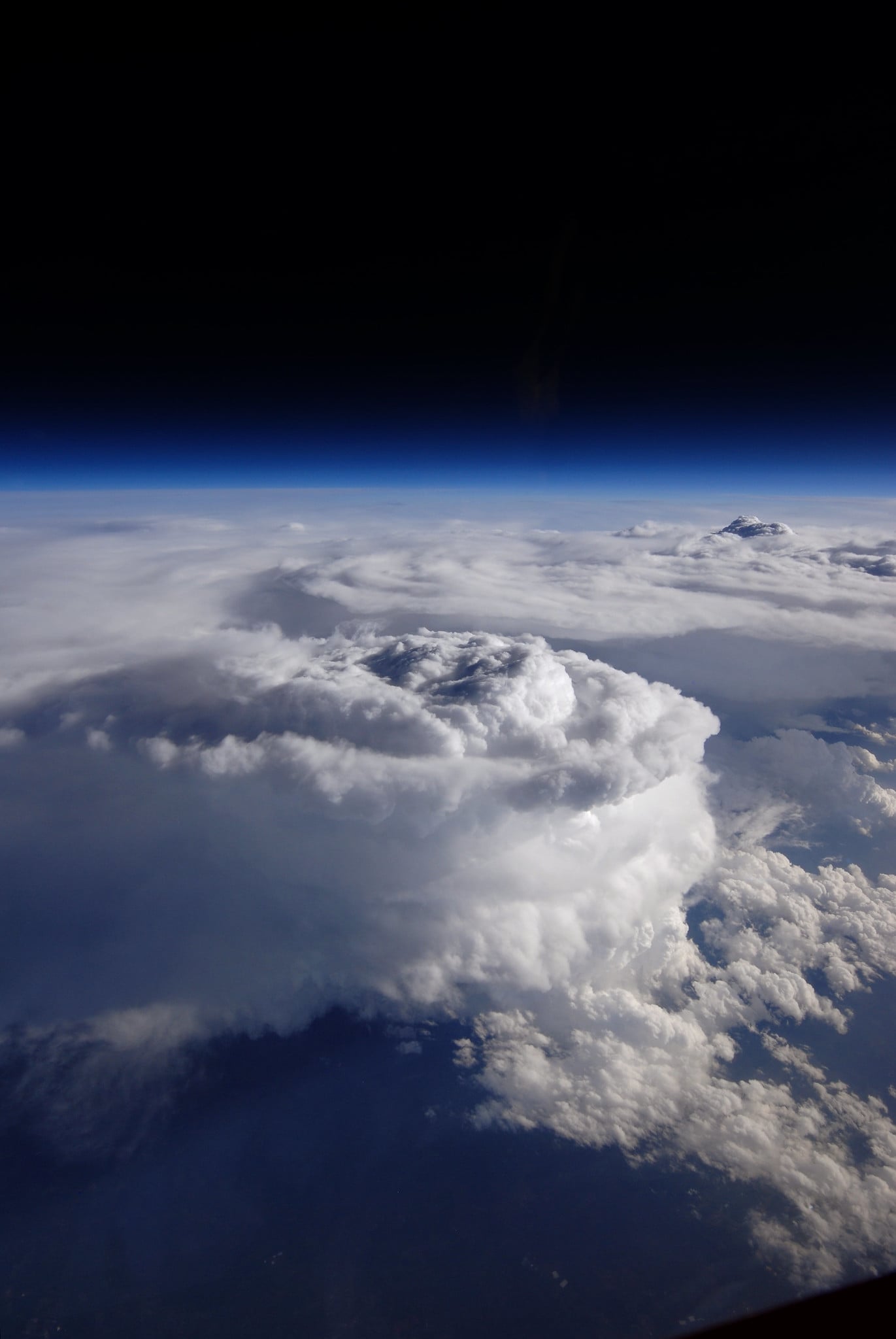
Covering a huge stretch of the eastern United States, this storm hit in November 1950 and is sometimes called the ‘Storm of the Century’ of its time. Photos show towns across West Virginia, Virginia, and Ohio buried under several feet of snow, with cars and entire neighborhoods nearly invisible.
More than 350 people died across the region. The sheer size of the storm made rescue efforts incredibly difficult because so many areas were cut off at once.
The Great Atlantic Storm Of 1958

A slow-moving storm swept up the East Coast in February 1958 and dropped record amounts of snow across multiple states. Photos from Virginia and the Carolinas show areas that almost never see serious snow completely overwhelmed.
The storm killed around 500 people across its path and disrupted transportation for nearly a week. Some of the most striking images show cars completely buried on highways, with only antennas or rooftops visible above the white.
The Chicago Blizzard Of 1967
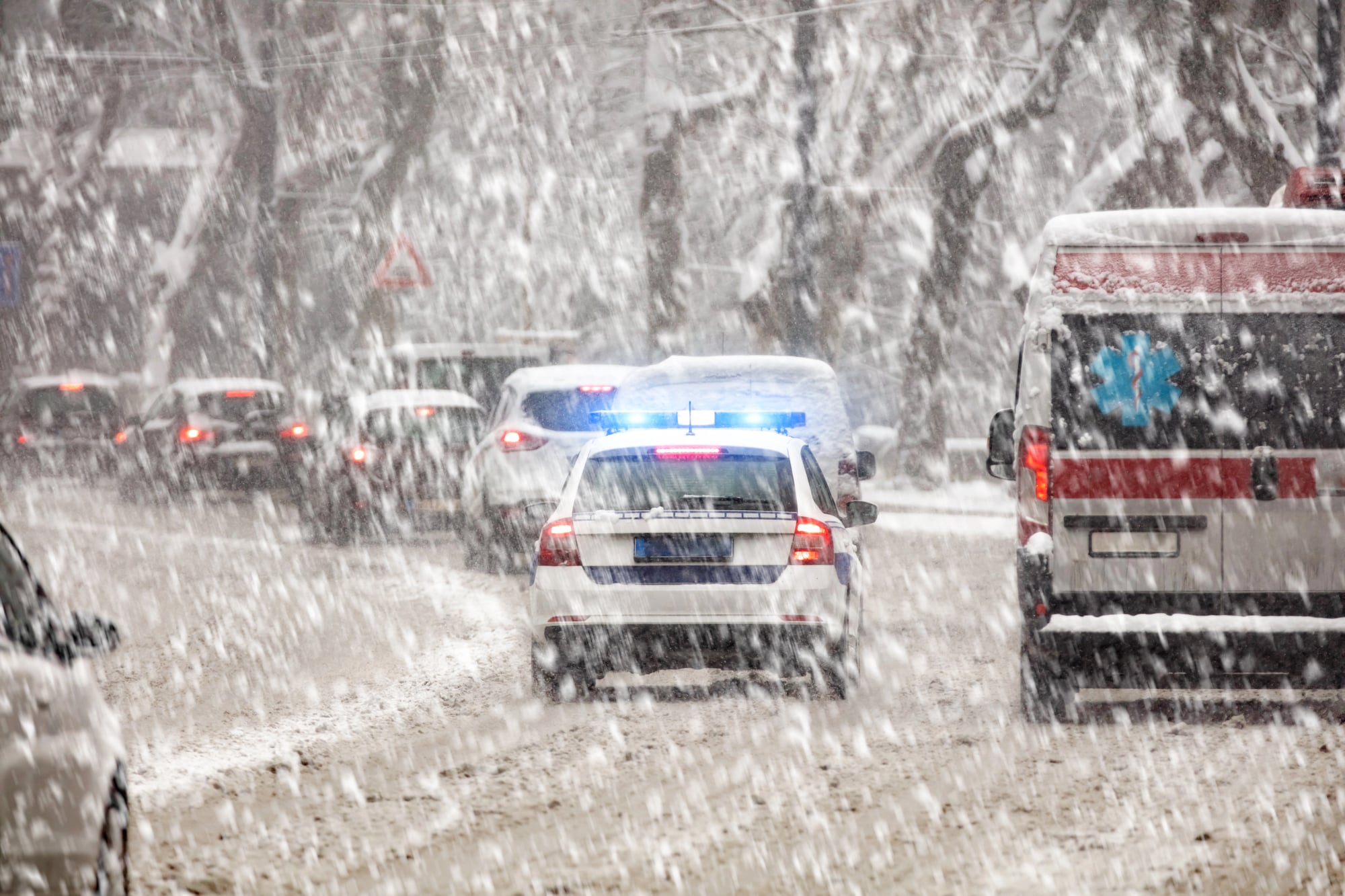
Chicago calls itself a tough city, and it is, but the blizzard of January 1967 brought it to its knees. About 23 inches of snow fell in a single day, and photos from the city show buses stuck mid-street, elevated trains stalled on their tracks, and entire neighborhoods that simply stopped moving.
Around 60 people died, and the cleanup took weeks. Mayor Richard J. Daley later said it was the worst day of his time in office.
The ‘Storm Of The Century’ Of 1993
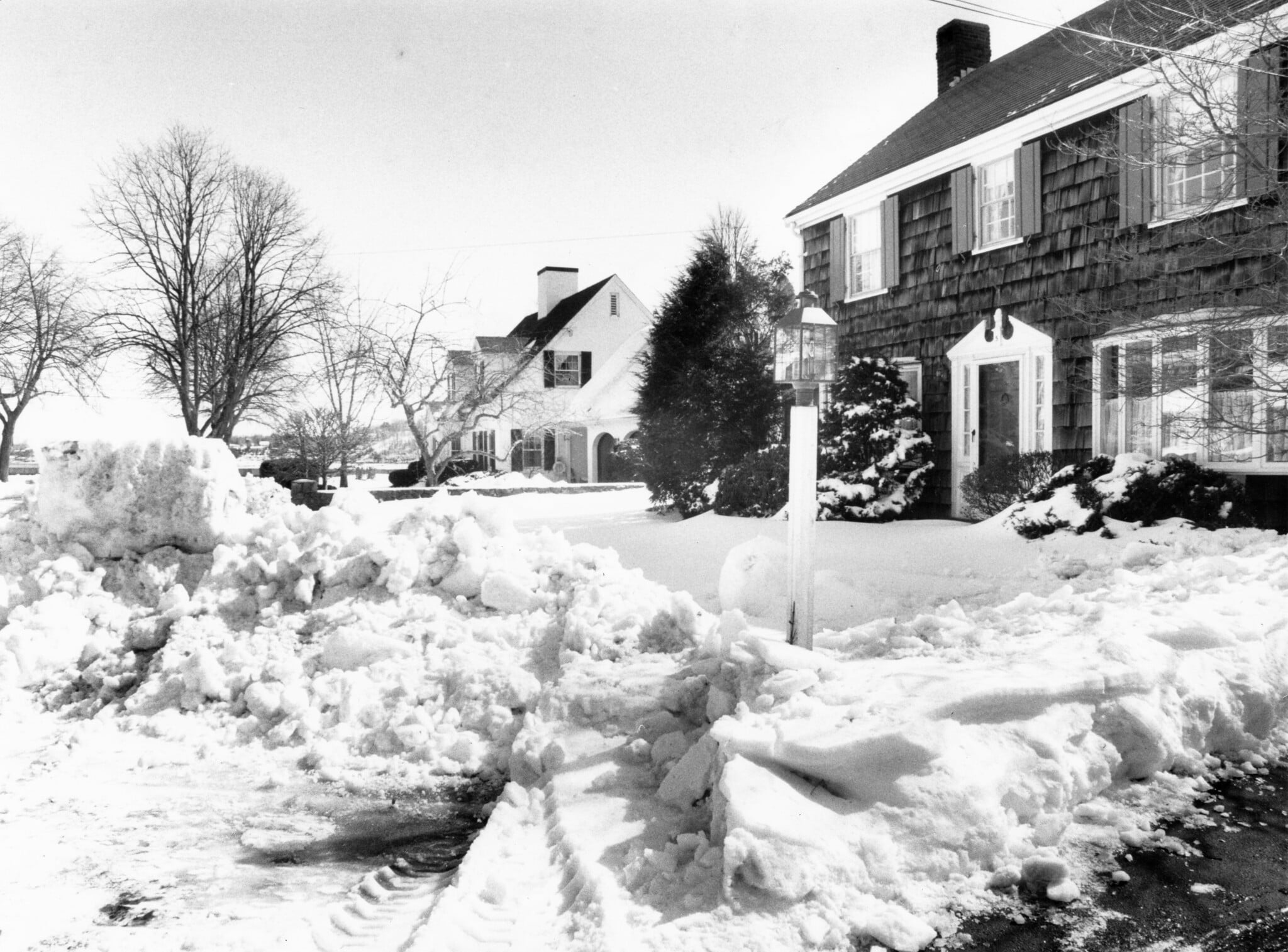
This one earned its nickname honestly. In March 1993, a massive storm stretched from Cuba all the way to Canada, dumping snow across 26 states.
Photos from Georgia, Alabama, and even Florida show snow-covered streets in places that see it maybe once a decade. More than 300 people died, and over 10 million people lost power.
The storm’s sheer reach made it unlike anything the country had seen in modern times.
The Blizzard Of 1996

The eastern United States took a serious hit in January 1996 when back-to-back storms dumped between 2 and 4 feet of snow across the region. Photos from Philadelphia, Baltimore, and Washington show streets buried so deep that fire hydrants were invisible and parked cars looked like snow mounds.
More than 150 people died across the region. The snowmelt that followed caused severe flooding along the Susquehanna and Delaware rivers, adding another layer of disaster to an already tough week.
The North American Ice Storm Of 1998

This one was different because it was not just snow. An ice storm in January 1998 coated everything across northern New England and Canada in thick layers of ice, snapping power lines and bringing down trees by the thousands.
Photos from Maine and Vermont show landscapes that look like glass sculptures, beautiful and completely broken at the same time. About 100 people died and millions were without power for weeks.
Some areas did not have electricity restored for more than a month.
The Buffalo Blizzard Of 2001

Buffalo, New York is used to snow. Residents there laugh at what other cities call ‘storms.’
But even Buffalo was not ready for the storm that hit in December 2001. More than 7 feet of snow fell in some areas within a few days, and photos show rooftops buried to the chimney line and cars trapped in driveways with no chance of moving.
Governor George Pataki declared a state of emergency, and the National Guard was called in to help dig the city out.
The Great Plains Blizzard Of 2003

In October 2003, a storm hit the southern Great Plains at a time when ranchers and farmers were not even thinking about winter yet. Photos from Colorado, New Mexico, and Kansas show livestock buried or struggling through drifts higher than their backs.
Tens of thousands of cattle died because many had not yet grown their winter coats. Some areas received over 4 feet of snow, and highways were shut down for several days.
The Blizzard Of 2006
New York City got a reminder in February 2006 that snow still runs the show when it wants to. About 26 inches fell in roughly 24 hours, making it one of the heaviest single-storm snowfalls in the city’s recorded history.

Photos show Central Park buried under a thick blanket, yellow taxis stranded in intersections, and subway stations crowded with people who had no other way to get around. Despite being used to rough winters, the city still had to cancel thousands of flights and shut down major roadways.
The Midwest Blizzard Of 2008
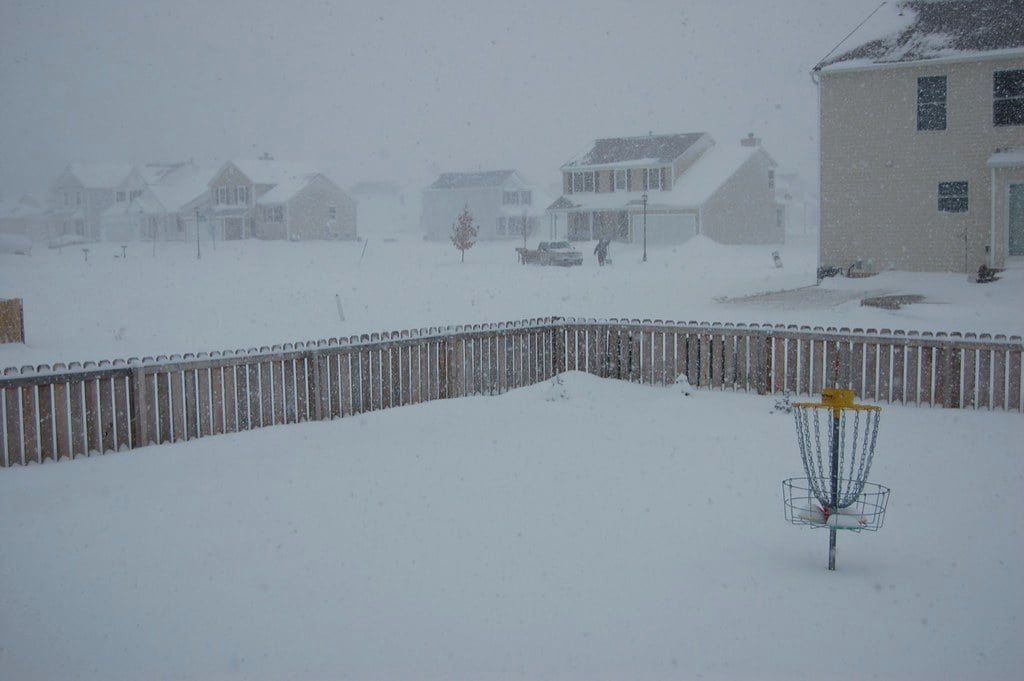
A powerful storm rolled through the Midwest in December 2008, hitting states from Iowa to Indiana with heavy snow and dangerous winds. Photos from rural areas show farmhouses almost completely hidden behind drifts, with only chimneys and upper windows giving away that a home was there.
The storm knocked out power to hundreds of thousands of homes during some of the coldest temperatures of the year. Travel bans went into effect across multiple states as visibility on highways dropped to nearly zero.
Snowmageddon Of 2010

Washington, D.C. got two massive storms within a single week in February 2010, and locals nicknamed the event ‘Snowmageddon.’ Photos from the National Mall show monuments rising out of deep drifts, with not a single person or vehicle in sight.
The federal government shut down for nearly a week, which is extremely rare. The back-to-back nature of the storms made cleanup nearly impossible because crews had barely started on the first before the second arrived.
The Groundhog Day Blizzard Of 2011

Starting February 1, 2011, a massive storm swept across the middle of the country and dropped over 20 inches of snow on Chicago. Photos from Lake Shore Drive show hundreds of cars stranded on the highway overnight, completely buried while drivers sat inside waiting for help.
The storm affected over 30 states and knocked out power to more than a million homes. It remains one of the costliest non-hurricane weather events in American history.
The Northeast Blizzard Of 2013

In February 2013, a storm called Nemo by the National Weather Service buried parts of New England under record snowfall. Photos from Hamden, Connecticut show drifts of nearly 40 inches, with stop signs and street lights poking out like tiny islands in a white sea.
Boston recorded over 24 inches in a single storm. At least 18 people died, and states like Massachusetts issued driving bans that kept most people off the roads entirely.
The January 2016 Blizzard

The eastern United States was hit hard in January 2016 by a storm that some called ‘Jonas.’ Photos from Washington, D.C., Baltimore, and New York show scenes that looked more like the Arctic than the East Coast.
New York City recorded over 26 inches of snow, and areas of West Virginia and Maryland received more than 40 inches. At least 55 people died across multiple states, and the storm caused over $3 billion in damage.
Major airports were shut down for days, stranding thousands of travelers.
The Buffalo Snowstorm Of 2022

Snow began falling hard in Buffalo one November morning, then refused to stop. A wall of white settled above the region, piling up faster than anyone could clear it.
Highways turned into frozen parking lots, cars half-buried like forgotten toys. People stepped outside and vanished into mounds taller than their waists.
Some tried walking home but collapsed before reaching shelter. Bodies were found days later under heaps near driveways and sidewalks.
The cold didn’t just freeze roads – it stopped breath, slowed hearts, caught bodies off guard. News cameras captured rooftops lost beneath smooth domes of powder.
Rescue teams moved by foot or snowmobile, dragging supplies behind them. Washington took notice after reports climbed past forty deaths.
Federal aid arrived once the skies finally cleared and silence fell across the streets. Pictures lingered online – frozen yards, stranded buses, faces coated in frost.
The Christmas Eve Blizzard Of 2022
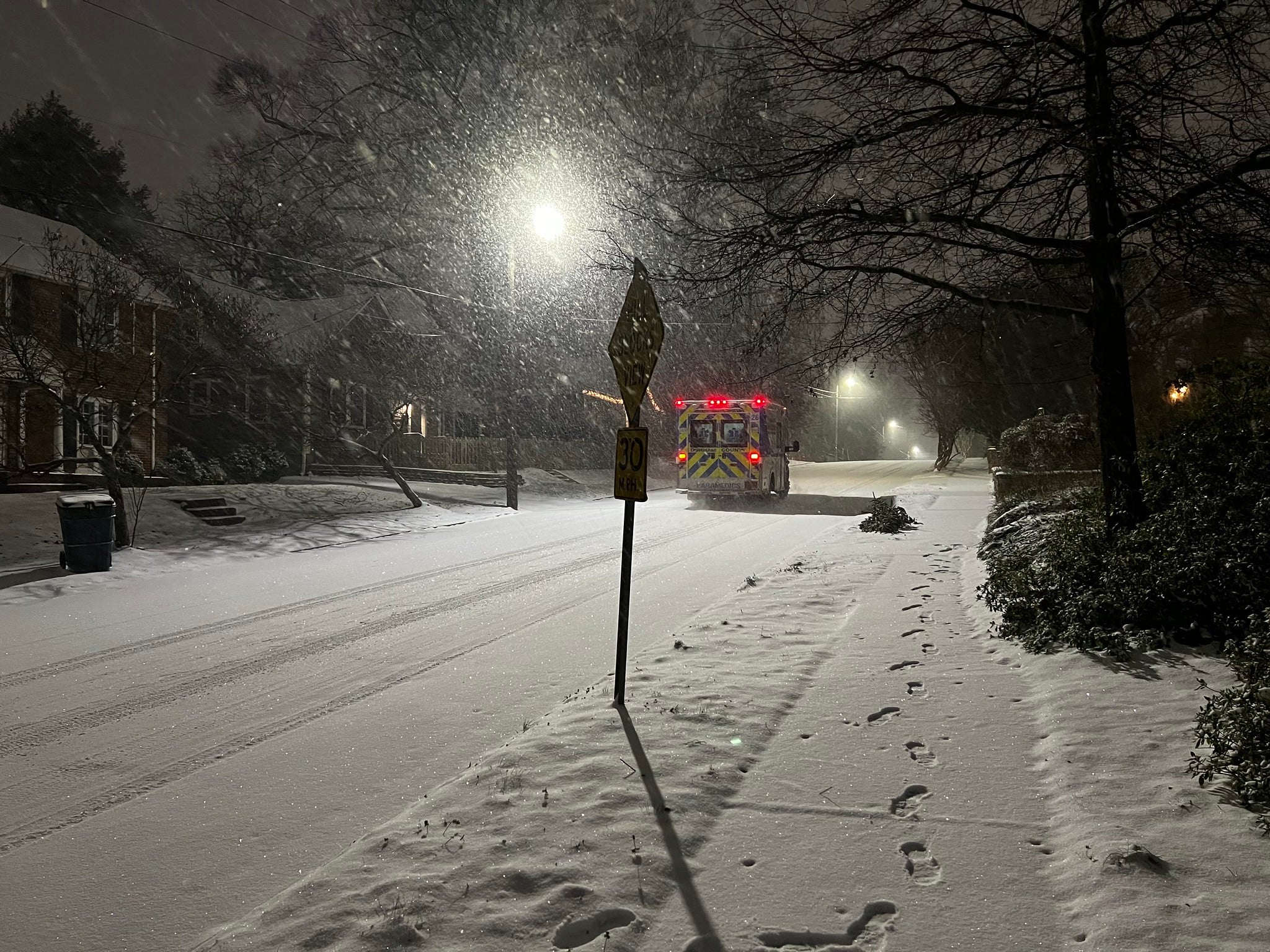
Weeks following the Buffalo blizzard, a huge winter weather pattern moved nationwide right over Christmas. From Denver to New York, images reveal closed airports, frozen highways, yet life somehow holding on amid gridlock.
Travel chaos hit hard when millions usually move between cities, now stuck indoors instead. Over sixty lives ended too soon, while electric grids failed under icy loads.
Hundreds of thousands sat without heat as frost bit through walls. Some labeled it a ‘Bomb Cyclone’ – a name that lingers like smoke in memory.
Safety feels thin when snow buries roads once thought reliable. No corner of the U.S. escapes these cold surprises.
What These Storms Tell Us Today

These pictures, seen side by side, show something obvious right away: nature doesn’t make deals. Storms have hit the U.S. for generations now; even with better warnings today, people still get hurt, homes still break apart.
Some towns shown here pulled themselves back up, changed how they live, found ways to stand firmer after being knocked down. Not only do the images capture wreckage, yet they also whisper quiet lessons – getting ready, sticking close, holding on – that beat any fancy jacket or shovel.
Each winter storm listed carved a scar, true, though deeper than roads buried was the shift in how folks take the cold season seriously.
More from Go2Tutors!

- The Romanov Crown Jewels and Their Tragic Fate
- 13 Historical Mysteries That Science Still Can’t Solve
- Famous Hoaxes That Fooled the World for Years
- 15 Child Stars with Tragic Adult Lives
- 16 Famous Jewelry Pieces in History
Like Go2Tutors’s content? Follow us on MSN.