The Tiniest Armies in History
Throughout human history, wars have been fought by massive forces numbering in the hundreds of thousands. Entire nations have mobilized their populations to defend borders, conquer lands, and settle disputes.
But not every military conflict required enormous battalions or endless resources. Some of the most interesting battles and campaigns were carried out by forces so small they could fit inside a single room.
Let’s look at some of these surprisingly small military forces that managed to make their mark on history.
The Vatican’s Swiss Guard
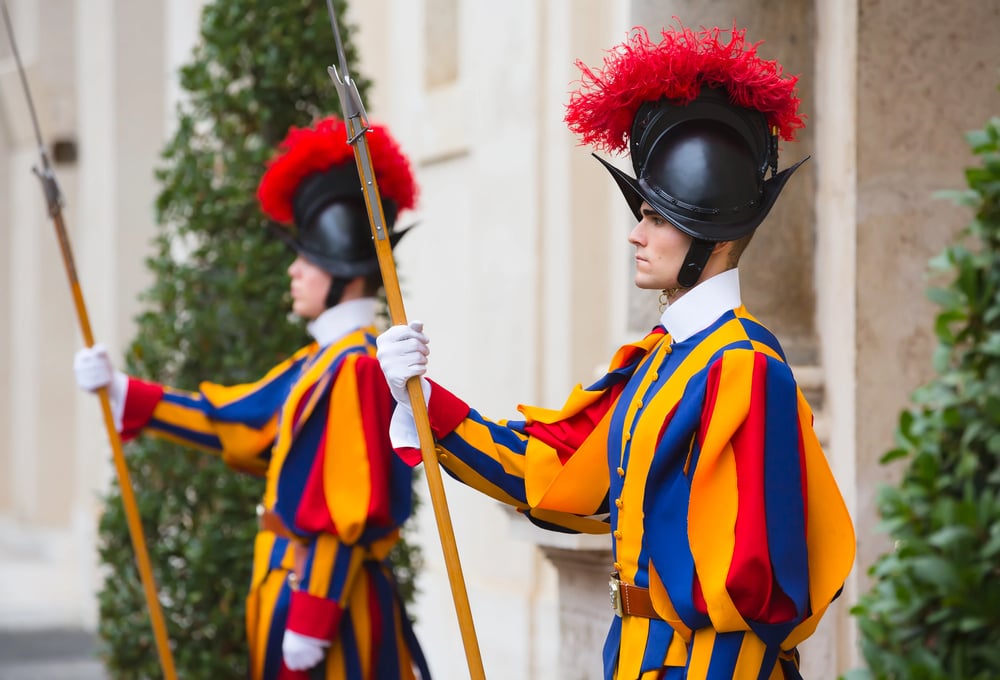
The Pope’s personal army consists of just 135 soldiers who protect the smallest country on Earth. These guards wear colorful Renaissance uniforms and carry halberds, but they also receive modern combat training.
Switzerland has provided these soldiers since 1506, making this one of the oldest active military units anywhere. The Swiss Guard might be tiny, but they take their job seriously and have defended the Pope through countless threats over five centuries.
San Marino’s military corps
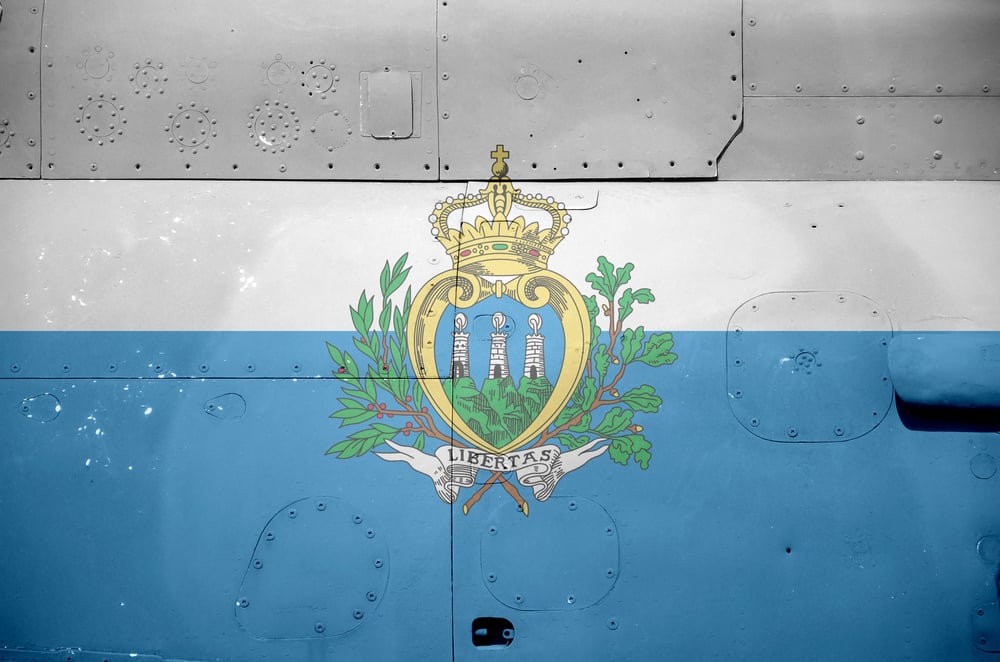
This tiny mountain nation surrounded by Italy maintains a ceremonial force of around 80 people split into different units. The Crossbow Corps and the Guard of the Rock date back to medieval times and mostly perform during festivals and state ceremonies.
San Marino hasn’t fought a war in centuries, so these soldiers spend more time preserving tradition than preparing for combat. Their duties include guarding government buildings and representing the nation during official events.
Liechtenstein’s abolished army
This small European nation between Switzerland and Austria once had an army of just 80 men. The last time Liechtenstein sent its soldiers to war was in 1866, and 81 men came back instead of 80 because they made an Italian friend along the way.
The country officially dissolved its military in 1868 and has remained peaceful ever since. Today, Liechtenstein relies on Switzerland for defense and focuses its budget on other priorities.
Monaco’s carabiniers
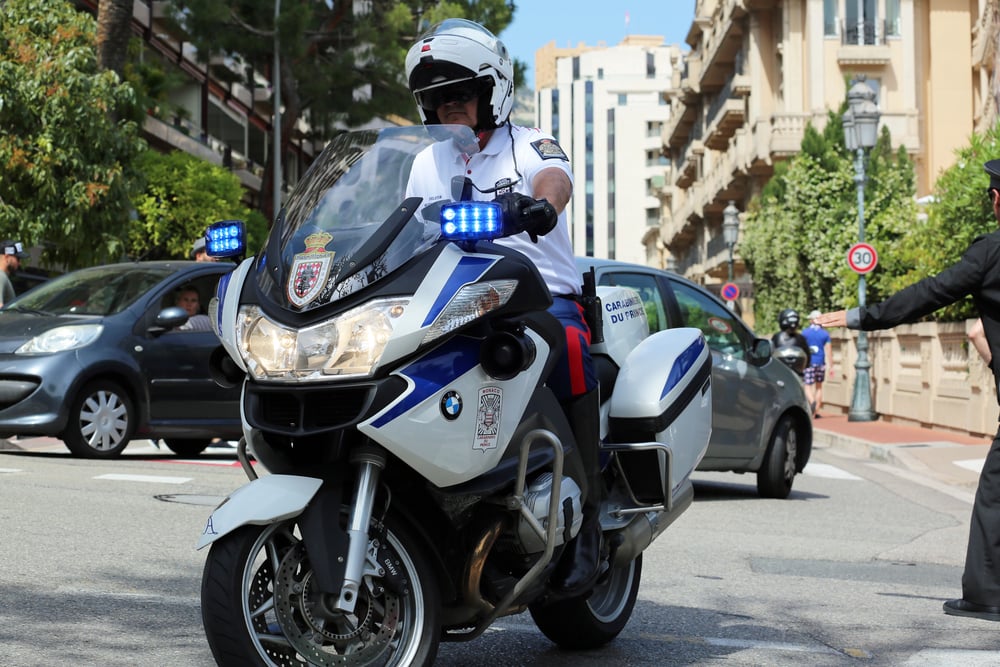
The Principality of Monaco maintains a force of about 115 carabiniers who handle both military and police duties. These officers protect the royal family and guard official buildings while also dealing with everyday law enforcement.
Monaco’s military band actually has more members than some entire armies from history. The carabiniers wear distinctive uniforms with white summer and winter variations that have become part of Monaco’s identity.
Nauru’s lack of military
This Pacific island nation doesn’t have any army at all and instead relies on Australia for defense under an informal agreement. With a population under 13,000 people, Nauru is one of the world’s smallest countries by both size and population.
The nation has a small police force of about 60 officers who handle all security matters. Nauru proves that not every country needs soldiers to survive in the modern world.
Andorra’s ceremonial force
This mountainous nation between France and Spain technically has no standing army but maintains a small ceremonial unit. Andorra’s defense is handled by its two larger neighbors under treaties dating back centuries.
The country does have a small police force and a volunteer fire brigade that handles emergencies. During national celebrations, a handful of officers dress in traditional uniforms to represent Andorra’s military heritage.
Tuvalu’s police force
This Pacific island nation has no military and relies on fewer than 40 police officers for all security needs. Tuvalu has a defense agreement with Australia and New Zealand, so it doesn’t need to maintain expensive military forces.
The country’s isolation and small size mean serious security threats are extremely rare. Most of what the police handle involves minor disputes and helping during natural disasters.
The Knights of Malta’s military tradition
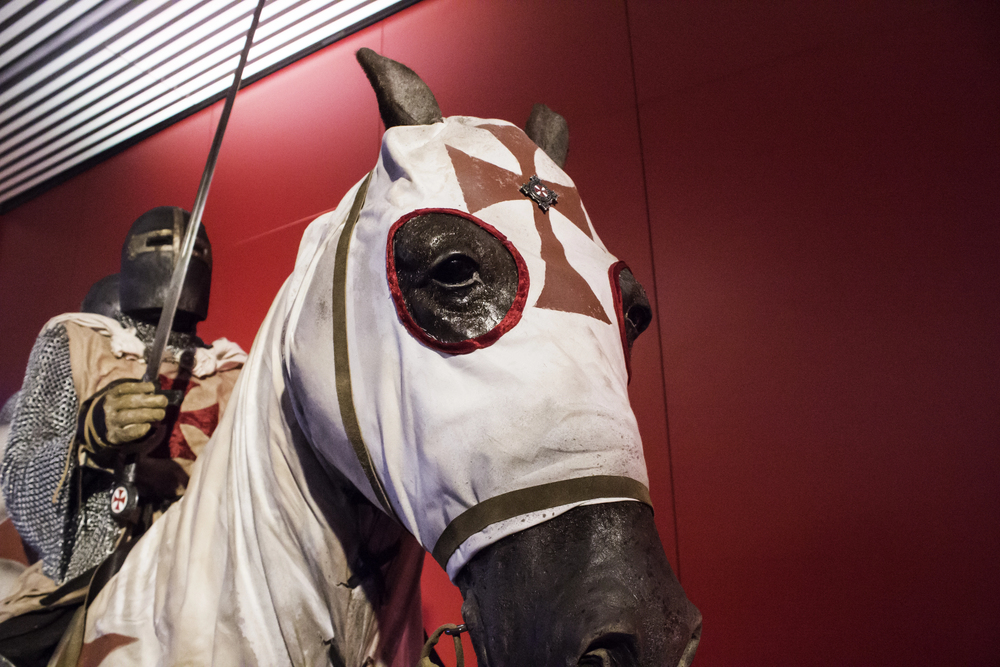
This unique entity is recognized as a sovereign subject of international law but has no territory except for a few buildings in Rome. The Knights maintain a ceremonial military tradition with a small number of members who wear historic uniforms during official events.
They once commanded powerful naval forces in the Mediterranean but now focus on humanitarian work. The order shows how military organizations can evolve into something completely different over time.
Sealand’s micronation claims
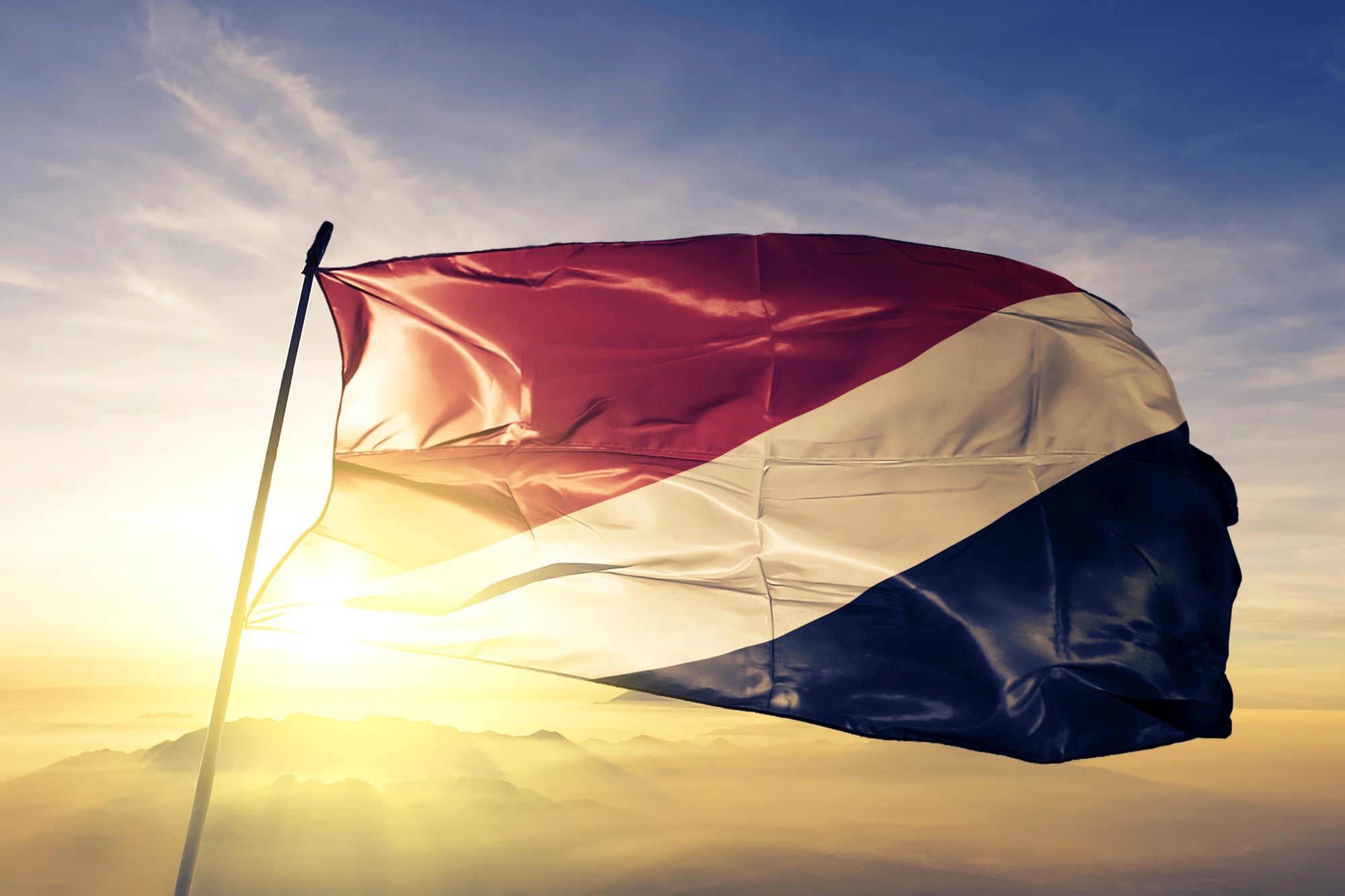
This offshore platform off the British coast claims to be an independent nation with a royal family and military. Sealand’s ‘army’ has never numbered more than a handful of people, usually just family members and friends.
The platform has been involved in a few bizarre incidents, including an attempted coup in 1978. Whether Sealand counts as a real country remains debatable, but it definitely has one of the world’s smallest defense forces.
Palau’s defense agreement
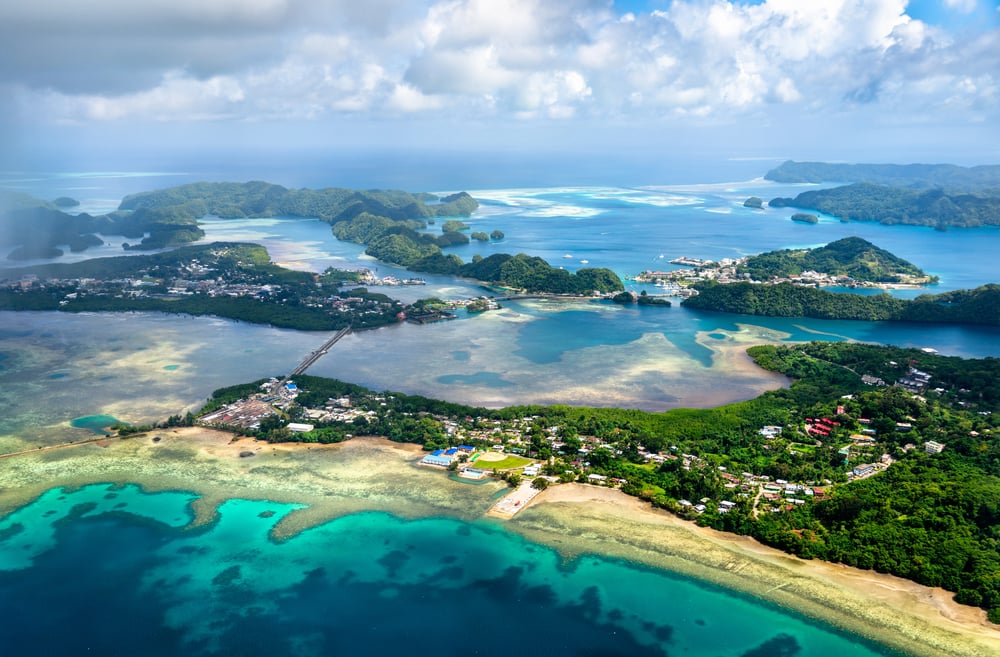
This island nation in the Pacific has no military at all and relies entirely on the United States for protection. Palau has about 30 police officers who handle all internal security matters across its scattered islands.
The country focuses its resources on environmental protection and tourism instead of military spending. This arrangement lets Palau maintain its independence while avoiding the enormous costs of defense.
Iceland’s coast guard
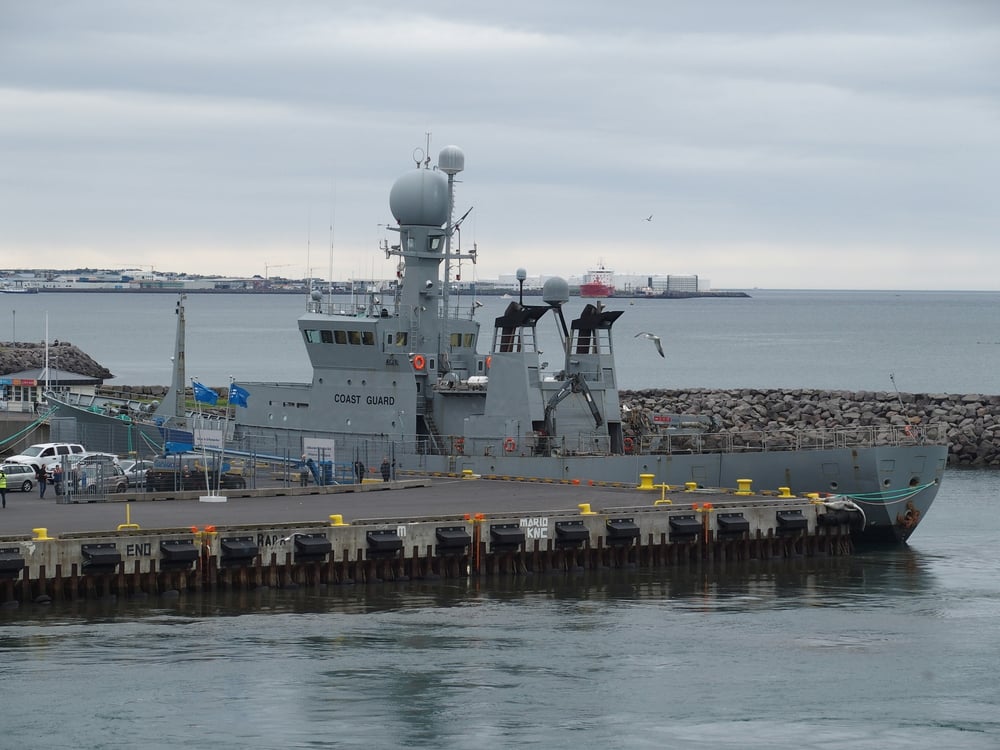
Iceland is the only NATO member without a standing army, relying on a coast guard of around 200 people. The country’s location in the North Atlantic means most security concerns involve maritime issues rather than land invasions.
During World War II, Iceland was occupied by British and American forces for protection, but it never developed its own military. The coast guard handles search and rescue, fisheries enforcement, and occasional security incidents.
Costa Rica’s abolished military
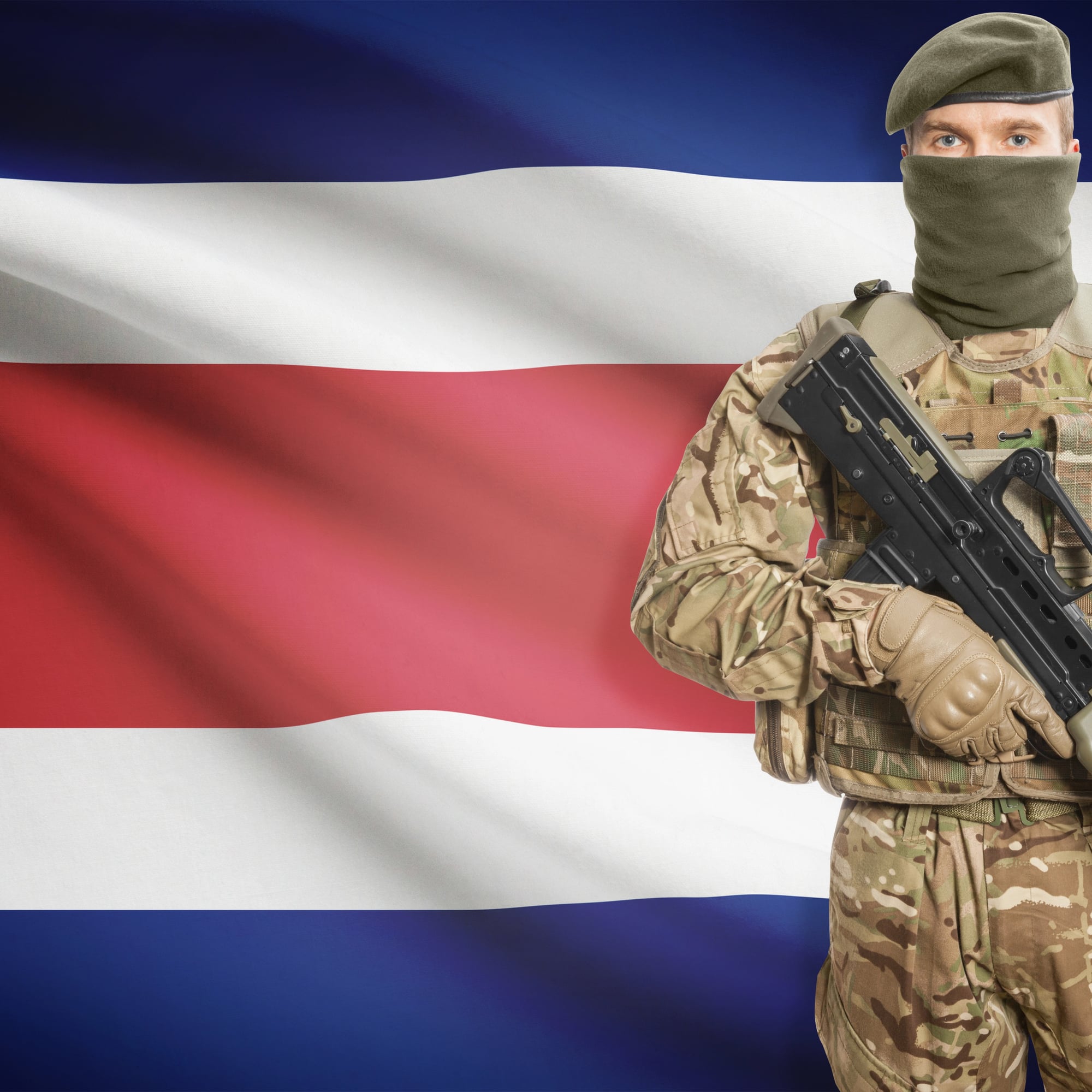
This Central American nation dissolved its army in 1948 and redirected military spending toward education and healthcare. Costa Rica maintains police forces and border guards but has no tanks, fighter jets, or battleships.
The decision to abolish the military came after a civil war, and the country has remained remarkably stable since then. Costa Rica proves that some nations can thrive without maintaining traditional armed forces.
The Solomon Islands’ police response
This Pacific nation has no military and instead maintains a police force of several hundred officers. After civil unrest in the early 2000s, Australia and other nations sent peacekeepers to help restore order.
The Solomon Islands now relies on regional security agreements rather than building its own army. Limited resources and a small population make maintaining a military impractical for this island nation.
Grenada’s regional security
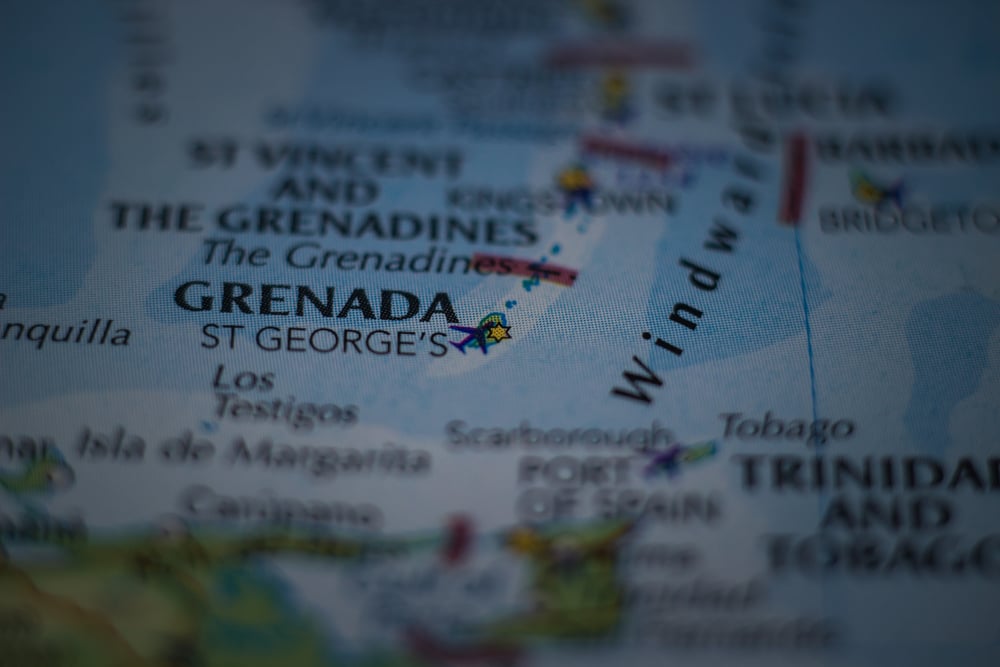
This Caribbean island nation dissolved its army after the American invasion in 1983 and now relies on police and coast guard units. Grenada participates in a regional security system with other Eastern Caribbean nations for mutual defense.
The country’s small size and limited budget make an independent military force unnecessary. Tourism and agriculture drive the economy instead of military spending.
Kiribati’s police service
This Pacific island nation spread across a vast ocean area has no military and maintains a small police force of around 400 officers. Kiribati faces more threats from climate change and rising sea levels than from foreign invasion.
The country has defense agreements with Australia and New Zealand for protection. Most security work involves search and rescue operations in the massive maritime territory Kiribati claims.
Vatican City’s fire brigade
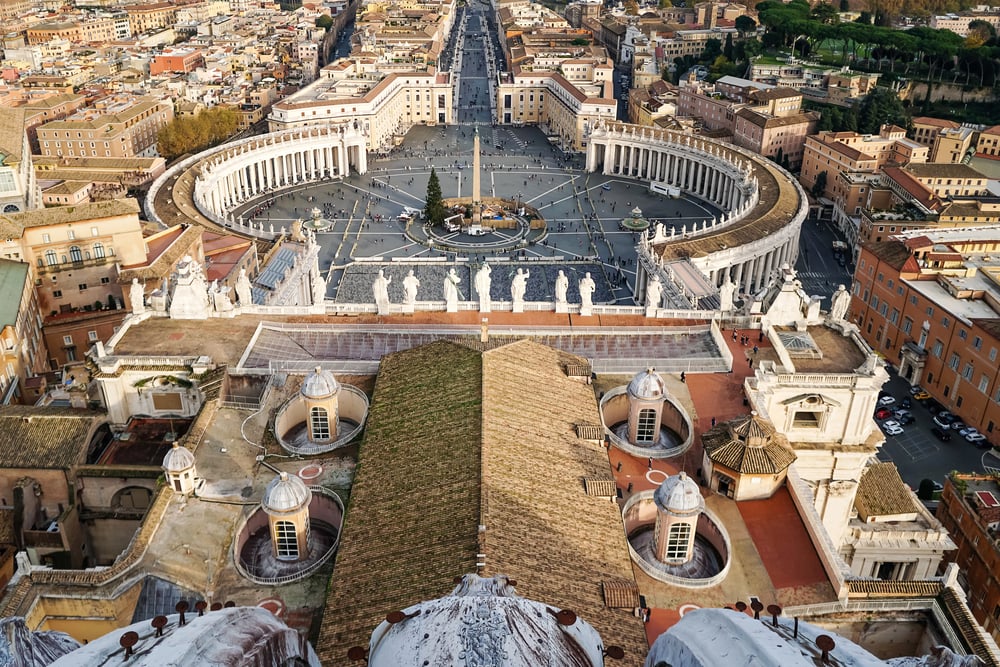
Beyond the Swiss Guard, Vatican City also maintains a tiny fire brigade of about 20 volunteers who protect the historic buildings and priceless art. This might be the world’s smallest fire department, but it handles a massive responsibility given the treasures housed within Vatican walls.
The firefighters train regularly and coordinate with Rome’s fire services for major emergencies. Every member knows that protecting centuries of history depends on their quick response.
Marshall Islands monitor ocean activity
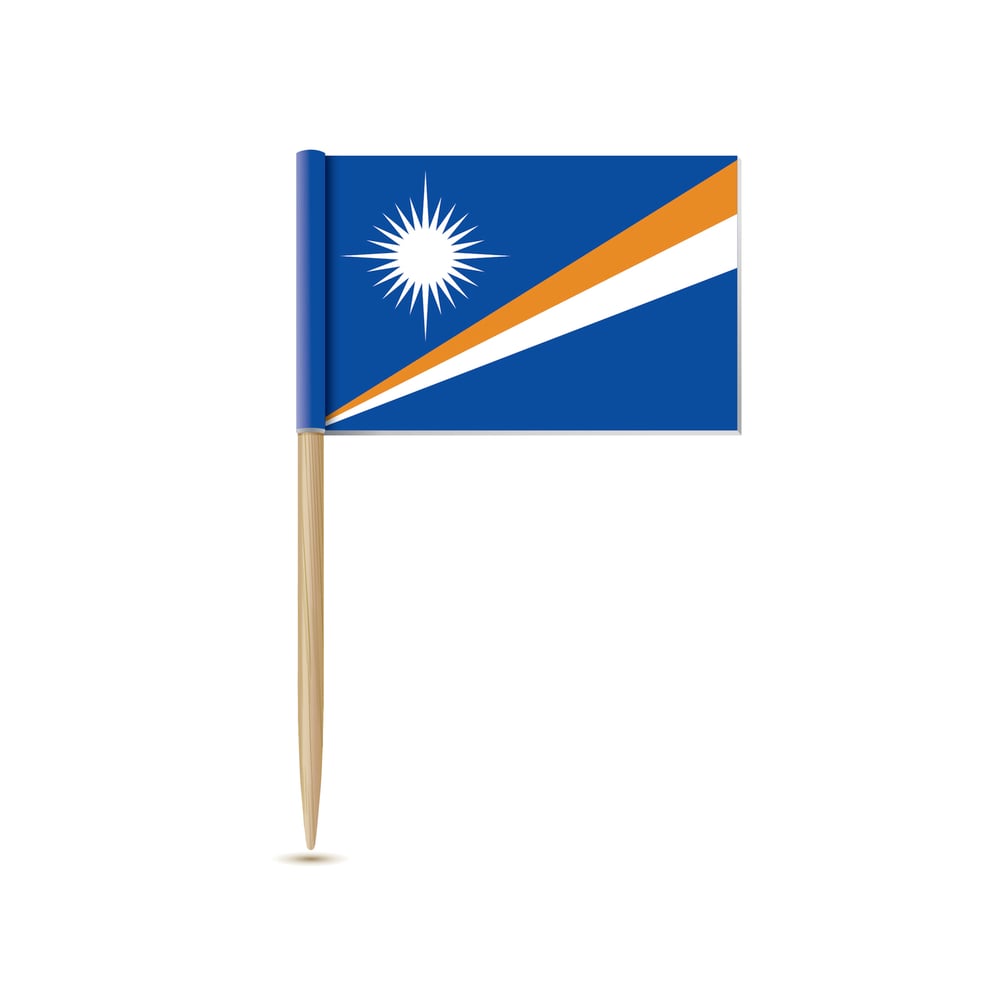
A tiny crew watches over wide stretches of open water – fewer than thirty keep an eye out despite having no armed forces. Guarding against unlawful fishing matters here, along with safeguarding fragile ecosystems across distant seas.
Tied closely to America through a special agreement, defense duties fall under U.S. responsibility in return for permission to operate key installations. Cooperation shapes daily efforts, as local coordination links up regularly with American troops positioned nearby.
Micronesia’s defense compact
A handful of islanders keep order through a modest police presence, spread thin over distant atolls. Security duties fall entirely to local officers since there is no standing army here.
Instead, protection comes from an alliance with the United States, spelled out in shared terms long ago. People born in these states are free to join American armed units – and plenty choose that path.
That choice shapes how defense works in ways few places mirror. With tight funds, spending leans toward roads, schools, and clinics instead of guns or uniforms.
Small forces, lasting impact
Size doesn’t always decide strength when it comes to soldiers and guards. While some countries choose big treaties instead of big weapons, others ditch full armies altogether.
Tiny troops throughout time prove safety wears different faces. Massive groups aren’t required everywhere to keep a nation safe.
More from Go2Tutors!

- The Romanov Crown Jewels and Their Tragic Fate
- 13 Historical Mysteries That Science Still Can’t Solve
- Famous Hoaxes That Fooled the World for Years
- 15 Child Stars with Tragic Adult Lives
- 16 Famous Jewelry Pieces in History
Like Go2Tutors’s content? Follow us on MSN.