20 Shipwrecks Divers Are Still Studying
A shipwreck does not stop changing once it settles on the seabed. Currents shift debris fields, marine growth colonizes hulls, and every new expedition brings sonar and camera technology capable of seeing details the last team missed.
Some of the most famous wrecks in the world have been visited hundreds of times, and archaeologists are still finding reasons to go back.
RMS Titanic
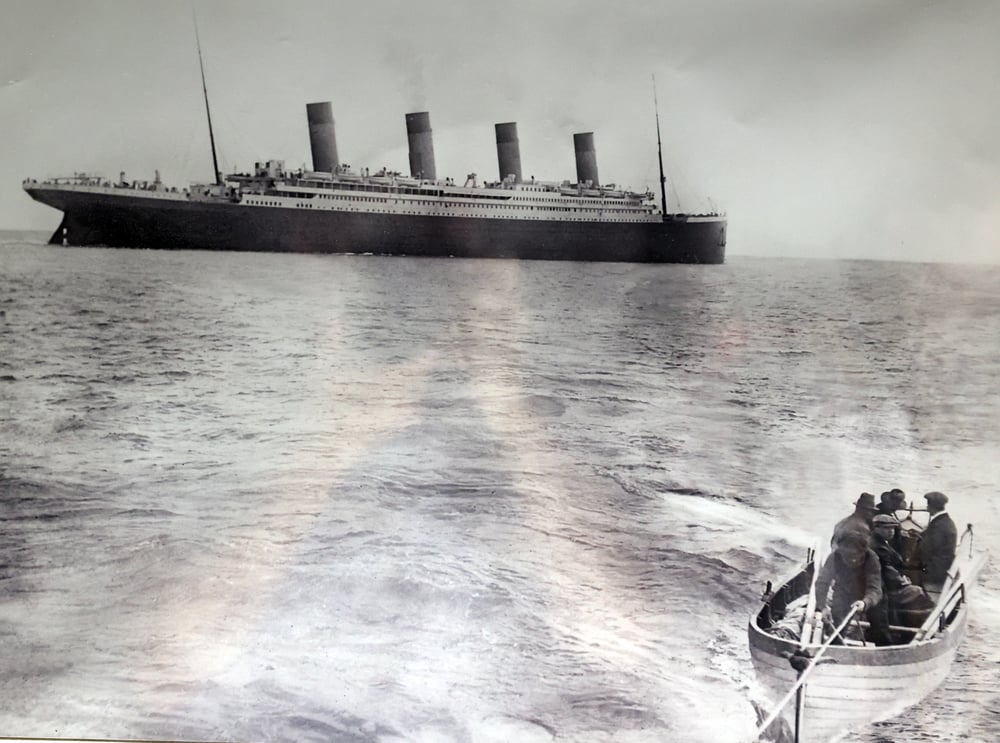
Discovered in 1985 by a joint French-American expedition led by Robert Ballard, the Titanic rests roughly 3,800 meters deep in the North Atlantic, split into a bow and stern section separated by nearly 800 meters of debris. Researchers continue mapping the wreck with submersibles and remotely operated vehicles to track its deterioration, since iron-eating bacteria are slowly consuming the hull and experts estimate the structure will collapse significantly within a matter of decades.
A 2023 full-scale digital scan captured the entire debris field in unprecedented detail, revealing new artifacts and structural damage invisible to earlier expeditions.
RMS Lusitania
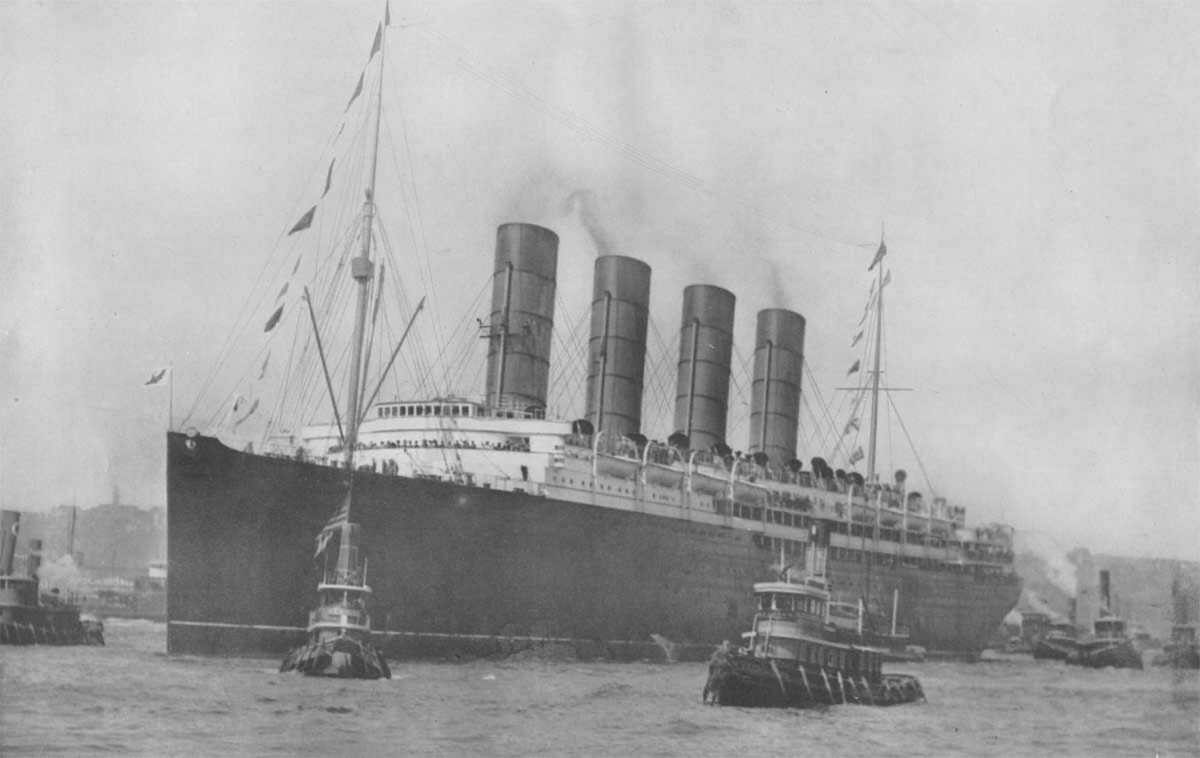
Torpedoed by a German submarine in 1915 off the coast of Ireland, the Lusitania sank in eighteen minutes and killed nearly 1,200 people, an event that helped shift American public opinion toward entering the First World War. The wreck lies at a depth accessible to technical divers, and expeditions continue investigating a long-standing controversy over a second explosion reported by survivors, which some researchers attribute to coal dust or ammunition the ship was secretly carrying.
Diving remains difficult because of strong currents and the ship’s deteriorating, collapsed structure.
USS Arizona
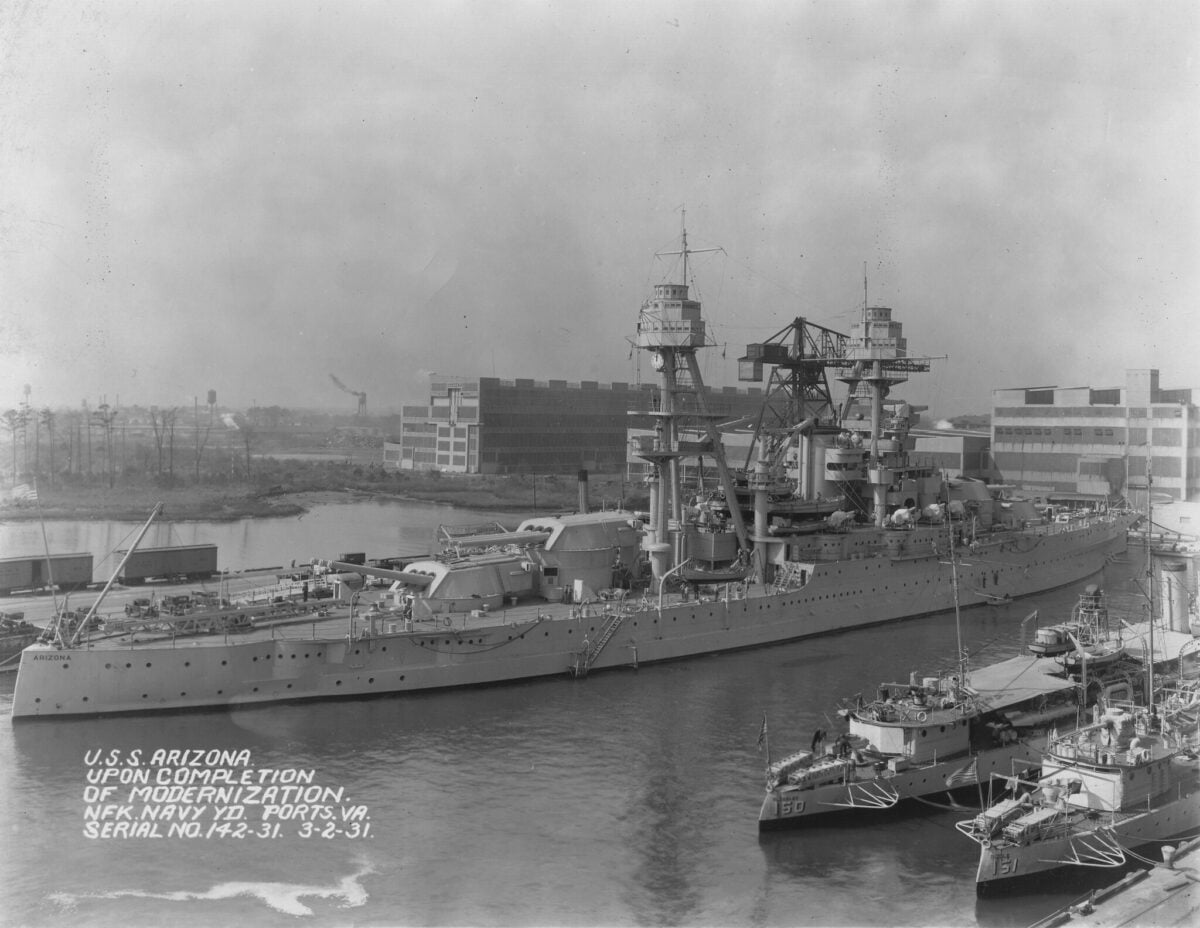
The battleship sank during the Japanese attack on Pearl Harbor in 1941, entombing more than 1,100 sailors who remain inside the wreck to this day as a designated war grave. The National Park Service and US Navy conduct regular dives to monitor the hull’s structural integrity and the ongoing slow leak of oil from the ship’s fuel bunkers, a phenomenon visitors call the ship’s tears.
Researchers use the site to study long-term corrosion patterns in submerged steel, data with applications well beyond this specific wreck.
HMHS Britannic
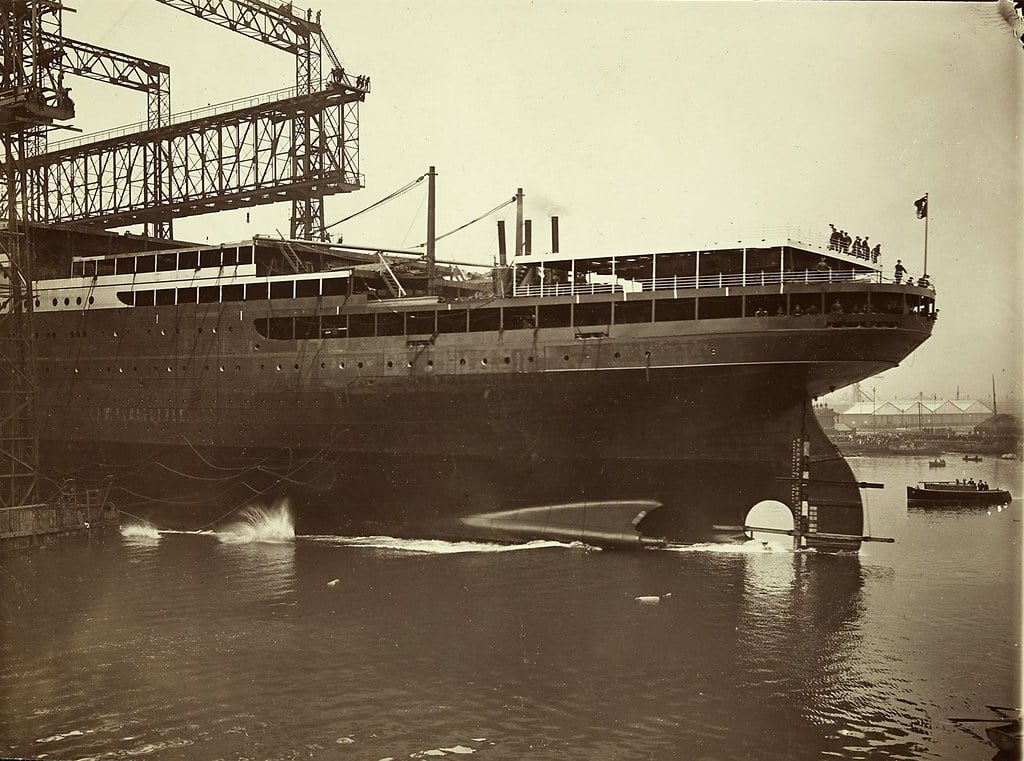
The largest ship lost in the First World War, Britannic sank in the Aegean Sea in 1916 after striking a mine while serving as a hospital ship, the sister vessel to both the Titanic and the Olympic. Jacques Cousteau located the wreck in 1975, and it now sits upright and largely intact at a depth of about 120 meters, making it one of the most ambitious technical diving destinations in the world.
Expeditions continue documenting the ship’s watertight compartments to understand why it sank roughly three times faster than its more famous sister ship.
USS Monitor
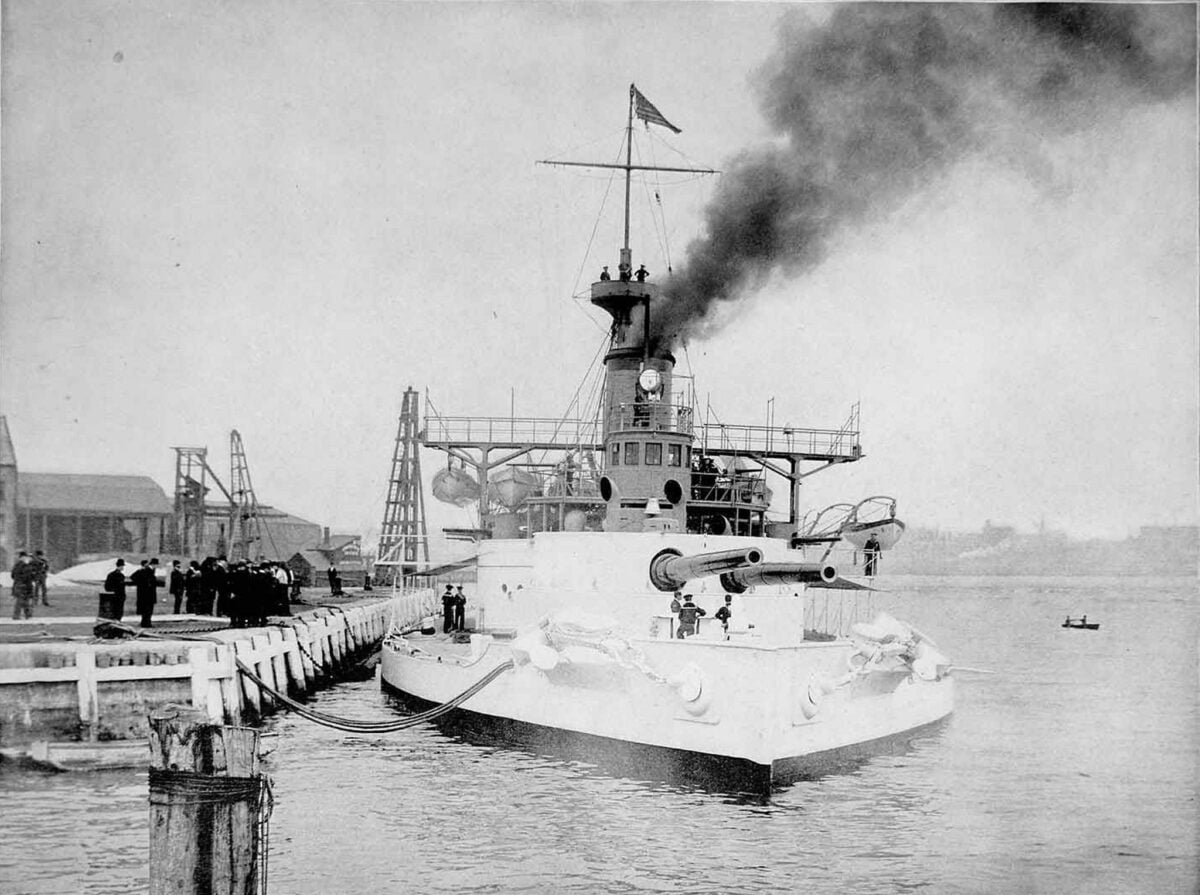
The Union ironclad that fought the Confederate CSS Virginia to a draw in the 1862 Battle of Hampton Roads later sank in a storm off North Carolina, and its resting site became the first national marine sanctuary in the United States in 1975. NOAA-led expeditions have recovered the ship’s iconic revolving gun turret, propeller, and engine, all now on display after conservation, while ongoing dives document what remains of the hull.
The sanctuary continues serving as a training ground for maritime archaeologists developing techniques for excavating iron vessels.
SS Central America
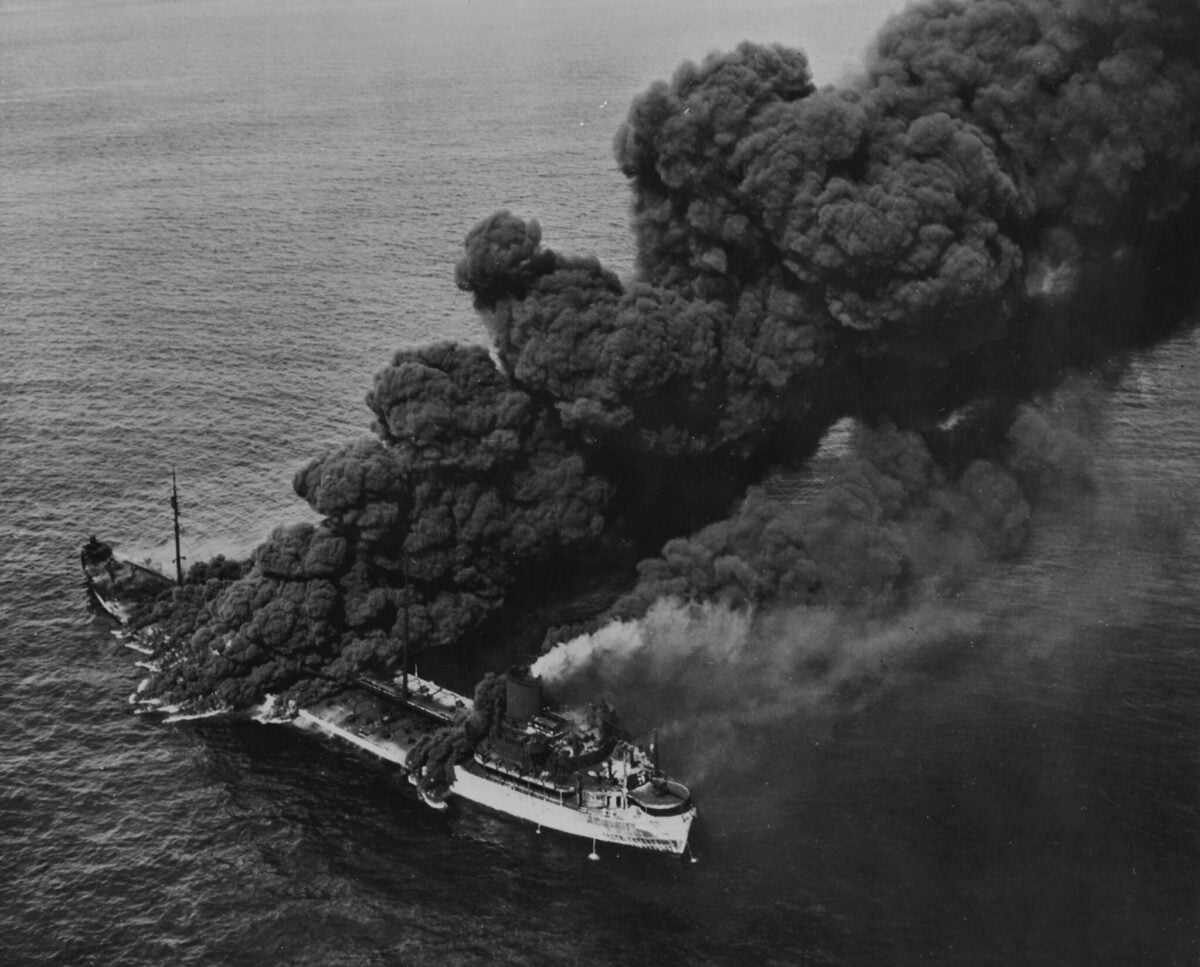
Known as the Ship of Gold, this steamship sank in a hurricane off the Carolina coast in 1857 while carrying gold from the California Gold Rush, a loss significant enough to help trigger a national financial panic. Deep-sea recovery teams using remotely operated vehicles have brought up gold bars, coins, and personal effects from a depth of more than 2,200 meters since the wreck’s rediscovery in 1988.
Legal disputes over ownership of the recovered treasure ran for decades, and researchers continue studying the site both for its cargo and as a time capsule of mid-nineteenth-century American commerce.
Endurance
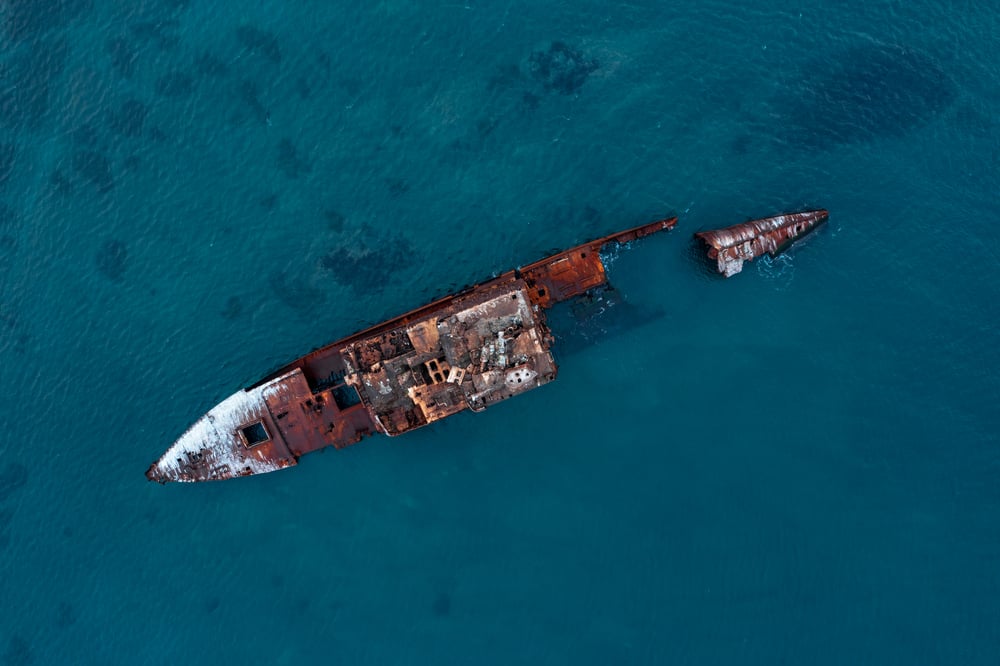
Ernest Shackleton’s polar exploration ship was crushed by pack ice and sank in the Weddell Sea in 1915, stranding his entire crew, all of whom survived an extraordinary journey to rescue. The wreck was not located until 2022, when the Endurance22 expedition found it remarkably preserved nearly 3,000 meters deep in the frigid, low-oxygen water, with the ship’s name still legible on the stern.
Researchers used high-resolution photogrammetry to build a complete digital model of the vessel without disturbing it, since the site is protected under the Antarctic Treaty.
Queen Anne’s Revenge
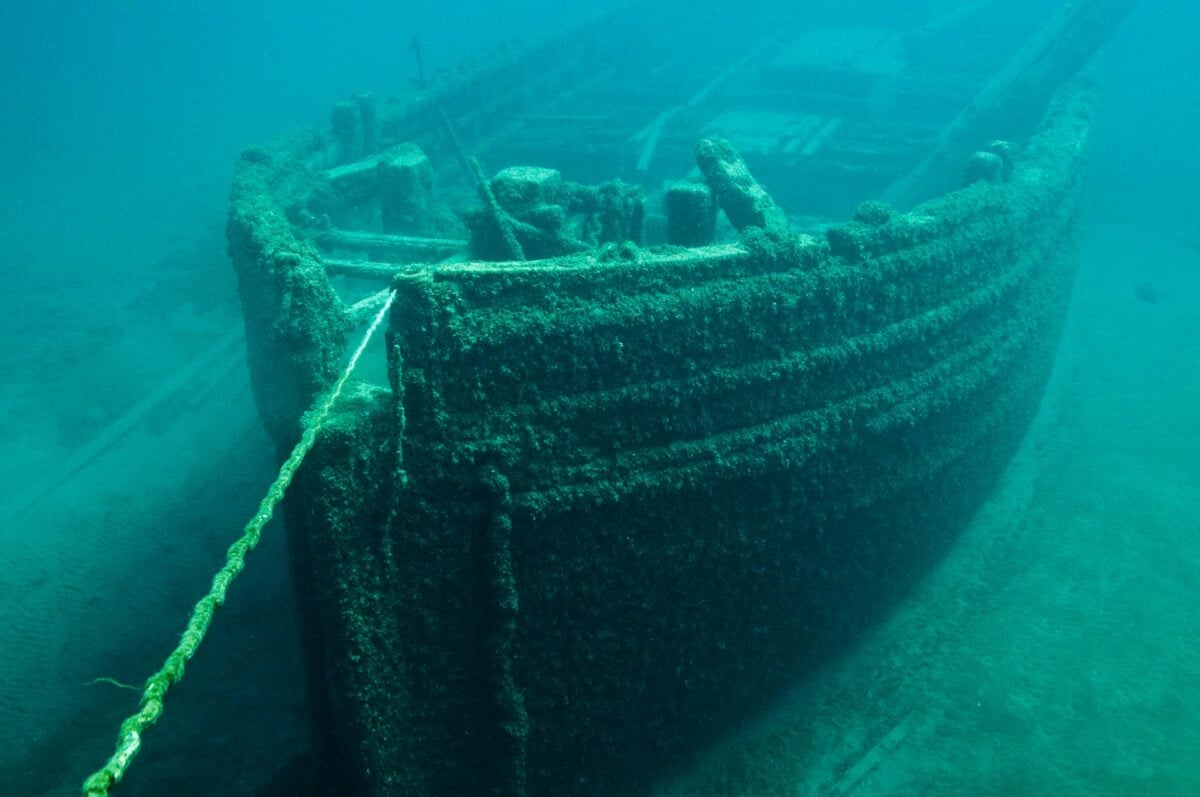
Blackbeard’s flagship ran aground off North Carolina in 1718, and its wreck was located in 1996 near Beaufort Inlet. Archaeologists with the North Carolina Department of Natural and Cultural Resources have spent decades recovering cannons, anchors, and thousands of artifacts, with excavation still ongoing because sediment continues to protect fragile material at the site.
Researchers use the wreck to study early eighteenth-century piracy and ship construction, since well-documented pirate vessels from the era are exceptionally rare.
The San José
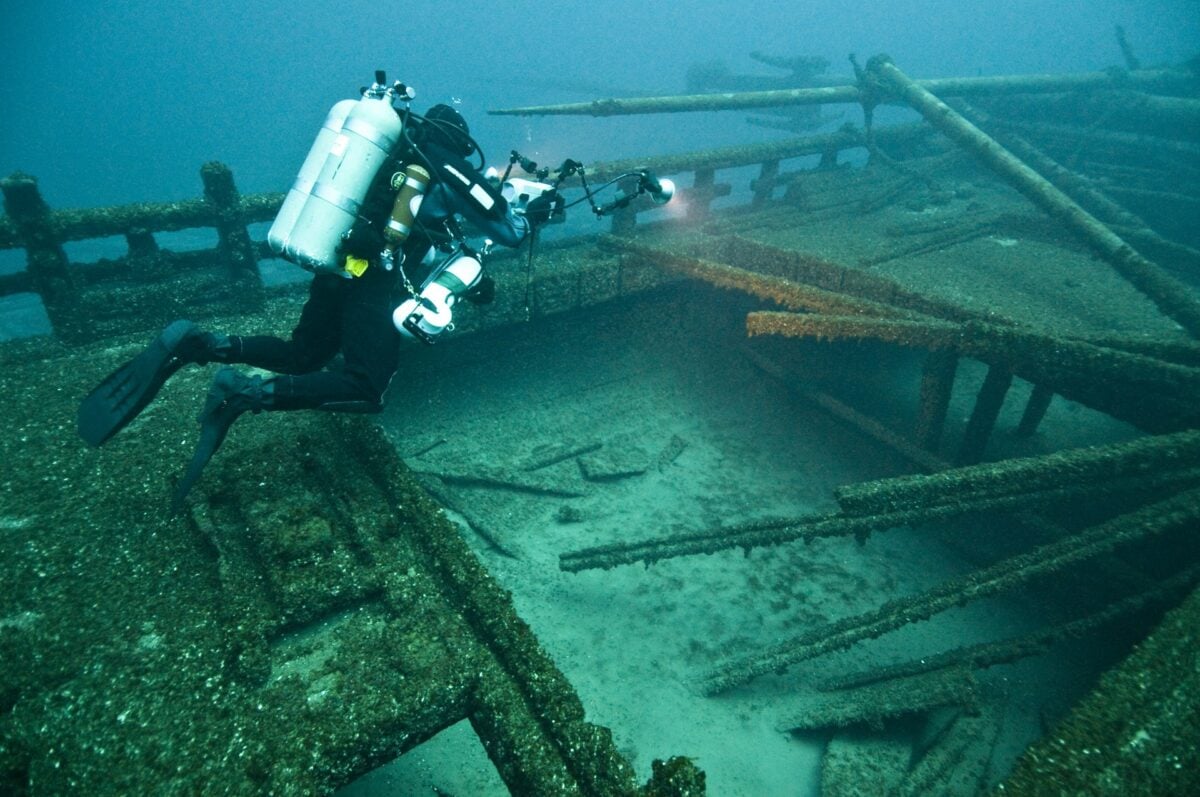
A Spanish galleon sunk by British warships in 1708 off Cartagena, Colombia, the San José was reportedly carrying an immense cargo of gold, silver, and emeralds destined for the Spanish crown, making its estimated value among the highest of any known shipwreck. Colombia located the wreck in 2015 and has kept its exact position classified while conducting careful survey dives, partly because of an unresolved legal dispute with a private salvage company that claims to have found the site decades earlier.
The wreck remains one of the most closely watched unresolved cases in maritime archaeology.
Whydah Gally
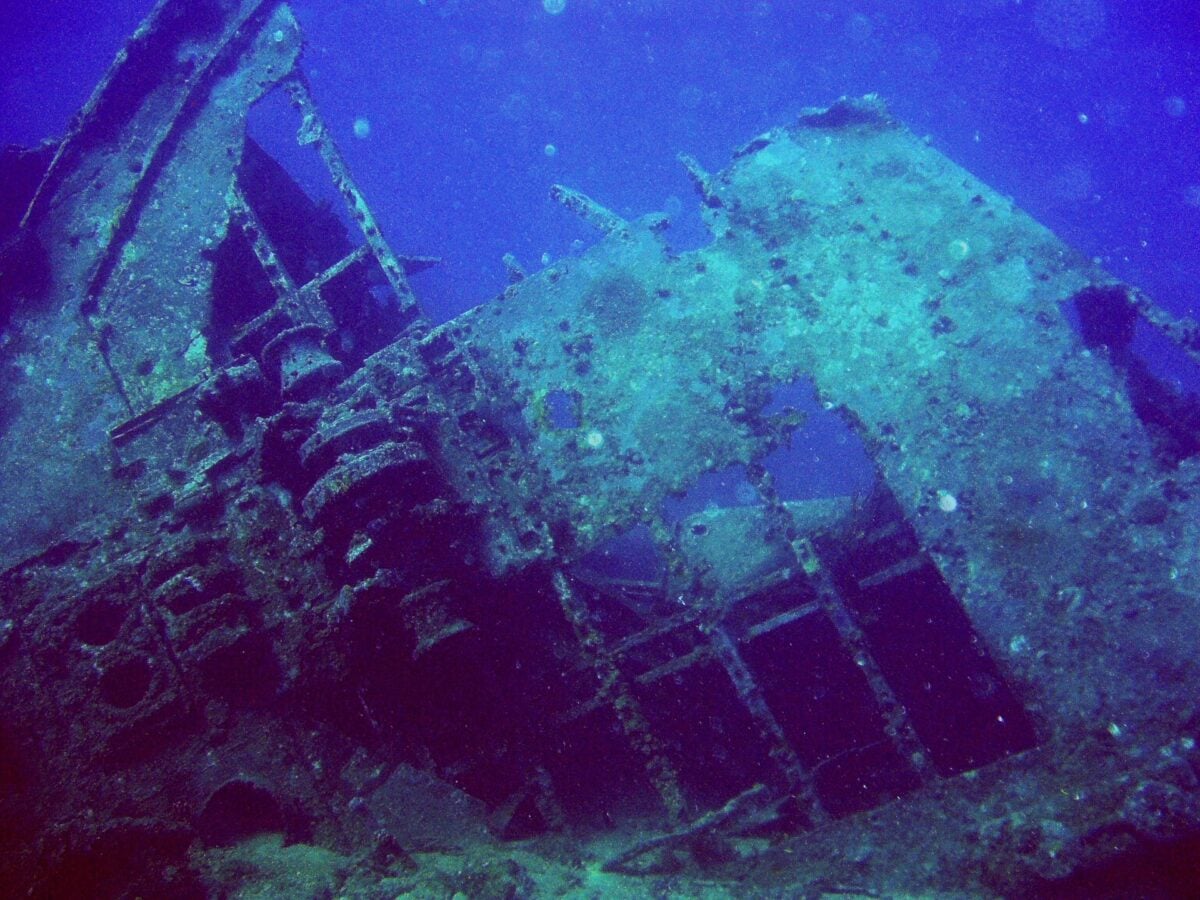
Captured by the pirate Samuel Bellamy in 1717 and wrecked off Cape Cod that same year in a storm, the Whydah Gally is the only fully authenticated pirate shipwreck ever found and excavated, located by treasure hunter Barry Clifford in 1984. Ongoing excavation continues to recover coins, weapons, and personal items, all curated for a dedicated museum on Cape Cod.
Researchers have used sediment and debris patterns at the site to reconstruct exactly how the ship broke apart during the storm that sank it.
Mars
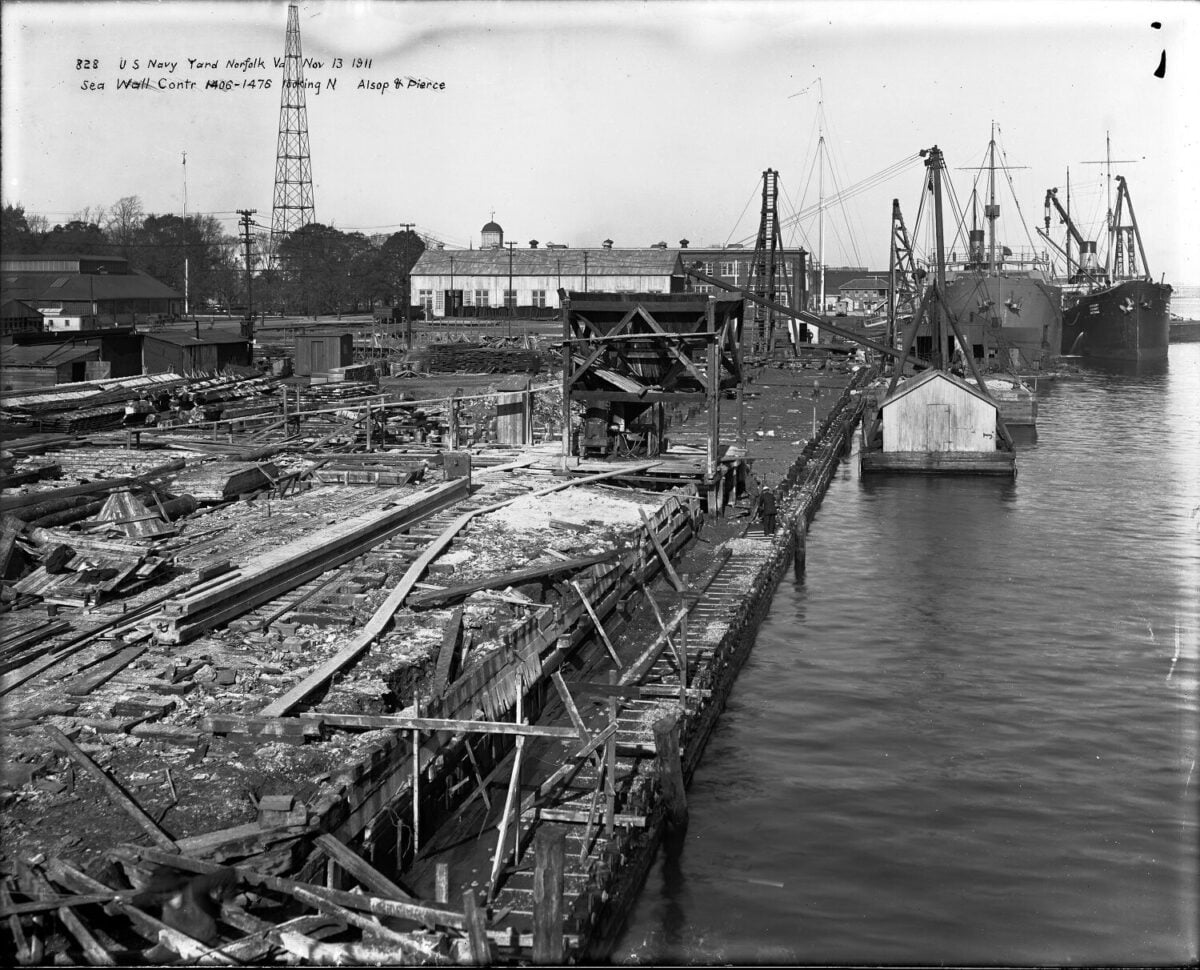
The Swedish warship Mars exploded and sank during a naval battle with a combined Danish and German fleet in the Baltic Sea in 1564, taking most of its roughly 800 crew members down with it. Located in 2011 at a depth where the Baltic’s cold, low-salinity water has preserved timber remarkably well, the wreck still holds thousands of skeletal remains and offers researchers a rare intact snapshot of sixteenth-century naval warfare.
Dive teams continue surveying the site using laser scanning to build a complete archaeological record before any physical recovery is attempted.
Nuestra Señora de Atocha
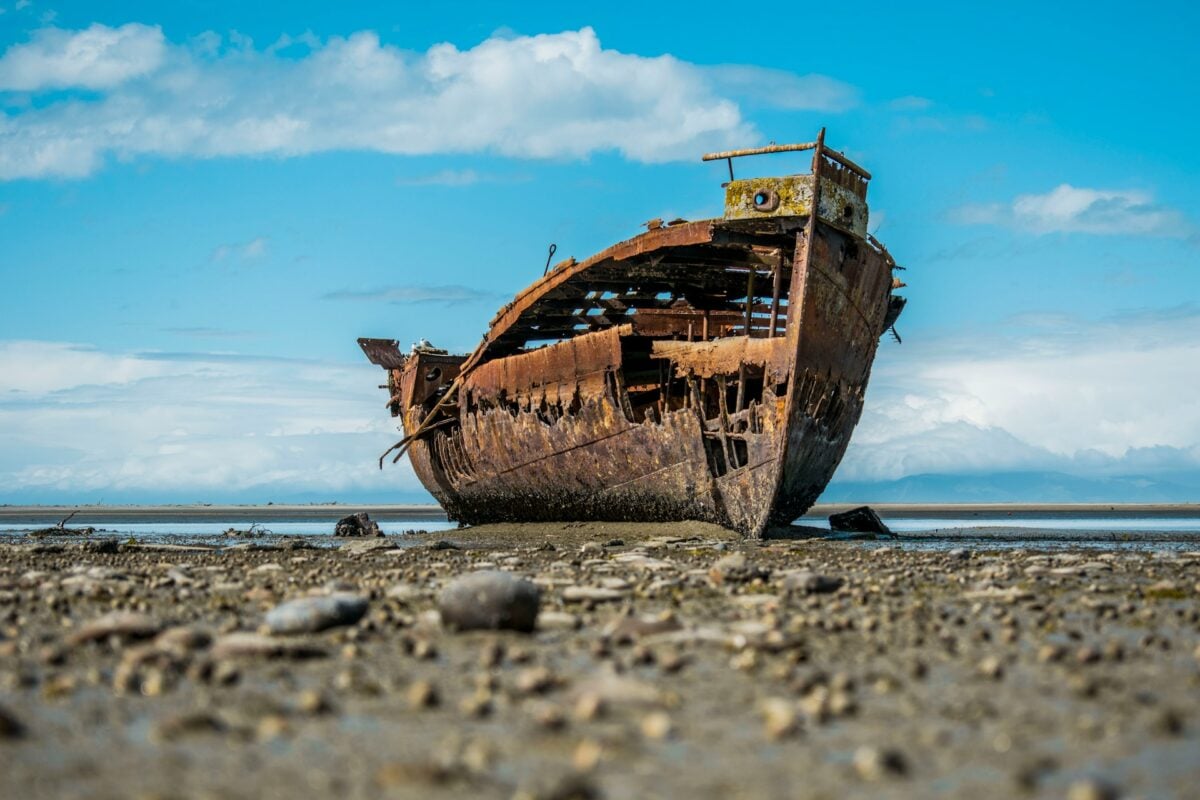
This Spanish galleon sank in a hurricane off the Florida Keys in 1622, carrying a cargo of gold, silver, and emeralds mined in the Americas for shipment to Spain. Treasure hunter Mel Fisher spent sixteen years searching for the wreck before locating the main site in 1985, and recovery work continues today because researchers believe portions of the scattered debris field remain unexcavated.
The site has become a significant source of data on Spanish colonial trade routes and shipbuilding techniques of the early seventeenth century.
The Bismarck
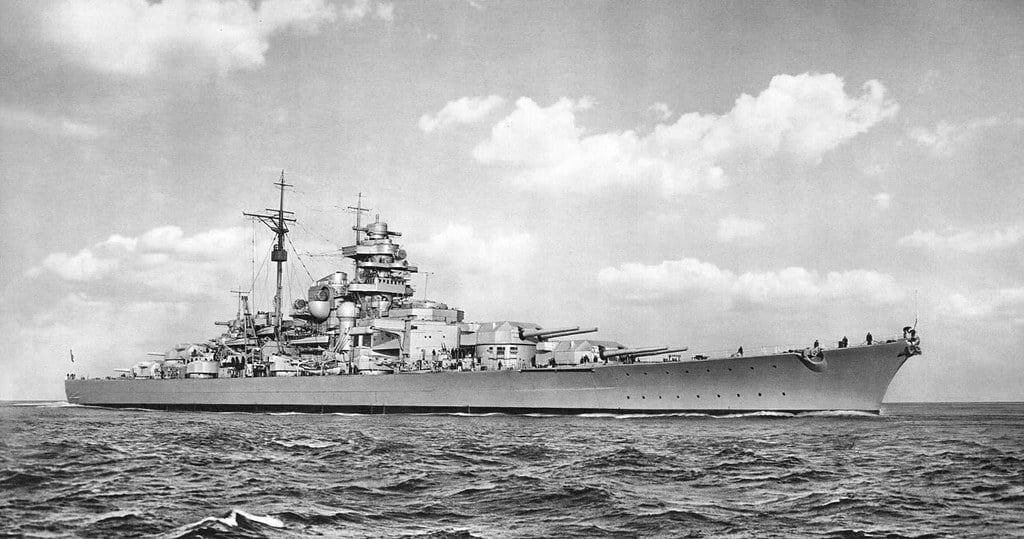
Germany’s most powerful battleship sank in the North Atlantic in 1941 after a prolonged pursuit by the Royal Navy, taking more than 2,000 sailors with it. Robert Ballard located the wreck in 1989 resting nearly 4,800 meters deep, and subsequent expeditions using submersibles have continued studying the hull to settle a long debate over whether British shells or the German crew’s own scuttling charges caused the ship to sink.
The wreck’s extreme depth means only a handful of expeditions have ever surveyed it directly.
HMS Erebus and HMS Terror
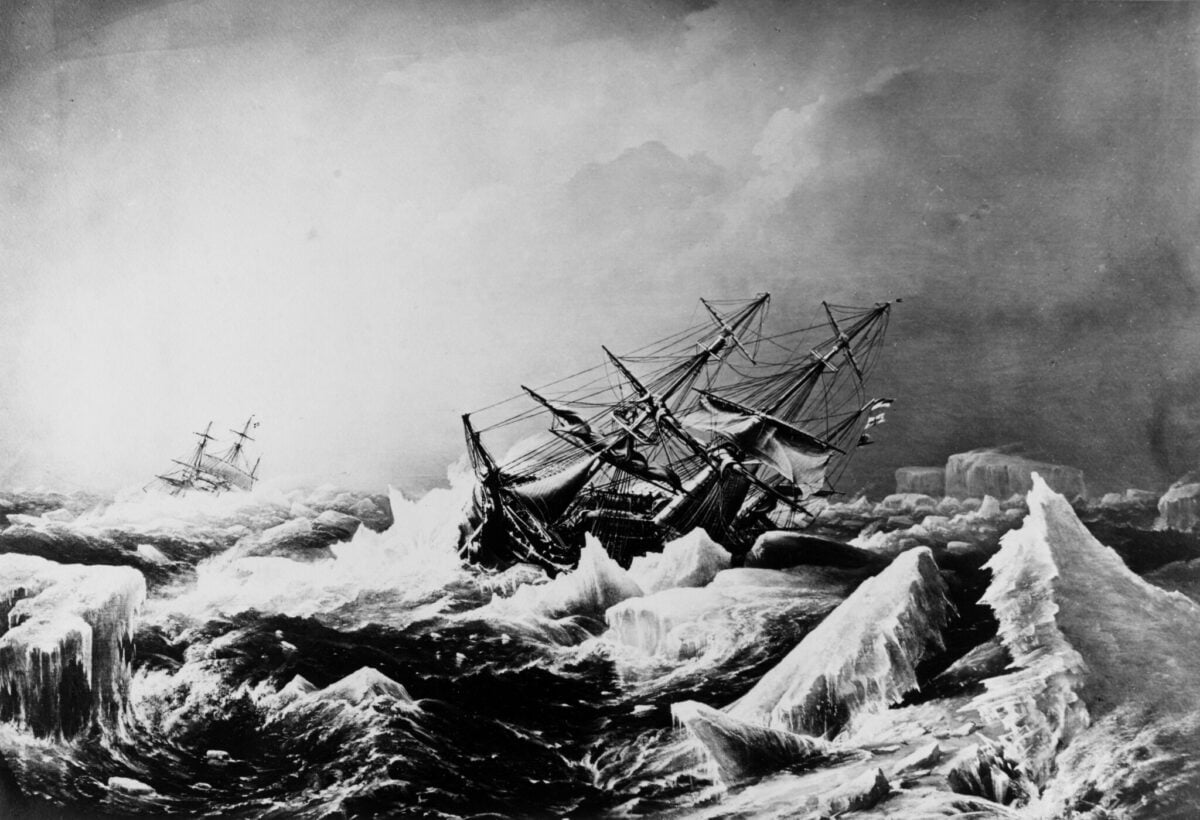
These two British Royal Navy ships vanished during Sir John Franklin’s 1845 expedition to chart the Northwest Passage, and the fate of their 129-man crew remained one of the Arctic’s great mysteries for more than 160 years. Parks Canada located Erebus in 2014 and Terror in 2016, both remarkably well preserved in the cold Arctic waters near King William Island.
Ongoing dives conducted in partnership with local Inuit communities continue recovering artifacts and searching for further evidence of what killed the entire expedition.
The Kyrenia Ship
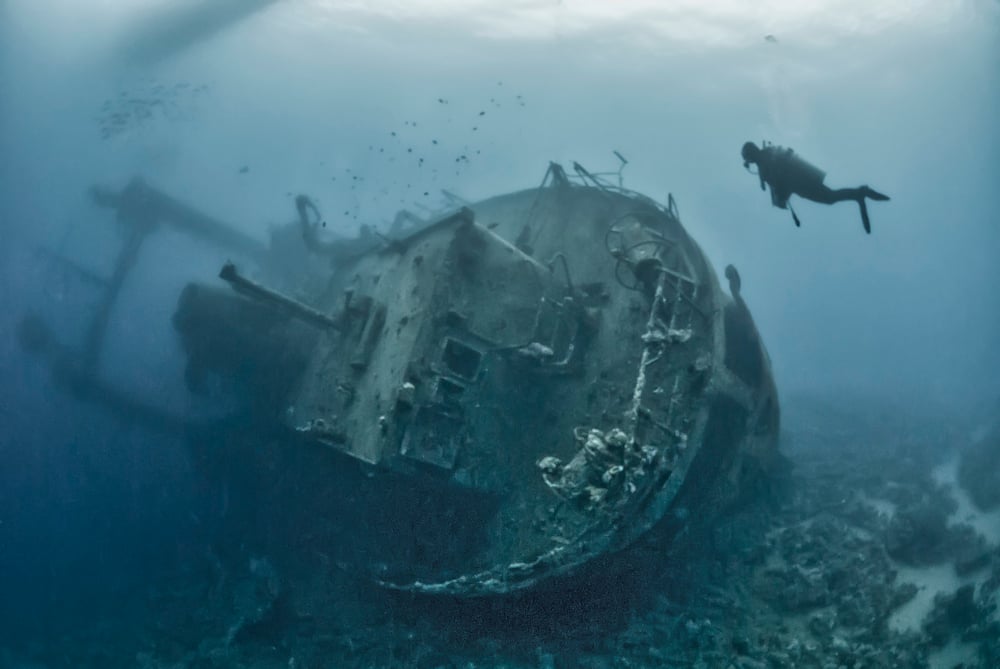
A Greek merchant vessel that sank off the coast of Cyprus around 300 BCE, the Kyrenia ship is one of the oldest and best-preserved ancient shipwrecks ever excavated, discovered by a sponge diver in 1965. Archaeologists recovered the hull nearly intact along with its cargo of almonds, wine amphorae, and millstones, providing an unusually complete picture of Hellenistic-era Mediterranean trade.
Researchers continue studying replicas built from the original timber to understand how ancient sailors handled the vessel under different wind conditions.
RMS Empress of Ireland
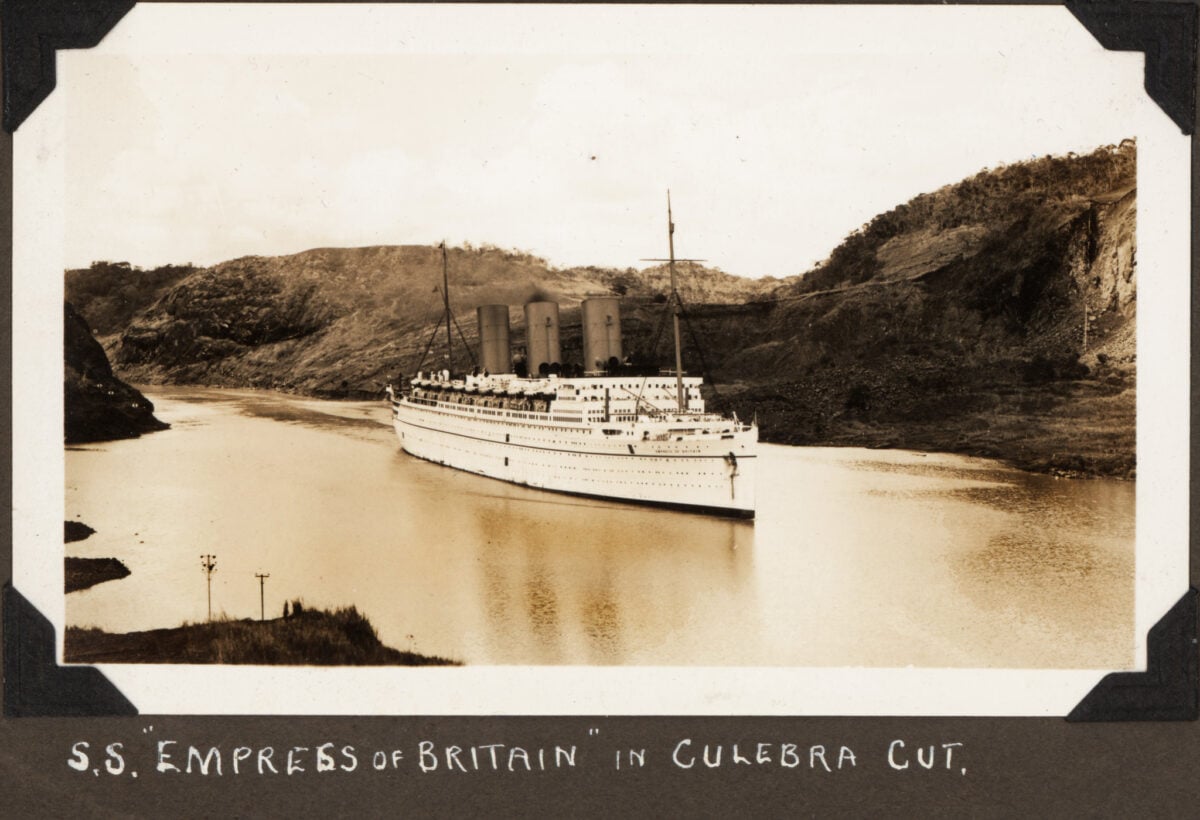
A Canadian ocean liner that sank in the Saint Lawrence River in 1914 after colliding with a Norwegian coal ship in heavy fog, the Empress of Ireland killed more than 1,000 passengers and crew in one of Canada’s deadliest maritime disasters. The wreck sits in cold, dark water that has preserved it well enough to attract experienced technical divers, though several have died attempting the dive over the decades.
Researchers continue documenting the site’s rapid deterioration from decades of both natural decay and past salvage operations.
Batavia
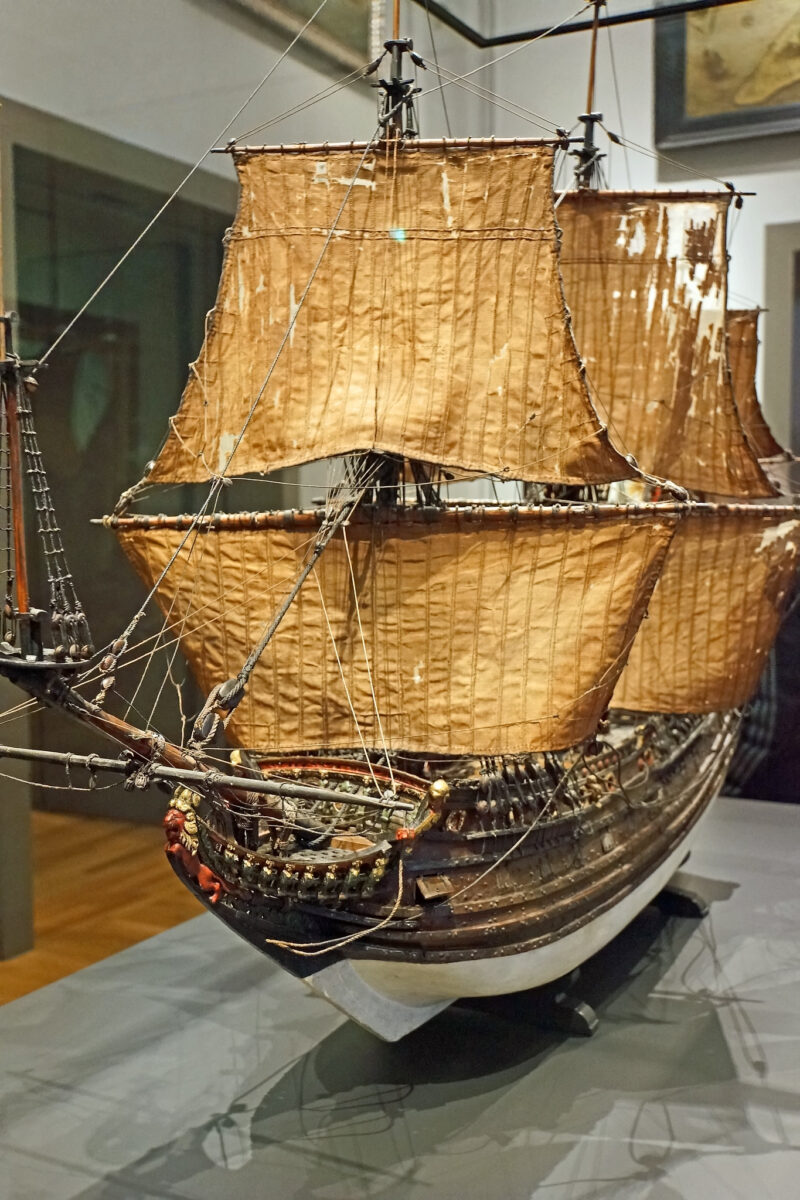
A Dutch East India Company ship wrecked off Western Australia in 1629, Batavia is remembered as much for the mutiny and mass killings that followed among stranded survivors as for the wreck itself. Archaeologists recovered a significant portion of the ship’s hull, which is now displayed in a museum, and continue excavating the surrounding reef and nearby islands where the mutineers’ makeshift fort and mass graves have been identified.
The site remains one of the most extensively studied colonial-era wrecks in the Southern Hemisphere.
The Ghost Fleet of Truk Lagoon
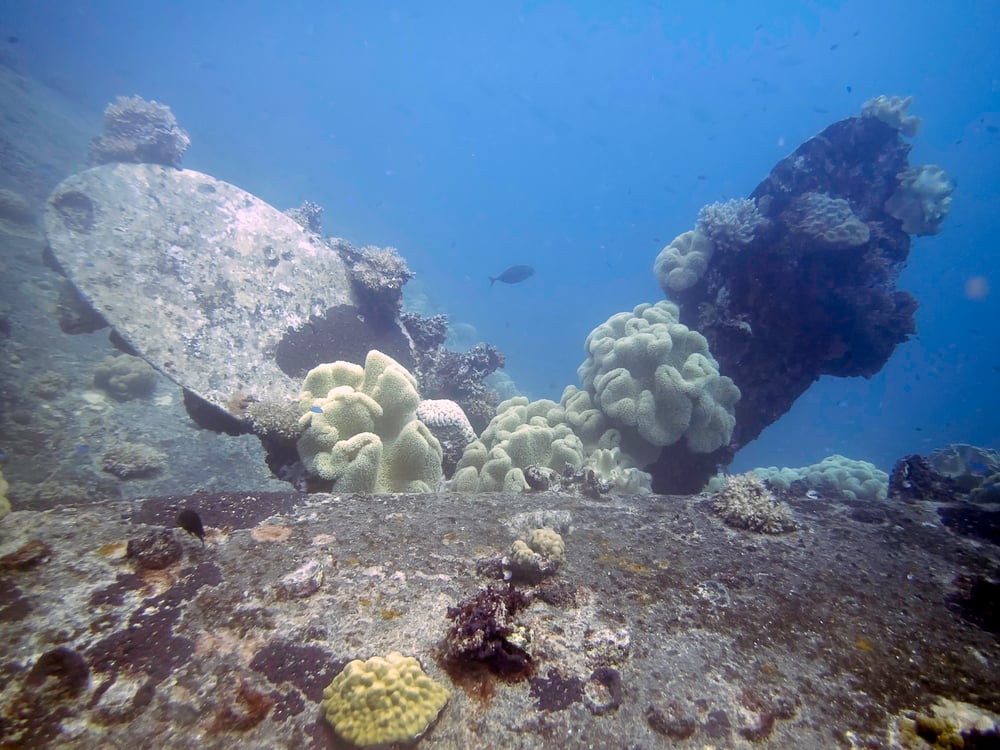
More than 50 Japanese naval and merchant vessels sank in Chuuk Lagoon during a massive American air raid in 1944, creating one of the largest concentrations of shipwrecks anywhere in the world. The warm, clear water has turned the site into a major diving destination, but it also draws researchers studying unexploded ordnance and slow fuel leaks that continue seeping from several tankers more than eighty years later.
Conservation groups have worked to pump out remaining oil from the most vulnerable wrecks before it can damage the surrounding reef.
HMS Victory, 1744
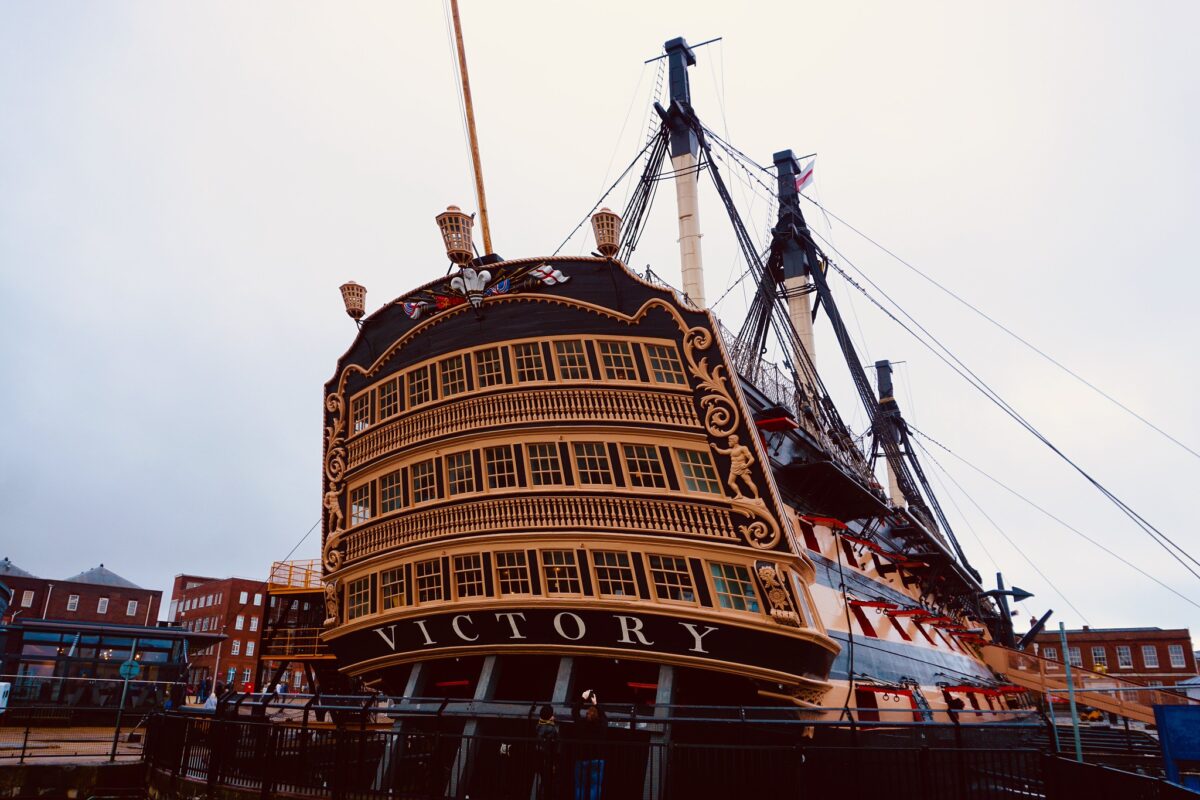
Not to be confused with Admiral Nelson’s preserved flagship of the same name, this earlier HMS Victory sank in a storm in the English Channel in 1744, and its wreck was not located until 2008 by an American exploration company. The find resolved a long historical debate about where the ship went down and produced significant evidence about eighteenth-century naval gunnery, since the wreck carried more heavy cannons than any warship of its era.
Ownership disputes between the discoverers and the British government delayed excavation for years, and survey work continues under a UK Ministry of Defence agreement.
The Antikythera Wreck
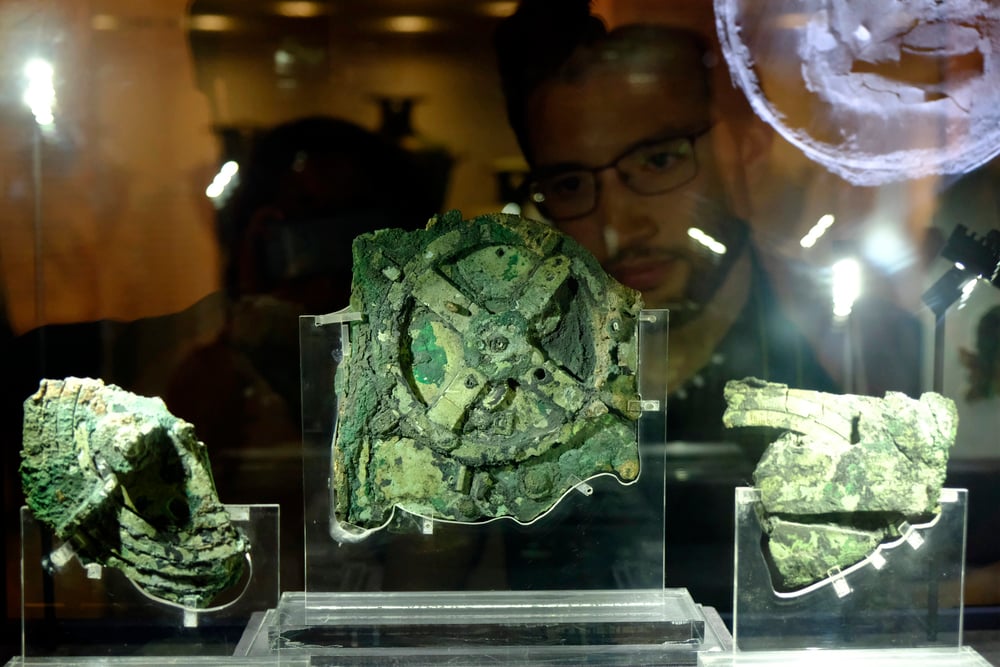
Discovered by sponge divers in 1900 off a small Greek island, this ancient Roman-era cargo ship yielded one of archaeology’s most extraordinary finds, a corroded bronze mechanism later identified as a sophisticated astronomical calculator now known as the Antikythera mechanism. Marine archaeologists have returned to the site repeatedly over more than a century, and recent expeditions using advanced excavation equipment have recovered additional statues, coins, and ship components buried under boulders that earlier divers could not move.
Researchers believe significant portions of the wreck remain unexcavated beneath the seabed.
Water as an Archive
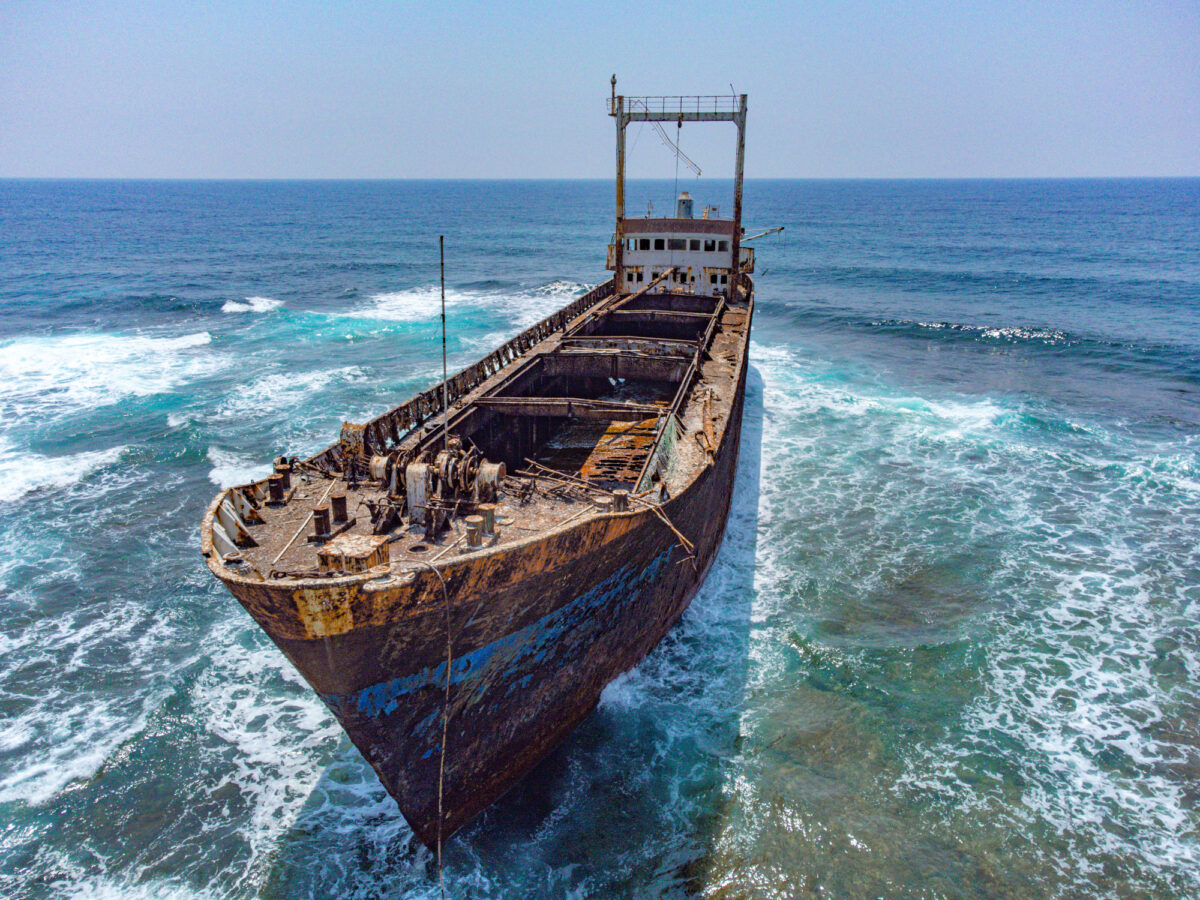
Every wreck on this list survives because water slows decay in ways that air never could, sealing wood, metal, and fabric in conditions that would have rotted away on land within a generation. That is also what makes these sites so difficult to walk away from.
New imaging technology keeps revealing details that older expeditions physically could not capture, and every dive adds another layer to a story that was assumed finished the moment the ship went under. The pull toward these wrecks is not really about treasure, even on the sites where treasure exists.
It is about the strange permanence of a disaster frozen mid-collapse, still legible enough after centuries or millennia that researchers can reconstruct the final hours of people who never expected anyone would come looking.
More from Go2Tutors!

- The Romanov Crown Jewels and Their Tragic Fate
- 13 Historical Mysteries That Science Still Can’t Solve
- Famous Hoaxes That Fooled the World for Years
- 15 Child Stars with Tragic Adult Lives
- 16 Famous Jewelry Pieces in History
Like Go2Tutors’s content? Follow us on MSN.