29 Flea Market Categories Where the Real Deals Hide
There’s a particular kind of patience required at a flea market — not the polite, waiting-in-line kind, but the slow, unhurried willingness to look at something twice. Most people walk past the real finds without blinking. They’re scanning for the obvious: a vintage sign, a mid-century chair, something that already looks like it belongs on a shelf. But the best deals are rarely that obliging.
They sit in crates, in brown paper, in piles that look like someone’s garage got tired of itself. Knowing which categories to actually stop at — and what to look for inside them — is the difference between spending twenty dollars on something worth two hundred and walking home with a bag of regret.
Cast Iron Cookware
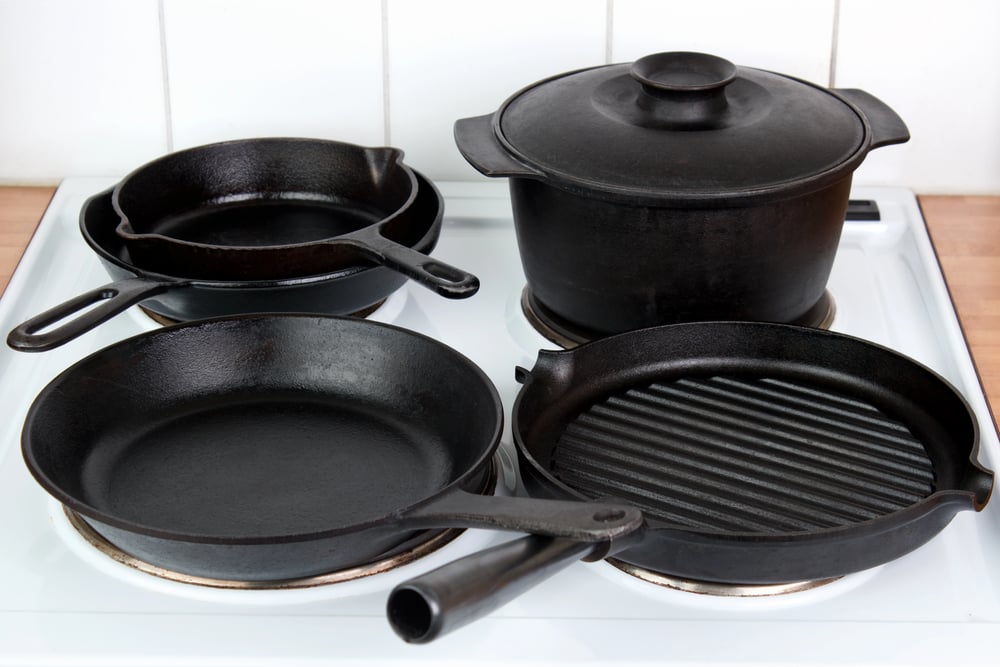
Cast iron at flea markets is almost always underpriced. Sellers see rust and weight; buyers who know their stuff see a $15 skillet that cleans up to rival a $120 Lodge equivalent. Check the bottom for maker’s marks — Griswold and Wagner are the names worth crouching down for.
Vintage Cameras

Film cameras occupy a strange middle ground at flea markets — too old for sellers to know their current value, too analog-looking for casual buyers to bother, which means the gap between asking price and actual worth is often embarrassingly wide. A functional Pentax K1000 or a Minolta X-700, both built to outlast nearly every digital camera made in the last decade, might be tagged at $20 by someone who just wants it gone.
Flip it over, check that the shutter fires, hold it up to the light: this is how $25 becomes $180 on the resale market.
Linens and Quilts
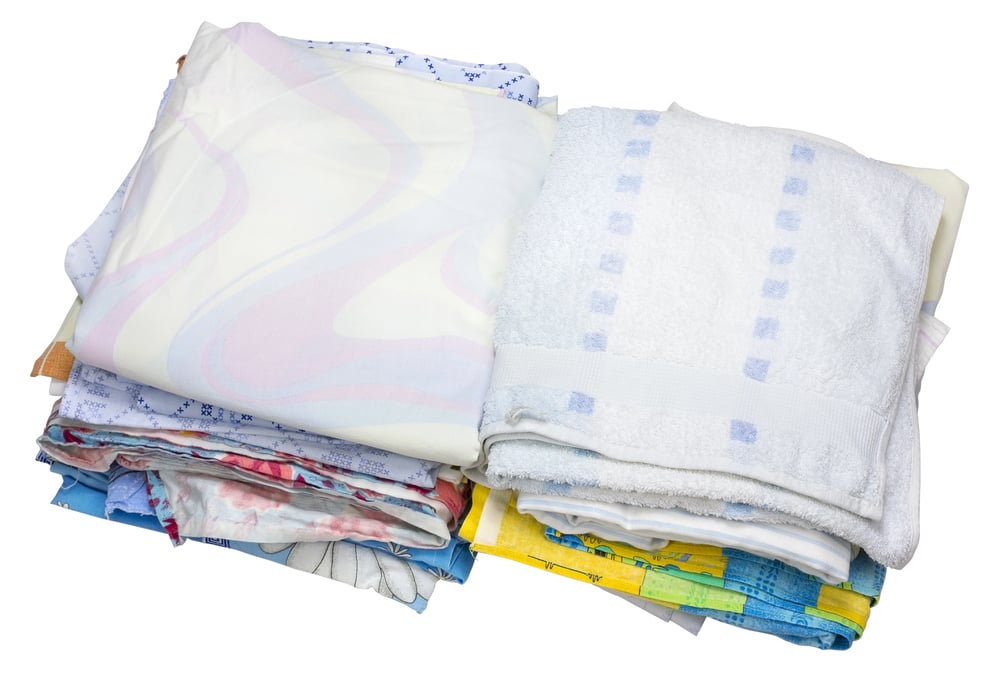
An old quilt folded in a bin is a little like a letter written to no one in particular — made with care for an occasion that has long since passed, now waiting for someone to understand what it is. Hand-stitched quilts from the early-to-mid twentieth century are frequently buried under polyester bed sets, indifferent to their own value.
The embroidery work alone on certain examples would cost hundreds to replicate today.
Mechanical Watches
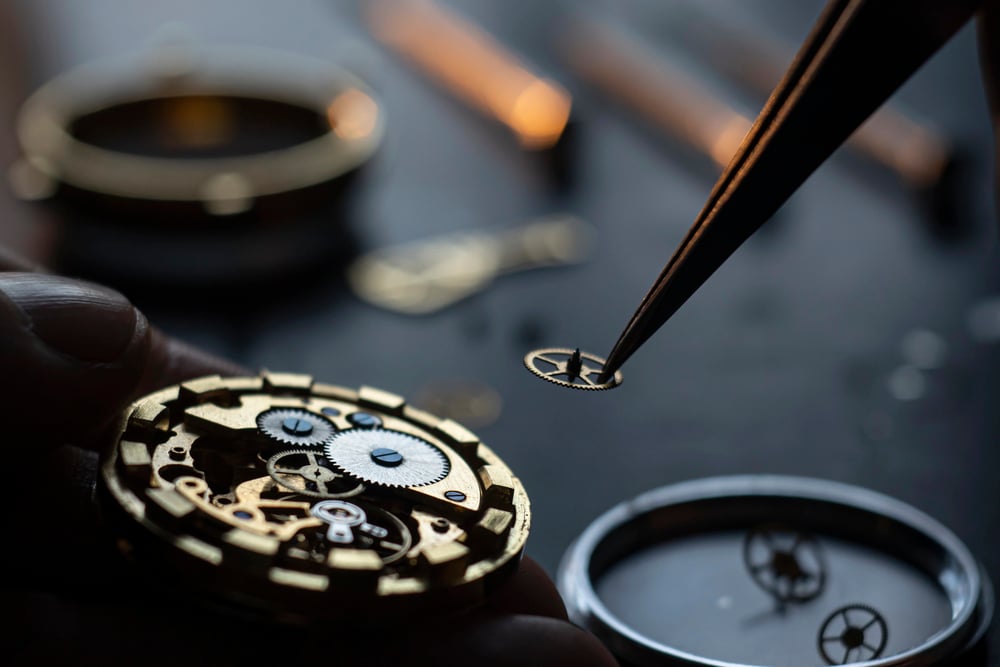
Mechanical watches are one of the most reliably mispriced categories at any flea market, full stop. Sellers routinely mistake “not digital” for “not valuable,” which means a dead-battery automatic that simply stopped running gets tagged at $8 instead of $80.
A watch that just needs a service, not a replacement, is basically a gift. The trick is knowing Swiss from Soviet, and that distinction is worth learning before you go.
Hardcover Books

First editions hide in plain sight at flea markets, mostly because most sellers price by the inch rather than by what’s actually on the title page. But the gap between “old book” and “valuable book” is enormous and depends entirely on printing details that look invisible until you know to look for them.
A 1937 first edition, first printing of Dr. Seuss’s “And to Think That I Saw It on Mulberry Street,” in its original dust jacket, has sold for roughly $10,000 — but the catch is that almost every copy you’ll actually encounter at a flea market is a later printing, since the book went through dozens of printings over the decades, and those later copies are typically worth $25 to $300 depending on condition. Learning to check the copyright page for “first printing” before getting excited is the whole game.
Silverware and Flatware
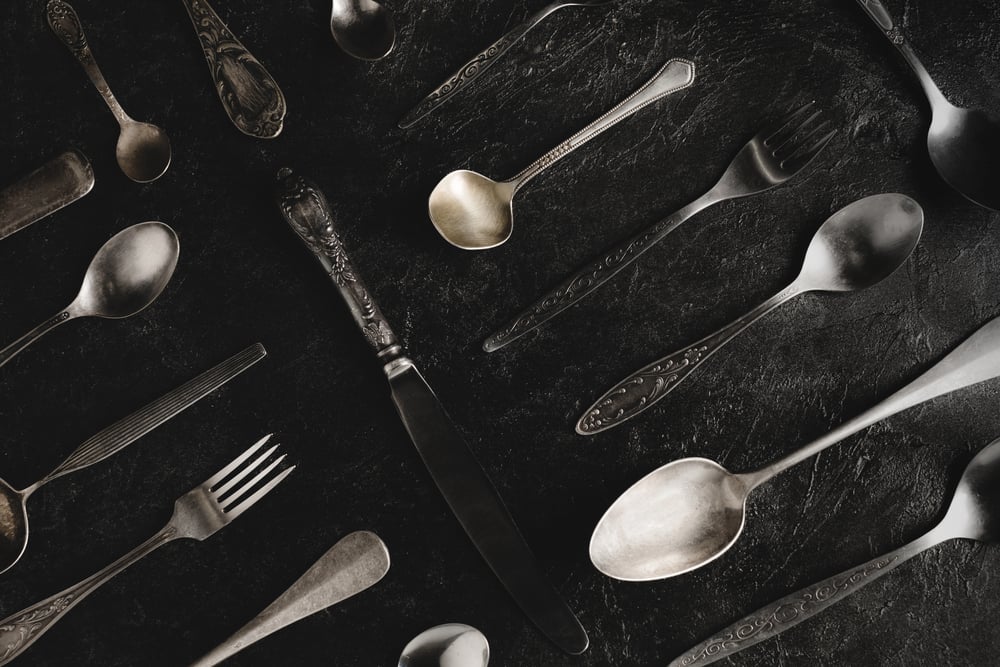
Sterling silver flatware is one of those categories where the weight in your hand tells the story before the price tag does — solid silver has a heft that silver-plated pieces simply cannot fake, and once you’ve held both, you’ll never confuse them again. Sellers at flea markets often bundle entire services together for whatever the lot will fetch, which is frequently less than the melt value of the silver itself.
Not every piece is sterling, though — look for the “925” stamp or the word “sterling” on the handle, since silverplate and solid silver are not the same thing, which matters a great deal given the price difference between them.
Vintage Maps and Atlases
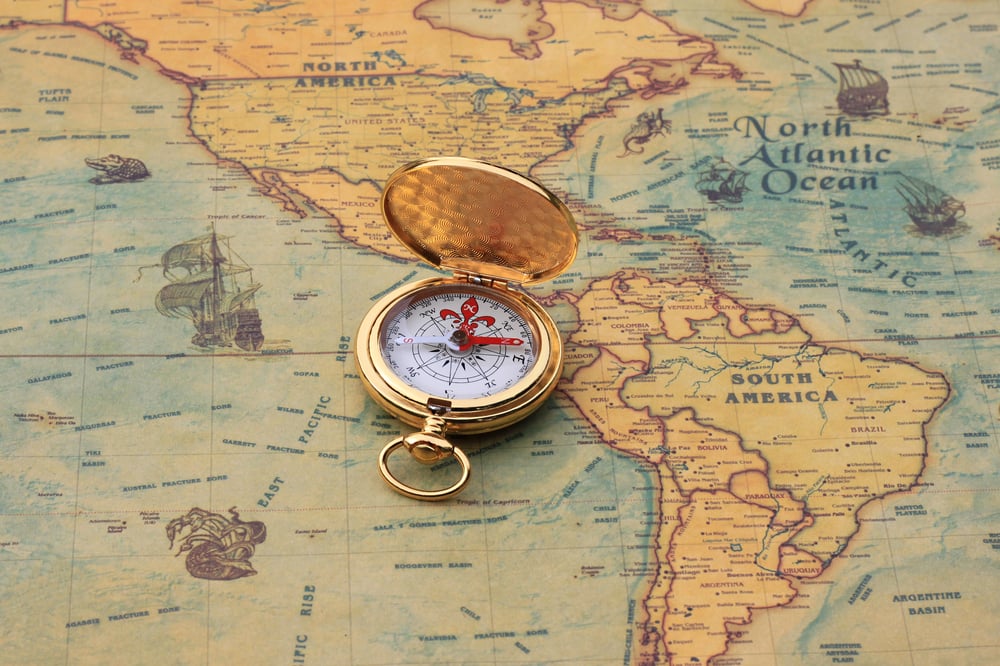
A nineteenth-century map of a coastline that no longer quite looks that way carries a specific kind of authority — not wrong, exactly, just stubbornly committed to a world that has since been corrected. Antique cartographic prints from the 1800s appear regularly at flea markets, usually stacked with modern road atlases and tourist pamphlets, invisible to everyone who isn’t looking.
Framed, matted, and properly lit, the same map that sold for $12 in a crate becomes the most interesting thing on a dining room wall.
Pottery and Ceramics
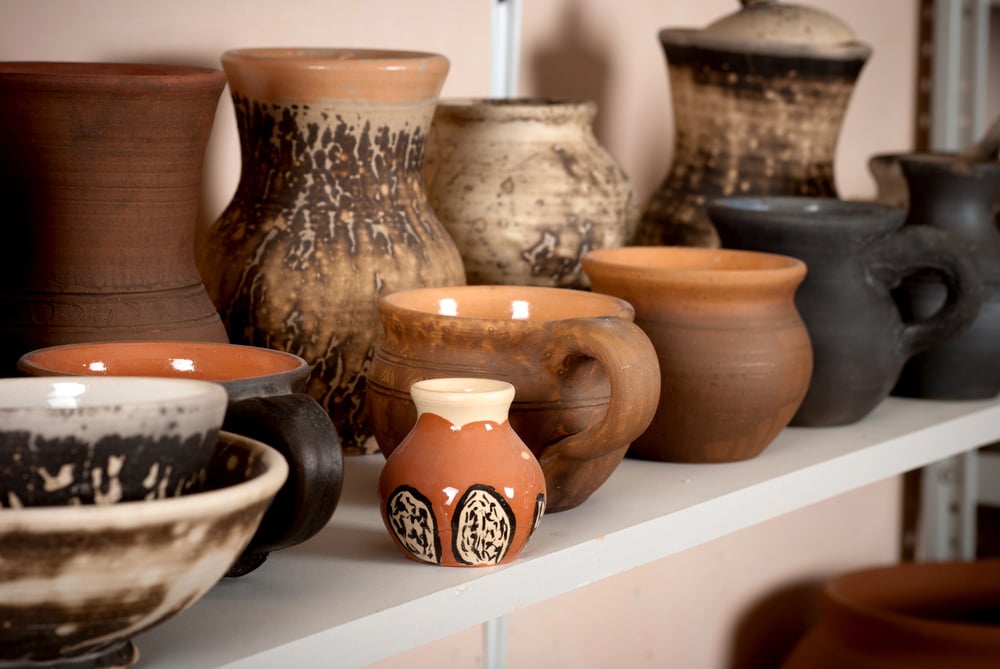
American art pottery is genuinely underrecognized at flea markets, and that’s a buyer’s advantage worth exploiting. Rookwood, Weller, Roseville — these are names that mean nothing to a seller who inherited a box of “old dishes,” but they mean a great deal at auction.
A Weller Woodcraft vase tagged at $30 because it “looked old” has sold for north of $400. The bottom of a piece of pottery tells you more than the top does — flip it, look for impressed marks, and don’t put it back down.
Vintage Advertising Signs
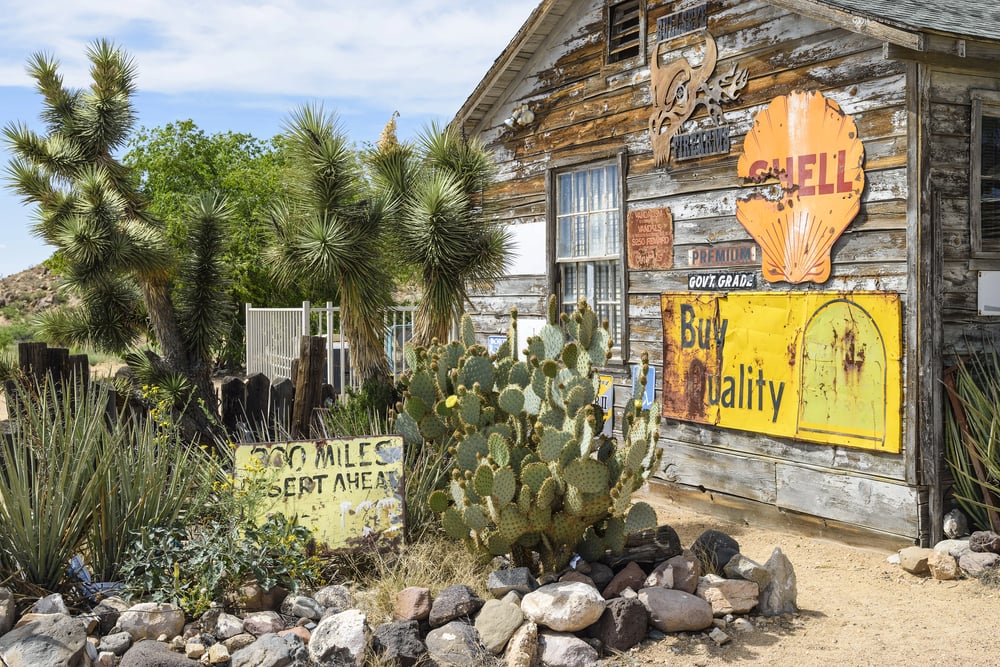
Tin advertising signs from the early twentieth century are among the most collected items in American folk art. Condition matters enormously — lithographed tin with original color and minimal rust is worth real money.
A porcelain enamel sign for a gasoline brand or a soda company can run into the thousands at auction.
Costume Jewelry
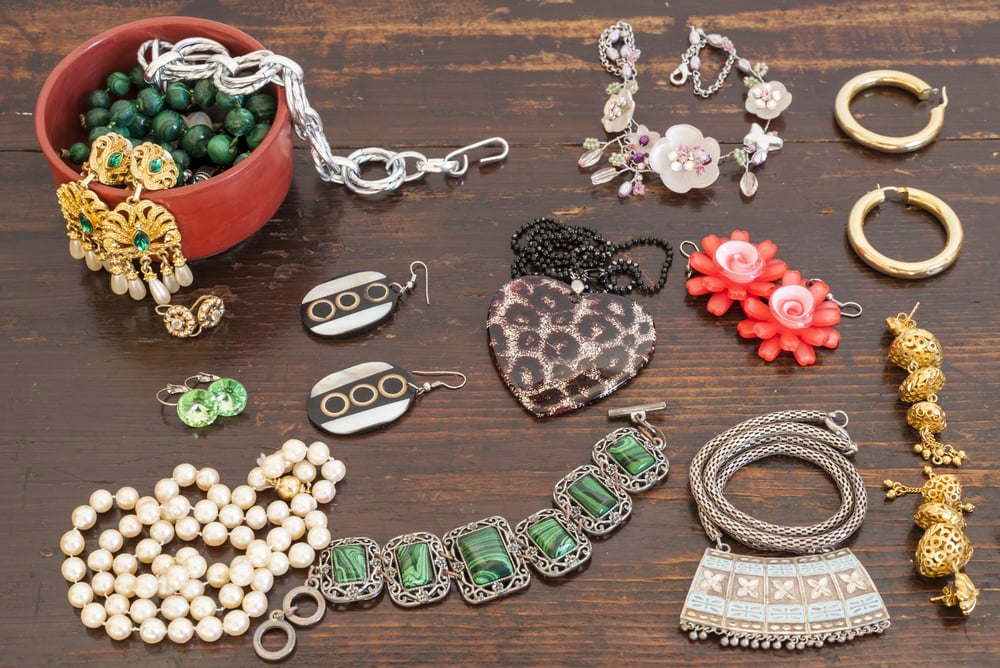
Costume jewelry from the 1940s through the 1970s exists in a peculiar valuation limbo — too glamorous to be ignored, too “fake” for people to take seriously — and that collective indifference is what keeps prices low enough to matter. Miriam Haskell pieces, identifiable by hand-wired Russian glass beads and seed pearls on a brass base, or signed Trifari brooches regularly appear in mixed jewelry bins at $5 to $15 each, priced by someone who never thought to flip the clasp and check for a signature.
Vintage Postcards
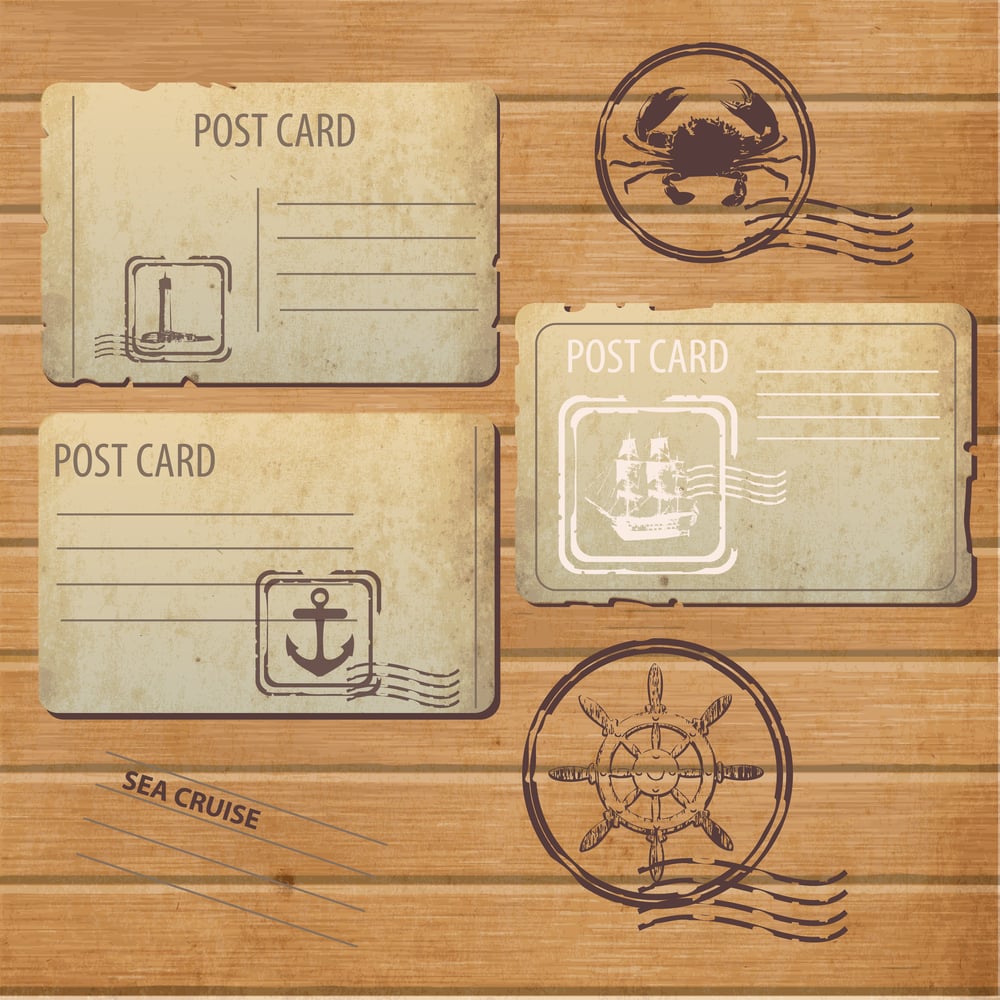
A postcard is one of the smallest possible archives of ordinary life — a thirty-word message, a three-cent stamp, a street scene from 1908 that no longer exists. Real photo postcards (RPPCs), printed directly from photographs rather than lithographed, are among the most collectible paper ephemera in American antiques, and they appear at flea markets with startling regularity.
The message on the back is sometimes the most valuable part: a note from a soldier, a town name, a date that pins the image to a specific moment.
Hand Tools

Old hand tools are one of the purest categories for finding underpriced quality. A pre-1950s Stanley plane or a set of socket chisels from a dissolved woodworking estate will outperform most modern equivalents — the steel was harder, the tolerances were tighter, and no one was trying to hit a $19 price point.
Woodworkers know this, which is why the good stuff disappears fast; arriving early at a flea market is less of a suggestion in this category and more of a requirement.
Children’s Books
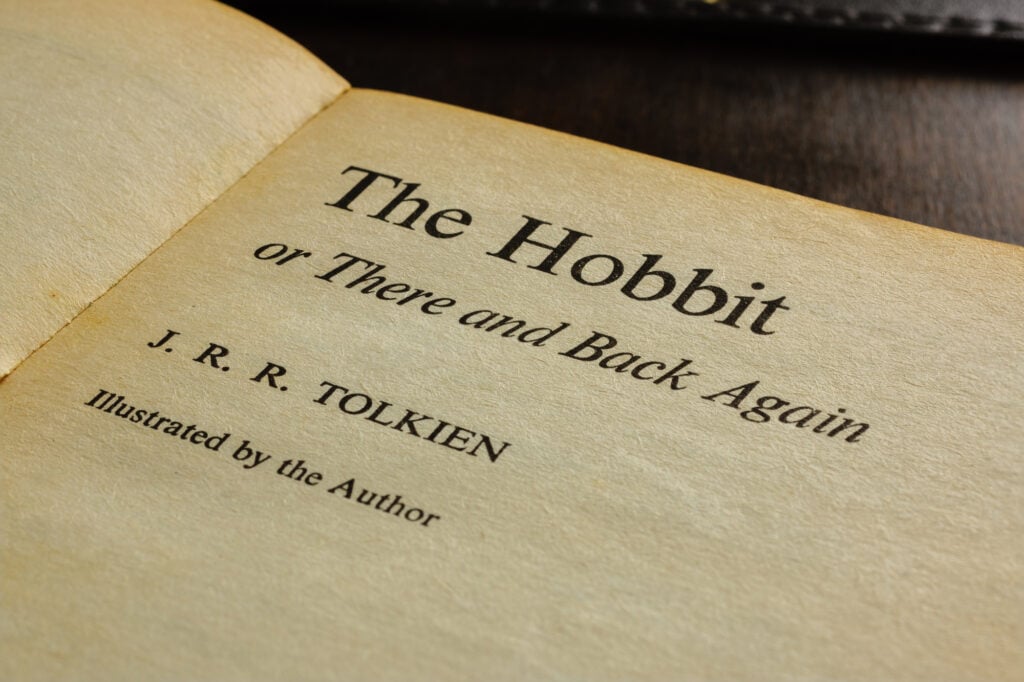
First editions of beloved children’s books are consistently undervalued at flea markets, mostly because sellers see “kids’ book” and price accordingly. That gap between perceived and actual value is exactly where collectors find their best material — though as with adult first editions, the specific printing matters enormously, and a quick check of the copyright page often separates the genuine find from the pleasant but ordinary copy.
Vintage Fabric and Notions
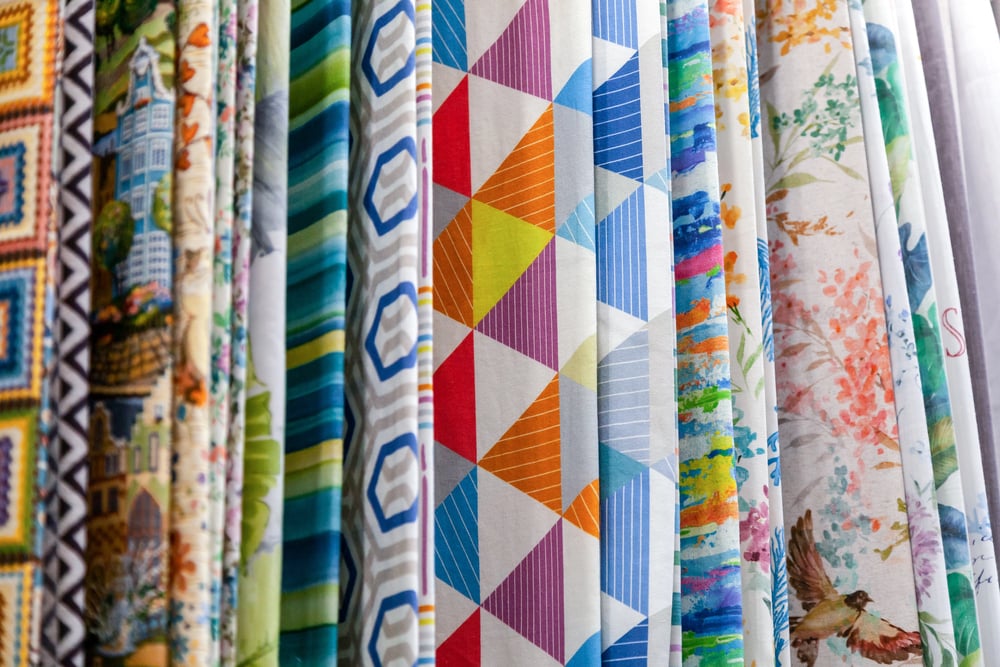
There’s an entire secondary economy inside flea markets built around fabric — bolts of vintage cotton prints, wool challis from the 1950s, feedsack material in patterns that modern textile companies have spent years trying to reproduce — and almost nobody outside the quilting and garment-making communities knows it exists. A bolt of genuine 1940s novelty print cotton, the kind with tiny locomotives or atomic starbursts, is worth considerably more per yard than its flea market price suggests, particularly as vintage sewing communities have grown substantially in the last decade.
The notions, too — bone buttons, glass-headed pins, bakelite fasteners sold in their original cards — are small objects that carry disproportionate value for collectors who know exactly what they’re looking at.
Depression Glass
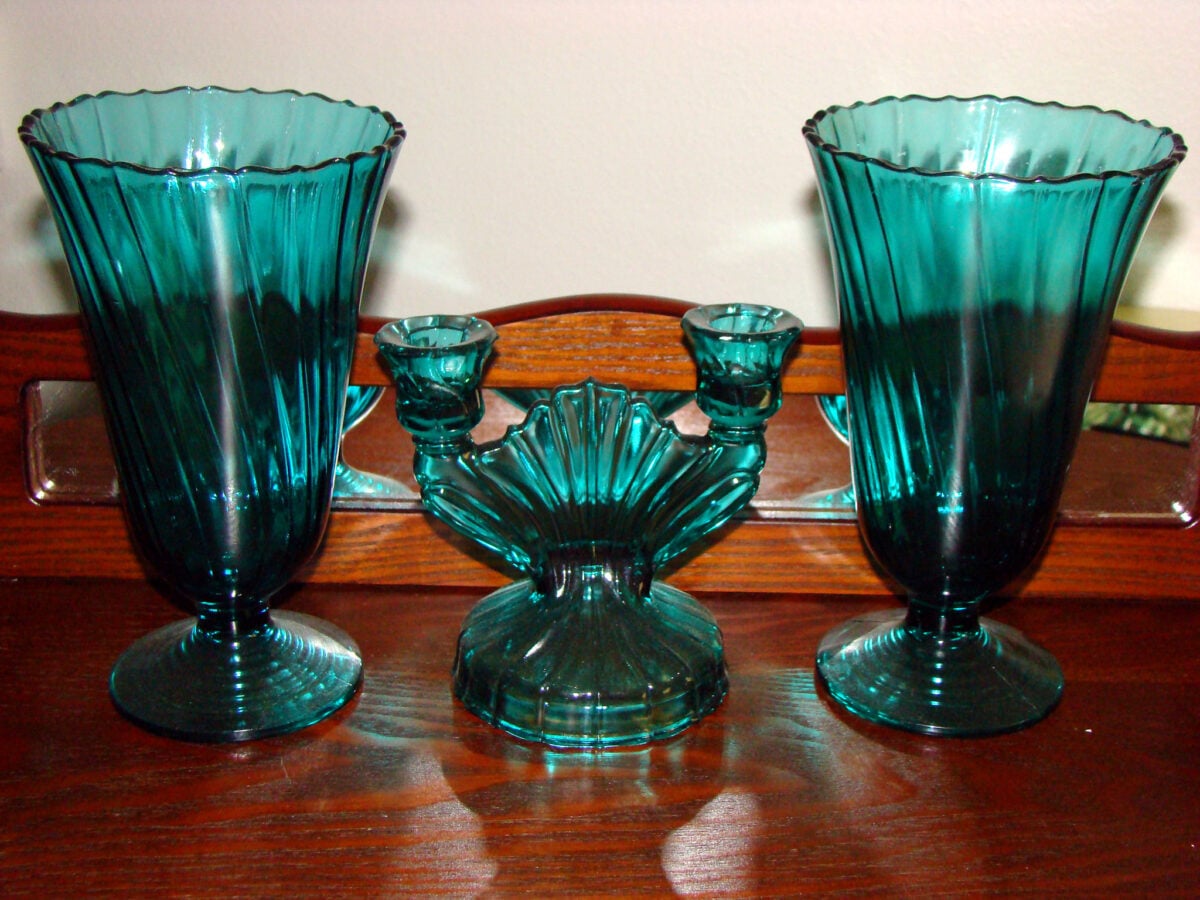
Depression glass was made to be given away — tucked into oatmeal boxes, handed out at movie theaters, distributed to households that couldn’t afford to buy it — and there’s something quietly remarkable about the fact that it has outlasted almost everything else from that era. The pink and green pieces glow under fluorescent flea market lights like something that knows it survived.
Certain patterns — Mayfair, American Sweetheart, Cameo — command real prices among collectors, particularly in the rarer colors like tangerine or ice blue.
Vintage Clothing
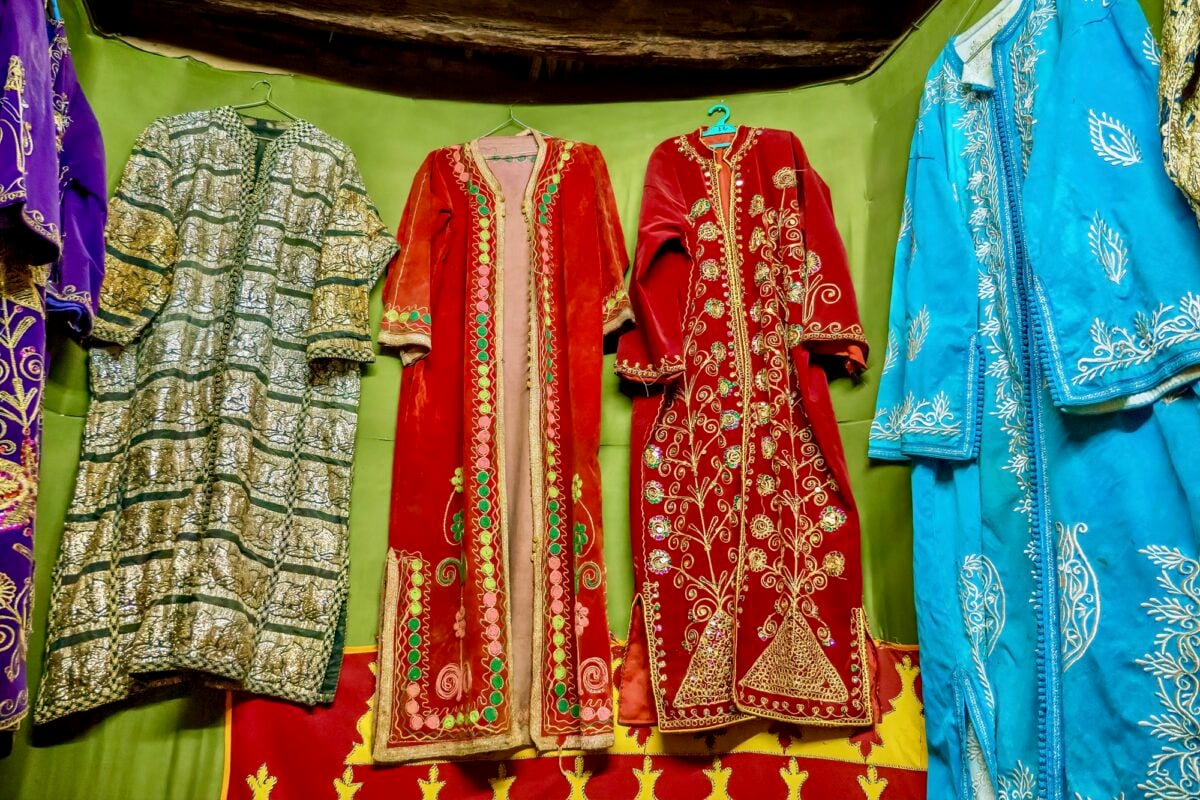
Vintage clothing at flea markets is one of the few categories where the quality genuinely exceeds what’s available new, at any price. A 1960s wool coat made to last thirty years has already lasted sixty, which settles the debate about construction.
Condition matters enormously, though — a moth-eaten cashmere blazer is still a moth-eaten blazer — but a clean, well-made piece from the 1940s or 1950s is an object lesson in what “durable goods” used to mean.
Records and Vinyl
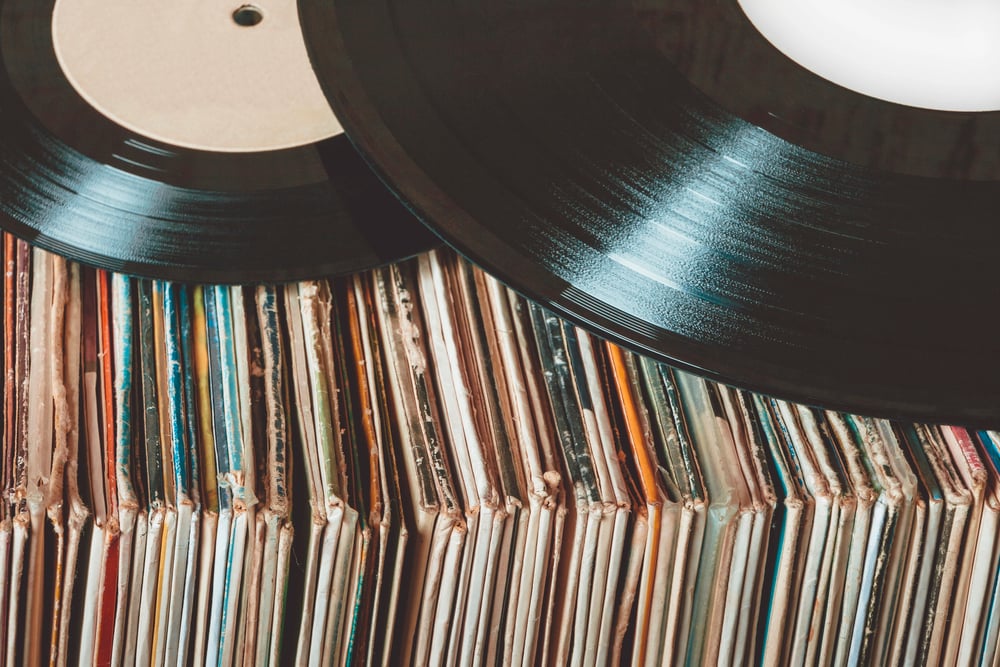
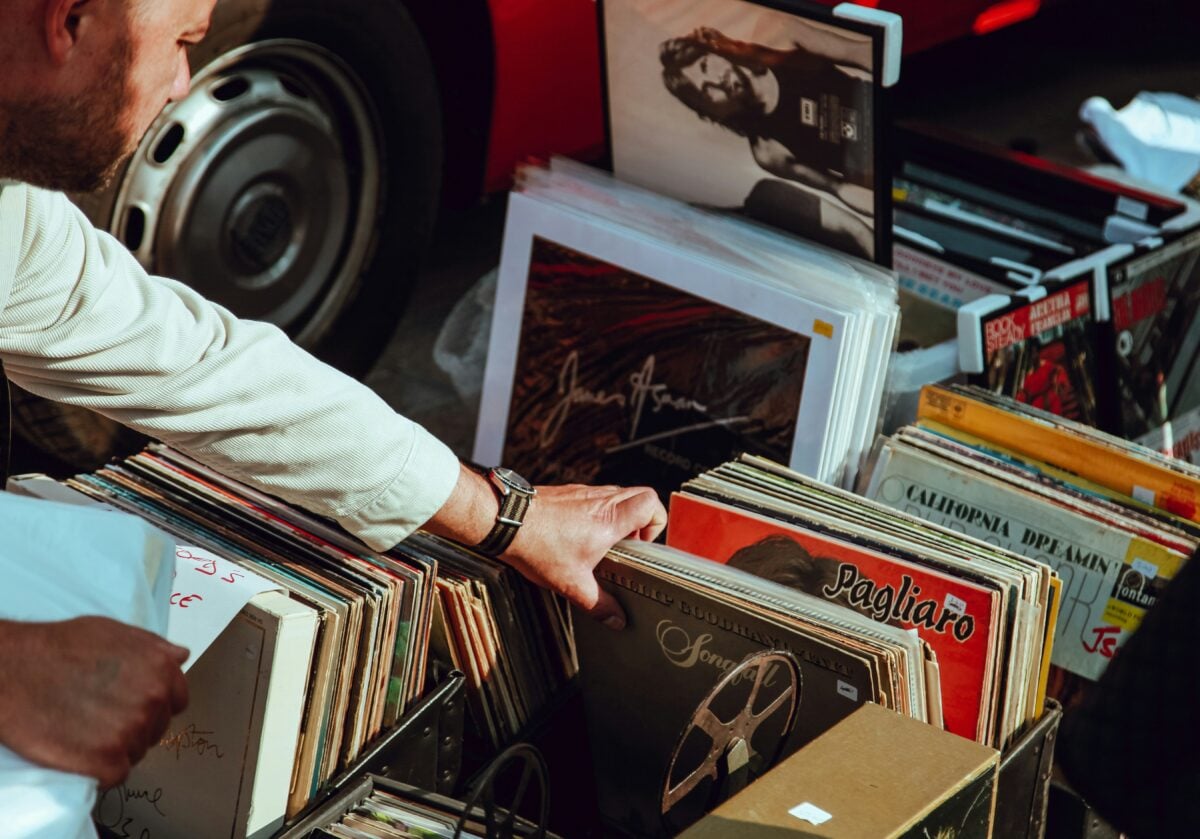
Vinyl records are one of the most searched categories at flea markets, which means the obvious stuff — Beatles, Zeppelin, classic rock — gets picked over fast. The real value is in jazz, blues, soul, and classical, where first pressings appear with much less competition.
Know your label variations before you go.
Kitchen Crocks and Stoneware
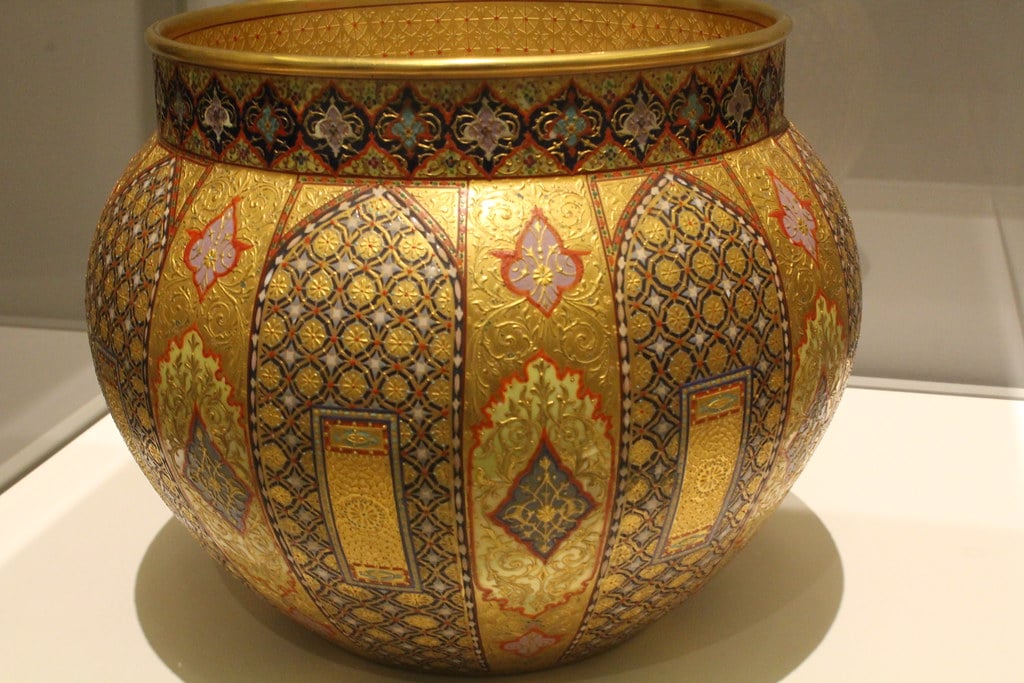
Stoneware crocks — the salt-glazed, cobalt-decorated kind made by American potteries from the early 1800s through the early 1900s — are exactly the sort of object that gets misidentified as purely utilitarian and therefore priced like a kitchen prop rather than a collectible, which is a persistent error that benefits informed buyers considerably. A crock with significant cobalt decoration — a bird, a deer, a flourishing flower design — from a documented pottery like Whites of Utica or Red Wing Stoneware is worth hundreds of dollars in good condition.
A chip on the rim drops the price precipitously, which is how dealers in the know buy damaged examples for $20 and display them anyway, because a cracked stoneware crock is still a more interesting object than most things made this century.
Scientific Instruments
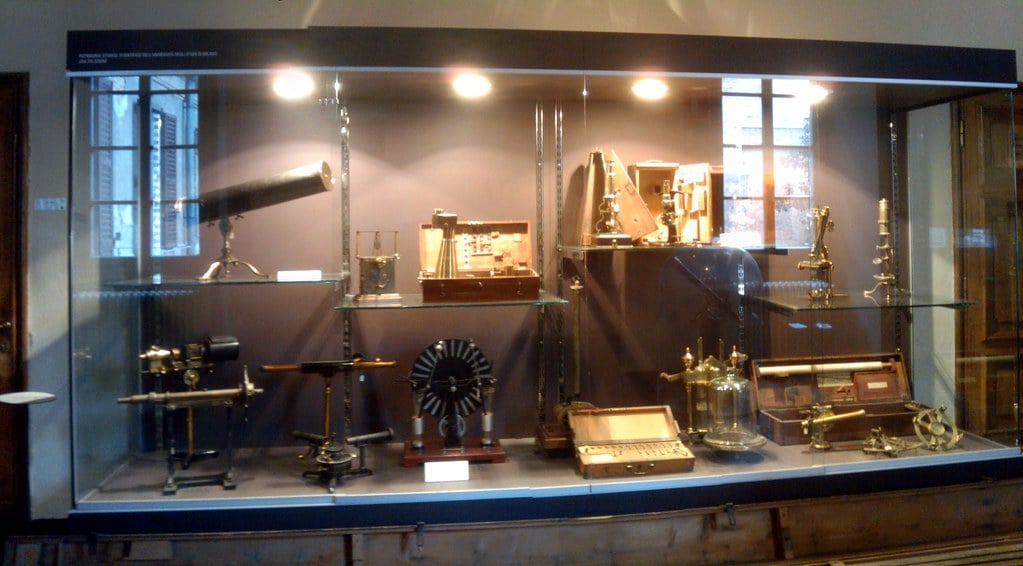
Old brass scientific instruments have the gravity of objects that were made to measure things that mattered — distance, weather, the position of stars — and they carry that gravity into every room they enter. Barometers, theodolites, surveying compasses, and brass microscopes from the nineteenth and early twentieth centuries appear at flea markets with surprising frequency, usually priced as decorative items rather than as the precise instruments they were.
A functioning early-twentieth-century brass microscope by a named maker like Bausch & Lomb or Spencer can sell for significantly more than its flea market tag.
Oil Paintings and Watercolors
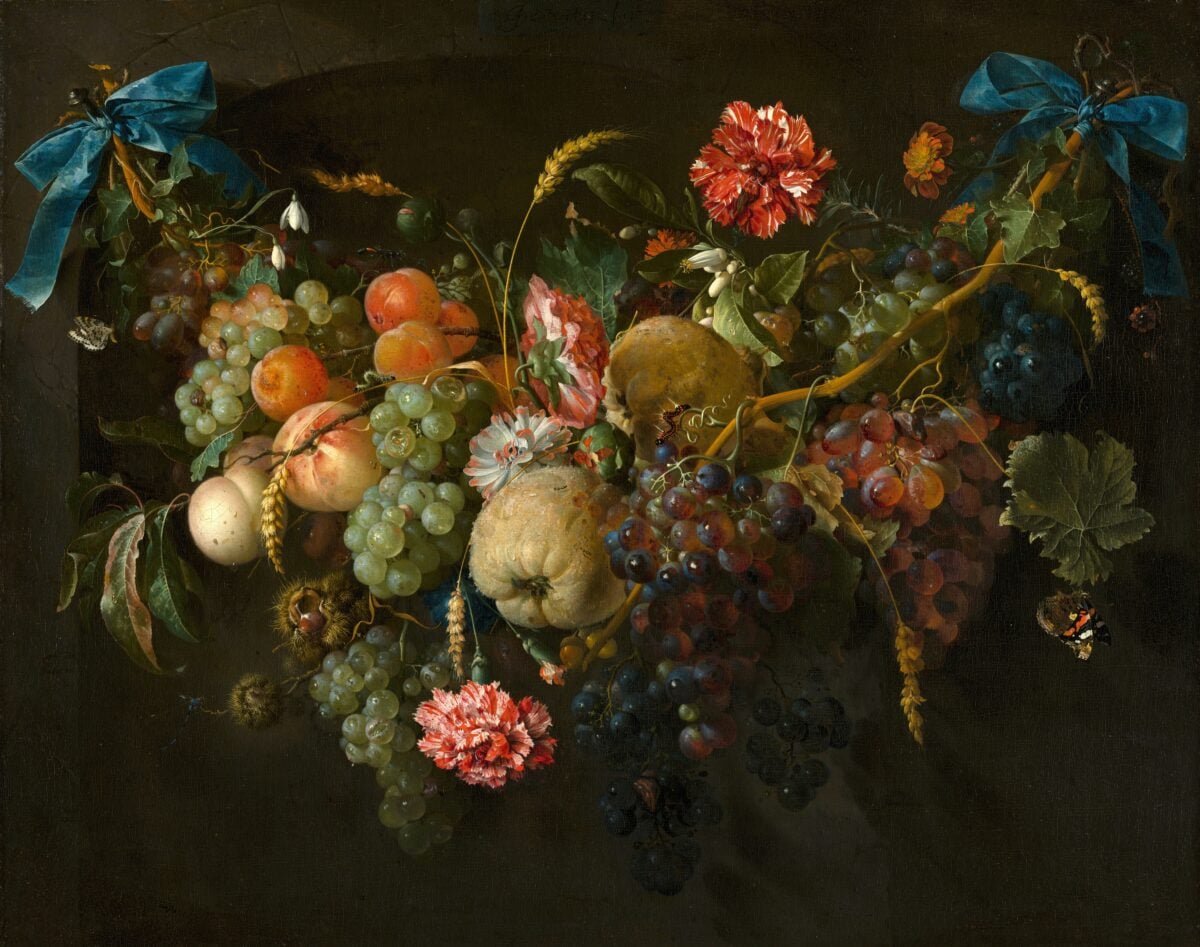
Original art is almost always a better flea market buy than prints, and the gap between the two is rarely reflected in the pricing. A small oil painting by an unknown regional artist — still life, landscape, portrait — is an original object that took skill and time to produce, and those things don’t become less true just because no one knows the name on the back.
The art market runs on reputation, which means genuine quality outside that system is perpetually on sale.
Typewriters
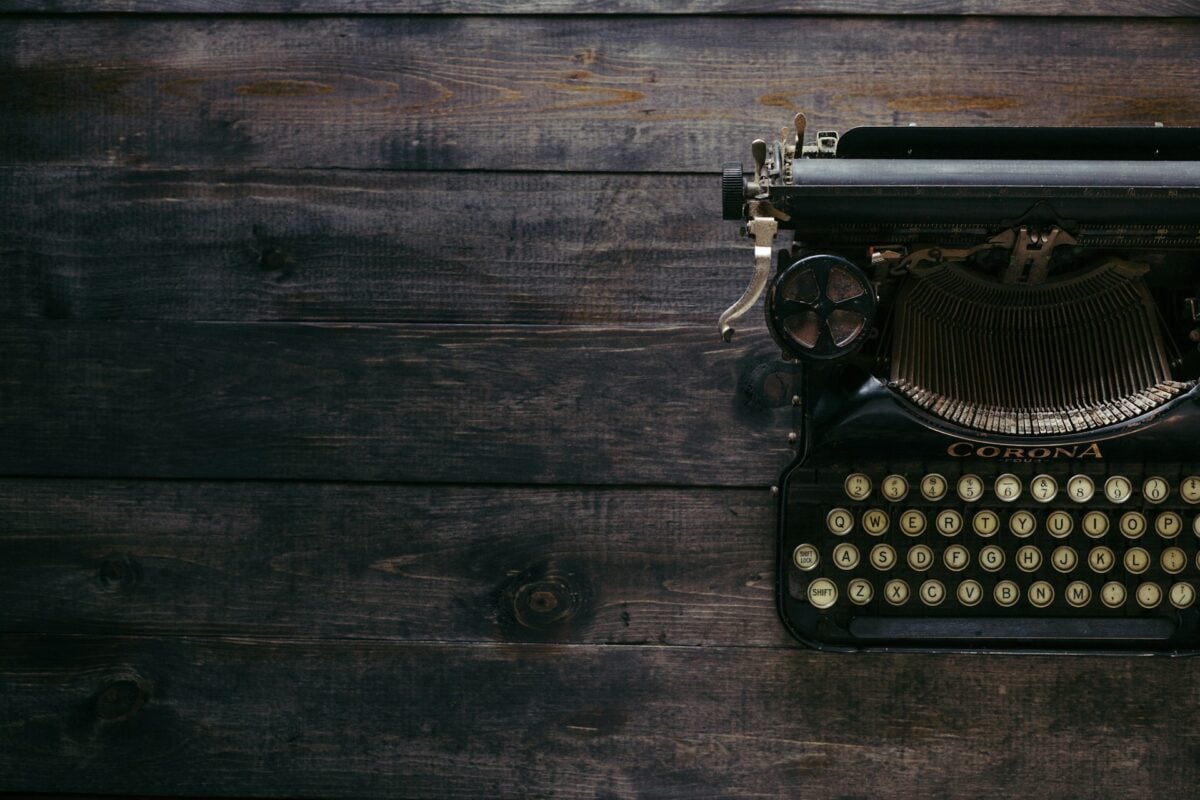
Portable typewriters from the 1950s and 1960s are in active demand. A fully functional Hermes 3000 or Olivetti Lettera 32 in good condition sells consistently for $150 to $300 online.
Flea market prices still haven’t fully caught up.
Vintage Toys and Games
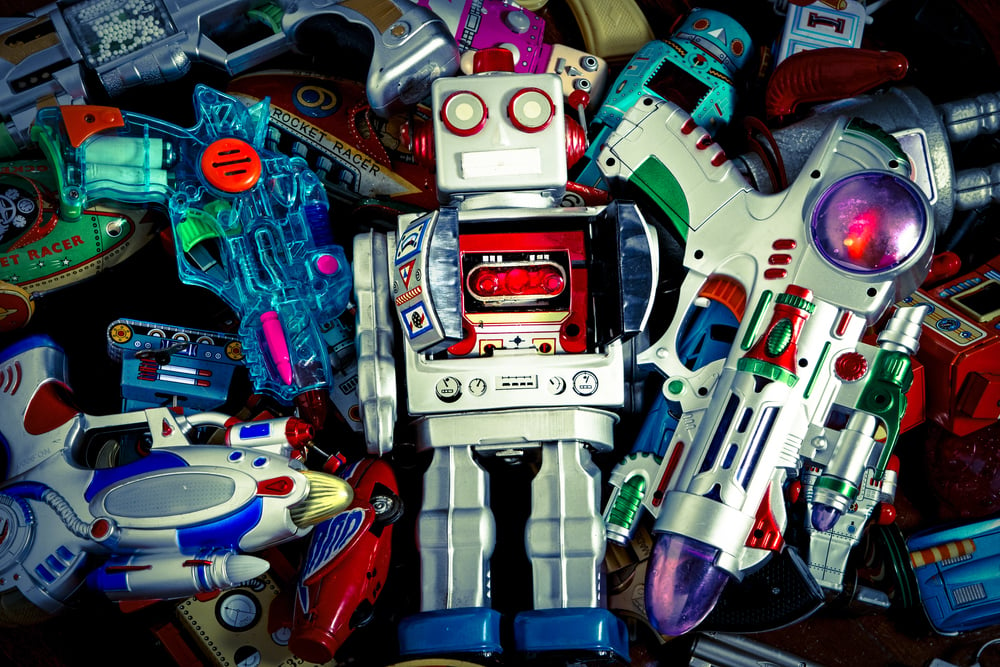
Pre-1980s toys occupy a peculiar valuation space at flea markets: sellers know they’re old, buyers know they’re nostalgic, and neither party has quite pinned down what “old and nostalgic” is worth in a given moment, which is where the opportunity sits. Cast metal die-cast vehicles by Dinky or Corgi, early Barbie cases with accessories, tin lithographed penny toys from the early twentieth century — these are documented collector categories with auction records running into the thousands for pristine examples.
Yet a Dinky dump truck in original paint, complete with a chip or two, will sit in a bin at $8 because it looks like a toy rather than an antique.
Vintage Mirrors
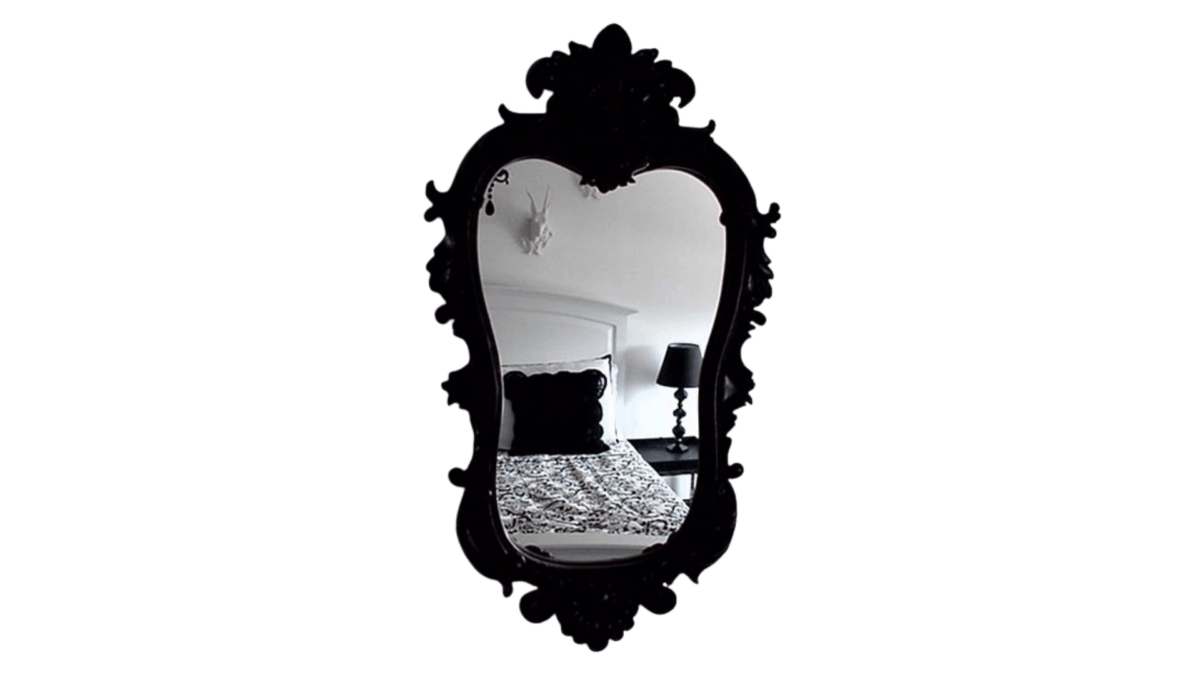
An old mirror doesn’t just reflect the room — it reflects the room with a quality of light that new mirrors, with their uniform silver backing, simply refuse to replicate. Foxed, slightly hazed antique mirrors have an atmospheric quality that interior designers now actively specify and charge accordingly for.
A Victorian or early-twentieth-century mirror bought for $25 at a flea market and rehung in a hallway will do more for a room than almost any new piece at ten times the price.
Sheet Music and Music Ephemera
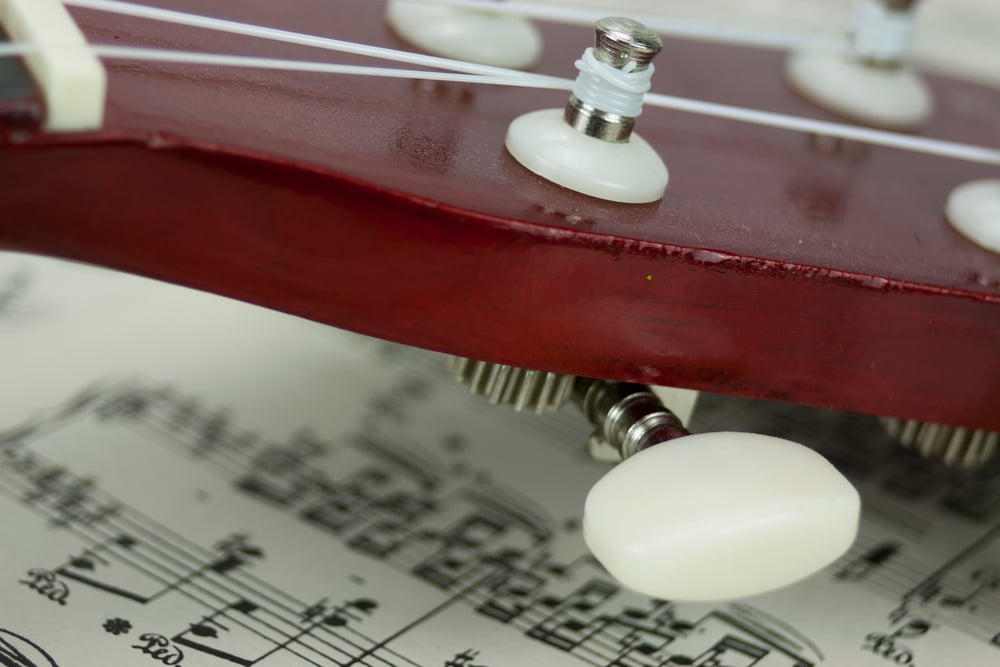
Vintage sheet music is one of the most consistently overlooked paper categories at flea markets, which is a mistake. Pre-1930s covers were illustrated lithographic works, some of them genuinely beautiful, designed by commercial artists whose work now appears in museum collections.
The music itself is largely irrelevant to the value; it’s the cover image, the condition of the lithography, and the subject matter that collectors are paying for.
Bakelite and Early Plastics
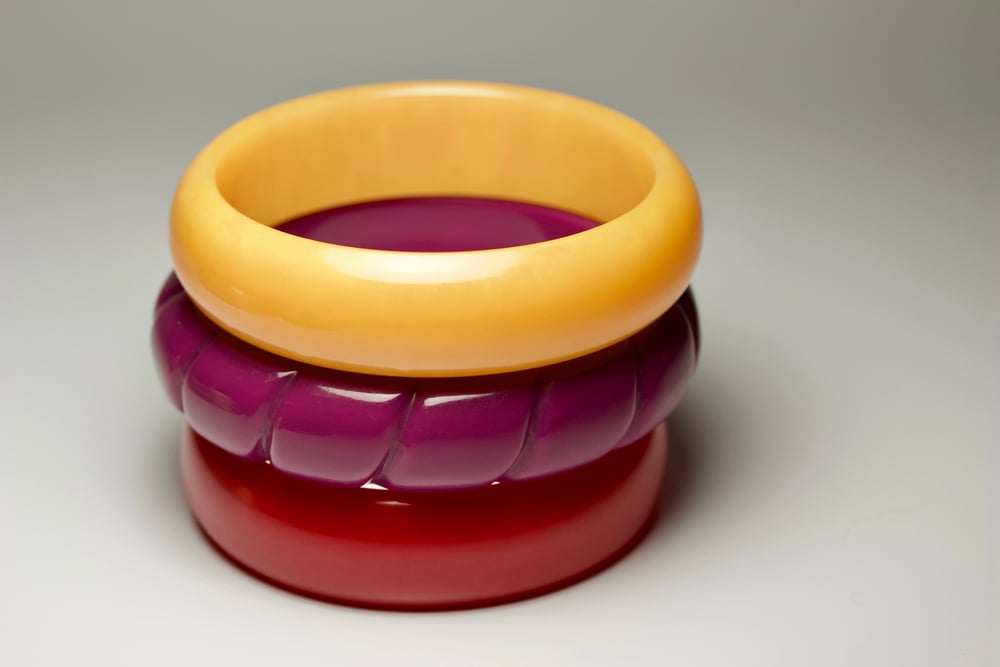
Bakelite — the early synthetic resin produced from 1907 onward — has a devoted collector following and consistently strong resale values. The test is simple: rub the piece briskly and smell it.
Genuine Bakelite produces a faint formaldehyde or carbolic acid odor. Jewelry, radio cases, and kitchen utensils are the most common forms.
Military Memorabilia
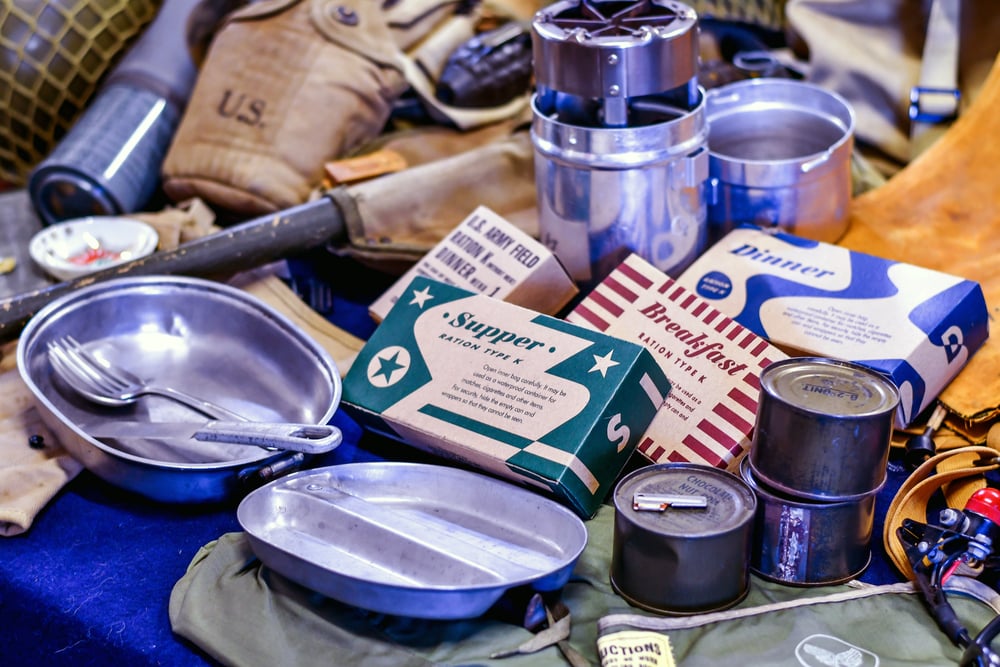
Military collectibles sit in an uncomfortable space at flea markets — emotionally weighted, historically significant, and almost impossible to price accurately without specific knowledge of branch, era, and country of origin, which means sellers frequently guess and buyers frequently win. A named WWII soldier’s uniform grouping — jacket, discharge papers, photographs, identification tags kept together from the same individual — is worth considerably more than the sum of its parts, and these groupings survive intact more often than you’d expect because families kept them together out of respect before eventually letting them go.
The provenance — the name, the unit, the theater of service — is the value, not just the cloth and metal.
Vintage Telephones
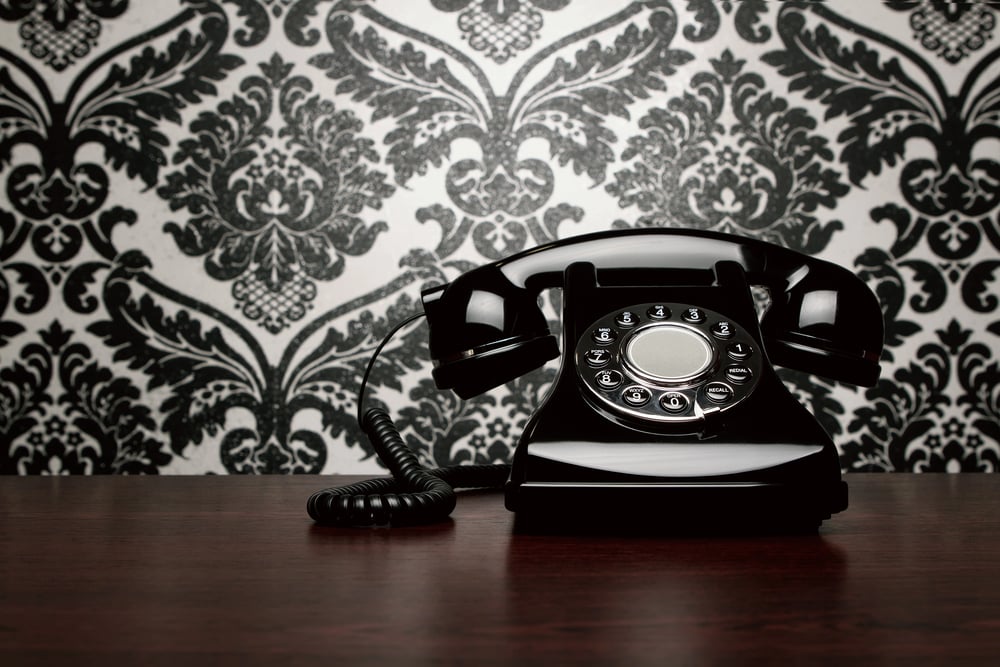
A rotary telephone from the 1940s or 1950s sits on a flea market table like a small monument to a particular idea of communication — deliberate, physical, requiring actual effort to reach someone. Western Electric and Automatic Electric phones from that era are robustly built, genuinely functional on modern phone lines with an adapter, and visually striking in a way that phone design abandoned sometime around 1985 and never quite recovered from.
The candlestick phones from the 1910s and 1920s are in a separate collector tier entirely.
Primitives and Farm Antiques
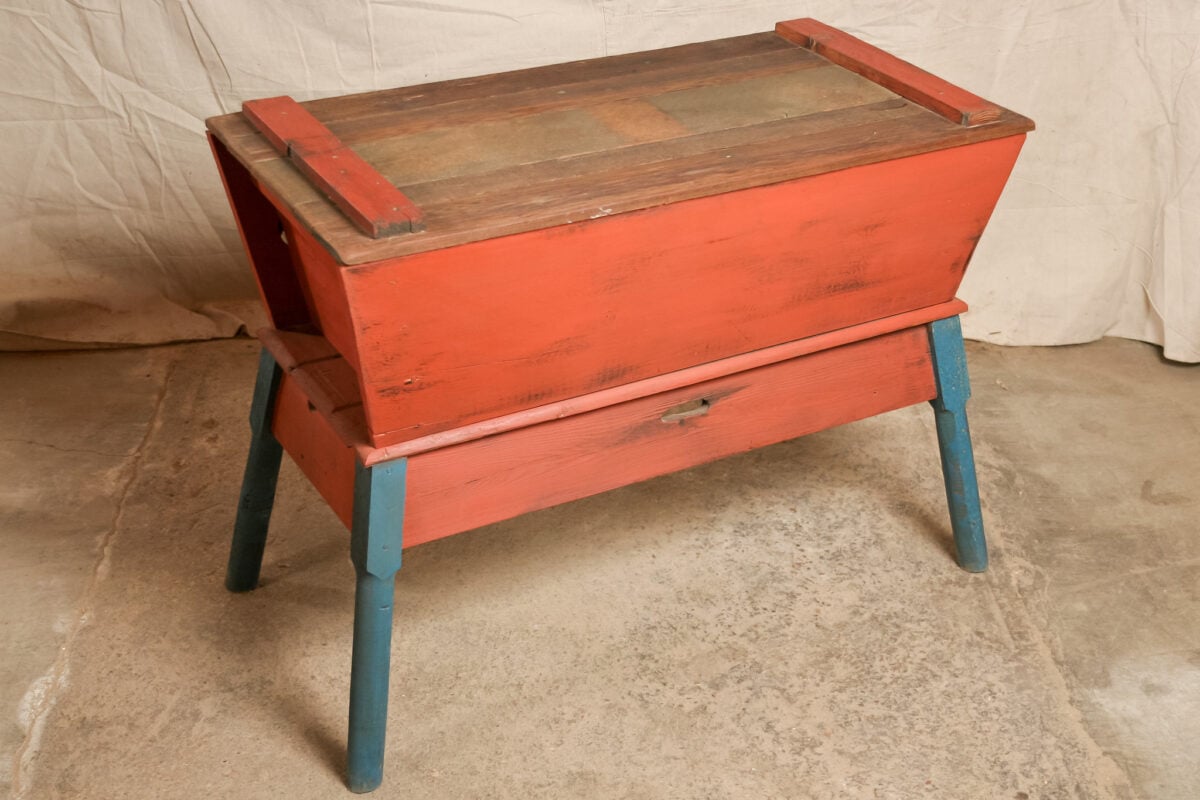
Painted wooden primitives — dough boxes, butter molds, dry sinks, grain measures — are among the most authentically American antique categories and among the most routinely underpriced at Midwestern and Southern flea markets. The old paint is the value: original milk paint in red, blue, or mustard yellow is irreplaceable, and stripping it to bare wood destroys the thing that made the object worth having.
Buyers who understand that original surface condition is everything will find rural flea markets particularly rewarding.
Vintage Christmas Ornaments
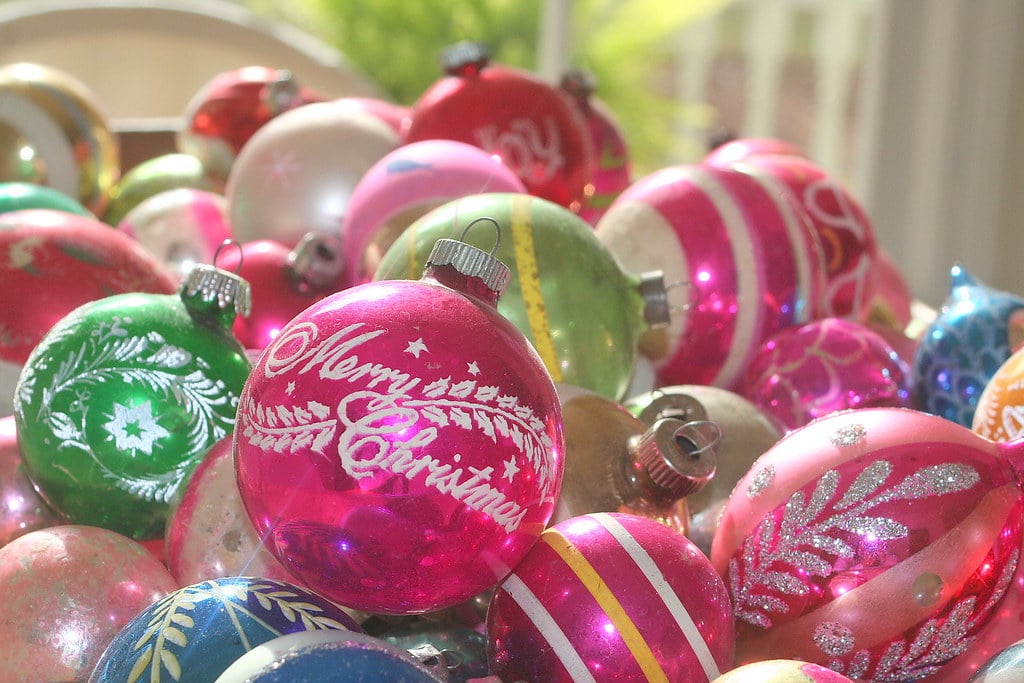
German-made blown glass Christmas ornaments from the early twentieth century are fragile, beautiful, and frequently found in original cardboard boxes at flea markets. A full box of figural Shiny Brite ornaments in undamaged condition from the 1940s or 1950s commands genuine collector interest.
Condition is everything, but even imperfect examples sell well.
Postcards Featuring Ghost Towns and Demolished Buildings
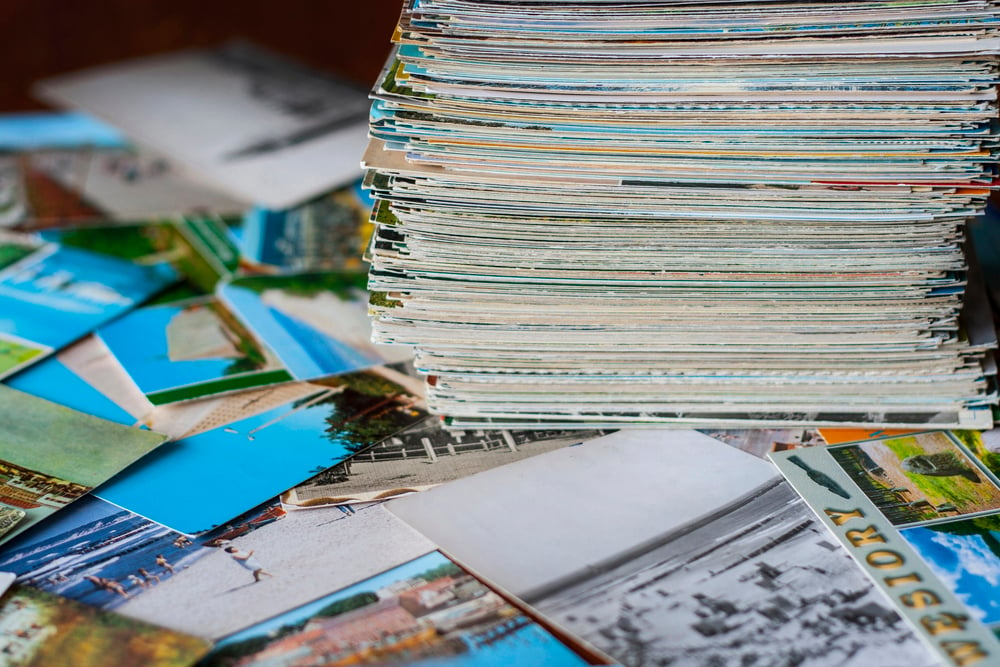
There’s a specific subcategory of postcard collecting — images of buildings, neighborhoods, and towns that no longer exist — that sits quietly inside the broader postcard category without announcing its own value, and that quietness is entirely to the buyer’s advantage. A real photo postcard of a Main Street demolished for urban renewal in the 1960s, or a linen card showing a hotel that burned in 1942, is a primary historical document: often the only surviving image of a place that otherwise exists only in local memory.
Historical societies, libraries, and private collectors will pay for primary documents like this — sometimes considerably more than the few dollars the postcard was priced at, which says something about the distance between what things cost and what they’re actually worth.
What You’re Really Buying
Every category on this list shares the same underlying mechanism: a gap between what an object looks like and what it actually is, and that gap exists because most sellers are pricing based on appearance, age, or sentimentality rather than specific, learnable knowledge. The crock looks like a kitchen prop.
The watch looks broken rather than merely dead-battery. The book looks like “just an old book” rather than a specific printing with specific value.
None of this requires expertise so much as it requires curiosity — the willingness to flip something over, check a mark, read a copyright page, or do five minutes of research before walking away from something that looked unremarkable. That’s the actual skill flea market hunting rewards: not luck, and not money, but the patience to look twice at things everyone else only looked at once.
More from Go2Tutors!

- The Romanov Crown Jewels and Their Tragic Fate
- 13 Historical Mysteries That Science Still Can’t Solve
- Famous Hoaxes That Fooled the World for Years
- 15 Child Stars with Tragic Adult Lives
- 16 Famous Jewelry Pieces in History
Like Go2Tutors’s content? Follow us on MSN.