20 Speeches Cut Short by Their Audiences
A prepared speech assumes a certain amount of cooperation from the room. Most of the time that assumption holds. These are the times it did not, when the crowd itself became the reason a speaker never finished what they came to say.
The reasons range from organized protest to a single interruption that never quite let the moment recover. What they share is a speaker left holding pages nobody in the room was still willing to let them read.
Charles Murray at Middlebury College
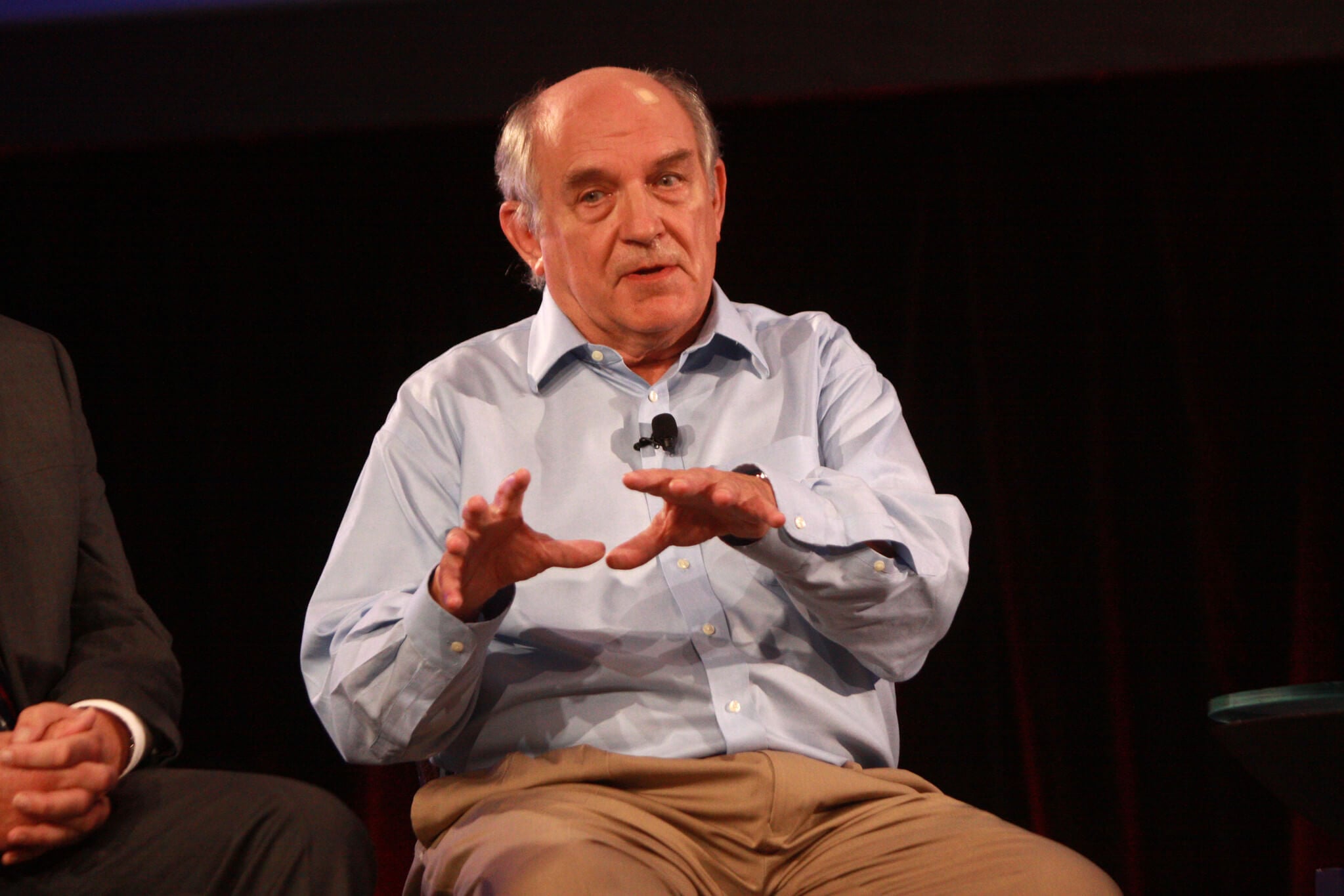
Political scientist Charles Murray’s planned 2017 lecture at Middlebury College was disrupted from the outset by student protesters shouting over him continuously, forcing organizers to relocate the event to a private room for a livestreamed discussion instead of the public talk originally planned. Protesters followed the group afterward, and a scuffle broke out as Murray and a faculty host left the building. The college later disciplined a number of students involved in the disruption.
Judge Kyle Duncan at Stanford Law School
A 2023 talk by federal appeals judge Kyle Duncan at Stanford Law School was interrupted so persistently by student objections that the event’s moderator, an associate dean, eventually stepped in to address the room directly rather than let the talk continue as planned. Duncan was unable to deliver his prepared remarks in any conventional form. The incident prompted the law school to issue a formal apology to Duncan and to revisit its policies on disruptive protest at invited talks.
Betsy DeVos at Bethune-Cookman University
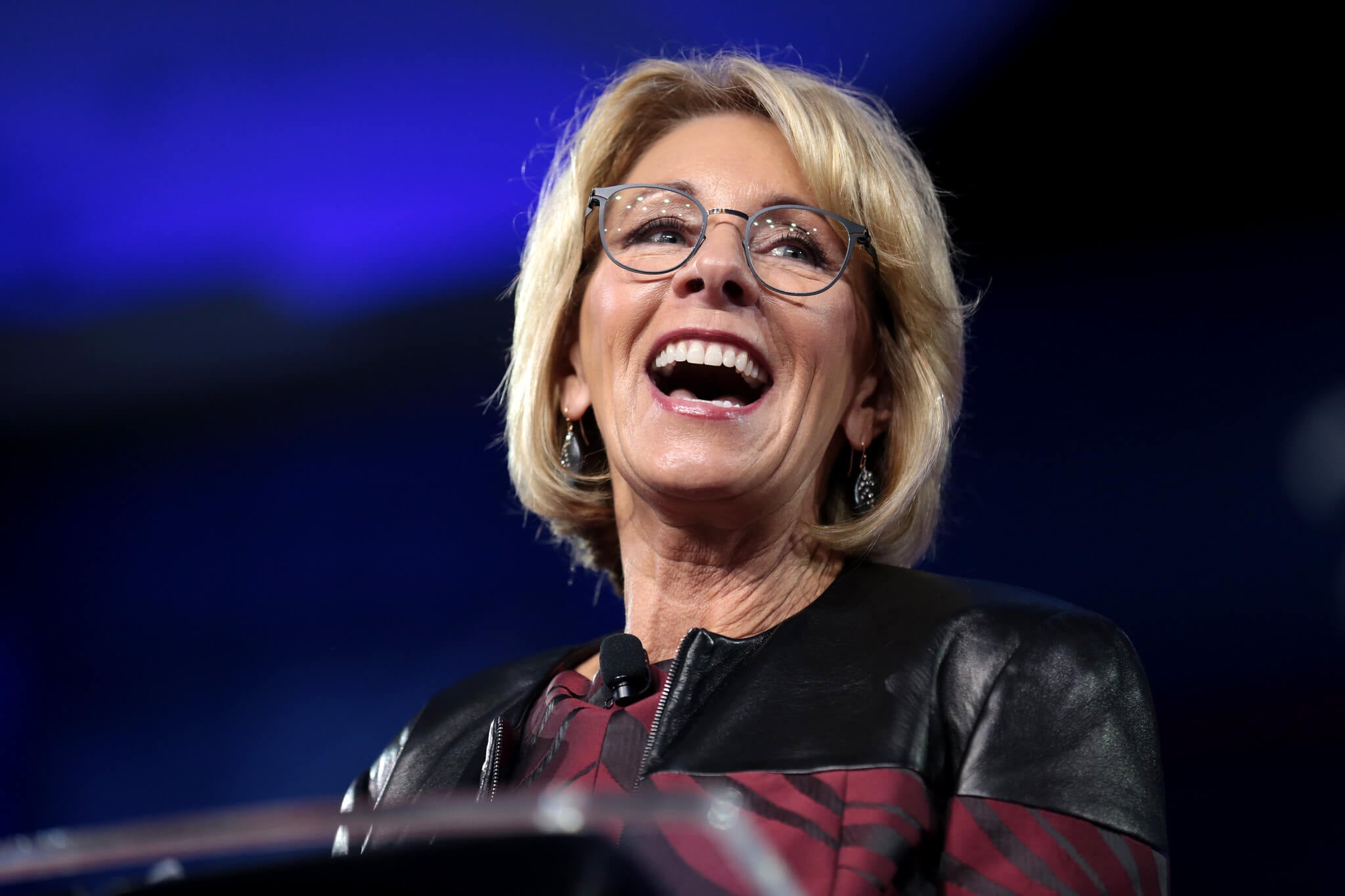
Education Secretary Betsy DeVos faced sustained booing throughout her 2017 commencement address at the historically Black Bethune-Cookman University, with many graduates turning their backs to the stage as she spoke. The noise from the crowd grew loud enough that she was forced to cut her prepared remarks noticeably short. University officials had faced criticism for inviting her in the first place, given objections to her education policy positions among students and faculty.
Mike Pence at Notre Dame’s Commencement
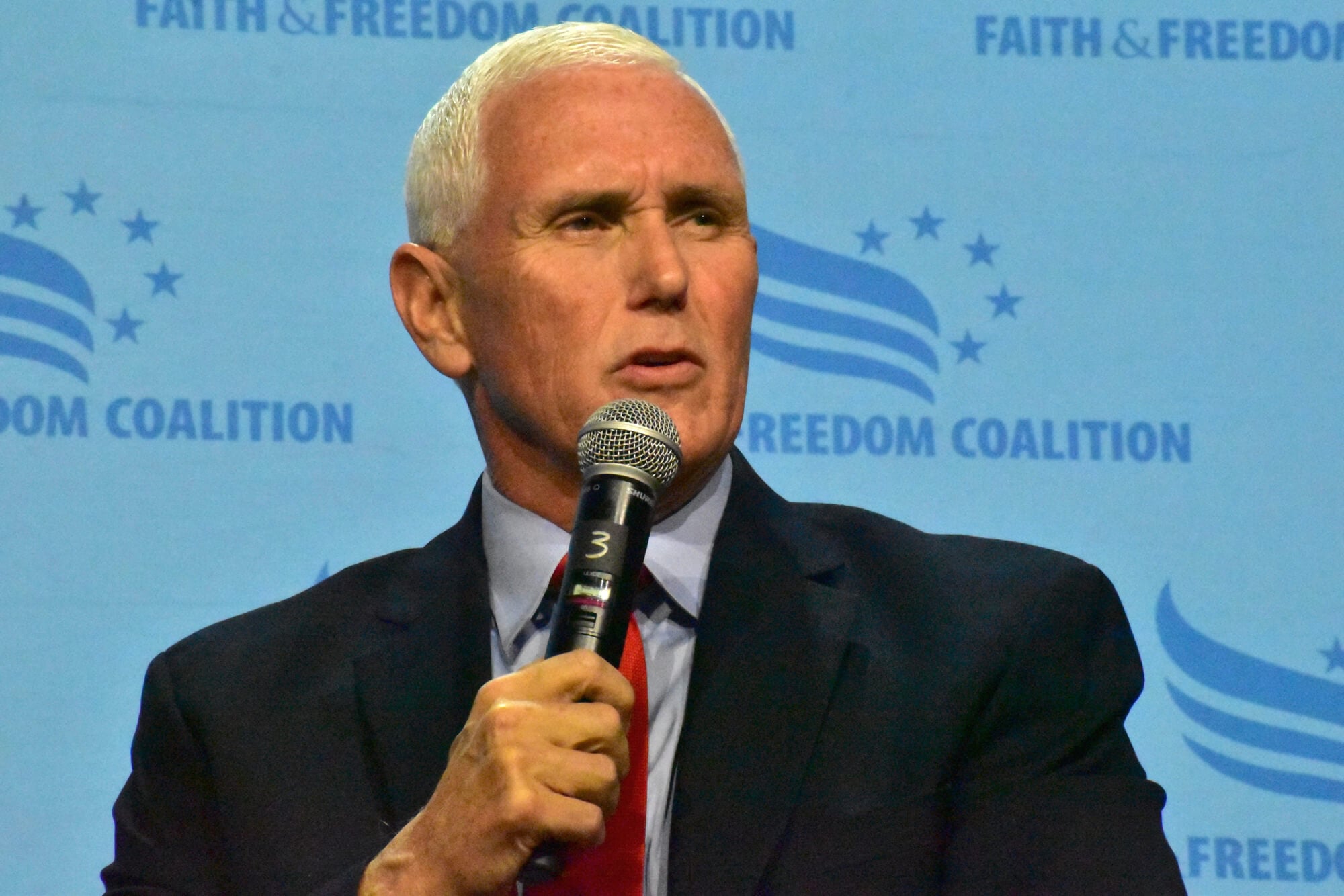
Vice President Mike Pence’s 2017 commencement address at the University of Notre Dame proceeded without being physically interrupted, but dozens of graduating students stood and silently walked out partway through his remarks in a coordinated protest. The walkout was visible enough on camera to become the dominant story from the event. Pence continued speaking to the remaining audience rather than pausing to acknowledge the departures directly.
George Wallace’s 1968 Campaign Rallies
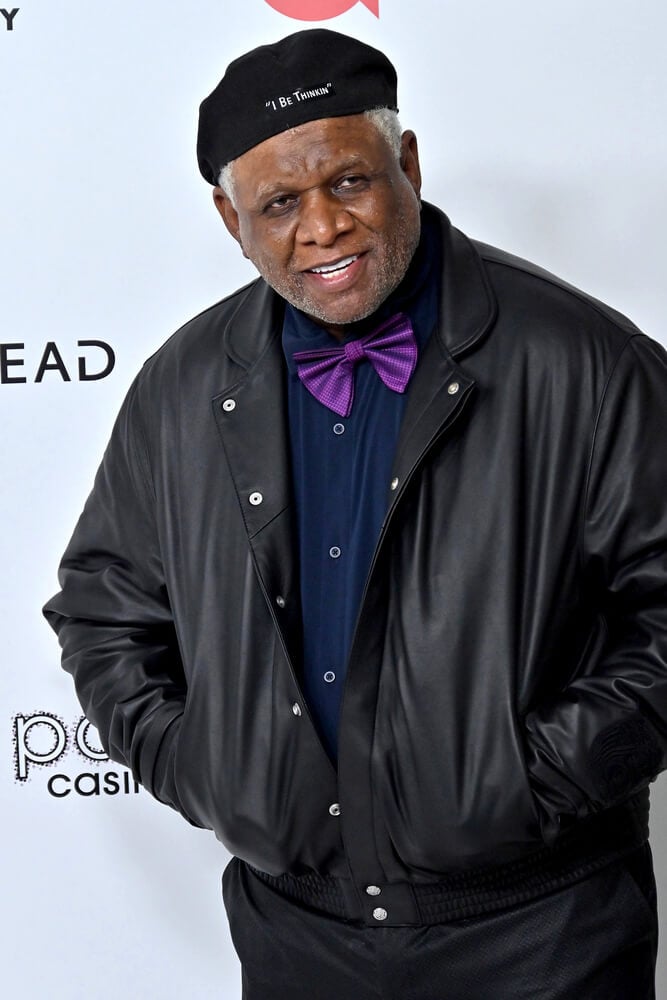
Alabama governor George Wallace’s third-party presidential campaign drew large, frequently hostile crowds of protesters to his rallies throughout 1968, and a number of his planned speeches were cut short or thrown into chaos as demonstrators and supporters clashed within the venue itself. Security at his events grew progressively tighter as the campaign continued, a response directly to how often protesters had managed to disrupt earlier stops. Wallace frequently used the disruptions themselves as material for the remainder of his remarks when he was able to continue.
Milo Yiannopoulos at UC Berkeley
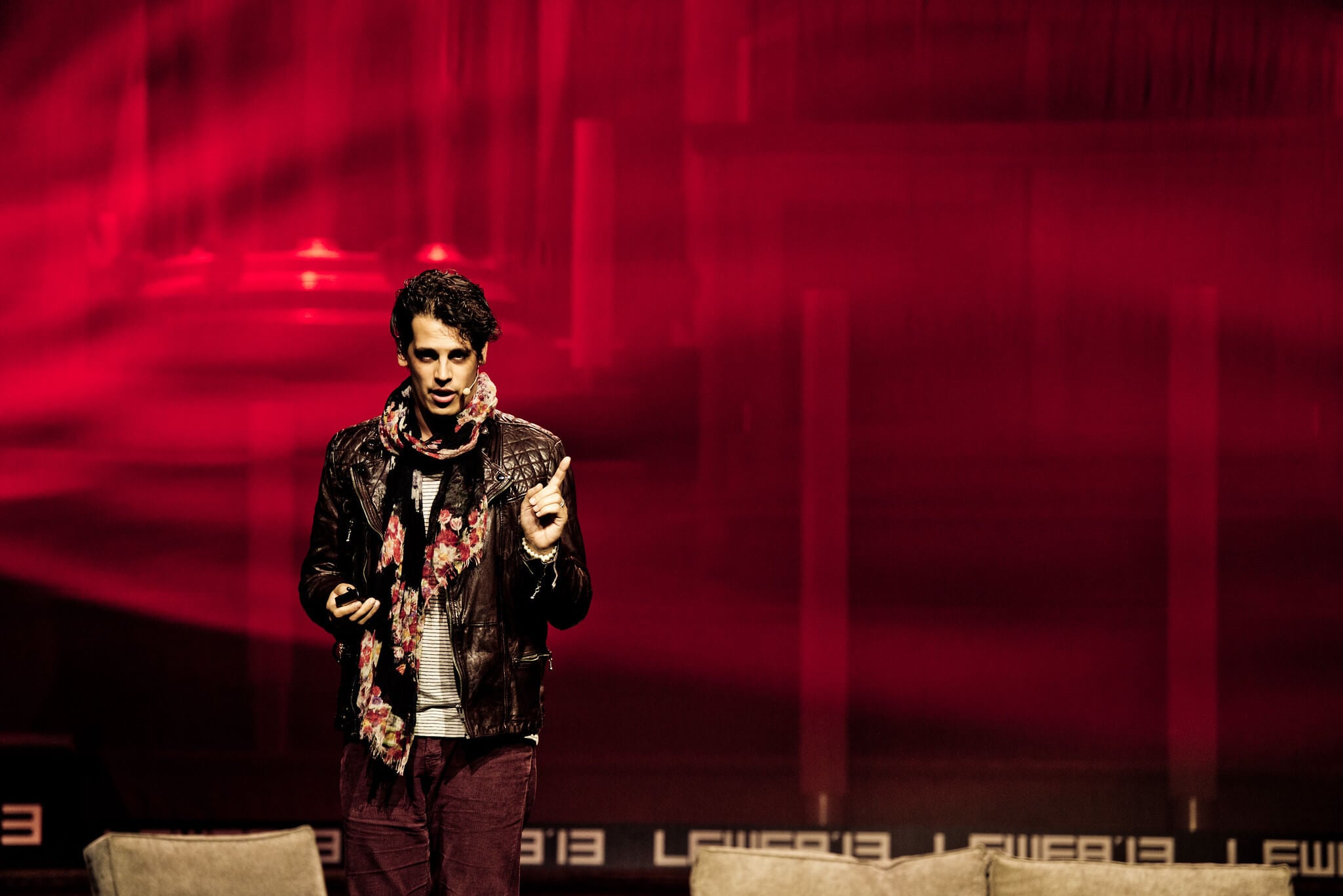
A planned 2017 appearance by commentator Milo Yiannopoulos at the University of California, Berkeley was called off entirely before he could begin speaking, after protests outside the venue turned violent and campus officials determined the event could not proceed safely. Fires were set and windows broken in the surrounding area as the crowd grew. The cancellation became a significant flashpoint in a broader national debate over campus speech policy that continued for years afterward.
Milo Yiannopoulos at DePaul University
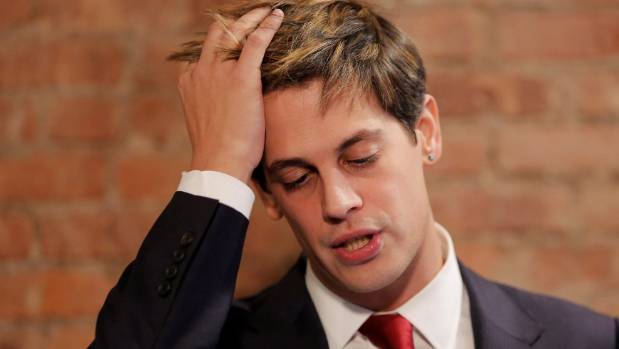
An earlier 2016 talk by Yiannopoulos at DePaul University in Chicago ended abruptly when protesters rushed the stage and refused to leave despite repeated requests from campus security. Organizers ultimately shut the event down rather than continue attempting to manage the disruption. DePaul’s administration faced criticism from multiple directions afterward, both for allowing the talk and for how it ended.
Ann Coulter’s Planned Berkeley Address
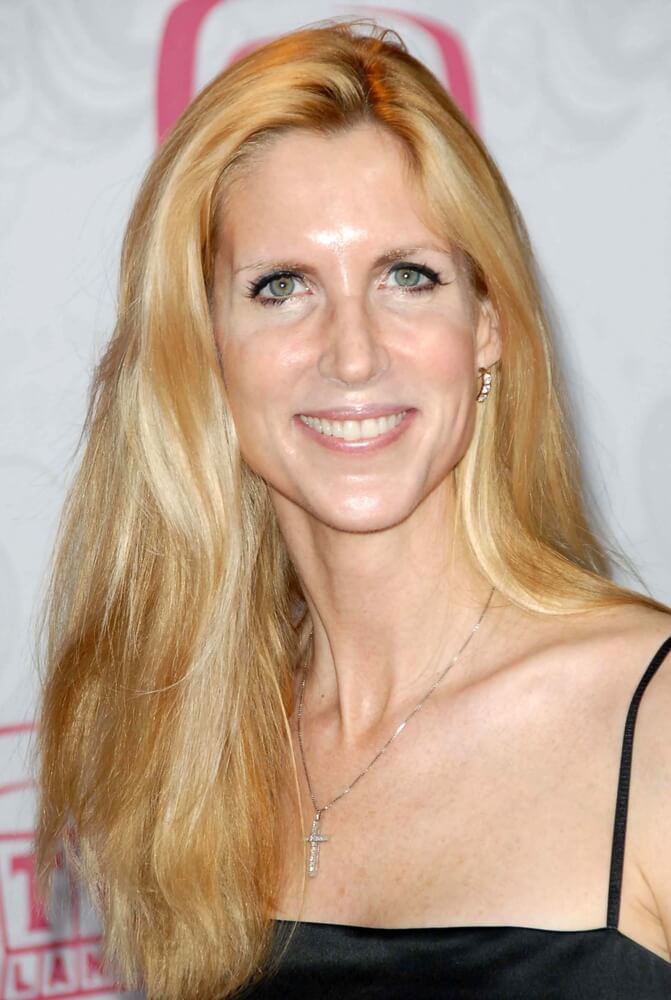
A planned 2017 speech by commentator Ann Coulter at UC Berkeley was postponed and effectively canceled after university officials cited unmanageable security concerns following the earlier Yiannopoulos cancellation on the same campus. Coulter maintained she still intended to appear regardless of the university’s position. The event never took place in any form resembling its original plan.
Joe Wilson’s Outburst During a Presidential Address
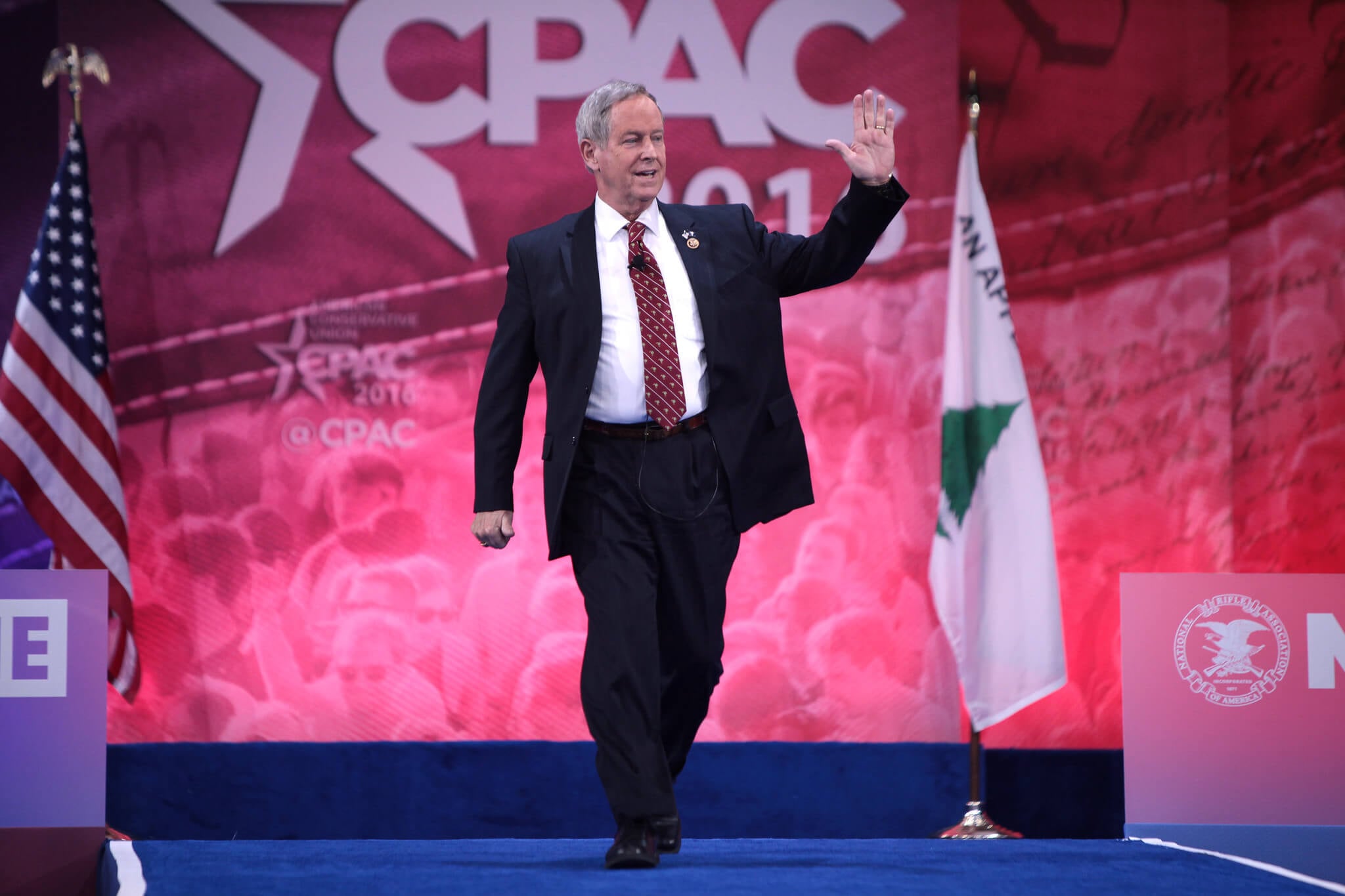
During President Barack Obama’s September 2009 address to a joint session of Congress on healthcare policy, Representative Joe Wilson shouted “You lie!” from the chamber floor in the middle of the president’s remarks, a breach of the chamber’s usual decorum significant enough to draw an immediate formal rebuke from Congressional leadership. Obama paused briefly before continuing his address to its conclusion. Wilson issued a public apology the same evening even as the moment became one of the address’s most replayed clips.
Richard Spencer’s Campus Tour
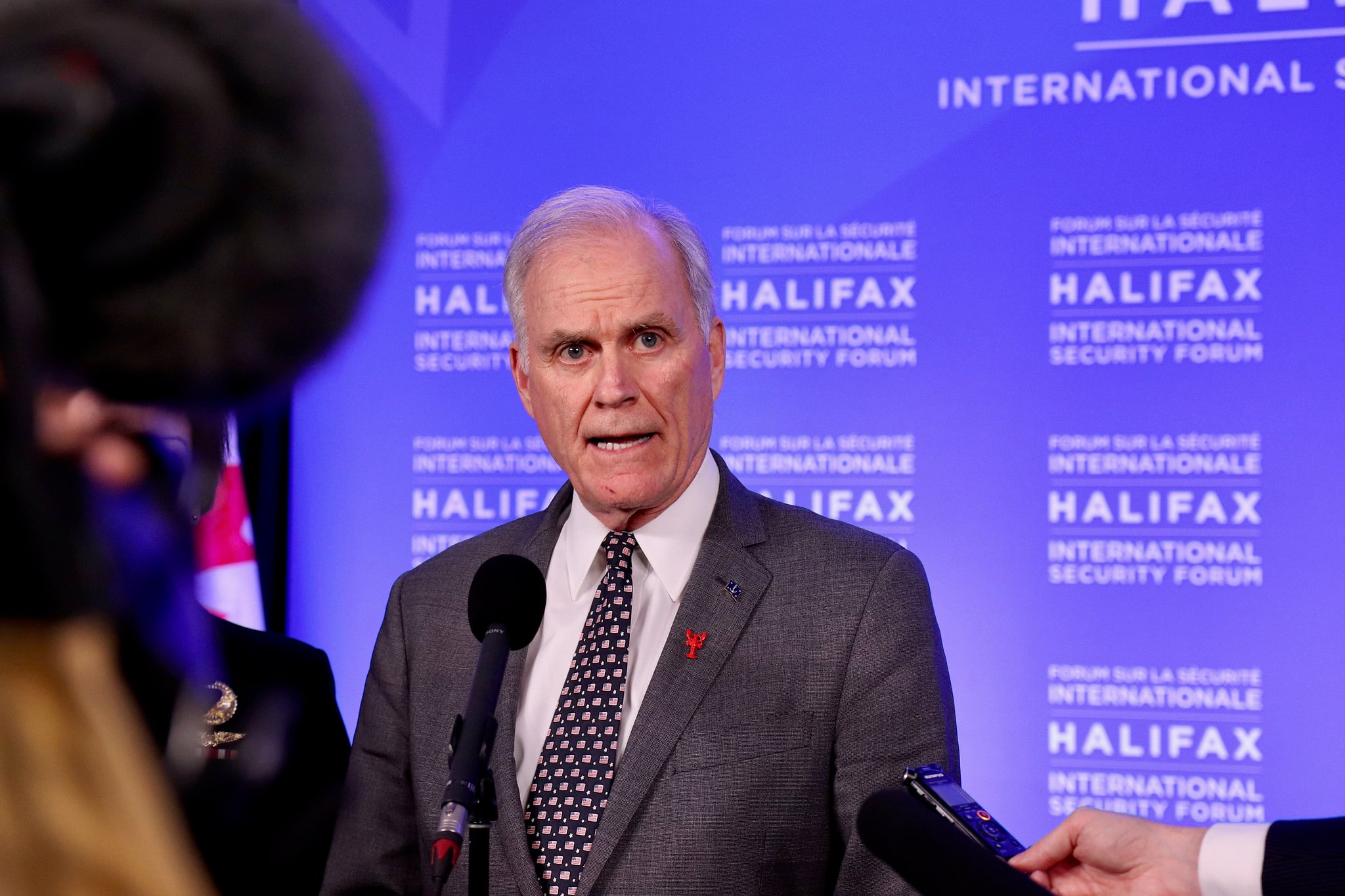
White nationalist Richard Spencer’s planned campus appearances at Texas A&M and later at Auburn University in 2016 and 2017 drew large protests that repeatedly disrupted or delayed his remarks, with shouting matches breaking out inside several venues. Auburn had initially attempted to cancel his appearance entirely before a court ordered the university to allow it to proceed under free speech protections. Several of his other planned campus stops were canceled outright rather than risk a repeat of the disruptions.
Steve Bannon at the University of Chicago
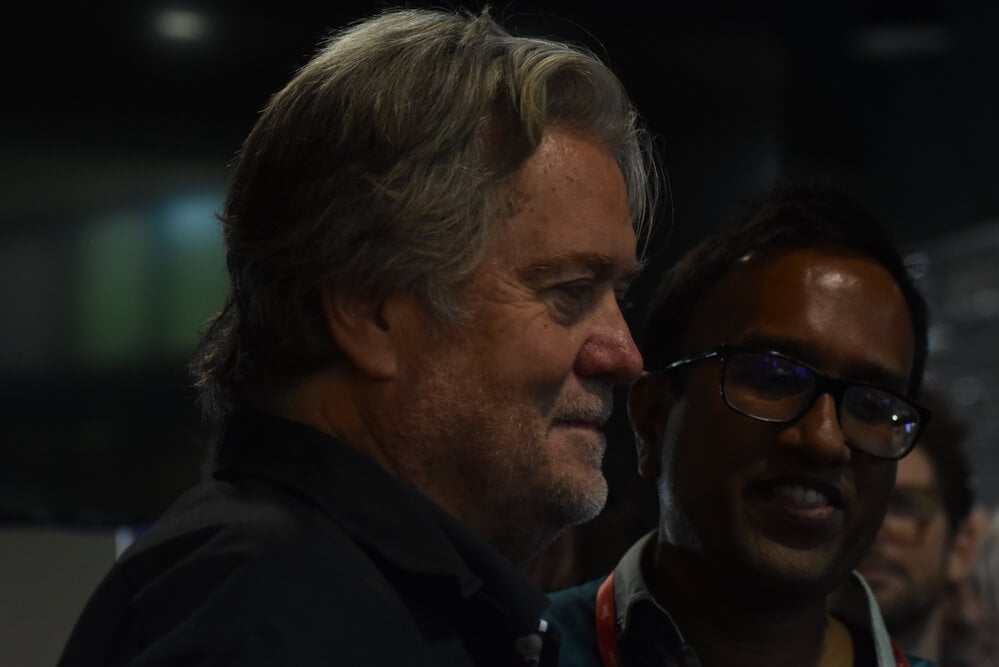
A planned 2020 appearance by former White House strategist Steve Bannon at the University of Chicago’s Institute of Politics was canceled after faculty and student objections, with the institute’s director ultimately withdrawing the invitation before the event could take place. The reversal followed significant internal pressure within the university community. The cancellation itself, rather than any in-person disruption, became the story in this case.
Nikita Khrushchev’s Shoe at the United Nations
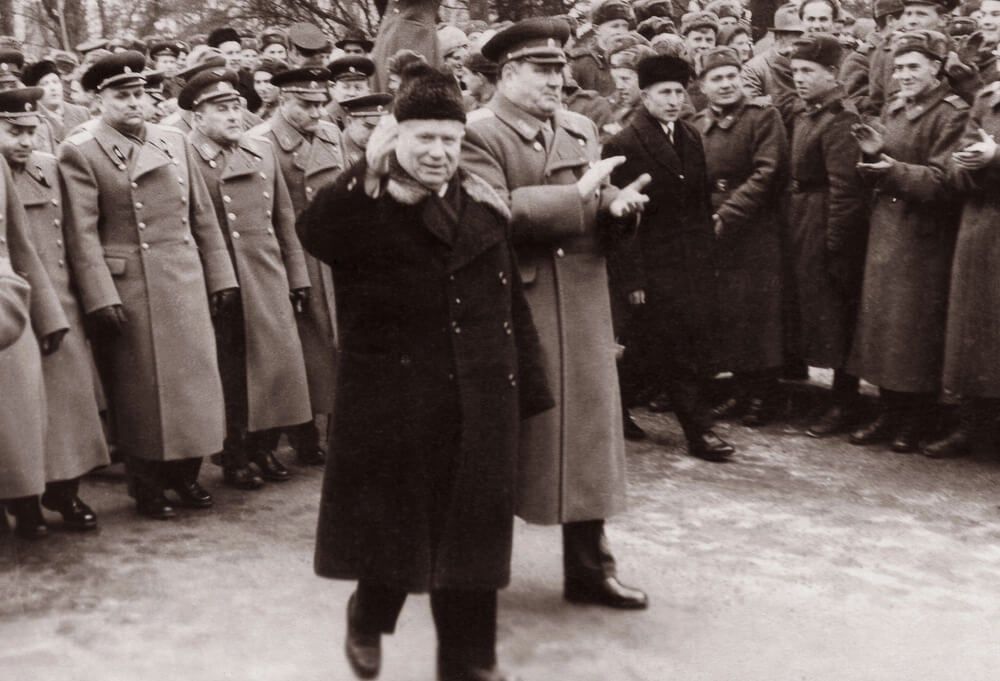
During a heated 1960 session of the United Nations General Assembly, Soviet leader Nikita Khrushchev famously banged his shoe on his desk in protest while Filipino delegate Lorenzo Sumulong was addressing the chamber, disrupting the proceedings so thoroughly that the Assembly’s president was forced to gavel for order repeatedly. Sumulong’s remarks were unable to continue smoothly amid the commotion. The incident became one of the most widely referenced moments of Cold War-era diplomatic theater.
Pope Benedict XVI’s Withdrawn Sapienza Address
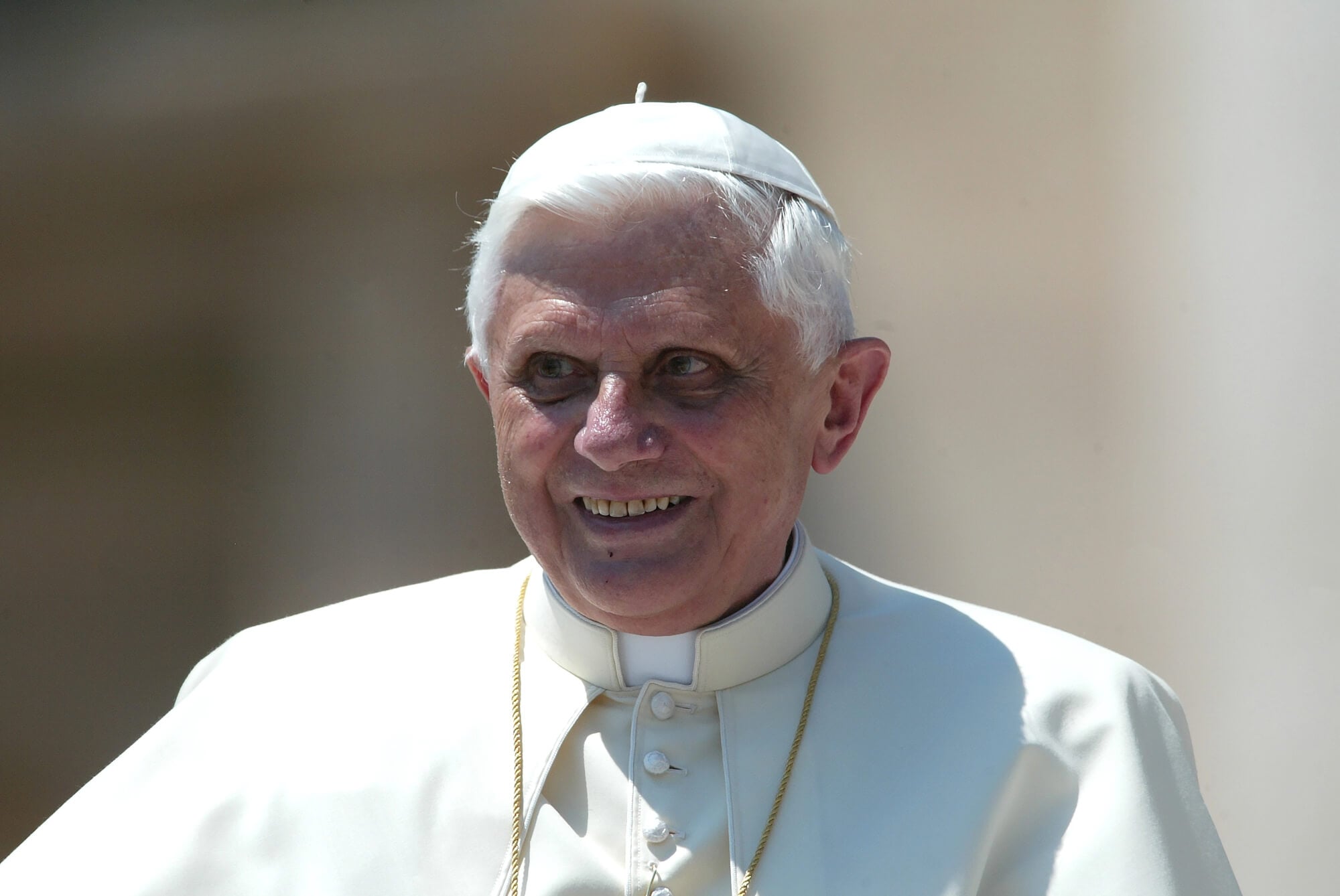
Pope Benedict XVI withdrew from a scheduled 2008 address at Rome’s Sapienza University after a group of faculty members and students organized public objections to his planned appearance, citing his past writings on science and faith. Rather than risk a disrupted event, the Vatican announced the Pope would not attend, and his prepared remarks were released only as a written text. The cancellation drew criticism from Italian politicians across the political spectrum as an affront to academic openness.
Scott Walker’s Wisconsin Budget Address
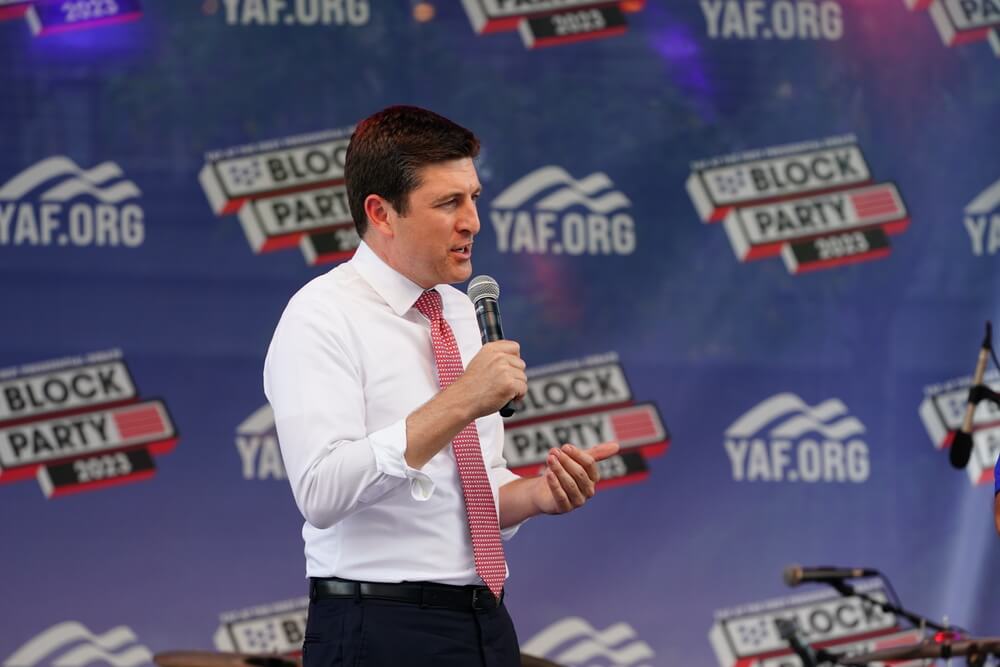
Wisconsin Governor Scott Walker’s 2011 remarks on his proposed state budget, delivered amid a bill curbing collective bargaining rights for public employees, were repeatedly drowned out by thousands of protesters who had occupied the state capitol rotunda for weeks. The chanting from inside the building was audible throughout much of the proceedings. The standoff between Walker’s administration and the demonstrators continued for weeks after the speech itself concluded.
Kanye West Interrupting Taylor Swift
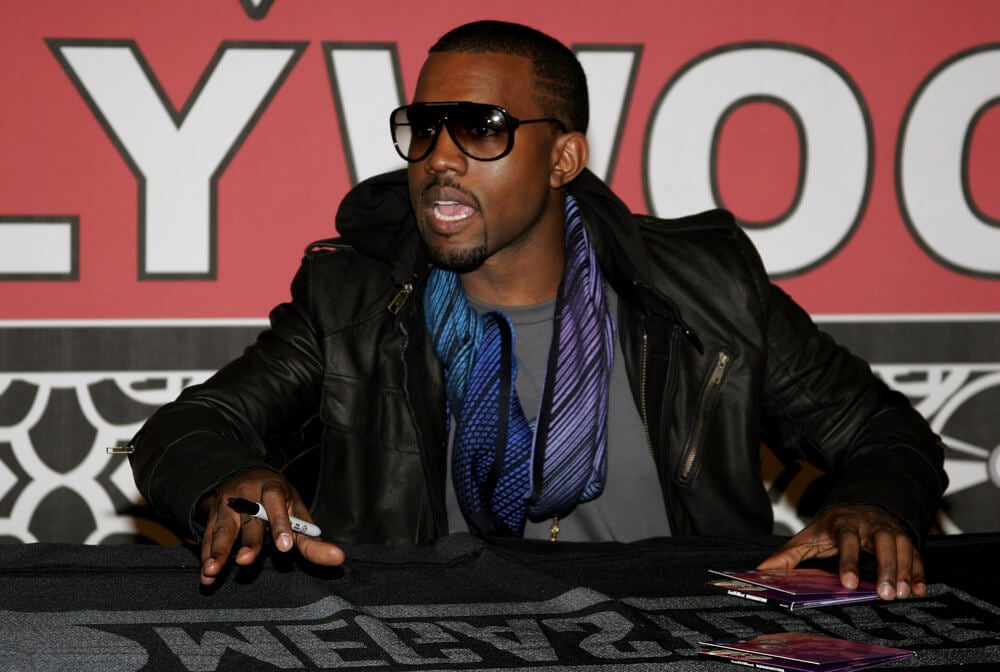
During the 2009 MTV Video Music Awards, musician Kanye West walked on stage in the middle of Taylor Swift’s acceptance speech for Best Female Video, taking the microphone from her to argue that another artist deserved the award instead. Swift was unable to finish her remarks as originally planned, standing silently as the room reacted with a mix of boos and shocked laughter. The moment became one of the most replayed interruptions in American television history, far outlasting the award itself in public memory.
Bernie Sanders’ Seattle Rally
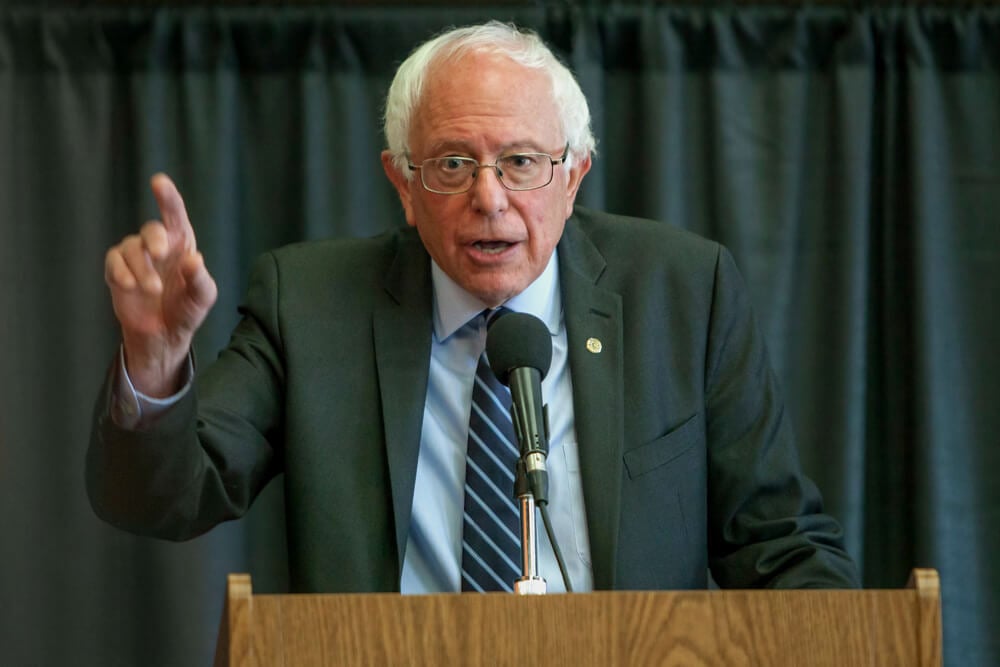
Senator Bernie Sanders’ planned 2015 remarks at a Social Security anniversary rally in Seattle were cut short after Black Lives Matter protesters took over the stage and microphone, preventing him from continuing his prepared speech to the crowd. Sanders ultimately left the stage without delivering the remainder of his planned remarks. The episode prompted a broader conversation within his campaign about engagement with racial justice concerns for the remainder of the primary race.
Donald Trump’s Canceled Chicago Rally
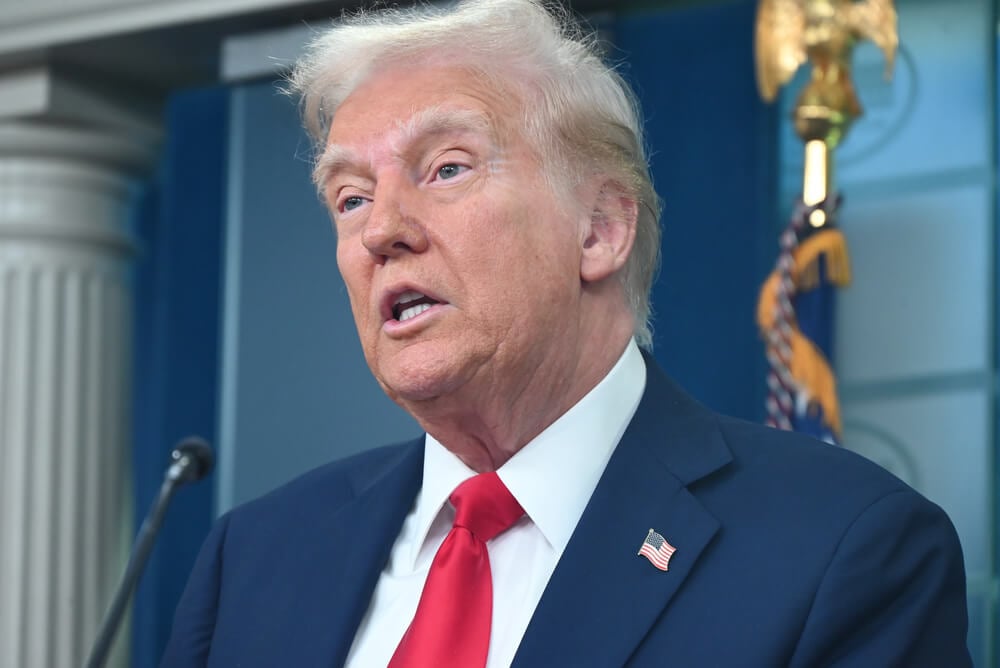
A planned March 2016 campaign rally for Donald Trump at the University of Illinois at Chicago’s Pavilion was called off entirely shortly before it was set to begin, after large numbers of protesters inside the packed venue made it clear the event could not proceed as scheduled. Confrontations broke out between attendees and protesters throughout the arena before the cancellation was announced from the stage. The cancellation became a major flashpoint in coverage of that year’s presidential primary season.
Tony Blair Heckled by Walter Wolfgang
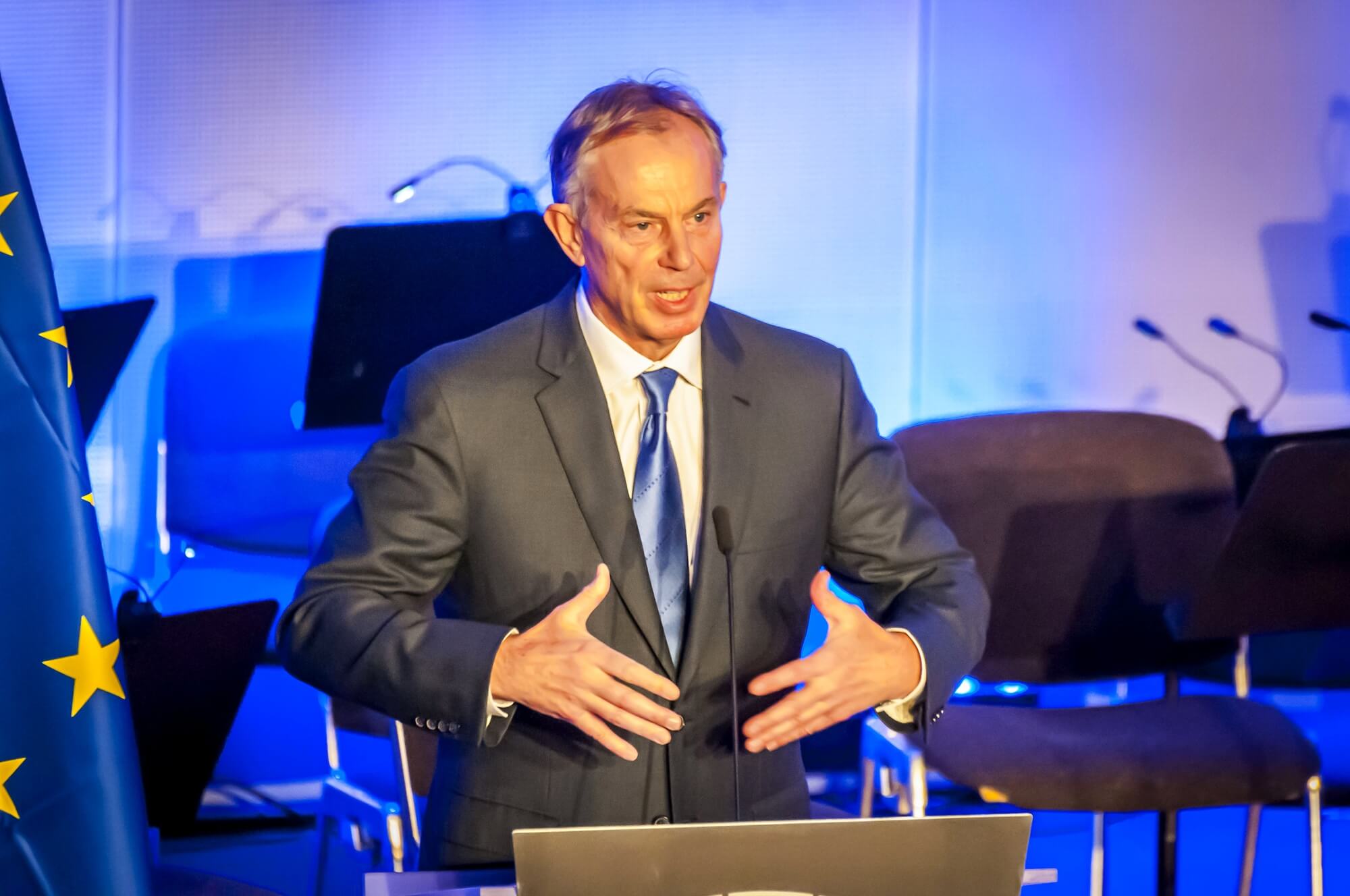
During a 2005 governing-party conference speech in which Prime Minister Tony Blair defended the Iraq War, longtime party member Walter Wolfgang shouted “nonsense” from the audience and was physically removed from the hall by security stewards under the conference’s anti-terrorism powers. The incident, involving an eighty-two-year-old party veteran, generated far more press coverage than the speech itself. Blair issued a public apology to Wolfgang once the removal became a national story.
Condoleezza Rice’s Withdrawn Rutgers Address
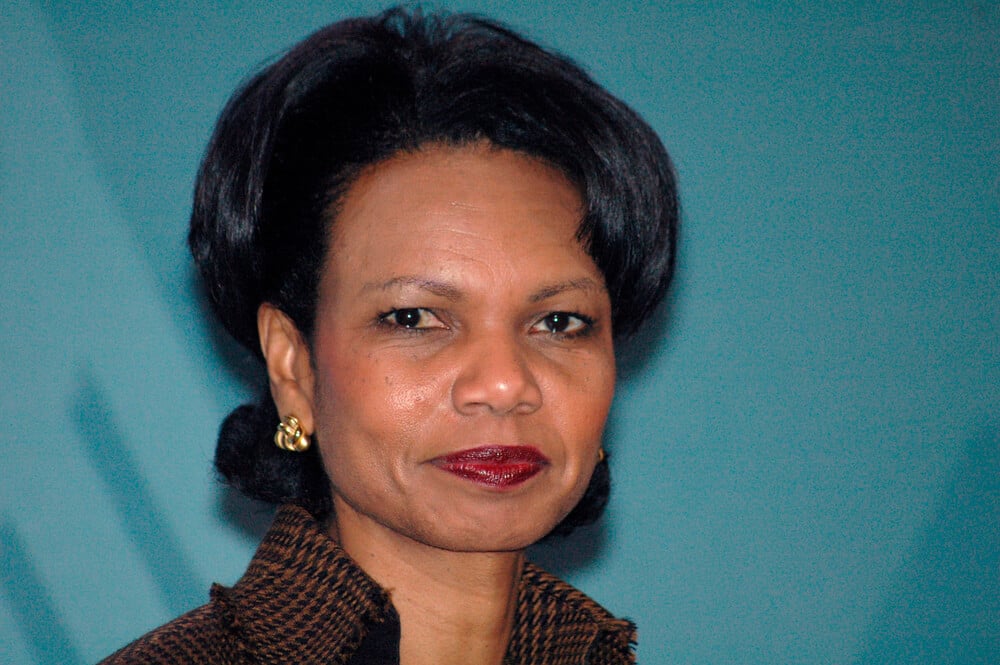
Former Secretary of State Condoleezza Rice withdrew from delivering a planned 2014 commencement address at Rutgers University after weeks of faculty and student objections tied to her role in the Iraq War, announcing her decision rather than risk the ceremony being disrupted. Rice stated in her withdrawal that she did not want her attendance to detract from the graduates’ day. The university’s own faculty council had voted to formally object to her invitation shortly before her announcement.
John F. Kennedy’s Undelivered Dallas Address
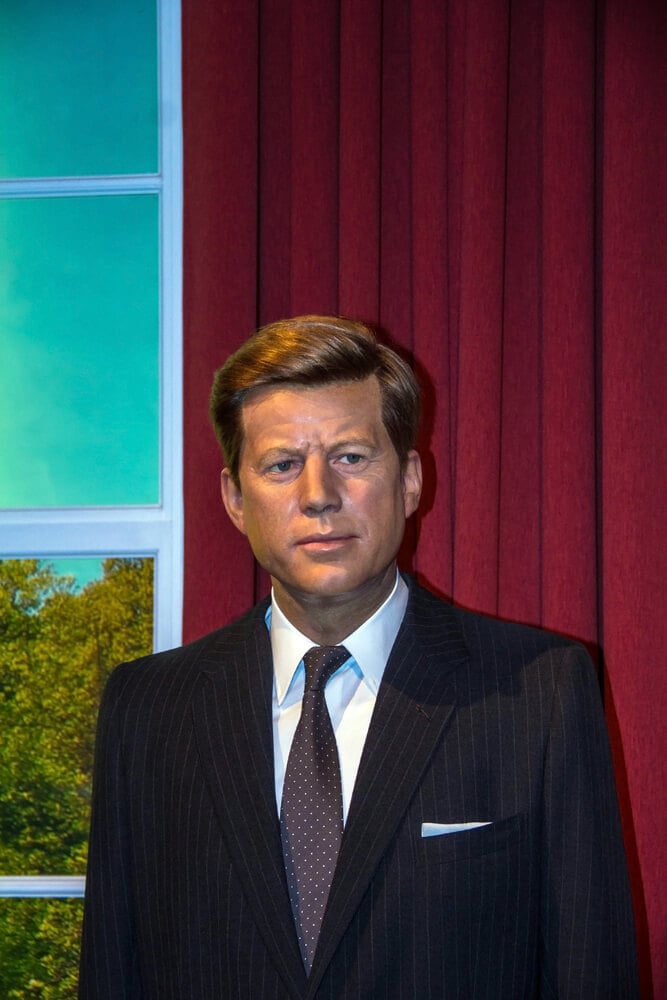
President John F. Kennedy never delivered the remarks he had prepared for a luncheon audience at the Dallas Trade Mart on November 22, 1963, because he was assassinated during the motorcade procession leading to the venue. The prepared text, released afterward, included a passage warning against the very extremism and violence that ended his life before he reached the podium. It remains one of history’s most studied examples of a speech that existed in full only on paper.
The Room That Would Not Let Them Finish
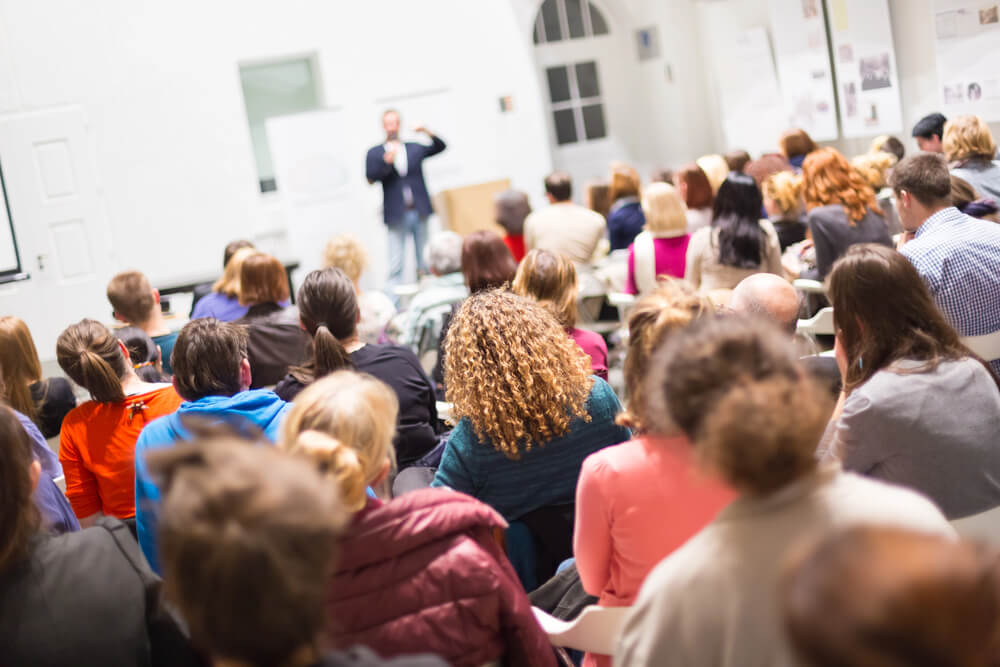
A speaker controls the words on the page. The room controls everything else, and every entry above is a reminder of how much everything else actually matters.
What gets remembered from a disrupted speech is rarely the argument the speaker meant to make. It is the sound of the room deciding, in real time, that it was not going to let them make it.
More from Go2Tutors!

- The Romanov Crown Jewels and Their Tragic Fate
- 13 Historical Mysteries That Science Still Can’t Solve
- Famous Hoaxes That Fooled the World for Years
- 15 Child Stars with Tragic Adult Lives
- 16 Famous Jewelry Pieces in History
Like Go2Tutors’s content? Follow us on MSN.