Surprising Inventions Born in Hollywood’s Past
Hollywood has always been synonymous with glitz, glamour, and groundbreaking entertainment. The silver screen captivated audiences worldwide, but behind the scenes, creative minds were busy solving problems that extended far beyond the movie set. Some of these solutions transformed entire industries, while others simply made life a bit easier or more interesting.
The entertainment capital didn’t just produce memorable films and iconic performances. It also became an unexpected hub of innovation where necessity met creativity. Here is a list of 16 surprising inventions born in Hollywood’s past.
Hedy Lamarr’s Frequency-Hopping Technology
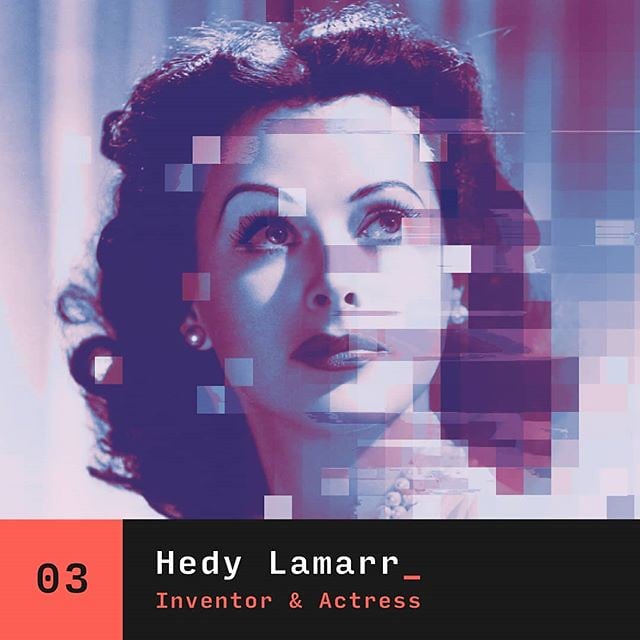
Hedy Lamarr, one of Hollywood’s most glamorous stars in the 1940s, co-invented a radio guidance system that became the foundation for modern wireless communication. Working with composer George Antheil, she developed frequency-hopping spread spectrum technology to prevent enemy forces from jamming torpedo signals during World War II. Lamarr had learned about armaments and radio jamming during her marriage to Austrian arms dealer Fritz Mandl before fleeing to Hollywood in 1937. The technology they patented in 1942 now underpins WiFi, Bluetooth, and GPS systems that billions of people use daily.
Technicolor’s Three-Color Process
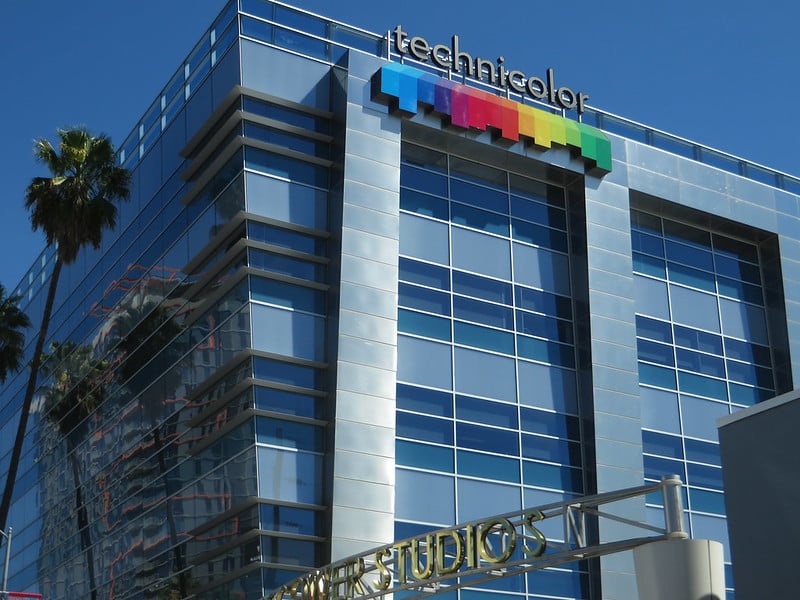
The early Technicolor processes from 1915 onwards were cumbersome and expensive, but the introduction of its three-color process in 1932 changed everything. This breakthrough was used for iconic films like Gone With the Wind and The Wizard of Oz in 1939, transforming black-and-white cinema into a vibrant visual experience. Before this innovation, films were hand-painted frame by frame or used primitive two-color systems that looked more novelty than natural.
Michael Jackson’s Anti-Gravity Lean

Michael Jackson’s gravity-defying 45-degree lean in the ‘Smooth Criminal’ video required cables and a harness, which worked fine for filming but couldn’t be replicated onstage. Jackson invented a system where a hitch would rise through the stage floor and catch in a specially designed slot in his shoe heel, allowing him to perform the impossible lean during live performances. The patent demonstrated how performance art could drive mechanical innovation.
The Vitaphone Sound System
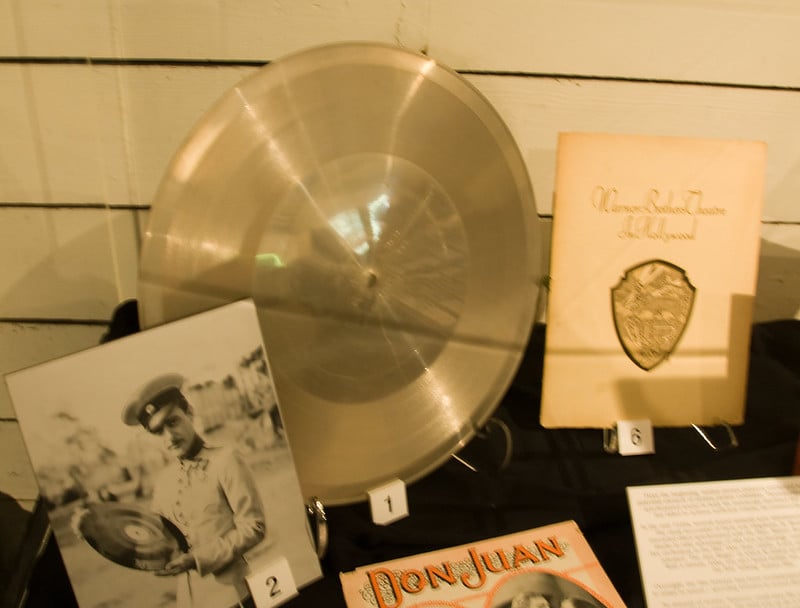
In 1925, Warner Bros. bought the rights to recording technology called Vitaphone from Western Electric, initially planning to use it for pre-recorded orchestral accompaniment rather than dialogue. The 1926 debut of ‘Don Juan’ with synchronized music was a resounding success, and by 1927 ‘The Jazz Singer’ became the first feature film with synchronized dialogue, forever changing the film industry. Silent film stars protested, believing sound would ruin their craft, but audiences disagreed enthusiastically.
Florence Lawrence’s Turn Signal

Florence Lawrence, known as ‘the Biograph girl’ and the first true movie star, invented an auto-signaling arm in 1914 that could be raised or lowered by electrical push buttons. The device indicating ‘stop’ worked automatically whenever the foot brake was pressed, making roads safer for everyone. She never patented the invention, but her contribution to automotive safety came decades before turn signals became standard equipment.
The Steadicam
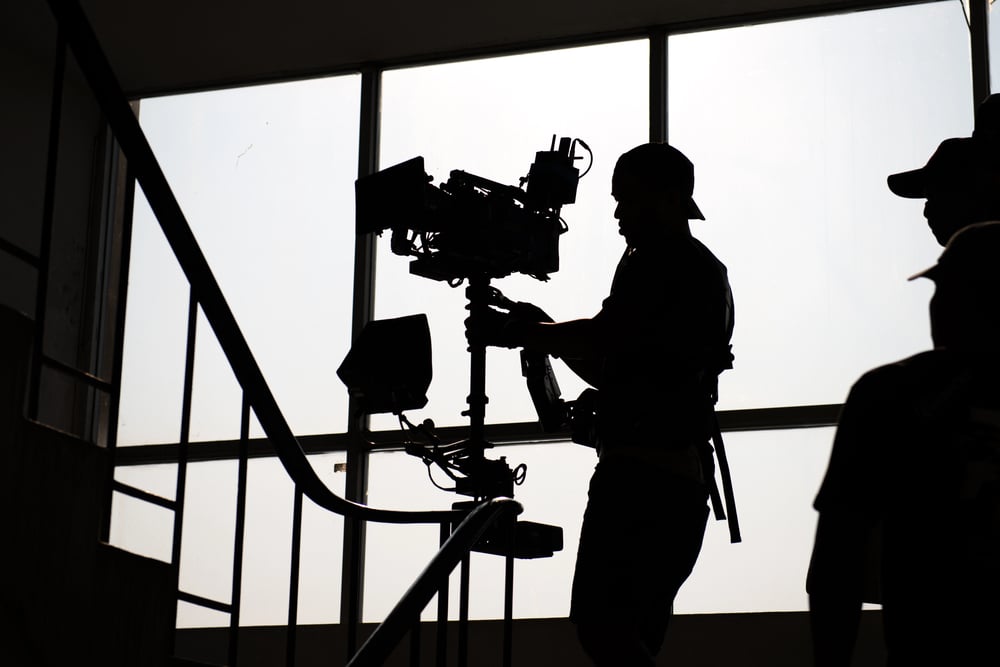
Garrett Brown’s invention of the Steadicam in 1975 radically changed how movement shots were done in cinema, allowing cameras to track movements and accompany characters smoothly through crowds. Stanley Kubrick used it extensively in The Shining in 1979, and the formal power of the Steadicam in that film helped democratize and popularize the technology. Before this, smooth tracking shots required expensive dollies and tracks that limited where cameras could go.
Zeppo Marx’s Cardiac Monitor

Zeppo Marx, the least famous of the Marx Brothers, proved more successful away from the screen as an agent and businessman, inventing a wristband pulse-rate monitor in his late sixties. The device provided audible and vibratory warnings if pulse rates exceeded normal thresholds, instructing individuals to cease physical activity when heart rates became dangerously high or low. The patent was issued in 1969, predating modern fitness trackers by decades.
CinemaScope
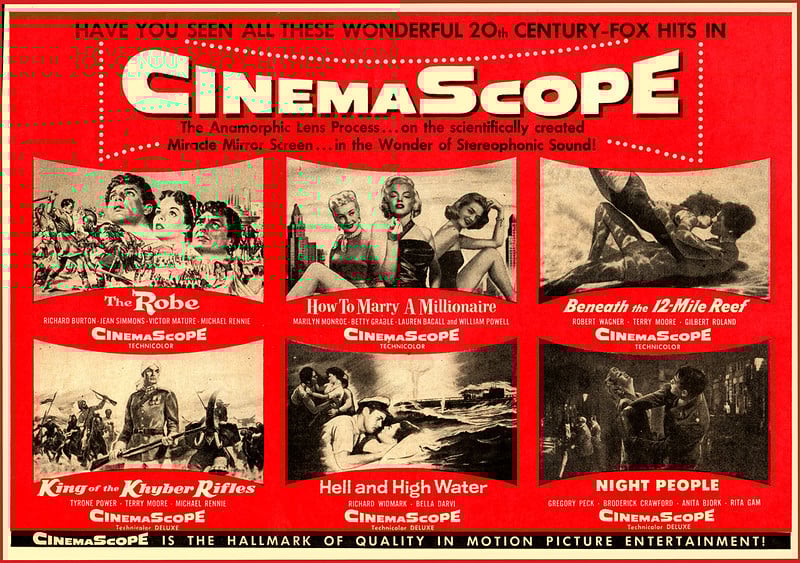
The Scope format, created in the 1950s and based on an invention by French astronomer Henri Chrétien, used an anamorphic lens that allowed filmmakers to capture and present panoramic images on the big screen. CinemaScope ‘squeezed’ images on 35mm film, and when projected, they were expanded laterally by the projector lens to fit the wide screen. This innovation effectively changed the shape of cinema screens worldwide and made movies feel more immersive than ever.
Prince’s Purpleaxxe Keytar

Around the time Prince changed his name to a symbol, he designed a keytar with swooping curves and arrows that resembled his new name, receiving his patent as ‘Prince R. Nelson’ in 1994. Although Prince never played the instrument himself, his keyboardist Tommy Barbarella wielded the Purpleaxxe during performances. The design merged musical functionality with the visual theatrics that defined Prince’s stage presence.
Julie Newmar’s Pantyhose Design
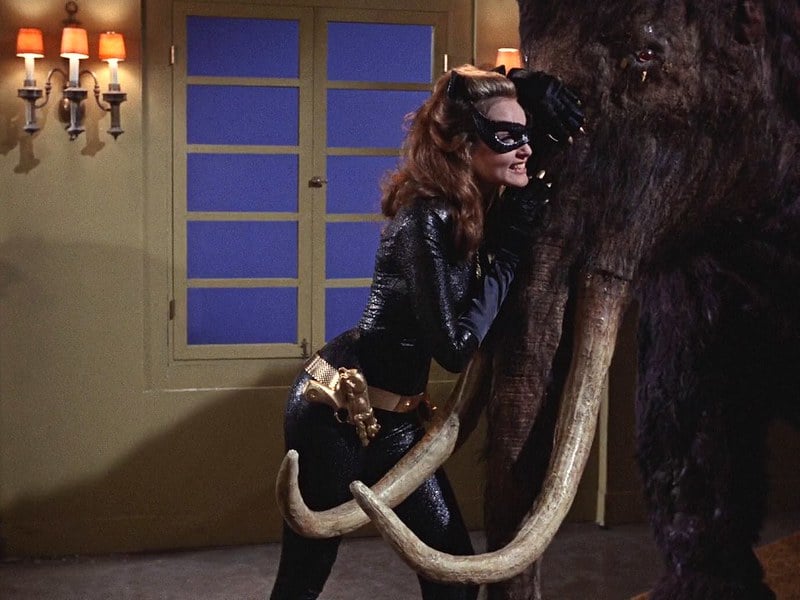
Julie Newmar, best known for playing Catwoman in the 1960s Batman TV series, developed a pantyhose design with a shaping band capable of providing what the patent memorably called ‘cheeky derriere relief.’ The invention addressed a common complaint women had about how traditional pantyhose fit and flattered. Newmar brought her understanding of costume and movement from her acting career into practical fashion innovation.
The Louma Crane
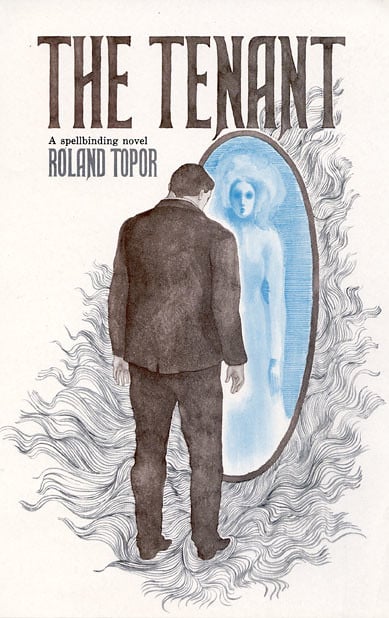
The Louma crane entered the cinema landscape with Roman Polanski’s ‘The Tenant,’ where it was used for long shots at the beginning of the film alongside cinematographer Sven Nykvist. Steven Spielberg used it in ‘1941’ and enthused, ‘This is my new toy!’ The remote-controlled camera crane gave filmmakers unprecedented flexibility in capturing dynamic shots without requiring a camera operator to physically ride along.
Harry Connick Jr.’s Orchestra Display System
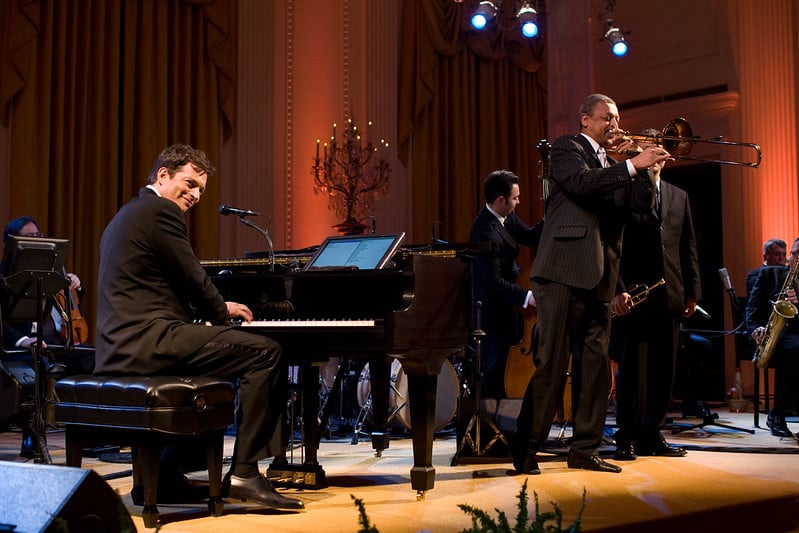
Harry Connick Jr., known primarily as a jazz musician with seven top-20 US albums, patented an electronic system that displays sheet music on screens for orchestra musicians instead of using paper. The system coordinates music display among players in an orchestra, and Connick uses this technology when performing with his big band. Digital sheet music eliminated page turns, allowed instant transposition, and made rehearsals more efficient.
IMAX Format

— Photo by Bykfa
In 1970, the IMAX format offered a screen size ten times that of conventional films, though construction and production costs initially limited its growth. The technology used 70mm film projected horizontally rather than vertically, creating unprecedented image clarity and size. By 2020, IMAX had over 1,500 screens around the world. What began as a specialty format for documentaries evolved into a premium experience for blockbuster entertainment.
Gary Burghoff’s Fish Attractor
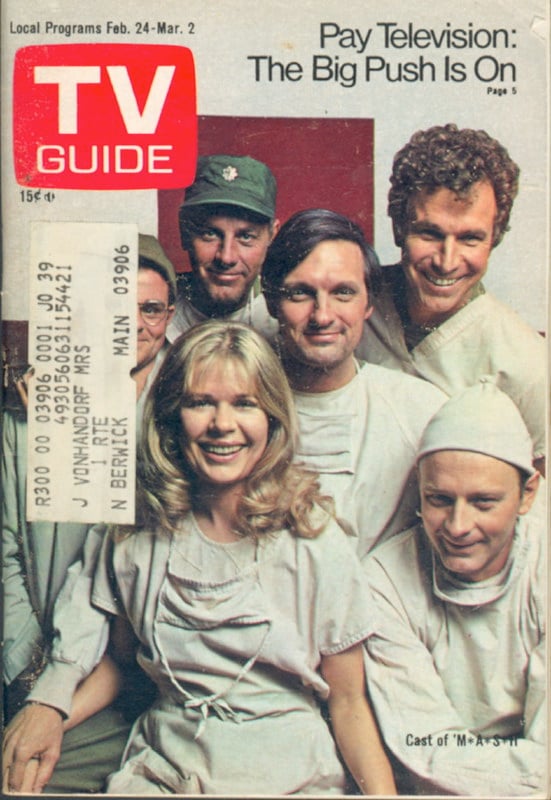
Gary Burghoff, who portrayed Radar in the TV show and film version of MAS*H, received a patent in 1993 for a fish attractor device that fishermen could set near their boats. The device included multiple means for enticing fish, including a chum container, artificial illumination, sounds, and flexible webbing designed to simulate seaweed and help the device blend into the environment. The invention showed how Hollywood creativity could extend into outdoor recreation.
The Volume Technology

The Volume, featured prominently in high-profile projects like The Mandalorian and The Batman, uses massive LED walls to display pre-recorded images in the background while live-action elements are filmed in the foreground. With real-time rendering and the latest camera technology, the Volume offers an easily customizable and highly immersive digital filmmaking solution, working on the same principle as old-school rear projection but without any of the major drawbacks. This innovation speeds up production times and eliminates the need for location shooting in many situations.
Dolby Multitrack Sound

— Photo by MichaelVi
Dolby noise reduction, which reduced tape hiss and other noise, was introduced to movies with ‘A Clockwork Orange’ in 1971. Multitrack sound finally became established in cinemas with the arrival of Dolby four-channel sound in 1975, transforming how audiences experienced film audio. Before Dolby, moviegoers dealt with crackling, hissing soundtracks that distracted from the on-screen action. The technology made cinema sound as important as the visuals.
When Creativity Meets Necessity

Hollywood’s legacy extends far beyond entertainment into technology that shaped modern life. The frequency-hopping system that protects your smartphone calls came from a movie star’s wartime concern. The turn signals that keep drivers safe originated with silent film’s first celebrity. Even your fitness tracker owes a debt to a comedian’s brother who never achieved his siblings’ fame. These inventions remind us that innovation doesn’t always come from laboratories or tech companies. Sometimes it emerges from film sets, dressing rooms, and the minds of performers who saw problems worth solving. The glamorous facade of Hollywood concealed workshops where creativity addressed practical challenges, leaving behind patents and technologies that outlasted any box office record.
More from Go2Tutors!

- 16 Historical Figures Who Were Nothing Like You Think
- 12 Things Sold in the 80s That Are Now Illegal
- 15 VHS Tapes That Could Be Worth Thousands
- 17 Historical “What Ifs” That Would Have Changed Everything
- 18 TV Shows That Vanished Without a Finale
Like Go2Tutors’s content? Follow us on MSN.



