14 Things Every House Had in the 1990s
Walking into any home during the 1990s meant stepping into a specific era of technology and design. Some things showed up in every living room, kitchen, and bedroom across the country.
These items weren’t luxuries—they were standard equipment. The decade had its own rhythm, its own look, and definitely its own sound when you dialed up the internet.
The Phone Attached to the Wall

That coiled cord stretched across the kitchen while someone talked for hours. The phone hung on the wall, usually near the fridge, and everyone in the house could hear your conversation.
Privacy meant taking the phone into the closet and closing the door, cord pulled tight under the gap. Some families had the extra-long cord that let you walk into the next room.
The phone rang differently back then too. That mechanical bell sound cut through dinner, through homework time, through everything.
You picked up without knowing who was calling. Caller ID was a luxury item that only showed up toward the end of the decade.
VCR and the Stack of Tapes
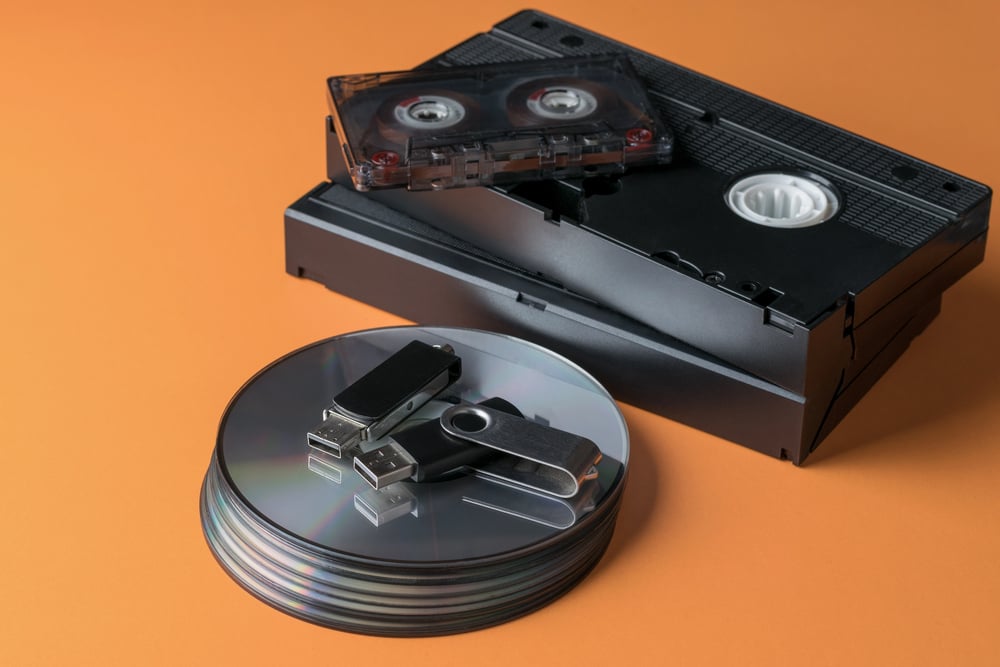
The VCR sat under the television, blinking 12:00 if nobody bothered to set it. Those black rectangular tapes filled shelves and drawers.
Recorded shows, rented movies, family recordings—all mixed together in cases that never quite matched their contents.
Rewinding took forever. “Be kind, rewind” wasn’t just a saying at Blockbuster.
You did it at home too, or you’d start the next movie already halfway through. Some people even bought separate rewinding machines shaped like race cars.
Cordless Phone (The Upgrade)

Once you got the cordless phone, life changed. You could walk anywhere in the house during a call.
The antenna pulled up from the top, and the range determined how far you could roam before the static kicked in.
But the battery died constantly. Mid-conversation, you’d hear that warning beep and have to sprint back to the charging cradle.
And if someone else in the neighborhood had the same model, you might pick up their conversations by accident. Made for interesting evenings.
CD Tower
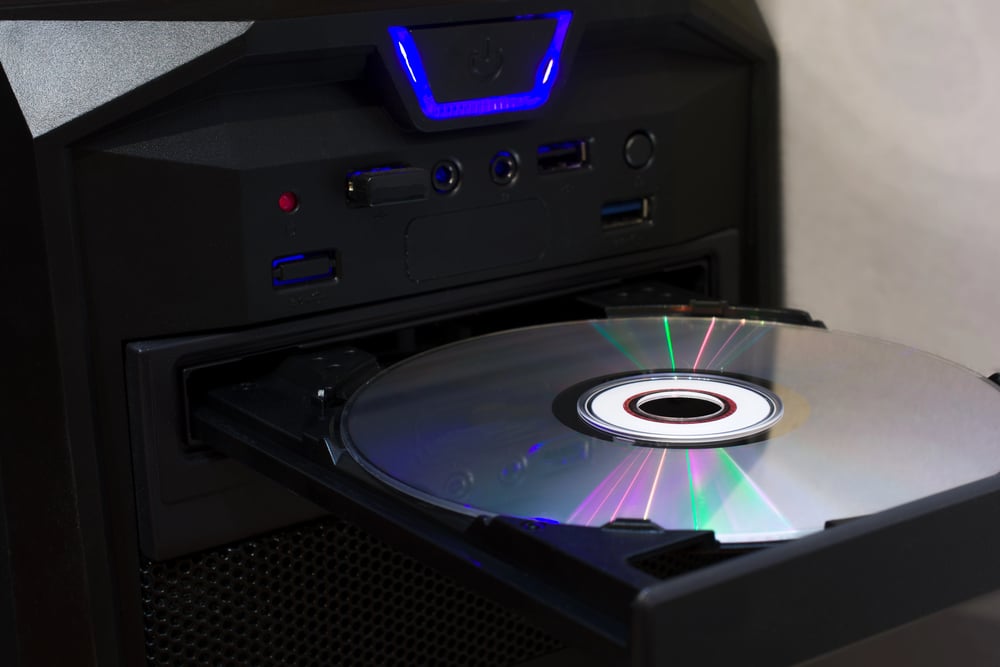
Those tall metal towers held 50, 100, sometimes 200 CDs. They stood in the corner of the living room or next to the stereo system.
Everyone who came over would flip through your collection, judging your music taste right there in the open.
The discs themselves scratched easily. One bad scratch and the song skipped forever.
You learned which tracks to avoid, which albums to handle carefully, and how to clean them with a soft cloth moving outward from the center.
Entertainment Center
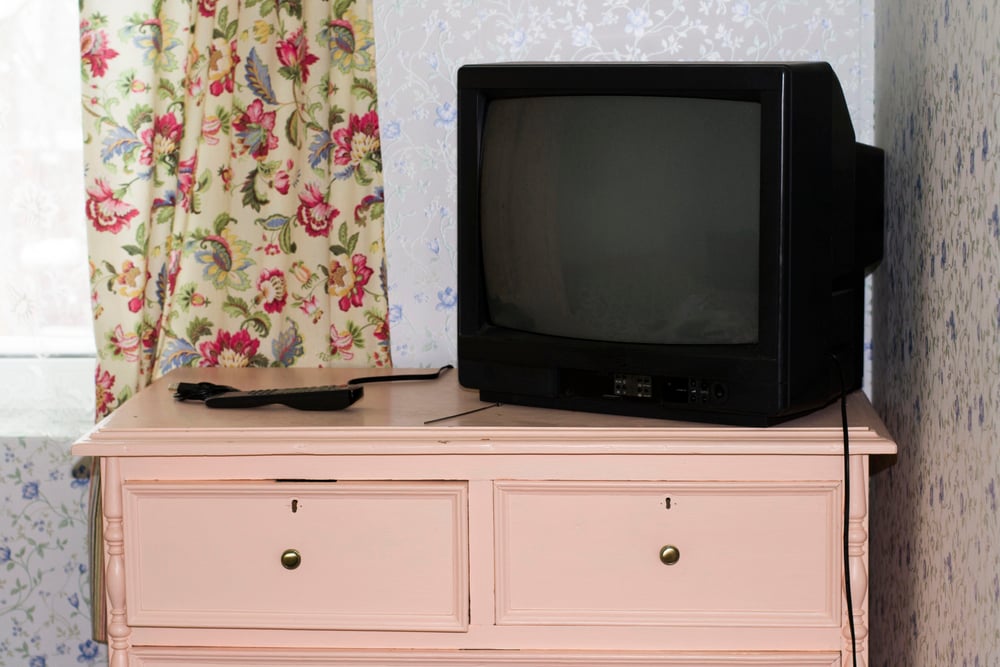
This piece of furniture dominated the living room. Heavy, wooden, with cabinets and shelves specifically designed to hold the TV, VCR, stereo, and speakers.
Some had glass doors. Most had that fake wood finish.
Moving houses meant dealing with this monster. Three people minimum to carry it.
The back panel always scraped the doorframe. But once it was set up, it organized everything.
The remote controls lived in the top drawer, tangled together like snakes.
Answering Machine
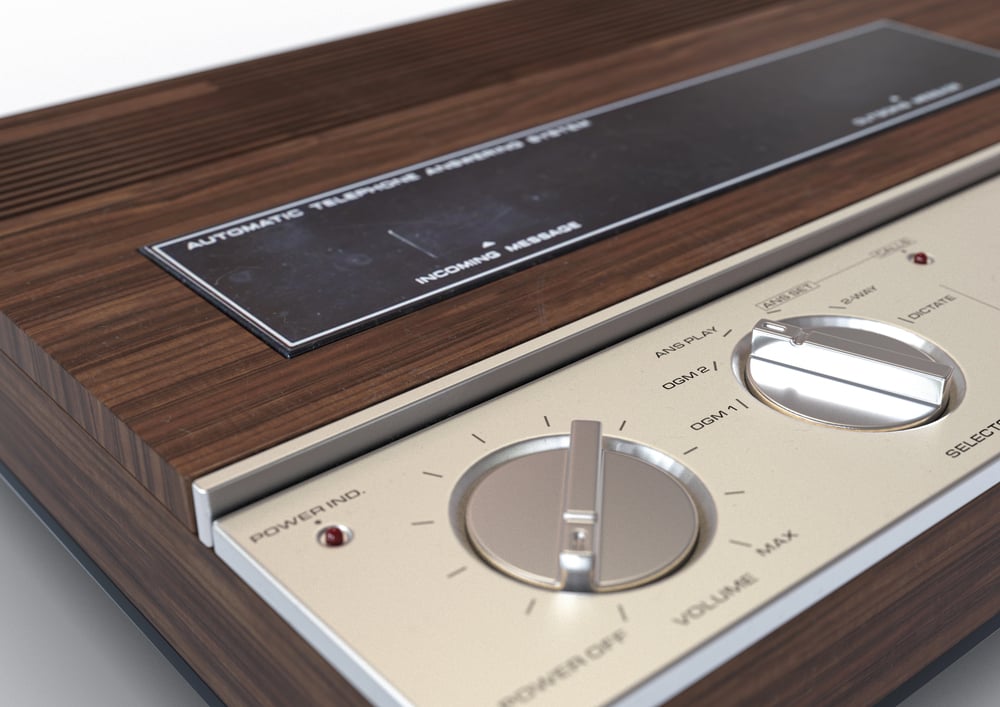
That red light blinked when you got home. You pressed play and listened to messages while taking off your shoes.
The tape inside recorded everything, and you could hear the mechanical whir as it rewound.
Some people had elaborate outgoing messages with music or jokes. Others kept it simple.
But everyone checked it as soon as they walked in. Missing a message meant missing out.
There was no checking remotely, no app, no cloud backup. Just that blinking red light.
Box of Floppy Disks
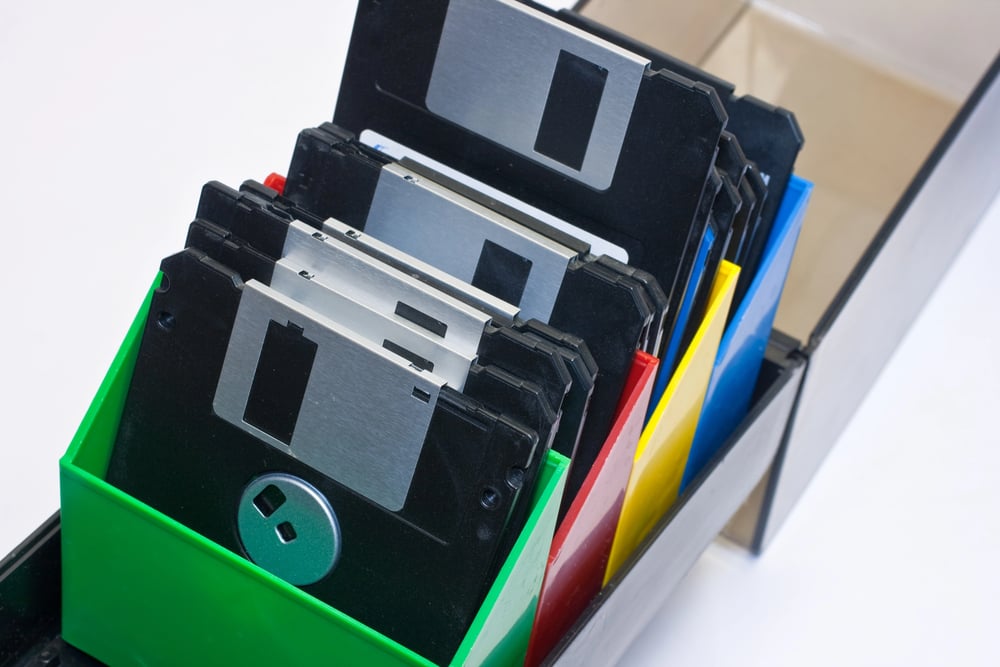
These square plastic cases held 1.44 megabytes of data. School reports, games, work files—everything went on floppies.
They sat in a box near the computer, labels written in marker, half of them no longer readable because someone left them near the speakers.
The computer made that grinding sound when reading them. Sometimes the disk got stuck.
Sometimes it just stopped working for no reason. You learned to keep multiple copies of important files because floppy disks failed without warning.
Rolodex

Business cards went into this rotating file on the desk. You flipped through the cards to find phone numbers, addresses, contact information.
Office workers had huge ones. Home versions were smaller but served the same purpose.
This was your contact management system. You wrote addresses by hand on the cards.
Updated them when people moved. Threw out old contacts.
The physical act of maintaining it meant you actually knew who was in there.
Phone Book Under the Kitchen Drawer

That thick yellow book arrived at your doorstep every year. It went under the kitchen drawer or sat on the counter, pages already worn from constant use.
Need a pizza place? Flip to restaurants. Looking for a plumber? Turn to services.
The white pages listed everyone by last name unless you paid extra to be unlisted.
You could look up anyone’s home phone number and address. That information just sat there in a book that anyone could access.
Different times.
Collection of Takeout Menus in a Drawer
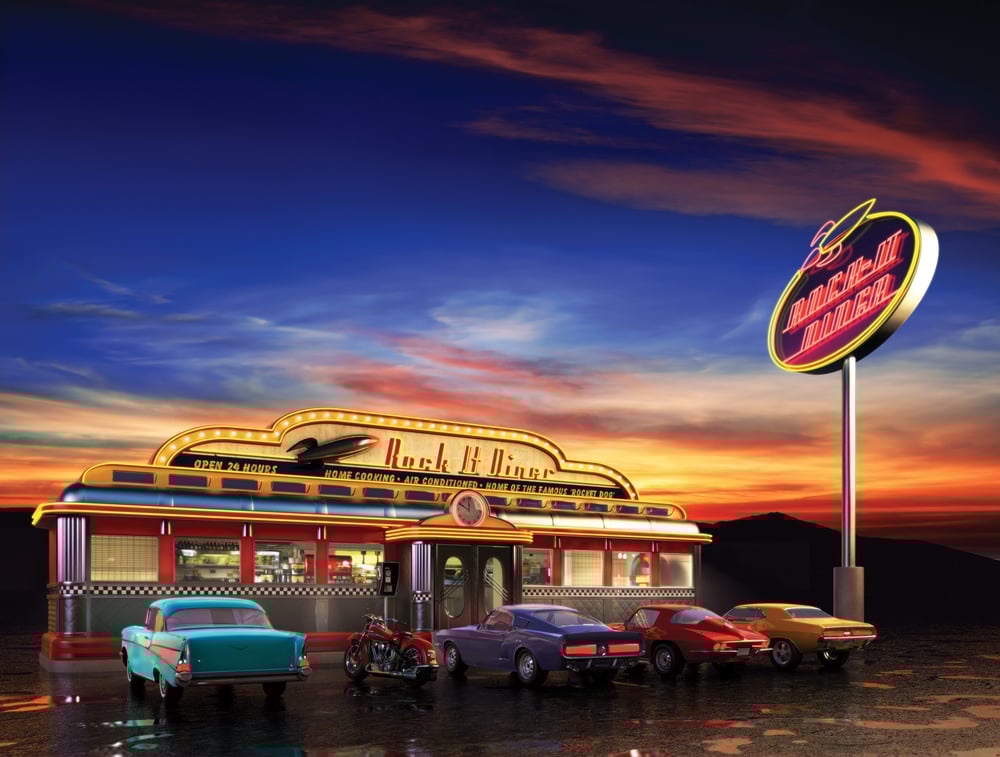
One kitchen drawer held restaurant menus collected over the years. Chinese food, pizza, sandwich shops—all crammed together, some with grease stains, others with old orders circled in pen.
You called the number on the menu and read your order over the phone.
Some menus had coupons stapled to them. Two-for-one deals, free appetizers, delivery discounts.
You saved those. The drawer got so full it barely closed, but nobody threw any away because you never knew when you’d need that one Thai place that delivered until 11 PM.
TV Guide Magazine

This small magazine arrived weekly with the television schedule for every channel. You checked it to see what was on, when shows aired, what movies played late at night.
People circled shows they wanted to watch.
Thursday night’s lineup determined conversations at work on Friday. Miss your show? Wait for the rerun.
No streaming, no on-demand, no pausing live TV. You watched when it aired or you missed it.
The TV Guide made planning possible.
Cassette Tape Collection
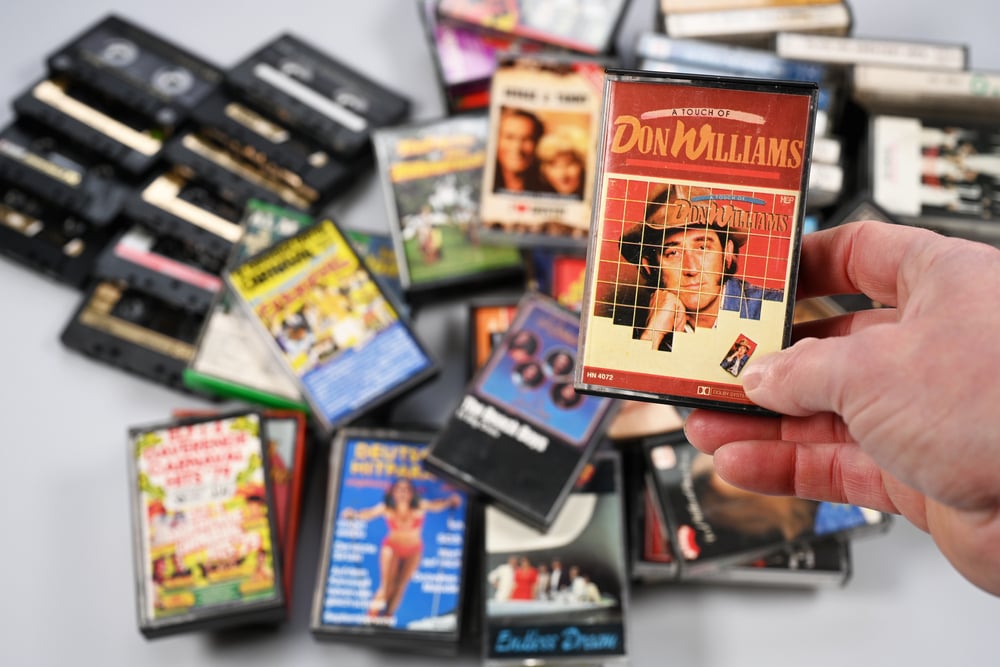
These rectangles filled shoeboxes and drawers. Mixed tapes, albums recorded from the radio, audio books, language lessons—all on magnetic tape that wore out from use.
The tape sometimes got eaten by the player, leaving long brown ribbons of destroyed music.
Making a mixed tape took hours. You recorded songs off the radio, pressing record and playing at the exact right moment, trying not to catch the DJ talking over the intro.
Or you recorded from CDs, carefully curating the order, writing the track list on the paper insert with your best handwriting.
Microwave With Mechanical Dials

These white or almond-colored boxes sat on the counter with two dials—one for time, one for power. They made that ticking sound as they counted down.
The timer rang like an alarm clock when your food was ready.
The door had a textured plastic window so you could watch your food spin inside. Some had fake wood paneling on the sides.
They lasted forever, outliving multiple other appliances, still ticking and heating into the 2000s without complaint.
Address Book

This little notebook always sat near the telephone or tucked inside a desk drawer. Pen marks filled its pages – names, numbers, dates scratched in one after another.
If a person relocated, their old details got a line drawn through them. The updated address appeared underneath, sometimes crammed along the edge of the page.
One person might write everything in tidy rows, ink dark and even. Another let scribbles climb over torn edges, coffee stains blooming near old notes.
Yet each carried some form of it. That’s what told you which address got the winter letter, reminded you where your relative now lived, held together the loose threads of who knew whom.
When Everything Shifted While You Looked Away

Fading bit by bit, those old things slipped away. DVDs edged out the clunky VCRs.
Wall phones lost ground as cell phones spread. Instead of flipping through a TV Guide, everyone turned to online listings.
Slowly, each familiar tool faded into quiet uselessness.
One decade made it ordinary. Each home moved like the next, powered by identical machines.
Walk into any living room, you’d hear the same signals – the sharp phone call, the spinning hum of a video player, that sudden beep from the oven box.
Life in the nineties breathed through those gadgets, guiding chats, tasks, quiet moments indoors.
Back then, nothing about them stood out. Today, each one sits still, waiting in memory.
More from Go2Tutors!

- The Romanov Crown Jewels and Their Tragic Fate
- 13 Historical Mysteries That Science Still Can’t Solve
- Famous Hoaxes That Fooled the World for Years
- 15 Child Stars with Tragic Adult Lives
- 16 Famous Jewelry Pieces in History
Like Go2Tutors’s content? Follow us on MSN.



