20 Things That Can Only Happen in America
America is a place where contradictions live side by side and somehow make perfect sense. It’s a country where you can order a burger from your car window at 3 AM, where strangers will chat with you about their life story in grocery store lines, and where college football stadiums dwarf professional sports venues. The United States has developed a unique cultural landscape that often baffles visitors from other countries, yet feels completely normal to those who grew up here.
From drive-thru funeral homes to spray cheese in a can, America has created solutions and traditions that exist nowhere else on Earth. Here is a list of 20 things that truly can only happen in America.
Drive-Thru Everything
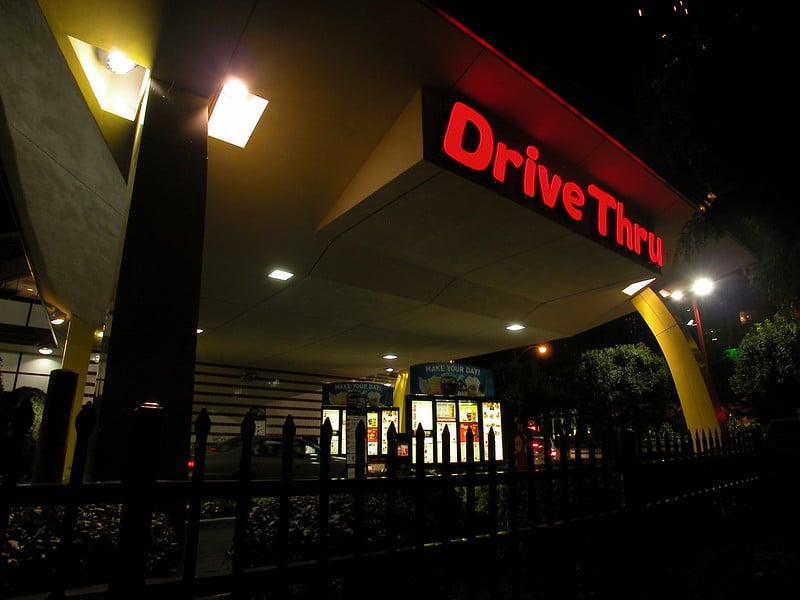
America invented the drive-thru concept in 1947 with Red’s Giant Hamburg in Springfield, Missouri, and then took it to extremes no other country dared attempt. While other nations might have a McDonald’s drive-thru, America has drive-thru banks, pharmacies, wedding chapels, funeral homes, and even drive-thru daiquiri shops in Louisiana. The country operates around 200,000 drive-thru locations, and during the pandemic, some restaurants reported that 80% of their sales came through car windows rather than dining rooms.
College Sports Obsession
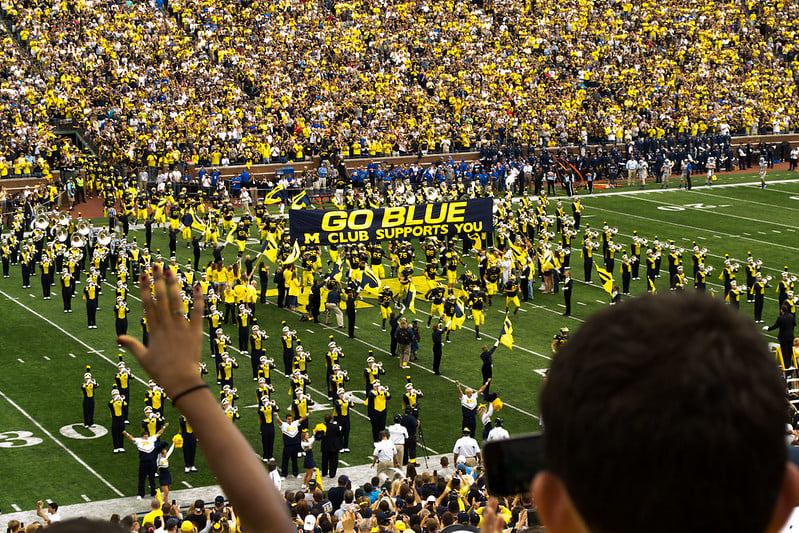
Americans treat college athletics like a religion, especially football, in ways that mystify the rest of the world. The largest stadium in the United States isn’t for professional sports—it’s Michigan Stadium, which holds 107,601 fans for college games. Of the top 16 largest stadiums in America, 15 are for college football, with massive television contracts, billion-dollar revenues, and alumni who donate millions just to get better seats. No other country comes close to this level of fanaticism for amateur student athletics.
Yellow School Buses
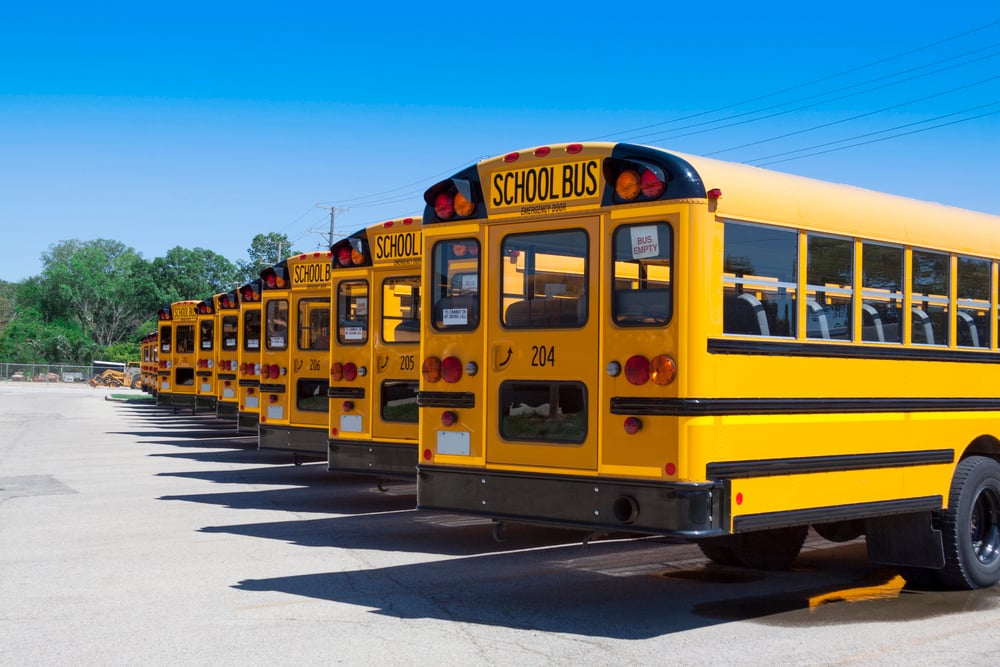
That iconic bright yellow school bus isn’t just a movie prop—it’s a real part of American childhood that exists nowhere else in the world. America operates around 480,000 yellow school buses that transport 26 million children daily, making it the largest mass transit system in the country. The specific shade of ‘National School Bus Glossy Yellow’ was chosen in 1939 for safety reasons, and the design has remained largely unchanged for decades, creating a uniquely American symbol of education.
Spray Cheese in a Can

Only in America can you buy cheese that comes out of an aerosol can like whipped cream. Easy Cheese and similar products are 51% actual cheese (the minimum required by law to call it ‘cheese’), with the rest being whey protein and preservatives. This processed convenience food became popular in the 1960s and remains a staple at Super Bowl parties and in American pantries, despite horrifying cheese lovers from Europe who can’t fathom why anyone would spray ‘cheese’ directly into their mouth.
Black Friday Shopping Madness

— Photo by urban_light
The day after Thanksgiving has evolved into a uniquely American phenomenon where millions of people line up for hours before dawn to fight over discounted televisions and toys. Black Friday generates billions in sales and has spawned viral videos of shoppers trampling each other for deals, something that bewilders other cultures where shopping is typically a more civilized affair. While some other countries have tried to copy the concept, nowhere else do people camp outside stores overnight just to save money on electronics.
Casual Conversations with Strangers

Americans will strike up conversations with complete strangers in elevators, grocery store lines, and bus stops in ways that would be considered intrusive or inappropriate in most other cultures. This ‘peach culture’ means Americans are soft on the outside but have a hard pit at the center, making initial interactions easy but deeper relationships more challenging. Visitors from ‘coconut cultures’ (hard shell outside, soft inside) often mistake American friendliness for genuine friendship, leading to cultural confusion.
24-Hour Restaurants
— Photo by jetcityimage2
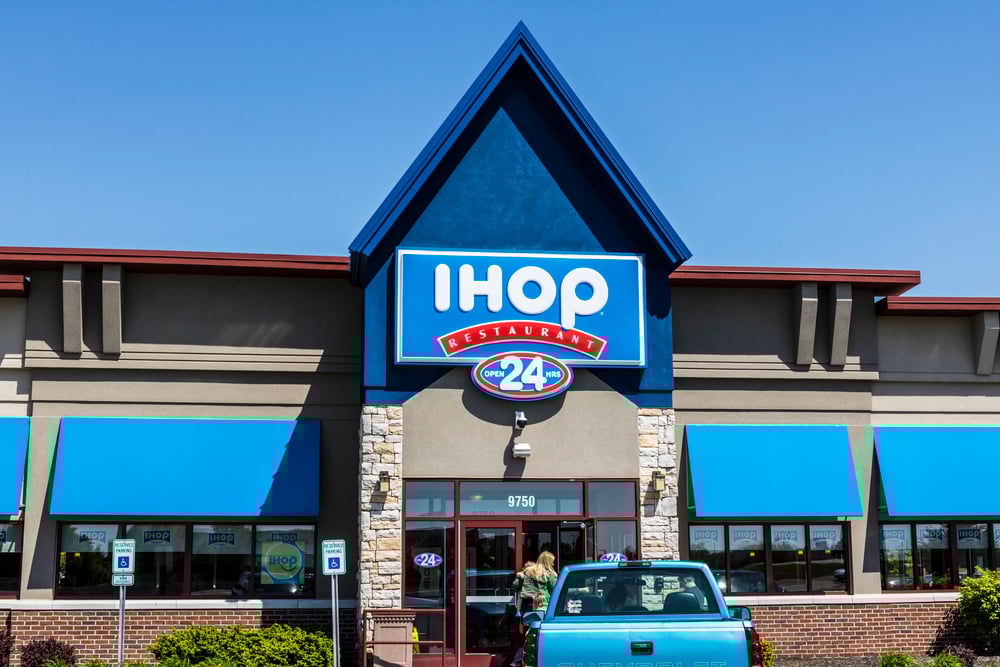
America pioneered the concept of restaurants that never close, serving full meals around the clock in ways that most countries find unnecessary or impractical. From 24-hour diners to Denny’s locations that stay open all night, Americans can get pancakes at 3 AM or dinner at dawn without anyone batting an eye. This reflects the American work culture and highway system, where people travel and work at all hours, demanding food services that match their non-stop lifestyle.
Aggressive Flag Display

Americans display the national flag with an enthusiasm that borders on obsession, flying Stars and Stripes from houses, cars, clothing, and everything in between year-round. The Flag Manufacturers’ Association estimates over 150 million flags are sold annually, and it’s common to see multiple flags on a single city block. This level of patriotic display in everyday life is considered unusual or even concerning in many other countries, where flags are typically reserved for government buildings and special occasions.
Tipping Culture Gone Wild

America has developed a tipping system so complex and pervasive that service workers depend on it for basic survival, while customers are expected to calculate 15-25% gratuities for everything from haircuts to food delivery. Unlike most countries where service charges are included in prices or workers receive living wages, American servers often earn as little as $2.13 per hour before tips. This creates a unique dynamic where customers essentially pay workers’ salaries directly, leading to confusion and frustration for foreign visitors.
Supersized Everything
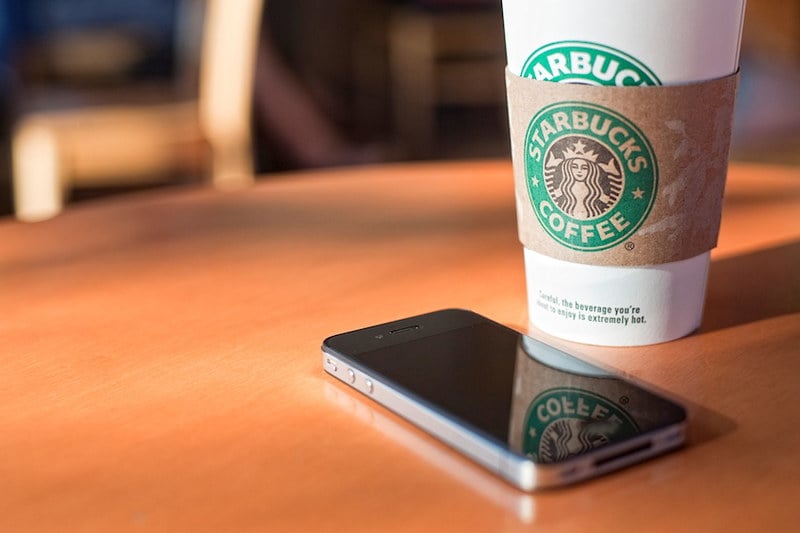
American portion sizes have grown to comical proportions that shock visitors from other countries, where a ‘large’ coffee might be 8 ounces compared to America’s 20-ounce ‘tall’ at Starbucks. Restaurants serve single meals that could feed families elsewhere, with endless breadsticks, free refills, and appetizers larger than main courses in other nations. This ‘bigger is better’ mentality extends beyond food to cars, houses, and shopping centers, creating a culture of excess that’s distinctly American.
Red Solo Cups
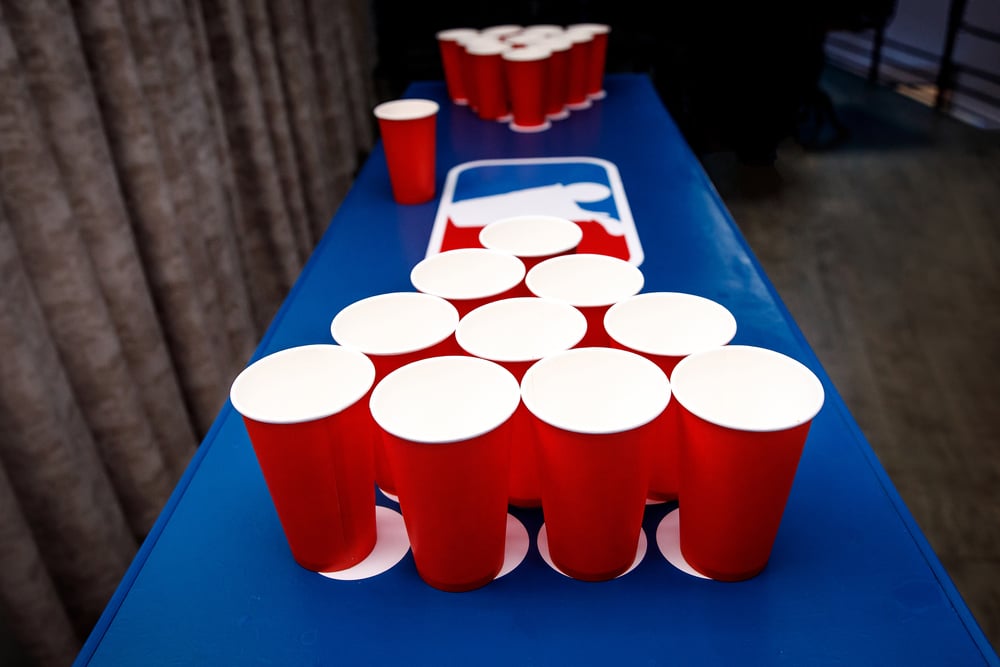
Those iconic red plastic cups aren’t just movie props—they’re a real cultural phenomenon that other countries associate specifically with American college parties and gatherings. The Solo cup’s distinctive design and bright red color have become symbols of American party culture worldwide, featured in songs, movies, and international ‘American-themed’ parties. Most other countries don’t sell these specific cups, making them a uniquely recognizable American export through pop culture.
Gap Years Are for Losers

Unlike most developed countries where students commonly take gap years to travel or work before college, American culture pushes teenagers directly from high school graduation to college orientation with barely a summer break in between. The idea of taking a year off to ‘find yourself’ is often viewed as lazy or directionless, contrasting sharply with European cultures where gap years are encouraged and respected. American students who do take time off often feel pressure to justify their decision with productive activities like volunteering or working.
Homecoming Royalty
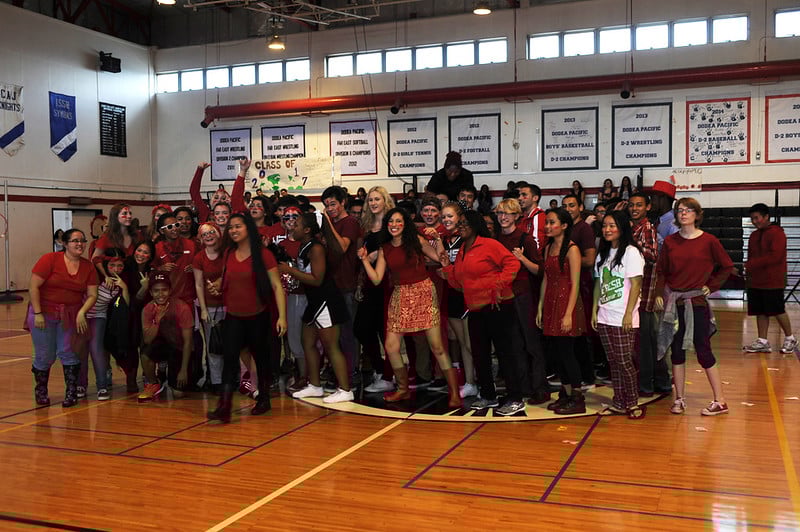
American high schools crown homecoming kings and queens in elaborate ceremonies that seem like miniature versions of royal coronations, complete with parades, formal dances, and weeks of campaigning. This tradition of selecting the most popular students for ceremonial titles exists nowhere else in the world, where school events focus on academics or athletics rather than popularity contests. The entire homecoming concept, from spirit week to the big game, creates a uniquely American blend of education and entertainment.
Ice Water as Default
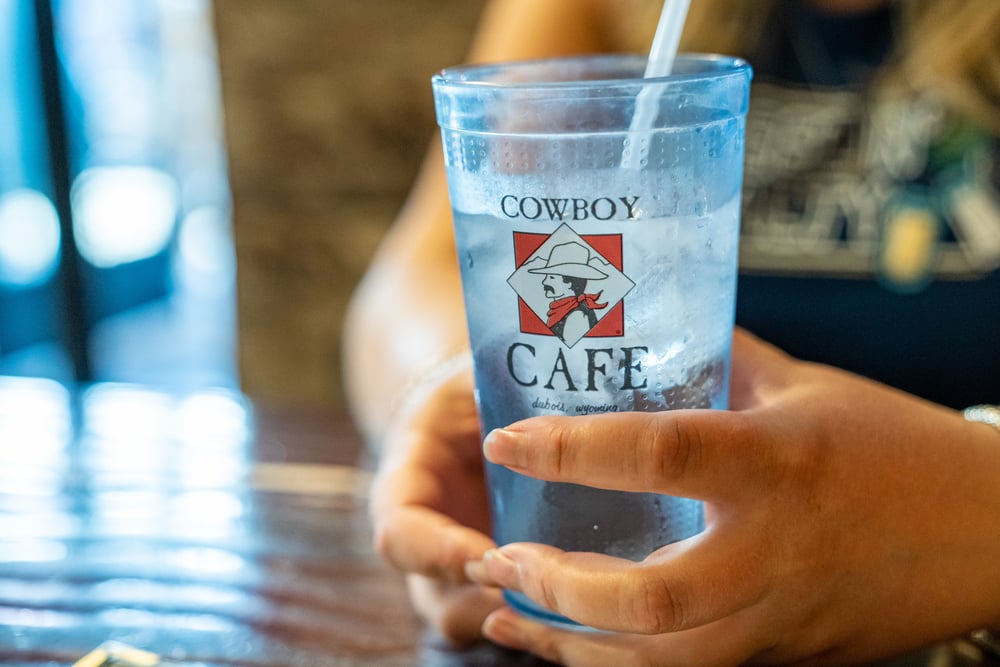
— Photo by mkopka
Americans automatically receive ice water at restaurants without asking, while most of the world considers this an unusual request or even harmful to digestion. This cultural preference for ice-cold beverages extends to all drinks, with Americans consuming more ice per capita than any other country. Foreign visitors often have to specifically request room-temperature water, as the American assumption is that everyone wants their drinks as cold as possible.
Unlimited Vacation Time Anxiety

While other countries mandate 4-6 weeks of paid vacation time, many Americans work for companies offering ‘unlimited’ vacation policies that paradoxically result in employees taking fewer days off than traditional systems. This creates a uniquely American phenomenon where workers feel guilty about taking time off even when it’s theoretically unlimited, reflecting a work culture that values constant productivity over rest. European visitors often struggle to understand why Americans brag about not taking vacations.
State Fair Food Extremes

American state fairs have become laboratories for the most outrageous fried foods imaginable, with vendors competing to deep-fry everything from butter to ice cream to entire turkeys. These temporary gatherings showcase American culinary creativity taken to absurd extremes, where normal food items are battered, fried, and served on sticks. The Iowa State Fair alone serves over 60 different items on sticks, creating a dining experience that exists nowhere else on Earth.
Ghost Kitchens for Delivery
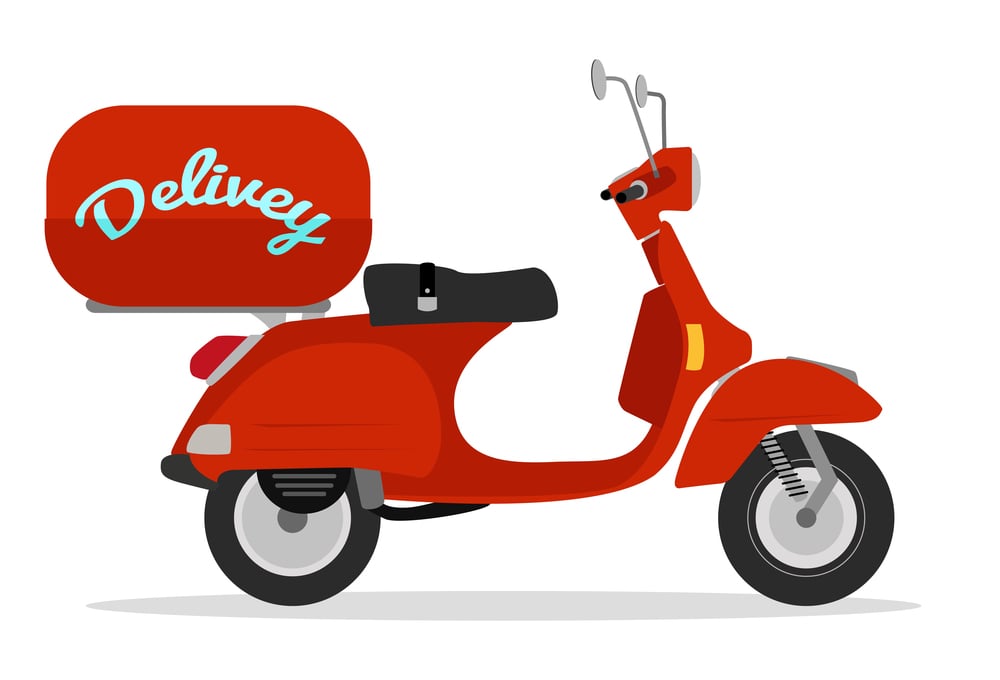
America pioneered the concept of ‘ghost kitchens’—commercial cooking spaces that exist solely to prepare food for delivery apps, with no dining area or even a visible storefront. These facilities can operate multiple restaurant ‘brands’ from a single location, creating virtual restaurants that exist only in apps like DoorDash and Uber Eats. This business model reflects American efficiency and convenience culture, where the dining experience has been reduced to pure food delivery logistics.
Calling College ‘College’

Americans stubbornly call their post-secondary education ‘college’ instead of ‘university’ like the rest of the English-speaking world, even when attending institutions that are technically universities with graduate programs. This linguistic quirk confuses international students who expect American ‘colleges’ to be smaller institutions, when in reality Harvard College and Yale College are part of major research universities. The terminology reflects American informality and resistance to adopting British educational language.
Drive-Thru Starbucks Dependency

Americans have normalized getting their daily coffee fix without ever leaving their cars, with Starbucks operating thousands of drive-thru locations where customers wait in long lines just to avoid walking inside. This contradicts coffee culture everywhere else in the world, where sitting in cafés and socializing over coffee is a cherished ritual. American coffee culture prioritizes speed and convenience over the social experience, turning coffee consumption into another form of fast food.
Medical Bankruptcy as Normal

America is the only developed country where people regularly lose their homes and declare bankruptcy due to medical bills, even when they have health insurance. This uniquely American phenomenon affects hundreds of thousands of families annually, creating a healthcare system where getting sick can mean financial ruin. Other developed nations find this concept shocking, as their universal healthcare systems prevent medical debt from existing at all.
The American Paradox Lives On
These uniquely American phenomena reflect a nation built on contradictions—celebrating individual freedom while creating systems of dependency, valuing efficiency while embracing chaos, and promoting equality while accepting extreme inequality. What makes something ‘uniquely American’ isn’t always positive, but it’s always distinctly shaped by a culture that refuses to do things the way everyone else does them. Whether it’s drive-thru funeral homes or spray cheese, America continues to surprise the world with solutions nobody else thought they needed.
More from Go2Tutors!

- 16 Historical Figures Who Were Nothing Like You Think
- 12 Things Sold in the 80s That Are Now Illegal
- 15 VHS Tapes That Could Be Worth Thousands
- 17 Historical “What Ifs” That Would Have Changed Everything
- 18 TV Shows That Vanished Without a Finale
Like Go2Tutors’s content? Follow us on MSN.