20 Times Animals Showed Intelligence That Shocked Scientists
The animal kingdom holds countless mysteries about the depth of non-human cognition. While scientists once believed intelligence was uniquely human, research over recent decades has shattered this assumption.
From tool creation to emotional awareness, animals continually demonstrate cognitive abilities that force researchers to redefine what intelligence truly means. Here is a list of 20 remarkable instances when animals displayed intelligence that left scientists absolutely stunned.
Ravens Solving Eight-Step Puzzles
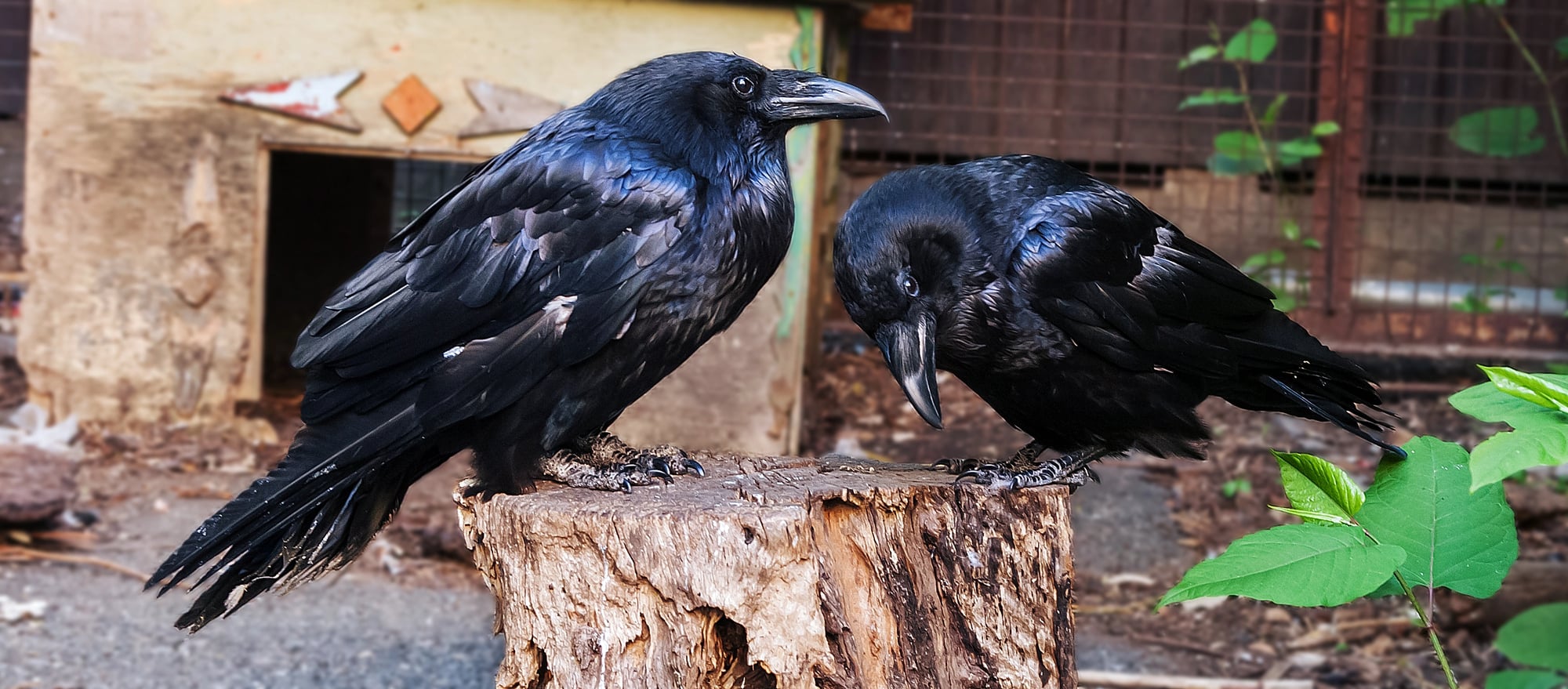
Ravens demonstrated astonishing problem-solving abilities when confronted with a complex puzzle requiring eight precise steps to retrieve food. Without training or demonstration, these birds analyzed the challenge and methodically worked through each stage.
Some ravens even skipped unnecessary steps, showing they understood the puzzle’s underlying logic rather than simply following a sequence.
Elephants Holding Funeral Rituals

African elephants perform elaborate mourning ceremonies when encountering deceased herd members or even elephant strangers. They gently touch the remains with their trunks, sometimes covering bodies with branches and dirt, and often return to the site years later.
Researchers documented cases of elephants becoming visibly distressed when shown bones of deceased family members but not when shown random elephant bones.
Orangutans Practicing Medicine
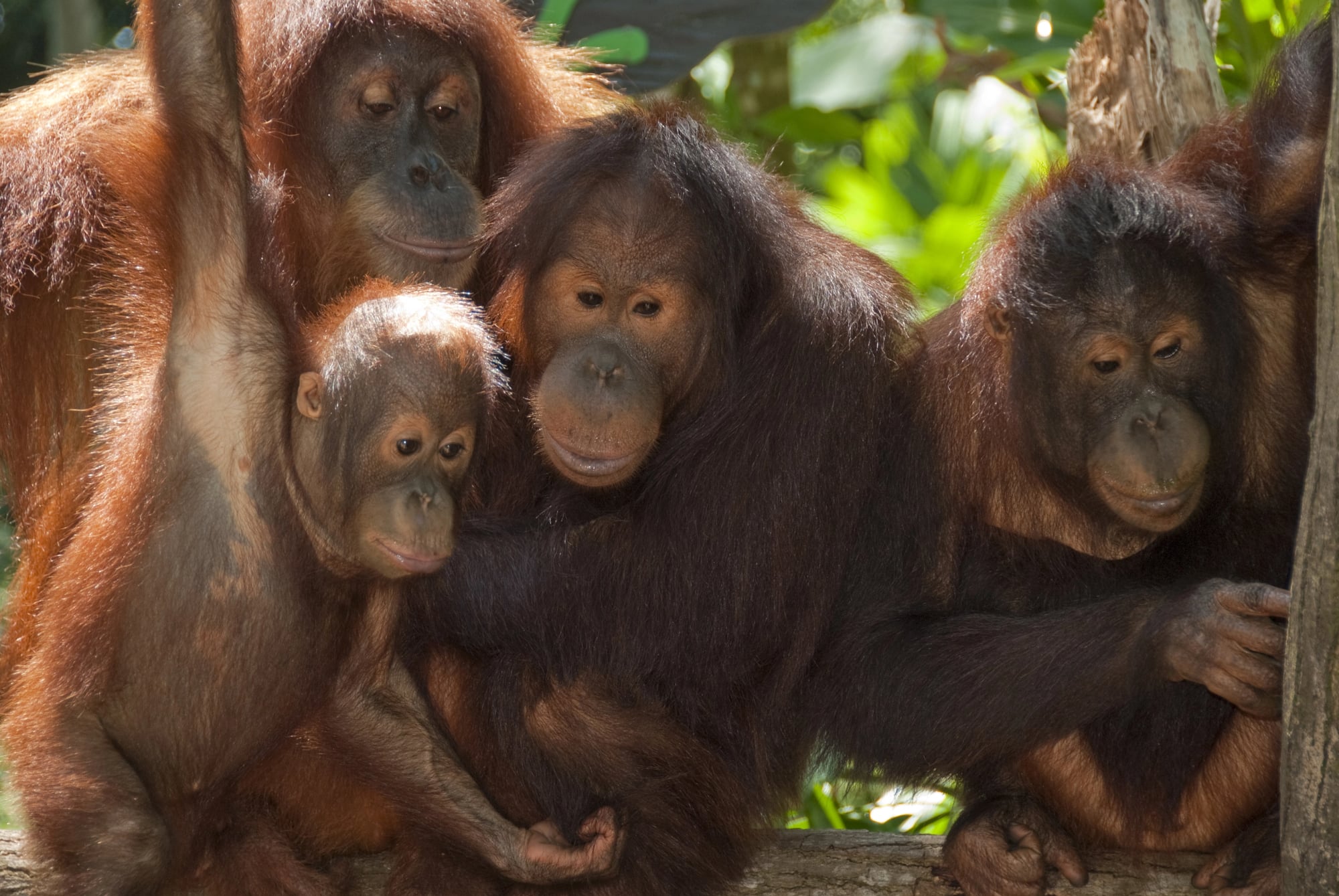
Wild orangutans in Borneo have been observed creating herbal treatments for pain relief. They chew specific leaves into a paste, then apply this mixture to injuries or sore joints.
Even more remarkably, researchers found these leaves contain anti-inflammatory compounds similar to ibuprofen. Young orangutans learn these medicinal practices by watching their elders, creating a form of cultural knowledge transmission.
Octopuses Using Coconut Shells as Shelter
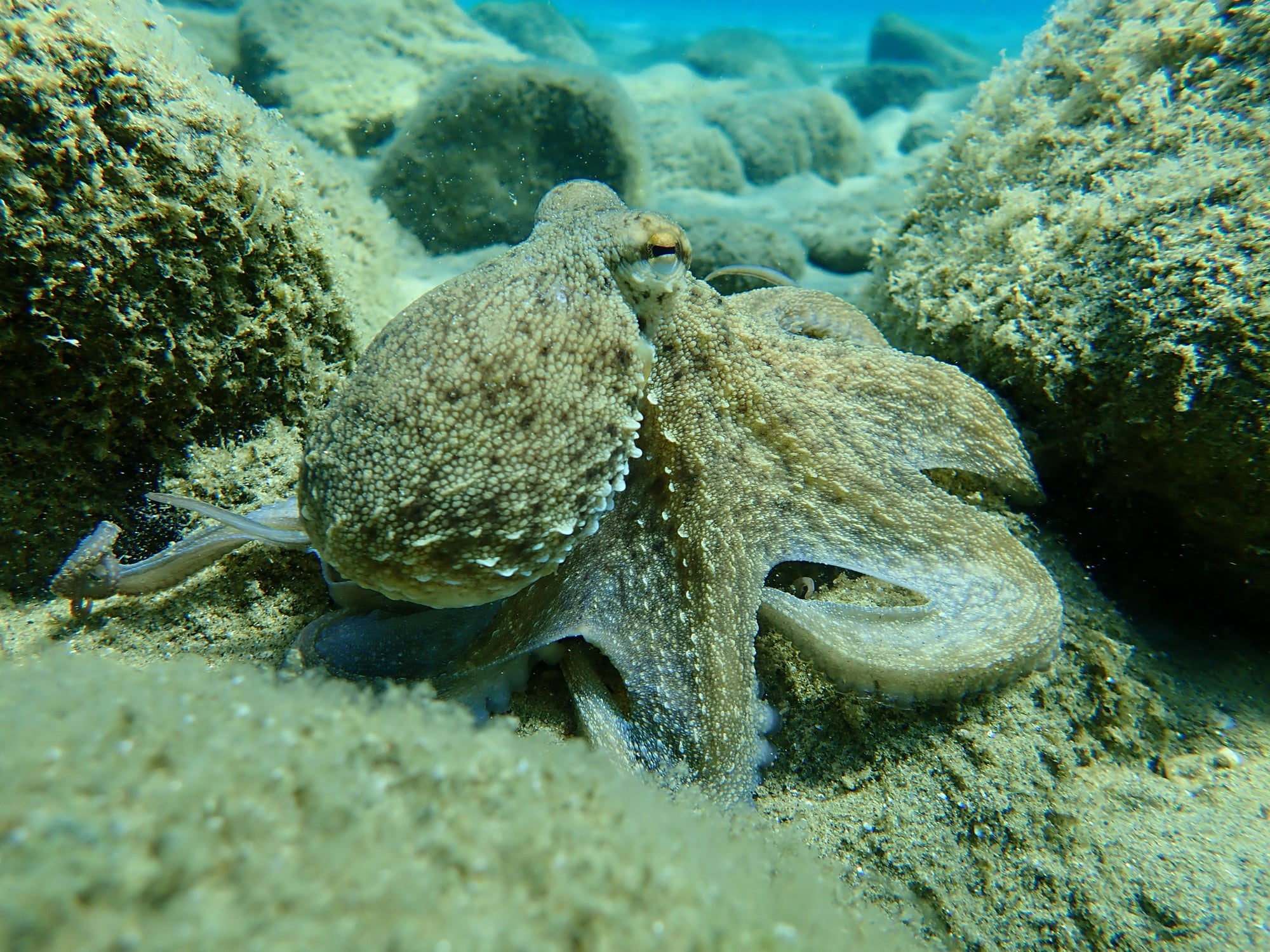
Marine biologists observed octopuses collecting discarded coconut shell halves from the ocean floor, then carrying them for later use as protective shelters. This behavior requires foresight—anticipating a future need for protection in areas without immediate cover.
The octopuses would awkwardly carry the shells underneath their bodies, sacrificing efficient movement for the future benefit of portable armor.
Chimpanzees Creating Specialized Tools
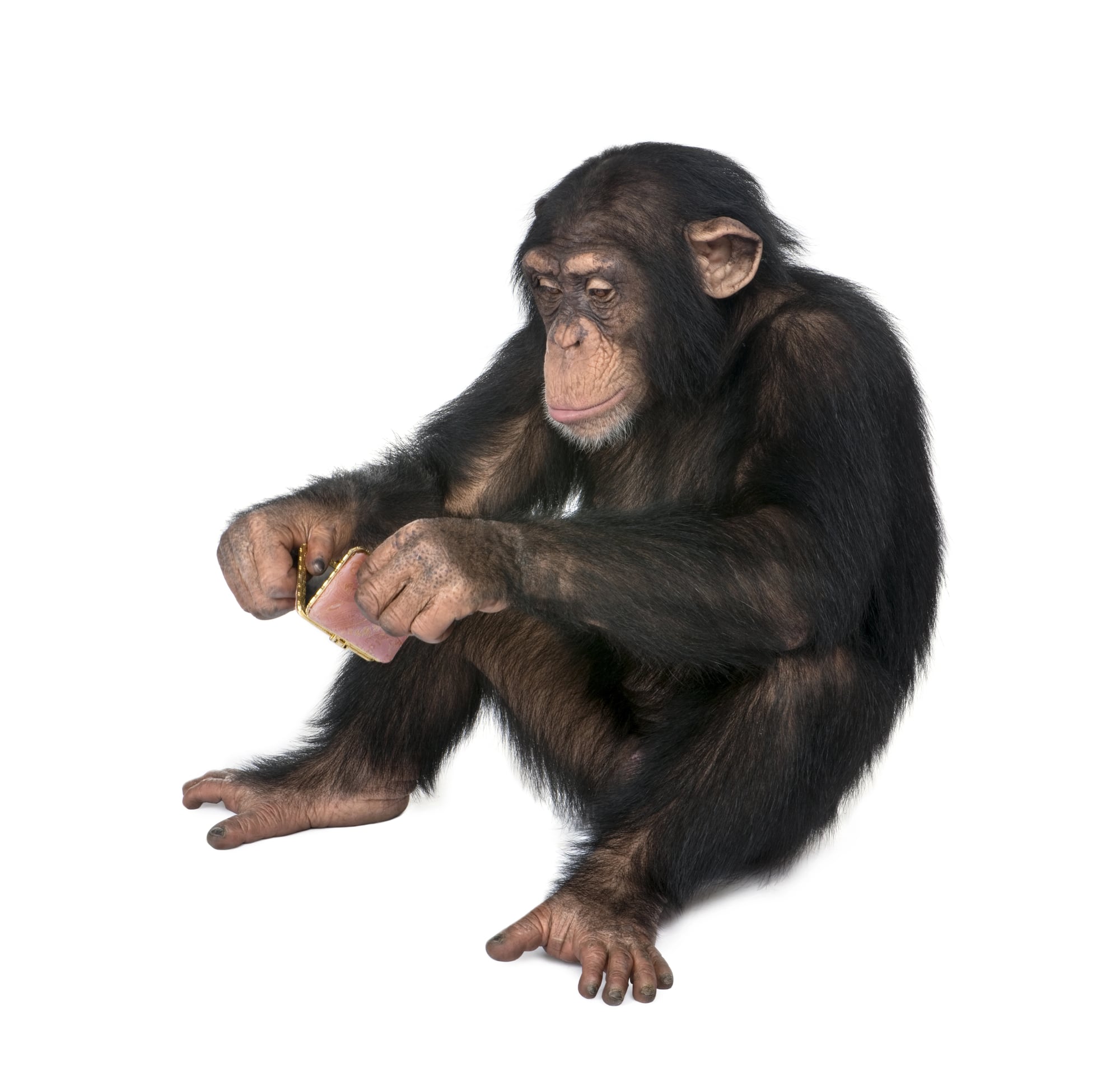
Researchers in the Congo documented chimps creating specialized tool sets for different tasks—some for pounding, others for dipping, and different ones for probing. Each tool was modified for its specific purpose, sometimes involving multiple steps of preparation.
More impressively, individual chimps developed unique modifications to these basic designs, showing personal innovation beyond simple imitation.
Ants Farming Fungi
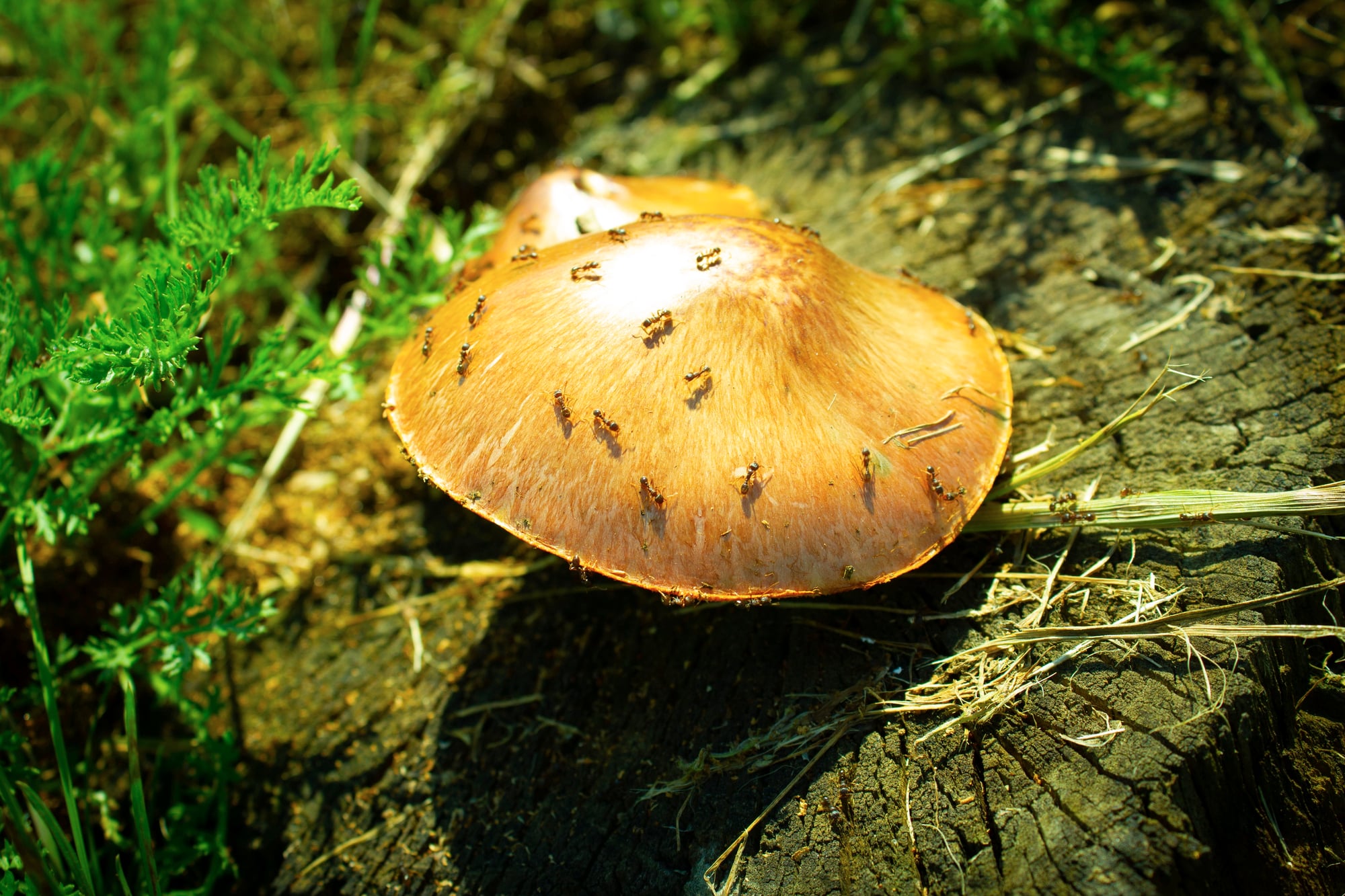
Leafcutter ants maintain sophisticated underground fungi farms, practicing techniques similar to human agriculture. They carefully select specific plant materials, adjust temperature and humidity, and even produce natural antibiotics to protect their crops from disease.
Different worker castes perform specialized roles in this farming system, creating an agricultural society millions of years before humans developed similar practices.
Dolphins Using Names
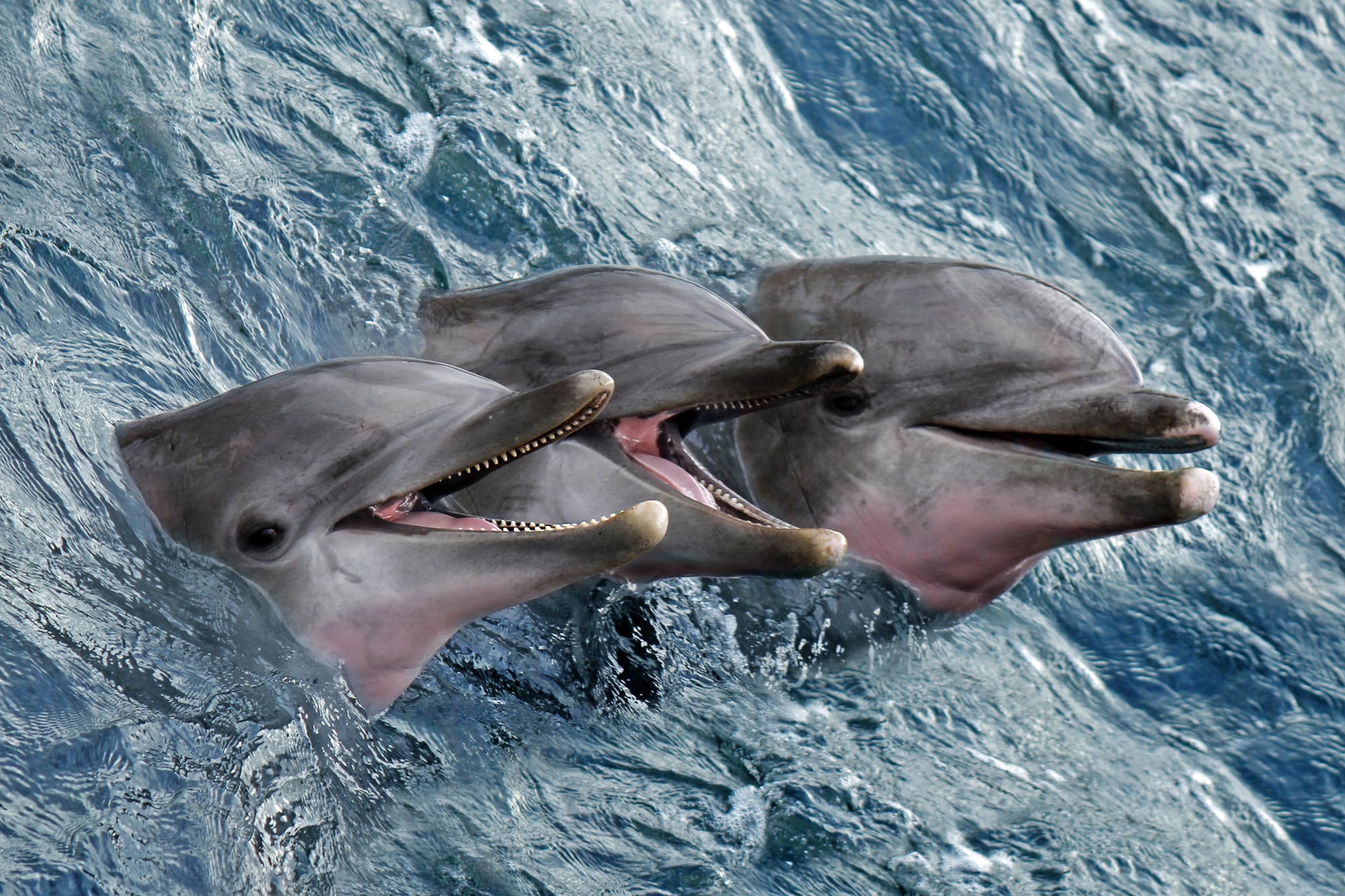
Marine researchers discovered that dolphins develop unique whistle patterns that function as personal names. Each dolphin creates its signature whistle in the first year of life and retains it throughout adulthood.
When dolphins encounter familiar individuals after separation, they often exchange name whistles, effectively greeting each other by name—a sophisticated social behavior previously thought unique to human language.
Parrots Understanding Zero
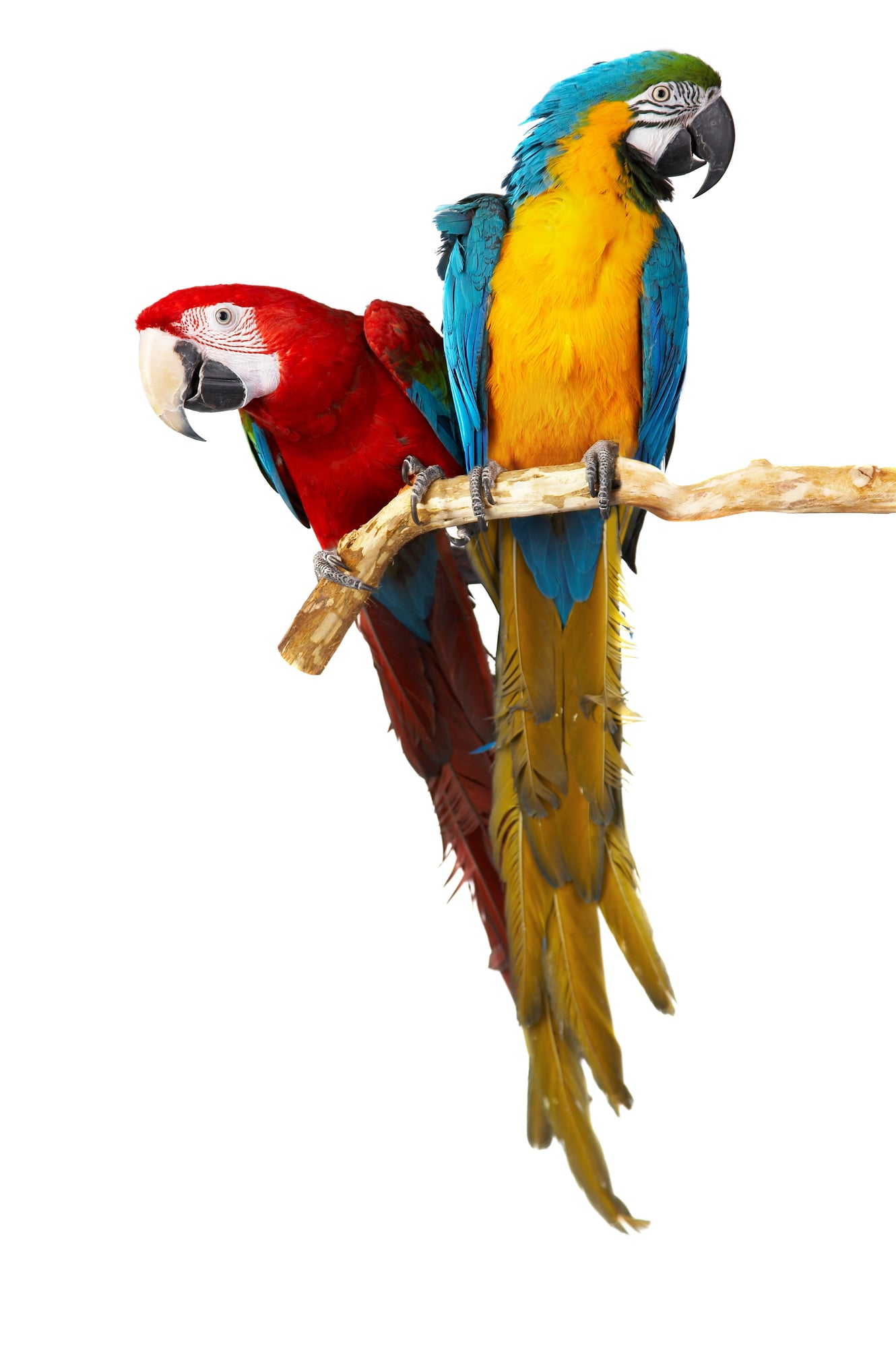
Alex, an African grey parrot, demonstrated an understanding of the concept of zero—an abstract mathematical idea many human children struggle to grasp until age four. When presented with various quantities and asked how many objects of a certain color were present, Alex correctly answered “none” when appropriate.
This abstract thinking shocked researchers who had assumed such conceptual understanding was beyond avian capabilities.
Sea Lions Keeping Rhythm

At the University of California, researchers discovered sea lions could bob their heads in time with music, even as the beats changed tempo. More impressively, one sea lion named Ronan could find and maintain the beat in songs she had never heard before.
This demonstrated that beat perception—long thought unique to humans and some birds—existed in mammals without vocal mimicry capabilities.
Horses Communicating Through Symbols

Horses demonstrated unexpected communication abilities when researchers introduced them to a symbol board. These animals quickly learned to touch specific symbols to request blankets when cold or have blankets removed when warm.
Remarkably, the horses made consistent, appropriate choices based on weather conditions, showing they could connect abstract symbols with real-world desires and outcomes.
Cuttlefish Passing the Marshmallow Test
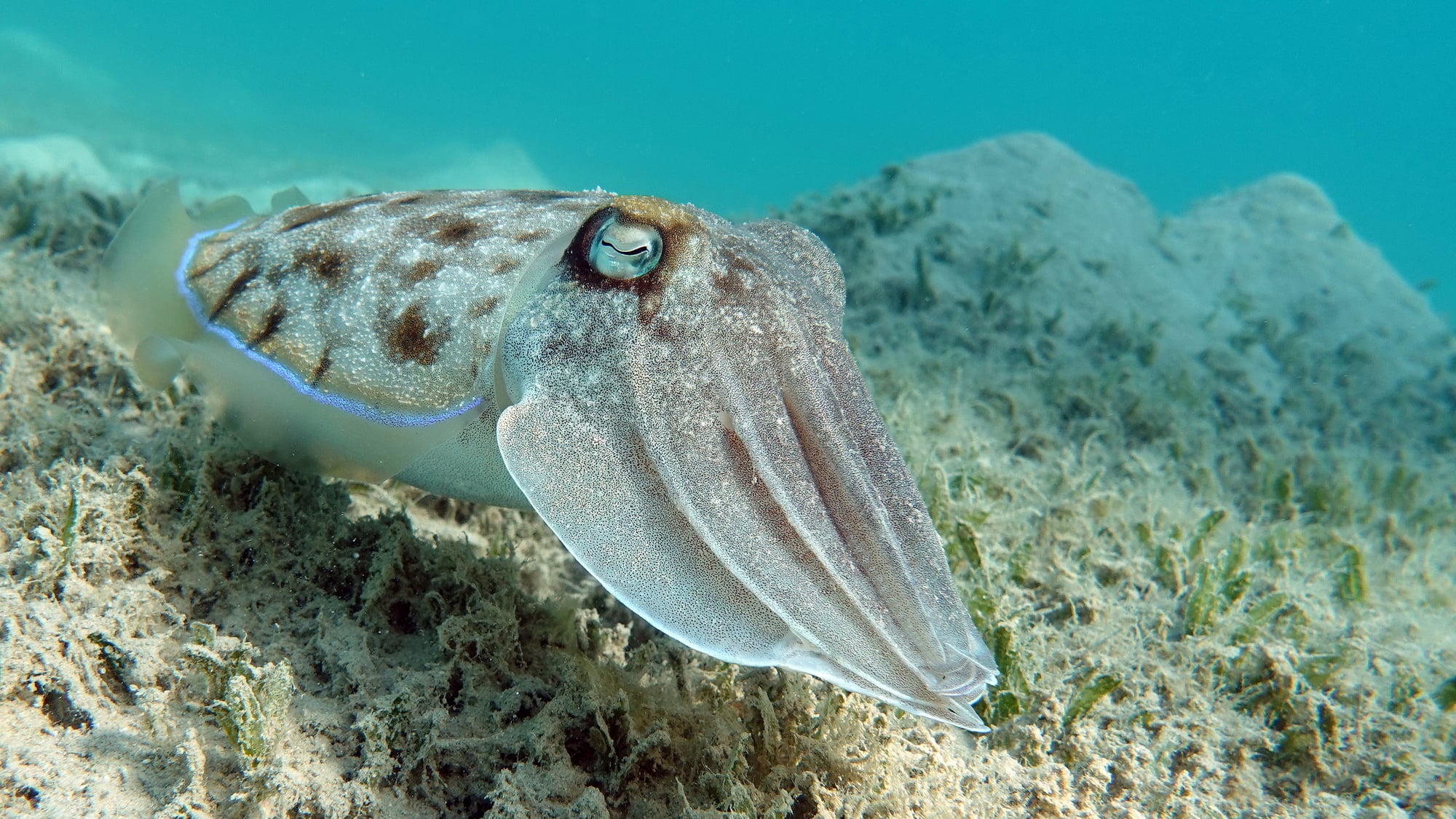
The famous marshmallow test assesses delayed gratification—the ability to resist immediate rewards for better future outcomes. Cuttlefish surprised scientists by passing this challenge, choosing to wait for preferred prey rather than eating immediately available, less desirable food.
This cognitive ability, previously demonstrated primarily in great apes and some birds, suggests cuttlefish can evaluate future outcomes in sophisticated ways.
Squirrels Creating Fake Food Caches

Fox squirrels employ deceptive strategies to protect their food stores from potential thieves. When they sense they’re being watched, these clever rodents dig false caches, pretend to deposit nuts, and cover them up—all while keeping the actual food hidden in their mouths.
This requires understanding that others have intentions toward their resources, a sophisticated form of mind-reading previously attributed primarily to primates.
Goats Seeking Human Assistance
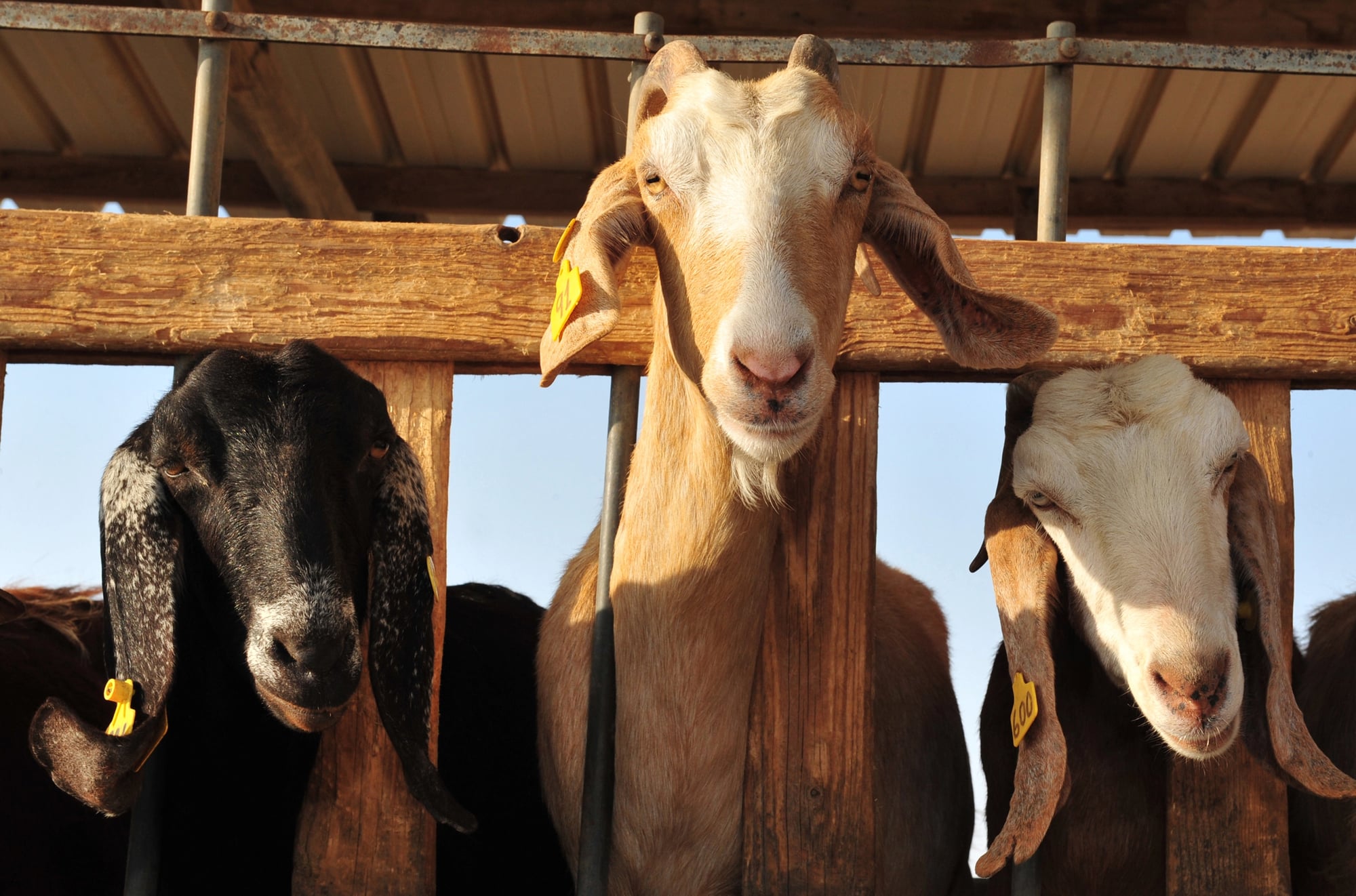
In problem-solving experiments, goats demonstrated an unexpected behavior when facing unsolvable tasks: they looked directly at nearby humans, apparently requesting assistance. This social referencing behavior, similar to that observed in dogs, suggests domesticated goats recognize humans as potential problem-solvers.
The goats’ gazes became more persistent when the task difficulty increased, showing a sophisticated assessment of their own capabilities.
Bumblebees Learning Soccer
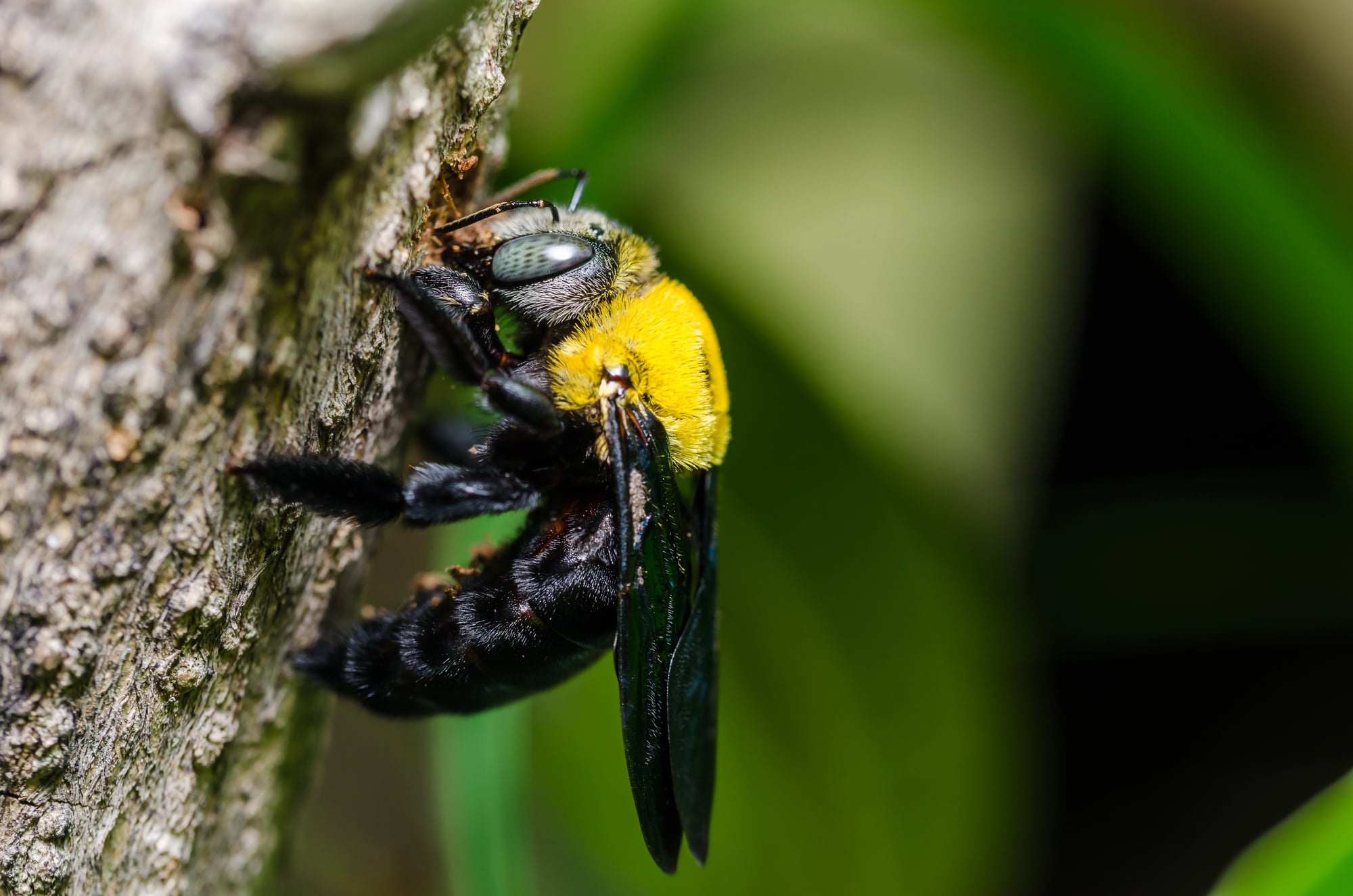
Scientists trained bumblebees to move small balls into target areas for food rewards. Astonishingly, untrained bees learned the task merely by watching other bees perform it.
Even more impressively, these observing bees often discovered more efficient methods than their teachers, showing innovation rather than simple mimicry. This complex social learning was previously thought impossible for insects given their tiny brains.
Jackdaws Recognizing Human Faces
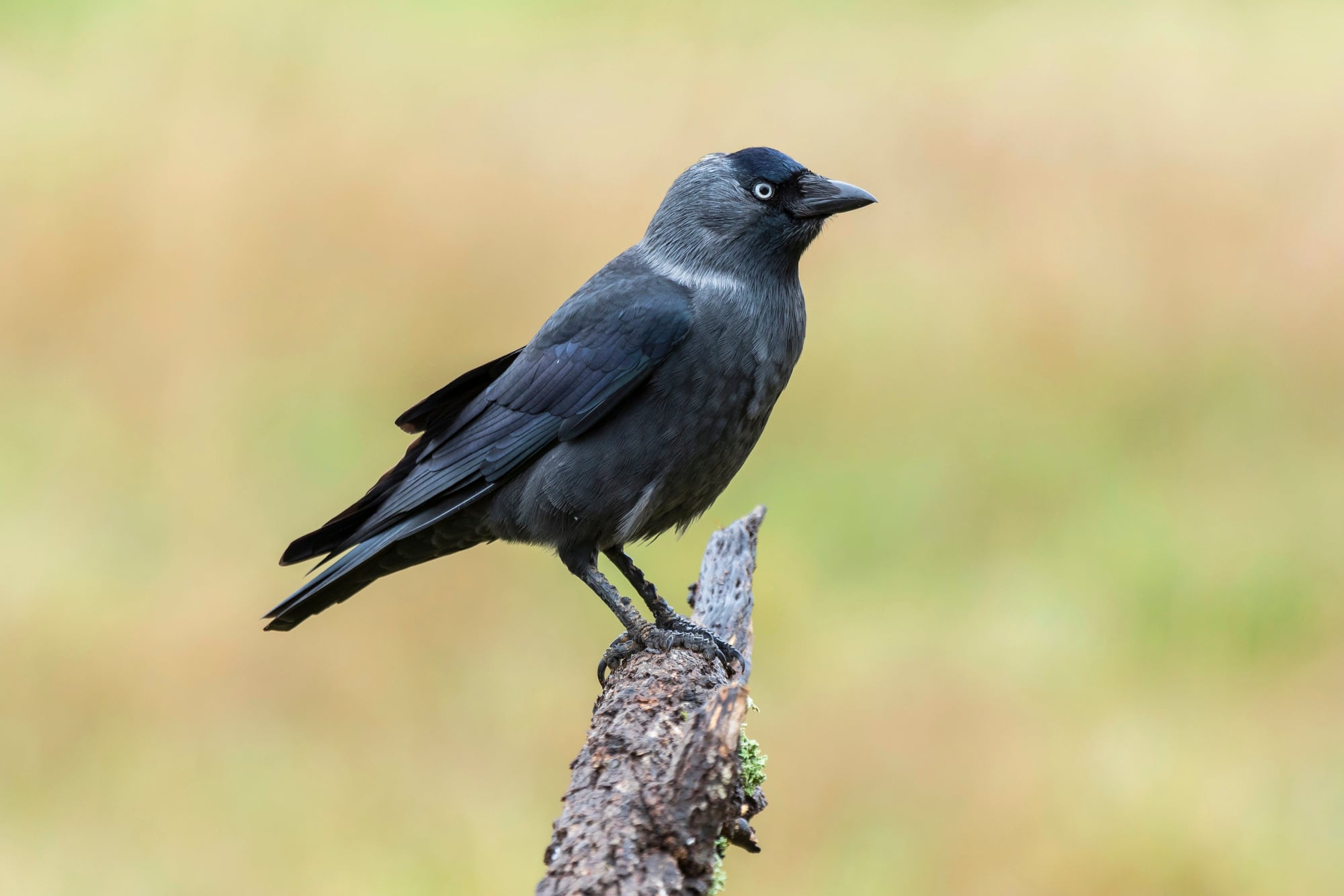
Jackdaws, relatives of crows, can identify specific human faces and remember whether those individuals previously helped or harmed them. In controlled experiments, birds consistently avoided humans who had acted threateningly while responding positively to those who provided food.
This facial recognition persisted for months, with birds distinguishing between similar-looking humans wearing identical clothing.
Pigs Mastering Video Games
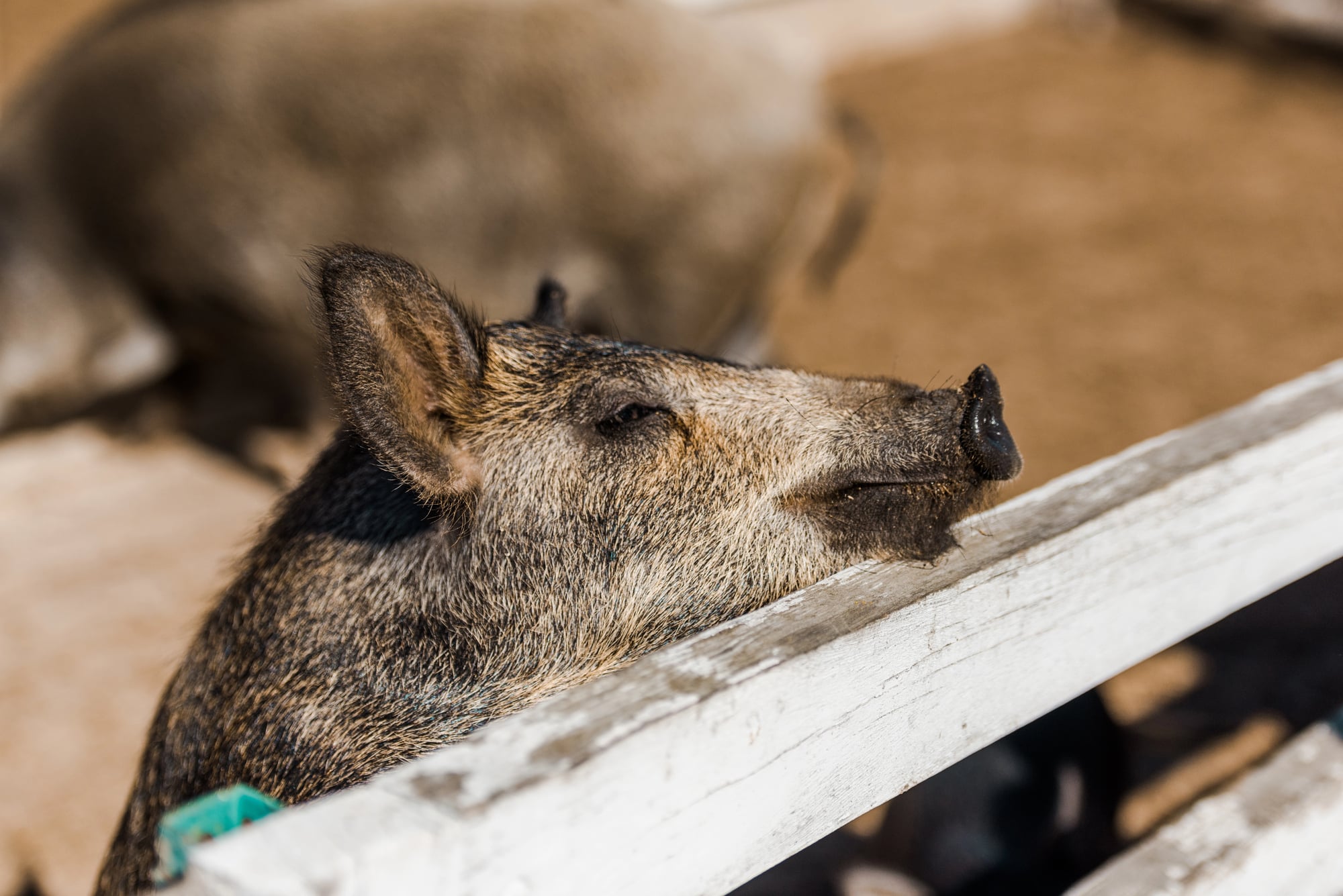
Researchers at Purdue University taught pigs to play simple video games using a joystick operated with their snouts. The pigs learned to maneuver a cursor toward on-screen targets despite having no evolutionary reason to understand screen-based representations.
Their success rate far exceeded what would be expected by chance, demonstrating an unexpected capacity for understanding symbolic representation.
Whales Teaching Hunting Techniques

Humpback whales off Alaska developed an innovative hunting technique called bubble-net feeding, where they exhale bubbles in circles around fish schools to concentrate prey. What amazed researchers were discovering that this technique spreads culturally—experienced whales actively teach the method to younger pod members through demonstration and guidance, creating distinct regional hunting cultures.
Monkeys Using Currency
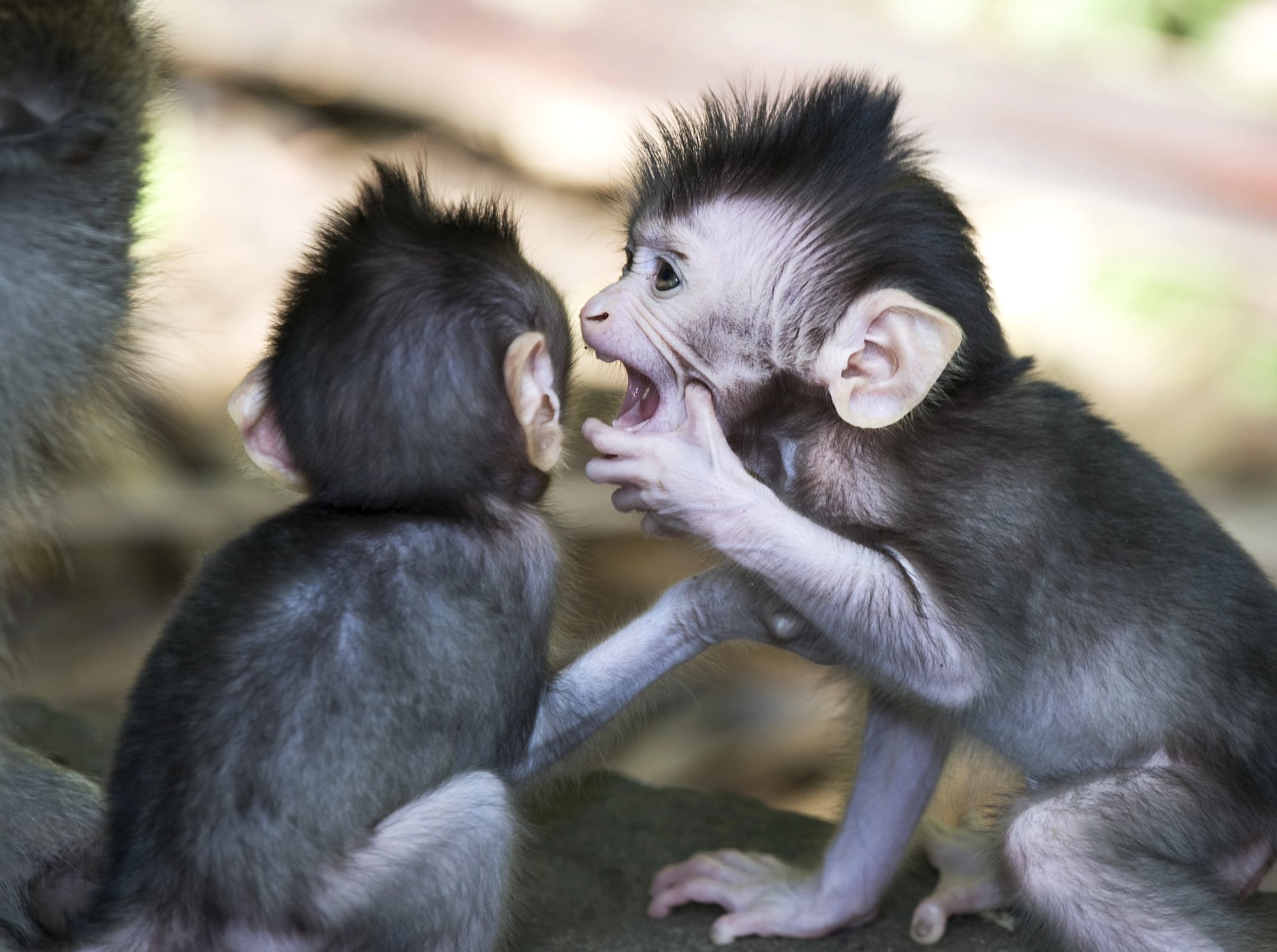
Capuchin monkeys quickly grasped the concept of money in laboratory settings. When taught that tokens could be exchanged for food, they began saving tokens, budgeting across different “purchases,” and even engaged in token gambling when researchers introduced experimental economic games.
Some monkeys even invented primitive forms of theft and prostitution, showing a troubling grasp of economic principles.
Chickens Demonstrating Self-Control
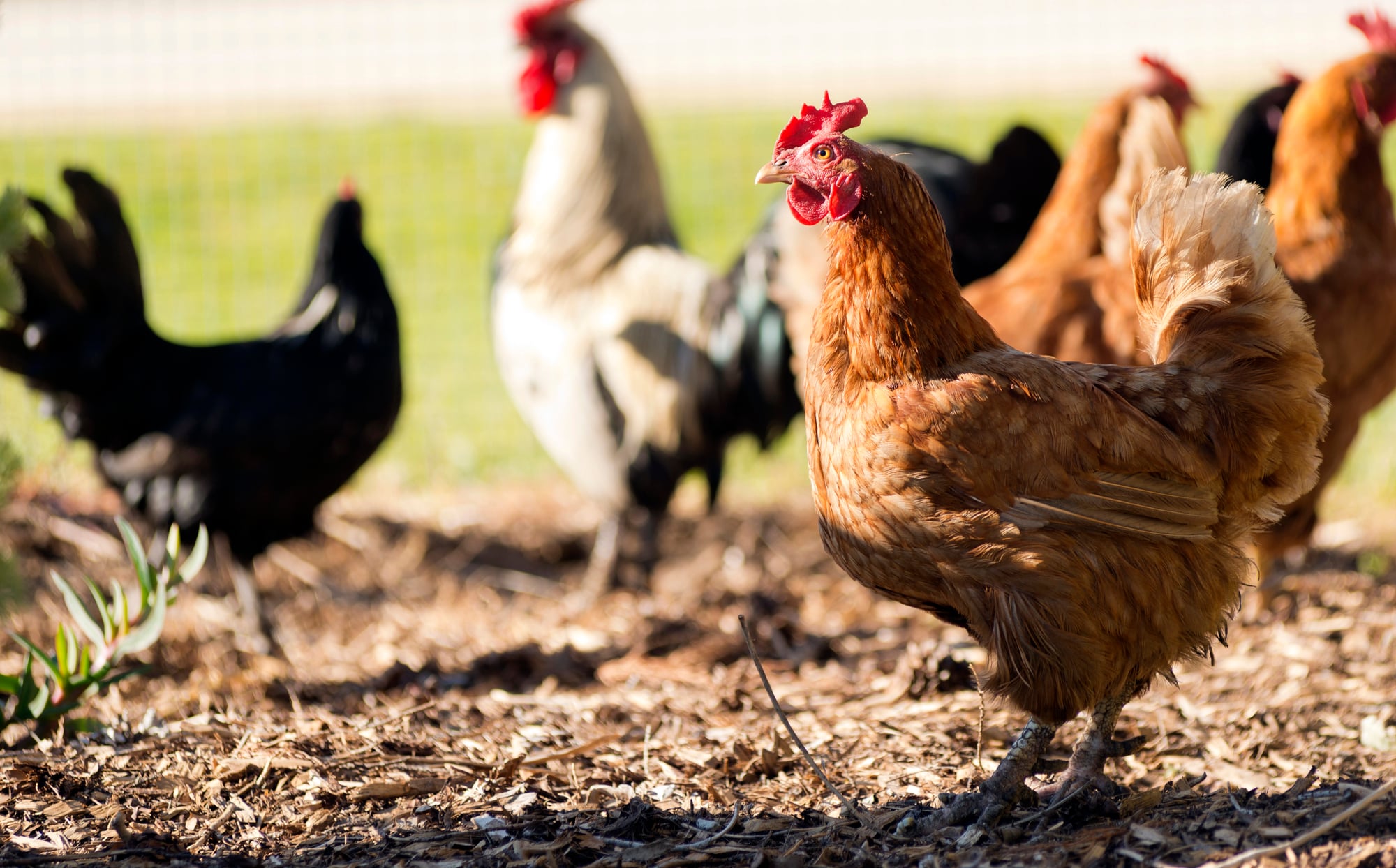
In studies examining impulse control, chickens showed remarkable restraint when taught that waiting longer would yield better rewards. Some birds choose to wait up to six minutes for their preferred food rather than taking the lesser options that are immediately available.
This level of self-control challenges long-held assumptions about the cognitive limitations of birds typically considered relatively unintelligent.
Archerfish Performing Complex Physics Calculations
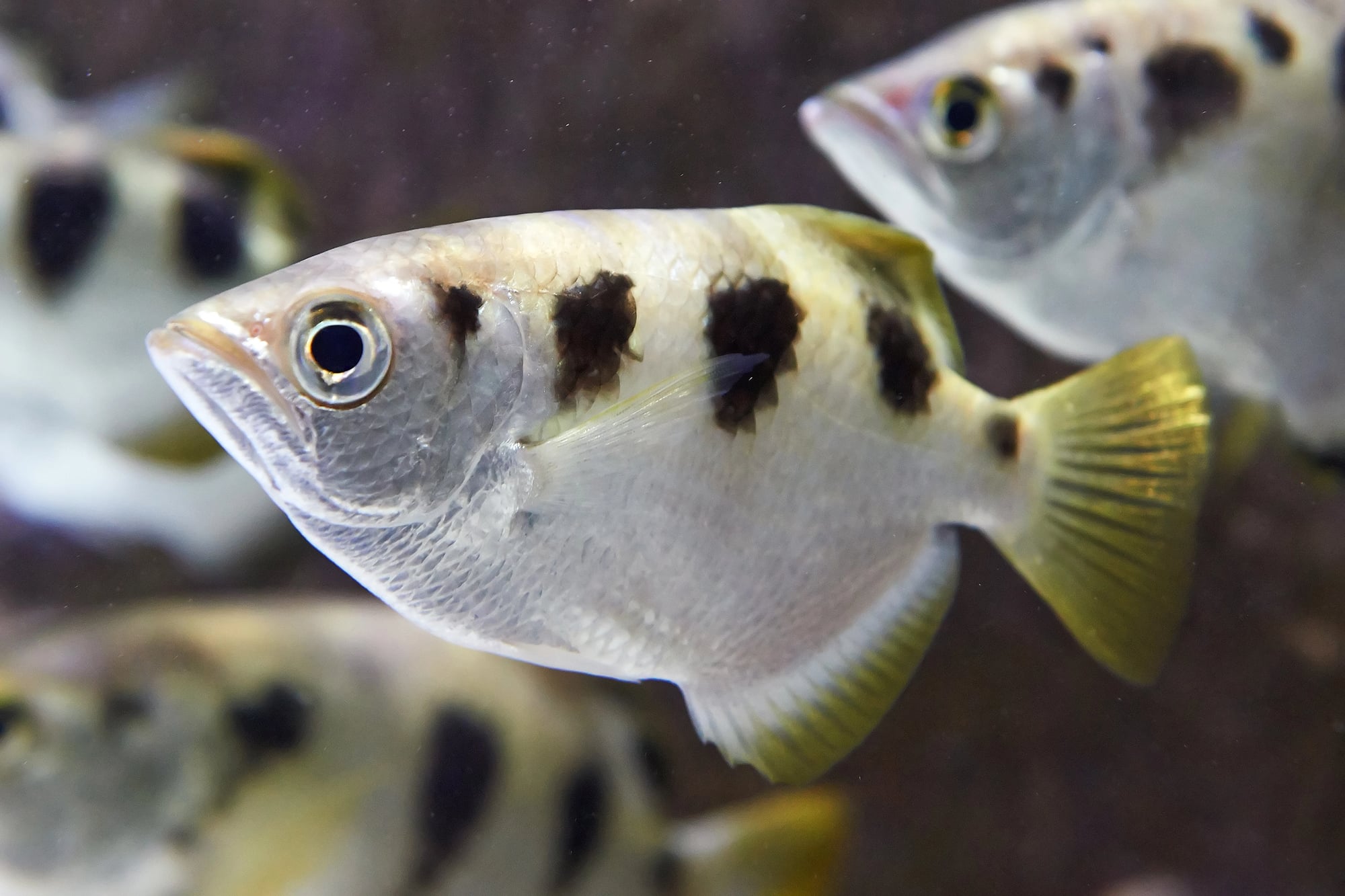
Archerfish hunt by shooting down insects above water with precisely aimed water jets. High-speed camera analysis revealed these fish perform complex calculations accounting for light refraction between air and water, target movement, gravity effects, and required force.
They make these adjustments instantaneously for targets at various heights and distances—essentially solving physics equations without formal education.
Redefining Intelligence: Beyond Human-Centered Thinking
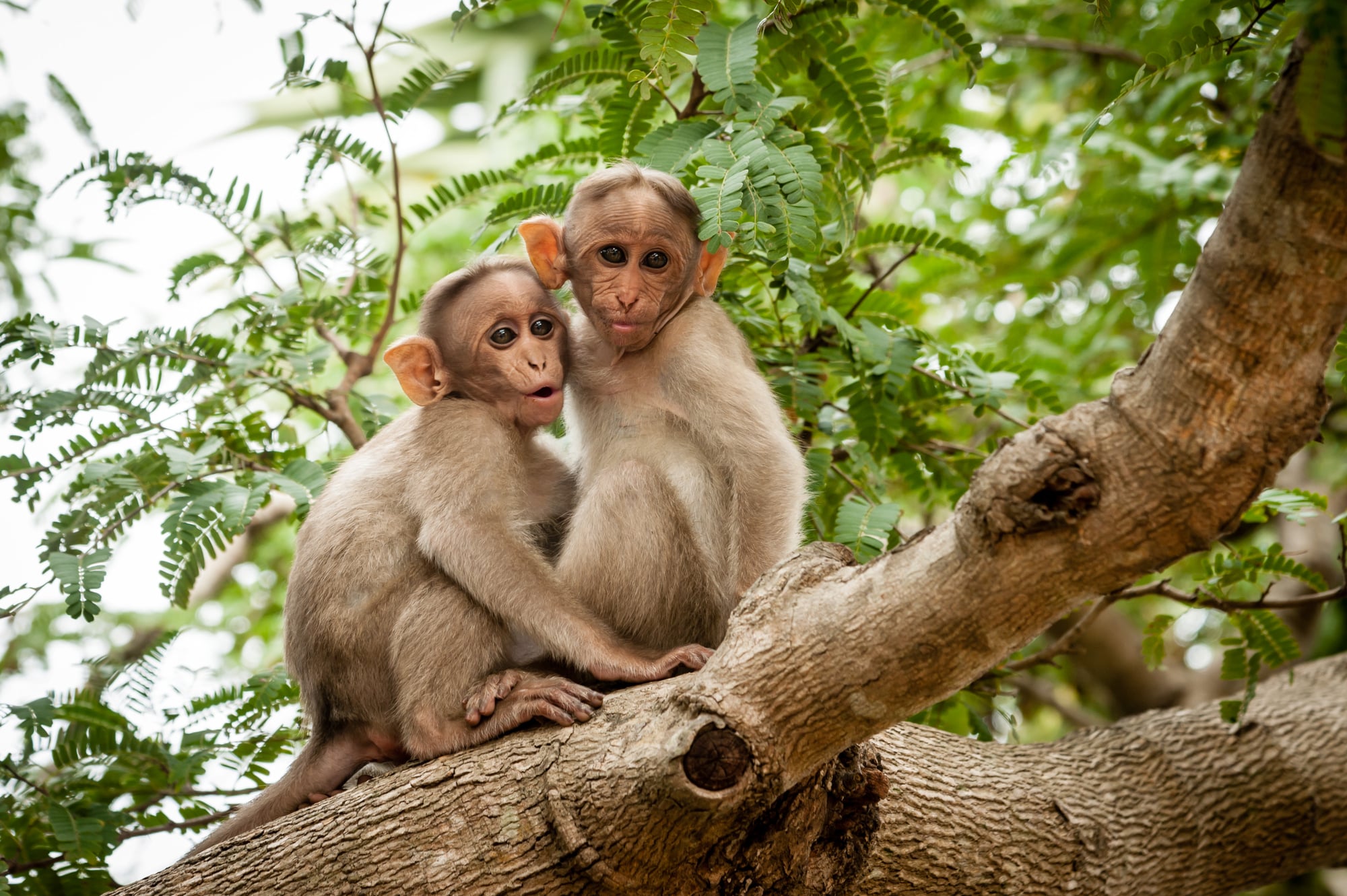
These remarkable examples challenge our traditional understanding of animal cognition. Rather than existing on a single linear scale with humans at the pinnacle, intelligence now appears to take diverse forms across species, each adapted to unique evolutionary contexts.
As research techniques improve and scientific bias diminishes, we continue discovering cognitive abilities in unexpected places—from tiny insect brains to ocean depths. Perhaps most humbling is realizing how recently we’ve recognized these capabilities, making one wonder what other forms of intelligence surround us that we’ve yet to understand or even notice. The greatest scientific breakthrough may be simply recognizing intelligence doesn’t require being human at all.
More from Go2Tutors!

- The Romanov Crown Jewels and Their Tragic Fate
- 13 Historical Mysteries That Science Still Can’t Solve
- Famous Hoaxes That Fooled the World for Years
- 15 Child Stars with Tragic Adult Lives
- 16 Famous Jewelry Pieces in History
Like Go2Tutors’s content? Follow us on MSN.