Cars with the Best Safety Ratings
Safety has become one of the biggest factors people consider when buying a car. Nobody wants to think about accidents, but having a vehicle that protects you and your family during a crash can make all the difference.
Modern cars come packed with features like automatic braking, lane-keeping assistance, and airbags in places you didn’t even know existed. Let’s look at some of the safest vehicles on the road right now based on crash tests and real-world performance.
Volvo XC90
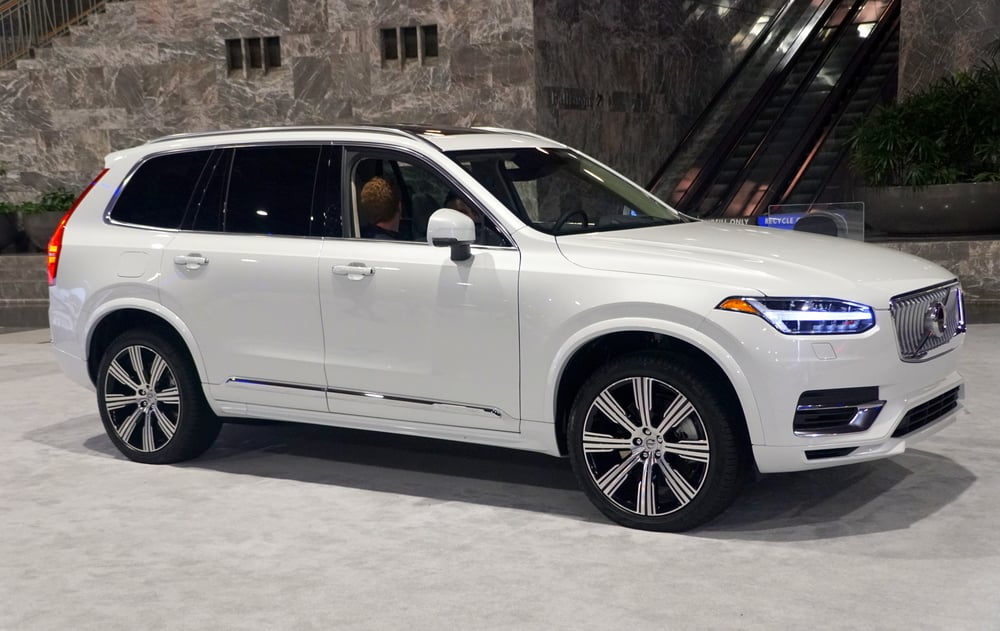
Volvo has built its entire reputation on safety, and the XC90 SUV lives up to that legacy. This three-row SUV earned top marks from both the Insurance Institute for Highway Safety and the National Highway Traffic Safety Administration.
The XC90 comes standard with systems that detect pedestrians and cyclists, automatically braking if the driver doesn’t react in time. Volvo’s goal is that nobody should die or be seriously injured in one of their new cars by 2025, and the XC90 shows they’re serious about that promise.
Genesis G90
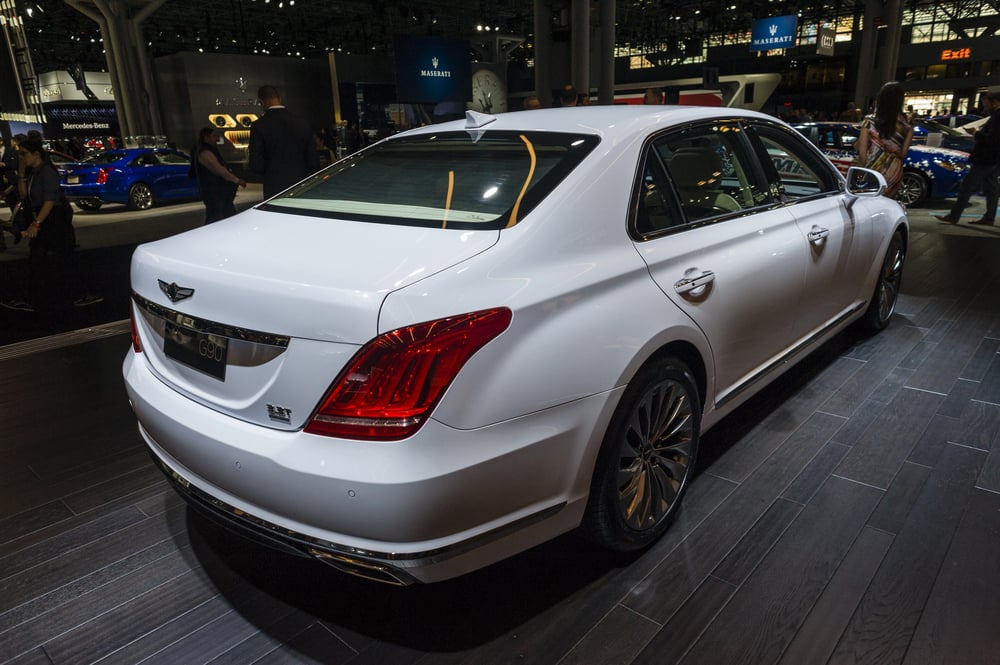
The Genesis G90 luxury sedan wraps passengers in a cocoon of safety features that work together to prevent crashes before they happen. This car scored perfect ratings in every crash test category, which is rare even among expensive luxury vehicles.
The G90 monitors blind spots, keeps the car centered in its lane, and can even detect cross-traffic when backing out of parking spaces. Genesis included ten airbags throughout the cabin, including one for the driver’s knees, which helps prevent leg injuries during frontal impacts.
Mazda CX-90
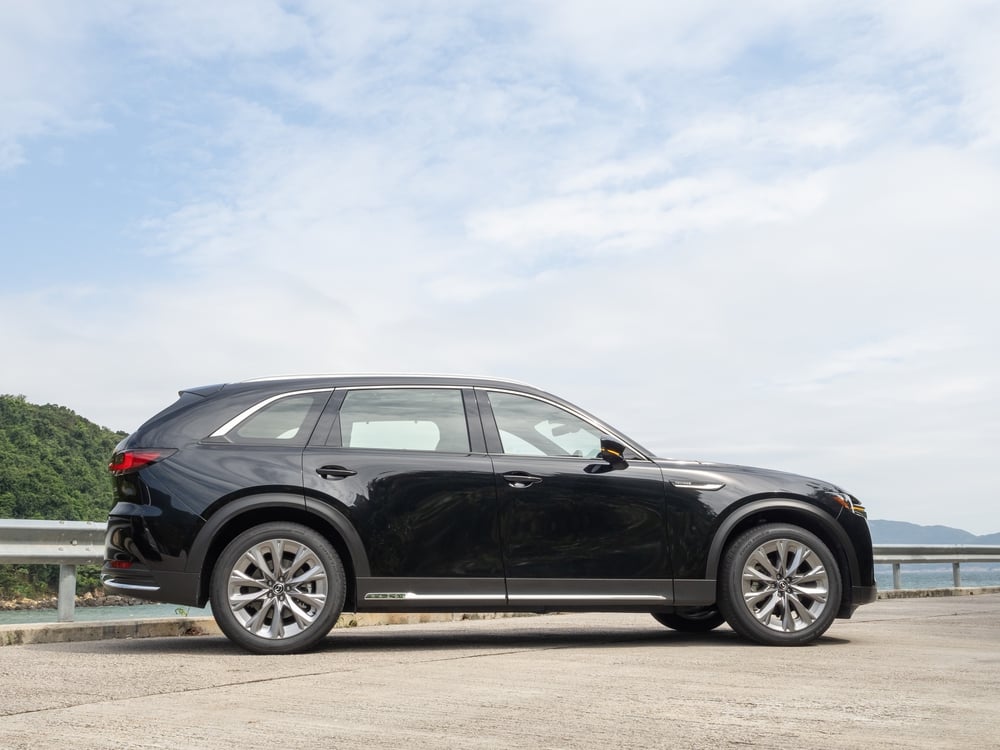
Mazda’s largest SUV brings serious safety credentials to families who need three rows of seating. The CX-90 earned a Top Safety Pick Plus award, the highest honor from the IIHS.
Standard equipment includes radar-based cruise control that maintains a safe distance from the car ahead and automatic emergency braking that works at highway speeds. The structure of the vehicle performed exceptionally well in side-impact tests, which are often the most dangerous type of collision.
Mazda achieved all this without making the CX-90 feel like a tank to drive.
Subaru Outback

The Outback has been a favorite among safety-conscious buyers for years, and the current generation continues that tradition. Subaru’s EyeSight system comes standard and uses cameras to monitor the road ahead, watching for potential dangers.
This wagon-SUV hybrid scored well in all crash tests and includes features that help prevent accidents in bad weather, which matters if you live anywhere with snow or rain. The Outback sits higher than a regular car, giving drivers better visibility to spot hazards early.
Subaru owners are famously loyal, and safety is one of the main reasons they keep coming back.
Mercedes-Benz E-Class
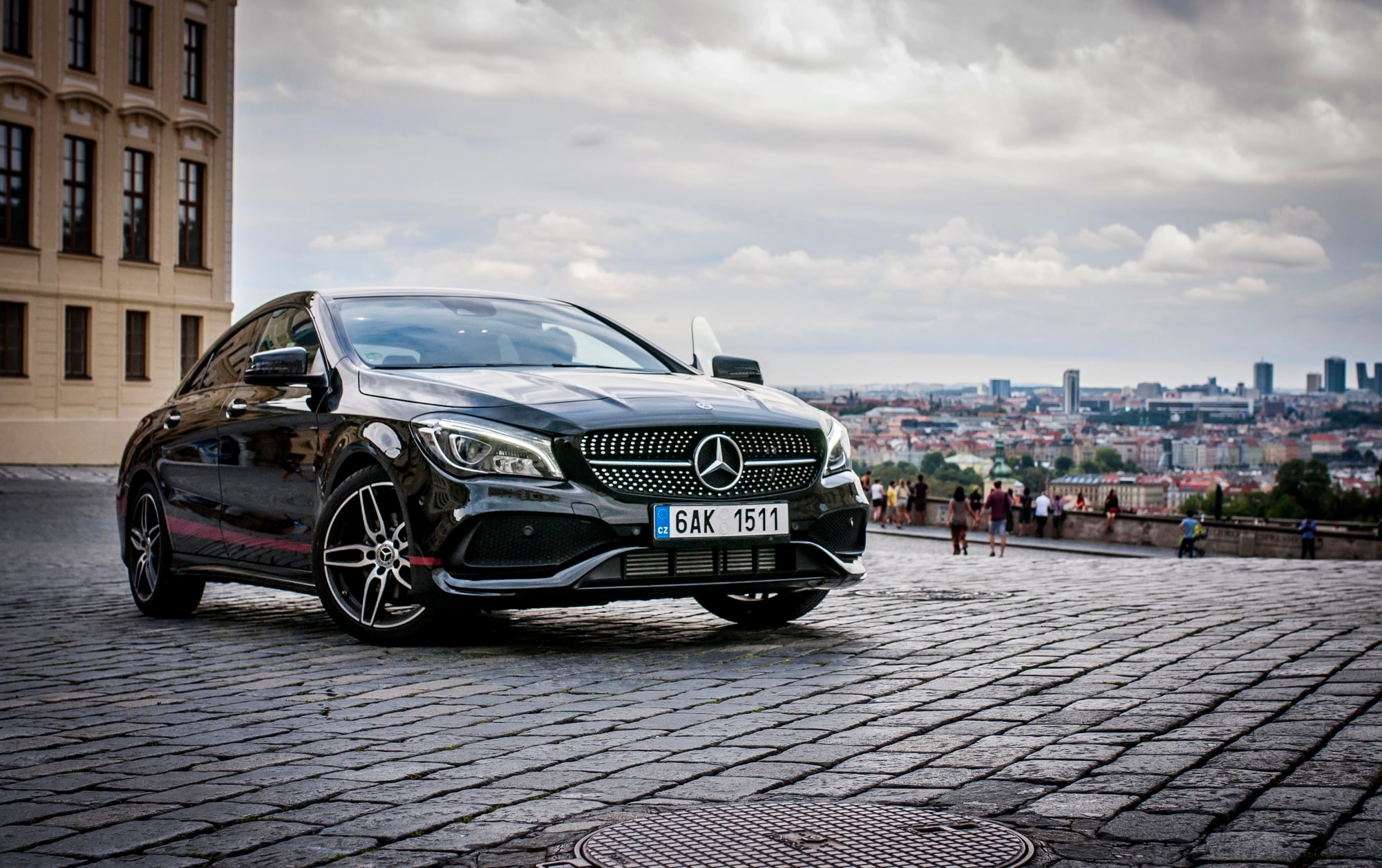
Mercedes has spent decades studying crashes and building that knowledge into every E-Class sedan. The car’s Pre-Safe system detects an imminent crash and automatically tightens seatbelts, closes windows, and adjusts headrests to minimize injuries.
In government crash tests, the E-Class earned five stars overall with perfect scores in side-impact protection. The car’s headlights are some of the best tested, which might not sound exciting but can prevent accidents by helping drivers see pedestrians and animals at night.
Mercedes also offers an available system that monitors driver fatigue and suggests taking a break if it detects drowsiness.
Honda Accord
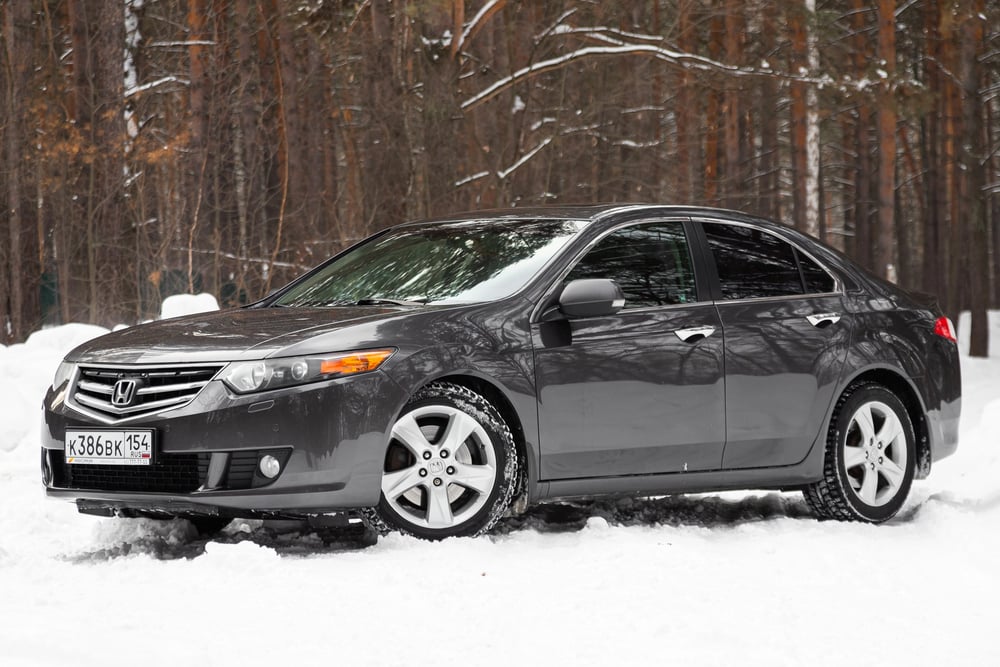
The Accord proves that you don’t need to buy an expensive luxury car to get excellent safety ratings. This midsize sedan earned top marks from safety organizations while remaining affordable for regular families.
Honda’s Sensing suite comes standard on all trims, bringing features like adaptive cruise control and lane-keeping assistance to every buyer. The Accord’s structure performed so well in crash tests that it received the highest possible ratings in all categories.
This is the kind of car parents buy for their teenager’s first vehicle because they know it will protect them.
Lexus RX
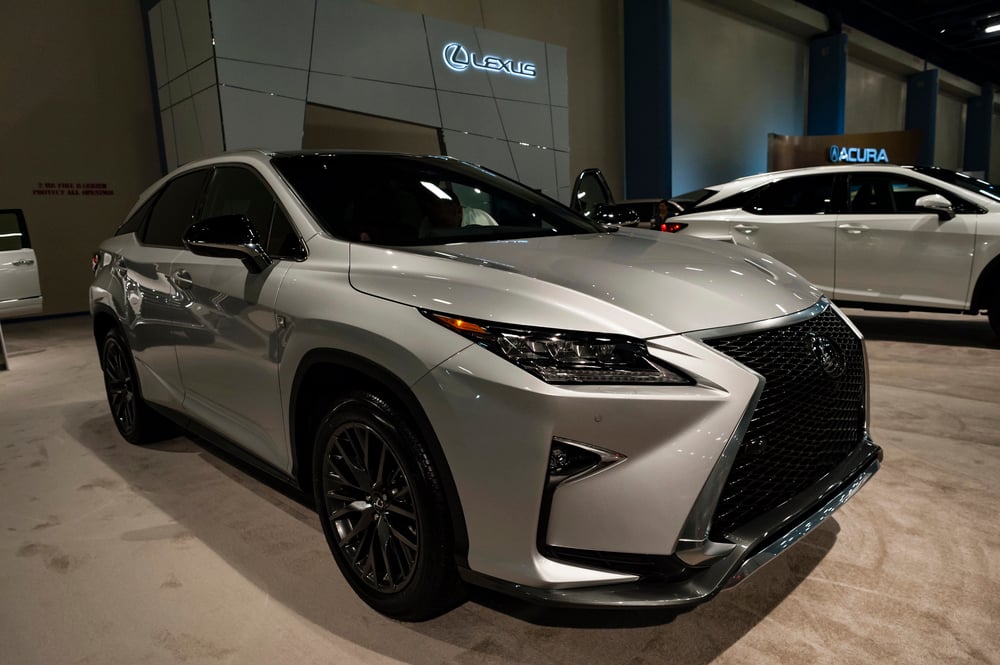
Lexus combines Toyota’s legendary reliability with luxury and safety features that impress even the strictest testers. The RX crossover earned perfect scores in crashworthiness and includes standard pre-collision systems with pedestrian detection.
Lexus added a feature that recognizes when a driver might accidentally hit the gas instead of the brake, preventing those embarrassing and dangerous parking lot accidents. The RX’s second-generation Safety System Plus can even detect bicyclists during daylight hours.
Lexus owners report very few problems with their vehicles, which means the safety systems actually work when needed instead of breaking down.
Audi Q5
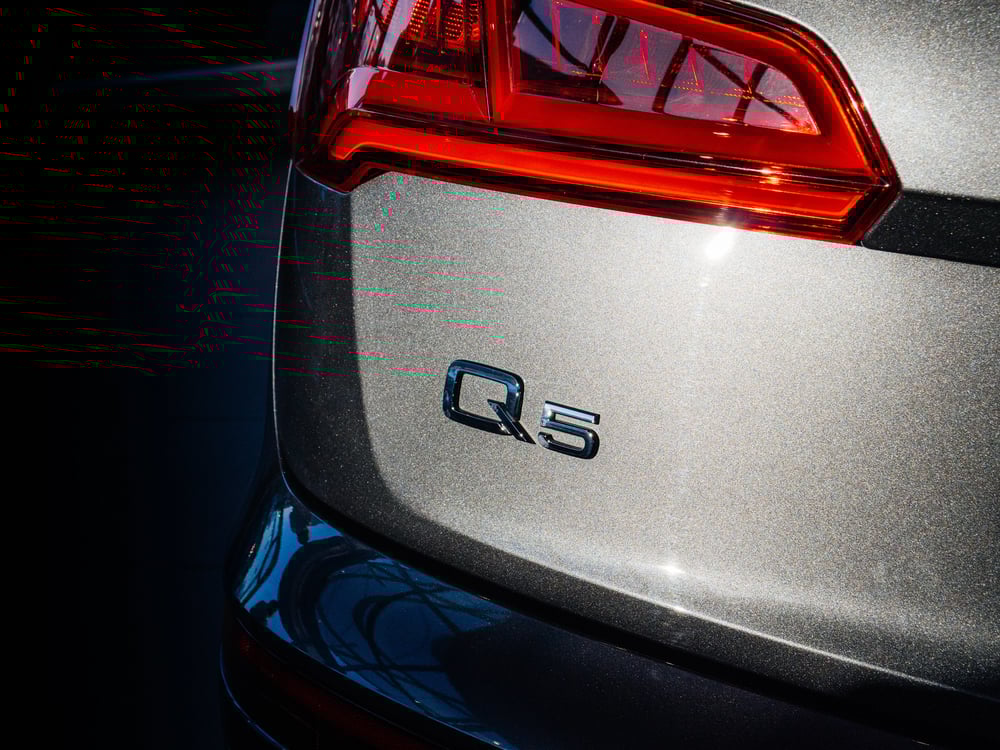
The Q5 compact SUV brings German engineering to the safety conversation with impressive results across all testing. Audi’s quattro all-wheel-drive system helps prevent accidents by maintaining traction in slippery conditions.
The Q5 includes standard front collision warning and automatic emergency braking that works even in stop-and-go traffic. Side-impact protection is particularly strong in this SUV, with reinforced doors and side-curtain airbags that protect all three rows.
The optional driver assistance package adds features that can steer the car in its lane on highways, reducing driver fatigue on long trips.
Toyota Camry
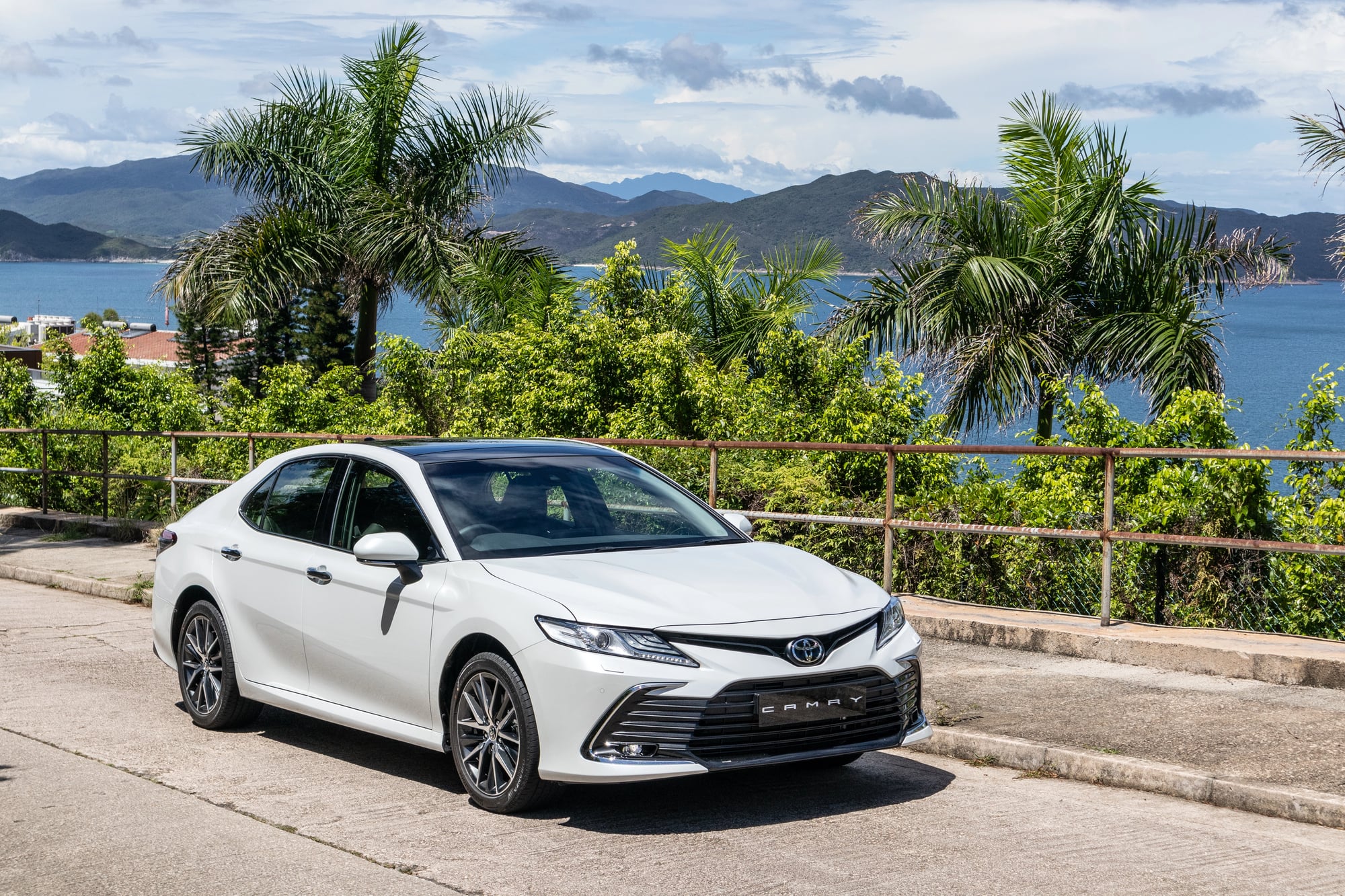
America’s best-selling car for years running also happens to be one of the safest vehicles you can buy. The Camry comes with Toyota Safety Sense 3.0 as standard equipment, bringing advanced features to everyone regardless of which trim level they choose.
In crash tests, the Camry protected front and rear passengers equally well, which matters when you think about kids sitting in back seats. Toyota designed the Camry’s structure to redirect crash forces away from the passenger cabin.
The car’s reliability means those safety features will still work properly after years of ownership, unlike some competitors where electronic systems fail as vehicles age.
BMW X5
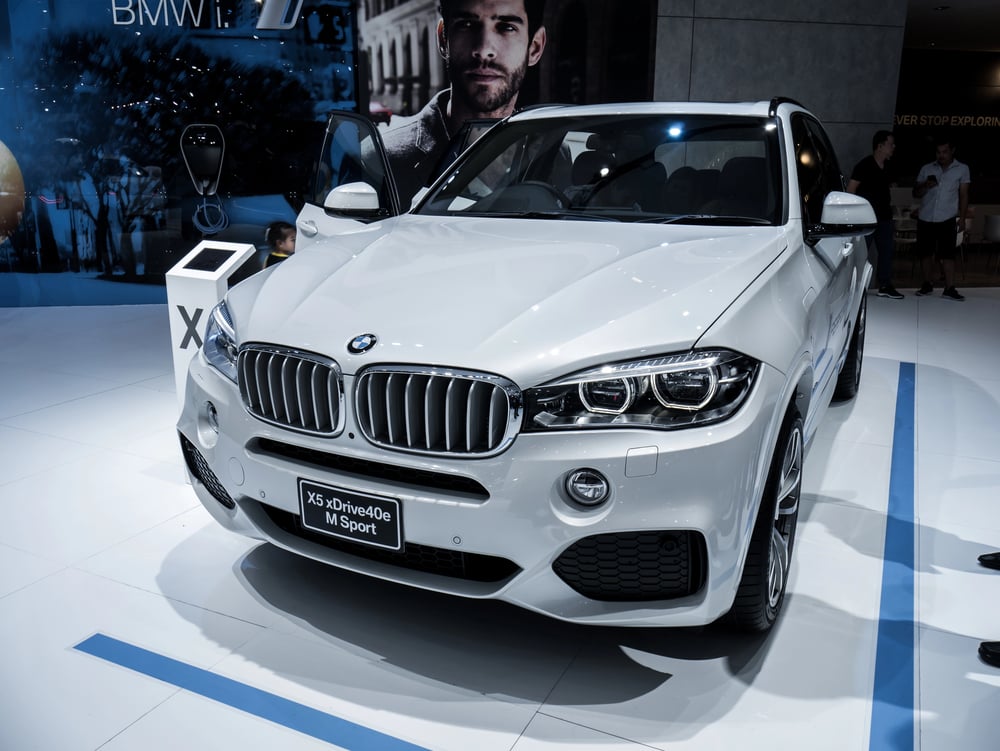
BMW built the X5 to be both fun to drive and incredibly safe, which is a difficult balance to achieve. This SUV earned top ratings in all crash tests while still delivering the sporty handling BMW is known for.
The X5 includes standard automatic emergency braking and available parking assistance that can steer the vehicle into tight spaces. BMW’s optional Driving Assistant Professional package brings semi-autonomous driving features that reduce driver workload.
The X5’s headlights adapt to steering angle and traffic conditions, lighting up curves before you reach them and dimming automatically to avoid blinding oncoming drivers.
Hyundai Palisade
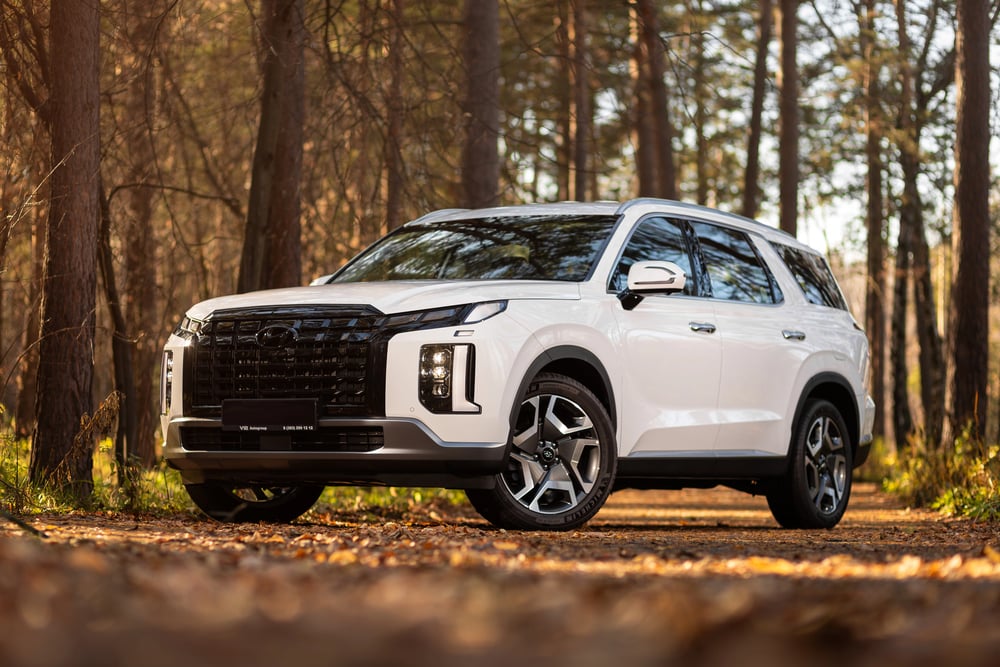
The Palisade gives large families a safe way to haul everyone around without breaking the bank. This three-row SUV comes with Hyundai’s SmartSense safety suite standard across all trim levels.
In crash tests, the Palisade protected both front and third-row passengers equally well, which is unusual since many SUVs sacrifice rear protection. Hyundai added a safe-exit warning system that prevents rear passengers from opening doors when bikes or cars are approaching.
The Palisade includes multiple USB ports and charging stations throughout, which might seem unrelated to safety but keeps drivers from fumbling with charging cables while driving.
Nissan Rogue
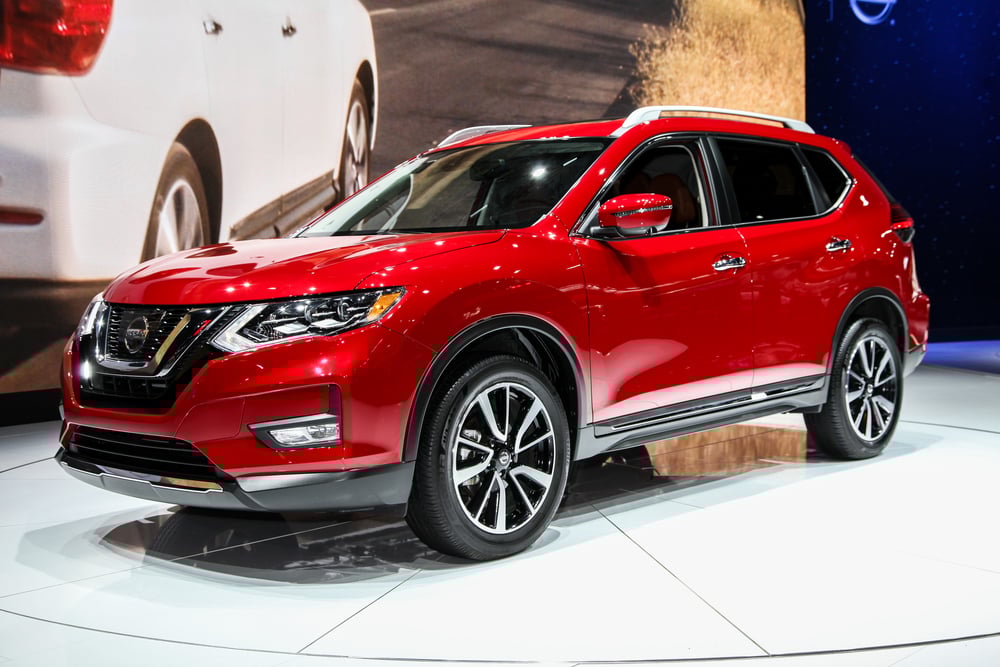
The Rogue compact SUV delivers safety features that were luxury options just a few years ago as standard equipment today. Nissan’s Safety Shield 360 comes on every Rogue, bringing automatic emergency braking and rear cross-traffic alert to even the base model.
The Rogue earned good or acceptable ratings in all crash tests, with particularly strong marks for roof strength and side-impact protection. Nissan added ProPilot Assist on higher trims, which can handle steering and speed on highways, reducing driver fatigue during long trips.
The Rogue’s around-view monitor makes parking safer by giving drivers a bird’s-eye view of their surroundings.
Chevrolet Traverse
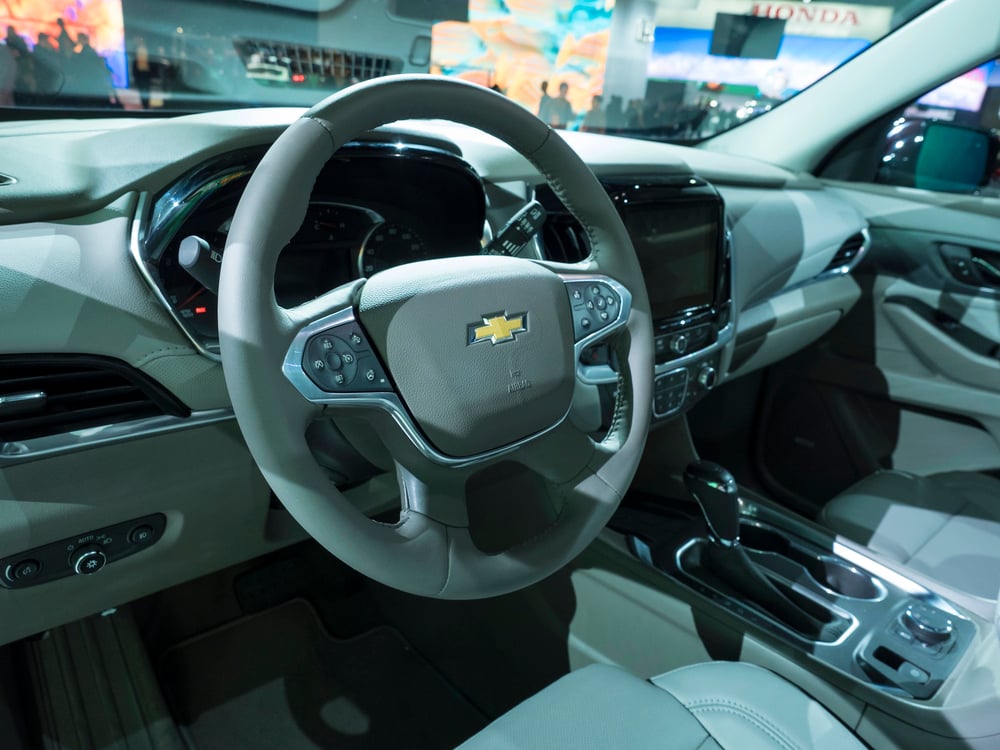
A big SUV from America, built roomy enough for families who want peace of mind on long drives. Five-star rating came its way after tough government crash evaluations – especially strong when hit head-on or from the side.
Parents gain control through a feature tracking teenage driving patterns, setting alerts if speeds climb too high. Warnings pop up before front-end crashes happen; lanes are corrected gently by steering input – but full stop capability requires moving past the starter model.
When accidents strike hard, OnStar acts without waiting, contacting rescue teams even if passengers cannot speak.
Volkswagen Atlas
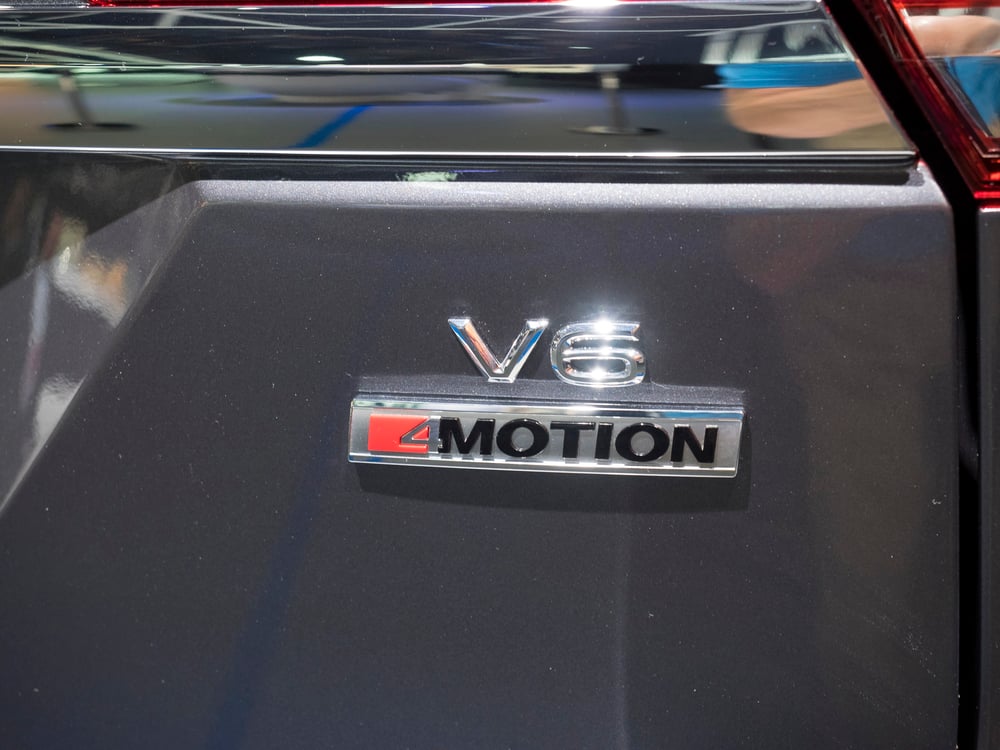
Biggest SUV from VW built with German precision, made for US households needing room for seven. During crashes from the side – where tall vehicles often fail – it held up strong.
Safety tech such as automatic speed adjustment and steering help stays active across nearly every model you can pick. A sleeker take, the Cross Sport, keeps those top scores but fits just two rows.
Created only for America, this vehicle answers local demands without dropping the high safety bar set overseas.
Protecting what matters most
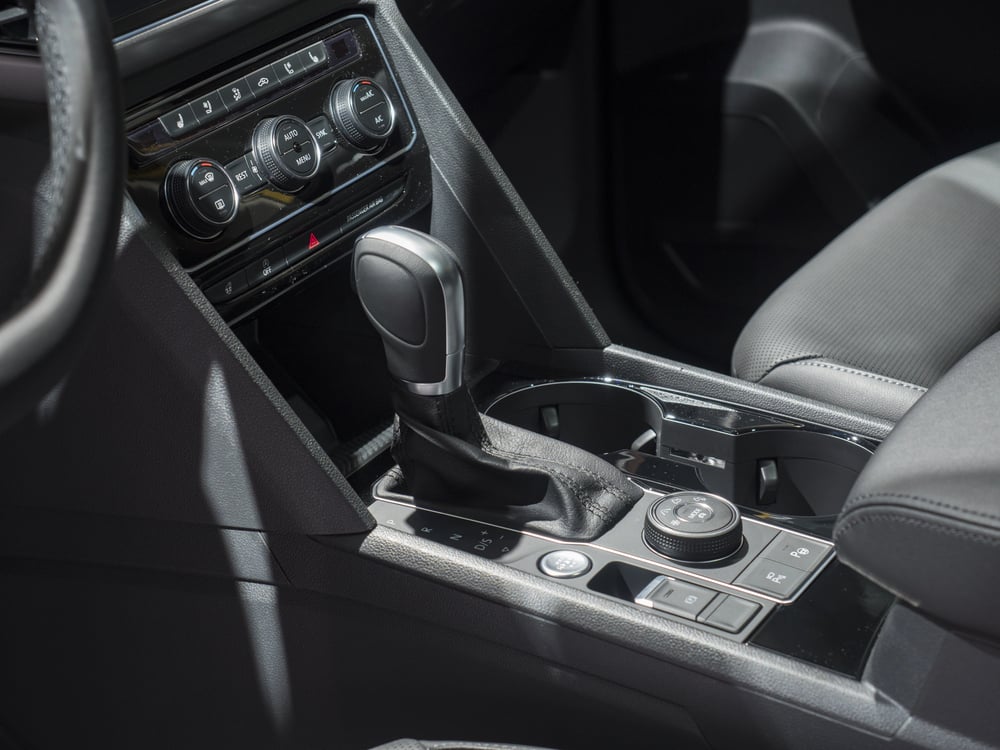
These cars show how far vehicle safety has come thanks to clever design mixed with new tech tools. Safety shapes decisions right from the start, not tacked on later like before.
Things once seen as extras are now built into most models you can buy today. Choosing a car means weighing crash test scores just as much as cost or gadgets – after all, nothing matters more than keeping loved ones protected.
More from Go2Tutors!

- The Romanov Crown Jewels and Their Tragic Fate
- 13 Historical Mysteries That Science Still Can’t Solve
- Famous Hoaxes That Fooled the World for Years
- 15 Child Stars with Tragic Adult Lives
- 16 Famous Jewelry Pieces in History
Like Go2Tutors’s content? Follow us on MSN.



