20 Victory Garden Crops Families Grew During WWII
When food rationing tightened during World War II, backyards, rooftops, and vacant lots turned into farms. By 1943, roughly 20 million American victory gardens were supplying about 40 percent of the fresh vegetables grown in the United States.
Britain’s Dig for Victory campaign pushed the same idea with posters, recipe leaflets, and cartoon mascots.
What went into the ground mattered as much as how much. Crops had to be hardy, productive, easy to store, and forgiving to beginners, and these 20 earned their place in the rows.
Carrots, the Crop With a Mascot
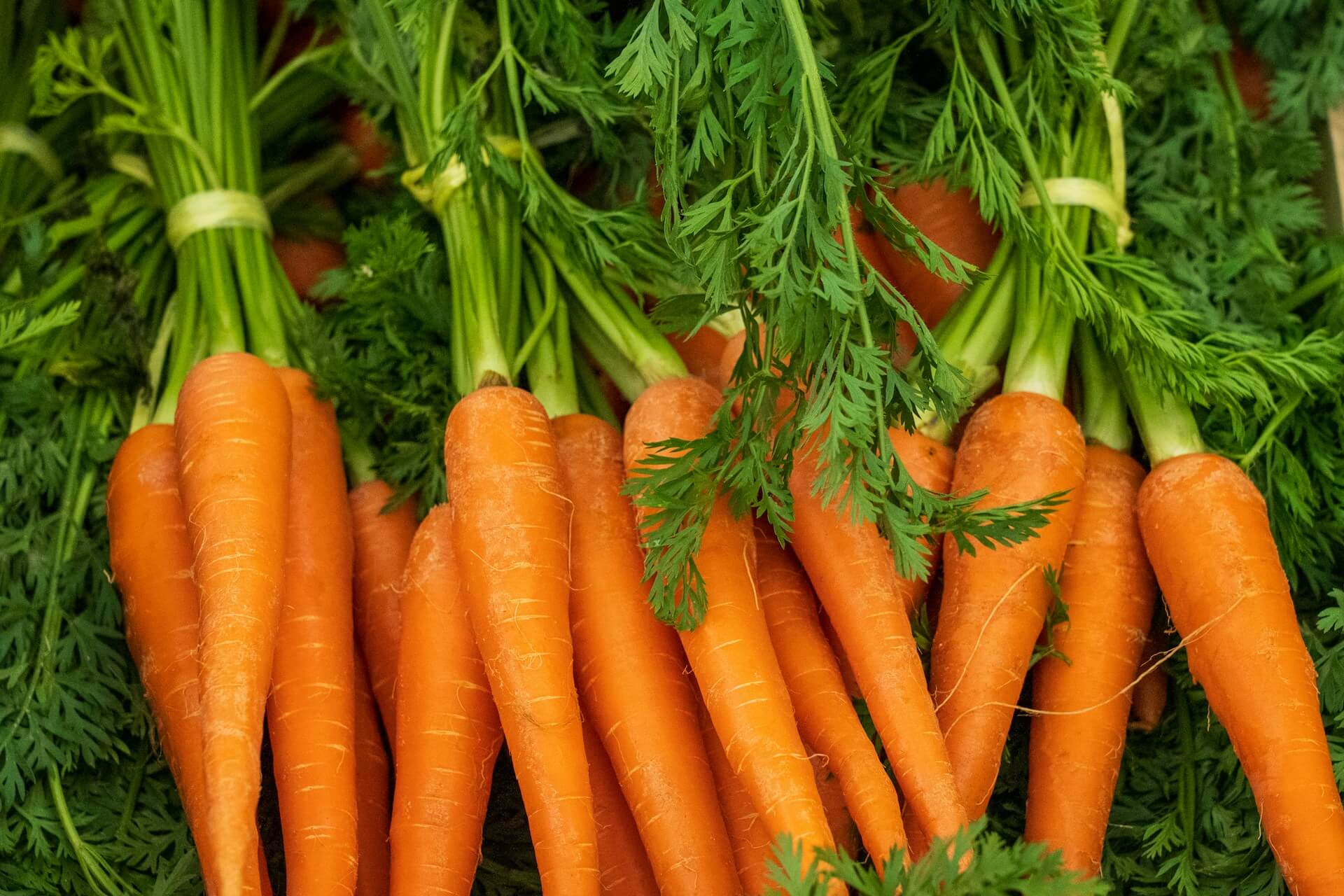
The British government gave carrots a spokesman named Doctor Carrot, a cartoon figure in a top hat carrying a bag marked for vitamin A. The push followed a surplus that reached roughly 100,000 tons in 1942.
Wartime messaging also spread the claim that carrots improved night vision, an idea that has since been debunked.
Potatoes for a Nation That Imported Most of Its Food
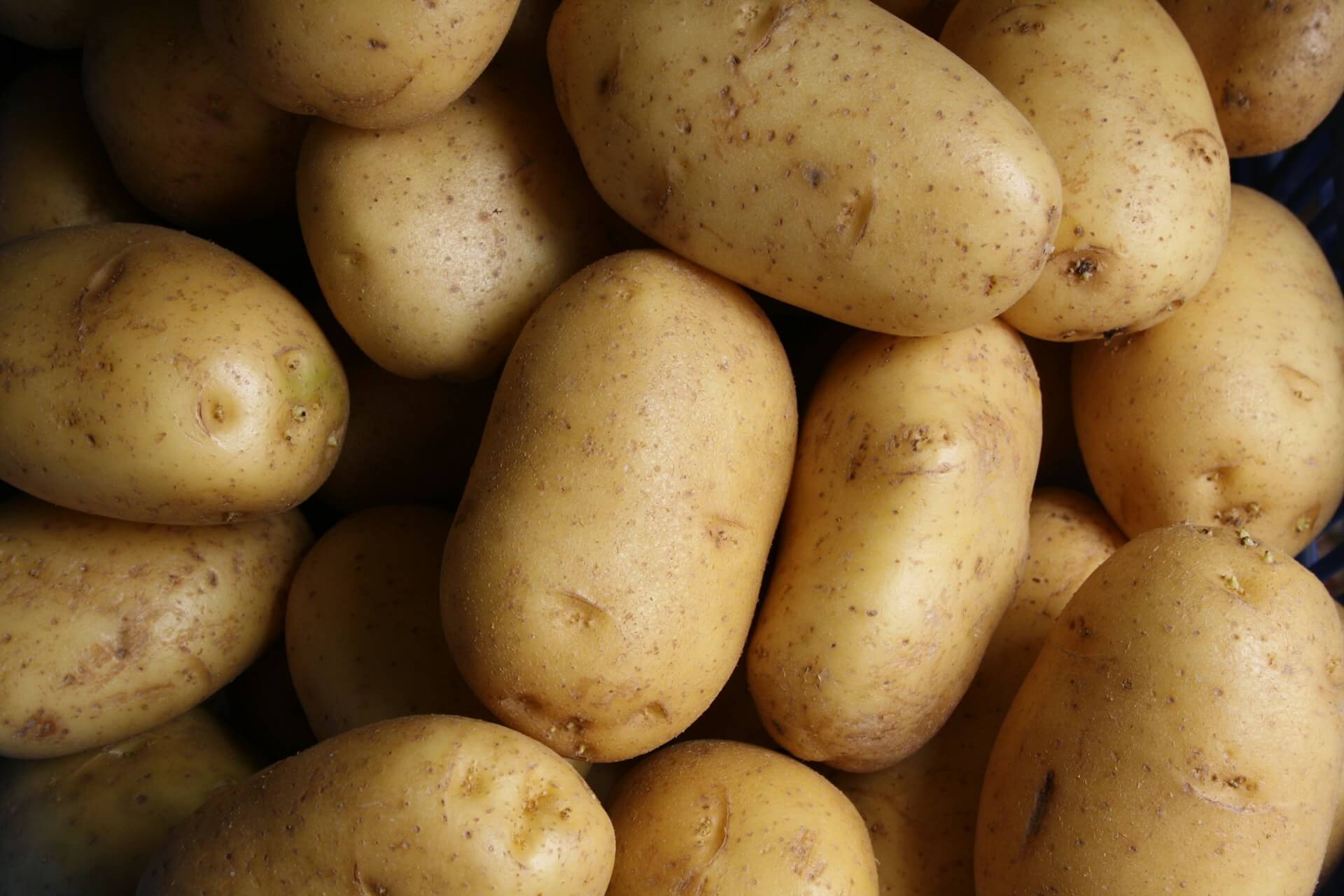
Before 1939, Britain imported about 70 percent of its food, which made homegrown starch a priority once shipping lanes turned dangerous. Potato Pete, a cartoon mascot, appeared alongside Doctor Carrot on posters and recipe leaflets.
A few rows of potatoes, stored in a cool and dark place, could carry a family through the winter.
Tomatoes and the Canning Boom
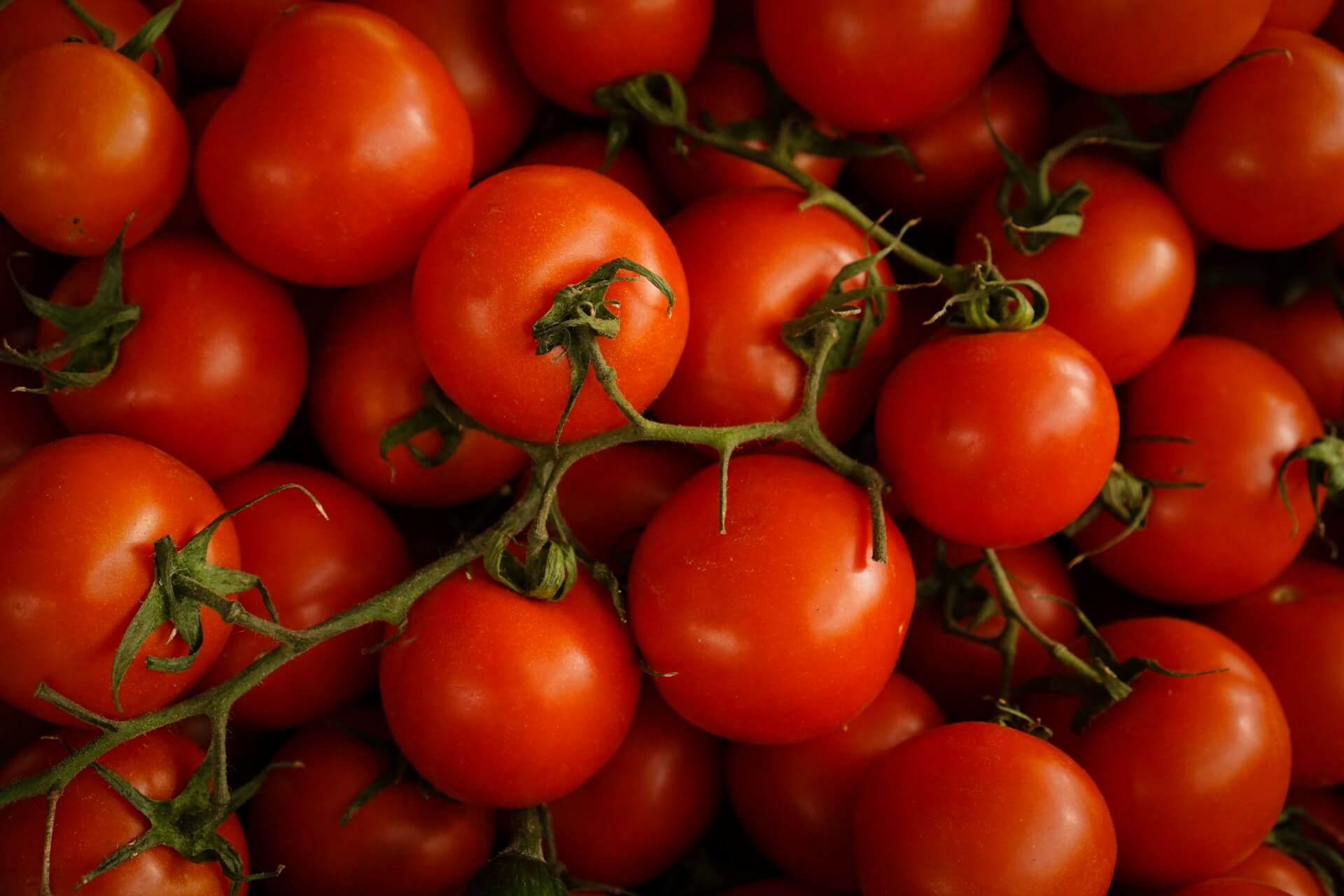
Tomatoes were the gateway crop for home canning, a skill that suddenly mattered when commercially canned vegetables were rationed in the United States in March 1943. That year Americans bought 315,000 pressure cookers, up from just 66,000 the year before.
A few vines could keep a pantry stocked well into winter.
Cabbage, Hardy and Patient
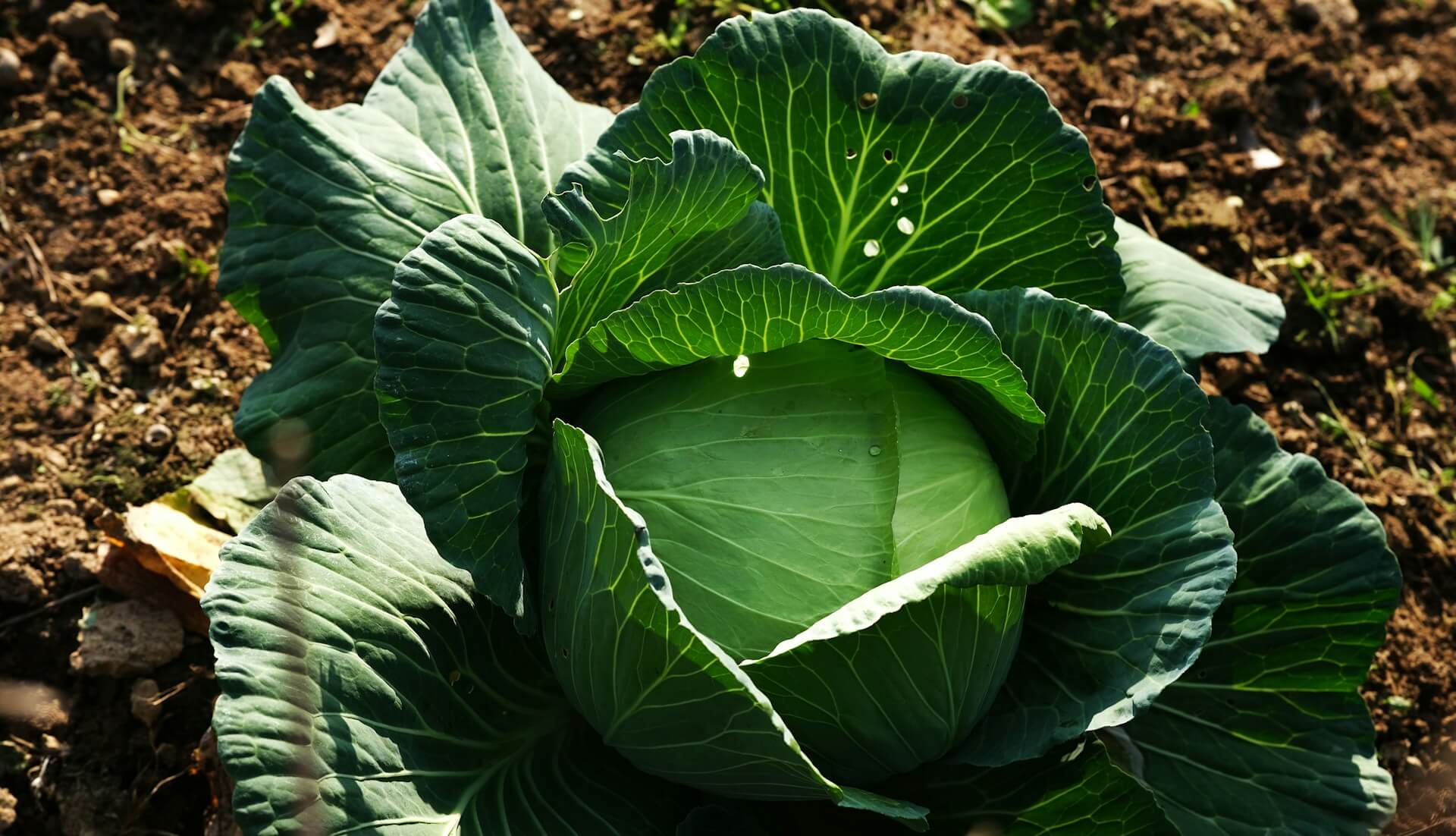
Cabbage tolerated frost, filled the bare corners of a plot, and kept for months in a cool cellar. In Britain, gardens and allotments were producing more than a million tons of fruit and vegetables by 1943, and cabbages were among the dependable staples of that harvest. One heavy head could feed several people for days.
Beets, Two Vegetables in One Row
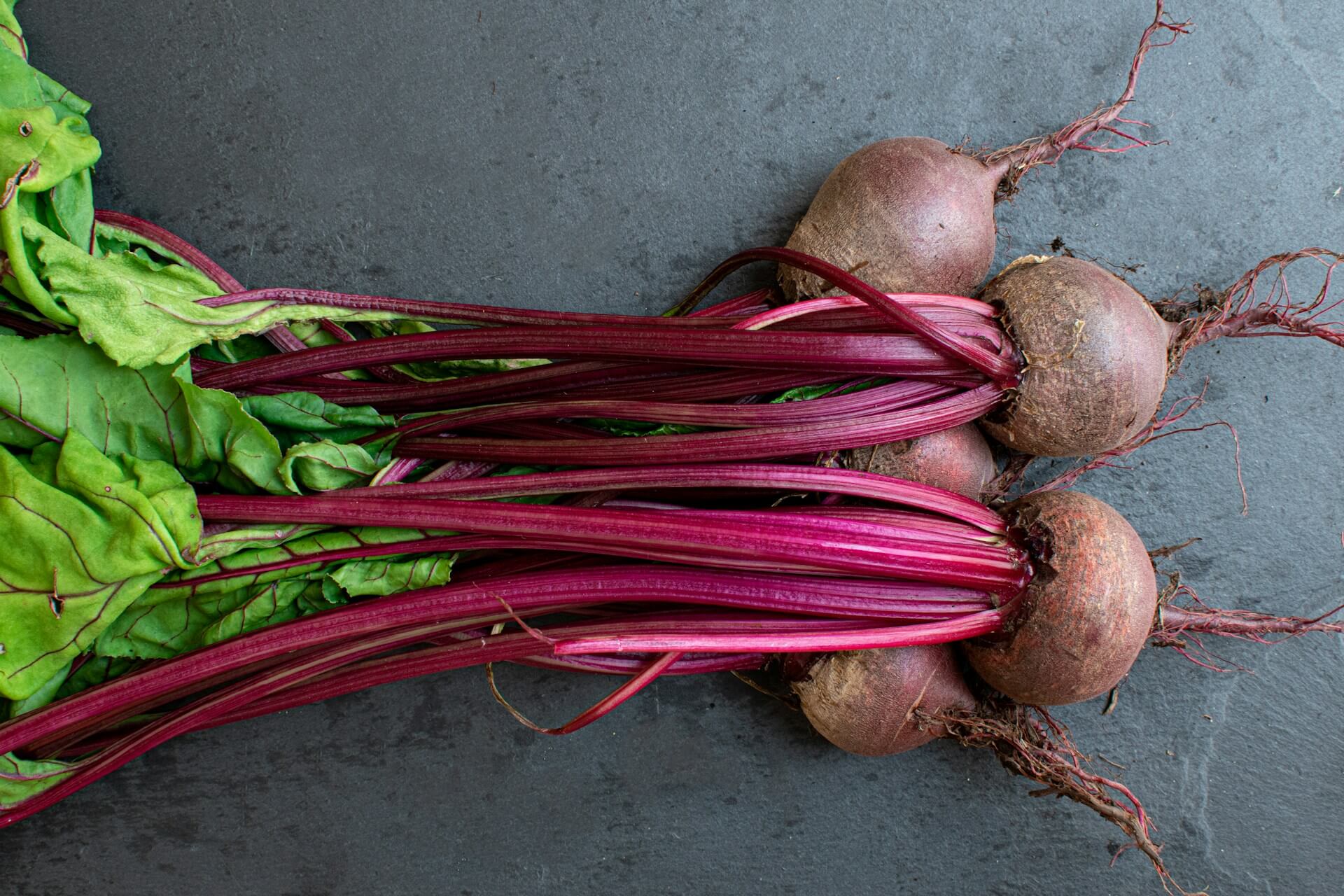
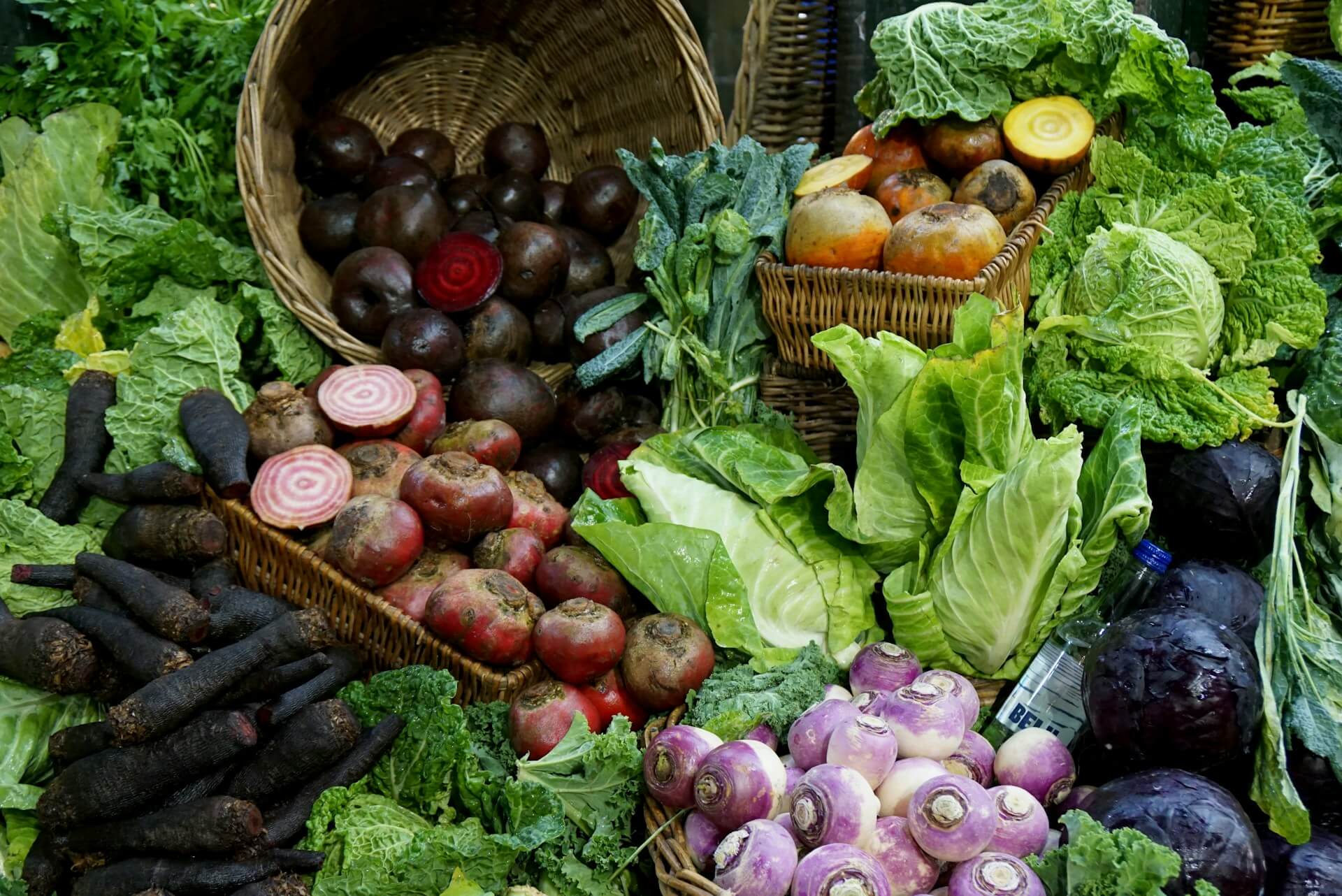
Beets gave gardeners both roots and tops, since the leafy greens are edible while the roots store well. They filled American plots alongside broccoli, kohlrabi, parsnips, and spinach in the open lots and backyards that sprang up during the war.
An early sowing could be followed by a second planting in midsummer.
Onions Grown From Sets
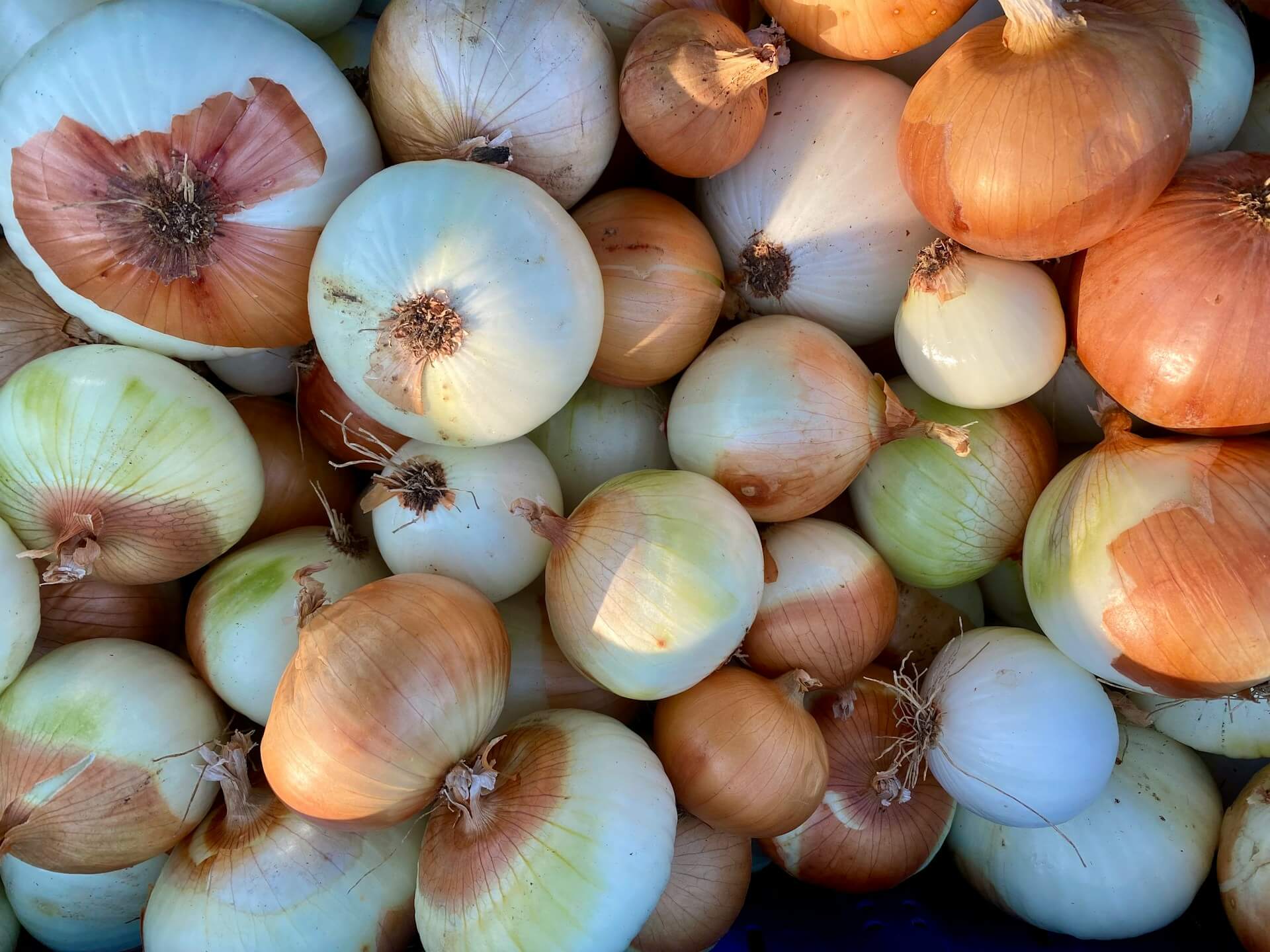
Onions are easiest to grow from small bulbs called sets, which are cheap, rarely fail, and suit beginners. Once the tops fall over in late summer, the bulbs can be dried and hung in a cool, dry place to last through winter.
That storage life made them valuable in a year when canned vegetables were scarce.
Green Beans That Climbed
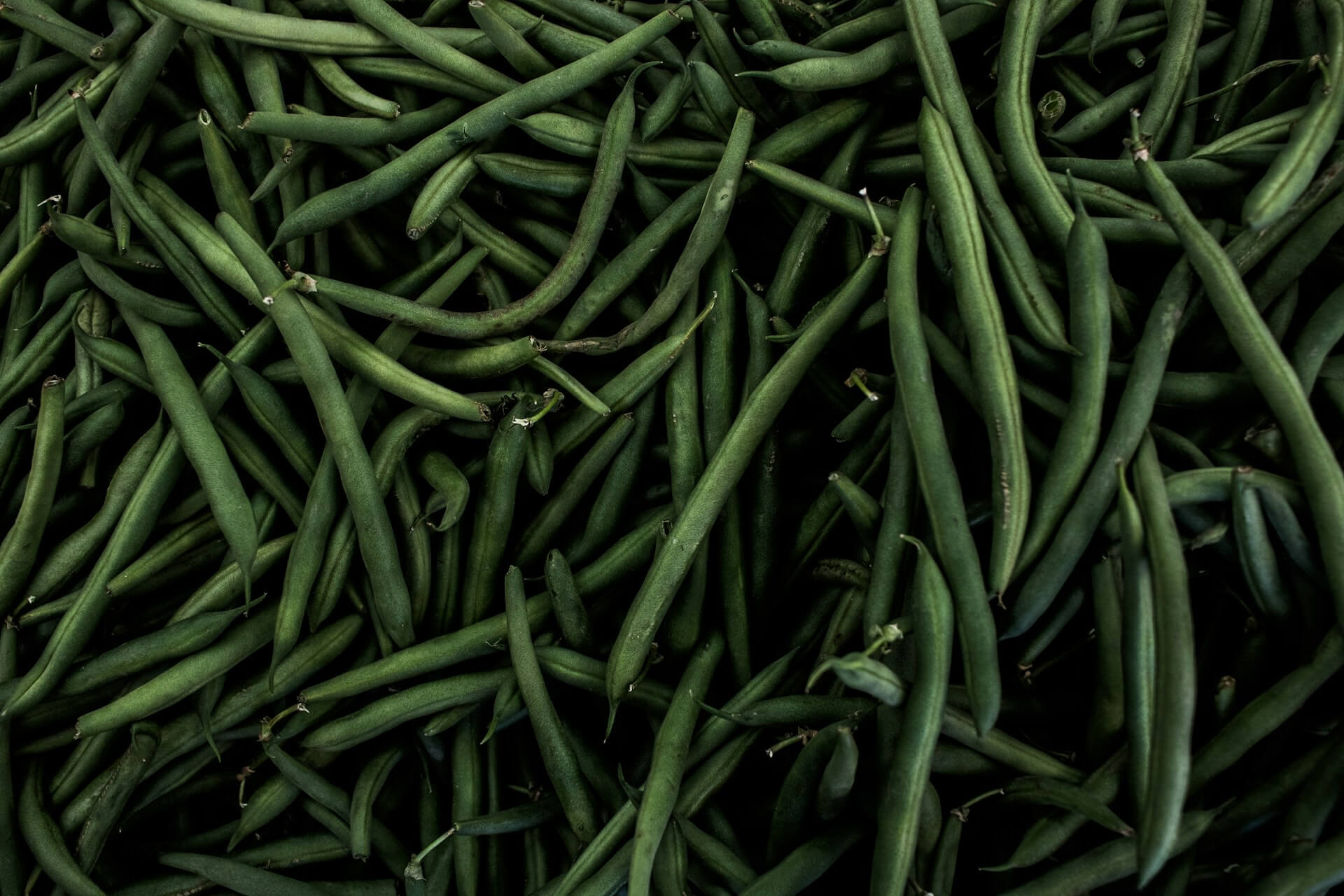
Pole beans climb fences, strings, and poles, which let city gardeners harvest a heavy crop from a narrow strip. Bush types needed no support at all and suited the smallest lots.
Both could be eaten fresh, canned, or dried, which stretched a modest planting across several months.
Peas That Fed the Soil
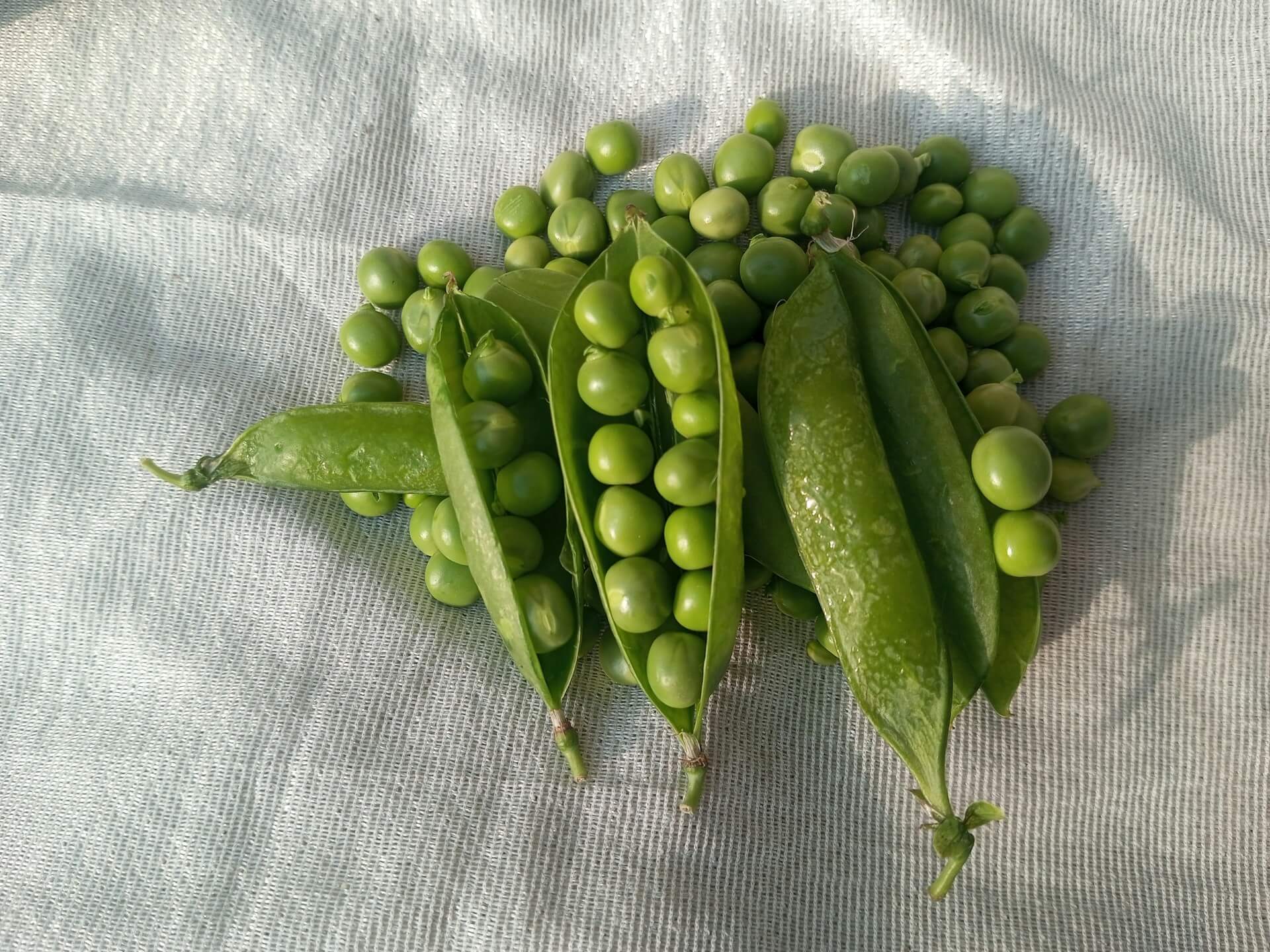
Peas are a cool-weather crop that can be sown as soon as the ground can be worked. Like other legumes, they host bacteria on their roots that add nitrogen to the soil, which helped tired wartime plots.
Dried peas also stored well, making them a pantry staple long after the vines were pulled.
Lettuce for the First Salads
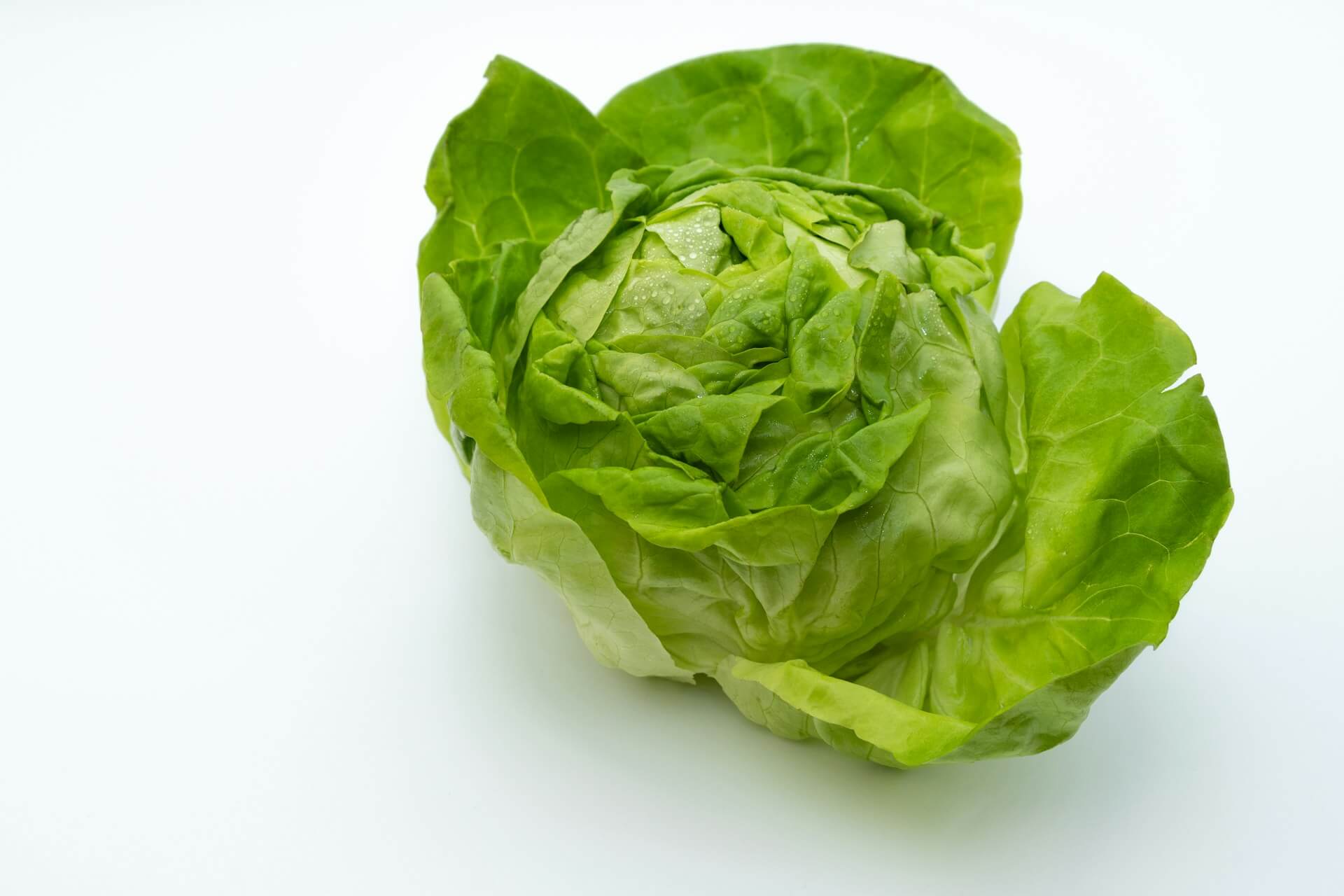
Leaf lettuce can be harvested about six weeks after sowing, which made it one of the quickest rewards in a victory garden. Cutting the outer leaves lets the plant keep producing.
Home growers often tucked it between slower rows of cabbage and beans, sharing space until the bigger plants crowded it out.
Swiss Chard in the Summer Heat
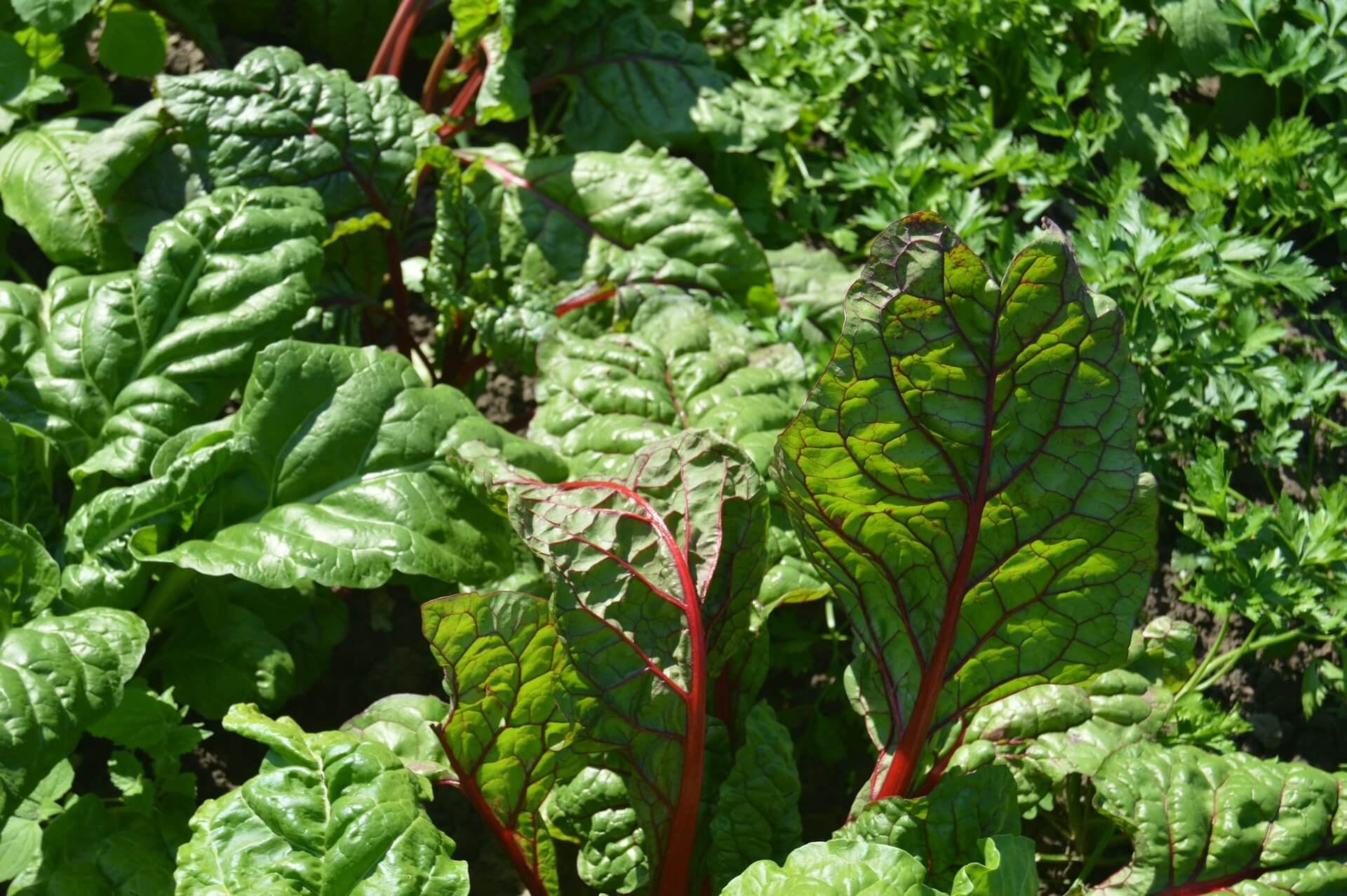
Swiss chard keeps producing through summer heat that makes spinach bolt, and one planting can be harvested from early summer until hard frost. The leaves and the colorful stalks are both edible.
For gardeners who could not replant, that long season delivered steady greens from a single sowing.
Kale After the Frost
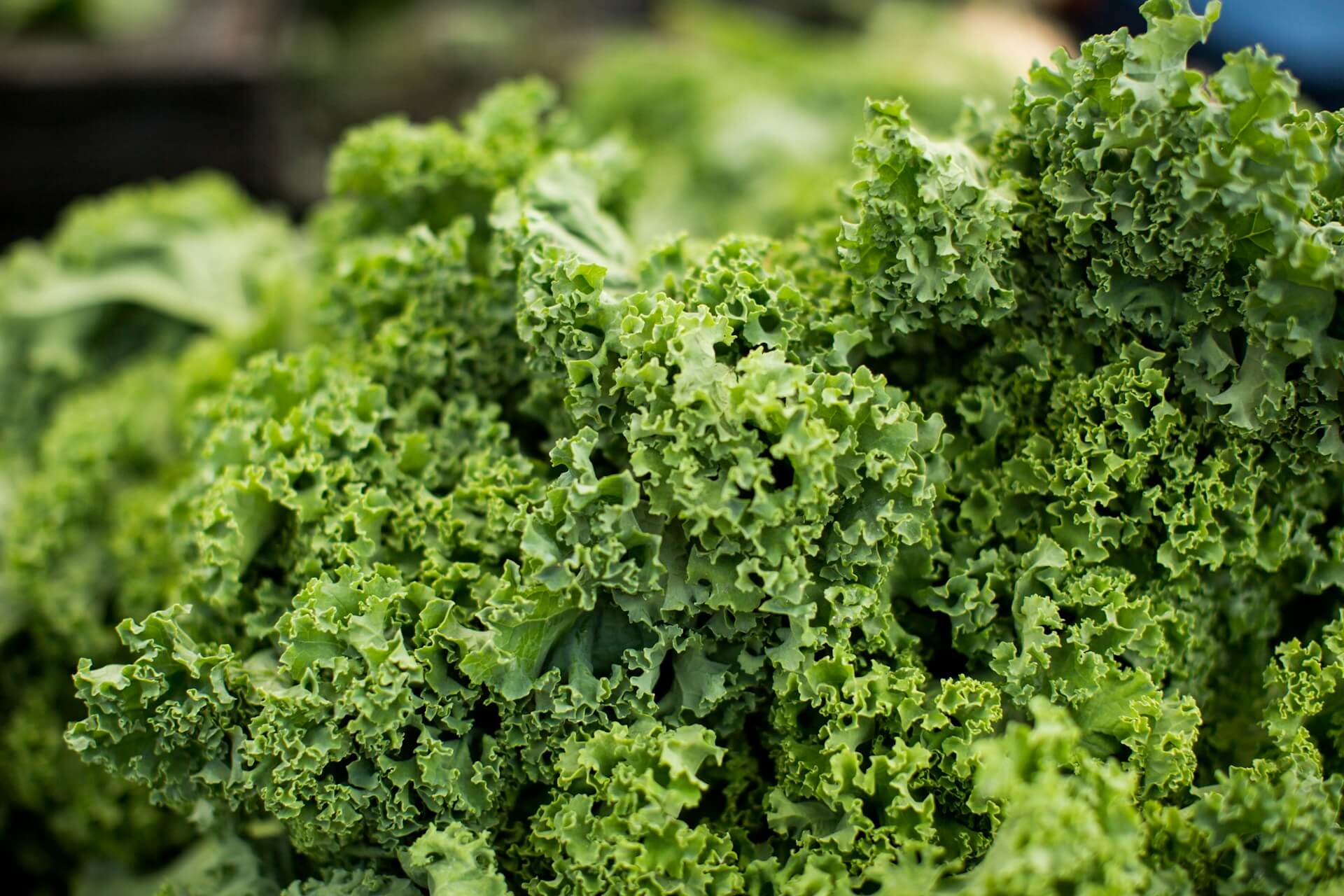
Kale survives hard frost and tastes sweeter after cold weather, so it could be picked well into winter when little else was growing. It asked for little attention beyond watering and protection from caterpillars.
In many plots it extended the harvest long after the tomatoes and beans were gone.
Turnips From Root to Leaf
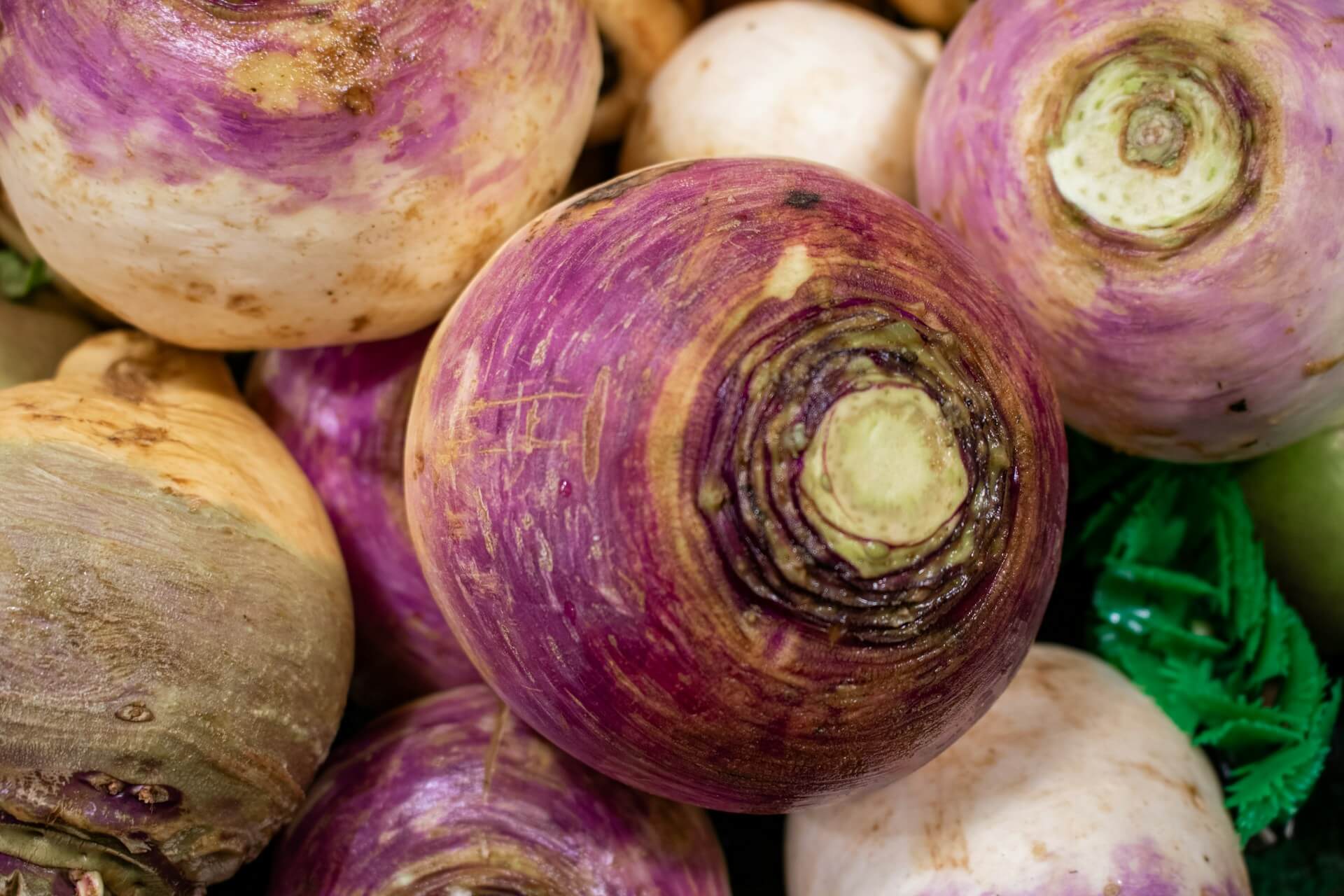
Turnips mature in about two months, and both the roots and the greens are edible. They could be sown in late summer for an autumn harvest, which let gardeners squeeze a second crop into a plot that held peas or lettuce in spring.
Few vegetables repaid a small patch of ground so quickly.
Parsnips Sweetened by Frost
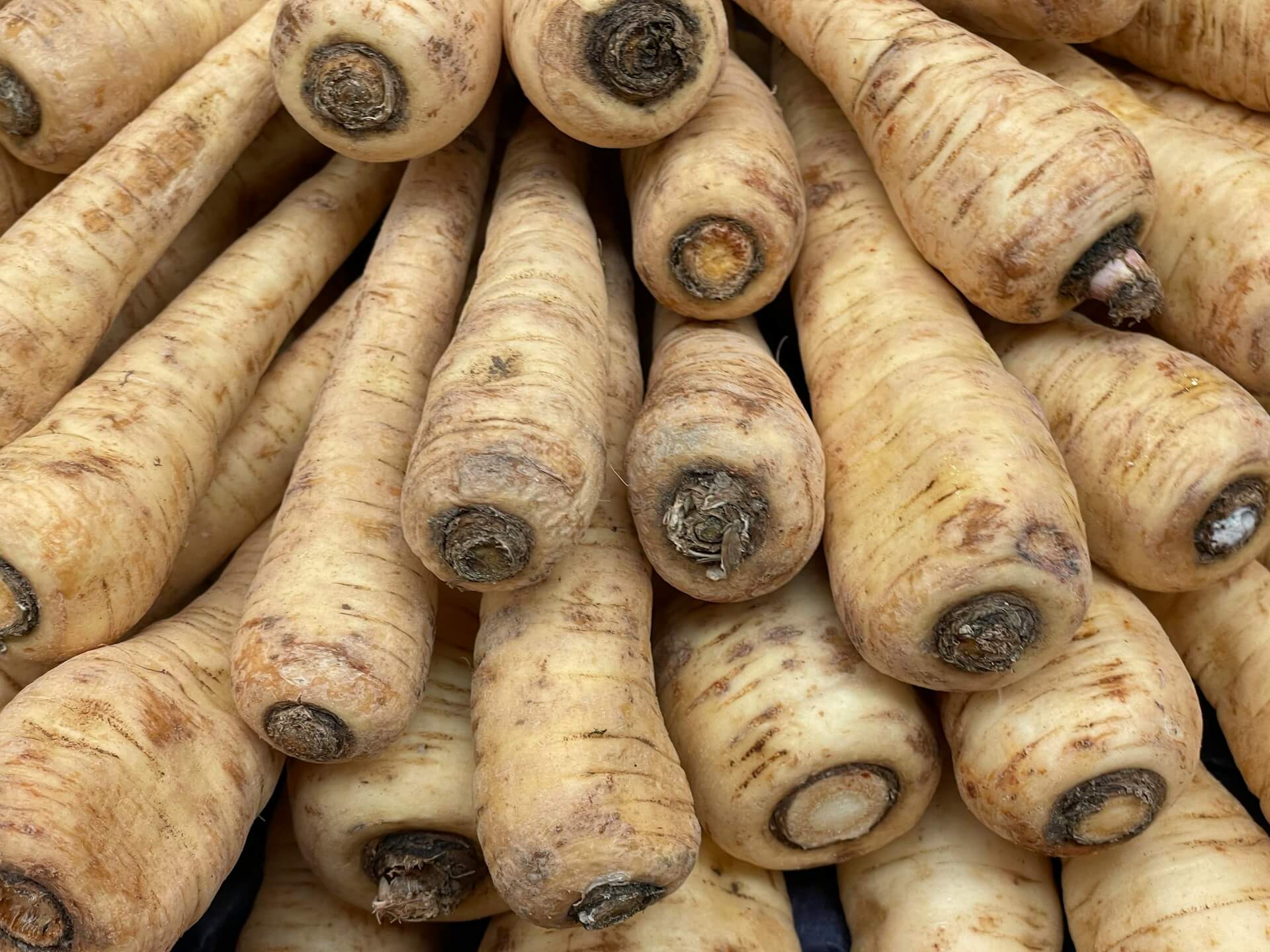
Parsnips are slow to mature but can be left in the ground through winter, and frost converts some of their starch into sugar. That meant a harvest could be dug whenever the ground thawed, with no root cellar required.
The New York Times lists them among the crops that filled American victory plots.
Radishes, the Impatient Crop
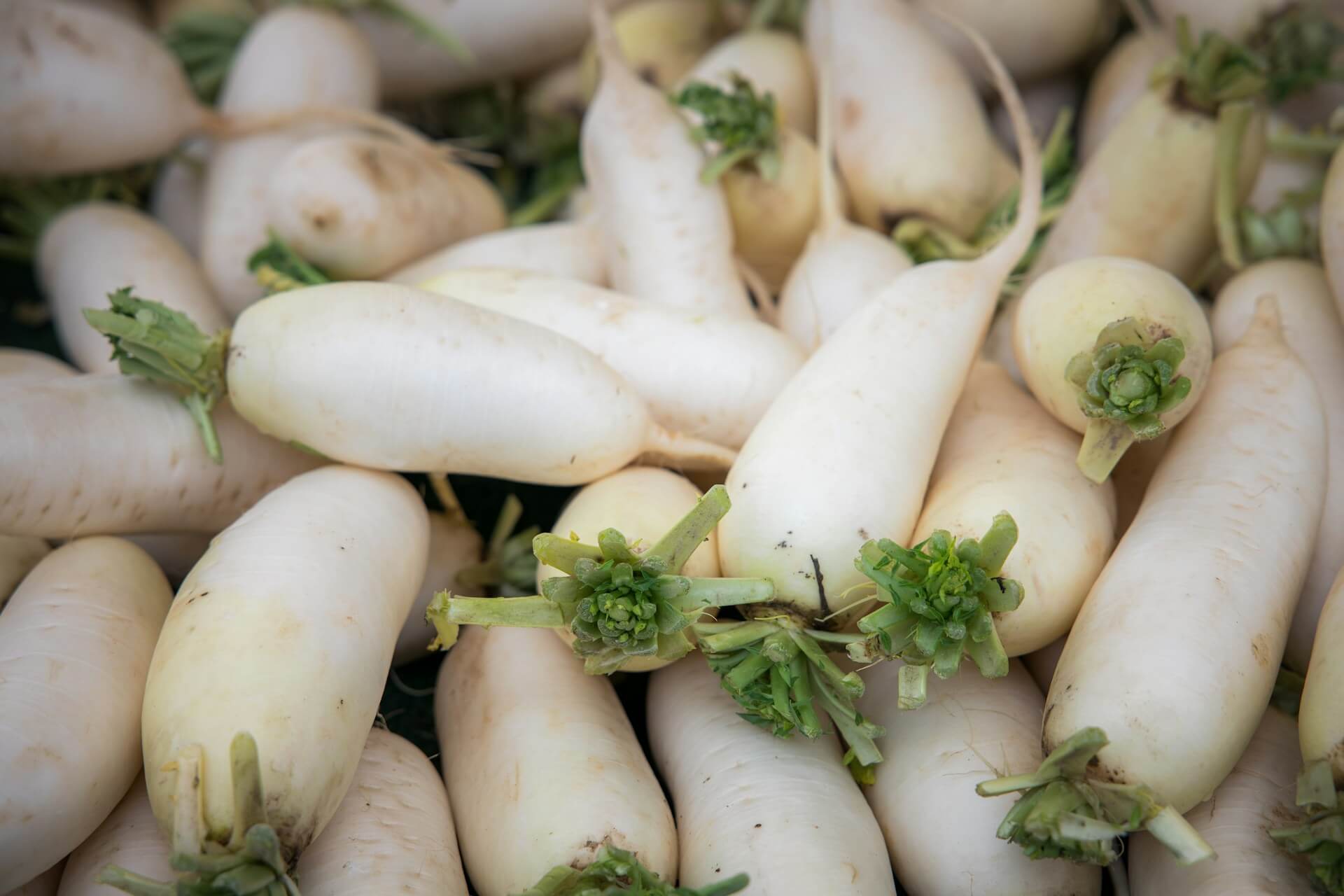
Radishes can be ready in as little as three to four weeks, which made them a favorite for children and first-time gardeners. They were often sown between slower crops and pulled before the larger plants needed the space.
Their speed gave beginners an early win and a reason to keep gardening.
Spinach for Spring and Fall
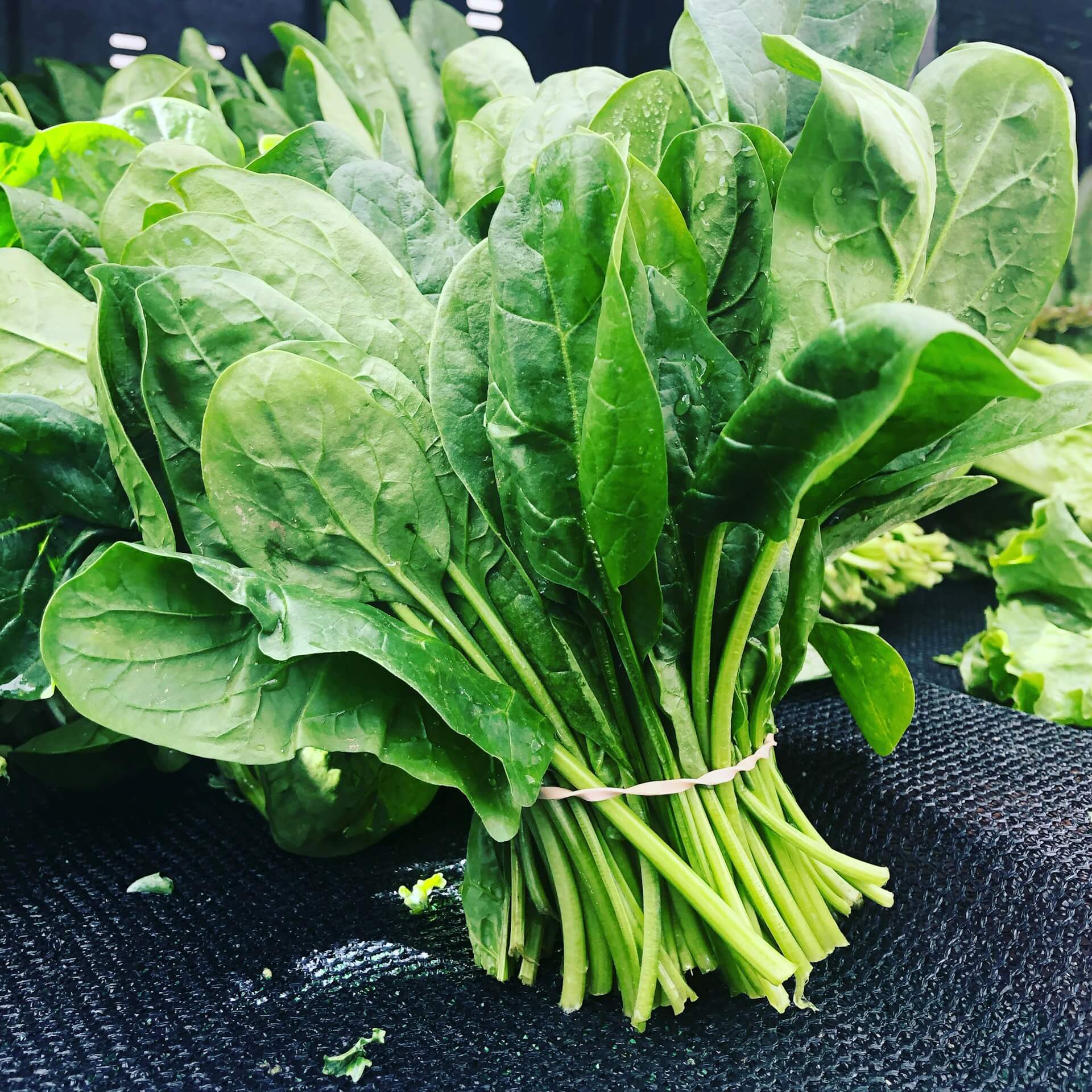
Spinach bolts in summer heat, so wartime gardeners sowed it in early spring and again in late summer. It was among the crops named in coverage of American victory gardens alongside beets, broccoli, kohlrabi, and parsnips.
A packet of seed cost little and produced greens within about six weeks.
Squash That Stored Itself
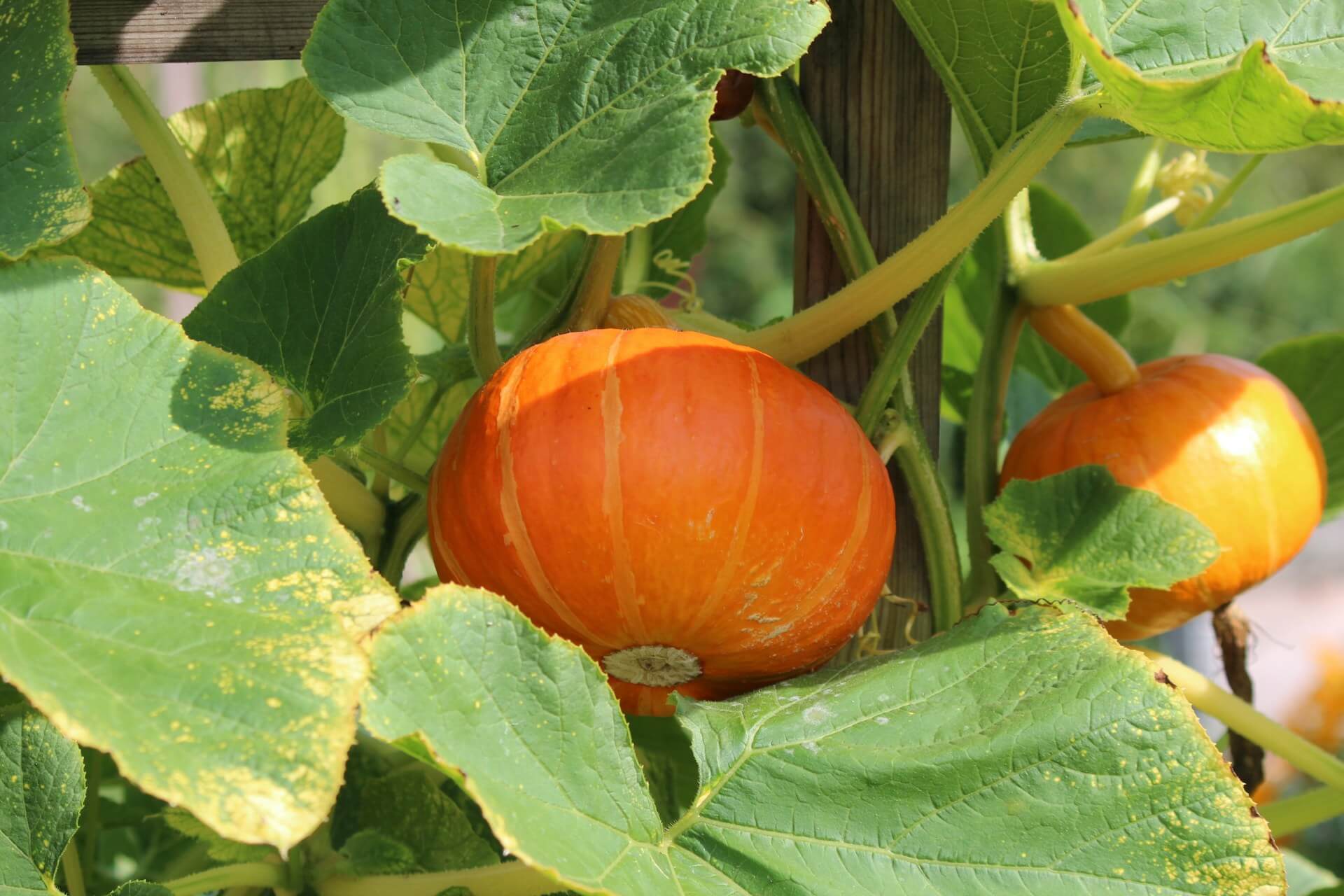
Winter squash develops a hard rind that lets it keep for months in a cool room without any canning. A few vines could cover a lot of ground, so gardeners with room planted them along fences or at the edge of the plot.
A single plant could yield several squash weighing a few pounds each.
Kohlrabi, the Unfamiliar Newcomer
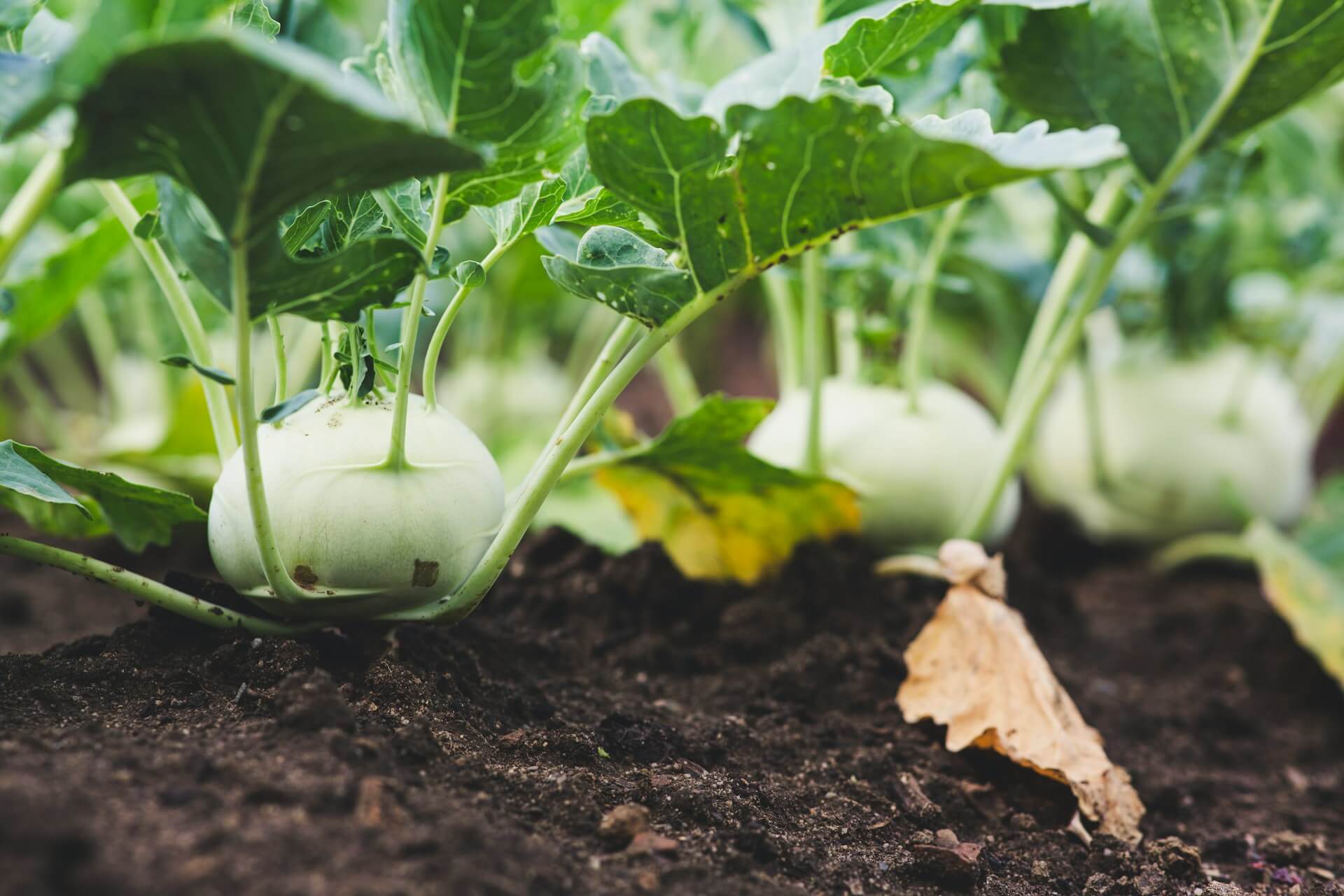
Kohlrabi is a cabbage relative whose swollen stem is eaten, and it matures in roughly two months. It was named in The New York Times’ account of the crops that filled American victory gardens.
Its mild, crisp flesh could be eaten raw or cooked, which suited cooks looking for variety during rationing.
Rutabagas, or Swedes
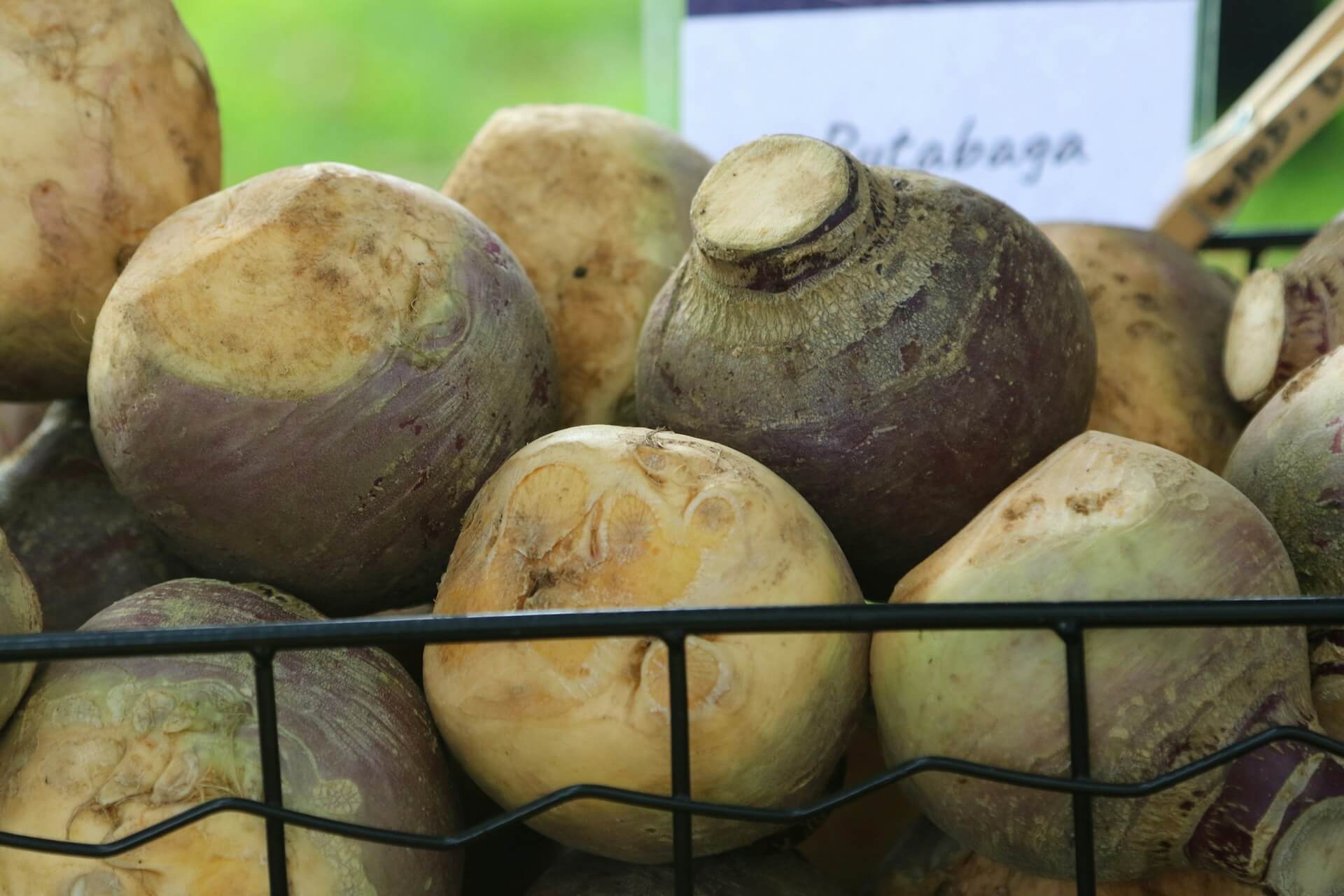
Rutabagas, called swedes in Britain, tolerate cold and keep well, which made them a winter staple. British gardeners stored root crops in clamps, mounds of straw and soil that protected the harvest from frost.
Mashed with potatoes, rutabagas also helped stretch scarce ingredients.
Leeks Standing Through Winter
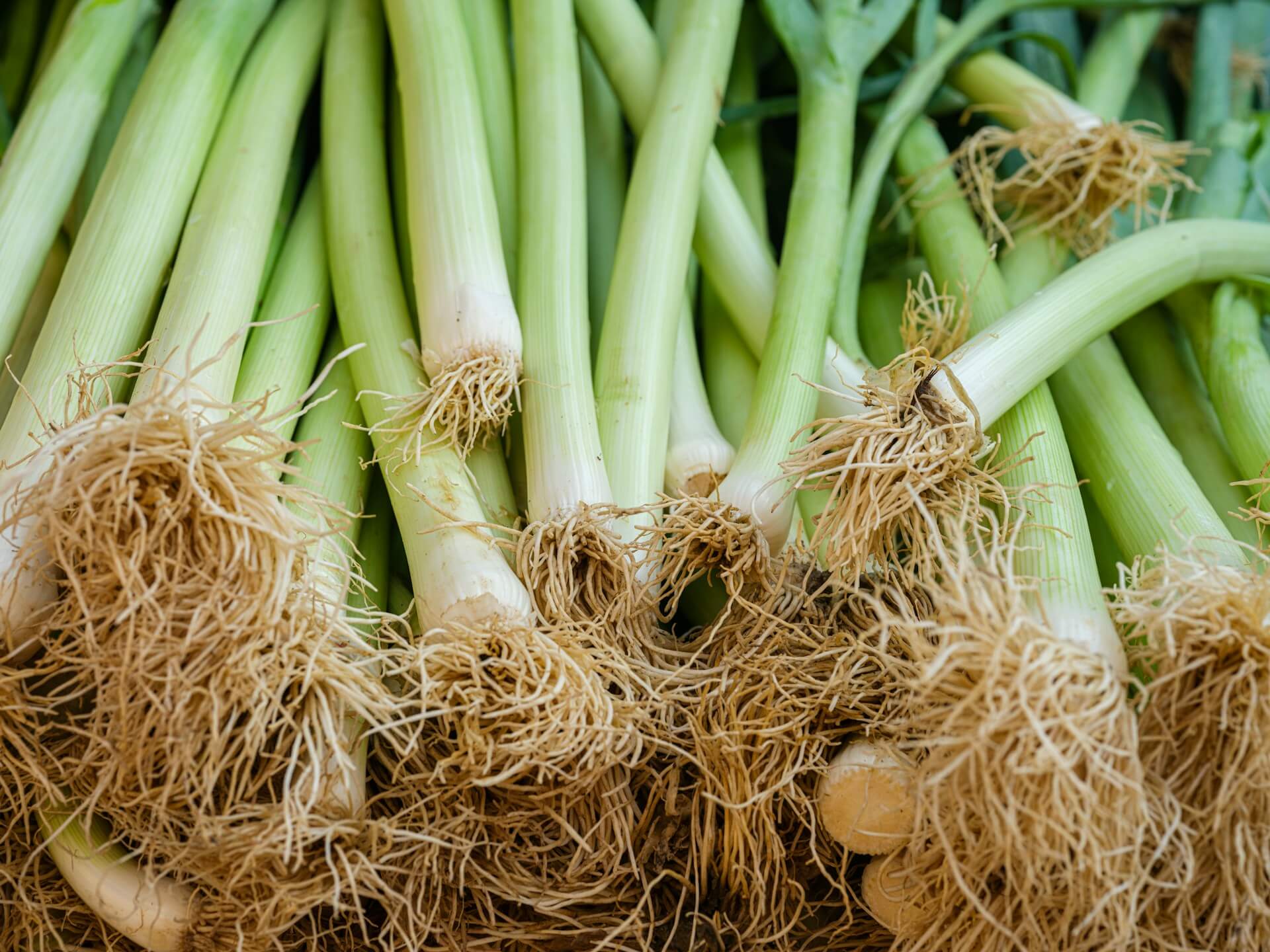
Leeks stand in the ground through freezing weather and can be dug as needed, which saved storage space. They take most of a growing season to mature, so they suited gardeners who planned ahead.
In British allotments they were a dependable winter crop.
Brussels Sprouts That Needed Patience
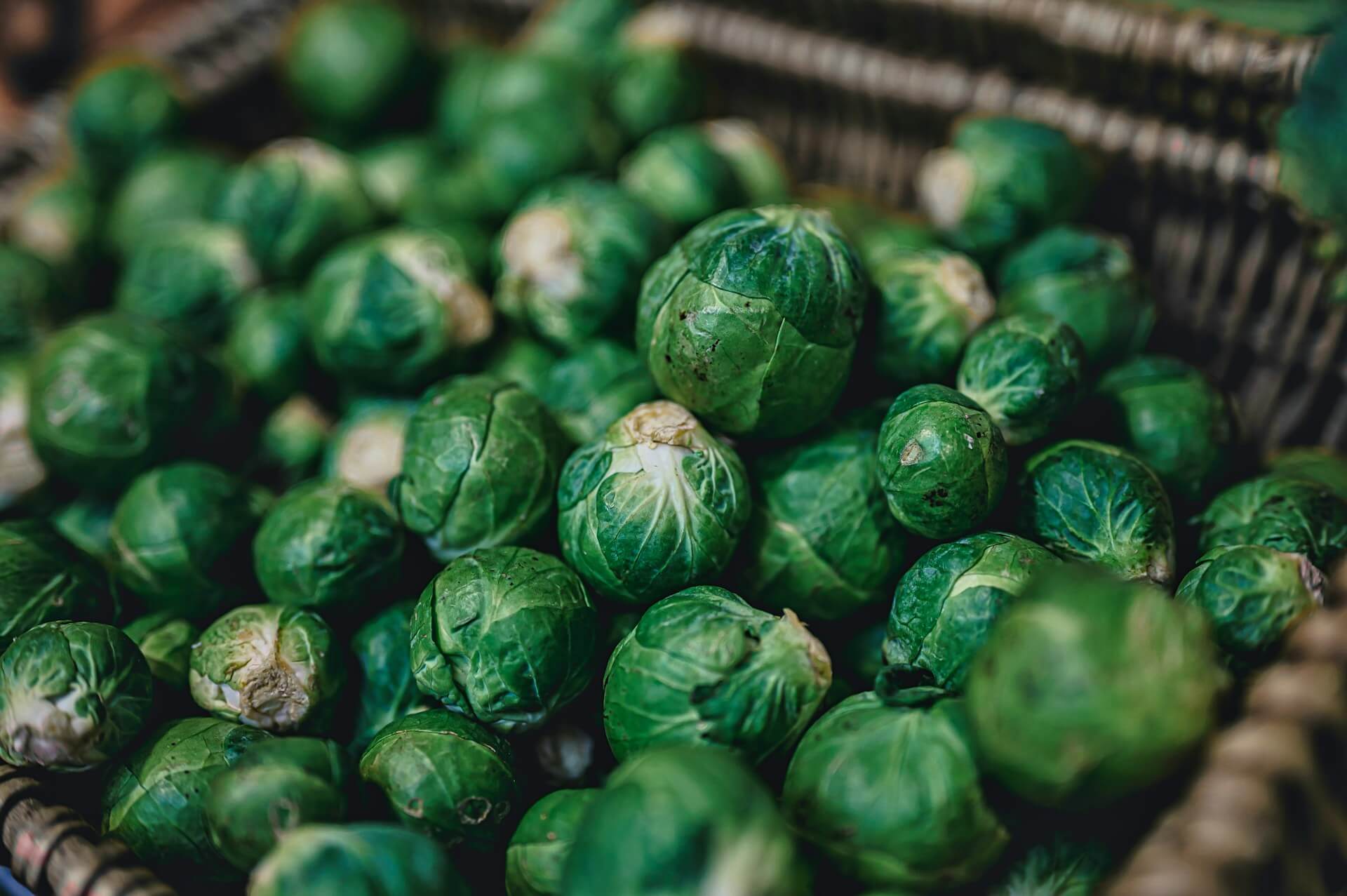
A single stalk of Brussels sprouts can bear dozens of sprouts, and the flavor improves after the first frosts. Plants take months to mature, so they went in during early summer for a late-autumn harvest.
Gardeners who stayed patient picked from the same stalks into December.
The War Effort at Ground Level
Victory gardens mattered as much for morale as for calories. They gave families a job they could do from their own yards, and they turned scarcity into something people could push back against.
Planting fell off after 1945 and fell again in 1946 and 1947 as rationing ended and store shelves refilled.
Some historians argue the gardens were more symbol than necessity, since there was little threat of Americans going hungry. The symbol still worked. A row of carrots or a stand of beans gave ordinary people proof that they were part of the war effort, and that proof lasted longer than the harvest.
More from Go2Tutors!

- The Romanov Crown Jewels and Their Tragic Fate
- 13 Historical Mysteries That Science Still Can’t Solve
- Famous Hoaxes That Fooled the World for Years
- 15 Child Stars with Tragic Adult Lives
- 16 Famous Jewelry Pieces in History
Like Go2Tutors’s content? Follow us on MSN.