31 Cars From the ’80s That Now Draw a Crowd
A car that once sat unremarkable in a suburban driveway can pull a small gathering at a gas station forty years later, simply because nothing on the road looks quite like it anymore. The decade produced some of the strangest engineering swings in automotive history, and time has been unexpectedly kind to several of them.
Some of these were genuine performance icons even when new. Others were oddities that survived mostly by accident, and their rarity now does more work than their original reputation ever did.
DeLorean DMC-12
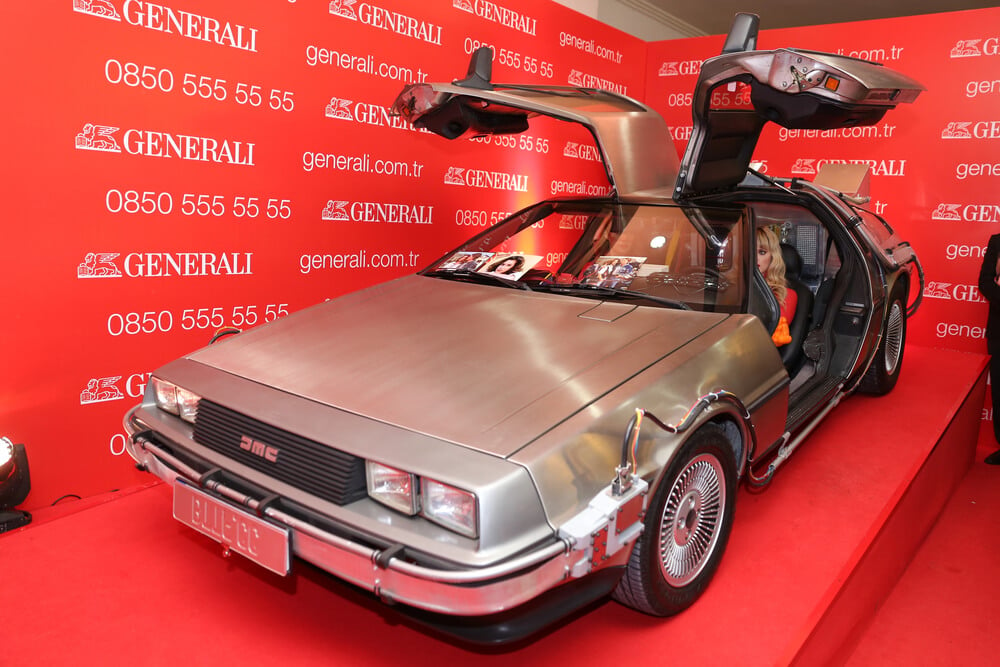
Its brushed stainless steel body and gull-wing doors made it visually unlike anything else on the road when it launched in 1981, and its second life as the time machine in “Back to the Future” turned a commercial failure into one of the most recognized cars of the era.
Pontiac Fiero
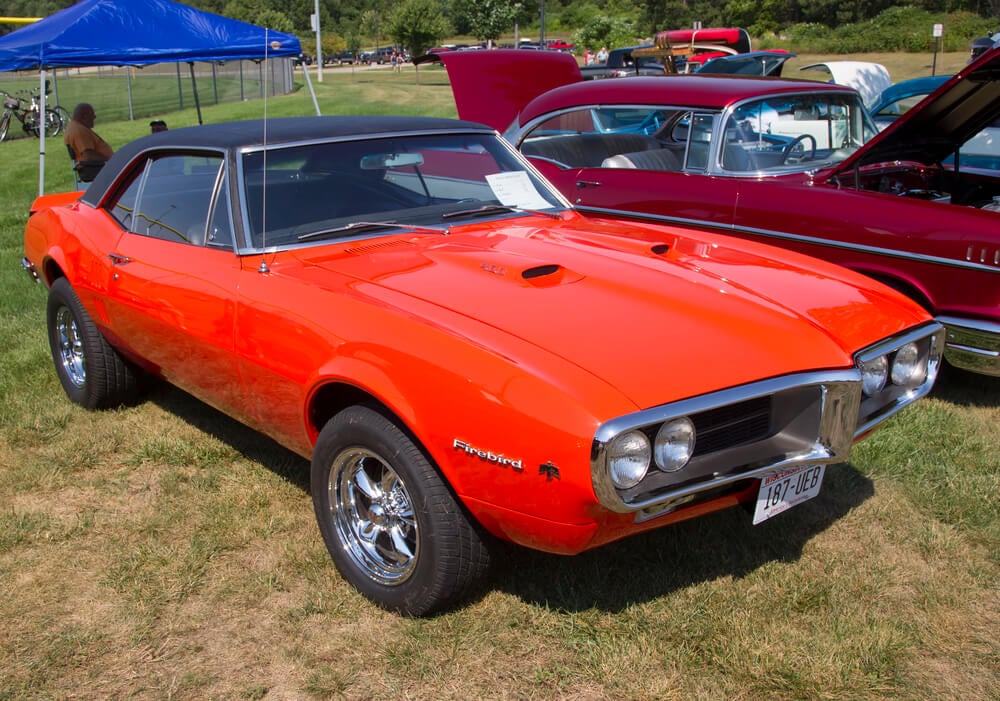
General Motors built this mid-engine two-seater beginning in 1984, an unusual layout for an affordable American car at the time. Early reliability issues hurt its reputation, but the final GT versions are now sought after for a design that nothing else in the Pontiac lineup attempted.
Lamborghini Countach
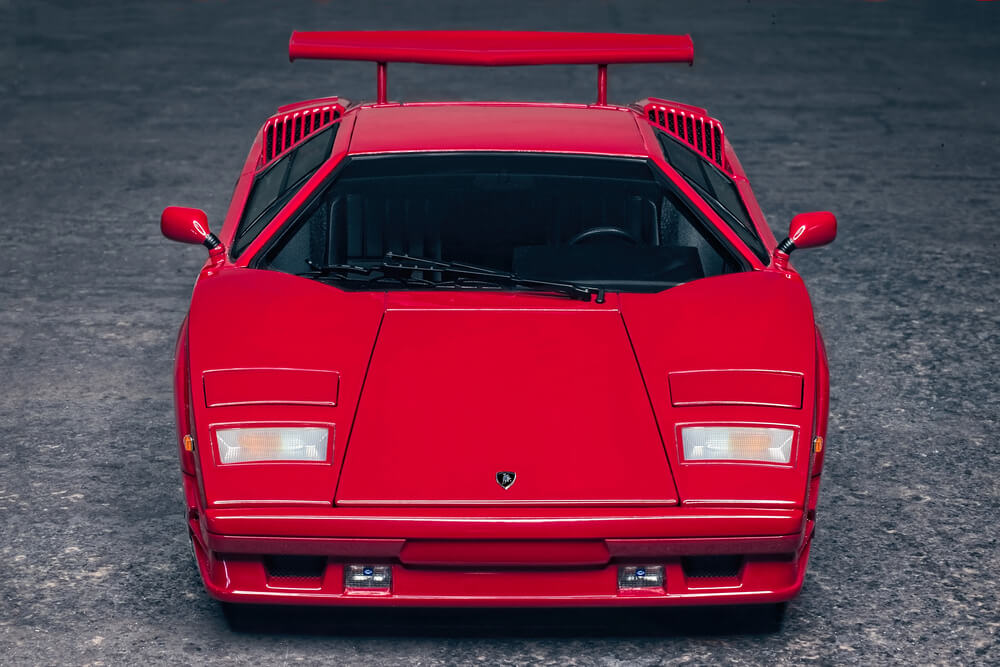
Its wedge-shaped body and scissor doors made it the poster car for an entire generation of children, even though very few people ever saw one in person. Production ran through most of the decade, and surviving examples now command prices that dwarf their original sticker.
Ferrari Testarossa
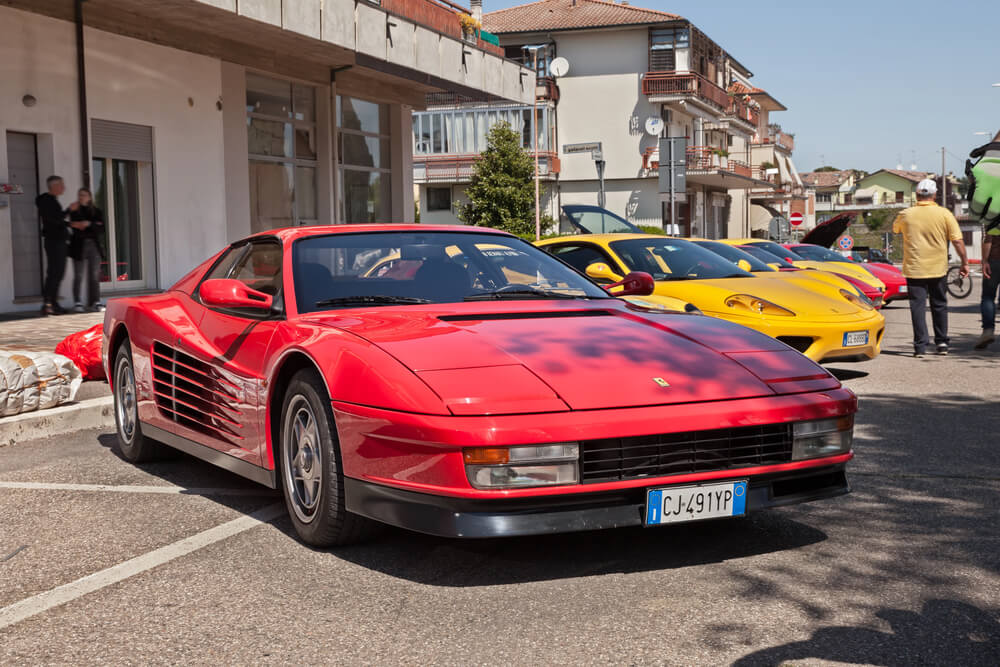
The wide, side-strake body became instantly recognizable after its 1984 debut, aided heavily by its recurring appearance on television throughout the decade. It remains one of the most photographed cars of the era despite a production run of roughly twenty-two hundred units.
Pontiac Trans Am
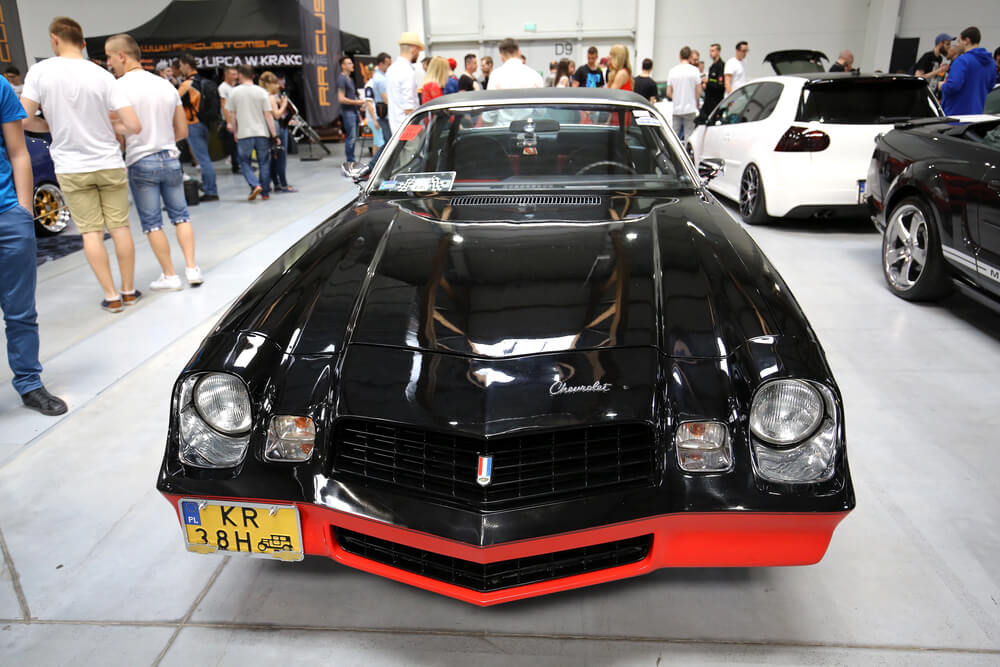
Already famous from film appearances in the previous decade, the Trans Am carried its performance reputation into the 1980s with the Turbo and later fuel-injected V8 models. The black-and-gold styling remains instantly identifiable even to people with no interest in cars generally.
Buick Grand National
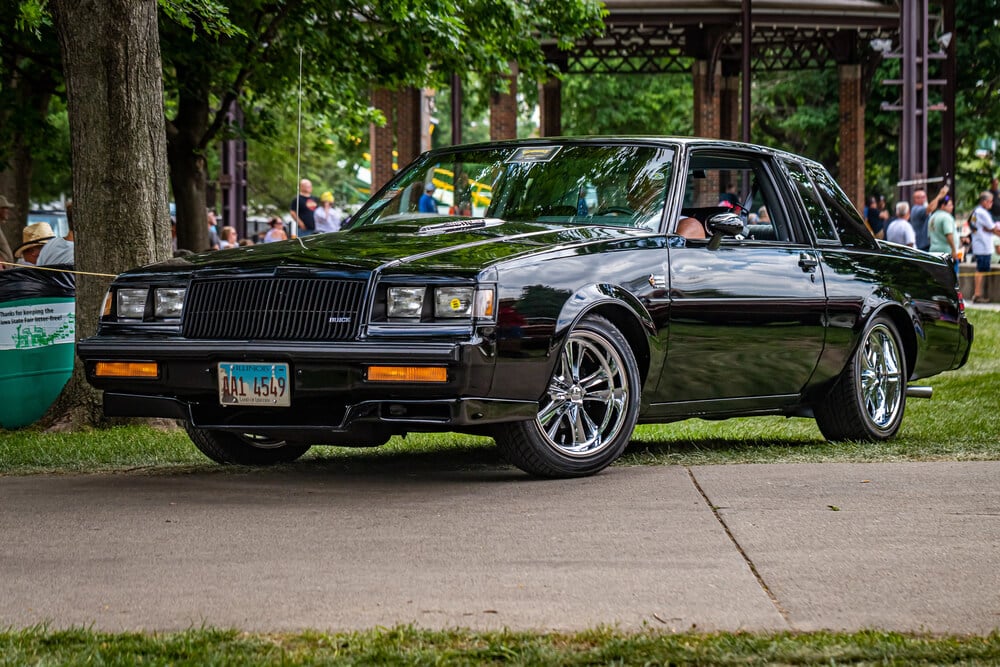
A turbocharged V6 wrapped in blacked-out trim made this one of the fastest American cars of the mid-1980s, embarrassing more expensive sports cars in a straight line. The rarer GNX version from 1987 is now among the most valuable American performance cars of the decade.
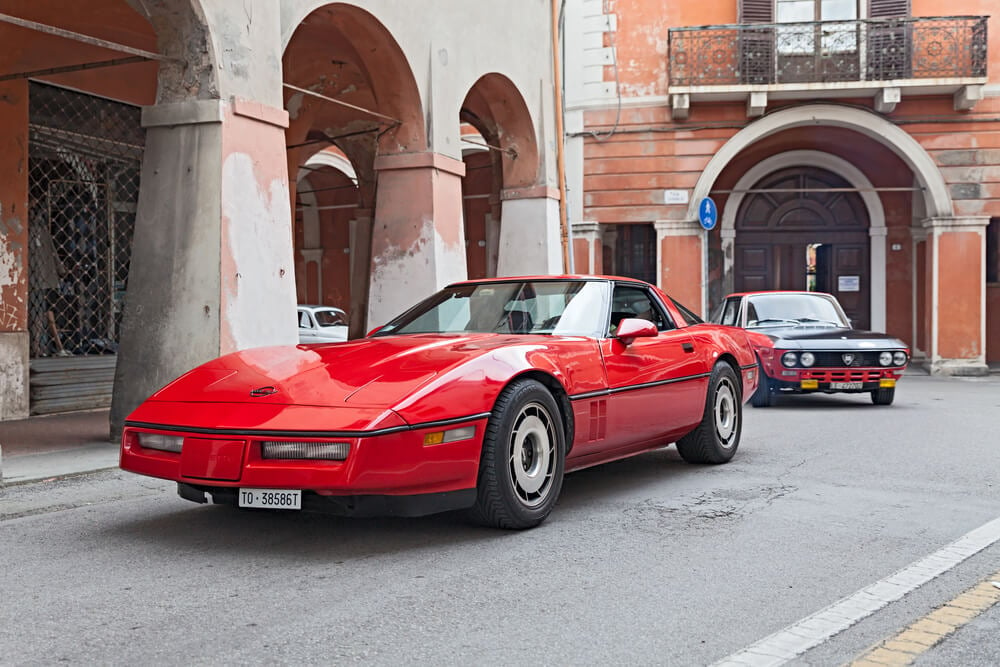
Chevrolet Corvette C4
A complete redesign in 1984 brought digital gauges and a lower, more aerodynamic body to the long-running sports car line. Early examples had rough edges, but later models with fuel injection and improved suspension tuning are now regularly restored.
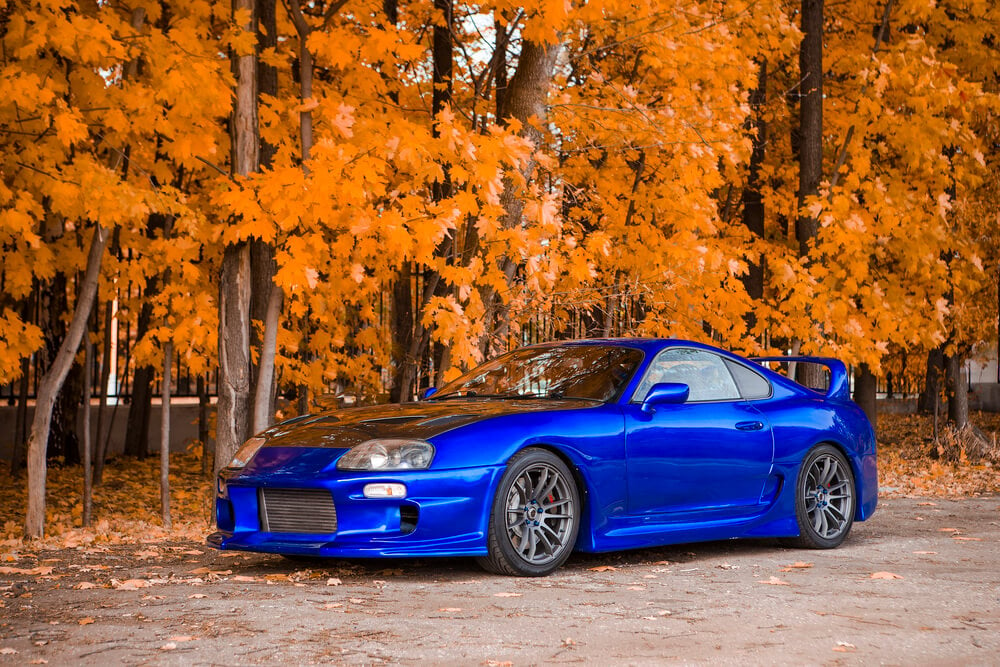
Toyota Supra Mark III
Introduced in 1986 with a turbocharged inline-six, this generation established the nameplate’s reputation for reliable, tunable performance years before its more famous successor arrived. Clean examples have become increasingly difficult to find.
Nissan 300ZX
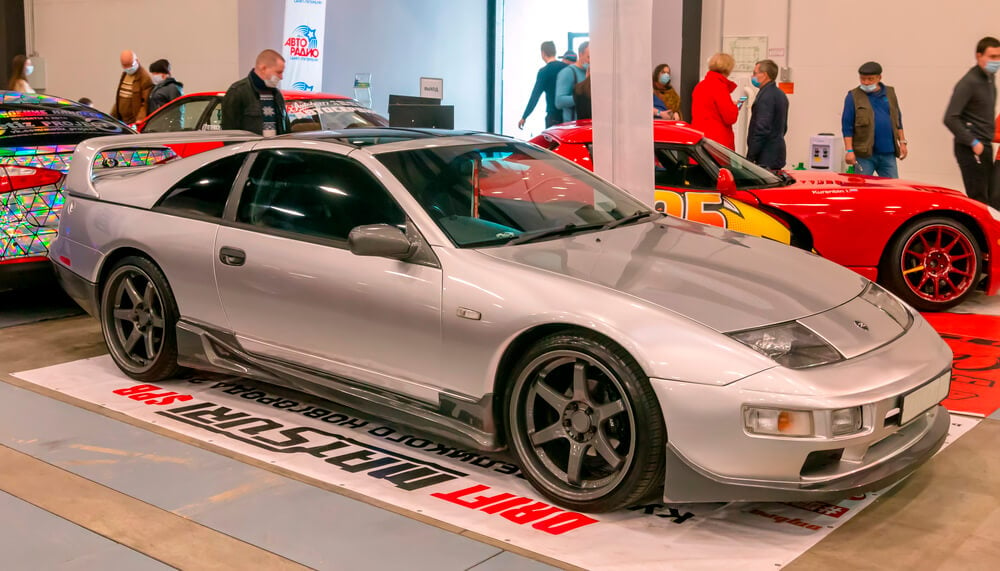
The Z31 generation brought a wedge-shaped body and, in turbocharged form, genuine performance credentials to a car often overlooked next to its Japanese rivals. Its digital dashboard and T-top roof options are now considered defining touches of the era.
Mazda RX-7
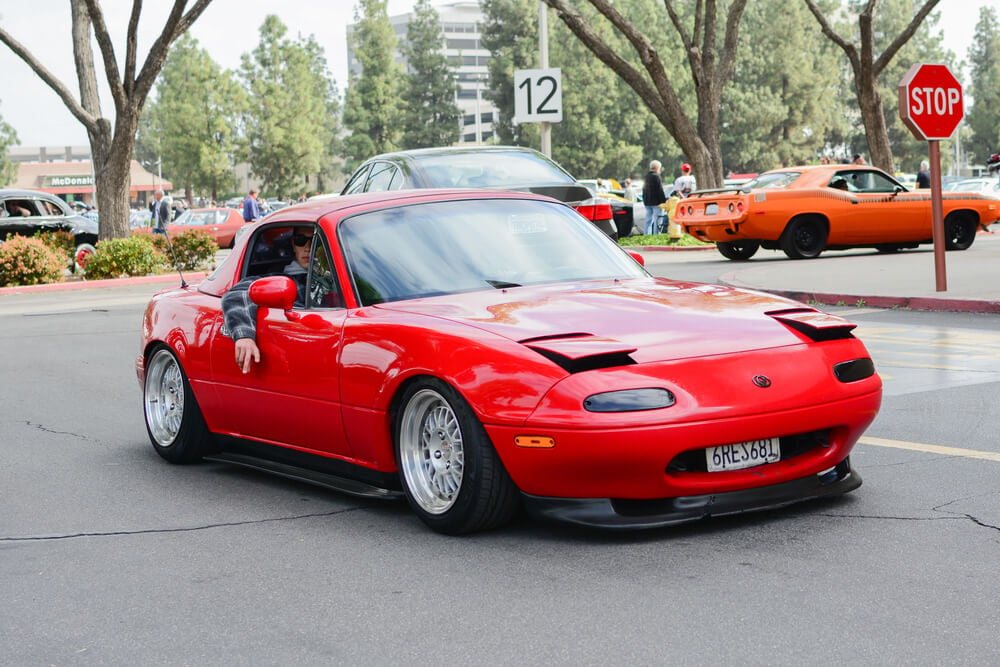
The rotary engine gave this lightweight sports car a character unlike anything from a conventional piston engine, and its low weight made it a favorite on twisting roads. The first-generation cars from the early part of the decade are increasingly rare in unmodified condition.
Audi Quattro
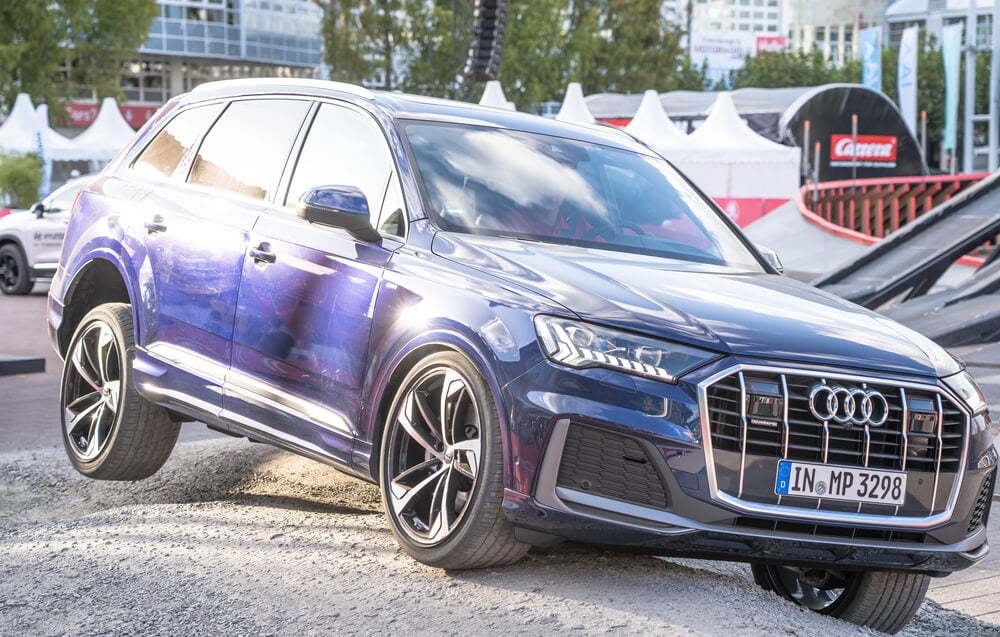
All-wheel drive was still a novelty on a performance road car when this model launched in 1980, and its success in rally competition proved the concept could work on pavement as well as gravel. Surviving examples are prized for pioneering a drivetrain layout most performance cars eventually adopted.
BMW M3 E30
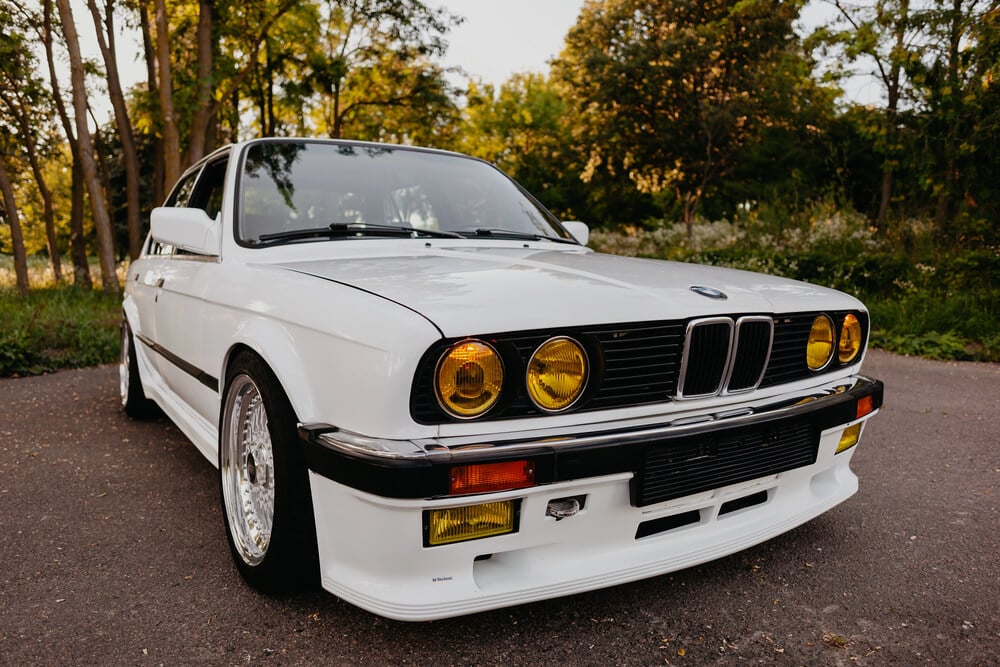
Built originally to satisfy racing regulations, this compact coupe became one of the most respected performance cars of the decade almost as an afterthought. Its boxy fender flares and high-revving four-cylinder engine have made unmodified examples extremely difficult to find today.
Porsche 944
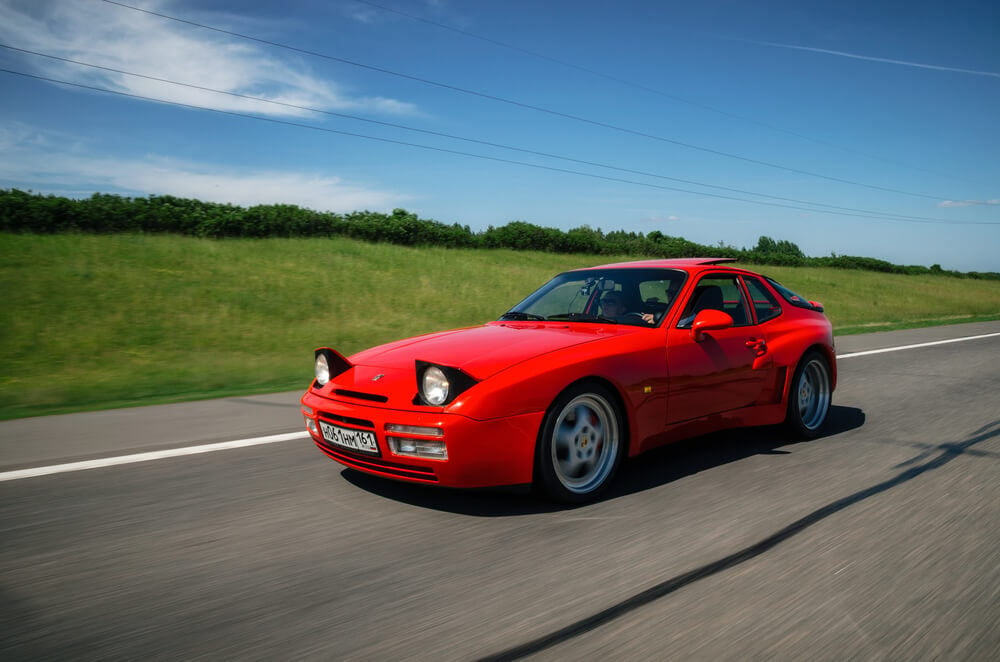
Positioned as an entry point into the brand, this front-engine coupe offered a near-perfect weight balance that made it a favorite among driving enthusiasts who could not afford the flagship 911. Turbo versions from later in the decade are now especially sought after.
Honda CRX
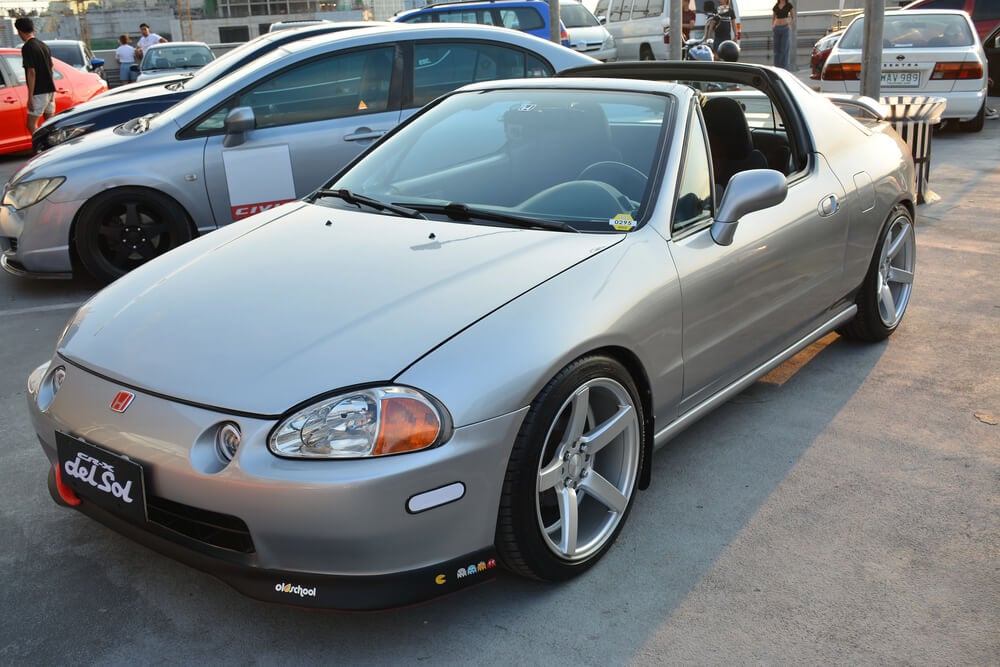
A lightweight, two-seat hatchback built around fuel efficiency ended up becoming a favorite for its sharp handling instead, particularly in Si trim with the more powerful engine option. Its small footprint and low weight made it a natural fit for autocross competition.
Toyota MR2
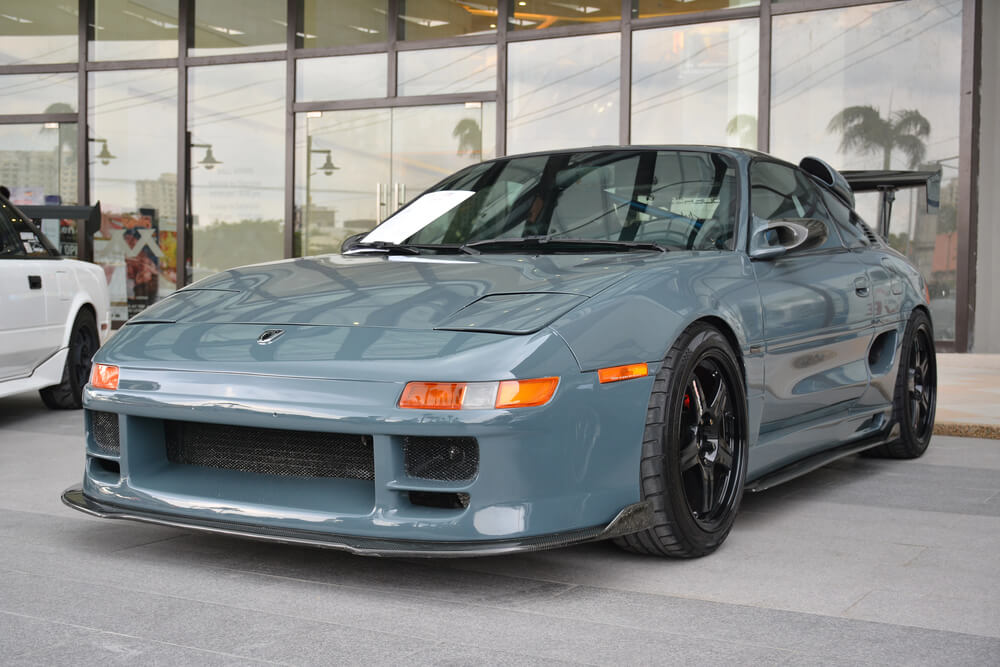
Toyota’s first mid-engine production car arrived in 1984 with sharp, angular styling and genuinely engaging handling in a package most drivers could actually afford. Its rarity today owes partly to how many were driven hard and eventually worn out.
Chrysler LeBaron Convertible
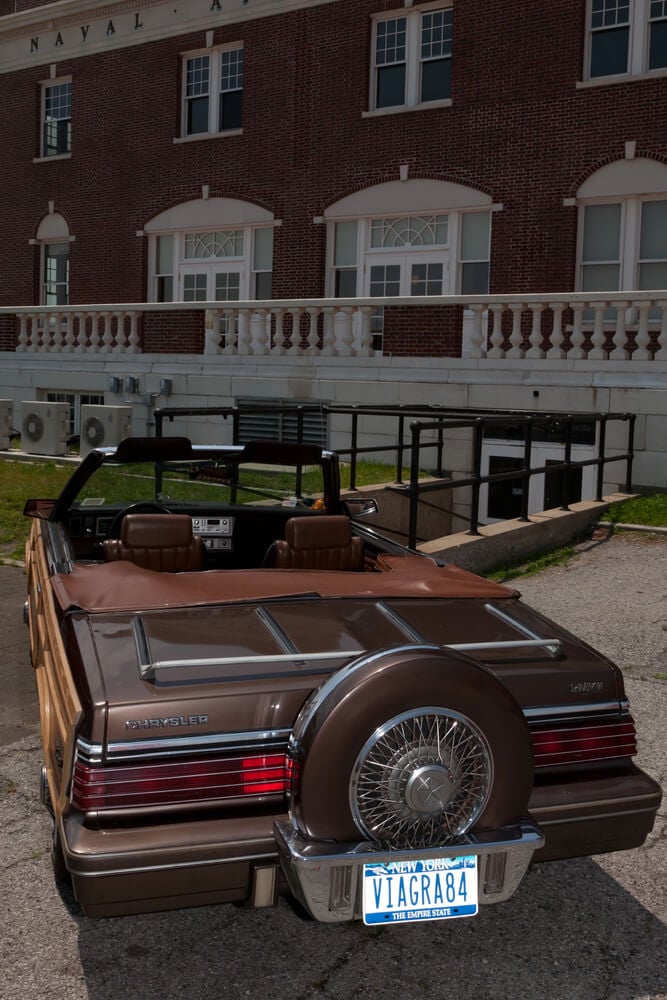
Lee Iacocca personally championed the return of the factory convertible to the American market with this model, reviving a body style that had largely disappeared after the mid-1970s. Its boxy, formal styling now reads as distinctly of its decade.
Volkswagen GTI Mark I
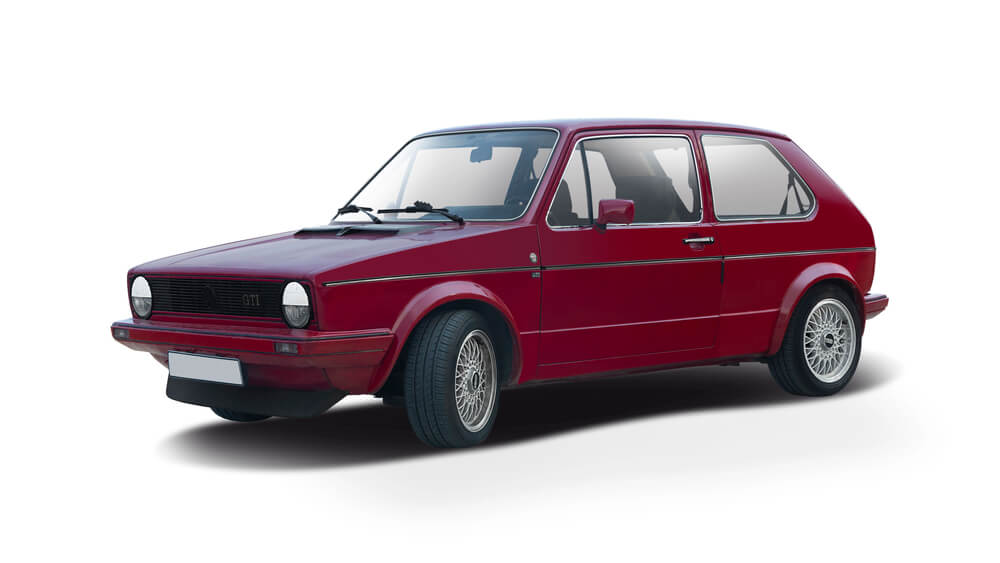
Widely credited with establishing the hot hatchback as a category in the American market after its stateside arrival, this compact, lightweight Volkswagen paired a peppy engine with sharp handling in a package that undercut more expensive performance cars.
Renault Alliance
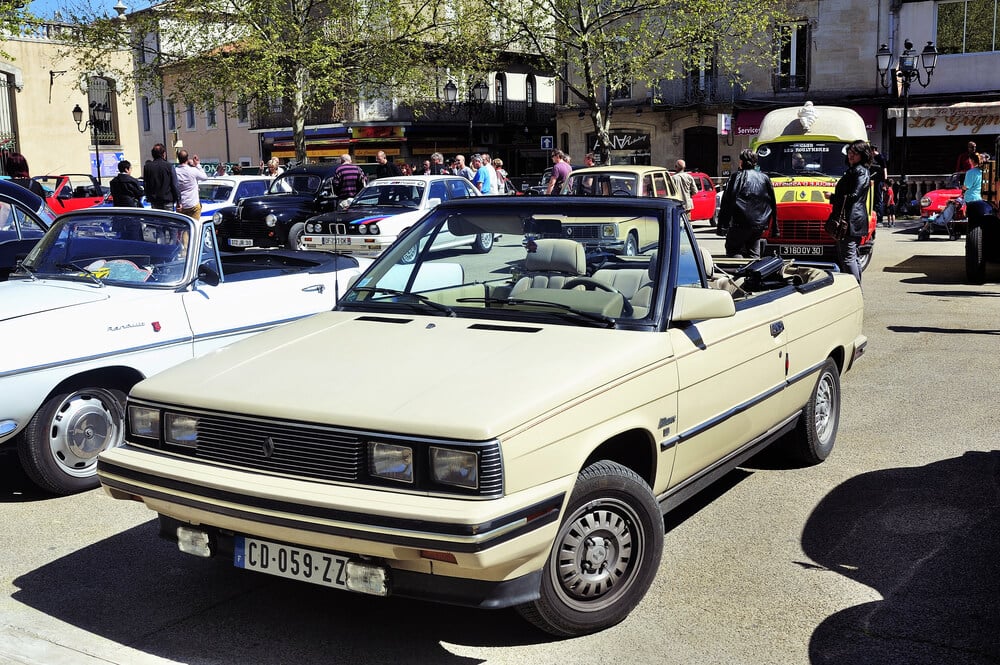
Built in partnership with American Motors, this compact sedan briefly won Motor Trend’s Car of the Year award in 1983 before fading from memory almost entirely. Surviving examples are now genuinely rare simply because so few were kept running.
Yugo GV
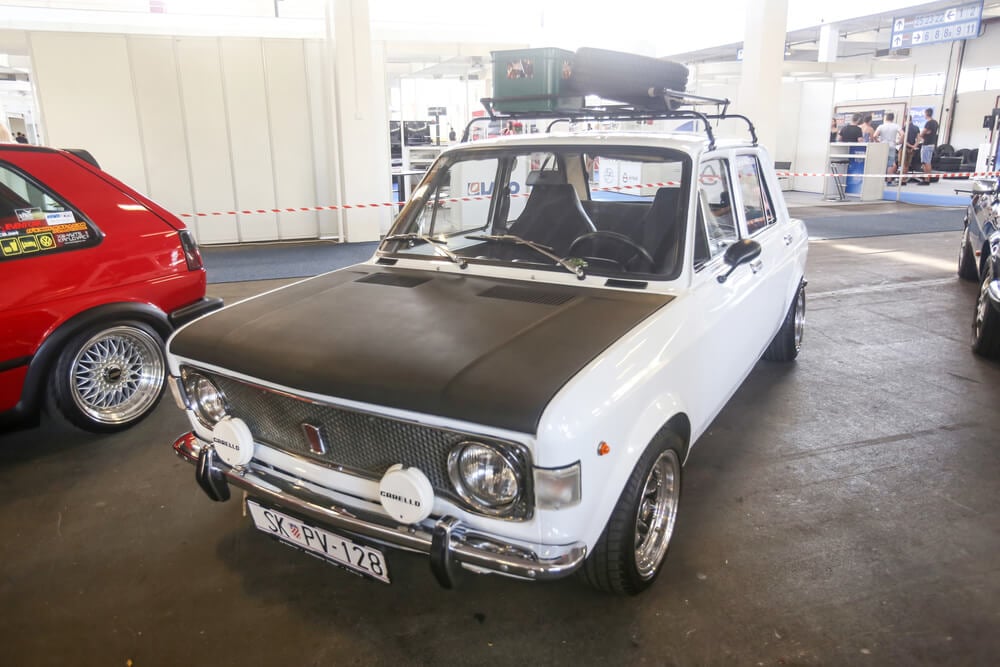
Marketed as the cheapest new car available in America beginning in 1985, this Yugoslavian import became a punchline almost immediately due to reliability problems. Its rarity today comes less from desirability and more from how few managed to survive daily use.
Cadillac Cimarron
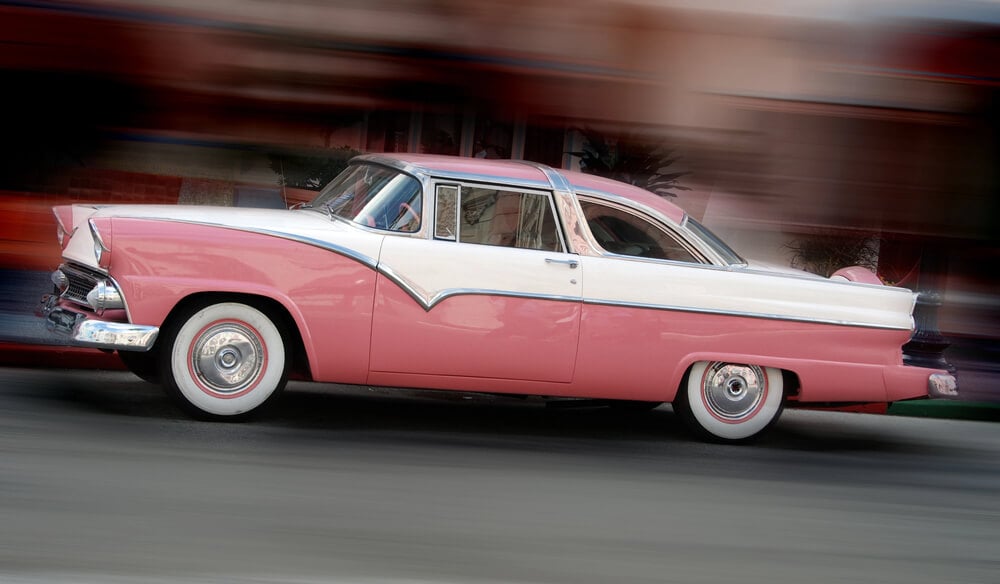
An attempt to compete with smaller European luxury sedans by rebadging a compact GM platform, this model is now remembered as a cautionary tale in badge engineering. Surviving examples draw attention mostly as a curiosity from collectors interested in how the strategy went wrong.
Chevrolet Camaro IROC-Z
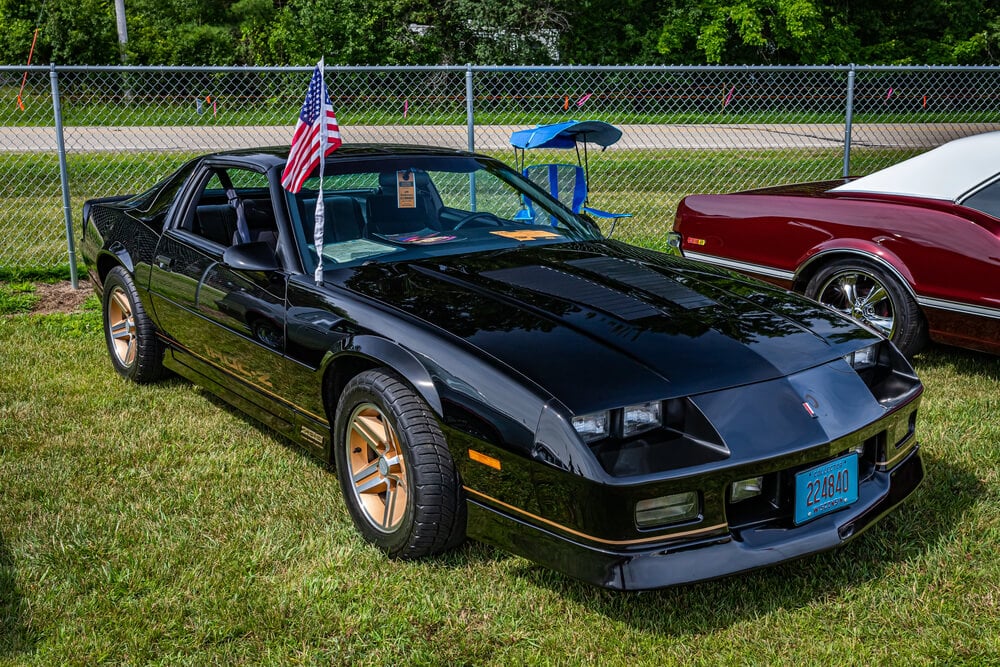
Named after a celebrity racing series, this performance package brought sharper handling and more aggressive styling to the third-generation Camaro beginning in 1985. Its wide fender flares and distinctive wheel design remain instantly recognizable to anyone who grew up watching them on the highway.
Ford Mustang SVO
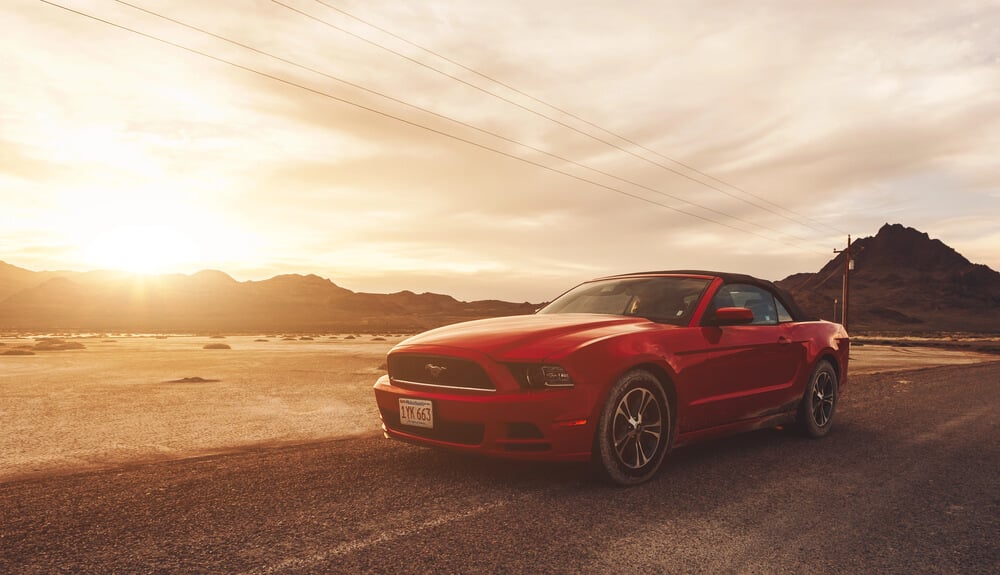
Turbocharged four-cylinder power was an unusual choice for a Mustang when this model launched in 1984, aimed at drivers who wanted handling refinement over raw displacement. Its relatively low production numbers have made clean examples increasingly hard to find.
Merkur XR4Ti

Ford imported this German-built hatchback under a separate brand name specifically to sell a European Ford in the American market, complete with an unusual biplane rear spoiler. Its short-lived brand and unusual styling now make it one of the more obscure finds at any car show.
Subaru XT
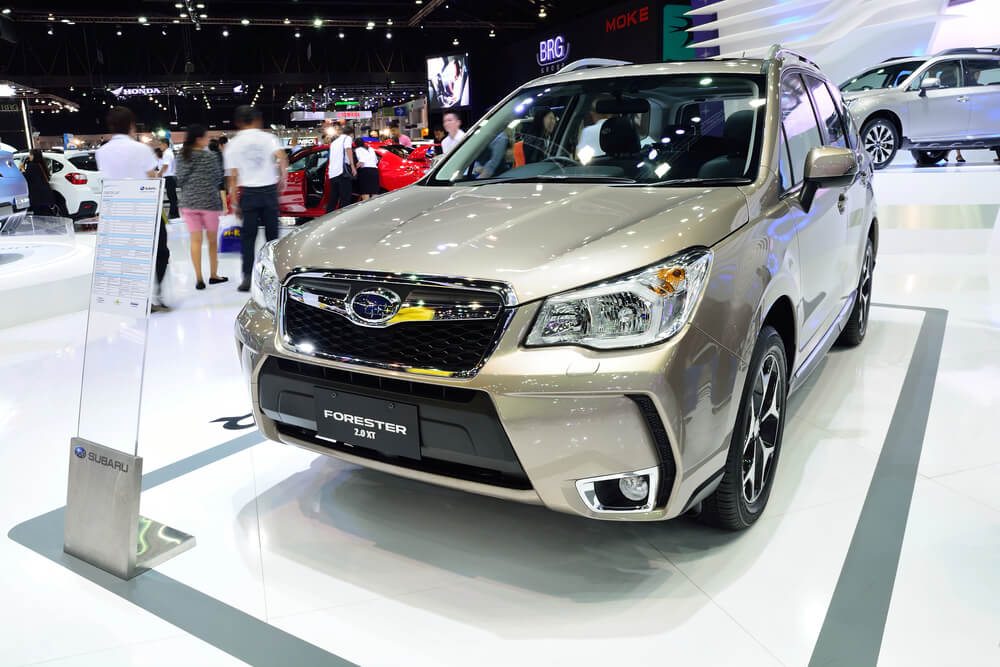
An unusually low, angular coupe from a brand better known for practical wagons, this model featured a rotating steering wheel hub and available all-wheel drive. Its wind-tunnel-shaped body remains one of the strangest designs to come out of the decade.
Lotus Esprit Turbo
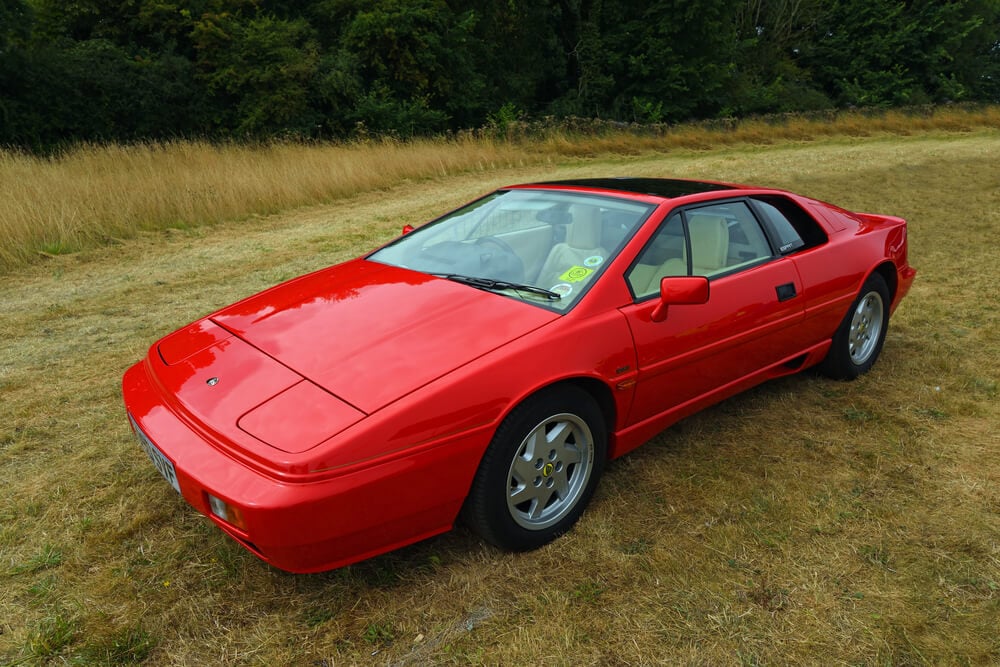
Already famous from its earlier submarine-car appearance in a spy film, the turbocharged version of this wedge-shaped sports car carried that reputation into the 1980s with genuine performance to match its looks. Low production numbers keep surviving examples firmly in enthusiast circles.
Mercedes-Benz 190E 2.3-16
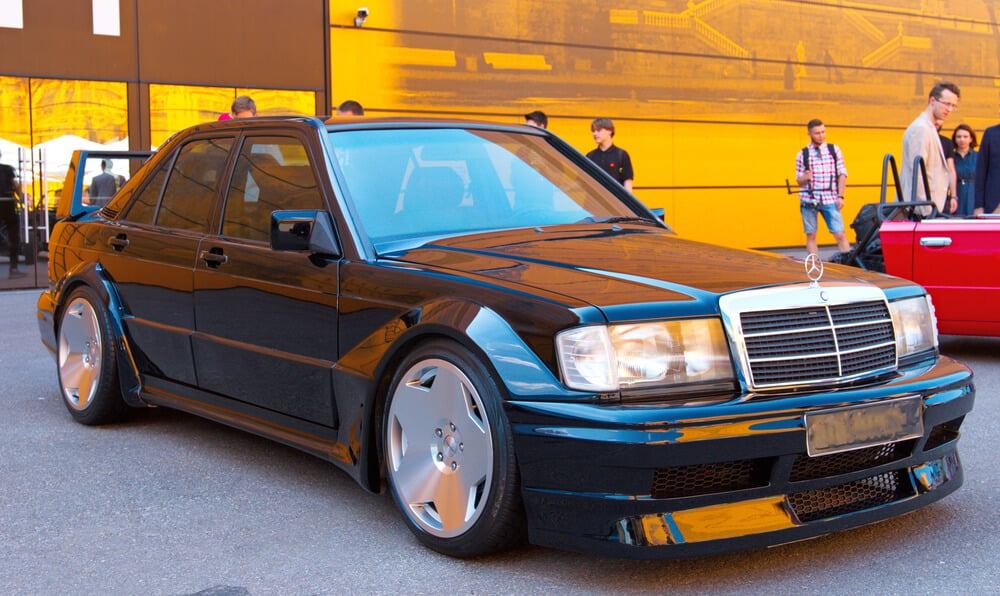
Developed with input from a well-known engine tuning firm, this compact performance sedan blended everyday usability with genuine racing pedigree, including a model built specifically to set speed records. Clean, unmodified examples are now heavily sought after by collectors of the brand.
Saab 900 Turbo
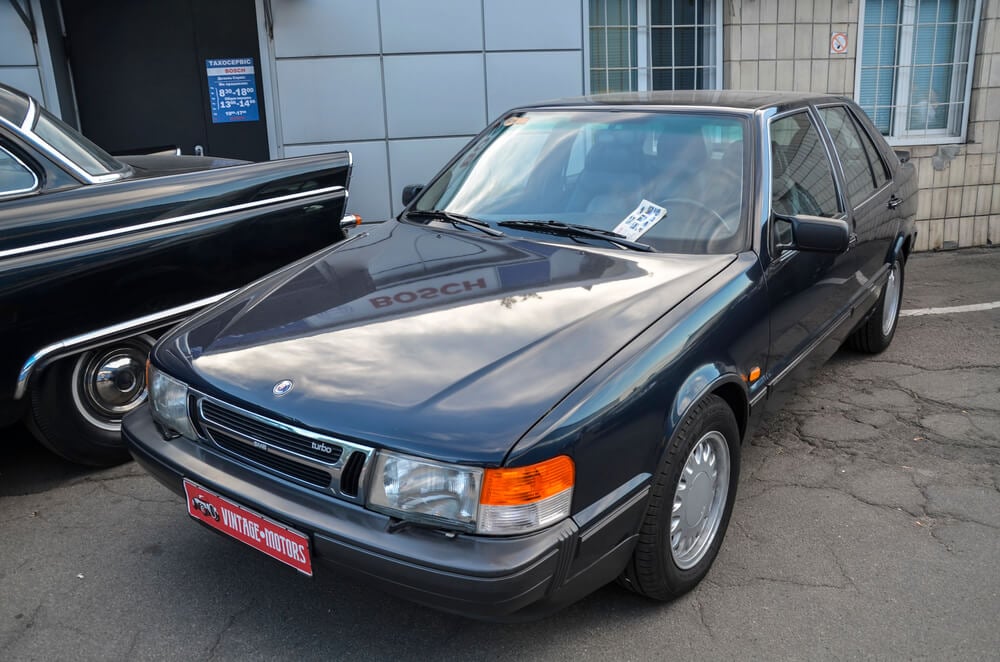
Distinctive for its wraparound windshield and aircraft-inspired dashboard, this turbocharged Swedish sedan built a loyal following among drivers who wanted something that looked nothing like anything from Detroit or Munich. Its idiosyncratic styling remains one of its most discussed features.
Dodge Shelby Charger
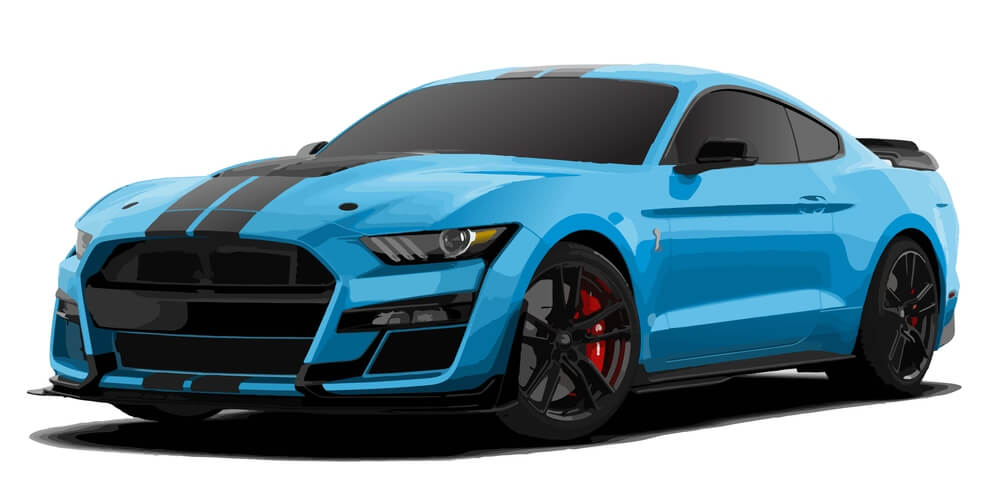
Carroll Shelby lent his name and tuning expertise to this turbocharged version of a compact Dodge hatchback, giving budget-conscious buyers a taste of performance credibility. Its rarity today comes from a limited production run and how many were modified or worn out over the following decades.
Jeep Grand Wagoneer
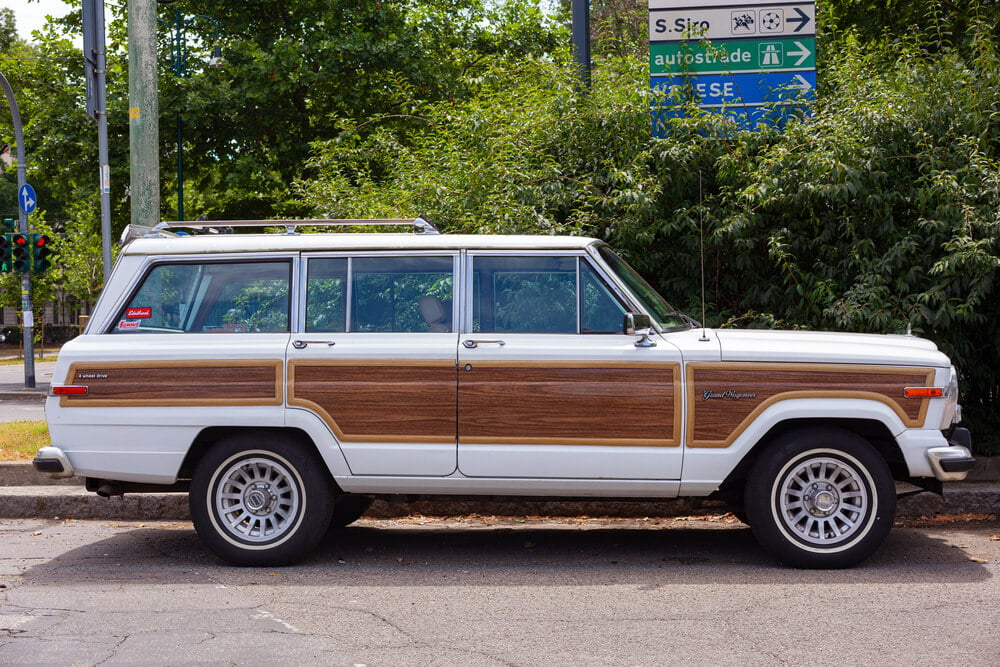
Wood paneling on the exterior of a genuinely capable off-road vehicle gave this model a distinct look that stood apart from other trucks of the era. Production continued largely unchanged for years, and its interior remains a favorite reference point for later luxury off-roaders.
Mitsubishi Starion
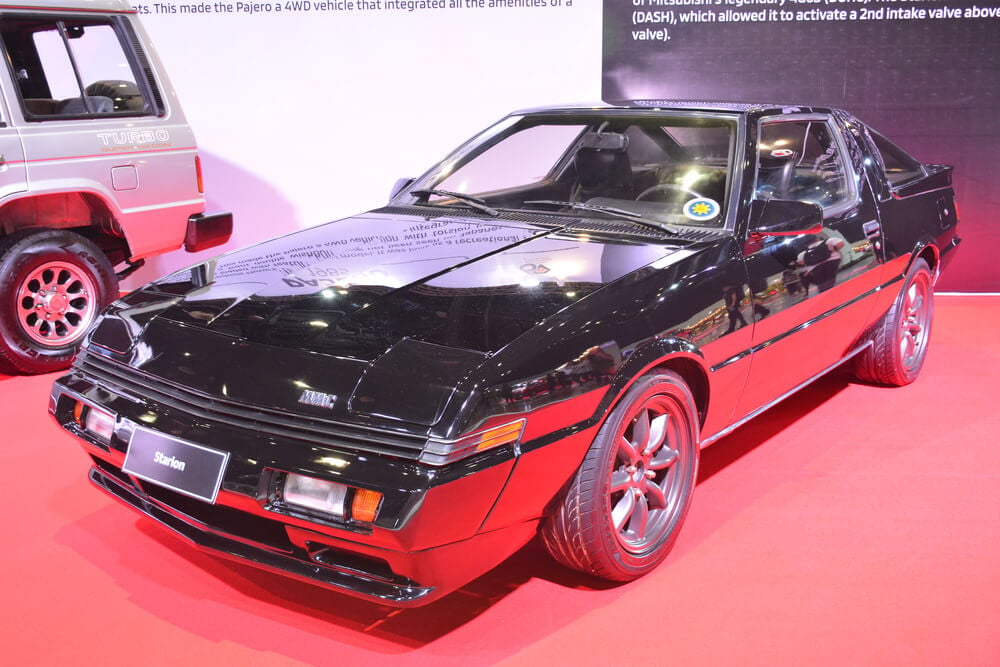
A wide, flared body and turbocharged inline-four gave this Japanese coupe genuine performance credentials, sold in the American market alongside a nearly identical Chrysler-badged version. Its aggressive styling and relative rarity now draw attention at shows dominated by more common Japanese sports cars.
Vector W8
Built by a small independent American manufacturer with aerospace ambitions, this angular supercar promised performance figures that rivaled established European exotics. Fewer than twenty were ever built, making any surviving example an automatic center of attention wherever it appears.
What the Driveway Remembers

None of these cars were built with an eye toward becoming collectible. Some were flagship performance machines and others were budget experiments that barely survived their own decade, but all of them carried a specific idea about what a car should look like that has since disappeared from the road entirely.
What draws a crowd now is not always the fastest or the rarest example, but the one that pulls a stranger back to a very specific memory of riding in the passenger seat as a child. That kind of recognition cannot be manufactured on purpose, which is exactly why it still works.
More from Go2Tutors!

- The Romanov Crown Jewels and Their Tragic Fate
- 13 Historical Mysteries That Science Still Can’t Solve
- Famous Hoaxes That Fooled the World for Years
- 15 Child Stars with Tragic Adult Lives
- 16 Famous Jewelry Pieces in History
Like Go2Tutors’s content? Follow us on MSN.



