16 Ways Disney Parks Differ Around The World
Every Disney park carries a sense of déjà vu, like stepping into the same dream twice. A mirrored castle rises in each, melodies repeat, the air hums with similar energy.
Yet once you linger past the first glance, subtle shifts emerge – unexpected twists rooted in place. Small details shift without warning, catching your attention when you least expect it.
What sets every park apart becomes clear when you notice Disney does not repeat itself like most assume. Each one holds its own flavor, simply by doing things differently than the next.
The Food Menus
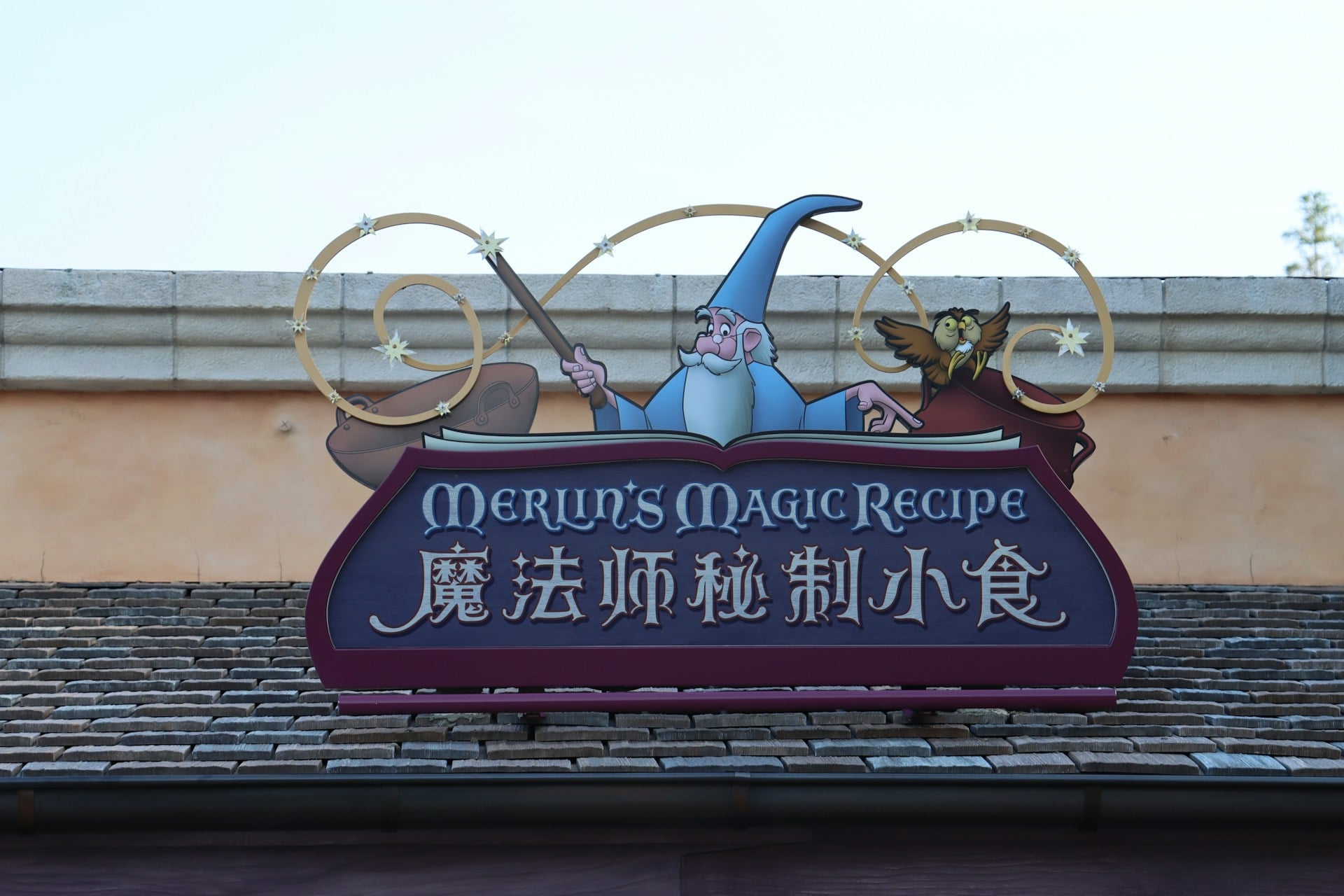
Strolling into Disneyland Paris hoping for a corn dog might leave you let down. Food choices shift from one location to another, shaped by what people nearby enjoy eating.
In Tokyo, try a teriyaki burger or something with rice instead. Over in Hong Kong, dim sum turns up on menus – a fit there, but odd beside a hot dog stand in California.
Ignore local appetites, and visitors may simply walk away. That is how fast connection fades when flavor misses the mark.
Park Size
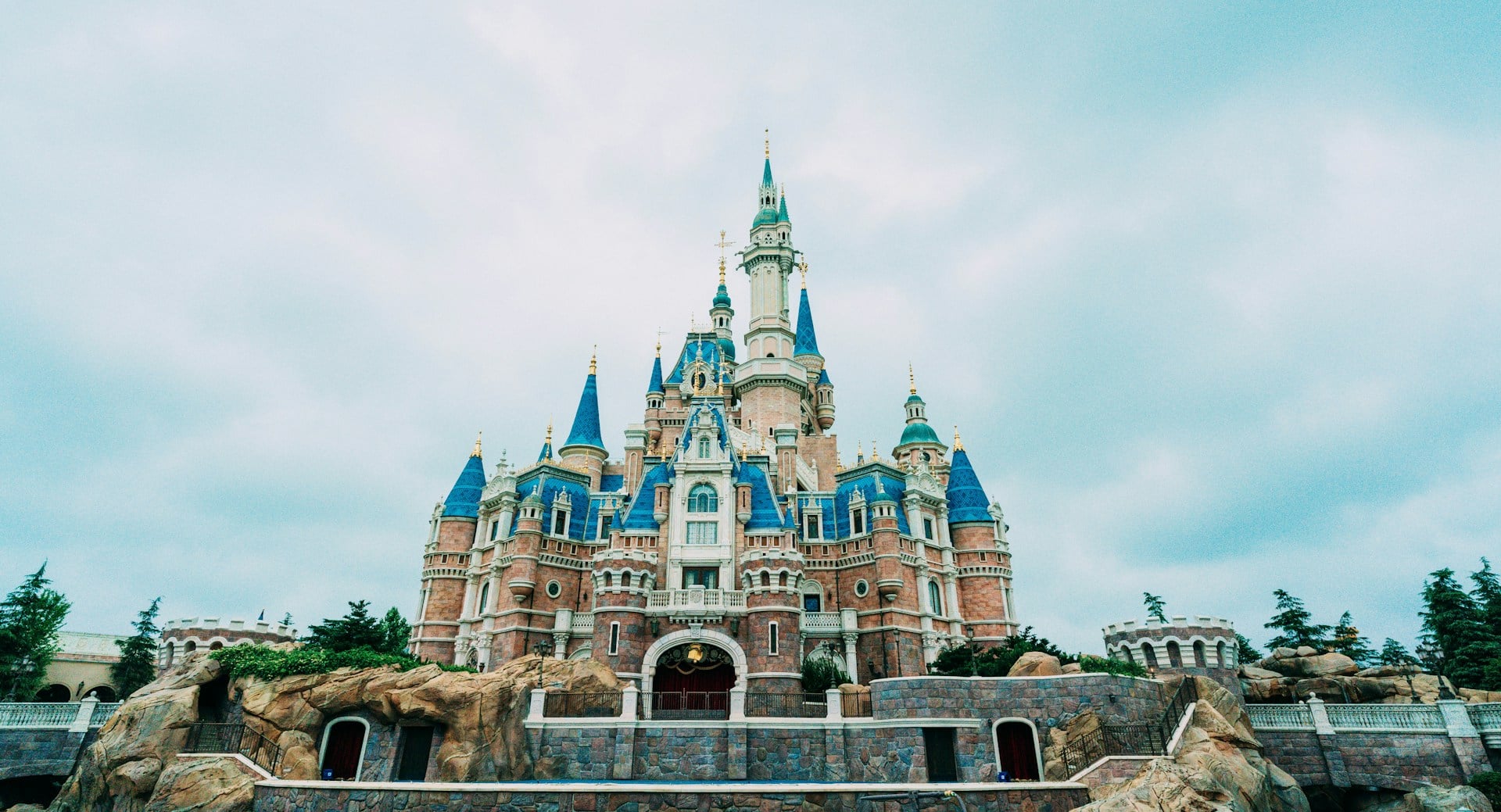
Big isn’t always better when space stretches thin. Walt Disney World spreads across nearly 25,000 acres – that’s close to how large San Francisco sits on the map.
Yet Tokyo Disneyland runs differently, squeezing every part tightly while keeping things lively inside a far tinier area. Though small, it holds just as much energy within its borders.
Alcohol Policies
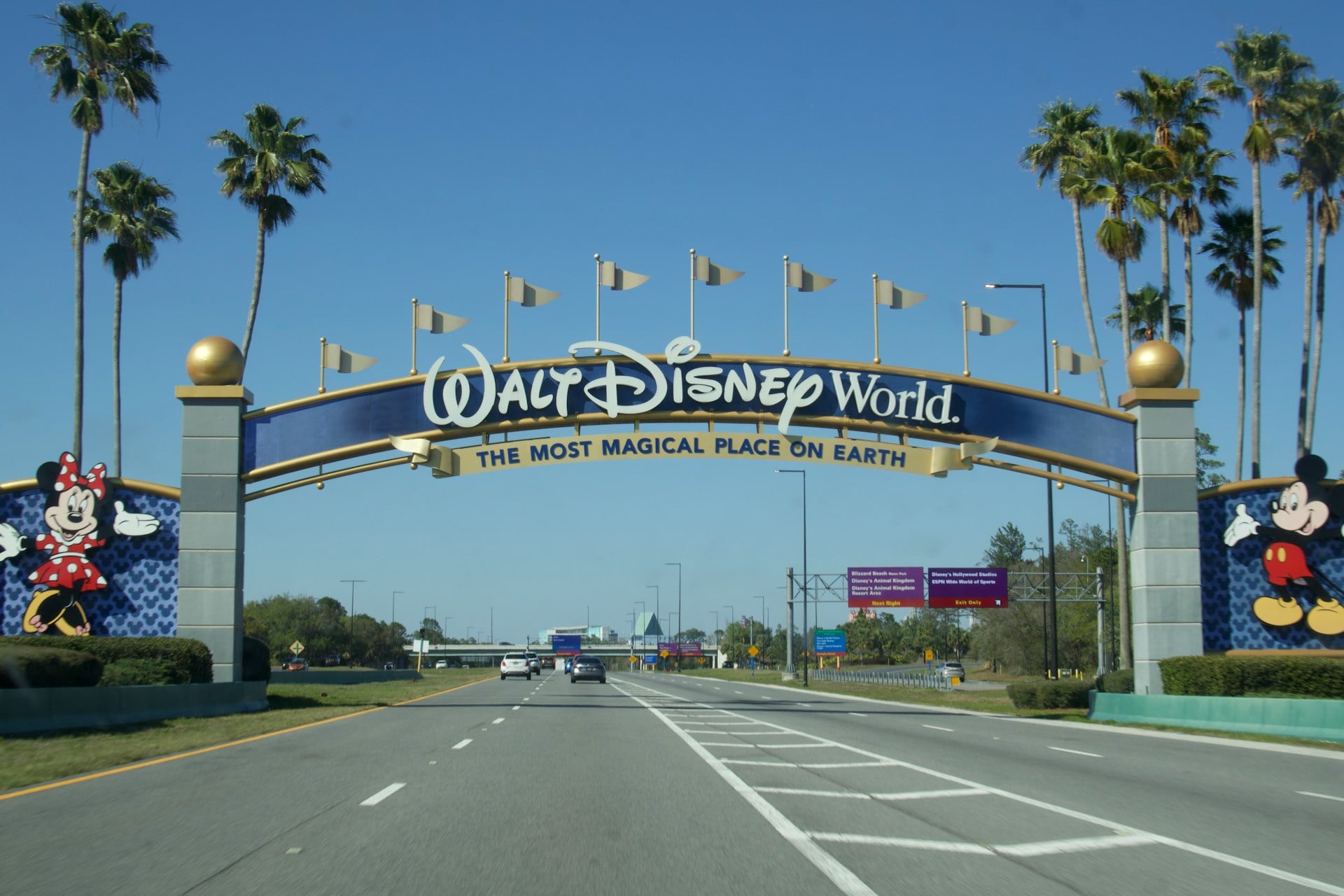
Alcohol? Not inside Disneyland in California – that’s how it stayed for decades. A choice made long ago, shaped by Walt Disney’s own preference for a spotless, kid-focused vibe.
Across the globe though, things unfold differently. Take Paris or Hong Kong: sipping beer near Sleeping Beauty Castle isn’t rare there.
Guests enjoy drinks without fuss. The contrast stands quiet but clear.
Unique Lands And Attractions

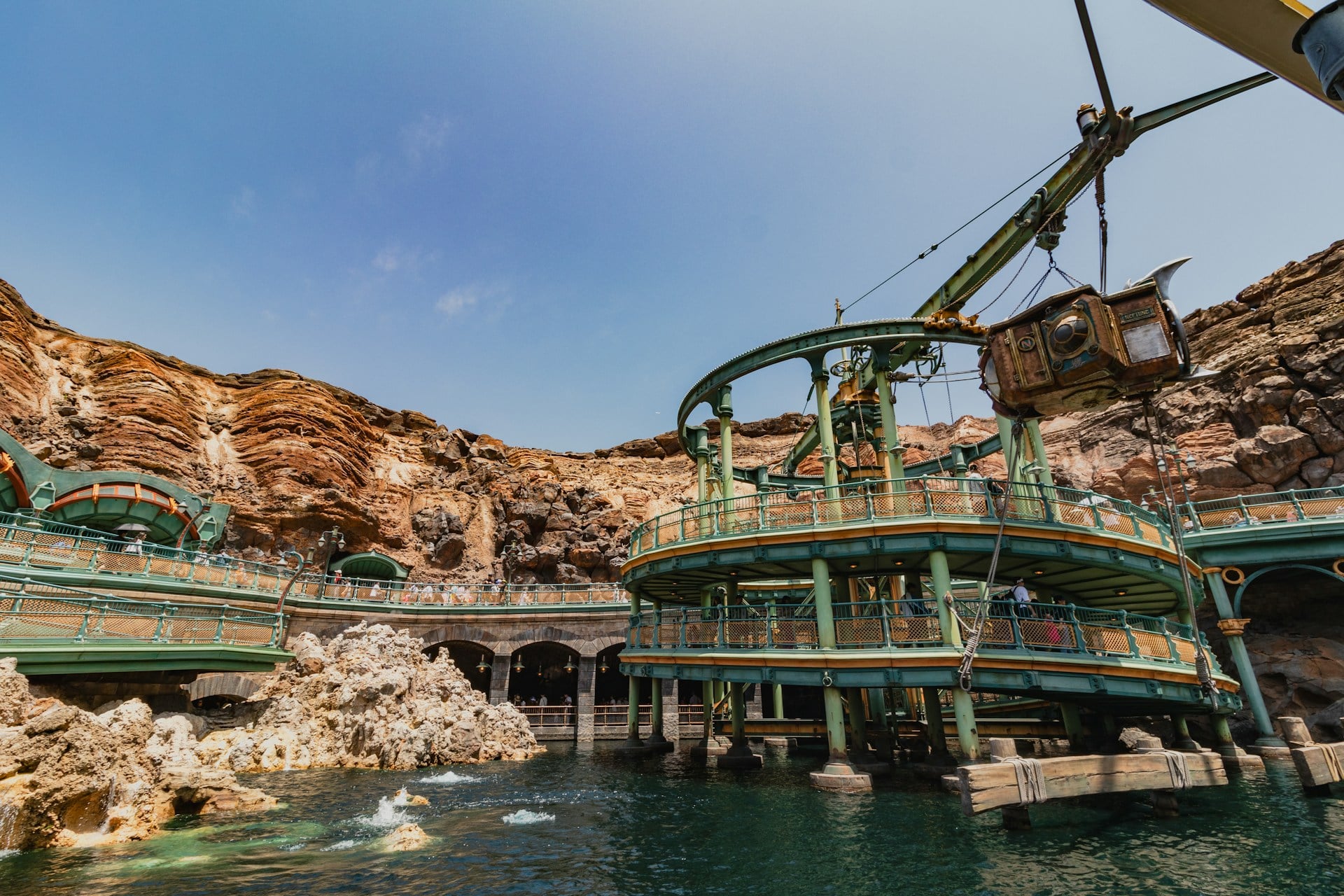
A towering volcano cradles Mysterious Island, a one-of-a-kind zone inside Tokyo DisneySea. Hidden within it are two rides known for their groundbreaking engineering across all Disney parks.
No other resort features this section – it belongs only here. Every theme park keeps something unique locked within its borders.
That singularity pulls visitors from far away without needing flashy promises.
Seasonal Celebrations
Winter festivities at Walt Disney World feel grand, yet they stand apart from those in Tokyo Disneyland – there, visitors arrive in elaborate outfits while the park emphasizes limited-edition items tied to themes. When Chinese New Year arrives, Shanghai Disneyland fills with customs-specific decor, acts, and dishes rooted firmly in regional tradition.
Each location’s schedule bends closely to the culture around it, shaped far more by national identity than corporate planning.
Cast Member Culture

Every little thing matters to workers at Tokyo Disneyland – they do more than anyone might anticipate. Run through a licensing deal, the resort operates under Japan’s Oriental Land Company, so daily routines mirror local workplace habits.
Around here, visitors keep saying it ranks among Earth’s smoothest-running theme destinations.
Crowd Behavior
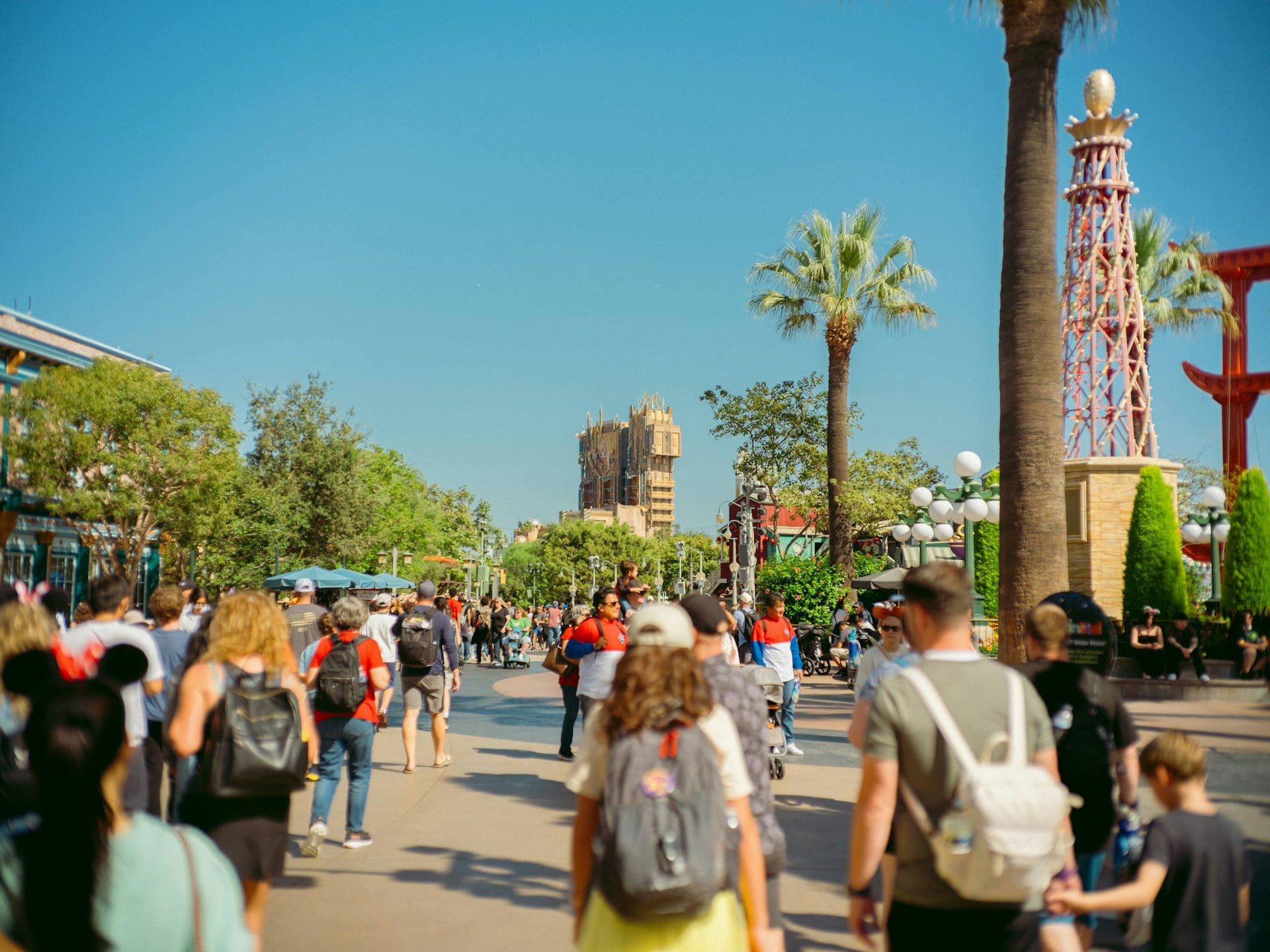
Wandering at their own pace – this is how visitors usually handle Disneyland Paris. Over in Florida, folks show up ready, clutching itineraries down to the minute.
Timers on phones beep. Shoes look built for miles.
That rhythm – the quiet stroll versus the sprint – it shapes everything around you. One place breathes slow.
Another hums like an engine. You feel it before you even notice.
Park Layout
Not built like the old blueprint from California, Shanghai Disneyland opens up its paths on purpose. Moving around feels looser because areas connect without forcing everyone through one middle spot.
Designers noticed how people in China walk through big places differently. So they skipped the classic center hub entirely.
Flow matters more when crowds choose their own routes. Space spreads out instead of pulling travelers inward.
Choices appear easier when there is no single heart to orbit. Walking straight ahead becomes normal, not rare.
Ticket Pricing
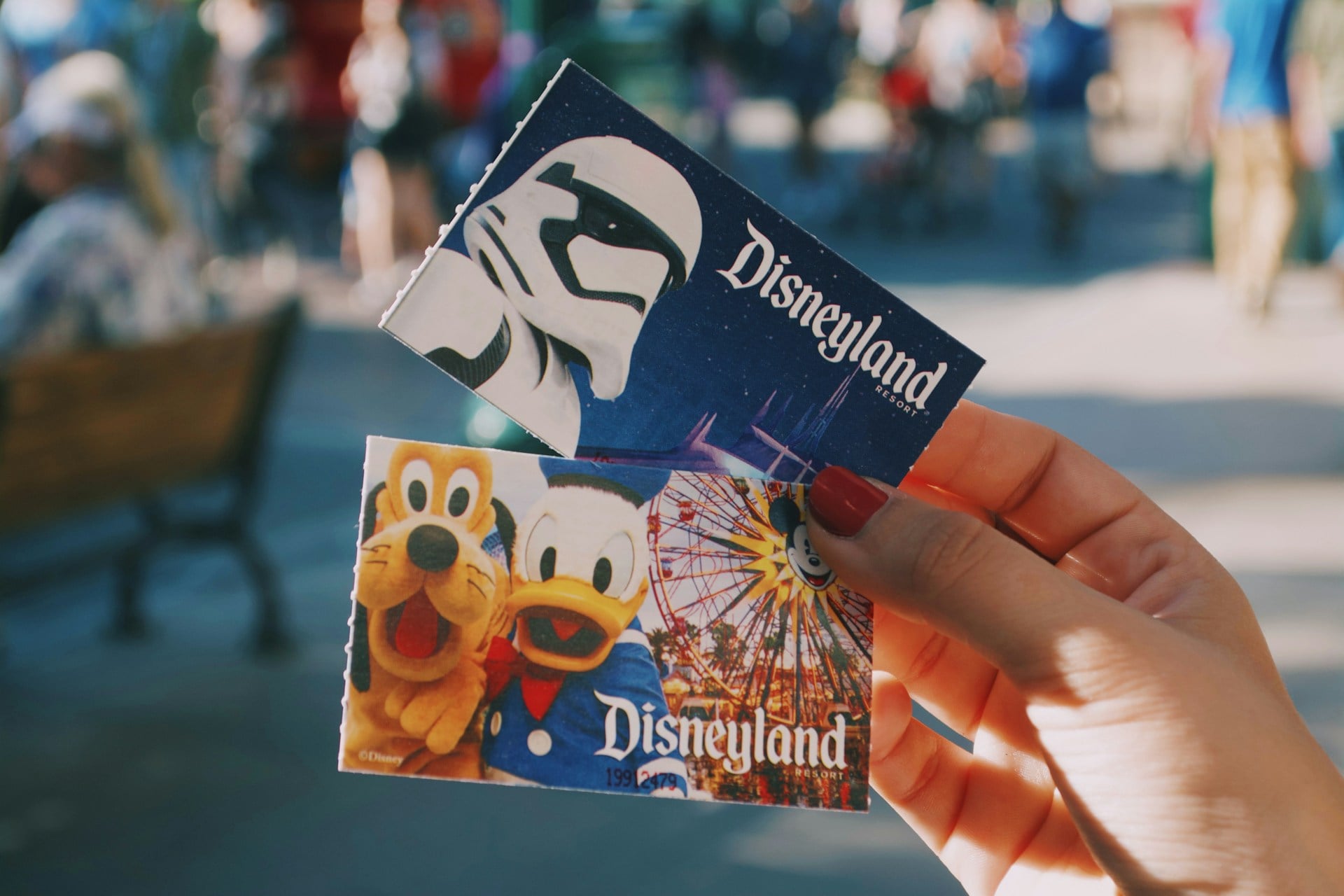
Spending a single day at Disneyland in California might mean paying more than 100 dollars, especially when crowds are thick – on busy days it nearly touches 200. Over in Europe, Disneyland Paris tends to charge less, its pricing shaped by what people earn there plus pressure from nearby amusement spots.
Farther east, Hong Kong’s version also keeps costs down through similar market forces. Then there is Tokyo Disneyland: not the cheapest, yet somehow pulling massive visitor totals every year unlike most others globally.
Character Meet-And-Greet Availability

In American Disney parks, meeting a character often means standing in a line that stretches longer than most people’s lunch breaks. Tokyo Disneyland handles this differently, sometimes featuring characters in open parades or surprise appearances that feel more spontaneous.
Hong Kong Disneyland has historically offered more intimate character experiences because of its smaller scale.
Ride Theming
Disneyland Paris has a version of Space Mountain that features a cannon launch and a full steampunk design that looks nothing like its American counterpart. The park was designed with a more dramatic and visually intense style to appeal to European guests.
Many rides share the same name across parks but tell entirely different stories inside.
Language And Signage

At Walt Disney World and Disneyland, English is the default language on every sign, ride narration, and show. Hong Kong Disneyland operates in Cantonese, Mandarin, and English to serve its diverse audience.
Shanghai Disneyland conducts most of its operations in Mandarin, with English available as a secondary option, which makes the experience feel deeply rooted in its local identity.
Shopping Culture

At Tokyo Disneyland, merchandise shopping is treated almost like a sport. Guests line up before park opening to buy limited-edition items, and certain products sell out within hours.
American parks sell a lot of merchandise too, but the level of dedication and the sheer variety of exclusive goods available in Japan is in a different league entirely.
Entertainment And Live Shows
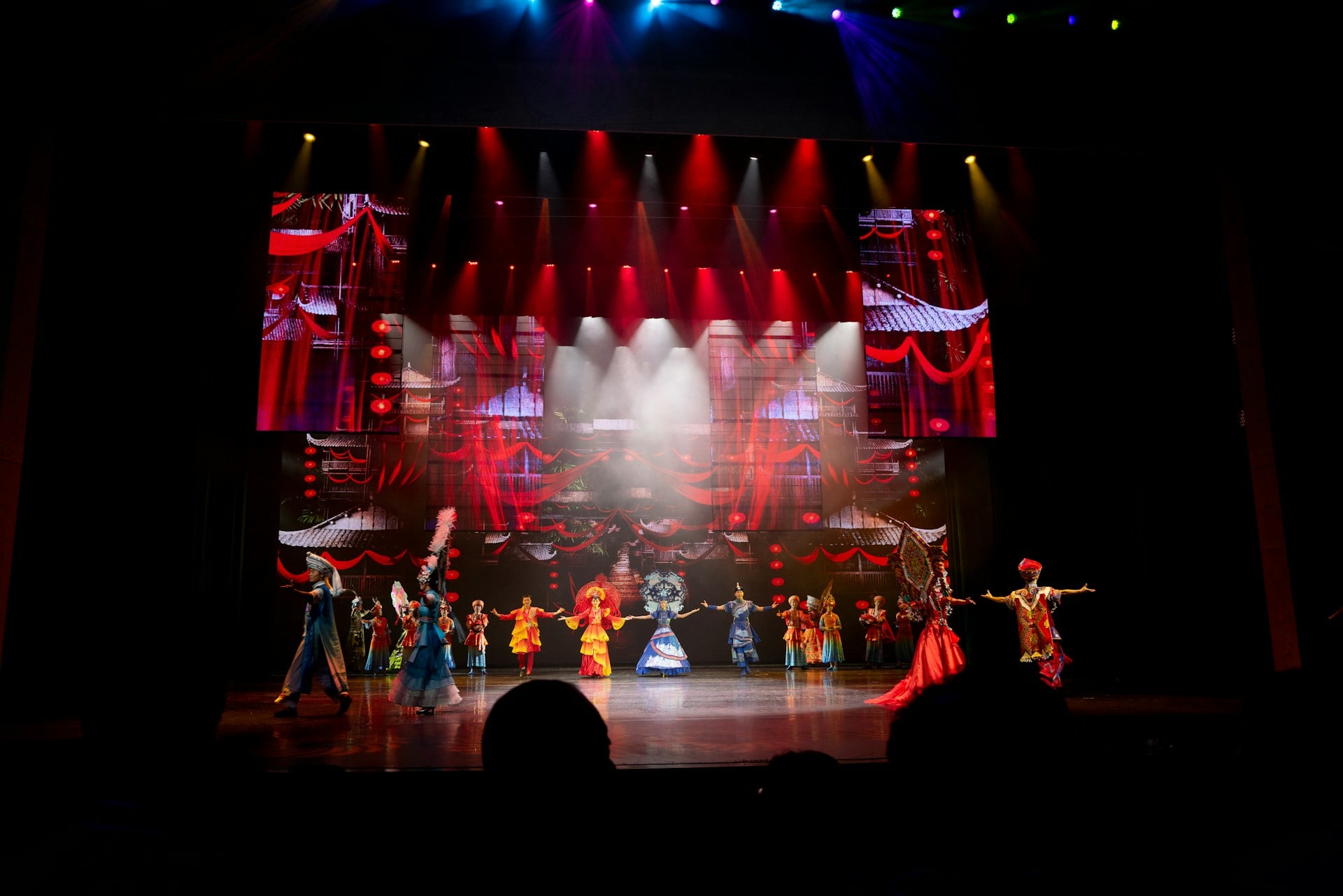
Disneyland Paris puts on theatrical productions that rival proper stage shows in quality and budget. Walt Disney World is known for its large-scale nighttime spectaculars involving fireworks, water screens, and projection mapping.
Tokyo Disneyland leans into elaborate daytime parades with detailed floats and costumed performers that draw massive crowds every single time.
The Role Of Technology

Shanghai Disneyland opened in 2016 and was built from the ground up with modern technology in mind. It has some of the most advanced ride systems in any Disney park, including a trackless dark ride called ‘TRON Lightcycle Run’ that runs on a design not available at older parks.
Older parks like the original Disneyland in California are constantly retrofitting technology into spaces that were never designed for it.
Local Partnership Influence

Hong Kong Disneyland is partly owned by the Hong Kong government, and that partnership has a real effect on how the park operates and grows. Tokyo Disneyland is not even owned by Disney directly; it is licensed to Oriental Land Company, which holds a lot of creative control over day-to-day operations.
These ownership structures quietly shape everything from park expansion plans to how complaints get handled.
One Disney, Many Worlds

What is fascinating is that Disney set out to build the same dream in every country and ended up creating something different in each one. The core ideas stay the same: friendly characters, clean parks, and a sense that the outside world does not exist for a few hours.
But culture, ownership, local taste, and decades of independent decisions have made each park genuinely its own thing. Anyone who thinks they have seen it all after visiting one Disney park has a lot of pleasant surprises waiting for them elsewhere.
More from Go2Tutors!

- The Romanov Crown Jewels and Their Tragic Fate
- 13 Historical Mysteries That Science Still Can’t Solve
- Famous Hoaxes That Fooled the World for Years
- 15 Child Stars with Tragic Adult Lives
- 16 Famous Jewelry Pieces in History
Like Go2Tutors’s content? Follow us on MSN.



