21 Historic Hotels With Unusual Histories
Most hotels hope to be forgettable in the best way, with comfortable beds, good service, and nothing strange to report. The hotels on this list failed at that on purpose or by accident.
These 21 properties have hosted secret bunkers, world-changing conferences, escaped tigers, and at least one cat with its own place at the table. Each one has a story that outshines its room rates.
Hotel del Coronado, California
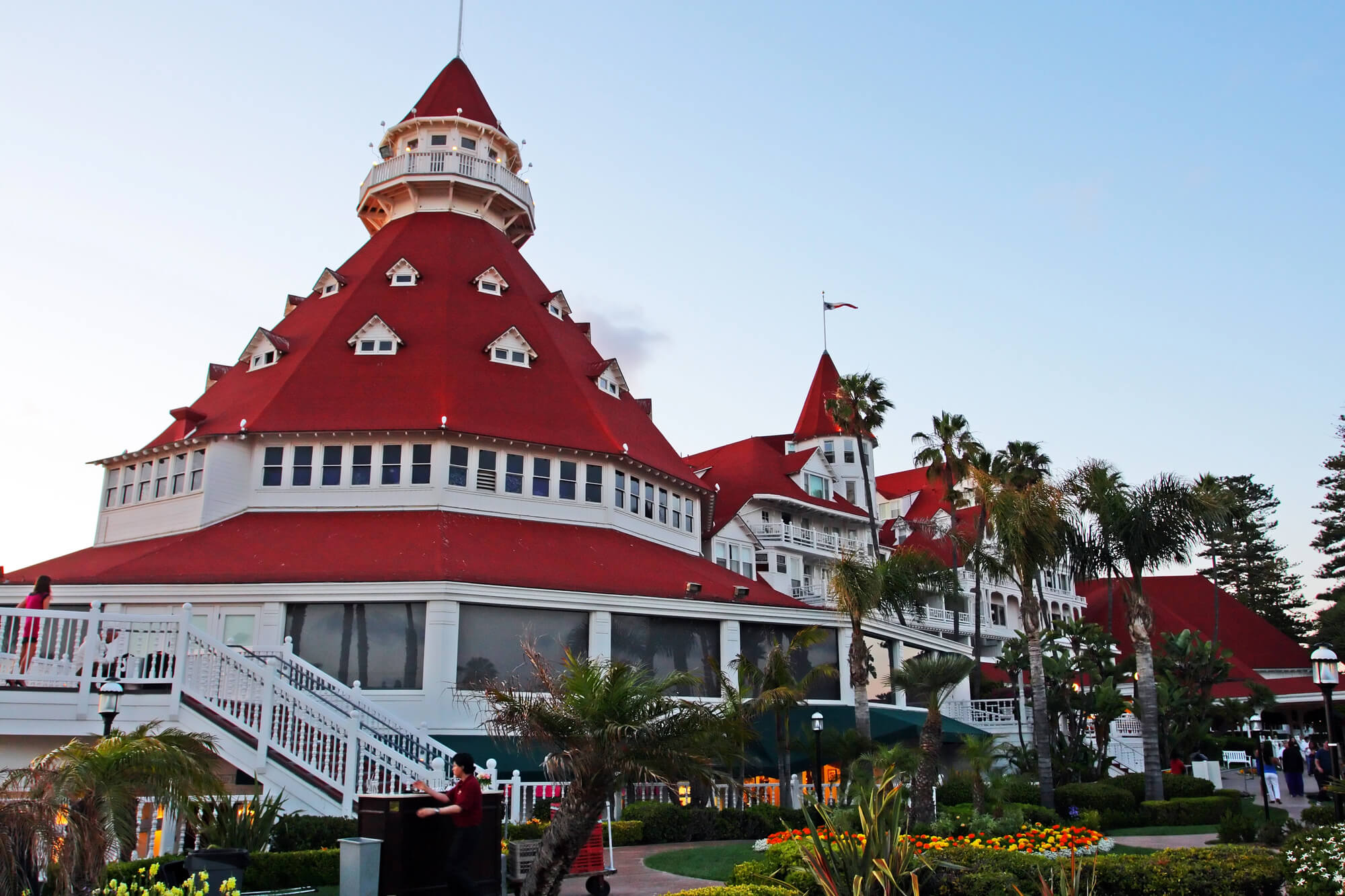
The Hotel del Coronado opened on Coronado Island near San Diego in 1888 and was reportedly wired for electric lighting with help from Thomas Edison. It is also the setting for a famous ghost story about Kate Morgan, a guest who was found dead on the steps outside in 1892.
The 1959 comedy Some Like It Hot was filmed there, and the building’s red-roofed Victorian silhouette is still instantly recognizable.
The Stanley Hotel, Colorado
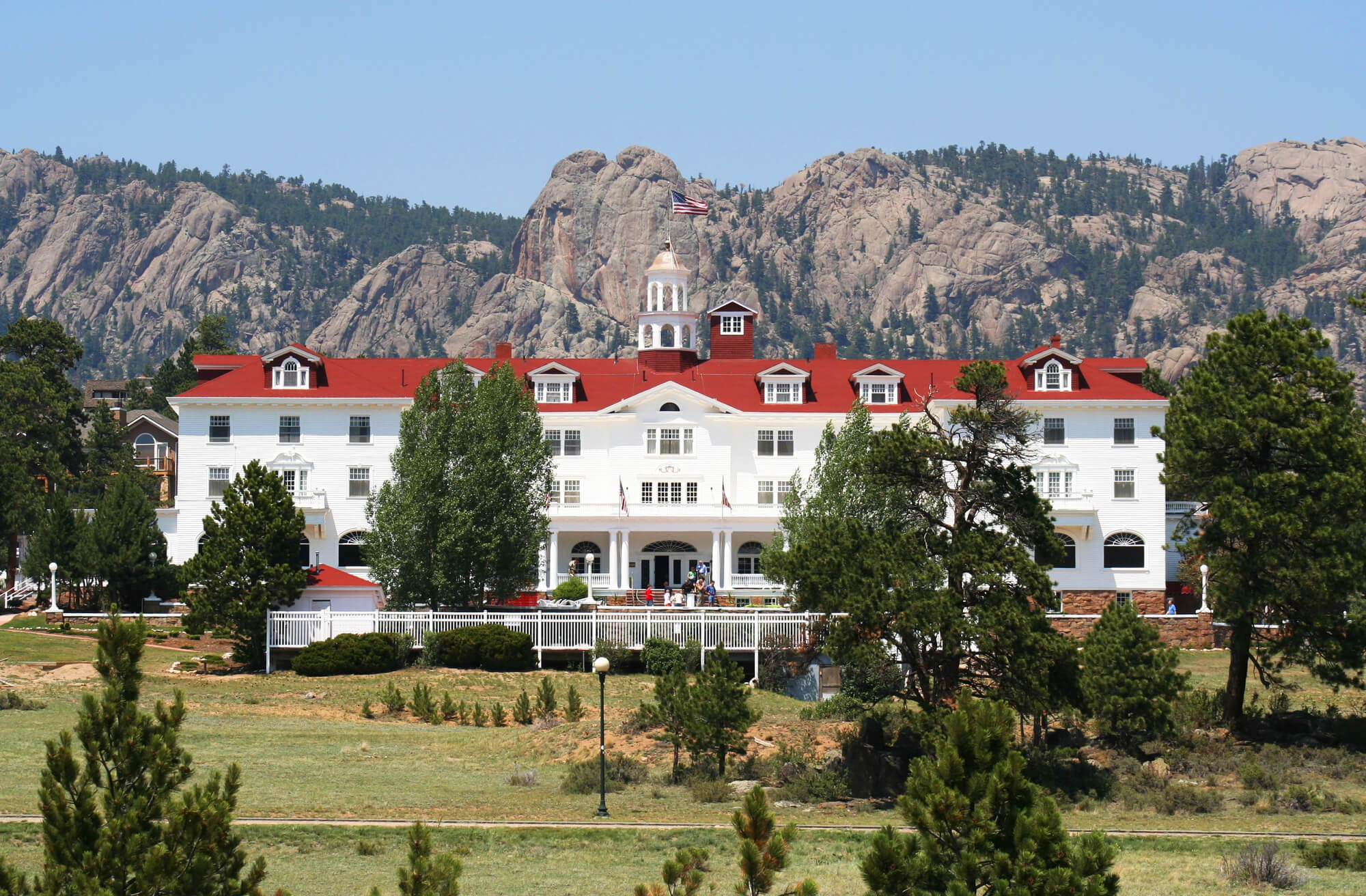
Automobile pioneer F. O. Stanley, who built the Stanley Steamer, opened this hotel in Estes Park in 1909. In October 1974, author Stephen King and his wife spent a night in Room 217 on the hotel’s final evening before closing for the season.
The stay inspired the haunted hotel in his novel The Shining.
Hotel Chelsea, New York
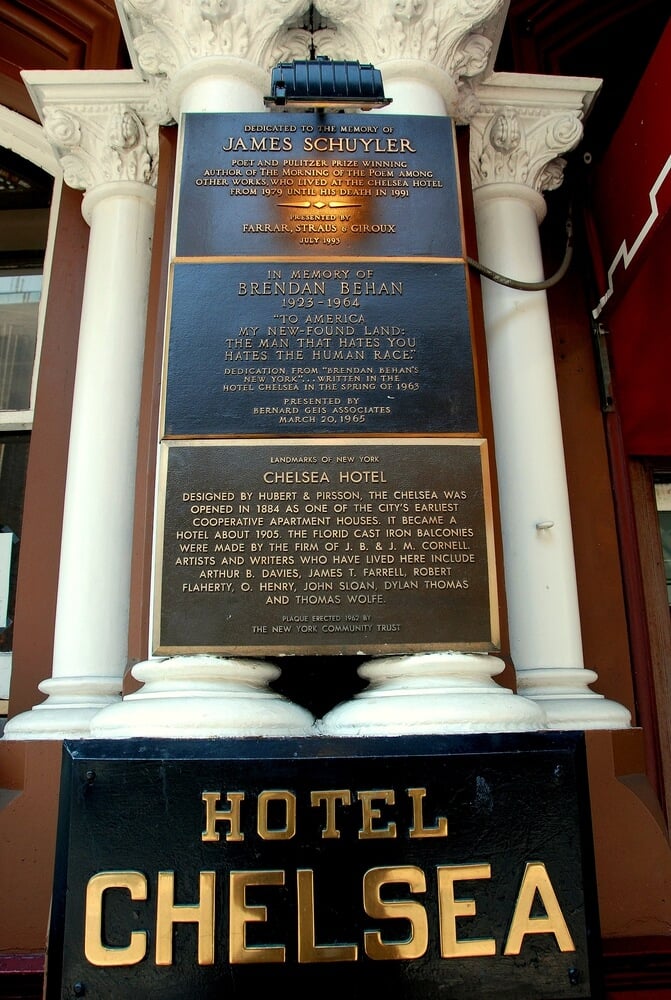
Hotel Chelsea opened in the 1880s and housed an extraordinary run of writers, musicians, and artists, including Dylan Thomas, Leonard Cohen, and Janis Joplin. Arthur C. Clarke wrote part of 2001: A Space Odyssey there.
The hotel became as famous for its residents as for its guests, and its brick facade still carries plaques honoring them.
Raffles Hotel, Singapore
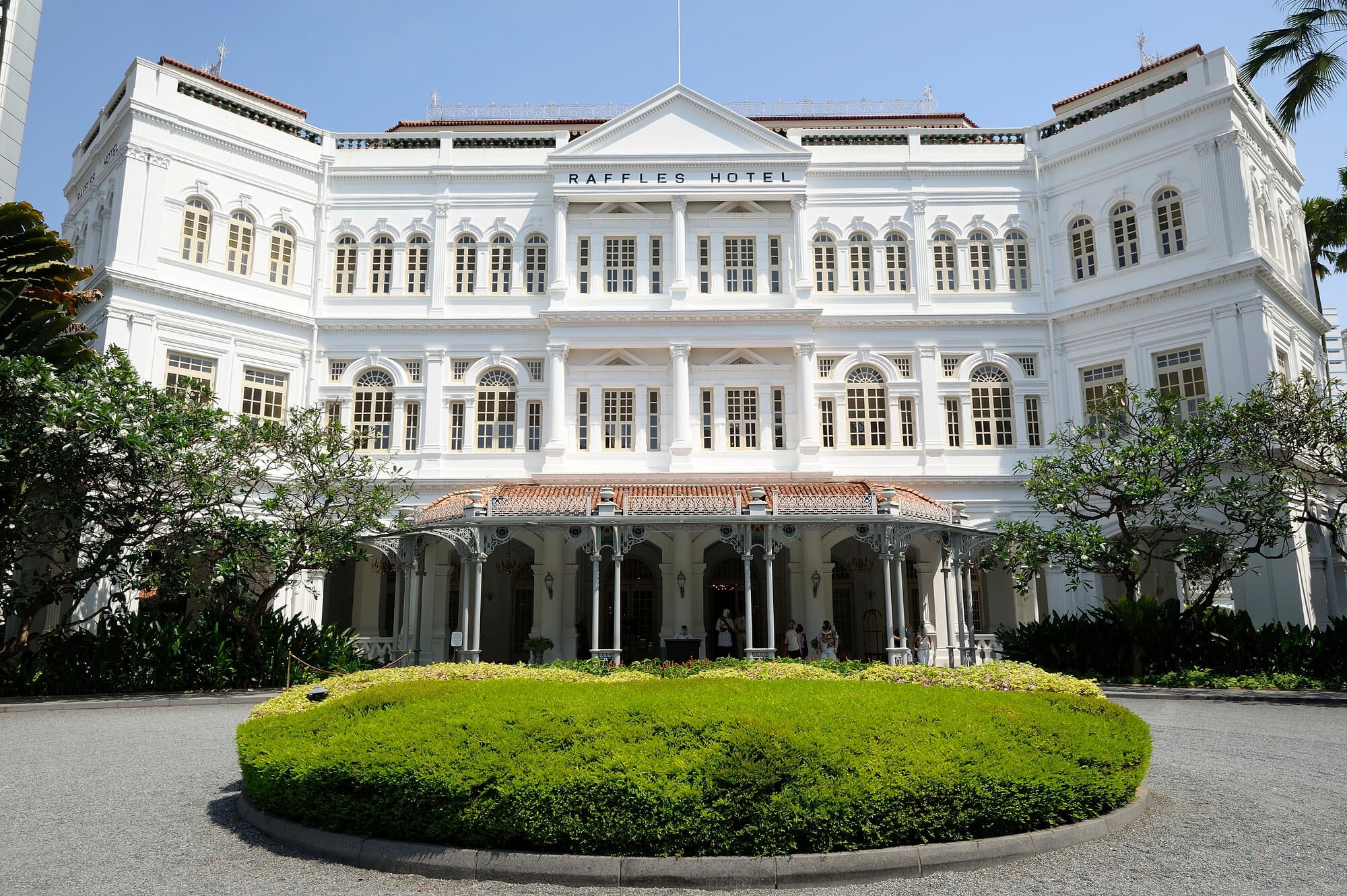
Raffles opened in 1887, and its Long Bar is credited as the birthplace of the Singapore Sling, a gin cocktail created around 1915 by bartender Ngiam Tong Boon. A famous story holds that a tiger escaped from a circus in 1902 and was shot under the billiard room floor.
Whatever the truth of the tiger, the hotel has remained an icon of colonial-era travel.
The Brown Palace, Colorado
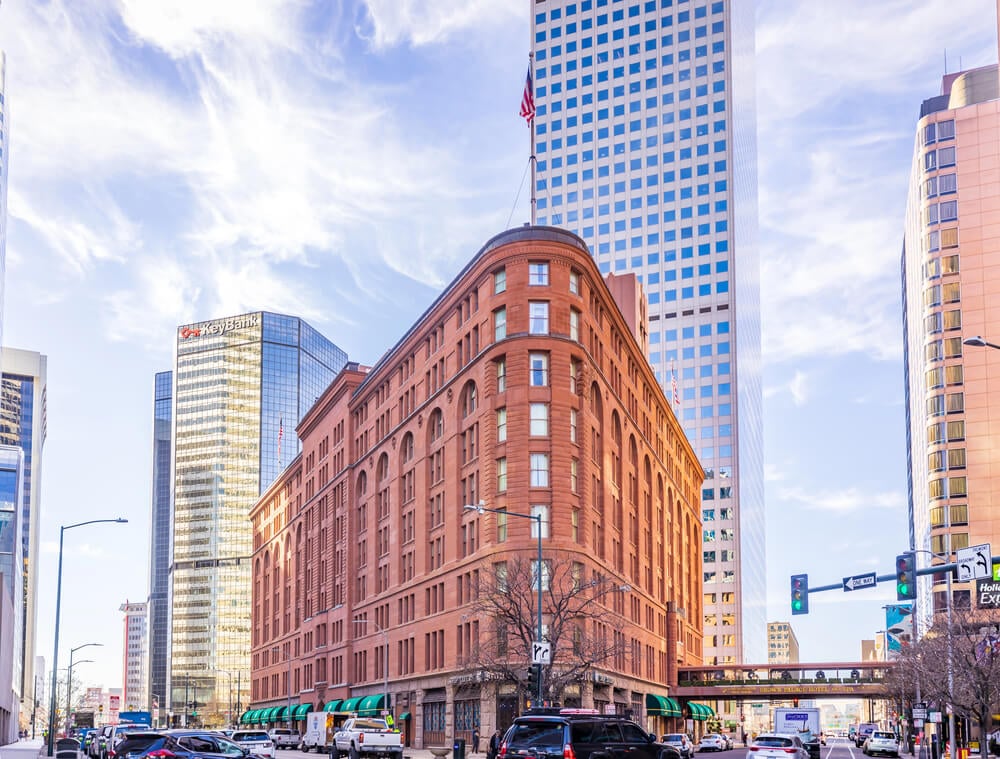
The Brown Palace in Denver opened in 1892 with an eight-story atrium lobby, and it draws its water from its own artesian well, which reaches roughly 750 feet down. It has hosted presidents, and the Beatles stayed there in 1964.
Its triangular shape was dictated by the odd lot it sits on.
The Mount Washington Hotel, New Hampshire
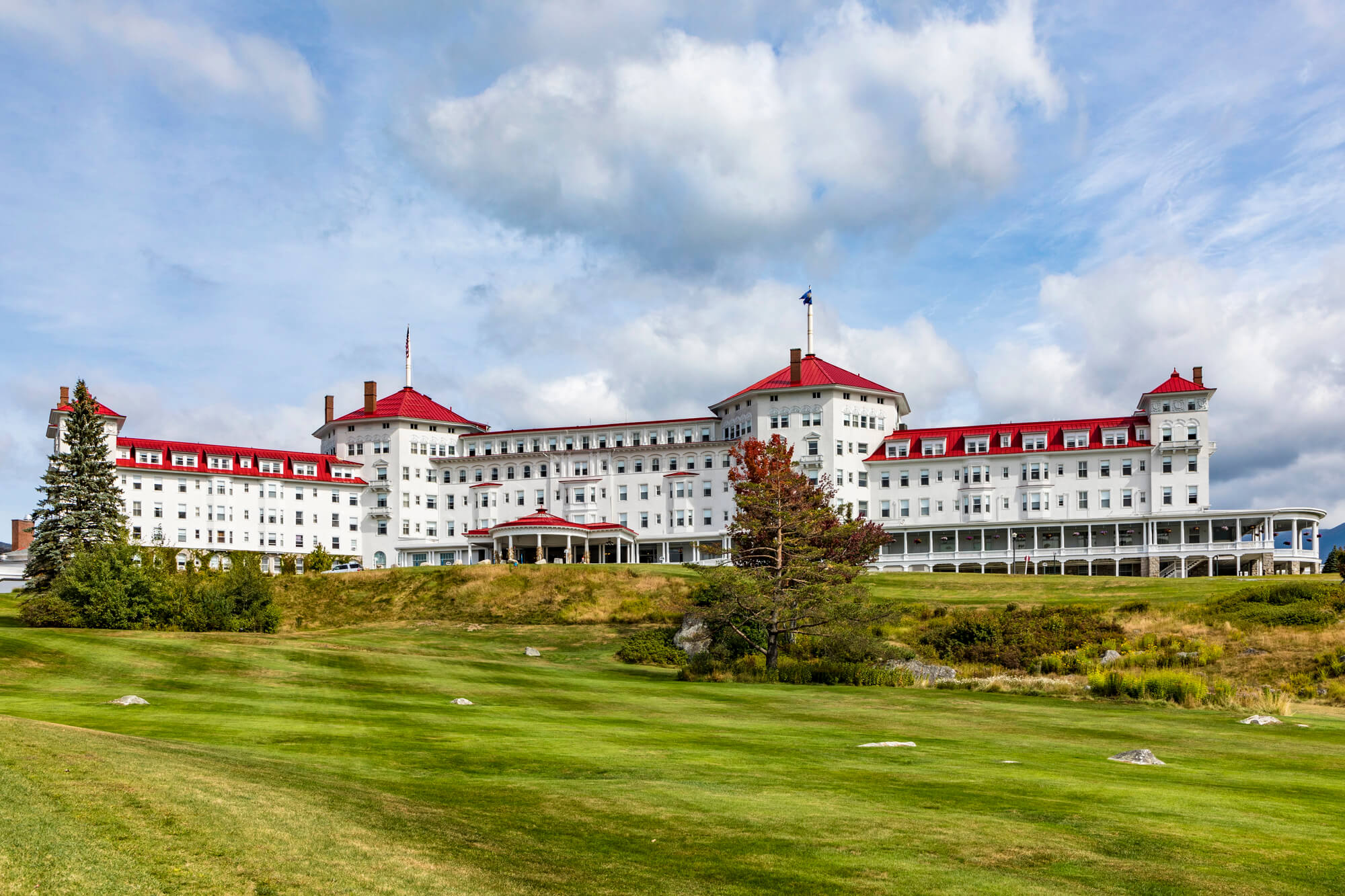
In July 1944, delegates from 44 nations gathered at this grand resort in Bretton Woods to plan the postwar financial order. The Bretton Woods Conference led directly to the creation of the International Monetary Fund and the World Bank.
The hotel opened in 1902 and looks little like a place where global economics was reshaped.
Hotel Monteleone, Louisiana
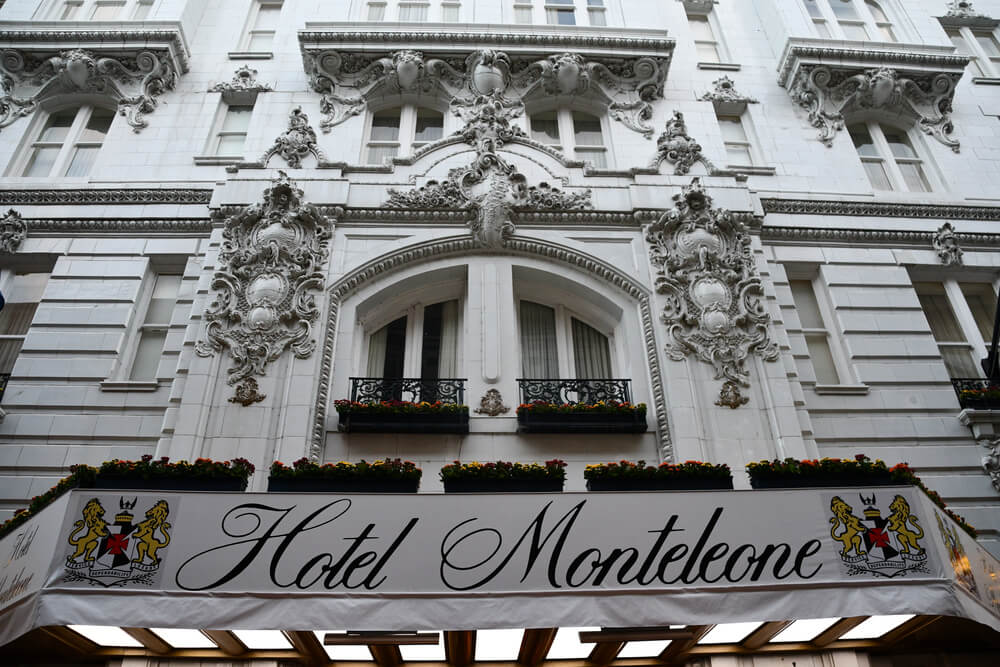
Hotel Monteleone has stood in the French Quarter of New Orleans since 1886 and is run by the same family. Its Carousel Bar, installed in 1949, rotates once about every 15 minutes, and guests have to catch their stool as it moves.
Writers including Ernest Hemingway, William Faulkner, and Truman Capote are linked to the hotel.
The Crescent Hotel, Arkansas
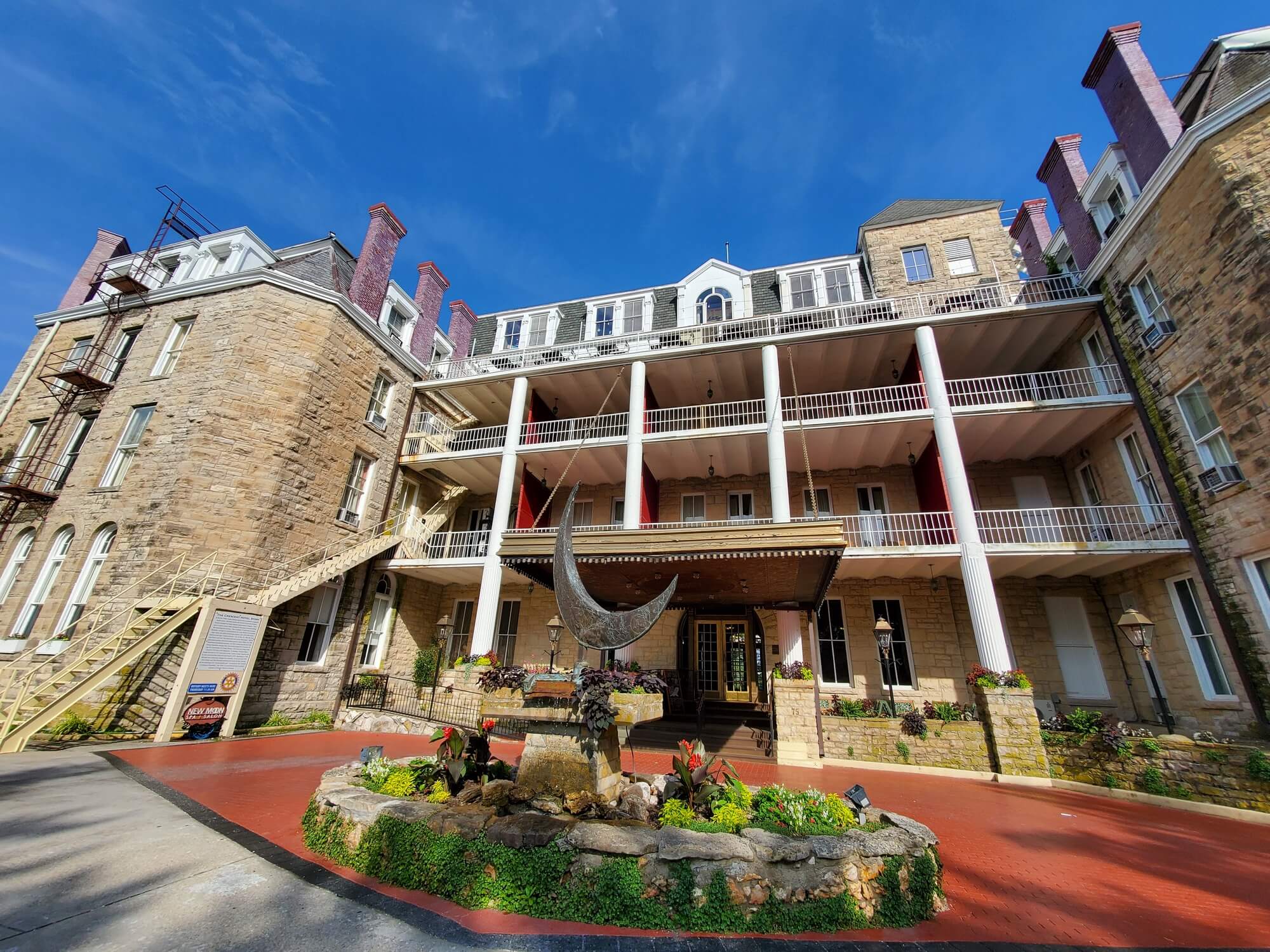
The Crescent Hotel in Eureka Springs opened in 1886 as a luxury resort and later served as a college. In 1937, a radio showman named Norman Baker bought it and ran it as a cancer hospital based on cures with no medical basis.
He was convicted of mail fraud in 1940, and the building later reopened as a hotel that markets its haunted reputation.
The Omni Parker House, Massachusetts
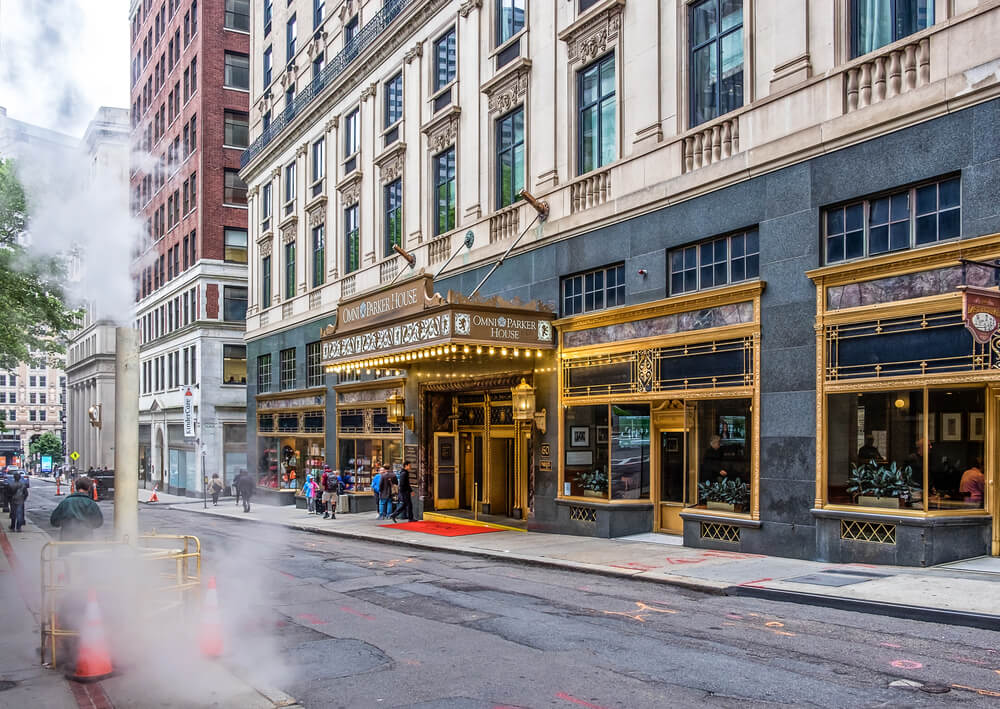
Boston’s Parker House opened in 1855 and is claimed to be the birthplace of both Boston cream pie and the soft Parker House roll. The hotel has been in operation continuously since opening, which makes it one of the oldest hotels in the United States.
Its dining room set a standard that other hotel kitchens followed.
The Ritz Paris, France
César Ritz opened his hotel on Place Vendôme in 1898, and it became a magnet for artists, royalty, and celebrities. Coco Chanel lived at the hotel for more than 30 years.
Hemingway famously claimed to have liberated its bar in 1944, and Princess Diana left the hotel on her final night in 1997.
The Savoy, England
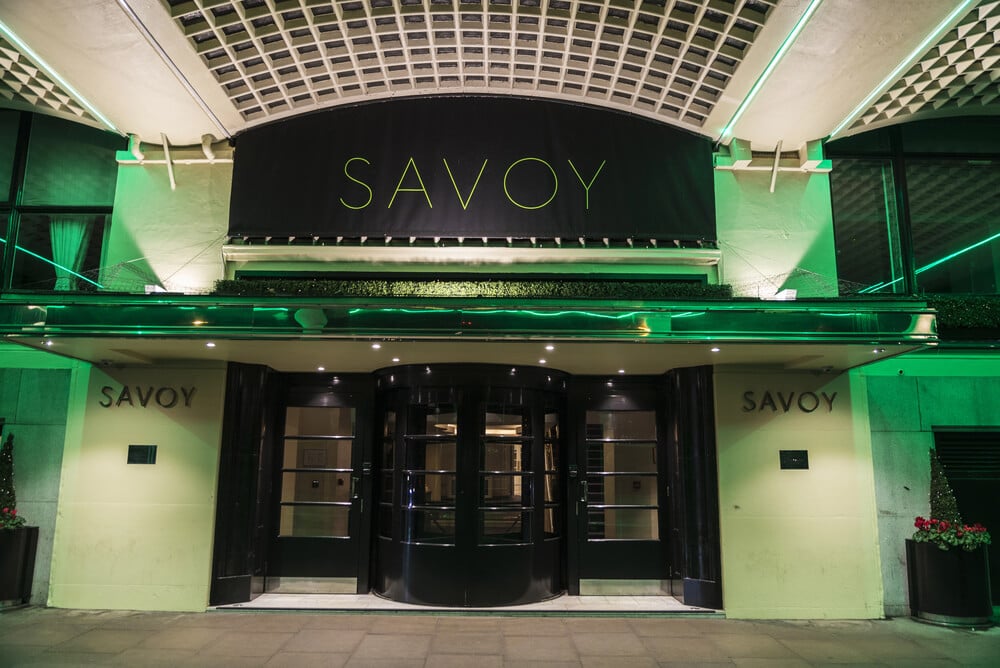
The Savoy opened in London in 1889 and was among the first hotels in Britain with electric lighting throughout. Another quirk is a three-foot wooden black cat named Kaspar, who sits at the table when a party of 13 is dining so the group is not unlucky.
The sculpture was created in 1927 after a diner worried about the bad omen.
The Algonquin Hotel, New York
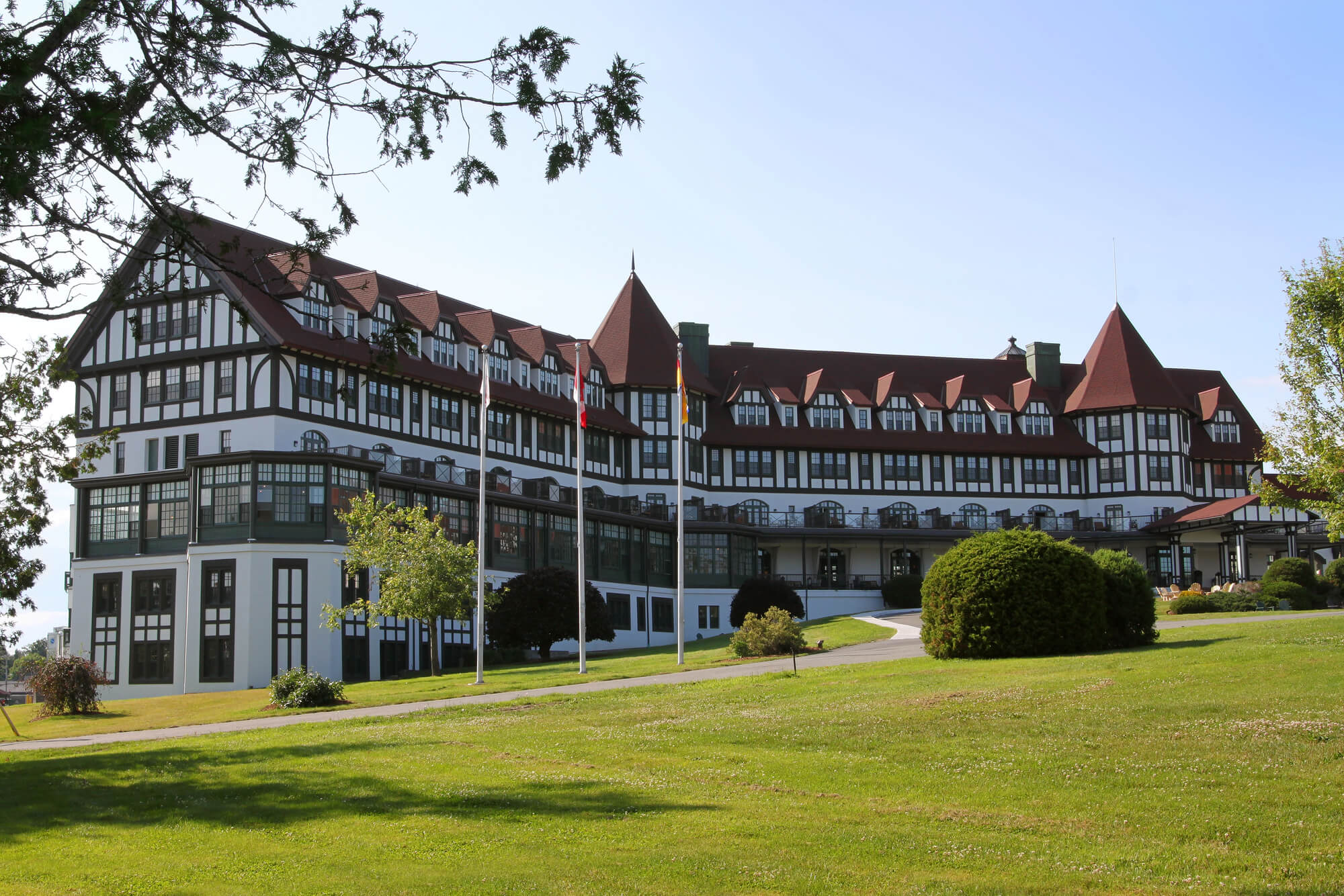
In the 1920s, a group of writers and critics, including Dorothy Parker, met almost daily for lunch at the Algonquin in what became known as the Round Table. Their witty banter was reported in newspapers across the country.
The hotel also keeps a resident cat, a tradition that stretches back decades.
Mena House, Egypt
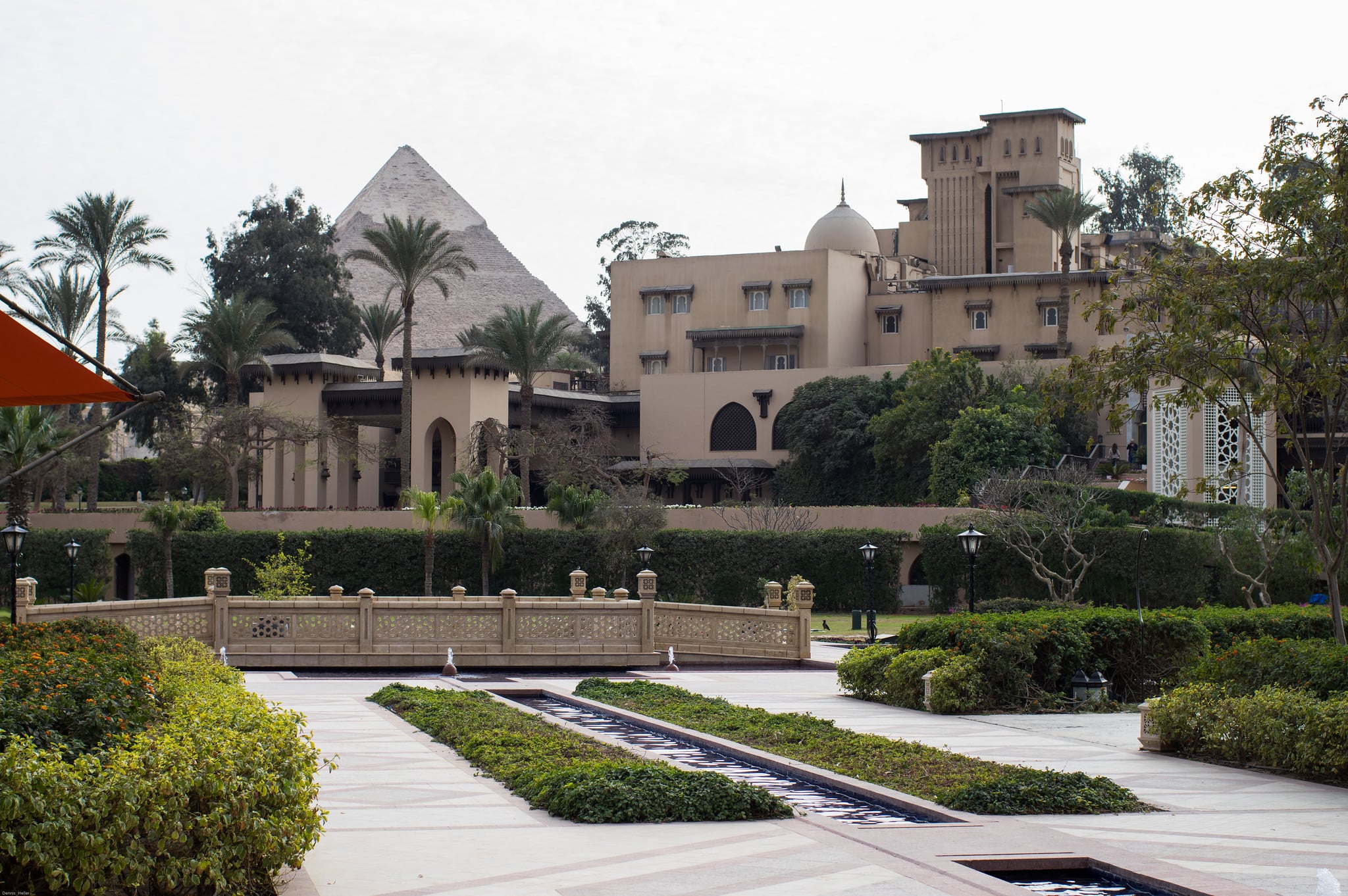
Mena House stands at the foot of the Giza pyramids and began as a royal hunting lodge in the 1860s before becoming a hotel. In November 1943, Roosevelt, Churchill, and Chiang Kai-shek met there for the Cairo Conference to plan the war against Japan.
Many rooms look straight at the Great Pyramid.
The Imperial Hotel, Tokyo
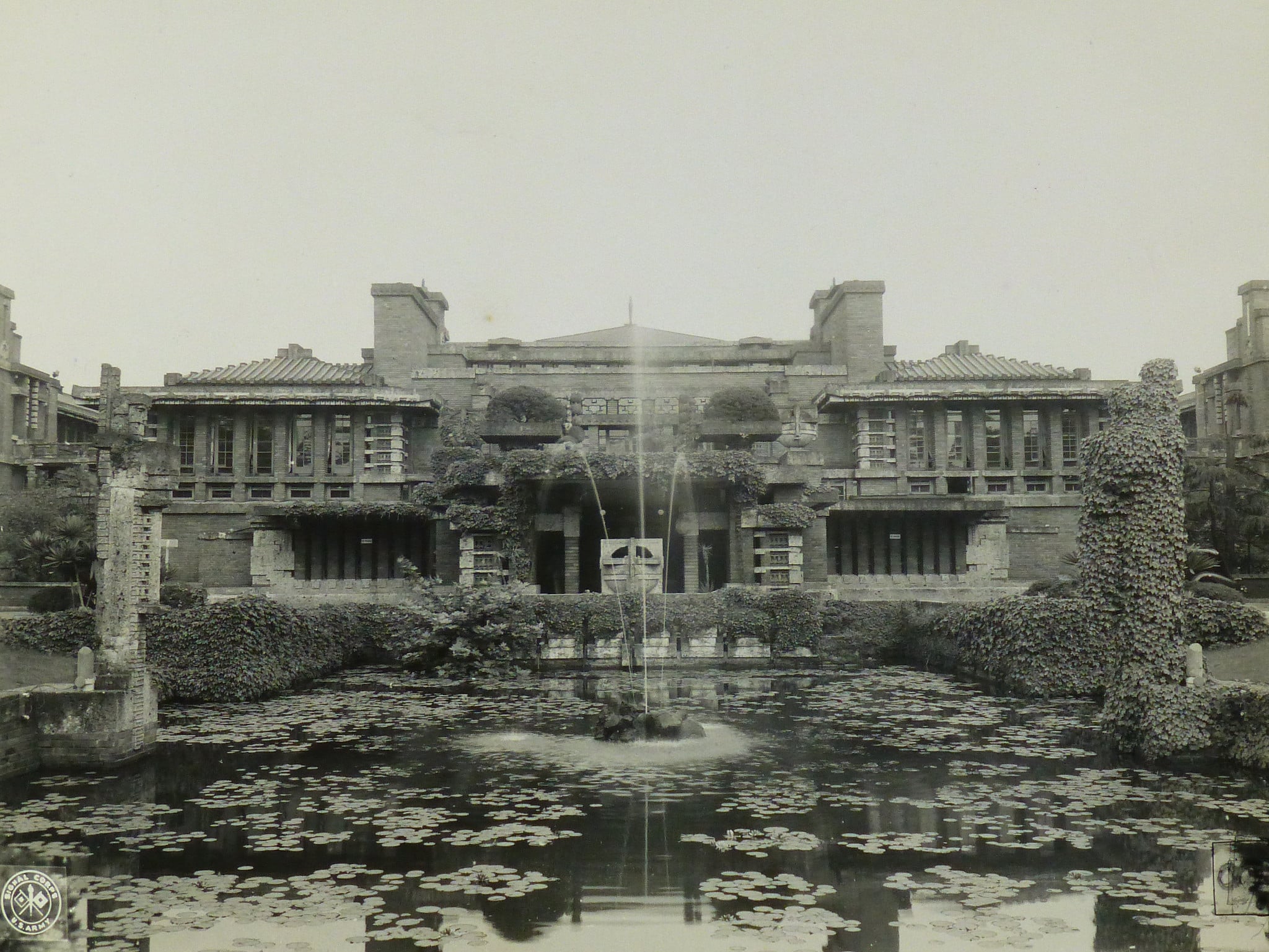
Frank Lloyd Wright designed the Imperial Hotel, which opened on September 1, 1923, the same day the Great Kanto Earthquake hit Tokyo. The building came through with relatively little damage, which helped cement Wright’s reputation.
The structure was demolished in 1968, and its entrance hall was later rebuilt at the Meiji-mura open-air museum.
The Palace Hotel, California
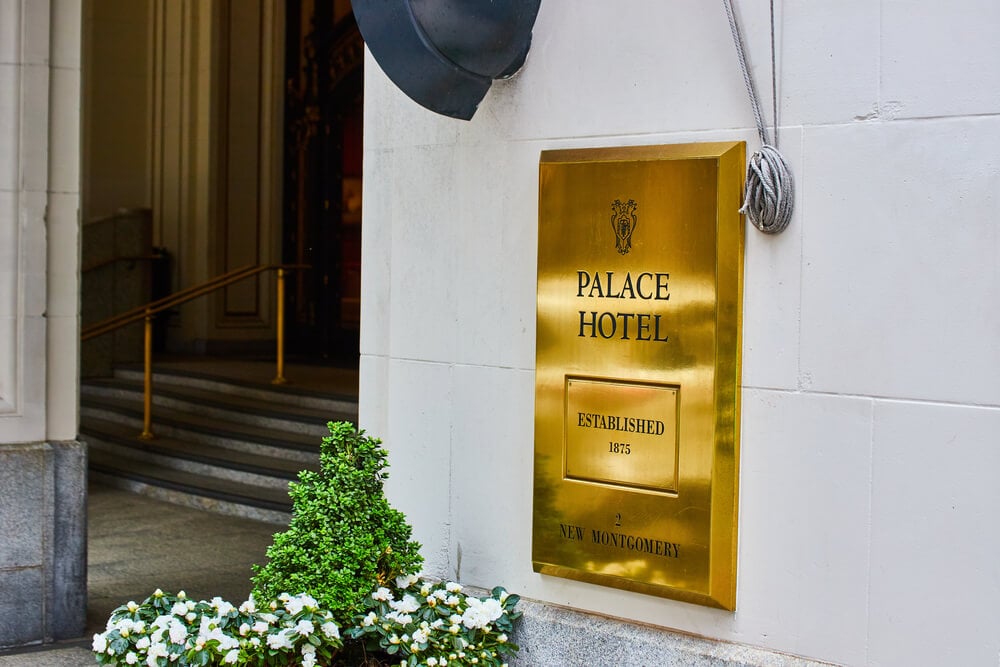
The Palace Hotel in San Francisco opened in 1875 and was celebrated as the most luxurious hotel in the American West. The great opera singer Enrico Caruso was staying there when the 1906 earthquake struck, and the hotel was later destroyed by the fires that followed.
It reopened in 1909 and remains a landmark.
The Greenbrier, West Virginia
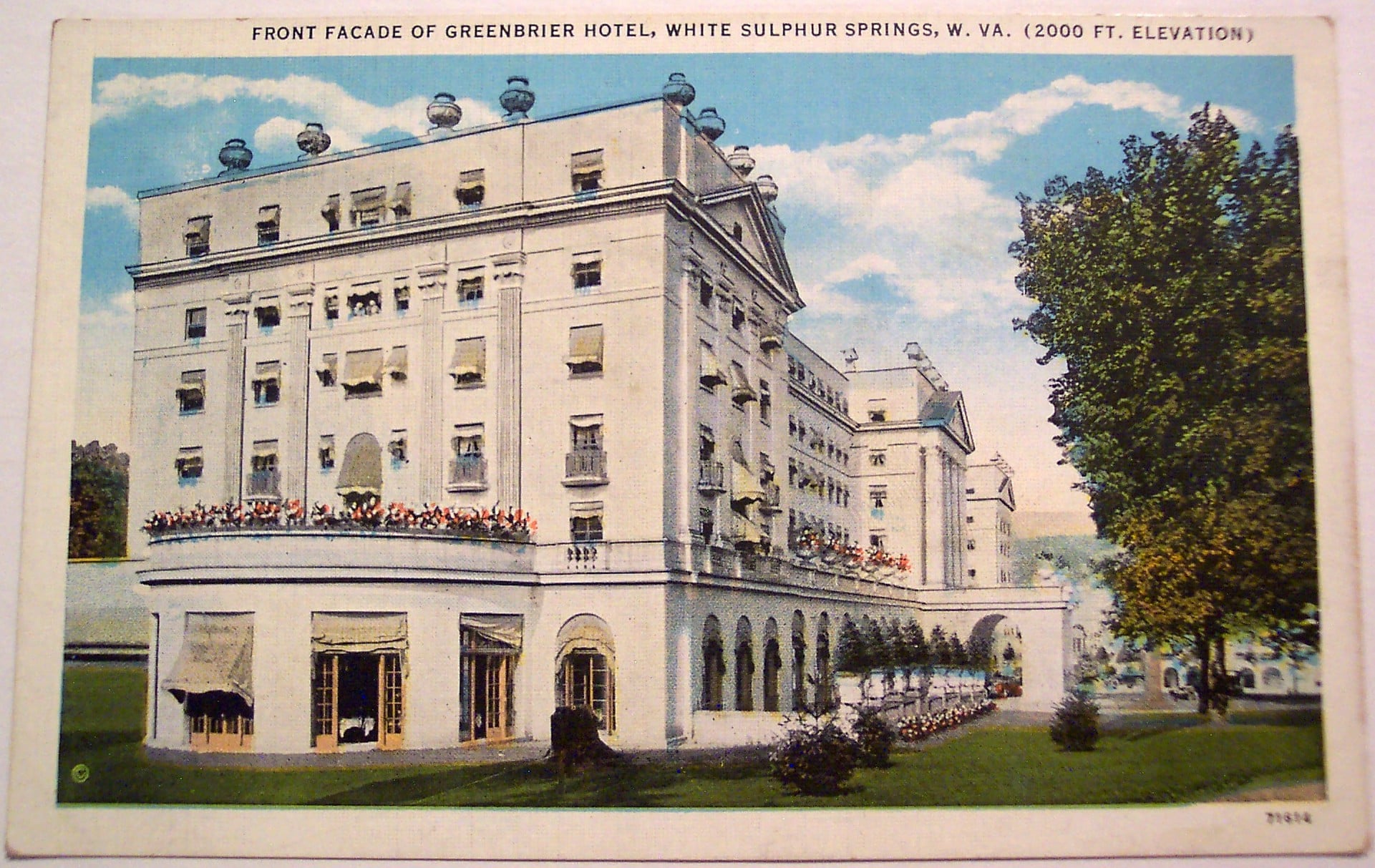
Beneath this resort in White Sulphur Springs, the federal government built a massive bunker in the late 1950s designed to house the United States Congress in a nuclear attack. It was disguised as a conference center for decades.
The secret was revealed by The Washington Post in 1992, and the bunker is now open for tours.
The Willard InterContinental, Washington
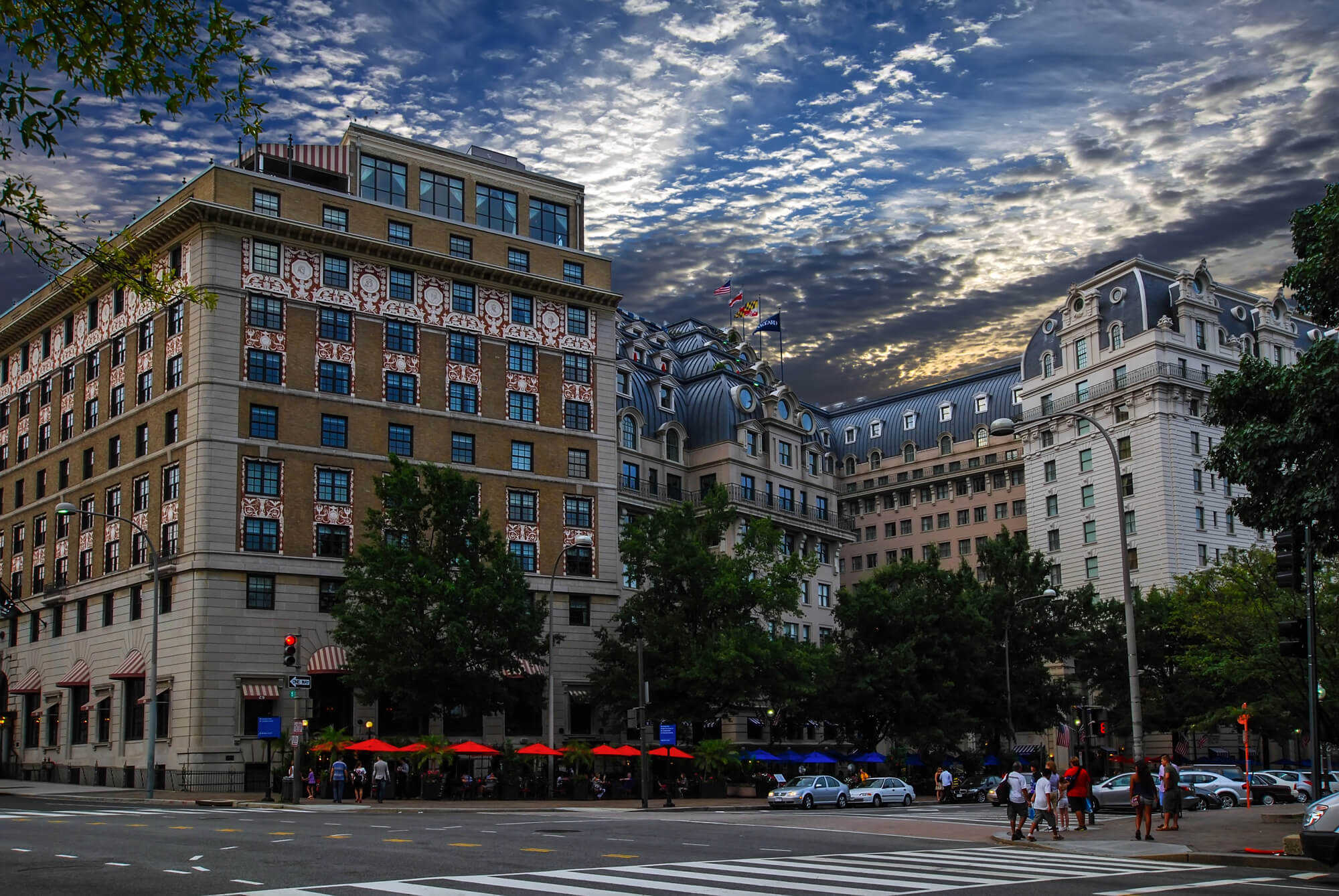
Abraham Lincoln stayed at the Willard in the weeks before his inauguration in 1861, and the hotel was a hub for politicians for generations. In 1963, Martin Luther King Jr. worked on his historic March on Washington speech there.
The hotel remains one of the most storied addresses in the capital.
The Peabody Memphis, Tennessee
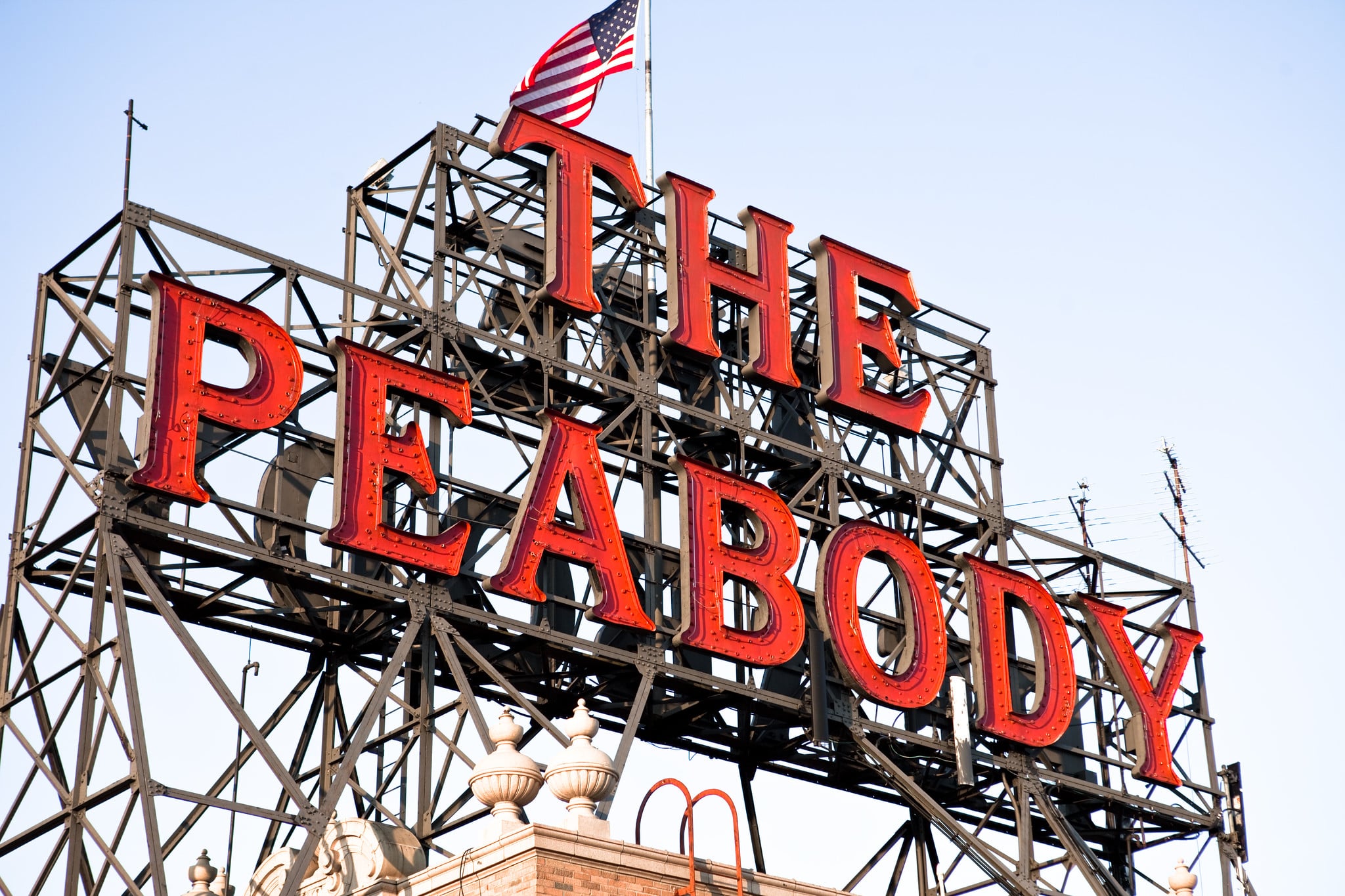
Every morning, a group of live ducks takes an elevator down from their rooftop home and marches across a red carpet into the hotel lobby fountain. The tradition began in 1933, when the general manager returned from a hunting trip and put ducks in the fountain as a joke and the daily march has been a ritual ever since.
Hotel Congress, Arizona
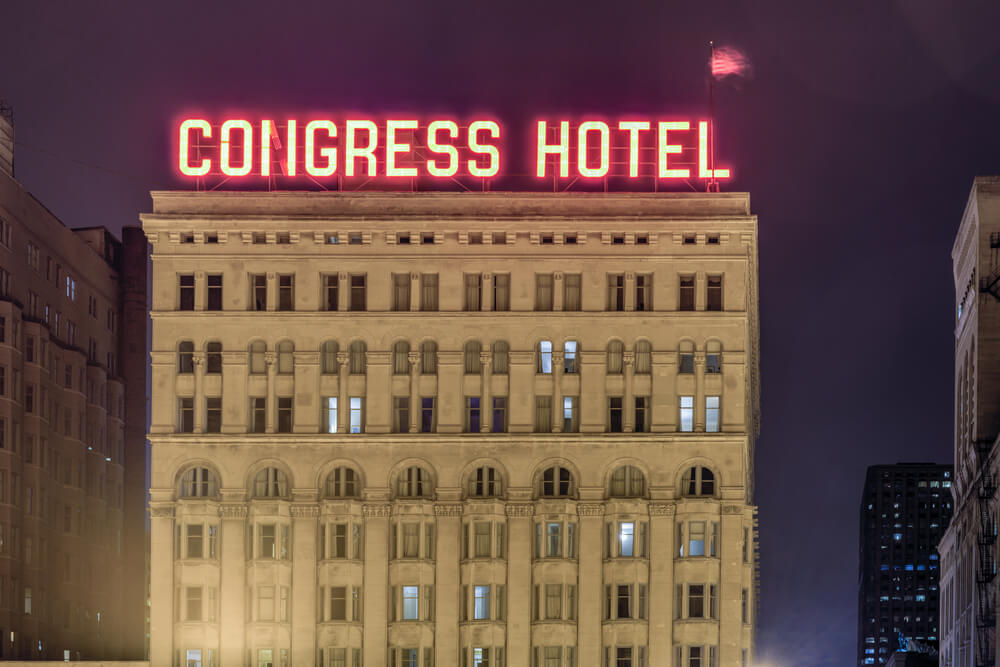
In January 1934, a fire broke out at the Hotel Congress in Tucson, and firefighters rescued guests, including men who offered large tips to retrieve their luggage. The firefighters later recognized members of John Dillinger’s gang, and police arrested them.
The incident led directly to Dillinger’s capture in Tucson.
The Fairmont, California
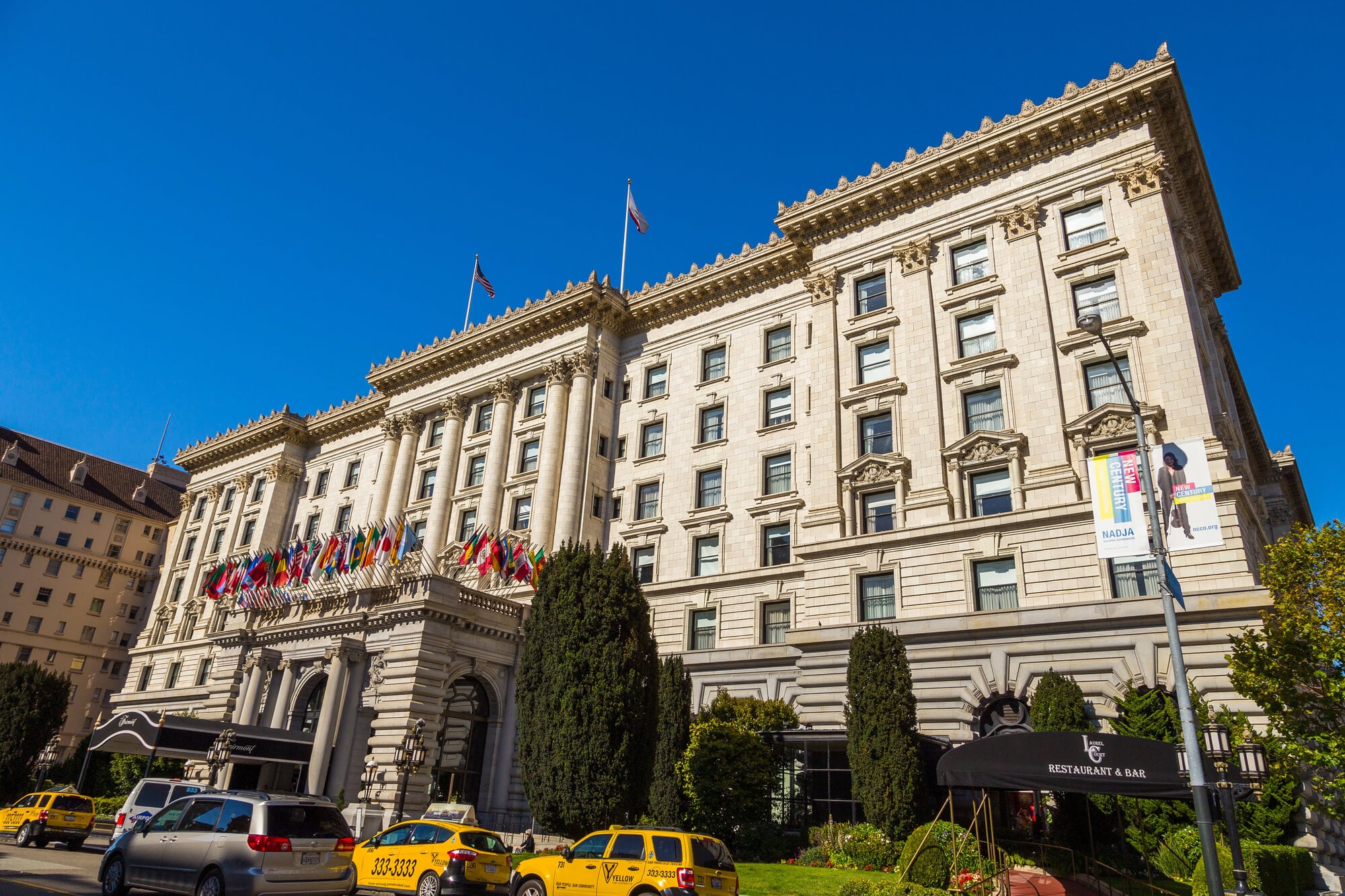
The Fairmont in San Francisco opened in 1907, a year after the earthquake that nearly destroyed it during construction. In 1945, it hosted delegates working on the founding of the United Nations.
In 1961, Tony Bennett first performed his signature San Francisco love song at the hotel.
Hotel Sacher, Austria
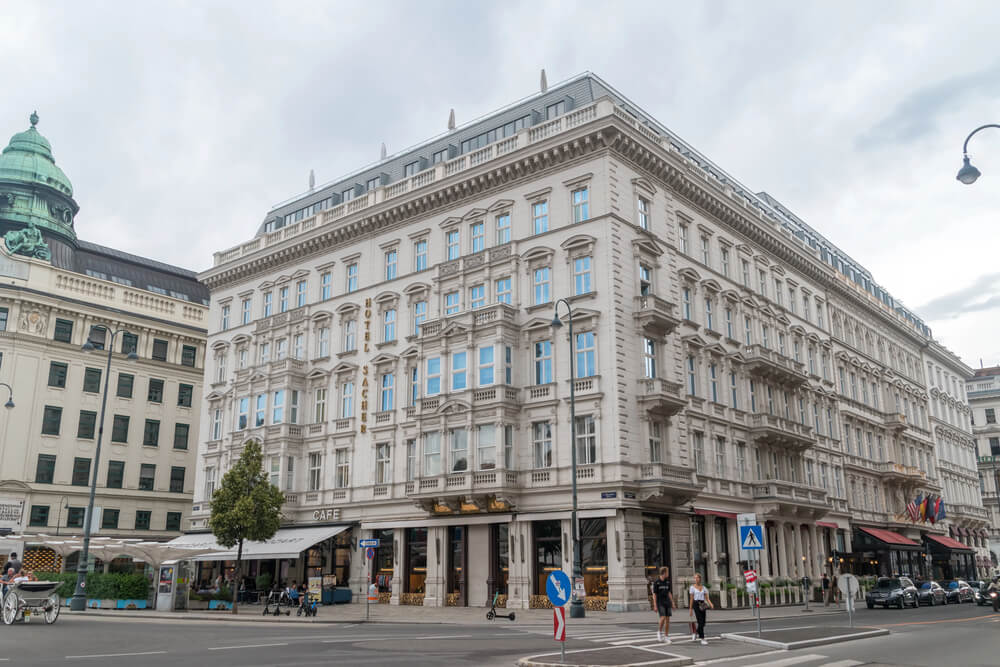
Hotel Sacher in Vienna opened in 1876, and it is tied to the famous Sachertorte chocolate cake created by Franz Sacher in 1832. A bitter legal dispute with the nearby Demel bakery over who could call its cake the original lasted for years and was settled in 1963.
The hotel still serves the cake in its cafe.
Rooms With a Memory
Many of these hotels owe their fame to events that had nothing to do with hospitality, such as a conference, a fire, a speech, or an earthquake. When history needs a place to happen, a grand hotel is often the only building big enough, central enough, and comfortable enough to hold it.
That is how a mountain resort ended up reshaping the global economy and a Tucson lodging house ended up helping capture a gangster. The stranger stories, like the duck march or the cat at the table, show the other side of that coin.
Hotels survive by building rituals that guests can repeat and retell. A room is only a room until someone has a story about it, and these hotels have been collecting stories for more than a century.
More from Go2Tutors!

- The Romanov Crown Jewels and Their Tragic Fate
- 13 Historical Mysteries That Science Still Can’t Solve
- Famous Hoaxes That Fooled the World for Years
- 15 Child Stars with Tragic Adult Lives
- 16 Famous Jewelry Pieces in History
Like Go2Tutors’s content? Follow us on MSN.