Facts About Famous Historical Landmarks
Old walls hold echoes of what came before. Not just stone, but memory shaped by years of weather and hands.
Some stood when empires fell, others rose where fires once burned. Stories hide behind cracked tiles and bent railings.
A staircase might remember footsteps long gone. Silence inside often speaks louder than any guidebook.
What looks solid may have survived war, neglect, even betrayal. Few notice the marks left by time until they stop to look closely.
Every beam, every brick has witnessed something unnamed. Famous landmarks around the globe carry hidden stories behind what everyone sees at first glance.
Some little-known details could shift the way they’re usually understood by visitors and locals alike.
The Eiffel Tower Gets Taller In Summer

When summer heats up, Paris’s famous iron tower stretches skyward. Heat makes the metal climb, adding as much as half a foot in height when it warms.
Built by Gustave Eiffel for an 1889 world event, it was meant to stand only briefly – yet locals clung to it. On windy days, the frame bends just enough to shift sideways nearly four inches, surviving gales without cracking.
The Great Wall Of China Is Actually Many Walls Joined Together
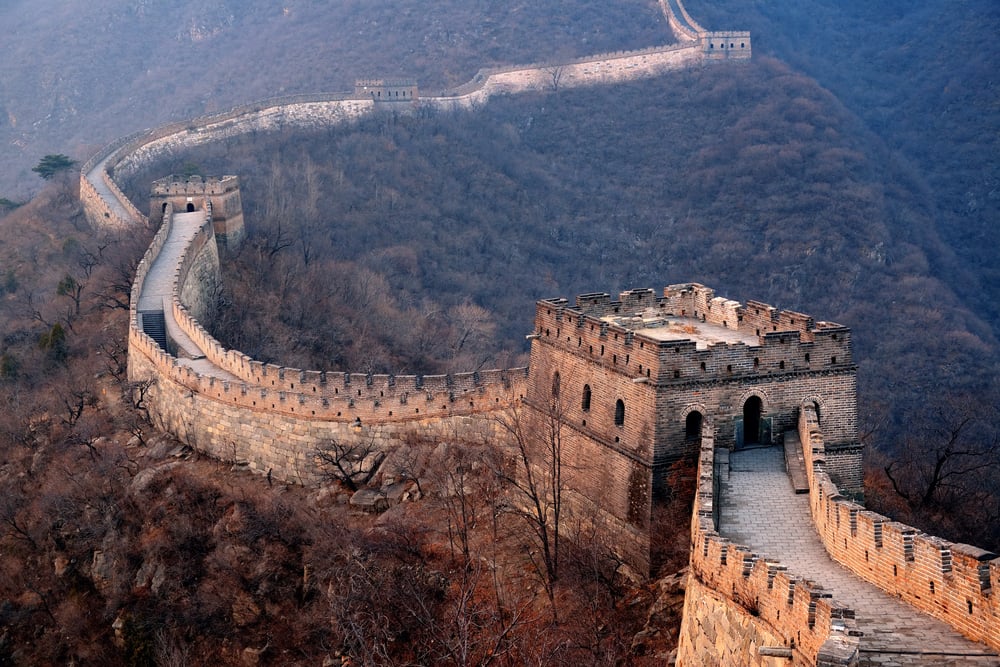
Few realize it isn’t one unbroken line – instead, many segments stretch unevenly across time. Rulers from different eras raised their own stretches, using local resources like rubble or rammed soil.
Stretching well beyond thirteen thousand miles when pieced together, remnants scatter the landscape today. Where some pieces vanish into dust, others endure with quiet stubbornness.
Scattered fragments form a fractured shield along China’s upper edge.
The Leaning Tower Of Pisa Began Leaning Soon After Construction Started
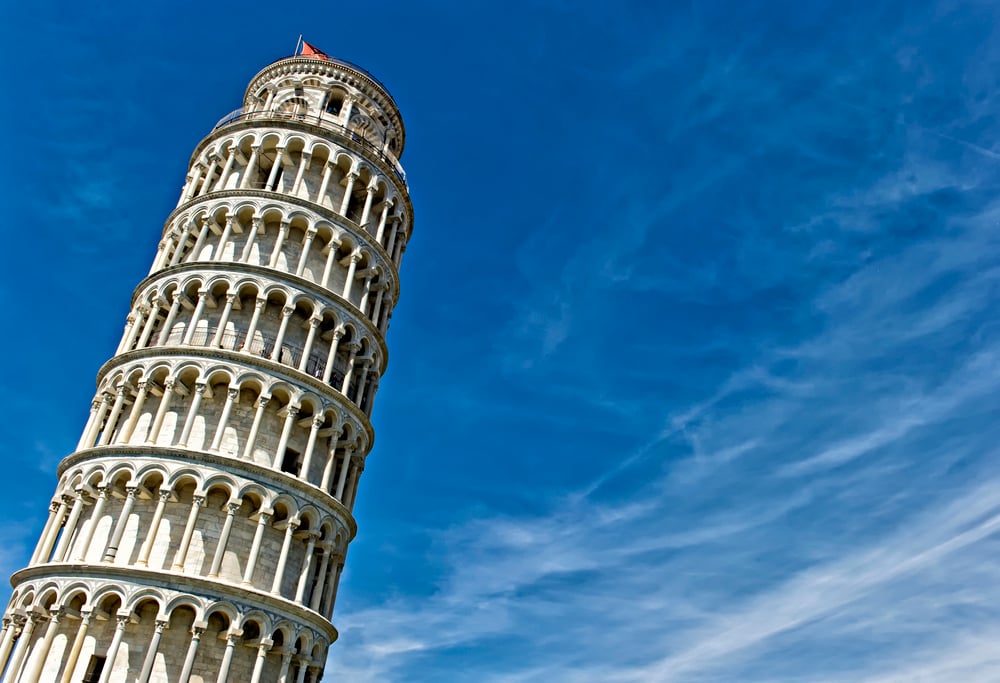
Work started back in 1173, yet the structure tilted while construction crews were still building the second level. Because the soil underneath was too weak, pressure unevenly shifted and caused one edge to settle lower.
To balance things visually, those in charge raised walls slightly higher on that sagging corner – only ending up with a wobblier appearance. Throughout the 1990s, specialists worked year after year reinforcing its base so it would not topple, slowly straightening the tilt by nearly 17 inches.
Stonehenge Stones Came From 180 Miles Away
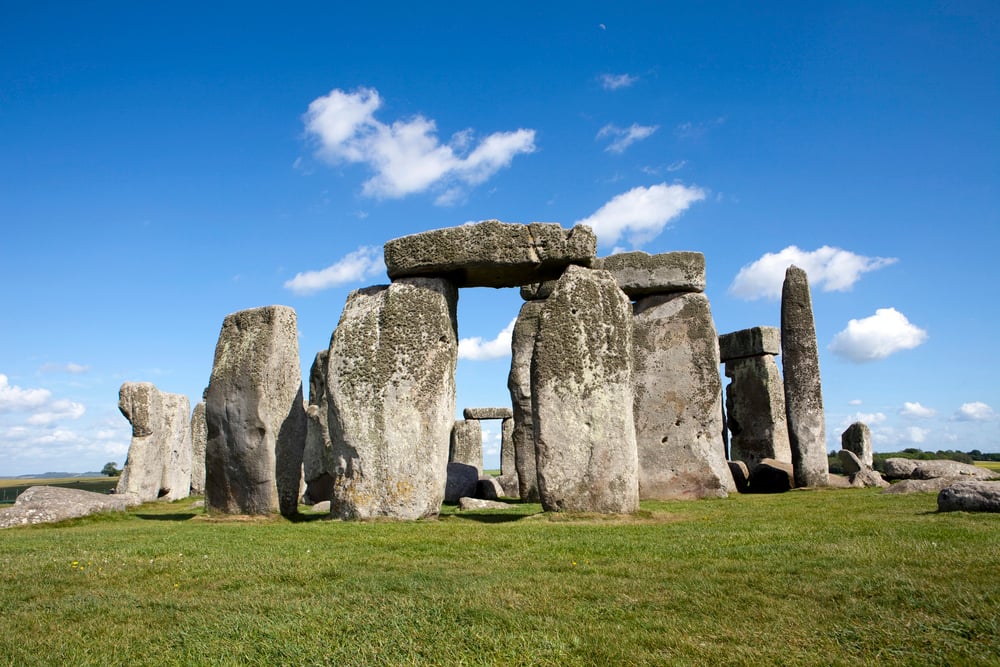
Those huge blue stones standing in southern England did not grow there. Moved from faraway Wales by long-ago hands through methods still unclear.
Teams probably slid them on logs, dragged them on wooden frames, and floated parts along rivers. The true reason behind such backbreaking work remains unknown.
What purpose the ring served is anyone’s guess today. New clues point toward wounded travelers arriving, hoping for recovery within its bounds.
The Taj Mahal Shifts Color With Daylight

Pink hues touch its surface when day begins, shifting later to a pale glow under midday sun, then warming into gold as evening falls. Light bounces off the stone in new ways each hour, shaped by sky conditions and sunlight angles.
Built by Emperor Shah Jahan, it stands above where his wife Mumtaz Mahal was laid to rest after her death in 1631 while giving birth. Nearly twenty thousand laborers worked alongside one thousand elephants across two decades just to finish this tribute.
Mount Rushmore Contains Secret Room

Hidden just behind Abraham Lincoln’s carved face is a locked chamber almost nobody hears about. Not meant for tourists, this space was shaped by sculptor Gutzon Borglum to hold America’s key papers.
Inside, porcelain tiles carry words from the Declaration along with other crucial texts. Though no one walks into it today, the room waits – silent – for those who come later.
The Colosseum Could Open And Close Its Top
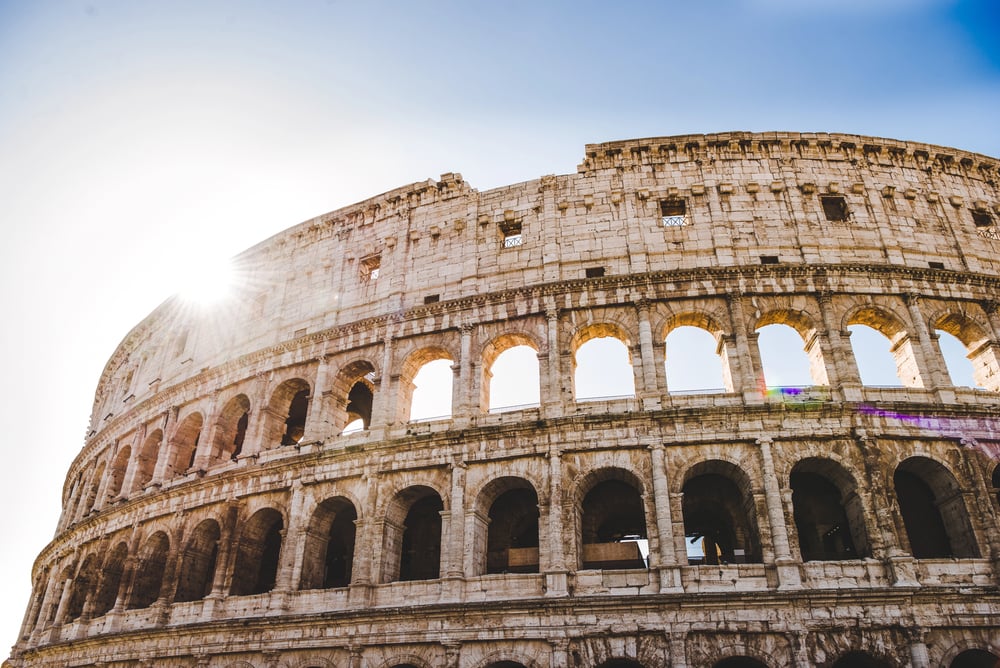
Sunlight once kept at bay by a clever curtain system built by ancient Rome’s engineers. That cover, known as the velarium, rolled out or pulled back on command.
Men trained at sea handled its heavy cloth, guiding it with ropes they knew well. Water sometimes filled the space below, turning the ground into a temporary battlefield of ships.
Crowds near fifty thousand gathered there, drawn by combat and spectacle alike.
Big Ben Is Actually The Bell, Not The Tower
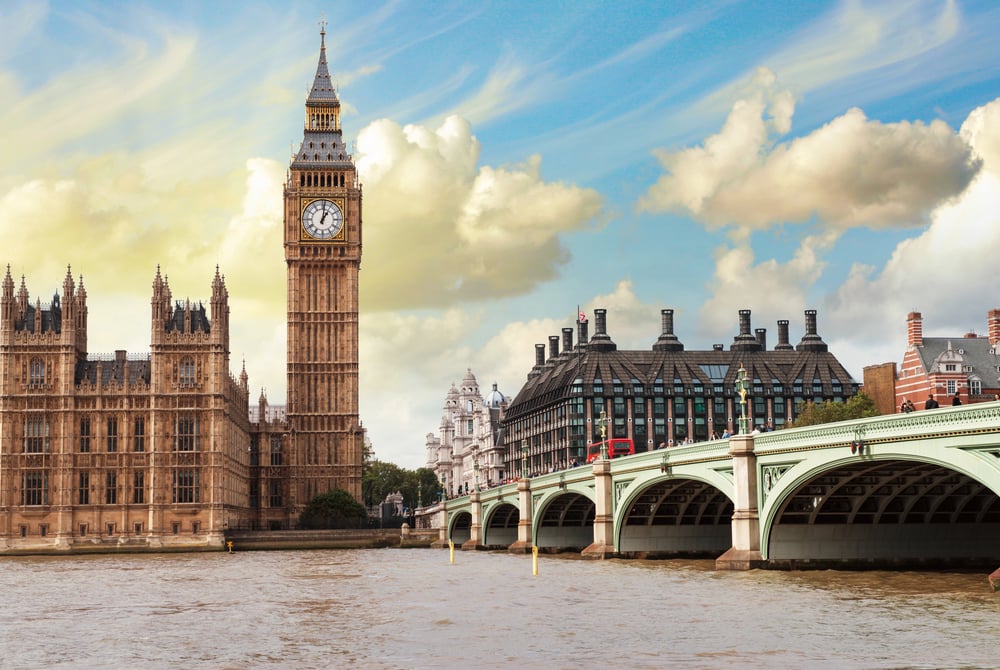
Everyone calls the clock tower Big Ben, but that name technically refers to the 13-ton bell inside. The tower itself got renamed Elizabeth Tower in 2012 to honor Queen Elizabeth II’s Diamond Jubilee.
The clock faces measure 23 feet across, making them huge but still readable from far away. Each minute hand weighs about 220 pounds and travels a total distance of 190 miles per year.
The Statue Of Liberty Was Originally Copper-Colored
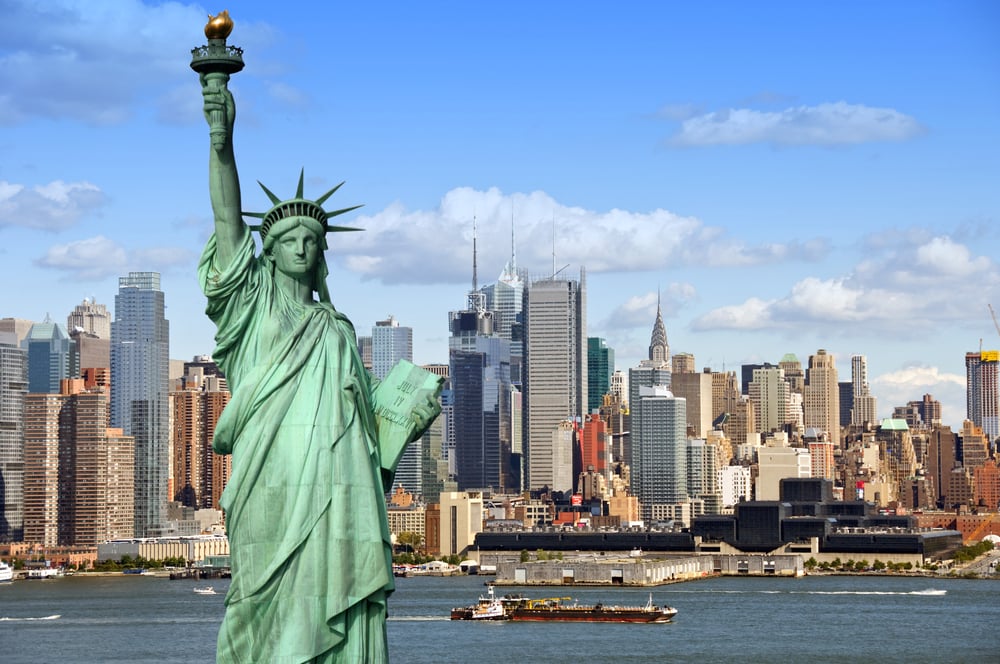
Lady Liberty’s green appearance isn’t her natural state. She started out as shiny copper but turned green over about 30 years due to oxidation.
The statue was a gift from France, arriving in 350 pieces packed in 214 crates. Her full name is Liberty Enlightening the World, and her crown features seven spikes representing the seven continents and seven seas.
Machu Picchu Sits On Fault Lines But Never Falls
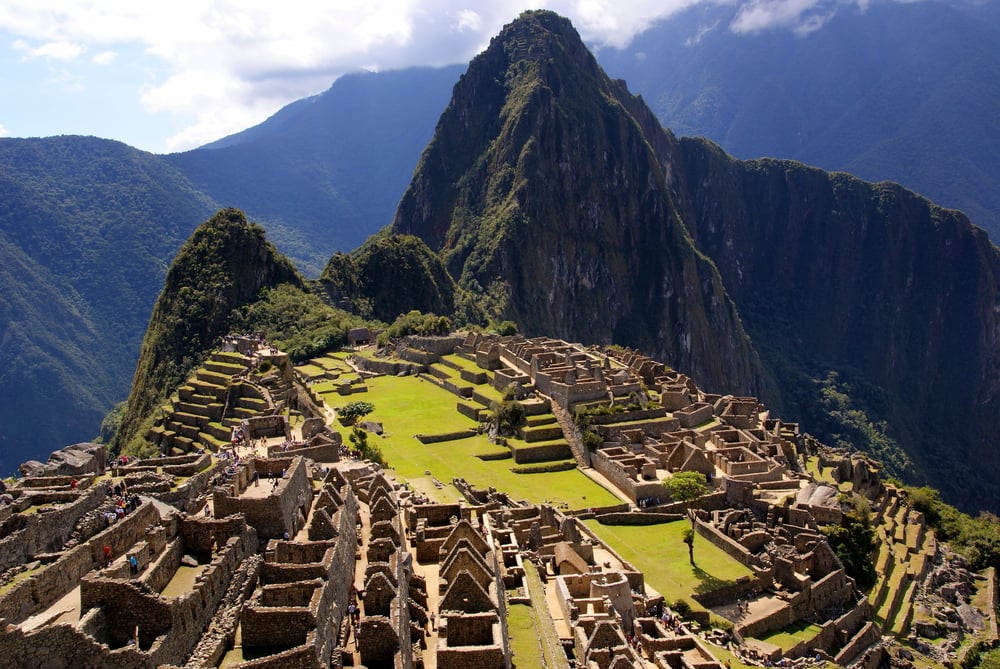
The Inca built this mountaintop city using a technique called ashlar, where stones fit together without mortar. When earthquakes strike, the stones bounce and settle back into place instead of crumbling.
Spanish conquistadors never found this hidden city, which helped preserve it for centuries. Hiram Bingham brought it to international attention in 1911, though local people already knew about it.
The Parthenon Contains No Straight Lines

Out of slight bends came a shape that feels just right. Columns swell near their middles, then lean ever so close together toward the top.
Instead of staying flat, the ground swells gently at its heart. Mistakes on purpose? They trick the eyes into seeing clean lines everywhere.
Most designers today still miss how sight really works.
Angkor Wat Faces West Instead Of East
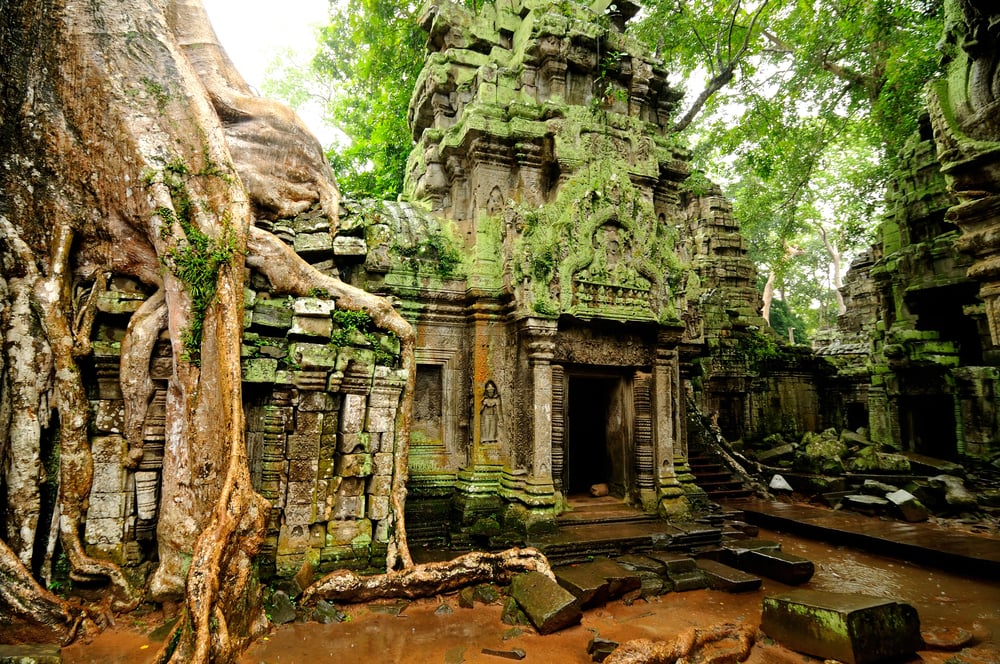
East is where most temples turn, yet the renowned site in Cambodia looks west instead. Pointing toward Vishnu might be why – this deity was central when builders first dedicated the place.
Spread over roughly 400 acres, it holds the title of biggest sacred structure known. Stories from Hindu tradition unfold through hundreds of intricate wall carvings.
The Golden Gate Bridge Is Not Gold

That well-known span in San Francisco takes its name from the waterway below – the Golden Gate Strait – not because of how it looks. Its bold hue, known as International Orange, was picked so ships could see it when fog rolls in.
Paint crews move along steadily, refreshing patches to shield metal from salty sea winds. If you laid out all the cables, they’d wrap around our planet near the middle – three full loops.
Christ The Redeemer Gets Struck By Lightning
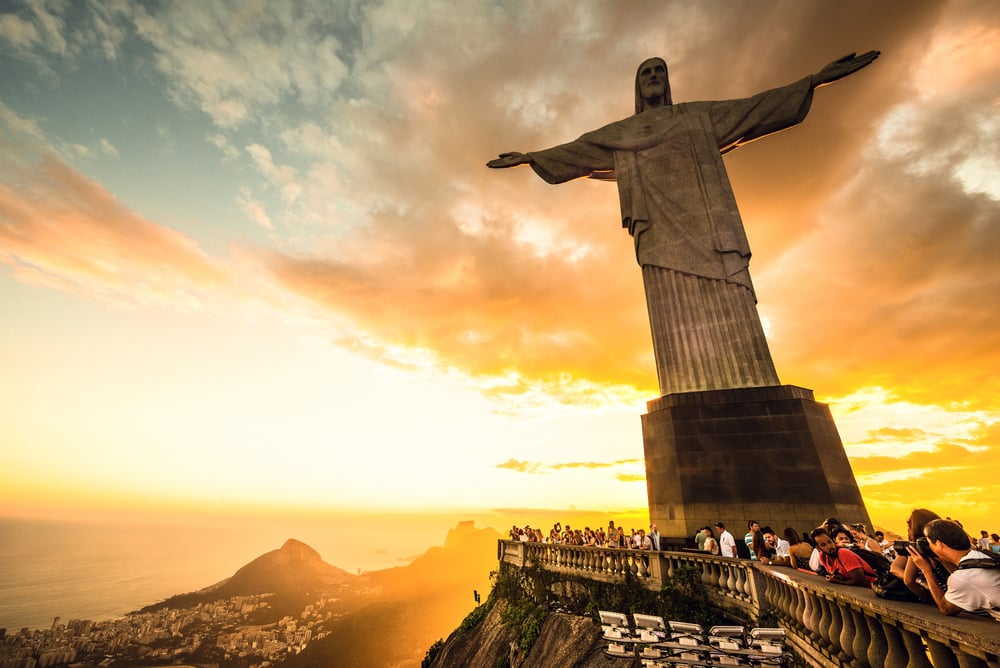
Standing high on Corcovado mountain, this Rio de Janeiro statue reaches 98 feet into the sky. When storms pass through, lightning strikes it several times each year – sometimes scarring its outer layer made of soapstone.
A bolt hit Christ the Redeemer out of nowhere. Fingers broke off after the strike. The statue stood quiet afterward, missing pieces at its hands.
To fix these marks, church caretakers hold onto leftover blocks cut from the same quarry as the first ones. Though crafted by French artist Paul Landowski, it was Brazilian engineer Heitor da Silva Costa who turned drawings into reality during the years from 1922 to 1931.
Neuschwanstein Castle Became Model For Disney Design

A faraway mountaintop holds the stone walls King Ludwig II raised during the 1800s, meant just for himself. Drawn by music, the ruler honored Richard Wagner through painted halls echoing old German myths.
His stay lasted merely 172 days until he vanished under unclear circumstances in 1886. Years later, an artist named Walt Disney wandered these towers, carrying ideas home that shaped what became Sleeping Beauty’s palace on screen – now tied tightly to imagination worldwide.
Where Old Stones Meet New Eyes

Still pulling in crowds after all these years, these sites show how ancient buildings can hold attention today. Thanks to tools like laser mapping and digital modeling, keeping an eye on damage has never been easier.
What happened long ago at these spots weighs just as heavily as the bricks and mortar standing there now. They link present-day folks with those who walked the earth hundreds – sometimes thousands – of years back.
Hidden in walls and rooftops you’ll find sweat, dreams, big plans, and the quiet hope of leaving a mark past one person’s time.
More from Go2Tutors!

- The Romanov Crown Jewels and Their Tragic Fate
- 13 Historical Mysteries That Science Still Can’t Solve
- Famous Hoaxes That Fooled the World for Years
- 15 Child Stars with Tragic Adult Lives
- 16 Famous Jewelry Pieces in History
Like Go2Tutors’s content? Follow us on MSN.



